Author: Mei Ling Tan

  • Style and residential ornament retailer Uber Tunique launches forth store in HK

    Style and residential ornament retailer Uber Tunique launches forth store in HK

    Hong Kong equipment jewelry and residential ornament retailer Uber Tunique on Wednesday opened its fourth store in Causeway Bay. The Causeway Bay retailer will introduce the 2015 Summer time Assortment of a brand new French trend model Chloe Stora.

    Based by Paris-raised jewelry designer Amandine de Mascarel, Uber Tunique sells trend and homeware gadgets sourced from type capitals all over the world.

    With knowledgeable background that has included expertise with international model icons comparable to Louis Vuitton and L’Oreal in Paris, Amandine has expanded her idea of reasonably priced luxurious past jewelry to incorporate house merchandise, décor, fragrances and textiles, permitting clients to create one-off costume jewelry items, in addition to cater the house surroundings to their very own particular person type.

    Final yr, Uber Tunique opened three shops in Hong Kong at Central, Wanchai, and Repulse Bay.

  • The way forward for retail is omnichannel

    The way forward for retail is omnichannel

    Digital know-how, which permits us to decide on actual supply slots, surf the aisles in the midst of the night time and verify comparability websites for the most effective costs, has put an finish to the times of the omnipotent retailer. Not can retail manufacturers decide once we store, the place we store or how we store. To a big extent, even how a lot we pay.

    Know-how has created a ferociously aggressive shopping for battleground the place retailers are usually not simply competing with the shop down the street, but in addition each retailer on-line, whether or not it’s a huge model, a small area of interest outfit or a digital pure play.

    At the moment, probably the most profitable retailers will not be all-powerful; they’re omnichannel. The facility has shifted to the buyer, who’s now firmly ensconced within the driving seat, with an insatiable urge for food for retail to be quicker, cheaper and higher.

    In 2015, the thought of a buyer taking a day without work work to take a seat at house ready for a supply (which can not even come) appears quaint, risible and consigned already to the historical past books about how we used to reside earlier than the web took maintain.

    The 2 most important drivers forcing this revolution are the change in shopper behaviour and the velocity at which know-how is creating. The coupling of those two developments means one factor: a lot greater shopper expectations, no matter which retail sector you’re working in.

    So, what are shoppers anticipating from retailers?

    Comfort. Most significantly, they need to obtain their items in a means that fits their way of life with out incurring unreasonable premiums, or wasting your time. Many retailers have been testing their method into offering extra seamless omnichannel experiences and driving actual enterprise outcomes. For instance, within the UK, John Lewis realized that buyers needed to purchase on-line and pickup in retailer (click-and-collect) – that service now accounts for 45 % of on-line orders.

    Wonderful Buyer Service. This new competitors for the buyer has led to vital enhancements within the retail buyer expertise. Manufacturers like Nutmeg, Uber and Airbnb are offering radically simplified service fashions. Shoppers’ service expectations are not restricted to a product class or vertical business which compounds the problem for retailers. These pioneers have met the service problem and raised the bar dramatically for his or her retail friends, with shoppers now anticipating excellence as normal.

    Social Proof of Buy. Peer suggestion is a key a part of the fashionable shopping for course of, particularly for millennials. Some manufacturers are responding to this development, similar to Nordstrom, a pacesetter within the within the US for omnichannel retailing, which now tags gadgets which might be well-liked on Pinterest. Shoppers worth the perception and expertise of their friends, and this can be a nice instance of how digital knowledge can affect in-store gross sales.

    Personalised Experiences. Some retailers are already offering these to nice impact, reminiscent of Tori Burch, which has developed a retailer associate-facing pill software, Shopper Ebook, which places the facility of data on the affiliate’s fingertips. The gross sales affiliate can see a strong profile of the person shopper and supply a customized purchasing expertise.

    Related Content material to Inform their Buy. REI, the outside gear retailer, as an example, excels at mixing content material and commerce. The enterprise understands the life-style of its shopper – it publishes common content material, and hosts in-store occasions to deliver individuals collectively. Sephora can also be a winner on this entrance: it seamlessly blends content material, similar to how-to movies and inspirational magnificence boards, with environment friendly commerce. It understands how cellular experiences can increase the in-store expertise – in truth, it encourages cellular use in retailer.

    Retailers have to aggressively restructure their enterprise if the present mannequin does not work. Shoppers anticipate to work together with manufacturers seamlessly throughout channels and units and have a constant expertise. They don’t seem to be within the challenges of integrating totally different communications channels or IT methods. They’re on the lookout for a degree of connectedness that retailers typically wrestle to offer. Some retailers have realized this implies they should continuously reinvent their enterprise and put utterly new processes in place. An excellent instance of that is GrandVision, a worldwide main optical retailer with operations in 43 nations. When GrandVision launched in China, probably the most superior social commerce market on the earth, it enhanced its present instruments and processes with digital applied sciences to offer a seamless cross-channel expertise. For instance, the in-store expertise is now enhanced with a sensible storefront and interactive shows. The personalised expertise allows the client to make a extra knowledgeable buy, in addition to validate their determination inside their social community. Retailer associates are additionally empowered to raised service the client with digital tablets that allow the complete omnichannel buyer journey.

    Whereas on-line retail pure gamers, from Amazon to Netflix to Uber, are getting a whole lot of consideration proper now, at Razorfish we consider probably the most profound improvements within the near-term will truly come from brick-and-mortar retailers— particularly as a result of over 90 % of retail gross sales nonetheless occur in bodily shops.

    There are already indicators of this occurring. For instance, Greatest Purchase, which is leveraging its retailer community to ship merchandise to clients quicker than Amazon does. Within the course of, too, Greatest Purchase has improved margin on clearance and end-of-life stock that has been traditionally trapped in shops.

    To win this omnichannel recreation, retailers want to deal with inner challenges head on. Meaning altering their organizational buildings and incentive fashions to drive collaboration and innovation round digital; placing the client expertise on the centre and re-configuring their infrastructure and knowledge fashions round that—particularly connecting digital to in-store.

    However, when talking with conventional retailers, they typically cite their skinny revenue margins, an lack of ability to draw digital expertise and a hesitancy of shifting first as the primary explanation why they’re holding again in digital, and subsequently not with the ability to present seamless multi-channel experiences.

    Nevertheless, if these ex-power gamers don’t ramp up their tempo and begin adapting their techniques to this new, extra degree enjoying subject, they may quickly discover themselves sitting on the side-lines for good and can by no means have the prospect to revive their former glory.

  • Reliance Retail to launch B2B e-marketplace

    Reliance Retail to launch B2B e-marketplace

    Reliance Retail would launch a B2B digital market to allow small retailers to transact on-line, chairman Mukesh Ambani stated at Reliance Industries’ 41st annual common assembly at this time.

    “We’re rolling out the Reliance Digital Market platform to allow hundreds of thousands of small retailers and supply them with an enhanced provider base and product vary, higher provide chain productiveness, digital cost functionality, connectivity to clients and credit score functionality,” Ambani stated. Reliance already runs ‘Reliance Market’ B2B shops.

    Ambani stated the style and way of life codecs of Reliance Retail would launch their e-commerce portals by the top of the yr. Reliance Retail runs trend and way of life codecs corresponding to jewelry chain Reliance Jewels, durables and electronics chain Reliance Digital, attire chain Reliance Developments, and footwear chain Reliance Footprint. After a pilot challenge in Mumbai, Reliance’ Retail’s grocery-focused e-commerce portal www.reliancefreshdirect.com can be launched in different markets, Ambani stated.

    “This yr will convey a few disruptive buying expertise for shoppers as they embrace know-how and have entry to anytime, anyplace buying. With the superior Web infrastructure constructed by Reliance Jio and a strong bodily retail enterprise constructed by Reliance Retail, we’ll create a differentiated e-commerce mannequin for India,” he  added.

    Ambani stated Reliance would scale up its retail presence throughout its codecs from 200 cities to over 900 cities by subsequent yr. Reliance Retail added 930 shops final yr, which translated into 5 shops each two days, setting a brand new international benchmark within the largest variety of retailer openings in a yr, he identified. “This mixed bodily and e-commerce retail enterprise is poised for a progress of 30-50 per cent yr on yr and maintain our management in retail,” Ambani stated. Reliance Retail has a community of two,600 shops in 200 cities throughout 20 states.

  • Alibaba goals to assist US companies promote in China

    Alibaba goals to assist US companies promote in China

    Chinese language e-commerce titan Alibaba Group Holding Ltd doesn’t need to battle for US market share however as an alternative hopes to assist small US companies promote extra items in China, Government Chairman Jack Ma stated.

    Ma is visiting the USA this week to elucidate Alibaba’s international technique and to “assist dispel misconceptions” concerning the firm, spokesman Greg Jenkins stated in an e-mail.

    “We’re not coming right here to compete,” Ma advised the Financial Membership of New York on Tuesday.

    The huge bulk of Alibaba’s income comes from its dominant home on-line marketplaces, however the firm has been investing aggressively in a variety of sectors overseas.

    Nonetheless, it has taken what quantities to a conservative strategy to increasing within the US, opposite to business hypothesis that it might be plotting a direct assault on US soil after its record-breaking US$25 billion IPO in September.

    Ma stated he’s frequently requested when Alibaba will “invade” America and do battle with Amazon.com Inc and Ebay Inc. Final yr, the corporate debuted a small direct-to-consumer US portal, 11Primary.com, which is a set of Web storefronts for smaller companies.

    “The chance and the technique for us helps small enterprise in America go to China, promote their merchandise to China,” Ma stated.

    The longer term for Alibaba is in constructing its e-commerce infrastructure past China’s borders, he stated.

    Within the first quarter, Alibaba’s income from China commerce grew 39 % to US$2.2 billion. Worldwide commerce grew 27 % to US$264 million and solely accounted for 9 % of income, in contrast with 11 % in the identical interval a yr earlier.

    Alibaba says a few of its bigger abroad markets embrace Brazil and Russia.

  • Bullish on ‘Make in India’, Amazon opens international e-comm markets to exporters

    Bullish on ‘Make in India’, Amazon opens international e-comm markets to exporters

    Amazon on Tuesday introduced the launch of its International Promoting Program in India, opening doorways for Indian companies to export to e-commerce markets of the world.

    Amazon is extending two of its pioneering merchandise – Promoting On Amazon (SOA) and Achievement By Amazon (FBA) – to companies of all sizes and scale from throughout the nation to go international and showcase their “Made in India” creations and merchandise to tons of of hundreds of thousands of consumers, beginning with the US and the UK, by itemizing it on  Amazon.com and Amazon.co.uk .

    Producers and native manufacturers can export merchandise within the Attire, Residence Furnishing (together with Indian Handicrafts), Jewelry, Books, Collectibles, Sporting Items, Purses, Footwear and Well being & Magnificence merchandise classes.

    Decreasing obstacles

    “Amazon at this time presents companies unprecedented attain to clients across the globe. Not are they sure by geography with entry to Amazon’s 270 million-plus lively clients worldwide. Actually, sellers on Amazon from greater than 100 totally different nations all over the world have fulfilled orders to clients in 185 nations utilising our FBA service.

    “Our International Promoting Program in India is designed to help Indian producers & companies to develop their enterprise by leveraging Amazon’s state-of-the-art know-how, world class logistics infrastructure and customer support experience,” stated Chad Goelzer, Director International Gross sales for Amazon.

    Native options

    To allow companies take Indian creations to the world, Amazon will present native enablement options by means of verified third social gathering service suppliers. These initiatives embrace logistics companions, tax consultants and compliance specialists to make the method of worldwide promoting clean and friction-free.

    Amazon’s international promoting group additionally helps them perceive native demand patterns, whereas additionally serving to sellers enhance the discoverability of their merchandise on every market. Hidesign, one among India’s hottest high-end trend manufacturers, has efficiently leveraged the Amazon International Promoting program to increase its attain within the US and the UK.

    Value efficient

    Vikas Kapur, CEO of Hidesign America Inc, says, “International Promoting is a incredible alternative for Indian manufacturers and producers as a result of it permits us to sidestep the distributor and promote on to clients across the globe and at a lot decrease costs.”

    Amit Deshpande, Director Vendor Providers, Amazon India, stated, “We sit up for serving to companies navigate by means of the complexities of promoting globally and develop a world footprint by leveraging the big demand for his or her merchandise throughout borders and thus rework the best way India makes and sells.”

  • Newest progress technique to incorporate hiring older staff, constructing extra duty-free outlets

    Newest progress technique to incorporate hiring older staff, constructing extra duty-free outlets

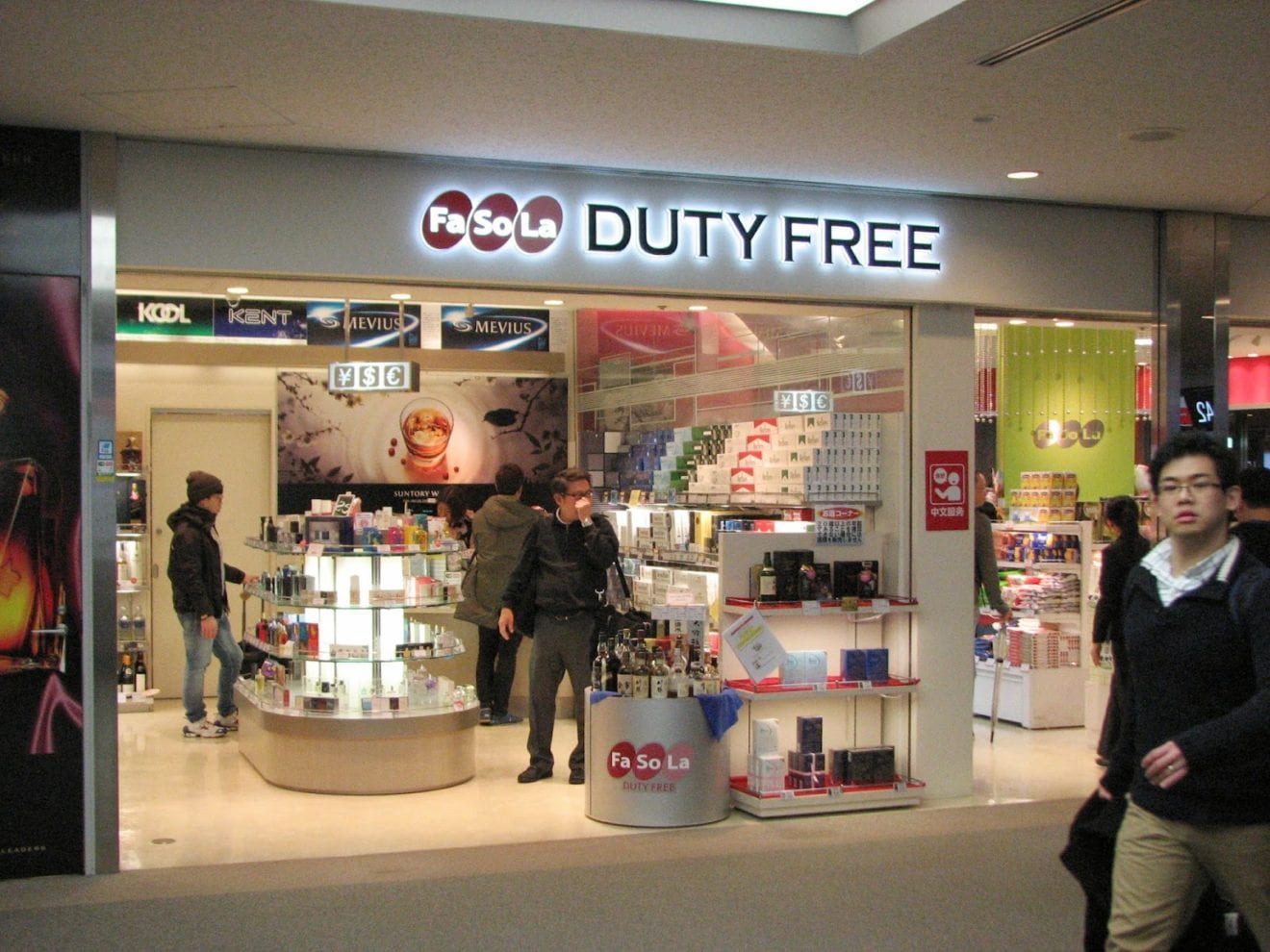
    The federal government plans to triple the variety of duty-free outlets in native vacationer spots across the nation to 20,000 by 2020 to attempt to lure extra overseas vacationers. It’s going to additionally transfer up its 2020 aim of increasing farm and fishery exports to ¥1 trillion, authorities sources stated Wednesday.

    In a draft of the federal government’s progress technique to be formulated by the top of this month, the federal government additionally plans to assist organize visits for round 200 Japanese corporations to Silicon Valley in California over 5 years from subsequent April, to assist them procure funds and discover enterprise companions, the sources stated.

    Different plans embrace subsidies for corporations hiring skilled middle-aged staff as a strategy to increase private revenue and company productiveness and to make use of obtainable expertise, the sources stated.

    Measures may even be drafted by March 31, 2016, to show nonregular staff into common staff as a part of efforts to help feminine profession improvement.

    Stimulating progress is significant to the federal government purpose of pursuing nominal financial progress of greater than three %, wanted to realize its fiscal reform aim of turning its main stability right into a surplus by fiscal 2020.

    At Wednesday’s assembly of the Council on Financial and Fiscal Coverage, the federal government proposed decreasing the ratio of the first stability deficit to GDP to 1 % by fiscal 2018. The projection for the present yr is three.three %.

    “It is very important deal with financial and monetary reform speedily with out lacking an opportunity presently once we are making progress towards financial revival,” Prime Minister Shinzo Abe advised the assembly.

    GDP progress for the January-to-March quarter was just lately revised upward to an annualized actual three.9 %, from an initially estimated 2.four %, reflecting robust company spending.

    Beneath the coverage tips to be mirrored in compiling the fiscal 2016 price range, the federal government additionally proposed drawing up an financial and monetary revival plan for fiscal 2016 to 2020.

    To realize the aim of turning the first stability — the distinction between tax income and authorities spending on all the things besides curiosity on debt — right into a surplus, the federal government goals to extend income by way of financial progress, whereas curbing social safety spending.

    At Wednesday’s assembly, Abe instructed Well being, Labor and Welfare Minister Yasuhisa Shiozaki to hurry up efforts to evaluation social safety bills in such areas as medical service charges and pharmaceutical costs.

    Beneath the essential coverage of “no fiscal soundness with out financial revitalization,” the federal government stated it is going to reply swiftly if vital to make sure an appropriate setting for finishing the doubling of the consumption tax fee to 10 % in fiscal 2017.

    Japan’s fiscal well being is the worst amongst main developed economies, with public debt exceeding 200 % of nominal GDP, due primarily to swelling social safety prices for the getting older inhabitants.

  • Chinese language shopper sentiment rebounds in Might

    Chinese language shopper sentiment rebounds in Might

    Chinese language shopper sentiment rebounded in Might with favorable inventory market performances boosted shopper sentiment.

    The Bankcard Consumption Confidence Index edged up zero.32 factors from a month in the past to 83.99, China UnionPay stated in a report at present.

    Expenditure at eating places and eateries have been up four.9 % from a month in the past whereas spending measurement at malls and purchasing facilities rose 13.75 %.

    Shoppers’ sentiment was in a secure situation with each the inventory market and property sector rebounding in current months and is predicted to select up additional with Buying Managers Index and different macroeconomic knowledge suggesting enchancment.

    The warming up of the property market in current months additionally pushed up house home equipment gross sales, which rose four.09 % in Might from a month in the past.

    Spending at main home vacationer locations and scenic spots surged 43.four % whereas spending worth at fuel stations additionally rose 9.6 % as commuting and touring picked up prior to now month.

    Current worth cuts by international trend homes resembling Burberry and Gucci of their home retailers pushed up luxurious luggage and leather-based gross sales by 32.9 %.

  • AirAsia plans IPO for Indonesia and Philippines units

    AirAsia plans IPO for Indonesia and Philippines units

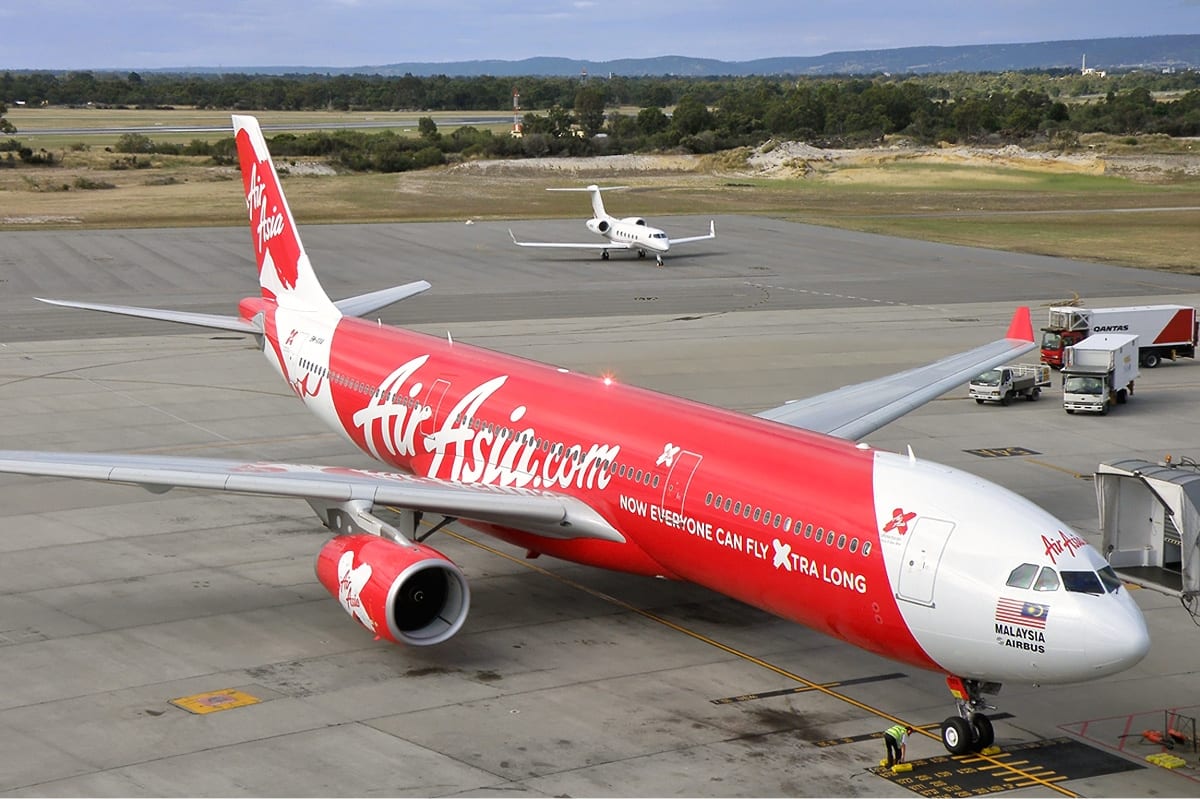
    AirAsia Bhd announced on Wednesday a corporate exercise which includes potential new equity for Indonesia AirAsia (IAA) and Philippines AirAsia (PAA) via a convertible bond issuance.

    AirAsia pointed out the company has a solid footing, strong balance sheet, rich in assets and good business outlook, as it unveiled new equity plans for IAA and PAA as it sought to reduce AirAsia’s inter-company loans.

    The first step was to raising share capital to about US$100mil each for IAA and PAA from the present level of US$13.81mil and US$13.28mil respectively.

    “The management is now in the final stages of discussions with the local partners to raise share capital to around US$100mil for IAA and PAA from the present level of US$13.81mil and US$13.28mil respectively.

    “Part of the cash raised will be used to pay down AirAsia Bhd’s interco,” it said.

    Under the second step under the pre-IPO, it said plans were to raise a minimum of US$100mil from new investor(s).

    AirAsia said it is finalising the structure of the Pre-IPO exercise which is targeted to take place in the near term.

    “Through this exercise, there will be new investor(s) that will come in for both IAA and PAA. The new investor(s) will inject at least US$100mil for each associate by subscribing to convertible bonds (CB) issued by IAA and PAA respectively.

    “The CB will have a low coupon with a two-year maturity period. The CB can be converted at a rate to be determined, tentatively discounted from the valuation of the companies in 2017. As investor(s) exercise the CB in 2017, AAB will match by capitalising our debt to ensure our shareholding remains at 49% in IAA and 40% in PAA.

    “Part of the cash raised in the CB subscription will be used to pay down AAB’s interco, while the remainder will be kept in the business for working capital.

    Under the third step, the IPO will have a valuation of about US$700mil for IAA and US$600mil for PAA

    The target to IPO both associates will be in 2017, with valuation of approximately US$700mil for IAA and US$600mil for PAA.

    “The company targets to float 20% of the shares raising minimum of US$150mil. At IPO all shareholders will be diluted proportionately. Part of the IPO proceeds will be used to pay down AAB’s interco,” it said.

  • Authorities turns down FDI in retail e-commerce

    Authorities turns down FDI in retail e-commerce

    The Union authorities won’t ease overseas direct funding (FDI) guidelines for digital commerce.

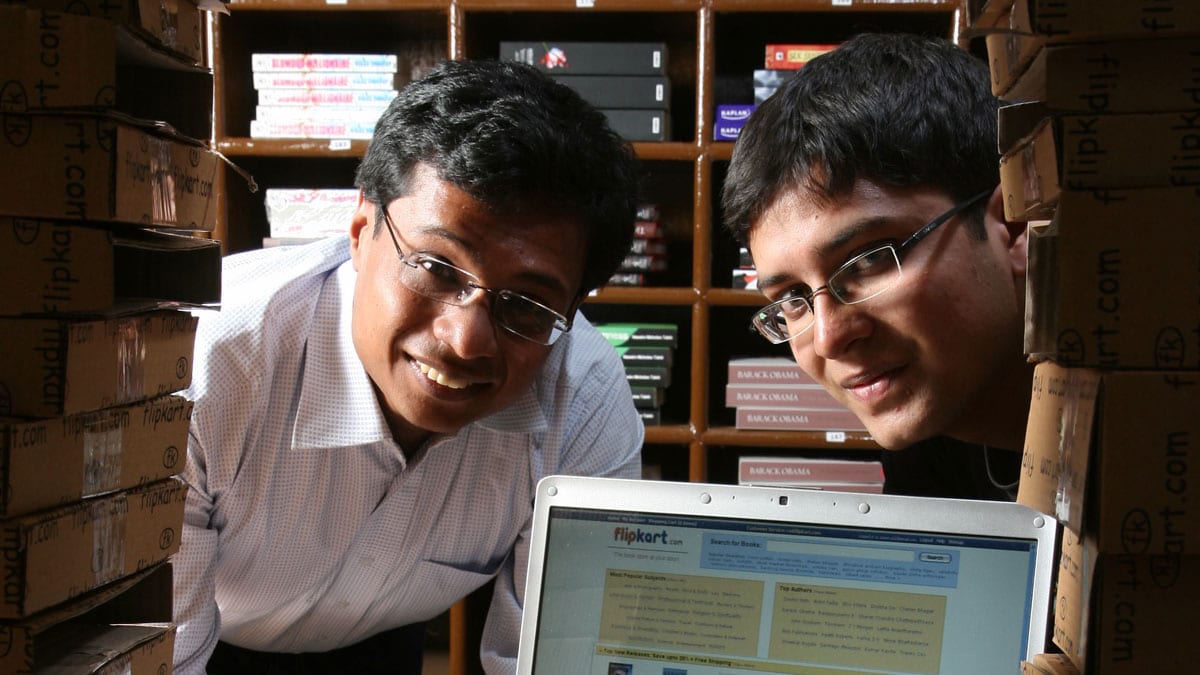
    Minister of State for Commerce and Business Nirmala Sitharaman final month met executives of Flipkart andSnapdeal and representatives from the Confederation of Indian Business (CII) and the Federation of Indian Chambers of Commerce and Business (Ficci) to evaluate the impression of FDIon Indian e-commerce corporations.

    The assembly spawned hypothesis that the Nationwide Democratic Alliance (NDA) authorities may permit overseas e-commerce corporations to function in India. New Delhi can also be underneath strain from Washington and Tokyo to chill out its FDI coverage for e-commerce.

    “B2B (business-to-business) is one of the best coverage. We’ll simply not permit B2C (business-to-consumer). India strongly believes that B2C is towards the buyer’s curiosity. If China and Japan haven’t opened up, why ought to we?” a prime official with the division of commercial coverage and promotion (DIPP) informed Enterprise Normal.

    Extra conferences on playing cards
    Throughout Sitharaman’s assembly a number of the factors that emerged have been permitting FDI in e-commerce would face assault from small retailers and the market can be flooded with imported items. Sitharaman deliberate to carry extra conferences on this problem, the official stated.

    The NDA authorities needs the ‘Make in India’ marketing campaign to achieve success earlier than opening up B2C e-commerce to overseas retailers. In addition to, Indian business just isn’t enthusiastic concerning the transfer.

    In a illustration to the DIPP, the CII said overseas corporations must be allowed after Indian e-commerce gamers had acquired the power to tackle the competitors. The chamber sought safeguards for Indian corporations like native sourcing, privateness, security towards tax evasion and checking e-wastage.

    At current, 100 per cent FDI is allowed in business-to-business (B2B) e-commerce, whereas it’s banned within the business-to-consumer (B2C) phase. Apart from, there’s a 30 per cent native sourcing rule for overseas gamers.

    Market set off
    Giant Indian e-commerce corporations like Flipkart and Snapdeal have grown considerably since their inception in 2007 and 2010, respectively. International e-commerce giants like Amazon can function in India beneath the marketplace mannequin. In some instances, overseas gamers have tied up with native corporations to enter the Indian market.

    In response to a report by Technopak, the adoption of market fashions by e-tailers is fuelled principally by enterprise scalability and FDI coverage compliance.

  • Barry Callebaut inks first chocolate outsourcing agreement in Southeast Asia

    Barry Callebaut inks first chocolate outsourcing agreement in Southeast Asia

    Barry Callebaut and Indonesian food and beverage company GarudaFood Group have reached agreement on a long-term supply agreement under which Barry Callebaut will supply 10,000 tonnes of compound chocolate per year to GarudaFood’s biscuit facility in Gresik in the Province of East Java.

    Under terms of the agreement, which will begin the middle of next year, Barry Callebaut said it plans to increase the capacity “significantly” over the next three years and will take over some of the manufacturing equipment from GarudaFood and set up its operations in a new building on the premises of the GarudaFood biscuit plant in Gresik.

    The agreement also includes the cooperation between Barry Callebaut and GarudaFood in innovation. The two companies plan to bring together their R.&D. activities to develop new products that will support GarudaFood’s further growth in the Indonesian market.

    “I am truly excited about this partnership,” said Hardianto Atmadja, chief executive officer of GarudaFood. “I believe it will provide and delight our consumers with the best chocolate and products that meet global quality standards.”

    Founded in 1990, GarudaFood belongs to the Tudung Group, an investment holding company in Indonesia. GarudaFood manufactures and markets snacks, biscuits, confectionery products, dairy and beverages and employs about 18,000 people. The company also owns and operates an extensive distribution network throughout Indonesia covering 21 regions, 153 depots, 154 distribution partners and 360,000 outlets. GarudaFood operates 14 plants across Indonesia and India.

    “It is an honor for us that we were able to win GarudaFood as our first long-term outsourcing partner in Southeast Asia,” said Juergen Steinemann, c.e.o. of the Barry Callebaut Group. “This partnership marks our entry with chocolate and compound production in Indonesia, the world’s fourth largest country with a population of 250 million and impressive growth rates. Partnering with the GarudaFood Group not only allows us to team up with a leader in one of the most vibrant economies in Asia Pacific but also to gain a strategic foothold in an emerging market that offers further significant growth potential.”

  • Nutella row spotlights palm oil’s environmental destruction

    Nutella row spotlights palm oil’s environmental destruction

    France’s ecology minister, Ségolène Royal, caused a stir following her comments in an interview late on Monday on Canal+: “We have to replant a lot of trees because there is massive deforestation that also leads to global warming. We should stop eating Nutella, for example, because it’s made with palm oil.” She added that “Oil palms have replaced trees, and therefore caused considerable damage to the environment.” Ferrero, the Italian maker of Nutella, promptly issued a statement on Tuesday that it is committed to using 100% sustainably-sourced palm oil in its products. And rushing to the company’s defense, Italy’s environment minister Luca Galletti told Royal to “leave Italian products alone.”

    If Nutella’s environmental commitments are indeed fully accurate, it is a misguided target. Most palm oil is not sustainable, and the rising numbers of plantations in Indonesia and Malaysia (which account for 85% of global palm oil production) have destroyed vast areas of tropical rain forest. This habitat loss threatens the survival of endangered species including the Sumatran tiger, the orangutan, the Sumatran elephant, and the Javan rhino. And besides contributing to global climate change, the slash-and-burn method of clearing land also results in major localized air pollution.

    However, palm oil is a widely-used global commodity (complete with futures trading and spot markets), and about half of all supermarket products contain it, including many types of food and cosmetics. Oil palms are already among the most profitable cash crops for developing countries that can grow them.

    The U.S. has led the strong growth in demand for palm oil; those imports climbed 352% between 2002 and 2012, to about 1 million metric tons per year. And demand is likely to keep grow in the near future, due to recent top-down regulatory changes in the U.S., Indonesia, and Malaysia. On Tuesday the U.S. Food and Drug Administration ordered food manufacturers to stop using trans fats within three years, because their main ingredients–partially hydrogenated oils– “are not ‘generally recognized as safe’ … for use in human food.” Palm oil is commonly used as a substitute for trans fats, and indeed many food manufacturers and fast-food chains have already made the switch.

    Meanwhile, higher biodiesel targets are driving demand for palm oil. The U.S. Environmental Protection Agency said in May it would target a near 50% increase in the use of biomass-based diesel by 2017. Indonesia and Malaysia are also trying to raise their domestic use of palm oil in fuel, to both support the market as well as reduce expenditures on imported diesel. The Wall Street Journal reported that earlier this year, Indonesia introduced requirements to blend up to 15% of a palm oil feedstock in fuels by the end of 2015, with plans to later increase the ratio to 20%. And last week Malaysia’s government said it plans to increase the allowed blending of palm oil feedstock into biodiesel from 5% and 7% to as much as 10% by October. (However, weak crude oil prices will slow implementation of these goals, because palm oil is currently more expensive than fossil fuels.)

    That said, media attention and consumer action can make a real difference. Following a public pressure campaign, the major palm oil company Astra Agro Lestari announced earlier this month a moratorium on all forest clearance in Indonesia, effective immediately. And a recent study found that consumers would be prepared to pay between 15% and 56% extra for products containing palm oil if they knew that it would help to protect the natural habitats of threatened animals and plants in Indonesia and Africa, where palm plantations have spread rapidly over the past 20 years.

    Progress is still slow, but sustainably harvesting palm oil (for sale at a premium price) while conserving nearby tropical forests is looking a bit more likely.

  • Japan shopper confidence fell in Might for second straight month

    Japan shopper confidence fell in Might for second straight month

    Shopper confidence worsened in Might for the second straight month amid rising costs of products comparable to meals, knowledge confirmed Tuesday, prompting the federal government to downgrade its evaluation.

    The seasonally adjusted index of sentiment amongst households made up of two or extra individuals fell zero.1 factors from April to 41.four, the Cupboard Workplace stated.

    The federal government downgraded its primary evaluation of the index, saying the tempo of a pickup in shopper confidence is “turning into average.” Final month, the federal government stated shopper confidence was “choosing up.”

    The survey polls shoppers on the financial outlook for the approaching six months. A studying under 50 suggests pessimists outnumber optimists.

    Of the 4 elements, these for employment circumstances and the timing of latest sturdy items purchases declined 1.four factors to 47.2 and zero.1 factors to 39.6, respectively.

    In the meantime, shoppers’ view of their livelihoods improved zero.four factors to 38.eight, whereas their evaluation of revenue progress rose zero.5 factors to 39.eight, based on the Cupboard Workplace.

    Within the reporting month, 87.four % of households stated they anticipate shopper costs to rise within the yr forward, down from 89.2 % within the earlier month, the survey confirmed.

    The newest survey was carried out as native media reported a rise in costs of on a regular basis gadgets corresponding to chocolate and liquor, in line with a authorities official. Common gasoline costs additionally rose in Might from the earlier month, the official stated.

    The Cupboard Workplace survey, carried out on Might 15, coated 5,712 households, with legitimate responses acquired from 5,498, or 65.5 %.

  • Singaporean retailers thrive on on-line market

    Singaporean retailers thrive on on-line market

    A research by eBay exhibits that Singapore’s tech savvy retail exporters, who use the corporate’s on-line market place, promote to a mean 41 worldwide markets.

    eBay defines retail exporters as these sellers on its website who garner US$10,000 in gross sales to international clients (that’s consumers outdoors of Singapore).

    In accordance with an eBay spokesman, Singaporean retail exporters have been experiencing strong progress on the again of a revitalised US greenback. In South-east Asia, Singapore is ranked second when it comes to attain behind Thailand. Apparently, Singapore’s rating is 5 locations greater than US retail exporters.

    Jason Lee, director, eBay South-east Asia, famous that the US is the highest commerce hall for Singaporean retail exporters.

  • H&M to open first retailer in India this fall

    H&M to open first retailer in India this fall

    Swedish multinational retail clothes firm H&M, which is understood for providing style and high quality at the perfect worth in a sustainable approach, is all set to deliver its product vary to India by means of a flagship retailer within the capital.

    “This Fall, trend could have a model new tackle in India: From a world-class purchasing vacation spot to sustainable and high quality trend choices at one of the best worth, we’re excited to current the entire H&M expertise to our Indian clients,” Janne Einola, nation supervisor – India, H&M Hennes & Mauritz Retail Pvt. Ltd., stated in a press release.

    The 25,000 sq. ft. H&M retailer might be situated d within the Choose Citywalk mall in south Delhi’s Saket space.

    Providing style for ladies, males, youngsters and youngsters, the shop will current a wide array of newest developments, timeless classics and inspirations for patrons to create their private fashion.

    The H&M Group has over three,600 shops in 58 markets worldwide and sees the potential to open 50 shops in India over the subsequent few years.

  • Blaming China’s anti-graft measures hides issues in retail methods

    With a inhabitants of over 1.36 billion and with over 160 cities with a inhabitants of over a million, the alternatives that China presents retailers with are monumental. Subsequently it’s regarded by many as a precedence market.

    During the last 24 months, a variety of the world’s most famous manufacturers have introduced that they’re experiencing a troublesome time in China and are both scaling again their operations or closing their China enterprise.

    So why are these retailers struggling when others proceed to develop a worthwhile enterprise? Within the report, Nobody stated that it might be straightforward: Find out how to crack the China Retail Market, CR Retail’s Managing Director James Rogers, analyses retailer’s methods and behavior, identifies the important thing causes behind these failures.

    “Numerous retailers regularly blame the anti-graft measures for the slow-down, nevertheless these are solely partly accountable” says Rogers. “We see the problems beginning lots earlier with the retailers failing to understand the complexities and challenges concerned with opening there.”

    In line with the report, there are 15 questions that have to be requested previous to getting into the market starting from figuring out one’s audience to figuring out whether or not the model will journey and, whether or not the buyer is definitely prepared.

    “When talking with retailers it’s astounding what number of new entrants haven’t considered a few of these points” notes Rogers. “They consider the parable that a retailer can simply open a retailer just like what they function in different markets and the shoppers will come flooding in. Typically this could not be farther from the reality.”

    There have been numerous examples of shops saying very aggressive enlargement plans however only a few truly obtain them. “When retailers announce their enlargement plans for the China market, it is rather shortly obvious how good an understanding they’ve of what lies forward.” says Rogers. “Retailers are sometimes drawn by the numbers and whereas the market is getting simpler to function in, the competitors stays fierce.”

    In 2014, China recorded on-line gross sales of USD 427 billion making it the most important on-line retail market on the planet. “No matter your on-line technique at house, if establishing your self in China, you can’t afford to disregard the e-commerce market. It’s a key pillar of China’s retail market.” provides Rogers.

    As with bodily bricks-and-mortar shops, China’s e-commerce market might be equally as difficult. One must firstly decide whether or not you’re to launch your personal native website or have your merchandise bought by way of a 3rd celebration platform. In that case, which one? How are you to speak with the buyer and draw them to the place your merchandise are being bought?

    “The methods during which a retailer engages with the Chinese language shopper are totally different. A social media presence is vital, nevertheless there isn’t any Fb or Twitter. Retailers subsequently have to familiarise themselves with the native platforms,” he continues.

    With China’s retail market nonetheless considered immature, Rogers advises that one thinks long-term. “The US retailers are notably good at this in comparison with their European counterparts. They respect how lengthy it has taken to construct a robust enterprise at house and are typically extra affected person. Whereas turning into spoilt for selection, the buyer continues to be studying. Rome wasn’t inbuilt a day and nor will a retailer’s China enterprise. It ought to be remembered nevertheless, establishing a profitable presence in China may even drive gross sales in different worldwide markets. Subsequently conceding defeat and retrenching must be a final resort.”