Author: Mei Ling Tan

  • Jamba to Open Jakarta Unit in ’16

    Jamba to Open Jakarta Unit in ’16

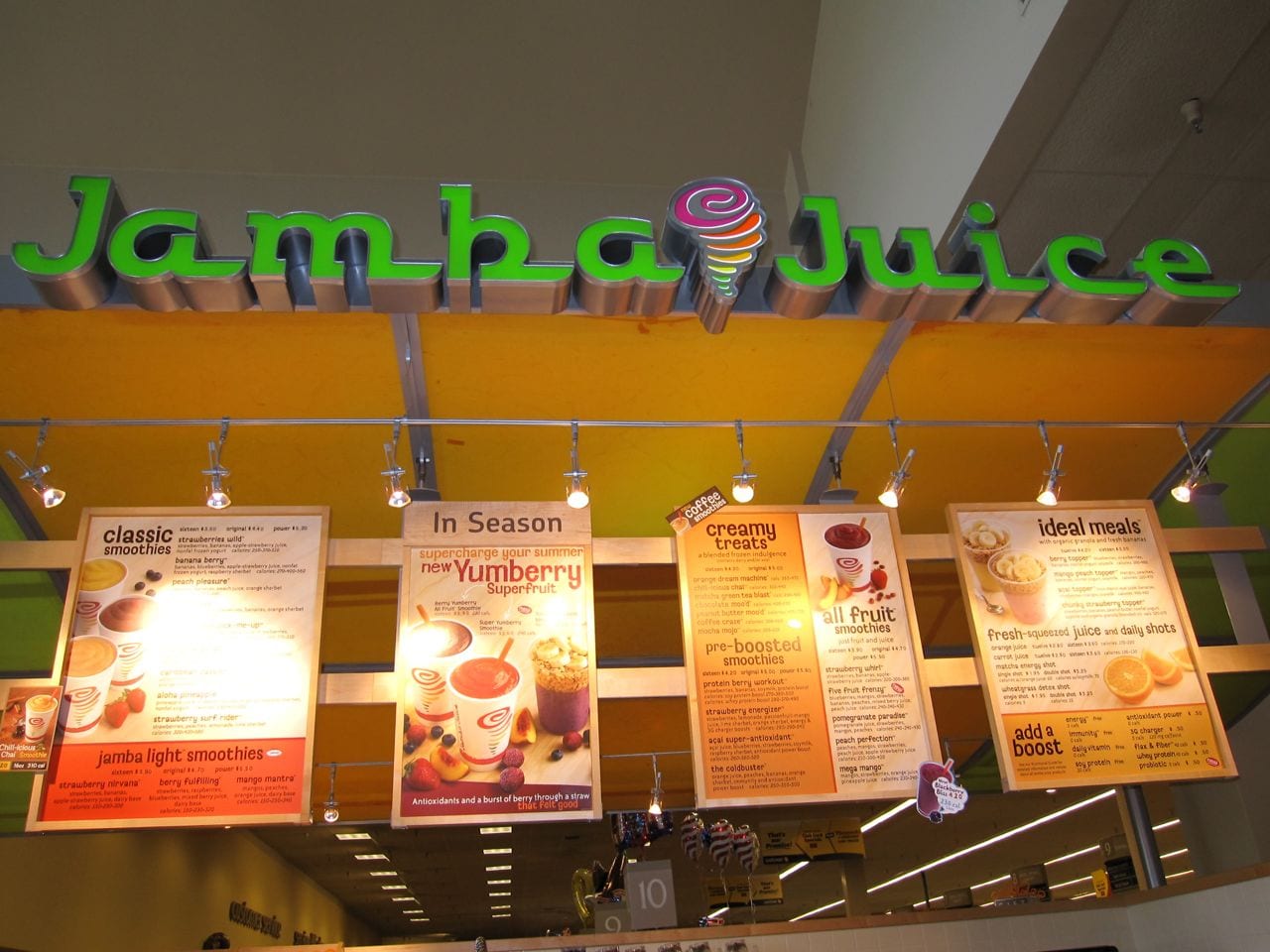
    Jamba, Inc. recently announced that it has entered into a master franchise development agreement with PT Sari Gemilang Makmur to develop 70 Jamba Juice stores in Indonesia over the next 10 years. Jamba plans to open the first store in the Indonesian capital, Jakarta, in 2016.

    PT Sari Gemilang Makmur is a subsidiary of PT Mitra Adiperkasa Tbk, one of Indonesia’s primary lifestyle retailers, operating over 1,800 retail outlets in 65 cities across the country. PT Sari’s expertise of successfully operating franchised brands in Indonesia would benefit Jamba.

    This agreement brings Jamba’s international store pipeline to 615 to be opened in South Korea, Canada, the Philippines, Mexico, UAE, Saudi Arabia, Bahrain, Oman, Kuwait, Qatar, Taiwan, Thailand and Indonesia. The company plans to have more than 1,500 units over the long term.

    The food industry is witnessing changes in consumer preference toward health and wellness and “good-for-you” products due to increasing health consciousness and obesity concerns. Accordingly, food and beverage companies are focusing on healthier products. Jamba’s offering of an entire range of customized health drinks will cater to such demand.

    Jamba has always remained focused on expansion and expects accelerated growth in both core existing markets as well as new geographic areas. Further, Jamba is focusing on shifting its business to a more franchise-centric model which will involve less capital and stabilize cash flow generation. Therefore, the new agreement is consistent with its strategic shift.

    Further, Indonesia is on track to become Asia’s next trillion-dollar economy over the next two years, according to IHS, joining China, Japan, India, Australia and South Korea. Therefore, management has chosen Indonesia to capture the increasing opportunities in the region’s growing beverage market.

  • Koreans plan ‘Asian Broadway’ in Seoul

    Koreans plan ‘Asian Broadway’ in Seoul

    SK Networks, which proposed utilizing the Cerestar constructing for a brand new duty-free store, plans to develop the Dongdaemun space into an Asian Broadway.

    The retail arm of SK Group, the third largest family-run conglomerate in Korea, already proposed investing 450 billion to 550 billion gained (US$460 to 496 million) in its bid for operation rights to a brand new duty-free store, and as a part of the bid, 200 to 300 billion gained can be invested to assemble infrastructure for trend, tourism and tradition within the area.

    SK plans to take a position 100 to 200 billion gained in infrastructure for a cultural city in collaboration with the Seoul Metropolitan Authorities’s Dongdaemun improvement challenge, which goals to advertise the style, tradition and tourism sectors. As well as, it should supply 10 billion gained to create the most important Media Façade at Dongdaemun Design Plaza.

    SK will pour a further 60 billion gained right into a small enterprise partnership fund to help Seoul’s “Manufacture Seoul” challenge and the Seoul Design Basis’s apprenticeship coaching for style and needlework. It’ll supply a complete of 30 billion gained to revitalise conventional markets in Dongdaemun.

    SK Networks, which operates the Walkerhill duty-free store in northeastern Seoul, will supply conventional market coupons to its duty-free store clients to assist small retailers within the markets.

    As soon as it good points its duty-free store operation license at Dongdaemun, it expects that the world will welcome a further three.three million vacationers per yr and create 33,000 new jobs, leading to three.four trillion gained value of financial advantages by 2020.

    An official at SK Networks stated: “We’ll type a mutual progress system by way of long run funding for the revitalization of the Dongdaemun space. We’ll lead the event of the area as an ‘Asian Broadway’ tradition city by mixing style, tradition and purchasing collectively.”

  • Ted Baker storms forward

    Ted Baker storms forward

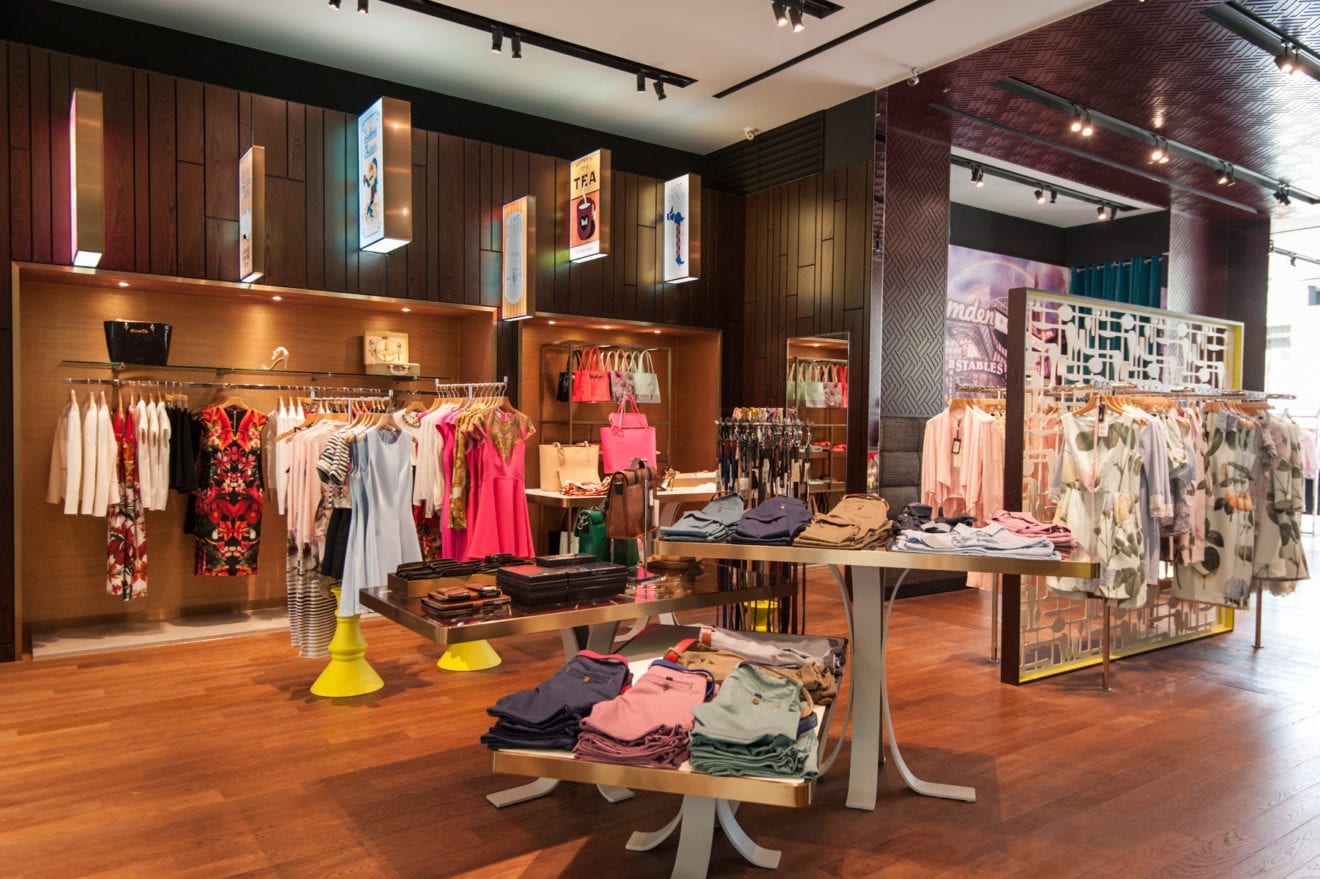
    British way of life trend model Ted Baker has reported robust efficiency throughout all international markets and distribution channels within the 18 weeks to June 6.

    Group income soared 24.2 per cent above the identical interval final yr, with retail gross sales up 18.9 per cent and retail sq. footage up 6.6 per cent to 345,399 sqft.

    On-line gross sales surged 46.9 per cent, reflecting additional progress within the UK, a superb efficiency from its US website and the launch of a brand new Canadian website.

    “Efficiency throughout our established markets was robust and we proceed to spend money on creating model consciousness in newer markets,” the corporate stated in a press release.

    “We opened our first road degree retailer in Hong Kong in Causeway Bay and a retailer devoted to showcasing our licensed product vary, Ted Baker & Moore, in Spitalfields London. We additionally opened additional concessions within the UK, France, Germany, the Netherlands, North America, China and Japan.”

    Wholesale gross sales elevated by 41.2 per cent (38 per cent in fixed foreign money), with a robust efficiency from each the UK and North American companies.

    “In North America particularly, gross sales have benefited from a robust begin to the season and modifications to purchasing patterns, which have introduced ahead some orders. Consequently, we now anticipate progress for the complete yr of round 18 per cent.”

    Each retail and wholesale gross margins have been consistent with the corporate’s expectations, and broadly consistent with final yr.

    Ted Baker says its product and territorial licences proceed to carry out properly with new licensed retailer openings in Azerbaijan, Dubai, Qatar, Saudi Arabia and Thailand and two in Taiwan.

    “We proceed to spend money on our individuals and infrastructure to help the long run improvement of the Ted Baker model globally.”

  • Vietnam’s new luxury tax proposal may raise car prices by 30 pct

    Vietnam’s new luxury tax proposal may raise car prices by 30 pct

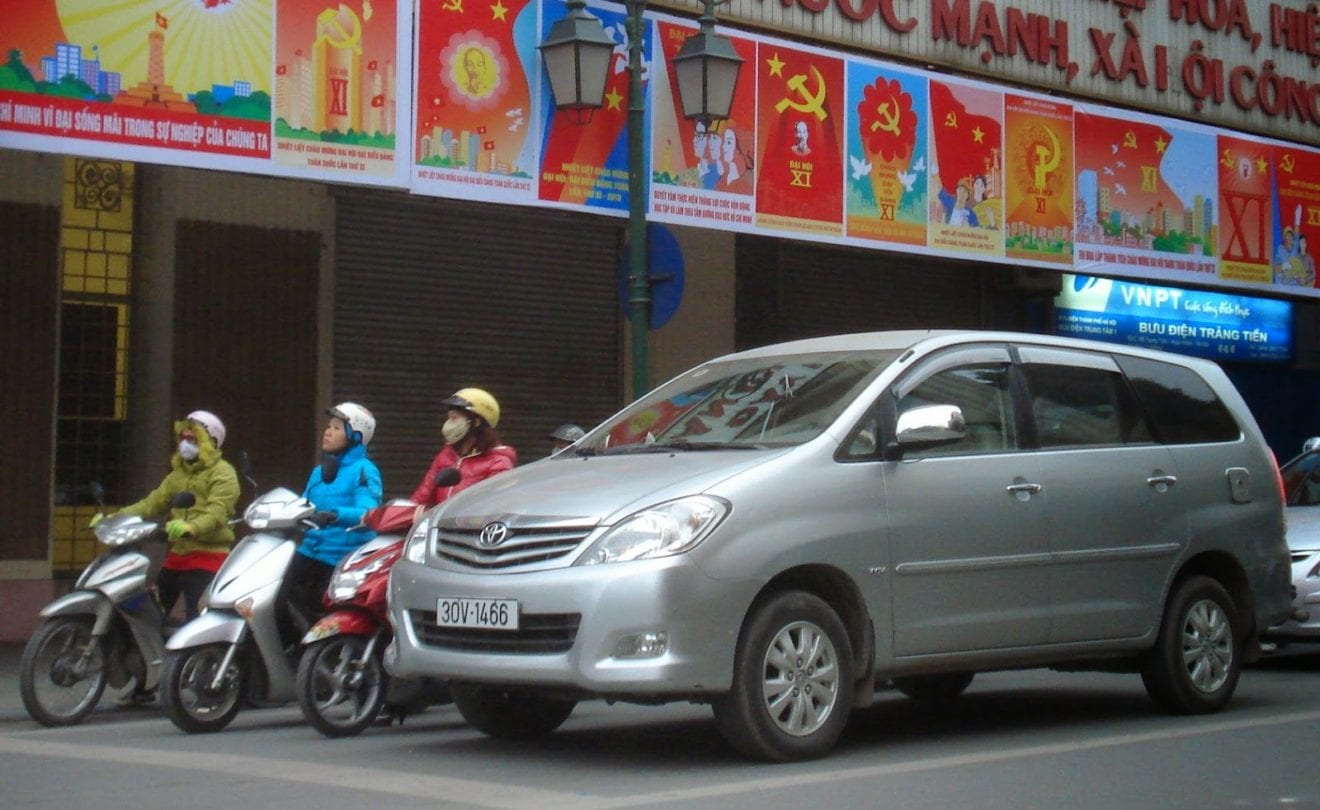
    Automobile manufacturers and importers in Vietnam have protested a new proposal from the Ministry of Finance which seeks to change how luxury tax on cars is calculated.
    Under the ministry’s plan, the special consumption tax on all vehicles with fewer than 24 seats will be based on their retail prices, with rates ranging from 15 to 60 percent. The proposal, set to take effect on January 1 next year, is aimed to create a level playing field for importers and producers since their cars will be treated the same, the ministry said.
    Currently, the luxury tax on imported cars is calculated on the Cost, Insurance Freight (CIF) price rather than the final retail price, a policy that manufacturers said could give importers an unfair advantage. They said local products could not compete with imported cars since local cars are taxed based on retail prices, which include a number of additional costs.
    Many automobile importers, after learning about the new proposal, said they are asking the government to keep the current policy unchanged so that the market and business environment is not disrupted. If sales go down, tax revenues will also fall, they said.
    It is “reasonable” and “accurate” to tax imported cars on their CIF prices because the prices already carry the taxes that foreign manufacturers have paid before shipping the cars to Vietnam, news website VnEconomy quoted VIVA, the association of car importers in Vietnam, as saying.
    Consumption
    Strangely, even local carmakers are not happy with the proposal. The new policy, with tax rates as high as 60 percent, it is not exactly what they want, which is to lower the luxury tax to spur consumption. The Vietnam Automobile Manufacturers’ Association has been urging the government to calculate the tax on delivery cost, before sale and post-sale costs are added. The Ministry of Finance, however, is leaning towards collecting more taxes from importers.
    Representatives of many importers and manufacturers in Ho Chi Minh City said the new tax scheme, if applied, will increase car prices by 20-30 percent. This will have an adverse impact on the market, they said “When taxes go up, we are forced to hike prices. In the end, no one other than consumers will be hurt,” a representative of a distributor who wished to stay unnamed said.
    Nguyen Minh Dong, an industry expert, also said increases in taxes will not help boost the economy, but may hamper its growth.
    In fact, “the biggest problem” with Vietnam’s auto industry is that here a car is subject to a wide range of taxes and fees, making it “extremely expensive” for the majority of consumers, he said.
    Looming threat
    The Japan Business Association in Vietnam has recently warned that if local policies for the auto industry continue to be ineffective, the industry will hardly survive when cars brought from other Southeast Asian countries are free of import duties in 2018 under a regional agreement. Increased imports will create trade deficit and in the end, hinder economic growth, VnEconomy quoted the association as saying at a recent meeting.
    Vietnam’s carmakers posted sales of 157,810 units last year, compared to 1.3 million in Indonesia, nearly 900,000 in Thailand, and 700,000 in Malaysia. Imports have been increasing considerably as the government has reduced import duties gradually in accordance with trade pacts that Vietnam have signed with other countries.
    Vietnam imported 72,000 complete-built-unit cars last year, twice the number of 2013, the association quoted official statistics as saying. A total of 45,000 cars, worth over $1.2 billion, were brought into the country in the first five months of this year.
  • Hyundai Grand i10X launched

    Hyundai Grand i10X launched

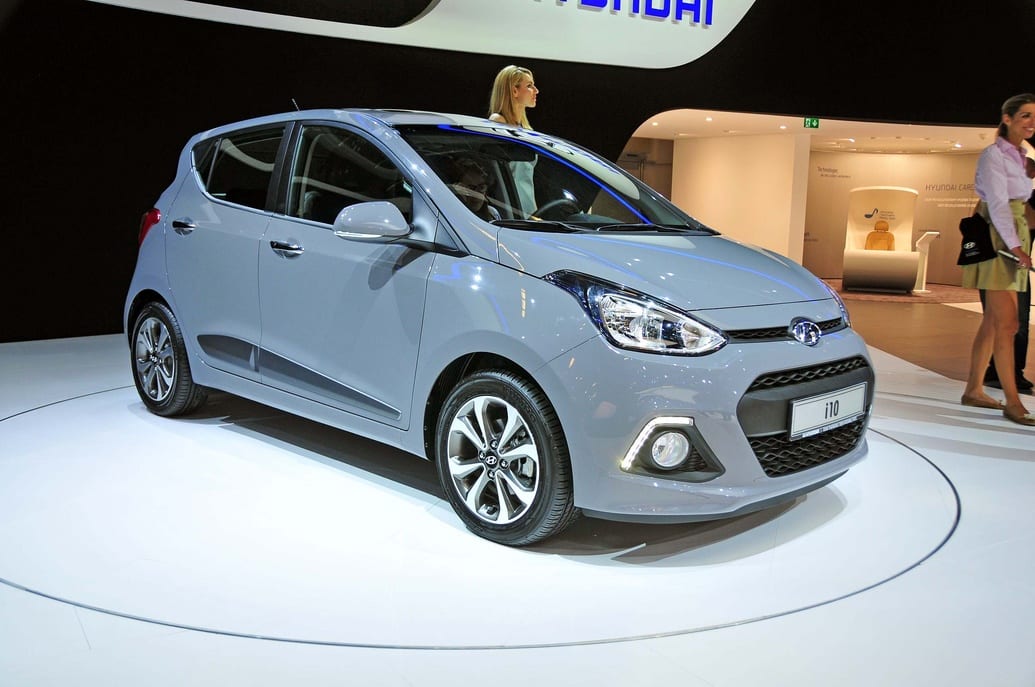
    The population of pseudo SUVs has risen over the past few years. While Fiat, Volkswagen and Toyota have reworked hatchbacks of their own, Hyundai played their cards right by launching the i20 Active around the time waiting periods for the Elite i20 started rising. Now, Hyundai has just launched the Hyundai Grand i10X in Indonesia, in order to capitalize on what seems to be a global trend.

    The car gets black plastic cladding around the wheel arches, side skirts and bumpers, day time running LEDs along the fog lamp housing, a faux skid plate, new alloy wheels, and black sash tape on the C pillar among other alterations. Mechanically, the car gets no changes.

    Hyundai India has not stated any plans to launch this model. The South Korean automaker already sells around 8,500 units of the Grand i10 in India every month. While a new product launch could be considered at a later stage, features such as the LED DRLs may be tempting for some Indian buyers.

  • Indonesia talks reciprocal access with M3; moves to improve safety

    Indonesia talks reciprocal access with M3; moves to improve safety

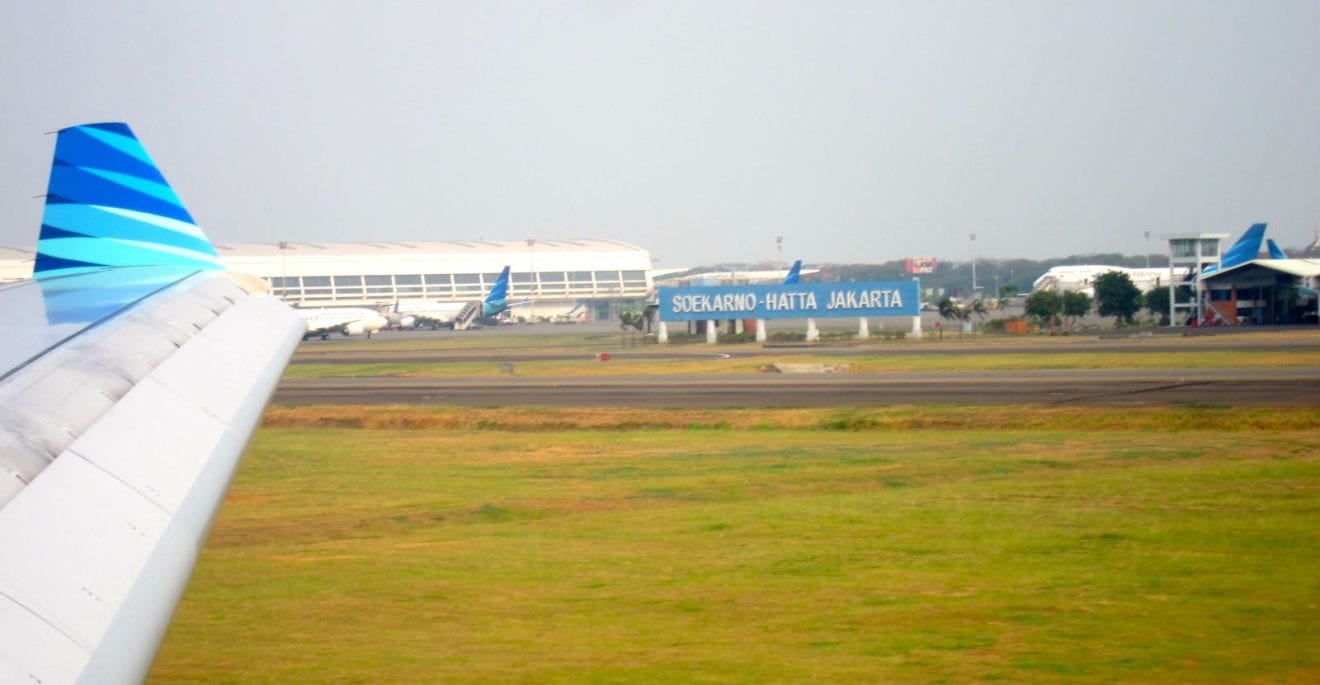
    Indonesia welcomes additional flights by the Gulf network carriers Emirates, Etihad and Qatar Airways, as long as Gulf authorities allow reciprocal access for Indonesian carriers, Indonesian Minster of Transport Ignasius Jonan tells Runway Girl Network in Paris.

    In a wide-ranging interview, RGN put the question of Gulf carrier expansion within Indonesia to Jonan, from the point of view of a developing nation with a strong economy looking to expand internationally and a growing middle class demanding longhaul travel.

    “It’s reciprocal,” Jonan says. “As long as it reciprocates between the two countries we can accept it. Otherwise, I think it’s going to be very difficult for negotiation.”

    Jonan notes that he would welcome additional flights from international airlines — including the Gulf carriers — further into Indonesia, as long as the access is reciprocal and as long as those airlines meet the international safety standards required by Indonesia.

    Does this reciprocity requirement limit additional routes to only markets where Indonesian carriers (principally, therefore, Garuda and AirAsia X Indonesia) wish to operate additional services? “No, it’s open. Whoever can meet the standards.”

    In the context of the ongoing Open Skies fight between the three large US international airlines and the three largest Gulf network carriers, RGN put the question to Jonan of whether Emirates, Etihad and Qatar were good for his country. “It’s a very difficult question if you ask whether the Gulf carriers are good for Indonesia or not, but we always treat all carriers on a reciprocal basis,” Jonan says.

    Part of the issue of demand is a practical one, Jonan notes. “For example, if you fly to Europe from Indonesia, some people might choose European carriers because the transit can be in Kuala Lumpur or in Singapore, but the Gulf carriers transit in Doha, in Dubai and so on. It’s a choice for travellers. Myself, I would like to transit near Jakarta, because I can sleep longer.”

    Jonan also notes that Emirates is already in negotiation with his government for additional services into the island archipelago: “So far it’s been running as it is, but Emirates has requested more business for Indonesia so we are now negotiating whether we can have reciprocal treatment.”

    Airlines to be shut down for safety violations by July

    Indonesia expects to cancel the operating licences of a number of airlines within the month, and hopes to upgrade the runways of all 237 Indonesian airports within three to five years,

    Speaking as Indonesian carrier Sriwijaya Air purchased two Boeing 737-900ER aircraft at the Paris Air Show — the first new aircraft purchased by Indonesia’s third largest airline — Jonan flags up an ongoing safety crackdown which will cut into the nation’s aviation industry this summer.

    “So far, we have cancelled sixteen licences for airlines and air charters,” Jonan said, noting that his ministry has reduced the number of Indonesian carriers from 73 to 57. “It is a continuous review, and I believe towards the end of July we will also announce some of the existing airlines and air charters cannot comply with safety, and by safety we are also including financial soundness for airlines and air charters.”

    RGN queried Jonan in detail about his ministry’s intentions towards the 2009 law that requires Indonesian-registered carriers to operate a minimum of ten aircraft, of which five must be owned and five can be leased or otherwise provided.

    “It’s a very good question,” Jonan admits. “We do not aim to expand any air transport business unless they can follow the safety program. We will keep the regulations in place so the airlines should have at least ten aircraft to be operating, five leased or rental or dry-leased and five to be owned. It is mandatory. The laws do not require any [specific] kind of aircraft.”

    But in terms of startup franchises along the lines of further AirAsia operations or a Tiger-style airline, which have expanded exponentially within the ASEAN region, would existing operations with other franchises internationally provide additional assurances or comfort to the Indonesian safety regulators?

    “Logically, it may be possible from a technical point of view, but if a startup operates only two or three aircraft it is very sensitive and very dangerous. They might then have less focus on regular maintenance because the aircraft has to work without any chance to have a schedule for maintenance. That’s an issue of safety. Also, ten is very small. With the five that can be leased as well, as long as it can be proved at the end of the day you will own ten aircraft. It should be mandatory, guaranteed ownership.

    Jonan also noted that the Indonesian government has a massive runway improvement programme across the archipelago, which will be crucial to the expansion intentions of Indonesian, regional and international carriers within his nation.

    “At the moment we have 237 airports throughout Indonesia. We have started now to expand the runways so that all airports can be used by a minimum of an ATR 72 or a Boeing 737, within five years. I hope it will materialise within three years.”

  • Vingroup plans hybrid retailer community

    Vingroup plans hybrid retailer community

    Vietnam property developer Vingroup is constant to increase its retail enterprise, saying a 300-strong community of hybrid shops.

    The shops will take up giant footprints, initially within the firm’s fast-growing community of buying malls – cut up into 4 totally different manufacturers: BeautyZone promoting healthcare and cosmetics, ShoeCenter, Sportsworld and Trend Megastore.

    Vingroup has already expanded into the comfort sector with VinMart and can also be creating an electronics retail chain. Its transfer into the hybrid retailer format is a measure to determine an area beachhead towards the rising tide of worldwide retail ideas eyeing the rising organised retail market in Vietnam.

    The primary retailer will open in Can Tho, a big metropolis south of Ho Chi Minh Metropolis, in July. Vingroup says it hopes to have 74 shops buying and selling inside a yr and 300 inside three years.

    The shops, developed by Vingroup subsidiary VinDS Buying and selling and Providers, will inventory internationally recognized manufacturers and, within the case of the ShoeCenter, its personal vary, branded Prime Toe.

    “These codecs sign a brand new course for our group, an entire product providing vacation spot via our ideas for the shoppers to take part, to take pleasure in true worth and train decisions,” stated Munish Rishi, VinDS CEO.

    “VinDS retail shops shall be smarter, quicker and revolutionary retail codecs constructed upon partnerships with worldwide, regional and most significantly, profitable Vietnamese manufacturers that may really relate to Vietnamese hearts.”

    The ShoeCenter will occupy a 600-1000 sqm footprint stocking some 25 manufacturers for males, ladies and youngsters, sourced internationally and regionally. Vingroup expects it to turn into the nation’s largest shoe retailer.

    BeautyZone will inventory cosmetics, healthcare merchandise, make-up and pores and skin and bodycare merchandise in a format which appears more likely to problem Dairy Farm Worldwide Group’s Guardian chain, which has been rising steadily in Ho Chi Minh Metropolis over the past three years. Vingroup’s chain will give attention to mid to excessive finish manufacturers, together with L’Occitane, Clarins, Kanebo, Laneige, Yves Rocher and Vichy.

    The Sportsworld community will inventory adidas, Nike and Aero Sport merchandise, amongst others, starting from footwear, jogging gear, sportswear and informal style to equipment and health gear.

    The Trend Megastore would be the largest of the shops, starting from 2500-5000 sqm and inventory each native and worldwide attire manufacturers.

  • Singaporeans spend money on Sogo Malaysia

    Singaporeans spend money on Sogo Malaysia

    A Singaporean funding firm has taken a strategic stake within the Malaysian licenceholder of Japanese division retailer model Sogo.

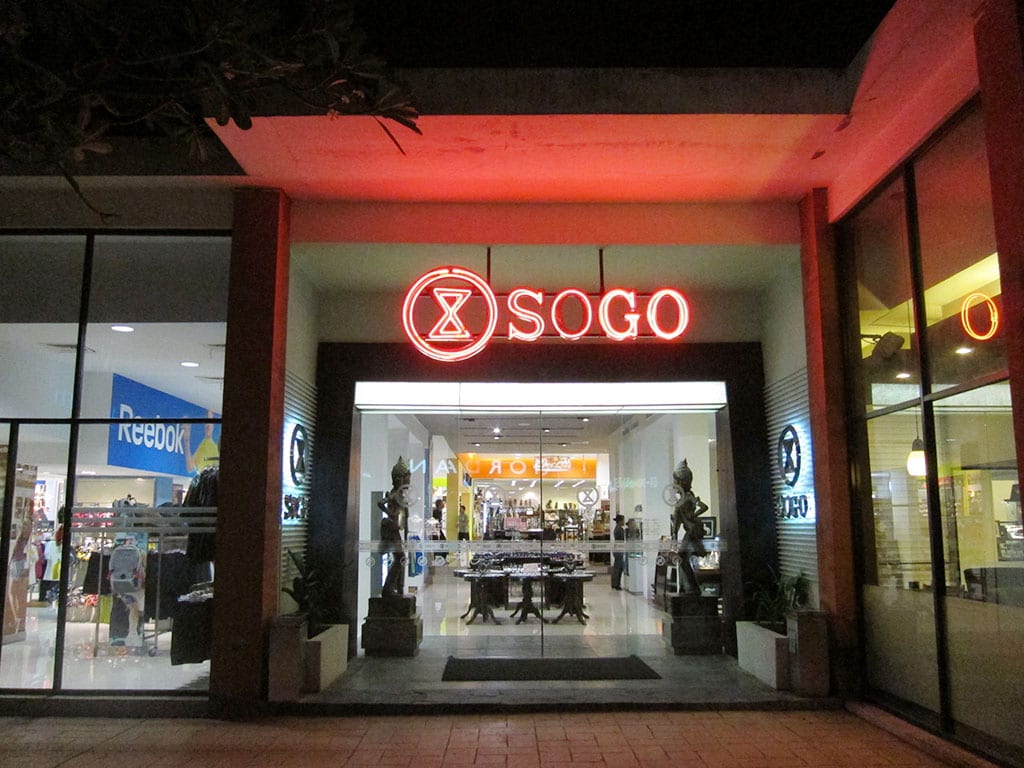
    Singapore-listed LTC Company, by way of a wholly-owned subsidiary, has taken a 50 per cent share of USP Fairness in equal partnership with USP Assets, which has acquired USP’s shareholding in SKLDS, which operates Sogo beneath licence from Sogo & Seibu  of Japan.

    LTC, historically concerned in property improvement, metal buying and selling and investments in Malaysia, China and Singapore, says in a regulatory submitting the mover is a part of a strategic initiative to broaden its enterprise base.

    “The LTC Group has been in search of a brand new enterprise to generate further revenue streams and diversify its asset and income base. Venturing into the retail and distributive enterprise in Malaysia is a step within the course of attaining these aims,” it stated.

    The funding value LTC MYR70.14 million (US$18.17 million).

    Sogo Malaysia is a full-line division retailer concentrating on home shoppers within the center market, ranging grocery, cosmetics, fragrances, attire and homewares.

  • Cross-border eCommerce to hit $1 trillion in 2020

    Cross-border eCommerce to hit $1 trillion in 2020

    The worldwide B2C cross-border eCommerce market will balloon to $1 trillion in 2020 from simply $230 billion in 2014, in line with a report from international consulting agency Accenture and AliResearch, Alibaba Group’s analysis arm.

    Within the report, Cross-border B2C E-commerce Market Tendencies, researchers forecast  this more and more fashionable type of on-line purchasing – entailing shoppers taking to the web to purchase merchandise instantly from abroad retailers – will see compound annual progress of 27.four per cent over the subsequent 5 years, double the speed of worldwide B2C purchasing as an entire.

    By 2020, greater than 900 million individuals all over the world shall be worldwide internet buyers, the report says, with their purchases accounting for almost 30 per cent of all international B2C transactions.

    Cross-border on-line purchasing is gaining reputation notably in rising markets, the place shoppers can discover it arduous to seek out reasonably priced imported merchandise in native outlets. In lots of instances, the one various is purchasing on web sites in different nations or from marketplaces reminiscent of Alibaba Group’s Tmall.com, a Chinese language B2C web site that hosts retailers from all over the world.

    In accordance with the Accenture-AliResearch report, China is predicted to drive a lot of the expansion of cross-border e-commerce in coming years as a result of the nation’s giant and rising center class is hungry for genuine, good-quality overseas merchandise. China’s center class at this time is equal in measurement to all the US inhabitants and is predicted to succeed in 630 million by 2022, in response to administration consultancy McKinsey.

    China will grow to be the most important cross-border B2C market by 2020, with the transaction quantity of imported items bought on-line reaching $245 billion, based on Accenture-AliResearch. The report predicts over 200 million Chinese language shoppers can be cross-border purchasing in 5 years.


    Right here’s how issues break down graphically in charts from the report: 

    AliResearch crossborder chart 1AliResearch cross border retailing chart 2

  • Massive light show marks Em District opening

    Massive light show marks Em District opening

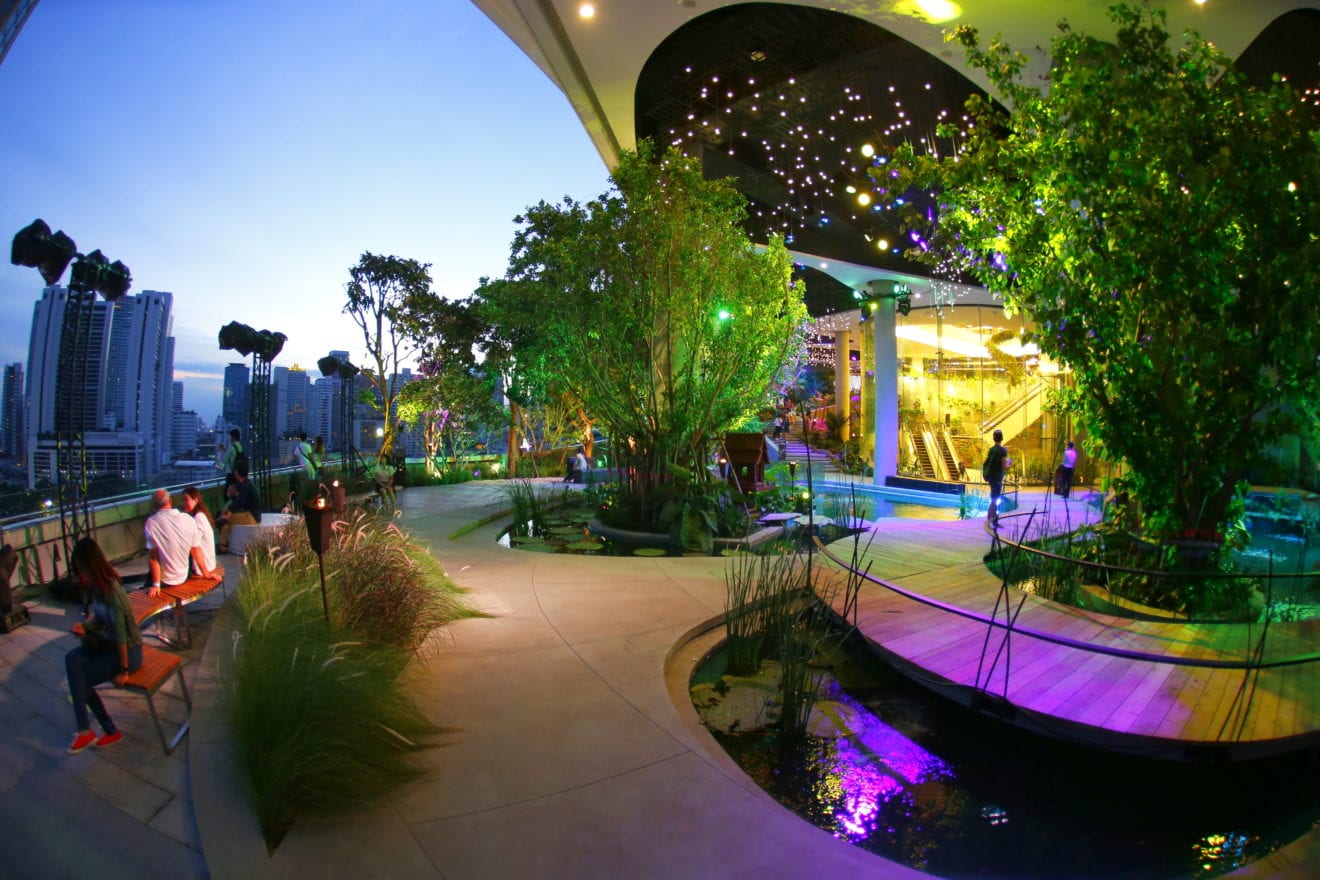
    Bangkok’s newest shopping showcase The Em District has commissioned a stunning 3D Mapping performance to mark its formal launch on Sukhumvit.

    The Emporium Group, managers of The Emporium and The EmQuartier, said the company invested 200 million baht  (nearly $US6 million)  to hold “The World Extraordinaire” under ‘The Grand Celebration That Bangkok Has Never Experience Before’ concept.

    The show made its debut at a World Extraordinaire launch party attended by thousands of invited guests.

    The new Em District retail precinct comprises the refurbished and expanded Emporium shopping centre and the newly constructed EmQuartier.

    Every day at 7pm the 3D Mapping Extraordinaire performance is repeated with images projected onto The Emporium and The EmQuartier’s facades.

    For the gala opening celebration, the light show was accompanied by a fireworks show accompanied by music from symphony orchestras.

    Slated as “the biggest World Mapping Showcase in Asia” it is held in collaboration with Advanced Info Service, Bangkok Bank, Bangkok Airways, Bangkok Dusit Medical Services, Muang Thai Life Assurance and Oishi Group.

    The 3D Mapping Extraordinaire was created by Moment Factory a new media and entertainment studio which has previously worked with Madonna, Justin Timberlake and Britney Spears, amongst others.

    The Em District is positioning itself as Thailand’s newest ‘one stop retail destination’ that attracts tourists and locals alike.

    To mark the opening, The Em District is holding a campaign ‘Shopping Extraordinaire’ which offers customers a chance to win one of four grand prizes worth a total of 30 million baht ($891,000) with every 2000 baht ($59) spent.  Prizes include an apartment (Condominium Park 24), Porsche Macan; Mercedes-Benz CLS 250, a Veranda Residence at Pattaya Condominium and holiday packages from Bangkok Airways and the Dusit Thani.

  • Metro China expands in Hunan

    Metro China expands in Hunan

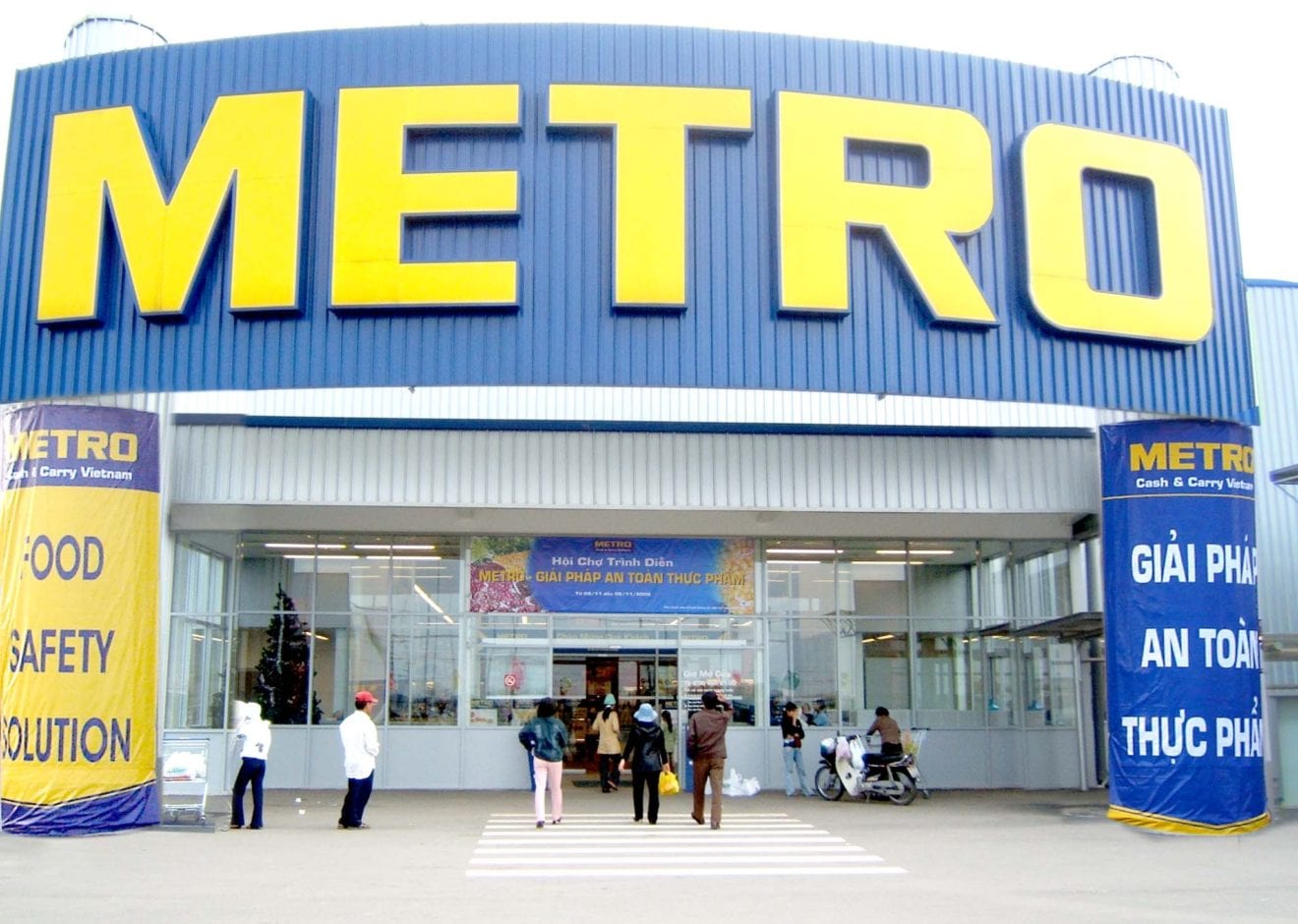
    Metro China has opened its second retailer in Changsha, probably the most economically aggressive cities in midwest China, that includes the brand new era Money & Carry idea.

    “With a booming tourism business and transformation to a brand new industrial construction, Changsha has seen a gentle progress of financial system in recent times,” stated Jeroen de Groot, Metro China president.

    “We see nice potential within the native market, and are assured about increasing our enterprise right here by opening the second retailer within the metropolis.”

    Metro stepped into the Hunan market in 2001 with the opening of its first wholesale retailer in Kaifu District in Changsha. In 2014, Metro opened the Zhuzhou retailer. The brand new retailer in Yuelu District of Changsha is the chain’s third retailer in Hunan province and this yr the corporate will even modernise the Changsha Kaifu Retailer to reinforce buyer expertise.

    Changsha is the political, financial and cultural middle of Hunan Province. This yr, the State Council issued an approval for establishing Xiangjiang New Space in Hunan, which would be the first nationwide new space established in central China. With its new retailer, Metro believes it has seized the chance to proceed its enlargement, whereas rising along with the financial system of central China.

    Metro has constructed shut relationships with Hunan native suppliers. Jinhao Teaseed Oil, Shengxiang Rice and Liuyanghe Liquor from Hunan are in style with the retailer’s clients nationwide. In the meantime, native greens and fruits akin to Yaoshan Pear, Yongxing Orange, Xiangxi Kiwifruit and Yanling Yellow Peaches are bought in Metro Hunan shops for native clients’ choice.

    Situated in Yuelu enterprise middle, Metro’s new retailer covers a gross sales space of over 5300 sqm, providing almost 20,000 gadgets.

    A definite function of the Metro Changsha Yuelu retailer is the coldness in meals associated show areas, as chilly chain is essential to meals freshness and top quality. The shop has multi-temperature areas to satisfy the demand of various merchandise, akin to zero°C – four°C for recent meat, 5°C-7°C for dairy merchandise, and so on. If clients need to stroll into the chilly storage areas to pick merchandise, they could borrow clear cotton-padded jackets, ready by the shop.

    The brand new Money & Carry idea Metro is rolling out in China consists of options comparable to an onsite cafe, Welfare & Gifting Showroom, Categorical Supply and complimentary Wi-Fi protection.

  • China retail gross sales progress secure

    China retail gross sales progress secure

    China retail gross sales grew 10.1 per cent yr on yr in Might based on knowledge from the Nationwide Bureau of Statistics.

    Complete retail gross sales reached 2.42 trillion yuan, or US$396 billion, the bureau introduced.

    General for the primary 5 months of 2015 retail gross sales grew 10.four per cent.

    As in current months, retail gross sales progress in rural areas was stronger than in cities the place a maturity is turning into obvious.

    Gross sales in rural areas rose 11.6 per cent each in Might and within the January-Might interval, whereas metropolis progress was 9.9 per cent for the month and 10.2 per cent for the 5 months.

  • China Jo-Jo on-line gross sales soar

    China Jo-Jo on-line gross sales soar

    China Jo-Jo Drugstores says its on-line gross sales are skyrocketing and now account for almost one in each 5 RMB of its turnover.

    The Nasdaq listed pharmacy says on-line gross sales soared 90 per cent yr on yr, with its personal model pharmacy on-line pharmacy gross sales doubling. Offline gross sales in conventional pharmacies grew 20 per cent within the yr to March 31.

    China Jo-Jo says its previous US$14 million of merchandise on-line, representing 18 per cent of its complete gross sales. Within the 2014 yr on-line accounted for about 11 per cent of gross sales.

    The longer term appears even brighter for the corporate given the current rest of laws in China referring to the sale of prescribed drugs over the web.

    “Since 2013, China Jo-Jo’s administration workforce has been directing its focus in the direction of constructing and increasing its on-line pharmacy enterprise in China, with final objectives to help long run natural progress, enhance revenue margin and improve shareholders’ return,” the corporate stated in a press release.

    “The preliminary end result from our on-line pharmacy division, which exceeds the corporate’s inner projection of $13 million, mirrored our balanced technique of collaboration with third-party B2C e-commerce companions, resembling Taobao, JD.com and Amazon.com, whereas constructing our personal on-line pharmacy model. Through the fiscal yr 2015, our enterprise was additionally positively impacted by new initiatives, corresponding to shut cooperation with sure giant business insurance coverage corporations in China, partnership with Shanghai Jianbao Know-how, a pacesetter in China’s Pharmacy Profit Administration (PBM) sector, in addition to the launching of Alipay service, China’s dominant cellular cost system, to our clients.”

    China Jo-Jo expects the expansion in its on-line pharmacy division will proceed within the present fiscal yr and past.

    China Jo-Jo Drugstores has 59 retail pharmacies in Hangzhou and a wholesale arm which provides its personal shops and rival retailers.

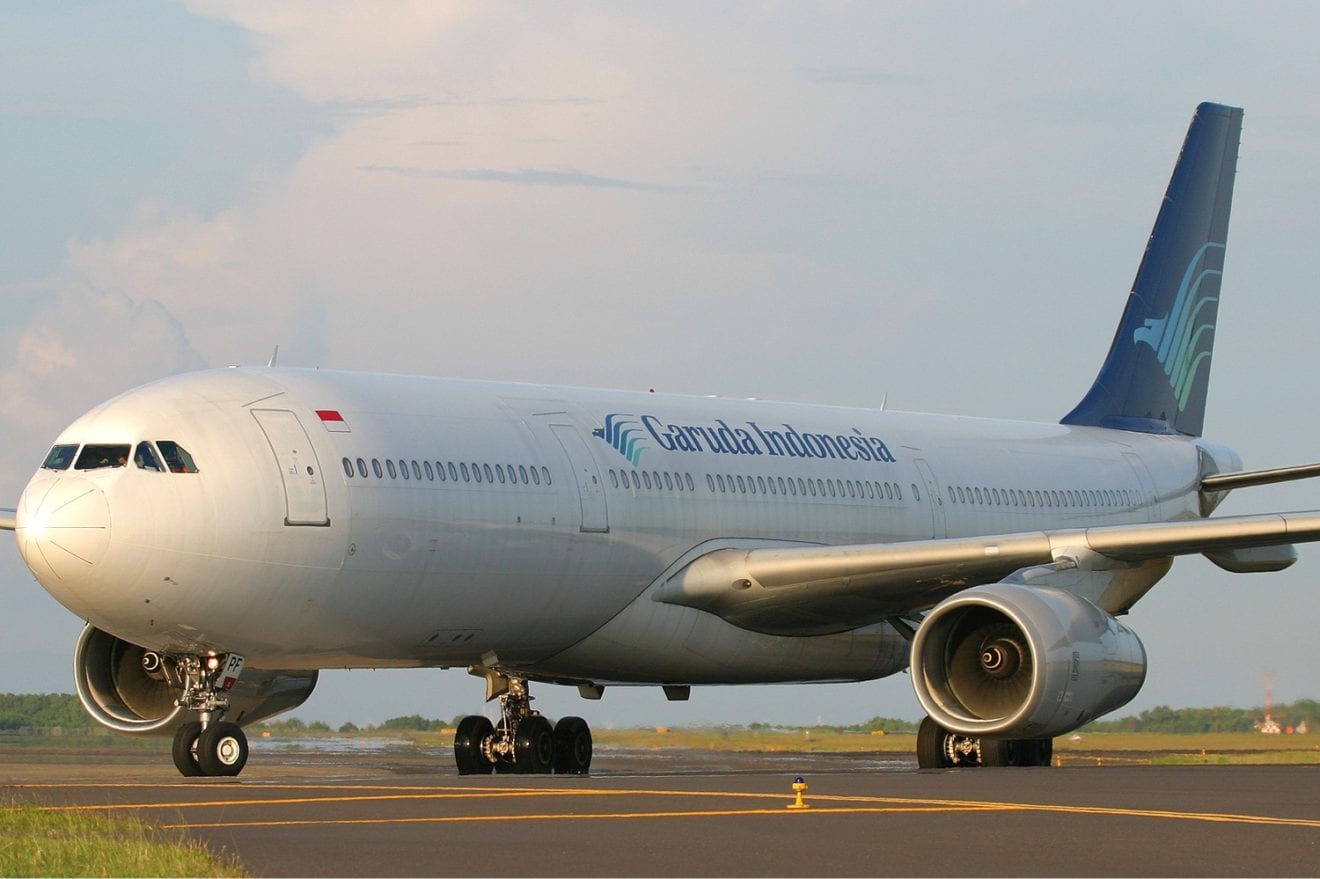
  • Garuda Indonesia orders up to 30 Airbus jets

    Garuda Indonesia orders up to 30 Airbus jets

    Garuda Indonesia airline is on a buying spree at the Paris Air Show.

    Airbus announced Monday that the Indonesian flagship carrier signed a letter of intent for 30 wide-body A350 jets, which could serve routes from Jakarta or Bali to Europe. If confirmed, the order would be worth up to $9 billion at list prices, though airlines usually negotiate discounts.

    Earlier Monday, Boeing announced a tentative order by Garuda Indonesia for up to 60 jets.

    Asian carriers are expected to dominate global aircraft demand over the next two decades, with Boeing estimating that roughly two out of every five new planes will head to Asia.

  • Samsung introduces OLED personalised retail displays

    Samsung introduces OLED personalised retail displays