Author: Mei Ling Tan

  • JMART in talk to acquire another retailer this year

    JMART in talk to acquire another retailer this year

    After its recent acquisition of a minority stake in the home-appliances distributor SINGER (Thailand) PCL, Thailand’s mobile phone retailer JayMart PCL (JMART) is in negotiations to acquire one another retailer this year, and the company is working towards its goal of becoming the country’s retail leader, an executive with the firm said.

    “We would like to be the ‘King of Retail’ in Thailand. After we have invested in SINGER, our client base and distribution channel has more than doubled and our revenue should grow by 10 per cent this year. But that is not enough. We are in talk to acquire one more listed retail on Thai bourse, which should be finalised within this year,” said JMART’s chief executive Adisak Sukumwittaya.

    Last week Singer (Thailand) B.V. has sold out its entire stake in SINGER, of which 24.99 per cent was sold to JMART and the remaining 15 per cent to a group of investors including Thai NVDR Co, Saha Pathana Inter-Holding and Lombard Investments.

    JMART projects to have sales of 10 billion baht this year, excluding the revenue from SINGER. In the second half, it will place JMART’s products in 50 branches of SINGER nationwide, which is expected to generate the revenue of around 1 billion baht in 2016.

    “The investment in SINGER will have no significant impact on our revenue in 2015. We will start to see the synergy between JMART and SINGER from next year onward and we expect to reach breakeven for this acquisition within two or three years,” the chief executive added.

    The source of funds for buying stake in SINGER will be from its cash and financing. However, it may need to increase its capital to undertake the new deal.

  • Indonesia luxury tax scrapped

    Indonesia luxury tax scrapped

    Indonesia is to axe luxury taxes on most goods to encourage wealthy consumers to shop at home and boost the local economy.

    Finance Minister Bambang Briodjonegoro announced Thursday the move would put luxury goods pricing in the nation on a par with that in neighbouring countries.

    Luxury goods taxes – while seen by many as a fair means of extracting extra tax from the consumption of wealthier consumers, actually backfire in today’s world where people travel frequently and brands offer similar goods in a variety of markets. Locals with spending power tend to buy overseas instead of at home and tourists will buy luxury goods in locations where prices are lower and VAT cash back schemes are easy to use.

    The scrapped taxes apply to electrical goods, apparel and accessories. Importers will now have to pay 10 per cent of the price as “income tax” – up from 7.5 per cent.

    The government says the Indonesia luxury tax – typically around 20 per cent or more – will most likely be removed next week. Cars, boats and residential properties valued at over about US$150,000 will still be subject to ‘luxury’ taxes.

    Bambang says the move will encourage shoppers to buy at home rather than in neighbouring destinations like Singapore.

    “This aims at boosting people’s purchasing power. It makes the prices not expensive that it could ease people’s tendency to buy goods in foreign countries,” he said.

    “The removal of luxury tax policy is also expected to keep economic stability and raise tax earning,” said Bambang.

    There are few Asian countries now with high taxes on luxury goods – and Indonesia’s move will put pressure on them to follow suit and maintain competitiveness.

  • France’s Groupe SMCP finds favour in China

    France’s Groupe SMCP finds favour in China

    Parisian fashion label Groupe SMCP says its ‘affordable luxury’ positioning is luring growing numbers of Chinese shoppers.

    SMCP is 70 per cent owned by private equity group KKR (one of the companies linked to a bid for Tesco’s US$6 billion Korean operations).

    In an interview with Bloomberg, SMCP CEO Daniel Lalonde said the company is witnessing “an incredible demand” for its products in Hong Kong, and he suspects the reason is the brand’s ‘affordable luxury’ positioning.

    “Chinese consumers love the brands – they like the fit,” he said.

    In Greater China – including the mainland – Groupe SMCP’s same store sales rose in the high double digits in 2014, over 2013. The growth rate is showing little sign of slowing in the first months of this year.

    Chinese shoppers now account for about 10 per cent of Groupe SMCP’s global sales. An increasing number of Chinese travellers are shopping in the company’s European stores, Lalonde told Bloomberg.

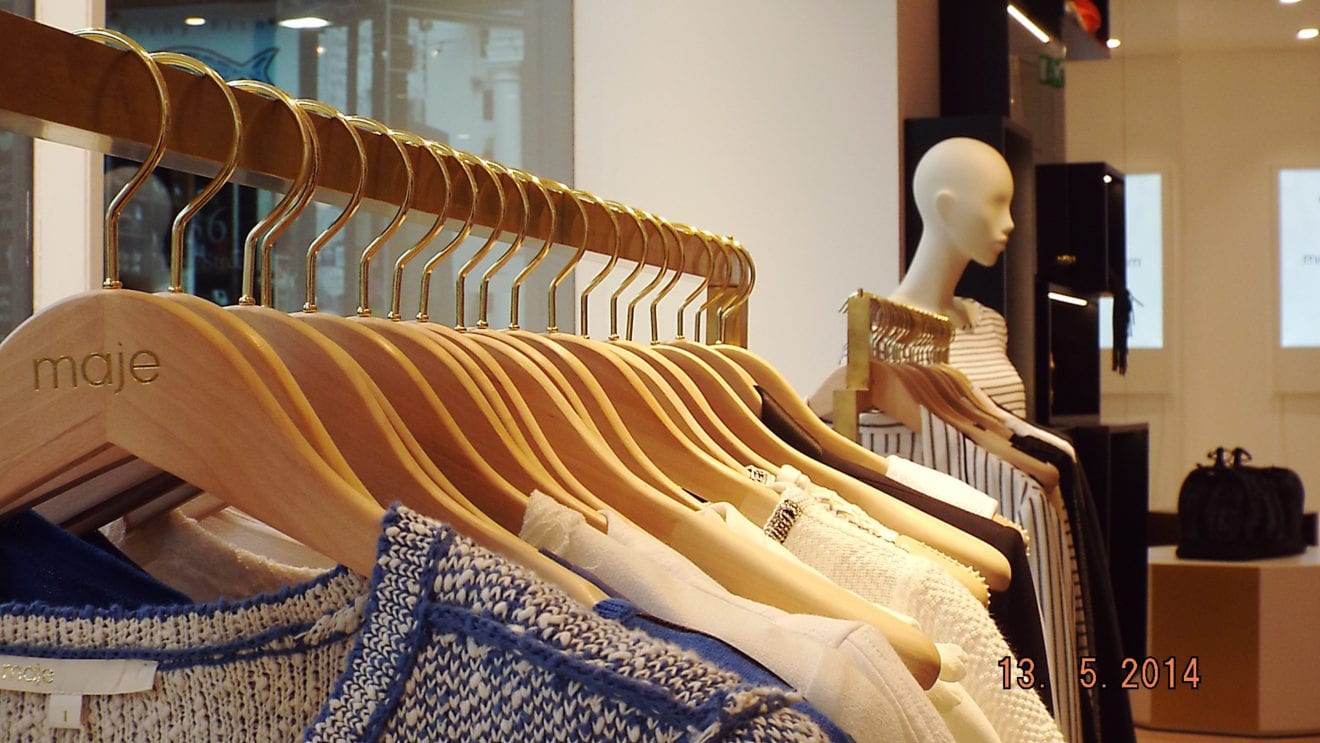
    Besides its own label, the retailer sells Claudie Pierlot, Maje and Sandro brands, all targeting “modern and elegant women”.

    Groupe SMCP currently has eight stores trading in Hong Kong and plans to open as many as five more this year. It also plans more stores in Macau.

    While Hong Kong’s retail sales have fallen by more than two per cent so far this year, largely due to the bottom falling out of the luxury watch and expensive jewellery markets, Lalonde told Bloomberg his stores have not noticed any downturn.

    “This is what I read and what I’m told – we haven’t been able to see that at all. We’ve seen very strong sales in all our stores that have been here more than two and a half years.”

  • T Galleria unveils new magnificence idea retailer

    T Galleria unveils new magnificence idea retailer

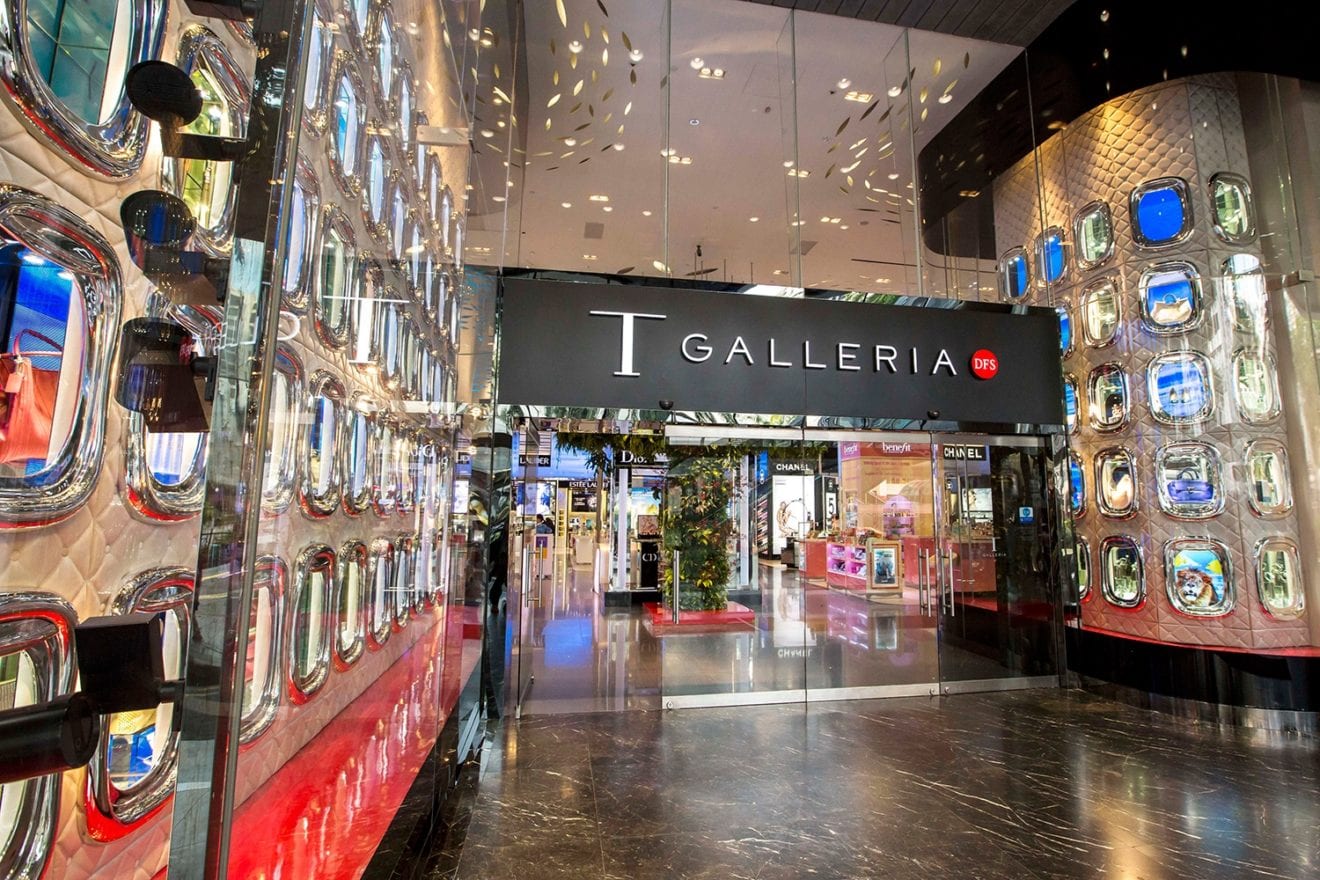
    T Galleria by DFS has a brand new luxurious magnificence retailer idea – T Galleria Magnificence by DFS.

    The shop focuses purely on cosmetics, skincare and fragrances, permitting its clients to find “a world of private magnificence experiences in a single prestigious location”.

    The obligation free retailer has opened its first T Galleria Magnificence by DFS retailer at Macau Galaxy and can broaden the idea to Hong Kong with the opening of T Galleria Magnificence by DFS at Hysan Place in July.

    “The world’s first T Galleria Magnificence by DFS retailer will supply an unrivalled new purchasing expertise, that includes the most effective choice of magnificence manufacturers and fragrances within the coronary heart of Macau,” stated Benjamin Vuchot, area president, North Asia for DFS Group.

    “Our new retailer focuses on delivering an immersive expertise to reinforce the journey of our clients.”

    DFS says the idea represents a “new strategy to magnificence buying”, embodying magnificence and class to create an unique world of skincare, fragrances and make-up.

    Designed by French luxurious retail design agency Malherbe, the 11,133 sqft Galaxy Macau retailer leads the client by means of an experiential world. Guests to the brand new retailer may also be capable of uncover the primary Hermes Parfums and Hermes Le Bain stand-alone perfume boutique in Macau.

    The shop shares a choice of 22 world-renowned magnificence manufacturers together with Dior, Estée Lauder, Guerlain, Hermès, La Mer, La Prairie, and Lancôme. DFS exclusives embrace Clé de Peau’s Radiance Trio Set and L’Occitane’s Good 10 Hand Cream Set.

    DFS may even introduce its famed Magnificence Concierge to T Galleria Magnificence by DFS at Galaxy Macau. Magnificence Concierge is a complimentary highly-bespoke service which focuses on the client’s private wants and preferences. Clients will uncover tailor-made providers overlaying pores and skin evaluation, pores and skin remedies, make-up session, personalised providers, and specialty massages.

    The brand new idea additionally options the Loyal T by DFS program, the world’s most in depth international luxurious rewards program masking over 700 manufacturers in 26 airport and T Galleria by DFS shops in 10 nations throughout three continents.

    Clients of T Galleria Magnificence by DFS shops, like all DFS clients around the globe, are offered a 100 per cent International Assure, making certain all merchandise is totally genuine and that after-sales service facilities will refund, restore and settle for the return of merchandise worldwide.

    T Galleria Magnificence by DFS at Galaxy Macau marks the third DFS launch within the worldwide enclave. Two different shops embrace T Galleria by DFS at Shoppes at 4 Seasons and Metropolis of Goals.

  • Mi Hong Kong opens doorways

    Mi Hong Kong opens doorways

    Chinese language smartphone maker Xiaomi has opened its first retail retailer outdoors the Mainland.

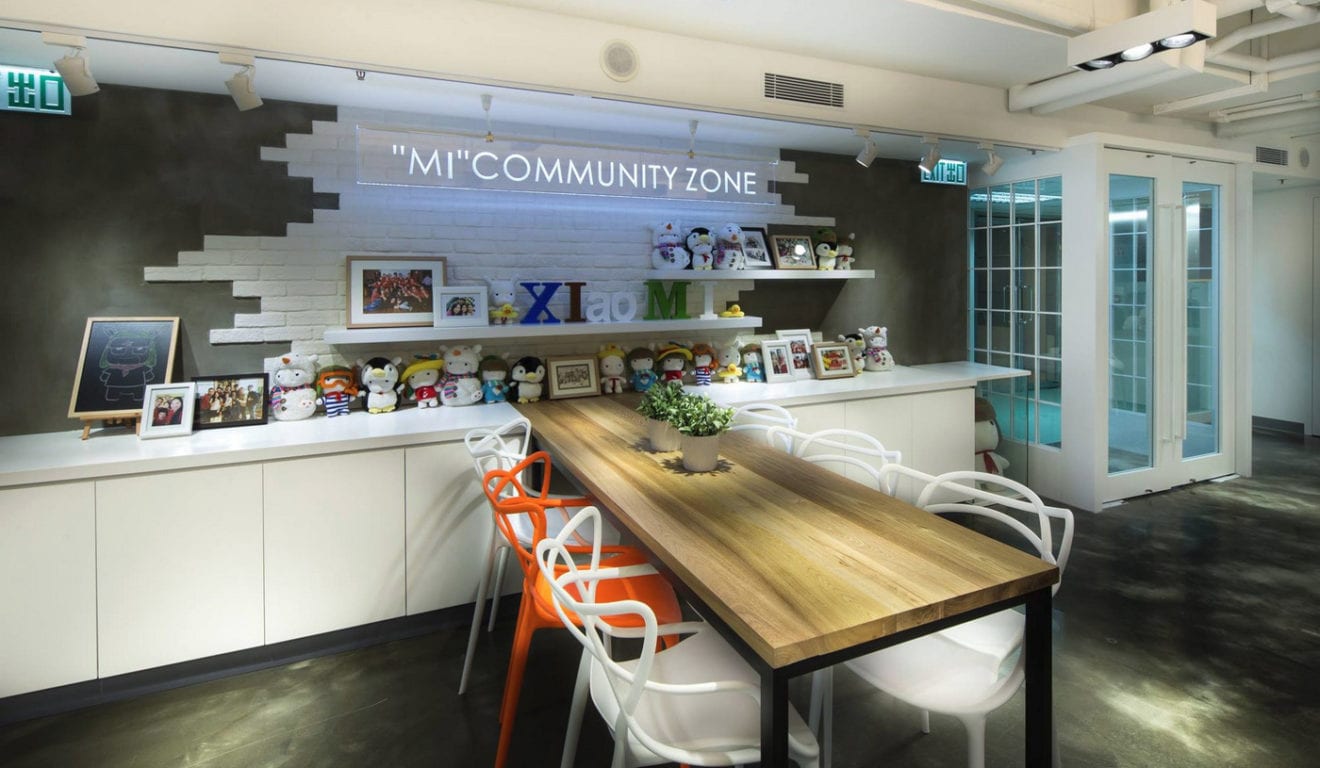
    The Mi Hong Kong retailer – dubbed Mi Residence – is a 270 sqm area inside Hollywood Plaza at 610 Nathan Rd in Mongkok.

    We are saying ‘area’ as a result of the shop was created as someplace “identical to residence” – someplace Mi house owners, or potential house owners, would really feel at house.

    As the pictures launched by Xiaomi present it’s a lot like an Apple retailer, however with out the huge product vary. As an alternative there are brightly colored sofas and cushions and big flat display TVs.

    Hugo Barra, the previous Google government who’s now VP of Xiaomi International, promised final month Xiaomi would create “a service and retailer expertise that feels identical to house, we would like a spot that feels so snug you’re simply completely happy to return and hang around”.

    In addition to permitting clients to check out the handsets and examine fashions, the shop has a service assure: clients can deliver a telephone in to be fastened and wait not than 19 minutes earlier than with the ability to take it away.

    Xiaomi was launched in China in 2011 but has already turn out to be the world’s third largest smartphone model – and the most important within the mainland. Final yr it bought 60 million handsets, virtually all of them in Mainland China. Founder and CEO Lei Jun, China’s 23rd richest man, is now increasing the model into different shopper electronics strains.

    And the corporate has begun what guarantees to be a relentless march overseas. In addition to opening its flagship in Mongkok – virtually definitely a check earlier than the idea is rolled out elsewhere – it has began promoting equipment like headphones on-line within the US and Europe.

    Thus far it isn’t promoting handsets in both market, however Mi telephones are discovering their approach into different markets by way of distributors and gray imports.

    Xiaomi launched its new Mi 4i handset in Hong Kong on Might 12 at HK$1599 – a handset with a 5.5 inch display and 15 megapixel ahead digital camera, operating Android. On the equal of US$206, it’s a potential class killer as soon as shoppers develop to belief the Mi model. An Apple iPhone 6 begins at $5588 (US$720). It’s Xiaomi’s first telephone developed for the worldwide market.

    Xiaomi has a small community of 19 retail shops in Mainland China, dubbed Mi Houses and 541 service centres operated by companions in eight markets.

    So far most of its handsets are bought on-line and thru a small group of retail companions in Hong Kong and India.

  • Hamleys toy store to open in Vietnam

    Hamleys toy store to open in Vietnam

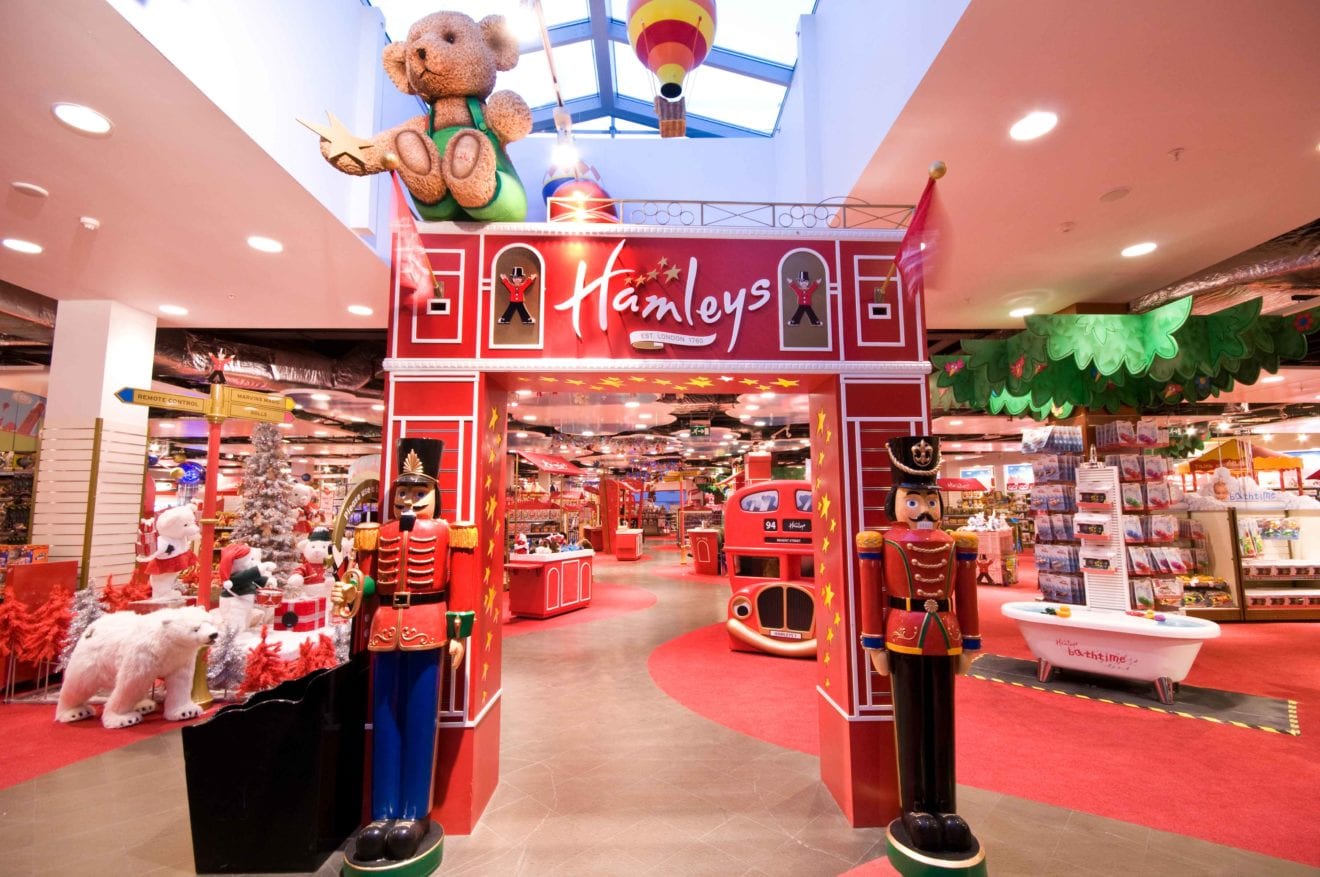
    Hamleys, the world well-known British toy store, is to open its first retailer in Vietnam.

    An 800 sqm retailer will open over two ranges of the newly constructed SC VivoCity shopping center in Ho Chi Minh Metropolis’s District 7, a well-liked enclave for expatriates and well-heeled Vietnamese. Will probably be Vietnam’s largest toy retailer and Hamley’s 56th retailer globally, marking its 18th worldwide market.

    For 255 years Hamleys of London has been tagged ‘The Best Toy Store within the World’ bringing experiences and pleasure to youngsters of all ages. The corporate was based by William Hamley, who dreamed of making ‘the most effective toy store on the earth’ when opening the doorways to his retailer in Holborn, London in 1760.

    The Hamleys toy store Vietnam will embrace hundreds of high quality permitted toys and all Hamleys iconic options together with, alternatives for youngsters to play, partaking retailer design, skilled service and toy demonstrations.

    Hamleys’ franchise companion in Vietnam is Maison JSC, owned by Richard Trinh and Mai Son Pham. Maison distributes and sells worldwide manufacturers by way of 60 shops, from worldwide designer labels akin to Christian Louboutin, to extremely recognisable excessive road manufacturers like Topshop/Topman, Mango, Karen Millen, Coast, Bebe, Warehouse, Oasis, Charles & Keith, Pedro, 
Decorate, Monsoon Youngsters, Havaianas and NYS Sun shades. It additionally plans to convey CH by Carolina Herrera, Miss Selfridge, Dorothy Perkins, Max Mara, Max & Co and Santoni, amongst others, to Vietnam’s quick rising retail market.

    Maison chairman Richard Trinh stated he had been working a very long time to open Hamleys in Vietnam.

    “That is going to be probably the most spectacular toy store in Vietnam and on a regular basis will convey lasting reminiscences to youngsters and households by means of enjoyable and interesting experiences.”

    Hamleys Vietnam has already created a Fb web page to assist construct pleasure out there previous to the shop’s opening.

  • Indonesian FinTech start-ups raise stakes for banks

    Indonesian FinTech start-ups raise stakes for banks

    A string of innovative financial products from Indonesian start-ups are circumventing the traditional payment and investment system, helping to broaden financial inclusion and challenging the established banks.

    Indonesia’s tech-savvy youth have already given rise to pioneering start-ups with social and religious missions and the so-called FinTech industry is set to disrupt traditional banks by offering everything from Bitcoin remittances to mobile pawn shops and retail lending platforms.x

    New alternatives

    With a large swath of the population still unbanked – in part due to the country’s challenging geography – new technologies in banking, transactions and payments offer significant growth potential, with banks under increasing pressure to respond to the trend.

    Banks and regulators in Asia are at difficult levels of understanding of the sector, explained Mohit Mehrotra, an executive director at Deloitte Consulting. “Asia has a huge potential for FinTechs. Countries like India and Indonesia, with their low financial services penetration and large unbanked and underserved populations, are perfect breeding grounds with several white spaces for FinTechs to play an important role,” he told local media in May.

    But collaboration with the FinTech sector is also an option and represents a potential source of growth, particularly for larger banks. “Big banks, by nature of their legacy set-ups, find it increasingly difficult for forging new digital-enabled business models that FinTechs specialise in,” said Mehrota.

    This is starting to be acknowledged by the big banks. Jamie Dimon, chairman of JPMorgan Chase & Co, in a letter to shareholders in May warned there were “hundreds of start-ups with a lot of brains and money” working on various alternatives to traditional banking services.

    Rapid rise

    With Indonesia’s demographic trends favouring smaller and more flexible solutions, start-ups are set to gain a competitive advantage over established banks in areas such as mobile payments and crowd funding, which are increasingly popular in the new web-based financial services field.

    Regional investors have been quick to spot the trend. On June 1, Japan-based venture capital firm CyberAgent Ventures announced a new $50m fund for South-east Asian start-ups, with more than half of the new fund’s activity directed towards the Indonesian market. The firm has predominantly focused on series A Indonesian start-ups until now, but the new fund will open the doors to tech start-ups in the seed, series A and series B stages.

    “We are very bullish, especially on Indonesia,” Steven Vanada told regional media. “It doesn’t only have to be in consumer business or e-commerce… We’re keeping our eyes on other sectors too,” he added.

    Such moves will likely draw interest towards firms like Blossom, a product targeting the global Muslim community. Based out of south Jakarta, the firm brings together Bitcoin, microfinance and Islamic finance, the latter of which is increasingly popular in Indonesia.

    The company’s model involves collecting money from global investors for entrepreneurs who want to start a small business. Blossom does not give the funds to business owners directly, but works through an intermediary or a local microfinance institution. After a 12-month investment cycle, Blossom collects profits from the microfinance institutions and distributes them to the investors.

    Bitcoin rise

    Due to Indonesia’s large underbanked population, Bitcoin is expected to gain significant traction as consumers bypass banks and other financial institutions. World Bank inclusion data from 2014 put the percentage of people above 15 years of age in Indonesia with a financial account at 36%, up from 20% in 2011 and the percentage with a loan from a financial institution at 13%. This compares poorly with regional peers with more than two-thirds of the population in East Asia and the Pacific having an account.

    Artabit, a US and Indonesian start-up, is tapping into the market by combining payment solutions using the Bitcoin network. One use of its products is for remittance services. Hong Kong-based Bitspark recently joined forces with Artabit to provide a remittance service for Indonesian workers in Hong Kong who want to send money back home.

    But despite the huge potential for digital payments in countries such as Indonesia, some industry participants say that infrastructure is still lacking. “Given the size of Indonesia, it may take some time before digital payments are widely used for retail e-commerce because the required infrastructure will have to be in place first,” said Raj Dharmodaran, MasterCard Asia Pacific’s group head for emerging payments.

    He also highlighted the importance of having a regulatory framework that supports the growth of digital payments, saying that a country should have globally standardised regulations conducive to the growth of digital payments.

    For now, the Indonesia government is maintaining a strict stand against the digital currency. The central bank does not recognise Bitcoin as a legal form of currency and has warned people to use it at their own risk. However, the Indonesian public are beginning to embrace the technology and related services as new FinTech start-ups help to make them more accessible and easier to use.

  • Tremendous Supply to launch in English

    Tremendous Supply to launch in English

    Raccoon, which operates one among Japan’s largest BtoB e-marketplaces, will launch an English languageSuper Supply web site later this yr promoting Japanese developed merchandise into 134 nations.

    From August 25, shoppers will have the ability to select from a variety of greater than 450,000 Japanese merchandise, trend gadgets and common merchandise from greater than 1000 Japanese producers.

    Whereas Raccoon could also be little recognized outdoors Japan at current, that would properly change when the brand new Tremendous Supply web site launches in English language. At present, 43,398 Japanese retail shops use the service.

    With the variety of overseas retailers and corporations utilizing the service growing over the previous a number of years, Raccoon says it determined to formally launch Tremendous Supply in English to maximise worldwide gross sales alternatives.

    Tremendous Supply sells all kinds of merchandise, starting from conventional Japanese handicrafts comparable to tableware to high-quality clothes to every day requirements. It is among the world’s largest web sites to facilitate purchases of merchandise produced or developed in Japan. Consumers should buy merchandise from Japan at wholesale costs.

    Raccoon is now accepting advance purposes from suppliers to make use of the service previous to its launch. Candidates can discover out extra on the advance software web page.

  • DFS Group launches international magnificence marketing campaign

    DFS Group launches international magnificence marketing campaign

    Luxurious retail journey retailer DFS Group is launching a month lengthy celebration of “all issues magnificence” in July.

    The annual First Class Magnificence marketing campaign will run in 19 DFS shops in seven nations, unveiling a collection of product exclusives, occasions and tutorials from main skincare and make-up specialists on the planet’s largest magnificence promotional program.

    “Impressed by our clients’ jetset way of life, First Class Magnificence is a seamless, multi-brand expertise to help travellers’ magnificence and skincare wants all through each stage of their journey,” stated Ariel Gentzbourger, senior VP, international merchandising – magnificence with DFS Group.

    “For over 50 years, DFS has reimagined the traveller’s magnificence purchasing expertise, and we’re assured that with our First Class Magnificence occasion we’re persevering with to shock and delight our loyal magnificence buyers.”

    With First Class Magnificence, DFS introduces an unique product program tailor-made to the worldwide traveller’s wishes. Whether or not it’s earlier than, throughout or after takeoff, DFS Magnificence advisors together with business specialists will show how 18 key journey necessities merchandise will go well with clients’ wants wherever their journey takes them. First Class Magnificence additionally brings eight unique merchandise to DFS from main magnificence manufacturers comparable to Givenchy, Guerlain and SK-II.

    Featured occasions all through embrace particular gives and rewards for purchases such because the unique First Class Magnificence journey bag, complimentary refreshments and visitor make-up artist periods. The celebratory environment continues with specifically designed visible installations which permit clients to take pictures to share.

    All through the month, at First Class Magnificence occasions, clients can take pleasure in DFS’ 100 per cent International Assure, making certain all merchandise is totally genuine and that after-sales service facilities will refund, restore and settle for the return of merchandise worldwide.

  • Lane Crawford named Tremendous Retailer of the Yr

    Lane Crawford named Tremendous Retailer of the Yr

    Hong Kong luxurious division retailer Lane Crawford has been named Tremendous Retailer of the Yr within the Hong Kong Retail Business Commerce Awards introduced this week.

    The awards have been introduced at a gala dinner through the three-day Retail Asia Expo 2015 the place greater than 10,000 retailing professionals gathered in Hong Kong this week to showcase progressive options and new concepts on excelling in Asia’s retail market. The 2015 Prime 10 eCommerce Web site Awards have been additionally introduced on the dinner, with the highest accolade going to Nike Hong Kong.

    Hong Kong Retail Business Commerce Awards

    HKRITA’S Business Tremendous Retailer of the Yr: Lane Crawford

    Based in 1850, Lane Crawford is recognised as an business benchmark for innovation and its authority on bodily and digital retailer setting to optimise buyer expertise. With its “Related Commerce” technique, it introduces an internet omnichannel luxurious way of life expertise for patrons in China. Therefore, it’s uncovered to all elements of China and clients, bringing broad choice of style and way of life merchandise to China.

    HKRITA’S Small Enterprise Retailers of the Yr: Museum Context

    With a spotlight of high quality pure supplies, Museum Context has been providing all kinds of merchandise that clients can’t discover elsewhere. Solely 4 years of expertise in Hong Kong, it had showcased its product choice in several places, the place native clients, overseas travellers and expats residents can expertise its story and worth behind.

    HKRITA’S Group Retailers Award: Banyan Tree Gallery

    As a advertising channel for conventional village handmade crafts in numerous of Asia, Banyan Tree Gallery does greater than showcasing craftsmanship. The gallery exhibits nice help to surroundings conservation by designing earth-friendly merchandise. It additionally helps to maintain the craftsmanship and livelihood of native artisan by means of gainful employment.

    China Every day Asia Pacific Retail Management Award: Bang & Olufsen

    Based in 1925, Danish shopper electronics firm Bang & Olufsen (B&O) opened an Asia Pacific Regional workplace in Singapore in 2003. The corporate has since then designed and manufactured a extremely distinctive and unique vary of televisions, music techniques, loudspeakers, telephones, and multimedia merchandise with a strategic concentrate on Asia.

    Stuart Bailey, GM of Diversified Communications Hong Kong, stated the success of the retail business in Hong Kong wouldn’t be potential with out revolutionary retailers.

    “These awards are a token of respect and recognition to those main practitioners for his or her excellent efforts and tireless dedication to the business. We’re glad to kick-start the three-day Expo with such this necessary second witnessed by business leaders, and we belief the Expo would function a useful platform for Asian retailers to know progressive instruments and applied sciences and embrace the worldwide tendencies.”

    The 2015 Prime 10 eCommerce Web site Awards

    The 2015 Prime 10 eCommerce Web site Awards went to (so as):

    1 Nike Hong Kong

    2 ParknShop

    three Canon Hong Kong

    four Bossini Enterprises

    5 Lane Crawford

    6 Lingsik King

    7 Pricerite.com.hk

    eight Sony Hong Kong

    9 Eprint Group

    10 Zuji.com.hk

    Organised collectively between GS1 Hong Kong and Retail Asia Expo, the 2015 Prime 10 eCommerce Web site Awards serve to recognise on-line platforms for delivering steady and exemplary requirements in selling consumer expertise and enterprise gross sales by way of digital portals or web sites.

  • Mega Media Indonesia taps Irdeto for OTT service launch

    Mega Media Indonesia taps Irdeto for OTT service launch

    Mega Media Indonesia, owner of satellite pay-TV service Orange TV, has selected Irdeto’s Multiscreen services to support the commercial launch of its Genflix over-the-top (OTT) content delivery service. Mega Media has been working closely with Irdeto since 2011, relying on its Cloaked CA software security and Irdeto Rights services for Orange TV. With Irdeto Multiscreen, Genflix can manage, deliver, secure and monetize content on any device.

    In addition to providing protection for premium content, the Irdeto Multiscreen service will also enable Genflix to offer consumers a more personalized experience across a variety of devices.

    To support Genflix, Irdeto is cooperating with several strategic partners. Elemental Technologies is supporting the expansion of Genflix service availability on smart devices as well as broadening content offers for subscribers across Indonesia. Genflix is using bitmovin’s ‘bitdash’ mpeg-dash video player to offer live and on-demand video streaming and Conversant Solutions CDN services to enable content delivery to consumers.

  • Evergreen Line launches China-Surabaya service

    Evergreen Line launches China-Surabaya service

    In view of with the increasing market demand resulting from significant trade growth between China and the ASEAN countries, Evergreen Line is to partner with COSCO and China Shipping in launching a joint China-Surabaya Express (CSM) Service. This is Evergreen’s latest initiative to enhance its service on the Intra-Asian trade, the company said in its press release.

    The CSX service will employ four ships of 2,000-2,700 teu, including one each provided by Evergreen and CSCL and the remaining two by COSCO. The first sailing is planned to depart from Qingdao on the 20th of May, with the following the port rotation: Qingdao-Shanghai-Xiamen-Shekou-Pasir Gudang (Malysia)-Singapore-Surabaya (Indonesia)-Singapore-Qingdao.

    This weekly service covers major ports from China in the north to Malaysia and Indonesia in the south, providing regular and convenient links for regional trade and connecting to Evergreen’s global service network via Singapore.

    After the ASEAN-China Free Trade Area (ACFTA) was established in 2010, bilateral trade volumes have continued to rise. According to the statistics published by the Gerneral Administration of Customs in the PRC, its import and export trade with ASEAN grew by 8.3% to $480.4 billion in 2014. In addition, the ASEAN community has actively negotiated with China, Japan, South Korea, India, Australia and New Zealand to establish the Regional Comprehensive Economic Partnership (RCEP). It is believed that this significant development will further encourage free trade and have the effect of driving cargo growth within the Intra-Asia trade.

  • Uniqlo, other Japanese firms eye expansion in PH

    Uniqlo, other Japanese firms eye expansion in PH

    Prominent Japanese companies already operating in the Philippines conveyed Tuesday their expansion plans to visiting Philippine President Benigno Aquino, his communications minister said.

    According to Secretary Herminio Coloma, Senji Miyake, chairman of Kirin Holdings Co. “expressed great interest in expanding their investments in the Philippines” during his meeting with Aquino immediately after the latter’s arrival here for his four-day state visit.

    Kirin has shares in the Philippines’ San Miguel Corp.

    Marubeni Corp., which has a 105-year history in the Philippines, is also “upbeat about current investments in power and energy development, mass transportation and water,” Coloma said.

    Teruo Asada, chairman of Marubeni, also expressed “great interest in exploring new fields of business development, such as commercial vehicles” in his separate meeting with Aquino, added Coloma.

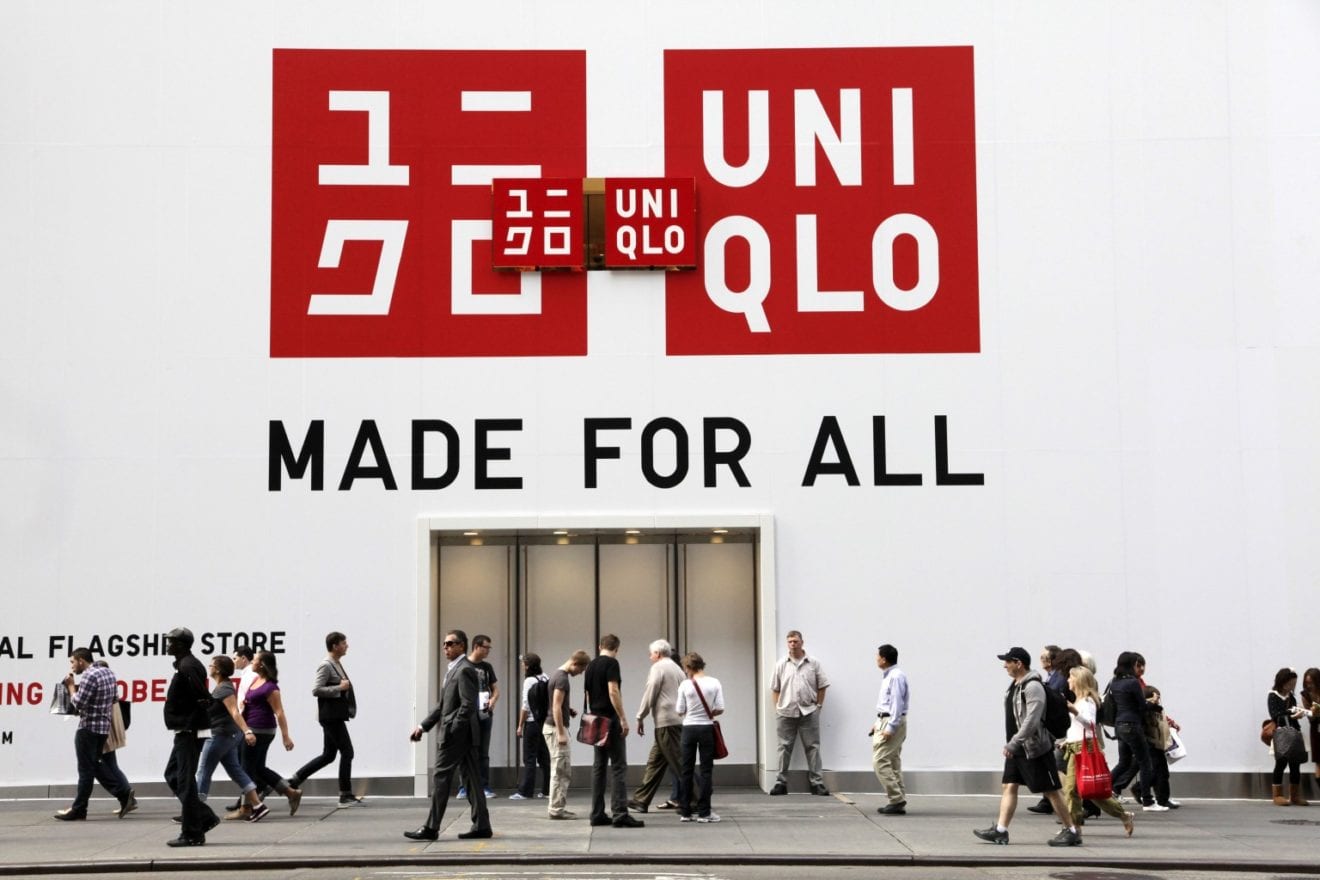
    For his part, Tadashi Yanai, chairman of Fast Retailing Co., maker of Uniqlo apparels, “expressed appreciation for the auspicious results of their initial foray into the Philippine retail market.”

    Uniqlo has already set up 23 shops in the Philippines since its launch in 2012, employing around 1,200 people.

    In his meeting with Aquino, Yanai “spoke highly of the quality of Filipino employees in terms of talent and interpersonal skills,” Coloma said.

    Speaking to the Filipino community later in the evening, Aquino said Fast Retailing appears to be on the way of achieving its initial target of establishing 200 shops in the Philippines, “and even intends to accelerate it.”

    Capping Aquino’s business meetings on his first day in Tokyo was the signing of a memorandum of cooperation with the Japan External Trade Organization “to further accelerate two-way trade.”

    Coloma said JETRO praised the Philippine Economic Zone Authority for transforming “red tape to red carpet” for foreign investors.

    Aquino will meet with other business groups in Japan such as the Japanese Business Federation, also known as Keidanren, and the Japan Chamber of Commerce and Industry to lure more Japanese investments in the Philippines.

    The Philippine leader, who will also meet with Emperor Akihito and Empress Michiko, and Prime Minister Shinzo Abe, will end his visit on Friday.

  • China’s mall growth

    China’s mall growth

    Over the subsequent three years, a staggering 40 million sqm of shopping center improvement is predicted throughout China.

    Of this, 55 new malls will probably be in Shanghai – a metropolis whose retail business has been turned on its head, actually, by the emergence of a mega metro system. Road degree shops nonetheless command the highest rents, however sub-terrain area is now extremely fascinating, particularly among the many footfall hungry fast-fashion manufacturers.

    “Shanghai metro has grown amazingly shortly, newly developed malls are popping up above or near the stations,” stated Rebecca Tibbott, head of retail leasing, JLL Shanghai.

    “Some manufacturers, Uniqlo for instance, can command prime degree one area however they’ll take basement one if there’s direct metro entry.”

    Till just lately, probably the most outstanding shops in any Chinese language mall have been the protect of the posh manufacturers however the luxurious market has grow to be saturated and that is, partially, answerable for a sizeable shift within the buying habits of the nation.

    Because the worthwhile millennial demographic demand extra selection at decrease costs, worldwide quick trend manufacturers are gaining a foothold. Zara, H&M and Perpetually 21 are a number of the western retail stalwarts giving prime tier luxurious names a run for his or her cash.

    “Quick style retailers are nonetheless very aggressive in China,” stated Tibbott. They’re all in search of prime excessive road area.

    “H&M has round 250 shops in China and it’s actively looking for area for 80 new shops this yr; Zara has its sights set on 60 new shops and Uniqlo plans one other 100, having already opened 100 final yr,” she added.

    New manufacturers are additionally rising. US-based Perpetually 21 has opened 9 shops and has plans for an extra 50, Hole has opened 32 shops since 2013 and Banana Republic is planning to enter the market in 2016, all contributing to China’s mall growth.

    “To get visitors into malls now, landlords want quick trend. In some instances they’re [landlords] asking quick style manufacturers and luxurious retailers to take a seat aspect by aspect.”

    Retail’s supporting position

    The place standalone buying facilities stood as beacons of Chinese language consumerism, ‘mixed-use developments’ at the moment are inspired with malls being only one element half. In future malls, retail will complement way of life, F&B and leisure.

    “Chinese language malls historically common at 80,000-100,000 sqm however, for instance, in Shanghai, the typical retail allocation is down to only 70,000-80,000 sqm,” stated Colin Dowall, head of retail asset administration, China.

    “Now when a improvement is proposed the Chinese language authorities needs to monetize it and more and more this requires making a improvement mixed-use and financially sustainable,” he added.

    “On the sale of land the federal government asks ‘what number of jobs will the event create?’”

    Authorities affect, it appears, is altering retail area in additional methods than one. A clamp down on ‘gifting’ – the follow of providing extravagant company favors – has curtailed luxurious purchases and prime tier retailers are struggling the fallout.

    “There’s been an enormous knock on impact on watches and jewelry particularly,” stated Tibbott.

    Meals and beverage is affected, too, as lavish lengthy lunches turn out to be a factor of the previous. “Earlier than the brand new guidelines, a Chinese language restaurant might have occupied a big 2000 sqm area, however they will’t justify that today,” she added.

    This altering shopper conduct has inspired landlords to put higher emphasis on expertise and idea shops. Additionally newly developed malls are dedicating more room to F&B and fewer to unbranded trend (as this phase has swiftly moved on-line). Landlords look internationally for solutions to offer higher buying environments and undertake know-how as a way of scrutinizing shopper habits. In lots of instances they discover themselves main the best way on this regard.

    With cellular penetration in China among the many highest on the earth, landlords are engaging smartphone savvy consumers via progressive promotions. In lots of malls, provides are projected on to screens and buyers are inspired to play video games to win prizes, which they will then redeem instore.

    This know-how adoption is spreading via e-commerce adoption. Current figures present on-line gross sales now account for 11 % of complete retail gross sales in China. Cellular know-how can also be serving to some landlords to measure footfall and document what clients are shopping for by means of their cellular pockets knowledge. Retailers may also profit from this knowledge as a way of monitoring inventory or they will use it to tailor promotions consistent with fashionable gadgets.

    Invaluable knowledge insights

    Knowledge wealthy insights similar to these are key, in accordance with Dowall.

    “Understanding the market is extra essential than ever. Once I first arrived I met a purchaser and a designer for H&M who had been right here 5 years simply making an attempt to know the market. Some manufacturers have entered too quick and located it onerous to adapt or have failed.”

    The event pipeline is encouraging for the way forward for the bodily retailer, regardless of competitors from growing on-line gross sales. Nevertheless, the query is what the Chinese language malls will present to outlive and what is going to they seem like in years to return?

    “Giant enclosed malls will develop into much less widespread and the price of operating these malls will form improvement; there will probably be some however the taste of the month is decentralisation that locations quick style alongside premium manufacturers.

    “Neighborhood purchasing facilities that replicate Western improvement cycles are arising and outlet malls on the peripheries are proving common.”

    Within the brief time period the most important change in Chinese language retail is the ever-increasing competitors between the landlords and tenants: “I all the time ask, ‘is it a landlord or a tenant market’, once we enter a brand new undertaking as a result of the technique will differ relying on the product they’re promoting.”

    Retailers undoubtedly have their work minimize out however landlords have to be smarter than ever about their tenant combine and purchasing expertise.
  • Mcommerce Surges Ahead in South Korea

    Mcommerce Surges Ahead in South Korea

    KOSTAT reported that mobile ecommerce sales were up 125.8% in 2014 as a whole compared with 2013.

    In Q1 2015, according to KOSTAT, travel accounted for the largest share of mcommerce sales in South Korea of any product category, at 16.0%. That was down from 19.5% a year earlier. Clothing was the second-largest purchase category, followed by household goods and motor vehicle parts and accessories, and food and beverages.

    According to Criteo, 50% of all ecommerce transactions at digital retailers in South Korea were mobile in Q1 2015, up from 45% in Q4 2014. Almost all such transactions came from smartphones rather than tablets.

    September 2014 polling by the Korea Internet & Security Agency (KISA) found that clothes, shoes, sports items and accessories were the most common mobile purchases in South Korea, and were bought by nearly eight in 10 mobile shoppers in the country. Movie and concert tickets came in a distant second, followed by books, magazines and newspapers.

    GlobalWebIndex reported that 40% of internet users in South Korea researched products on mobile phones in Q4 2014; 37% made a purchase via such devices. According to Q4 2014 data from We Are Social and the Interactive Advertising Bureau Singapore (IAB Singapore), 62% of the population of South Korea had made a digital purchase in the past month. Just over half that number, or 37%, had made a purchase via mobile phone in the same time period.

    KISA found that 58.6% of digital buyers in South Korea had made a purchase via smartphone in 2014, up from 43.2% the year before. Tablet buying was slightly down, from 3.0% in 2013 to 2.6% in 2014. In October 2014, 41.8% of digital shoppers in South Korea told DMC Report that the smartphone was their primary device for digital shopping—1.8 percentage points ahead of those who preferred desktops. Just 1.4% of respondents shopped mostly via tablet.

    eMarketer estimated in December 2014 that there were 26.6 million digital buyers in South Korea last year, or 73.0% of internet users in the country. At the same time, we estimated that 9.8% of total retail sales in South Korea would be digital this year. eMarketer does not break out mobile commerce sales or mobile shopper and buyer numbers for South Korea.