Author: Mei Ling Tan

  • SK Telecom Wins Most Innovative Telecom Project Award

    SK Telecom Wins Most Innovative Telecom Project Award

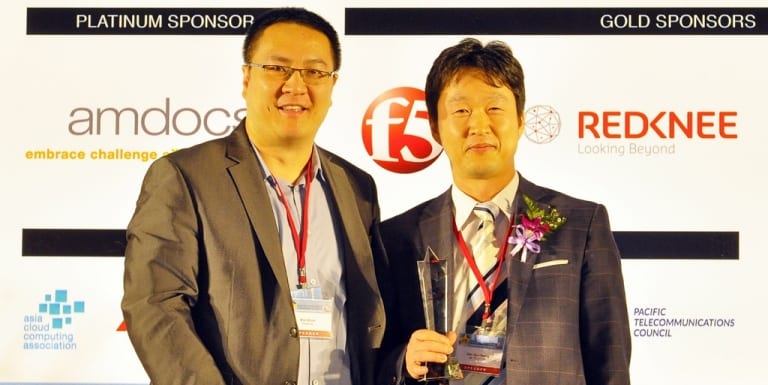
    SK Telecom won the Most Innovative Telecom Project (MITP) award on May 20 from the Telecom Asia Award (TAA) held in Jakarta, Indonesia, the company said.

    SK Telecom could win the Most Innovative Telecom Project award because TAA recognized the company’s continuous efforts for LTE technology development, particularly the commercialization of the “3 band LTE-A,” which provides a speed of 300Mbps maximum, SK Telecom said.

    TTA is held by Telecom Asia, a Hong Kong-based media company specializing in information technology, SK Telecom said. TTA has been awarding Asian companies for providing communication services or technologies, SK Telecom said.

    Park Jin-hyo, head of the network technology institution of SK Telecom, said that the company will continually innovate its network technology, with ambitions of being the world’s representative mobile communication company.

  • Thailand Post ‘s logistics arm aims to be Indochina hub

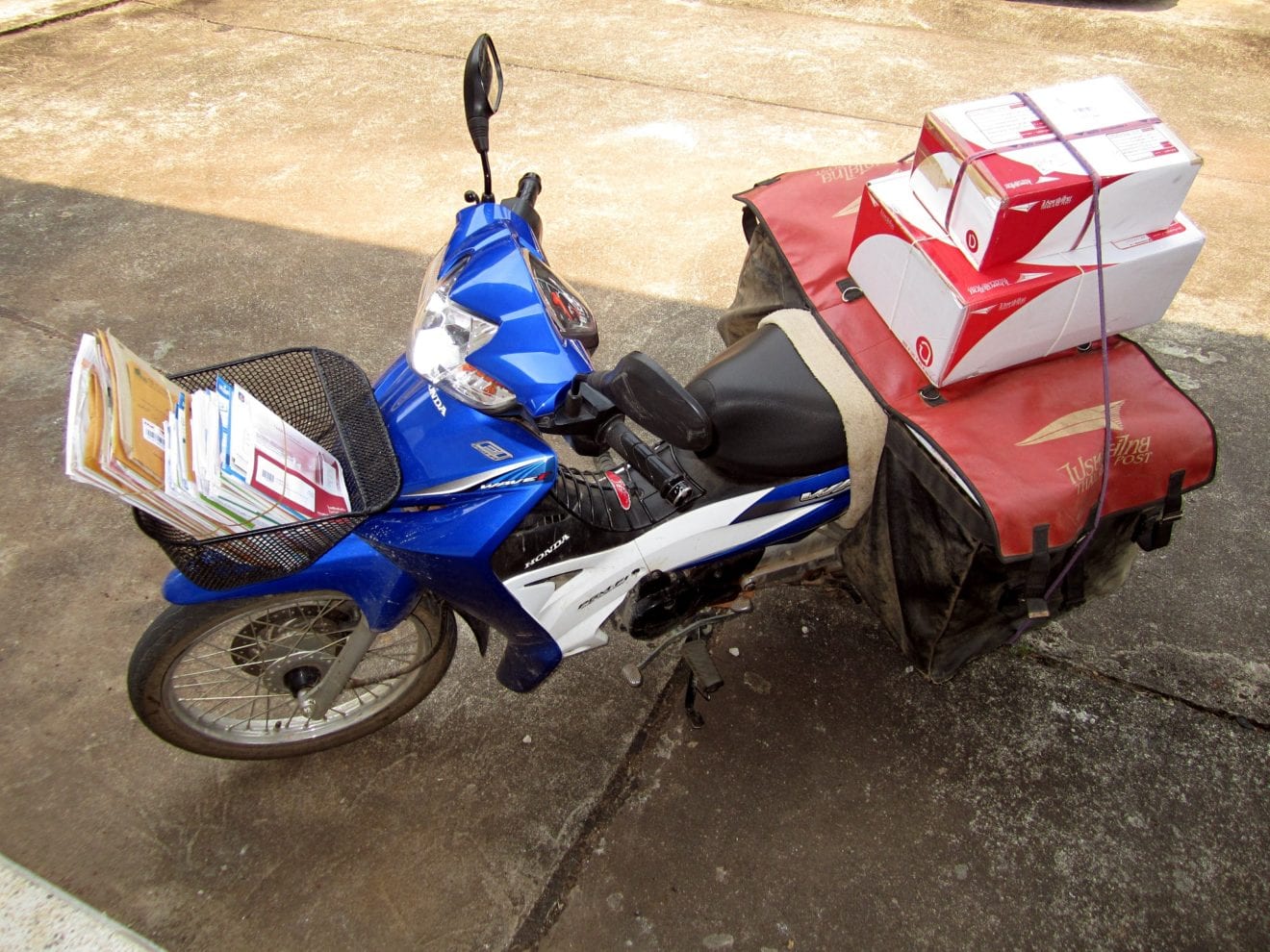
    Thailand Post ‘s logistics arm aims to be Indochina hub

    Warakan Srinualnad, chief executive officer of Thailand Post Distribution, said yesterday that the company aimed for Bt400 million in revenue in 2015 and expected to keep growing at 10 per cent per year. The company will expand to cover the whole Indochina region by 2017.

    The main target customers include providers of medicines and medical supplies, e-commerce and home shopping, banks and financial institutions, multinational companies and border traders.

    “The company already has customers such as the Government Pharmaceutical Organisation, the National Security Health Office and a home shopping company. As of now, most of our customers are government organisations. Our services are available for business-to-business, government-to-government, and business-to-government,” Warakan said.

    Thailand Post Distribution, a wholly owned subsidiary of Thailand Post, was established last year with registered capital of Bt350 million. It offers total logistical solutions including packing, warehousing, delivery and payment services for both private companies and government organisations.

    Warakan said the company was combining the strengths of Thailand Post with those of strategic partners in both fleet management and warehouses.

    Currently, the company has about eight fleet-management partners, with combined transport fleets of 500. Its warehouse partners include WHA Corporation, while its parent company, Thailand Post, and technology partners provide warehouse and transport management systems.

    Thailand Post Distribution has established its 20,000-square-metre warehouse network under Good Storage Practice standards, setting aside around 11,000sqm for temperature-controlled areas for storage of such products as pharmaceuticals, cosmetics and cosmeceuticals.

    The company also uses 10 of Thailand Post’s 16 warehouses and distribution centres located throughout the country. Its transport and distribution services adhere to Good Distribution Practice standards.

    “The services of Thailand Post and Thailand Post Distribution are complementary to each other. We act as strategic partners to use each other’s infrastructure and resources. For example, we can use Thailand Post’s 5,000 outlets [post offices, postal centres, and regional postal centres] to fulfil our services,” Warakan said.

    The logistics market in Thailand accounts for around 15-17 per cent of gross domestic product, Warakan said. The market is also growing in emerging areas, especially e-commerce.

    Piyawat Mahapauraya, senior executive vice president and acting president of Thailand Post, said its four main businesses were communications, logistics, retail and financial services. Thailand Post Distribution is now responsible for logistics.

  • Uniqlo now sells San Miguel Pale Pilsen T-shirts

    Uniqlo now sells San Miguel Pale Pilsen T-shirts

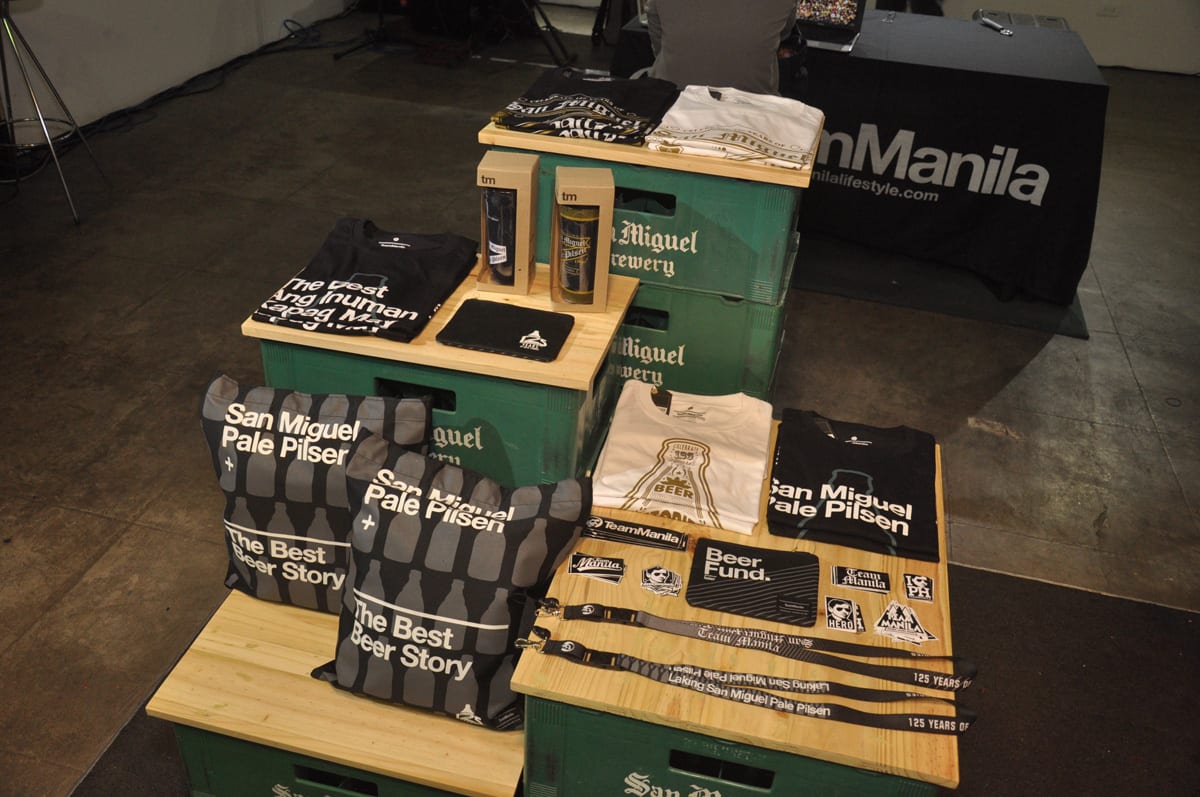
    Unlike with the Jollibee t-shirt line that is available for only a season, the Uniqlo-San Miguel Pale Pilsen t-shirts are available until the third quarter of 2016. All photos by Lynda C. Corpuz / Rappler

    Japan’s casual clothing retailer Uniqlo (“Unique Clothing”) on Friday, June 5, launched its T-shirt line featuring the iconic, 125-year-old San Miguel Pale Pilsen of local company San Miguel Brewery Incorporated (SMB).

    This is the second corporate collaboration of Uniqlo in the Philippines. The brand launched its partnership with fastfood giant Jollibee on May 27. Both Jollibee and San Miguel Pale Pilsen T-shirts started selling in Uniqlo stores on June 1.

    Like the Jollibee T-shirts, the San Miguel Pale Pilsen T-shirts will be sold in Southeast Asian countries like Indonesia, Malaysia, and Thailand. It retails in the Philippines for P380 each ($8.68).

    Available in black, white, and yellow, the T-shirts bear an image of the San Miguel Pale Pilsen bottle and the text, “The classic brew created for men who thirst for the distinctive taste of the world’s best.”

    BEE OR BEER? Similarly with the Jollibee t-shirts, the San Miguel Pale Pilsen t-shirts will be sold in Southeast Asian countries like Indonesia, Malaysia, and Indonesia. It retails in the Philippines for P390 each ($8.68).

    Unlike the Jollibee T-shirt line that will be available for only a season, the Uniqlo-San Miguel Pale Pilsen T-shirts will be available until the 3rd quarter of 2016.

    Something in common

    Fast Retailing Philippines Incorporated general manager Geraldine Sia said that the collaboration with San Miguel will not disappoint fans. SMB assistant vice president for marketing services Vinky Abalos said Uniqlo paid for the approved materials of the beer brand used for the T-shirt line.

    “It depends on them [Uniqlo if they would come up with new designs]. This is supposed to be a one-time project. They didn’t realize that this would be this successful. We only started selling this week, but the sales are [already surprising],” she said without citing figures. This is the first time for SMB to collaborate with a retail chain as big as Uniqlo.

    SMB marketing manager Menlou Bibonia said that the company’s employees, as well as SMB customers, expressed both excitement and amusement that they can finally see their favorite beer brand in Uniqlo’s shelves.

    Bibonia added that both brands share the passion “in giving our customers only the best.” She also highlighted the fact that SMB has also something Japanese in it, having Kirin Holdings Company Limited as a business partner.

    SMB is a 51-49 joint venture between San Miguel and Kirin. SMB’s executive financial advisor Takashi Hayashi said Kirin is satisfied with the partnership with San Miguel and they have no intention, so far, to change that.

    Expansion potentials

    Both Kirin (through SMB) and Fast Retailing (through Uniqlo) are also positive with their growth potentials in the Philippines.

    President Benigno Aquino III met with Kirin chairman of the board Senji Miyake and for Fast Retailing Company Limited (Uniqlo) chief executive officer Tadashi Yanai during his 4-day state visit to Japan, which concluded June 5.

    Secretary Herminio Coloma Jr said Kirin’s Miyake expressed “great interest in expanding their investments in the Philippines.”

    Fast Retailer’s Yanai also expressed his appreciation for the “auspicious results of their initial foray into the Philippines’ retail market.” Uniqlo already has 23 stores and has about 1,200 employees since it started in the country in 2012.

    Speaking to the Filipino community during his state visit, Aquino said Fast Retailing appears to be on track of achieving its target of 200 Uniqlo shops in the Philippines. As for expansion, Sia said it is all about timing for them.

    Sia replied that they do not have word yet about what is going to happen next following Aquino and Yadai’s meeting, but expressed hope that it would be overall positive for the country and the brand.

  • CEVA Logistics Signs Enhanced Southeast Asia Logistics Agreement

    CEVA Logistics Signs Enhanced Southeast Asia Logistics Agreement

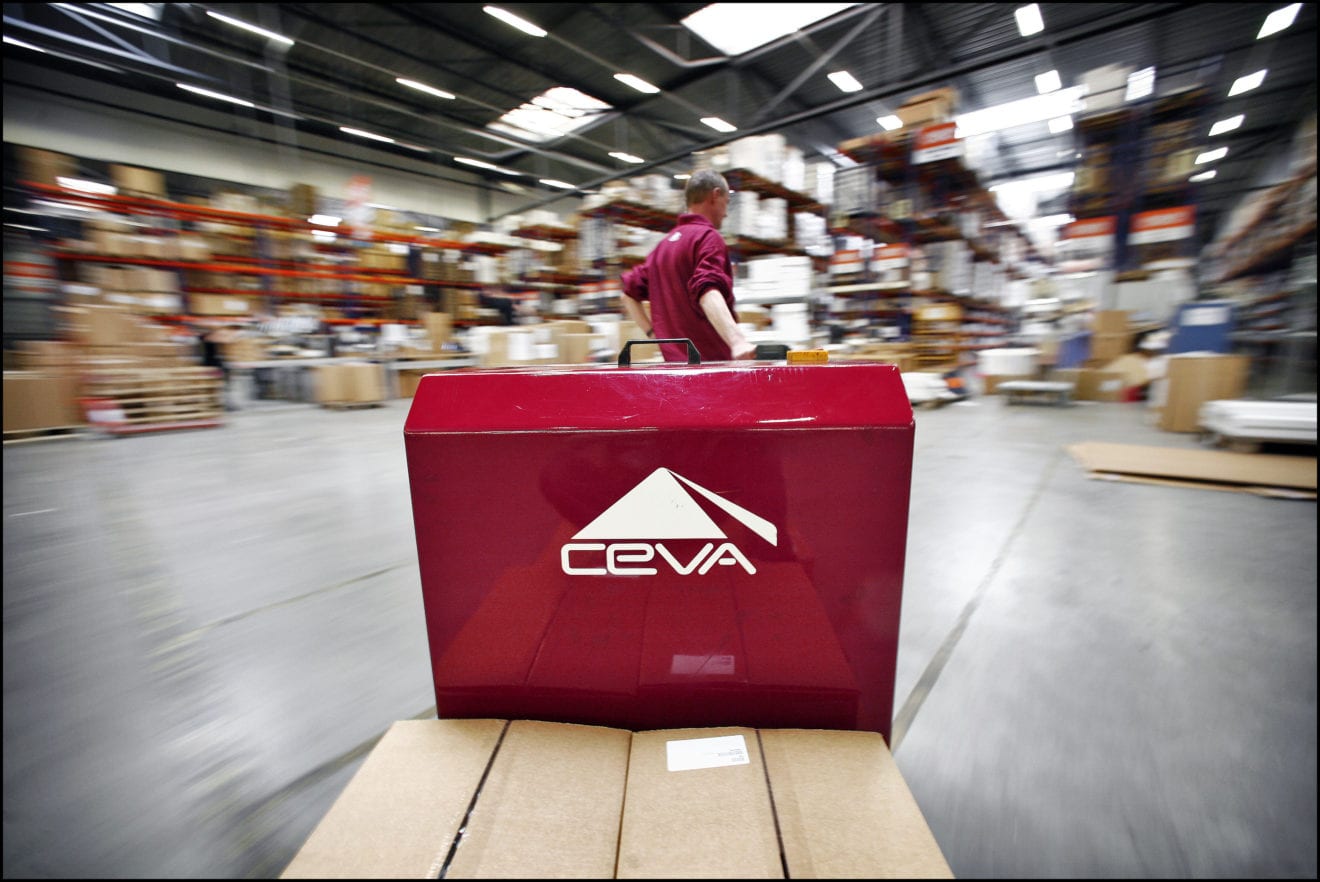
    In Addition To Growing Its Service Profile At Its Facilities In Portland, Oregon, And Chicago, The Company Has Opened New Distribution Facilities In Five Countries. Non-asset- basd supply chain management company CEVA Logistics has signed a contract to manage the Southeast Asia warehousing and distribution for the Valiram Group, a specialist retailer of luxury and lifestyle brands.

    Southern California-based CEVA started working with Valiram Group last year, providing warehousing and distribution services for their two brands, Victoria’s Secret in Thailand and Bath & Body Works in both Thailand and Indonesia.

    The new contract expands both of the brands into Thailand and Indonesia and tasks CEVA with handling warehouse management and other various services, such as price tagging and bundling, reverse logistics and time-specific delivery to retail stores for the company’s beauty, accessories and lingerie products.

    CEVA is directly involved in distribution and transport logistics for the store openings of Bath & Body Works—which was new to Valiram’s portfolio last year—opening several retail stores in both Southeast Asian countries.

    CEVA EXPANDS U.S., EUROPEAN AND ASIAN FOOTPRINT

    In addition to enhancing its service profile at its facilities in Portland, Oregon, and Chicago in the beginning of the year, the company has opened new distribution facilities in Poland, Italy, Canada, Malaysia, and Singapore, and began construction of a new 500,000 square-foot super site at Truganina, west of Melbourne, Australia.

    The new multi-user Australian facility will include four warehouses and will be the largest CEVA facility in the country when construction is completed later this year.

    “It is ideally located to support industrial, automotive and consumer and retail customers through its excellent access to Melbourne’s road and rail network, the Port of Melbourne and Melbourne International Airport,” the company says, adding that the new Australia facility “will be the centerpiece of CEVA’s growth plans in Australia and New Zealand.”

  • Hong Kong’s Golden Emperor opens first retail shop focusing on Thai property

    Hong Kong’s Golden Emperor opens first retail shop focusing on Thai property

    “We used to sell properties via exhibitions, but we noticed that the buying interest in overseas properties from the public was on the rise,” said Terence Chan Cheuk-ming, a partner at Golden Emperor. “These people do not prefer to go to property exhibitions, they enjoy visiting street shops and talking to agents, so we decided to open our first retail outlet.”

    The company was formed last year by Chan, who had been helping friends and investors to invest in overseas properties for five to six years, and Kingston Li, a former executive director at Morgan Stanley Hong Kong.

    The new shop, in Sheung Wan, offers properties in more than 30 projects, with 60 per cent from Thailand, thanks to a partnership with Sansiri, one of the largest real estate developers in the Southeast Asian country.

    The Thai developer will help manage clients’ properties and act as a leasing agent.

    Chan said the growing buying interest offshore was mainly triggered by higher rental yields.

    In Bangkok, net yield is about 5 per cent to 7 per cent, against 2 per cent to 3 per cent in Hong Kong.

    Hong Kong buyers were looking for Bangkok properties ranging from HK$1 million to HK$2 million for investment, Chan said, adding that the Sheung Wan shop catered to both locals and expatriates.

    “Retailers of dried seafood like abalone are very rich,” he said. “They are interested in buying overseas properties.”

    The firm also offers flats ranging from HK$10 million to HK$12 million in Australia and from HK$4 million to HK$5 million in Britain.

    Despite the higher yield, some local agents said it was not easy to resell assets in Thailand.

    “The market is not liquid compared with Hong Kong and China,” one agent said.

    Golden Emperor said Thai property prices had risen only about 24 per cent in the past 10 years – less than in key Asian markets such as Hong Kong and Singapore – and offered attractive investment values to long-term investors.

    This article appeared in the South China Morning Post print edition as Golden Emperor opens retail shop with Thai focus

  • Red Bull leads Thai products in making Asia’s Top 1000 Brands

    Red Bull leads Thai products in making Asia’s Top 1000 Brands

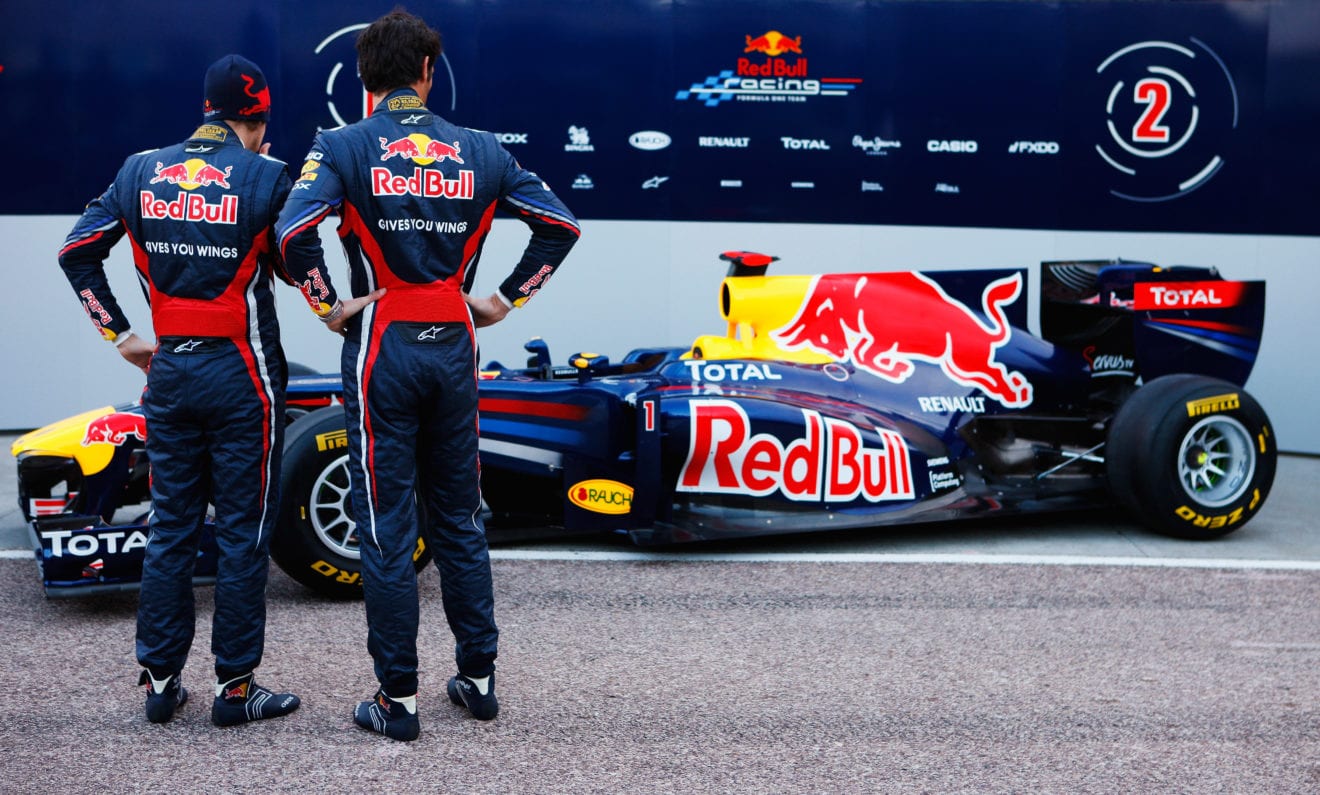
    Red Bull, the energy drink launched by the Yoovidhya family, took the highest place at 118. In the beverages category, other Thai brands are Tipco (365) and Aura (448).

    Jason Wincuinas, managing editor of Campaign Asia-Pacific, said yesterday that the new listing shows a rise in stature for many local Asia brands, as nearly all luxury names fell.

    “This looks like the start of Asia’s brands growing from local heroes into regional giants and eventually onto multinational status,” he said.

    In its twelfth year, Asia’s Top 1,000 Brands aggregates data from an online survey. The report incorporates consumers in 13 key regional markets across the Asia-Pacific – Australia, China, Hong Kong, India, Indonesia, Japan, Malaysia, the Philippines, Singapore, South Korea, Taiwan, Thailand and Vietnam.

    It encompasses 14 major categories – alcohol, financial services, automobile, retail, restaurants, food, beverage, consumer electronics, computer hardware, computer software, courier services, media and telecommunications, travel and leisure, and household and personal care – and 73 subcategories. To win a place in the ranking, Thai brands have to compete against all international brands. Mama was the only Thai food brand represented, falling from 339 last year to 377. Nestle was first. In household products, there is only Me-O, the pet food brand, which shot up from 709 to 583.

    Both DTAC and AIS showed up in the media and telecommunications category, where Google claimed the top spot. DTAC dived 62 rungs to 496, while AIS gained 41 to 623.

    For travel and leisure, which has AirAsia at the top, three Thai brands are included – THAI, Nok Air and Dusit.

    Thai Airways International climbed seven places to 191, but Nok lost two spots to 463. Dusit International plunged from 890 to 945. Singapore Airlines also slumped 20 places to 83, although it still led the full-service airline subcategory.

    Included in retail were Big C (248), Bangchak (475) and PTT (494). PTT’s Cafe Amazon is the only Thai restaurant brand, sitting at 609 in 2015 against 751 in 2014.

    Three Thai banks are in the financial services category, which covers payment companies like Visa and international banks like Citibank.

    Bangkok Bank leaped 153 places to 721. Kasikornbank sank five to 768 and Siam Commercial Bank slumped 99 to 800.

    South Korea’s Samsung was the most popular brand in the region this year, able to maintain the crown it snatched from Sony in 2012. Others in the top 10 were Sony, Nestle, Apple, Panasonic, Nike, LG, Canon, Chanel and Adidas.

    “These are the brands the people all across Asia have told us are the best in their minds,” Wincuinas said.
  • Brunei-Indonesia trade hit $812 million in 2014

    Brunei-Indonesia trade hit $812 million in 2014

    Trade value between Brunei and Indonesia increased by 4.10 per cent to to $812 million in 2014, a senior Indonesian diplomat said yesterday.

    Out of the $812 million, over 90 per cent of the business transaction was in oil and gas, according to Rudhito Widagdo, Minister Counsellor of Economy at the Indonesian Embassy.

    Indonesian exports to Brunei was valued at $135 million in 2014.

    “Some of the transactions also came from the SMEs(small and medium enterprises) but there is no doubt that oil and gas played a big part in the trade value,” he told The Brunei Times following a business briefing held for Bruneian businesses and stakeholders.

    This, Rudhito said, is an improvement from the trade value of $780 million recorded in 2013.

    Indonesia is also on a mission to reduce its trade deficit with Brunei. He said that trade value between the two countries had fluctuated in the past five years.

    In 2009, trade between Brunei and Indonesia reached $1.2 billion but decreased in 2010 to $948.2 million.

    In 2011, trade went up again to $1.15 billion before dropping to $675.6 million in 2012. Trade improved by 27.8 per cent in 2013 to $863.5 million.

    During these periods, Indonesia had always recorded deficit due to its huge import of crude oil, Rudhito said.

    He said Indonesia is inviting more Bruneians to invest in several “high-potential” provinces in the country. This will boost capital flow from the Sultanate.

    He hoped that yesterday’s briefing will inform Bruneian entrepreneurs about the business environment and investment opportunities in Indonesia.

    “We always strive to do our best to improve the economic relations of the two countries. In shaa Allah, in time, it will bear fruit. I’m very positive,” he said.

    Following a successful trade mission to Jakarta and Yogyakarta in October last year, the Indonesian Embassy will be organising another trade mission to Jakarta and Bandung from October 19 to 25.

    Bruneian businessmen who will join the trade mission will have an opportunity to do business matching with Indonesian companies, district officers and trade associations. They will also meet up with governors and district heads.

    The delegation will visit the Indonesian Trade Expo 2015.

  • Apple Fitness Director Jay Blahnik Hosting Special Events at Asia-Pacific Retail Stores

    Apple Fitness Director Jay Blahnik Hosting Special Events at Asia-Pacific Retail Stores

    Apple’s Director of Fitness and Health Technologies Jay Blahnik is touring the Asia-Pacific region this week to host live Q&A sessions with popular personal trainers and other well-known icons at Apple Stores in Australia, China and Japan. The special events focus on the intersection of health, fitness and technology, such as how to live a better life by maintaining a healthy body and mind.

    Jay Blahnik Sydney Instagram

    Blahnik sat down with Australian personal trainer Michelle Bridges for a live Q&A session at the Apple Store in Sydney, Australia on May 29 before heading to the Omotesando Apple Store to speak with technology journalist Nobi Hayashi in Tokyo, Japan earlier today, as noted by Macotakara. Blahnik will now travel to Beijing for an event with Chinese action filmmaker Donnie Yen at the Apple Store in China Central Mall on June 3.

    Prior to joining Apple in July 2013, Blahnik was a Nike FuelBand consultant for almost 20 years and an award-winning fitness instructor and personal trainer. As health and fitness director at Apple, he has played an instrumental role in development of the Apple Watch, working in the company’s top-secret health and fitness lab where it has collected over 18,000 hours of health and fitness data from employee workout sessions.
  • Indian Retail Market to Reach USD 1.3 Trillion by 2020

    Indian Retail Market to Reach USD 1.3 Trillion by 2020

    India’s retail market is expected to expand at USD 1.3 trillion by 2020 and the GDP is set to grow at 8 per cent over the next three years, making it the world’s fastest-growing major developing market, a consultancy firm has forecast.

    The current retail sales in India is worth USD 925 billion and had grown at 5.8 per cent on compounded annual growth rate in 2010-2014, A T Kearney said in a report on the 2015 Global Retail Development Index.

    “Consumer and investor sentiment have seen an uptick, as the pro-reform government under Prime Minister Narendra Modi sets out on an ambitious goal of improving its Ease of Doing Business ranking from 142nd to 50th in the next two years,” it said.

    “India’s retail market is expected to grow to USD 1.3 trillion by 2020, and GDP is expected to grow at 8 per cent over the next three years, making India the world’s fastest-growing major developing market,” the report said.

    India has risen five positions to rank 15th in the latest edition of the index, the London-based consultancy firm said.

    “India represents a good opportunity for international retailers in single-brand retail, cash-and carry, and e-commerce, as the country appears to be on the cusp of a strong growth phase over the next five years,” it said.

    The tipping point for brick-and-mortar retail continues to be the opening up of Foreign Direct Investment (FDI) norms in multi-brand retail, a move that is not expected in the near-term.

    After two years of dormancy, Walmart will open a new outlet in Agra this year and plans to add 50 wholesale stores to its existing 20 in the next five years, the report said.

  • Bangkok lags in retail expansion

    Bangkok lags in retail expansion

    Space in core areas of Tokyo remained highly sought after despite the mixed signals in the economy and an increase in the sales-tax rate introduced in April, 2014.

    Singapore followed Tokyo with 58 new retail brands while Taipei came in fourth, climbing seven places from 2013’s new entrants’ rankings with 49 new brands last year compared with 29 the year before. Other cities in the region making up the top 15 markets included Hong Kong with 45 new entrants, Beijing with 34 and Manila with 24.

    London retained its position as the world’s most international shopping destination with 57.9 per cent of international retailers present there, which was closely followed by Dubai with 55.7 per cent of international retailers present and Shanghai with 53.4 per cent.

    James Pitchon, head of research and consulting at CBRE Thailand, said that in the first quarter of this year, the total Bangkok retail supply was 6.8 million square metres, increasing by 7.8 per cent year on year. The volume of occupied retail space increased by 4.8 per cent.

    The largest new retail development in the quarter was the 50,000sqm EmQuartier luxury shopping mall on Sukhumvit Road.

    Jonathan Hsu, head of occupier markets research for CBRE Asia Pacific, said the continued desire for expansion into new cities remained high for international brands.

    “We are seeing a great deal of expansion into Asia and in particular into Tokyo, Singapore and Taipei.”

  • Thailand’s Berli Jucker to acquire consumer-goods producer for $30m

    Thailand’s Berli Jucker to acquire consumer-goods producer for $30m

    Thailand’s listed retail and trading firm Berli Jucker PCL (BJC) expects to close one acquisition deal valued at 1 billion baht ($30 million approximately), in Thailand by the third quarter of this year. It is also negotiating to acquire a few companies both in the country and abroad.

    BJC’s investor relation officer Nuthathai Thanachaihirun said that the target company was the manufacturer of consumer products, however, she declined to give more information about the deal at the moment.

    Earlier, BJC had planned to buy Metro Cash & Carry Vietnam, but the shareholders rejected the proposed deal twice as they were concerned about the impact of such acquisition on the company’s financial.

    TCC Holding, the parent company of BJC, will continue the negotiation and expects to finalise the deal with Metro Vietnam within this year. “The Metro Vietnam’s deal has continued. The latest value of the deal we proposed to the shareholders was 655 million Euro. If we consider the deal at the current foreign exchange, it will decrease from 30 billion baht to 24 billion baht due to the weaker Euro currency,” she said.

    The company would like to get Metro Vietnam because it has a strong distribution network, including the warehouses and logistics, in Vietnam.

    BJC allocated the budget of 4 billion baht for investments this year. Of the total, it will spend around 500-600 million baht on boosting its production capacity of lids from 2 billion pieces to 3 billion pieces a year. About 500 million baht will be spent on expanding the capacity at its glass-manufacturing plant and the can-production plant in Vietnam, and the rest for acquiring attractive businesses.

    Nuthathai said that the revenue in 2015 should grow by 10 per cent from 44.1 billion baht in 2014 and the net profit should be higher than 1.67 billion baht in 2014, mainly due to the cost-reduction plan.

    “Although there is no sign of economic recovery in the first half of this year, we believe that business will pick up in the second half due mainly to the government’s policies to stimulate domestic consumption and investment,” she cited.

    The revenue in this quarter will not be much different from 10.6 billion baht in the first quarter, as the domestic spending power has not recovered yet. However, the net profit is expected to increase from 529.08 million baht in last quarter because of better cost management.

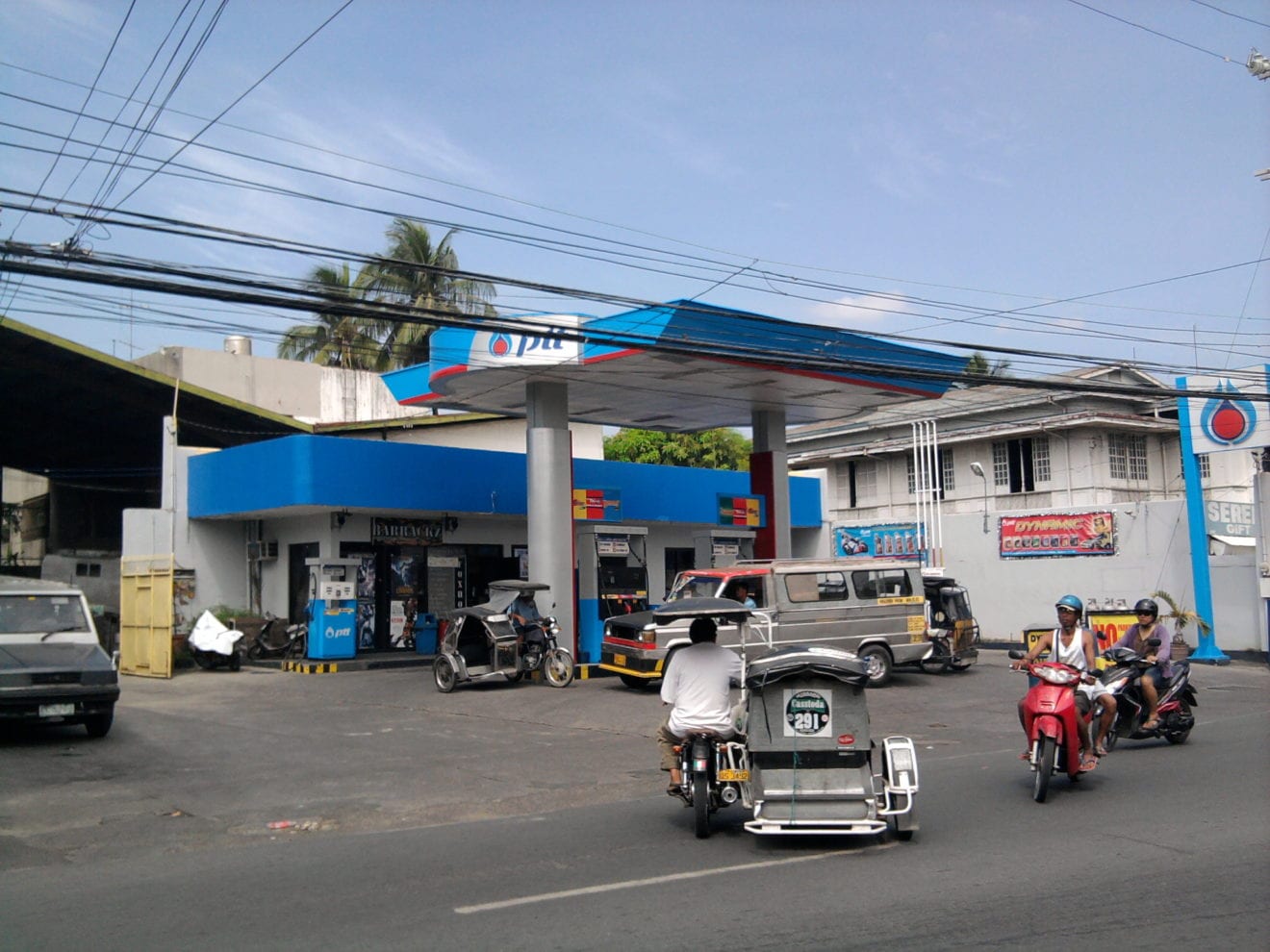
  • PTT Philippines pouring in P450M for expansion

    PTT Philippines pouring in P450M for expansion

    AS part of the company’s robust expansion program, independent oil player PTT Philippines is pouring in P450-million worth of investment in retail this year.

    Khun Korawat Sungmongkol, PTT Philippines director for operations and logistics, said part of the expansion program is the rolling out of “mini gas stations.”

    He added that at least two mini gas stations will be initially put up for pilot-testing in Luzon and Visayas.

    “We will definitely try to roll [them] out first in Luzon because that’s where our strength is and maybe in Cebu as well,” Sungmongkol said in a forum.

    Once it passes the standards of the PTT head office in Thailand, he added, the project will be fully implemented in 2016.

    “This year will still be experimentation year. We have to get the confirmation of head office,” Sungmongkol said.

    He added that investment packages should be adjusted to fit requirements of local investors.

    PTT Philippines targets small and medium enterprises (SMEs) to invest in owning their mini gas stations.

    Investment in a mini gas station, Sungmongkol said, is 30 percent less than in a normal station.

    “A normal or compact PTT station costs around P8 million while a mini gas station could be P6 million,” he added.

    Sungmongkol said they are eyeing about 800 to 1,000 square meters for a mini gas station.

    “We have to comply with our head-office standards to make sure there’s enough space for fire safety and the tank we’ll install [in such station],” he added.

    PTT Philippines Marketing Director Khun Thitiroj Rergsumran said the mini gas stations are on top of the company’s 15 service stations target for this year.

    “For the Philippines, it is a policy also that we have to expand retail business. We get assignment from our head office to have 15 stations a year,” he added.

    This year, Rergsumran said, the company will concentrate on becoming the regional brand in the East Asian countries.

    “We’re going to have a very huge project in Vietnam and here in the Philippines,” he said.

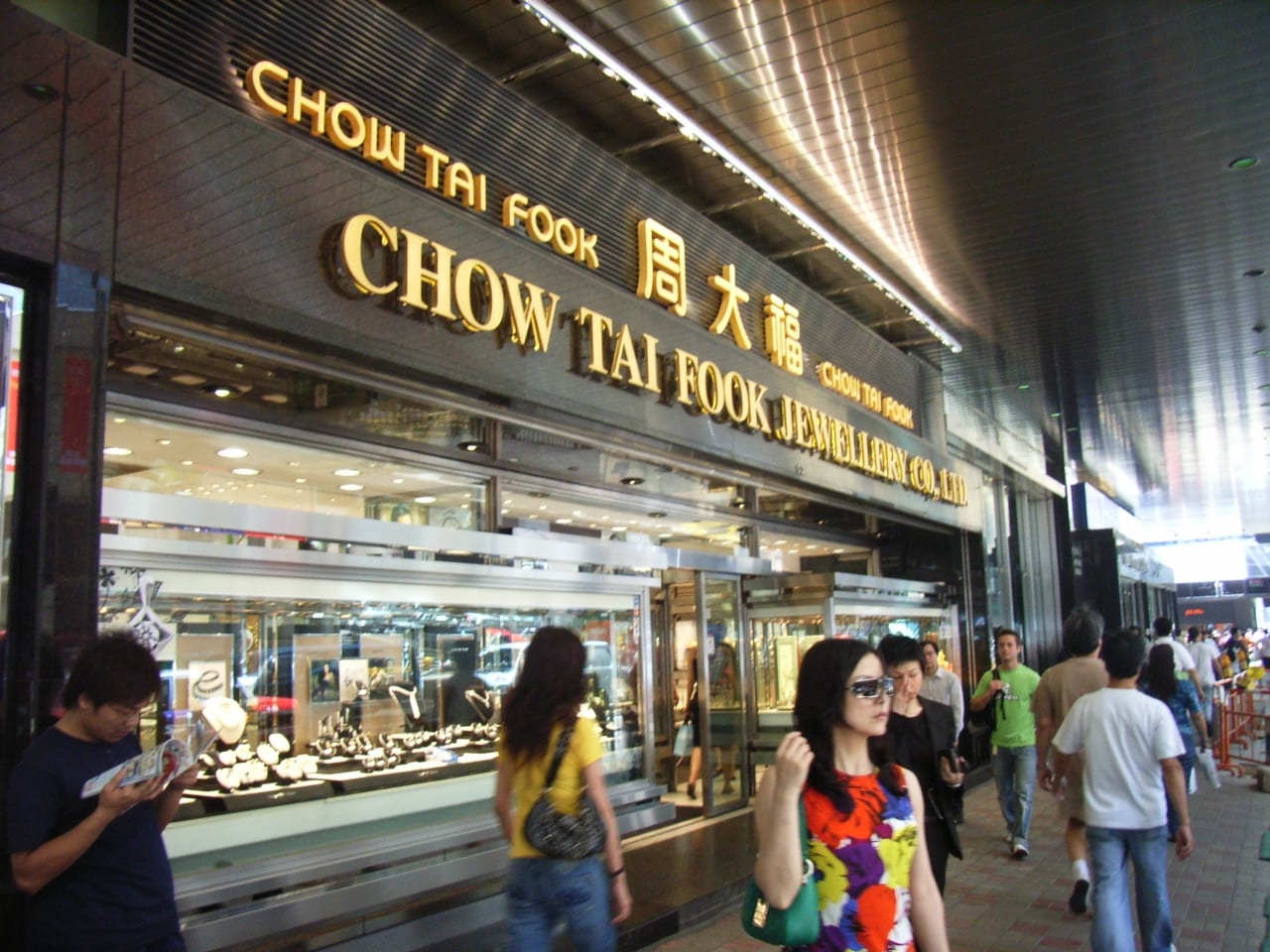
  • Chow Tai Fook boosts community as gross sales slip

    Chow Tai Fook boosts community as gross sales slip

    Chow Tai Fook added 180 new factors of sale within the 2015 monetary yr and says it’s going to proceed to increase regardless of the slip in gross sales.

    The corporate now has 2257 factors of sale, largely in Hong Kong, mainland China and Macau.

    “Whereas it’s essential to take care of our market management, we’ll proceed to pay shut consideration to our level of sale technique and make immediate revisions when mandatory throughout unpredictable financial occasions,” the corporate stated in its earnings assertion.

    Chow Tai Fook’s income decreased by 17 per cent to HK$64.277 billion in FY2015 in comparison with HK$77.407 billion within the previous yr. General similar retailer gross sales declined 24.1 per cent, amongst which jewelry enterprise in Mainland China and Hong Kong and Macau recorded a decline of 16.1 per cent and 32.eight per cent respectively.

    The corporate stated a part of the decline was resulting from gold gross sales coming down from a excessive base through the 2014 yr when commodity costs have been unusually excessive.

    Income from gem-set jewelry as a proportion of income elevated by 5.9 per cent to 27 per cent.

    Gross revenue decreased by 9.eight per cent to HK$19.072 billion, however gross revenue margin improved from 27.three per cent to 29.7 per cent.  As on the finish of March it operated 30 eCommerce platforms, (11 greater than a yr earlier) together with its direct web site Chow Tai Fook eShop and all main third-party market platforms in Mainland China, specifically Tmall.com, JD.com, VIP.com, Suning.com, mei.com, and Amazon.cn.

    “With a mean promoting worth of round HK$1000, our eCommerce platforms supply a youthful line of merchandise with decrease entry costs, concentrating on the youthful clients who type a big  portion of internet buyers. In response to the wants of the youthful era, a few of our merchandise are provided solely on our e-commerce channels, and we’re placing extra emphasis on the quickly rising cellular platforms within the coming yr.”

    The corporate additionally accomplished the acquisition of Hearts On Hearth, the worldwide model it took over in August to spice up its product vary and supply. Chow Tai Fook has already opened its first Hearts On Hearth retailer in Mainland China, in Shanghai

    Chow Tai Fook says within the yr forward it’s going to stay dedicated to a balanced strategy of progress and return,

    It plans so as to add an extra 150-160 factors of sale to its mainland China community.

    “We consider room for enlargement continues to be vital for us, as we’re presently current in simply 484 cities out of over 700 within the nation. To make sure our new additions will absolutely seize market potential, we’ll concentrate on decrease tier cities and depend on native experience and professional information to facilitate market entry. As well as, we shall be conducting upgrades in  roughly 10 per cent of our present POS to “high-end luxurious” or “magnificence” fashion over the subsequent three years in response to the evolving retail panorama. A lot of the upgrades will occur in Tier I and II cities, the place buyer expectations are typically greater.”

    In Hong Kong and Macau, the emphasis shall be on effectivity, because it continues to consolidate its retail community the place applicable to handle rental prices.

    “Abroad market stays a strategic element in our market improvement plans — our imaginative and prescient stays that we be the trusted model wherever Chinese language shoppers populate or ceaselessly go to; we now have set foot in Taiwan, Malaysia and Singapore — in addition to our latest regional market: South Korea.”

    Chow Tai Fook additionally sees vital additional progress alternative in eCommerce. “Whereas we consider the core of our enterprise has by no means been modified, this initiative intends to discover methods to extract O2O synergy and to assist us keep related with our clients, particularly the youthful generations, in interactive and revolutionary methods.”

  • Laduree to open in Philippines

    Laduree to open in Philippines

    French patisserie Laduree has confirmed its entry into the Philippines.

    The Parisian retailer – well-known for its macarons, will open in Rockwell at Makati Metropolis in larger Manila on July 19.

    The model is being delivered to the Philippines by franchisee H&F Retail Ideas, whose MD Mark Gonzalez says the shop will promote macarons flown into the nation from Paris.

    The primary Laduree retailer will take up simply 55 sqm of retail area. It is going to be adopted by a Laduree salon de the tea salon and patisserie in one other Manila location subsequent yr.

    Based in 1862, Laduree pioneered the macaron which has in recent times turn out to be a cult meals merchandise, superseding the cupcake craze.

    H&F’s owns the Philippines franchises for retail manufacturers together with Balenciaga, Fred Perry, Pylones and operates multi-brand boutiques buying and selling underneath the the Univers and homme et femme banners.

  • Accolade for Shoppes at Marina Bay Sands

    Accolade for Shoppes at Marina Bay Sands

    The Shoppes at Marina Bay Sands has gained the RLI Purchasing Centre Renovation 2015 title in The International RLI Awards 2015 held in Dubai, UAE.

    The Shoppes gained the award forward of worldwide contenders the Armada Purchasing Centre in Turkey, CapitaMall Jinniu in Chengdu, China, and the Victoria Place Buying Centre within the UK.

    John Postle, VP of retail with Marina Bay Sands stated: “We’re honoured to as soon as once more be recognised by RLI for our efforts to reinvent and redefine the last word luxurious buying expertise for our international guests. The constructive momentum we have now witnessed because of a three-year lengthy strategic retail re-mix technique reinforces our imaginative and prescient to ship a world-class product unmatched by some other purchasing locations within the area.”

    Postle thanked retail companions and clients for contributing to The Shoppes’ success.

    “We’re assured of taking our product and repair high quality to the subsequent degree with many extra thrilling openings and signature occasions to return.”

    Organized by Retail & Leisure Worldwide (RLI) journal, The International RLI Awards recognise and reward probably the most revolutionary and imaginative retail and leisure ideas worldwide. The judging panel consists of world business leaders in retail, leisure, improvement and design, representing the very best requirements in at this time’s retail area.

    The Shoppes gained its first international accolade – the RLI Worldwide Buying Centre 2012 – awarded by the RLI again in 2012. It was additionally awarded Greatest Buying Expertise on the Singapore Expertise Awards 2014 by the Singapore Tourism Board.

    Since opening in 2010, The Shoppes at Marina Bay Sands has grouped the most important assortment of luxurious labels beneath one roof within the area, with greater than 170 luxurious and premium manufacturers, spanning bespoke menswear, ladies’s collections, luxurious youngsters’s labels, in addition to luxurious watch and jewelry manufacturers.