Author: Mei Ling Tan

  • Foodpanda HK axes Foodora after just two months

    Foodpanda HK axes Foodora after just two months

    Just two months after its launch, Foodora, the upmarket sister site of Foodpanda Hong Kong has been axed.

    Inside Retail Hong Kong broke news of Foodora’s launch in late September and the company officially unveiled the concept in early October, saying it had 100 restaurants signed up after a trial in two suburbs: Central and Sheung Wan.

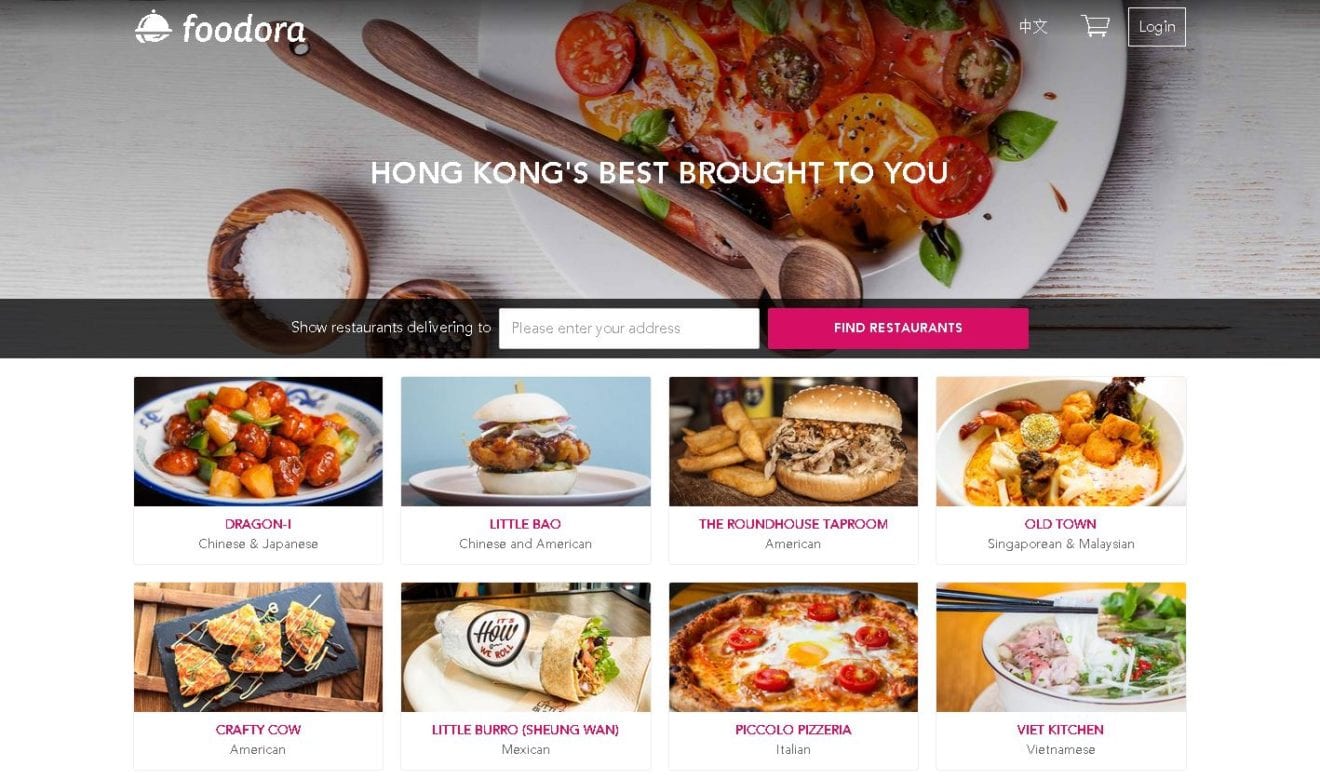
    “The company has set itself apart from traditional delivery services by working with big names in the restaurant scene, including the likes of Dragon-i, Iberico, Check-In Taipei,The Boss and Social Place. Restaurants such as Little Bao will for the first time offer hungry Hong Kongers an alternative to waiting in a queue for superior eats,” Foodora said at the time.

    But today, Foodpanda said those restaurant brands will now be listed alongside fastfood brands like Pizza Express on the parent site.

    It disguised the axing of the two month old project in a media statement proclaiming it has “drastically reduced delivery time” of all its orders to “an average” of 30 minutes, a key marketing plank of Foodora.

    “Sister company Foodora, launched in October this year, is also now integrated into the Foodpanda business, in order to have natural synergies and premium expertise. This new integration is an additional step to reinforce Foodpanda’s philosophy and expertise on providing the best food delivery services,” the statement said.

    The company says it has developed proprietary rider and restaurant software technology, using an advanced algorithm to optimise delivery courier routes and restaurant operations.

    “The company is now able to ensure that steps in the food ordering process occur faster than ever, bringing average delivery down to 30 minutes after the order confirmation.”

    Announcing the addition of Pizza Express, Oolaa, Mana Raw and Nosh by Secret Ingredient, among others, to its offer, Foodpanda Hong Kong MD Alexander Roth said it is Foodpanda’s mission “to deliver the best meals from the best restaurants to our customers as quickly as possible”.

    Foodpanda is encountering increasing difficulties rolling out its business model in Asia. Last month it closed its Vietnam operation after failing to make a dent in the market share of more efficient, established rivals (subsequently selling its database to one of them).  In Kuala Lumpur it is struggling to win customer confidence after buying up its rivals and shutting them down and operating a monopoly widely criticised for delivery times of often more than an hour, complaints of cold food and poor customer service.

  • E-Mart opens first outlet in Vietnam

    E-Mart opens first outlet in Vietnam

    E-Mart said Monday it has opened its first outlet in Vietnam, with aims to expand its presence across the Southeast Asian region in the years to come.

    The discount store chain operated by Korea’s retail giant Shinsegae will be competing with Lotte Mart, which has been operating 11 stores in Vietnam since 2011.

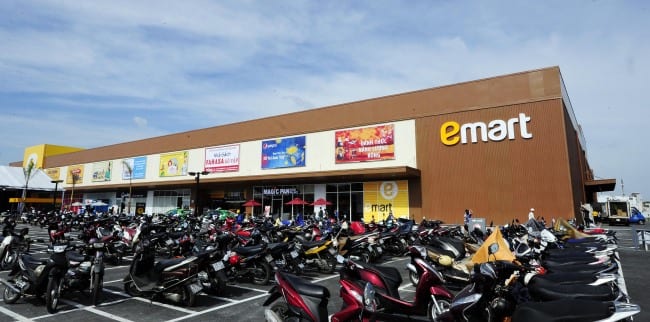
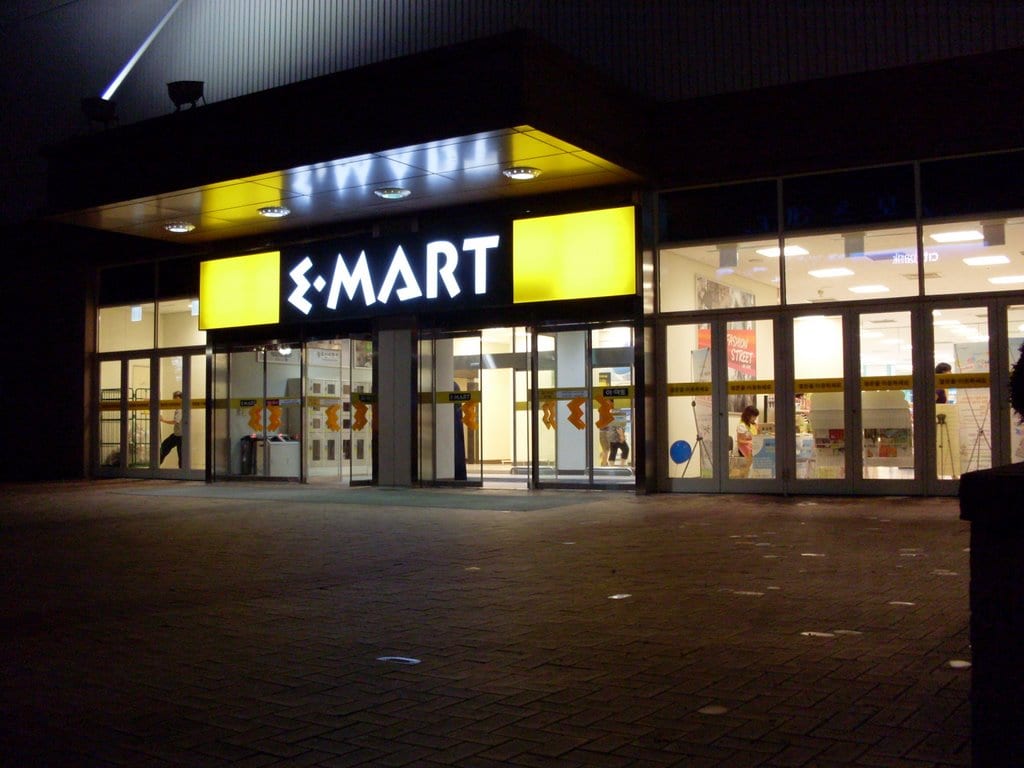
    E-Mart’s new store located in the Go Vap District in Ho Chin Minh City, Vietnam. (E-Mart)

    The new E-Mart store — two stories tall and about 30,000 square meters wide — is located in the heart of Ho Chi Minh City at Go Vap District, one of the most developed and densely populated areas in the capital.

    The Go Vap branch marks E-Mart’s first overseas store since the brand redirected its focus to the Southeast Asian market in 2011 amid sluggish performance of its Chinese operations.

    The firm has set its sights on using the new store as a foothold to expand into other regions in Vietnam as well as neighboring countries like Laos, Indonesia and Myanmar.

    E-Mart said it has taken care to localize its services as much as possible to meet the needs and lifestyle of Vietnamese consumers while introducing a number of new services and facilities unfamiliar to locals.

    For one, 95 percent of some 300 store employees, including the store head, are Vietnamese. In line with the high motorcycle ownership (80 percent) in the country, the parking lot has been designed to accommodate 1,500 motorcycles and 150 cars.

    In terms of its product lineup, E-Mart is featuring Korean goods that are popular among Vietnamese tourists to Korea as well as imported items sourced directly by the store operator.

    Popular Korean food such as kimbap and tongdak, grilled chicken, as well as fresh baked goods catered to Vietnamese tastes will be freshly made and sold inside the store as well.

    The venue also includes a number of new dining and entertainment facilities scarce in the country including a diversified food court, a sports club for children as well as an English Club.

    At the same time, E-Mart plans to implement its flagship customer services system, including immediate refund and exchange policies and compensation for miscalculations at the checkout counter.

    “By offering items, services and facilities popular among the Vietnamese E-Mart’s Go Vap branch will seek to sweep the Vietnamese retail market,” said general director of E-Mart Vietnam Choi Kwang-ho.

    “After successfully building up a sizeable presence in downtown Ho Chi Minh, we plan to expand into the rest of the country,” he said.

    E-Mart has reportedly purchased land near Ho Chi Minh’s Tan Son Nhat International Airport, with plans to open its second branch there in the near future.

  • Alibaba and UBM to create O2O trade buying experience

    Alibaba and UBM to create O2O trade buying experience

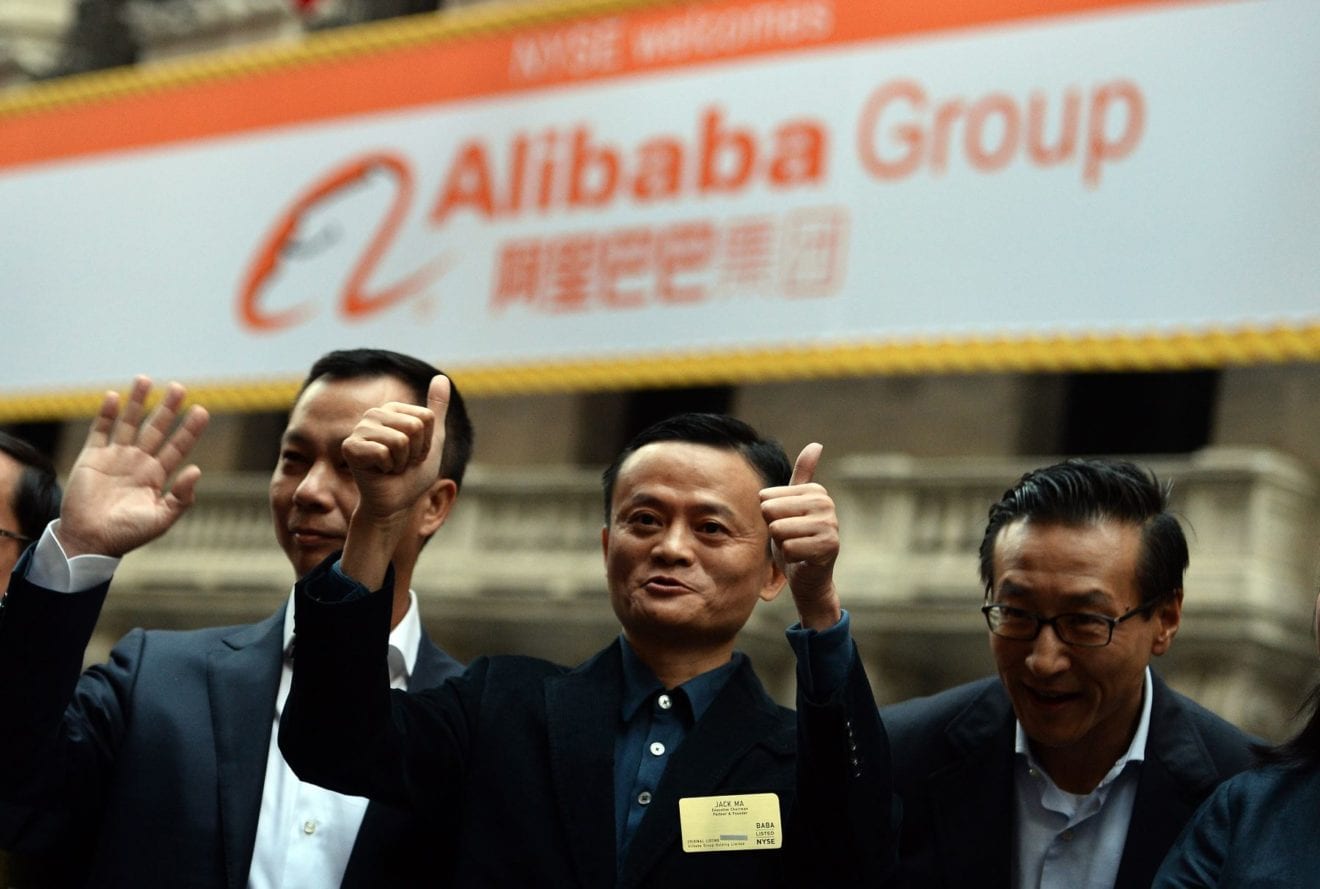
    Alibaba’s B2B business unit, including Alibaba.com and 1688.com, has teamed with trade exhibition organiser UBM Plc to “unite the online and offline trade buying experience” initially in Asia.

    The two companies have begun exploring opportunities to link the B2B online and face-to-face trading worlds by leveraging their combined strengths, technologies and relationships. The alliance will begin with pilot programs introducing Alibaba B2B business unit’s online secure transactional platforms and business portals for companies participating in select UBM Asia trade fairs.

    Cross promotional marketing, match-making services and audience development of the two company’s brands and networks will be another key aspect in working towards the longer term goal of creating the next generation of on and offline trade experiences.

    Sophie Wu, president of the Alibaba B2B business unit, says collaborating with UBM will offer small and medium-sized enterprises a multichannel B2B trading experience.

    “They can also tap into the abundant and combined expertise of the two industry pioneers for more worldwide trading opportunities.”

    Tim Cobbold, CEO of UBM  says a fundamental element of his company’s ‘Events First’ strategy is its commitment to innovate and to deliver value for customers.

    “We are excited at the opportunity to partner with Alibaba.com, to create the next generation of trade buying experience.”

    Pilot programs for the joint collaboration will begin with UBM Asia’s Malaysia International Furniture Fair (MIFF) to be held on 1-5 March 2016 in Kuala Lumpur, Malaysia, Finefood Shanghai – part of Hotelex Shanghai – to be held 29 March to 1 April 2016 in Shanghai, China; and the co-located Materials Manufacturing & Technology (MM&T) and Fashion Access (FA) fairs to be held 30 March to 1 April 2016 in Hong Kong.

    The collaboration will commence with promotions of the UBM fairs to both parties’ respective trade audiences and Alibaba will begin offering their Trade Assurance service onsite to select exhibitors.

    Alibaba’s Trade Assurance service allows participating suppliers to offer guarantees on order quality standards and on-time shipment.

    Further pilots in the second half of 2016 will include additional business match-making components for other UBM Asia events such as Shanghai International Children Baby Maternity Industry Expo (CBME China) and Sign & LED China fairs.

    James Dong, head of B2B strategy, investment, business development and business intelligence of Alibaba.com, says the eCommerce giant sees great added values for global business traders through the collaboration.

    “Alibaba’s online trading resources and technology complements with the interaction and dialogues in the offline UBM trade shows. Such an alliance not only makes trading more cost-effective but enables higher level of trust between global buyers and sellers,” he said.

    James Dong of Alibaba, left, and Jime Essink of UBM Asia announcing the new partnership.

    Jime Essink, president and CEO of UBM Asia Ltd, says one of the challenges of the trade exhibition industry is continuing the buyer and seller dialogue and experience throughout the year.

    “Meanwhile, the limitation of a pure online trading world is the absence of the physical interaction and development of the personal relationship. With Alibaba and UBM Asia – both prominent players in our respective fields of B2B trade – working together, we see opportunities to change how online and offline trade takes place, providing improved returns and efficiencies for our customers.”

  • Qianhai Centre Shenzhen design revealed

    Qianhai Centre Shenzhen design revealed

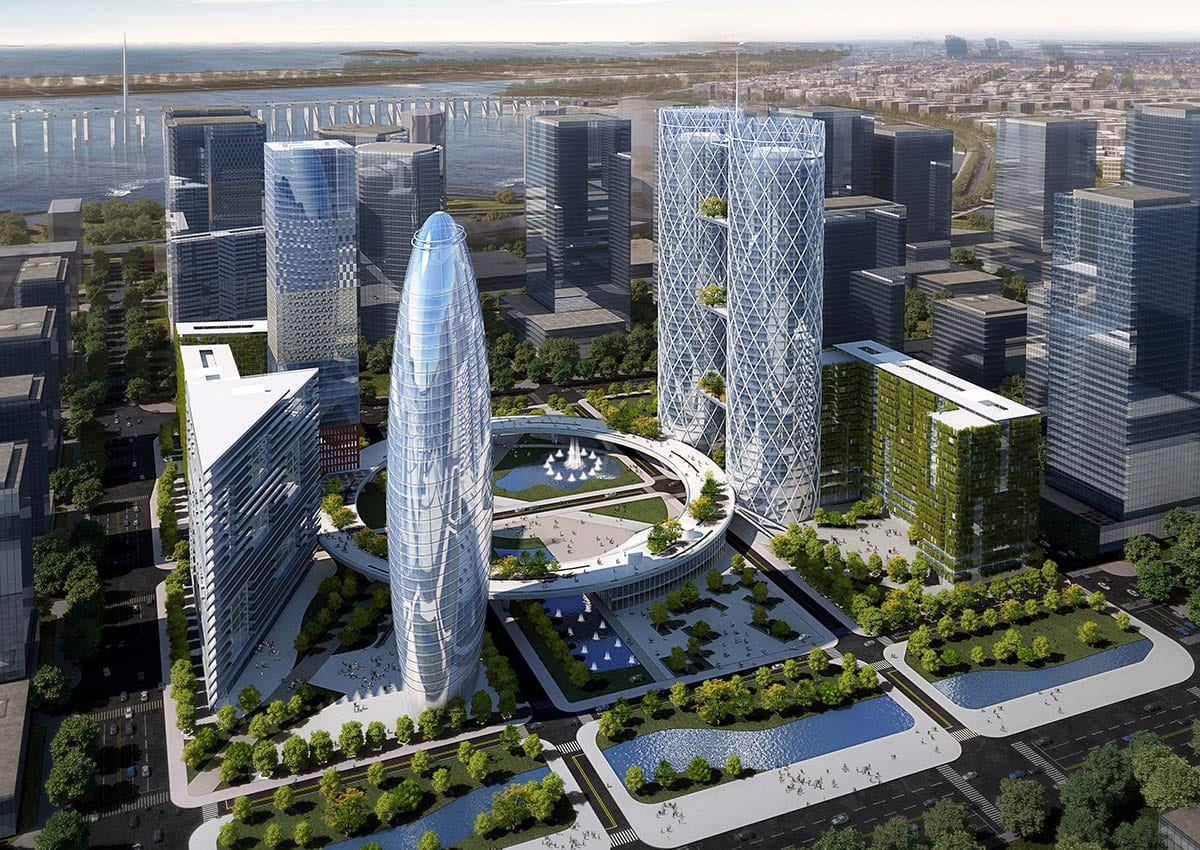
    Benoy, the global studio of Architects, Masterplanners, Interior and Graphic Designers has revealed its design of the future China Resources Land (CRL) Qianhai Centre Shenzhen.

    The development will form a core part of the highly publicised Qianhai special economic zone. As masterplanner and retail architect, Benoy says it has “challenged the status quo of a traditional finance district” by creating a multi-layered active city environment for the commercial scheme.

    Located in the centre of Qianhai, the development sits within ‘Neighbourhood 2’ of the district. With a vision to transform the district into the ‘Manhattan of the Pearl River Delta’, Qianhai itself is expected to attract $45 billion in future investment.

    “Our design has aimed to capture how we want our cities to look, feel and function in the future; bringing a new concept to shape this emerging zone,” said Chao Wu, Benoy director.

    Benoy’s masterplan for the 54,000 sqm site aims to create an active 24 hour destination and develop the plot to its fullest potential. The scheme will feature a four-storey podium including a basement retail level which will connect to five towers comprising commercial offices, a five star international hotel and serviced apartment residences.

    Enlivening the heart of the development, and, in turn, the wider district has been a key consideration of the design. As such, Benoy has carved two main ‘spines’ through the development to create a lively internal streetscape. The Financial Valley and the Green Belt thoroughfares open up the podium to create an interconnected environment from the sunken basement levels up to the roof garden on Level 4.

    As Chao explains: “These open-air spines bring the development to life with their fluid form which is accentuated by landscaping, terraces and an eclectic mix of spaces. The design gives human-scale and creates a recreational experience and personality for the emerging financial zone.”

    At the intersection of these internal streets sits the focal point of the scheme – a large, vertically and horizontally connected outdoor event space. This outdoor entertainment area has been designed for year-round enjoyment with a monocoque steel canopy featuring ETFE material. A modern theatre and art gallery have been strategically positioned nearby to support the events programme, reiterating the commitment to inject art and culture into the commercial precinct.

    “This development needs to serve both the living and working needs of the surrounding community. We wanted to create a model which functions as a recreational realm bustling with activities and different environments to form a centrepiece for the wider commercial masterplan,” says Chao.

    The development has not ignored its identity within the financial district with the architectural language respecting both functions of the scheme. The lively designs along the interior spines of the development have been complemented by the formal and clean lines of the street-facing facades which reference the corporate nature of the district.

    Following the vision of the district, CRL Qianhai Centre promotes a strong integration of public transport and a multi-layered pedestrian-friendly environment as a Transit Oriented Development. Three metro lines which include Line 1, Line 5 and the future Line 11 are seamlessly integrated into the scheme. Environmentally aware, the development is targeting both LEED and China Green Building three star certifications.

    CRL Qianhai Centre has broken ground and is due to complete construction in 2018. The development adds to Benoy’s growing portfolio in the emerging Pearl River Delta economic zone.

  • Apple Hong Kong store gets an extra floor

    Apple Hong Kong store gets an extra floor

    Apple’s first retail store in Hong Kong is expanding with the addition of a third floor.

    The store, located in IFC Mall, opened its doors in 2011. Three more have since opened across the territory, but demand for Apple’s products still caused frequent congestion inside the IFC Mall location.

    Apple Hong Kong store 1 ( Apple Insider)

    In a catchy promotion announcing the expansion, Apple has mounted signs with the slogan: “We’re taking things up a level”.

    According to AppleInsider, construction of the extra floor is nearly complete. The store will feature a new, separate staircase to access the new zone.

    Apple Hong Kong store 2 ( Apple Insider)

    Apple opened its 28th store in China last week, with plans to have a total of 40 retail locations in Greater China by mid-2016.

  • HKIA to create one-stop shop in West Hall

    HKIA to create one-stop shop in West Hall

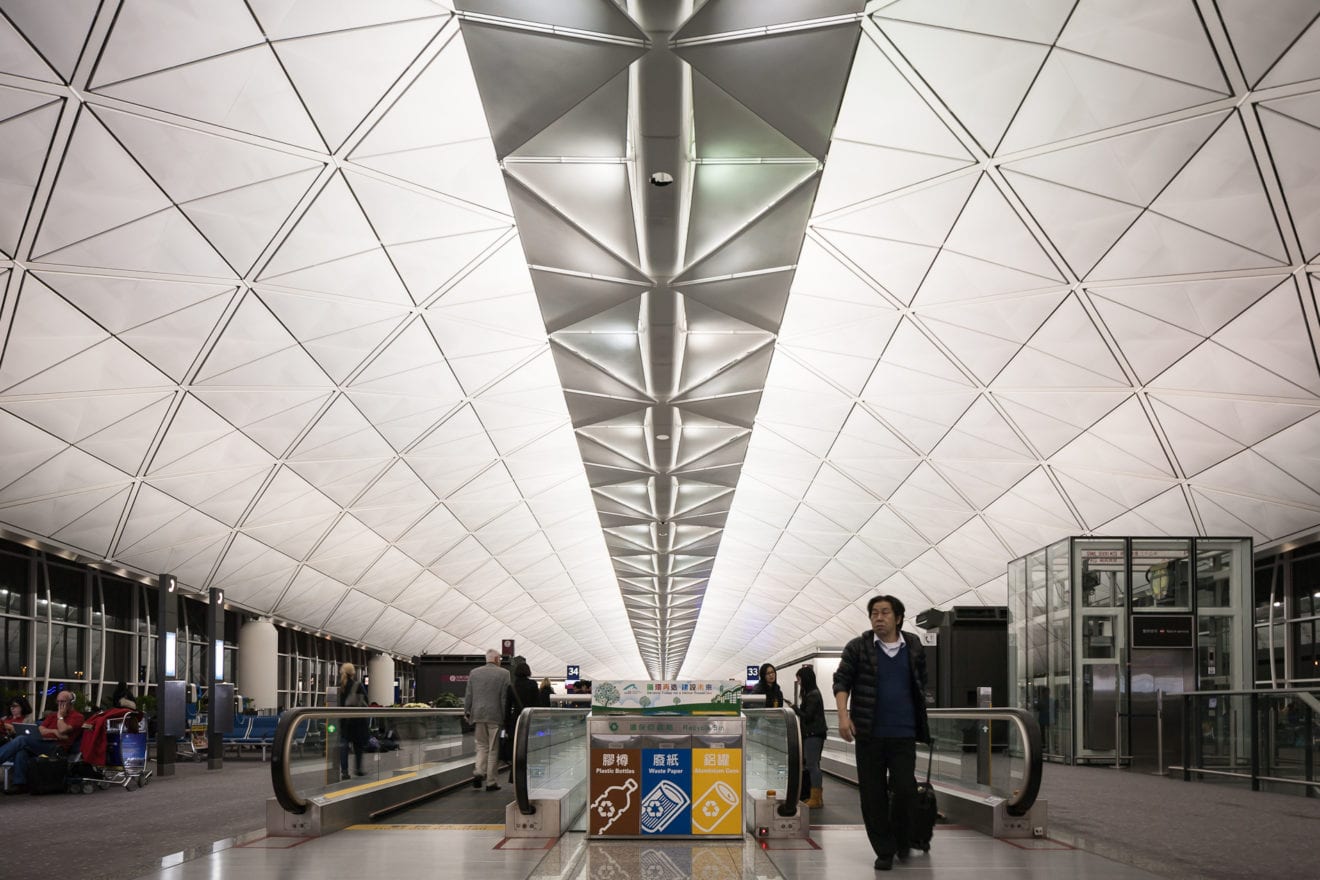
    Retail performance in 2015 at Hong Kong International airport (HKIA) has been shaped by a growing portfolio of leading brands and strong passenger growth, an Airport Authority Hong Kong spokesperson told DFNIonline.

    HKIA now plans to reinvigorate the retail facilities at the West Hall to be more of a “one-stop shop” and dining destination. HKIA has added two new brands to the facility, Hermès and MCM, both of which will make their introduction from the middle of 2016. So far over 50% of the stores are currently open as part of the West Hall redevelopment programme.

    After launching a local free delivery service in February 2015, where customers spending over $1,000 can enjoy free postage within Hong Kong, HKIA has extended its service within Greater China. Launched last month, customers spending over $2,500 on clothing, bags and accessories are offered free delivery to mainland China, Taiwan and Macau.

    The airport is also embarking on substantial retail change where several tenders have been issued. The spokesperson confirmed the airport is undergoing an evaluation process.

    In keeping with its uplifting retail experience the airport installed an “I Love Hong Kong” zone this year, located on Level 7 of the East Hall comprising an “East meets West” culture. Fourteen local brands for fashion, Chinese dried goods, Chinese bakery, optical shops and tea houses now carry the prominent logo on shop-design, merchandise and packaging, as well as Hong Kong Disneyland and Giordano.

  • Lane Crawford gives brand fresh Facesss

    Lane Crawford gives brand fresh Facesss

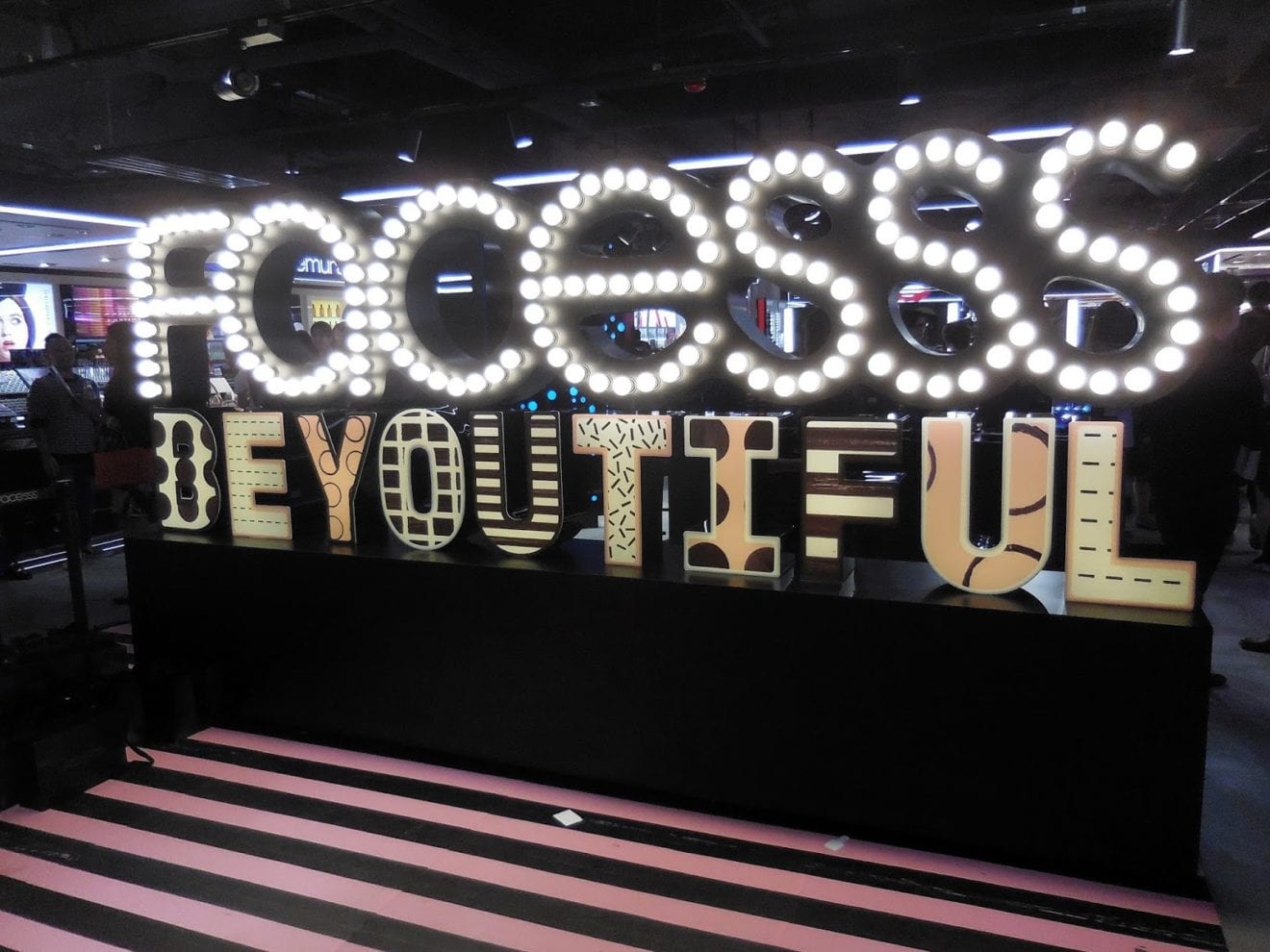
    Hong Kong department store Lane Crawford has given its beauty brand Facesss a whole new look and direction.

    Facesss, with stores in Admiralty and Harbour City has been given a makeover by independent creative consultancy Constant aimed at appealing to millennials and a more diverse local audience.

    Constant said until now Facesss has been a popular beauty destination, catering to a myriad of different demographics, but it lacked a strong voice of its own.

    The consultancy took a roots to branch approach, focusing on the in-store shopping experience, branding and location within Lane Crawford. Staff uniforms were redesigned and a new in-store music soundtrack compiled, and a new mobile app developed.

    “Since Facesss allows everyone to discover the beauty that works for them, we wanted to hero individualism and self-expression across the communication strategy”, Tem Hansen, partner & strategy director said.

    “We see the beginning of that in the identity and tone of voice, but it will be explored further in the next phase of the brand development.”

    While Facesss now has a new logo, the Constant team took pains to retain “the most definable assets” of the brand.

    “Starting from the logo, the new branding came naturally as we expanded with more geometric shapes and a series of patterns that allows the identity to both be fluid and recognisable across all platforms,” explains Tim Ho, Constant partner and creative director.

    “You see that strongest in the animated GIFs that are used across both LED panels and on social media channels.”

  • WearYouWant Thailand sales soar

    WearYouWant Thailand sales soar

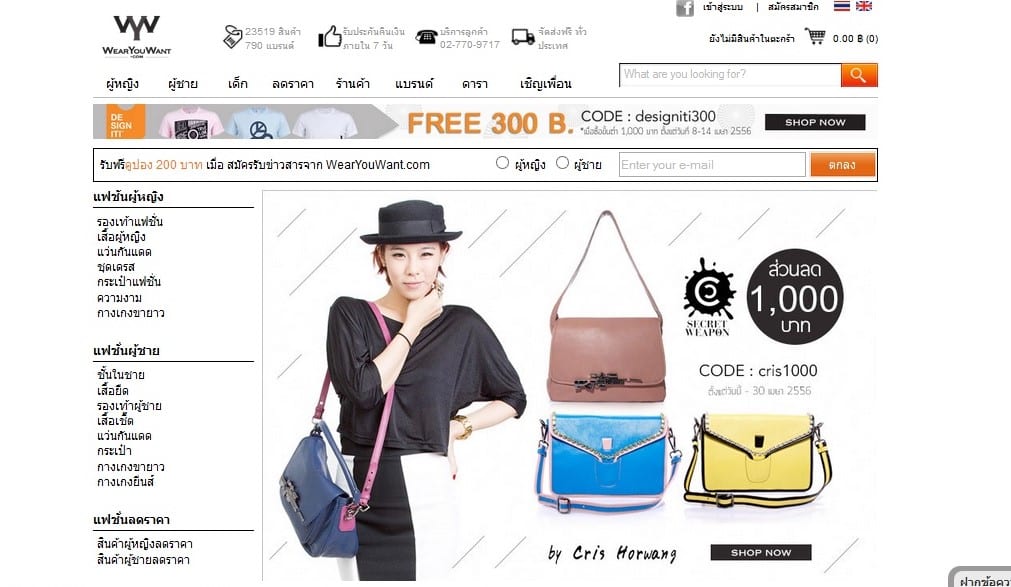
    WearYouWant Thailand – the Bangkok based online fashion marketplace – has reported a 150 per cent growth in revenue this year.

    “It has been an astounding year for WearYouWant,” says Julien Chalté, co-founder and Co-CEO.

    “We have outperformed our budget for the last 11 months and believe we will end this year on a strong note.”

    WearYouWant Thailand has been working hard this year to build brand awareness, including an advertising campaign on the BTS Skytrain network, which has boosted site traffic by 30 per cent.

    The raised brand awareness has encouraged brands such as Mac Jeans and Aldo to supply the site.

    “Our advertising campaign has shown remarkable results in terms of visibility. In addition to generating more traffic and conversions, it has also created trust on the B2B side, which has resulted in an increase of new partners joining our platform,” Martin Sørensen, fellow co-founder and co-CEO added.

    The Thai fashion market place now boasts about 500,000 visits per month and aims to create a high-quality, brand-led seamless online retail experience, which they have achieved for the platform in 2015 on both the B2B and B2C side.

    “We have had immense growth in 2015 on the partner side and on the end user side. One of the important strategic focus points for WearYouWant will remain to continue growing our B2B market  at the same pace as we grow our B2C database; that is key for being successful in a B2B2C setup as ours,” explains Sørensen.

    A fourth anniversary birthday campaign this month has set a new sales record for the site, which has achieving nearly 50 per cent of the total sales forecast for December less than half way into the month.

    The team behind WearYouWant: from left, Christian Skoglund CFO, Julien Chalté, Martin Toft Sørensen, co-founders and co-CEOs, and Thomas Kroman, chief marketing officer.

  • February launch for Samsung Galaxy S7

    February launch for Samsung Galaxy S7

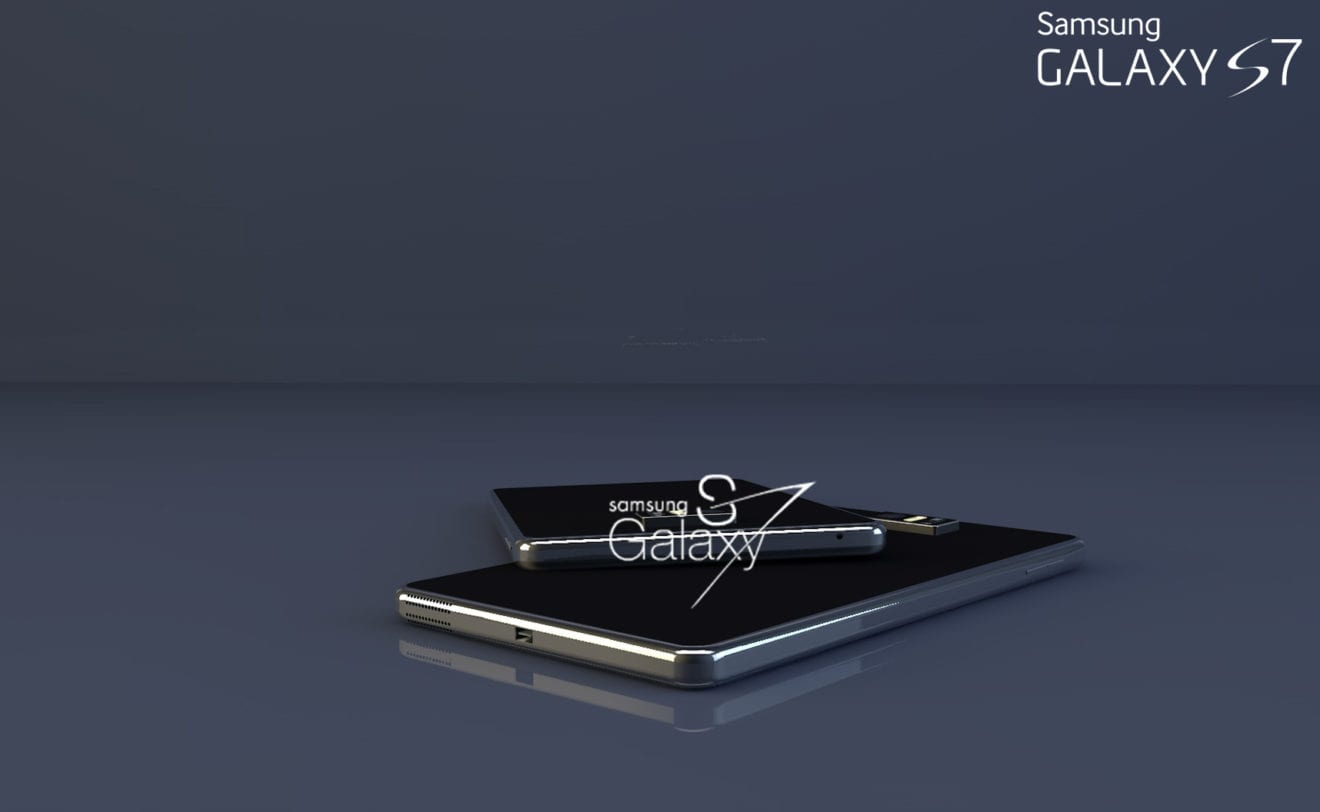
    Samsung Electronics’ new flagship smartphone, presumably to be called the Samsung Galaxy S7, is set to be revealed at a tech exhibition in February, an industry source said Friday.

    And the new generation of the world’s second most famous smartphone is expected to put more emphasis on performance over design.

    The South Korean tech giant will reveal the new Galaxy at the Mobile World Congress 2016 in Barcelona, the source said, with the official release on sale slated for March.

    Industry watchers said the Galaxy S7 will look similar to its predecessor, the Galaxy S6, which went on sale in April, as the market cheered the design of the Galaxy S6 and its sister Galaxy S6 Edge. Thus, Samsung may utilise the design once again and instead focus its efforts on performance, they added.’

    The Galaxy S7 is expected to maintain the built-in battery adopted by the predecessor, which was considered as a deal breaker for some Samsung fans who opted for Galaxies over iPhones for detachable batteries.

    Users, however, may be allowed to insert memory cards to expend data capacity for the new Galaxy, a feature that also disappeared with the Galaxy S6.

    The Galaxy S7 is also forecast to come with new features, such as a new touch system that delivers different commands depending on how strong a user presses the screen, similar to that adopted by the iPhone 6S.

    The new Galaxy will also have a slightly larger screen at 5.2 inches, compared with its predecessor’s 5.1-inch display.

    As the Galaxy S6 Edge and the Galaxy S6 Edge+, which sparked an unexpected sensation in the market with their displays that bend at both ends, Samsung may also add another Edge model for the Galaxy S7.

    While no price details have been provided so far, industry watchers expect Samsung will have no choice but to cut costs amid the booming popularity of budget handsets in the market.

    During the initial release, the price tag on the 32GB Galaxy S6 was 858,000 won (US$726.81), while that of the 64GB edition stood at 924,000 won.

    Samsung said its handset shipments climbed 18 per cent on-quarter to 105 million units in the third quarter, with smartphones accounting for around 80 per cent, or 84 million units.

    Despite increased shipments, its IT and mobile business saw operating profits slip to 2.4 trillion won, from the previous quarter’s 2.7 trillion won, due mainly to the increased shipment of budget models that lacked profitability.

  • Mr Churro Singapore opens at Ion Orchard

    Mr Churro Singapore opens at Ion Orchard

    Mr Churro Singapore opens officially at Ion Orchard shopping mall today, (December 18).

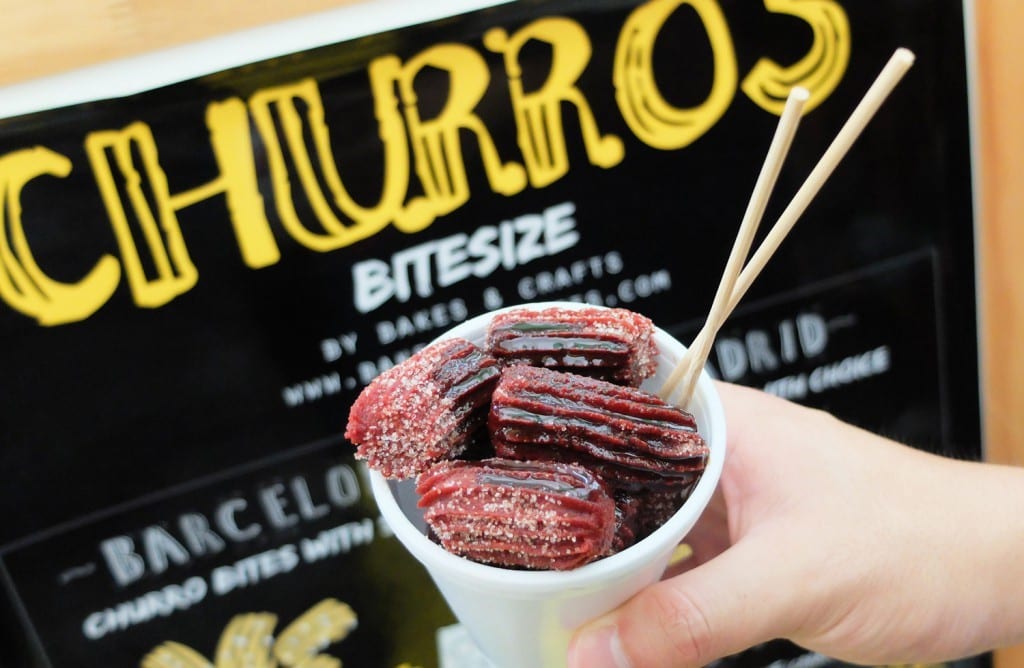
    Churros are a fried-dough pastry based snack, usually sweet, popular in Spain, France, the Philippines, Portugal and the Southwestern US. In Spain, churros can either be thin (and sometimes knotted) or long and thick. They are normally eaten for breakfast dipped in champurrado, hot chocolate or cafe con leche.

    Mr Churro is a Korean-founded chain which describes itself as “an artisanal churros kiosk”. It describes the new Ion Orchard store as a “flagship outlet”.

    Mr Churro Singapore

    The kiosk has been trading for several weeks in preparation for its formal opening.

    Mr Churro is a franchised business and Singapore is believed to be one of its first markets outside Korea.

    Mr Churro

  • Dusit International Venerable Thai hotel chain expanding overseas operations

    Dusit International Venerable Thai hotel chain expanding overseas operations

    Dusit International, the venerable Thai hotel chain, is expanding its overseas operations in regions such as Africa and the Middle East, offering Asian tastes to compete with major American and European chains. While Dusit began to go abroad due to the instability of a domestic tourism industry shaken by frequent political upheavals, it now seeks to open up to 20 new hotels a year on the back of a strategy promoting the nurturing of local human resources. Dusit targets an overseas revenue ratio of 80%.

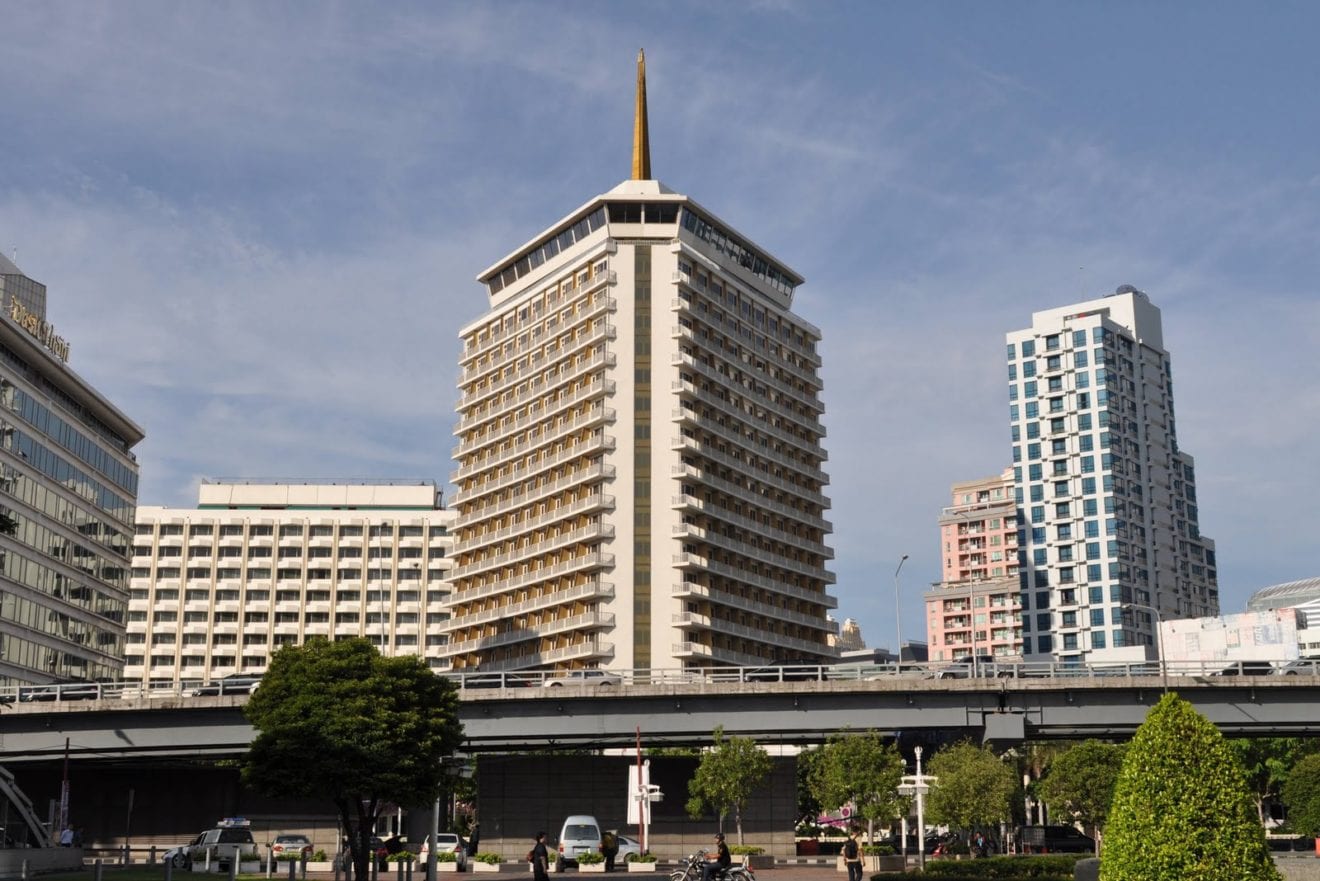
    A high-rise building in the heart of the business district in Dubai, a city in the United Arab Emirates and one of the Middle East’s main commercial hubs, is a prominent landmark because of its striking inverted Y-shaped design. It is the Dusit Thani Dubai hotel, opened by Dusit in 2001.

    The unique design represents the Thai greeting “wai,” in which the palms are pressed together in a prayer-like fashion.

    In the lobby of the hotel, staff members in Thai ethnic costumes play traditional Thai musical instruments. “I feel as if I were in Asia and relaxed,” said a businessman, 39, from Kuwait.

    Benjarong, a Thai restaurant in the hotel, is popular with local gourmets. Few hotels offer an Asian sensibility in the international market, said Chanin Donavanik, CEO of the hotel chain, also known as the Dusit Thani group.

    In Oman, which neighbors the state of Dubai, Dusit signed a deal in September to become a tenant in what is to be the country’s biggest commercial complex and has since been promoting a project to open a hotel in 2017. The complex is slated to have an aquarium and a snow park on its property. Dusit puts weight on the nurturing of human resources. In Thailand, it operates a cooking school in collaboration with a university, a vocational school and an outlet of Le Cordon Bleu, France’s cooking and hospitality education institute.

    In the Philippines, Dusit opened a class for future hotel workers at the Lyceum of the Philippines University in 2009. It has also announced a deal to open a school in Indonesia next year in a tie-up with a hospitality management school in Bali.

    Chanin is promoting plans to open universities and vocational schools in countries where Dusit operates. Dusit has agreed with Oman’s Al Jarwani Group to open a school after 2017. While the hotel industry is large, education tends to be downplayed, Chanin said in reference to his project of building schools where students can learn not only the ABCs of hotel management but also hospitality befitting Asian hotels, including manners, greetings and cooking.

    Dusit currently operates a total of 26 hotels in nine countries and half of them are outside Thailand. Principal targets for its overseas expansion are emerging markets such as the Middle East, Africa and China. It plans to open 15-20 hotels per year, mostly overseas, and raise the ratio of revenues abroad from the current 20% to 80% in 10 years’ time.

    In the business year ended in December 2014, Dusit logged 4.78 billion baht ($134 million) in revenue, down 4% from the previous year, and a net loss of 20 million baht, as it was hammered by the adverse effects of a military coup and the imposition of martial law. It is imperative for the group to expand overseas operations for the sake of risk dispersion.

    Dusit was founded by Chanin’s mother, and its flagship hotel, Dusit Thani Bangkok, is known as a venerable hotel. Early next year, Dusit will install as its new group CEO Suphajee Suthumpun, who has held executive posts at such companies as IBM of the U.S. Suphajee will be the first top executive in the group from outside the founding family.

    To further expand its operation, Dusit should leave its helm to a professional manager who has been active in the global business arena, Chanin said.

    Dusit went abroad for the first time through a joint investment in Kempinksi Hotels of Germany in 1994 but relinquished its stake only five years later, partly because of the Asian currency crisis, which struck Thailand in 1997.

    The investment was unsuccessful because Dusit failed to communicate well with its European partners, who were located far away from Thailand, Chanin said.

    Dusit thus decided to go overseas under its own brand and promote locally oriented operations through the establishment of subsidiaries and tie-ups with major local businesses.

    The strategy combining Asian hospitality and local businesses has enabled Dusit to steadily expand its business overseas.

    Venturing abroad

    Major companies in Southeast Asia are increasingly venturing abroad ahead of the establishment of an economic community by the Association of Southeast Asian Nations at the end of 2015. While capturing markets in the U.S. and Europe, they need to make investments outside the region for the sake of acquiring know-how and brand power to compete with multinational companies in their own region.

    Thai retail giant Central Group placed three German department stores, including Kaufhaus des Westens, commonly known as KaDeWe, in Berlin under its wing earlier this year. The move followed the successive acquisitions of well-established European department stores such as the 2011 purchase of Italy’s La Rinascente.

    The acquisitions of upscale European retailers are highly valuable as historic deals and landmarks, said Vittorio Radice, who oversees Central’s European operations. The deals will help the Thai group improve its business and attract tourists, he said.

    According to the United Nations Conference on Trade and Development, Southeast Asian companies’ investments outside the region totaled $80 billion in 2014, a 20-fold increase from 1998, the year after the Asian currency crisis struck.

    As the economic slump in Europe has made European companies easier takeover targets, Southeast Asian companies’ mergers and acquisitions outside the region are increasing.
  • Is Orchard Road the Champs-Élysées of Asia?

    Is Orchard Road the Champs-Élysées of Asia?

    An aunt from my husband’s side, he’s not Singaporean, came to visit Singapore recently. She took her cohort of grandchildren to Universal Studios last week.

    They spent a weekend sightseeing, eating and — of course — shopping which included a stroll down Orchard Road.

    Unfortunately her takeaway was less than favourable; all the Christmas lights gave her a headache and it was all just too much.

    Crowded, she said and tacky, she added… and ostentatious for good measure.

    Maybe I’m revealing myself to be tasteless but I have to say, I disagree with her humble assessment.

    I like it! I have always loved Orchard Road. When I was much younger — wandering to the concourse of Far East Plaza was a source of endless excitement.

    Perhaps youngsters these days will scoff at my naiveté but at 14 venturing beyond my housing estate mall to catch a movie at Lido or browse the stores at The Heeren were exceptionally exciting.

    Dozens of new malls, the addition of connectors in almost every direction makes the stroll seem that much more endless — shops in every direction bursting with people shopping, eating, laughing — living the big crowded city life.

    These days, our modest shopping street has grown up and is ready to rival any other contender on a global stage.

    I spent a few months in Paris — on exchange during university — some years ago and like a good starry-eyed South-east Asian I made frequent pilgrimages to the Champs Elyses for my dose of window shopping and it was always beautiful.

    But I yearned for the hustle and bustle of food-courts and fruit stalls in basement malls. Fifth Avenue at Christmas is magical but otherwise a little staid and Tokyo’s Chuo street is very elegant but I never saw anyone there selling potong ice cream and it doesn’t seem to house anything as frayed as my favourite Far East Shopping centre or the infamous Orchard Towers.

    And that’s the point: Orchard Road is actually rather diverse, from swanky Paragon and the Grand Hyatt down to Lucky Plaza and everything in between. It’s a living museum of Singapore’s retail history, which for a trading post is analogous with the nation’s history.

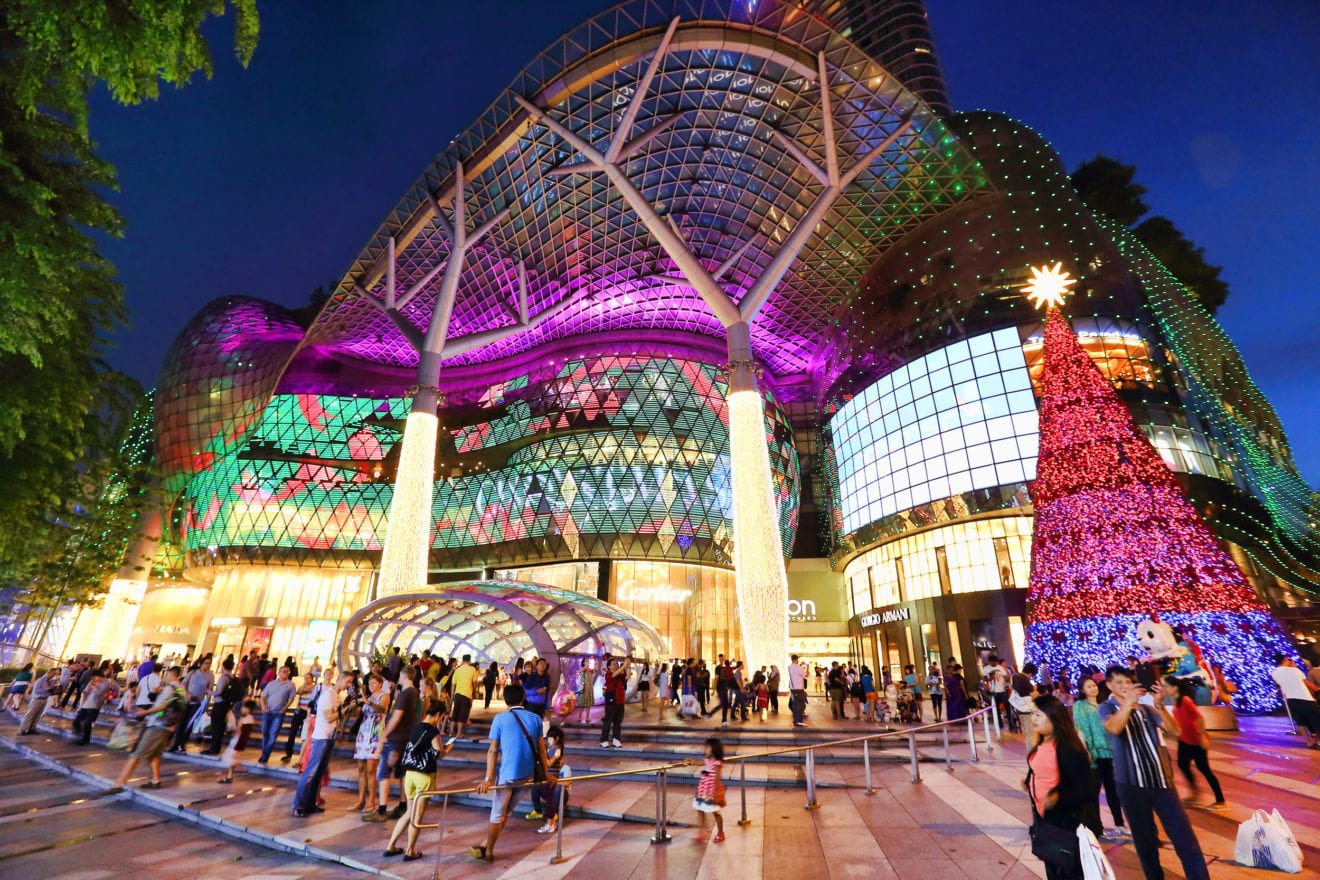
    Far Eat Plaza is the 80s, Ngee Ann City the 90s, ION the decade after and Orchard Gateway — the present.

    Despite refurbishment efforts, these retail meccas still carry the stamp of the era in which they were constructed.  Of course Orchard’s history stretches back beyond that – named for the plantations that lined it in 1800s and hosting a series of graveyards during the early 20th century, the road has been part of life (and death) on this island for over a century.

    Whether it’s the presence of the Istana on one end or the Botanic Gardens on the other, the fact that the very first hawker centre opened here, or maybe just the fact that this is where generations of Singaporeans have come to celebrate and shop, this is a place of national significance.

    It’s a strip of living history and personally I think that the road itself is more deserving of world heritage status than the now UNESCO listed Botanic Gardens.

    The Singapore Tourism Board seems to completely understand this. They’ve been busily branding and marketing the 2.2 kilometre strip for decades making it clear this is one of the nation’s principle attractions.

    Their efforts at marketing what, just a century ago was a stretch of canal and making it a draw for travellers from around the region and even the world have been relentless and successful.

    Tacky?  I wouldn’t say so – that’s just Singapore. Crowded, colourful, a little brash and full of business.

  • China to add 200 new international routes in 2016

    China to add 200 new international routes in 2016

    The Chinese Government has delivered an unexpected Christmas present by agreeing to add another 200 international air routes in 2016. Xinuanet, the Civil Administration of China is committed to the new programme, with China’s official news agency referring directly to The China Daily newspaper’s coverage of remarks made by Li Jiaxiang, head of the Civil Aviation Administration of China.

    Xinuanet reports that Jiaxiang told this month’s Beijing civil aviation industry conference that these new routes will be in addition to the existing 660-plus approved international bi-lateral agreements between China and its foreign partners.

    He said these new initiatives will be based around the highly strategic ‘One Belt, One Road’ (OBOR) initiative announced by Chinese President Xi Jinping in 2013.

    This consists of new preferred-status free-trade agreements with 65 countries (as opposed to the previous 12) on a line from China to Europe, linking multiple points in Asia and Africa.

    He also predicted that this new initiative should provide yet another strong stimulus to China’s civil aviation sector, although he also apparently warned that pressures on existing infrastructure and air traffic control congestion need to be addressed.

    It is hardly any secret that Chinese air space is already highly congested, with the Civil Administration of China routinely juggling its ability to expand new air corridors without encroaching on the automatic priority given to military-controlled air space corridors.

    As a result, delays at the country’s airports are now the norm rather the exception.

  • Latest products from China are better than ever

    Latest products from China are better than ever

    Chung Chang-mook recently bought a Tunland pickup truck, made by Chinese automaker Foton. At 33 million won ($27,951), the Tunland is more expensive than local competitor Ssangyong’s Korando, which runs between 21 million won and 28 million won. But Chung liked the fact that Tunland can hold up to 9,000 kilograms (19,841 pounds), which is more than double the capacity of the Korando.

    Tunland entered the local market in October and has already received over 200 preorders, according to an auto industry insider. “We set the sales target at 3,000 in 2016,” said a spokesman for Daewoong Auto, which manages Tunland’s sales in Korea.

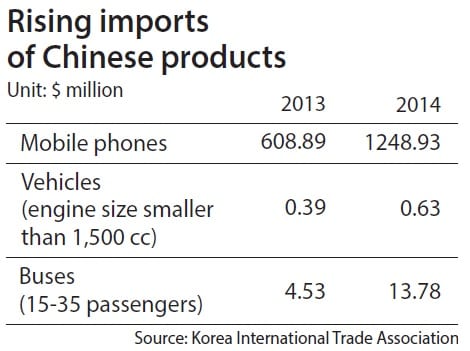
    The pickup is just one example of the way in which companies from China, which are making higher-quality consumer goods than ever before, are poised to succeed in Korea.

    Perhaps the most widely recognized case is electronics maker Xiaomi. Once dubbed the “mistake of China” for its ambition to change the negative perception of Chinese goods by offering top-tier products at rock-bottom prices, Xiaomi now has Korean retailers clambering to become official distributors of its popular smartphones when it sends representatives to Seoul next month. Currently, Xiaomi products are imported to Korea independently by small and medium-sized trading companies.

    “Whoever wins an official deal with Xiaomi will be able to make a huge profit,” a retail industry insider said. “We are just waiting for them to contact and choose us.”

    “Chinese manufacturers are spending more money on research and development and getting rid of pre-existing notions about the low quality of goods from the mainland,” said Cho Cheol, a director at the Korea Institute for Industrial Economics and Trade’s auto department. “A growing number of local consumers now thinks Chinese products are worth what they have paid for them.”

    Xiaomi is adding TVs to that list, with a local importing company recently receiving certification from the National Radio Research Agency to sell Xiaomi’s 40-inch model.

    Xiaomi’s TV is currently 50 percent cheaper than similar models by local manufacturers including Samsung and LG – and that’s worrying to some.

    “It’s significant because Xiaomi has expanded its market from accessory items to actual home appliances,” an employee of a local TV manufacturing company said. “We are discussing how to compete with its mid to low-priced products.”

    Other Chinese companies are making similarly expansionary moves. Most recently, Huawei began distributing its Y6 smartphone on the local market through LG U+ on Tuesday. The Y6 allows its customers to make free phone calls when connected to Wi-Fi, boasts a 360-degree panorama camera and includes face-recognition technology – all for 154,000 won, making it the cheapest smartphone in the local market.

    “More and more consumers are appreciating Huawei products’ low prices, and that’s why we’re doing business with the company,” a spokesman for LG U+ said. “This smartphone is actually free of charge when you take into account government subsidies.”

    Syma’s drones, Novelview’s Bluetooth speakers and UNIC’s micro-projectors are also very popular in Korea, and many Koreans have dubbed them “mistakes of China” as well.

    Chinese auto brands are growing in popularity, too. China’s Sunlong Bus entered the market in 2013 and sold 100 buses that year. Since then, it has sold about 550 in Korea. Other automakers are preparing to enter the Korean market as well.

    But this is just the beginning. The Chinese government have announced new initiatives to boost the economy, such as “China Manufacturing 2025” in May. The plans lay the groundwork for the nation to further develop as a global manufacturing superpower.

    But it’s not just advances in production that are worrying Korean companies – it’s also the narrowing of the technological gap in the IT industries of the two countries. Korean manufacturers had a 2.4-year lead over Chinese companies in 2012, but that has been narrowed to 1.8 years as of last year, according to the Korea Institute of S&T Evaluation and Planning. In the energy industry, the gap is only a year, and China now leads in the aerospace industry.

    “The government needs to ease regulations in order for industries to increase the amount they spend on R&D,” said Han Jae-jin, a researcher at Hyundai Research Institute. “Manufacturing companies also have to reform themselves [to compete].”


  • Chinese imports of UHT milk continue to grow

    Chinese imports of UHT milk continue to grow

    Imports of liquid milk into China are growing with European countries successfully tapping into the market, according to AHDB dairy.

    China is expected to import 350,000T of liquid milk in 2015, up nearly a tenth from last year and equalling its Whole Milk Powder imports, according to the USDA.

    The AHDB says two-thirds of China’s liquid imports came from the EU in January-September.

    “Prices appear to be supported by strong demand for imported liquid milk in China. Chinese retail prices for imported brands of ultra-heat treated milk (UHT) are nearly 50% higher than the average UK UHT price.

    “Consumer confidence in the safety of imports is reportedly helping drive growing UHT sales, which demonstrates the value of using branding to target consumer needs within the right markets.

    “Chinese retail prices for imported brands of ultra-heat treated milk (UHT) are nearly 50% higher than the average EU UHT price, it says.

    According to the AHDB, consumer confidence in the safety of imports is reportedly helping drive growing UHT sales, which demonstrates the value of using branding to target consumer needs within the right markets.

    The number of potential consumers is also increasing as UHT is becoming more widely available in China’s smaller cities.

    “Online sales platforms are performing strongly, providing easy access and home delivery to more shoppers at prices that are competitive against powdered milk alternatives,” it says.

    The AHDB says China’s imported UHT consumption is expected to continue to grow off the back of these trends.

    “From here the challenge is to stay in favour with Chinese consumers, which means being price competitive and continuing to build a reputation for quality and safety,” it says.

    Both Glanbia and Lakeland Dairies have confirmed sustained growth in UHT milk sales to China and South East Asia as a whole.

    “There is a strong market for both plain and unflavoured milks in China,” said Lakeland CEO Michael Hanley.

    And this demand will continue to grow at a steady rate. Our products have a shelf life of between six and nine months. We export directly from Ireland to China.

    “Lakeland has a strong presence on the ground in that market. This has allowed us develop a good working relationship with distributors.”

    Glanbia launched its Avonmore UHT brand in China 12 months ago with 1L packs reported to be selling for the equivalent of €3.50 in retail outlets.

    “Sales have taken off at a steady rate,” a company spokesman said.

    “Our aim is to target UHT sales growth in both China and South East Asia as a whole. This will be done on the back of the Avonmore brand and own-label contract arrangements with distributors.”