Author: Mei Ling Tan

  • Koreans purchase Supra Footwear, KR3W Denim

    Koreans purchase Supra Footwear, KR3W Denim

    South Korea’s E-Land Group has purchased two US style retail manufacturers – KR3W Denim Co and Supra Footwear.

    E-Land subsidiary Okay-Swiss International Manufacturers has purchased the 2 manufacturers’ father or mother One-Distribution, a skate-inspired attire and footwear producer.

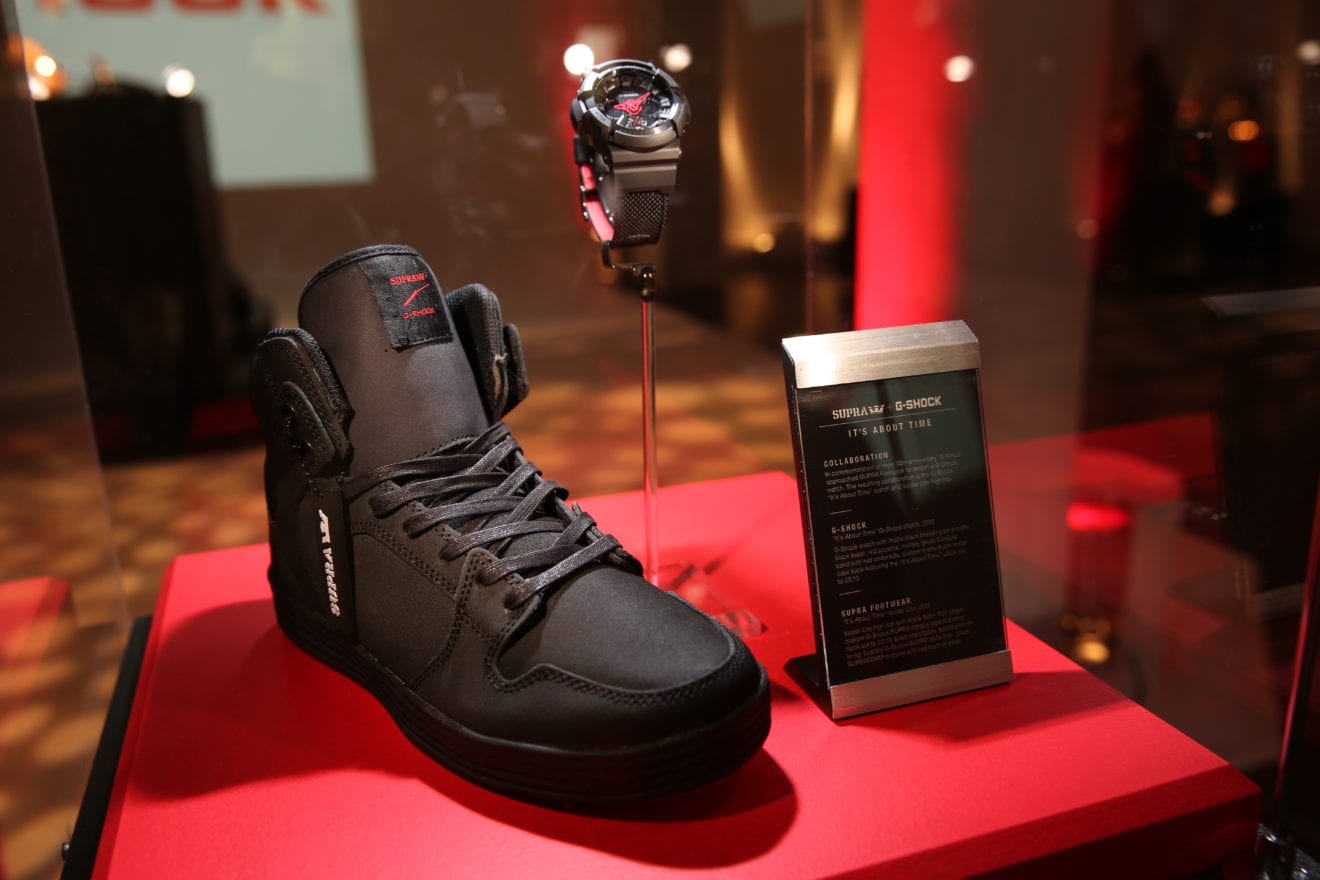
    Based in 2006, Supra shortly turned one of many largest and most profitable unbiased sneaker manufacturers by way of innovation and elegance, fusing style, music, skateboarding, artwork and road to deliver basic silhouettes to those that demand distinctive designs.

    Supra has flagship shops in Tokyo, Santa Monica, New York Metropolis, Paris and Mexico Metropolis and distributes to over 60 nations by way of a community of choose skate outlets and high-end boutiques.

    KR3W, an attire model born from skate tradition, started in 2003, influenced by Southern California tradition. The model made its identify in denim, and altered the younger males’s denim paradigm with the introduction of its Okay Slim Denim Jean utilizing an progressive stretch material and a slender profile. KR3W has since expanded its attire vary, efficiently blurring the strains between skate and style, whereas sustaining its ‘Darkish Americana’ aesthetic.

    E·Land Group is a South Korean conglomerate headquartered in Chanjeon-dong Mapo-gu Seoul, South Korea.

    KSGB acquired the Fountain Valley, California-based agency from a gaggle of shareholders together with Bertram Capital, a San Mateo, personal fairness agency, and a small group of personal buyers together with One-Distribution Founders Scott VanDerripe, Angel Cabada and Scott Bailey. The worth was not disclosed.

    KSGB has appointed Robert ‘Cape’ Capener because the model president of each Supra and KR3W, reporting to Larry Remington, President and CEO of KSGB.

    “Having shaped KSGB simply two years in the past, we’re on an aggressive monitor to grow to be one of many world’s main multi-brand corporations,” stated KSGB President and CEO, Larry Remington.

    “Supra and KR3W are manufacturers that meet the distinctions we’re on the lookout for in our portfolio: authenticity, robust model consciousness, a monitor document of product innovation and alternatives for long-term, international progress. We’re excited to hitch forces with the One-Distribution group and to put a basis for the longer term.”

    This acquisition takes the KSGB portfolio to a complete of six globally distributed manufacturers, together with Okay-Swiss, Palladium, PLDM, OTZ Footwear, KR3W and Supra. E-Land Group, a $10 billion group of corporations with over 200 manufacturers, 10,000 retail shops and enterprise throughout attire, footwear, retail, lodges, leisure and leisure.

    One-Distribution at present has workplaces in California, Barcelona, Sydney and Dongguan, China.

  • China PE investor buys Ports

    China PE investor buys Ports

    Chinese language personal fairness firm Oriental Fortune has agreed to buy a 20 per cent stake in Hong Kong listed Ports HK.

    Ports HK is the subsidiary of Ports BVI which owns considerably all the group’s present trend and attire enterprise and is looking for to exit the attire and style enterprise.

    A Framework Settlement signed by each events offers for Oriental Fortune to introduce an unbiased third celebration purchaser to accumulate the remaining 80 per cent 90 days after the primary deal is settled.

    The 20 per cent stake will carry a money worth of HK$600 million (US$77.35 million).

    Ports plans to make use of the proceeds from the 20 per cent sale for funding in “associated sectors of the PRC financial system”.

    At this stage, no legally binding settlement has been reached relating to acquisitions, and Ports BVI says it’ll make additional bulletins referring to reinvestment later.

    Ports BVI is at present managed by personal fairness group Blackstone, CFS and PIEL who, mixed, maintain 79.three per cent, and have agreed to the sale.

    The seller says administration think about the longer term prospects of the normal style and attire enterprise are “troublesome and difficult”, mirrored within the downward development within the firm’s monetary efficiency over the previous few years.

    “The downward development has been brought on by numerous elements, together with shoppers’ transfer from conventional retailing to web purchases and the macro political surroundings within the PRC,” Ports BVI stated.

    The corporate says shareholders’ pursuits can be higher served by the corporate reinvesting in different areas of the PRC financial system which give shareholders with a greater return.

  • China leads L’Occitane progress

    China leads L’Occitane progress

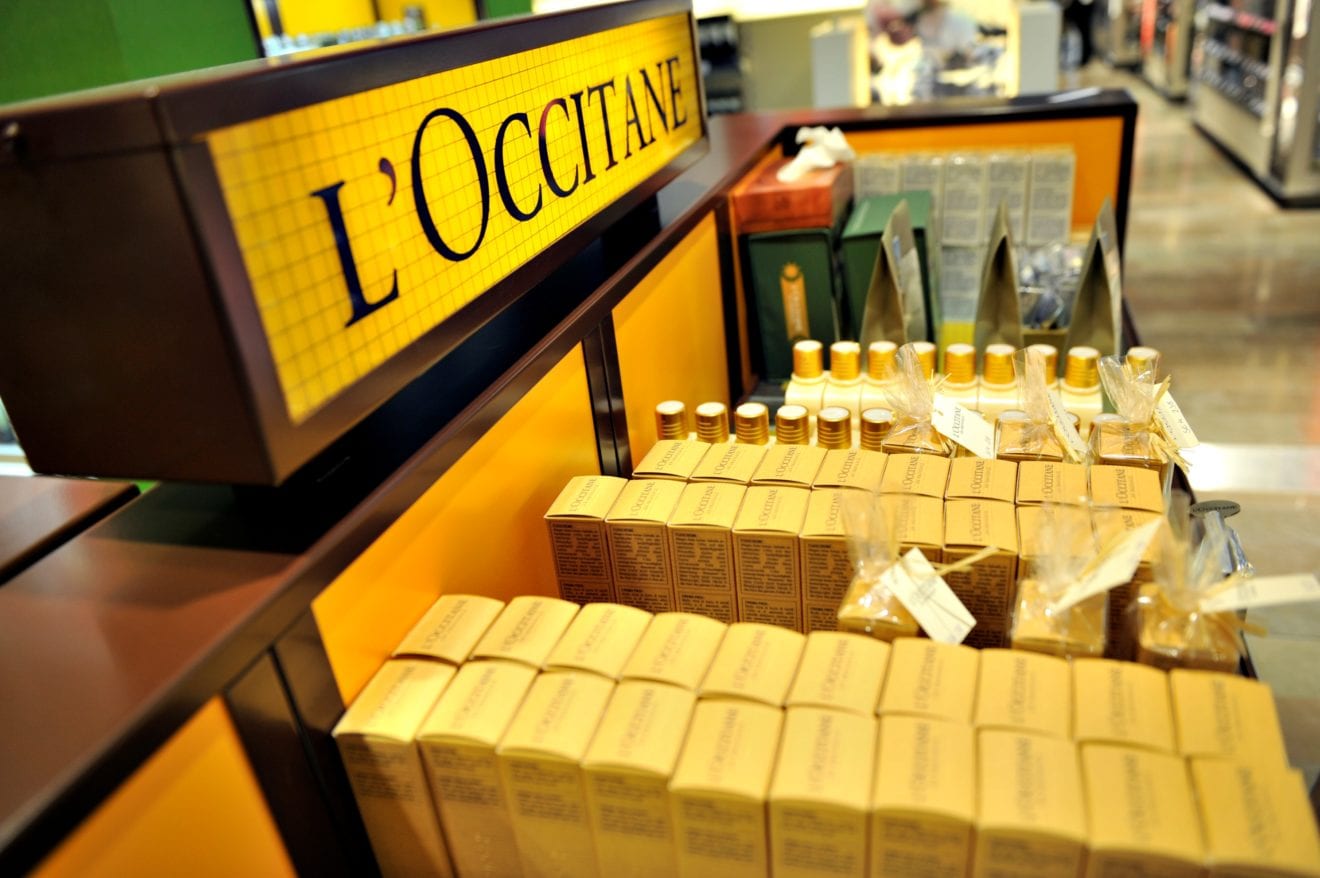
    Hong Kong-listed L’Occitane says international gross sales elevated 11.7 per cent final monetary yr – largely pushed by Hong Kong and China.

    The skincare and cosmetics model achieved gross sales progress in each market in Asia and past.

    In Hong Kong, the place the corporate expanded its retailer community from 32 to 36, the corporate posted gross sales of euro 23.5 million, up 21.2 per cent in native foreign money.

    In China, the place it expanded its community by 25 to 161, its gross sales reached euro 23.1 million, up 28.9 per cent.

    Complete international gross sales topped euro 1.178 billion with similar retailer gross sales up 5.7 per cent. China and Hong Kong have been the quickest rising markets at fixed change charges as properly. Internet revenue rose 35.7 per cent to euro 125.6 million.

    The corporate attributed the constructive outcomes to cautious manufacturers positioning, pricing, on-line actions and beneficial trade charges.

    “The continued investments in product innovation, merchandising, digital and CRM initiatives, advertising in addition to gross sales distribution channels enabled the group to cater the rising demand for our top quality merchandise,” stated the corporate in its earnings assertion.

    “The administration has adopted a selective multi-channel strategy to spice up gross sales and expects investments within the digital and journey retail channels as key drivers of future progress. The continual upgrading and increasing of our retail community, selectively and punctiliously, by means of retailer renovations and relocations has began to bear fruits. All key markets delivered progress in native foreign money.”

    L’Occitane’s internet gross sales in Japan rose by six per cent, or by eight.eight per cent on fixed change price foundation, contributing 14.four per cent to general progress. The corporate stated Japan’s enchancment was the results of profitable product launches, new retailer openings and renovations, elevated media and advertising investments and an general improve in vacationer purchases.

    “The turnaround in Japan market mirrored administration’s endeavor in executing a constant technique up to now few years and to reinforce the model’s premium positioning in Japan which is the most important market of the group. The robust progress of Melvita in Japan additionally presents an ideal alternative to additional construct this rising model and unlock its full potential.”

    Taiwan’s internet gross sales rose 7.three per cent, or by2.6 per cent on fixed trade charges.

    The wholesome similar retailer gross sales progress was attributable to profitable new product launches, and an enchancment within the retail retailer community, the corporate stated.  Non-comparable shops, nevertheless, recorded a drop of 6.2 per cent, primarily because of the disposal of the Melvita enterprise to an area distributor in 2014.

    Plan to strengthen different manufacturers

    L’Occitane stated that with its ongoing dedication to a multi-brand technique, the group will particularly strengthen model recognition within the yr forward for its rising manufacturers like Melvita, L’Occitane Au Brésil and Erborian via efficient advertising campaigns.

    “The group will proceed to revamp its Melvita model and to introduce its Erborian model to extra markets, in flip additional develop its model portfolio.”

    The group additionally plans to implement a brand new advertising program to reinforce the L’Occitane model consciousness in international markets. It says it is going to undertake measures specializing in digital advertising, advertising communication, product sampling in addition to the opening of interesting flagships with optimised footfall and gross sales conversion. Extra particulars and progress shall be reported regularly.

    “The group will proceed to protect and improve the id of its star model L’Occitane en Provence in addition to different rising manufacturers via a number of channels. In addition to its instantly owned, renovated retail outlets, the group is specializing in retailing its pure ingredient based mostly well-being merchandise via journey retail, on-line market, in addition to environment friendly wholesale channels.

    “The booming development of journey retail all over the world and ever-growing eCommerce market in China permits us alternative for market outreach. The group will undertake efficient advertising approaches, on-line and offline, in an effort to additional raise up its model profile and to cater the rising demand in these platforms.”

  • On-line market Luxify enters Philippines

    On-line market Luxify enters Philippines

    Luxify, a web-based luxurious market for purchasing and promoting luxurious merchandise, is launching within the Philippines.

    The Hong Kong based mostly firm, which additionally has workplaces in London and Singapore, says it’s “notably excited” concerning the present “opportunistic occasions” in the Philippines.

    The Philippines is certainly a rising marketplace for luxurious merchandise,” says Alexis Zirah, co-founder of Luxify.

    Amidst usually testing occasions to the worldwide financial system, the Philippines has emerged with one of many biggest financial growths in Asia. From being as soon as touted because the “sick man of Asia” the nation is now unquestionably stronger, particularly after it emerged because the second quickest rising nation inAsia final yr.

    The reported financial progress of 6.1 per cent in 2014 can also be complemented by an inflow of high-end manufacturers and overseas corporations. The forecasts for the longer term are equally constructive, with corporations and shoppers displaying robust confidence.

    The current setup and success of luxurious manufacturers all through the Philippines has set the inspiration for different prosperous manufacturers to prosper.  Luxify says it’s assured of seeing extra prolific shoppers in the Philippines who’re hungry for luxurious and more and more influenced by eCommerce.

    “The spurt of progress in the Philippines could be very encouraging, particularly for classy manufacturers like ourselves,” says Zirah.

    “There’s nonetheless lots to discover on this market and with shoppers being extra open to luxurious, we now have an thrilling lineup forward. This month we’ve teamed up with Salcedo Auctions, the one public sale home in the Philippines to specialise within the sale of advantageous artwork, jewelry, ornamental arts and collectible equipment, for his or her upcoming Collectors’ Sale public sale, all of which enhance our imaginative and prescient and product vary splendidly,” he added.

    The forms of merchandise listed within the public sale embrace worldwide and conventional Filipino artwork items, basic furnishings, elegant jewelry, in addition to collectible books, maps, and work.

    Particulars of every merchandise are listed on Luxify’s web site and consumers might additionally go to Salcedo Public sale’s centre in Manila, for a particular preview till June 5, earlier than the public sale begins on June 6.

  • PopUp Immo set to take their retail revolution around the globe

    PopUp Immo set to take their retail revolution around the globe

    Often the most elegant and successful business ideas are the most straightforward ones. PopUp Immo is looking to address two pressing, basic needs –  brands’ need for visibility with customers at minimal financial investment and commercial real-estate owners’ need to fill their space. With their launch last year, they’ve quickly become the top marketplace in France connecting brands and advertisers with the commercial real-estate sector to create exceptional Pop Up store experiences.

    Fresh off their selection to top-notch acceleration program NUMA Sprint and making the finals last month at leading tech event B Dash Camp in Japan, PopUp Immo founder Mohamed Houache discusses their vision, the unique value they deliver both brands and commercial retail, and their plans to quickly ramp-up internationally, particularly in Asia.

    What is PopUp Immo about and what’s special about what you do?

    PopUp Immo is a retail revolution. What we do is enable brands, artists, designers to find retail space for short-term duration. Although it’s mostly an innovation of service rather than technology, we can say that we’ve been impacting the future of some brands. Before PopUp Immo there was essentially no cost-effective way for smaller brands or brands not based in Paris to engage directly with their customers at retail. What these brands really wanted to test the Paris or French market at low financial risk to them. To do this they needed flexibility as well as visibility on the cost of booking a boutique for two or three days.



    Prior to our launch there was no marketplace like this, meaning essentially that there was no transparency or efficiency around this type of service. As the leading marketplace in France offering rental of short-term retail space, we’re addressing a real, basic need. The ability to launch a Pop Up store also gives an edge to these brands because they can communicate and leverage social networks to bring their fans to their store and connect with them afterwards. In many ways we’re both an online-to-offline and an offline-to-online solution.

    Who specifically do you think is most drawn to what PopUp Immo can offer?

    Think about all the American brands that want to come to here to test the Paris market, all the ecommerce platforms who can’t meet their customers directly, or all the PR or advertising firms who are bidding for contracts with big brands and can offer them this approach which will give them better ROI that pretty much any online marketing campaign.

    Another advantage which we didn’t anticipate is that pop-up stores are also bringing more life back to particular areas of Paris. After we launch a Pop Up store and the brand does a good job at communicating and delivering an experience, people want to come back to the area. For example, last December we had a collective of 10 small men’s accessories brands come together to book a Pop up store on small street in the Sentier district. They promoted like it crazy and the store became the top Pop up store during that month. Following that success, we now we have all types of brands wanting to book that space.

    How are you reaching the owners of these spaces to get them on your platform?

    They’re now contacting us. We really are helping both sides of the marketplace. For private owners and real estate agents they have a few issues. Many really want to reinvent the DNA of the space. Others just want to rent the space temporarily until they can find a more permanent long-term tenant. So as with brands, we can offer owners and agents flexibility.

    What about all the services around it. Do you help in the conception of the Pop up store experience (design, promotion, etc)?

    Not yet. We’re still a very small team and if we expand into an agency business where we connect brands with designers, advertising agencies, etc, you can create an ecosystem around PopUp Immo. But the problem is that it’s not completely scalable, it requires more people and resources, and it really is a different type of business. It doesn’t mean we won’t expand into that in the mid-term, but for now we want to focus first on the marketplace.

    bdash camp


    I understand you were a finalist at last month’s B Dash Camp, an exclusive event for some of tech’s best and brightest in Fukuoka, Japan. Tell me a bit about that.

    I was proud and extremely happy to just have gotten the chance to attend, let alone to reach the final phase of the competition. Initially my plan in going was to test the market and show to the world that there is a French company offering an innovative solution for retail space.  The fact that I was a finalist was a big surprise because there were truly some other fantastic projects as well. Just being there for me was like the final. Being the only European company as a finalist and having such great feedback after the final was a big success for us. What I realized is that we’ve really developed a compelling story around the marketplace and that’s a unique angle.

    I understand you also traveled to Hong Kong during your visit to Asia last month. What are your thoughts on opportunity in Japan and elsewhere in Asia?

    I’ll start with the Japanese market, which is very unique and has several appealing characteristics for PopUp Immo. Customers have a lot of purchasing power. They love and enjoy brands. There’s a very high vacancy rate in Tokyo. When you bring these aspects together, it makes a really interesting opportunity for us. My biggest concern is to be able to find local expertise and be able to put in place PopUp Immo fully tailored to Japanese customers. I met some very skilled people on the VC-side, entrepreneurs and others that stressed that there was real market there for PopUp Immo. For example, we can be a bring between Europe and Japan just by offering retail space.

    I also spent time in Hong Kong. Very a different dynamic. High growth market, completely deregulated and very oriented to shopping malls. There is a lower vacancy rate in Hong Kong than Tokyo, but a lot of brands want to test Hong Kong prior to expanding to mainland China.

    Two amazing and viable options for PopUp Immo, but to grow in these markets we’re definitely going to need more resources, especially local talent.

    What about competition? I imagine there’s an increasing number of startups in this space?

    We’re really keeping our eye on the competition, particularly one in the UK that recently raised a lot of money and one in the US. So far, however, we have been able to do with few resources what our competitors have done with a lot more. I want to very quickly build on the interest we’re getting from increasingly large brands, as well expand to new markets such as London and East Asia, where we want to have the first advantage there.  We feel that in Asia, particularly where you have lots of shopping malls that look similar, Pop up stores offer them a great way to differentiate themselves.

  • Uber Bets on Strong, Steady Demand in Indonesia

    Uber Bets on Strong, Steady Demand in Indonesia

    So far there are reasons to be bullish, says Alan Jiang, who is in charge of launching Uber in each new country it enters and is currently working as acting general manager of Uber Indonesia as it searches for more staff.

    Since launching in Jakarta last August, Uber’s registered users have grown faster than in any other city it serves, said Mr. Jiang. “There is huge opportunity in Jakarta and Indonesia, for this business,” he said.

    Indonesia’s huge population of 250 million people – the world’s fourth-largest – is one reason, Mr. Jiang said. Increasing incomes and urbanization are others.

    Uber works in any city in Indonesia where people who don’t own cars are willing to pay for ways around unreliable public transportation, he said.

    Unlike some of the 58 countries where it operates that rely on freelance drivers, Uber in Indonesia works with private car services to source its cars and drivers.

    But the San Francisco-based app has faced challenges from local government officials who say the service isn’t licensed as a taxi and can’t be used to pick up passengers. Mr. Jiang says Uber is not a taxi service but operates as a private car hire.

    “We are working with regulators around the world to establish a clear, legal framework to allow riders and drivers to have more economic opportunities and safer and easier rides,” he said.

    Uber has also struggled to compete against more established taxi companies, such as Blue Bird. Until earlier this year Uber only offered a premium service called UberBlack, which Mr. Jiang says is about 5% more expensive than a taxi. It launched lower-cost UberX in January to provide more competitive pricing, and Mr. Jiang said it’s fast becoming the more popular service, with prices around 30% cheaper than a taxi.  The average trip in Jakarta is about 40,000 rupiah, or $3, he said.

    The Wall Street Journal caught up with Mr. Jiang recently to talk about Uber’s business model in Indonesia and the challenges of doing business here. Edited excerpts.

    WSJ: How much money has Uber invested in Indonesia?
    Mr. Jiang: We’re investing a lot of money in Indonesia and we will invest enough money to make it work here. Jakarta is fastest growing city ever [for Uber], and we can see that investment is paying off.

    WSJ: What is the company’s business model in Indonesia, and why has Uber taken that approach?
    Mr. Jiang: We take a 20% commission for the UberBlack [service] and drivers keep the rest. For UberX, right now we take no commission. As an investment, 100% goes to the driver’s pocket. In the future, there will be commission. Our focus is to get people into [Uber] cars for the first time. So we [have] partnered with events like [dance music festival] Djakarta Warehouse Project, because the best marketing for us is through user experience.

    WSJ: How do you ensure safety in accident-prone streets of Indonesia, as well as security for Uber passengers?
    Mr. Jiang: When you get into Uber, you specifically are matched with one driver and that’s tracked onto our system. We have basically stepped up our safety game a lot … In Indonesia, we’re really emphasizing on this “Show Your Location” feature, so if the driver ever goes off course you will be notified. We also require background checks to verify that they have no criminal history and every driver must come to our training session, where we explain what the SOP [standard operating procedures] are and we personally screen every single driver.

    WSJ: Uber also only takes credit card payments in a country where few people have them. Have you considered adjusting your system to cater to the non-credit card owners in the market?
    Mr. Jiang: With credit cards, it allows us to make the whole experience completely seamless. You can see the map of where you went after the trip, and if the route looks funny, we can actually adjust the fare. In India we’re running an experiment now with cash payment.

    WSJ: Will you do the same experiment in Indonesia?
    Mr. Jiang: It depends. We’ll see how it goes in India.

    WSJ: What other challenges does Uber face in Indonesia?
    Mr. Jiang: Hiring. Indonesia is one of the toughest markets for hiring, and we are hiring a lot of people this year. For Jakarta, the challenge is obviously the traffic, but we’re getting better and better at predicting where demand’s going to be and to fulfil that demand.

    WSJ: How much revenue has Uber gained from Indonesia since August?
    Mr. Jiang: I can’t say, but our biggest week this year is about 10 times bigger than our biggest week last year, in December. But we’re not profitable yet.

  • Amazon Fresh expands into China

    Amazon Fresh expands into China

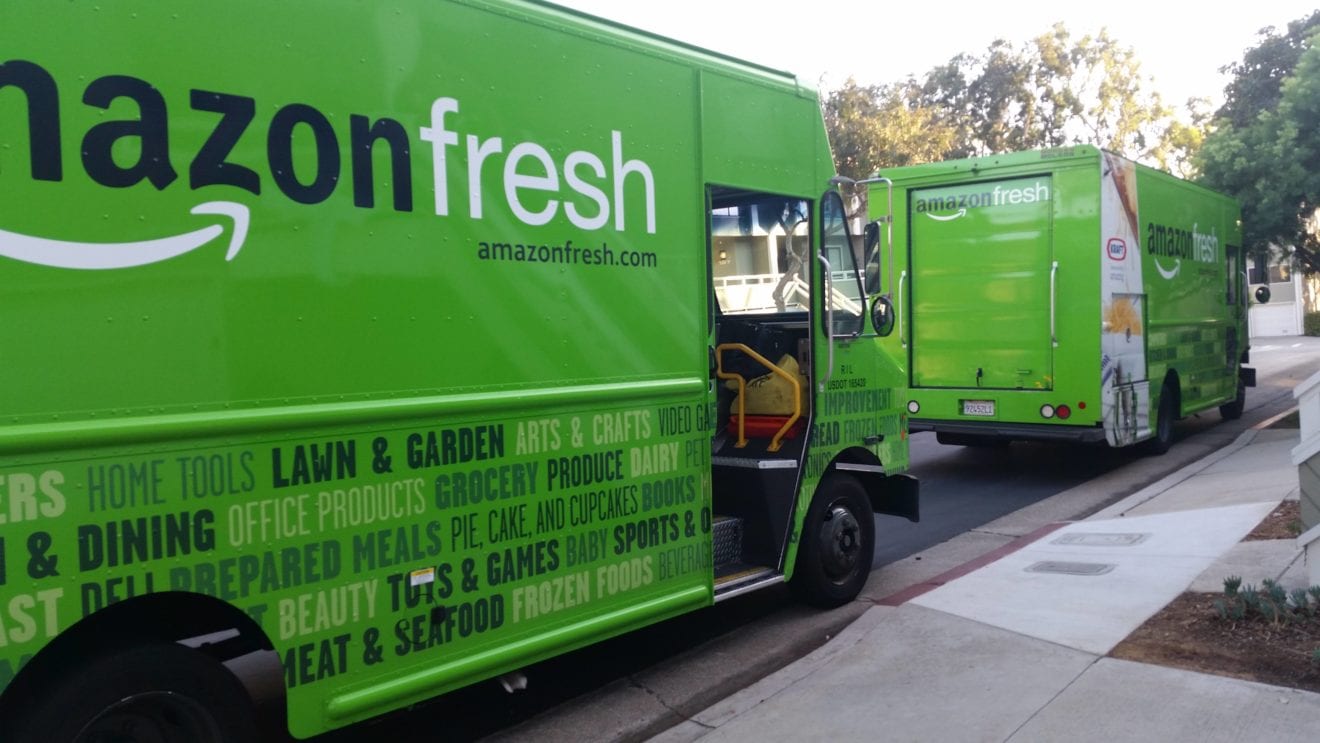
    Online retail giant Amazon has expanded its fresh food offer – Amazon Fresh – into China through partnerships with local distributors and suppliers.

    The new platform will offer fruit and vegetables for home delivery, alongside other groceries including meat, seafood and confectionary across a total of 600 fresh food SKUs, news outlet Tech in Asia and retail commentator IGD retail analysis have both reported.

    Unlike Amazon Fresh in the US, Amazon is not handling the logistics or using its own refrigerated vans for the fresh produce in China, Tech in Asia said, but instead will rely on suppliers to do this.

    Amazon’s larger e-commerce rivals in the country – such as Alibaba’s Tmall, JD, and Walmart’s Yihaodian – have been offering fresh produce for home delivery for some time.

  • Singapore cryptocurrency developer begins retail payment trials

    Singapore cryptocurrency developer begins retail payment trials

    Local blockchain solutions provider Tembusu Systems will begin its first real-world implementation of digital currency payments in Singapore using the TRUST framework on 10th June.

    The TRUST system, a proprietary platform based on the blockchain technology that drives cryptocurrencies and digital economies, makes payment using different currencies — real-world, digital or even gold and silver — possible.

    The system was developed to integrate traditional currency platforms with the emerging blockchain technology that drive today’s commonly known digital currencies.

    “We’re planning to try out several possible use cases with current payment systems in Singapore and the success of this trial will see the use of digital currency payment systems being extended into real-world context,” said Andras Kristof, Co-Founder and CEO of Tembusu Systems.

    A demo of the platform, conducted in local uptown bar The Spiffy Dapper, which also hosted Singapore’s first Bitcoin ATM in 2014, showed how the TRUST framework could be easily implemented. The trial implementation only requires a computer or mobile device to be attached to existing POS systems, and successful integration will see businesses having a simplified, self-auditing, cashless payment system with low-running cost.

    With blockchain technology keeping each transaction in check, businesses like The Spiffy Dapper can expect easier reconciliation of their accounts from their daily sales as well.

    Tembusu Systems said the core of the TRUST platform is a network of payment gateways which allows consumers to pay with any currency of their choice. The platform can also accommodate establishments with loyalty rewards programs such that users can pay using accumulated loyalty points.

    The company  will also be exploring human ATM applications as well; the TRUST platform allows consumers to withdraw cash through participating businesses by processing currencies from their digital wallets to the POS systems. Businesses will then be able to cash out the digital payment into cash for consumers over the counter.

    “Our goal is not to replace other payment systems like NETS and credit cards, or even cheques. In fact, we are hoping the TRUST platform can be developed to integrate with these other systems, to become an organic payment integrator in time to come,” explained Jarrod Luo, Co-founder and COO of Tembusu Systems.

  • L Capital Asia puts in bid to buy Jones the Grocer

    L Capital Asia puts in bid to buy Jones the Grocer

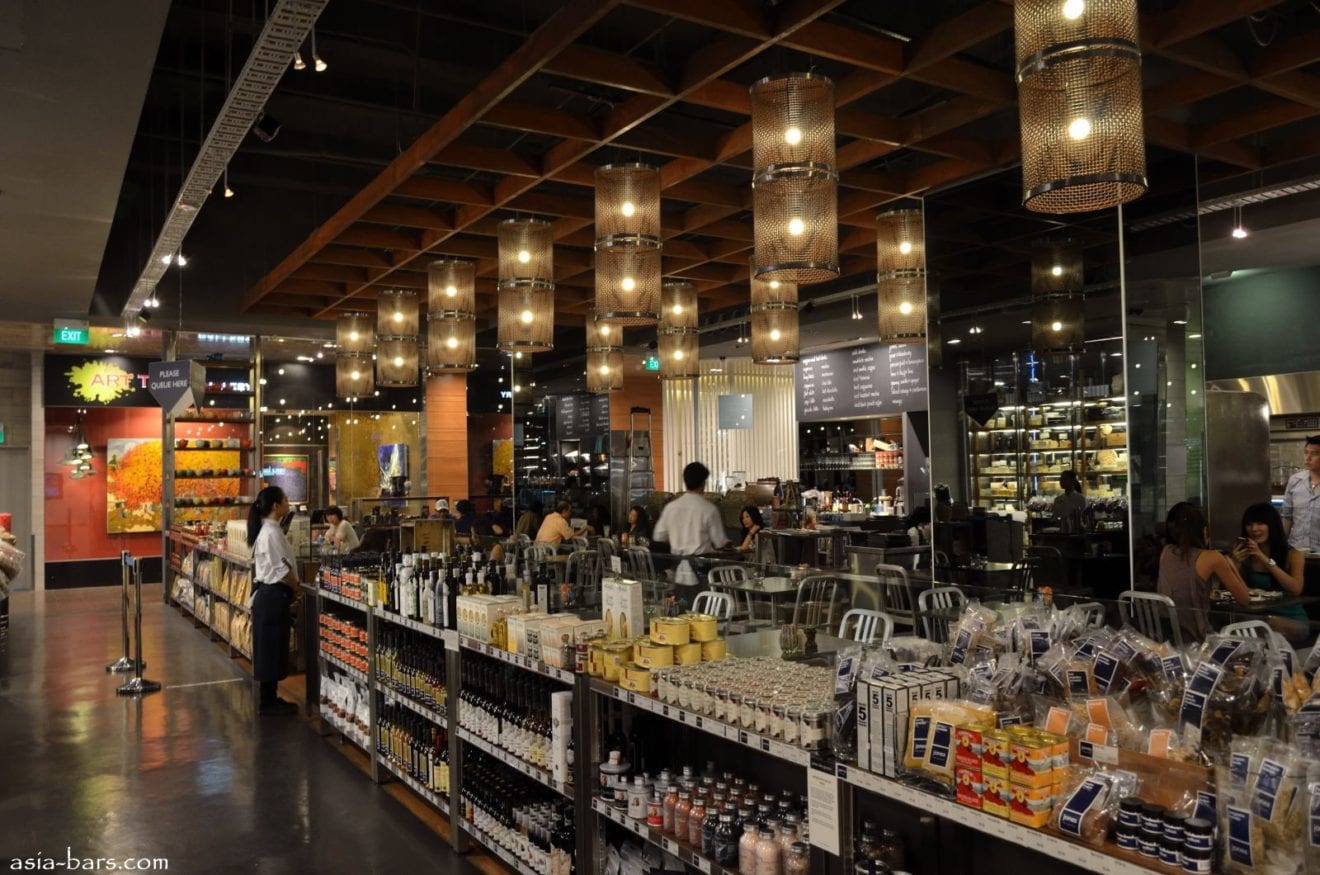
    The final bids to buy Jones the Grocer’s Singapore business were accepted on Friday last week, with majority shareholder L Capital Asia putting in a bid to buy the company.

    The target is to complete the sale by next month. It is not known how many bids were received, and how much was offered.

    The gourmet grocer’s Singapore arm, Jones the Grocer International (JTGI), was earlier placed under judicial management – where an external manager is appointed to manage a company that cannot pay its debts.

    Its assets – including two outlets in Dempsey Hill and Mandarin Gallery – were put up for sale.

    Its parent company, Jones Group Holdings in Australia, went into administration last December due to disputes between its former chief executive and shareholder John Manos, and majority shareholder L Capital – the equity arm of luxury group LVMH Moet Hennessy Louis Vuitton. Mr Manos also ran Jones the Grocer’s day-to-day operations in Singapore.

    When contacted, L Capital chairman and managing partner Ravi Thakran said the firm placed a bid as the business in Singapore has not been “adversely impacted”.

    In a statement, L Capital said business performance under Mr Manos’ leadership was “delivered poorly” when seen against “agreed business plans”.

    It was also “alarmed at the state of the business and, after being frustrated by Mr Manos in our attempts to course correct, infuse talent, and improve governance… we decided to take conclusive action”.

    This is the first time L Capital is commenting on Jones the Grocer’s woes.

    The firm terminated Mr Manos’ employment as chief executive late last year, and then applied to the Singapore courts to place JTGI under judicial management.

    It succeeded in March, and PwC Singapore’s business recovery services leader Goh Thien Phong was appointed judicial manager.

    By then, JTGI had accumulated about $19 million in total liabilities.

    Mr Goh found, among other things, that JTGI was spending money without basic rules in place. Each chef, for instance, could independently put in food orders with suppliers without following proper accounting procedures.

    Mr Manos grew the brand from just one outlet in Australia in 2006 – when he took over – to 18 stores worldwide in 2012, before L Capital came on board.

    Mr Manos, speaking to The Straits Times, said: “The issue (why Jones went bust in Singapore) has to do more with management and shareholder issues.” He added that L Capital had a “very aggressive” growth plan, as well as a “broader agenda” that he did not agree with. The debt, he said, came from overheads from plans to venture into China and Thailand. “We hired people, took on all these overheads, not because we needed them in Singapore but because we were planning regional growth,” he said.

    He said chefs placing orders independently was not part of a system he put in place. “If they did that, it was because these chefs were going past the system, and taking such actions themselves,” he added.

    Retail experts said putting a flailing company under judicial management could be a way to resolve disputes.

    “You can say that firms may do this to get rid of a partner. It’s fair game,” said Singapore Polytechnic retail lecturer Amos Tan, adding he was not surprised that L Capital Asia had put in a bid. “Branding does not happen overnight, and Jones the Grocer is a good brand, with an existing database of customers and suppliers.”

    The two Jones the Grocer outlets in Dempsey Hill and Mandarin Gallery are operating as usual.

  • Johnnie Walker House opens in Singapore

    Johnnie Walker House opens in Singapore

    Diageo partners DFS group to launch first Johnnie Walker House in southeast Asia at Singapore Changi airport.

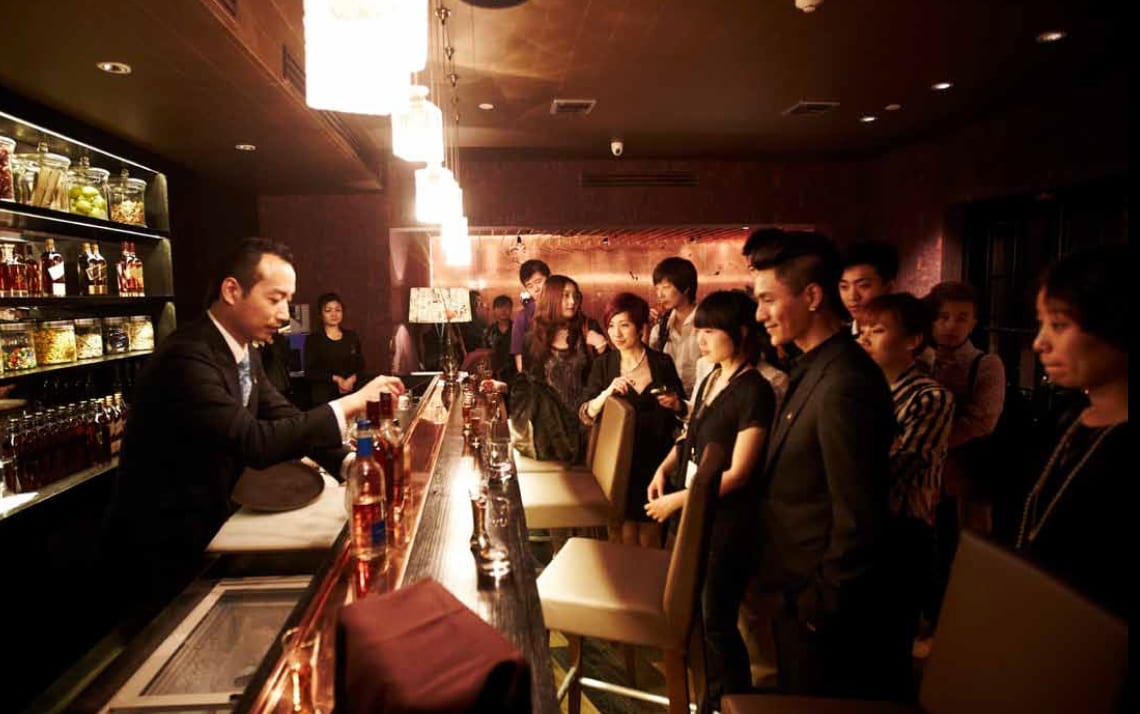
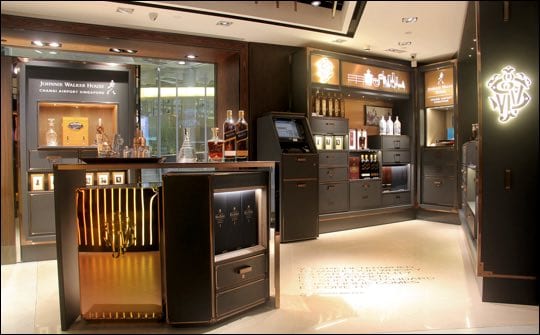
    Diageo Global Travel together with DFS Group have launched the Johnnie Walker House retail showcase within DFS Group’s new wines and spirits flagship store in the central atrium of the departures concourse at Singapore Changi Airport, Terminal 3.

    The establishment of Johnnie Walker House Singapore marks the seventh addition to the expanding international network of whisky embassies.  This follows the success of existing flagships in Shanghai, Beijing, Seoul and Chengdu, as well as travel retail theatres in the airports of Taipei and Mumbai.

    The milestone also celebrates the first Johnnie Walker House in Singapore and Southeast Asia.

    “With global airport sales growing by more than 12% every year since 2009, and the strategic location of Singapore Changi Airport as a travel hub, Johnnie Walker House Singapore is set to be a game-changer for the luxury spirits segment,” says Doug Bagley, MD, Diageo Global Travel and Middle East. “We combine our revolutionary hospitality concept with our successful travel retail model – providing an enticing experience to modern luxury consumers during the ‘golden hour’ before they board.”

    The design of Johnnie Walker House Singapore is inspired by the combination of two elements.  The first draws from the rich, progressive travel heritage of epic ocean voyages that took Johnnie Walker from the four corners of Scotland to the four corners of the world, making it the world’s first global brand.  The second is the evergreen custom in luxury retail of using trunk shows to provide tailored, exclusive experiences to valued clients.

    “Our long partnership with Diageo has been instrumental in creating the ultimate destination for the best in wines, spirits and tobacco at Changi Airport. It is our shared vision to bring personalized and unique shopping experiences to the traveler. The Johnnie Walker House Singapore at DFS’s new wines & spirits flagship store represents these aspirations and we are delighted to unveil it today,” says Brooke Supernaw, senior VP global merchandising – spirits, wine, and tobacco.

    When travellers step into Johnnie Walker House Singapore, they are transported into a retail theatre of a larger-than-life luxury steamer trunk.  Designed and built by award-winning Singapore-based design agency Asylum, the highly tactile environment of leather, copper, marble, bronze, wood and steel finishing, brings to life the history, provenance and pioneering spirit of Johnnie Walker with:

    • a multi-sensory retail setting, complete with a signature scent ambience emitting the six flavour characteristics of Johnnie Walker Blue Label instantly transporting travellers to the Scottish Highlands;
    • exclusive “theatrical mentoring” sessions, which are immersions in the Johnnie Walker brand and product universe, through a combination of education and entertainment, and storytelling and trial, led by brand ambassadors;
    • a tasting bar where clients can enjoy the pinnacle of whiskies from the Johnnie Walker Super Deluxe portfolio;
    • a ‘whisky constellation wall’ dedicated to the Johnie Walker heritage of the art of blending, and provides a comprehensive index for single malt Scotch whiskies; and
    • privileges extended to members of the Johnnie Walker House with the World of Privileges loyalty programme.

    To commemorate the inauguration of the Johnnie Walker House Singapore, a limited edition of the Johnnie Walker Blue Label will be exclusively available at Singapore Changi Airport. The ivory-coloured ceramic bottle puduced by Wade features the landscape of Scotland and the skyline of Singapore in the brand’s hallmark Willow design.  The collectible was illustrated by Dawn Ng and pictorially depicts the historic journey of Johnnie Walker from Scotland to Singapore – from the time John Walker & Sons was established in 1820, in Kilmarnock, to 1885, when the Johnnie Walker whiskies had made their way to Singapore as one of the world’s first modern luxury icons.

    Pictured above: the limited edition Johnnie Walker Blue Label bottle with the brand’s hallmark Willow design exclusively available at Singapore Changi Airport. Below is the interior of the Johnnie Walker House at Chaigi Airport

    Johnnie Walker Blue Label boutique opens in Taipei

    A multi-sensory Johnnie Walker Blue Label boutique has opened in the Terminal 2 Departures Concourse of Taoyuan Airport, Taipei.

    On first entering, travellers will experience the scents of honey and citrus fruits and brand ambassadors guide them through the flavours on a tasting journey of the whisky.

    The story of the casks is told on a wall of oak barrels. These explain how the brand has the largest reserves of Scotch whisky in the world but only 1 in 10,000 of these casks drawn from the four corners of Scotland contain whiskies of sufficient character to produce the signature taste.

    The craftsmanship is reflected on the second wall. It tells the story of the lineage of master blenders and how today’s master blender selects and blends.

    A video animation at the centre of the installation describes how the whisky is produced in limited quantities and how it evokes the authentic, powerful character and flavour of a traditional 19th century blend – 1867 Old Highland Whisky.

    Visitors can also take away a special memento of their travels – any bottle purchased in the adjacent travel retail unit can be engraved with a personal message, free of charge.

    Fairbrother explains: “Our aim is to provide shoppers with an extraordinary retail experience – this beautiful, multi-sensory retail activation follows the success of similar pop-ups in the Charles de Gaulle Airport in Paris and Johannesburg International Airport in South Africa last year.

    “This luxury boutique and the recent launch of our pioneering Johnnie Walker House in Taoyuan Airport is testament to our focus and commitment to innovation in travel retail in this region.”

    The store officially opened for business in March and it will welcome global travellers in the Terminal 2 Departures until the end of June 2015.

  • UP Town Center rises

    UP Town Center rises

    It’s the first and only university town center in the Philippines,” says Rowena Tomeldan, vice president and head of operations at Ayala Land. Since it opened two years ago, the UP Town Center has served as a vibrant hub of leisure activity for the large student population and academic community from the premier schools along Katipunan Avenue in Quezon City, such as the University of the Philippines, Ateneo de Manila University, and Miriam College.

    This May, just in time for school opening, more retail stores and casual dining outlets opened their doors, as well as a department store and supermarket on 26,000 sq. m. floor plan, as part of its second phase development. The first phase, covering 4,700 sq. m, consists primarily of restaurants and a couple of retail stores. The last phase, covering 37,000 sqm, which will house more retail stores, restaurants, four cinemas as well as offices, is expected to be completed in 2016.

    “Ayala Land first entered into a lease agreement with the UP to develop the 7.4 hectares located within the campus grounds, and to build the shopping complex where the UP Integrated School formerly stood,” Ayala Land director Antonio Aquino, noted. “We kept the trees that were there. At least 40 percent of the total land area is preserved as open space. The buildings are low rises.”

    The place is secure and parents can feel that their children are safe in the mall.”

    For its young target market, popular fashion brands which have opened shop at the UP Town Center include Bench, Penshoppe, Bratpack, Birkenstock, Rookie USA, Artwork, Bambu, Claire’s, Tickles, Shoe Salon, Flying Dutchman, Just G., Bucket Feet, and Coalitions.  While for sports apparel, gear and equipment, which they need for their active lifestyle, there’s Planet Sports, Arena, Grind, Saucony, Urbangiz, Titan and Urban Athletics.

    Gadgets and accessories are part and parcel of millennials’ lives and at UP Town Center, there are stores to meet every techie’s needs, such as Digital Walker, Datablitz, Wonder Photo Shop, and Take Your Pic. And for good old-fashioned stationeries, there’s National Book Store, Paper Stone, and Papemelroti.

    For personal grooming and head-to-toe pampering, there’s Nail Tropics, Hey Sugar, and Sports Barber. Even pets get special treatment in this pet-friendly mall, at Uptown Animal Center.  There’s Qualimed, the mall-based health care center as well as shops to cater to lifestyle needs such as Visions Expression and Sewing Room. Kids will also be glad to find Toys R Us among the newly opened stores.

    Of course, the UP Town Center is not only for students and faculty but also for their families as well as residents in the area, and even visitors coming from other parts of the metro. It offers a number of affordable dining options as well as new dining concepts such as Pepper Lunch, Recovery Food, Jamba Juice, Sbarro, Rita’s, Wing Stop, Crisostomo, Ramen Nagi, and The Clean Plate.

    Time was when students could count with their fingers the number of places they could go to nearby at lunch break or after school, to grab a bite or simply relax after long hours inside the classroom. There was the ordinary school cafeteria which left much to be desired, and one or two restaurants outside the campus that served predictable meals. Not anymore. UP Town Center changes all that. More than a destination, UP Town Center promotes a thriving community where its denizens gather to learn, play, and live.

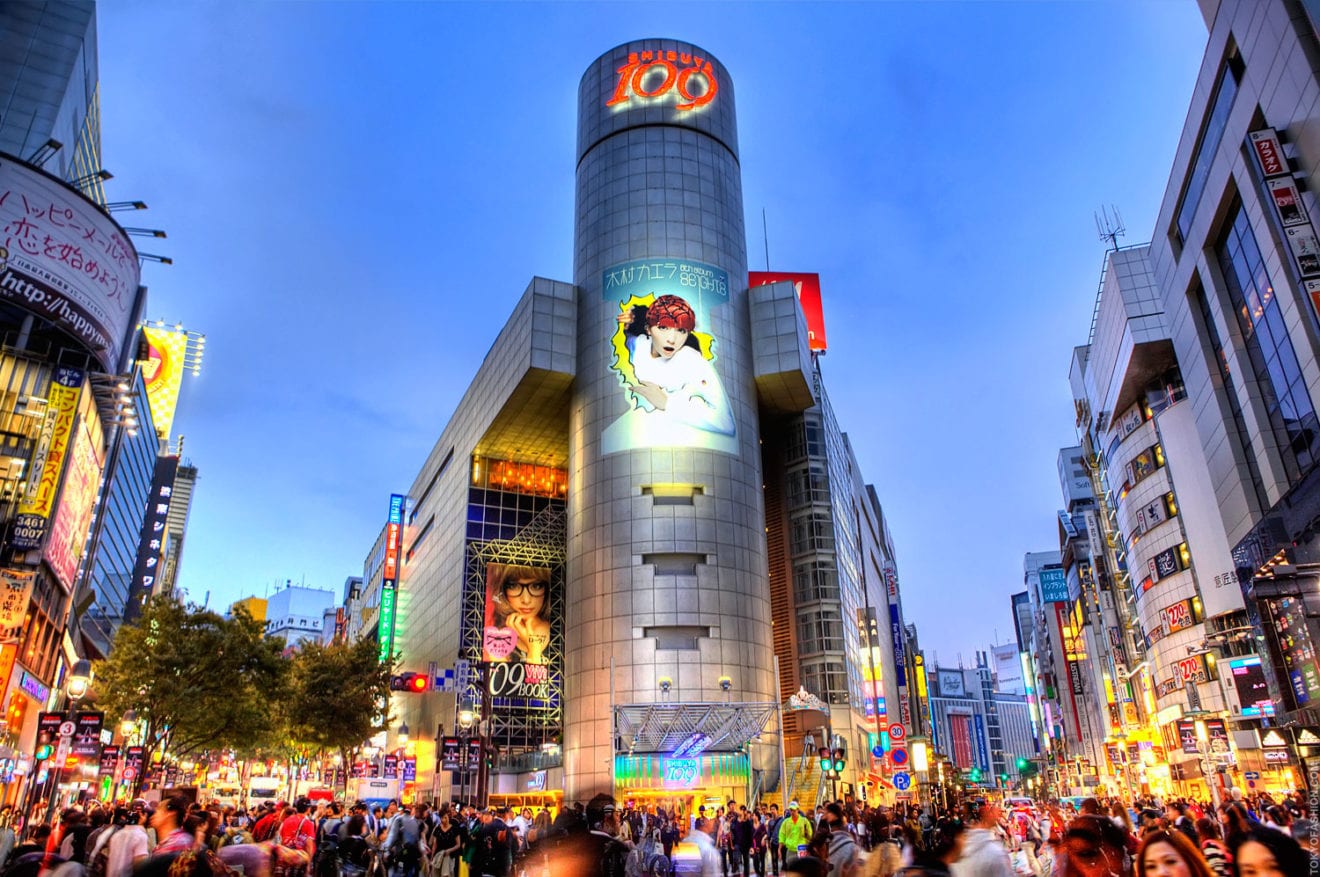
  • Tokyo is world’s hottest retail market

    Tokyo is world’s hottest retail market

    Tokyo is the world’s hottest market for retail expansion, attracting 63 new brands last year as leasing momentum in core areas remained strong, despite mixed signals in the economy and an increase in the sales tax to eight per cent in April 2014, according to the latest report from CBRE Group, Inc., “How Global is the Business of Retail?” Toronto was the hottest market in the Americas, attracting 25 new international brands in 2014.

    According to the report – which tracks the target markets of new brands in 164 cities in 50 countries – US retailers are the most active when it comes to expanding into new global markets. In 2014, US retailers accounted for 26 per cent of cross-border expansion. Primary expansion targets for America’s retailers are Asia (41 per cent), Europe (33 per cent), and the Middle East and Africa (12 per cent).

    Italian retailers were the second most active, accounting for 14 per cent of cross-border expansion, followed by UK-based retailers (11 per cent) and French retailers (10 per cent). Globally, Europe accounted for 42 per cent of retailer expansion, followed by Asia with 39 per cent and the Middle East and Africa with 10 per cent. North America was only a target for three per cent of retailers.

    “The core elements of globalization, technology and demographic change, continue to have a dramatic impact on the business of retail. Demographic shifts in many countries have resulted in changes in both spending power and shopping habits. Technology enables retailers to enter markets and evaluate performance more swiftly,” said Brandon Famous, senior managing director, retail occupier advisory & transaction services, CBRE. “Consumer traveling patterns mean that many brands are well known before they even enter a market and the pent-up demand for the chance to purchase locally creates a ready-made market before entry.”

    Among the most active retail sectors globally, mid-range fashion retailers led the field, accounting for 21 per cent of global expansion, followed luxury and business retailers, with 20 per cent, and coffee and restaurant and specialist clothing, each with 16 per cent. When it comes to expansion into the Americas, luxury and business retailers were the most active at 26 per cent, followed by mid-range fashion representing 20 per cent of total activity, and specialist clothing representing 14 per cent.

    “Consumers continue to view the physical store as their preferred mode of purchase and perhaps more importantly, as a point of social interaction,” Famous added. “Consumers view shopping as a leisure activity and the continued expansion of brands and the development/improvement of shopping locations gives them the opportunity to embrace this.”

  • China’s Internet focus lifts online spending

    China’s Internet focus lifts online spending

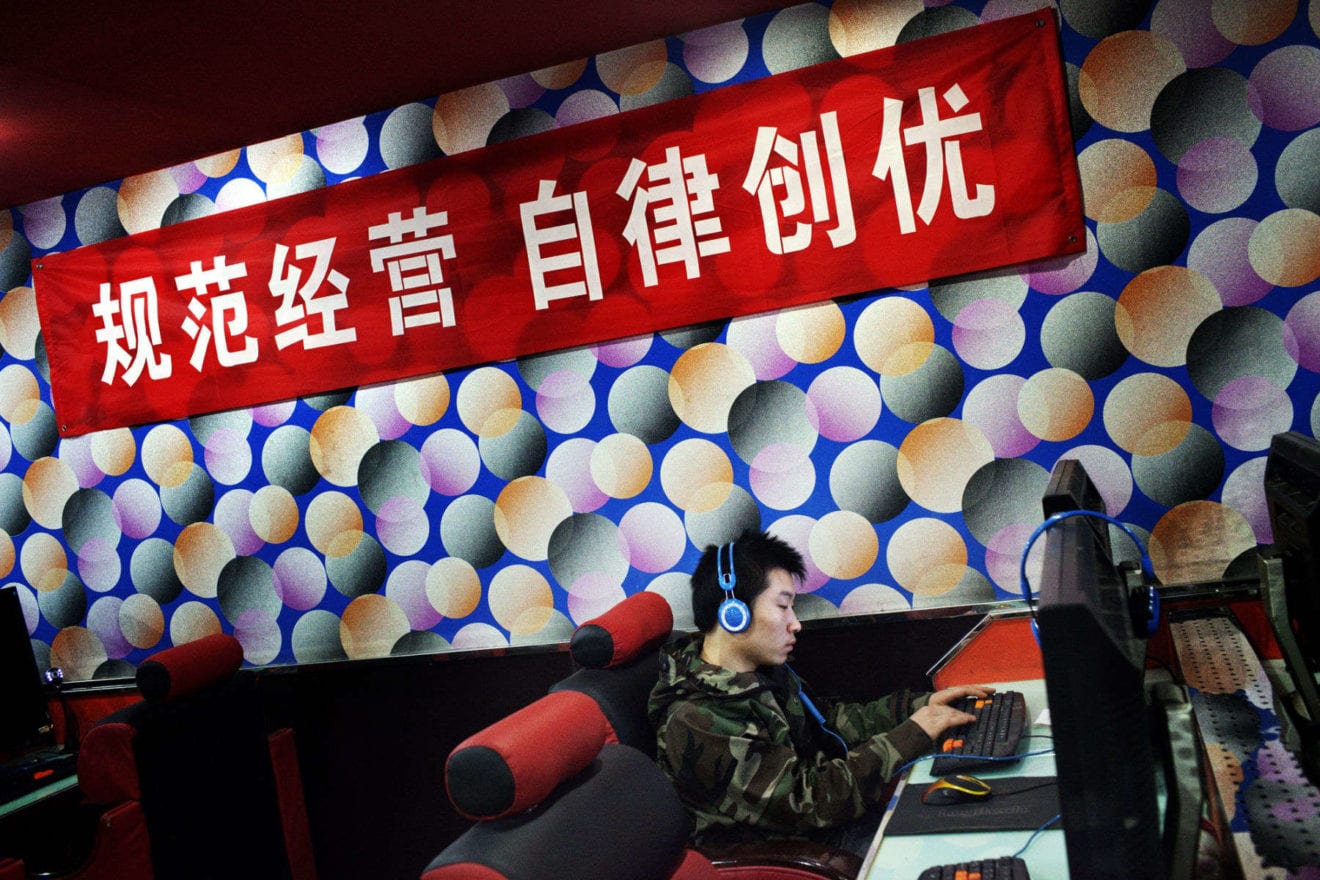
    In a strategy known as ‘Internet Plus’, China is integrating the Internet, big data and other technologies with traditional industries, like retail. This is boosting China’s already vast e-commerce market further. As the government looks to use the Internet to create more spending – and jobs.

    Denny Liu returned to Beijing after graduating from Wharton Business School in the United States.

    Last year, he and his wife set up Le Chun – or Le Pur, in English – selling yogurt, using only natural ingredients.

    Before opening a physical store, they shared their story and mission online.

    “That story actually went viral for a little bit and that got us our first 5,000 seed users. Who are all yogurt lovers.We didn’t know any good milk sources around Beijing, so we threw it to our community and said ‘do you guys know any good milk source around’ and about 10 people gave us leads. When we designed our logo and picked out the store location, we asked our followers,” Liu said.

    With 40,000 followers on WeChat, the Internet has played a key part in Le Chun’s success.

    In less than a year, the startup is making a profit.

    Most of their sales are online. Thanks to word of mouth, from social media fans.

    Now, the government is backing them too. With 100,000 yuan or roughly 15,000 dollars in funding. No strings attached.

    China wants consumer spending to be a central part of the economy. But malls like this one don’t exist in every city. So it’s supporting online stores to get more Chinese shopping.

    “Clothes, computer stuff, food. I buy about 80 percent of my things online,” Student Quan Jiujiu said.

    Retail expert, Professor Xiangdong Liu, says official data shows that last year, China’s online sales hit 2.79 trillion yuan. Taking 10 percent of its total spending.  And overtaking America’s.

    He says the government’s Internet focus will encourage e-commerce further.

    “The government will invest more in Internet infrastructure, cutting costs for surfing online. It’s also setting up pilot projects, to make Internet companies better, as well as encouraging companies to open online services, by providing subsidies and lower taxes. The government’s approach is first to let them mature, then unveil more policies to manage them,” Professor Liu said.

    This is changing brick-and-mortar giants, like electronics retailer, GOME. It launched its online store in 2011. Now with a mobile platform and App.

    But while their online options give customers a bargain, it’s been tough business.

    “10 percent of our sales are online. We predict GOME’s online consumers will grow faster, to exceed 20 percent in three years. Online customers pay more attention to price, so goods online have simpler functions and are cheaper. But since prices online are cheaper, many online businesses are making a loss,” Wang Junzhou, president of GOME Electrical Appliances Holding Ltd., said.

    While keeping costs down for niche retailers, like Le Chun. The Internet is proving costly for mainstream players.

    That’s likely to test China’s e-tail industry, in the years ahead.

  • How EpiCentre used iBeacon to integrate online and offline

    How EpiCentre used iBeacon to integrate online and offline

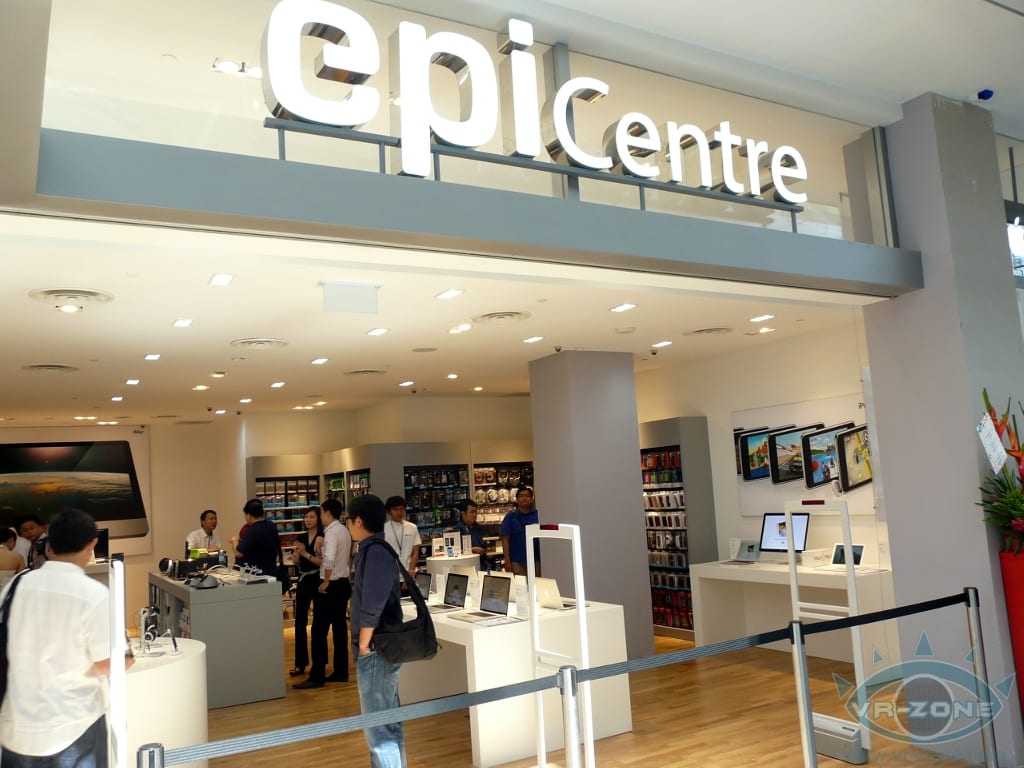
    In Singapore, location-based marketing is still largely a fringe activity, adopted mostly by marketers who are tech-savvy and risk-takers. Marketing spoke to one such risk-taker: Danielle Siauw, manager (CRM, m&e-commerce, new media) at Apple Premium Reseller EpiCentre.

    EpiCentre recently invested in Apple’s iBeacon technology. The iBeacon is a device that sends Bluetooth signals detectable by iOS software, allowing marketers to send location-targeted promotions and content to Apple users.

    The iBeacon functions as part of EpiCentre’s membership programme, allowing members to earn points through their mobile app when they visit stores. For example, members earn 10 points every time they step in to a store. EpiCentre also uses iBeacons to deliver location-targeted discount coupons to customers near their stores, amongst other uses. Currently, all 10 EpiCentre stores are iBeacon enabled, and the brand is looking into an iBeacon payment system as well.

    Marketing: Why did you choose to invest in location-based technology?

    EpiCentre started out as a brick and mortar retailer. Our core strength is still in retail stores. As all of us know, the retail scene is looking bleak in Singapore with more competition from e-commerce. To counteract this problem, we started to look into omni-channel strategies for sales and marketing. We started by revamping our CRM system for brick and mortar in 2013, then integrated our e-commerce site www.epilife.com.sg with our CRM system in early 2014. In late 2014 we tied our mobile platform, epiApp, with our CRM system and e-commerce site. In this way, we have successfully delivered a seamless membership programme that extends to both the online and offline channels; however, there is still a missing puzzle, which is how to use the mobile platform to drive footfall in our stores. For this, iBeacon becomes a natural choice.

    Marketing: Location-based marketing has been held up as a marketing goldmine over the past few years. Yet, still it’s not used on a mass scale. Why is this?

    One of the key issue is with the Personal Data Protection act. Location-based marketing through SMS or notifications are often seen as spam. To send users information via this mode requires opt-in. The customers who opt-out would be missed opportunities.

    Secondly, although the cost of doing location-based marketing is not high the expectation in terms of ROI (i.e. translating to actual sales) still does not match up.

    Lastly, location-based technology such as GPS and GSM do not render accurate results when used indoors. However, there are other location-based technologies that work indoors, such as geo-fencing and iBeacons. iBeacons are, however, very much much in-app, and customers still need to download and install the app on their phone. This can be cumbersome. Also, customers need to switch on the Bluetooth on their mobile devices to experience the iBeacon.

    Generally there is slow adoption by retailers for such technology in Singapore, especially among traditional retailers. One reason for this is low user adoption and education about such technologies. I think it boils down to a chicken and egg issue: Retailers need to find compelling reasons that location technology can complement their existing businesses.

    Marketing: How should retailers strike the balance between annoyance and genuine consumer value?

    I think whatever technology that we implement, we must always add value to our customers and stakeholders. Customers must find the technology useful; the technology has to solve a problem. We must first understand our own business and our customers, then formulate the right content and promotions to reach out to the customers. For example, offering relevant content, attractive offers and coupons, or as part of the company’s loyalty programme. We should also be mindful about the number of times the content is sent, and not be spammy. One advantage of iBeacons is that they allow for content and promotions to be tailored to individuals, based on past purchases and preferences.

    Marketing: Have you seen cases where iBeacons have been deployed effectively?

    Macy’s uses the iBeacon in 800 stores in the US. They can effective track customer behaviour and send out relevant promotions within the category through their mobile app. This cuts down the print materials required and allows them to update their promotions on the fly.

    Another innovative and practical use of the iBeacon is at Starwood. They use the iBeacon to greet guests upon arrival, allowing guests to skip the whole check-in process, go direct to their room and use the mobile phone to enter the room. Starwood also uses the iBeacon to let housekeeping staff know if guests are still in the rooms. This creates a seamless experience for the guests through their mobile app. This shows how the iBeacon can integrate the online and offline experiences in a way that adds genuine value.

  • Taipei a target for global retail brands

    Taipei a target for global retail brands

    Taipei ranked fourth as a target market for international retail brands last year as a willingness to try new dining and fashion is driving leasing activity across the Asia-Pacific region, a report by property consultancy CBRE Group Inc showed yesterday.

    The nation’s capital rose seven notches from its ranking last year, with 49 new brands establishing a presence in Taipei, compared with 29 in 2013, according to the annual report of hot target markets by CBRE.

    HOT SPOT

    The results left Taipei trailing only Tokyo with 63 entrants in first place, Singapore with 58 entrants in second and Abu Dhabi with 55 entrants in third, the survey found.

    “Taipei has become a hot spot for Japanese and [South] Korean fashion and cosmetics brands looking for overseas expansion,” CBRE Taiwan managing director Joseph Lin (林俊銘) said in the report.

    The property broker saw strong leasing momentum from mid-range and fast fashion retailers, with existing brands introducing new product lines such as GU, a Japanese fashion retail chain. New arrivals also included New York-based contemporary clothing company Alice + Olivia and US multinational clothing and accessories retailer The Gap Inc among others, the report said.

    OUTLET LOCATIONS

    High-profile units on main streets were in strong demand last year, and the lack of flagship prospects pushed retailers to seek opportunities in department stores, the major retail format in Taiwan, the report said.

    The number of new entrants located in shopping centers was relatively limited, but well-managed centers such as Breeze Center, Taipei 101 and ATT 4 FUN are gaining attention, the report said.

    The luxury and business fashion sectors contributed 20 percent of all new retail entrants to Asia-Pacific markets last year, the report said.

    The bulk of new entrants were second-tier luxury brands, since mainstream luxury groups are already well-established in the region, the report said.

    CAUTIOUS

    About 85 percent of luxury and business fashion retailers are looking at the region, although they are expected to adopt a cautious attitude toward expansion due to escalating operating costs, the report said.