Author: Mei Ling Tan

  • D.Phone Forms Mobile Phone Retail Partnership With Letv

    D.Phone Forms Mobile Phone Retail Partnership With Letv

    Letv and D.Phone announced a deal for D.Phone to open Letv experience zones in its over 4,000 outlets across China.

    Those experience zones will become pre-sales and post-sales service sites of Letv products, which are mainly super phone and super TV products. Financial terms of the arrangement were not released.

    Letv’s LePar sales vice president Zhang Zhiwei said that D.Phone will not keep any stock of goods. Instead, the related deliveries will be provided by LePar. So, D.Phone will only play the role of having experience stores and the product purchases still need to be completed via the Internet. LePar is a partnership project launched by Letv.

    By cooperating with Letv, D.Phone will gain commissions from the sales of Letv smart devices, accessories and derivatives. It can also gain income from post-sales services. In addition, as a partner of Letv, the company will have the opportunity to subscribe to possible equity of Letv.

    As a traditional 3C channel, D.Phone is transforming itself to a service provider. The company hopes to use its offline network channels to provide complete O2O services to the technology industry. Meanwhile, Letv wants to establish an experience center ecosystem via the nationwide offline channel of D.Phone that allows users to experience the products before purchasing them online.

  • Korean Retailer Coupang Gets $1 Billion Investment

    Korean Retailer Coupang Gets $1 Billion Investment

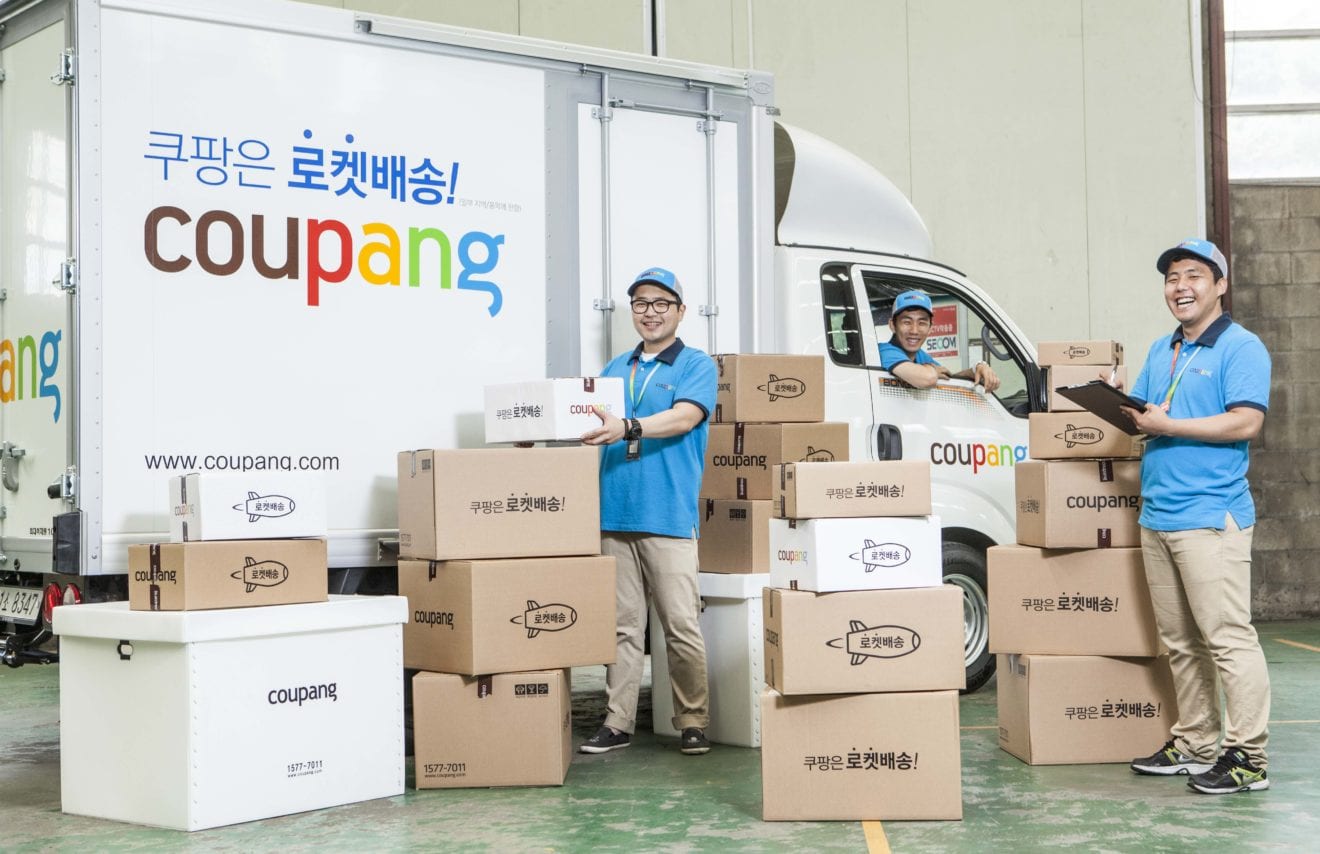
    SoftBank Corp. and Coupang have announced a definitive agreement under which a subsidiary of SoftBank will invest $1 billion in Coupang, the largest and fastest growing standalone ecommerce player in Korea. The investment is expected to close at the beginning of July, and will bring the total amount of funding raised by Coupang over the past year to nearly $1.5 billion.

    This funding will fuel Coupang’s innovations in its end-to-end fulfillment service, same-day delivery network and leading mobile applications that will extend Coupang’s leadership in the future. Coupang will also expand its R&D offices in Silicon Valley, Seattle, Shanghai and Seoul.

    Driven by an unprecedented level of mobile engagement and its revolutionary delivery service, Coupang has become one of the world’s most disruptive ecommerce companies. With more than 25 million mobile application downloads and the highest number of active users, the company is the leading mobile commerce player in Korea. Today, mobile sales account for over 75% of the company’s revenue and over 85% of its total traffic.

    “We welcome SoftBank as a long-term partner and look forward to leveraging their global expertise and vast network to further accelerate our growth,” said Bom Kim, Founder and CEO of Coupang. “This milestone investment from one of the greatest IT investors in the world provides even more financial strength and flexibility to expand our operations and redefine what a great end-to-end customer online shopping experience is all about.”

    Nikesh Arora, Vice Chairman of SoftBank Corp., said Coupang is one of the fastest-growing and most disruptive Internet companies in the world.

    “Coupang is setting a new standard for how ecommerce can and should be done across the globe with its innovative technologies and approach to same-day delivery, mobile commerce, and customer service,” Arora said. “We look forward to working with Bom Kim and his talented team and are excited to support their continued expansion.”

    Coupang’s explosive growth is powered by its cutting-edge delivery service, built on its proprietary technology infrastructure. With unmatched retail selection, the largest end-to-end fulfillment operations in Korea and a home-grown fleet of “Coupang Men” to enable last-mile delivery, its monthly direct retail revenues have more than tripled in the past six months.

  • Burmese social network MySQUAR eyes Aim flotation

    Burmese social network MySQUAR eyes Aim flotation

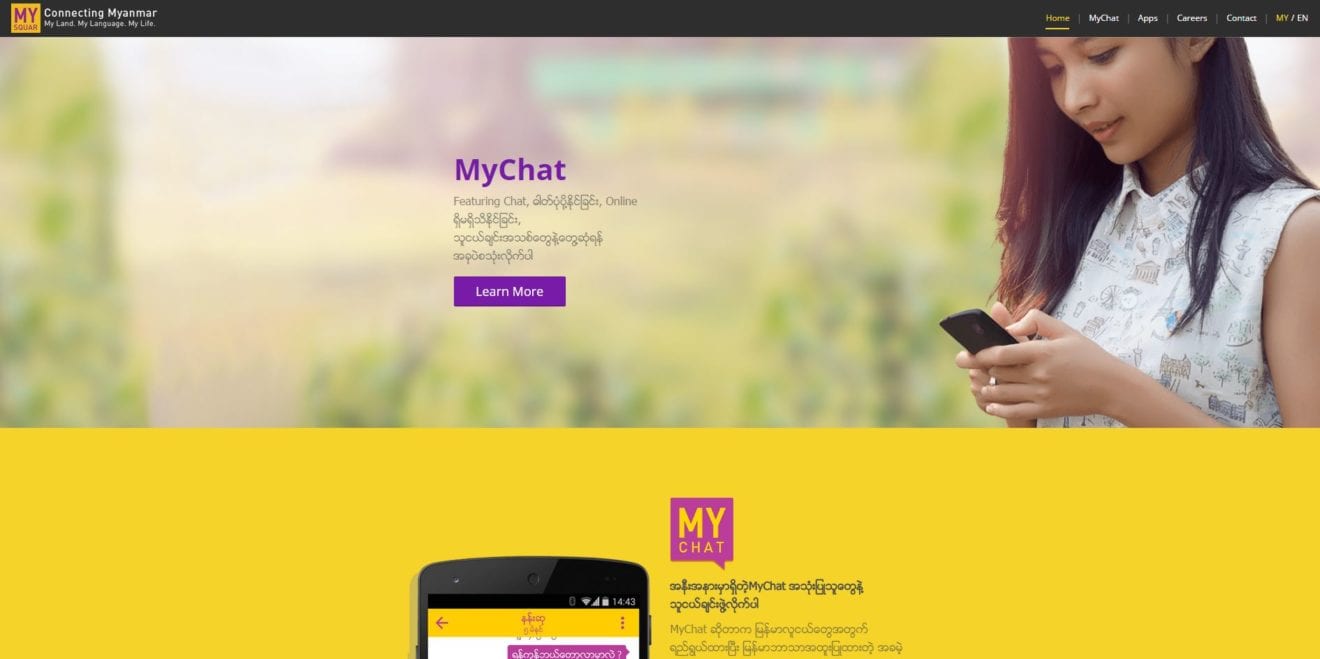
    The future is bright in Myanmar, even if it is not as Orange as the French telecoms company might have liked. It is more a lurid yellow with puce-tinted characters in local Burmese script, according to MySQUAR, the social media business which hopes to float on the Alternative Investment Market in a fortnight.

    The Burmese start-up is raising about £2m to piggyback off the impressive growth in mobile communication in Myanmar and build a local-language business of messaging applications and online games. Nearly 700,000 Burmese citizens already use its MyChat app, and that could be more than 1m by December if all goes to plan.

    MySQUAR is just one of the many small businesses hoping to cash in on Myanmar’s economic revival after its release from half a century of military rule and censorship. Five years ago a fraction of a per cent of Myanmar’s population — of which nearly half are under the age of 24 — had access to a mobile phone. Now Myanmar’s economy is growing at about 8 per cent a year, say analysts, and by the end of 2015 a third could have phones.

    The government hopes that by 2016 more than three-quarters of the country will have network coverage. Two years ago it invited the likes of Orange and Vodafone to tender for licences to roll out mobile services across the country. Norway’s Telenor and Ooredoo of Qatar won the tender and this month Telenor said it had already picked up 6.4m customers and was “unexpectedly” in profit. The average revenue per user is more than four times greater than in India or Pakistan, it added.

    “We are sitting on top of all that telecom expansion,” says Eric Schaer, MySQUAR’s chief executive, a US-born former banker and citizen of Comoros who lives in both Vietnam and Singapore.

    Yes MySquar has rivals, including Facebook, but while the literacy rate is extremely high, very few people speak or write English. MySQUAR is the only one allowing Burmese people to chat in the local lingo, says Mr Schaer.

    That said, Myanmar is still a very poor, largely rural country without access to road, rail or reliable electricity supplies where less than 10 per cent of the people have bank accounts. Democracy is young, cronyism prevails and the country is split by factions and disputes over land rights. Companies are not governed by the norms that western investors are used to and the cost of doing business is unpredictable and high. In August, for example, Telenor reported evidence of the use of child labour by suppliers.

    Mr Schaer says stoutly “[business] has all been quite straightforward. We have not had challenges.” So far.

    Broker Beaufort Securities has discounted assumed cash flows to reach a value of about £23m for the company. But MySQUAR’s services are free for now while it builds its customer base and it will not start to charge users for add-on services or advertisers for space for a while. MySQUAR will not generate cash for months, if not years. The profits may come after that. Then again, they may not.

    MySQUAR is a start-up in the real sense of the word and high risk. The purple prose is beguiling, but the company’s future may be more black and white.

    Financiers are forever repackaging centuries’ old products and services, and rebranding them with the latest buzzword. Often it is just a way of charging another layer of fees for another layer of intermediation. Today’s buzzword is “crowdfunding”. It bestows a wow factor on the most pedestrian capital raising.

    Or so Darwin Strategic, majority owned by Henderson, hopes. It claims to have pioneered crowdfunding for public companies. Its second customer is Aim-quoted Kea Petroleum, the New Zealand explorer trying to raise £3m from private investors at 1p a share via Darwin’s PrimaryBid.com. Anand Sambasivan, Darwin’s boss, says PrimaryBid is not brokering any old equity placing. The difference is that retail investors can bid for shares directly from companies. “We fill the gap in bank lending for small companies and give retail investors access to share placings,” he says.

    Kea’s shares tell their own tale. They have fallen from above 30p in under a year and are trading at 0.875p in the market. Paying as much as 1p smacks of that old saying, “a fool and his money are soon parted”.

     

  • Singapore rides omnichannel wave

    Singapore rides omnichannel wave

    Online and offline sales in Singapore are growing in tandem as omnichannel is becoming an integral part of shopping culture in Asia.

    Data compiled by online couponing website Flipit.com show that 85% of Singaporeans shop in-store at least once a month while 49% shop online with a similar frequency.

    But the preference is for bricks and mortar, Digital Market Asia reported, as more than half of Singaporeans (56%) like to shop in-store in one of the city state’s 105 malls, where they appreciate being able to touch and feel products as well as eat and drink and socialise.

    The fact that malls are increasingly integrating channels also helps, with click-and-collect facilities, for example, being supplemented with “click-and-mortar” stores where shoppers can use barcodes to save items to an online shopping cart.

    “Shopping trends are constantly evolving, but you can always guarantee that Singapore will be one step ahead,” said Willem Nout, Project Manager at Flipit.com.

    “Singaporeans just love to shop – plain and simple!” he said, adding that seeing shopping as a pastime rather than a necessity was “exactly the kind of attitude that guarantees to keep physical stores out of the red zone”.

    Amazingly, Singapore has double the retail space per person of Australia, despite being 10,000 times smaller.

    It is also among the world’s leading markets for retail expansion, according to a report by real estate services firm CBRE, attracting 58 new global brands last year – double the number of 2013 and second only to Tokyo.

    These entrants were mostly in the food and beverage sector, reported Inside Retail Asia, followed by apparel and accessories chains. And the Shoppes at Marina Bay Sands was a favoured location thanks to the high numbers of affluent customers visiting the connected casino facilities.

    Brandon Famous, senior managing director for retail occupier advisory & transaction services at CBRE, echoed Nout when he said that consumers continued to “view the physical store as their preferred mode of purchase and perhaps more importantly, as a point of social interaction”.

    “Consumers view shopping as a leisure activity and the continued expansion of brands and the development/improvement of shopping locations gives them the opportunity to embrace this,” he added. Data sourced from Digital Market Asia, Inside Retail Asia, CBRE; additional content by Warc staff

  • Retail movies for Millennials

    Retail movies for Millennials

    With many on-line publications funded by invasive adverts, it typically looks like web surfers are being bought one thing each different minute.

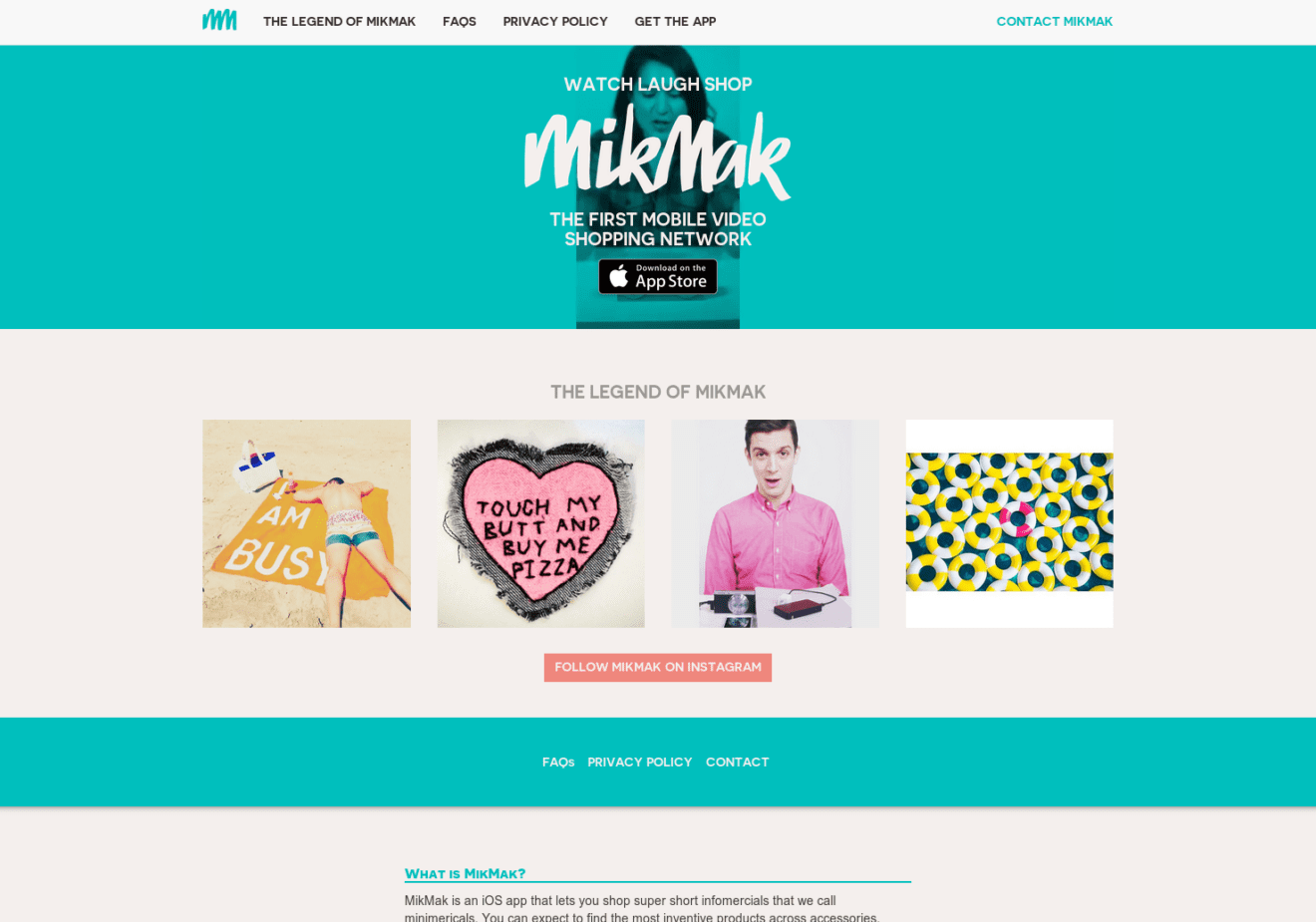
    Making a extra lively, participatory purchasing expertise is a brand new app referred to as MikMak. The app embraces the age of cellular promoting by giving the house buying community a 21st century smartphone makeover. MikMak is a cellular video buying channel aimed toward millennials, that creates infomercial fashion retail movies for every product it promotes.

    To start, customers obtain the free app and create an account. Then, they will browse by product sort, and watch a ‘minimercial’ for every merchandise they like. There are a selection of equipment, devices, residence items and extra — all for beneath US$100 — and new movies are uploaded nightly. All the products promoted might be purchased inside the app.

    MikMak is presently in Beta and the corporate behind it — based by Rachel Tipograph — is creating a variety of movies for every product in various types. Gadgets are sometimes introduced by comedians from the stand-up circuit, with tones starting from honest and critical to comical and gimmicky — as a way to confirm which sits greatest with their viewers. Every clip is thirty seconds lengthy and the group can produce as much as 25 in in the future on a really small finances.

    Is there potential for extra cellular buying channels for different audiences?

  • Jumei buys into Korean cosmetics model

    Jumei buys into Korean cosmetics model

    Chinese language on-line magnificence merchandise retailer Jumei Worldwide has purchased a minority stake in Korean magnificence model It’S Pores and skin.

    It’S Pores and skin is described as “a status Korean magnificence model that has turn into very fashionable amongst Chinese language shoppers”.

    Leo Ou Chen, founder and CEO of Jumei, stated  the recognition of Korean magnificence merchandise in China has grown quickly over the previous few years.

    “With an in depth catalogue of status merchandise, It’S Sin is a perfect companion for Jumei to collaborate with as we construct Jumei International into the most important cross border eCommerce platform in China.

    “It’S Pores and skin will drastically profit from the rising measurement and scale of our platform,” he concluded.

    Jumei, listed on the NYSE, is China’s main on-line retailer of magnificence merchandise as measured by gross merchandise quantity, with a market share of 22.1 per cent in 2013.

  • Gucci surprises China with up to 50% off discounted goods

    Gucci surprises China with up to 50% off discounted goods

    Gucci is offering as much as 50%off its goods in China as the Italian luxury fashion label aims to clear older merchandise designed by its former Creative Director Frida Giannini. Sales in Gucci’s China branches have encouraged lines of shoppers to form since sunrise to bag the best deals.

    The Italian fashion house’s CEO Marco Bizzarri is working to reposition the brand as a result of its disappointing figures and declining demand in Asia.  In order to do this, Alessandro Michele was promoted to the Creative Director position earlier this year, replacing Frida Giannini who held the post for past nine years. Michele’s first full collection is due to be released in stores later this year.

    Gucci’s overall sale performance has been low in China as of late, due to the country’s economic slowdown. The Asia-Pacific region, excluding Japan, accounts for 38% of its revenue so losses in this area have made a significant impact on overall earnings.

    Gucci reported its weakest quarterly performance in more than five years last month. The luxury retailer hopes that Michele’s new Gucci will result in its comeback and recovery.

    The sale, which started on Wednesday has been reported to last until next month, the exact dates are yet to be confirmed.

    Talya Misiri 

  • E-commerce to drive Asean retail growth

    E-commerce to drive Asean retail growth

    In its 2015 report to leaders, Asean BAC said business-to-customers Internet sales in Asean account for only one per cent of total sales as opposed to eight per cent in developed economies.

    According to global management consulting firm AT Kearney, Singapore is the only Asean country to be placed in the top 30 in a ranking led by the US, China and United Kingdom.

    In the firm’s 2015 Global Retail E-Commerce Index, Singapore ranked 14th with a 41.5 score in terms of online market attractiveness.

    The study said the city state has infrastructure that makes the retail environment conducive for online shopping.

    In terms of consumer behaviour, Singapore was rated at 89.4, a score higher than the US, which indicated a favourable consumer base for online transactions.

    Asean BAC said e-commerce technology is essential for the integration of Asean’s retail sector as it makes shopping easier for consumers. It also helps grow businesses without having to contend with too many pre-existing impediments.

    But in order to develop e-commerce, the council said Asean needs to work on its logistics, develop an online payment system and promote access to finance.

    Asean should also consider the establishment of a region-wide e-payment regulation system that will help companies identify their clients.

    To speed up the payment process, an e-payment escrow solution could also be explored, the council said in its report.

    Asean should also encourage partnerships between e-retailers and logistics players to improve trade efficiency.

    The integration of logistics systems in Asean must be accelerated. The council added in its report that the Asean Single Window system should be fully-implemented.

    Asean BAC said access to finance and use of regional e-commerce platforms will help Asean e-commerce players keep up with their international competitors.

  • DFS to Open T Galleria Store near Angkor Wat

    DFS to Open T Galleria Store near Angkor Wat

    Today, BoF can exclusively reveal that luxury travel retail company DFS is set to open an 8,000-square-metre retail complex near the world heritage site of Angkor Wat in Cambodia in 2016.

  • Suntory to expand Ribena candy in Asia

    Suntory to expand Ribena candy in Asia

    Suntory Beverage & Food plans to increase distribution of Ribena branded confectionery and drink products in Hong Kong, Malaysia and Singapore.

    Suntory took control of the Ribena brand in 2013 and the company said it now plans to build Ribena’s presence in Asian retail channels.

    As part of this drive, Suntory has reached an agreement with DKSH that will see the market expansion services group provide distribution, logistics, field marketing and credit and collection services to the Ribena brand across retail channels.

    “We aim to leverage on DKSH’s solid organisation and strong capabilities along the value chain, most notably its supply chain and commercial strengths. The collaboration is a next step in further enhancing the availability and visibility of our products in the retail channels,” said Kosuke Fujishima, head of regional corporate planning and director, Suntory Beverage & Food Malaysia.”

    “Suntory’s commitment to the people in Malaysia, Singapore and Hong Kong remains steadfast, especially in providing even better products and services through improved delivery time and communication,” Fujishima added.

  • Korean cellular carriers open unified app retailer

    Korean cellular carriers open unified app retailer

    South Korean cellular carriers have opened a unified app retailer for his or her smartphone customers, as a part of an effort to bolster their presence within the rising app content material sector dominated by two app giants: Google and Apple.

    The One Retailer is a consolidated cellular model of KT‘s Olleh Market; T Retailer operated by SK Planet, the platform arm of SK Telecom; and U+ Retailer by LG Uplus.

    It’s out there for a smartphone consumer by way of a model improve of the prevailing app market on the handset.

    An app developer can now promote their product on the app market by importing the product solely as soon as on the One Retailer, whereas up to now they needed to register it individually on the prevailing app shops.

    The requirements for creating an app have additionally been harmonised so app creators gained’t have to make totally different apps for every app retailer, the cellular carriers stated.

    The launch of the One Retailer got here two months after saying the plan to combine the web content material market that had been run individually by every telecom firm.

    In accordance with market watchers, cellular carriers felt the necessity to be a part of forces for the app content material sector towards Google’s Android market and Apple App Retailer which have dominated the native app enterprise.

    In response to the newest knowledge by the Korea Cellular Web Enterprise Affiliation, Android is estimated to have taken up 51.eight per cent of the app market in Korea value roughly four.5 trillion gained (US$four.06 billion) as of end-2014, adopted by Apple’s 31.three per cent. The mixed share of native app platform suppliers solely stood at 13 per cent.

    The Korean cellular carriers hope the One Retailer will create new alternatives for native app builders, in addition to cellular shoppers, to take pleasure in numerous and certified content material based mostly on a extra handy and higher consumer expertise.

    About 1.7 million smartphone customers are anticipated to go to the One Retailer each month, the cellular carriers stated. They didn’t give particulars on the variety of apps registered with the unified market.

  • Pleasure Metropolis opens indoor road in China mall

    Pleasure Metropolis opens indoor road in China mall

    Pleasure Metropolis Property has launched China’s first cultural and artistic industry-themed indoor pedestrian road in Tianjin  Pleasure Metropolis’s Cheer Market.

    The road can also be the primary of its sort within the nation to have been situated inside a buying centre. The distinctive and ‘avant-garde fashion’, Cheer Market has been held up as a mannequin that different purchasing malls have been following in recent times in an try and buck the development of homogeneity and the affect of e-commerce in addition to to shoulder the company social duty actively.

    Pleasure Metropolis’s goal clients, aged between 18 and 35, are able to creating and appreciating artworks, together with these designs that are above the mass market’s style. Particularly, Cheer Market caters for the preferences and needs of the ‘yuppies’.

    Positioned as “an artwork road in a purchasing centre”, Cheer Market consists of delivery containers during which entrepreneurs arrange outlets and are free to train their creativity and originality of their inside ornament and design.

    As well as, the low lease and enormous share of revenues loved by the companies in Cheer Market and the place’s distinctive inventive atmosphere have attracted numerous artistic younger individuals to make their marks there. The freewheeling environment has given delivery to such creative zones as “Shen Shou Si” (Temple of Auspicious Animals) and “Secret Publish Workplace” which have turn out to be magnets for patrons.

    “Younger individuals are imbued with many unique concepts, however often can’t put them into follow as they face many various sorts of constraints, together with a scarcity of capital”, stated a graduate who’s a younger entrepreneur.

    “Nevertheless, they will realise their goals in Cheer Market, which is a seedbed for brand spanking new companies began by the younger due to its beneficial circumstances.”

    Tianjin Pleasure Metropolis’s GM Wu Jing says: “A purchasing centre ought to be energetic as an alternative of being mundane.”

    Situated on the fifth flooring of Tianjin Pleasure Metropolis, Cheer Market has now turned what was as soon as an inaccessible quiet nook with a big space into an indoor business road with a robust character and the very best income generated per sq. metre.

    The business property challenge distinguishes itself from Nanluoguxiang (South Lane of Gongs and Drums) of Beijing and Tianzifang, which is an arts and crafts enclave of Shanghai, by recreating outside streets inside a constructing.

    The identify “Cheer Market” was impressed by the youngsters’s e-book Nils Holgersson’s fantastic journey throughout Sweden of the Nobel Prize-winning author Selma Lagerlöf. The novel illustrates the protagonist’s private improvement by means of a collection of fantasy adventures, and evokes individuals with a ardour for all times to be happy to reside out their goals.

    Says Wu: “The importance of Cheer Market lies in its functionality to set off individuals’s want for creativity with freedom. Their hands-on expertise with the fascinating actions on the outlets there result in consumption. Cheer Market will assist appeal to clients to Pleasure Metropolis. It has blazed a path within the industry by bringing outside streets indoor and by providing clients a stimulating buying setting.”

    Pleasure Metropolis Property’s government director and GM Han Shi says Pleasure Metropolis Property aspires to develop into an organization that may thrive for greater than a century, and innovation would be the key to that.” 

    “Pleasure Metropolis is far more than a purchasing centre. It’s a vibrant and stylish place for spreading tradition. Pleasure Metropolis will set the development for the younger individuals’s way of life. It is going to endeavor to realize this goal via fixed innovation and by main the industry in enterprise administration.”

    Hong Kong listed Pleasure Metropolis Property is a business property itemizing firm underneath COFCO Company, enterprise of which overlaying business property, residential property, lodge, tourism property and regional complete improvement.

  • Lotus Foods helps small rice farmers grow their income

    Lotus Foods helps small rice farmers grow their income

    Lotus Foods, a global innovator in the production and marketing of specialty rice, joined the Business Call to Action with a commitment to increase the incomes of at least 3,000 farm households by 2017.

    The company is paving the way to market for smallholder farmers in Africa and Asia who adopt the ecological method of rice cultivation known as the System of Rice Intensification (SRI). This helps farmers to grow rice more sustainably to make livable incomes as well as to offer healthier rice choices to consumers.

    Established in 1995, Lotus Foods has become dominant in linking marginalized farmers to major markets, having pioneered the introduction of heirloom black and red rice into the United States.

    The SRI production method, which is being applied by more than 10 million farmers in more than 50 countries, helps farmers generate surpluses by doubling their rice yields with less water, land, chemicals and greenhouse gas emissions.

    Introduction of this growing method to its farmer-producers led Lotus to surpass its early goals and increase the amount of SRI-produced rice it buys from organic-certified farmers in Cambodia, Indonesia and Madagascar. Initially the rice was sold only in bulk, but in 2010 the company launched its heirloom varieties for retail customers.

    Suba Sivakumaran, Business Call to Action (BCtA) Programme Manager, said: “Fair trade, organic and healthy products are among the food industry’s fastest growing trends – we are pleased that Lotus Foods has seized the opportunity to improve farmers’ productivity, enhance developing economies and protect the environment.”

    Lotus has been an important catalyst for farmers to obtain organic and fair trade certifications, in addition to producing according to SRI methods, in order to earn higher export premiums.


  • Sony Talks Digital Distribution And The Shift Away from Physical Retail

    Sony Talks Digital Distribution And The Shift Away from Physical Retail

    SCE President Andrew House talks digital distribution and the shift away from physical retail occurring this generation.

    At Sony’s Investor Relations Day 2015 presentation, House spoke about the improved network features of the PS4 over the PS3 and believes that it’s one of the drivers for the shift. He also pointed out that having earlier and more accessible access of digital releases are contributing elements now that download versions arrive on the same day with retail copies and can often be pre-loaded.

    House also talked about the impact on profit, noting that regions will be affected differently based on technology and user preference.

    “Anecdotally the new console generation has certainly marked a shift to digital distribution in my opinion. Pre-loading, more competitive pricing and day and date access are the big factors for me, plus the requirement of retail releases to install and often download day one patches negates the speed factor of retail purchases.”

    In recent times, both Sony and Microsoft have embraced flash sales and discounting of online products.

  • Indosat, Facebook launch Internet.org in Indonesia

    Indosat, Facebook launch Internet.org in Indonesia

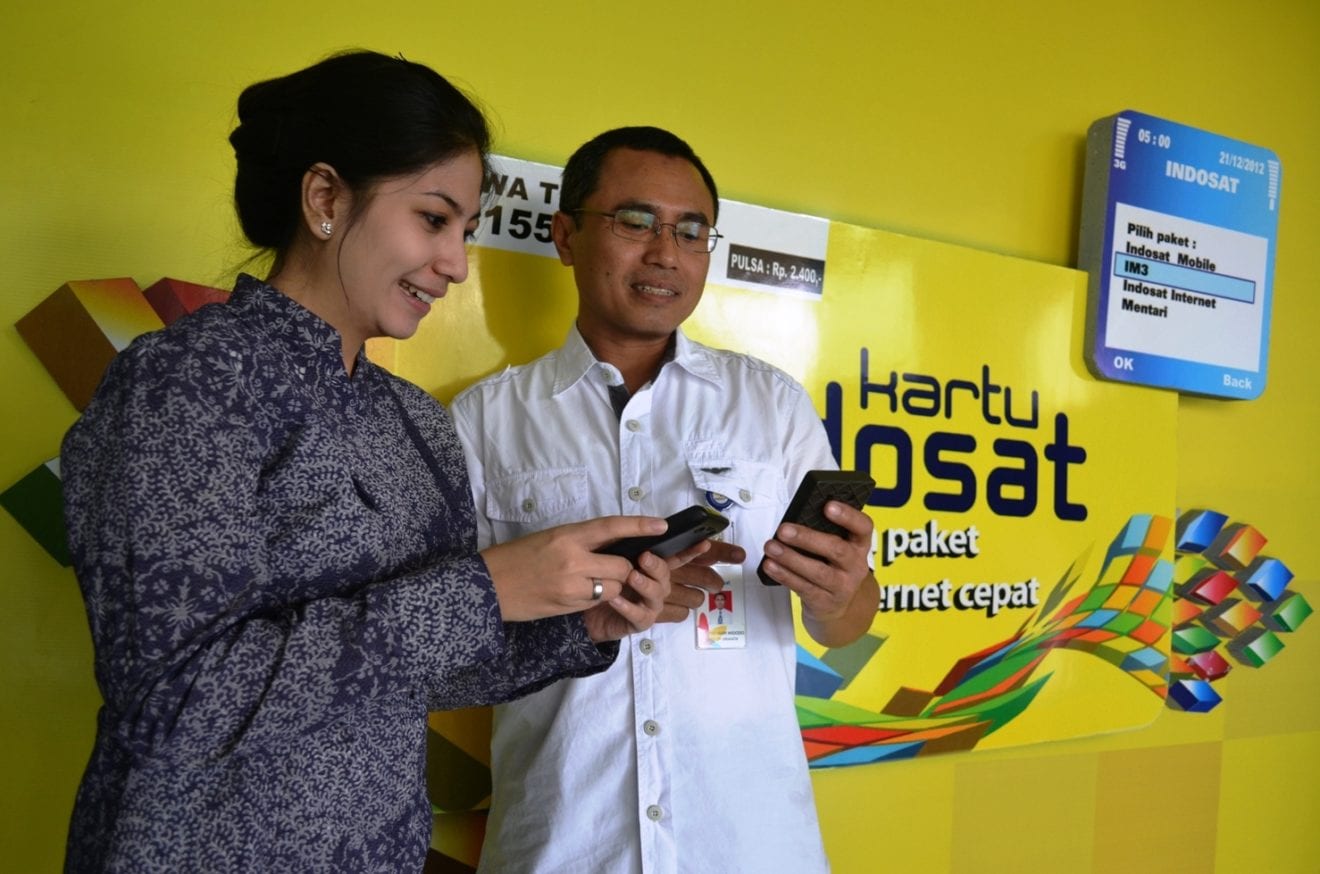
    Ooredoo Group’s Indonesian subsidiary Indosat and Facebook have jointly launched the Internet.org initiative in Indonesia. Facebook’s Internet.org seeks to make internet services more accessible through free internet access to a set of basic services, including health, education, social media for communication and news.

    In Indonesia, Indosat will provide internet access at no charge through the Internet.org services both for IM3 & Mentari (prepay customers) and Matrix (postpaid subscribers). Customers will be able to access general information on Ask.com and Wikipedia; get news updates on Merdeka.com & KapanLagi; stay up to date on sports through Bola.net; get education info on Kelase; as well as check the weather and climate through Accuweather; read stories via Wattpad; check employment opportunities on Jobstreet; sell items on OLX & Tokopedia; learn about women’s issues on BabyCenter, Mama, Girl Effect websites; and access health information on UNICEF’s Facts for Life.

    Indosat customers in Indonesia can access these services via www.internet.org or by downloading Internet.org app from the Android playstore. The service will be available in English and Bahasa Indonesia.