Author: Mei Ling Tan

  • H&M to open first store in India

    H&M to open first store in India

    Swedish multinational retail-clothing company Hennes & Mauritz is to expand its presence to India, with the launch of the first store in the nation’s capital Delhi.

    The move follows H&M’s announcement in 2013 to invest around INR7bn ($109.3m) to open 50 single-brand retail stores in India.

    Spread over an area of around 25,000ft2, the proposed store will be located in Select Citywalk mall in Delhi, besides other foreign fashion brands including Zara, Mango, Tommy Hilfiger and GAP.

    H&M Hennes & Mauritz Retail India country manager Janne Einola said: “This Fall, fashion will have a brand new address in India: from a world-class shopping destination to sustainable and quality fashion offerings at the best price, we are excited to present the complete H&M experience to our Indian customers.”

    Currently H&M operates more than 3,600 stores in 58 markets across the globe.

    The retailer generated around $22.33bn in sales last year.

  • Coca-Cola fosters Mama’s Houses to empower ladies in Sichuan communities

    Coca-Cola fosters Mama’s Houses to empower ladies in Sichuan communities

    QIN Guoying, Common Secretary of the China Ladies’s Improvement Fund, and Zhang Huaying, Vice President of Coca-Cola China and Korea, joined representatives from a number of native authorities businesses to collectively inaugurate two new Mama’s House facilities in Leshan Metropolis, Sichuan Province, yesterday.

    Mama’s Houses are group ladies’s empowerment facilities managed in partnership with native authorities, social organizations and companies. The primary aim of those facilities is to advertise household, group and financial improvement in areas affected by the 2008 Wenchuan earthquake.

    Up to now, 4 Mama’s Houses have opened their doorways. It’s estimated that these facilities profit 50,000 ladies annually by providing programs on enterprise subjects, housekeeping, cooking, nursing and handiwork. These facilities additionally assist arrange part-time jobs to serve native communities.

    Designed particularly for moms, these Mama’s Houses are outfitted with childcare areas the place ladies can depart their youngsters as they consider studying expertise or partaking in part-time employment.

    Qin has praised the achievements of the Mama’s Residence’s initiative. “Ladies are the core of households and communities. In contrast to different typical group sponsorship packages, Mama’s Residence pilots a win-win answer to a number of group wants by furthering ladies’s social and financial independence,” she stated.

    Mama’s Houses have loved a lot early success. Many ladies collaborating in this system say they’ve develop into extra assured and happier by serving to themselves and serving others of their native communities.

    Wei Rong, for example, went to Mama’s House day-after-day to attend shuxiu-style embroidery courses in her spare time. After six months of coaching, she bought one piece of handiwork for a number of thousand yuan. Now her dream is to turn out to be an embroidery grasp.

    In the meantime, Lily Wang studied enterprise administration with Mama’s House, and now the grocery retailer she runs brings in sufficient revenue to cowl her household’s every day bills. As an entrepreneur, she is now actively planning a shiny future for her daughter.

    As Zhang remarked, “Coca-Cola strongly believes that sustainable enterprise progress is constructed on the sustainable improvement of the communities the place we function. We’re proud to be a part of this significant program.”

    Additionally in line with Zhang, Mama’s Houses show the native relevancy and collaborative potential of Coca-Cola’s 5by20 packages, a worldwide initiative which goals to empower 5 million ladies by 2020 via Coca-Cola’s worth chain.

    Coca-Cola and the China Ladies’s Improvement Fund are absolutely dedicated to this program and plan to determine a complete of 20 Mama’s Residence facilities in Sichuan province over the subsequent two years, and to regularly broaden the Mama’s Residence program to different provinces throughout the nation.

  • World-class duty-free coming to Myanmar airports

    World-class duty-free coming to Myanmar airports

    Singapore Windsor Holdings has signed a 10-year agreement with DFS Group to develop and operate duty-free retail outlets at Yangon International Airport and Nay Pyi Taw International Airport.

    DFS Group is a Hong Kong-based luxury travel retailer, majority-owned by conglomerate Moët Hennessy Louis Vuitton (LVMH).

    “In addition to a duty-free store at Nay Pyi Taw International Airport, we will open duty-free outlets at the existing departure and arrival terminal of Yangon International Airport, followed by a much larger duty-free retail space when the new terminal at Yangon International Airport is completed towards the end of this year,” said a notice on the Singapore Exchange (SGX).

    By the end of 2015, Singapore Windsor will operate almost 2000 square metres of duty free retail space at the two airports. The notice did not mention plans to introduce duty-free services to Mandalay International Airport.

    The new international terminal in Yangon airport is expected to handle three times the current passenger traffic volume. Myanmar’s airports already offer duty-free alcohol and tobacco, but not yet to an international standard, according to the notice.

    DFS is headquartered in Hong Kong and has offices in Hawaii, Los Angeles, Shanghai, Singapore and Tokyo. Singapore Windsor is a Singapore-listed, Myanmar-focused company, with interests in telecom infrastructure construction, trading, distribution and retail, serviced offices, and car hire and rental services.

    Last week, the group’s wholly owned subsidiary SMI Auto Services signed a five-year franchise agreement with Europcar, to provide vehicle rental and limousine services throughout Myanmar. The deal is renewable for another five years, if both parties agree to it.

  • Singapore’s iconic Ku De Ta undergoes big makeover

    Singapore’s iconic Ku De Ta undergoes big makeover

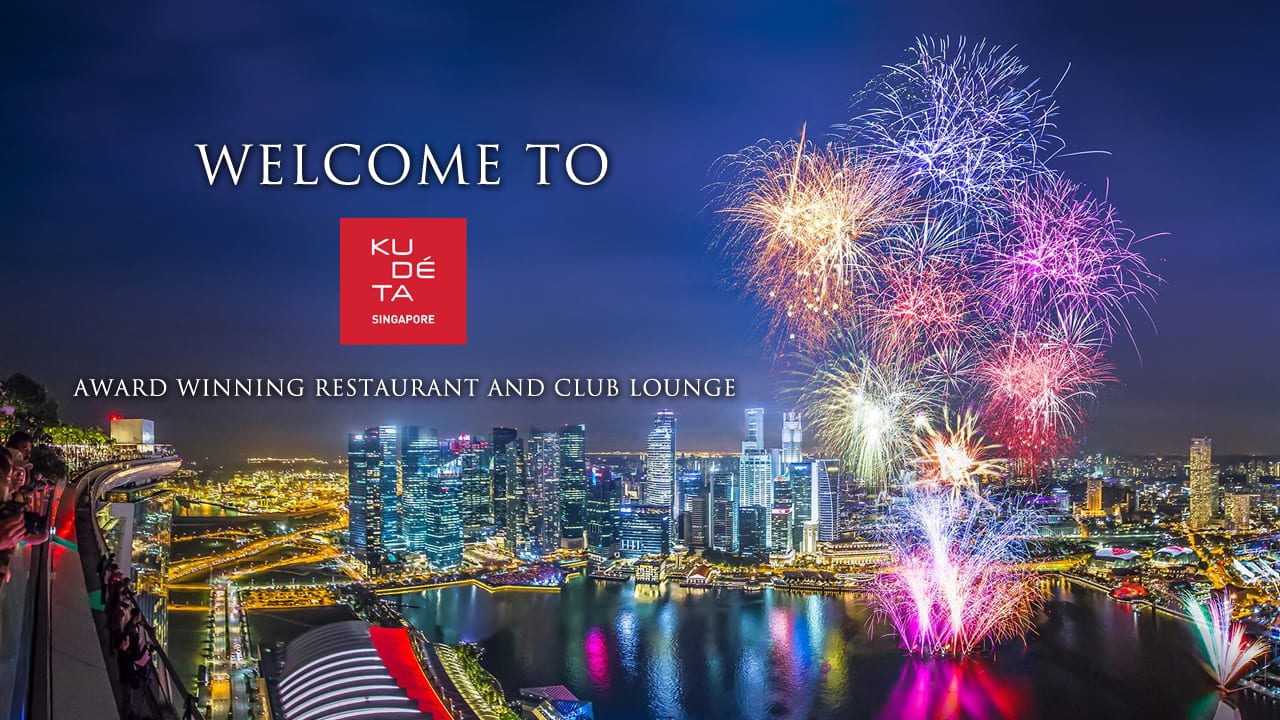
    Ku De Ta – the swanky bar perched on the boat-shaped rooftop of Singapore’s iconic casino resort Marina Bay Sands – is undergoing an extreme makeover, including a name change.

    Now called Ce La Vi, the nightspot will go through a major refurbishment this summer as its owner L Capital Asia, the private-equity fund backed by LVMH Moët Hennessy Louis Vuitton, looks to enhance the customer experience and cement its position as a leading “adult playground.”

    The name is a play on the French phrase, ‘c’est la vie’ which means ‘this is life’.

    L Capital Asia, which bought a majority stake in the bar last year, has been involved in the ongoing litigation over the name Ku De Ta, already being used by a popular beachfront bar in Bali.

    Ce La Vi restaurant, overlooking the Singapore skyline.

    In December, the Singapore Court of Appeal ruled that the “Ku De Ta” trademarks registered in Singapore should be transferred to the Bali partnership, according to the Straits Times. These marks had been registered by a company set up by an Australian businessman Arthur Chondros, one of the partners of Ku De Ta Bali.

    L Capital Asia will launch other nightspots under the brand Ce La Vi as it looks to grow its presence in the high-end dining and entertainment scene in the region.

    So far, the firm has secured a space on the top three floors of Hong Kong’s California Tower, located in the city’s main dining and entertainment district – Lan Kwai Fong. The venue will be open for business in July.

    The company has plans to launch the brand in other key urban centers around the world, with expansion into Dubai and Taipei already under way.

    “As the company builds this global dining and entertainment brand, we are on the lookout for sites in cosmopolitan capitals further afield, from Europe to the USA and wherever opportunities arise,” Ravi Thakran, managing partner at L Capital Asia, said in a statement.

    “We will only select locations that are the most coveted spot in the city, nothing less than a commanding presence with breathtaking panoramic views in the world’s lifestyle capitals,” he said.

  • Apple watch to be available in Singapore from June 26

    Apple watch to be available in Singapore from June 26

    Apple Watch will be available in Singapore from June 26, according to a press statement on Apple’s website on Thursday.

    Fans will be able to buy the smartwatch from Apple’s online and retail stores, and selected authorised resellers.

    Selected models of the Apple Watch will also be available from boutique store Malmaison by The Hour Glass in Singapore.

    The watch will also be available in six other countries on June 26 – Italy, Mexico, South Korea, Spain, Switzerland and Taiwan.

  • Thailand To Tackle Tax Avoidance On Imported Cars

    Thailand To Tackle Tax Avoidance On Imported Cars

    Thailand’s Government has confirmed that it is planning to change the way excise tax is calculated on imported vehicles as part of a wider plan to modernize Thailand’s excise tax system and increase tax revenues.

    Somchai Poolsawasdi, Director General of the Excise Department, said recently that the upcoming changes are designed to stop importers from using understated cost, insurance, and freight (CIF) valuations to reduce excise tax payable.

    Under the proposed new excise tax system, excise tax rates would be cut, but the tax would be based on the retail price of the vehicle, rather that its CIF valuation.

    Plans to change the basis of excise taxes to retail prices, instead of ex-factory prices, were announced by the Excise Department last year as an addition to the military-led Government’s tax reform plans. The new excise tax calculation methodology is intended to improve transparency (as ex-factory prices could be understated by manufacturers), and bring Thailand’s excise taxes in line with global standards. The Government says that the amendment would have no effect on consumers, but will increase excise tax revenues by around THB6bn (USD178m) annually.

    The new excise tax bill was approved by the Cabinet last month but must be endorsed by the Legislative Assembly before it can become law.

  • Tobacco producers refute Sicpa taking credit score for fall in unlawful cigarettes

    Tobacco producers refute Sicpa taking credit score for fall in unlawful cigarettes

    The Confederation of Malaysian Tobacco Producers (CMTM) at this time refuted strategies that safety marking provider Sicpa had contributed to the most important drop within the historical past of unlawful cigarettes in Malaysia.

    Sicpa is a Swiss-based safety ink, authentication traceability options supplier, which operates in Malaysia via Sicpa Product Safety Sdn Bhd.

    The corporate just lately took the credit score and claimed that the unlawful cigarettes within the nation had declined 6.6 proportion level from 38.9% in 2013 to 32.three%, as recorded within the Illicit Cigarette Research (ICS) 2014 by analysis agency Nielsen, because of the deployment of its merchandise on cigarette packs.

    Nevertheless, CMTM has immediately issued a press release to counter the claims made by Sicpa on the effectiveness of their safety markings towards the decline of illicit cigarette commerce.

    As an alternative, the confederation highlighted that the current giant decline was attributed to the concerted and enhanced efforts by enforcement businesses, primarily the Royal Malaysian Customs (RMC).

    “The character of unlawful cigarettes in Malaysia is such that they’re wholly smuggled into Malaysia from different nations with none required safety marking. To recommend instantly or not directly that the sharp decline recorded within the ICS 2014 statistics was because of the deployment of Sicpa merchandise, in our view, is a deceptive assertion on the effectiveness of the system in addressing unlawful cigarette commerce in Malaysia.

    “It doesn’t present the entire image of the state of affairs since 2004 when it was launched,” CMTM stated within the assertion.

    CMTM is a cigarette producers’ affiliation that was established by the three main gamers within the nation, specifically British American Tobacco Malaysia Bhd, JT Worldwide Bhd and Philip Morris (Malaysia) Sdn Bhd.

    To recap, it was reported final month that Sicpa has been working via its long-term Malaysian know-how companion Lembah Sari Sdn Bhd to allow RMC to fight the unlawful commerce of tobacco and imported alcohol within the nation.

    The corporate belonged to Datuk Haris Onn Hussein, the brother of Defence Minister Datuk Seri Hishammuddin Hussein.

    Referring to the current media reviews in April, quoting Sicpa, the CMTM stated they seen with critical concern the impression created by Sicpa that its merchandise, specifically using safety ink marking on regionally manufactured cigarettes packaging and tax stamps on imported cigarettes, led to the stated largest drop.

    The CMTM went on to say that the decline highlighted by Sicpa in 2014 was particularly attributed to the robust enforcement efforts of the RMC by way of operations like Ops Pacak and Ops Outlet and had little or no or nothing to do with the safety ink marking or tax stamps on cigarettes.

    Via anti-illegal cigarettes commerce operations, stated CMTM, the RMC has made vital progress in addressing demand for unlawful cigarettes by arresting and remanding unlawful cigarette retailers, together with penalising them with deterrent sentences that led to the growing pressures on unlawful cigarette buying and selling actions.

    “What is obvious is that since 2004 when safety markings have been first launched within the Malaysian cigarette market, the Unlawful Cigarettes Market rose sharply from 14.four% in 2004 to 33.7% in 2014. All via this era, the safety markings requirement was enforced and carried out by the cigarette producers,”CMTM added.

  • Retail, service income will increase by 9.1 per cent

    Retail gross sales and repair income within the first 5 months of the yr totalled VND1,305 trillion (US$60.67 billion), based on the Common Statistics Workplace (GSO).

    The determine represents a 9.1 per cent improve on the yr, the GSO stated, including that it rose eight.2 per cent excluding inflation.

    Retail gross sales prior to now 5 months accounted for 75 per cent of the sector’s complete income, reaching VND997 trillion ($46.37 billion).

    The hospitality sector noticed an 11.2 per cent improve in income, or VND145.73 trillion ($6.78 billion), owing to the elevated spending in the course of the lengthy vacation.

    In the meantime, the tourism sector, which is valued at VND10.59 trillion ($zero.5 billion), fell 11.eight per cent.

    Buying energy progress stood at round eight per cent within the first 5 months. It elevated, inflation excluded, 9.2 per cent in March, 10.7 per cent in February and 11.9 per cent in January.

    The expansion of buying energy has declined and stood at eight per cent in April and Might.

    GSO statistician Vu Manh Ha stated these indices don’t mirror actual buying energy, as a result of they’re calculated based mostly on the buyer worth index (CPI).

    The CPI has been fluctuating. It decreased in January and February, however elevated once more by zero.15 per cent in March, zero.14 per cent in April and zero.16 per cent in Might. However the cash influx of consumption and providers didn’t fluctuate a lot.

  • Shopper confidence index exhibits fall in Might

    The buyer confidence index (CCI) dipped 1.29 factors to 91.64 in Might, whereas the inventory funding confidence sub-index noticed the most important fall, by 9.6 factors, based mostly on a report launched by the Nationwide Central College (中央大學, NCU) yesterday.

    Dachrahn Wu (吳大任), director of NCU’s Analysis Middle for Taiwan Financial Improvement, stated the arrogance for inventory funding tumbled largely as a result of the federal government tuned down this yr’s GDP progress forecast final week, and cash within the native inventory market had flown to China’s booming inventory market.

    The inventory funding confidence index registered at 100.1 factors.

    Simply final month, inventory funding confidence rose probably the most among the many six sub-indices, growing four.9 factors to succeed in all-time-high 109.70.

    Final month’s survey was carried out at a time when the inventory index was approaching the 10,000 mark, and when Beijing proposed a stock-connect platform between Taiwan and China. The prospects led to a rise in overseas capital and fueled investor confidence.

    Different Sub-indices Scores

    Beneath the CCI’s 200-point scale, an index that falls within the Zero-100 level zone displays pessimistic shopper confidence whereas a determine between 100 and 200 signifies optimism.

    Regarding the different indexes, the CCI for worth ranges and family finance climbed to 55.85 factors and 87.65 factors, respectively. The job market index stayed degree at 114.9.

    The CCI for home financial system and sturdy items purchases — principally actual property purchases — declined to 86.65 factors and 104.7 factors, respectively.

    J.P. Morgan’s Conflicting Discovering

    Whereas the native inventory market may need underperformed, buyers are nonetheless upbeat concerning the world financial system, based mostly on a report launched by J.P. Morgan lately.

    In accordance with J.P. Morgan’s report, the index for investor confidence reached 106.four within the second quarter, rising for the second consecutive quarter and reached the very best degree in three years.

    Though buyers are usually not assured concerning the native financial system, they confirmed nice optimism over the world financial system, believing it is going to end in wealth progress within the close to future, the survey discovered.

    Jerry Chu (邱亮士), an government from J.P. Morgan Asset Administration, stated the uncertainty relating to when the U.S. Fed will hike curiosity is definitely thought-about by buyers as a constructive.

    Different positives, in response to Chu, embrace larger profitability for corporations in Japan and Europe; a unfastened financial coverage in China that may increase enterprise incomes, which may then translate into greater wage ranges and better consumption.

    Main inventory markets within the globe have moved up prior to now three months. The Chinese language market soared almost 40 %, whereas Japan and European markets have surged about 10 %. The markets in Taiwan and the U.S. grew a comparatively low 5 %.

    Taiwan’s inventory market hit a brand new document final month, and the current retraction is taken into account by Chu as a traditional adjustment.

  • Markets dropping lead over comfort shops

    Markets dropping lead over comfort shops

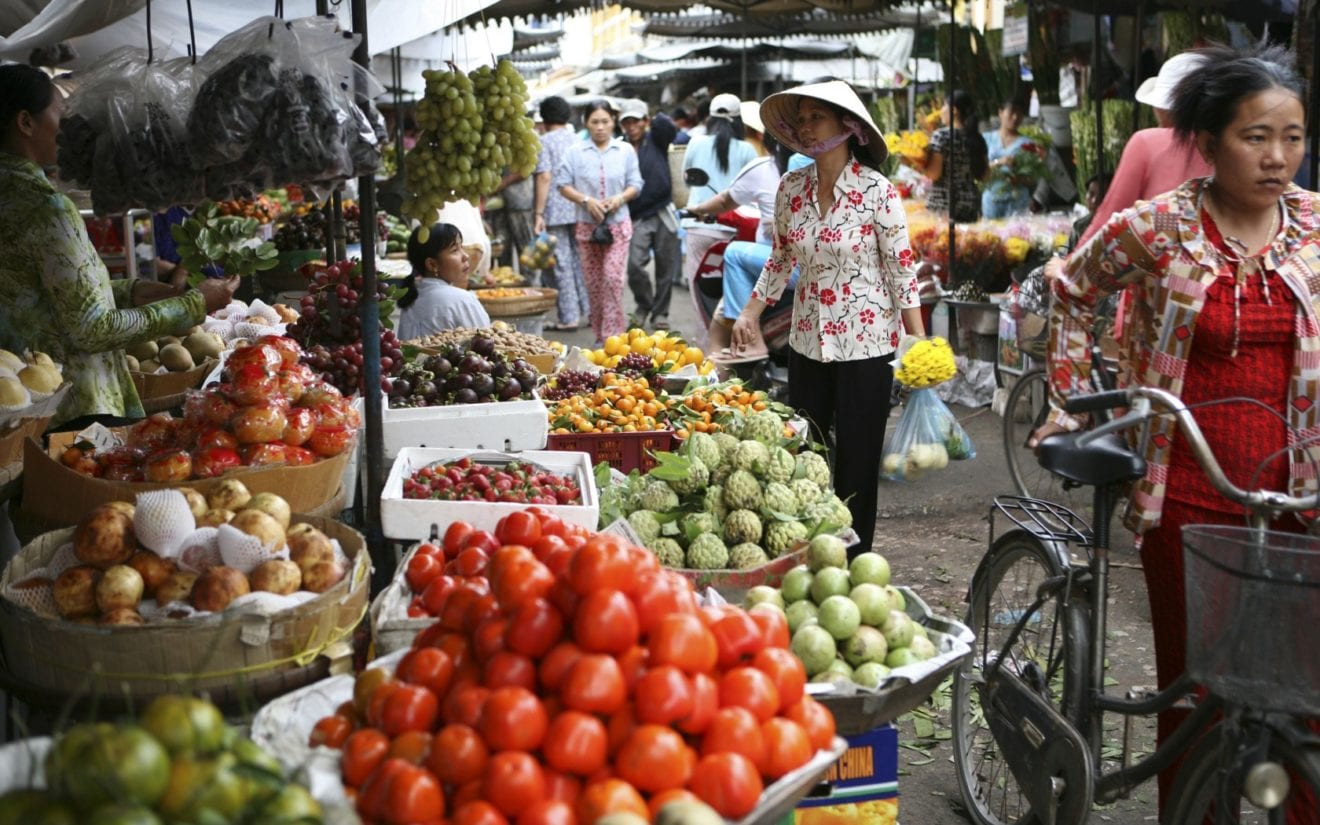
    Moist markets and conventional shops stay the popular retail channels for Vietnamese consumers, although they’re beneath menace as shoppers shift away, based on a Nielsen report launched on Wednesday.

    The 2 have seen a decline in gross sales of 5 per cent and 17 per cent respectively since 2012.

    The frequency of visits additionally decreased.

    Whereas shoppers have turn into extra “savvy” of their buying behaviour in recent times, the necessity for comfort continues to develop.

    In Viet Nam, retailer enlargement additionally continues to realize momentum, particularly in city areas.

    Comfort shops greater than doubled from 147 in 2012 to 348 final yr, whereas mini marts elevated from 863 to 1452.

    This new demand is being led by time-poor and predominantly younger buyers in making on a regular basis meals and grocery purchases, and has been a key driver in comfort retailer enlargement.

    Some 22 per cent of shoppers store for meals and grocery extra typically at comfort shops in comparison with 12 months in the past.

    Meals and drinks are driving comfort retailer gross sales, with 86 per cent of shoppers shopping for both and 62 per cent of beverage consumers additionally shopping for meals and 51 per cent of meals consumers additionally shopping for drinks.

    Vaughan Ryan, managing director of Nielsen Viet Nam, stated: “Comfort shouldn’t be a retailer entrance, however relatively a lifestyle. Shoppers are more and more demanding merchandise and options that assist them of their more and more busy life.

    “In consequence we’ll see the emergence in Viet Nam of each the comfort channel and e-commerce to satisfy this shopper demand.”

    To deal with these shifts, retailers should deepen their understanding of this evolving shopper behaviour, foresee altering wants and develop methods which are targeted on differentiation in areas that matter most to consumers, he added.

  • Shopper confidence up in Asia-Pacific

    Shopper confidence up in Asia-Pacific

    Shopper confidence in Asia-Pacific elevated in 9 of 14 markets within the first quarter of 2015, in comparison with solely three that rose within the fourth-quarter 2014, in accordance with the Nielsen International Survey of Shopper Confidence and Spending Intentions.

    The 9 markets additionally remained at or above the 100-baseline degree of optimism. India, whose confidence degree has been on the rise for six consecutive quarters, had the very best index rating within the area of 130, a one-point improve from the earlier quarter and a degree that has not been reached since 2011.

    “The city Indian shopper began the yr with constructive sentiment in anticipation of enchancment by way of reforms and stimulus introduced by the brand new authorities,” stated Piyush Mathur, president, Nielsen India Area.

    “These preliminary indicators of optimism mirror anticipation of financial restoration which are but to manifest whenever you take a look at fast-moving shopper items and auto sectors particularly over the previous few quarters. Furthermore, infrastructure, engineering and different industrial sectors are but to collect tempo. The autumn in inflation is predicted to have an effect on disposable revenue over time, however it is going to take time for the sectors to be restored to perceptible and sustainable progress,” he added.

    Massive index will increase have been additionally reported in Taiwan, the place confidence rose 11 factors to 88 —the very best rating since 2011 — and in Japan, which rose 9 factors to 88, the very best rating for the nation recorded by Nielsen since 2005.

    “Taiwan confirmed a robust rebound firstly of this yr after a decline in fourth-quarter 2014,” stated Andy Huang, managing director, Nielsen Taiwan. “The rise in confidence sentiment was pushed by a robust enchancment within the outlook for jobs, which elevated 16 proportion factors from fourth-quarter 2014.

    “Perceptions about private funds and a willingness to spend additionally improved 9 and 10 proportion factors, respectively. Preliminary GDP forecasts, a falling unemployment fee and a stabilizing shopper worth index have been different constructive indicators firstly of 2015, which doubtless contributed to elevated optimism amongst Taiwanese shoppers,” he added.

    Vietnam and Malaysia likewise reported robust confidence boosts of six and 5 factors, respectively, within the first quarter. Vietnam’s rise to a rating of 112 is the third consecutive improve and the nation’s highest rating since 2010. Conversely, China’s index fell one level to 106 within the first quarter, which comes after a four-point decline in fourth-quarter 2014.

    The Nielsen Shopper Confidence Index measures perceptions of native job prospects, private funds and quick spending intentions amongst greater than 30,000 respondents with Web entry in 60 nations.

  • Japan’s 7-Eleven says to open first Dubai store in September

    Japan’s 7-Eleven says to open first Dubai store in September

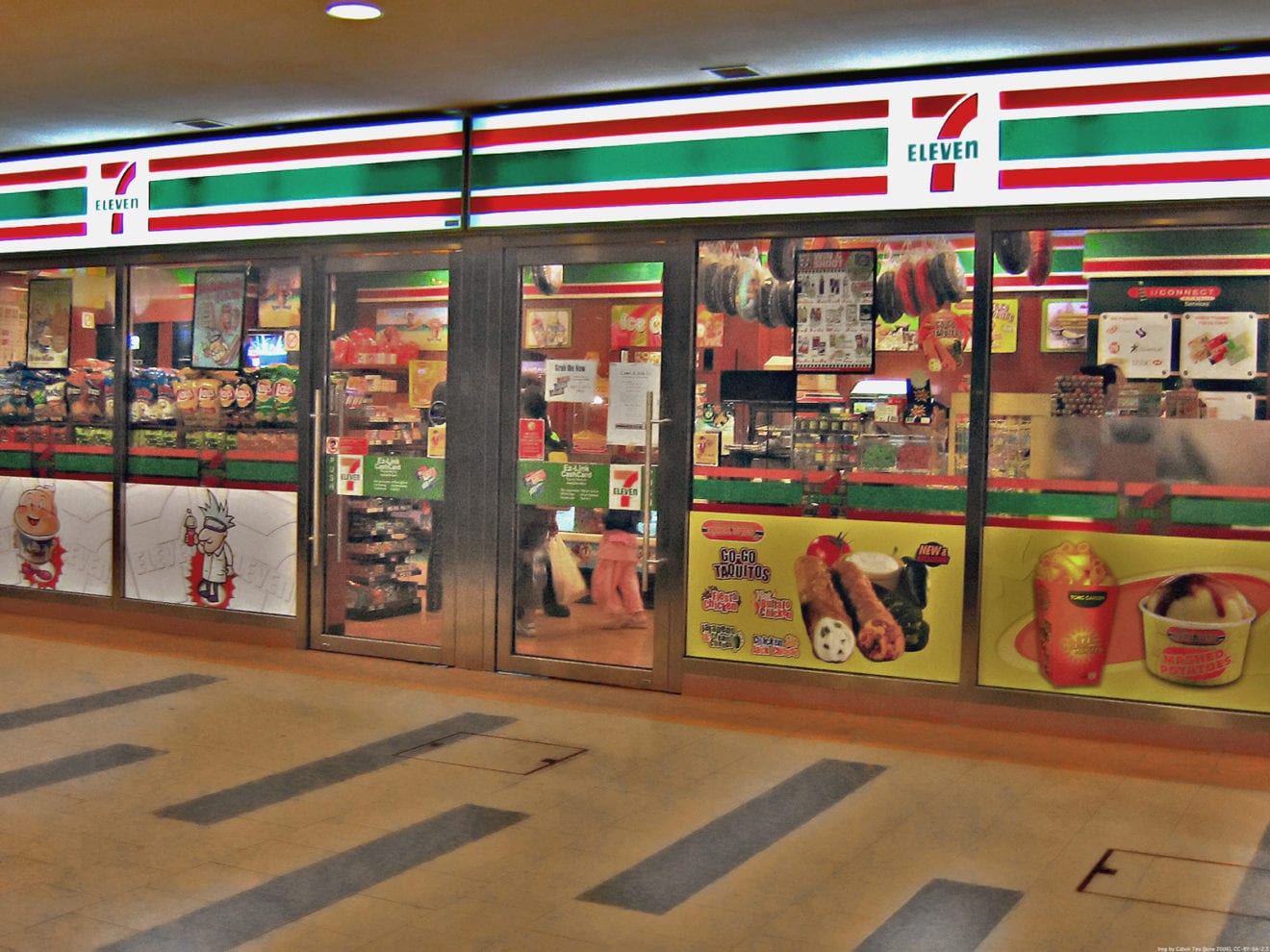
    The first 7-Eleven convenience store will open in Dubai in September as part of a franchise deal with Seven Emirates Investment, it has been announced.

    Khamis Al Sabousi, president of Seven Emirates Investment, said the opening is part of plans by the Japanese convenience store brand to launch more than 820 stores in the region over the next 10 years.

    In a joint statement with Dubai’s Department of Economic Development (DED), Al Sabousi said bringing a leading retailer like 7-Eleven to the region is part of his company’s efforts to develop existing supply chains, provide innovative nutritional solutions, and encourage young people to explore franchising as a business model.

    “Franchising promotes growth of private businesses and helps ambitious youngsters achieve their goals, while ensuring their participation in the development of the retail sector,” he said.

    Omar Bushahab, CEO of Business Registration and Licensing (BRL) sector at DED, added: “We are delighted to see Seven Emirates Investment taking off with the opening of the first 7-Eleven store set for September. It’s a critical step forward for Seven Emirates Investment, which also underlines the ease of doing business in Dubai and its successful economic policy on one hand and the confidence international companies have in the emirate on the other hand.”

    Bushahab also spoke of Dubai’s continuous efforts to help businesses overcome obstacles and continue growing, which he said plays a major role in attracting companies such as 7-Eleven.

    There are currently more than 56,000 7-Eleven stories in 16 countries worldwide.

  • Skilled Opinion: Making social media work for SMEs

    Skilled Opinion: Making social media work for SMEs

    In at present’s super-connected, always-on period, companies of just about any measurement can attain markets and clients past their borders with unprecedented ease. For a lot of SMEs, the speedy progress of cross-border e-commerce – tipped to be value USD2 trillion this yr within the B2C area alone based on Bigcommerce – makes the chance too worthwhile to disregard. In accordance with Aaron Levie, the CEO and co-founder of Field, a cloud-based on-line storage firm in San Francisco, “A producing start-up in Boston can join with a beforehand impossible-to-reach provider in China; a advertising company in New York can instantaneously collaborate with a shopper in London; a providers agency in France can have software program developed in India.”

    In lots of respects, know-how acts as the good leveler, opening up international commerce that was as soon as the unique protect of huge multinationals. SMEs on eBay are virtually as more likely to export as giant companies, based on Joshuta P. Meltzer from his ebook Utilizing the Web to Promote Providers Exports by Small- and Medium-Sized Enterprises. Nevertheless, the Seizing Cross-Border Alternative by Forrester Consulting believes that SMEs nonetheless should grapple with challenges that their bigger rivals do not face. Servicing a worldwide buyer base means overcoming issues corresponding to time zones, and language and cultural nuances. Small companies not often have the time or assets to spend money on outsourced customer support help, and a few are discovering it extra environment friendly to serve clients by way of social media platforms: one LinkedIn research from 2014 revealed that 81 % of North American SMEs use social media.

    With out the massive devoted digital and social media workforce that many giant manufacturers have, even this will appear daunting. Nevertheless, a couple of easy ideas can generate outcomes for SMEs that make investments the required effort and time.

    Construct a following. Probably the most finely-honed messages and delightful content material will not have a lot influence if solely two dozen social media “followers” ever get to see it. Corporations that transfer into social media want to make sure that they’ve a enough base of followers for his or her social platforms to be an efficient channel. UK-based on-line gaming firm Betfair.com achieved this by establishing an lively Twitter presence in 2009 with frequent updates on all kinds of sports activities and witty, artistic content material that’s related to its followers (who as we speak quantity virtually 120,000 individuals). Constructing a following might imply subsidiary investments – for instance, in promoting. LinkedIn, Fb and Twitter all permit corporations with small budgets of just some US dollars per day to promote by way of recommended posts, beneficial followers and different means.

    Keep in mind, you are the beginner! Penny Energy, writer of the UK’sDigital Enterprise Britain Manifesto and founder the Digital Youth Academy, says “Should you’d simply moved in to a city or village, you would not open the door of your new native pub and shout that you are a plumber or an architect and other people ought to offer you enterprise. You’d take part with what was happening round you, chat to individuals and allow them to know what you do, in order that they find out about you once they want your service. It is precisely the identical in social media.” Present on-line communities similar to Fb pages, LinkedIn communities or Twitter hashtags within the markets an organization is making an attempt to penetrate might present the footholds it must construct a following amongst clients in new markets.

    This was the expertise of Herschel Provide Co., a Canadian producer of backpacks and outside items. By taking the time to study every social platform, the corporate was far better-positioned to attraction to followers on every. “Totally different social networks appeal to totally different audiences,” says Allison Butala, Herschel Provide’s social media supervisor. “Our Instagram account attracts aspiring photographers; our Pinterest following caters extra in the direction of females; Twitter attracts these concerned about our product releases and information tales. Understanding this, we share related content material and develop distinct communities.”

    High quality, not amount. A couple of thousand followers who’re genuinely gained over by your providing are much more priceless than tons of of hundreds who “appreciated” a Fb web page merely to participate in a promotion. Construct a fame for actual experience by researching the individuals and points which have the most important affect within the markets your organization is concentrating on. Use the tone and method of your standing updates to place your organization as having the identical attributes clients would worth in an actual individual – assume friendliness, approachability or a way of humour. These steps will assist your organization to develop a particular social media “voice” and stand out from the gang, in line with The Guardian article How SMEs could make one of the best use of social media.

    Discover out what works via fixed monitoring. The Guardian articles How SMEs could make the perfect use of social media tells us that there is no substitute for expertise, so you’ll want to make sure you’re monitoring the outcomes of your engagements with social media followers. Various free instruments will make it easier to do that. For instance, Socialmention.com is a web-based platform that gives real-time social media search and evaluation. It could trawl the web for mentions of your small business or merchandise. Instruments like this shortly make it easier to to develop a really feel for what techniques work greatest. Christy Ng, founding father of Malaysian shoe design SME Christy Ng Footwear, has two devoted members of employees to handle the corporate’s presence on Fb, Instagram and Pinterest. “We do all our social media administration in-house – from monitoring and listening, to deciding what content material will probably be partaking for our followers,” she says. “For instance, a variety of content material is footage of our merchandise, as a result of we all know that that is what our clients need to see.”

    Finally, social media shouldn’t be an finish in itself – the actual yardstick of success is how a lot enterprise is coming in. However by studying from the specialists, making a acutely aware dedication to social media as a gross sales or customer support channel and leveraging their inherent flexibility and adaptableness as small organizations, SMEs can get it proper and reap the advantages.


  • Yahoo Japan ties up with Tmall

    Yahoo Japan ties up with Tmall

    Japan’s third largest on-line retailer Yahoo Japan Co jumped probably the most in two months in Tokyo buying and selling after the corporate stated it is going to group up with Chinese language e-commerce big Alibaba Group Holding to increase footprint into the world’s second largest financial system.

    Yahoo Japan’s share surged 11.7 % to 556 yen (US$four.5) on Friday, the very best closing worth since March 31, lifting its market worth to three.2 trillion yen.

    Daniel Zhang, Alibaba’s chief government officer, stated they may launch “Japanese Pavilion” on the Tmall websiten with 100 manufacturers and plans to extend the quantity to 600 in three years.

    “The rising reputation of Japanese items in China is creating an enlargement alternative for home retailers. We see the cross-boarder e-commerce as an explosively rising market,” Yahoo Japan stated in its assertion, noting to faucet Alibaba’s large buyer base, logistics community and settlement system.

    The tie-up is predicted to start out as early as this summer time.

    These Japanese corporations can pay solely one-fifth the often preliminary prices for promoting merchandise on Tmall to benefit from the preferential coverage of the cooperation, Japan’s Nikkei Newspaper reported.

    The Chinese language e-commerce market is estimated at 50 trillion yen, or 2.5 trillion yuan (US$403 billion), 5 occasions the dimensions of the Japanese market, based on iResearch. Alibaba controls greater than 60 % of the market, boasting 350 million customers on the Tmall web site, stated iResearch, a number one market analysis agency specializing in Web business.

  • Hole India makes debut

    Hole India makes debut

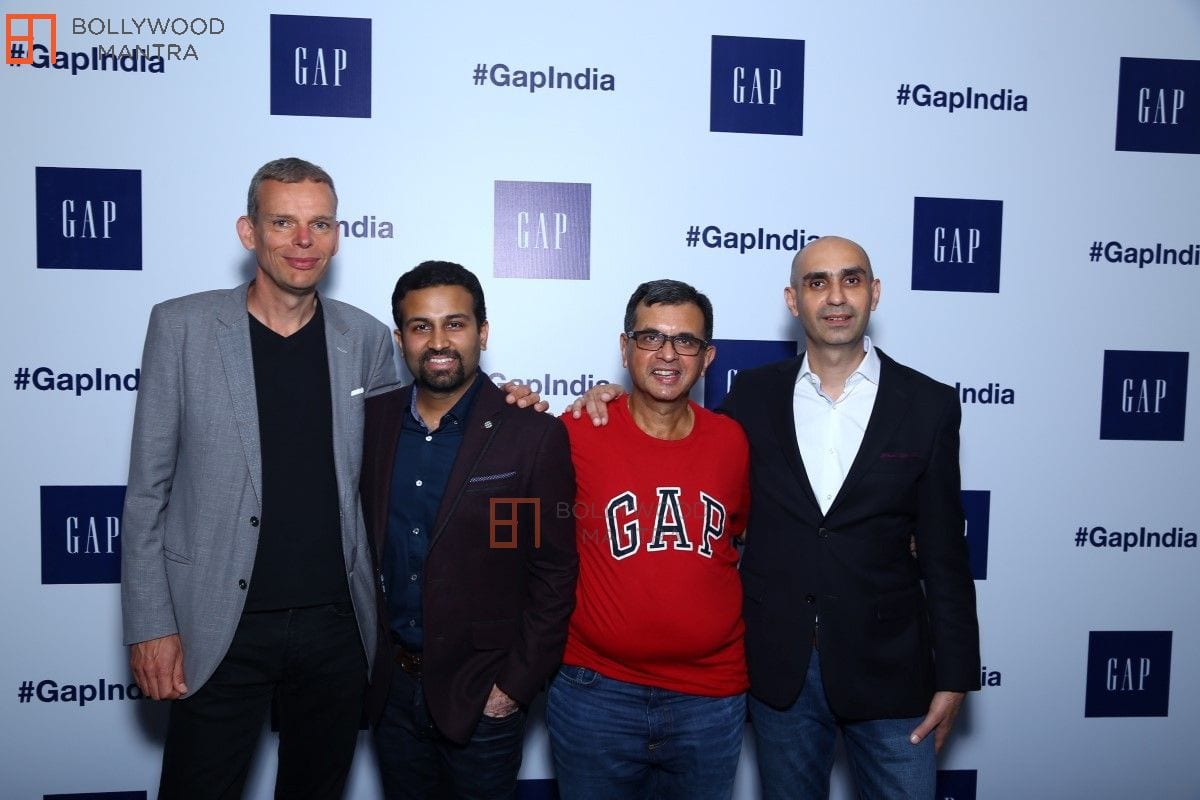
    Hole has lastly made its debut in India – opening its first retailer at Choose Citywalk in an upmarket suburb of Delhi on Saturday.

    India represents one of many final remaining main creating markets the US informal attire model had not entered. It trails Zara by 5 years however nonetheless arrived forward of Uniqlo and H&M who’re reportedly months, relatively than years, away from their very own debuts.

    India’s retail attire market is estimated to be value $41 billion by proper now, with progress of round 50 per cent predicted for 2020 as the center class continues its speedy enlargement, promising burgeoning disposable incomes.

    Hole India will open a second retailer in Mumbai inside about two months, in line with Indian information media stories. It has a 5 yr plan to open 40 shops in main cities.

    The model has been delivered to India by Arvind Group, which has already launched Calvin Klein and Tommy Hilfiger, amongst others, and boasts 1000 shops bearing totally different model names throughout the nation.