Author: Mei Ling Tan

  • Evergreen to open children’s fashion stores

    Evergreen to open children’s fashion stores

    Evergreen International has secured brand rights to greater China for a portfolio of high profile childresnwear brands.

    Until now, a specialist in menswear, Evergreen targets the upper-middle and high-end segments of mainland China’s market.

    Now the group has secured the rights to Roberto Cavalli Junior, Simonetta and Diesel Kid to distribute children’s wear and accessories in mainland China, Hong Kong and Macau.

    It has also signed a preliminary agreement with Rykiel Enfant under Sonia Rykiel regarding the proposed distribution of that brand’s children’s wear and accessories in the same markets.

    Separately, Evergreen has signed a letter of intent with Fendi Kids and is currently evaluating opening Fendi Kids monobrand shops and stores-in-stores in Mainland China.

    Last August, the group opened a Roberto Cavalli Junior store at Ocean Terminal in Hong Kong’s Harbour City. The group plans to open about nine new stores to introduce premium brands of children’s wear and accessories into the first- and second-tier cities of mainland China in the first half of this year.

    The locations will include the shopping malls in Chengdu IFS, Qingdao MixCity, Shenzhen MixCity and Qingdao Hisense Plaza.

    It will also open four retail stores for children’s wear and accessories at the shopping mall of the Galaxy Macau resort in the first half of 2015.

    Evergreen says it will continue to negotiate with shopping centre owners with a view to opening more stores in Hong Kong, Macau and first and second tier cities in the mainland in the second half of 2015.

    Chan Yuk Ming, chairman and executive director of Evergreen, said the company is in discussions with other international premium fashion brands about the retailing and wholesaling of their children’s wear and accessories in Hong Kong, Macau and Mainland China.

    “We believe the group’s new business segment of high-end children’s wear and accessories will further diversify the portfolios of products and brands of its businesses of apparel and accessories, and will leverage the foundation of its existing menswear business, thus will be benefit to the company and its shareholders as a whole.”

    Evergreen currently owns and manages V.E. Delure and Testantin, targeting the markets for high-end business formal and casual men’s wear, the upper-middle fashion casual men’s wear and the high-end children’s wear.

    The group’s strategy is to open self-operated stores in key cities, while penetrating the markets of slower development through distributors. To cope with business expansion and raise operating efficiency, the group has strategically used a combination of self-operated retail stores as well as distributors of varying sizes to cater to different stages of development and target markets for each of its brands.

    As at December 31 2014, the group had 177 self-operated stores and 191 franchised stores in 30 provinces and autonomous regions, covering 171 cities.

  • Datsun Hits Record High in RI in First Year

    Datsun Hits Record High in RI in First Year

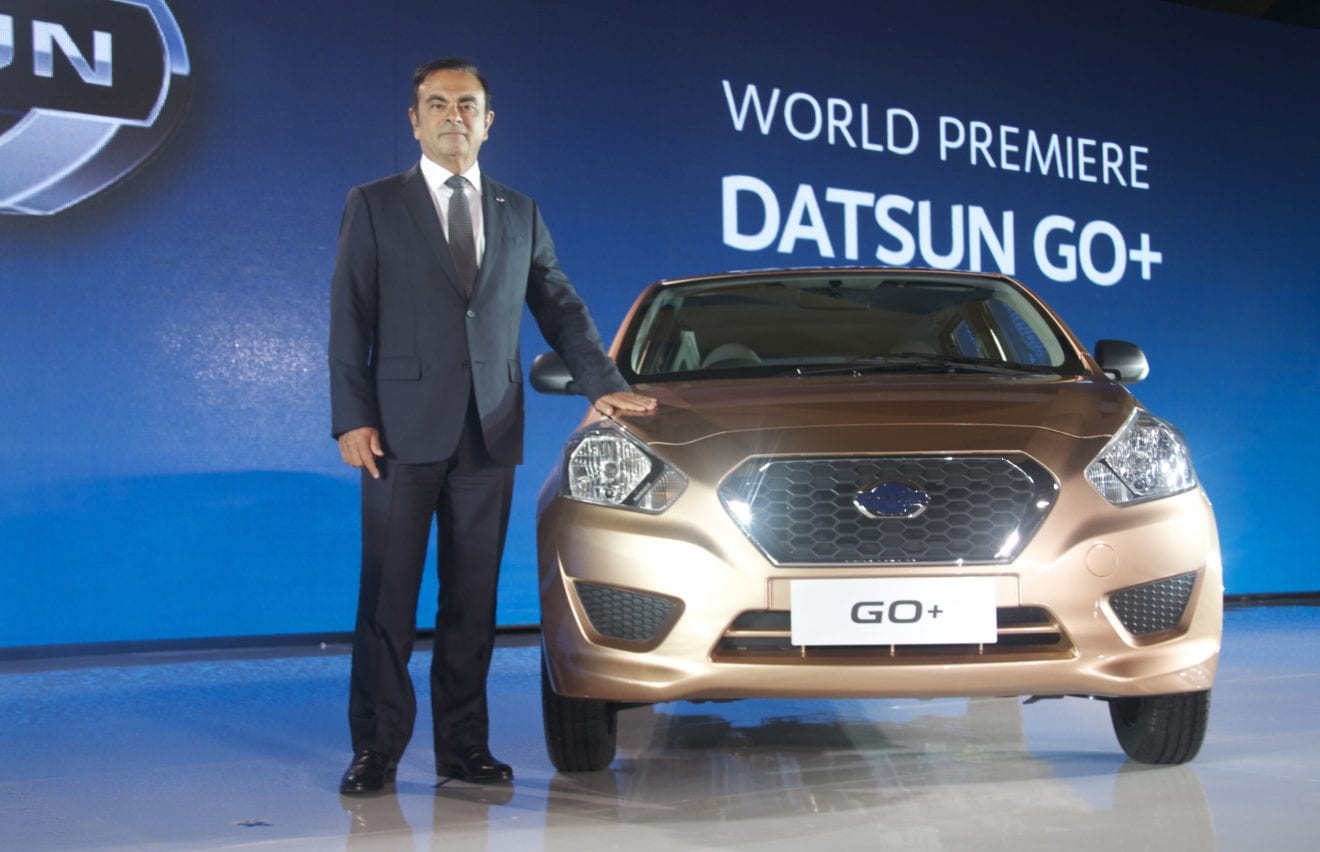
    Japanese carmaker Datsun, which has just returned to Indonesia after its last appearance in the 80s, has recorded a staggering sales figure in the country through the sales of their low-cost green cars the Go Plus Panca and the Go Panca models. Datsun sold nearly 30,000 units of both models since 2014.

    “It has become a record high among the three major markets of Datsun International, which are South Africa, India and Russia,” Datsun Indonesia head Indriani Hadiwidjaya said in Jakarta on Wednesday, May 13, 2015. Datsun recorded a monthly sales figure of 2,600 units in Indonesia, while sales in India only saw 1,000 cars per month.

    From the 23,000 Datsun cars sold last year and about 7,000 cars in the first four months this year, 70% came from the Go Plus Panca, while the rest from the Go Panca (hatchback type). Indriani said the figure proved that 5+2 passenger MPV cars are still favored by Indonesian consumers.

    She added Datsun was looking forward to boosting its sales ahead of the Idul Fitri period from June-July. Nissan Motor Indonesia, Datsun’s holding company, through its CEO Stephanus Ardianto said the company was gearing up to launch the Datsun Go Plus Panca and the latest version of the Go Panca to draw on the momentum.  “The Idul Fitri season usually becomes the highest sales point because many consumers purchase new cars,” said Indriani.

    Datsun will also release another product in Indonesia this year but balks at revealing the type and release date.

    Indriani said Datsun was still focusing in expanding its market for its two products to cities outside of Java. “Currently, our biggest market is still Jakarta,” Indriani said.  “We will focus our MPV market on other cities and consumers apparently are still interested in cars with manual transmissions.” 

  • Indonesia offers virtual tour at World Expo Milano

    Indonesia offers virtual tour at World Expo Milano

    Visitors at the World Expo Milano (WEM) 2015 in Milan, Italy, can enjoy a virtual tour of Indonesia through an Oculus media show “Virtual Journey of Indonesia” at the Indonesian pavilion, a senior official stated.

    Director General for National Export Development of the Ministry of Trade Nus Nuzulia Ishak recently noted that the Oculus media show will provide visitors to the WEM at the Indonesian pavilion a feel of Indonesia through the Virtual Journey of Indonesia program.

    They can experience Indonesias tourism attractions such as hearing the whisper of sand at Mount Bromo or being present amid the car-free day in Jakarta.

    “Visitors at the WEM 2015 can virtually witness and feel Indonesias tourism attractions through the Oculus media show as though they were traveling in Indonesia,” Ishak remarked during the Virtual Journey of Indonesia premiere at the Indonesian Pavilion in Milan.

    Oculus is a virtual media platform that replicates a true-to-life experience of having visited a place. The latest technology medium, which was discovered by Palmer Lucky, is equipped with a special four-dimensional spectacle and a supporting screen to produce the desired effects.

    The users of the technology can also experience real-life effects such as dew and water, among others.

    The Indonesian pavilion, which aims to showcase Indonesias present and future, is therefore using the oculus media to let the visitors experience Indonesia.

    Visitors will feel as though they were actually visiting Indonesia through a virtual medium. The use of the medium through the Virtual Journey of Indonesia is expected to attract more visitors to the Indonesian pavilion.

    Moreover, the show is located near the “Bogor Cafe Desa Restaurant,” so that the visitors can enjoy Indonesian culinary specialties such as “sate ayam” (chicken satay), “nasi goring” (fried rice), and various others Indonesian delicacies.

    “So, if visitors want to enjoy unforgettable Indonesian tourism attractions and culinary specialties in a single day, they can just visit the Indonesian pavilion at the WEM, Milan,” added Ishak.

  • Microsoft Malaysia builds phone store network

    Microsoft Malaysia builds phone store network

    Microsoft Malaysia will convert 39 Nokia retail stores into a network of Microsoft authorised reseller smartphone shops.

    The company’s GM of mobile devices sales for Malaysia, Singapore and Brunei, Bruce Howe, revealed the plan during the opening ceremony of the first Microsoft Malaysia store at the Suria KLCC shopping centre in downtown Kuala Lumpur.

    Malaysia is the first country in the Asia-Pacific region to see the new telco store format and the conversions are scheduled to be complete by the end of the year.

    “This transition is a big leap for our brand besides giving opportunity in terms of scaling up the retail footprint and widen the Microsoft range in Malaysia,” he said at the launch..

    Microsoft Malaysia chief marketing and operation officer Rukmani Subramaniam described the launch as a “significant development” for the brand.

    “We get feedback from Microsoft customers that its hard to find Microsoft stores in Malaysia, so we ran this transition to give more chances for them visit and learn how to make the most of Microsoft technology,” she said.

    Microsoft, the world’s largest computer software company, acquired the Finnish Nokia telecommunications technology company’s devices and services division business in April 2014, forming a wholly owned Finland-based subsidiary Microsoft Mobile Oy. That company has the rights to use Nokia branding on some phones, but not on the popular Lumia range, which is now sold as a Microsoft handset.

  • DFS flagship has walk-in bar

    DFS flagship has walk-in bar

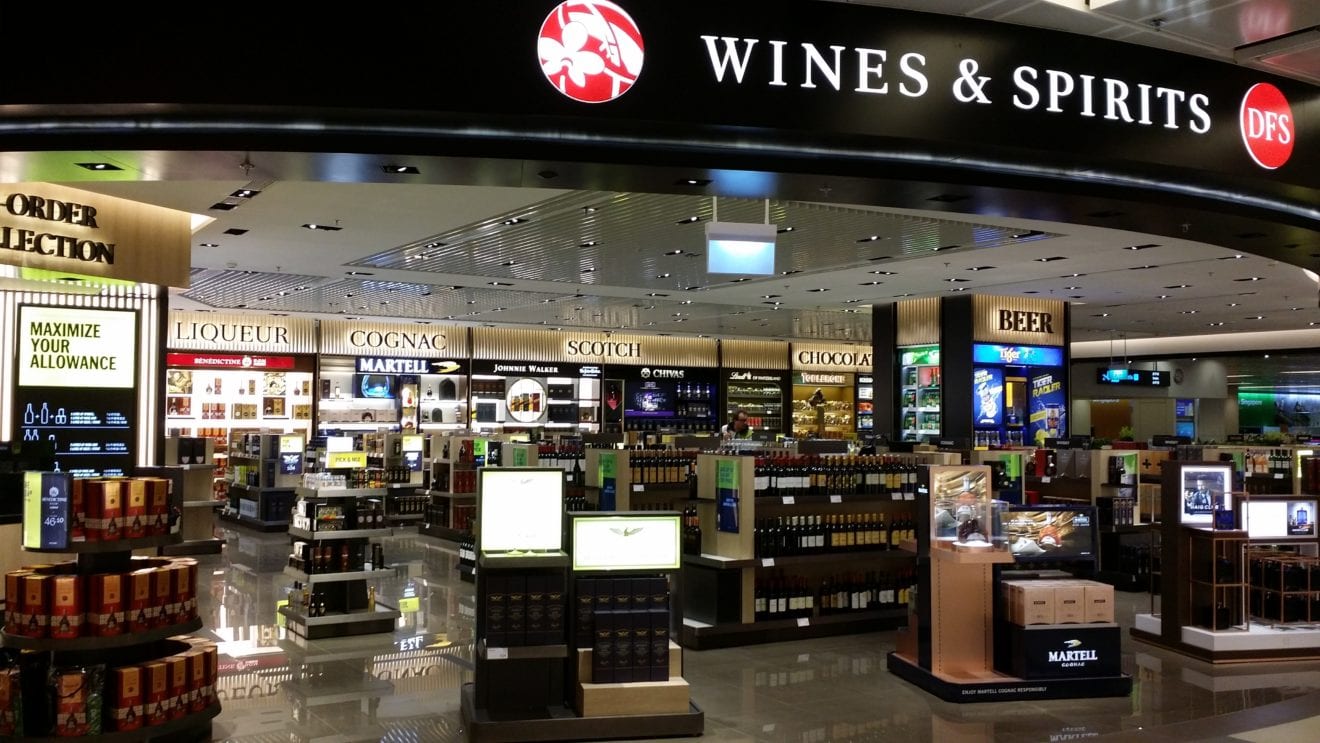
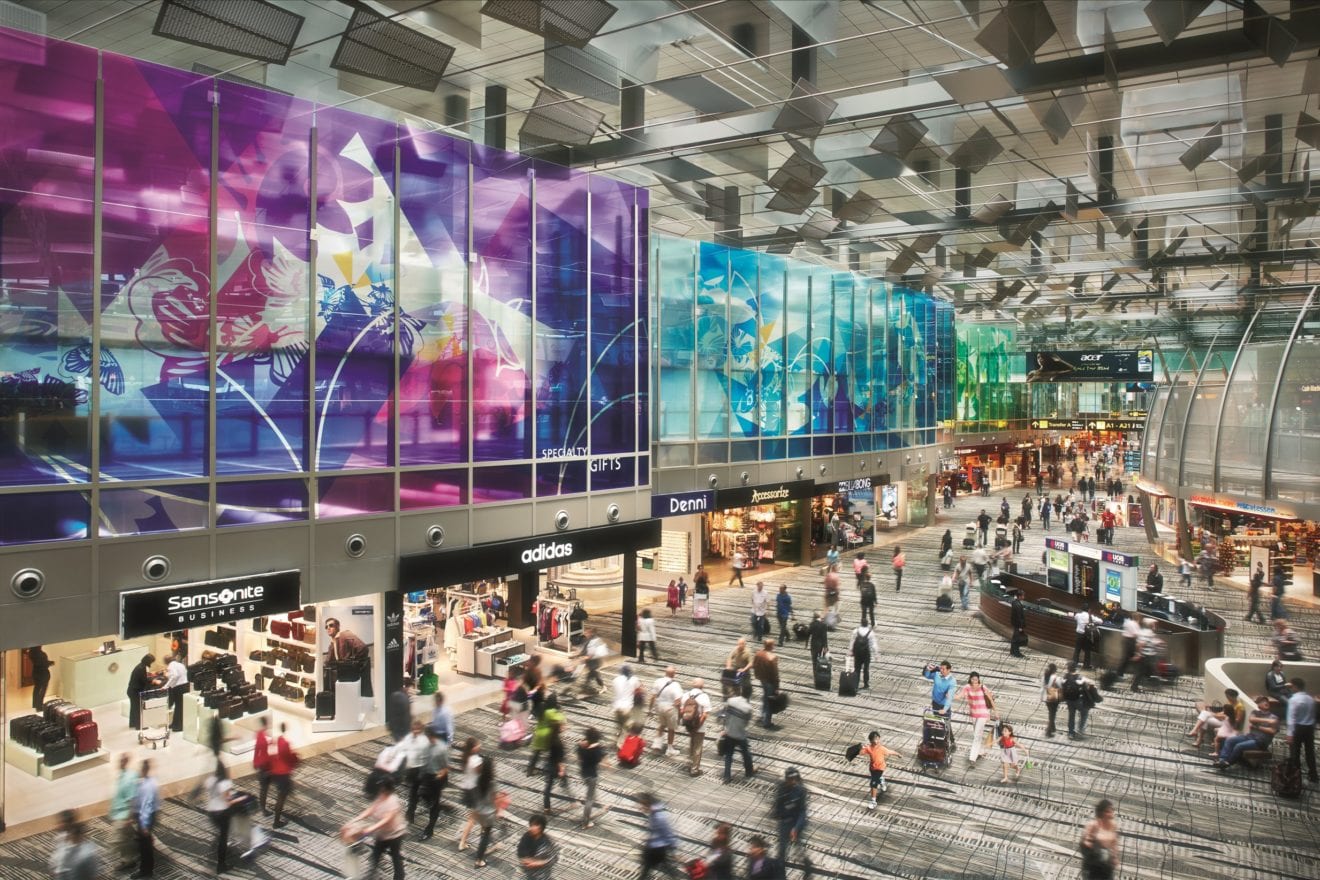
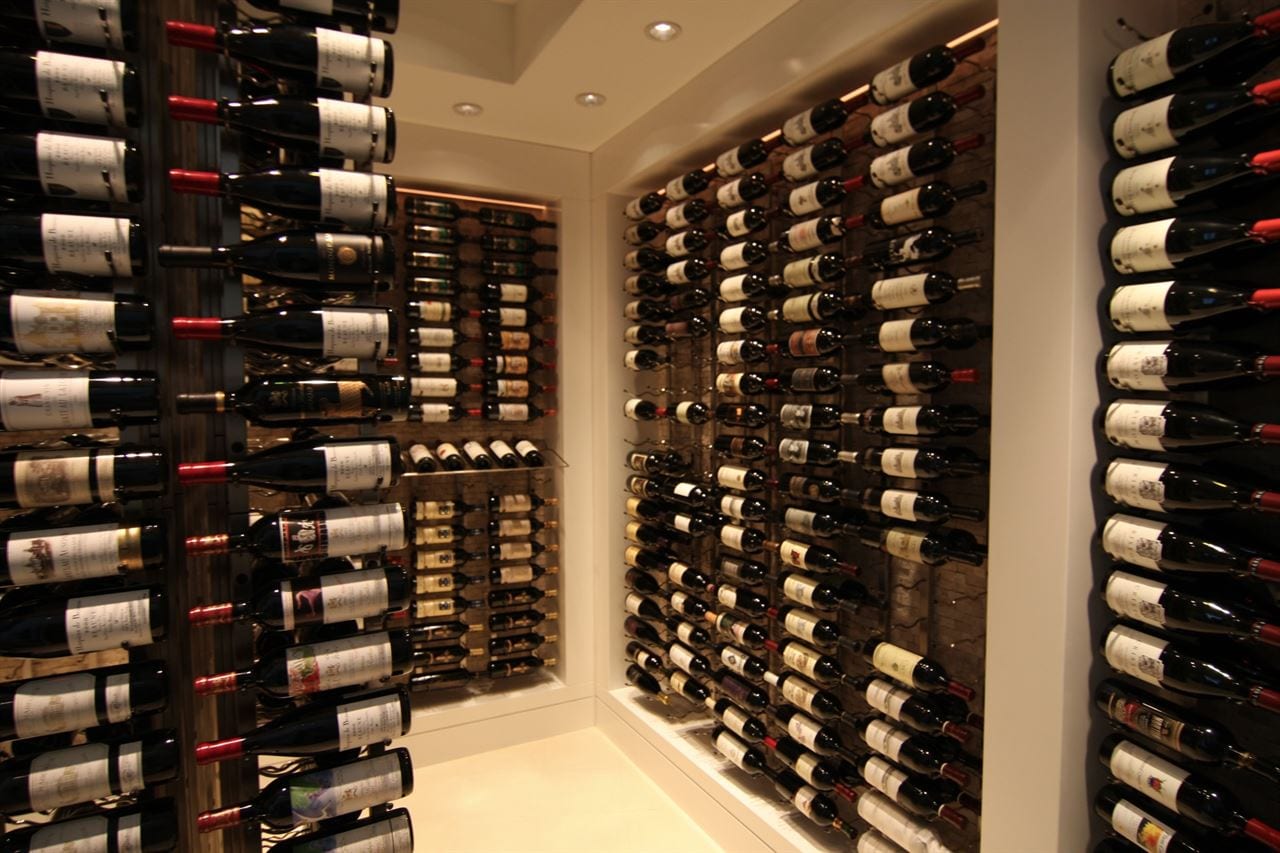
    DFS Group has opened a new wines and spirits flagship duplex store at Singapore’s Changi Airport – the first of its kind in the world.

    The 11.400 sqft store at Terminal 3 is DFS Group’s largest single retail space for wines, spirits and tobacco.

    Designed by Masamichi Katayama, the award-winning interior designer and founder of design firm Wonderwall, the store showcases the luxury retailer’s full assortment of wines, spirits and tobacco in a visually dramatic environment and façade inspired by flowing water and undulating shapes. Within the store, warm and modern design elements accentuated by a double-height atrium measuring over eight meters high provides an inviting shopping and tasting environment for travellers.

    Amongst the store’s most innovative features are expanded common areas designed especially for lifestyle and cultural experiences. This includes a Raffles Long Bar – in collaboration with one of Singapore’s most historical landmarks, the Raffles Hotel – the ground-floor atrium tasting bars and a private lounge. The Long Bar will serve its famed cocktail invention, the original Singapore Sling. These common areas also provide space for guided tastings and a monthly program of exciting and interactive activities, featuring master classes for cocktail mixology, bartending and hosting at home.

    Philippe Schaus, CEO and chairman of DFS Group, said that when the company embarked on the project, it wanted to open a wines and spirits store of “a quality and richness unlike anywhere else in the world”.

    “That is why we secured the collaboration of Masamichi Katayama to build this one-of-a-kind, two-level experiential store, drawing inspiration from the most stylish bars and restaurants around the world as well as on the traditional and historic cellars of France and Scotland.

    “This project would not have been possible without the close collaboration and shared vision between DFS and the farsighted management team of Changi Airport.”

    DFS’ Loyal T customers can access The Lounge by DFS for an elevated shopping experience. From private viewings to new personal shopping across all product categories of DFS, Changi Airport stores, customers will be treated to a personalised level of service.

    In the new duplex store, DFS also introduces Changi’s first branded boutiques for wines and spirits, situated on the second floor. Nine brands – Absolut, Dom Pérignon, Glenfiddich, Hendrick’s, Hennessy, Johnnie Walker, The Macallan, Martell, and Penfolds – will showcase their heritage and their finest products within individually-designed boutiques, from the travel trunk-inspired Johnnie Walker House to the Glenfiddich boutique’s cellar and cask design.

    The store will also host visits from master distillers, blenders and brand ambassadors throughout the year, and unveil worldwide product launches for these nine brands.

    “For over 30 years, travellers have shopped with DFS at Changi Airport because we are the destination for the best in wines, spirits and tobacco. Our new store reinforces our promise to our customers, and our vision,” says Brooke Supernaw, senior VP, global merchandising – spirits, wine and tobacco.

    “Travellers will discover exclusive products and unique experiences that will elevate their journey.”

  • Ambitious plan for Playboy China

    Ambitious plan for Playboy China

    Playboy is using its massive brand awareness in China to drive an expansion of its apparel range and enter new retail categories.

    US-based Playboy Enterprises has signed a new 10 year licensing agreement with Handong United to manufacture and distribute an expanded assortment of men’s and women’s fashion apparel, including casual fashion apparel, formal and casual footwear, and accessories, such as belts, bags, backpacks, wallets, and travel luggage. Leveraging Handong’s broad distribution network, Playboy is expected to further expand beyond its current reach from 3100 retail touchpoints in China’s mainland to 3500.

    Playboy China boasts a 97 per cent brand awareness among Chinese consumers according to research house Penn Schoen Berland.

    “We’re proud of the fact that the Playboy brand has achieved household status as the one of the most recognised and popular brands in the world’s leading retail market,” said Scott Flanders, CEO, Playboy Enterprises.

    “To achieve this leadership position without ever having a media entity in China is a testament to the tremendous power of our brand. China is one of our most important markets and we’re committed to working with the highest calibre of partners to develop premium quality products to connect our brand to the future generation of Chinese consumers.”

    Playboy has been building its business in China for 20 years – without any of the printed or digital products it may be best known for in its US home market. In China it is purely an apparel brand and has licensing deals for other products.

    Playboy China generated US$5 billion in retail revenue over the last decade and last year achieved $1.5 billion in retail sales worldwide, more than one-third of that in China. The company wants to achieve revenues of $10 billion during the course of its new partnership with Handong United.

    The brand continues to generate momentum through its portfolio of long time partners in apparel, footwear, luggage and accessories, who actively market the brand through its Physical and VIP sub-brands, which have 1000 and 180 points-of-sales respectively.

    “Playboy has demonstrated success in building a loyal consumer base by introducing a variety of modern apparel and accessories with a renewed focus on attracting a younger male and female consumer base,” said Matt Nordby, president, global licensing and chief revenue officer with Playboy Enterprises.

    “We’re enhancing our licensing portfolio with long-term, brand-enhancing partners, and Handong United is a partner that can deliver a premium and superior product quality. We look forward to teaming with Handong to design and create new products to further grow our China presence and reach the younger fashion-conscious Chinese consumer.”

    Xiaojian Hong, executive officer of Handong United described Playboy as “one of the most famous and treasured brands in China” and a “must-have fashion choice” for men and women across the Mainland.

    Elsewhere in Asia and beyond, Playboy has been expanding its existing audience base and attracting a new generation of consumers by revamping and refining its licensing portfolio, partnering with Lane Crawford in Hong Kong, Beijing and Shanghai, Isetan in Tokyo and Marc Jacobs globally.

  • Garuda to open flight to Germany and France

    Garuda to open flight to Germany and France

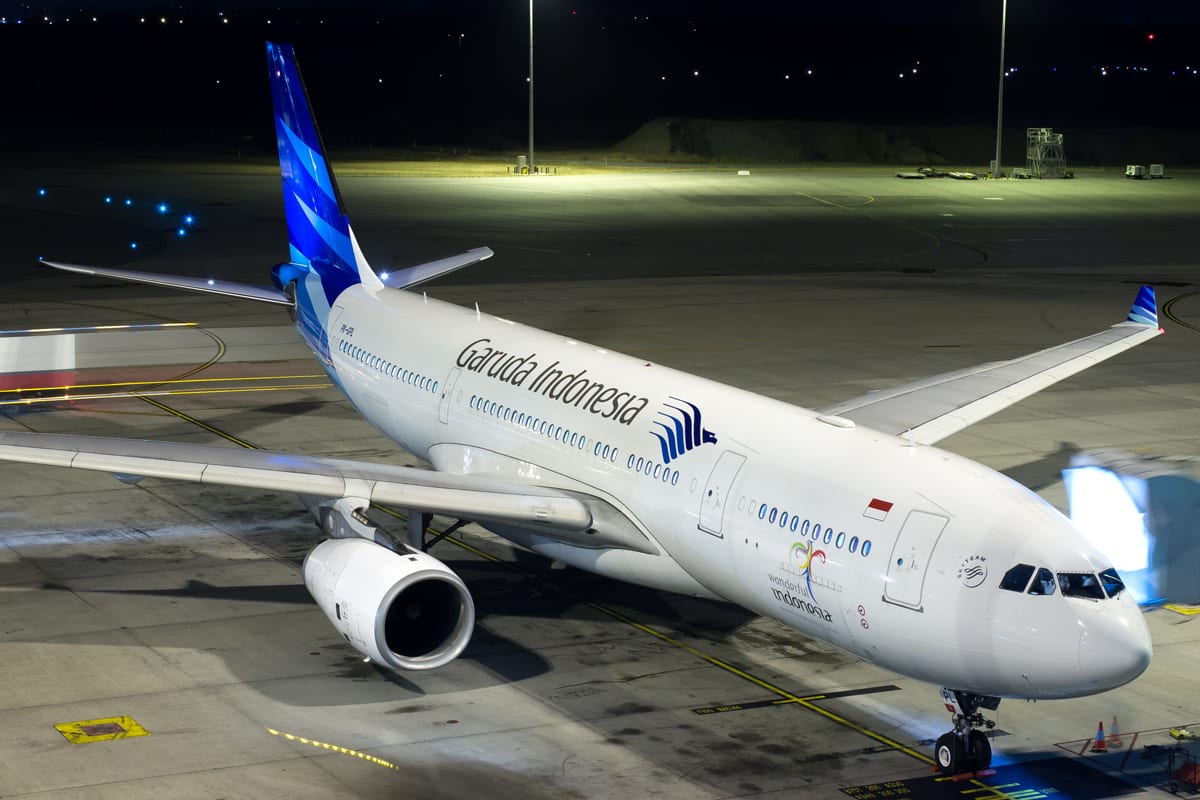
    PT Garuda Indoanesia Tbk. plans to open new routes to France and Germany this year to boost its income, Finance Director I.G.N. Askhara Dananiputra stated here on Tuesday.

    He noted that the routes would become operational between the second and third quarter this year after the delivery of the Boeing 777 that the national flag carrier has ordered.

    “We have ordered the Boeing 777 as in the same cost we would be more efficient if we use it to serve long-haul destinations rather than short- or middle-range destinations,” he pointed out after attending the signing of a hedging agreement between the company and four banks.

    The companys President Director, M. Arif Wibowo, noted that Germany and France had been chosen as the countries economic growth is more stable as compared to other European countries.

    “The European growth is still two to three percent with the biggest growth recorded by Germany and France. Frances growth is still lower than Germanys,” he elaborated.

    He noted that Garuda would fly to Paris in France and Frankfurt in Germany for the time being.

    He admitted to still calculating the possibility of operating direct flights due to the capability of runways in Indonesia which are not yet able to accommodate Boeing 777 maximally.

    In Indonesia, the take-off weight for a Boeing 777 class aircraft is only 329 tons while the maximum capability of the Boeing 777 reaches 351 tons.

    “Economically, this is not feasible. We are still calculating and finding ways with regard to destinations to get a higher income,” he remarked.

    To support the European routes, Garuda would deploy 10 aircraft providing dual and first class travel options on 18 aircraft to be delivered this year, he emphasized.

    Apart from opening new routes, Arif noted that Garuda would also increase the frequency. He further added that there will be four flights per week for destinations in France and Germany while there will be daily flights for the existing route such as to the Netherlands and England.

    With a capacity of 300 passengers, the Boeing 777 is expected to increase the number of passengers by 1.2 thousand per week or 62.4 thousand per year.

    “Apart from opening new routes in Europe, China and the Middle East, we will also expand our networks and streamline our operation schedules,” he added.

  • Retail boosts SM Investments bottom line

    Retail boosts SM Investments bottom line

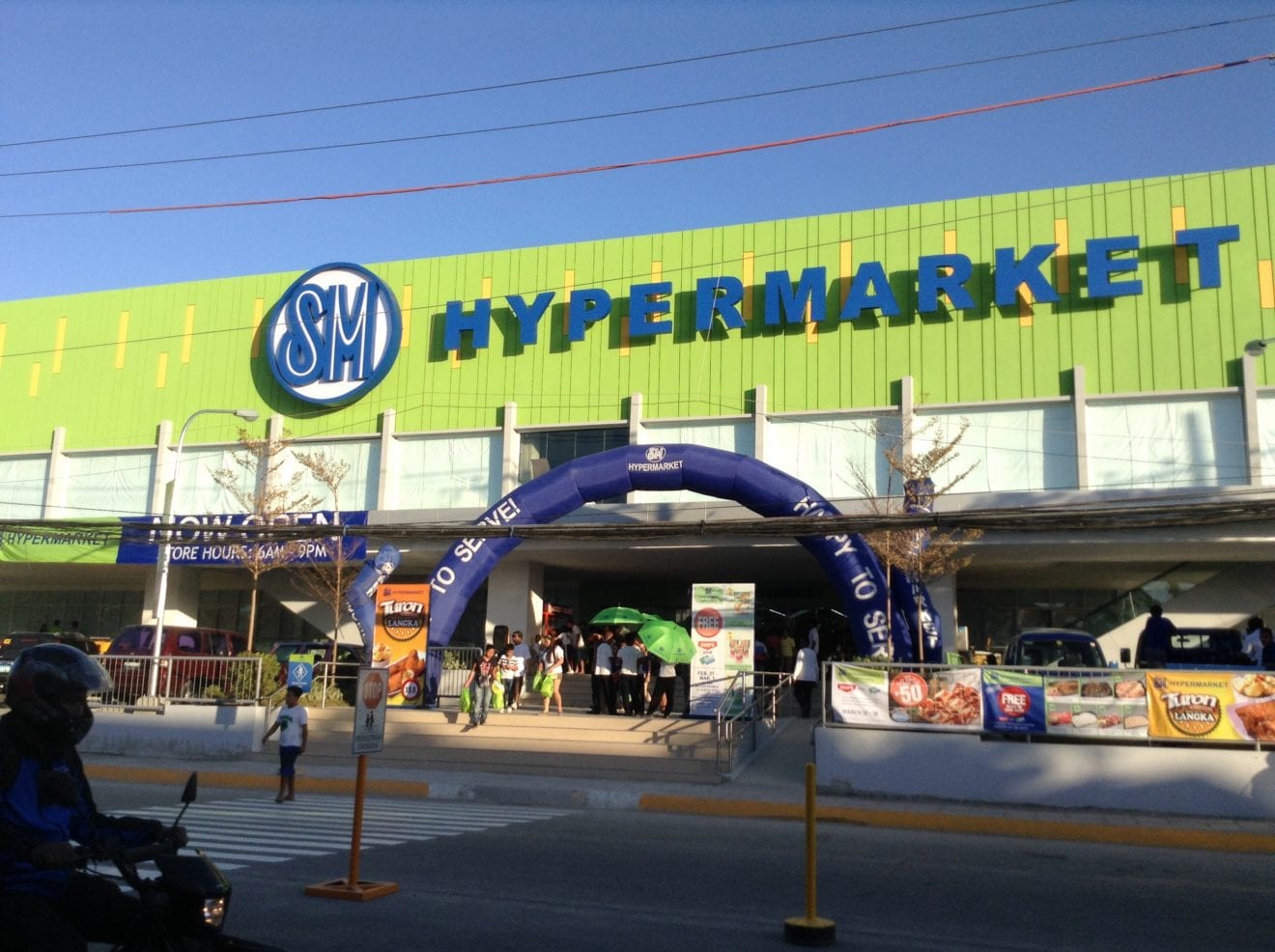
    SM Investments Corporation says its retail operations delivered solid 6.5 per cent growth in the first three months of 2015.

    Retail accounts for just 19 per cent of the diversified corporate’s business, with banking accounting for 41 per cent and property 40 per cent. The company delivered its first quarter results this week, reporting an 8.1 per cent increase in net income to P6.7 billion (US$150 million).

    “We are focused on expanding all our core businesses given the favorable economic outlook. Our expansion plans are geared towards meeting the needs of under-served customers across the country and to positioning ourselves to compete effectively in each of our growing markets,” SM president Harley T. Sy said in a statement to the Philippine Stock Exchange.

    SM Retail’s turnover in the quarter was P44.9 billion ($1 billion) and its profit rose 6.5 per cent to P1.3 billion ($29.1 million).

    The company opened 10 new stores in the quarter in the provinces of Luzon, Visayas and Mindanao. As at March 31, it operated 279 stores: 50 SM Stores, 40 SM Supermarkets, 43 SM Hypermarkets, 120 Savemores and 26 WalterMart stores.

    Property division SM Prime Holdings, which owns shopping centres amongst other assets, recorded P16.7 billion ($374 million) in revenue, up nine percent quarter-on-quarter. Its net income soared 176 per cent to P12.6 billion ($282.3 million), including an extraordinary gain of P7.4 billion ($165.8 million).

    SM Corp says its retail and commercial revenue grew 10 per cent to P9.4 billion ($210.6 million).

  • Bulgogi Brothers Bangkok debuts

    Bulgogi Brothers Bangkok debuts

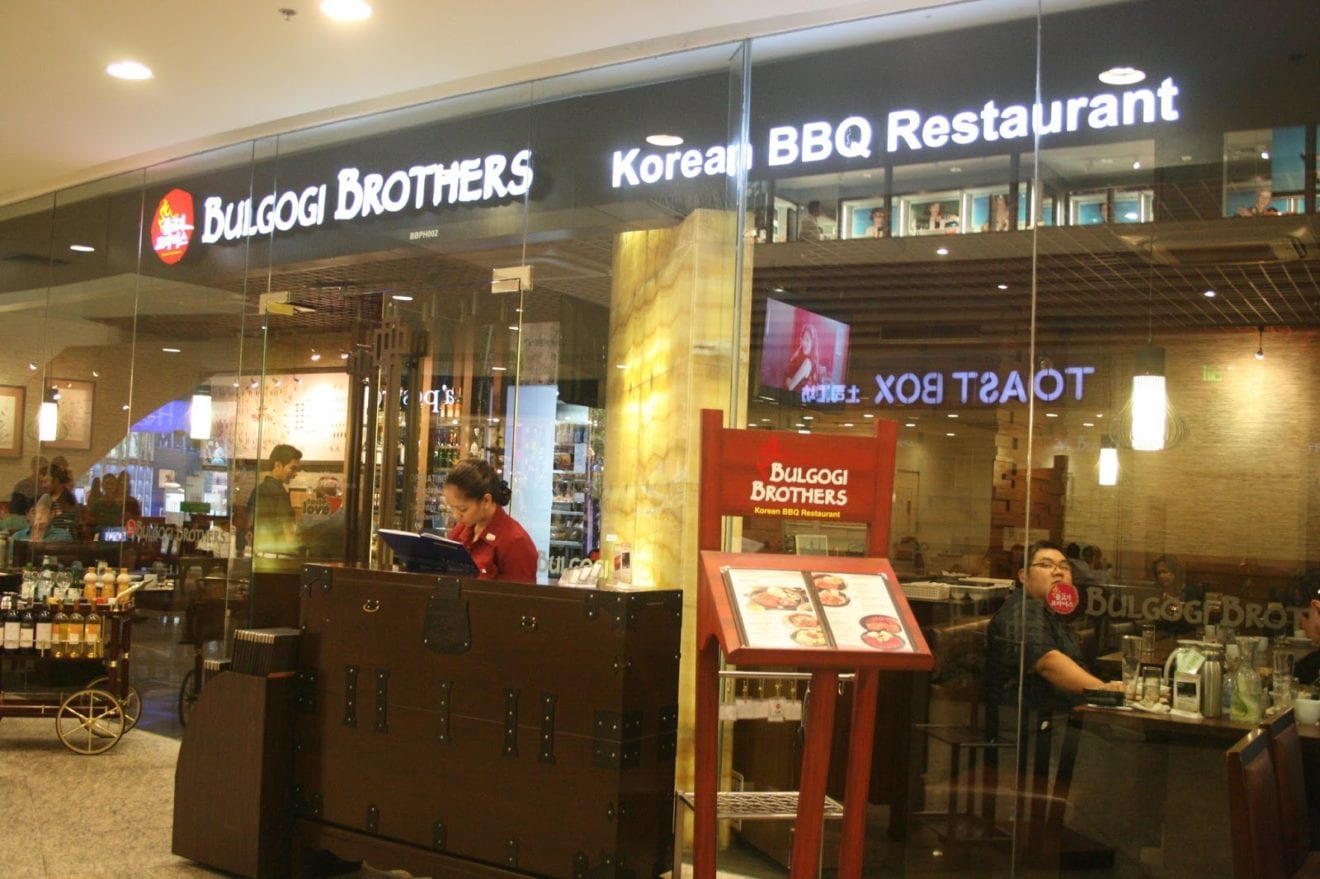
    South Korean QSR chain Bulgogi Brothers has added Thailand to its growing Southeast Asian footprint, with its first store opened in the EmQuartier mall in central Bangkok.

    The barbecue restaurant chain has 42 restaurants worldwide – including seven in the Philippines, five in China, three in Malaysia and others in Indonesia and Myanmar. The company will open its first outlet in Tokyo in October and in Taiwan’s capital, Taipei, in December. It also plans an Indian debut this year and is targeting 100 worldwide within five years.

    The Thai franchise rights are held by Ausanee Mahagitsiri Leonio, the daughter of Prayuth Mahagitsiri, described by Thai media as “the Nescafe coffee tycoon”. She also owns the Thai Krispy Kreme franchise.

    The chairman and CEO of Bulgogi Brothers’ parent company Et & Zeus is Intae Jung, who says his brand is making the most of the popularity of K-pop music, Korean TV series and fashion reputation.

    “Korean food has become a fad in Asia due to the popularity of South Korean pop music and TV series. Korean is the fourth most recognised cuisine by nationality among Thai consumers, following Japanese, Italian and Chinese,” he said in an interview with the Bangkok Post newspaper.

    “The Philippines, Thailand and Myanmar are the top three priority markets we want to focus on for our five-year business plan. In Thailand we want to see 10 more Bulgogi Brothers restaurants by 2020,” Jung said.

    Ausanee, president of King of Bulgogi Thailand, said she plans to spend 100 million baht (US$3 million) to open two Bulgogi Brothers Bangkok restaurants, including the EmQuartier one.

    “We expanded into the Korean restaurant business because the food tastes similar to Thai food. Many Thais travel to South Korea and enjoy watching Korean dramas, which inspires them to try some dishes,” she said.

  • Wendy’s India makes debut

    Wendy’s India makes debut

    US burger chain Wendy’s has made its Indian debut this week – with the first of up to 50 stores planned over the next five years.

    Wendy’s India is a joint venture between International Market Management of England and Rollatainers of India who established Sierra Nevada Restaurants to run the business.

    The first outlet has opened in Gurgaon.

    “Sierra Nevada plans to open three more outlets in the Delhi-National Capital Region during summer and up to 20 more in Northern India over the next few years,” the statement said.

    Wendy’s India is seeking to differentiate itself from rivals like McDonald’s and KFC. Its burger pricing will start at Rs 59, while McDonald’s and KFC sell burgers from Rs 25-35 upwards.

    Sierra Nevada says it will offer customers “a casual dining experience at a quick serving restaurant price”.

    “We are starting at Rs 59 (US$0.92) because we believe that’s where quality comes in,” Wendy’s global president Darrell van Ligten told the Economic Times of India. “Competition is playing the Rs 30 game but you can’t do quality at that price.”

    The Wendy’s India menu will not include beef, instead offering 11 vegetarian products and 10 non-vegetarian, using chicken or lamb. The most expensive burger will be Rs 200 ($3.12).

    “India is a growing, dynamic market, which is attracting the attention of leading brands around the world,” Wendy’s president and CEO Emil Brolick said in a statement.

    “We’ve worked on the concept with the Wendy’s team for almost two years” one of Sierra Nevada’s directors Sanjay Chhabra added.

    Wendy’s is the world’s third largest burger chain behind McDonald’s and Burger King, with 6500 restaurants in 29 countries.

    Van Ligten told the Economic Times losing the first mover advantage by entering the Indian market behind McDonald’s and KFC had an advantage.

    “Thanks to them, we don’t have to educate Indian consumers about western QSRs.”

  • Late to the Party, Global Banks Try to Muscle Into India’s Start-Up Boom

    Late to the Party, Global Banks Try to Muscle Into India’s Start-Up Boom

    Global investment banks are scrambling to get a piece of the action from India’s booming technology start-ups, having missed out on the initial flurry of dealmaking to their better-connected but much smaller domestic rivals.

    Banks including Goldman Sachs Group Inc, Citigroup and Morgan Stanley are looking to hire more bankers in India and are now regularly attending “bake-offs” to pitch for advisory roles on deals, according to several banking industry sources.

    Foreign money has been pouring into India’s fast-growing e-commerce sector, with investors ranging from Japan’s Softbank Corp to Singapore’s Temasek Holdings and GIC Private Ltd piling in.

    Many large global investment banks have stayed away from work in the emerging sector though due to the relatively small deal sizes.

    Now they are stepping up efforts to build relationships while the companies are still young — learning lessons from China where many of them are struggling to compete with small boutique banks as Internet deals pick up speed.

    “Several of these companies will be large IPO candidates in the next 12 to 24 months, so the big banks have to start positioning themselves for this,” said Harish HV, a partner in India at advisory firm Grant Thornton.

    The number of venture funding deals for technology start-ups in India in the first quarter of 2015 was the highest in nine quarters and exceeded the number of such deals in China, according to data from CB Insights. The total value of investments in India topped $1 billion for the third straight quarter.

    Local rivals

    To compete with local rivals like Avendus Capital and Kotak Mahindra Capital, foreign banks are now pitching for relatively small deals at start-ups, hopeful they will eventually lead to more lucrative work, banking sources said.

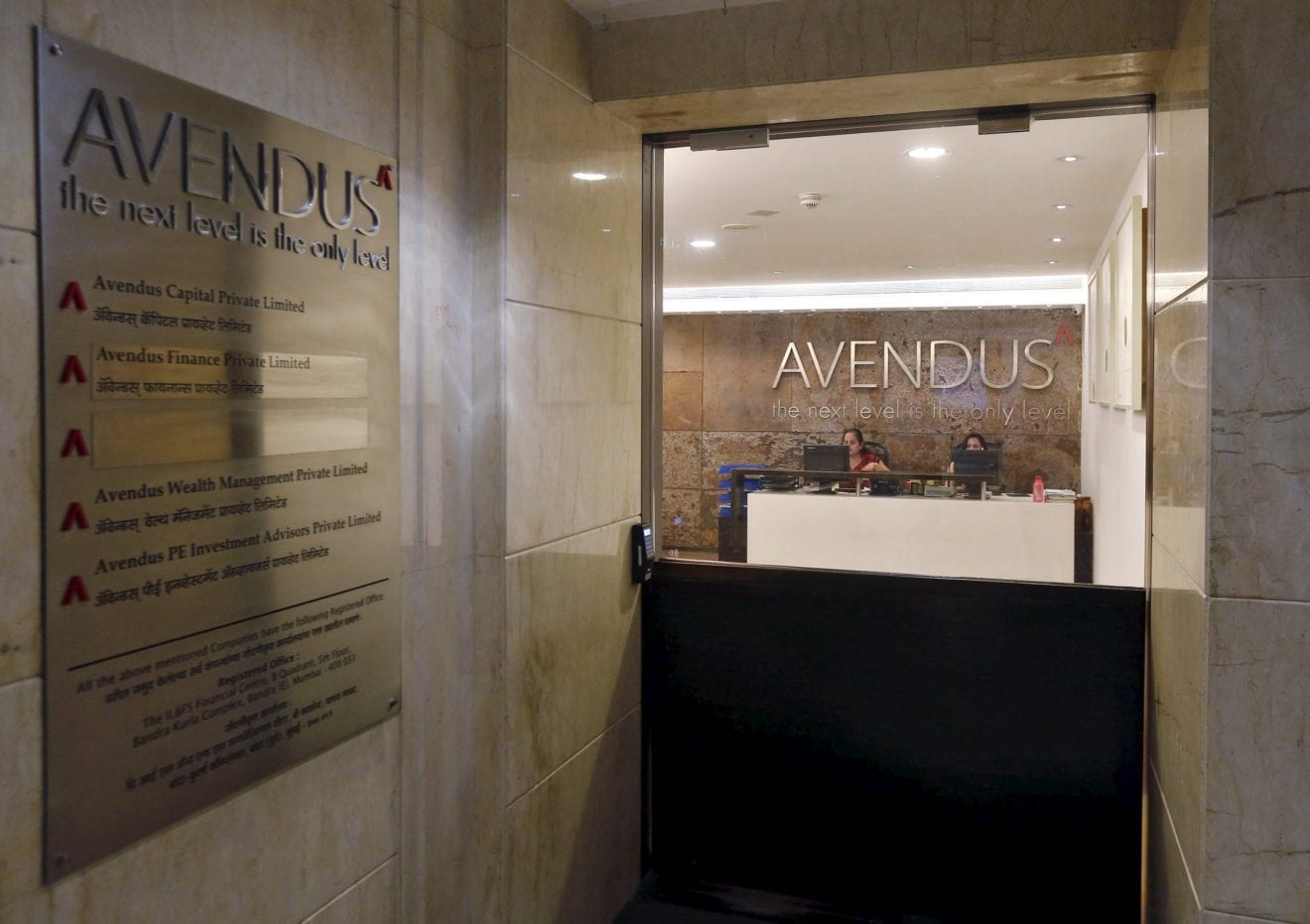
    Avendus, which focussed on the tech sector before the deal momentum picked up, ranks fourth in the advisory league table for announced technology deals in India so far this year. That’s ahead of bigger global rivals including Credit Suisse, Bank of America Merrill Lynch and JPMorgan, according to Thomson Reuters data.

    While Credit Suisse topped the fee income table with $7.7 million in India technology advisory fees in 2014, Avendus ranked second with $3.7 million from seven deals, according to data from Thomson Reuters/Freeman Consulting Co.

    “We first looked at the sector and said ‘okay the sector is going to be sizeable. Who are the leading companies in this?’” said Aashish Bhinde, head of Avendus’s digital and technology practice.

    “Global investment banks were completely missing from the scene.”

    Now foreign investment banks are starting to make inroads. Jefferies’ India arm advised home shopping firm Naaptol.com to raise about $20 million last month from Japan’s Mitsui & Co Ltd and some existing investors.

    Citigroup Inc, which advised Indian online payment services provider One97 Communications in raising funds from Alibaba Group affiliate Ant Financial Services in February, is “very focused” on the internet space in India, said Madhur Deora, its managing director for investment banking in India.

    Morgan Stanley and Goldman Sachs did not respond to requests for comments on their work with Indian technology start-ups.

    Western-style fee

    While India has fewer Internet users than China, online sales could rise to over $100 billion in 2020 from $2.9 billion in 2013, making it the fastest-growing market globally, according to a Morgan Stanley research report.

    This has led to global banks vying to offer services like loan financing to online retailers like Flipkart and Snapdeal, hoping this could help them secure mandates on any future IPOs, sources said.

    “Fees on these IPOs would be much more Western style than the commoditised deals in India,” said an M&A banker with a large foreign bank, also one of the advisers on Chinese e-commerce giant Alibaba Group Holding’s record $25 billion IPO last year.

    For large IPOs, Indian tech companies would need the marketing muscles of big foreign banks. But the local banks have likely cemented strong enough relationships that their foreign rivals can not push them out entirely.

    “I would be surprised if any investment bank out there is not rapidly building up their digital and tech practice given the pace and momentum with which the transactions are happening, which is good for the industry,” said Bhinde of Avendus.

  • Pure Gold opens at Changi

    Pure Gold opens at Changi

    Emirates-based Pure Gold Jewellers has opened the doors of its new store at Singapore’s Changi Airport.

    The store, the first Middle Eastern jeweller to be granted space at the airport, is located in the duty-free departure area of Terminal 1.

    Pure Gold says it designed the boutique with a luxury feel to create a comfortable shopping environment and position the brand as upmarket.

    Pure Gold is a private family-owned business founded 20 years ago which now has more than 125 stores in the Middle East and Asia. It plans to open a further 200 by 2018, selling products sourced from its factories in China and India.

    Chairman and founder Firoz Merchant said Changi airport is one of the busiest and best performing airports in Asia and opening inside airport terminal is a big boost to Pure Gold’s travel retail business.

    “This achievement is in line with our plans to become the largest travel retailer in jewellery globally. Passengers passing through Singapore Changi International Airport can now choose from our extensive range of gold, diamond, pearls, precious and semi-precious gemstone jewellery in the latest styles and best prices.”

    Pure Gold already has a strong duty free business in the Middle East, operating at all terminals in Kuwait and Abu Dhabi international airports, and within the duty free retail facilities in Jordan, Kuwait, Muscat, Dubai and Sri Lanka.

  • Changi Millionaire program extended in Singapore

    Changi Millionaire program extended in Singapore

    Singapore’s Changi Airport has expanded its successful Changi Millionaire promtoion for 2015, as part of its 50th anniverary celebrations.

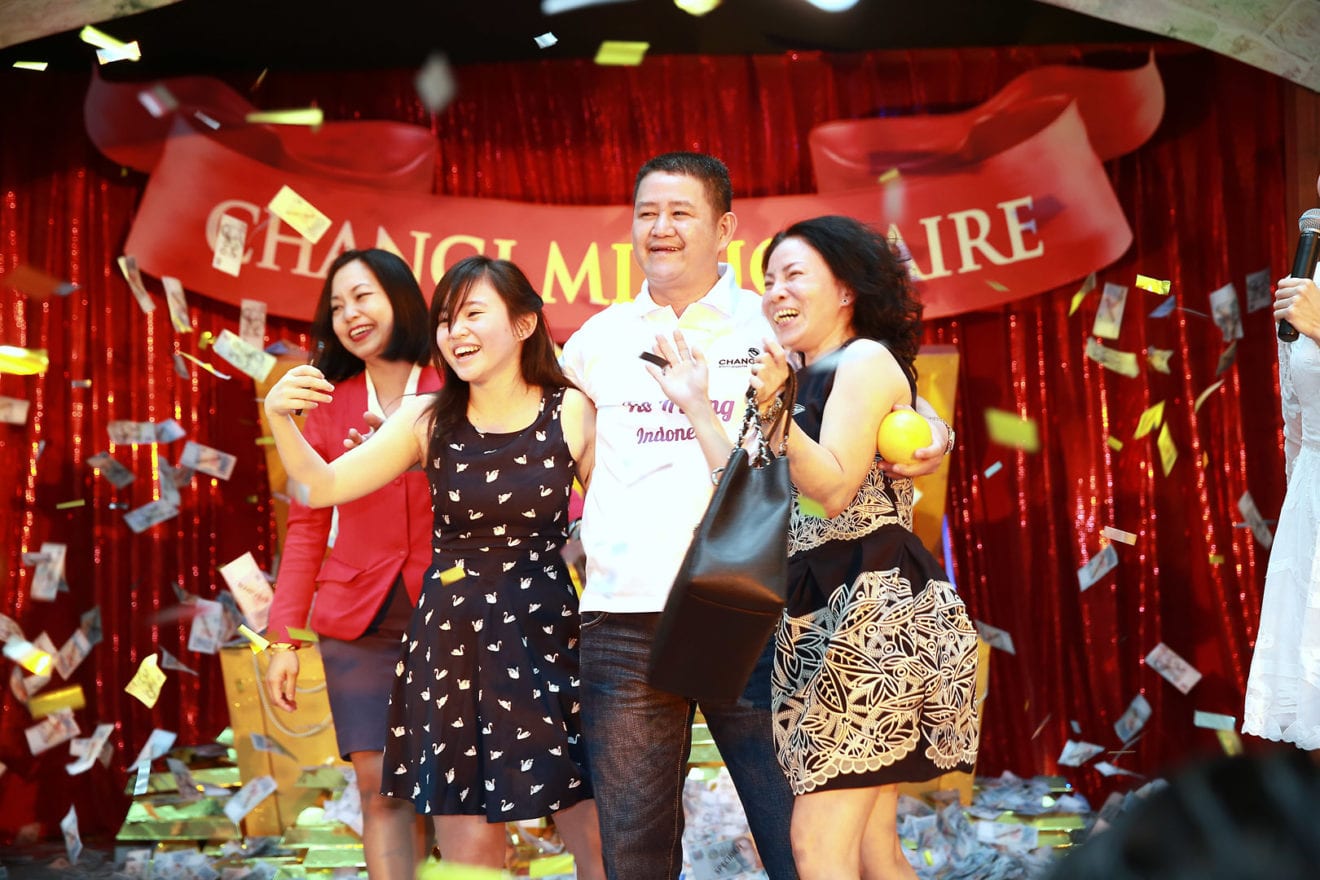
    From now until October 31, shoppers and diners can participate in the ‘Be a Changi Millionaire’ campaign for an instant chance to win any of the six attractive premiums, on top of the chance to be made a millionaire. This is the sixth year Changi Airport is running its anchor retail promotion, which has the largest cash prize in Singapore.

    In a collaboration with local designers Wang Shijia and Jo Soh, Changi Airport Group is this year offering a set of six exclusive ‘premiums’ as instant prizes in the latest instalment of Changi Airport’s ‘Be a Changi Millionaire’ campaign.

    Meanwhile, to celebrate Singapore’s 50th birthday, Changi Airport has dressed its four Millionaire promotional sites as local icons of yesteryear – the dragon playground, the mobile tricycle ice-cream stall, an old movie theatre as well as the laid-back ‘Mama Shop’.

    For the six months of the campaign, one finalist will be picked each month for the grand draw to be held in early 2016. In addition, this year, the Millionaire excitement will be brought online. Travellers who shop on iShopChangi – Changi Airport’s very own e-commerce portal – will be entitled up to 10 times more chances of being picked as a finalist. At the end of the six-month period – for the first time in the game’s history – a seventh finalist will be picked among the pool of online shoppers to vie for the grand prize of a million dollars. All seven finalists will each win a cash prize of S$5,0001 and a three-night hotel stay.

    So far, five shoppers have been crowned millionaires overnight – including Singaporeans Ivan Rantung (2010) and Peh Hock Peng (2012), Australian Jessica Down (2011), Indonesian Irvung Tio (2013), and Japanese Seiichiro Oiyama (2014).

    Lim Peck Hoon, executive VP of commercial at Changi Airport Group, said after five successful years of Changi Millionaire, the introduction of a seventh finalist from among online shoppers will make shopping on iShopChangi more interesting and potentially very rewarding.

    “This year is a jubilee year for Singapore, and we are infusing local elements into the promotion, so that shoppers from all over the world can join in the celebrations with us. The exclusive premiums combine elements of both Singapore and Changi Airport, making them unique memorabilia for our visiting guests.”

    Airport visitors and travellers only need to make a minimum purchase of S$30 at any of the retail and F&B outlets at Changi Airport2 or iShopChangi.com to qualify for both the monthly finalist draw and games to win instant prizes. The number of winning chances increases with the amount spent. Changi Rewards members and purchases made on iShopChangi.com will receive additional chances. More information is available online.

  • Esprit positive as network shrinks

    Esprit positive as network shrinks

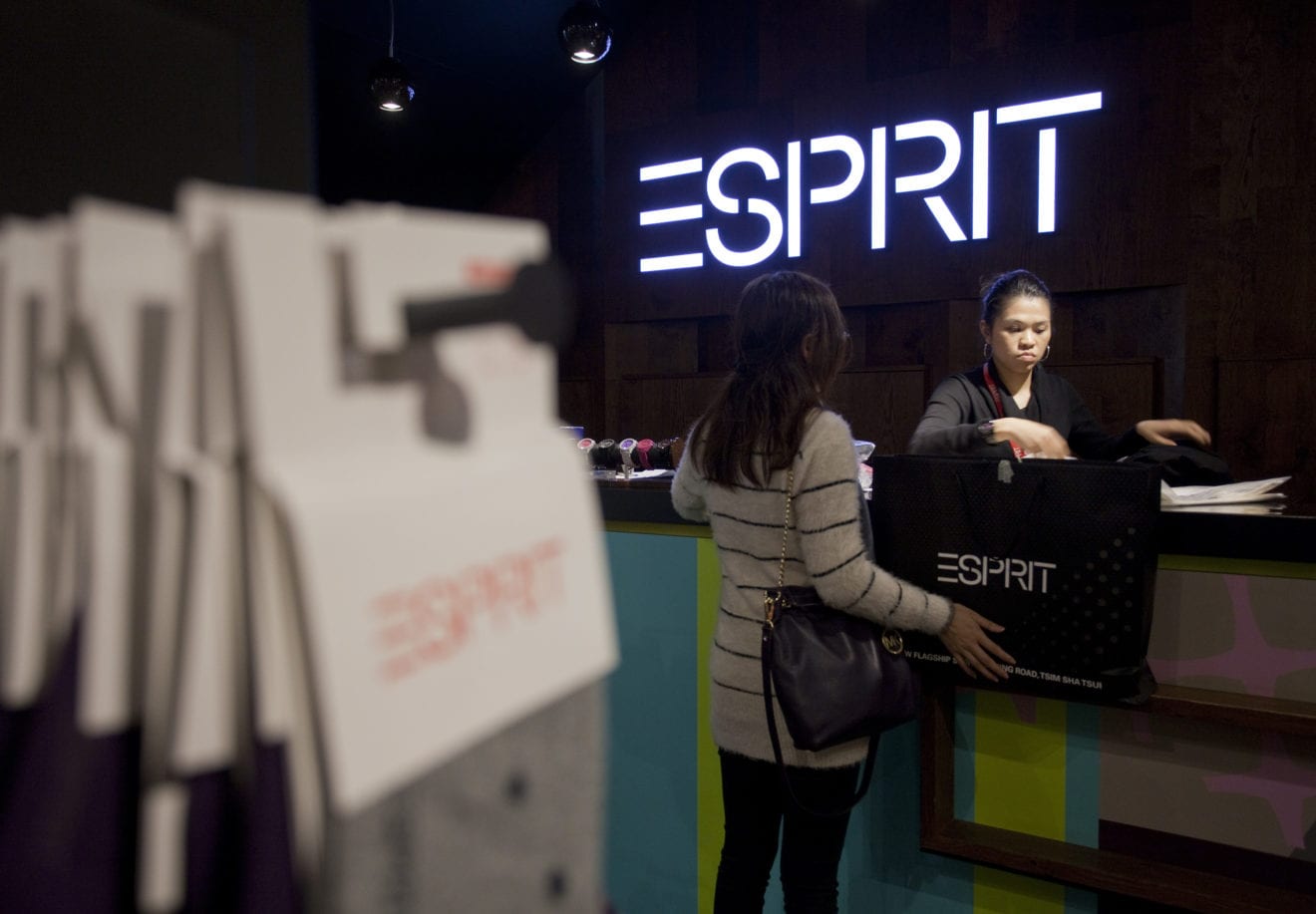
    Fashion retailer Esprit continues to cull its retail network, but despite reduced sales is confident its turnaround program is on track.

    In the third quarter to March 31, the Hong Kong-listed company’s turnover fell 25.5 per cent in Hong Kong dollar terms to HK$4.51 billion, or 12.2 per cent in local currencies where it trades. The Hong Kong figure has been exaggerated by a 17.7 per cent depreciation in the Hong Kong dollar-euro exchange rate.

    Retail turnover in Asia Pacific grew by two per cent year-on-year in the third quarter, despite a 2.6 per cent reduction in net sales area, or 20 fewer company-owned stores.

    Over the last 12 months Esprit has reduced the number of Asia-Pacific stores supplied by its wholesale division by 40 per cent, or 188 stores.

    Wholesale turnover in Asia Pacific thus declined by 8.8 per cent year-on-year in local currency (compared with a 49.3 per cent reduction in the first half of the year). Esprit says this improvement was mainly attributable to the success of its special return agreements with wholesale partners in China which helped to clear considerably aged inventories in the same period last year. That, in turn, has resulted in an improved order intake for the third quarter.

    “In the third quarter, the Transformation phase continued to make good progress,” Esprit said in a stock exchange filing.

    “Our leaner supply chain maintained its positive impact on our sourcing costs, enabling us to reinvest the savings to further improve the value-for-money of our products. Consequently, the new collections developed under the Vertical Model, which were available in stores since February 2015 have received a more positive response.

    “While this favorable response is encouraging, it is too early to assess the full impact of the new products on our sales given their short time in the market.”

    Esprit said to drive sales development and support its sustainable growth, the company will be increasing its marketing efforts and implementing an ambitious omni-channel model to enhance the customer experience across its multiple distribution channels.

    “The savings from a leaner supply chain are also driving a year-on-year improvement of our gross profit margin, which is key for the profitability of the company.

    “We remain fully confident that our current strategies will enable us to turn around Esprit and to establish a strong foundation for future long term growth.”

    Esprit concluded by saying it was encouraged by improved sales of its new collections which went on sale from February this year.

    “Retail turnover for the months of February and March 2015 declined year-on-year by 2.9 per cent in local currency – better than our square meters reduction.

    “The positive performance in Asia Pacific, where we did not face the same issues from Autumn/Winter 2014 season, was attributable to  better availability of merchandise in stores as a result of improved logistics support and more successful tactical promotions in all of our Asian markets for the Chinese New Year holiday.”

  • Alibaba aims to slash wine prices

    Alibaba aims to slash wine prices

    Online retailer Alibaba believes it has found a way to cut the retail prices of wine in China.

    Using its business to business website 1688.com Alibaba has commenced selling wine direct to retailers, short-circuiting a raft of middlemen currently adding margins yet no value to the supply chain.

    Buyers from 1688.com are negotiating to buy wine in bulk direct from Spanish exporters which it then sells online to retailers.

    According to China news service Xinhua, in an article published on Alibaba’s own news website, a bottle of wine sold for 10 euros (68.54 yuan) in Spain can cost more than 240 yuan in China. That’s because the wine is often sold and on sold exporters to general agents, regional agencies and wholesalers before it finally reaches the retail shelf for consumers to buy. Each time the wine changes hands some 15 per cent margin is added to the price, along with additional freight charges and duties.

    Alibaba estimates that using 1688.com to link exporter and retailer, the same 10 euro bottle of wine in Spain could be retailed in China at just 116 yuan – that’s less than a half of the price traded through traditional channels, according to Liu Fei, a department manager at 1688.com.