Author: Mei Ling Tan

  • March 2016 solar eclipse to attract tourists to Indonesia

    March 2016 solar eclipse to attract tourists to Indonesia

    The rare and beautiful phenomenon of the total solar eclipse, forecast to occur on March 9, 2016, is expected to attract foreign tourists to Indonesia.

    Both domestic and foreign tourists are keen to visit Palembang, Belitung, Bangka, Balikpapan, Sampit, Palangkaraya, Luwuk, Palu, Poso, and Halmahera to witness the total solar eclipse.

    Head of the North Maluku Culture and Tourism Office Samin Marsaoly remarked in Ternate on Monday that dozens of scientists and several tourists from France will visit Halmahera to observe the total solar eclipse and simultaneously conduct research on the natural event that will occur in March 2016.

    “Boarding a special aircraft, the scientists, with a variety of advanced equipment, will arrive in Maba in East Halmahera to conduct a study on the total solar eclipse,” Marsaoly stated.

    He said hundreds of tourists from several countries had also informed the local culture and tourism office of their interest to witness the total solar eclipse in March next year.

    He noted that the culture and tourism office in East Halmahera had made various preparations related to the visit of the scientists and tourists from several countries, such as accommodation, transportation, and the location where they will watch the rare phenomenon.

    Marsaoly said other areas, such as Ternate and Tidore Islands in North Maluku have also attracted many scientists and tourists from various countries to watch the total solar eclipse on March 9, 2016.

    He remarked that some two thousand tourists had already booked hotel rooms in Ternate, and the number is expected to grow to four thousand.

    “The number of foreign tourists visiting Halmahera in North Maluku to watch the total solar eclipse is definitely a blessing for this region as in addition to increasing the number of foreign tourist arrivals, it will also offer the necessary momentum to promote the local tourism potential,” he added.

    In the meantime, Head of the Culture and Tourism Office in Tidore Islands Asrul Sani Soleman stated that several scientists from the United States National Aeronautics and Space Administration (NASA) will also observe the total solar eclipse from the Tidore Islands, North Maluku province.

    Soleman noted that the scientists will observe the total solar eclipse from the Sultanate of Tidore Palace through a special binocular brought from NASA in the United States.

    The scientists have chosen Tidore Islands as the place to observe the total solar eclipse as it will be the ideal location, and they will be able to see the sun for a longer time period compared to other areas in North Maluku.

    He noted that along with the NASA scientists, hundreds of tourists from various countries will also arrive to witness the total solar eclipse at several locations, including Maitara Island, one of the tourist islands of Tidore.

    The tourists, who will come to watch the total eclipse in this area, are using the services of a travel agent from Bali and Jakarta or will arrive by yacht.

    “So far, there are four cruise ships, including from France, the United States, and Switzerland that have confirmed to make a stopover in Tidore,” Soleman revealed.

    The city administration of Tidore Islands has made preparations to welcome the scientists and tourists.

    The administration will also utilize their visit to promote the tourism potential of the area, including attracting investment.

    Siti Norma Mardjanu, the head of the tourism office in Central Sulawesi province, recently remarked in the provincial city of Palu that the local administration will conduct promotional activities regarding the total solar eclipse at numerous international airports in Indonesia.

    She remarked that the promotional activities highlighting the total solar eclipse will be carried out at the international airports in Medan, Jakarta, Surabaya, and Makassar.

    According to Siti, the promotion will not only spread awareness about the total solar eclipse but will also promote the tourism potential of Central Sulawesi.

    Siti said the activities to promote the total solar eclipse will be conducted by the Central Sulawesi provincial administration in December this year.

    Currently, approximately three thousand hotel rooms have been booked by foreign tourists, who want to witness the rare phenomenon in Palu, Luwuk, Ampana, and Poso.

    The total solar eclipse is expected to attract thousands of tourists, and therefore, it will motivate the local administration to develop its local tourism potential.

    A solar eclipse occurs when the moon passes between the earth and Sun. A total solar eclipse occurs when the moons apparent diameter is larger than the suns, blocking all direct sunlight, turning day into darkness.

    The total eclipse in March 2016 will occur in the narrow path across the earths surface, with the partial solar eclipse visible over a surrounding region that is thousands of kilometers wide, beginning in Indonesia, and ending in the northern Pacific Ocean.

  • Scientific Games renews lottery supply deal in Philippines

    Scientific Games renews lottery supply deal in Philippines

    The three-year extension ends in July 2018, and will see Scientific Games supply POSC with 1,500 new WAVE lottery terminals by the end of the year.

    “Scientific Games has demonstrated a strong commitment to our systems technology over the last decade, and we are pleased to continue working together to grow lottery sales in the Philippines,” POSC president Willy Ocier said.

    “The new terminals installed through this contract extension will allow us to retire some of our older terminals and provide our retailers with advanced technology that drives efficiencies and makes it easy and convenient for retailers to sell lottery games,” Ocier has explained.

    Scientific Games has provided POSC with products and services since 2005, supplying instant games and an instant ticket validation system in addition to the systems and retail technology.

    Founded in 1993, POSC sources and leases gaming technology to the Philippine Charity Sweepstakes Office (PCSO) and supplies the Visayas and Mindanao regions with lottery technology since 1995. It also leases keno terminals and an online operating system to PCSO across the country, having signed an agreement in 2004.

    “We appreciate the professionalism and creativity exhibited by POSC and its leadership team, and we look forward to supporting their numerous growth initiatives over the next several years,” Scientific Games president of corporate development and global strategic accounts Michael Conforti said.

  • Vietnam seen among Asia’s top 5 retail markets

    Vietnam seen among Asia’s top 5 retail markets

    Final consumption expenditure (percent of GDP) in Vietnam was estimated at 70 percent last year by the World Bank with household consumption accounting for 90 percent, making the country among Asia’s top 5 retail markets. The country’s middle class, the most promising consumers of retailers, is forecast to triple by 2020.

    Speaking at the forum, Duong Duy Hung, deputy head of the Department of Domestic Market under the Ministry of Industry and Trade, said Vietnam has opened its door to dozens of multinational retail groups since the country joined the World Trade Organisation (WTO) five years ago.

    Domestic retailers, despite previous concern over their passive acts amid fierce competition, has tailored themselves to the new context and gradually improved their competitiveness, he noted.

    He warned that huge investment waves from foreign firms are posing numerous challenges to the local ones, which was urged to foster innovation to survive.

    President of the Vietnam Retailers Association DinhThi My Loan agreed, stressing that domestic retailers still lag behind foreign peers as they lacklong-term strategies and financial resources.

    She called on the local firms to learn from international practices, especially in Japan, the Republic of Korea, Singapore and Thailand, while restructuring themselves and set up chains of shops, small- and medium-sized supermarkets, and convenient stores to regain market share in the home playground.

    Echoing these opinions, Chau Ngoc Hanh, head of Retailer Service at Nielsen Vietnam said big fish eating little fish is only a has-been, it’s time for the fast fish to eat the slow one.

    More and more consumers in Vietnam prefer online shopping and getting their orders brought to the door thanks to its convenience, she explained, saying that today any firm which can serve it faster will have competitive edges.

    About 22 percent of responded consumers in the country said they would rather go shopping in convenient stores than shopping malls.

  • Singtel taps third-party developers for new apps

    Singtel taps third-party developers for new apps

    A Singtel strategy to pick up ideas from independent developers across the region has resulted in affiliates of the telco adopting new revenue-boosting apps and technologies.

    The initiative seems to have helped boost revenue at some of these affiliates while also bolstering Singtel’s role as an incubator of new technology.

    Globe in the Philippines and Telkomsel in Indonesia have lifted turnover in their mobile segments, thanks, in part, to new apps devised by third-party software developers. This came about after Filippino customers downloaded an app called Epic Life, a mobile adventure game, while the photo app Jepret Story proved popular in Indonesia.

    Both apps were developed by outside software firms, which then worked with the telcos to fine-tune the final products.

    Mr Mark Chong, Singtel’s chief executive international, said the telco’s different business units share product ideas among themselves.

    “Our thinking was to shorten the product development cycle. So we decided to combine our own products with apps from external sources to present a more holistic suite of products and services.”

    Singtel’s challenge was to select new content that its customers would find useful, so it held app competitions in different countries for local software developers. This resulted in fresh apps customers in those countries could relate to.

    Take Jepret Story, which won the app challenge in Indonesia. It struck a chord with mobile customers because Indonesians are big social media users. An eMarketer report this year said 63 million people in Indonesia will access Facebook via mobile phones.

    A new round in the process is under way.

    Singtel affiliates will have a chance to work with the 14 apps featured in the Singtel-Samsung mobile app challenge held last Tuesday in Jakarta. The apps cover sectors such as lifestyle, on-demand economy, smart living and health .

    Chief judge Edgar Hardless from Singtel said the affiliates can check out the apps to see if they are suitable for their own markets.

    Among other things, the affiliates must ensure that the apps work seamlessly on their mobile networks and that they would be able to scale up so that millions of customers can use the service.

    Mr Hardless, who is also chief executive of Innov8, Singtel’s venture unit, said investing in start-ups has allowed the telco to innovate as well.

    Since it began in 2010, Innov8 has invested in nearly 40 start-ups here and around the world, giving it an insight into the latest emerging technologies and business solutions.

    “Through these activities, there’re start-ups that we can refer to our business units, leading to commercial arrangements,” he added.

    One of Innov8’s portfolio companies is Jasper Wireless, which has been used by Singtel here and by Optus, its Australian subsidiary.

    Jasper helps companies rapidly and cost-effectively manage and monetise Internet of Things services such as security and analytics.

  • Massive loss puts J Crew on the brink

    Massive loss puts J Crew on the brink

    As its latest set of results attest, J Crew is a mess.

    Not only have sales fallen across the board, but the drops are significant and come off the back of declines in the prior year.

    Even the relatively small Madewell division, which has traditionally performed well in sales terms had a poor quarter, with comparable numbers rising by a slim one per cent.

    Profitability, which was already lacking, has deteriorated further with a net loss of just shy of $760 million racked up over the quarter; this now brings the company’s total losses so far this fiscal year to an eye watering $1.2 billion. This performance comes on top of a balance sheet that is already weak and weighed down by $1.5 billion of long term debt.

    There is now a very serious question mark over the firm’s survival and it is likely that lenders may seek to take control if performance does not improve in the vital fourth quarter and beyond.

    Rebuilding the sales line after a series of fashion missteps is now looking like an insurmountable task. Many customers once loyal to J Crew defected elsewhere following the company’s move away from the classic, preppy basics that were once its heritage, and it is now proving extremely difficult to win them back.

    This is not helped by the still fairly premium price J Crew expects its customers to pay; given the brand has lost so much of its equity, and given that today’s more democratic fashion marketplace abounds with retailers selling on-trend, low-priced basics, this position is simply not tenable.

    In a sense, J Crew and its management are not sufficiently humble about the brand’s current status and are rather divorced from the realities of the retail marketplace. Nowhere is this truer than in the international expansion efforts where, for example, products in its UK stores often cost more in pounds sterling than they do in dollars in the US – a significant uplift over and above that accounted for by the UK’s higher sales tax rate.

    In today’s interconnected, digital world where prices can easily be checked on smartphones while standing on the shop floor, such a policy does nothing but alienate and annoy customers. And even without this comparison, by UK standards prices are highly uncompetitive for the type of product J Crew sells.

    To be fair some efforts have been made to respond to price sensitivity with the launch, for example, of the factory outlet Mercantile stores which the company has put into mainstream malls. However, as sensible as this may be, it does little to address the problem with the core J Crew brand.

    J Crew is now pinning its hopes on a better holiday season; however, this will not mark a turnaround in the company’s fortunes. The earliest possible date for a change is spring of next year when the first collection designed by Creative Director Somsack Sikhmounmuong will hit stores.

    Even if this is a hit, J Crew will still only be in the foothills of the mountain it has to climb to restore the company to financial stability.

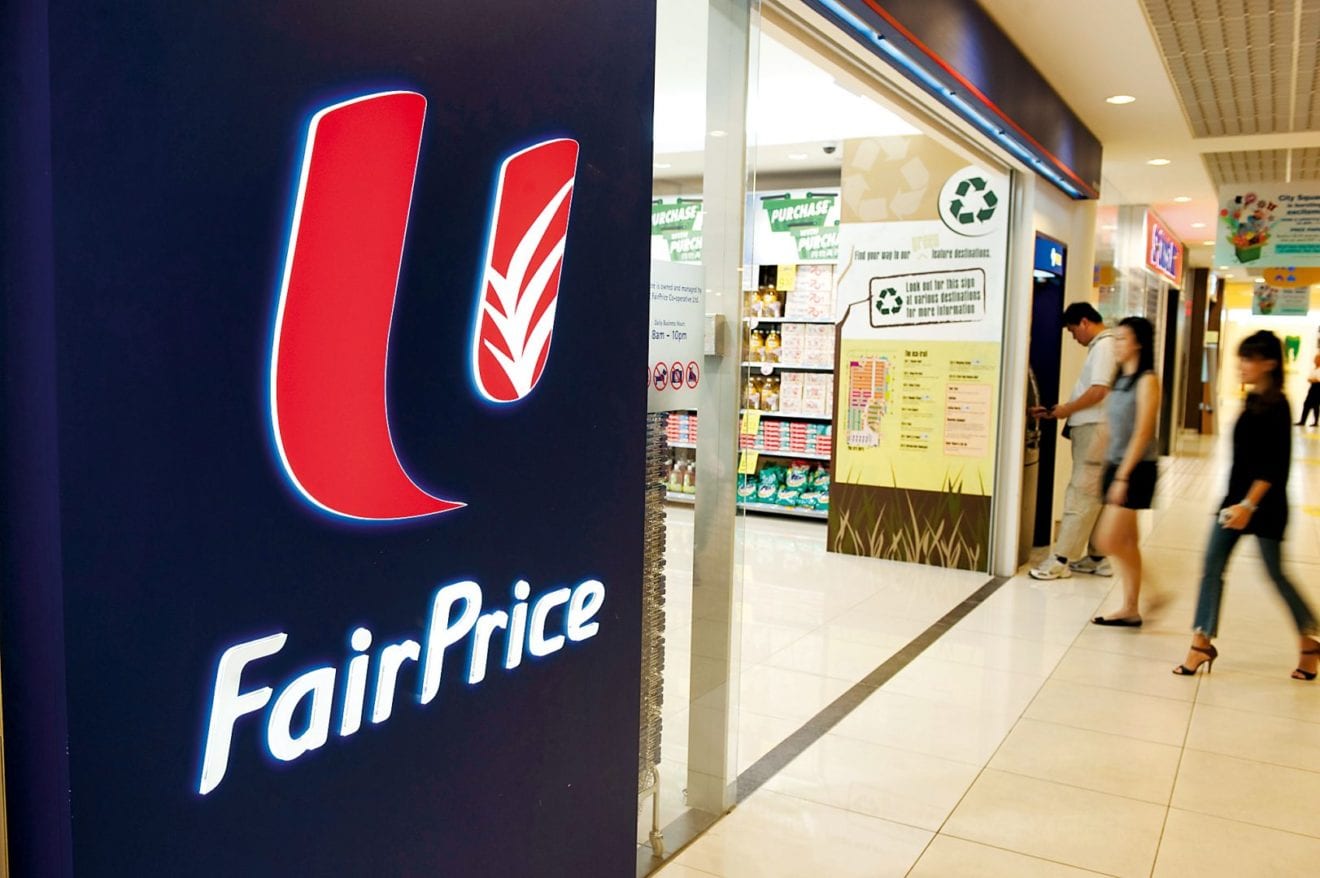
  • Singapore’s FairPrice opens store designed for disabled customers

    Singapore’s FairPrice opens store designed for disabled customers

    Singapore’s largest supermarket chain NTUC FairPrice has opened a supermarket designed to make it easier for shoppers with disabilities or ageing.

    Dubbed an ‘Enabled Store’, its staff undergo special training to better serve customers.

    The Enabled Store is located within the new Enabling Village, an integrated community space for people with disabilities at 20 Lengkok Bahru, #01-13. Trading hours are daily from 8am to 9pm.

    Among other features, the store has lower checkout counters and shelves to make it easier for people shopping in wheelchairs.

    At Wednesday’s official opening ceremony of both the village and the supermarket, FairPrice CEO Seah Kian Peng, said the initiative was an example of the company constantly evolving to meet the changing needs of Singapore’s population.

    Enable store NTUC Fairprice ceremony

    “We support seniors and persons with disabilities in living high-quality and independent lives, and recognise their needs amidst a backdrop of a rapidly ageing population. This is part of our efforts in striving to be a retailer with a heart and staying true to our social mission of serving various segments of the community through innovative retail formats and offerings.”

    Enable-store-NTUC-Fairprice 5


    With the number of seniors in Singapore expected to grow to more than 900,000 in 2030, and with more than 77,200 with disabilities above the age of 18, the store seeks to make shopping more seamless for these segments of society. It incorporates the principles of universal design with special features and products to enhance in-store experience.

    Physical characteristics of the store include call buttons located at the entrance and along store aisles to offer assistance, magnifying glasses at every aisle to help customers read product labels, and merchandise shelves customised to ideal heights for easy reach. The store also offers a more extensive range of supplements, products with the Healthier Choice Symbol (HCS) and assistive products such as walking aids.

    Enable store NTUC Fairprice 3

    Staff at the store have undergone a specially developed training program, jointly developed by NTUC LearningHub, Centre for Seniors and the Dr Oon Chiew Seng Trust, to equip them with the necessary skills and knowledge to serve senior customers better. The training programme aims to help service staff understand and anticipate the needs of senior customers, recognise senior related ailments such as dementia, as well as empathise with the difficulties that seniors may encounter so they can communicate and respond better to their needs.

    FairPrice is the first organisation to send employees for the course, training 100 frontline staff to date. Over 500 FairPrice frontline staff will also undergo this training programme in the next two years.

    Existing initiatives to help FairPrice customers stretch their dollar will also be available at this store including the Big Value Bag program which offers a 10 per cent discount on over 1000 FairPrice housebrand products, which are already priced 10-15 per cent lower than other popular brands.

    Elsewhere in the $25 million government-funded Enabling Village, there are food outlets which hire people with disabilities, and a retail art gallery where people can buy artworks and merchandise such as mugs and notebooks designed by people with autism.

  • Animate Japan to open in Bangkok

    Animate Japan to open in Bangkok

    Japanese retail initiative Animate Co will open a store in Bangkok’s MBK shopping centre in the second quarter of next year, part of a program to help spread anime and manga culture throughout Southeast Asia.

    According to Japanese news media, the store will be run by Animate JMA, a Japan Manga Alliance subsidiary formed in September to promote manga and anime businesses outside Japan. It provides officially released products and aims to eradicate copyright thieves, pinpointing Thailand as a market with increasing copyright issues.

    Animate was joined in the JMA’s creation by publishers Kadokawa Corp, Kodansha, Shueisha and Shogakukan.

    The JMA Animate store at MBK will take up a massive 561 sqm space in the 89,000 sqm, eight storey mall.

    The store will stock manga and anime titles, character goods, video software, figurines and other products. It will also provide spaces for live concerts featuring anime singers and concept shops.

    JMA says if the initiative proves a success in Thailand it will open stores in other Southeast Asian markets.

  • Moiselle flies in customers as sales slide

    Moiselle flies in customers as sales slide

    Hong Kong luxury fashion retailer Moiselle has revealed a raft of innovative strategies to restore flagging sales.

    Hit by a $31.9 million loss for the first half of the trading year due to declining spending by Mainland Chinese tourists, Moiselle is introducing new ranges and even flying in loyal customers for exclusive product displays.

    The company has reigned in its store openings and is putting the squeeze on landlords to reduce rents.

    Last week Moiselle revealed its sales had fallen by 21 per cent to $161.2 million mainly due to weak consumer sentiment and sluggish retail sales in its Hong Kong home market, which accounts for 55 per cent of its turnover. Gross margin fell from 82 per cent in the first half of last year to 76 per cent in the latest period.

    The group operated 92 retail stores and counters in Hong Kong; first- and second-tier cities of China; Macau, Taiwan and Singapore as at September 30 – three fewer than at the end of March. It closed five stores in hong Kong during the six month trading period.

    Moiselle – which sells under the Moiselle, Mademoiselle, Coccinelle and French-influenced Germain brands – has shifted focus to a more tailor-made sales model in Hong Kong, targeting members of its VIP customer club, and has formed partnerships with several Mainland Chinese online shopping websites.

    The organised shopping visits by customers from Mainland China, Taiwan and Singapore to its product showrooms in Hong Kong target its most loyal customers with high spending power. The tours began in May and started generating income in July.

    Meanwhile, Moiselle forged ahead with a strategy of diversifying its product offer to target different segments of the high-end and upper middle markets for women’s fashion apparel and accessories. It expanded its Moiselle and Germain ranges into menswear. It launched European accessories labels Sequoia and Coccinelle into the apparel market through exclusive distribution agreements to add impetus to its business development.

    In its stock exchange filing, Moiselle said it did not expect Hong Kong’s retail market to turn around “any time soon”.

    “China’s economy has shifted to a lower gear and the growing trend towards a higher proportion of the Mainland Chinese visitors with weaker spending power in Hong Kong seems irreversible. Moreover, the Hong Kong dollar, which is pegged to the greenback, is poised to enter a phase of appreciation against many other currencies as the US Federal Reserve Bureau looks set to raise the benchmark interest rate in the foreseeable future. These developments are likely to weigh on both the shopping tourism and average purchase value in Hong Kong, where the group derives most of its revenue.”

  • Modern Beauty Salon Holdings posts profit plunge

    Modern Beauty Salon Holdings posts profit plunge

    Modern Beauty Salon Holdings has reported an 87.4 per cent plunge in first half profits as consumers restrain their discretionary spending.

    Modern Beauty runs 42 service centres in Mainland China, Hong Kong and Taiwan, 16 in Singapore and three in Malaysia. The company’s 17 retail stores trade under the banners Pen and Be Beauty Shop across Hong Kong, Kowloon and the New Territories.

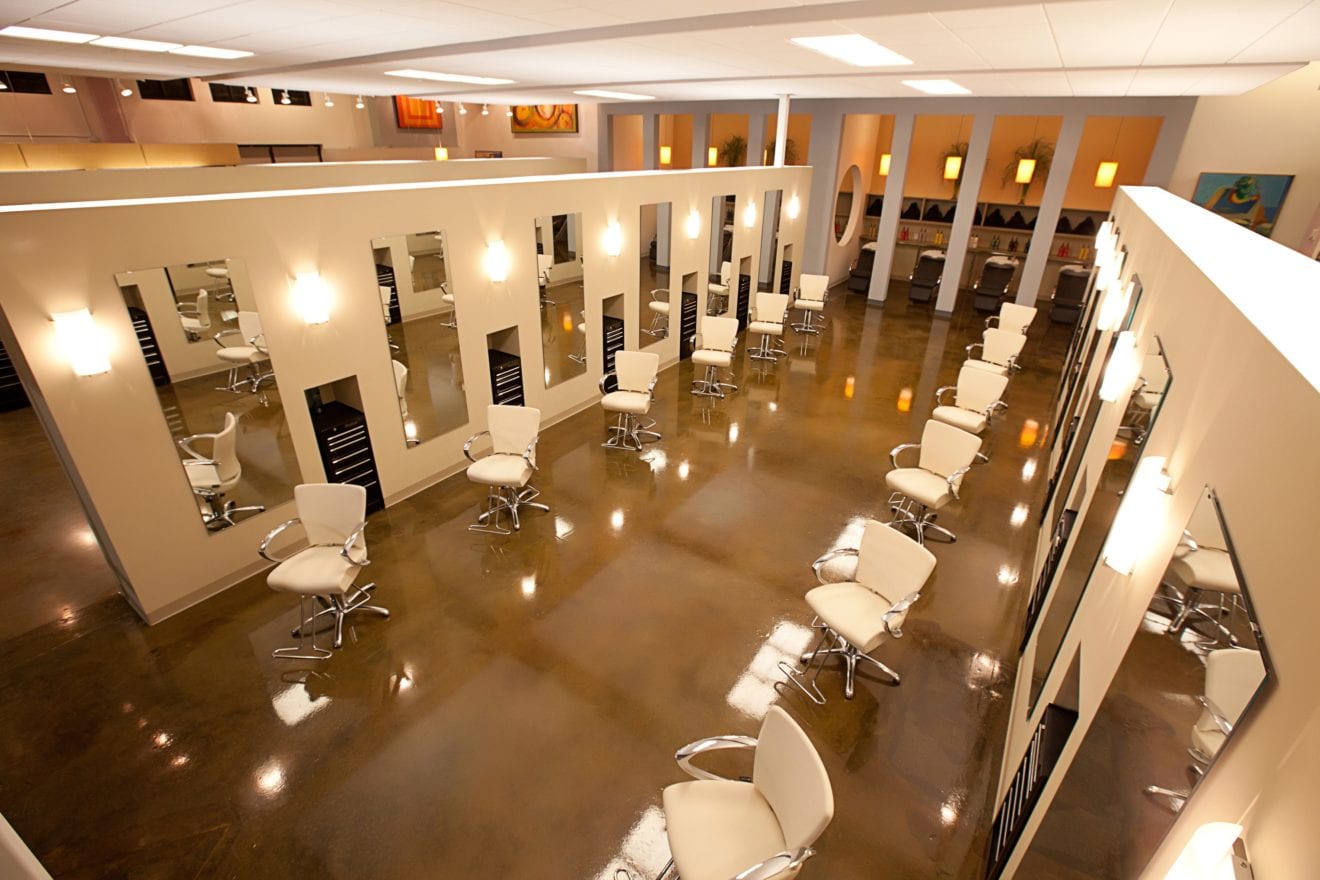
    Modern Beauty Salon

    Group revenue across the markets fell 12.2 per cent to HK$402.7 million year on year, while gross receipts from the sale of prepaid beauty packages decreased from $387.5 million to $350.4 million. That produced a profit attributable to shareholders of just $5.7 million, compared with $45.5 million for the same period last year.

    The company said a volatile financial market and weakened Hong Kong economy made people more conservative on their spending.

    “Our beauty, slimming and wellness service business in Hong Kong was inevitably affected. Nevertheless, leveraging on our excellent service management that facilitate greater quality assurance, our management is confident of the further prospects of our business.”

    The company says despite the retarded economic growth in Mainland China, it still believes the beauty, slimming and wellness market there will continue to prosper with a growing demand because “as a larger portion of the population moves up to the bourgeoisie”.

    “Our brand name has secured a presence in the Mainland China with a solid foundation that we have established for years in Beijing, Shanghai and Guangzhou. Plans to open more stores in the Mainland China are afoot.”

    In Singapore and Malaysia, receipts from sales of prepaid beauty packages amounted to $37,768,000, while revenue from services rendered amounted to $55,673,000, down 35 per cent and 36.6 per cent respectively.

    “The drops are mainly due to the new government policies in Singapore and Malaysia. For Singapore, from June 2015, if a local person’s aggregate interest-bearing outstanding balance on all credit cards and unsecured credit facilities exceeds 24 times his monthly income for three consecutive months, his credit lines will be suspended. This means that he will not be allowed to charge new amounts to his existing credit cards and/or unsecured credit facilities. For Malaysia, from April 2015, a GST of six per cent was imposed on local services providers, including beauty services. These policies have hurt the local consumption sentiments significantly.

    “The group will continue to carry out its local business development prudently and we believe that the local people will accustom to the new policies and the consumption sentiments will recover as time goes by.”

    Modern Beauty says it plans to launch an eCommerce website during the next six months.

  • Prolonged summer takes heat out of Uniqlo sales

    Prolonged summer takes heat out of Uniqlo sales

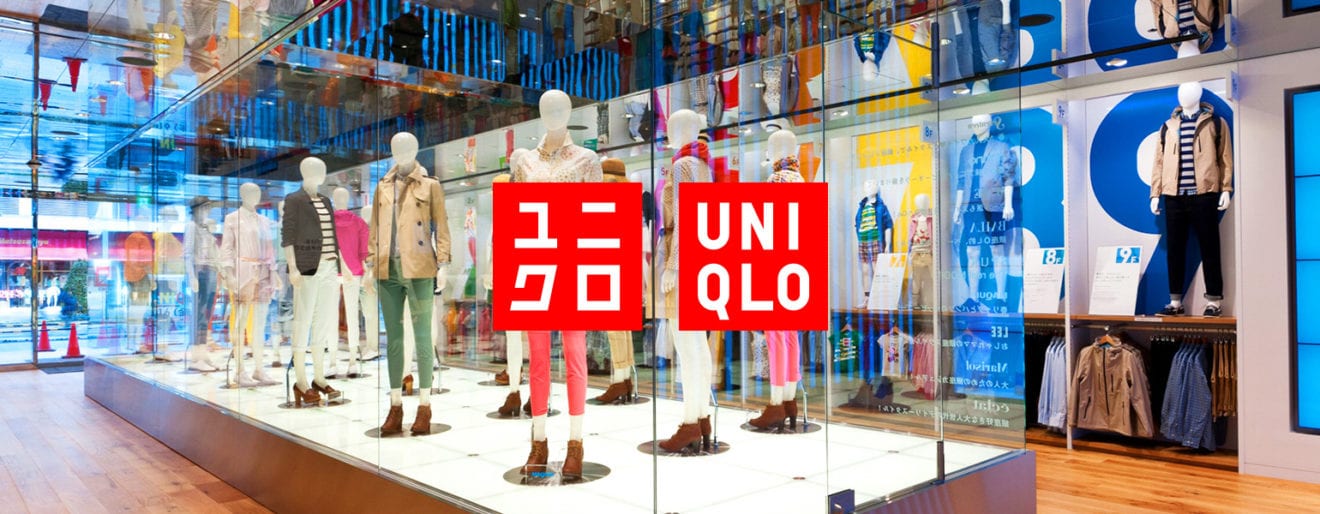
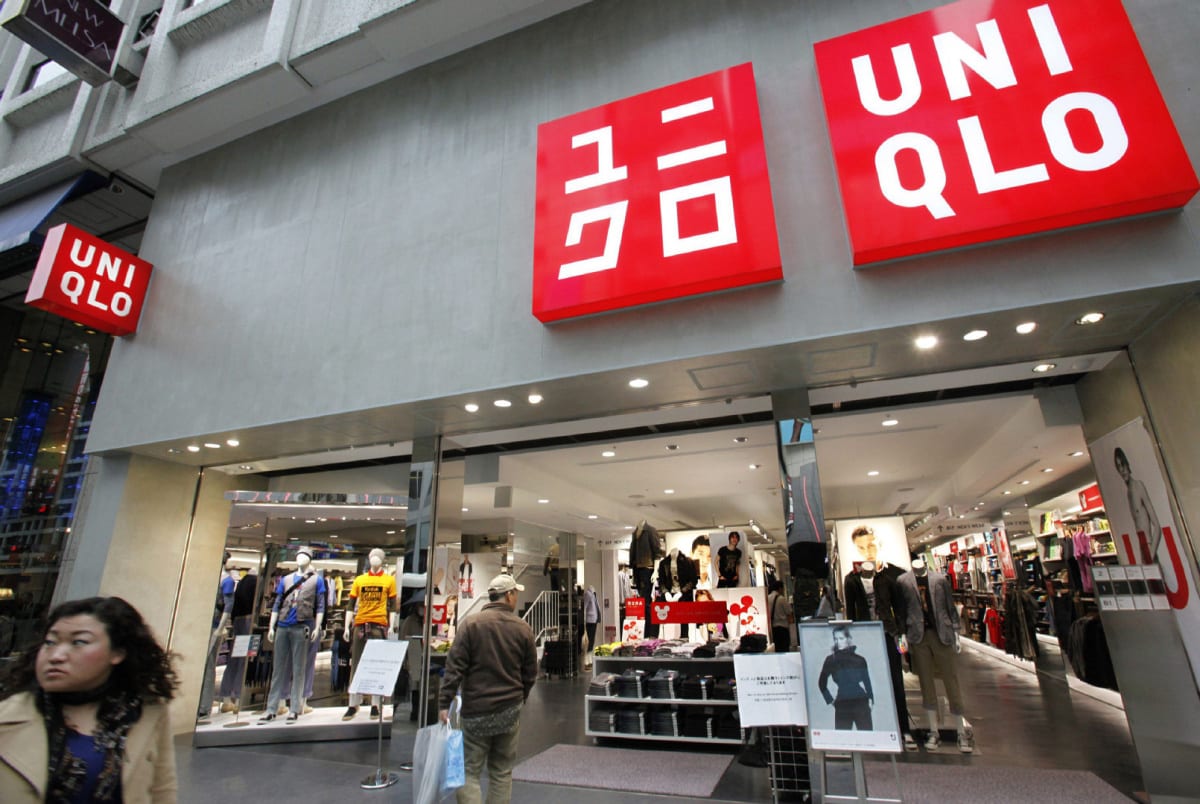
    Uniqlo parent, Japanese giant Fast Retailing, says its total sales dropped 8.1 per cent in November.

    “Same-store sales dipped year on year in November after unusually hot weather in mid-month stifled sales of winter clothing necessities,” the company said in a  brief trading statement which gave only percentages and not total sales data.

    The number of Uniqlo stores operating outside Japan exceeded the number of domestic stores last month – by 864 to 844.

    In November, same-store sales decreased by 8.9 per cent year on year while sales at its own-run stores (excluding franchises) decreased by 9.9 per cent. Total sales, including online, thus fell by 8.1 per cent.

  • Foodpanda Vietnam to shut down

    Foodpanda Vietnam to shut down

    Foodpanda – relentlessly marching its way across Southeast Asia, gobbling up rival food delivery businesses and creating monopolies – has shocked the online community by closing its Vietnam business.

    According to a report in online business news website Deal Street Asia the Rocket-Internet backed company has told its Vietnamese partners the operation will close on Wednesday after three years.

    “Through this notice, we would like to inform you that our company will terminate the business in Vietnam due to the difficulties in financial situation,” Foodpanda said in the letter.

    Deal Street Asia’s Vietnam-based writer was unable to reach Foodpanda Vietnam staff for further comment.

    One of the possible reasons for the market exit is that Foodpanda was a latecomer to the sector with the original, well-liked local service Vietnammm launched as long as five years ago and collaring the expat market which has the disposable income. Other rivals included Eat.vn and Deliverynow.vn.

    Furthermore, Foodpanda’s business model is to attain market dominance by buying out rivals, thus gaining insulation from poor customer service, slow delivery times and other faults – the exact situation in Malaysia which has now left it with brand reputation issues.

    Deal Street Asia says experts say Foodpanda’s business model is not relevant to Vietnamese consumers, where the younger demographic prefer to eat out and local food outlets offer their own delivery service. Others said Foodpanda had struggled with its communications strategy, which was not helped by changing its brand name within a year of launching there.

    Meanwhile, in India Foodpanda is in trouble over alleged fake listings, non-payment of money to restaurants, failure to refund customers for undelivered orders and corporate governance issues, according to website e27.co.

  • Riverside 66 wins top MIPIM Asia Retail award

    Riverside 66 wins top MIPIM Asia Retail award

    MIPIM Asia, the property leaders’ summit in Asia Pacific, has announced 36 winners in the ninth edition of the annual MIPIM Asia Awards.

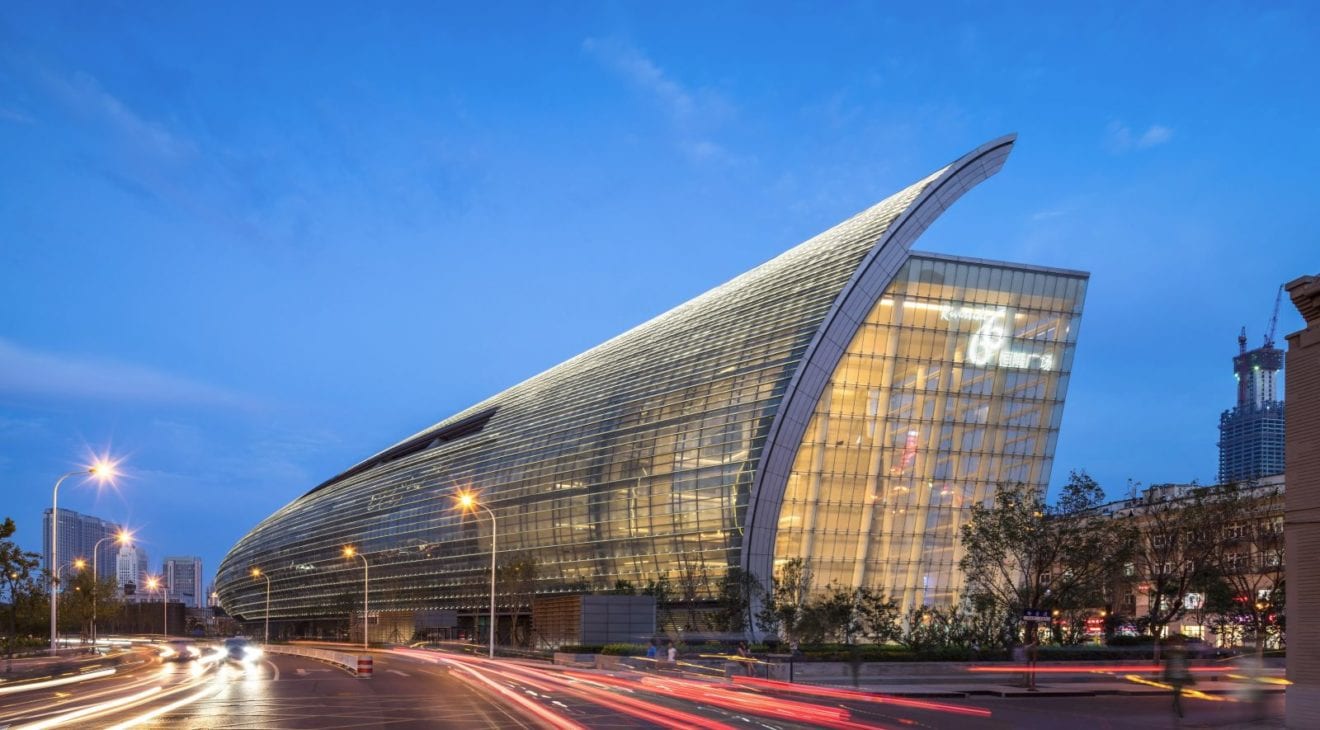
    Chinese mall project Riverside 66 won Gold, the top honour in the Retail category, from The Breeze BSD City in Indonesia and The MixC in Qingdao, China.

    Sunway Putra Mall in Kuala Lumpur, Malaysia, was awarded a bronze in the refurbished buildings category.

    The winners of the MIPIM Asia Awards, which recognise excellence and innovation in real estate development in the Asia Pacific Region, were announced during a gala dinner on with Carrie Lam, chief secretary for administration of the HKSAR Government as guest of honour. The final Gold, Silver and Bronze rankings were awarded to the 36 projects previously announced, which had been selected by an international jury composed of 16 industry experts.

    President of the Jury, Nicholas J. Loup, said the judging was a very competitive process this year with a number of high-quality and interesting projects among the finalists.

    “We are excited to see how several of these projects are changing the urban landscape in Asia Pacific.”

    The winning retail projects, with key consultants listed, are:

    Best Retail Development:

    Riverside 66, Tianjin, China: Gold.

    Architect: Kohn Pedersen Fox Associates PC, P&T Architects (project architect), Benoy (interior designer); Developer: Hang Lung Properties.

    The Breeze BSD City, Tangerang City, Indonesia: Silver.

    Architect: Jerde & Arcadia; Developer: Sinarmas Land; Others: Ketira Engineering Consultants Landscape, Saraswati Flora,  PT. Policipta Multidesain, PT. Total Bangun Persada Tbk, PT Korra Antarbuana, Lumina Group.

    The MixC, Qingdao, China: Bronze.

    Architect: Benoy Ltd, Callison; Developer: China Resources Land Limited.

    Best Refurbished Builing:

    Sunway Putra Mall, Kuala Lumpur, Malaysia: Bronze.

    Architect: SAA Architect; Developer: Sunway REIT; Other: Aedas.

  • Fashion etailer SuperGurl apologises for rape gaffe

    Fashion etailer SuperGurl apologises for rape gaffe

    Singapore online fashion retailer SuperGurl has apologised online and on social media for a homepage banner inviting rape, described by at least one shopper as “absolutely vile”.

    The banner featured a young woman with her arms up in submission and a button users could click on to gain discounts inviting them to “rape us now”.

    The momentously stupid and insensitive promotion – targeting Black Friday shoppers – has received media attention internationally. UK Lifestyle news blog The Debrief referred to it as evidence that Black Friday “brings out the worst in retail brands”.

    On SuperGurl’s Facebook page one follower of the brand Wei Wei Gwee eloquently summed up community anger: “Rape isn’t an advertising angle that one can exploit when thousands of victims suffer the irreparable damage rape has caused to them every day. Not only do you make light of sexual assault, you used this really young girl in a suggestive pose which seems to be extremely inappropriate. I wonder how the model will feel if she knew her photo was being used this way.”

    SuperGurl creative director Jordus Lim posted an unqualified apology on the SuperGurl website and Facebook page claiming the brand never meant to offend anyone. He says a junior graphic designer created the promotion and uploaded it online before the image was approved.

    “I am writing this to express our sincerest apologies pertaining to our insensitive action and the choice of [the] word ‘rape’ during our ‘Black Friday’ sale. We do not mean for it to be offensive to anyone, and I extend my sincerest apology for the lack of a better word.

    “I hereby acknowledge that we have made a mistake, and that our caption does not advocate the right values to the young women community today.

    “Having regretted [sic] for what we have done, the team at Supergurl will definitely be more careful with what we will put up in future as this is also a lesson learnt for us.

    “This is an honest mistake that we have made on our side, and we do know that it is indefensible. We hope that the public will accept our apology for what we have done wrong.”

    Another follower Christina Chew responded, typing Lim’s response “is uncommon valour”.

    “Perhaps the wounds would leave some lingering scars thereafter. But I pray that the scars will heal and you will grow in increasing wisdom.”

    To be fair, as The Debrief points out, SuperGurl is not alone in its poor judgement.

    Last month, American Apparel was criticised for asking employees to wear shirts that read ‘Ask Me To Take It All Off’, while Bloomingdale’s issued an apology for their Christmas ‘date rape’ advertisement, with the caption: ‘Spike your best friend’s eggnog when they’re not looking’, the site reported.

    “When will fashion brands (or any brands for that matter) get the message that rape is not an acceptable advertising tool?”

    Indeed.

  • Hong Kong’​s Seafood Appetite Threatens Marine Species

    Hong Kong’​s Seafood Appetite Threatens Marine Species

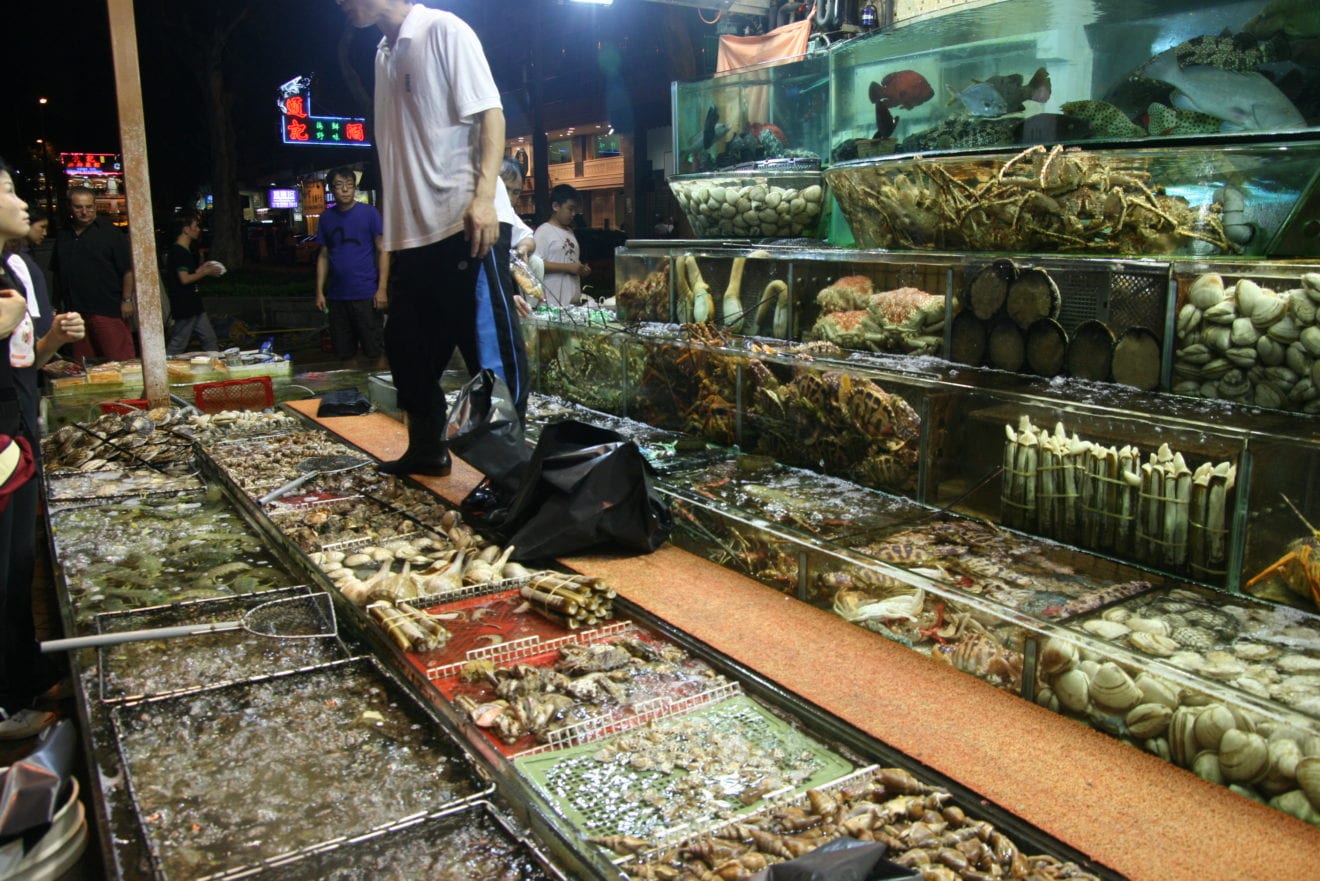
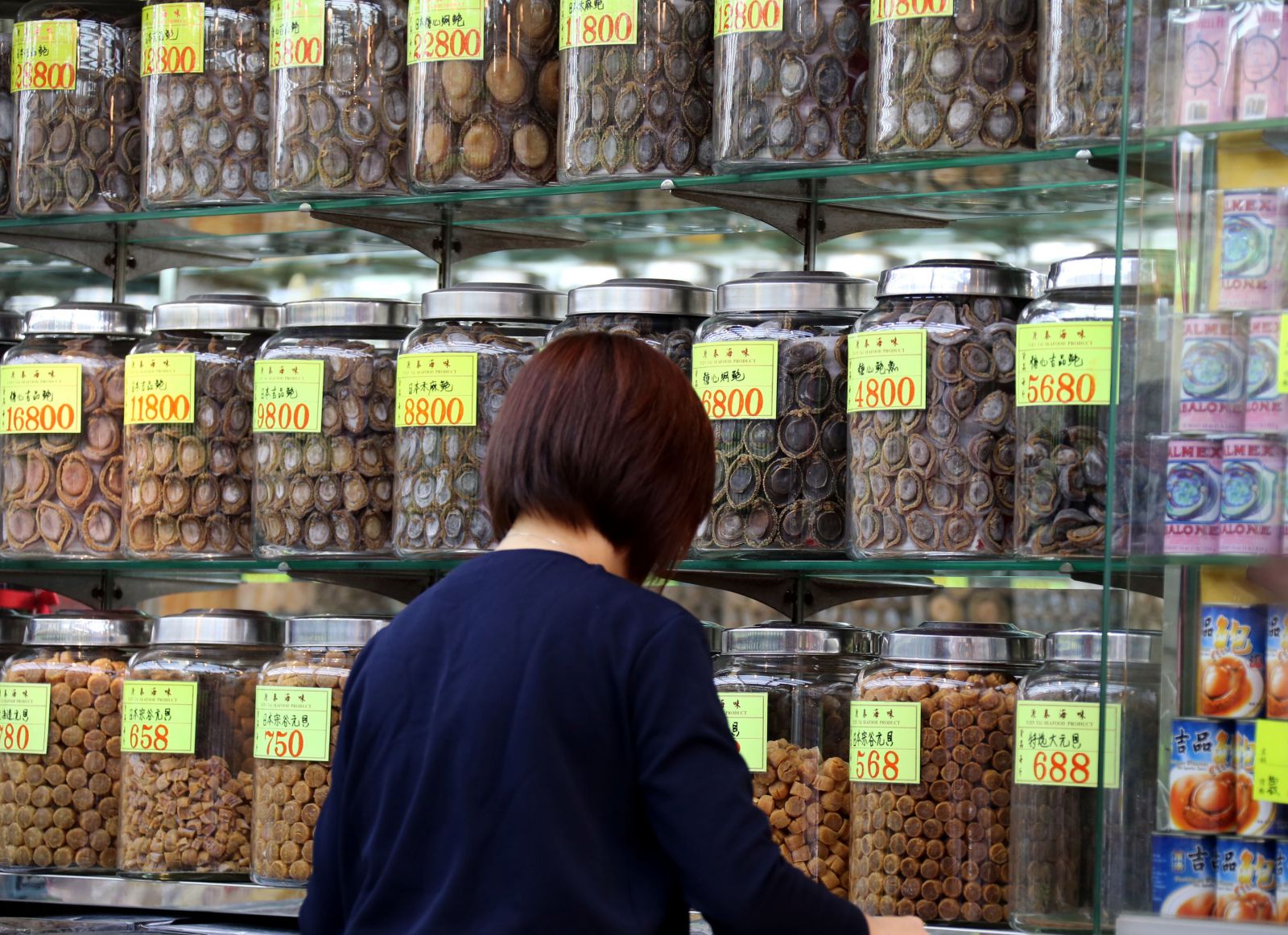
    Hong Kong’s enormous appetite for seafood and its role as a hub for the global seafood trade is having an unfortunate impact on endangered fish species.

    Chinese cuisine prizes seafood, so it’s perhaps not surprising that per capita seafood consumption in Hong Kong averages 70 kilograms a year, about four times the global average. But the city is also a hub for trade into mainland China, where consumption is on the rise. All of that is putting a strain on endangered marine life and driving an unexpected sustainability push.

    On a busy Saturday morning at Hong Kong’s giant Aberdeen Fish Market, traders are milling around buying seafood for restaurants and the city’s retailers. One of the dealers here is Betty Chu, who runs a distributor called Family Care Ltd., which imports seafood from all over the world.

    “The market is really good,” Chu says. “People are looking for prime products, they’re health conscious, and they’re willing to pay more for better food. We import globally lobster, scallop, abalone, shrimp, crabs and more. It’s a lot! My business is good and growing every year.”

    But while business is booming, some of the city’s seafood traders are switching to sustainable seafood. Wong Ping Chai, who runs the Hoi Kee Ho Fresh Seafood import company, began seeking out sustainable seafood several years ago when a Dutch supplier explained to him that many fish species were becoming scarce. It led him to join Fish and Season, a global fish trading network that trades only sustainably caught seafood.

    “Fish and Season is an organization originally from Holland that started around 1992,” he says. “They found out in Europe the fish are getting fewer and fewer, and if it goes on it will be disastrous.” He learned that the same thing was happening in Asia.

    Ocean impact

    Activists have been trying to educate consumers, and are encouraging them to be more careful about the seafood they buy. Allen To, who works in the Hong Kong offices of the World Wildlife Fund, monitors local imports and consumption of endangered seafood species. He says per capita consumption of seafood in Hong Kong is second in Asia and seventh in the world.

    “That’s why in Hong Kong we do have the responsibility to try not only to reduce our own ecological footprint but to try to reduce our impact on the ocean of many other countries,” he says. “We believe if we can push sustainable seafood in Hong Kong, then eventually we can help at least to reduce our impact on fish resources, particularly in the Asia Pacific region.”

    But price is an issue. Keith Tsui, managing director of New Bon Marine, another Hong Kong seafood company concentrating on sustainable products, says education and government awareness campaigns are helping turn consumers onto sustainable seafood. But so far the focus has been on high-value species such as black cod, salmon and shellfish.

    He wants to get lower-income groups switching to sustainable seafood too. “We are trying to get more products for the budget class,” he explains. “A couple of years ago, we did a good job with a fastfood chain in Hong Kong. They use sustainable seafood for breakfast for the budget class. This is a great leap forward for us.”

    Campaigners want consumers to make sustainable choices, but they’re also calling on Hong Kong’s political leaders to clamp down on illegal catches. The WWF’s Allen To says illegal fishing has depleted stocks of rare wild fish such as grouper from the coral reefs of Southeast Asia.

    “Hong Kong and China are the main trading and consumption areas for live reef fish, including grouper and the humpback wrasse,” To says. “Many of the grouper species are already overexploited, and some of them are threatened species.”

    Seafood trader Keith Tsui, meanwhile, wants to bring more sustainably produced seafood products to Hong Kong by focusing on an innovative new approach in the retail sector and in schools.

    “We will try to liaise more with school lunch boxes and let them tell the kids they are using sustainable food,” Tsui says. “This customer group is the future. “They are the biggest influencers on their parents.”

    And Hong Kong wants to ensure there will be fish in the sea for future consumers.

  • Uniqlo to launch Liberty London range

    Uniqlo to launch Liberty London range

    Uniqlo has announced a collaboration with high end UK department store Liberty London to create an exclusive range of apparel.

    Liberty London for Uniqlo will launch with a Spring/Summer 2016 collection, in stores from Spring.

    The collaboration brings together a special selection of Liberty’s iconic floral prints with women’s, girls’, babies’ and men’s products for Uniqlo LifeWear, whose signature innovations make clothing lighter, more comfortable, affordable and accessible to all.

    Liberty started in London’s Regent Street in 1875, selling ornaments, fabrics and artworks from Japan and elsewhere in Asia that inspired some of the 42,000 prints that make up Liberty’s print archives.

    Extensive collections of Liberty catalogues, dresses and textiles, housed at The Victoria and Albert Museum, attest to the myriad contributions to art, culture, and fashion of one of the world’s most prestigious brands.

    Liberty’s mock-Tudor-style building on Great Marlborough St is a destination for fashionistas and an epitome of classical British design.

    The Liberty London for Uniqlo collection will be sold worldwide in Uniqlo stores.