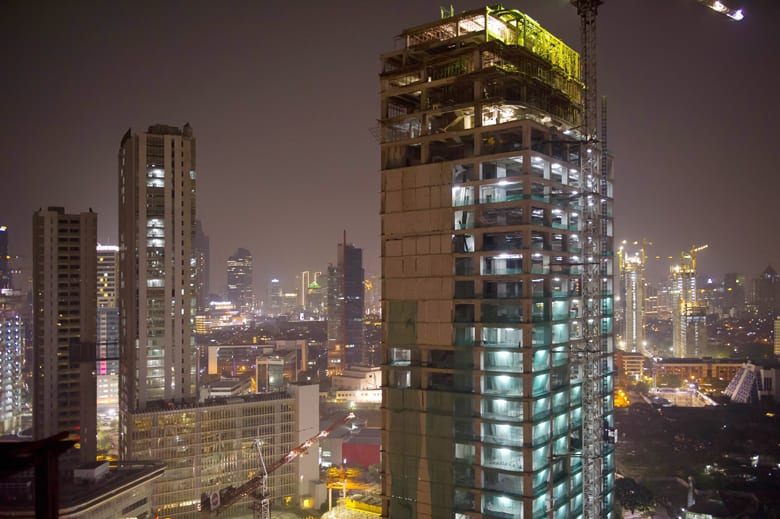
Author: Mei Ling Tan

  • DoubleDragon eyes 100 Filipino malls

    DoubleDragon eyes 100 Filipino malls

    A Philippines property developer has raised US$112 million to assist fund the formidable improvement plan for 100 purchasing malls throughout the nation.

    DoubleDragon Properties Corp plans to roll out the 100 CityMalls-branded centres by 2020 – the primary 25 by the top of this yr.

    The compact group malls will comprise between 5000 and 10,000 sqm of leasable area every, with the corporate projecting it’s going to have 1 million sqm of leasable area by 2020.

    DoubleDragon chief info officer Joselito Barerra Jr stated successfuly elevating the money – in seven yr company notes – demonstrates robust investor confidence in technique.

    The publicly listed property firm is collectively owned by the founding father of quick meals big Jollibee Meals, Tony Tan Caktiong, and restaurateur Edga Sia Jr. Unsurprisingly, the department stores will prominently function Jollibee eating places.

  • Cosme.com breaks out of Japan

    Cosme.com breaks out of Japan

    Cosme.com has launched an English language model of its web site, increasing the most important cosmetics and wonder portal in Japan to a broad overseas market.

    @cosme, a subsidiary of istyle Inc, has developed right into a full-scale cosmetics portal reaching overwhelmingly giant numbers of girls – one in each two ladies in Japan of their 20s and 30s store on cosme.com, making it the most important portal in Japan for cosmetics and wonder merchandise.

    Every month some 10 million shoppers go to the web site utilizing all varieties of units and racking up 270 million web page views. It boasts a database of 250,000 gadgets from 28,000 home and overseas manufacturers and comes with a perform for looking customers’ postings on merchandise analysis, and new product info.

    The annual rankings of cosmetics,@cosme Greatest Cosmetics Award, compiled primarily from the customers’ postings, attracts the shut consideration of the cosmetics and wonder industries.

    The brand new English-language Cosme.com, stocked with about as many gadgets of merchandise as with the Japanese website, guarantees an virtually equivalent buying expertise to the Japanese website.

    Overseas consumers can select from a variety of third celebration supply providers.

  • Philippines’ Emperador Says Seeks to Buy Cognac Firm From Japan’s Suntory

    Philippines’ Emperador Says Seeks to Buy Cognac Firm From Japan’s Suntory

    Philippine liquor firm Emperador said on Monday it has submitted a bid to buy French cognac maker Louis Royer from Japan’s Suntory Holdings, and could go to the debt market to fund the deal.

    The acquisition is unlikely to cost Emperador more than last year’s $700 million deal to buy the Whyte & Mackay whisky unit of India’s United Spirits, company director and spokesman Kingson Sian said.

    Sian declined to disclose Emperador’s offer citing a confidentiality agreement, and said he was not aware who the other bidders for Louis Royer were.

    “After the first round, there may be a second round … There may be a shortlist first, so it’s too early to say,” Sian said when asked when the bidding results were likely to be released.

    Suntory declined to comment on Emperador’s offer. “It is a company policy that Suntory does not make any comment on such reports,” a spokeswoman in Japan said.

    Suntory, one of Japan’s oldest companies, is looking to sell off its smaller assets to consolidate its portfolio and finance its acquisitions, Sian said.

    Suntory bought U.S. drinks firm Beam in a deal last year valued at about $15.7 billion. It was the third-biggest acquisition by a Japanese company.

    Emperador, mainly a brandy producer with a market value of $4 billion, bought Whyte & Mackay last year as part of a long-term strategy to expand its product portfolio and global reach.

    Shortly after its purchase of Whyte & Mackay, Emperador joined the Philippines’ benchmark stock index.

    “We want to continue the momentum and sustain the strong growth going forward,” Sian told reporters after the company’s annual stockholders’ meeting.

    “We’re going to hit all the major markets – China, Taiwan, Korea, Southeast Asia, Hong Kong – for our signature products,” Sian said.

  • China a standout for Estee Lauder

    China a standout for Estee Lauder

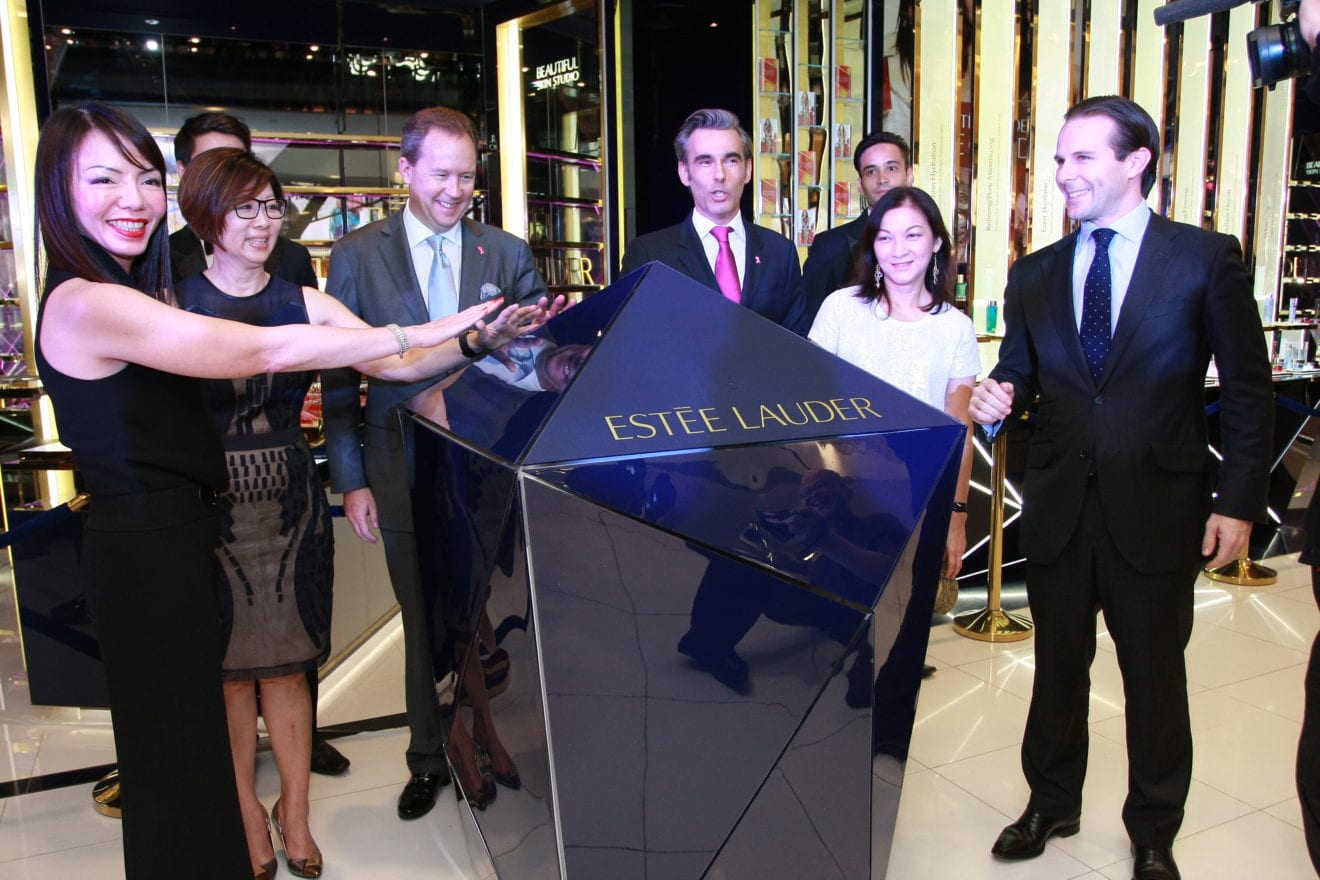
    China is certainly one of international luxurious cosmetics enterprise Estee Lauder’s strongest markets, with internet gross sales up 14 per cent final quarter and a lot of the firm’s manufacturers displaying double digit progress.

    Apart from the model which bears its firm identify, Estee Lauder owns Clinique, MAC, Jo Malone and Bobbi Brown, (one in every of whose Hong Kong shops is pictured above).

    Complete China gross sales rose in “the excessive double digits” in accordance with Estee Lauder’s quarterly outcomes. Whereas skincare merchandise dominated Chinese language gross sales, make-up merchandise are rising in reputation.

    Hong Kong gross sales, in distinction, have been down because of the a lot documented altering demographics of mainland Chinese language visiting the territory and final yr’s Occupy Central protests.

    Mainland China progress was particularly robust for Clinique and thru all channels together with Sephora, department shops and monobrand outlets. On-line gross sales doubled.

    “We consider that China might [account for] 20 per cent of our enterprise in the long run,” CEO and President Fabrizio Freda stated in an earnings convention name, a transcript of which is offered on-line by TheStreet.

    “We’re the start of the journey in China the place we’re very nicely superior within the US.”

    On-line, Estee Lauder has six model web sites in China and 4 shopfronts on Tmall.

    “Estee Lauder is the primary status magnificence model on Tmall and we’re excited that La Mer turned our fourth model on the platform a couple of weeks in the past,” added president of ELC on-line, Dennis McEniry.

    “All 4 of our manufacturers on Tmall are enormously exceeding our expectations, and we plan to launch further manufacturers there within the close to future.

    “We’re happy with the expansion in China. We’re going to greater than double our enterprise this yr,” stated McEniry.

    Globally, and throughout all channels, Estee Lauder’s internet gross sales rose eight per cent on a continuing foreign money foundation, exceeding the corporate’s expectations by multiple per cent.

    Getting into the ultimate quarter of the present monetary yr, the corporate expects gross sales to extend by between six and 7 per cent for the complete yr.

  • KFC to enter Myanmar

    KFC to enter Myanmar

    Yum! Manufacturers’ KFC is about to grow to be the second multinational quick meals chain to enter Myanmar.

    Yum! has signed an settlement with native franchise associate Yoma Strategic to open fried hen eating places within the quickly opening-up nation. The primary outlet will open in downtown Yangon quickly.

    KFC will comply with South Korean burger chain Lotteria into Myanmar. That chain, owned by Lotte Group, has opened seven eating places because it arrived there in 2013. It has additionally efficiently established first mover benefit in different Southeast Asian markets together with Vietnam.

    No date has been launched for the opening of the primary KFC outlet, however Yoma Strategic stated in a press release it is going to be the “first main American fast service restaurant to determine a foothold in Myanmar”.

    As much as 4 KFC eating places will open in Yangon by the top of the yr earlier than the corporate appears at different cities, reminiscent of Mandalay.

    Laos is now the final remaining Southeast Asian market KFC has but to enter.

  • Prada China opens Wuhan retailer

    Prada China opens Wuhan retailer

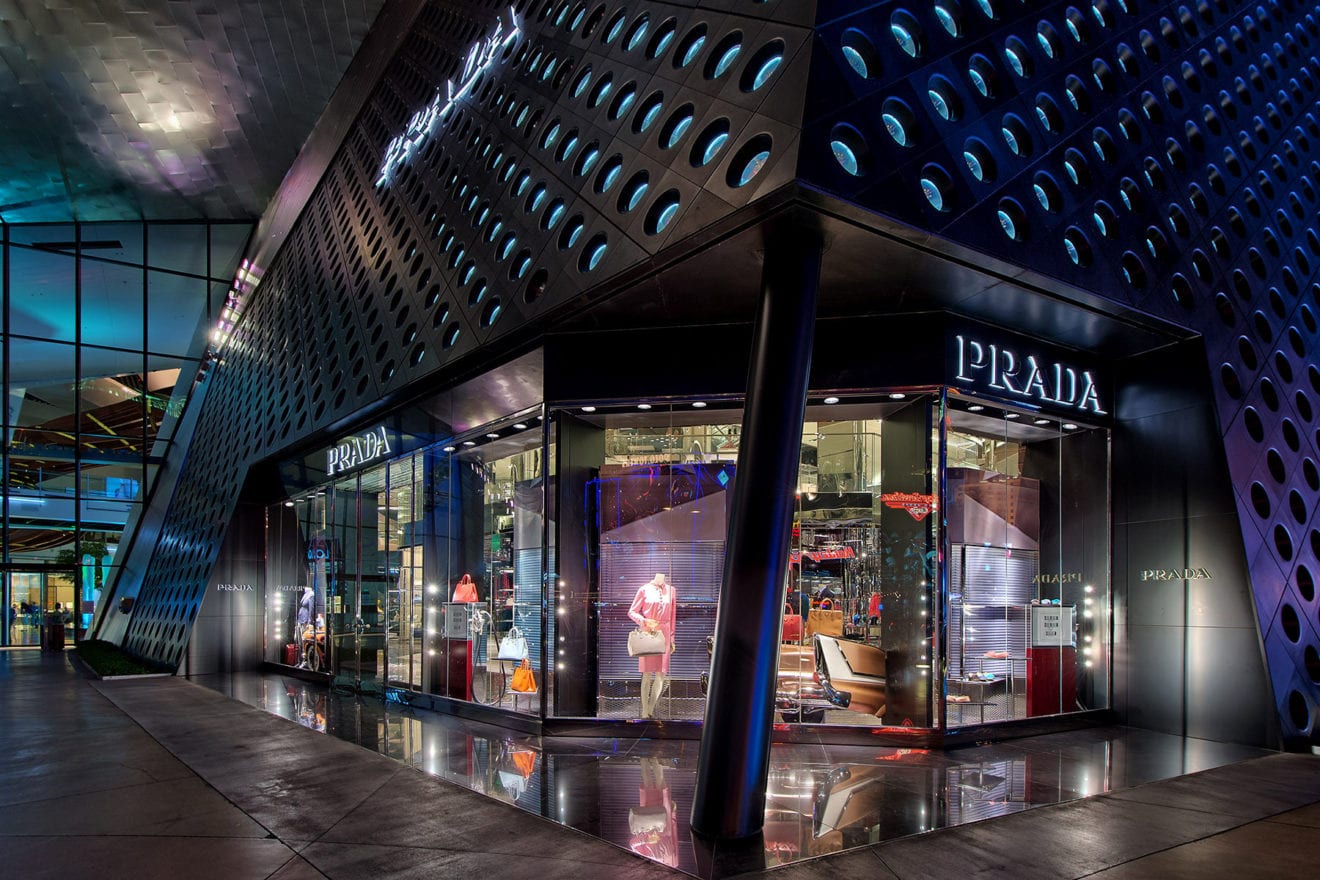
    Prada China has opened a brand new retailer in Wuhan, inside the distinguished Worldwide Plaza purchasing centre.

    The 2-level, 950 sqm retailer area, designed by architect Roberto Baciocchi, homes the ladies’s and males’s ready-to-wear, leather-based items, equipment and footwear collections.

    The exterior facade pays tribute to artist Carlo Cruz-Diez.

    The massive entrance, mild bins and home windows are inserted into the decrease a part of the facade, which is clad in black granite and topped by an imposing gold and steel-coloured aluminium construction backlit to create a singular kinetic impact each day and night time.

    General, the facade stands 10 metres tall and stretches roughly 50 metres in size. The interior facade, the place the second entrance to the shop is situated, can also be clad in black granite.

    The inside is designed as a succession of areas, every that includes a unique environment.

    The doorway contained in the mall, outlined by the signature black-and-white marble chequered flooring, opens on an space housing the ladies’s leather-based items and equipment collections. Inexperienced fabric-clad partitions with Prada’s iconic cut-in niches with polished metal profiles outline the area.

    Inexperienced velvet sofas characterise the world devoted to ladies’s footwear.

    The ladies’s ready-to-wear assortment is showcased in an area outlined by inexperienced fabric-clad partitions and clear perspex show models.

    The lads’s leather-based items and equipment collections are set in polished metal show instances inserted into alcoves wrapped in black marble with inexperienced fabric-clad backdrops.

    The area devoted to the lads’s ready-to-wear and footwear collections is characterised by ebony floorboards and partitions, chocolate brown carpeting and cotto-coloured leather-based sofas. Polished metal show instances and counters with drawers coated in colored saffiano leather-based full the furnishing.

    Prada says it admires French-Venezuelan artist Carlos Cruz-Diez, whose paintings served as a place to begin for the design of the facade.

    The Prada boutique is situated in Wuhan Worldwide Plaza, 690 Jiefang Ave, Jianghan, Wuhan, Hubei.

  • Garuda Shareholders Give All-Clear for $500m Global Sukuk Sale, Appoint New Director

    Garuda Shareholders Give All-Clear for $500m Global Sukuk Sale, Appoint New Director

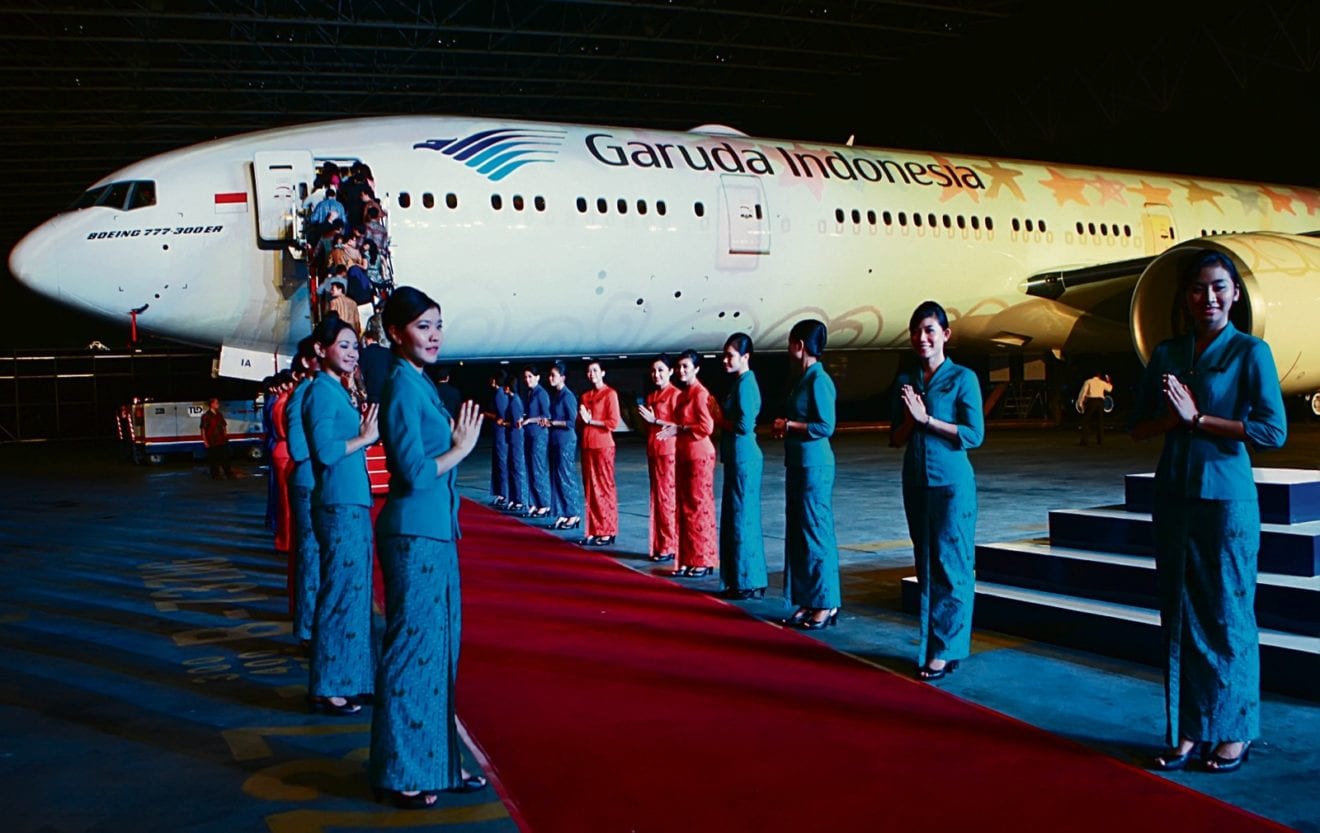
    An extraordinary general meeting of shareholders of Indonesian flag carrier Garuda Indonesia approved the company’s management plan to sell up to $500 million in global sukuk, or Islamic-compliant bonds.

    A prospectus published in Investor Daily on Monday showed that the meeting, which took place on Friday, approved the airline’s plan to sell a maximum $500 million in global sukuk to help finance general corporate programs.

    No other details were available about the bond sale, which represents Garuda’s first global sukuk.

    The airline said in a statement in February that it had signed $400 million om bridge financing with two Middle Eastern banks  — the National Bank of Abu Dhabi and Dubai Islamic Bank — while awaiting “momentum” to issue the sukuk.

    Garuda is also seeking to restructure its long-term debt, which stood at $965 million as of the end of last year, partly by using proceeds from a sukuk sale.

    Last Friday’s meeting also approved the appointment of Nicodemus Panarung Lampe as the company’s new director of services.

    M. Arif Wibowo, the Garuda president director, said the new position was introduced as the airline seeks to maintain service quality, as reported by Antara.

    The airline has since December last year been designated a five-star carrier by Skytrax, which reviews and ranks airlines and airports, joining the likes of better-known carriers such as Cathay Pacific, Singapore Airlines and All Nippon Airways.


  • Luxottica groups with JD.com

    Luxottica groups with JD.com

    JD.com says it is going to associate with eyewear producer Luxottica to retail a variety of sun shades bearing a few of the best-known international luxurious manufacturers.

    Clients of the Chinese language web site will be capable of buy sun shades from manufacturers together with Ray-Ban, Oakley and Vogue. A lot of the merchandise might be out there by means of JD.com’s direct gross sales channel, enabling Luxottica to leverage JD.com’s nationwide logistics community that includes commonplace same- and next-day supply.

    “Chinese language shoppers more and more depend on JD.com for handy and dependable entry to high-quality luxurious items throughout a variety of merchandise, from clothes and niknaks, to cosmetics,” stated Lijun Xin, VP.

    “We’re delighted to be partnering with Luxottica, the clear international chief in luxurious eyewear, to broaden our providing on this market that’s quickly rising amongst Chinese language shoppers.

    “Partnerships with main luxurious producers resembling Luxottica underline the belief that our international companions have in JD.com, not solely to drive gross sales, but in addition to offer shoppers assured genuine merchandise and the absolute best model expertise.”

    JD.com operates seven achievement facilities and 143 warehouses in 43 cities throughout China, with 3539 supply stations and pickup stations in 1961 counties and districts.

  • Da Nang: the ‘Singapore of Vietnam’

    Da Nang: the ‘Singapore of Vietnam’

    Whereas Ho Chi Minh Metropolis hogs the limelight in Vietnam’s financial growth, additional north the nation’s third largest metropolis is nicely on its method to its objective of turning into ‘the Singapore of Vietnam’.

    Over the previous 5 years, Da Nang metropolis has undergone a constructing growth, spending US$four.5 billion on infrastructure tasks. For eight years in a row, the town has ranked prime within the Vietnam Provincial Competitiveness Index for the classes of excellent governance and business-friendly insurance policies.

    Da Nang is the primary business and academic middle of central Vietnam, well-known for its clear setting, lovely seashores and good public providers. It’s also known as probably the most livable metropolis in Vietnam.  Presently, the town has an estimated 1 million inhabitants in its city areas, though the town’s grasp plan requires a inhabitants of over 2 million by 2020.

    With higher infrastructure, a beachside way of life attracting increasingly Vietnamese and expats – to not point out a thriving tourism business – the town is now attracting retail heavyweights who till now have principally targeted on simply Ho Chi Minh Metropolis and Hanoi, the capital, within the north.

    Malaysia-based division retailer Parkson this yr opened within the metropolis centre, with an overbridge linking it to the Korean-owned CVG cinema constructed on prime of a Thai Huge C hypermarket.

    Whereas many individuals turned up for the Parkson opening and signed up for membership playing cards, the shop is essentially empty most days and the third-floor meals courtroom has but to open. However the house owners shall be real looking – with a possible doubling of the inhabitants inside 5 years, they know all too properly the purchasers will come.

    Philippines-Vietnam three way partnership Highlands Espresso has opened on the riverfront and is all the time busy, prompting a second cafe just some blocks away. New eating places – each native and overseas – are opening virtually weekly and there’s a regular stream of expatriates shifting north from the crowded business capital.

    Infrastructure growth

    Da Nang’s speedy rise is the product of shrewd infrastructure funding. New tasks have included the Da Nang Hello-Tech Park and the Da Nang IT Park. The Hello-Tech Park is presently underneath development and can include over 1130 hectares as soon as completed. The park goals to spice up science and know-how improvement within the metropolis by attracting each overseas and native buyers. It’s providing monetary incentives to enterprise, together with a 10 per cent tax price 15 years, or a four-year tax exemption and a 50 per cent tax discount for the subsequent 9 years.

    The Da Nang IT Park provides zero per cent tax for the primary 4 years after first turning a revenue, a 5 per cent tax fee for the subsequent 9 years and a 10 per cent tax price for the subsequent two.

    The IT park additionally provides as much as 50 years of free land lease to qualifying “anchor tenants”, relying on the kind of business and measurement of the funding.

    Different key current infrastructure tasks embrace US$60 million for a brand new airport terminal, $88 million on a brand new metropolis corridor and $93 million on a futuristic three-storey overpass.

    A monitoring system, put in by IBM, supplies real-time updates on bus routes and checks water high quality. Cisco Methods has put in over 300 kilometers of fiber-optic cable, which connects all authorities workplaces within the area.

    Already an essential landmark of Da Nang, and a transparent signal of its rising power, is the lately constructed Dragon Bridge, which crosses the Han River, and made headlines around the globe for its spectacular design. The 666-meter-long dragon-shaped bridge breathes hearth and spouts plumes of water. The dragon is among the most necessary symbols in Vietnamese tradition because it symbolises energy, the Aristocracy and luck. Subsequently, extra than simply an award-winning architectural design, the Dragon Bridge has grow to be a logo of the newfound power of the town.

    It’s clear that Da Nang is properly on its option to turning into a contemporary metropolis with an efficient and clear bureaucratic system. With its enhancing enterprise and funding local weather, paired with its plentiful monetary incentives, the town clearly deserves the honorific of Vietnam’s Singapore.

  • Carrefour Taiwan opens mini-hyper retailer

    Carrefour Taiwan opens mini-hyper retailer

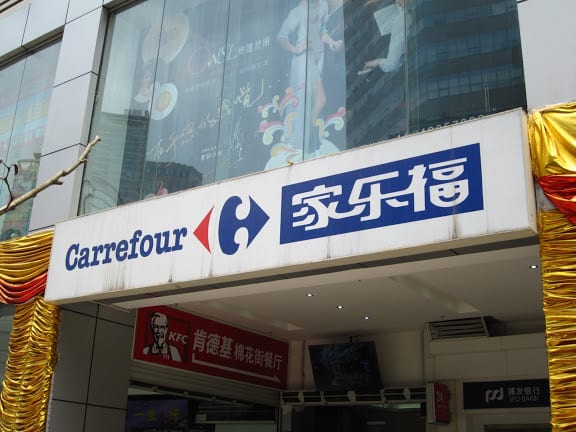
    Carrefour Taiwan has opened its 72nd retailer, a ‘mini-hyper retailer’ within the nation’s central area.

    The shop, within the metropolis of Hu Wei is the second Carrefour outlet in Yun-lin County.

    With a complete gross sales space of 1800 sqm and the Hu Wei retailer provides locals a ‘one cease buying’ answer with greater than 15,000 chosen gadgets together with wide selection of grocery gadgets and recent items, bazaar, textile and home equipment.

    Carrefour reviews the official opening drew “a whole lot” of native clients who queued to be first to buy the shop.

    The primary Carrefour retailer in Taiwan was opened in Kaohsiung on the finish of 1989. The enterprise operates in partnership with President Group.

  • Disney China to open international flagship

    Disney China to open international flagship

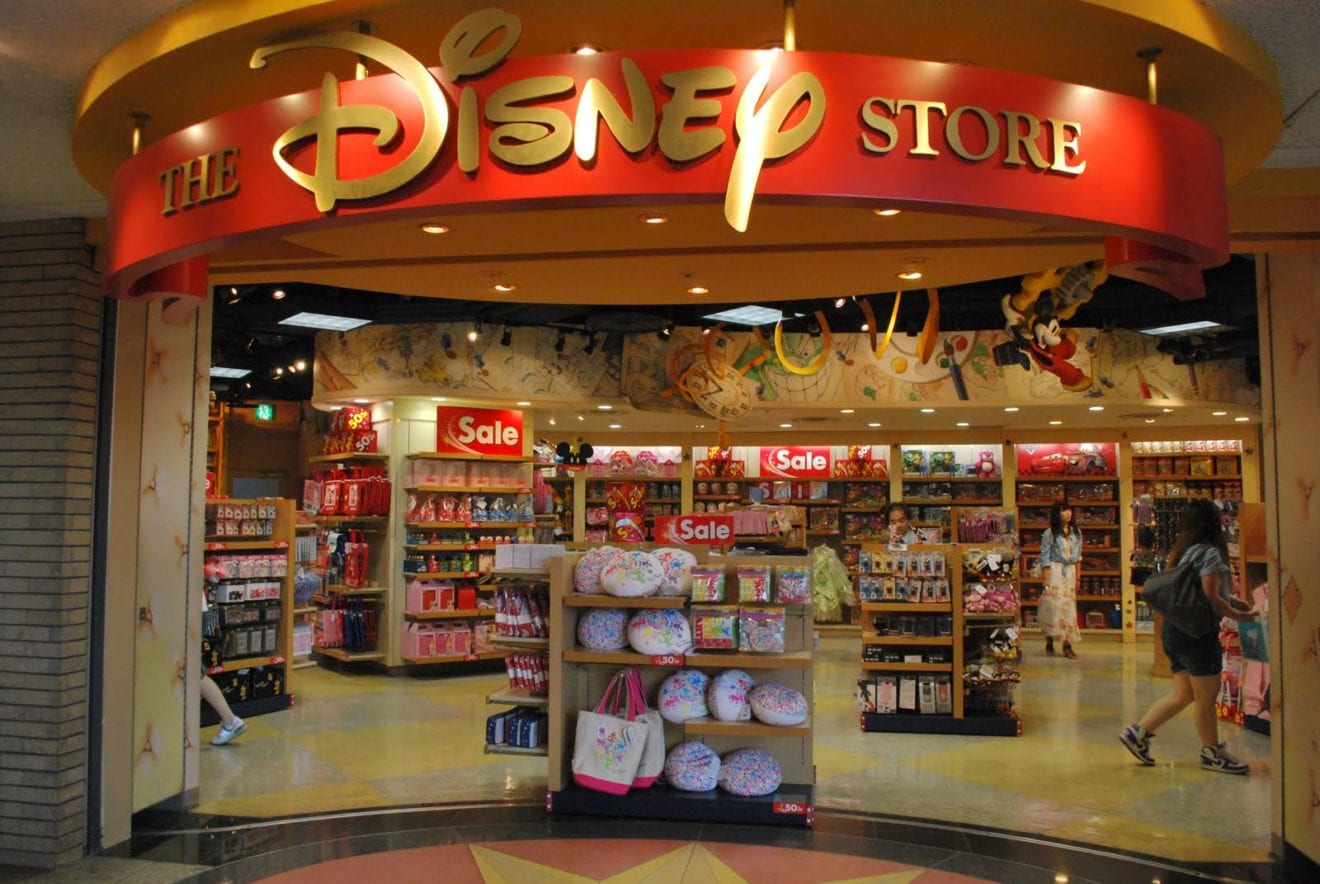
    US leisure icon Walt Disney will open the world’s largest Disney retail retailer in China subsequent week.

    The 5000 sqm Disney Retailer Lujiazui is described as a “state-of-the-art” retail area that includes Disney merchandise.. However only one fifth of the area – 1000sqm – will show merchandise on the market, with the remaining created as an outside plaza and a Disney expertise.

    Disney China government VP and MD Stanley Cheung, who signed the contract for the shop again in 2013 stated the model needed to mix the retail idea with “storytelling, enjoyable and innovation”. He promised a vacation spot which would offer households with a singular leisure vacation spot “that includes its best-loved tales and characters”.

    Households and youngsters will be capable of work together with characters from Disney, Star Wars, Marvel and Pixar.

    “The flagship Disney retailer will function the most important and most numerous assortment of Disney merchandise by native and worldwide designers,” stated Cheung.

    In the meantime, Shanghai’s new Disney Resort is underneath development with a gap date scheduled for the primary half of 2016.

  • Indonesian Online Marketplace Elevenia Sees Strong Growth in Transactions

    Indonesian Online Marketplace Elevenia Sees Strong Growth in Transactions

    Indonesia as an e-commerce paradise in just two years’ time may seem an idle dream to those who still struggle with connectivity as a massive burden in their lives. It is, however, an emerging reality for some of the people behind Indonesia’s growing online market ecosystem.

    Meet Jungsung Lee, chief executive of Indonesian online marketplace Elevenia. Hailing from South Korea, he prefers to be called James and is one of those who have thrown off any doubts about Indonesia’s potential.

    His company is already starting to tap the country’s huge e-commerce potential, he said in an interview.

    While he acknowledged that Internet infrastructure is still far from ideal, there are methods to tackle the problem.

    Elevenia, registered as a business entity as XL Planet, opened for business in March last year as a joint venture between mobile provider XL Axiata and South Korea’s online marketplace, SK Planet.

    It began modestly, with around 500,000 products and 6,000 sellers.

    In just a year, the online marketplace had almost a million registered members, two million products and more than 20,000 sellers.

    Elevenia.co.id had 20 million visitors in February — 5 million of which were unique visits.

    The online marketplace posted Rp 250 billion ($19.45 million) in total transaction value last year and in the first two months of this year had booked Rp 60 billion.

    “It has exceeded [my plan]. We achieved more than our business target so our shareholders are so happy with us,” he said, noting that the investors now plan an additional capital injection within the next two years.

    Initial investments from XL and SK Planet last year amounted to $18.3 million and another $24.2 million was injected earlier this year.

    Calm, focused and friendly, Lee is clearly investor-friendly. At first glance he looks like any other businessman in his 40s but his nature manages to radiate a sense of security and optimism amid the hustle and bustle of an online business community populated by employees in their mid-20s.

    Jokingly, one of his employees said his calmness is the product of months of training. Korean businessmen are not accustomed to talking with the press and dealing with informal work atmospheres, yet Lee has been able to keep his cool.

    The Korean set out to explain the principles he believes are needed for success in the online world.

    “The first thing is trust. The second is good products, then good prices and convenience. For the Indonesian market, trust is very important; it is the customers’ basic demand,” he said.

    Many Indonesians remain hesitant to use online shops due to a lack of information. Potential customers think that fraud and crime are easily concealed in an apparently anonymous digital world.

    That is not the case with Elevenia, Lee said.

    “We use a system called escrow,” a formal account which holds funds prior to completion of a transaction, allowing Elevenia to guarantee a safe transaction for both buyer and seller.

    Elevenia also has some unique traits. For instance, customers can directly ask Elevenia to find a certain product, local or otherwise.

    “If there is something the customer can’t find, they can inform us, then we will get the product. [Especially] products from Korea. We have the experience, we have good channels. From Korea, we can get anything,” said Lee.

    To further the trust factor, the company has set limits on trading. It will not sell counterfeit goods, drugs or other illegal items.

    The growing business of Elevenia is a glimpse of Indonesia’s blossoming e-commerce industry.

    A survey conducted by the Indonesian Internet Providers Association (APJII) and University of Indonesia shows that online shopping is catching on fast with younger Indonesians.

    Samuel A Pangerapan, chairman of APJII, said the survey showed that there were 88.1 million Internet users in Indonesia in 2014. A huge portion — 49 percent — are young, around 18 to 25 years old, with 51 percent of them women.

    They use the Internet for various reasons, from networking through social networking applications to searching for information and exchanging messages, downloading and sharing videos.

    Internet users’ behavior has shifted, Samuel stated, from only using the Internet to interact — like exchanging stories from blogs, chatting through messaging services or talking directly through video chat — to more complex behavior like trading.

    In its latest report, APJII said many Indonesian Internet users have started to use the Internet for shopping. Around 11 percent of users purchased goods online in 2014, double the number a year earlier. The vast majority — 85 percent — browse the Internet with their phones, although many also use laptops, tablets and PCs.

    To meet this multiple gadget lifestyle, Elevenia has made sure it can be accessed from website, mobile web and mobile application.

    According to Lee, being in every digital space was critical, since competition is beginning to intensify as companies recognize Indonesia’s e-commerce potential.

    The number of popular e-commerce sites in Indonesia is growing each year. Local sites with a similar business model to Elevenia include Tokopedia, BukaLapak, Quoo10, Lazada and Rakuten, and new ones keep coming.

    “We welcome the competition,” said Lee. “At the moment, this market is really in its early stage. It’s not mature, that’s why at this moment I don’t think the other players are our competitors. At this moment, they are our cooperators.”

    Elevenia is keen to work with other e-commerce players in Indonesia to build an ideal ecosystem.
  • Asean: The Future in Wealth Management

    Asean: The Future in Wealth Management

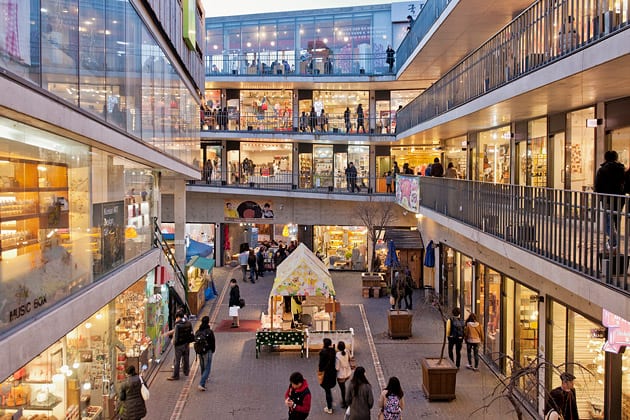
    Southeast Asia’s economic boom is resulting in the emergence of a new middle class, heralding vast opportunities for global wealth management.

    Since the 1970’s, growth in this region was primarily driven by exports and manufacturing.

    Today, the Association of Southeast Asian Nations is on its way to become one of the world’s leading consumption hubs, fuelling demand for a variety of goods and services, including financial services.

    Asean is composed of Brunei, Cambodia, Indonesia, Laos, Malaysia, Myanmar, the Philippines, Singapore, Thailand, and Vietnam.

    We believe Asean’s middle class will play an increasingly important role in the shift in the balance of global demand over the next few decades, opening up new and unprecedented opportunities for the region and the world.

    With about 600 million people, Asean countries represent only half of India’s population but collectively generate a larger gross domestic product. By 2020, Asean GDP is expected to grow at an annual average of 6 percent and reach $4.7 trillion.

    By 2020, Asia is likely to contribute to more than half of the total global middle class population, with Asean accounting for more than $ 2 trillion of new consumption, according to the International Monetary Fund. Half of Asean’s projected population will be aged under 30.

    With growing purchasing power comes greater aspirations among Asean consumers, driving stronger demand for property, cars, quality education and health care as well as financial services and wealth management.

    Consumption patterns in Asean, however, are not even across this expansive and diverse region. We expect consumers in developing economies to continue directing a large portion of their disposable income towards improving general living standards whilst those in mature markets will forge ahead in consumption and investments.

    For example, discretionary spending by more affluent middle class populations in Singapore, Malaysia and Thailand is far more pronounced in the region; while spending in Indonesia and the Philippines is focused on vehicles, appliances and education services to enhance quality of life.

    Whilst Vietnam has the highest rate of credit card ownership, its emerging middle class is only starting to develop an appetite for luxury goods.

    As populations across Asean become more affluent and the region’s emerging middle class continues to expand, there is a pressing need for services that will help individuals and families preserve, protect and perpetuate their new found prosperity.

    As Southeast Asian populations age, they will need new channels to save for retirement, fund rising costs of health care and ensure adequate insurance protection in the absence of well-established social security systems.

    We expect financial wealth in Asean to grow even faster than in China over the next five years, creating opportunities in international wealth and asset management. Asean has one of the highest saving rates in the world at around 30 percent and international reserves amounting to $800 billion.

    While financial assets remain heavily concentrated in cash and in some markets, concentrated on single assets such as stocks, we expect investment behavior among Asean savers to eventually build a diversified portfolio of assets and move away from home biases.

    Regional financial integration and market liberalization such as what is unfolding in China will allow for more efficient risk diversification of assets.

    The development of its financial systems will also provide easier access to financing.

    We see a future where wealth growth, protection and financing retirement, education and lifestyle needs will become priority goals for Asean consumers. It is critical that financial solutions are designed to meet these long term saving needs, offer transparency and fair value.

    It is important that consumers have access to timely and relevant market information to help them make informed investment decisions either through self-directed channels or through qualified advisors.

    There is also a need to ensure banking and wealth management cater to new consumer behavior.

    As the new Asean working class gains greater financial independence, they seek new experiences through travel, education and employment opportunities overseas. They are also among the most active online users, accessing news and information, doing their shopping and conversations virtually — given social media’s deep penetration in the region, particularly in Indonesia, the Philippines and Vietnam.

    The rise of the middle class will continue to be the big story for Southeast Asia’s economies over the coming years. The promise of growth will transform one of the most overlooked regions in the world to one of the most important.

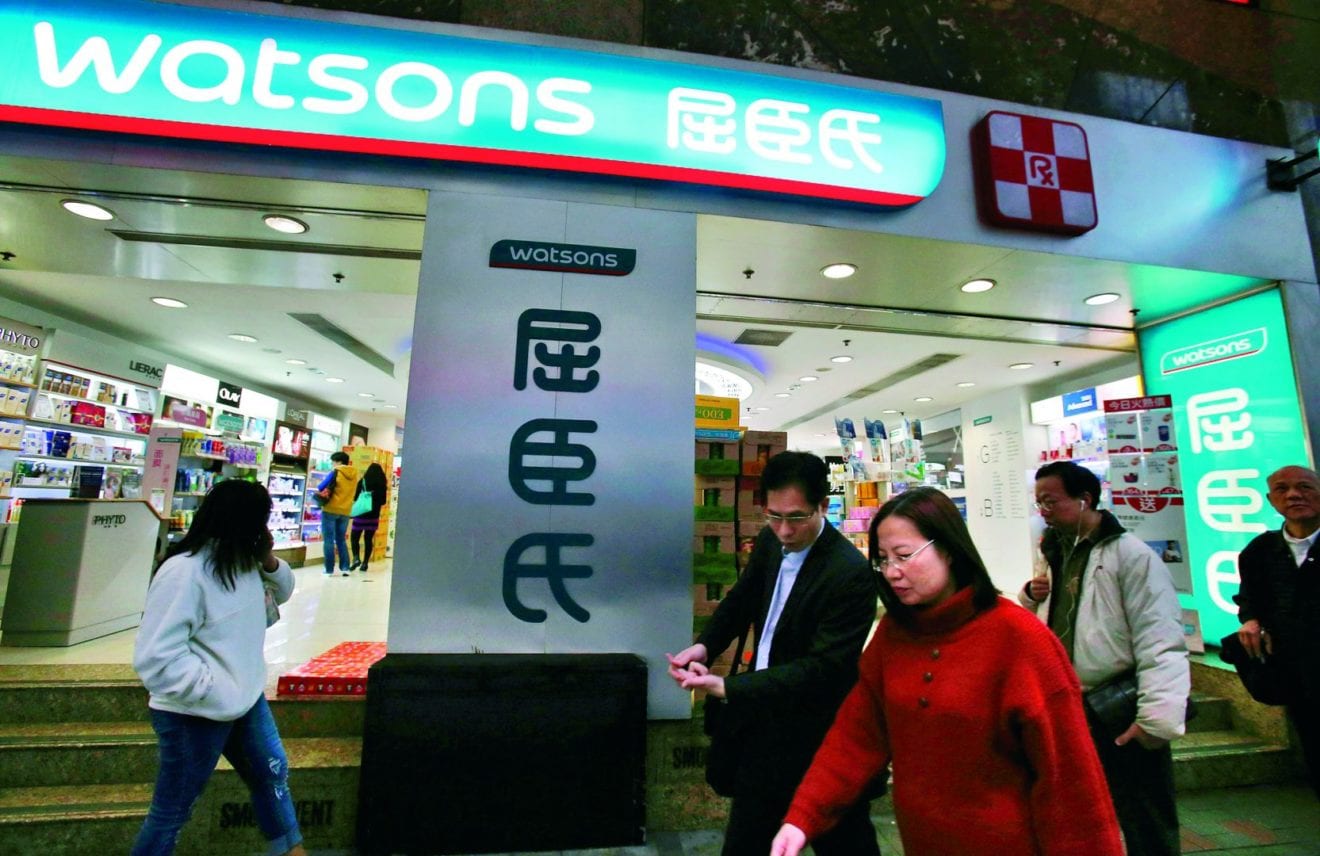
  • Watsons Taiwan eyes 600 shops

    Watsons Taiwan eyes 600 shops

    Taiwan’s largest cosmetics and medicines retailer, Watson’s Private Care Shops, has opened its 500th retailer.

    And the chain says one other 100 are deliberate for opening inside the subsequent two years.

    The 500th retailer, that includes what Watsons Taiwan describes as a brand new era design, opened within the Taipei suburb of Ximending.

    “We have now improved our retailer segmentation technique to satisfy demand from clients in several areas,” MD Toby Anderson stated throughout a press convention to mark the opening.

    Apart from increasing the Taiwan retailer community, Hong Kong-headquarted Watsons is refurbishing and upgarding its present community with 100 shops revamped final yr and an extra 100 renovations deliberate for 2015.

    Watsons operates cosmetics shops in 12 nations and territories in Asia and Europe nevertheless it sees Taiwan a testbed for innovation.

    “Taiwan has a mature retail market with refined shopper conduct, which makes it a fantastic place for innovation,” Anderson stated.

    That’s why the corporate is trialling a brand new Era Y idea retailer in Taiwan, with skincare and cosmetics aimed toward style aware youthful consumers. After the preliminary success of a trial retailer in Taiwan, two Era Y shops at the moment are deliberate for trial in Shanghai later this yr.

    The corporate can also be constructing a robust on-line presence in Taiwan with 6 million registered customers and greater than 650,000 downloads of its cellular purchasing app.

  • Huawei Ingenuity to Power ‘Smart Cities’

    Huawei Ingenuity to Power ‘Smart Cities’

    Shenzhen-based telecommunications company Huawei has transformed itself into an information and communication technology giant, and now intends to boost its business in Indonesia’s government sector by helping to build smart cities, with services for industry and finance among a host of others.

    If you still underestimate Chinese technology — which in the United States has often been accused as a cover for spy tools — now is the time to change your mind. There was good reason to be skeptical in the past, but the former telco operator has transformed itself into a gigantic information and technology (ICT) industry with a range of services and competitive prices.

    Some years ago Huawei sold only phones and wireless equipment but since then it has expanded to become an important player in ICT. Not only does it have a wide range of products, but it also concentrates on creating value and providing solutions in the entire range of modern digital life applications.

    In Indonesia, Huawei’s technology is inside the wireless 4-G LTE Bolt which provides seamless internet access.

    Globally, the company booked $46 billion in revenue last year, with the Indonesian market contributing about $1.3 billion, a figure expected to increase to $1.5 billion this year.

    Its new Bandung Smart City project, launched in conjunction with the recent Asia Africa Conference, represents an important step forward. The project is being developed as a “safe city” concept.

    Huawei along with state-owned telecommunications giant Telkom has built a command center monitoring cameras throughout the city.

    This program will be further developed into a “smart city” project that aims to give maximum services to the city in a range of areas.

    At the command center at the mayor’s office, for example, banks of monitors show what is happening across the city, assisting with the direction of traffic, guaranteeing a clean city and helping to stop crime.

    Bilateral momentum

    Sheng Kai, chief executive of Huawei Indonesia Tech Investment, is strongly optimistic about the Indonesian market.

    “Relations between Indonesia and China have reached the best momentum at this moment, which will allow Huawei’s business in Indonesia to make outstanding achievements in the future, through the products and solutions that Huawei can bring in,” Sheng says.

    The Chinese ICT company is cooperating with more than 250 organizations — vendors, suppliers and others — and sees the government sector, the banking industry and energy as its target market. Products will include simple gear like switches and routers through to storage and data-center business, with long-term evolution (LTE) for mobile applications.

    While the technology may be similar to that offered by other vendors, Huawei believes it has competitive advantage the speed of services and response.

    “We are open for cooperation with varied organizations to produce devices or any other joint venture,” Sheng says.

    In the financial sector Huawei has a reputation for helping banks to tackle data management, varied internet and mobile banking services at high speed.

    It recently helped Bank BJB to lower costs and improve delivery speed, an achievement other vendors had not been able to provide.

    For China’s Merchant Bank, the company helped install a big data system.

    “Big data is challenging, so we try with Huawei’s expertise that comes from our big expenditure in research and development to help banks for example build hubs, deliver bank services in omni-channel systems with other banks at low budget,” says Lance Zhao, enterprise business solution manager for Indonesia.

    He adds that reliability of the technology make it possible for banks to service millions of customers with a variety of banking services.

    Consumer trend

    While its carrier business or network service is expanding through cooperation programs with a number of organizations, Huawei also plans to target consumer goods products with low-end smartphones Ascend Mate7 and Ascend P7. The P8 will soon join the range with an initial launch in London.

    “With estimated smartphone sales of 30 million units last year, 60 percent of which were low-end products, I am confident we can take a share of about 10 percent in the  coming years with smartphone devices,” Sheng says.

    Sales of wireless modems with its Bolt product in cooperation with Lippo Group, a Jakarta Globe affiliate, have been outstanding this year, at about 1 million units in the first quarter. With hundreds of retail outlets in big cities, Sheng believes the 10 percent growth target is realistic.

    As consumer sales rely strongly on branding campaigns, Huawei will spend up on media this year and plans to sponsor popular sporting events in Indonesia.

    “We are working hard to evaluate sports as crowd-making events that will help boost our brand in Indonesia,” says Indonesia Huawei brand ambassador, Yunni Christine, adding that some major European football league clubs are also being sponsored by the brand.

    ‘Smart cities’

    The Indonesian government aims to develop more than 200 “smart cities” where technology will be a critical element.

    The Bandung Command Center is the forerunner of what the Huawei hopes will be many more such projects in a continuing partnership with Telkom. In addition to providing technical assistance, the project also provides Huawei with the chance to engage with the government and help it increase public service quality.

    Huawei has spent about $25 billion on research and development across the globe in the past decade. R&D was hot-wired into the company’s DNA from the day it started, Sheng says.

    Human resource development is another strong emphasis and in Indonesia is represented by a program to help build a research center at the Bandung Institute of Technology.

    As cloud computing is also increasingly important, Huawei is engaging with various organizations, including Telkom’s Sigma, to build data centers. The service concentrates on the development of cloud architecture to ensure maximum efficiency in data management for clients.

    The company also emphasizes the trustworthiness of its products, despite being accused of acting as an electronic spy agency by the US government.

    “We are present in more than 170 countries and comply with all local government laws and regulations,” Sheng says.