Author: Mei Ling Tan

  • Robinsons Philippines profit surges

    Robinsons Philippines profit surges

    Robinsons Retail Holdings says its net income rose 39.1 per cent to P781 million (US$17.5 million) in the first quarter of 2015.

    Robinsons Philippines runs a raft of retail businesses split into six operating divisions: Robinsons Supermarket, Robinsons Easymart and Robinsons Selections; department stores; DIY stores under the Handyman Do it Best, True Value and the new big box hardware brand AM Builders’ Depot; Ministop convenience stores; South Star Drug and Manson Drug stores; and specialty stores selling appliances and consumer electronics.

    It has 1356 stores – 211 more than at the end of March 2014.

    In its quarterly trading disclosure the company says its core net earnings grew by 10.1 per cent to P584 million ($13.1 million) in the three months to March 31.

    “I am pleased with our results of the first quarter of 2015, particularly our same store sales growth performance. Nonetheless, we remain vigilant as competition continues to intensify on all fronts,” RRHI president Robina Gokongwei-Pe said in the statement.

    “We are optimistic with the recent opening of True Home, a segment of True Value focusing on furnishings at Robinsons Magnolia, and also excited about the scheduled launch of our first Costa Coffee in the middle of this year as well as the opening of our second Robinsons Selections, the premium format of our supermarket segment, at the Fort.”

    Combined net sales grew 13.1 per cent to P19.72 billion ($442.8 million), largely due to contributions from new stores and a solid same-stores growth of 3.4 per cent.

  • Alibaba Taiwan sent home

    Alibaba Taiwan sent home

    Alibaba Taiwan has been told by government officials to pack up and head home.

    The Taiwanese government’s Investment Commission has formally instructed the Chinese Mainland-based eCommerce giant to withdraw from the country within six months ruling the company had violated investment rules required for a Chinese company.

    The banishment was reported by Reuters and other major news services, based on information provided by an official from the economics ministry.

    Alibaba has been fined T$120,000 (a meagre US$3,824) and must “withdraw or transfer its holdings from its operation in Taiwan”, Emile M.P. Chang, acting executive secretary for the Investment Commission, was quoted by Reuters.

    That Alibaba will ultimately be forced to discontinue its business in Taiwan is unlikely.

    It is common for Mainland Chinese companies to fall foul of investment laws with Taiwan and the Mainland still technically political enemies despite fast-growing economic and trade ties which have been building steadily over the last five years. Mainland China does not recognise Taiwan as an independent state.

    The commission’s ruling follows an investigation launched last September. The commission says it requested documentation from Alibaba to prove it complied with local business regulations. When those documents were not forthcoming, the cessation order was made.

    Alibaba considers the move a misunderstanding.

    “We will actively communicate with the authority and provide the required supporting materials to comply with the latest requirements,” the company said in a statement.

    “Since Alibaba Group, the parent company of Alibaba.com, went public in the United States last September, the authority took a different view about the internal structure of Alibaba Group and deemed it as a mainland Chinese company.”

    Alibaba Taiwan was founded in 2008 through a Singapore-registered subsidiary. Alibaba says that business was founded in compliance with Taiwanese regulations applicable at the time.

  • Second Longchamp boutique for Changi

    Second Longchamp boutique for Changi

    LS Travel Retail has won another luxury brand concession at Singapore’s Changi Airport.

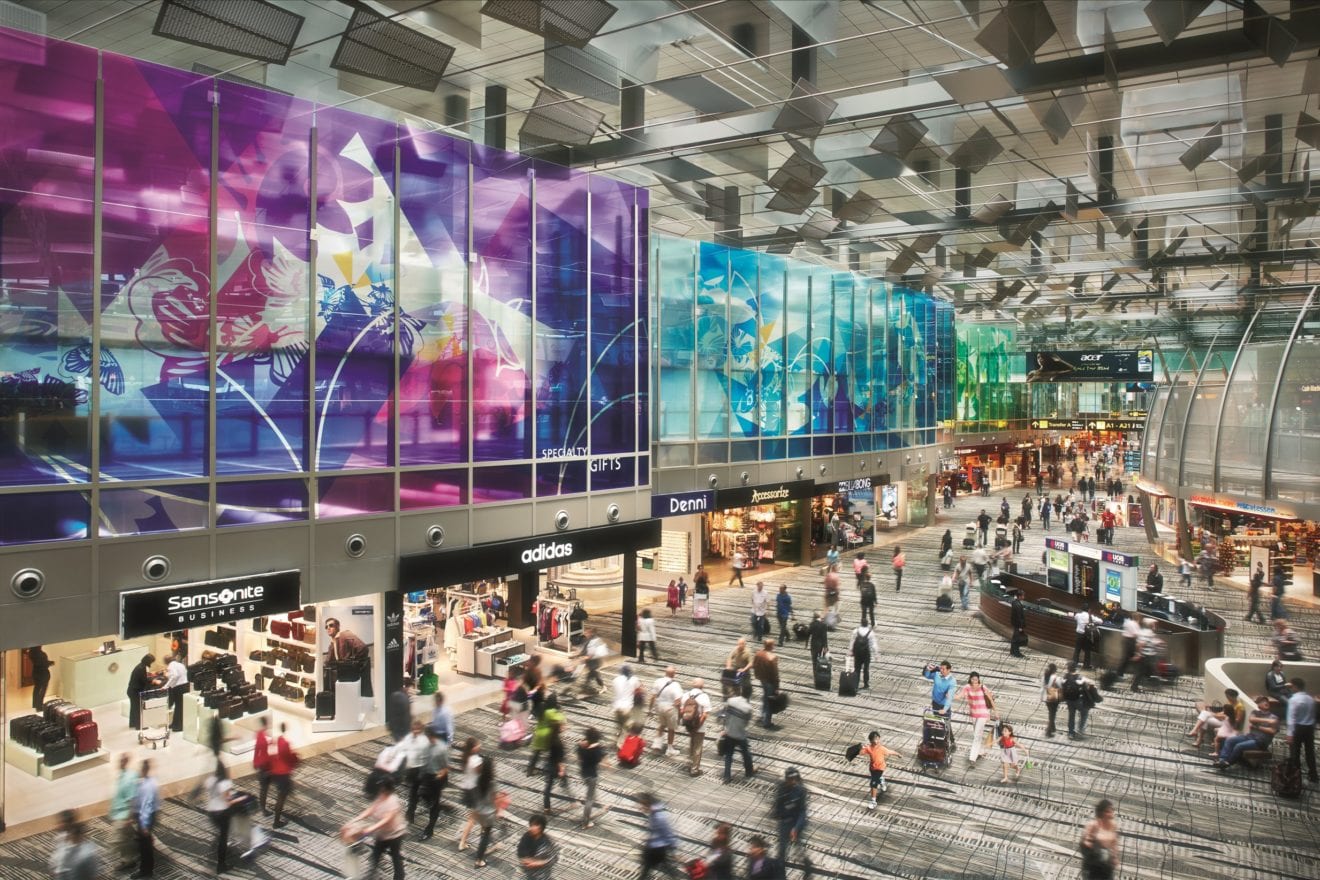
    LS will open a 41 sqm Longchamp boutique in Terminal 3, located in the Southern section of the departure/transit lounge.

    It will be the second Longchamp boutique at Changi: LS Travel Retail has operated one in Terminal 1 since 2011.

    The new concession has a three year, six month term, commencing November 1, but without an automatic renewal option.

    Five operators bid for the concession, the defeated bidders being Bulgari (Luxury Ventures), Gassan, Nuance (for an Etro store) and Sideframe (for Anteprima Wirebag).

  • China’s on-line cross-border buying growth

    China’s on-line cross-border buying growth

    Guangzhou has taken the lead in a pilot cross-border purchasing eCommerce scheme, offering each challenges and large alternatives for Hong Kong companies.

    Cross-border on-line purchasing is more and more in style on the Chinese language mainland. Generally known as haitao, the apply permits shoppers to order merchandise by way of abroad on-line buying platforms, and have their purchases dispatched by worldwide couriers or collected and shipped to China by forwarding brokers. Its reputation has been spurred by the comparatively restricted vary of abroad items out there throughout the mainland and the premium costs of such gadgets when obtainable.

    A number of mainland cities have been authorised to hitch the pilot program for cross-border e-commerce. However solely six cities – Shanghai, Chongqing, Hangzhou, Ningbo, Zhengzhou and Guangzhou – have been assigned the proper to undertake complete import-export actions. This has given these cities the prospect to determine typical retailers designed to facilitate abroad on-line purchasing. Guangzhou has been on the forefront of maximising this chance.

    Three cross-border eCommerce companies – MeijoyBest (Guangzhou MeijoyBest E-commerce Co Ltd), zero20 (Guangzhou Lingerling Cross-Border E-Commerce Co) and Ieasy (Guangzhou Yangxitai E-Commerce Co Ltd) – lately commenced operation within the metropolis. A fourth, Nansha Cross-Border Direct Purchasing Expertise Centre, will open shortly. On its first day of buying and selling, almost 100,000 individuals visited MeijoyBest’s 230 sqm retailer, a transparent indication of the large demand in Guangdong for imported items.

    1. Decrease costs

    General, costs are typically some 30 to 60 per cent cheaper than comparable items obtainable elsewhere. In line with the procedures for basic commerce, imported items are required to pay three taxes – a customs tariff, VAT and a consumption tax.

    The tax charges differ in line with the class of the products. The tax price for cosmetics, for instance, might be as excessive as 50 per cent. Moreover, each logistics step within the distribution of a product, from the importing agent to wholesalers and retailers, provides to the general value.

    As abroad on-line bodily shops place orders on-line and gather items offline, the one tax payable is on baggage and private postal articles, thus significantly decreasing the general tax burden. Moreover, these shops are entitled to supply tax exemptions for single purchases valued beneath Rmb50. This, along with the shortage of a day by day ceiling (although every buy might not exceed Rmb1000 in worth and the unit worth of indivisible commodities might not exceed Rmb1000), drastically boosts shopper’s inclination to spend.

    The tax on baggage and private postal articles is a type of import tax levied by the Chinese language customs on baggage and articles carried by incoming travellers, in addition to on private postal articles. This tax has 4 tax bands – 10 per cent (meals, toys, and books and periodicals), 20 per cent (textiles, residence electrical home equipment and audio-visual gear), 30 per cent (high-end watches and golf golf equipment), and 50 per cent (tobacco, wine and spirits, and cosmetics).

    2. Peace of thoughts and authenticity

    There have been some situations of eCommerce websites promoting counterfeit items in recent times. There have additionally been many instances the place individuals didn’t obtain items that they had paid for. These incidents have prompted shoppers to return to bodily retail channels, that are perceived as decrease danger. Sometimes, shoppers have larger religion in items they will contact and look at and that they will pay for on the spot.

    Gross sales at abroad on-line bodily shops are monitored in real-time by the related authorities departments. The sources and high quality of products and the monitoring procedures are extra clear than is the case with online-only buying, thus they’re extra dependable. Guangdong shoppers appear to have welcomed these abroad on-line buying bodily shops as a most popular and extra reliable buy route.

    three. On-site assortment

    In accordance with Tao Zili, chairman of Meijoybest E-Commerce Co, on-site pick-up is simply attainable on the firm’s bodily retailer within the Guangzhou Bonded Space. Its Guangzhou Pearl River New Metropolis retailer nonetheless has to dispatch on-line orders to shoppers. Upon customs approval, the acquisition is dispatched from the bonded space and delivered by the suitable logistics corporations. This course of takes as much as 48 hours, quicker than the prevailing supply association for items bought at abroad on-line buying web sites. The corporate is constructing a 50,000sqm abroad on-line purchasing bodily retailer within the Guangzhou Bonded Space, which is because of open subsequent month. This new retailer will permit on-site pick-up and supply buyers with an expertise similar to that of typical purchasing. The power is predicted to offer a further increase to the uptake of abroad on-line purchasing within the metropolis.

    The bodily retailer at Pearl River New Metropolis is, actually, primarily a promotional outlet for its abroad on-line shopping center within the bonded zone. To draw clients, the Pearl River New Metropolis retailer has a “obligation paid part”. All items bought right here have the three taxes pre-paid and can be found for instant on-site assortment. The disadvantage is that costs are similar to typical market costs elsewhere within the metropolis.

    four Eradicating language and transaction obstacles

    Most abroad eCommerce websites, sometimes that includes an English interface, will not be obtainable in Mandarin. If shoppers encounter issues with their purchases, they need to make long-distance calls and talk with the seller who typically doesn’t converse Chinese language. As well as, most of the bank cards issued by mainland banks are usually not accepted by abroad purchasing web sites. Establishing abroad on-line buying bodily shops on the mainland addresses each of those issues.

    When it comes to Hong Kong companies, the emergence of those shops has two clear implications:

    1. Fewer cross-border purchasing journeys by Guangdong residents

    Whereas costs for many items at these shops are greater than these for comparable items in Hong Kong (after taking the tax on baggage and private postal articles under consideration), if journey time and prices are factored in, it’s nonetheless cheaper than buying immediately in Hong Kong. This can inevitably have an effect on Hong Kong’s retail enterprise and scale back commerce between the 2 cities. It might, nevertheless, assist to alleviate Hong Kong’s gray market items drawback.

    2. Larger entry to home gross sales channels

    Provided that there are not any restrictions on the sorts of products bought in these shops, there’s appreciable scope for Hong Kong-sourced gadgets.  Tao, for example, welcomes the chance for elevated cooperation with Hong Kong suppliers. As MeijoyBest will maintain points referring to taxation, promotion, advertising and logistics, this provides Hong Kong companies that haven’t any advertising community in Guangdong a streamlined route into the huge mainland market.

    When it comes to the operation of those shops, Tao believes there are three key parts required for fulfillment – a vendor system (administration of provide and suppliers); a gross sales system (eCommerce platform and cost system); and a logistics system (administration of dispatch and transportation of products). These all require customs approval and should adjust to the related customs monitoring techniques.

    Whereas Tao was reluctant to reveal the precise quantity of funding required to ship this, he did point out that an eight-figure sum went into creating these three techniques over the previous two years.

  • Esprit warns of “substantial loss”

    Esprit warns of “substantial loss”

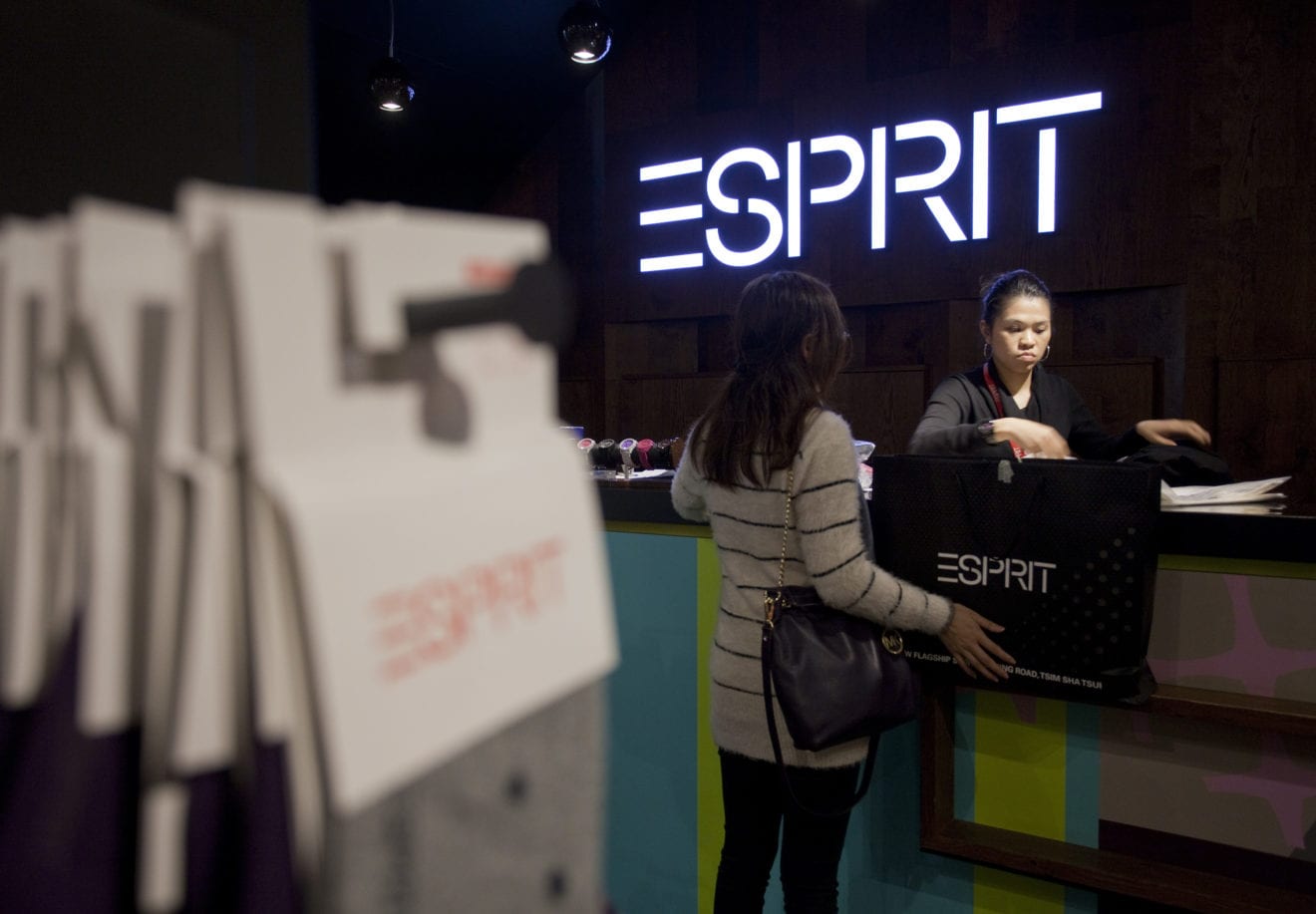
    Esprit has issued a surprise profit warning to investors saying it expects a “substantial loss” in the full year to June 30.

    The warning is a surprise, because just 11 days earlier the Hong Kong-listed fashion retailer said its turnaround program was “on track” with a good customer response to new ranges and positive traing improvements.

    “We remain fully confident that our current strategies will enable us to turn around Esprit and to establish a strong foundation for future long term growth.”

    However, in a document filed with the Hong Kong Stock Exchange yesterday (Monday May 18), Esprit appears to have reconsidered its position based on figures for the 10 months to April 30.

    “The anticipated loss is mainly attributable to the following non-recurring provisions and impairments resulting from management’s assessment of the fair values of the assets of the group, as well as an expected operating loss:

    “Due to the significant underperformance of the group’s operations in China in the past two years (turnover decline of 28.3 per cent and 21.6 per cent year-on-year in local currency for 2014 year and for the first half of 2015 respectively), there is an impairment of the goodwill in association with the China business estimated to be in the range of HK$2,500 million to HK$2,700 million. This impairment is a non cash item. A number of factors, both external and internal, have led to such weak performance in China, mainly the year-on-year reduction in total controlled space (down 24.3 per cent in 2014 and 23.1 per cent in the first half of 2015) which results from our decision to close unprofitable retail stores and the large decline of controlled wholesale space; and Inventory clearance by wholesale partners, including the special return agreements to solve our long time problems with aged inventory in the wholesale channel; and a challenging operating environment and softer domestic economic growth.”

    Esprit says the necessary restructuring of the operations in China is now complete and it is beginning to work on growth development in the country.

    Furthermore, due to the weaker than expected sales performance of directly managed retail stores, there are provisions and impairments, which are non-cash items for 2015, resulting from provisions for store closures and onerous leases, estimated to be in the range of HK$280 million to HK$300 million and impairment of fixed assets of directly managed retail stores, estimated to be in the range of HK$160 million to HK$170 million.

    Finally, the company is expecting an operating loss, as a result of higher than expected decline in the group’s turnover, especially during its Autumn/Winter 2014 season, and the corresponding operating deleverage effect.

    The company said final results for the year to June 30 are expected to be released in September 2015.

    Esprit reiterated its “good progress” in various fronts of the transformation plan.

    “In anticipation for continued improvement in product performance, we will be increasing our efforts in marketing as well as in implementing an ambitious omni-channel model that will enhance the customer experience across our multiple distribution channels.

    “The group remains confident our current strategies will enable us to turnaround Esprit and to establish a strong foundation for future long term growth.”

  • Japan retail sales rebound

    Japan retail sales rebound

    Reported sales from Japanese department stores suggest a significant improvement in spending in April.

    Japan retail sales, based on department stores data, lept 13.7 per cent on a same store basis compared with the same month in 2014.

    The Japan Department Stores Association said a major part of the reason for the increase is that Japanese consumers restrained their spending last year following the increase of the national sales tax to eight per cent.

    Official figures for Japan retail sales in March showed a plunge of nearly 10 per cent, year-on-year. But when that data was released last month, analysts cautioned that in March 2014, sales were artificially high as Japanese brought forward spending to avoid a sales tax increase that took effect on April 1.

    That decrease was the worst March fall since 1998.

    This year, however, tourism is proving a boon to at least some of Japan’s retailers. Foreign tourists are spending more: their purcashes more than trebled for the third month in a row, the most popular items being cosmetics and luxury watches.

  • American Eagle to open in two new Asian markets

    American Eagle to open in two new Asian markets

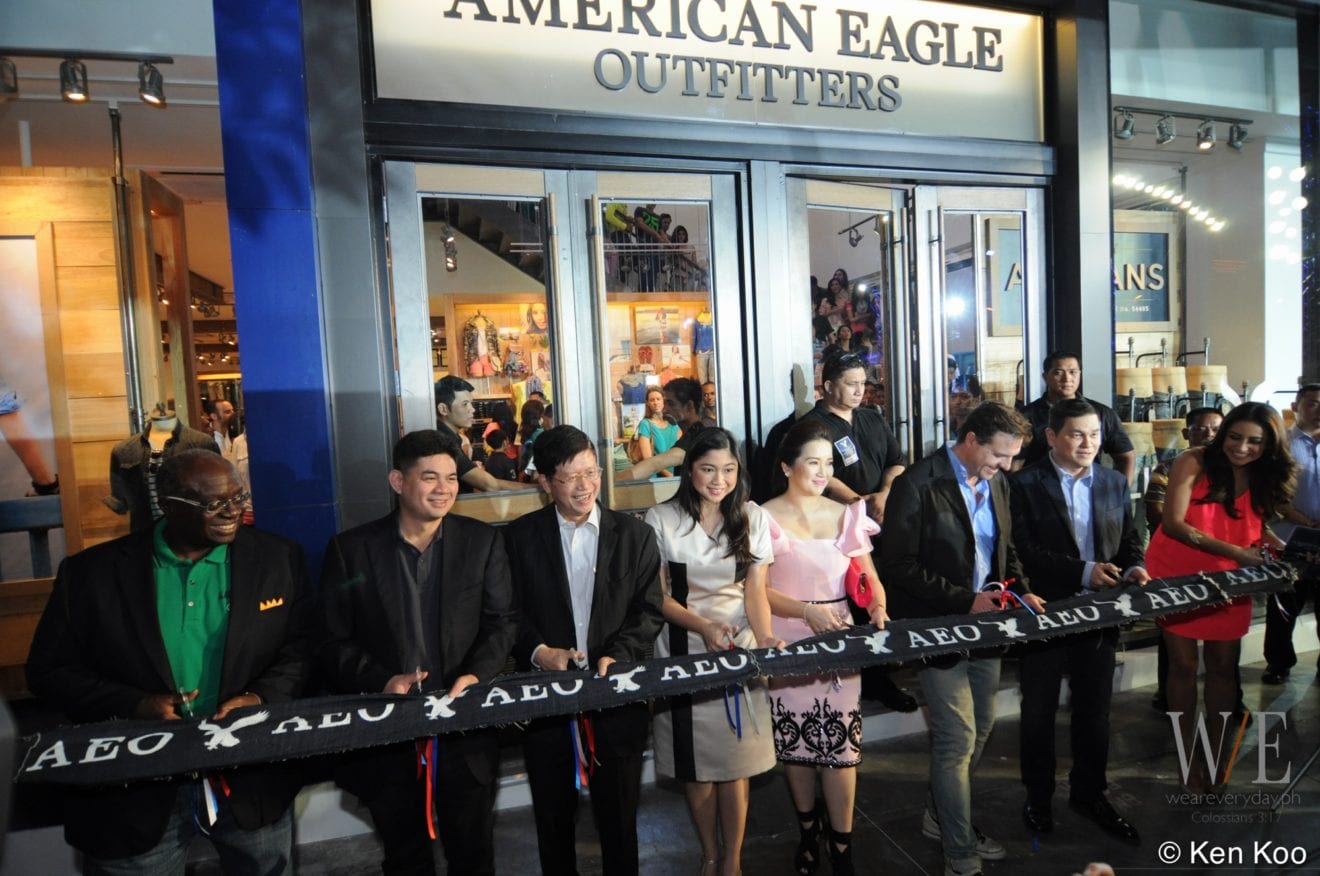
    “We look forward to bringing our casual American style and iconic American Eagle Outfitters jeans brand as well as Aerie intimates to new customers,” said Simon Nankervis, executive VP of global commercial operations.

    “Together with our licensed partners, we will offer the very best brand experience. Our partners bring vast knowledge in their respective markets, an expertise in building businesses and a strong passion for our brands.”

    In Korea, SK Networks has vast fashion brand experience, representing international brands including Tommy Hilfiger, DKNY, Donna Karan Collection, Club Monaco and Calvin Klein. Store openings will begin in mid-2015, with several shops planned to be trading byyear end.

    In Singapore, Trendz 360 is an established distributor and retailer of international brands,representing Patagonia, DKNY Kids, Nike Equipment and Patrick. It plans to open the first store in mid-2015.

    American Eagle Outfitters currently has 111 licensed stores in 17 countries, including Hong Kong, the UAE, Kuwait, Russia, Saudi Arabia, Lebanon, Jordan, Morocco, Egypt, Israel, Japan, Poland, the Philippines, Colombia, Panama, Thailand and Indonesia. The company currently expects to open approximately 40 licensed stores in fiscal 2015.

  • Metro China builds eCommerce reach

    Metro China builds eCommerce reach

    Metro China has upgraded its eCommerce platform metromall.cn, which it says integrates online, offline and mobile channels for “a seamless customer experience”.

    “eCommerce is one of our strategic channels to drive for growth in China market,” said Jeroen de Groot, president of Metro China at a launch function.

    “We are determined to enhance customer experience and further expand business through leveraging the power of e-commerce.

    “Our Metromall not only integrates online-to-offline, but also incorporates an innovative mobile function. We are confident this platform will enable us to provide more exciting solutions and seamless purchasing experience to our core target professional customers, helping them to be more successful in the market.”

    With an optimised user interface and location-based services, Metromall synchronises with the wholesaler’s offline stores, covering over 20,000 products. Metro delivers all online orders directly from local wholesale stores, shortening delivery time and ensuring product quality. The platform offers customers convenient and efficient choices of goods receiving, such as home delivery or in-store pick-up.

    When it first entered China back in 1996, Metro adopted a membership system, and has since collected data from over 4 million shoppers in order to offer them customised solutions and services. Today, by tapping into this rich database, the upgraded e-commerce platform will further strengthen Metro’s customer relationship management.

    The Metro eCommerce platform currently covers 39 stores in 21 cities in China, and will unroll across all Metro stores in China by the end of 2015.

    Taking advantage of the rapid development of mobile communications and popularity of smartphones, Metromall also features an accompanying mobile app. Customers can use the app to scan barcodes and identify product features, build shopping carts, place orders, and check-out. The app’s database includes product barcodes of all articles in offline stores except for fresh and ultra-fresh products. Customers can also follow Metro’s WeChat to obtain promotional information of Metromall and place orders on their cell phones.

    Leveraging its global procurement network, Metro Group is set to enter the free-trade zone this year, partnering with China’s renowned cross-border e-commerce platforms, to provide consumers with an even broader range of high-quality imported goods.

    Metro China is committed to providing safe and high-quality products, and is the only wholesaler inChina with all stores to operate in accordance with HACCP (Hazard Analysis and Critical Control Points) standards to ensure that the processes of receiving, processing, storing and selling goods are hazard-free.

    Metro has also developed a complex traceability system, which records all processes from farm to market. Simply by scanning product barcodes, customers can view the entire product lifecycle, including where it was grown, how it was certified, and the logistics involved.

    The newly-upgraded eCommerce platform has enabled Metro to create a closed, online-to-offline loop for safe and traceable food, making Metro truly a multi-channel specialist.

    Metro Cash & Carry operates in 26 countries with over 750 self-service wholesale stores. Metro China has 80 outlets in 56 cities.

  • CIMB Thai Bank branching out into Laos

    CIMB Thai Bank branching out into Laos

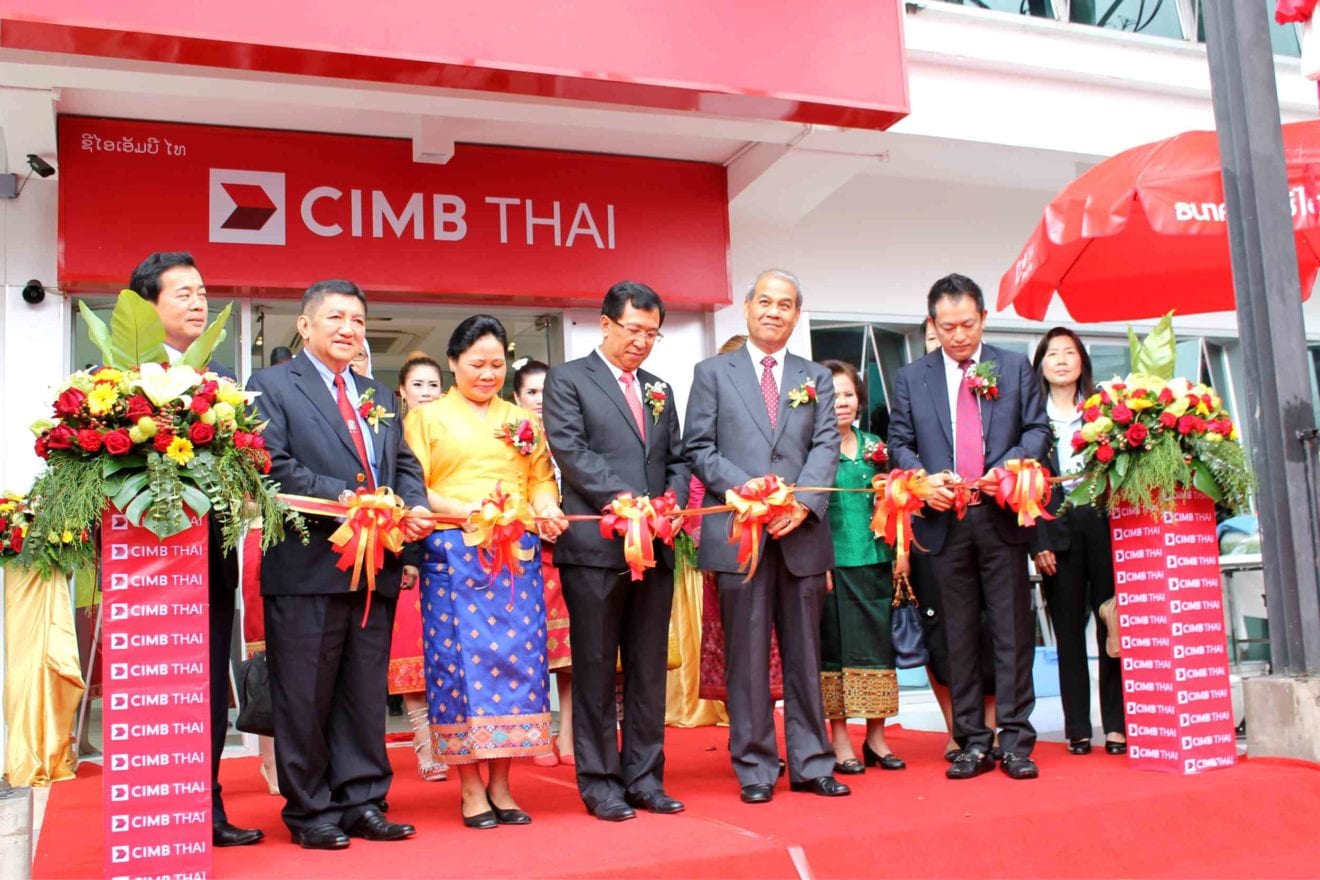
    CIMB Thai Bank will open its first overseas branch in Vientiane in the third quarter of the year to service trade and other business activities between Thailand and Laos.

    The new branch forms part of Malaysia-owned CIMB Group’s retail banking initiatives this year, Subhak Siwaraksa, president and chief executive officer of the Thai unit, said yesterday.

    After the upgrade of the retail banking platform system last year, CIMB Thai’s domestic performance is expected to show significant improvement.

    Subhak said CIMB Group wanted to see a rising return on equity from CIMB Thai, the target being a top-3 ranking in the Thai banking industry by 2015 with a return on equity of 16-18 per cent, against 10-13 per cent at present.He added that the ROE target would be challenging as the bank had to use its capital carefully because of Basel III requirements. It will, therefore, emphasise fee-based income from retail banking through to wholesale banking.

    Chief financial officer Narongchai Wongthanavimok said the Vientiane branch would have the capability to serve retail clients and offer cross-border products to corporate clients in Thailand and Laos.

    CIMB Group acknowledges that the Laos market should fall under CIMB Thai’s remit because of the tight relationship between the two countries and expanding bilateral trade value.

    According to the Lao PDR Trade Portal, in the first 10 months of last year, the value of bilateral trade was US$4 billion (Bt120 billion), representing a year-on-year rise of more than 30 per cent.

    The two governments have jointly set an annual trade target of $5.77 billion by 2015.

    Narongchai said that under Laotian law, the registered capital required for a bank branch was $12.5 million.

    However, given the unclear legal framework in Laos concerning consumer lending, CIMB Thai’s branch will focus on providing financial services to corporate customers and on wealth management, rather than on consumer loans, he said.

    The bank will not lend to Lao customers if they have no collateral base in Thailand, he said, adding that this would help reduce the risk from doing banking business in Laos.

    The bank will target Thai customers who have activities in Laos, as well as Laotian companies conducting business in Thailand, which are mostly small or medium-sized enterprises.

    Wealth management

    As well as their domestic operations, many Laotian companies have activities in border provinces in Thailand. As these companies are generally affluent customers, wealth management and deposits will be the priorities for CIMB Thai at the outset of offering financial services in the neighbouring country.

    “We can service three currencies for deposits: baht, kip and US dollars. Moreover, the branches in border provinces such as Nong Khai and Udon Thani will help support activities and transactions in Vientiane as well,” said the CFO.

    The Vientiane branch will have 10 staff, two or three of whom will be Thais, including the manager.

    CIMB Thai expects the branch to break even by 2016.

    Savannakhet and Pakse are other interesting locations for expanding the Laos network because of the potential opportunities they offer in terms of tourism and trading, Narongchai said.

    If the bank were to open more than three branches, the establishment of a local subsidiary would be a feasible option, he said.

    The registered capital required for setting up a commercial banking subsidiary in Laos is $30 million. – See more at: https://www.nationmultimedia.com/business/CIMB-Thai-Bank-branching-out-into-Laos-30201241.html#sthash.vYhTcDjX.dpuf


  • Fujita Kanko Opens Bangkok and Jakarta Offices

    Fujita Kanko Opens Bangkok and Jakarta Offices

    Leading Japanese hospitality company Fujita Kanko Inc. will open two new overseas offices in Bangkok, Thailand and Jakarta, Indonesia in June. The openings are intended to accelerate the globalization of its business, one of the key goals the company has set for the next five years, aiming at 25 percent growth in overseas guests by 2019.

    “Adding Bangkok and Jakarta bases is a critical step in our business plan,” said Akira Segawa, Fujita Kanko’s President and CEO. “Southeast Asia is a strategically important market – an increasingly strong inbound market for Japan, and also a very popular destination for Japanese travelers.” Mr. Segawa stressed the importance for the company of maximizing business opportunities in Southeast Asia. “We’ve built a broad range of hospitality expertise, and offer some of Japan’s most upscale, exquisite properties. We’re eager to welcome more international travelers, and to build local businesses, including opening hotels, in other Asian markets.”

    The 60-year-old company opened its first overseas office in Shanghai in 2010 and added offices in Seoul and Taipei in 2012. A Singapore office was added in 2013 to strengthen marketing and sales and pursue business development opportunities in Southeast Asia. The Singapore office will be consolidated with the Jakarta office at the end of May, which will also oversee the Malaysian market.

    Fujita Kanko will use its overseas offices to promote its 70+ properties in Japan and build international recognition for its businesses among travelers and other stakeholders. Last year, the company announced it will open a hotel in Seoul, Korea in 2018, its first overseas property since 2002.

    Fujita Kanko Jakarta Office:
    Mid Plaza 1 Lt. 17 Unit 1718
    Jl. Jend Sudirman Kav 10-11, Jakarta Pusat 10220, Indonesia
    Phone: +62-21-2783-2323

    About Fujita Kanko

    Fujita Kanko Inc., established in 1955, is a publicly-traded tourism industry corporation headquartered in Tokyo. In addition to its core hospitality business, the company operates wedding and banquet facilities, high-end resorts, leisure facilities and related services. It has 70 properties/facilities, including its five-star flagship, Hotel Chinzanso Tokyo, and 30 mid-priced hotels throughout Japan in the Hotel Gracery and Washington Hotels groups.

  • VIP shop doubles revenue

    VIP shop doubles revenue

    Chinese online discount retailer Vip shop Holdings says it doubled its net revenue in the first quarter.

    The cmpany says a 75 per cent year-on-year increase in customers helped it achieve net revenue of  RMB8.6 billion (US$1.4 billion).

    Some 12.9 million people shopped on VIPshop over the last year, amassing 38.5 million individual orders.

    Gross profit increased by 99.6 per cent to RMB2.1 billion (US$345.4 million).

    Eric Shen, chairman and CEO of the NYSE-listed company, described the first quarter of 2015 as “robust”, thanks to improved brand recognition and new mobile initiatives.

    “Specifically, the mobile contribution of our platform as a percentage of gross merchandise volume climbed to approximately 72 per cent in the first quarter, which is more than double the average figure across the broader Chinese online shopping industry. Going forward, we will continue to scale our business with a greater focus on further enhancing the shopping experience for customers across multiple devices, attracting new customers and expanding our product offering.”

    Donghao Yang, CFO of Vip shop, added: “We are very proud of our first quarter 2015 financial results, which saw our revenue grow by 100 per cent year over year and the expansion of our operating and net margins. Additionally, our warehouse capacity, both leased and built, reached approximately 1.1 million sqm as of March 31, 2015, up from approximately 350,000 sqm a year ago.

    “Looking ahead, we are confident that by emphasizsng operating discipline, strategically investing in fulfillment and technology, and continuing to offer great shopping experiences to our growing customer base, we will be able to capitalise on the growth opportunities ahead and continue to deliver sustainable value for our shareholders.”

    For the second quarter of 2015, the company says it expects its total net revenue to be between RMB8.7 billion and RMB8.9 billion, representing a year-over-year growth rate of between 71 per cent and 75 per cent.

  • 4G, Asia lead smartphone sales rise

    4G, Asia lead smartphone sales rise

    Global smartphone sales rose by eight per cent in value terms in the first quarter of this year.

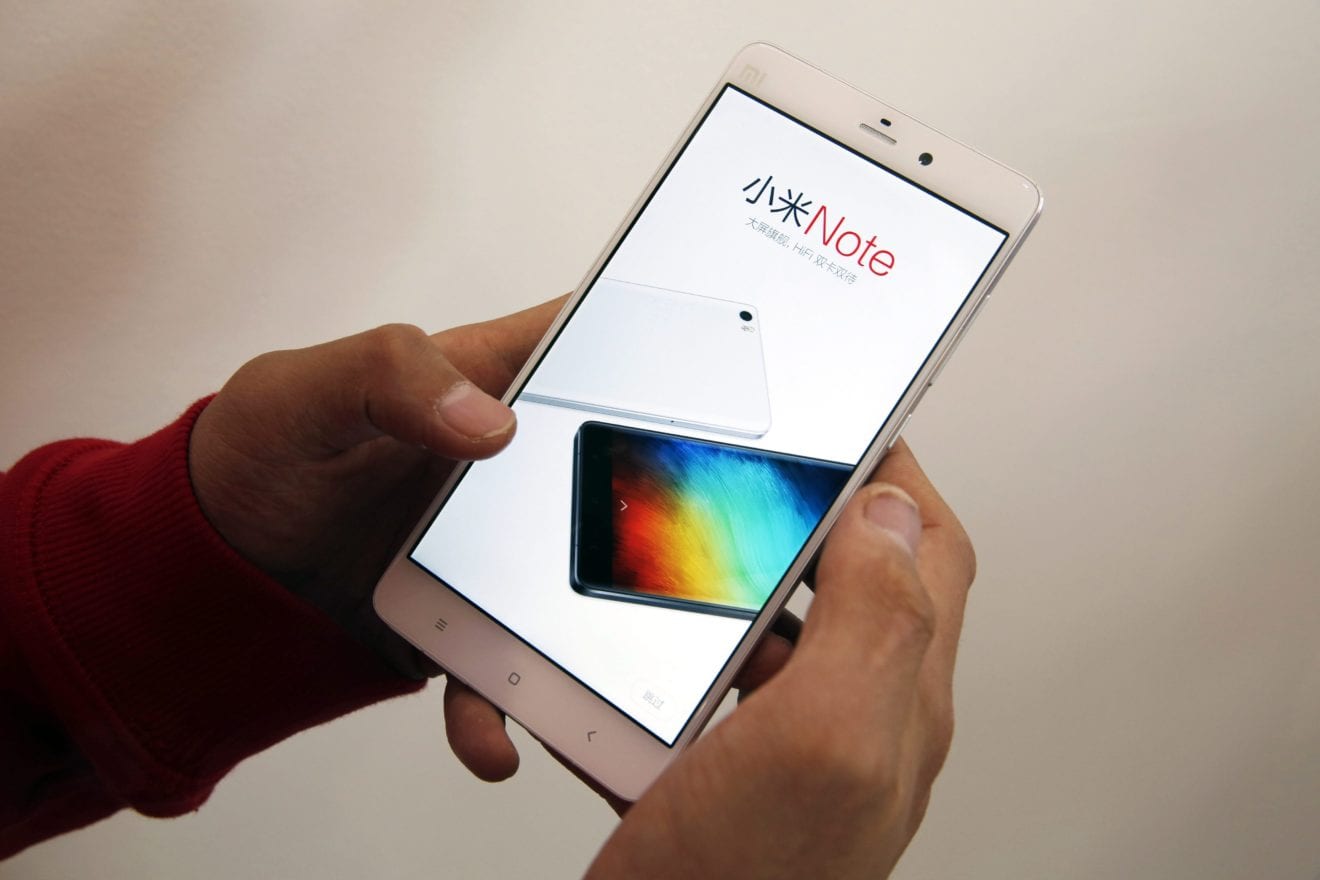
    Sales of larger screen devices (5″ and higher) continued to drive year-on-year growth according to data from GfK.

    But while handset demand increased seven per cent to 310 million units, a slowdown in demand in China and developed Asian nations dragged down growth, from 19 per cent year-on-year in the fourth quarter of 2014.

    GfK says 4G compatible phones are rapidly gaining share – surpassing 50 per cent of the global handset market for the first time. It predicts a 4G ramp-up in China in the second half of 2015 to drive incremental demand.

    Kevin Walsh, director of trends and forecasting at GfK, said the weakness in China was caused by a significant slowdown in 3G demand, which was not offset by 4G growth.

    “We forecast China to return to growth in the second half of the year, driven by a continued 4G ramp-up. In Developed Asia, the year-on-year decline was caused by tough comparisons with Q1 2014, when demand was pulled forward in Japan due to an upcoming VAT increase in April. We forecast unit demand in Developed Asia to grow by three per cent year-on-year in 2015, driven by Japan and South Korea, which are expected to return to growth in 2Q15.”
    Smartphone growth in India and Indonesia is also expected to be helped by an expanding 4G network. In Q1 2015, 4G share in both countries was well below the global average, at four per cent and seven per cent, respectively. GfK forecasts 4G unit share within smartphones to reach seven per cent in India and 10 per cent in Indonesia in 2015.

    Q1 2015 saw a continued shift towards larger screen sizes, with sales of 166 million units equating to 47 per cent of the global smartphone market, up from 32 per cent in Q1 2014. In China, where the 4G trend is particularly pronounced, the growth in share to 57 per cent – from 32 per cent in Q1 2014 – was driven by cheaper large screen models flooding into the market.

    GfK forecasts this screen size migration to continue in 2015, with global demand for large screen devices increasing by 30 per cent year-on-year to account for 69 per cent of total smartphone unit demand this year.

    Low-end smartphones – those priced in the region of $0-250 – increased share to 56 per cent, up from 52 per cent in Q4 2014, at the expense of the high-end models ($500+), whilst mid-range ($250-500) share remained stable.

    GfK forecasts low-end smartphones to gain further share in 2015, helped by continued price erosion in emerging markets.

    Walsh added: “GfK forecasts global smartphone unit demand to grow 10 per cent year-on-year in 2015, a slowdown from the 23 per cent growth experienced last year. Emerging Asia is forecast to be the fastest growing region, driven by India and Indonesia, where low smartphone penetration leaves plenty of room for growth.”

  • Korean cosmetics a hit in China

    Korean cosmetics a hit in China

    Korean cosmetics products are expanding their presence in China on the back of the ‘Korean Wave’.

    Korea is the second biggest source of cosmetics sold in Asia’s second-largest, but fastest growing beauty market, according to data out this week.

    Out of $686.2 million worth of cosmetics China imported in the January-March period, South Korean products accounted for 19.1 per cent, or $131.2 million, coming next to France’s 33.6 per cent market share, according to the data compiled by the Korea International Trade Association (KITA).

    Japanese cosmetics took third with 15.3 per cent, followed by American brands with 11 per cent, KITA said.

    Korea moved up two notches from last year’s spot as China’s imports of Korean cosmetics more than tripled in the first quarter from a year ago, while French and Japanese products surged 10.2 per cent and 37.2 per cent, respectively, in the same period.

    Thanks to strong sales in China, total exports of Korean cosmetics nearly doubled to $582 million in the first three months of this year, which in turn improved their earnings.

    Amore Pacific, the nation’s leading cosmetics firm, posted 320.7 billion won in operating profit in the first quarter, a 50 per cent hike from a year earlier, its regulatory filing showed.

    Operating profits of Kormar, a smaller local rival, jumped 62.9 per cent over the period, far exceeding market expectations.

    LS Cosmetics, which is well-known for face mask sheets, logged 17.5 billion won in operating profit, recording an over 100 times on-year surge. Its shares, which are traded on the secondary KOSDAQ market, jumped 338 per cent this year to become one of the top earners in the local stock market.

    “Korean companies are showing stellar performance in the Chinese market based on the Korean Wave and competitive price ranges and brand lineups,” Na Eun-chae, a researcher at Korea Investment & Securities, said.

    “The outlook for Korean cosmetic makers is positive in the mid- and long- term.”

  • Online China luxury goods mall expands

    Online China luxury goods mall expands

    Xiu.com, an online China luxury goods mall, has raised another US$30 million in funding, according to 36kr.

    The investment was led by Jardine’s, followed by KPCB China and others.

    Founded in 2008, Xiu specialises in high-end clothing, footwear, bags, accessories, and cosmetics from international brands. Headquartered in Shenzhen, it also has offices in fashion capitals like New York, San Francisco, London, Milan, and Hong Kong. The store has over 600 brands, and at least 200 of them are exclusive to Xiu in China.

    Xiu’s investment comes just days after French luxury goods retailer Kering, parent of Gucci and Yves Saint Laurent, amongst others, filed a lawsuit against China’s biggest eCmmerce company, Alibaba, alleging it is profiting from the sales of counterfeit goods in wholesale quantities on its Taobao site.

    Xiu.com says it will use the new funds to create a better shopping experience, improve its supply chain, and strengthen international ties.

    Founder Jiwen Hong says Xiu’s strength lies in the relationships it has with brands. By going directly to the brands and cutting out middlemen, it can offer better prices than competitors. 36kr says most items on Xiu sell for less than the retail cost in Hong Kong and the US.

    The startup has 10 million registered users with a repeat purchase rate of 85 per cent. The average customer spends about RMB 1,500 (US$242) per purchase.

    In 2012, US auction site Ebay launched a joint venture with Xiu to list products on a subdomain of Xiu’s site. That collaboration has since closed shop.

  • Ikea to open 2 stores every 5 years in Indonesia

    Ikea to open 2 stores every 5 years in Indonesia

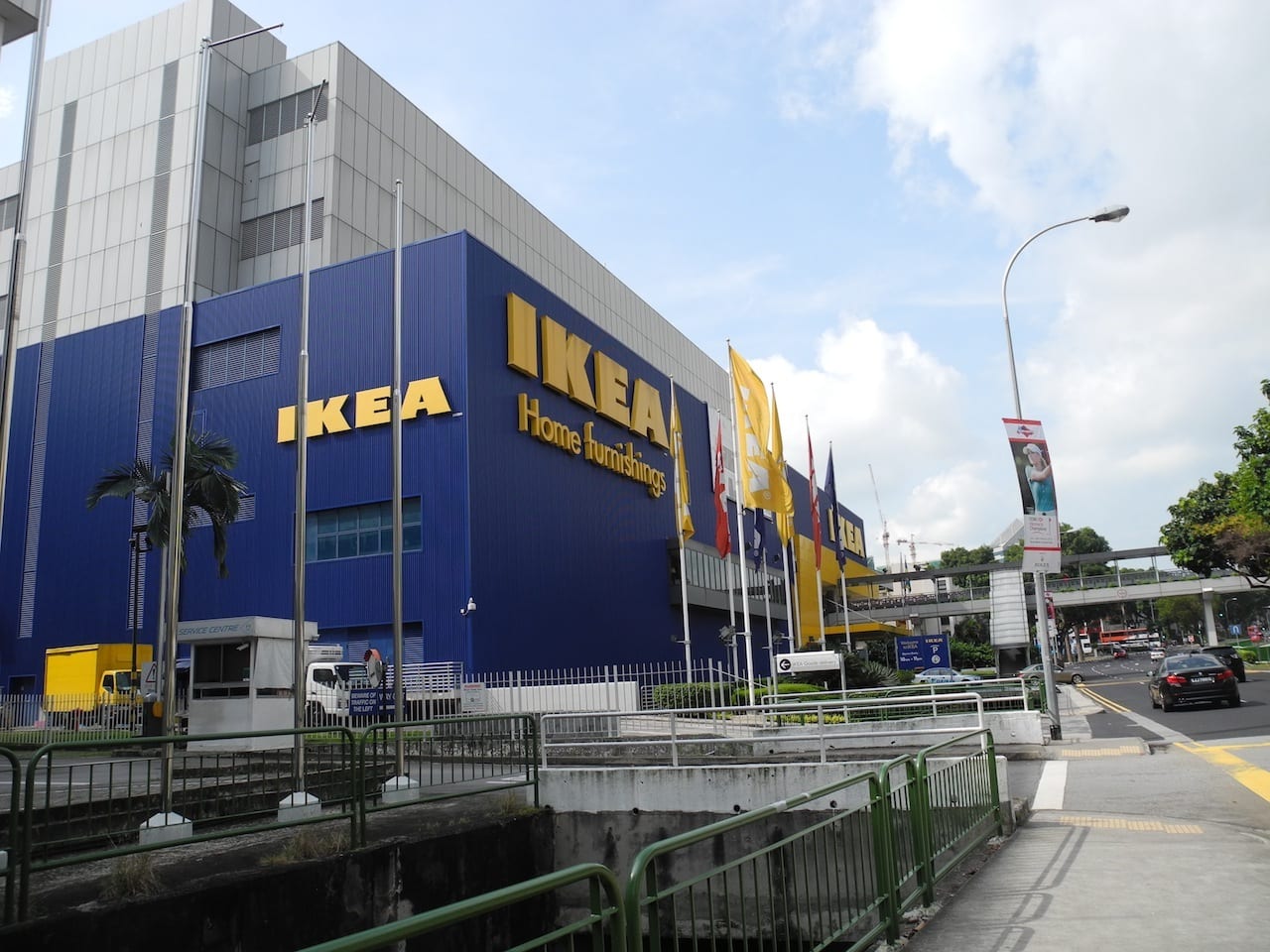
    Ika plans to build two stores every five years until 2025 after opening its first Indonesian store in Alam Sutera, Tangerang, in October 2014.

    Ikea, the world’s biggest furniture seller, will produce more in Indonesia as it has set its sights on boosting its export value tenfold to US$1 billion in the long-run, a company executive says.

    The Swedish multinational company, which had sales of ¤30.1 billion last year in its 361 stores worldwide, was looking to produce mattresses and flat-pack furniture in Indonesia next year, as well as textiles and batik-pattern products by 2017, said Tony Mampuk, Ikea Indonesia’s country government relation manager.

    “The flat-pack furniture will depend on the results of our supplier gathering. If they are interested, it will be very easy to build flat-pack furniture,” he told The Jakarta Post in a visit on Tuesday. “Flat furniture includes particle board and ceramic products such as plates.”

    President Joko “Jokowi” Widodo, intrigued by the fact that Indonesia’s furniture exports only amount to a third of Vietnam’s, has called on furniture exporters to meet a target of $5 billion in exports by 2019, more than double the $2 billion last year.

    All Ikea’s soft toys worldwide are produced in Indonesia as Ikea Indonesia is “all about children”, Tony said.

    “We have tried sourcing soft toys from other countries — China, Vietnam, Thailand — but we never found producers that are as good as here,” he added.

    Ikea in 2014 exported 706 products from Indonesia, or almost 10 percent of the overall 8,500 product range sold worldwide, ranging from soft toys, rattan products and textiles, to ceramics and rugs. That represented a 20 percent growth from the same period in 2013, according to Tony.

    It has 11 suppliers spread across Java and will soon start teaming up with small and medium sized enterprises many involved with the Association of Indonesian Craft Development (Apikri) in Yogyakarta.

    Ikea Indonesia, whose franchise is held by publicly listed retailer PT Hero Supermarket, plans to open two more stores every five years until 2025, Tony revealed, as it sought to cater to the nation’s rapidly emerging middle class with an increasing purchasing power.

    Southeast Asia’s largest economy has grown between 4 to 6 percent per year over the past decade, helping to elevate nearly a third of its more than 250 million citizens into the middle-class or affluent consumer status. This is projected to further double by 2020, meaning that each year, between 8 and 9 million people will enter the middle-income bracket, according to a study by the Boston Consulting Group.

    The rise in the country’s middle class has attracted a number of global retailers to invest in Indonesia, including South Korea’s conglomerate Lotte Group and Japan’s largest retailer AEON Co.

    “Today in Southeast Asia, Indonesia holds the most charm for the retail sector,” said Tony, who is also head of the retail working group at the European Business Chambers of Commerce (Eurocham) in Indonesia.

    About 1.75 million visitors have been to the 35,000-square meter Ikea Alam Sutera, Tangerang, store — some 25 kilometers from Jakarta’s city center — since it opened in October last year, some 8,000 visitors per day. Globally, Ikea store visits reached 821 million last year.

    Ikea Indonesia is tapping into the middle-income consumer market in Greater Jakarta, which is home to a 28-million population and a $1.1 billion market in 2013, a figure that is projected to double to almost $2.2 billion by 2019, company statistics show.

    “But all [our expansion plans] will depend on the regulatory environment and government support,” Tony emphasized.

    He noted several hindrances to expansion in Indonesia, which include infrastructure bottlenecks — with shipping containers being stuck in port for up to three months, creating high logistics costs and uncertainties for the company’s finances — as well as multi-layered taxes that make some of its products more expensive here than elsewhere.