Author: Mei Ling Tan

  • Malaysian Axiata’s Indonesia arm said to weigh US$500mil fundraising

    Malaysian Axiata’s Indonesia arm said to weigh US$500mil fundraising

    PT XL Axiata, the most indebted of Indonesia’s listed wireless carriers, is considering raising as much as US$500mil next year, people with knowledge of the matter said.

    The company, a unit of Malaysia’s Axiata Group Bhd., is weighing several fundraising options including selling stock to existing investors through a rights offering, according to the people. It could sell shares in the first half of next year depending on market conditions, the people said, asking not to be named as the information is private.

    XL Axiata, led by chief executive officer Dian Siswarini, said earlier this year it’s seeking to strengthen its balance sheet and focus on more profitable subscribers. The company’s net debt has more than doubled in three years to 25.7 trillion rupiah (US$1.8bil) at the end of September, from 12.5 trillion rupiah the same time in 2012, according to data compiled by Bloomberg.

    “The potential fundraising through stock issuance would be credit positive for XL Axiata,” Nitin Soni, a Singapore-based director at Fitch Ratings, said by phone. “It will strengthen the highly-indebted company’s balance sheet by increasing its equity base and repaying some existing debt.”

    Fitch has a BBB rating on XL Axiata, or two grades above junk, while Moody’s Investors Service rates the company Ba1, the highest non-investment grade rating. XL Axiata shares rose 3.1% at the close in Jakarta yesterday, the most in a week.

    Turina Farouk, a spokeswoman for XL Axiata, said in a mobile-phone text message that the company was “still open for any options” regarding raising funds.

    XL Axiata has accumulated total debt equal to 216% of its total equity at the end of the latest quarter, the highest ratio among Indonesia’s eight listed wireless carriers, the Bloomberg-compiled data show. It said in October that it eliminated all of its unhedged US dollar borrowings, repaying part of the US$580mil of unhedged debt early and converting the rest to rupiah borrowings.

    The company bought Saudi Telecom Co’s Indonesian unit in 2013 to increase its service coverage, paying a nominal fee to acquire the business and assuming US$865mil of the carrier’s debt. It sold 3,500 telecommunication towers last year to PT Solusi Tunas Pratama for 5.6 trillion rupiah.

  • Alibaba acquires Hong Kong’s South China Morning Post

    Alibaba acquires Hong Kong’s South China Morning Post

    Chinese e-commerce giant Alibaba Group announced on Friday that it is acquiring Hong Kong’s English language newspaper South China Morning Post (SCMP) and its other media assets.

    It said the agreement will see Alibaba’s digital expertise being merged with SCMP’s heritage and editorial excellence.

    “This is a proposition that is in high demand by readers around the world who care to understand the world’s second largest economy,” said Joseph Tsai, Executive Vice Chairman of Alibaba Group. “Our vision is to expand the SCMP’s readership globally through digital distribution and easier access to content.”

    Robin Hu, Chief Executive Officer of SCMP, said in a news release that the company welcomes Alibaba’s commitment to invest additional resources in its editorial and business operations to make the SCMP even stronger.

    Apart from the flagship SCMP newspaper, the agreement also includes the acquisition of the magazine, recruitment, outdoor media, events & conferences, education and digital media businesses of SCMP Group Limited.

    Other SCMP titles include the Sunday Morning Post, its digital platforms SCMP.com and related mobile apps, and the two Chinese websites Nanzao.com and Nanzaozhinan.com.

    The acquisition also includes a portfolio of magazine titles, including the Hong Kong editions of Esquire, Elle, Cosmopolitan, The PEAK and Harper’s Bazaar.

    In a letter addressed to SCMP readers, penned by Tsai, the company sought to answer questions on why the e-commerce company is buying into traditional media which many consider as a sunset industry.

    “The simple answer is that we don’t see it that way,” the letter read. “We see a compelling business case for the acquisition because we believe that Alibaba is best positioned to take the SCMP to the next level. The foundation for this work must be the quality of the content. And what underpins this will be editorial excellence: a clear pre-requisite to maintaining readers’ trust and, ultimately, achieving commercial success. Be assured, we get that.”

    The letter also addressed issues on the possible compromise that SCMP’s editorial independence may be compromised by the acquisition and the commercial interest of the new owners.

    “In reporting the news, the SCMP will be objective, accurate and fair,” Tsai assured. “This means having the courage to go against conventional wisdom and taking care to verify stories, check sources and seek all viewpoints. These day-to-day editorial decisions will be driven by editors in the newsroom, not in the corporate boardroom.”

  • Garuda to strengthen medium-haul flight network

    Garuda to strengthen medium-haul flight network

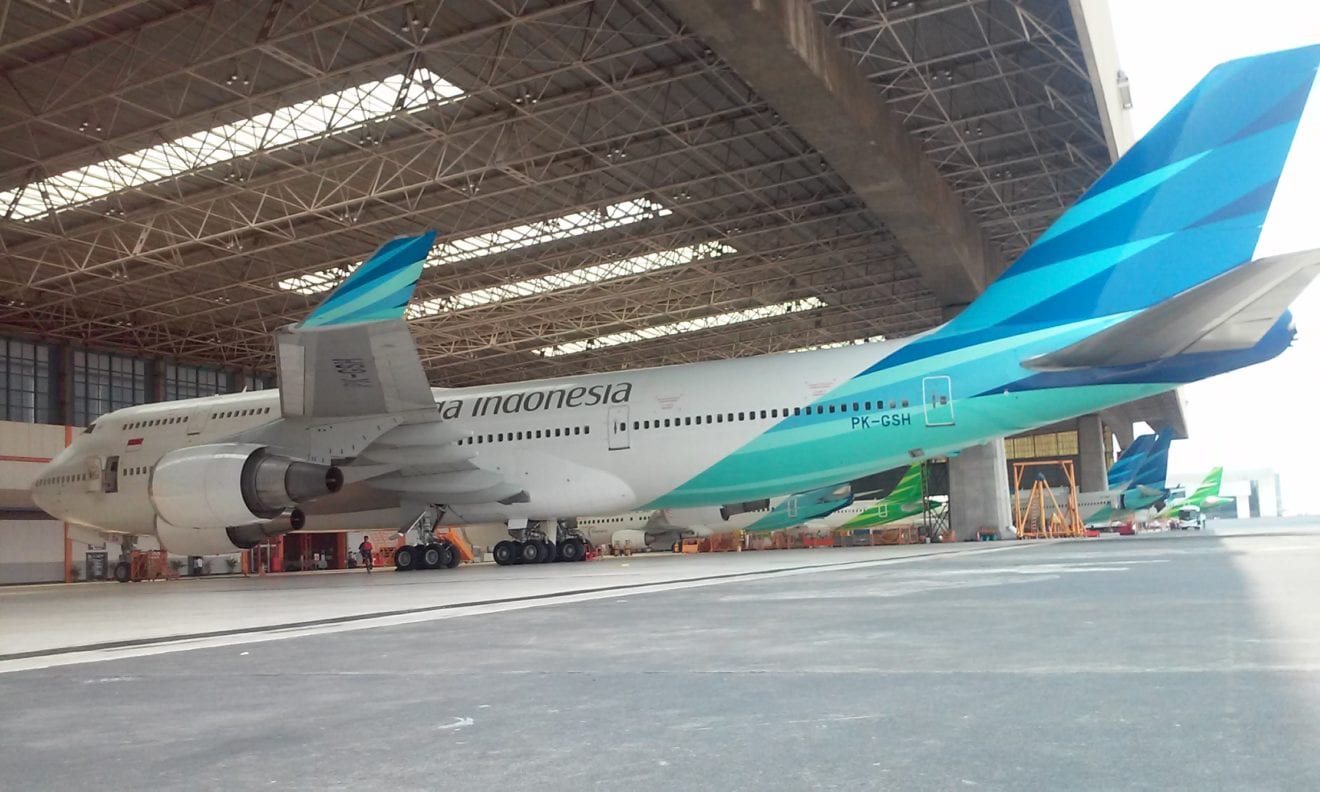
    The national flag carrier Garuda Indonesia will strengthen its position in the medium-haul flight market in 2016, with a travel time of five to seven hours, according to its President Director Arif Wibowo.

    “The current market situation does not allow us to expand in the long-haul flight market, so we are focusing on medium-haul flights,” Wibowo remarked here on Wednesday.

    He explained that starting next year, there will be additional flights to and from China.

    “This year, we have been operating three weekly flights on the Guangzhou-Beijing route, and Shanghai will be added soon,” Wibowo revealed.

    He said the Hong Kong-Denpasar and Singapore-Denpasar routes will be served by Garudas wide-bodied aircraft.

    He opined that Garudas strategic business unit has recorded a passenger growth between eight to nine percent, which is not significant.

  • How to choose the right smartphone in India

    How to choose the right smartphone in India

    In this modern era, mobile phone is an important thing for every person and its importance cannot be ignored because of the latest technology by which an individual can use the internet on it and can stay in contact with the dear ones. It is obvious that a mobile phone is an expensive product which cannot be changed after a short period of time, so a person should select the mobile phone carefully. Given below are some points which can assist in making a good decision of choosing the best mobile phone in India.

    Know your requirements:

    A person should list down the requirements because it makes the decision making process and selection easy. He or she should figure out what matters most to him/her like if the person uses the mobile for a lot of texting then the focus should be on the keyboard. Some individuals like physical keyboard while others like to use touch keyboard, so it should also be kept in mind that which keyboard he or she finds easy for texting because some people like to use QWERTY keyboard.

    If the person is fond of taking selfies or clicking random pictures then the attention should be paid on the camera. Nowadays, individuals mostly use mobile phones for using social media platforms or for checking E-mails so, if the person wants it for using the internet then he or she should focus on the internet capabilities. One should not ignore the deciding the size of the mobile and the screen size.

    Prior to making the final decision of purchasing the mobile phone, a person should not ignore listing the personal preferences because not paying attention to the desired choices can result in a wrong purchase.

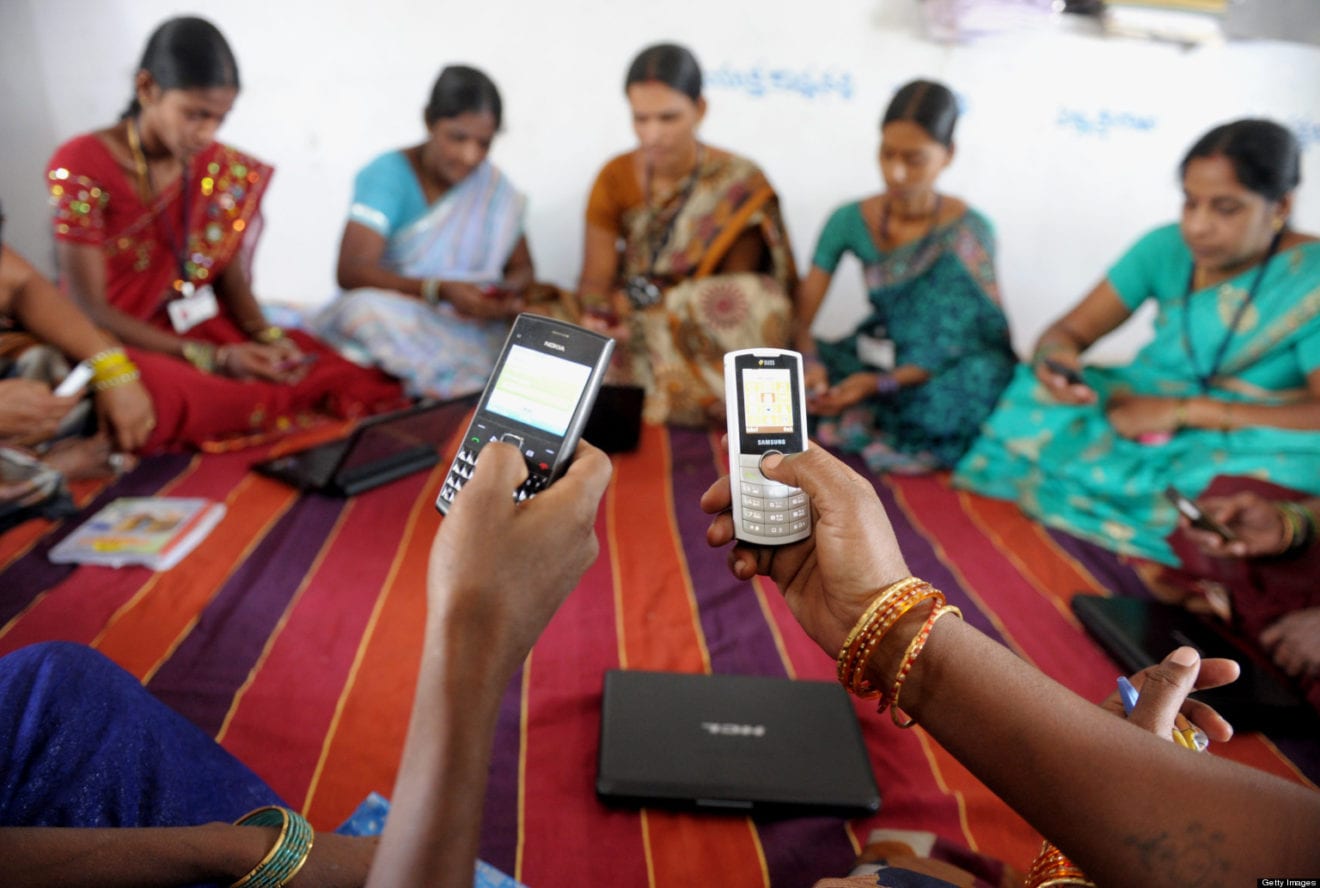
    A vendor speaks on his mobile phone as he waits for customers at his roadside shop selling clothes in Mumbai

    Choose the brand:

    There are many famous brands available in India so, a person should choose the brand before he/she starts looking for the mobile model.

    Find the right design:

    Mobile also reflects the sense of style of the person holding it so one should find the right design that not only looks great when a person carries it, but a person should also be comfortable with the way it looks so a person should pay attention on its design.

    Browse through search engines:

    A person can browse through the search engines to know about the specifications of different models of different brands, which is the best way of selecting the best mobile fulfilling the requirements. One can also see the looks of the mobile phone on the mobile selling websites which he or she has decided to purchase.

    Read reviews:

    Reading reviews on different mobile selling websites is a great way of getting information about the mobile functioning and it is the best way of purchasing the right mobile because one can avoid purchasing a mobile which he or she has selected if the reviews of the individuals using it are not good. Feedbacks of the mobile users assist a lot in making the final decision and helps in preventing the wrong purchase which saves the hard earned money.

  • Funan mall to close next year for major renovations

    Funan mall to close next year for major renovations

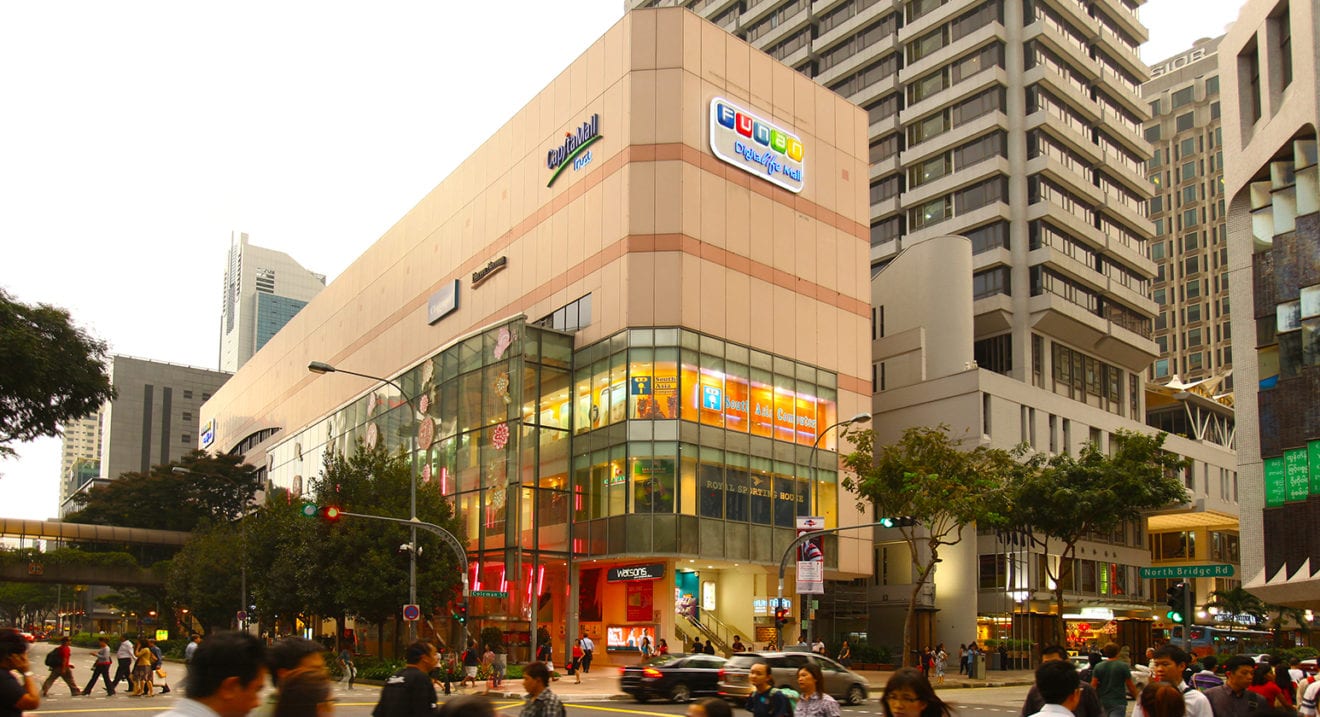
    Landmark in North Bridge Road to close next year for major renovations to convert it into a new creative hub. His first job as a draftsman was to draw Funan Centre.

    Mr Mark Yan’s voice lit up when he talked about his pride and joy in being part of the team that worked on the 30-year-old mall, an icon of Singapore’s IT retail history. The mall on North Bridge Road is set to undergo a major renovation. It will make way for the development of a new “experiential creative” hub, said CapitaLand Mall Trust Management in a press release.

    The mall will be closed for three years, from June 30 next year. Mr Yan had just completed his national service when he joined a Urban Redevelopment Authority team that worked on the construction of the Funan Centre in 1983.

    Funan Centre was opened in 1985, two years before Sim Lim Square. It was renamed Funan DigitaLife Mall in 2005. Mr Yan, then a URA structural technician, said: “When the team first sketched out the plan for Funan Centre back then, we had a vision of a bustling shopping destination.

    “Back in the day, if people didn’t want to go to Orchard Road, they would walk around North Bridge Road, visit Peninsula Plaza or catch a movie at the Shaw Towers,” said Mr Yan, now 55 and the father of two.

    He was very proud of Funan Centre when it was completed. “It was a huge privilege for me to be part of the team. So much work was put into it and I felt honoured that I got to contribute.” He is now a real estate agent.

    In the early 90s, Mr Yan recalled an influx of electronics and IT retailers to the mall that catered to the surge of digital technology. “In those days, everyone was very excited about owning electronic gadgets like handphones or Walkmans, so the mall was really convenient because everything was under one roof,” said Mr Yan.

    These days, he frequents the mall whenever he needs to buy accessories for his electronic gadgets or service them. When The New Paper told him about the closure of the mall next year, Mr Yan said the news was “a long time coming”.

    “It’s about time for the mall to be revamped so that it can keep up with its surroundings. In the meantime, I will have to live with buying my stuff from Sim Lim Square,” he said.

    SENTIMENT

    Logistics executive Mohd Faizal Osman, 31, said: “When my friends or relatives from out of town come to Singapore and ask me for places to get electronic goods, I immediately tell them to go to Funan DigitaLife mall.

    “It’s reputable and, most importantly, safe. I really hope they will sustain the vibe of the mall after the development,” he said.

    Another regular patron of the mall, full-time national serviceman Joseph Chai, said that the atmosphere at Funan DigitaLife Mall is different from Sim Lim Square.

    The 19-year-old, who is an avid fan of computer games and action figures, goes to the mall almost every weekend with a group of friends.

    “I like to hang around the mall because it has everything that I need. I can find all the latest games and action figures without anyone rushing me or giving me the side-eye,” said Mr Chai.

    “Once Funan closes, I will need to start sourcing for other places to find the things I need. Hopefully it doesn’t include going to Sim Lim Square.”

    Retailers scrambling to find alternatives

    Even though the rumours have been flying about for the past six months, yesterday’s confirmation that Funan DigitaLife Mall will be closed next year has left retailers scrambling.

    Mr Muthiah Nagappan, managing director of Worldwide Computer Services, said that the closure will result in big losses to his company. His shop is one of more than 170 shops at the mall. He spent $80,000 on renovations for his shop, which was opened two years ago.

    “When I received the e-mail from the landlord yesterday, I was quite taken aback.

    “Even if I open my shop every single day from now till the mall closes, it will not cover my expenses,” said Mr Muthiah, 53, who also has a shop at Sim Lim Square.

    “Now I’m really trying to find an alternative solution to this. Maybe I’ll just open another shop at Sim Lim Square,” he added.

    In an e-mail to tenants, CapitaLand Mall Trust Management Limited (CMTML) said it would endeavour to find alternative spaces at its other properties for the Funan tenants, subject to conditions such as availability and rental rates. Mr Muthiah said he will consider the offer.

    Mr Jeffrey Phua, owner of gaming computer and accessories retailer GameproSG, said that the move will be a hassle but the bigger concern is the customers. “Since all the retailers have to relocate, the shops in Funan will be scattered all over Singapore.

    “So the challenge is to retain regular customers,” said Mr Phua. Fortunately for Mr Phua, he has another branch in Sim Lim Square but is not looking to expand it.

    “I’d rather relocate my shop than expand the one in Sim Lim Square because it caters to different customers. “I’m very doubtful that customers from Funan would actually shop at Sim Lim Square,” said Mr Phua.

  • Tobacco products to be taken off shop displays from 2017

    Tobacco products to be taken off shop displays from 2017

    From 2017, retailers of tobacco products will not be allowed to display them in their shops, the Ministry of Health (MOH) announced on Wednesday (Dec 9).

    The ministry said it will move to ban stores from displaying such products after amendments to the Tobacco (Control of Advertisements and Sale) Act are tabled in Parliament.

    Retailers may choose to use existing storage units, modify them or install new storage units that are permanent, self-closing and opaque. Retailers could choose to use vertical blinds, or even a curtain, among others. They are to comply with the new requirements, whereby tobacco products need to be out of sight from the public at all times.

    Exceptions will be made in the process of restocking the display unit or during a sales transaction, unless the staff carrying out these actions stops to do something else.

    MOH said it is prepared to allow a text-only price list in a standard format, to facilitate transactions and ensure a level playing field while preventing misuse as a form of advertisement.

    It added that it will allow storage units to be in the same colour as the decor or interior walls of the outlet, as long as the colour does not draw specific attention to storage units.

    A brochure, published by the Health Promotion Board in the four national languages, will be distributed to retailers in the coming months, detailing the dos and don’ts of storing and selling tobacco products.

    Senior Minister of State for Health Amy Khor said on Wednesday that authorities will work with retailers to help them comply with the new legal guidelines.

    “Even as we are implementing this to protect non-smokers – particularly our young – from the promotional effect of point-of-sale displays and to create a better environment for smokers who are trying to quit, we also want to work with tobacco retailers to try and help them reduce the inconveniences caused to businesses,” Dr Khor said.

    2014 STUDY SUPPORTS MOVE TO REMOVE TOBACCO PRODUCTS FROM SHOP DISPLAYS

    In response to media queries, MOH said findings in a 2014 local study conducted among 1,300 smoking and non-smoking respondents aged 18 to 69 supported this move.

    The study found 20 per cent of non-smokers reported that point-of-sale displays of tobacco products aroused curiosity in smoking, while 44 per cent of smokers considered point-of-sale displays of tobacco products attractive.

    Additionally, 46 per cent of smokers aged 18 to 29 bought tobacco products on seeing point-of-sale displays of such products, while 50 per cent of smokers in the same age group were tempted to smoke on seeing point-of-sale displays of tobacco products, MOH said.

    “Hence, not displaying tobacco products can reduce the curiosity to smoke, and reduce spontaneous purchases of such products,” said MOH.

    BANNING POINT-OF-SALE DISPLAYS OVERSEAS HAS BEEN SUCCESSFUL

    MOH also pointed to research that showed that banning point-of-sale tobacco displays overseas has positive effects.

    Daily smoking rates in Iceland decreased from 28.1 per cent in 1996 to 19.3 per cent in 2006 after a point-of-sale display ban on tobacco products was introduced in 2001, according to a report by Tobacconomics.

    Additionally, research from Australia showed that there was a “significant decline” in reported exposure to tobacco displays when the Australian Capital Territory, New South Wales and Western Australia implemented the ban. A total of 1.1 per cent of smokers noticed tobacco displays in Western Australia, compared to 27.1 per cent before the ban, researchers said.

    RETAILERS QUESTION EFFECTIVENESS OF MOVE

    Retailers Channel NewsAsia spoke to said the ban would not have too great an impact on business, but they questioned its effectiveness in getting people to quit.

    “Should a young person spot these cigarette cabinets, they would still be able to ask for and buy them. It doesn’t matter how you cover it,” said Mr Leong Kuo Tong, owner of Leong Brothers Departmental Store.

    “Some customers will still insist on buying cigarettes. Even if they are hidden, they will ask us (for them),” said Mr Rajamohamed Jawahar Hussain, co-owner of Fairprice General Store.

    MOH said it would continue to work with retailers to fine-tune the specific details of the measures.


  • China and India to Dominate Divergent Picture in Asian Real Estate for 2016

    China and India to Dominate Divergent Picture in Asian Real Estate for 2016

    The outlook for real estate in the Asia Pacific region remains largely positive heading into 2016, according to Colliers International’s 2016 Property Outlook. But pockets of weakness are starting to appear, according to the forecasts from Colliers International, while government policy continues to drive the behaviour of investors in many markets.

    China is the proverbial “elephant in the room” for Asian real estate. That’s whether it is as a source of outbound capital or as an investment destination. Its economic slowdown and Beijing’s attempts to rebalance the domestic economy also spill over into its neighbors and trading partners.

    “The focus remains firmly on China and the continued impact it has on all aspects of property activity,” Simon Lo, executive director, Asia research & advisory at Colliers international, says. “The dominance of China means that any changes to government policies in that country will continue to have ramifications throughout the whole region.”

    Amid general caution and cost cutting among multinational finance companies, Chinese banks will continue to drive the office leasing in markets such as Hong Kong and Singapore in the year ahead. China’s outbound tourism is reshaping the hotel sector across Asia, rapidly becoming the No. 1 source of visitors to Japan.

    India is cropping up on the radar for investors, in many cases for the first time. That is mainly as a result of its opening up of its domestic economy to international capital. Players active in India and China should see their cost of financing decline in 2016. In contrast, with U.S. interest rates set to increase, borrowing costs will be on the rise in Hong Kong and Singapore, although landlords should benefit from better yields.

    India and China combined will account for around 70% of the huge impending supply of Grade A office space, Colliers predicts, with 100 million square feet already hitting the market in 2015 and 110 million square feet due for completion in 2016.

    E-commerce is reshaping retail and industrial space around Asia. Logistics should be one of the most exciting spaces for investment, Colliers anticipates, as capital — once almost exclusively local — starts to cross borders in greater volume. Business-process outsourcing has put the Philippines on the map, resulting in large demand for purpose-built facilities there.

    China represents a significant opportunity for retailers and mall operators, Colliers forecasts, since both global and Asian mid-market food & beverage operators are underrepresented there. This suggests China can build on the same kind of trends at play in Singapore, Hong Kong and Japan, where landlords are creating more “experiential retail,” built around wellness and lifestyle as well as a broader range of dining options.


  • Apple executive seeks a touch of chic at retail stores

    Apple executive seeks a touch of chic at retail stores

    Apple’s stores typically spotlight the company’s devices, with the most expensive audio accessories topping out in the hundreds of dollars. The Phantom is the first high-end non-Apple gadget that Ms. Ahrendts, the former chief executive of the fashion house Burberry, has brought in since she took the job. It buttresses some of her other recent moves to create more of a luxury Apple retail experience, including initiating private try-on appointments for the most expensive Apple watches, reducing the numbers and types of accessories that are sold, and pushing manufacturers to make special packaging for gadgets carried in Apple’s stores.

    Ms. Ahrendts “is shaving off some rough edges and completing our sense that the Apple Store is a premium experience,” said Jan Dawson, an analyst at Jackdaw Research.

    Her role in bringing in the Phantom also gives a glimpse into how Ms. Ahrendts has been operating within the world’s biggest company. Since joining Apple, the 55-year-old executive has been relatively quiet publicly. But she moved swiftly and nearly unilaterally on the Phantom, showing how she can push for the products that will shape the store experience.

    The products that Apple stores carry are important because they make up the only customer experience that Apple can fully control, Mr. Dawson said. “The stores are the best physical manifestation of the brand,” he said. “Angela is bringing her sensibility to that experience.”

    Apple declined to comment and declined to make Ms. Ahrendts available for an interview. In a public appearance last month at the Fast Company Innovation Festival, Ms. Ahrendts said she had been working toward Apple’s stores becoming “sleeker and smarter,” as well as unifying Apple’s in-store and online shopping experiences.

    Apple has traditionally sold the most expensive accessories online only, like the $2,700 B&O BeoPlay A9 MKII speaker. “I asked Tim a very simple question: Why do we do it this way?” she said of her boss, Timothy D. Cook, Apple’s chief executive. Mr. Cook told her he didn’t know, she said.

    Ms. Ahrendts’s push will have implications for Apple’s growth. As of September, the company had 463 retail stores worldwide and was focused on expanding in China. The stores account for about 12 percent of Apple’s annual $234 billion in sales, Mr. Dawson estimated. Store revenue rose about 39 percent over the last 12 months, according to eMarketer, with Apple stores generating $5,775 a square foot, or more than any other retailer in the world, beating out Tiffany & Company, Coach and Movado.

    Ms. Ahrendts was known at Burberry for revitalizing the brand, pushing the fashion house into online retail ahead of other luxury apparel companies and forging alliances with tech companies like Apple, through which she outfitted Burberry’s corporate staff with iPads. Mr. Cook hired her in 2013 to make sure that Apple’s stores would evolve and expand.

    At the time, morale had fallen at Apple’s stores, the company’s executives have said. Ron Johnson, a former Target executive who became the first head of Apple’s retail stores, had departed the company in 2011. After a search, he was replaced by John Browett, who had run the British electronics retailer Dixons. Mr. Browett slashed hours and benefits for Apple Store employees.

    Since coming aboard, Ms. Ahrendts has asked for Apple’s 60,000 retail employees to air their grievances and send suggestions, and she sends them weekly three-minute video updates to improve communication. She has started a program so employees can move to other stores worldwide. Ms. Ahrendts has also overseen the opening of new Apple stores, including 14 in China and Hong Kong. For customers, she reduced Apple’s long lines by creating an online reservation system.

    By bringing the Phantom to Apple, Ms. Ahrendts is giving the technology crowd something to love as well. Phantom’s parent company, Devialet, is a brand used by tech executives including Tony Fadell, the chief executive of Nest; Andy Rubin, the co-founder of Android; and Marc Benioff, chief executive of Salesforce.com, said Mr. Sannié. He said Mr. Benioff recently introduced Ms. Ahrendts to him and encouraged her to hear the Phantom.

    For Devialet, moving the Phantom into Apple’s stores is significant. The Paris-based company is known for making amplifiers that can cost as much as $30,000. Until the Apple deal came along, its devices were carried in only a handful of exclusive retailers, including Colette in Paris, Harrods in London and the MoMA store in New York City.

    Since the initial meeting with Ms. Ahrendts, the process of getting the Phantom into Apple’s stores has been smooth, Mr. Sannié said. He and his team have visited almost all of the 14 stores where the speaker will initially be sold to look at display possibilities.

    “We don’t have other global distribution other than the Apple store,” Mr. Sannié said. “We don’t want to be in another chain because millions go to the Apple store looking for excellence, the very best products. This is the best exposure we could want.”

  • Lotte’s Japan unit to jack up stake in Korean affiliate

    Lotte’s Japan unit to jack up stake in Korean affiliate

    Lotte Confectionery Co., a unit of South Korean retail giant Lotte Group, said Wednesday that Lotte’s Japan operation will increase its stake in the affiliate, a move seen as part of efforts to cement the incumbent group chairman’s grip in the conglomerate amid a succession feud.

    In a regulatory filing, Lotte Confectionery said that Tokyo-based Lotte Holdings will buy 7.9 percent of its shares at 2.3 million won ($1,950) per share during trading hours by Dec. 28, a deal worth about 258 billion won.

    Last week, Lotte Holdings bought a 2.1-percent stake in Lotte Confectionery through block deals in after-hour trading.

    If the transaction is completed, Lotte Holdings’ stake in the confectionery unit will rise to 10.3 percent to become the No. 2 stakeholder after Lotte Aluminum.

    “Lotte Holdings will increase its stake in Lotte Confectionery to step up cooperation in the confectionery business for a synergy effect,” Lotte said in a release.

    The move comes as Lotte Group chairman Shin Dong-bin and his elder brother Dong-joo have been involved in a succession feud over the group whose business portfolio ranges from food to retail, mostly based in South Korea and Japan.

    The latest share purchase is interpreted as an effort to strengthen Dongbin’s grip on Lotte Confectionery, which stands at a critical position in the group’s cobweb-like structure.

    The confectionery unit has stakes in other key Lotte affiliates, including Lotte Shopping, Lotte Chilsung and Lotte Food, serving as a critical link in South Korea’s fifth-largest conglomerate.

    Shin Dong-bin also owns an 8.8-percent stake in Lotte Confectionery, followed by Shin Kyuk-ho’s 6.8 percent and Shin Dong-joo with 4 percent.

    Founder Shin Kyuk-ho has sided with Dong-joo, who has waged several suits against his brother in Japan and Korea after being fired from his senior executive position at Lotte Holdings earlier this year.

  • Shopping tech firm Powa in major Chinese joint venture

    Shopping tech firm Powa in major Chinese joint venture

    Powa Technologies, a British e-commerce tech firm, has formed a “strategic alliance” with China’s biggest payments processor, China UnionPay. The joint venture could generate $5bn (£3.3bn) in revenues over three years, Dan Wagner, Powa’s chairman and chief executive, told the BBC.

    China UnionPay has about 4.5 billion credit and debit card users worldwide.

    Powa’s technology enables shoppers to pay for goods quickly in-store and online using their smartphones.

    “This is undoubtedly a huge deal for Powa,” said electronic payments expert, Dave Birch of Hyperion Consulting.

    The joint venture, PowaTag UnionPay, will launch first in Guangdong Province, targeting 400,000 retailers, the company says, before rolling out to one million by the end of 2016.

    “We have a target to reach at least 50 million consumers regularly using the platform within one year from launch,” said PowaTag UnionPay’s chairman, Mr Hu Jinxiong.

    China’s merchants – there are six million in total – will pay about 13p per transaction to the joint venture for access to the technology, said Mr Wagner.

    ‘We’ve trumped Apple Pay’

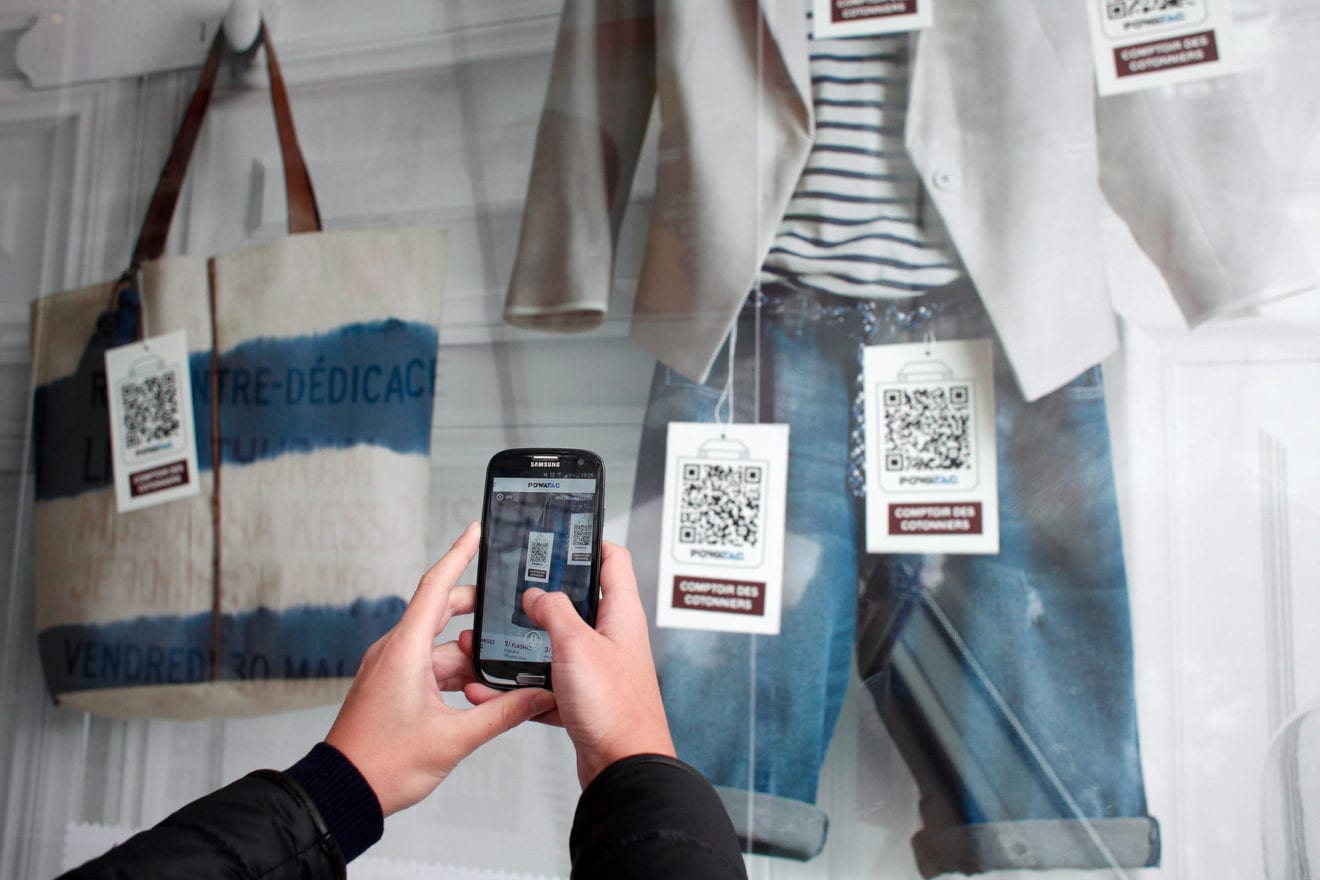
    The PowaTag system relies on digital tags – quick response (QR) codes – that can be attached to physical goods or inserted into self-service checkout screens, emails, websites, posters, images – even the audio from TV ads.

    Wherever Chinese shoppers see the PowaTag UnionPay symbol they will be able to buy products by scanning them with their phones and tapping the “buy now” button, the company says.

    US retail giant Walmart recently launched a similar quick pay system for mobiles in its stores.

    China’s Commerce Department says the “online to offline” market, whereby shoppers search for products online then complete the purchase in-store, grew 80% in the first half of 2015 and is worth about £31bn ($47bn).

    “Why did China UnionPay decide to partner with a little British technology company?” said Mr Wagner. “We’ve trumped ApplePay and the rest of the world here.”

    ‘Tap-and-go’

    State-owned China UnionPay, has been responding to the rapid take-up of smartphones across the country – about 68% of the population now has one.

    On 12 December, it launched QuickPass – a “tap-and-go” payment system for mobile phones similar to Apple Pay and other digital wallets – in co-operation with more than 20 commercial banks.

    QuickPass is already available at more than 10,000 locations in mainland China, says UnionPay, including at retailers such as Carrefour, McDonald’s, and Costa.

    “The Chinese market is going mobile very quickly,” says Mr Birch. “And the integration of payment systems and messaging platforms such as WeChat is a very interesting development.”

    This latest deal with Powa will give Chinese shoppers yet another way to shop using their mobiles.

  • The World’s Biggest Fashion Retailer is Betting Big on China

    The World’s Biggest Fashion Retailer is Betting Big on China

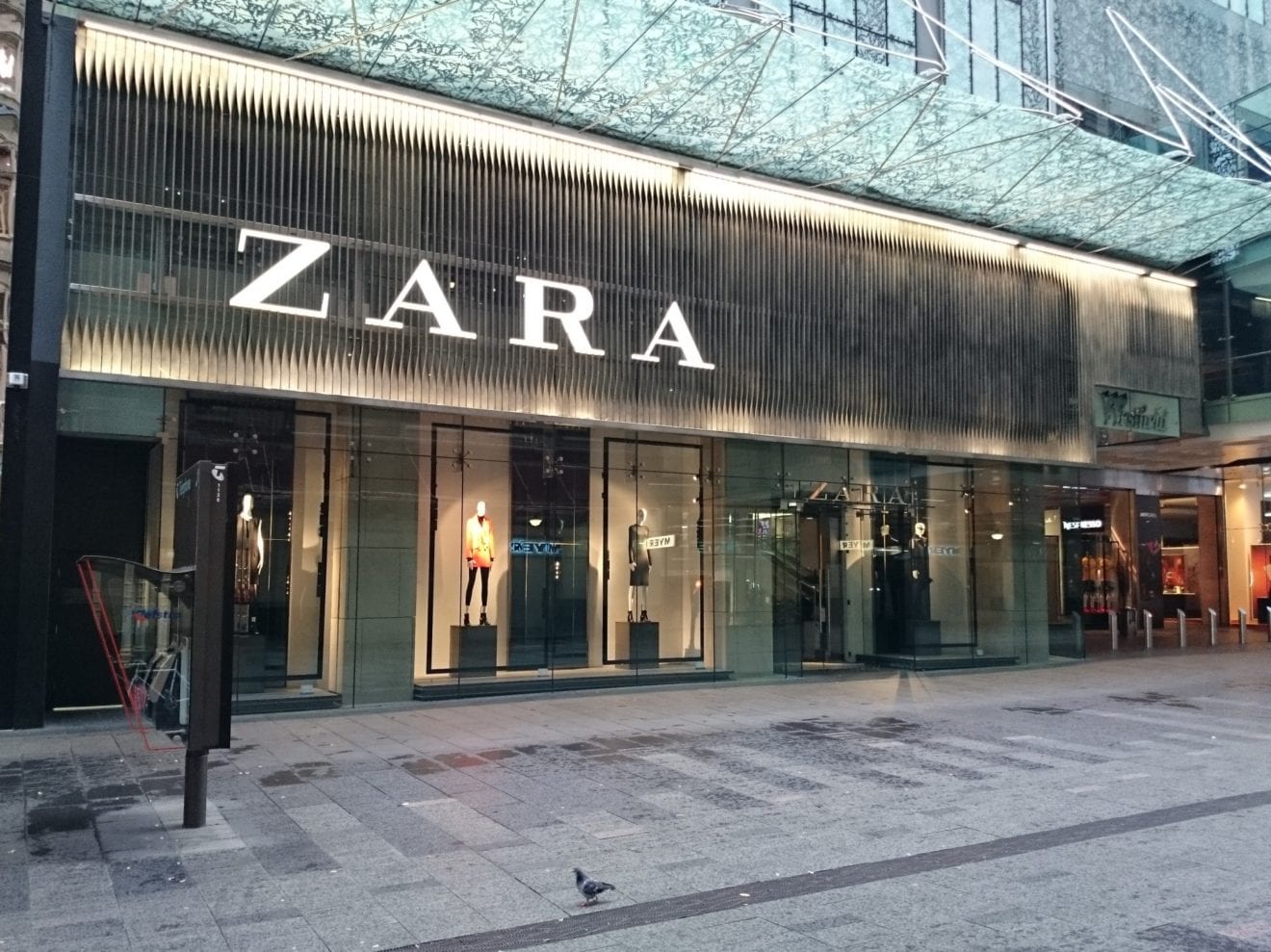
    Spain’s Inditex, owner of the Zara chain and the world’s biggest fashion retailer, is optimistic about long-term growth in China despite the slowing economy, as demand for its affordable fashion stays robust.

    Inditex, whose Zara brand has lured shoppers this season with a minimalist straight-cut look, teaming muted colors with ankle boots and trousers, makes about 7 percent of its sales in China, analysts estimate.

    Western luxury brands like Burberry and Hugo Boss are suffering from cooling Chinese demand, but mid-market names like Adidas and Zara are faring better.

    “We have no doubt that in China the fashion appetite is large, our brands are better and better known and we are still feeling very optimistic (over a five-year view),” Chief Executive Pablo Isla told analysts on Thursday.

    The group made a sprightly start to the Christmas season as its on-trend offerings allowed it to adapt better than rivals.

    Sales from Nov. 1 to Dec. 3 rose 15% in local currencies, suggesting a slight slowdown in same-store sales from the previous three months. But analysts said it was still a strong performance given rivals like Top Shop have had a slow start to Christmas trading due to mild weather.

    “We can say that Inditex is trading just as strongly in the fourth quarter to date as it did in the third,” Societe Generale analyst Anne Critchlow said.

    In the nine months to end October, net profit rose by a fifth to 2.02 billion euros ($2.2 billion) on sales up 16% to 14.7 billion.

    Isla said newer brands like Zara Home, Bershka and Stradivarius had performed particularly well.

    Gross margin, a closely-watched measure of profitability, slipped slightly to 58.8%, as the strong dollar pushed up prices of garments sourced in Asia, though this affects Inditex less than its peers.

    Inditex sources more goods in or near Europe, helping it adapt more quickly to fashion tastes and speedily deliver new ranges.

    Inditex shares, up 37% this year, were down 1.5% by 1037 GMT, versus a 0.7% fall in the European retail sector.

    Many market watchers have flagged the rich valuation of the stock, trading at around 34 times 2016 projected earnings, according to Reuters data, versus 24 times for rival Hennes & Mauritz hmrzf .

  • Vietnam a rising Asian retail market

    Vietnam a rising Asian retail market

    VN a rising Asian retail market

    Viet Nam is on the way to becoming one of the most developed retail markets in Asia, a seminar heard yesterday in Ha Noi.

    The Viet Nam Retailers Association (VRA) organised the Viet Nam Retail Forum 2015 with the theme of “Shopping centres and their development roadmap in Viet Nam”. The event brought together officials, retail experts, domestic retailers as well as foreign retail firms.

    According to Duong Duy Hung, Deputy Director General of the Ministry of Industry and Trade (MOIT)’s Domestic Market Department, total final consumption expenditure accounted for 70 per cent of Viet Nam’s gross domestic product (GDP), of which 90 per cent is household consumption expenditure.

    Hung added that the modern retail market is increasing its role as an engine of Viet Nam’s retail sector’s growth.

    Before Viet Nam joined the World Trade Organisation (WTO), there had been concerns that the models of traditional and modern retail channels could collapse due to the open-door policies facilitating multinational retail corporations, Hung said.

    But Viet Nam retail businesses have adapted step by step, enhancing competitiveness to survive, Hung said.

    However, domestic retailers are also facing difficulties. Foreign retail giants have poured money into trade centres and supermarkets, worrying domestic retailers, Hung added.

    VRA chairwoman Dinh Thi My Loan said Vietnamese supermarket and retail shop chains had been upgraded, but they still lacked professional factors, competitiveness in pricing, diversification in products and product quality control.

    According to the Nielsen market research firm, the middle and affluent class (MAC) in Viet Nam, whose income is from VND15 million (US$714) and above a month, will triple in size between now and 2020 and will be a key group of potential customers for retailers.

    According to a report by property services firm CB Richard Ellis (CBRE), Co.opmart supermarket chain owned by Saigon Co.op was named one of top 200 Asia-Pacific retailers in 2015.

    However, in the Viet Nam’s top 10 retailer 2015 list, the leading position belongs to Saigon Jewellery SJC, followed by Nguyen Kim electronic store chains and the national mobile phone retail giant The Gioi Di Dong (Mobile World).

    This report also showed that the overall vacancy of Ha Noi’s retail space saw the highest rate in the past five years (up to 20 per cent) while this rate for HCM City has been relatively low, just under 10 per cent. This directly affects average rent in the two cities.

    As a result, average rent in Ha Noi has reduced while the figure for HCM City has increased. The rent in the central areas of Ha Noi and HCM City are very high, reportedly amounting to over $120 per sq.m per month in the third quarter of 2015, three times higher than other areas in the cities.

    The report also said that 22 per cent of Vietnamese prefer to go shopping in convenience stores rather than in big shopping malls. — VNS

  • Budget flights launched from Thailand to Europe

    Budget flights launched from Thailand to Europe

    Budget travelers can now hop on a cheap flight to Europe as low-cost German carrier Eurowings launches flights to Bangkok and Phuket this week.

    Its first flight from Cologne to Phuket leaves on Friday, while its first flight from Cologne to Suvarnabhumi departs next Monday.

    Flights from Bangkok to Cologne or Bonn will take off at 6.25am every Monday and 9.20am every Thursday, while flights from Phuket will leave at 2.05pm every Tuesday and 6.35am every Saturday.

    Travelers can then connect to the UK, Austria, Croatia, Czech Republic, Hungary, Italy, Spain, Sweden, and Switzerland.

    “We are very pleased to be introducing the low cost long-haul concept to Thailand this December. The Eurowings strategy is to strengthen our position in point-to-point traffic and offers affordable ticket prices and attractive route network,” said Christian Hein, Eurowings senior vice-president, sales. 

    He added that air travel in the region would continue to grow as the number of international travelers increases

  • President to launch Rotiklot dam project in eastern border region

    President to launch Rotiklot dam project in eastern border region

    President Joko Widodo is scheduled to conduct the groundbreaking for the Rotiklot dam development project in West Timor during his visit to the region on December 20 and 28.

    The event is very important as the Rotiklot dam will be the third-largest after Tilong and Raknamo dams in the district of Kupang, East Nusa Tenggara, and the largest in the districts of Belu and Malaka,” Frans Lebu Raya, the governor of East Nusa Tenggara province, remarked here on Wednesday.

    “Currently, the technical team is still finalizing the agenda of the head of state in connection with the groundbreaking event, including the location for the ceremony,” he noted.

    The construction of the dam, worth Rp450 billion, will be completed in three years using funds from the national budget.

    “The cornerstone will be laid this year to mark the start of the construction work and will be completed in 2017 to serve the needs of the people,” he explained.

    Besides flood control, the dam is also designed for meeting electricity needs, agriculture, and tourism, he stated.

    “Once the dam is built, the people must utilize it optimally to improve their welfare,” he noted.

    The East Nusa Tenggara provincial government has proposed the development of six dams to overcome the water shortage problem in the region and to deal with the El Nino weather phenomenon.

    “The six dams, include Kolhua in Kupang city, Raknamo in Kupang district, Rotiklot in Belu district, Temef in Timor Tengah Selatan, Napunggete in Sikka, and Lambo in Nagekeo,” Andre Koreh, the head of the provinces public works service, stated at a separate occasion.

    He said the projects have already been included in the plan of the ministry of public works, and so, they will be realized in stages based on the availability of the budget.

    He pointed out that the region requires around 1.5 million cubic meters of water to meet the needs of the people during the dry season, although water supply is abundant during the rainy season, and hence, the dams are needed.

  • Indonesia’s Largest Solar Power Plant Ready for Operation

    Indonesia’s Largest Solar Power Plant Ready for Operation

    Indonesia’s largest solar power plant built by PT Len Industri in Kupang, East Nusa Tenggara, is ready for operation as soon as it is inaugurated by President Joko “Jokowi” Widodo.

    Len Industri President Director Abraham Mose said electrical power from the solar power plant with Independent Power Producer (IPP) concept will reach five megawatts. “We will conduct test for power supply of five megawatts this December,” Abraham said.

    Abraham said that his company could finish the power plant’s construction right on time, even earlier than the deadline stated in the contract with the State Electricity Company (PLN) in East Nusa Tenggara.

    Abraham said that Len Industri’s investment value for the solar power plant reaches up to Rp125 billion.