Author: Mei Ling Tan

  • Artsy coffee chain Blue Bottle brews long queues in Tokyo

    Artsy coffee chain Blue Bottle brews long queues in Tokyo

    Japan, famous for green tea, is welcoming artisanal American coffee roaster Blue Bottle with long lines that have at times meant a four-hour wait for a cup.

    The company, which began in Oakland, California in 2002, hopes its early popularity is more than a passing fad. Japan’s consumer culture is littered with manias for Western food imports: pancakes, popcorn, doughnuts, even Taco Bell.

    Success in Japan is important for Blue Bottle, which operates 17 cafes in the San Francisco Bay area, New York and Los Angeles. Japan is its first foray outside of the U.S. Blue Bottle raised nearly $26 million last year to invest in expansion, including financing from Silicon Valley executives, setting the stage for a test of whether an artsy gourmet coffee chain can go big.

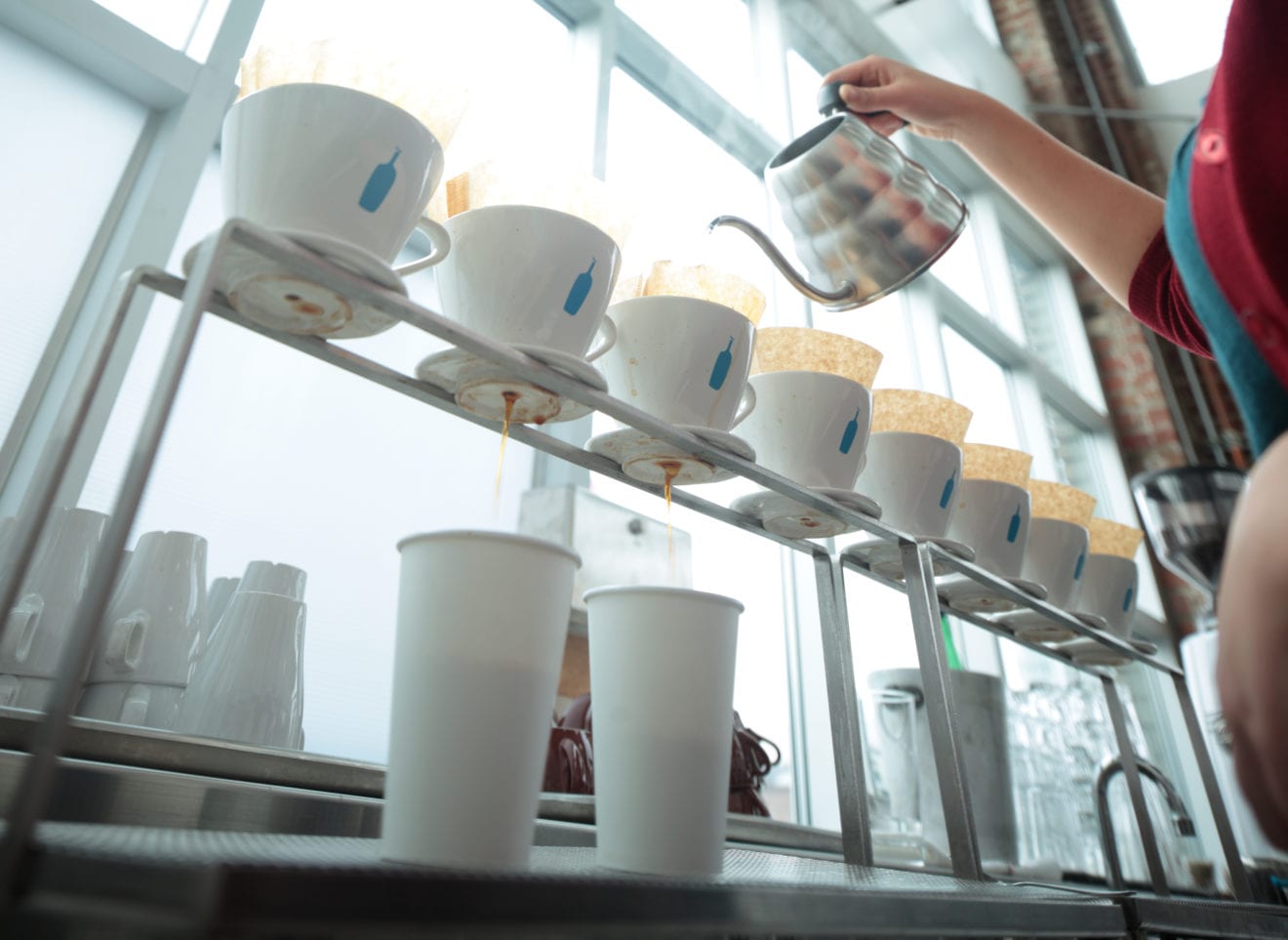
    Founder James Freeman, a musician, was inspired by Japan’s old-style “kissaten” coffee-shops: tiny dimly-lit establishments, with good music and a barista behind a wooden counter. Think places for quiet serious thinking and real drip coffee, not sweet, frivolous drinks.

    “We care about every part of the coffee. We call it from seed to cup,” said Saki Igawa, the business operations manager for Blue Bottle in Japan.

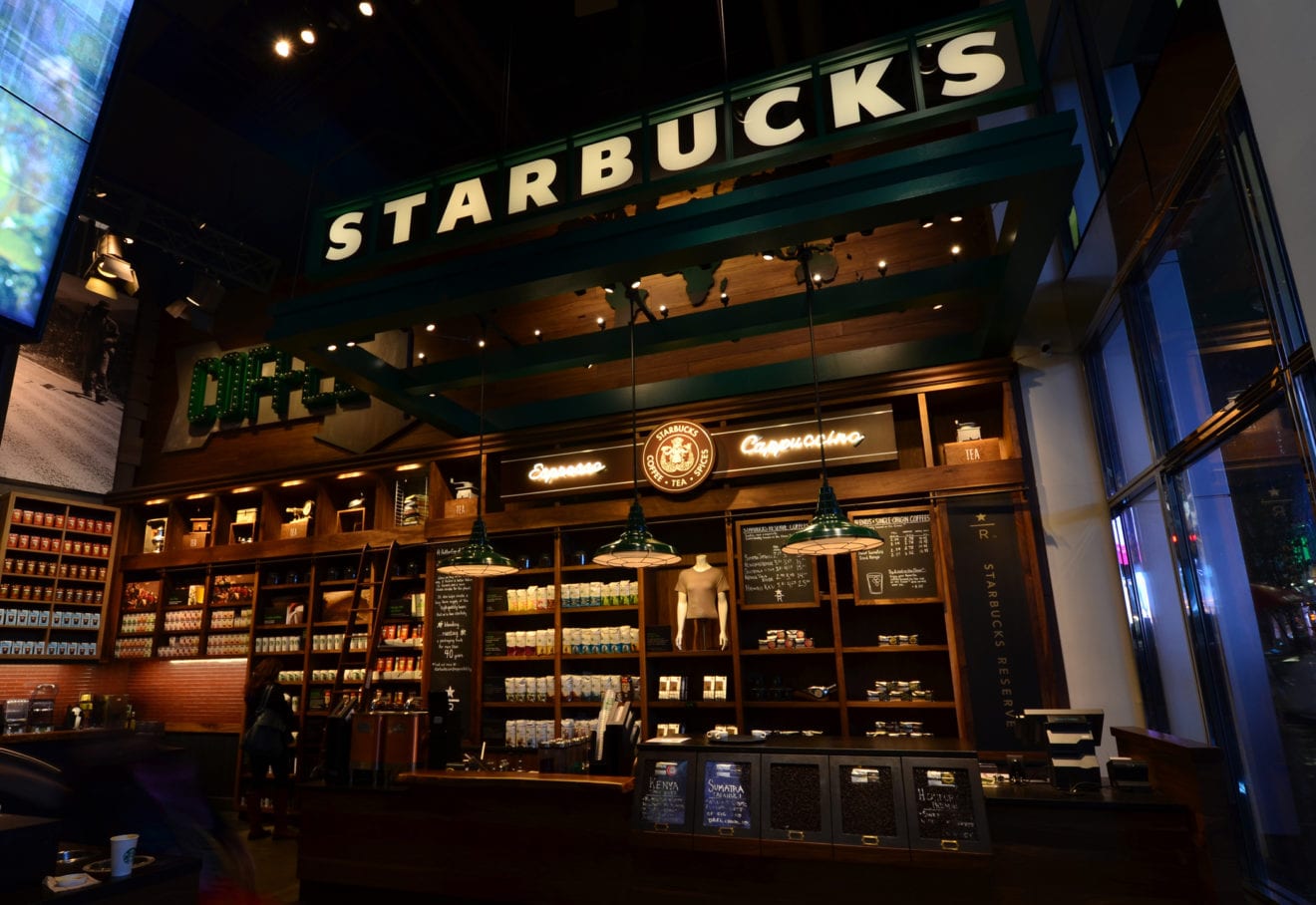
    Attention to detail that dovetails with aspects of Japanese culture accounts for part of the coffee chain’s early popularity. The spread of Starbucks internationally, which has created a cookie-cutter coffee culture that some people want to trade up from, is another factor. Blue Bottle is also benefiting from the image problems in Japan of fast food chains and highly processed foods.

    “It’s a new era in eating out,” said food industry consultant Jotaro Fujii who contends that Blue Bottle’s arrival and the decline of McDonald’s in Japan is part of a bigger trend of consumer interest in the safety and quality of the entire food supply chain.

    McDonald’s is suffering declining popularity in Japan, a problem exacerbated after plastic pieces, and even a tooth, was found in its food last year, setting off an outrage among consumers.

    Upscale burger chain Shake Shack, which started as a hot dog stand in New York, is expected to arrive in Japan soon, said Fujii.

    Such chains, including Blue Bottle, are likely to aim for 50 or at most 100 outlets in Japan, not the thousands that fast-food eateries, such as McDonald’s, has achieved here, he said.

    Instead, they will focus on fortifying a brand image, which can lead to other kinds of lucrative businesses.

    Although the prevalent image of Japan might be tea, it has long had plenty of affection for coffee.

    Starbucks has been a hit since arriving in 1995. It now has more than 1,000 shops in Japan. Not a single prefecture (state) is without a Starbucks with one opening in holdout Tottori Prefecture this month — not surprisingly, welcomed with long lines.

    Even convenience stores are serving freshly brewed coffee. Japan also invented “manga-kissa,” or a cafe-cum-library, where you can curl up with a comic book and sip on coffee for hours.

    Such newcomers have hammered the once omnipresent kissaten. Their numbers have dropped by half from the 1980s, or to 77,000 in 2009, according to a Japanese government study.

    But Blue Bottle’s popularity is part of a rediscovery of cafes serving carefully prepared, quality coffee, a trend already long evident in the U.S.

    Blue Bottle’s first Japan shop, which has a roaster, is in Kiyosumi, an older part of Tokyo, chosen because it reminded Freeman, the founder, of Oakland. It opened in February. The second shop, in a backstreet of Tokyo’s fashionable Omotesando, opened in March.

    A third, likely opening later this year in Tokyo’s Daikanyama shopping area, will feature a menu that reflects Blue Bottle’s recent acquisition of San Francisco-based Tartine Bakery, which serves croissants, sandwiches and pastries.

    Blends such as “Giant Steps,” combining African and Indonesian-grown beans for a chocolate taste, sell for 450 yen ($3.75) a cup. A latte costs 520 yen ($4.30).

    On a recent day, the Blue Bottle shop in Kiyosumi, Tokyo, was filled with sunlight pouring through huge windows, the hum of a giant roaster, the fragrant aroma of fresh coffee and a crowd of people.

    Takuya Nakagawa, a 39-year-old hairdresser, who came all the way from rural Toyama Prefecture (state), was impressed with the coffee’s taste and the store’s stylish stark decor. He bought granola and coffee beans as souvenir gifts.

    “I just love the taste,” he said. “This kind of place doesn’t exist in Toyama.”

    True to its inspiration, Blue Bottle is learning from Japan, said Andrew Smith, 29, of San Francisco, a barista and one of three Americans who came to work for the chain in Japan.

    “People here have different ways of conceptualizing about coffee so they taste things differently,” Smith said.

    “They are looking for different kinds of things in coffee. And that is a fun way to learn how everyone in the world perceives coffee differently.”
  • Consumer confidence dips in Q1: Nielsen

    Consumer confidence in the first quarter dipped one point from a quarter ago with sentiment about employment and personal finance both lowered, a latest study shows.

    The Chinese Consumer Confidence index stood at 106 in the first quarter this year, down from that of 111 points in the same period a year ago, Nielsen China said in a research report today.

    Despite dip in sentiment about employment and personal finance, the willingness to spend showed an overall increase of 2 points to 44 percent.

    “Chinese consumers’ willingness to spend is seeing a recovery especially in lower tier cities and the increasing disposable income, the low inflation level as well as the booming e-commerce development all suggest huge growth potential for consumer spending,” Oliver Rust, Managing Director of Nielsen China, said in a statement.

    Following a historic high of 118 points in the fourth quarter last year, consumer confidence index in first tier cities dropped five points to 113 points this quarter, and Nielsen suggested these are just normal fluctuations.

    The survey covers a total of 3,500 respondents in China. Consumer confidence levels above and below a baseline of 100 indicates degrees of optimism and pessimism, respectively.

    The immediate spending intention in the following 12-month period jumped 8 points to 50 percent among tier four cities’ consumers, as these smaller cities are leading the momentum of overall consumer goods growth in China.

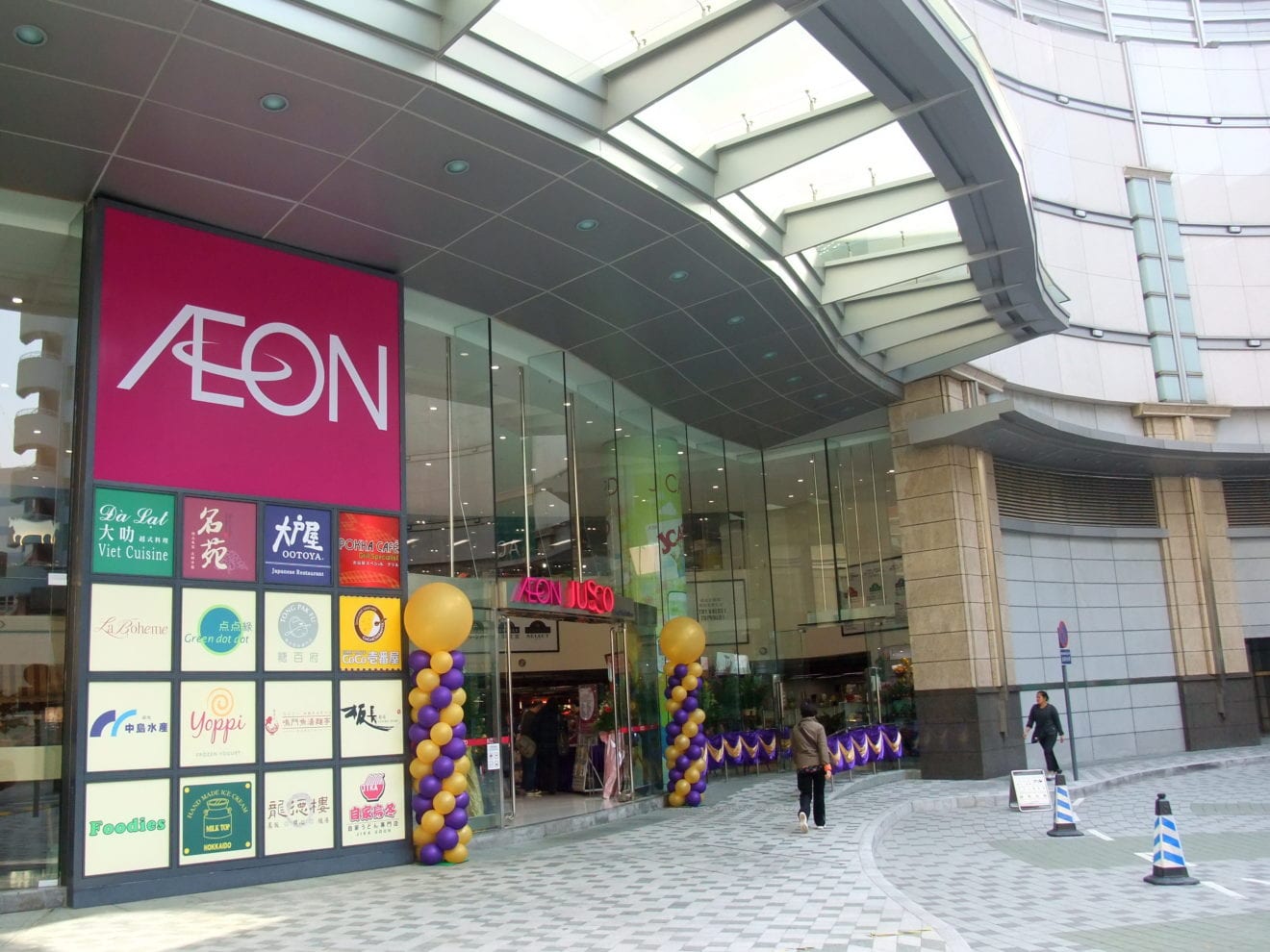
  • Aeon posts 1Q profit growth, sees challenging year

    Aeon posts 1Q profit growth, sees challenging year

    Aeon chairman Datuk Abdullah Mohd Yusof said nevertheless, the group remains confident in meeting the challenges head-on.

    “After consumers get used to the changes in the new tax system, they will start shopping again, especially in the upcoming festive periods,” he told reporters after the group’s annual general meeting yesterday.

    After enjoying four consecutive years of steady growth, Aeon saw its net profit for the financial year ended December 31, 2014 (FY14) drop 7.9% to RM212.71 million from RM230.96 million in FY13.

    However, its net profit rebounded for the first quarter ended March 31, 2015 (1QFY15), growing 5.4% to RM49.4 million or 3.52 sen a share from RM46.88 million or 3.34 sen a share a year ago. Revenue was up by 17.1% to RM1.11 billion from RM945.51 million in 1QFY14.

    Abdullah blamed the net profit decline in FY14 on the rising cost of living and operation costs, as well as an increase in its capital expenditure (capex) for expansion.

    “The [implementation of the] minimum wage also caused [the] costs to go up. The cost of doing business has risen. We have also been accelerating our expansion to have a bigger market share,” said Aeon managing director Nur Qamarina Chew Abdullah.

    Aeon has set aside RM700 million as capex for FY15, an increase from about RM670 million last financial year.

    Abdullah said the budget had been earmarked for the development of upcoming Aeon malls, namely in Shah Alam, Selangor and Klebang, Melaka, which are slated to open in 4Q15.

    The group will also open malls in Kota Baru, Kelantan by 2Q16, and Kuching, Sarawak in 2Q17.

    The overall occupancy rate of its malls currently stands at 93%, a number that Abdullah said is a “fairly good” average.

    Yesterday, Aeon shares closed 0.96% higher at RM3.16, with some 1.77 million shares traded. It closed with a market capitalisation of RM4.39 billion.

  • Tottori Starbucks opening draws 1,000 people

    Tottori Starbucks opening draws 1,000 people

    About 1,000 people lined up Saturday for the opening of the first Starbucks outlet in Tottori Prefecture.

    Japan’s least populated prefecture was the last in which the coffee chain lacked a presence.

    The outlet, near a train station in the city of Tottori, the prefectural capital, started forming lines from around noon Friday. About 150 people had gathered by midnight to camp out for the opening.

    College student Atsushi Miyagawa, 19, was first in line. “It tastes good. It’s unlike any other coffee I know,” he said.

    An established coffee shop nearby, named Sunaba Coffee, gave away free mugs and offered a full refund to any customer who thought that Starbucks coffee tasted better.

    Sunaba Coffee was launched in April last year partly to mock Starbucks and partly to promote Tottori’s famous sand dunes. The Japanese word for sand issuna.

    The nation’s first Starbucks opened in Tokyo’s Ginza district in 1996. Although Starbucks has become a major player in Japan’s coffee market, major convenience store chains recently jumped into the fray by offering improved coffee products.

  • McDonald’s revives free smiles, launches month-to-month occasions

    McDonald’s revives free smiles, launches month-to-month occasions

    McDonald’s Holdings Co. (Japan) on Monday revived its “smile for zero yen” marketing campaign and stated it can designate the 25th day of every month as a “mac smile day.”

    On every “smile day” this yr, McDonalds will maintain occasions in its retailers aimed toward recovering buyer belief, broken by a collection of blunders, together with the invention of overseas objects in its merchandise.

    The corporate held ceremonies for its first smile day at six retailers throughout Japan, together with in Tokyo and Osaka. On the hamburger chain’s Nakano Central Park outlet in Nakano Ward, Tokyo, singers Might J. and Chris Hart carried out a music that includes smiles and have been named honorary store managers for the day.

    McDonald’s additionally revised its menu, providing clients salads as a part of its set menus.

  • BlackBerry lays off employees to be worthwhile

    BlackBerry lays off employees to be worthwhile

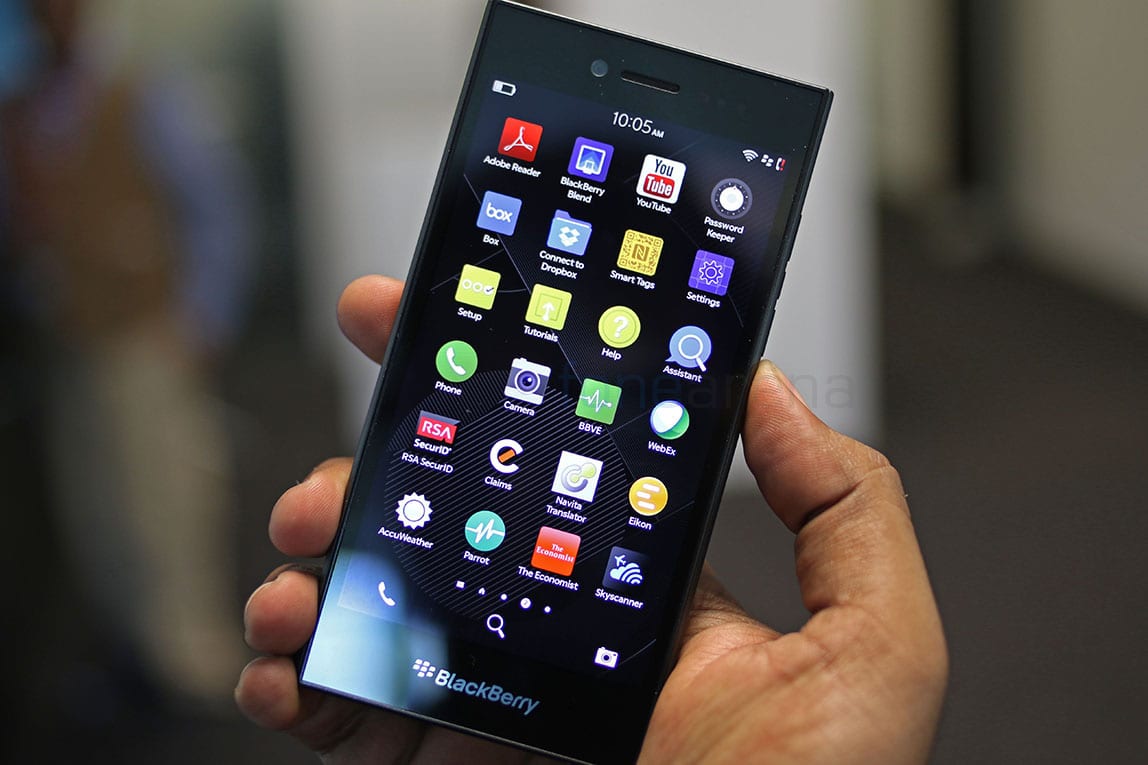
    BLACKBERRY is shedding an unspecified variety of staff around the globe because the struggling smartphone vendor tries to make its gadget enterprise worthwhile.

    The Canadian firm, based mostly in Waterloo, Ontario, stated the cuts will impression these engaged on the software program, hardware and purposes aspect of the enterprise.

    “As the corporate strikes into its subsequent stage of the turnaround, our intention is to reallocate assets in methods that may greatest allow us to capitalize on progress alternatives whereas driving towards sustainable profitability throughout all sides of our enterprise,” BlackBerry stated in a press release on Saturday.

    A spokeswoman declined to offer further details about the cuts.

    BlackBerry employs 7,000 individuals globally.

    BlackBerry, which solely a decade in the past was a titan within the smartphone enterprise, has been pressured into a serious reorganization focusing extra on software program and providers since being overtaken out there for cellular units.

    An IDC survey confirmed BlackBerry took simply zero.four % of worldwide smartphone gross sales in 2014.

    “Certainly one of our priorities is making our system enterprise worthwhile,” BlackBerry stated. “On the similar time, we should develop software program and licensing revenues.

  • Singapore’s postal service reinvents itself for the digital age

    Singapore’s postal service reinvents itself for the digital age

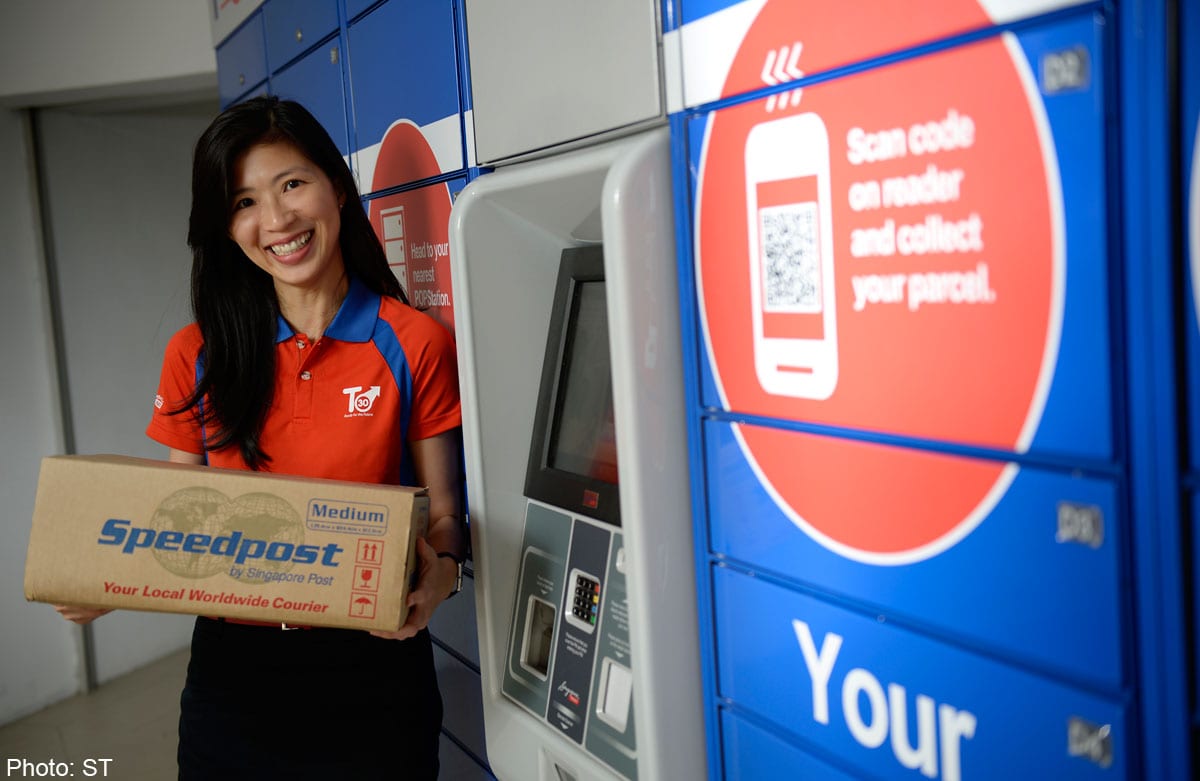
    When a German lingerie model needed to promote bras on-line in Malaysia, it turned to Singapore’s almost 200-year-old nationwide postal service.

    Singapore Publish constructed an internet site, developed a advertising technique and now delivers packages for the corporate, Triumph Worldwide. The customer support group even solutions questions on sizing.

    As postage stamps give solution to keyboard clicks, SingPost is redefining the position of the letter service, by making a one-stop store for retailers’ e-commerce wants in Asia.

    In South Korea, SingPost helps to promote Levi’s denims. In Singapore, it’s stocking Toshiba laptops. In Malaysia, it’s delivering Adidas sneakers.

    With conventional mail providers in decline, publish workplaces around the globe are scrambling to reinvent themselves for the digital age.

    “Sitting on that burning platform, we appeared round and stated, ‘The place might we develop?’” stated Wolfgang Baier, the chief government of SingPost.

    Japan Submit is shopping for the most important personal package deal and freight supply firm in Australia, Toll Holdings, in a bid to create a rival to UPSand FedEx. America Postal Service, which misplaced $5.5 billion final yr, is offering Sunday deliveries for Amazon. Australia Publish is working with the Chinese language Web big Alibaba to assist native companies join with shoppers in China.

    “There are a minimum of two enterprise developments unfolding earlier than us. One is the dying of mail,” stated Frank Lavin, chief government of the e-commerce consultancy Export Now. “The second is that this growth in e-commerce.”

    SingPost’s makeover is among the many most formidable. In addition to its common postal duties, it provides a basket of providers for corporations, together with web site improvement, on-line advertising, customer support and, in fact, package deal supply. Following the Amazon mannequin, it’s constructing a community of 24 warehouses in 12 nations to stockpile items for corporations. The e-commerce group is staffed with former Silicon Valley executives.

  • Matahari Putra Prima to Distribute Rp194b in Dividends

    Matahari Putra Prima to Distribute Rp194b in Dividends

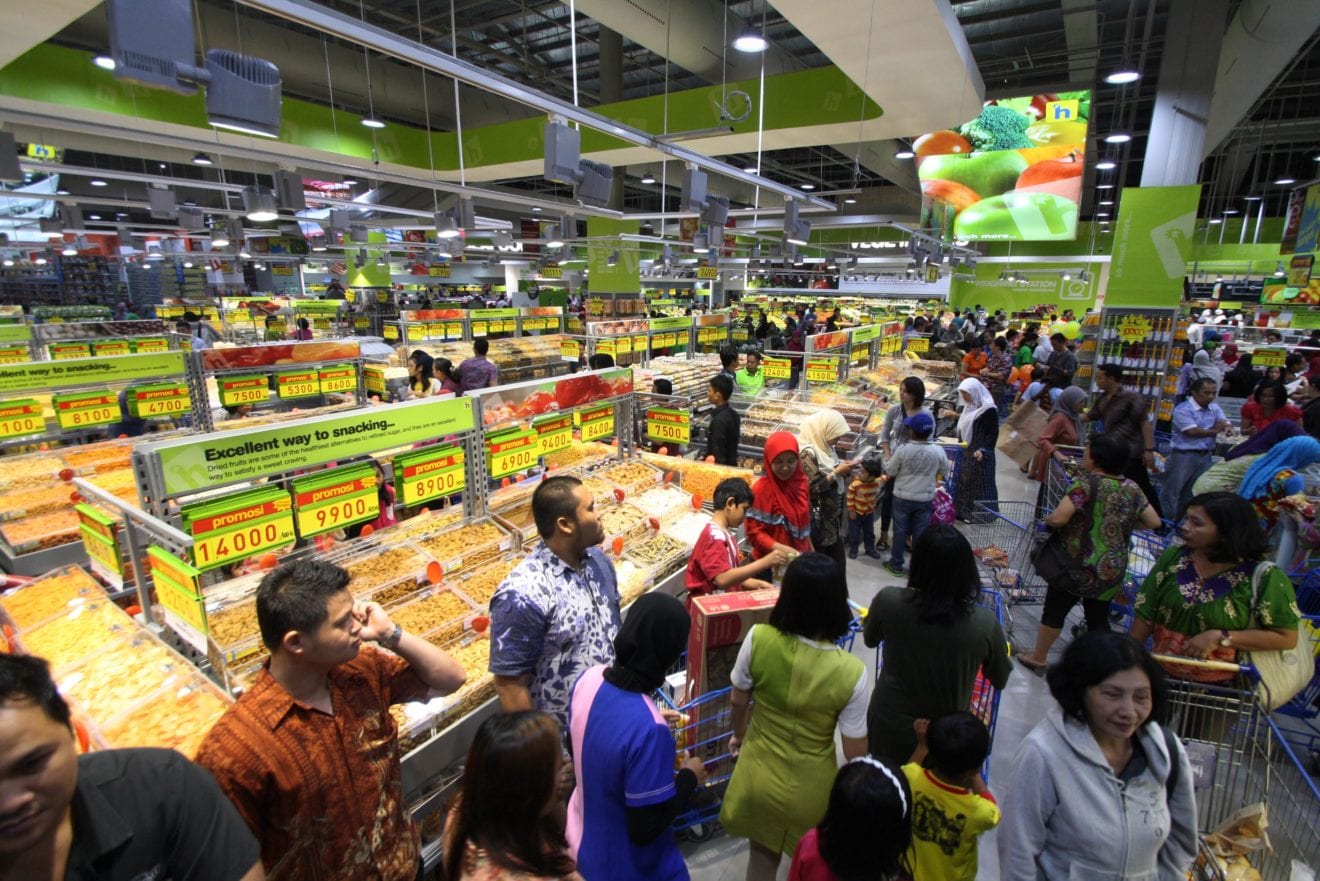
    Shareholders of Indonesia’s largest trendy retailer for fast-moving shopper items Matahari Putra Prima permitted in its annual common shareholders assembly a plan to distribute Rp 193.9 billion ($14.7 million) in dividends, which characterize 35 % of the corporate’s 2014 internet earnings of Rp 554 billion.

    Buyers of MPP, a Jakarta Globe affiliate by means of the Lippo Group, will obtain a dividend cost of Rp 36 for each share they maintain in a date which might be introduced later.

    “We’re happy to announce the money dividend of Rp 193.9 billion to our valued shareholders. This demonstrates the corporate’s on­going dedication to extend shareholder worth in ­line with the corporate’s goal to turn into the main FMCF trendy retailer in Indonesia,” MPP president director Benjamin Mailool stated in a press launch on Monday.

    Mailool added that the corporate will proceed its aggressive enlargement this yr by opening at the very least 10 new Hypermart retailers and additional develop its Foodmart and Boston Well being & Magnificence enterprise models.

    “Our dedication to buyer satisfaction is concentrated on additional improvement of the Hypermart format to continued enchancment of the client purchasing expertise and ensures we proceed to seize market share to safe the primary place within the multi-­format fast-moving shopper items phase,” he added.

    Buyers additionally welcomed John Riady and Niel Nielson to the board of commissioners and accepted the administrators studies on the corporate’s achievements and monetary outcomes for the 2014 fiscal yr.

    “We want to welcome John Riady and Niel Nielson who at the moment are the brand new members of BOC. These management modifications proceed to strengthen our boards to help the aggressive enlargement plans for 2015 and past,” Mailool stated.

    MPP posted a robust revenue progress final yr, because of strong gross sales and enhancing store-level productiveness.

    MPP lately introduced that its internet revenue grew 24.5 % to Rp 554 billion final yr. Eliminating one-time good points in 2014, internet revenue elevated 58.2 % to Rp 625.9 billion.

    In 2014, MPP grew with the widest retailer community of 107 hypermarkets, 21 supermarkets, 102 well being and wonder retailers, and 37 comfort shops working in additional than 60 cities and  29 provinces throughout Indonesia.

    It has launched the newest idea of Hypermart Era 7 (G7) in North Lippo Karawaci, on the outskirts of Jakarta. The occasion was adopted by the opening of a second G7 retailer in Batam in April.

  • Alibaba companions with Korean authorities to launch Korea Pavilion on Tmall

    Alibaba companions with Korean authorities to launch Korea Pavilion on Tmall

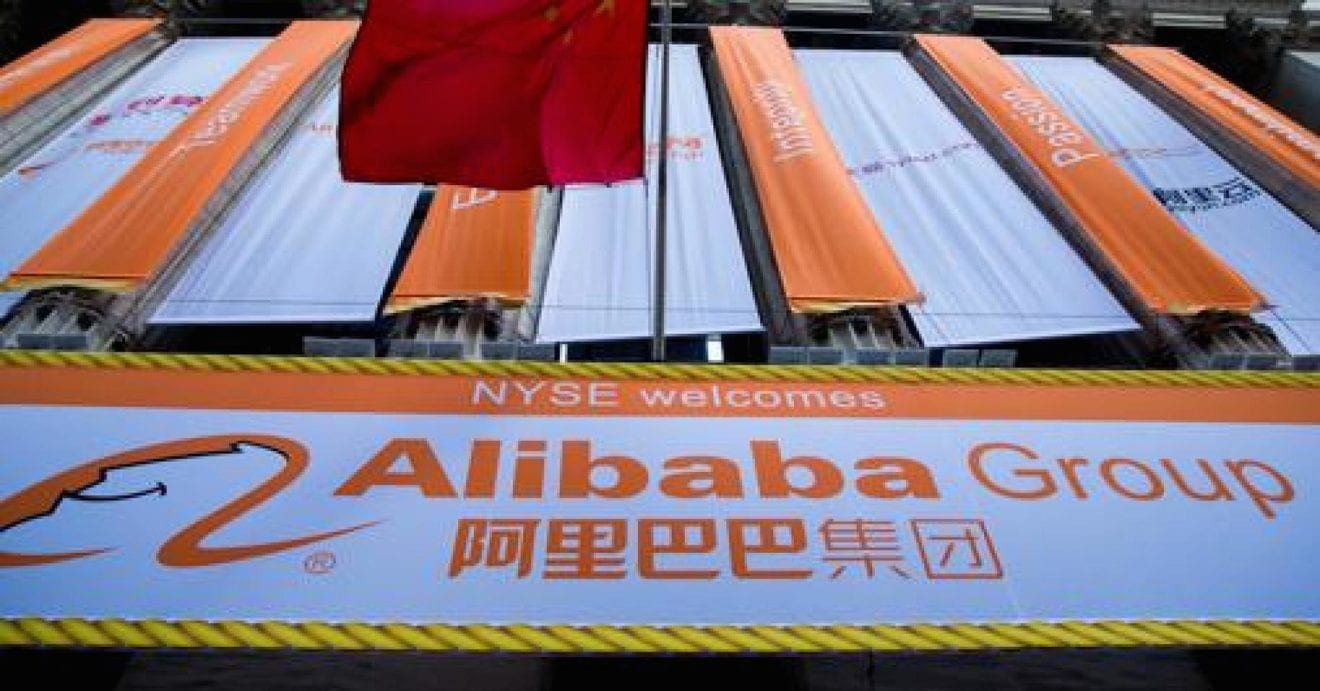
    Chinese language e-commerce big Alibaba Group on Monday launched the Korea Pavilion on Tmall.com, China’s largest third-party B2C platform. The Korea Pavilion is the primary official on-line nation pavilion devoted to offering shoppers in China with one-stop store for real Korean merchandise and journey and cultural info.

    In partnership with Korea Argo-Fisheries & Meals Commerce Company and Korea Worldwide Commerce Affiliation (KITA), the Korea Pavilion provides Korean retailers a devoted on-line platform to faucet the Chinese language market. It is the results of fruitful discussions between Alibaba Group and the Korean authorities over the previous yr. These discussions have yielded different constructive initiatives akin to collaboration in logistics and the creation of internship packages aimed toward growing the cooperation between Chinese language and Korean enterprises.

    “The Korea Pavilion is Alibaba Group’s first official nation pavilion and we’ll proceed to work with governments of different nations to launch comparable pavilions sooner or later with a view to fulfill the wants of our Chinese language shoppers,” stated Jack Ma on the opening ceremony of the Korea Pavilion on Monday in Seoul. “Korean made merchandise have all the time been well-liked in China and we’re excited to convey these merchandise onto Tmall.com.”

    To additional strengthen the collaboration between Chinese language and Korean corporations, Alibaba Group is working with KITA to provoke a youth internship program that may let 100 Korean school graduates intern at Alibaba Group’s headquarters in Hangzhou. The primary session of the three-month lengthy internship program will begin in early July. The chosen interns will study concerning the Chinese language shopper market, its traits, and the operations and enterprise of Alibaba Group’s e-commerce platforms. Via this internship, Korean school graduates can study concerning the quickly rising Chinese language market and convey that have and information again to South Korea.

    With the rising demand of Korean merchandise amongst Chinese language shoppers, Cainiao, the logistics affiliate of Alibaba Group, is trying to broaden its partnerships with Korean corporations to deliver the perfect cross-border logistics options potential to the Chinese language shoppers.

  • Retailers in China have to adapt to thrive within the “new regular”

    Conventional retailers and shopper items corporations want to vary the enterprise methods shortly within the realities of a “new normaI” in China. Worldwide shopper companies, particularly, have to be extra versatile and complicated with their offline and on-line propositions to be aggressive, in line with a brand new report by OC&C Technique Consultants.

    The New Regular: Time to cease making excuses and adapt as an alternativeunits out a roadmap for retail companies responding to the change in progress dynamic in China. The report reveals that offline targeted companies who used to see the retail progress of nearer 13-14 % earlier than at the moment are seeing nearer to 7-Eight % if they’re nationally distributed and even as little as Three-Four % if they’re extremely targeted on tier one and two cities. Equally, these companies which might be under-exposed to well-performing areas of the market, reminiscent of on-line and decrease tier cities, have seen their progress charges halved up to now two years.

    A number of the largest offline operators reminiscent of grocers, malls and electrical shops, have skilled particularly troublesome occasions as they’ve been depending on additional area to drive progress. Many overseas shopper items corporations additionally suffered because of the emergence of home on-line gamers with their very own shops hosted by Tmall, inflicting many shoppers to shift away from established, worldwide manufacturers as they transfer on-line.

    “There’s nonetheless loads of progress to be present in China, nevertheless corporations must be nimble to profit from it. Accepting this new regular actuality, understanding the right way to faucet into these areas of market progress, after which planning and investing appropriately for the longer term will put retail and shopper items companies on a stronger footing,” says Richard McKenzie, Companion, OC&C Technique Consultants.

    Regardless of considerations over slower, and even destructive progress for some retailers, China continues to increase far faster than most different world markets. With ranges of private disposable revenue remaining excessive and shopper confidence nonetheless robust, the fast problem for retailers and shopper items corporations is to turn out to be profitable on-line, because it now accounts for over half of retail market progress.

    There are 4 key actions that shopper companies in China have to be contemplating as a part of coping with this modification in progress dynamic:

    1. Be practical about underlying market and price range appropriately: So as to carry out like the general market, multi-nationals particularly have to undertake a extra balanced strategy that provides applicable consideration to the expansion pillars of on-line and decrease tier cities.

    2. Offline is way from lifeless however does deserve much less focus: Though nonetheless the most important channel for many retailers, an excessive amount of of a spotlight might maintain again the enterprise for embracing the quicker shifting on-line market.

    Three. Look to decrease tier cities: Extra engaging than ever as a supply of progress, companies want to make sure they’ve entry to those shoppers in decrease tier cities, though the size of alternative might be very totally different for every enterprise and any strategy will must be tailor-made.

    Four. Constructing the correct proposition for progress in every channel: The expansion and pricing dynamics of every channel are radically totally different and must be assessed individually, relative to each a enterprise’s personal efficiency and people of its rivals.

  • Metro AG to open imported items retailer in FTZ

    Metro AG to open imported items retailer in FTZ

    German retailer group Metro AG is planning to open an imported items specialty retailer inside Shanghai’s Free Commerce Zone by the top of this yr to seize a slice of the booming imported items market.

    Metro AG stated it expects e-commerce transaction might make up as a lot as 10 % of its general revenue in China inside one or two years.

    “We’ll shift our focus to enlargement from opening new shops to renovating present ones to raised go well with e-commerce consumers. For the web enterprise, we additionally hope to focus on extra company shoppers with a view to assure our revenue margin,” president of Metro Money & Carry China Jeroen de Groot informed a press briefing right now.

    It’s nonetheless discussing the small print with the Shanghai FTZ authorities relating to the availability chain and stock administration amenities.

    The corporate at present unveiled a modern format of its on-line buying website that permits consumers to select their close by department for simpler supply and a real-time reflection of merchandise in inventory.

    Tao Yuan, basic supervisor of Metro Money & Cary’s e-commerce unit, stated supply for particular person consumers might be dealt with by native courier agency SF Categorical and Zhaijisong Categorical Supply.

    By the top of this yr, it hopes to cowl altogether 80 Metro retailers in China in 56 cities. At present it’s obtainable to shoppers in 21 cities.

  • Metro China upgrades e-commerce platform to offer seamless buyer expertise

    Metro China upgrades e-commerce platform to offer seamless buyer expertise

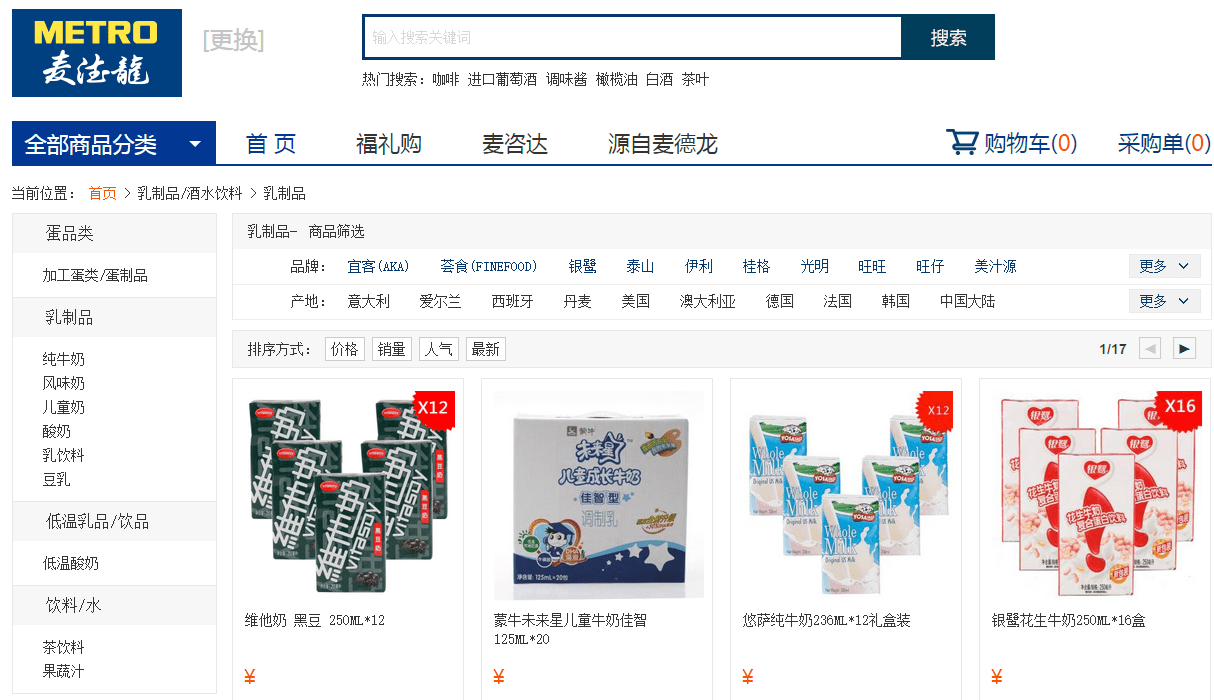
    Metro China has improve its e-commerce platform metromall.cn – which integrates on-line, offline and cellular channels for a seamless buyer expertise, the wholesaler stated on Tuesday.

    With an optimized consumer interface and location-based providers, Metromall synchronizes with the wholesaler’s offline shops, overlaying over 20,000 merchandise. Metro delivers all on-line orders instantly from native wholesale shops, not solely shortening supply time but in addition making certain product high quality. The platform gives clients handy and environment friendly decisions of products receiving, similar to residence supply or in-store pick-up.

    Ever since Metro entered China market in 1996, the wholesaler has adopted a membership system, and picked up knowledge from over four million shopping for clients with a purpose to present custom-made options and providers. By tapping into this wealthy database, the upgraded e-commerce platform will additional strengthen Metro’s buyer relationship administration.

    The Metro e-commerce platform at present covers 39 shops in 21 cities in China, and can unroll throughout all Metro shops in China by the top of 2015.

    “E-commerce is certainly one of our strategic channels to drive for progress in China market. We’re decided to reinforce buyer expertise and additional broaden enterprise by means of leveraging the facility of e-commerce,” stated Jeroen de Groot, President of METRO China.

    “Our Metromall not solely integrates online-to-offline, but in addition incorporates an revolutionary cellular perform. We’re assured this platform will allow us to offer extra thrilling options and seamless buying expertise to our core goal skilled clients, serving to them to be extra profitable out there.”

    The cellular app for Metromall permits clients to scan barcodes and determine product options, construct purchasing carts, place orders, and check-out. The app’s highly effective database consists of product barcodes of all articles in offline shops apart from recent and ultra-fresh merchandise. Clients also can comply with Metro’s WeChat to acquire promotional info of Metromall and place orders on their cell telephones.

    Leveraging its international procurement community, Metro Group is about to enter the free-trade zone this yr, partnering with China’s famend cross-border e-commerce platforms, to offer shoppers with a broader vary of high-quality imported items.

    Metro China is dedicated to offering protected and high-quality merchandise, and is the one wholesaler in China with all shops to function in accordance with Hazard Evaluation and Essential Management Factors requirements to make sure that the processes of receiving, processing, storing and promoting items are hazard-free.

    Additional illustrating the wholesaler’s dedication to meals security, Metro has developed an business main traceability system, which data all course of particulars from farm to market. Just by scanning product barcodes, clients can view the whole product lifecycle, together with the place it was grown, the way it was licensed, and the logistics concerned.

    The newly-upgraded e-commerce platform has enabled Metro to create a closed, online-to-offline loop for protected and traceable meals.

    Metro opened its first wholesale retailer in Shanghai in 1996. It was among the many first to realize permission from the China to arrange chain operations in all main cities within the nation. During the last decade, the corporate has set its foot in 56 cities with 80 retailers in operation in China. With a headcount of over 12,000 staff, the wholesaler is serving greater than three.eight million shopping for clients throughout the nation.

  • Shopper confidence in Vietnam up in 1Q

    Shopper confidence in Vietnam up in 1Q

    The buyer confidence index in Viet Nam elevated by six factors to 112 factors over the past quarter, in response to Nielsen’s reort for the primary quarter of 2015 launched on Might 20.

    This was the third third consecutive improve and the nation’s highest rating since 2010, making Viet Nam the sixth optimistic nation on the planet.

    The report confirmed a continued development in the direction of saving cash by 86 per cent of interviewees over the previous yr. Greater than half (56 per cent) stated that they had reduce spending as a result of they believed the nation was in financial recession.

    Greater than 60 per cent stated they minimize spending on new garments and tried to economise on electrical energy and fuel use, and 57 per cent skimped on leisure.

    Vietnamese at the moment are among the many world’s greatest savers. Seventy eight per cent put their spare cash into financial savings, the report stated. Nevertheless, 44 per cent have been nonetheless able to pay for holidays and 40 per cent needed to spend on hi-tech devices.

    Well being was the most important concern for Vietnamese, not the state of the financial system or job safety, in response to the report. One in each 5 have been nervous about their well being, whereas 15 per cent have been involved concerning the financial system and solely 16 per cent anxious about job safety.

    The quarterly report confirmed shoppers in Southeast Asian have been probably the most optimistic. Three out of 5 nations with the very best shopper confidence scores have been Indonesia with 123 factors, the Philippines with 115 factors and Thailand with 114 factors

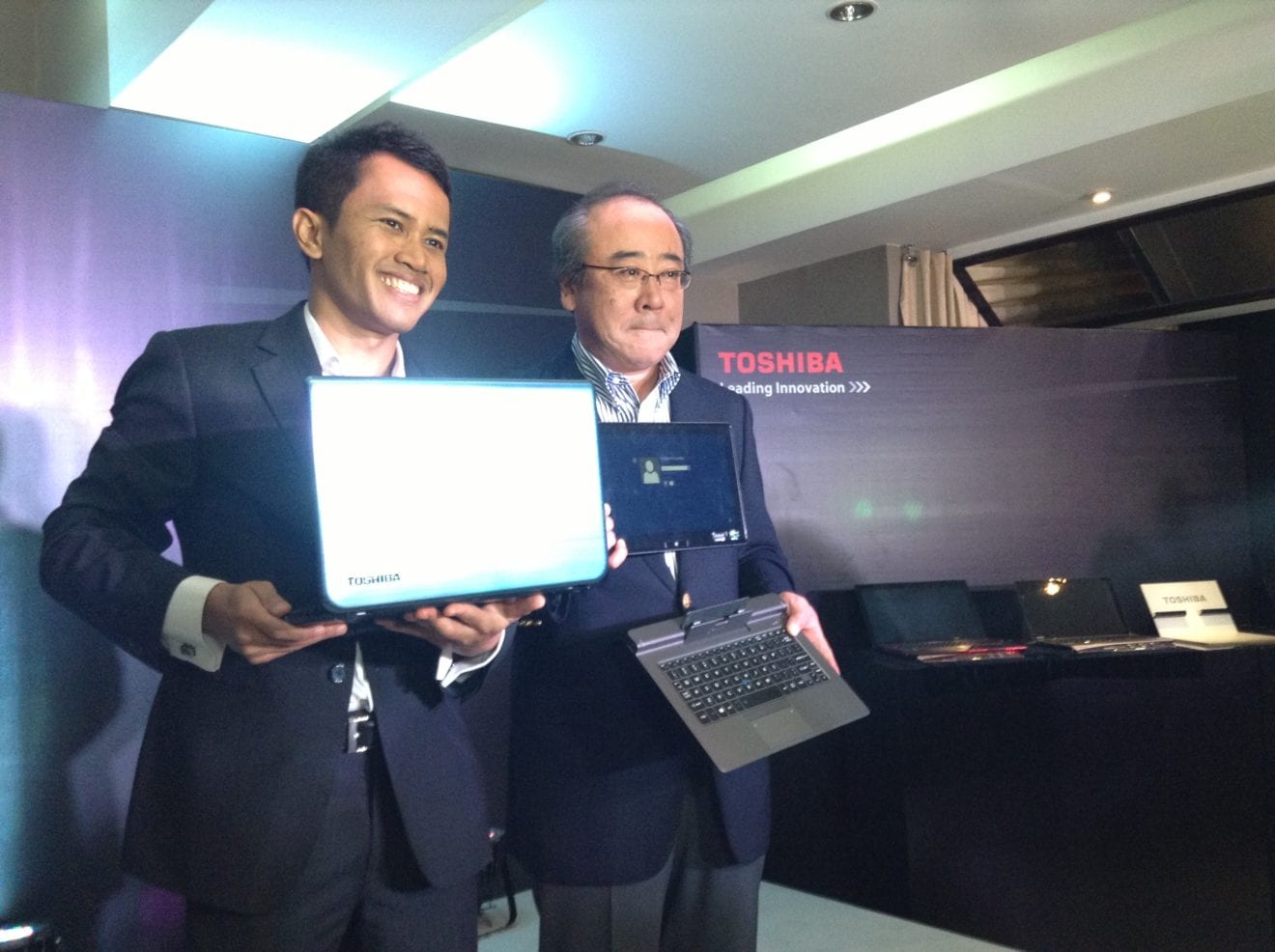
  • Toshiba leaving Singapore end of May 2015 due to stiff competition

    Toshiba leaving Singapore end of May 2015 due to stiff competition

    Chinese evening newspaper Shin Min Daily News reported on Thursday that Toshiba Singapore had recently sent a notice to its retailers, announcing that some products will be withdrawn from the local market.

    Reporters from the Chinese daily checked with several retailers and they understand that the retailers received the notice via e-mails and letters a few weeks ago.

    Toshiba said that due to a highly competitive environment in Singapore, they had to make an “extremely difficult” decision to withdraw from the local television and appliance market.

    In a statement, Toshiba said after-sales customer service will continue until further notice.

    Small retailers have expressed concerns over Toshiba’s exit.

    A retail shopowner said about half of her electrical products are from Toshiba and several of her regular customers are fans of the Japanese brand.

    She also said small retailers are not doing well now and Toshiba’s withdrawal will add to the problem.

    One industry insider said that regardless of technical specifications, South Korean products are slightly better in comparison.

    Shin Min reported that a Toshiba spokesman was unable to provide further information about their withdrawal.

  • Figaro ’s Pizza eyes Asia

    Figaro ’s Pizza eyes Asia

    A US-based pizza chain which has already expanded into the Middle East is now seeking franchisees across most of Asia.

    Figaro’s is a casual dining concept offering a variety of proprietary pizzas, as well as traditional pizza combinations and related Italian items, such as calzones.

    The company started in Oregon on the US West Coast in 1981 and today has outlets in 60 cities around the world, including in Mexico, Cyprus and much of the Middle East.

    In Asia, it is particularly interested in China, India, Indonesia, Japan, Malaysia, the Philippines, Singapore, South Korea, Taiwan, Thailand, Australia and New Zealand, along with countries in Europe and Africa.

    Figaro’s says its pizza dough, sauces and cheese are proprietary, made from unique recipes developed by the company. Outlets make pizzas for consumption on premises, takeaway or delivery as well as in a ‘take-and-bake’ unbaked version consumers can bake at home.

    Figaro’s says its brand appeals to locals, expats and tourists seeking a high-food value, American-style pizza. It caters to the mid to high income customer demographic. The company has restaurant models ranging from 1000 to 1200 sqft delco format (delivery and take-out only) to 3000 sqft units which seat 100.

    The franchise fee starts at US$100,000, with a total starting investment of US$500,000.