Author: Mei Ling Tan

  • Mulberry laments tough Hong Kong

    Mulberry laments tough Hong Kong

    Tepid demand for luxury products in the once insatiable Asian markets is the only blemish on a remarkable comeback by British fashion brand Mulberry.

    After a tumultuous 2015 that saw a change in leadership and a strategic U-turn on pricing strategy, luxury retailer Mulberry has posted first half results that indicate a return to stability and strategic clarity, bringing  the retailer back into profitability against a £1.1 million loss this time last year.

    Mulberry revealed overall revenue growth of five per cent and like for like sales growth of 10 per cent. UK trading was particularly strong, with same store sale up 14 per cent, including digital sales.

    However, strong store trading at home was offset somewhat by declining wholesale sales, largely due to decreasing demand in Asia.

    Wholesale performance remains a thorn in the side of luxury players, with Mulberry admitting wholesale declines of 11 per cent.

    “This could spell trouble ahead across the British luxury sector, including Mulberry,” observes Andrew Hall, consultant with retail analyst Conlumino.

    The decline in Asian sales – particularly notable in China and Hong Kong – “will remain a worrying sticking point for the likes of Mulberry and rival Burberry,” says Hall.

    “The crackdown on corporate ‘gift giving’ in China and Hong Kong has dampened demand for handbags and other designer luxury goods, as well as reducing the flow of affluent tourists from the area to international retail destinations. However, Mulberry will be hoping to renew appeal to this market in the second half of the year through the first collection produced by Creative Director Johnny Coca, to be showcased at London fashion week.”

    “Previously we have expressed concerned over Mulberry’s inability to foster a viable identity of luxury British heritage; however, the retailer has become more proactive over this half year, being keen to stress the importance of the UK factories in delivering a British product – as well as having a positive impact on gross margins. In addition, Mulberry has begun to reinforce this identity through its handbag designs; looking forward, this should be applied across the product range to strengthen a luxurious, international appeal,” says Hall.

    CEO Thierry Andretta has provided clear leadership, steering the retailer away from the inappropriate up-market prices toward more affordable price points.

    “No doubt this strategic turnaround has bolstered store performance, with consumers showing a strong preference for RRPs below £1000, which the majority of Mulberry products now have. A more sensible pricing strategy is also driving digital sales; this has proven an encouraging area of growth for the rejuvenated retailer, with digital sales up by 20 per cent and now accounting for 12 per cent of group sales.”

    Hall says despite the Asian market performance, Mulberry’s first half results paint an encouraging picture of a retailer growing on newly stabilised foundations.

    “This has positioned Mulberry for a strong Christmas period, with the nativity spoof Mulberry Miracle video having been viewed over 1.7 million times and innovative gifting packages or ‘chests’ of Mulberry products attracting attention.

    “This should help deliver a strong full year performance in 2016, although international reception to Coca’s first collection for the retailer will be critical to recouping a positive wholesale performance,” concludes Hall.

  • Star Wars: A force to be reckoned with on social media

    Star Wars: A force to be reckoned with on social media

    The force has hit Singapore shores and Star Wars: The Force Awakens fans in Singapore could not be more excited. Whether you’re a hardcore Rebel or an Empire henchman, let’s see what’s been going down on social media in the month leading up to this year’s most highly anticipated movie.

    Already, social media is abuzz with anticipation of Star Wars, whether it’s seeing the droids or the Stormtroopers in action.

    Based on conversations from 1 November to 14 December, Digimind Social’s conversation clusters showed immense interest in the merchandise display at VivoCity, as well as the Battlefront game – good news for Star Wars retailers out there.

    StarWars

    The top hashtags feature also showed the ongoing #starwarsatchangi campaign, which features a life-sized T-70 X-wing and TIE fighter, as well as character appearances at Changi Airport, among the top 10 Star Wars related hashtags in Singapore.

    hashtag SW

    The Force awakens on social media

    Conversations about the 7th installment of Star Wars spiked on 16 November, at more than half a thousand mentions. We suspected it had something to do with it being the day movie tickets went on sale.

    Trend

    Who’s ruling the galaxy on social media?

    Out of the ensemble of characters, it was supervillain Darth Vader, droids R2-D2 and BB-8 and newcomer Kylo Ren that garnered the most traction online. Most of the conversations about Darth Vader were related to games and merchandise.

    SW characters

    A new generation comes to the Force

    While the Star Wars series has been around for decades, most of the conversations online belonged to the 18-25 age group. But it looks like this one belongs to the boys, with 71% of the conversations.

    Social medi sw

    War continues in the online shopping arena

    In the online shopping arena, there has been an­­­other type of lightsaber combat for a share of the SG$4 billion Retail Empire in Singapore.

    Thousands of e-retailers such as ZALORA, Taobao, Expedia, Lazada, and Groupon have recently fought for sales on specific days known as the Retail Holidays. ShopBack has observed some interesting numerical movement this Star Wars season and has pitted it  and has decided to pit the three Retail Holidays – Singles Day, Cyber Monday, and 12.12 against each other in an infographic.

    Take a look on which day came out on top:

    INFOGRAPHIC - Stat Wars_Retail Holidays

    May the Force be with you!

  • Are physical stores on their way out?

    Are physical stores on their way out?

    The signs are alarming for brick-and-mortar stores. Recent trends have shown shoppers here are increasingly taking care of their shopping needs online, drawn to the increasing convenience (especially during the dreaded festive seasons).

    Retailers such as Qoo10 and Lazada are a hit because of their wide variety of goods at relatively low cost and reliable delivery services. In fact, a recent survey by Blackbox Research of 800 Singaporeans and permanent residents aged 15 years and above revealed that the majority prefer shopping online.

    As far as this year’s Christmas shopping is concerned, 56 per cent of them said they preferred to do their shopping with online retailers versus the 44 per cent who opted for shopping at physical stores.

    Nevertheless, Retail News spoke to remain upbeat and confident about the value of physical stores, stressing that they have a place in the market, providing a human touch and at atmosphere that websites cannot rival.

    Katie Page, chief executive officer of Harvey Norman, agrees and scoffs at the idea of online stores eventually surpassing physical ones. “You can get information about the product online and the price, but that’s it,” she said, adding how physical contact with the product is crucial, especially with women shoppers. “Women like to see that physical aspect, they will go to the shops to see the product.”

    Stenders fills its store with colourful fresh flowers and prides itself on handcrafted body scrubs and soaps with real natural ingredients such as Lavender. — TODAY pic

    Page also stressed the importance of delivering a great shopping experience, pointing out how some retailers forget that. She added: “You need to invest in the brand, and for that, you need space. Some online stores are now opening brick-and-mortar outlets, right?”

    Agreeing, Christophe Cann, group chief executive officer of Robinsons Group (Asia), said although the company has plans to have an e-commerce function in the future, online shopping is “just another avenue for customers to make their purchase”.

    “We are not worried about the trend as we believe that brick-and-mortar business will remain relevant to customers,” he affirmed.

    “As long as Robinsons continues to entertain our customers and provide an enjoyable shopping experience … I believe we are here to stay.”

    This, he added, is achieved through initiatives such as designer trunk shows, exclusive beauty launches and meet-the-designer events that complement ongoing efforts to constantly bring in new brands and products.

    All about atmosphere and service

    Retailers are confident that nothing beats being at a physical store, as good experiences will ensure customers return.

    “We cultivate a friendly ambiance and treat our customers as friends,” said a spokesperson for skincare and cosmetics store Stenders, which prides itself on handcrafted body scrubs and soaps made with natural ingredients. “Most of our customers love coming back to test, try, and smell and feel the product, and interact with our store associates,” he continued.

    (To boot, customers will also receive a kaleidoscope, as part of its A Kaledoscopic Christmas campaign.)

    The obvious physical connection cannot be overemphasised, as much of the joy of retail, said Darellyn Lau, managing director of candy and gift store Sophisca Singapore, is in touching and feeling the merchandise.

    “The desire for instant gratification is still key with some buyers, who appreciate the ability to touch, feel and buy an item all in the same moment, which is only possible at a physical store.”

    Still, aware that online shopping is time-saving for people with busy schedules, she added that the company is offering free delivery services for purchases above S$250 (RM 760).

    Robinsons, too, said it has had to rethink its strategies to improve its services and in-store experiences.

    “It has motivated us, as brick-and-mortar retailers, to sit up and listen, to observe, learn and adapt … This new platform sheds light on what consumers are looking for, as well as the services they desire,” said Cann.

    Consequently, the company has made arrangements for delivery services with every S$200 nett spend and complimentary personal shopper services at its flagship store at The Heeren.

    “In this day and age … customers need a good reason to visit you,” he added.

    “Retail is not just about transactions but experiences. Hence, we constantly remind our staff from all departments about the company’s vision and mission to ensure that as an organisation, we always put the customer at the centre of everything we do.”

    Online complements, not threatens

    Some retailers say their online stores serve more as a complementary service to give consumers more options.

    Dominic Wong, chief operating officer of beauty-care chain Watsons, said while its new eStore (launched this year) is a quick and convenient option for busy customers, its physical stores “serve as a good platform for customers to discover and try new products, especially for make-up and beauty items”.

    Its in-house pharmacies also provide another touch point for customers who need health consultation and recommendations on supplements.

    This Christmas, it is also offering a free gift-wrapping service for purchases made.

    While the online store’s performance is “growing strongly”, the company “see(s) physical stores flourishing alongside online channels”, he continued, adding that it will continue to be on the lookout for new ways to improve and engage customers better.

    Its recently revamped Ngee Ann City and Bugis outlets, for instance, cater better to the demographics and buying patterns of customers in the area, and give clearer demarcation of the different product categories, said Wong.

    A Uniqlo spokesman, too, said the fast-fashion brand’s online store is an extension of its physical store, giving customers the option of shopping from home and on-the-go.

    However, its staff has been specially trained to provide assistance and recommendations by catering to the needs and queries its customers may have in store, she added.

    “We believe this personal touch is key to create an enhanced shopping experience and will keep customers coming back despite the convenience of online shopping.”

    Clearly, though, the advantages of both platforms remain complementary. “Shoppers are still basing their decision by checking online for reviews and information before stepping into the stores and vice versa. The relationship between off-line and online is, in fact, a symbiotic one … ,” said Publicist PR’s director, Cecilia Tan.

    Pointing out that physical retailers should focus efforts on creating a stronger in-store experience, Tan added: “As a PR and brand consultancy, we recommend that clients focus on their core group of customers … It is important to keep them close through customer perks and in-store activities.”

    She stressed that “retailers need to integrate their communication campaigns through both traditional PR and digital PR; that is the best way to ensure customers will want to visit a physical store, validate their choices, and ultimately (make a) purchase after researching about their brand online”.

    For other stores, online sales serve as a platform to reach out to more people. Men’s Grooming Store WhatHeWants has seen online sales more than double compared with three years ago. Online sales currently make up 30 per cent of its total sales.

    Its founder Tan Seng Hwee said he is excited about the online trend.

    “The online space is not limited to the space it occupies, unlike a physical store. Besides Singapore, my sales revenue comes from Malaysia, Australia and Indonesia,” he noted.

    “The trend of buying online is definitely making big waves with the increasingly tech-savvy crowd, and the widespread use of tablets and mobile phones. Coupled with lower prices and deliveries right to one’s doorstep, buying online definitely has many plus points,” he added.

    Pointing out that physical shops need to maintain a higher margin in order to cover rental and staff costs, he said prices in physical shops “can never be cheaper than online stores”.

    “In the past, retail businesses expanded by opening more physical shops.

    “However, in Singapore, the high rentals and labour crunch limits scalability. For a company to grow further, moving online is the only way to go,” he explained.

    “While retail stores are still important, the retail industry in Singapore has to learn how to adapt to the  new online world.”
  • Mango sees potential in Philippines

    Mango sees potential in Philippines

    The recent move of international fashion retailer Mango from a space tucked inside Eastwood Mall to a bigger area in front of the shopping center was a sentimental moment for Kelly Santos, Mango Philippines country supervisor.

    “This was my base store so it’s close to my heart,” says Santos, who started as a manager of the shop in June 2010, then moved up to merchandising, then to her current post for the last two-and-a-half years. “But we’re just relocating so it’s very exciting.”

    Santos’ steady climb in the company mirrors Mango’s own growth in the Philippines’ thriving retail industry.

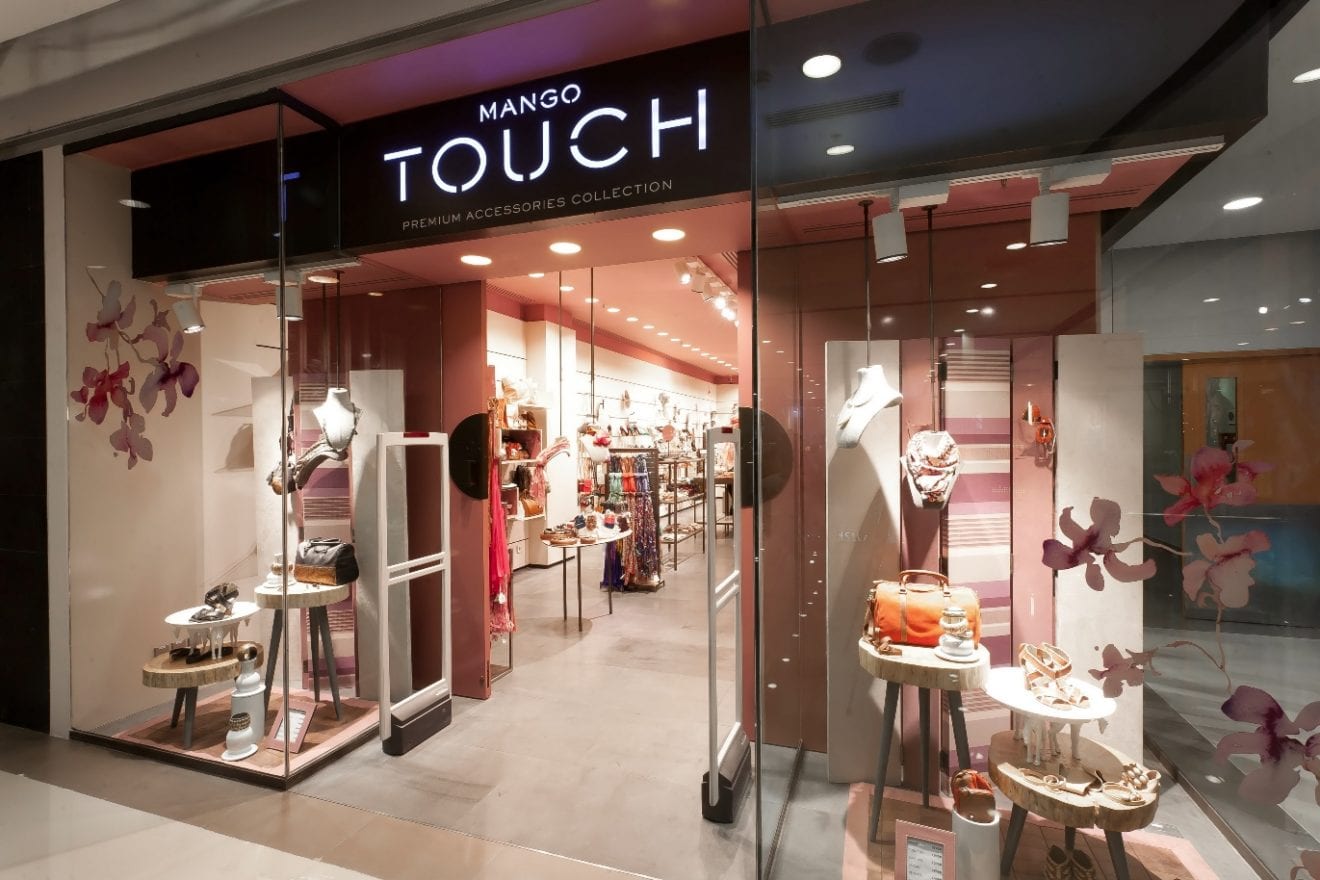
    Since its first store in Robinsons Ermita in 1999, the boutique now boasts of 34 standalone stores spread across the Philippines-that’s more than Hong Kong’s 4, Singapore’s 16, and the US’s 7. The variants are expanding, too: Mango Woman is available in 26 stores, Mango Man in 7, the accessories line Mango Touch and Mango Kids in 5 each, and Mango’s athletic apparel is found in the brand’s boutique in SM Mall of Asia.

    Measuring 650 square meters, the Eastwood Mall boutique is an impressive affair, designed to heighten the shopping experience with its lighting, furniture, mannequins, visuals and displays.

    Still, there’s an even bigger branch in the offing.

    By the end of the year, Mango’s Megamall branch will be a multilevel store with a total floor area of 1,000 sqm. This is the second multilevel store after Mango in Ayala Malls Cebu.

    “The expansions are part of Mango revolutionizing itself and adapting to the needs of the market,” says Santos of Mango’s growth even with the presence of retail rivals. “With the challenge of competition, we remain strong because we go with the flow, bringing Mango to where the people are.”

    Collections that can be worn season after season also explain why this fast fashion brand is a favorite of both style-savvy and smart dressers. Loyal Mango patrons know that a basic top or bottom is a durable investment that works well when combined with other clothing labels. Even this season’s trend-Boho Chic, as modeled by brand ambassadors-of-the-moment Cara Delevingne and Kate Moss-offers pieces that won’t appear dated post Autumn/Winter 2015. “I would put my name on the line to say that you can still wear them after many years,” swears Santos. That even goes for the pant silhouette du jour, flares. “We were just talking about that!” exclaims the petite store supervisor with a laugh. “Actually, flared pants were the trend three years ago and I remember buying a pair from Mango. I thought I’d never use them again, but now I’m thinking of reviving my pair.”

    The brand has had a connection with the Philippines even before its boutiques reached these shores. Founded in 1984 in Spain by Turkish emigrant brothers Isak and Nahman Andic, Mango was named after the Philippine mango, whose taste so captivated Isak when he sampled the fruit during a trip to the country many years ago. The name also stuck because it is pronounced the same way in any language.

    Fifteen years later, that connection remains stronger than ever. Two years ago, the notoriously low-profile and media-shy Isak Andic visited the Philippines for the first time since the country’s stores became operational. While Mango Philippines executives were surprised at news of his arrival, “we also felt important,” says Santos. “In Asia, they know that the Philippines is full of potential. There’s even talk that he may come back soon, which really says a lot.”

    As such, Mango’s principals are keen on getting Filipinos’ opinions on everything, from the choice of brand ambassadors to the type of clothes they see on the shelves. “They always, always ask us, ‘What does your market need?’” says the country store supervisor. The short sleeve shirts that appear on the racks of Mango Man this Autumn/Winter, for instance, are a product of research from last season as well as feedback from Filipino execs.

    Evidently, this explains Mango’s staying power against equally enticing rivals.

    By giving the market exactly what it wants—from specific merchandise to stores that excite the senses—the brand will remain a constant in the malls, and in people’s wardrobes, for years to come.

    “Even with the competition,” says Santos, “we know our customers are there. They will always be back.”

  • Madura experiments with first omni-channel retail

    Madura experiments with first omni-channel retail

    Apparel retailer Madura Fashion & Lifestyle, part of Aditya Birla Nuvo Ltd on Saturday launched a new digitally integrated store under its flagship formal wear brand—Van Heusen—indicating the two-decade-old retailer’s push to morph into a more tech-savvy brand at a time when shoppers are switching to shopping on the Internet.

    With sales staff equipped with tablets and virtual fitting rooms, the store is the company’s first attempt to allow shoppers to use touch-enabled screens to shop and pay for garments. The store also allows for shoppers to order unavailable inventory to their homes by linking the company’s in-house web-portal Trendin.com to the store.

    Changing customer expectations couples with technology are influencing consumer choices far more today, said Vinay Bhoptakar, chief operating officer, Van Heusen, at the retailer’s store launch in Bengaluru.

    The store—called Van Heusen Style Studio has been in the works for over a year. It will offer more expensive collections and a wider range. Built at twice the cost of a regular Van Heusen store, Bhoptakar said, five more such stores are underway in Delhi and Mumbai.

    The retailer has partnered with Fitch Retail in Singapore to draw up the concept, with virtual fitting rooms sourced from Experiential Design Lab.

    Diluted version of this store will be planted across the brand’s existing 275 stores, added Bhoptakar, indicating that existing stores will borrow technology elements of the new format in a limited way. Madura’s other ready-to-wear apparel brands including Allen Solly, Louis Philippe could too borrow from this format.

    Taking cues from a surge of sale fashion goods on the Internet, most large traditional retailers in India are making efforts to venture in to online retail even as they try to preserve footfalls at brick and mortar stores. Most have found a midway in the so called “omni-channel” retail format that allows shoppers to seamlessly shop for online and offline inventory both within and outside the store.

    Aditya Birla Group too has been stepping up efforts to catch shoppers online where more Internet focused retailers such as Flipkart and Snapdeal are biting in to consumer’s share of wallet.

    In October this year the group launched its own fashion marketplace—Abof.com—privately held by chairman Kumar Mangalam Birla in his personal capacity. In 2013, Madura Fashion & Lifestyle launched Trendin.com—an in-house online portal—retailing its brands Allen Solly, Peter England, Louis Philippe among others.

    Bopatkar, however added that such evolving retail stores are “not a reaction to e-commerce but a reaction to changing consumer behaviour.” As a result, “the physical store will always be there, but role of the physical store has to evolve,” he added.

  • Apple Pay coming to China in 2016

    Apple Pay coming to China in 2016

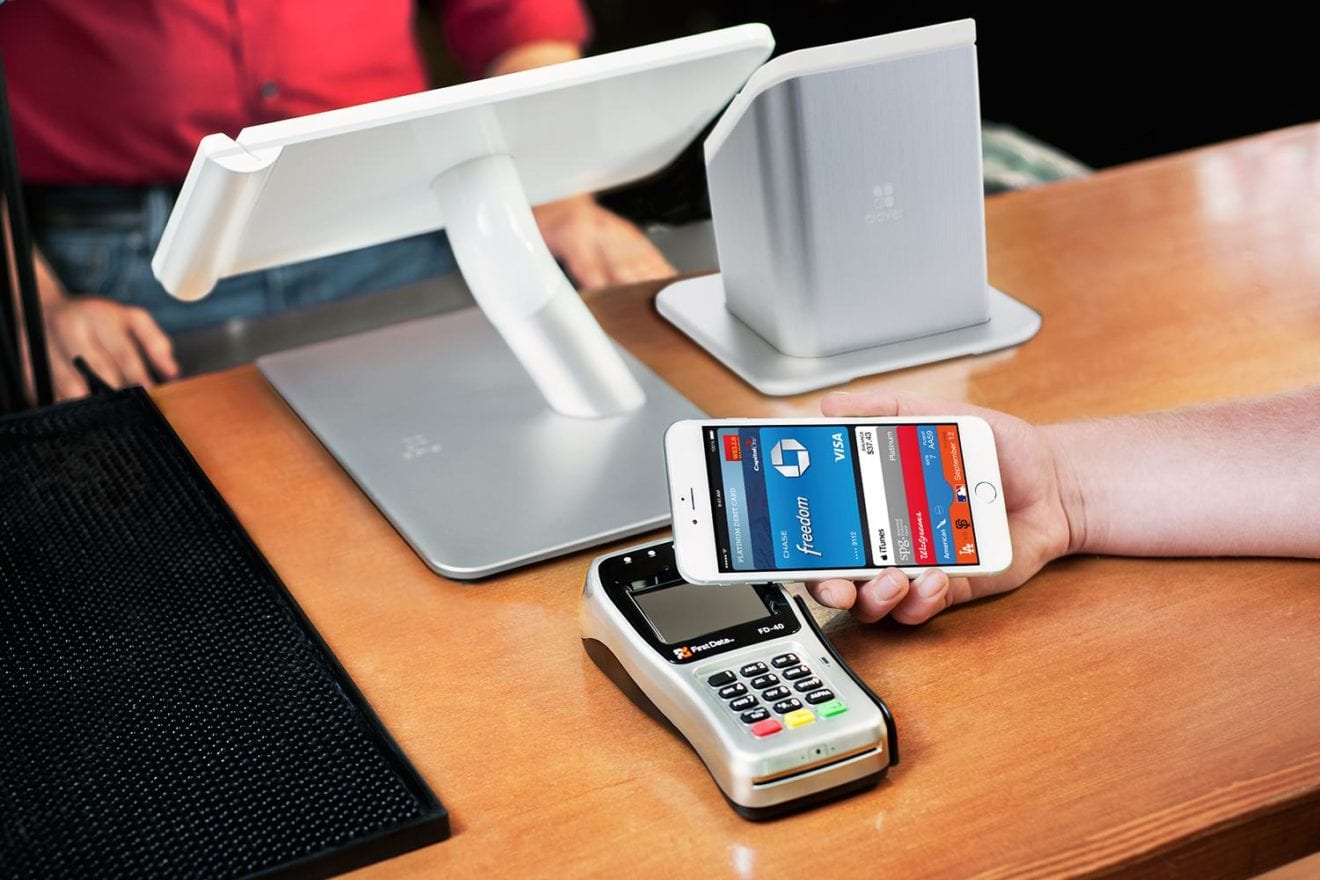
    Apple and China UnionPay Thursday announced a partnership to bring Apple Pay to China in 2016. UnionPay cardholders will be able to add their bank cards to Apple Pay on iPhone, Apple Watch and iPad, according to a press release.

    Apple Pay will roll out to UnionPay cardholders as soon as early 2016 following relevant tests and certification required by Chinese regulators, with the service itself in compliance with the applicable national mobile payment and financial industry standards in China, according to the announcement.

    “China UnionPay is dedicated to promoting payment innovations and providing secure, convenient mobile payment experiences for its hundreds of millions of cardholders, aligning multiple parties in the industry,” said Chai Hongfeng, executive vice president of China UnionPay. “We’re very excited to offer Apple Pay among a diverse set of innovative payment options that work with China UnionPay QuickPass.”

    “Apple Pay has revolutionized the way millions of people pay every day with their iPhone, Apple Watch and iPad,” said Eddy Cue, Apple’s senior vice president of Internet software and services. “China is an extremely important market for Apple and with China UnionPay and support from 15 of China’s leading banks, users will soon have a convenient, private and secure payment experience.

  • Hong Kong must step up support for the tech sector

    Hong Kong must step up support for the tech sector

    Hong Kong has established the Innovation and Technology Bureau in a bid to bolster technology and innovation development.

    The IT workforce in the city has jumped nearly four-fold from 3,000 two decades ago, according to a survey from the Vocational Training Council. However, the talent availability for jobs such as program development has been falling while IT managerial jobs have been stagnant over the years.

    IT jobs in Hong Kong are mostly sales, support and after-sales service positions, as product development positions have been contracting over last one or two decades. Simply speaking, Hong Kong’s IT industry focuses more on technical support rather than technology innovation.

    The city’s economic structure is one of the underlying reasons. Hong Kong relies heavily on property, finance and retail sectors which require only technical support services from the industry. As a result, the IT sector has lagged behind in development of high-end technology products.

    Local universities have been trying to nurture talents for the industry. However, secondary school students have very limited interest in either IT or electronic engineering.

    Secondary students who apply for these programs had relatively lower scores in the Hong Kong Diploma of Secondary Education Examination since the 2000 dotcom bubble.

    Why has Hong Kong made little progress in developing the IT industry? Let’s take a look at some places where the IT industry has flourished — Israel and Singapore.

    Many of Israel’s industries are closely tied to its national defense. The Jewish state’s internal and external security work involves national interests. Hence, the country finds it necessary to promote the high-tech sector.

    Its modern national defense industry involves high-technology such as communication, electronics, materials and auto control technology. As technologies are sought to be upgraded continuously, talents have been nurtured, resulting in a huge pool of skilled professionals.

    Also, military enterprises usually have a long supply chain, including upstream and downstream technology and products supply. That creates a spillover effect. Some of the talents might quit their jobs and start up their own companies.

    Meanwhile, technology talents in other sectors might be inspired to become entrepreneurs themselves. They have much more experience and knowledge than young graduates.

    A “visible hand”, or government support, is a key element for nurturing hi-tech companies.

    Park Chung-hee, who led South Korea from 1961 to 1979, had hammered out preferential policies for large tech companies. That has helped create a number of tech giants like Samsung and LG.

    Singapore is even smaller than Hong Kong. However, the city state has managed to become a leading player in recycling used water, thanks to government incentives.

    Favorable government policies are essential for development of hi-tech industry.

    Authorities should provide some protection for the sector in the early stage before it can stand on its own feet. The government needs to take care of the interests of various stakeholders.

  • Vitality Air offers packaged fresh-air to China

    Vitality Air offers packaged fresh-air to China

    Fresh air reaches at a price for individuals in China. People are buying fresh air from North American manufacturer since air-pullution is major issue in the Chinese capital.

    Beijing has been warned as the city has encountered the worst smog of the year. Exploiting this situation, Vitality Air, a Canadian firm, is transporting packaged fresh air in canisters to China.

    Moses Lam, the co-founder of Vitality Air, set up a bottle for sale on an e-commerce site, eBay around two months ago as a prank. Presently, that prank has turned into a lucrative business as the organization is offering a container of air at an expense as high as 20 dollars for every 7.7 litre jar of Rocky Mountain fresh air, which is 50 times more costlier than packaged mineral water in China.

    Some facts on Chinese air pollution includes:

    1.One in each five deaths in China is because of air pollution.

    1. Industrial pollution affects 1.6 million lives across China, especially around Beijing, every year.
    2. On December 8, the smog level inclined beyond 300 AQI (Air Quality Index), which is considered as ‘extremely horrible’.
    3. The Chinese government declared red-alert on December 10 as the pollution level is recorded 500 AQI, which is termed as “hazardous” as per the US Embassy.
    4. Around 2000 kilometre of East China, encompassing cities such as Beijing, Zhengzhou, Nanjing, Changchun and Xian was covered with a blanket of heavy smog.
  • Burberry offering ‘biggest discounts ever’ in Hong Kong as brands try to pull back shoppers

    Burberry offering ‘biggest discounts ever’ in Hong Kong as brands try to pull back shoppers

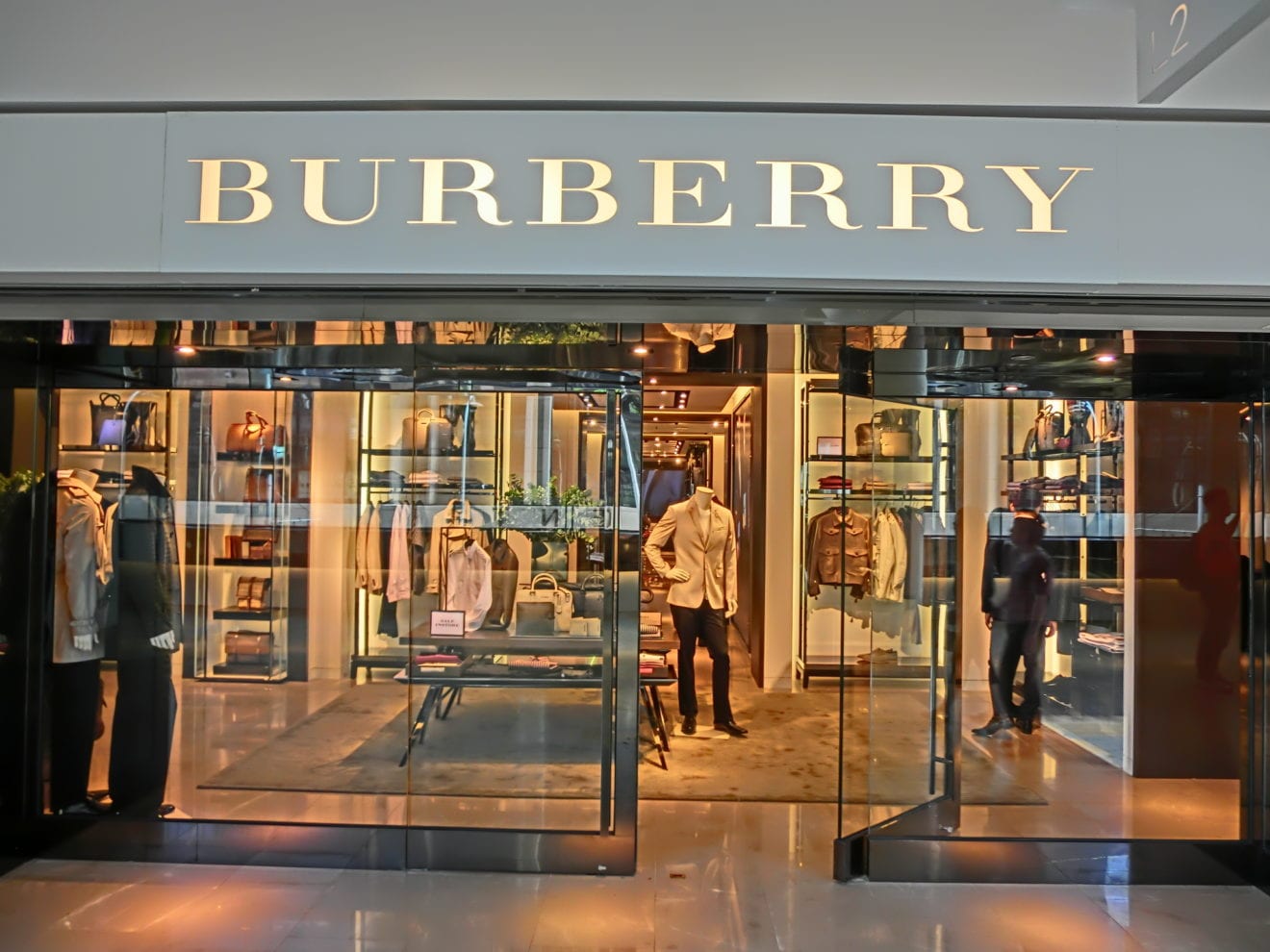
    British luxury brand Burberry has joined Prada and Gucci in offering discounts of as much as 50 per cent in its Christmas sales, the steepest reductions since the Individual Visit Scheme for mainland tourists was launched in 2003, underlining the depth of the retail slump in Hong Kong.

    The sales started two days ago, a staff member at Burberry’s Causeway Bay store told the Post. She said only around 10 types of handbag and some clothing items are carrying the discounts.

    “I haven’t seen such a deep discount since I started working here” she said , adding the biggest was 30 per cent in the past.

    Burberry launched its annual Christmas sales in late November with initial discounts of as much as 40 per cent on selected items, rising to 50 per cent this week. Its iconic small Orchard leather bag, which was priced at HK$16,000, is now selling for HK$8,000.

    “A 50 per cent discount is unusual for big luxury brands like Burberry” said Hayman Chiu, associate director at Cinda International, adding that it was the biggest price cut for Burberry that he could remember since the visitor scheme launched.

    “The whole luxury industry is doing the same thing right now,” he said, referring to the similar discounts by Prada and Gucci .

    Three American brands, Marc by Marc Jacobs, Michael Kors and Coach, are currently offering discounts of as much as 50 per cent. European brands such as agnès b, Longchamp and Balenciaga have reductions of 40 per cent.

    The discounts for most of those brands are deeper than last year, according to sales staff at the Sogo department store.

    Brands are also resorting to discounts after falls in the Japanese yen and euro this year prompted mainland shoppers to avoid Hong Kong.

    The strong Hong Kong dollar, which is pegged to the US dollar, has made luxury goods more expensive than in Japan and Europe, said Mariana Kou, retail analyst at brokerage CLSA.

    However, a deeper discount isn’t a always a draw.

    Louisa Cheung, a local shopper in the Burberry store in Causeway Bay yesterday, ended up buying nothing. “Deeper discounts only work for customers who are loyal to the brand,”she said.

  • Delhi’s Khan Market moves up two spots in global retail rank

    Delhi’s Khan Market moves up two spots in global retail rank

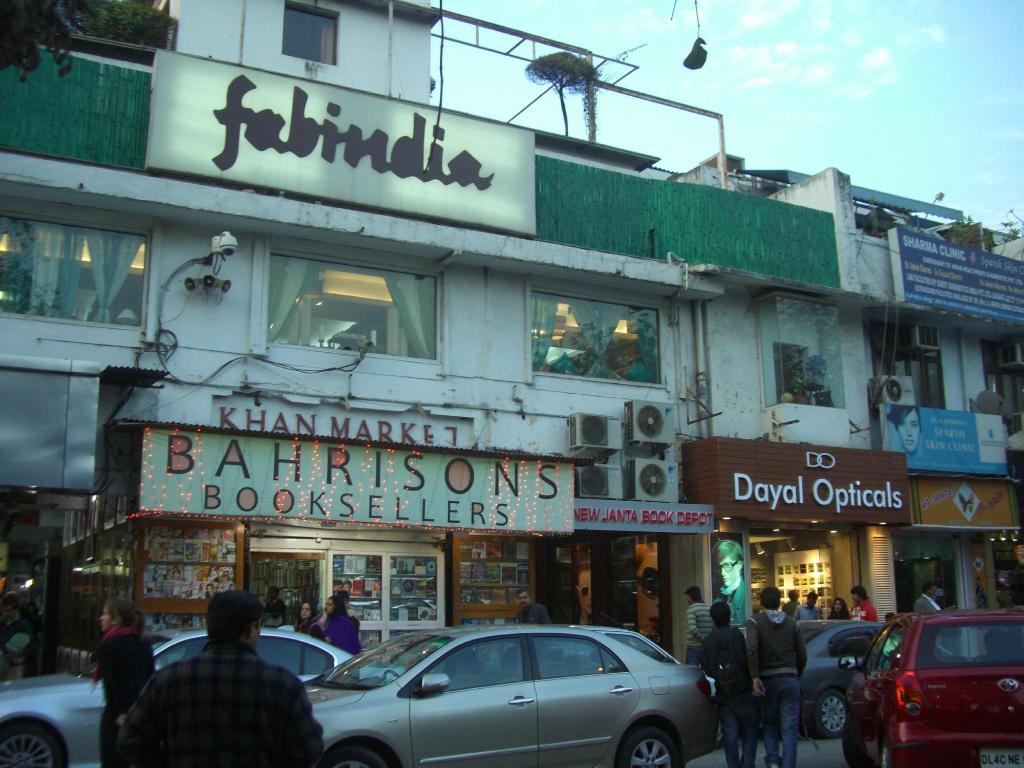
    With a rent of $ 235 per sq ft per year, New Delhi’s Khan Market moved up from twenty sixth place to twenty fourth place in the ‘Main Streets Across the World’ report by Cushman & Wakefield, which ranks world’s expensive retail locations.Within the APAC region, Khan Market was the 10th most expensive retail location.

    The top spot has been retained by New York’s Upper 5th Avenue followed by Hong Kong’s Causeway Bay on second spot and Avenue de Champs Elysess in Paris completing the top three.”Despite witnessing no change in the rental values of the location, Khan Market gained in rankings due to marginal changes in the rankings of other countries in the rankings,” Cushman & Wakefield said.

  • Hong Kong Central Bank Lifts Key Rates

    Hong Kong Central Bank Lifts Key Rates

    “Instead of going into the property market, (capital flows) could go out and ease the property market, and that could strike consumers’ confidence and I think the economy next year may not perform so well”, said Paul Tang, chief economist at Bank of East Asia in Hong Kong. As Hong Kong’s currency is pegged to the United States dollar, the city’s monetary policy typically moves in line with the Fed.

    “The normalization of Hong Kong’s interest rate will begin with the outflow of funds from the Hong Kong dollar trigger by high interest rates of the U.S. dollar”.

    A company logo is displayed inside the HSBC headquarters in Hong Kong November 3, 2015.

    The rate hike followed the U.S. Federal Reserve’s decision to raise the range of its benchmark federal funds rate by a quarter of a percentage point to between 0.25 percent and 0.50 percent on Wednesday, its first move in almost a decade.

    “We have seen a relatively slow economic growth this year, which is to a large extent attributed to the weak performance in our foreign trade”.

    Meanwhile, rampant deflationary pressure worldwide, volatilities in the global financial landscape, the growth of regional trade agreements, as well as lingering geopolitical threats and increased terrorist concerns, are the major risks and challenges facing Hong Kong exporters. Data from retail banks, which account for about 90% of the total customers’ deposits in the banking sector, are used in the calculation.It should be noted that the composite interest rate represents only average interest expenses.

  • Rising HK dollar expected to give locals the travel itch

    Rising HK dollar expected to give locals the travel itch

    Cash registers in Hong Kong won’t be ringing merrily next year after the US rate hike, with locals likely to scratch their travel itch with the appreciating Hong Kong dollar.

    The greenback reached a two-week high against a basket of major rivals yesterday after the US Federal Reserve raised interest rates for the first time in nearly a decade.

    The Hong Kong dollar, pegged to the US unit, also rose.

    Hong Kong Retail Management Association chairman Thomson Cheng Wai- hung said the interest hike’s immediate effect on the industry is limited, but further hikes next year would destabilize the market and make tourists further lose their appetite for the SAR.

    “No matter if it is accommodation in hotels or shopping, it would appear more expensive for tourists. Many of them are going to Japan, South Korea and Europe. The trend would worsen,” Cheng said.

    He expects retailers selling high-end products such as jewelry to take a hit.

    According to a survey last month of its members, a single- digit decline in sales this Christmas is expected year-on- year. Most members feel next year’s performance will be worse. Cheng predicted that retail sales this year would drop 3 percent from last year.

    As for local shoppers, some could be attracted to travel overseas due to the strong Hong Kong dollar. “It is not an advantage for local retailers,” Cheng said. The strong US dollar and hence HK dollar would encourage mainland tourists to explore other destinations, CLSA senior investment analyst Mariana Kou said.

    “We believe Japan, Korea and Europe would continue to be beneficiaries,” Kuo said.

    Safety concerns after recent terrorist attacks, however, may affect travel into Europe.

    Miramar Travel saw Christmas bookings jump by 20 percent from last year. But they reminded Hongkongers that despite cheaper shopping, other travel expenses do not necessarily go down.

    The rising popularity of Japan has led to a shortage of hotels and higher costs.

    Travel Industry Council chairman Jason Wong Chun-tat said the hike had been expected and would have limited impact on exchange rates.

    He remained optimistic for inbound tourism, saying hotel occupancy rates are expected to reach 80 to 90 percent during this holiday season.

  • HK braces for economic chill ahead of new rate hike cycle

    HK braces for economic chill ahead of new rate hike cycle

    Hong Kong is bracing for greater economic challenges as the prospect of a new cycle of interest rate rises drives fears of capital outflows that could put further pressure on the Asian financial hub.

    Hong Kong’s property market, which has seen prices more than double since 2008, had already slowed in anticipation of a local rate hike, and analysts say a further slowdown will depend on China, which is facing its weakest growth in 25 years.

    The city’s central bank on Thursday raised the base rate it charges through its overnight discount window to a seven-year high of 0.75%, tracking a decision by the US Federal Reserve to raise the range of its main rate by a quarter point, its first move in nearly a decade.

    The Hong Kong dollar’s peg to the US dollar means the city’s monetary policy follows that of the Fed, which said in its statement on Wednesday it expects a gradual tightening cycle.

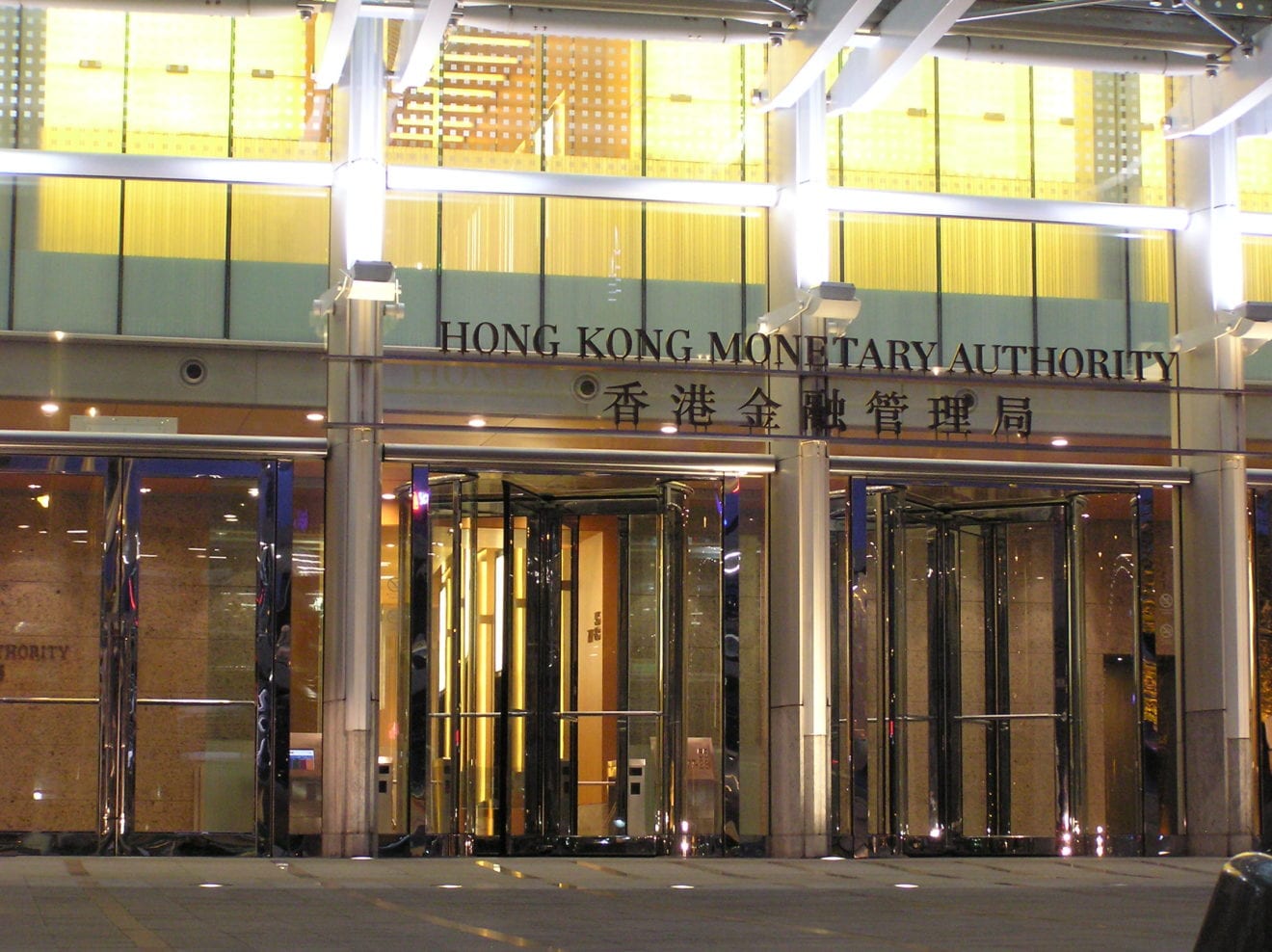
    Norman Chan, the chief executive of the Hong Kong Monetary Authority (HKMA), warned of gradual capital outflows as hot money that had flowed in due to loose monetary policy exits.

    “I would advise members of the public to make necessary preparations in terms of managing the credit, liquidity and other relevant risks in order to cope with possible shocks and adjustments that may arise from the normalisation of US and Hong Kong interest rates,” Chan said after the policy decision Thursday.

    And although the immediate impact of policy tightening is likely to be limited, it comes at an increasingly uncertain time for Hong Kong, which is grappling with sluggish economic growth on the back of a slump in tourism and retail spending, as well as a slowdown in China.

    About US$130 billion has flowed into Hong Kong dollar assets since 2008, when the Fed adopted its near-zero rate policy, according to the HKMA.

    Hong Kong property sales slid 41.7% in November year-on-year to a record low, while the city’s property stock sub-index has dropped about 20% from multi-year highs hit in June. The index was up 0.8% early on Thursday.

    Financial Secretary John Tsang, who last week flagged a rate hike as the biggest concern for the city’s economy, said Hong Kong had the ability to cope with large capital outflows, echoing a report from the International Monetary Fund this week that said risks were manageable.

    “Whether Hong Kong will experience capital outflows next year depends not only on the pace of rate hikes by the Fed, but also China’s economy,” said Raymond Yeung at ANZ in Hong Kong, adding the property market faces some pressure in the medium term.

    Commercial banks in Hong Kong will decide separately whether to increase their lending or deposit rates.

    Any increase in rates could add to the city’s household debt to gross domestic product (GDP) ratio, which is already at a record high of around 64%, as repayment obligations rise.

    For homeowners, it could also mean leaner times in a city where the average house price is 17 times household income, according to consultancy Demographia.

    While the city has successfully weathered previous US rate hikes, Hong Kong’s economy is now more vulnerable as it struggles with weaker retail sales as fewer cash-rich mainland tourists stream across the border on shopping sprees.

    Though policymakers have faced a growing chorus of criticism on the burden of holding a currency peg to the greenback, the government reiterated on Thursday that a peg is the best policy option for the city’s mercantile economy.

    Expectations are the city’s economy will expand at 2%-3% rates in the current year, far below the heady rates of nearly 8% seen in the first quarter of 2011.

    Some observers said the property market was still a concern.

    “The key problem with Hong Kong right now is that (property) prices are already well ahead of earnings power and the economic situation,” said Nicole Wong, property analyst at CLSA.

  • Metro Retail to tap P1.05-B loan facility

    Metro Retail to tap P1.05-B loan facility

    GAISANO-LED mall developer Metro Retail Stores Group Inc. (MRSGI) will be tapping a P1.05-billion loan facility for future projects.

    In a disclosure to the Philippine Stock Exchange on Friday, Metro Retail said its board of directors had allowed the company to use the facility, provided by Union Bank of the Philippines (UnionBank).

    “In the same resolution, the board approved the authorized signatories to transact with the UnionBank on behalf of the corporation for the availment of the said credit accommodation and facility,” the disclosure read.

    “It is in addition to our existing untouched loan facilities that we can tap,” Metro Retail Chief Finance Officer Aljim Jamandre told The Manila Times.

    The firm still has P9 billion worth of credit facilities from banks, which Metro Retail can tap in case of funding needs after pricing its initial public offering (IPO) at a steep discount from the original guidance.

    The 35 percent discount still yielded Metro Retail P3.62 billion from its IPO. The plan before the discount was to raise P6.17 billion.

    Joseph Conrad Balatbat, MRSGI vice president for business development, said the company “has more than adequate untapped credit facilities in addition to our IPO proceeds that can fund our current and immediate expansion plan.”

    The company is looking to build 60 to 70 stores mostly in the Visayas over the next five years to bring its store count to more than 100 by 2020 from 46 stores at present. The five year plan entails a budget of P10 billion to P15 billion.

  • Announcing iFX Expo Asia 2016

    Announcing iFX Expo Asia 2016

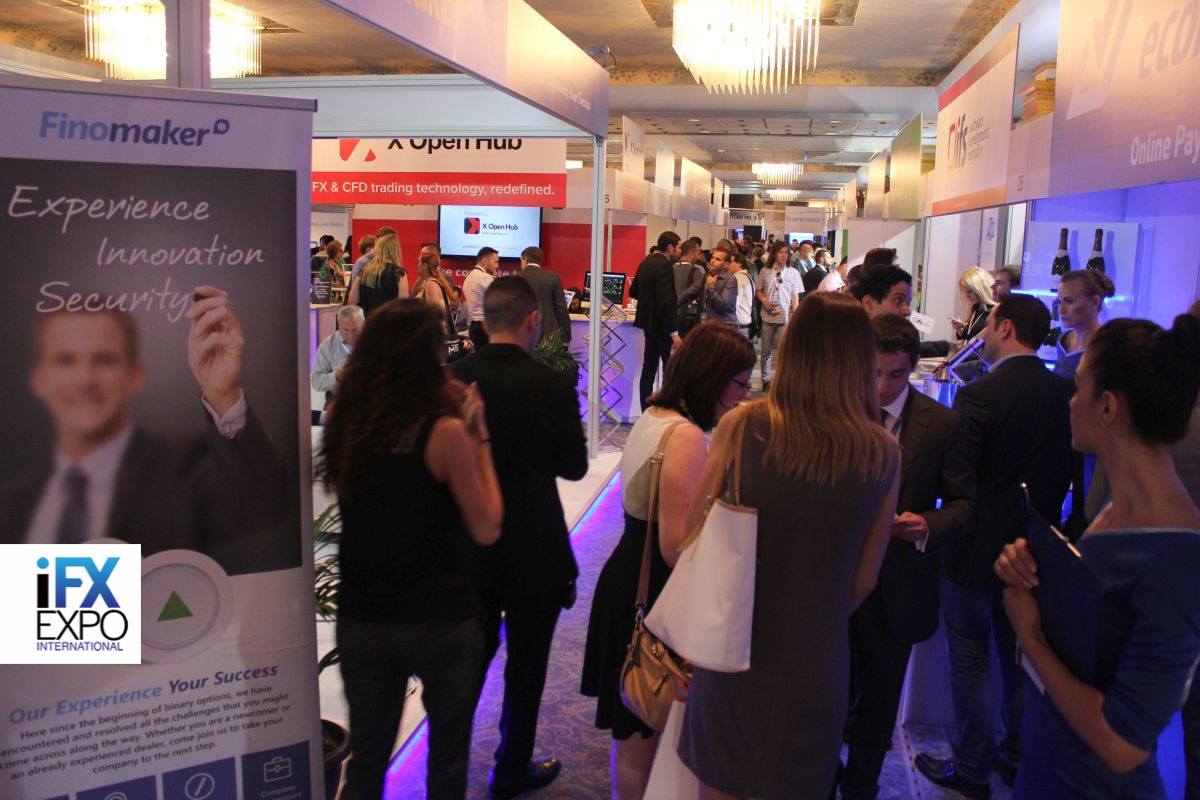
    Organizers for iFX Expo, the largest retail forex industry trade show, announced the launch of iFX Expo Asia 2016 which brings together leading professionals, thought leaders and executives from around the retail forex trading industry.

    iFX Expo 2016 is to be held at the Hong Kong Convention & Exhibition Center on January 26th – 28th, 2016 and registration is free.iFX Expo is a leading trade show for the retail forex industry bringing together over 2000+ attendees with over 80+ exhibitors and sponsors for the event.

    Attendees to the iFX Expo Asia 2016 will get the opportunity to network with likeminded individuals from the retail forex industry as well as conduct business with forex affiliate and forex IB partners.Attendees to the iFX Expo Asia 2016 can register for free as well to learn more about the venue and the agenda for the event.

    iFX Expo follows the tradition of being the first to host series of trade shows and networking events around the globe catering to the trading community at large. Since 2012, iFX Expo has held industry trade shows in Cyprus, Macao among other international destinations and has successfully helped connect consumers with business as well as helping other business build strong and long lasting partnerships with other businesses.