Author: Mei Ling Tan

  • Capsule coffee sales boom in Korea

    Capsule coffee sales boom in Korea

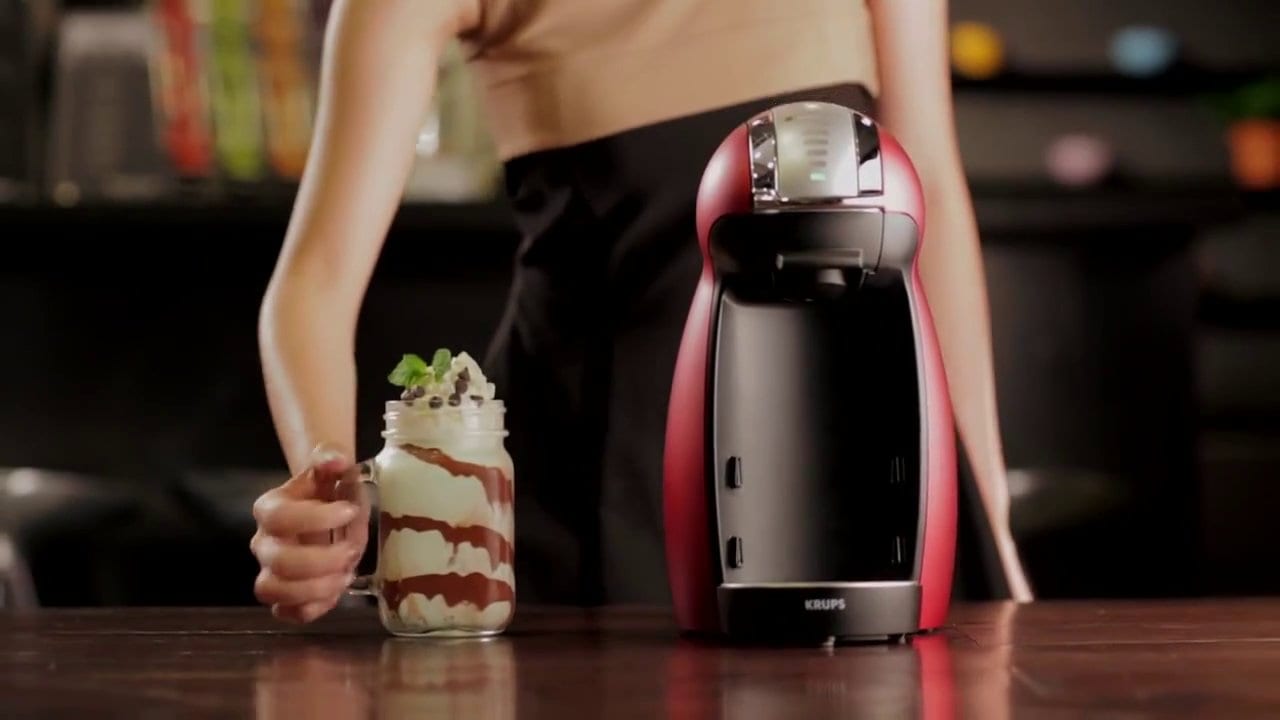
    As more people enjoy their own coffee at home or at work, sales of capsule coffee machines are going through the roof.

    Nescafe Dolce Gusto, the largest capsule coffee machine provider in Korea, announced this week that sales of its capsule coffee machines in the first quarter this year rose 73.4 per cent over the same period of the previous year.

    However, during the same period, sales of automatic espresso machines and filter coffee machines saw increases of only 15.6 per cent and 3.5 per cent respectively.

    Market watchers believe the rising popularity of capsule coffee machines is the product of consumer demand for both taste and convenience. In particular, they attributed the rise in sales to a tendency among consumers to enjoy reasonably-priced coffee at home instead of splurging on expensive beverages at popular coffee shops, a change brought on by financial restraint in the midst of a period of economic uncertainty.

    An official at Nescafe Dolce Gusto said: “In the early stages of the Korean capsule coffee market, newly-wed couples led the way. Now, with a variety of products in terms of price and design, more and more people are showing interest.”

    Meanwhile, Nescafe Dolce Gusto is offering a trade-in promotion giving a 50 per cent discount on its new capsule coffee machine to those who exchange their old coffee machine, until June 14.

  • Swimsuits drive Victoria ’s Secret sales

    Swimsuits drive Victoria ’s Secret sales

    Victoria’s Secret – which accounts for more than one third of the US lingerie market – says swimsuit sales are growing at twice the rate of its overall growth.

    In the first quarter of this year – not even summer season in the US – swimsuit sales soared 10 per cent, while the brand’s overall sales grew just five per cent. Swimwear was introduced in 2002 but only in the last few years has the range been widely stocked as a core line across the brand’s more than 1000 company-owned stores.

    CEO Sharen Jester Turney told an investor conference call that swimwear is not the only category driving growth.

    “We’re very excited and very pleased with our sport business, especially in our bra category,” she said.

    “That’s where we’ve been putting a lot of our emphasis and seeing tremendous growth.”

    In fact, sportswear was only on the company’s radar just a couple of years ago, yet sales are already nearing $250 million annually.

    Analysts predict the brand could eventually grow sportswear sales to $1 billion dollars (the brand’s total 2012 sales were more than $6 billion), with Victoria’s Secret set to launch its Sport offer into another 150 stores in the current quarter.

  • Skechers to donate more than 62,000 pairs of BOBS shoes

    Skechers to donate more than 62,000 pairs of BOBS shoes

    Skechers USA Inc. will donate more than 62,000 pairs of BOBS shoes to support children affected by the devastating 7.8-magnitude earthquake in Nepal through charitable footwear donation program, the footwear maker said on Thursday.

    The donation will add to the company’s 11 million-pairs distributed to children in need worldwide since the BOBS charitable program launched in 2011.

    Working with donation partners K.I.D.S./Fashion Delivers and Soles4Souls, more than 62,000 pairs of BOBS from SKECHERS donation shoes will be transported to Nepal to aid victims of the April 25 earthquake.

    Working with donation partners K.I.D.S./Fashion Delivers and Soles4Souls, the first delivery of more than 36,000 pairs is scheduled to arrive for May distribution. As more rubble is cleared and transitional housing is established for victims of the earthquake, an additional container of 26,000-plus pairs of BOBS will arrive in Nepal for distribution in August.

    “BOBS was created as an ongoing program to help children in need around the world, but when a natural disaster strikes we need to step up even more to help families affected by these tragedies,” began SKECHERS president Michael Greenberg. “With reports of more than 300,000 homes destroyed, 16,000 people injured and thousands of lives lost, we need to do our part to help the people of Nepal rebuild. The need for food, water and shelter is critical, but shoes to protect a child’s feet can offer a feeling of comfort and safety in the midst of a chaotic disaster zone. We are happy to work with our charitable partners K.I.D.S./Fashion Delivers and Soles4Souls to transport BOBS shoes into Nepal, and we hope this donation will help thousands of children in need.”

    The BOBS donation in Nepal is Skechers’s latest contribution to help families affected by disaster. In addition to Typhoon Haiyan relief in the Philippines, the company’s previous donations have provided footwear for survivors of Hurricane Sandy in New York in 2012 and victims of the devastating Haiti earthquake in 2010. BOBS also regularly donates its product to more than 30 countries worldwide, from communities in need in the United States to families around the globe.

  • China duty cuts details released

    China’s mainland government will halve duties on imported clothing, accessories, skincare products and nappies from Monday June 1.

    The China duty cuts were first flagged early this month as Beijing’s lawmakers sought a way to revive flagging retail sales growth and encourage locals to spend more at home rather abroad.

    The cuts are aimed at incentivising travellers to purchase luxury goods from local retailers rather than abroad, and discourage cross-border trading, especially through Hong Kong.

    The duty cuts average 50 per cent and will go a long way towards addressing an imbalance where mainlanders can pay as much as 40 per cent premium on foreign made goods due to import duties and other taxes.

    While the biggest impact of the duty cuts will be on luxury goods, Hong Kong’s border traders and cosmetics and personal care chains will take a significant hit. The mainland government has already clamped down on cross-border runs, limiting mainlanders to one trip a week to Hong Kong. That has reduced sales of nappies, cosmetics and infant milk formula in Hong Kong, for resale in Shenzhen and beyond.

    Hong Kong General Chamber of Pharmacy committee member Cheung Tak-wing told the South China Morning Post that local pharmacies had seen sales drop by one-fifth in April year-on-year. Drugstores in the northern district were hardest hit by the loss of bulk buyers from across the border.

  • Walmart reduces Li & Fung reliance

    Walmart reduces Li & Fung reliance

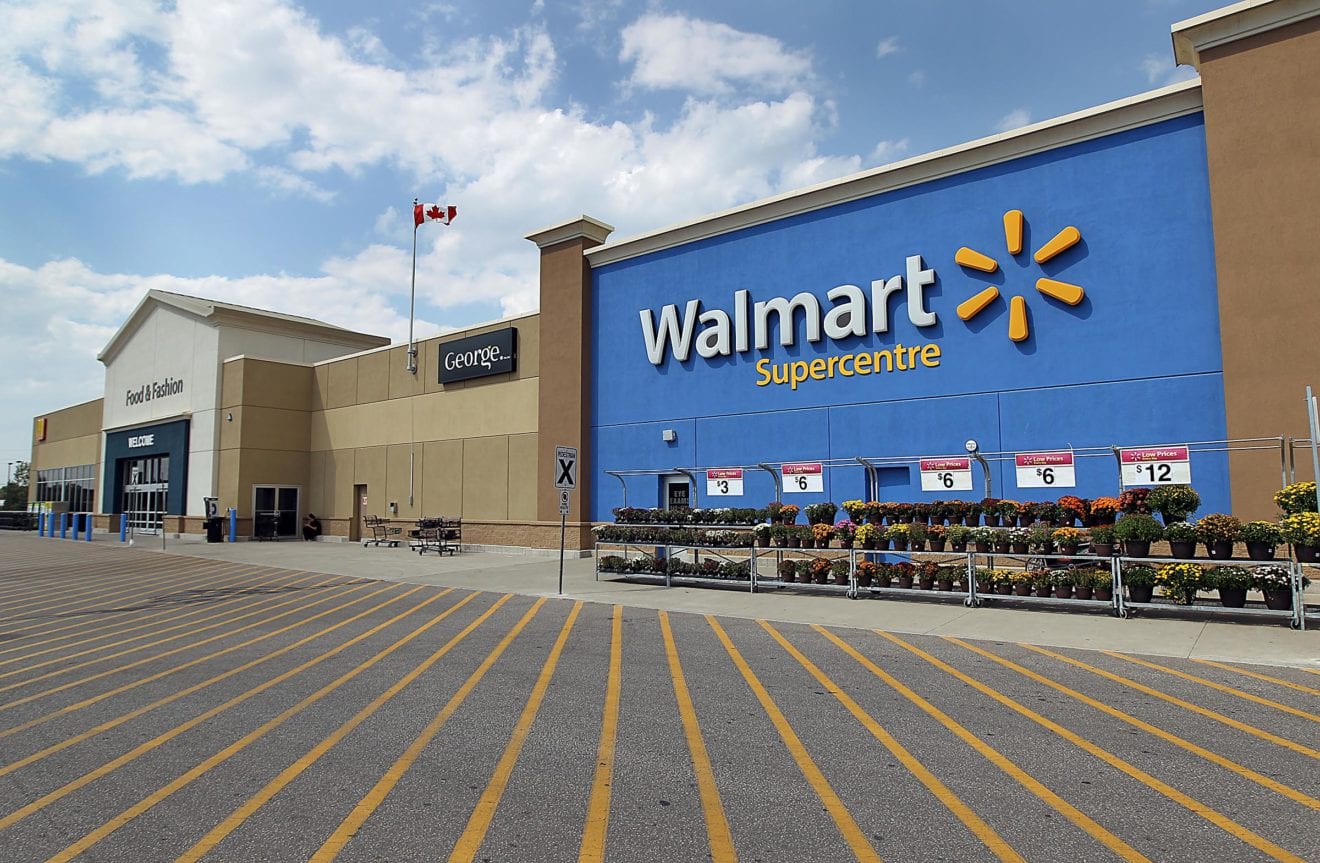
    Walmart, the world’s largest retailer, says it can take in-house a few of the inventory sourcing it has beforehand contracted out to Li & Fung subsidiary Direct Sourcing Group.

    It expects by dealing with its personal sourcing, it should scale back prices in its provide chain.

    Wal-Mart stated in a press release: “We have now made a enterprise choice to switch sure sourcing features for Wal-Mart in-house, and as such will work collaboratively with DSG to make sure a clean transition over the subsequent a number of months.”

    DSG retains the enterprise of sourcing merchandise for Walmart’s Sam’s Membership operation, which has 648 shops within the US.

    The US firm has partnered with Li & Fung for nearly 5 years. On the time the contract was introduced in 2010 the 2 corporations estimated the sourced merchandise can be value round US$2 billion a yr. They stated they might type a three way partnership, Direct Sourcing Group.

    However two years later Walmart backed out of that plan, deciding to not take up its shares however to retain Li & Fung as a sourcing provider.

    The Hong Kong firm has declined to touch upon the information, first damaged within the Wall Road Journalnewspaper and subsequently reported by Reuters.

    Reuters quoted a analysis word by UBS analyst Spencer Leung, saying Walmart’s transfer was unlikely to have vital monetary influence on Li & Fung, however “will almost certainly set off different main retailers to evaluation their sourcing preparations (with Li & Fung)”.

    Trend model Kate Spade earlier this month stated it had taken sourcing of equipment in-house, however would proceed to make use of Li & Fung for sourcing clothes provides and different providers.


  • Xiaomi in US, Europe check

    Xiaomi in US, Europe check

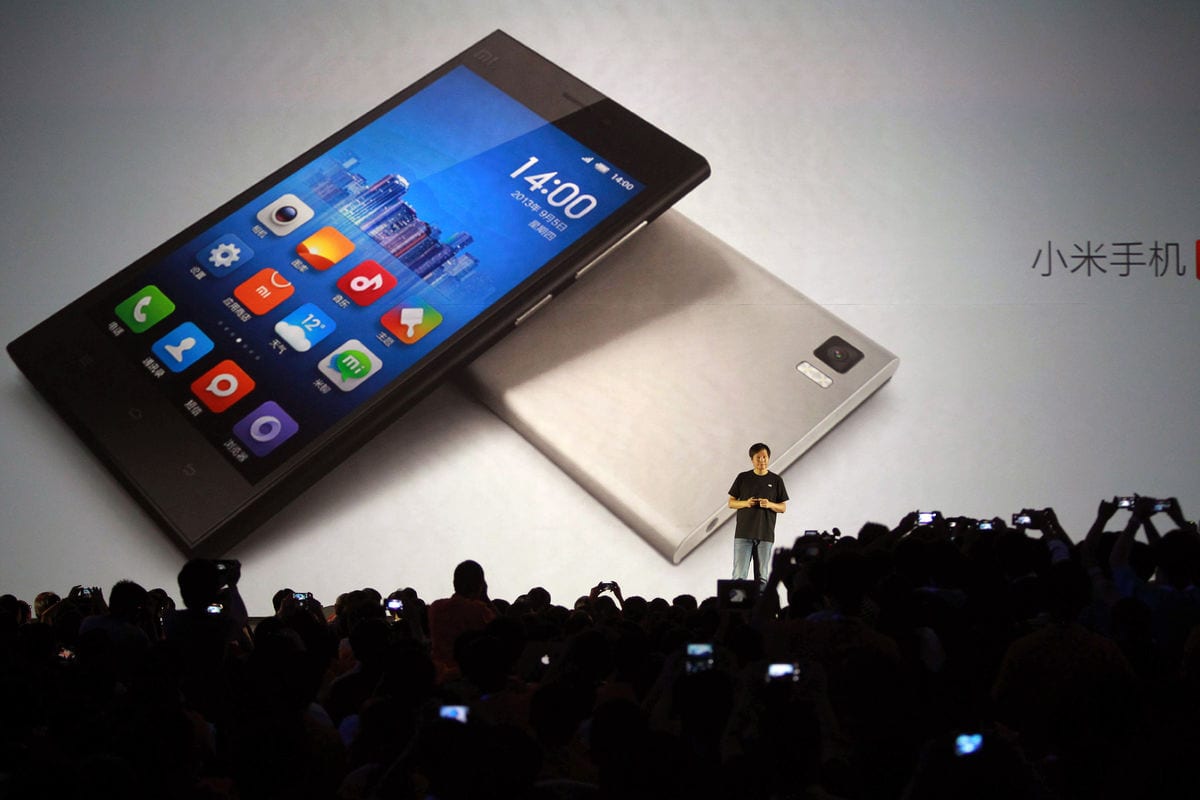
    China’s market main smartphone firm Xiaomi is making what’s being interpreted as a tentative step into the US and Europe.

    The fast-growing younger firm, which sells extra telephones in China than another handset maker has but to open its first retailer outdoors Higher China – however final Friday, it quietly switched on an internet site promoting equipment and electronics – however not telephones – to People and Europeans.

    In line with a report on The Verge https://www.theverge.com stories, Xiaomi opened a website promoting restricted quantaties of simply 4 merchandise in a “beta check sale” to residents of the US, UK, Germany and France.

    This launch line-up of merchandise features a US$14.99 health tracker, a pair of US$79.99 headphones, and two sizes of USB energy packs: a $9.99 5,000mAh mannequin able to two full iPhone expenses and a bigger, 10,400mAh model that bought for $13.99.

    The corporate inspired guests to create their accounts on the location, clearly a way to start out constructing a database of potential clients in every market.

    Xiaomi, an organization now value US$46 billion, is scheduled to open its first retail retailer – dubbed a Mi Retailer – outdoors mainland China, in Hong Kong this week.

    In response to The Verge, Xiaomi’s VP Hugo Barra introduced a transfer into the US and Europe earlier this yr, however wouldn’t say when its low-cost, however feature-packed smartphones may go on sale.

    “On the time, Barra cited causes reminiscent of hardware certification, software program testing, and different logistical challenges as obstacles to entry for smartphones and tablets in US market,” The Verge reported.

    “Nevertheless, the corporate has but to shake the notion that it has additionally copied American corporations’ designs — a criticism that’s troublesome to disregard when taking a look at side-by-side comparisons of Apple’s and Xiaomi’s merchandise. Nonetheless, if the corporate can discover an viewers for its equipment, then its smartphone certainly gained’t be too far behind.”

  • JD.com strikes into gadget making

    JD.com strikes into gadget making

    Chinese language on-line retailer JD.com has chosen CES Asia to unveil two new devices to be bought by its JD Sensible division.

    JD Sensible is a just lately launched ‘sensible gadget platform and enterprise unit’ which has created what it describes as an ‘open ecosystem initiative’, integrating merchandise from a variety of producers seamlessly on a JD.com sensible platform.

    The brand new merchandise are a DingDong Sensible Speaker, developed in partnership with iFlyTech. It’s a voice-controlled gadget that may pull information, climate and round three million songs and four million hours of audio content material instantaneously from third get together sources on the Web and play them by way of the high-quality speaker system.

    The voice interface system may also help in schedule administration by establishing alarms, calendars and comparable planning instruments, all by way of voice instructions. The DingDong Sensible Speaker makes use of the JD+ tremendous app (referred to as “Jingdong Weilian” in Chinese language) to permit full voice management of all merchandise within the JD+ ecosystem, centralising the consumer expertise.

    JD Sensible additionally launched Changhong’s EleCloud Wi-fi Sensible Rechargeable Storage System to its JD+ ecosystem. The gadget, which equally leverages the Weilian app, is an exterior charger for cellular units that integrates the functionalities of wi-fi sharing and a excessive velocity flash drive, permitting customers to share paperwork, music and movies concurrently with as much as greater than 30 individuals.

    JD Sensible president Zhenhui Wang stated the brand new merchandise underscore JD Sensible’s shut relationships with producers and its concentrate on delivering a very built-in open platform for sensible units.

    “Leveraging JD.com’s unrivalled assets, we help our associate corporations all through the event course of, together with massive knowledge evaluation of consumer conduct, sensible cloud computing platform, fairness crowdfunding by means of JD Finance for start-ups, advertising help and entry to our greater than 100 million customers for market-ready sensible merchandise.”

    JD Sensible’s ecosystem supplies customers a handy single level of management over related sensible units from collaborating producers by means of its Weilian cellular tremendous app.

    “We’ve created an ecosystem that permits merchandise from totally different producers to work collectively on a seamless sensible platform, JD Sensible is ready to bypass the ‘ache level’ created when a consumer’s units can’t speak to one another,” stated Leslie Liu, JD Sensible’s CTO.

    “The DingDong Sensible Speaker leverages the Weilian app we now have developed to seamlessly combine into clients’ sensible house networks with a single voice command middle, avoiding the ‘bottleneck’ of closed platforms.”

    By way of its JD+ business companion program, JD Sensible builds partnerships with conventional and early-stage hardware producers across the open JD Sensible platform. Presently JD+ consists of over 100 producers, together with Haier, Hisense, Midea, TCL, Joyoung and Fotile, with a complete of greater than 400 JD Sensible-enabled merchandise. JD Sensible helps its associate corporations by means of a number of improvement levels, together with offering incubators, accelerators, technological help, go-to-market options, provide chain and cloud computing providers, in addition to entry to JD.com’s big base of upwardly cellular shoppers.

  • Montblanc ’s new India companion

    Montblanc ’s new India companion

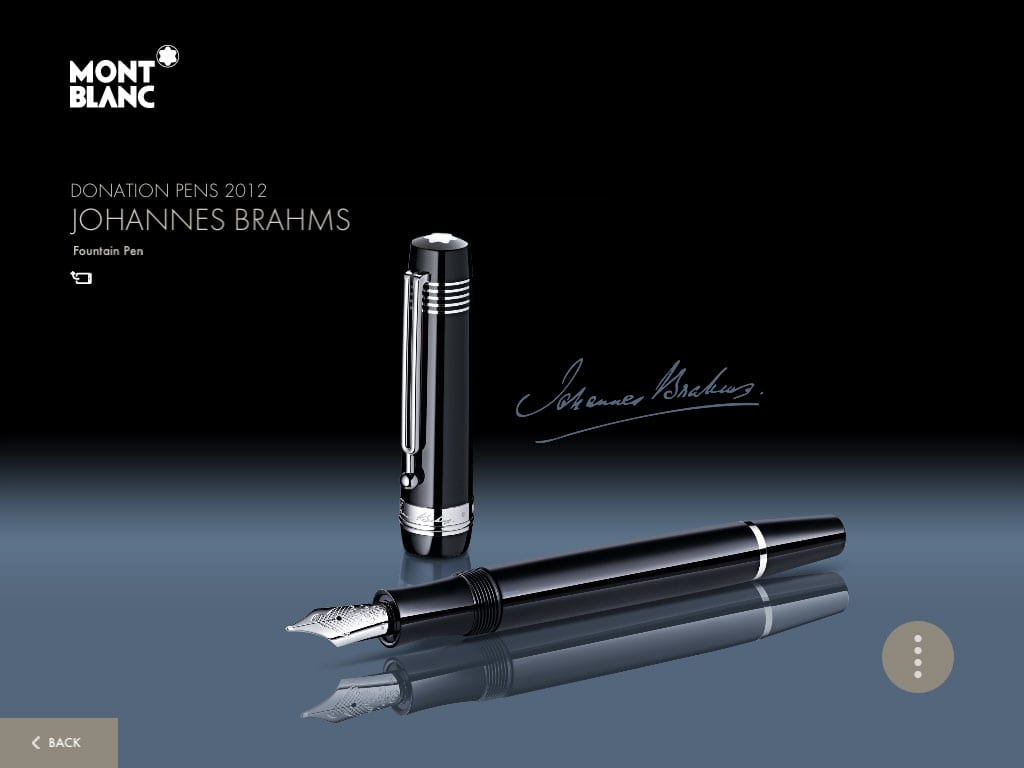
    German luxurious pen model Montblanc and Indian three way partnership companion Tata Group, have acquired authorities approval for his or her single model retail enterprise in India.

    India’s Overseas Funding Promotion Board (FIPB) on Monday authorised the 51:49 three way partnership, to be managed by Tata subsidiary Titan Co, with the german firm’s Dutch subsidiary to carry the stability.

    The brand new partnership will supersede the present distribution settlement with retired cricketer Dilip Doshi, who launched the model there 20 years in the past and retailed it by means of 17 boutiques, most in luxurious motels.

    Titan says it’s going to take over the shop community, however Doshi is planning authorized motion towards Titan and Montblanc, referring to the phrases by which his distributorship was annulled.

  • BlackBerry QNX hops on Singapore public buses

    BlackBerry QNX hops on Singapore public buses

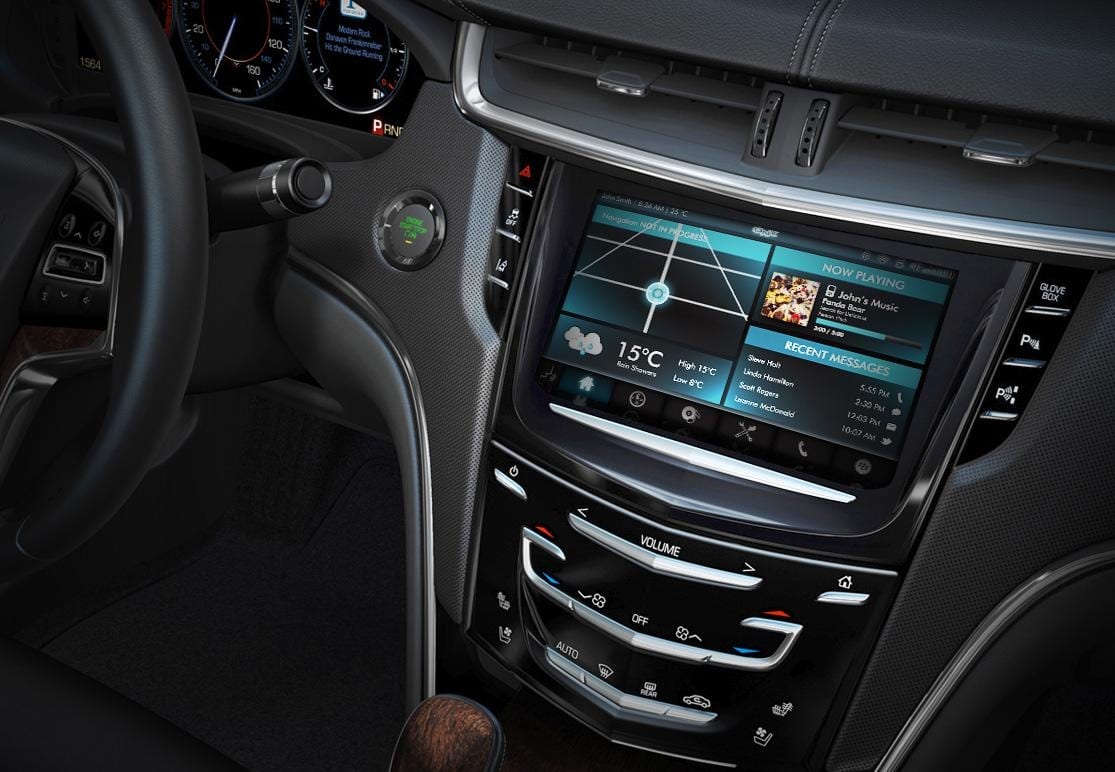
    BlackBerry’s QNX Software Systems says its platform has been deployed in Singapore’s public buses and also will be expanded to Thailand and the Philippines.

    According to the BlackBerry subsidiary, which develops OSes and embedded software tools, its QNX Neutrino OS is supporting a fare collection system that includes automatic gates, ticketing machines, and on-board bus equipment,

    Originally created by systems integrator MSI Global, the software system had been deployed in more than 4,800 public buses in Singapore. MSI specializes in land transport software development, with customers in regional and global markets, and is a subsidiary of Singapore’s Land Transport Authority (LTA).

    It implemented QNX Neutrino OS for better performance and security, as well as to support new fare products, BlackBerry said. It added that the platform supported multitasking of multiple subsystems and web technologies that provided advanced graphic capabilities, such as HTML5, allowing MSI to create a more intuitive user interface.

    Silvester Prakasam, MSI’s fare system business unit head, said in a statement Thursday: “MSI’s experience with QNX Neutrino has been very favorable and we will continue to leverage the same secure OS for our future projects… With QNX Neutrino, we were able to create a design that is fast and reliable, yet affordable to customers in cost-sensitive regions.”

    “Embedded systems today need a comprehensive OS platform that encompasses everything from Web technologies and advanced graphics to security, connectivity, and high reliability,” said QNX COO John Wall.

    BlackBerry Leap launches in Singapore

    In a separate statement Thursday, BlackBerry said its BlackBerry Leap handset would be available in Singapore from May 23. The device is the company’s first full touchscreen offering and targeted at the mass market of “young power professionals”.

    BlackBerry’s managing director of Singapore, Cameron Vernest, said: “With an all-touch screen, the BlackBerry Leap rounds out our portfolio of BlackBerry 10 devices, offering an affordable choice to mobile professionals who require a smartphone that safeguards sensitive communications and keeps them productive.”

    The handset runs the latest BlackBerry 10.3.1 OS and features a 5-inch HD display. It will be available via the enterprise sales teams for Singapore’s three mobile operators–M1, StarHub, and Singtel–as well as M1 retail shops, BlackBerry said.

  • ​Disney opens its largest store in Shanghai

    ​Disney opens its largest store in Shanghai

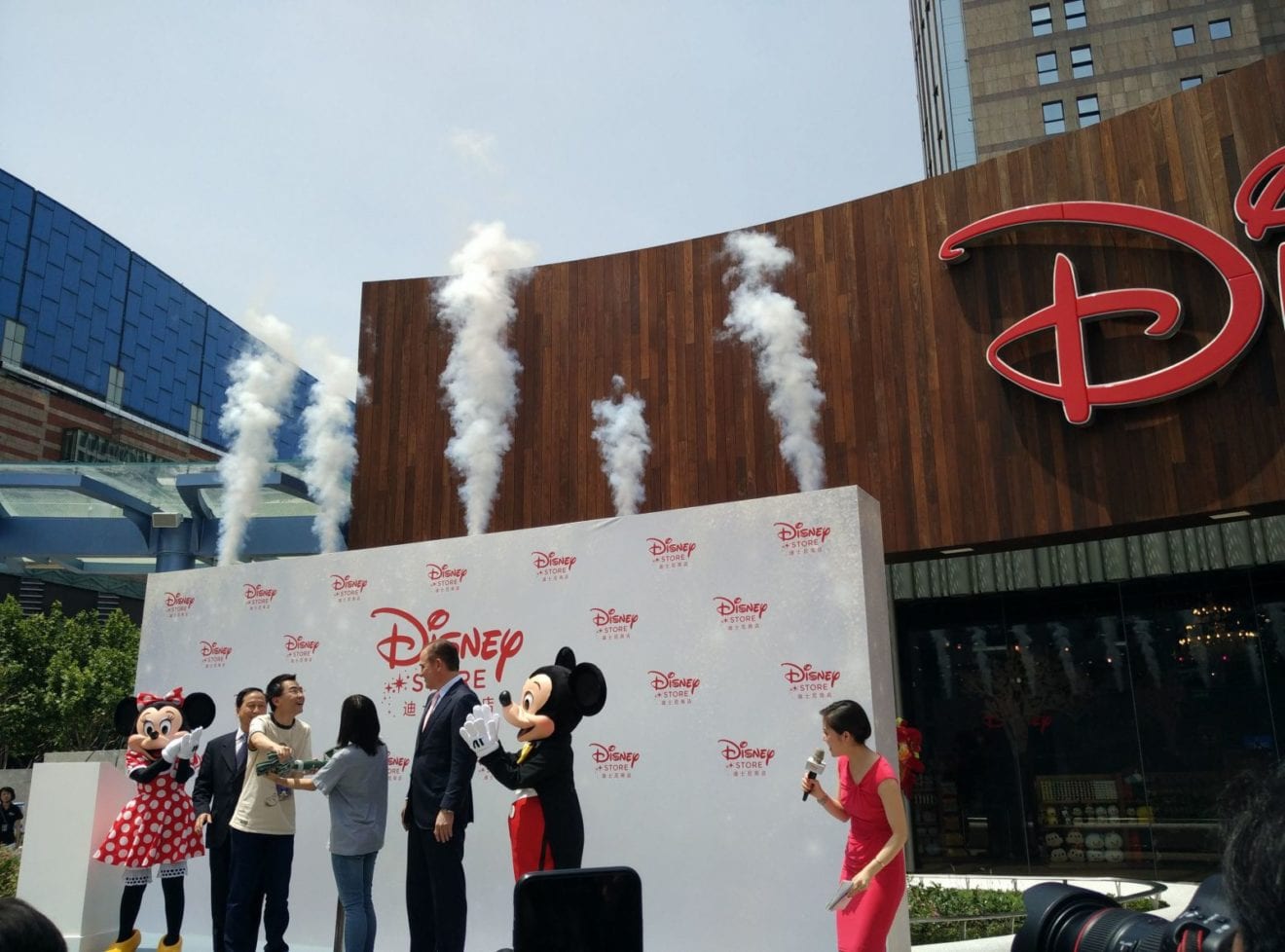
    The Walt Disney Co. has opened its first Disney Store in China, a 9,257-square-feet store in Shanghai that is the company’s largest retail store in the world.

    The new store, opened May 20, comes as Disney strives to tap into China’s growing middle class. The store is in Shanghai’s Pudong district, where Disney plans to open a $5.5 billion theme park next year.

    Disney said an estimated 40 million tourists visit Pudong’s Lujiazui shopping area, where the store is located.

    “We couldn’t be more delighted to open our first Disney Store in China, in Shanghai,” Paul Candland, Disney’s Asia-Pacific region president, said in a statement. “Disney Store plays a critical role in how millions around the world experience our brand and allows kids, young adults and families to have a uniquely fun and immersive experience while shopping for their favorite Disney, Pixar, Marvel and Star Wars products.”

    The new Shanghai store showcases a 19-foot castle at the heart of the store, featuring an hourly musical and projection show, and a Marvel-themed area with hand-sculpted statues of superheroes. Its exterior includes a landscaped plaza and Mickey Mouse-shaped roof sculpted with 8,000 LED lights visible from key tourism points such as the Pearl Tower.

  • Pop of colour, high fashion timepieces in Singapore

    Pop of colour, high fashion timepieces in Singapore

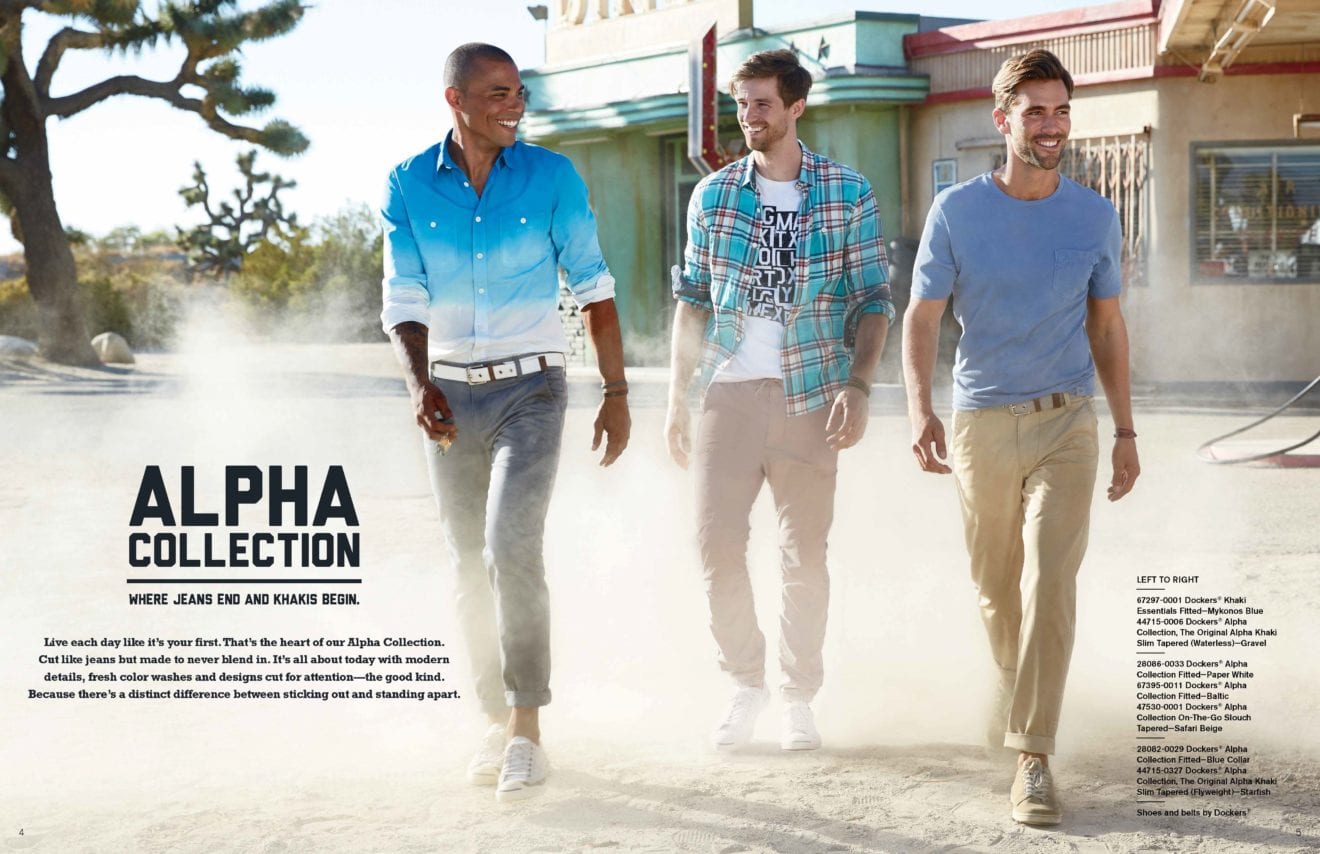
    Always wanted to experiment with colour? Head down to Dockers and try on the brand’s colourful range of pants today. Purchase any two regular-priced pants for S$149.90 (RM404); and any three regular-priced pants for S$199.90. Also, stand to enjoy an additional S$50 off with any S$250 nett spend when you shop at these selected Dockers’ boutiques namely Jem, Plaza Singapura, Suntec City and Raffles City.

    Bits of nature: What do you get when you combine the superior craftsmanship and product excellence of Timberland with Pharrell Williams’ creativity from his co-founded fashion brand Bee Line For Billionaire Boys Club? The limited edition Timberland X Bee Line 6” Canvas Boot, of course. Exclusively for women, the boots takes its design cues from nature and are available in two designs, Honeycomb and Grass. Made from top quality materials that are environmentally friendly to provide increased strength, abrasion resistance and decreased dry time. S$369.00, available exclusively at Timberland ION Orchard and Raffles City boutiques only.

    Wrist only: If you love high fashion time pieces, you’ll want to check out the Tate Wrap time pieces from the Vivienne Westwood Time Machine Collection. A great conversational starter, it’s available in two designs with features such as a new dial and a double wrap around strap embellished with patterns and iconic brand elements. Available at Tyan ION Orchard, #03-13, 2 Orchard Turn.

    Meet the Minions at Uniqlo: Get to high-five Bob, Kevin and Stuart, from the popular animated film, Minions, who will be popping by the UNIQLO stores this weekend at 313@somerset (May 23) and Parkway Parade (May 24) from 3pm to 3.20pm. The Minions are launching the new Minions UNIQLO T-Shirt collection for boys. And there’s a promotion: If you buy two Minion tees (per transaction) at the store — or at least one Minion tee online per transaction — you will get a limited edition Minions pen set. While stocks last. (Note: This pen set is not available at the following stores: Changi Airport, ION Orchard, One@KentRidge, One KM, One Raffles Place, and Tampines 1.) The T-shirts retail for S$12.90. Available at all UNIQLO outlets. — TODAY

  • Flatscreen TV sales slide in SE Asia

    Flatscreen TV sales slide in SE Asia

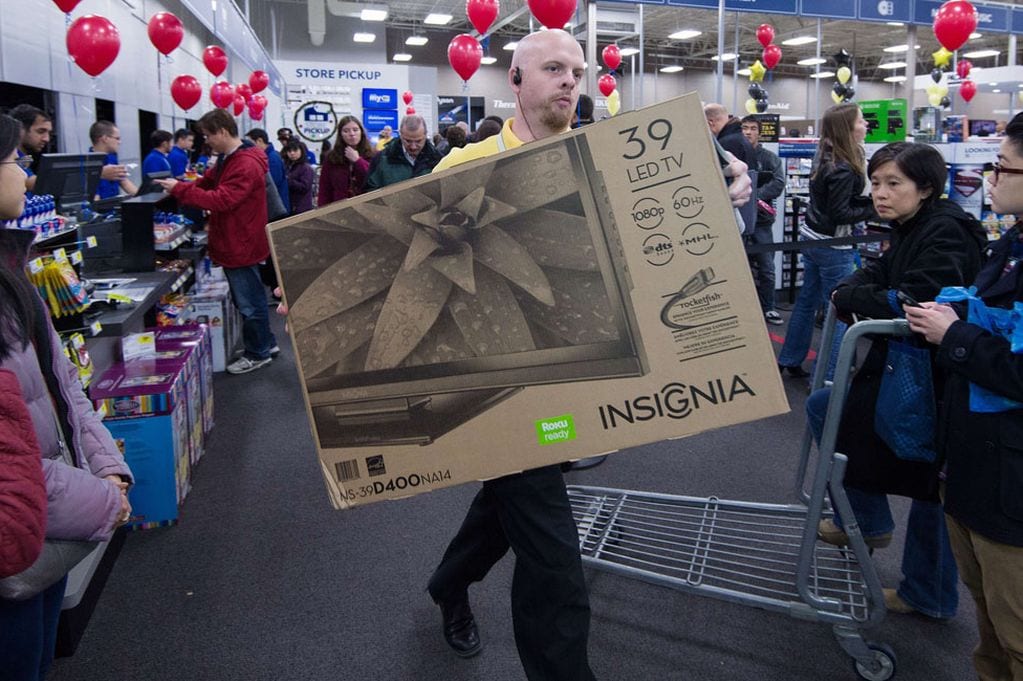
    The total sales volume of flat panel TV continues to slow in six key Southeast Asian markets monitored by research house GfK.

    But consumer demand for ultra-high definition (UHD) models has spiked exponentially in the past year to help fuel the strong growth of this segment as well as the overall value growth of the TV market.

    According to GfK’s point of sales tracking in Singapore, Malaysia, Thailand, Vietnam, Indonesia and the Philippines, the 11.8 million TV sets sold in April 2014 to March 2015 marks a 2.9 per cent drop compared with the same period a year ago. However, robust sales of the higher value UHD models managed to drive up dollar value generated by the entire TV market by 2.9 per cent.

    “With the near completion of switchover trend in developing Southeast Asian countries, consumers are now focusing on upgrading to the latest screen technology,” said Gerard Tan, account director for Digital World in GfK.

    “Manufacturers and retailers have been aggressively launching attractive promotions to stimulate take up rates.”

    The six individual countries reported surges in sales value of their respective UHD TV markets in the range of 20 to 77 per cent, with Singapore (77 per cent), Indonesia (67 per cent) and Vietnam (47 per cent) registering the fastest growth. In unit terms, sales volume from a year ago climbed  in the range of nine to 37 per cent – led by Singapore and Indonesia (37 per cent) and followed by Vietnam (23 per cent).

    According to GfK findings, the UHD segment contributed nearly eight per cent of the region’s TV sales dollars; accounting for US$354 million – an increment of 280 per cent over the same period the year before. Penetration is highest in the most developed market of Singapore, where more than one in every 10 (13 per cent) of sets sold UHD.

    The rising share of UHD in the TV market has also resulted in the average price of a UHD TV falling around 61 per cent, from US$5500 to $2160.

    Meanwhile, the most commonly purchased screen size for this segment is 41”-50”, making up 35 per cent in share of the UHD sales volume.

    “TV technology is constantly evolving, and with each new launch, we see the progression of consumers moving from small to big screens, with affordability increasing over time,” said Tan.

    “Moving forward into the rest of 2015, we can expect to see rising excitement in the UHD TV market as manufacturers battle for the consumer dollar with more offerings at more attractive prices; and at the end of the day, consumer s are the ones who get to enjoy the good deals resulting from the fierce competition,” he concluded.

  • Banque Pour Le Commerce Exterieur Lao Public to launch BCEL-JCB Credit Card in Laos

    Banque Pour Le Commerce Exterieur Lao Public to launch BCEL-JCB Credit Card in Laos

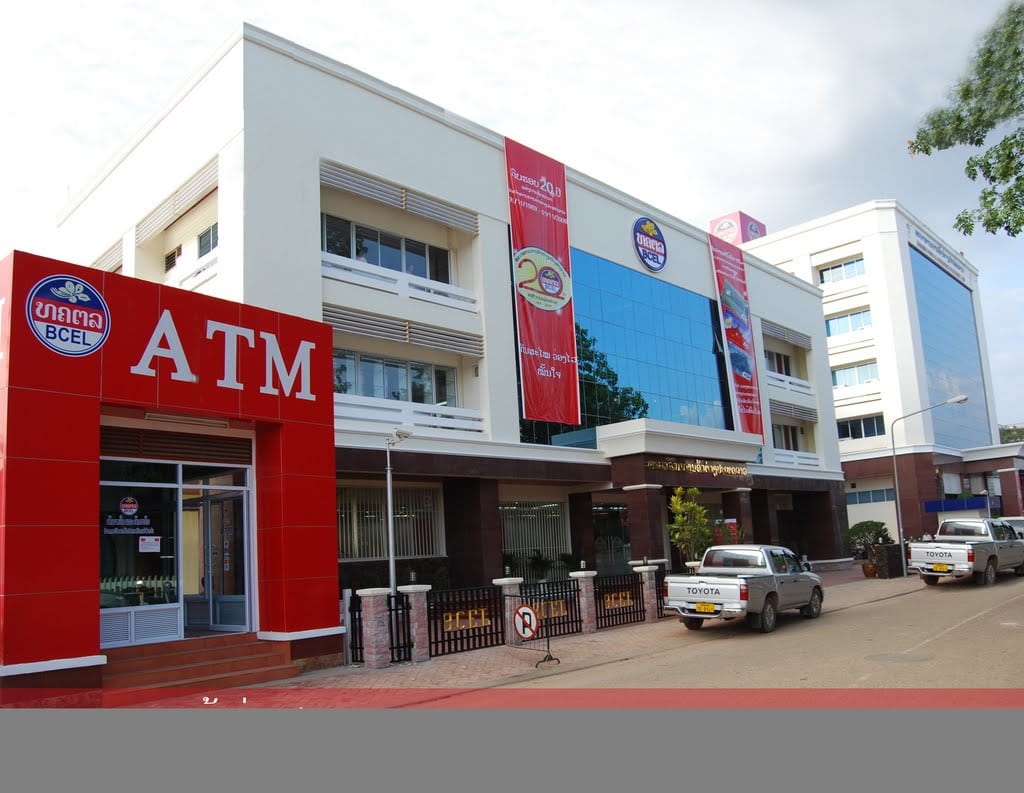
    Banque Pour Le Commerce Exterieur Lao Public (BCEL) and JCB International Co., Ltd. (JCBI), the international operations subsidiary of JCB Co., Ltd., have announced to launch BCEL-JCB Credit Card in Lao People’s Democratic Republic (Laos).

    BCEL-JCB Credit Card can be used at about 29 million POS using JCB acceptance network and there are many more privileges that BCEL-JCB Credit Cardmembers will enjoy at more than 100 merchants in Laos, and also can have advantage and special offers at around 2,300 JCB merchants worldwide as well as the exclusive JCB Plaza Lounges located in popular destinations including Singapore, Hong Kong and Paris.

    BCEL is one of the leading commercial banks in Laos established in 1975. BCEL continued to grow and strengthen gradually in various fields including the size of assets, deposits, loans and the number of clients. The bank has 19 branches, 65 service units (outlets), and 11 foreign exchangers nationwide. JCB cards are today issued in 19 countries with about 90 million cardmembers and accepted at about 29 million merchants in 190 countries and territories around the world. JCBI and BCEL have had a partnership since 2013 for merchant acquiring to expand JCB card acceptance. With this launch, BCEL is the second bank to issue JCB cards in Laos.

    Phansana KHOUNNOUVONG – Deputy Managing Director of BCEL stated, “This project of BCEL-JCB Cards has the objective to widen the choices of products that can offer our customers with efficiency and convenience in terms of smarter payment in their daily lives, which will also come with reduction in cash transaction and with higher security. The primary target customers include those who are interested or desire to hold a credit card. We believe that this product will help widen our customer base and secure our position as the leader in credit card product in Lao market in long term. BCEL are always aware of the quality and high profile of JCB which is also accepted internationally. And it is our privilege to partner with JCBI in this project which results from our agreement on June 23 2014.”

    Kimihisa Imada, Deputy President of JCBI said: “The start of issuing with BCEL, the leading bank in Laos, will be a great opportunity for JCB card business in Laos. In JCB’s global expansion strategy, our current focus is the Mekong region because of its growing economy and the potential growth of the card payment market. Laos is located in the center of the region and shares borders with all of the other Mekong countries. The card market in Laos has great potential and I believe this market will rapidly expand in the next few years. With the cooperation of BCEL we would like to accelerate the card market, showing the people in Laos the advantages and benefits of using the BCEL-JCB card.”

    Banque Pour Le Commerce Exterieur Lao Public (BCEL) was established in 1975, by that time the bank operated as a specialized branch of former State Bank (The Bank of Laos), especially the monopolized implementation of international banking services for Lao government. In 1989, BCEL transformed into the fully commercial bank and continued to grow and strengthen gradually in various fields including the size of assets, deposits, loans and the number of clients. By October 2014, the bank has 19 branches, 65 service units (outlets), and 11 foreign exchangers nationwide and the bank also having a banking relationship with more than 30 high-profile banks worldwide. At present, BCEL has successfully become a strengthened public bank and leading bank in Lao P.D.R, the bank has set its new strategies from 2012 to become an advanced bank and to develop its service system to reach international standard. BCEL has won many awards from overseas: namely, in 2011, the Bank of the Year, Lao PDR, from The Banker Magazine, in 2012 won the Lao Domestic Technology and Operation Bank of the Year, Asian Banking and Finance Magazine, in 2013 won Most Innovative Retail Bank Laos; and global Banking & Finance Review Award 2013, in 2014, Laos Domestic Cash Management Bank of the year, Laos Domestic Technology and Operation Bank of the Year, Domestic Retail Bank of the Year-Laos, and Online Banking Innovative of the Year-Laos, from The Asian Banking and Finance Magazine.

    JCB is a major global payment brand and a leading credit card issuer and acquirer in Japan. JCB launched its card business in Japan in 1961 and began expanding worldwide in 1981. Its acceptance network includes about 29 million merchants and over a million cash advance locations in 190 countries and territories. JCB cards are now issued in 19 countries and territories, with about 90 million cardmembers. As part of its international growth strategy, JCB has formed alliances with more than 350 leading banks and financial institutions globally to increase merchant coverage and cardmember base. As a comprehensive payment solution provider, JCB commits to provide responsive and high-quality service and products to all customers worldwide. For more information, visit: www.jcbcorporate.com/english


  • Bebelian flourishes on celebrity cast-offs

    Bebelian flourishes on celebrity cast-offs

    A unique Indonesian eCommerce venture is making money by selling local celebrities cast-offs to starry-eyed fans.

    And if the concept works in Indonesia, surely it’s a fit for other Asian markets, like Thailand and Korea, where celebrity-spotting is almost a national obsession.

    As TechInAsia.com reports, in an article written by Lina Noviandari. and translated from Indonesian,Bebelian founder Khairiyyah Sari was a former executive fashion and beauty editor at Indonesia’s Femina magazine. It was a role which kept her up to date – and in stock – with everything related to branded apparel and accessories, particularly handbags. Her work in the media also allowed her rare access to the nation’s exclusive pool of models, actresses, and celebrities who were deeply entrenched in the archipelago’s fast-moving fashion world.

    Having cultivated relationships with many socialites and famous women, those in Indonesia’s fashion and beauty industry came to endearingly know her by one name; Sari. In mid-2011, however, she resigned from her safe and cushy media job to chase down a daring eCommerce dream. Bebelian was born, with the vision to sell branded, fashionable apparel and accessories that were pre-owned by Indonesian celebrities.

    “On eBay, I found Hollywood celebrities putting their goods up to be auctioned. I then thought, Indonesia should have a place that sells items previously owned by celebrities. Because I knew a lot of them, I was sure they had a lot stuff that they rarely used. And certainly, there were many fans out there who wanted a piece of their style, right?”

    Realising she couldn’t do it alone, Sari invited her friend Dewi Rezer – an Indonesian model, TV presenter, and actress – to help develop the company. Now a two-woman operation, Bebelian had an even deeper network of celebs it could tap into for secondhand goods. Sari went right to work creating the site and populating it with content, while Rezer helped legitimise the business and build buzz in the right circles.

    As a fashion journalist, Sari already knew that people in Indonesia bought branded apparel that was endorsed or pre-owned by celebrities, but that there wasn’t a formal place where people were doing it.

    She also knew that there was no website that was specialising in pre-owned celebrity handbags. With this in mind, she decided to focus her site solely on handbags in order to capture an early niche audience.

    “Because I was a fashion journalist, the concept of an online store that I made didn’t seem too arbitrary. Each celebrity has to make a profile, so it’s sort of like a magazine. Complete profiles are linked with the celebrity’s own signature style, including handbags. Each bag is photographed in our studio and celebrities share tips on how to wear them.”

    Sari claims that apart from the potential earning power of Bebelian, the site also has a mission to provide a means for average consumers to get their hands on designer brands at affordable prices. According to her, buying a pre-owned, branded handbag from a celebrity has a better value proposition than buying a counterfeit one.

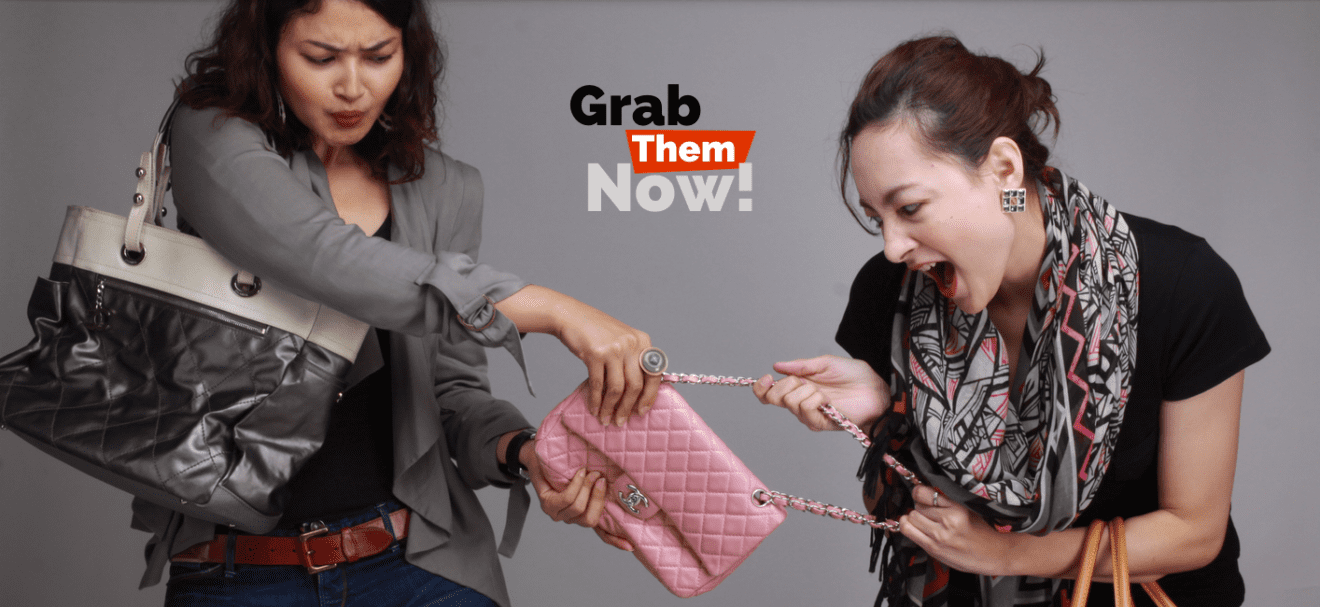
    However, when you look at the site, it’s plain to see that the prices are somewhere between what they’d be for counterfeit items versus real branded ones. So in that sense, shopping on Bebelian is still a step above buying fake branded items, but still not as expensive as picking something up from the Gucci store.

    On Bebelian, users can browse via brands, celebrities, price, or product. According to Sari, around 30 celebrities have signed up, and she says she’s been dividing her time between Bebelian and her own private consultancy. She declined to comment on Bebelian’s traction, including the number of transactions it has facilitated to date. However, Bebelian currently features brand names like Chanel, Gucci, Guess, and Louis Vuitton as well as famous local names such as Astrid Tiar, Sandra Dewi, Jill Gladys, and Edies Adelia.

    While Bebelian is a unique business model, it does see indirect competition in local site WokuWoku, an eCommerce firm that sells clothes and apparel from fashion lines owned by celebs. The primary difference is that Bebelian sells designer brands from the personal closets of celebrities, while WokuWoku deals in brands that are part of celebrity-made clothing lines.

    However, Sari says she doesn’t need to worry too much about competitors just yet, as Bebelian seems to be performing beyond her expectations.

    “The next obstacle we face is that our celebrities don’t have any more items they want to sell,” says Sari. “Because of this, we must always be looking for new celebrity partners to feature on Bebelian.”
  • SingPost POPStation: a worldwide eCommerce mannequin

    SingPost POPStation: a worldwide eCommerce mannequin

    SingPost’s intelligent embracement of the web buying revolution is a case research different nationwide postal providers all over the world ought to take discover of.

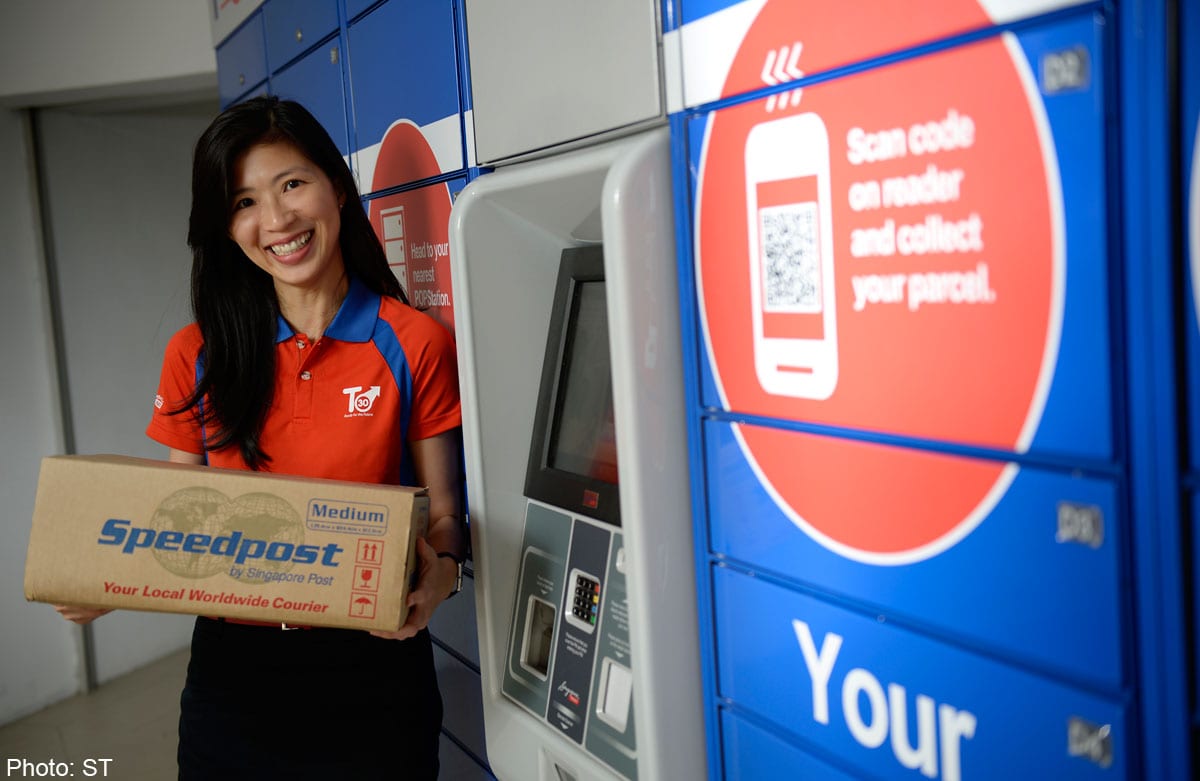
    Final week, SingPost opened its 100th POPStation – a parcel supply and assortment service which has minimize the supply time of on-line purchases by as a lot as a day, boosted comfort for patrons and distributors alike – and decreased its personal operational overheads and logistical challenges on the similar time.

    The SingPost POPStation is a supply and assortment community system which now offers a receiving level for patrons with a mean distance of not more than 2.5 km from any resident within the metropolis state.

    Primarily, POPStation is a locker supply service which does away with the necessity for patrons to should be obtainable at one place to obtain their deliveries, and for postal employees to traverse the town making private deliveries. It’s tailor made to the web retailing business, as a result of it standardises supply techniques and provides each distributors and SingPost the economies of scale of creating a lot of deliveries to a single level.

    Buyers can have their gadgets delivered to automated sensible lockers in any one of many 100 POPStations, all of that are accessible 24-seven. In addition to receiving gadgets, shoppers could make returns simply onsite as properly. Clients obtain their supply notifications and a PIN for his or her safe locker by way of smartphone.

    “POPStation is nicely fitted to city cities like Singapore because it lets the parcels do the ready, catering to busy way of life of Singaporeans on this digital age,” explains SingPost senior VP of Singapore Parcel, Lim Ann Nee, in a press release.