Author: Mei Ling Tan

  • Internux Sues Shop for Unlocking Bolt! Modems

    Internux Sues Shop for Unlocking Bolt! Modems

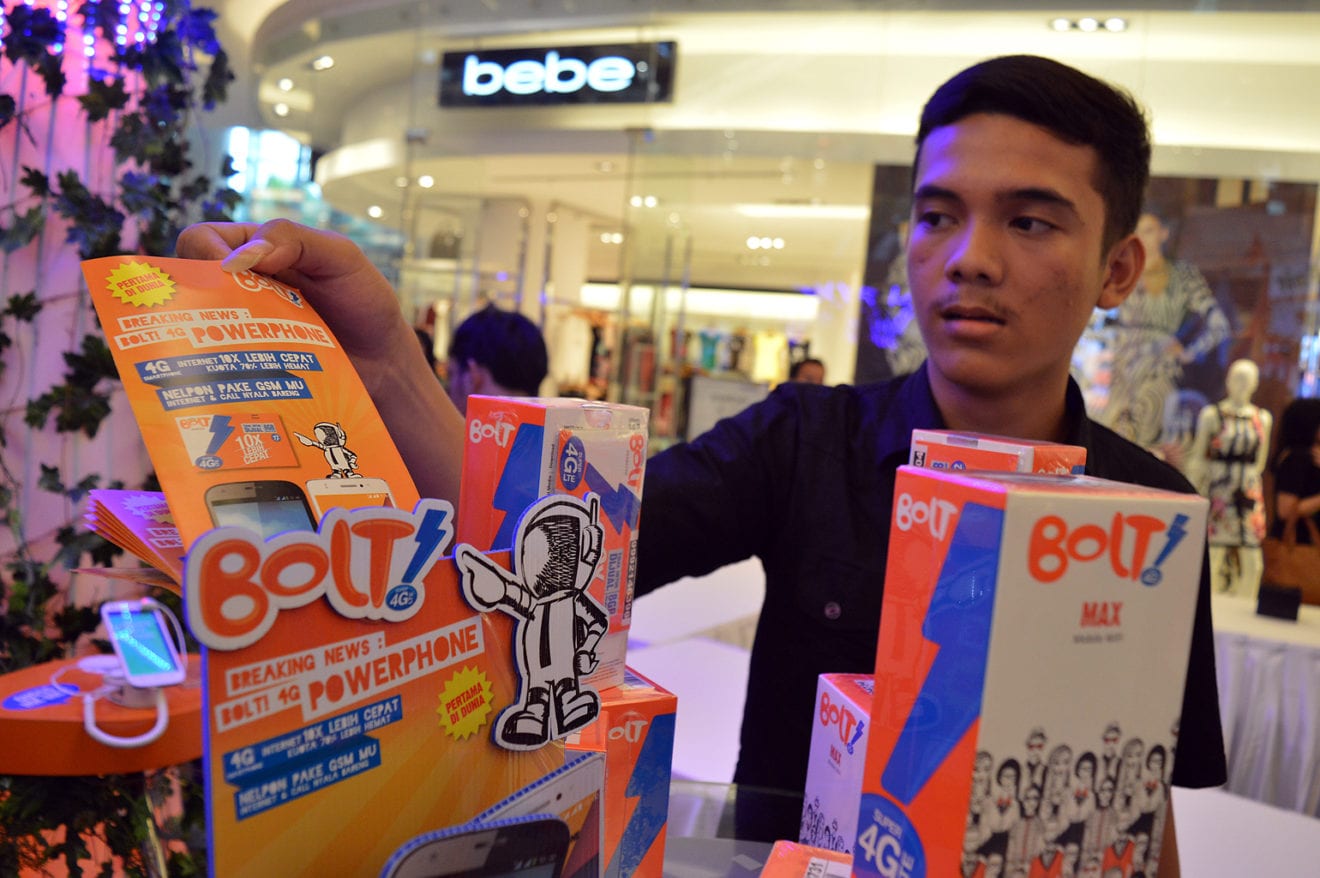
    Internux, the company behind Bolt! 4G mobile broadband service, is suing Cumi Laut Software Development, a local shop, for allegedly providing unlocking services for the company’s modem devices.

    Bolt!, which is the first 4G mobile broadband provider in Indonesia, has been offering its broadband service with modem and smartphones since its introduction last year — attracting more than 1 million customers.

    The company, however, found out that several parties including Cumi Laut, has been unlocking the modem to make it compatible with other operators’ broadband services.

    “[This] is an illegal practice that breaches patents and costs our clients,” said Ignatius Supriyadi, Internux’s lawyer in a statement on Wednesday.

    Dicky Moechtar, Bolt!’s chief executive, said that the company would also take legal actions against other parties besides Cumi Laut.

  • Matahari Department Store Profit Rises on Robust Sales

    Matahari Department Store Profit Rises on Robust Sales

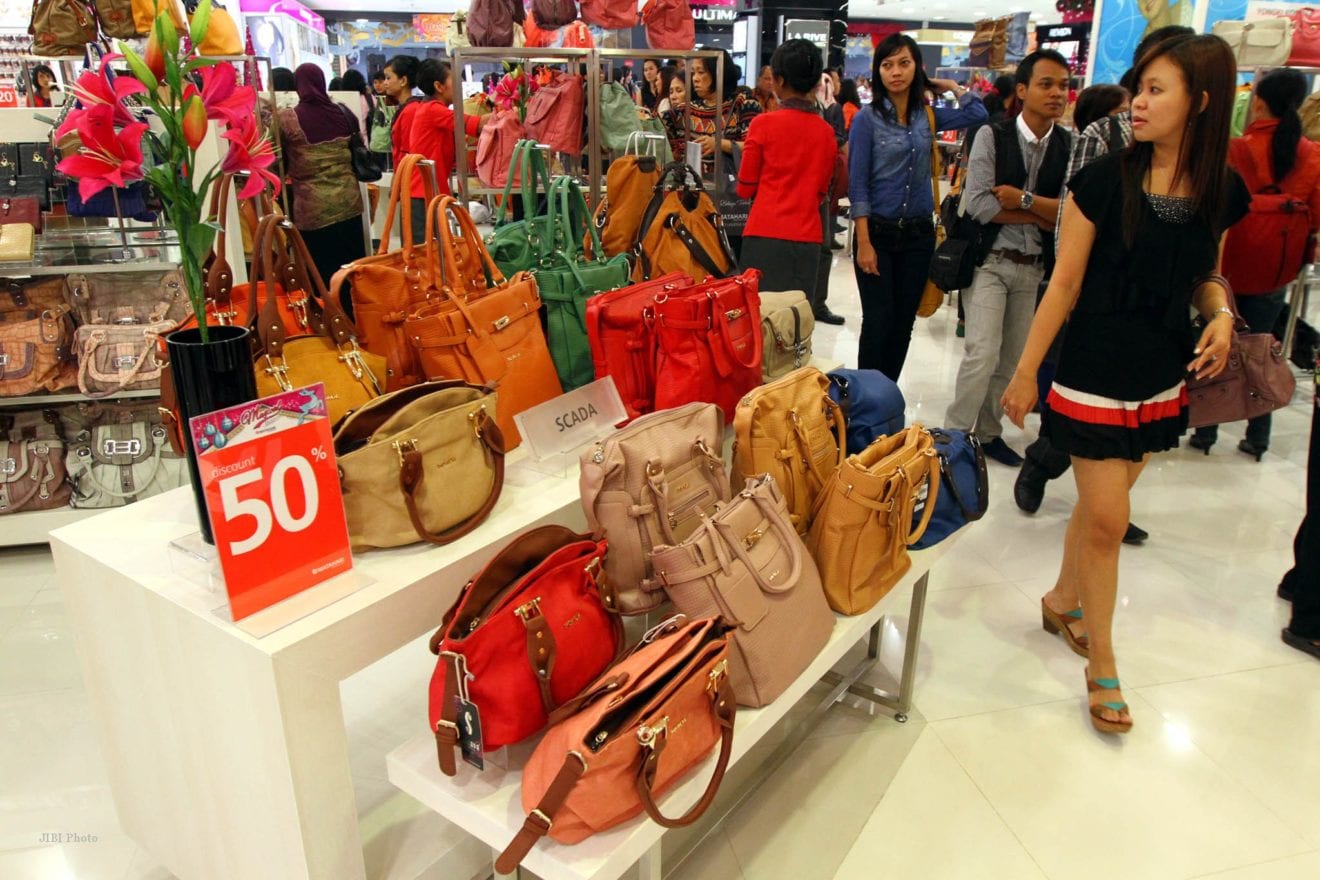
    Net income at Matahari Department Store, Indonesia’s biggest department store chain, rose by half in the first quarter, on the back of  robust sales growth.

    The company booked Rp 185 billion in profit in the January-March period, up 50 percent from Rp 123 billion in the same quarter last year, the company said in a statement on Wednesday.

    Matahari’s same-store sales rose 5.4 percent, reflecting “the resilience of the company’s target middle income segment despite a broader slowdown in consumer activities” in the first quarter.

    Matahari’s gross sales reached Rp 2.9 trillion, up 7.6 percent from Rp 2.7 trillion.

    The company opened four new stores since the start of this year, bringing the total to 134.

    “We are cautiously optimistic in terms of our sales outlook for the balance of the year and are  particularly encouraged by the faster pace of the store openings we are seeing in 2015,” said Michael Remsen, chief executive and vice presidentdirector of the company, said.

  • Amazon launches organic gardening store

    Amazon launches organic gardening store

  • TELIN: Indonesia As A Global Hub For Worldwide Telecommunications

    TELIN: Indonesia As A Global Hub For Worldwide Telecommunications

    The consortium of submarine cable communication system by the Southeast Asia-United States (SEA-US), which consist of global telecommunications company, announced the commencement of construction of the submarine cable projects that directly connects Indonesia to the United States. The construction project undertaken by the NEC Corporation and NEC Corporation of America with an investment of 250 million dollars is expected to be completed in the fourth quarter of 2016.

    The SEA-US consortium consist of PT. Telekomunikasi Indonesia International (Telin), Globe Telecom, RAM Telecom International (RTI), Hawaiian Telcom, Teleguam Holdings (GTA), GTI Corporation (a member of the Globe Telecom group), and Telkom USA.

    Director of Telin, Syarial Sharif Ahmad said, the construction of submarine cable communication system has become one of the important steps to meet the needs of rapid communication in Indonesia as well as proving Telin’s commitment in bringing high-tech telecommunications infrastructure.

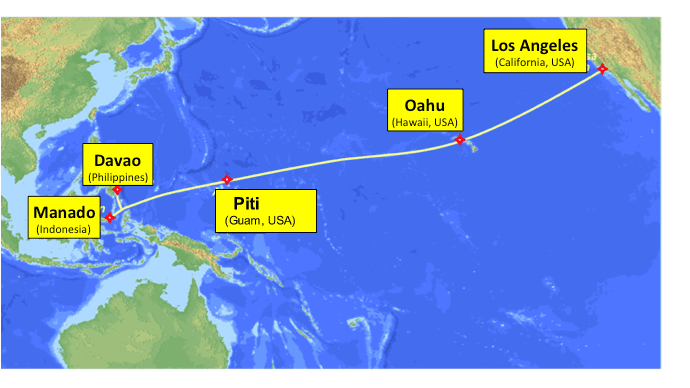
    This submarine cable system will connect five regions of Manado (Indonesia), South Davao (Philippines), Piti in Guam, Honolulu of the island of Oahu Hawaii, and Los Angeles, California in the united states.

    The long submarine cable construction is estimated to reach 15,0000 km and has been designed to avoid areas prone to natural disasters, so as to provide a different route than the existing cable system and ensure a more stable reliability service.

    The cable system provides an additional capacity of terabyte per second (Tb/s) by using technology of 100 gigabyte per second (Gb/s). With this capacity, SEA-US will be able to provide the bandwidth needs of Southeast Asia and North America, which are always increasing with unmatched performance, especially for the two ASEAN countries. The construction of the system will also benefit other countries such as Singapore, Malaysia, Brunei, Papua New Guinea, and Australia.

    The construction of the SEA-US project will later be connected with the SEA-ME-WE 5 (South East Asia – Middle East – West Europe) project by connecting Manado and Dumai via submarine cable communication system “Indonesia Global Gateway” (IGG). The overall submarine cable communication system by Telin is the reflection of Indonesia Global Networks (IGN) that highlights the real role of Indonesia as a global hub for worldwide telecommunications.

  • Walmart China plans major expansion

    Walmart China plans major expansion

    The world’s biggest retailer Wal-Mart Stores believes the best way to achieve profitability in China is to open more stores and lure more customers.

    Walmart China will expand its store network by almost a third between now and 2017 according to CEO Doug McMillon.

    “Our aim is to become an integral part of China’s economy. China is a top priority,” McMillon told a press conference in Beijing.

    Faced with slowing growth in its mature home market, Walmart sees a massive opportunity in China’s rising middle class and booming tier 2 and 3 cities as a means to restoring growth and boosting profits. Cities like Shenzhen and Wuhan.

    But its experiences in China to date have been mixed. Sales declined 0.7 per cent in the quarter to January 31 and same store sales fell 2.3 per cent.

    At the end of January, Walmart had 411 stores in China – and after some underperforming stores are closed should end 2017 with a network exceeding 500.

    The company is also increasing its investment in its online business Yihaodian.com. Launched in 2011 with 18,000 SKUs the online store now boasts more than 8 million products. With more and more Chinese buying online – on both computers and mobile devices – the potential seems unlimited.

    Walmart’s Asian chief, Scott Price, said while the company had seen a softening in sales, it was not all bad news.

    “We’ve gained share in the hypermarket channel.”

  • Korea’s 11street Malaysia launches

    Korea’s 11street Malaysia launches

    Popular Korean actor Lee Min Ho was flown in to front the brand for its launch – ironically held in a bricks & mortar shopping centre.

    11street Malaysia launch- 415

    The company will invest more than RM35 million (US$10 million) to drive seller participation and planned to have 11,000 sellers on board by the end of this month. The site, at www.11street.my already includes popular brand such as Electrolux, Digi mobile, Nestle, Tony Moly Korean cosmetics, The Face Shop, Fujifilm, Domino’s Pizza and Unilever.

    11street Malaysia launch 415

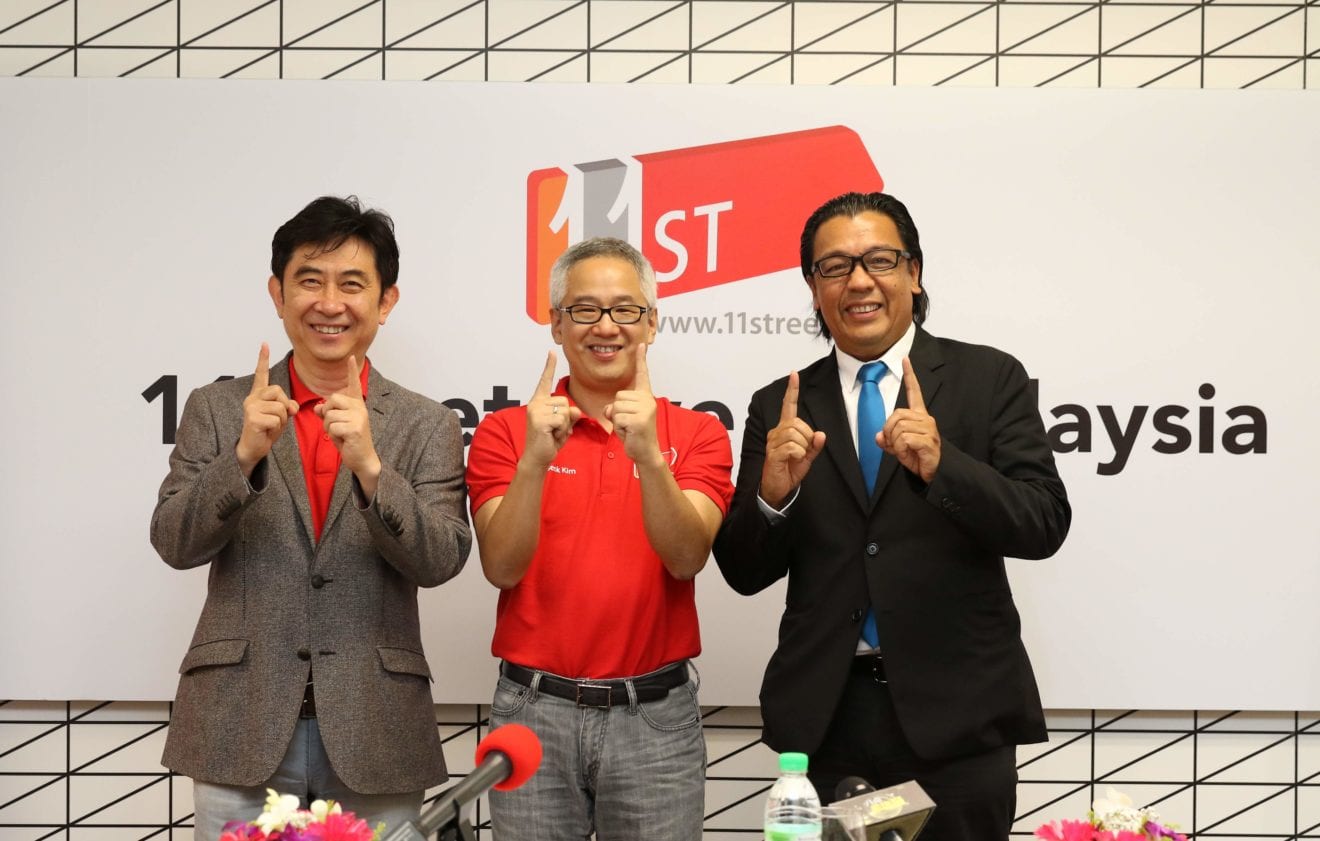
    11street’s Malaysia CEO Hoseok Kim says the company wants the new site to become Malaysia’s largest online marketplace.

    Established in Korea in 2008, 11street now has online marketplaces in Turkey and Indonesia as well as in its home market and boasted a combined network of 22 million sellers, serving 40 million consumers. Shoppers spend $6 billion annually on its sites.

    “The online shopping paradise 11street in Malaysia is the company’s commitment to deliver local consumers a trustable and convenient e-commerce platform where they can shop for a variety of products across a broad range of categories available at anytime, anywhere,” said Kim.

    11street Malaysia 415

    “To deliver greater satisfaction and a more rewarding online shopping experience, it will be the first online marketplace in Malaysia that promotes not only physical products but also deal offerings such as e-vouchers under a single platform.

    “11street’s merchandising approach has a proven track record given that its worldwide ventures have grown remarkably well over the past few years. Against such backdrop, similar approach will be adopted to help Malaysian online sellers to excel in today’s increasingly competitive market.”

    11streeet in Malaysia will be hosted by Celcom Planet, established in November 2014 as a joint venture between Celcom Axiata Berhad and SK Planet – a leading Korean eCommerce open marketplace provider, which is also a wholly-owned subsidiary of mobile operator- SK Telecom.

  • Starbucks Hong Kong opens new Landmark cafe

    Starbucks Hong Kong opens new Landmark cafe

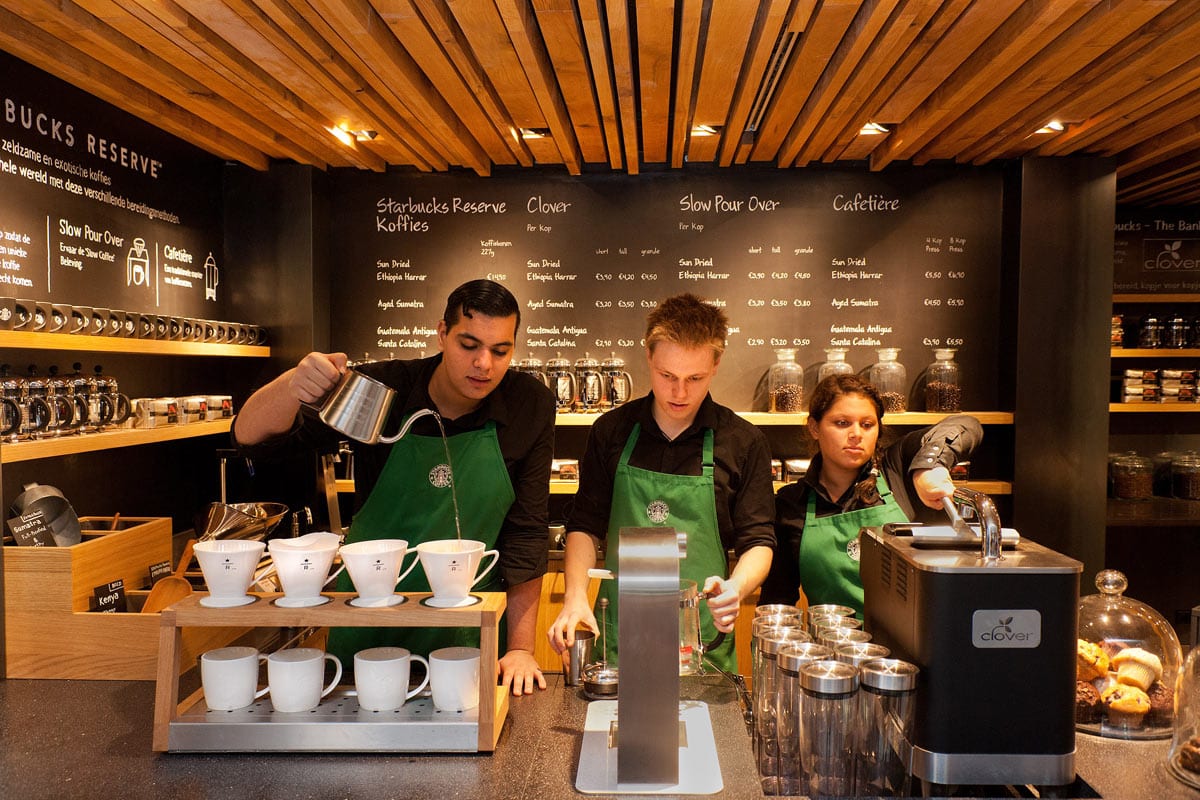
    Starbucks Hong Kong has opened a new cafe in the heart of Hong Kong’s Sheung Shui.

    The cafe is unique in that it features an indoor brewing and restaurant area together with a large, open air verandah seating space.

    Starbucks Landmark North Hong Kong 415 2

    The new cafe opened this month in Landmark North, a 230,000 sqft shopping centre connected to the Sheung Shui MTR station close to the Shenzhen border crossing.

    Starbucks Landmark North HK 415 3

    The new cafe will be open from 8am to 10pm daily.

    Starbucks Hong Kong and Macau is run by master franchisee Maxim’s Group.

  • Croma to open more shops in India

    Croma to open more shops in India

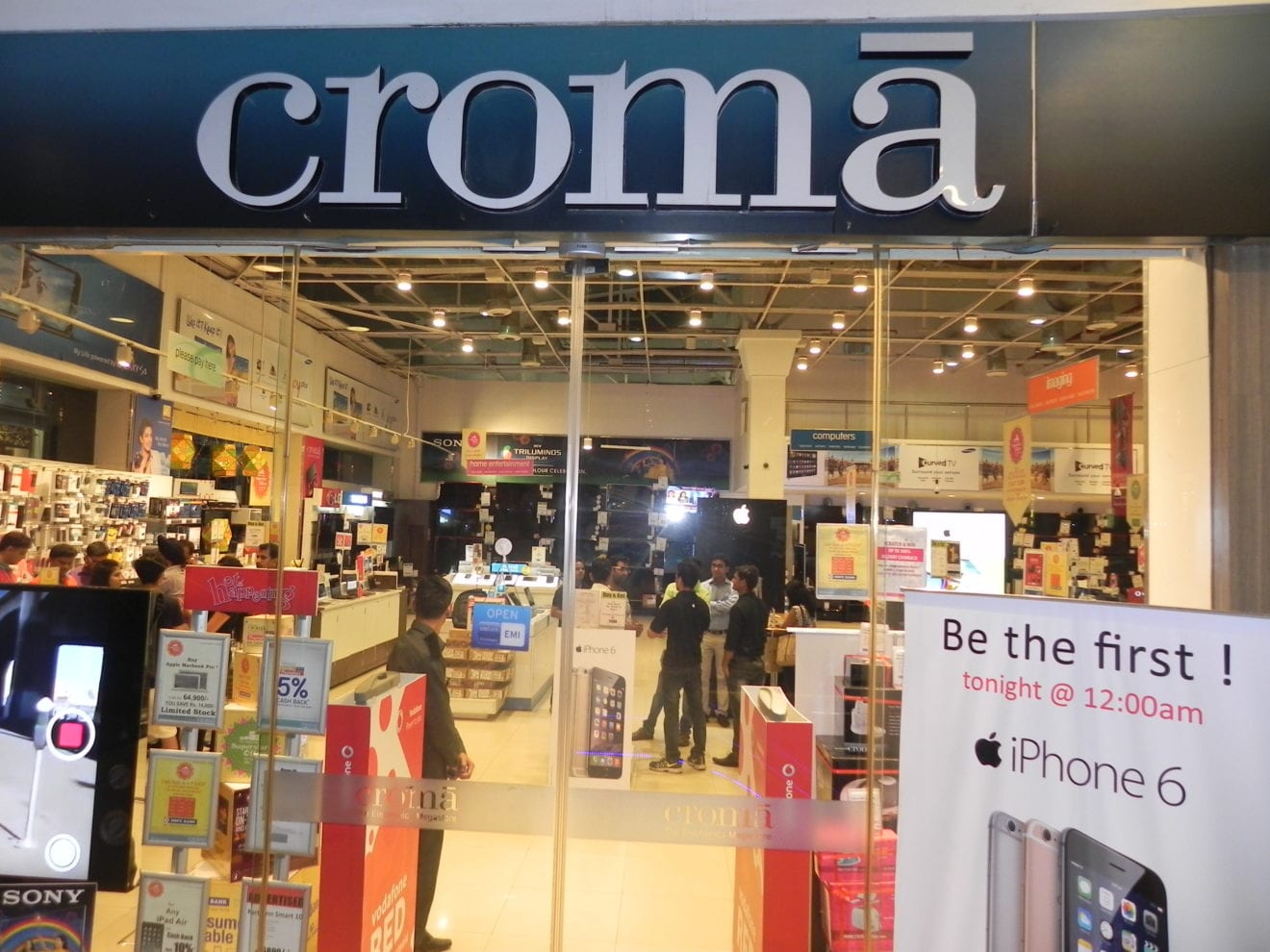
    Croma, consumer durables and electronics chain of the Tata Group, is looking to open a dozen more stores in India this financial year.

    In April, the first month of 2015-16, it launched three stores. Two more are being readied for launch in a month or so. “We have budgeted for around 10 new stores in FY16 but might exceed that, depending on the quality of location and store layout, if we get the right rental. We continue to focus sharply on calibrated growth in our chosen markets,” said a spokesperson.

    Croma’s first chief executive and managing director, Ajit Joshi, quit the chain recently after eight years at the helm. Its chief financial officer, Avijit Mitra, is interim CE. Croma runs about 100 stores. It is also looking to launch new products in home appliances, the spokesperson said.

  • Australian fashion giants under fire two years after Bangladeshi factory accident

    Australian fashion giants under fire two years after Bangladeshi factory accident

    Australian fashion giants Just Group and Best & Less are under fire for refusing to sign a legally binding pact that protects Bangladesh’s garment workers, two years after the country’s worst industrial accident.

    The pair are the last of Australia’s top 10 fashion companies to have resisted calls to join the Accord on Fire and Building Safety in Bangladesh, developed by unions, non-profits and industry following the Rana Plaza factory collapse on April 24, 2013, that killed 1129 people.

    Oxfam said the Just Group’s decision to sign the comparatively weaker Alliance for Bangladesh Work Safety was “disappointing” and was now being targeted in its social media “heartbreakers” campaign.

  • As PayPal split looms, eBay plans to think small

    As PayPal split looms, eBay plans to think small

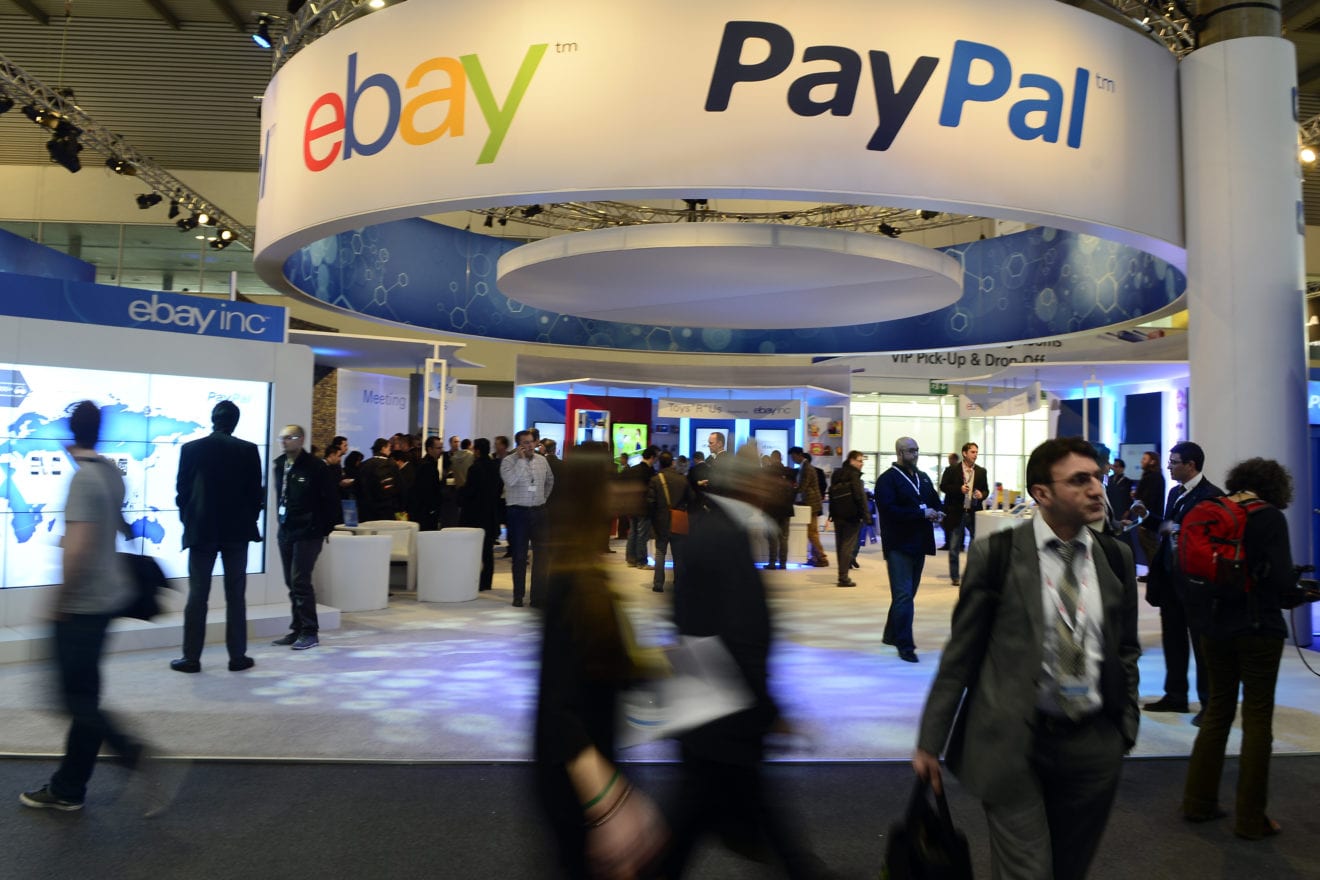
    EBay plans to grow by thinking small as it prepares for life apart from PayPal.

    The company says it is focusing on expanding the number of small- to mid-size businesses and individuals who buy and sell items on its popular online marketplace. That comes as it attempts to address investor concerns about how eBay will fare later this year after it spins off its PayPal payments division, which has long been EBay’s fastest growing segment.

    EBay’s first-quarter earnings may have mitigated investors’ concern somewhat. The results beat expectations and revenue, excluding the impact of the stronger dollar, grew in both segments. A stronger dollar cuts into revenue generated overseas when it’s translated back into dollars.

  • Yum profit beats as China sales fall less than forecast

    Yum profit beats as China sales fall less than forecast

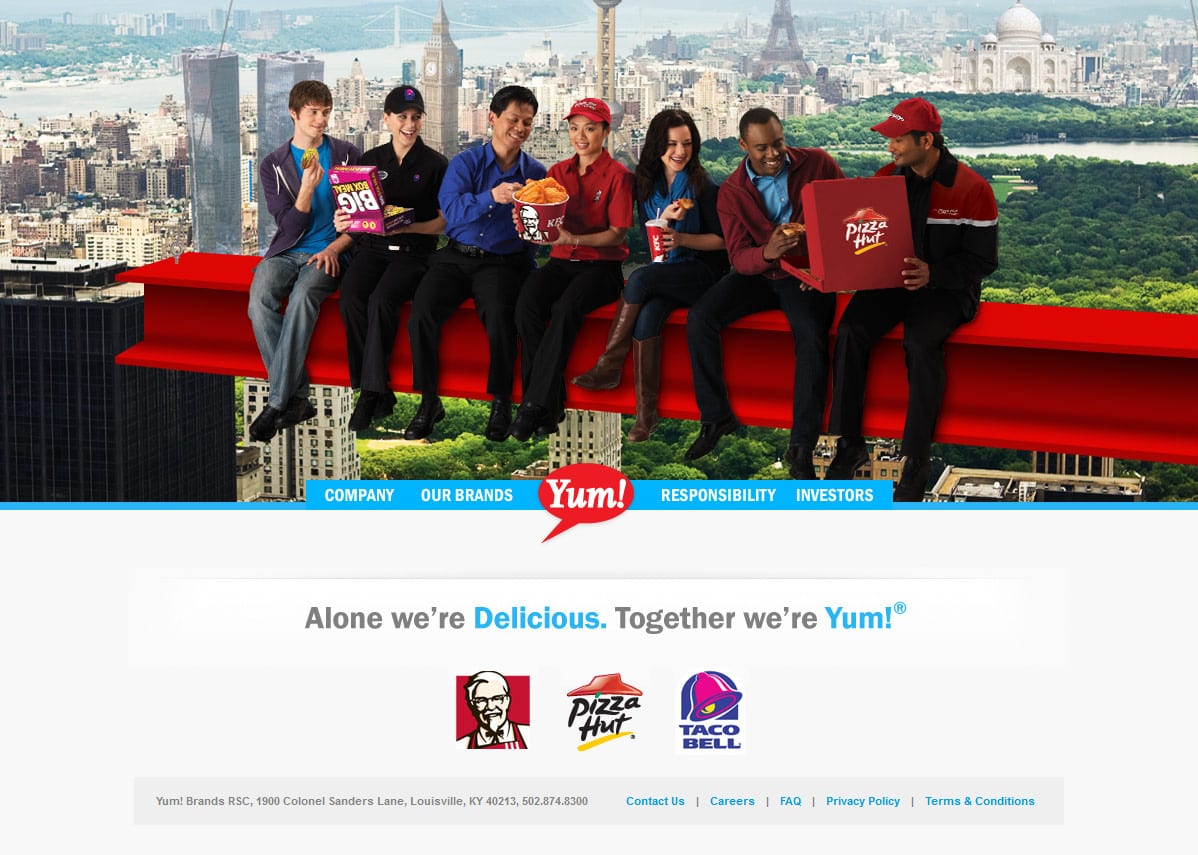
    Yum Brands shares rallied on Tuesday after the restaurant operator topped earnings expectations as comparable sales in China declined less than forecast.

    Yum, which operates KFC, Pizza Hut and Taco Bell restaurants, reported first-quarter earnings of 80 cents per share on revenue of USD2.62 billion.

    Same-store sales in China, a key division for the company, fell 12 percent during the quarter after allegations that a former supplier used expired meat. The company’s China unit has been especially hard hit this year because of a supplier scare last summer. Analysts expect same-store sales in the country to shrink 14.4 percent.

  • RIL to shut down few retail outlets in India

    RIL to shut down few retail outlets in India

    India’s Reliance Industries has said it will shut down non-profitable outlets belonging to its retail chain Reliance Retail.

    “It will be a wise decision to shut down stores which are not doing well and are a drain on the finances. All retail players operate in this manner,” said a research analyst from a domestic brokerage who attended the analyst meet.

    Reliance Retail is not just the largest retailer in terms of revenues, but is also the biggest in most of the categories it operates in. As on March 31, RIL operated 2,621 stores across 200 cities, with 12.5 million sq ft space and saw its profits improve over two times and revenue increase by 21 percent.

  • Indika Consortium to Build $1.4b Power Plant in Cirebon

    Indika Consortium to Build $1.4b Power Plant in Cirebon

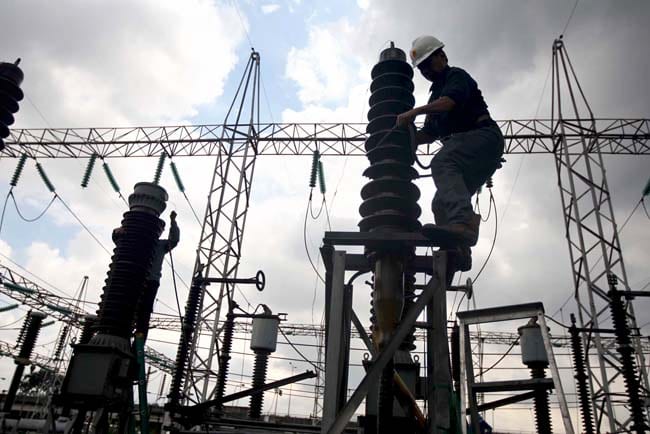
    Integrated mining and energy company Indika Energy will lead a consortium that includes Japanese and South Korean companies to invest between $1.2 billion and $1.4 billion to build a power plant in Cirebon, West Java.

    Indika Energy will work with Japanese trading company Marubeni Corporation, South Korean electricity production and supply company Korea Midland Power, and South Korean resources and energy company Santan Corporation.

    The 1,000 megawatt power plant construction is a way to support the government’s plan in infrastructure development.

    The government will build a 10,000 MW power plant and private companies are expected to build the remaining 25,000 MW power plant.

    “We would like to be a part of the government’s plan,” Indika Energy president director Wishnu Wardhana said on Tuesday. “We hope that we can own 25 to 30 percent of the shares in this project,”

    The new power plant will be in addition to the company’s 660 MW power plant, also in Cirebon.

    Indika owns a 20 percent stake in the existing power plant, while Marubeni owns 32.5 percent,and Korea Midland Power 27.5 percent.

  • Keppel director steps down

    Keppel director steps down

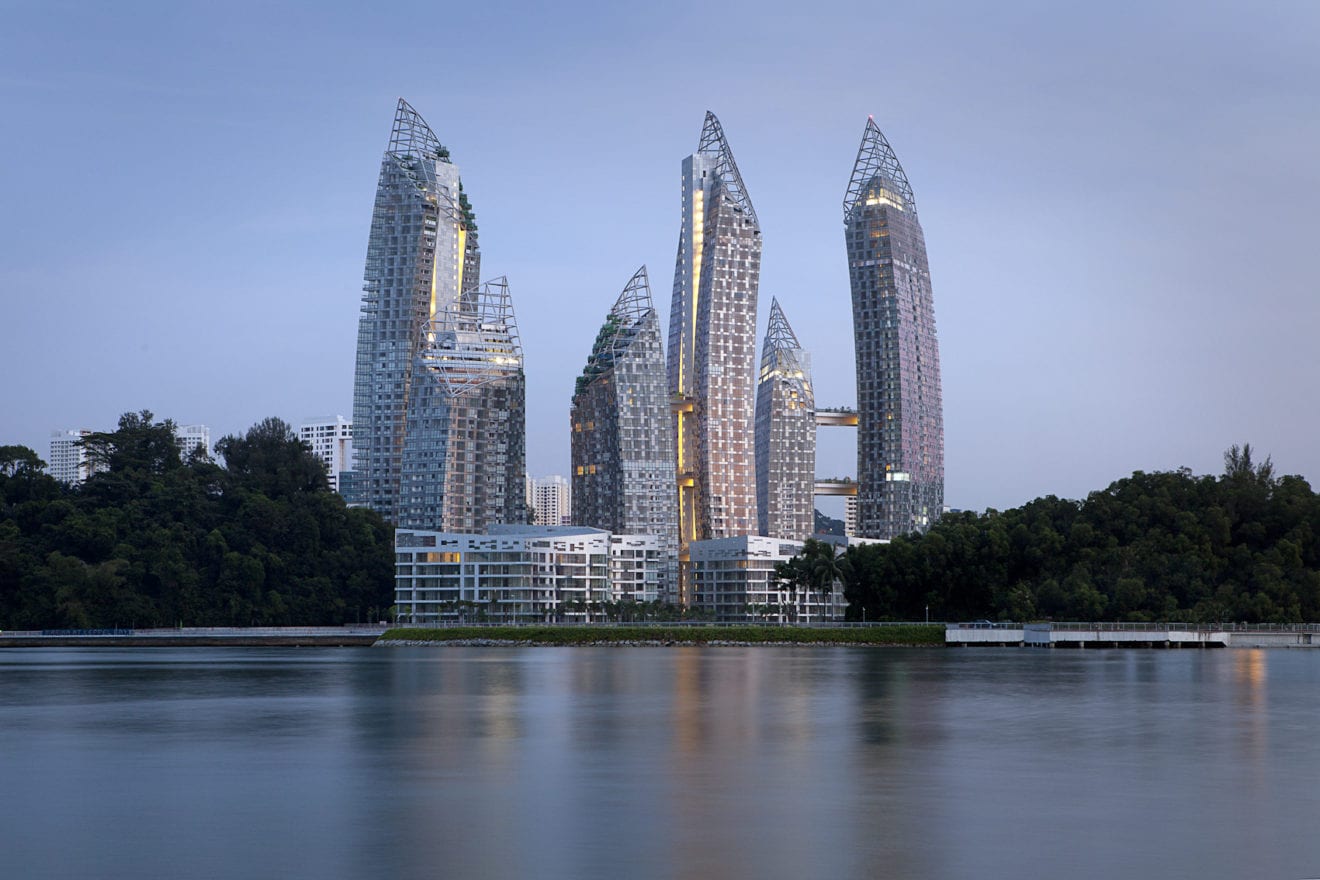
    Keppel Corporation says non-executive and independent director Tony Chew Leong-Chee will retire from its board on May 1.

    Chew will concurrently cease to be chairman of the nominating committee and member of the audit committee.

    Dr Lee Boon Yang, Keppel Corporation chairman, thanked Chew for 13 years distinguished service to the property developer.

    “The Keppel Group has benefited from his extensive business experience, wisdom and entrepreneurial spirit. Tony was lead independent director from 2006 to 2009 and has been chairman of the nominating committee since 2009,… instrumental in overseeing the top leadership succession of the group in recent years. That the leadership transition process was achieved smoothly is a clear testimony to Tony’s capability and commitment to Keppel’s interests.”

    Chew will be succeeded by Tan Puay Chiang as chairman of the nominating committee. Till Vestring, who joined the board in February, will be appointed as member of the committee and the remuneration committee.

  • US PE cos take control of Ticket Monster Korea

    US PE cos take control of Ticket Monster Korea

    Private equity investors Anchor Equity Partners and KKR are to take a controlling stake in South Korean mobile eCommerce company Ticket Monster from Groupon.

    Anchor and KKR, in conjunction with Ticket Monster Korea management, will inject new capital into the company to help fund its future growth opportunities. Anchor and KKR will hold equal stakes in the company.

    Some of the world’s largest pension, sovereign wealth funds and institutional investors, including the Canada Pension Plan Investment Board and Pavilion Capital, will also be participating as investors in this transaction. Groupon, which acquired Ticket Monster Korea in January 2014, will retain a fully diluted 41 per cent minority stake in the business. The investment is based on a $782 million fully diluted valuation of Ticket Monster Korea. KKR and Anchor will work closely with Ticket Monster Korea’s co-founder and CEO Dan Shin and the management team to grow the business.

    “KKR and Anchor not only bring global experience in the retail and technology sectors, but they are also experienced local partners with strong business expertise in South Korea,” said Shin.

    “We are thrilled to be working with distinguished partners who share our vision for growth and offer significant pools of capital in support of Ticket Monster Korea initiatives. With their help and investment, this company will have greater opportunities to attract new customers and expand into new businesses.”

    Groupon CEO Eric Lefkofsky said the partnership strengthens an already powerful local brand.

    “Ticket Monster demonstrates the global appeal and power of a mCommerce marketplace,” said Lefkofsky. “With additional support from KKR and Anchor, Ticket Monster Korea will be even better resourced and positioned in the Korean market.”

    Ticket Monster Korea is a pioneering mobile-first, eCommerce platform that provides a premium online and mobile shopping experience to customers across South Korea. It has already become one of Korea’s largest online retail marketplaces and offers a curated selection of discounted items across three main categories: GGoods, which includes clothing, household and fast-moving consumer goods; Local Services, including restaurant, entertainment and leisure coupons; and Travel, encompassing discounted transportation tickets, hotel stays and vacation packages.

    Ticket Monster Korea’s business leverages key consumption and technology trends in South Korea, a market which is experiencing a rapid shift from offline-to-online and PC-to-mobile retail. South Korea’s eCommerce market has experienced a CAGR of 16 per cent since 2008, stemming from consumers’ increasing focus on convenience, selection and value items, according to South Korea’s National Statistics Office. Mobile commerce, led by application-based technology, is expected to achieve 40 per cent market penetration by 2017, up from two per cent in 2011, according to Mirae Asset research. This complements steady mobile growth in South Korea due to the country’s extensive telecom and logistics infrastructure.

    Ticket Monster Korea’s mobile application had been downloaded more than 9 million times by December 31, 2014. About 70 per cent of Ticket Monster Korea’s customers complete their transactions via mobile.

    “We believe that South Korea represents a sizable and attractive market opportunity given the clear shift by consumers towards mobile commerce, convenience and value goods,” said Stephen Ko, MD of KKR Asia, and Sae Wook Wi, partner of Anchor.

    “We are excited to invest in this fast-growing sector and provide greater financial resources to Ticket Monster. The strong combination of a well-resourced shareholder base and an innovative management team puts Ticket Monster Korea in pole position to lead the market with dynamic, creative services and drive value for consumers. We look forward to working with Dan, his team at Ticket Monster Korea and Groupon during an exceptional time for mobile commerce in Korea,” added Ko and Wi.

    KKR, which is making the investment from Asian Fund II, has a long-established track record of supporting technology companies, having invested more than $13 billion of equity in more than 50 companies across software, internet, media and IT-infrastructure since 2000. Recent investments include GoDaddy, Internet Brands, Trainline and Uxin.

    KKR also intends to leverage its experience investing in world-class consumer goods and retail companies, including Oriental Brewery, Dollar General, Walgreens Boots Alliance and Haier, to help Ticket Monster Korea grow and achieve its goals.

    Established in 2012, Anchor has quickly garnered a reputation for its experience and portfolios in the services, logistics & distribution and consumer & retail sectors in Korea, as well as successful track records in developing its portfolio companies as leaders in their respective industries.

    Key investments include Metanet MCC, Geo-young, CheonJiYang and Kyungnam Energy. Anchor will leverage its experience to create value in Ticket Monster Korea by implementing best practices and instituting sophisticated corporate governance and controls. Anchor invests in Ticket Monster Korea from Anchor Equity Partners Fund I.

    The transaction is expected to close in the second quarter of 2015, subject to regulatory and customary closing conditions.