Author: Mei Ling Tan

  • Pandora opens in Disney parks

    Pandora opens in Disney parks

    Pandora Jewellery is now on sale to guests of two of ‘the most magical places on earth’.

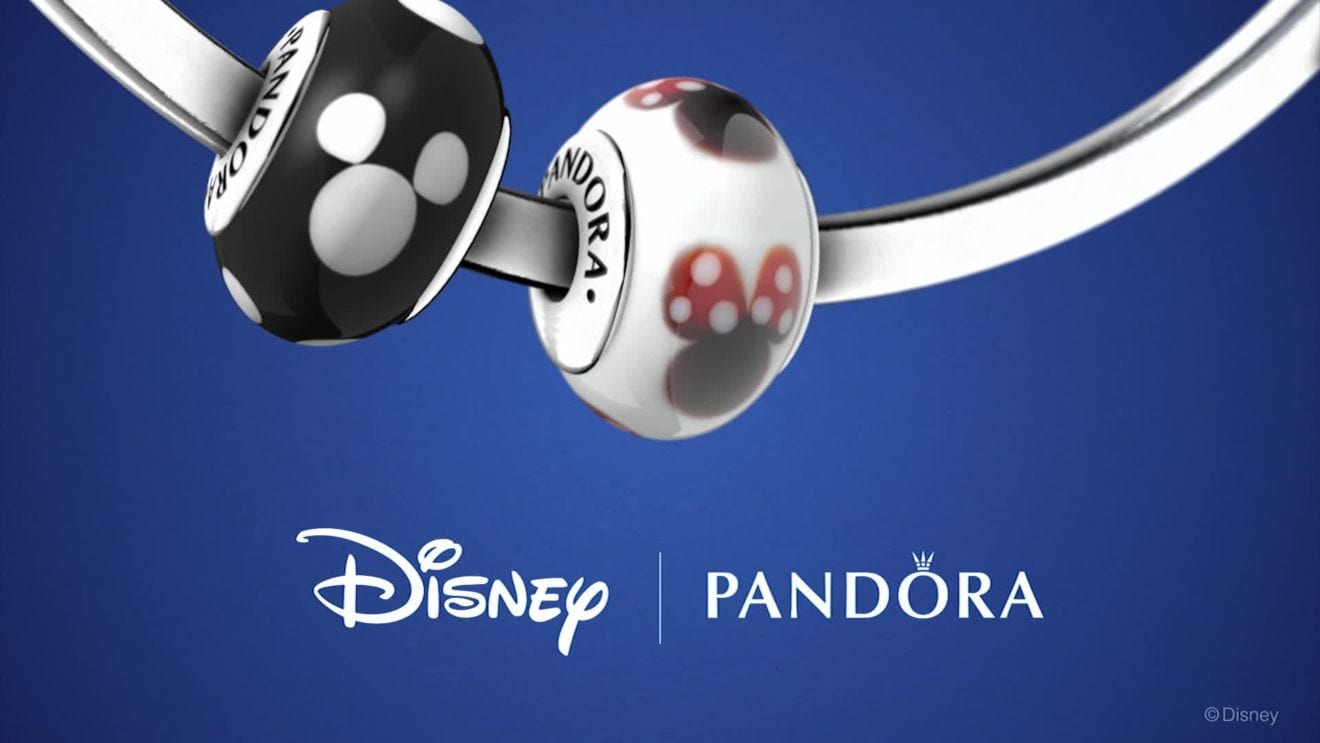
    The resurgent European jeweller, has partnered with Walt Disney Parks and Resorts to open dedicated Pandora Jewelry boutiques within two Disney merchandise locations: Uptown Jewelers in Magic Kingdom Park at Walt Disney World Resort in Florida and La Mascarade d’Orleans in Disneyland park in California. Both locations carry Pandora’s newly released spring 2015 Disney jewellery collection and the Disney Parks collection, as well as the full assortment of Pandora jewellery.

    The redesigned Uptown Jewellers is reminiscent of a Victorian era collectibles shop, echoing the nostalgic style of Main Street USA, the first themed land within Magic Kingdom Park. With classic decor and ornamental touches, Uptown Jewellers “reflects the prosperity and optimism of early 20th century America”.

    The newly renovated La Mascarade d’Orleans, located in the heart of New Orleans Square in Disneyland park, brings the festivities of the French Quarter to life. Fantastical masks, rich fabrics and vibrant colors complement fixtures displaying Pandora rings, necklaces, earrings, charms and bracelets.

    Pandora’s new Disney jewellery collections of hand finished silver and 14K gold charms feature inspirations from some of Disney’s most beloved characters, and include more than 101 different styles for Disney Parks guests to choose from.

    The Disney jewellery collection is sold at Pandora concept stores throughout the US, Canada, Mexico, Puerto Rico, Central America and the Caribbean, as well as through select Disney merchandise locations, including DisneyStore.com.

  • Whopper quarter for Burger King

    Whopper quarter for Burger King

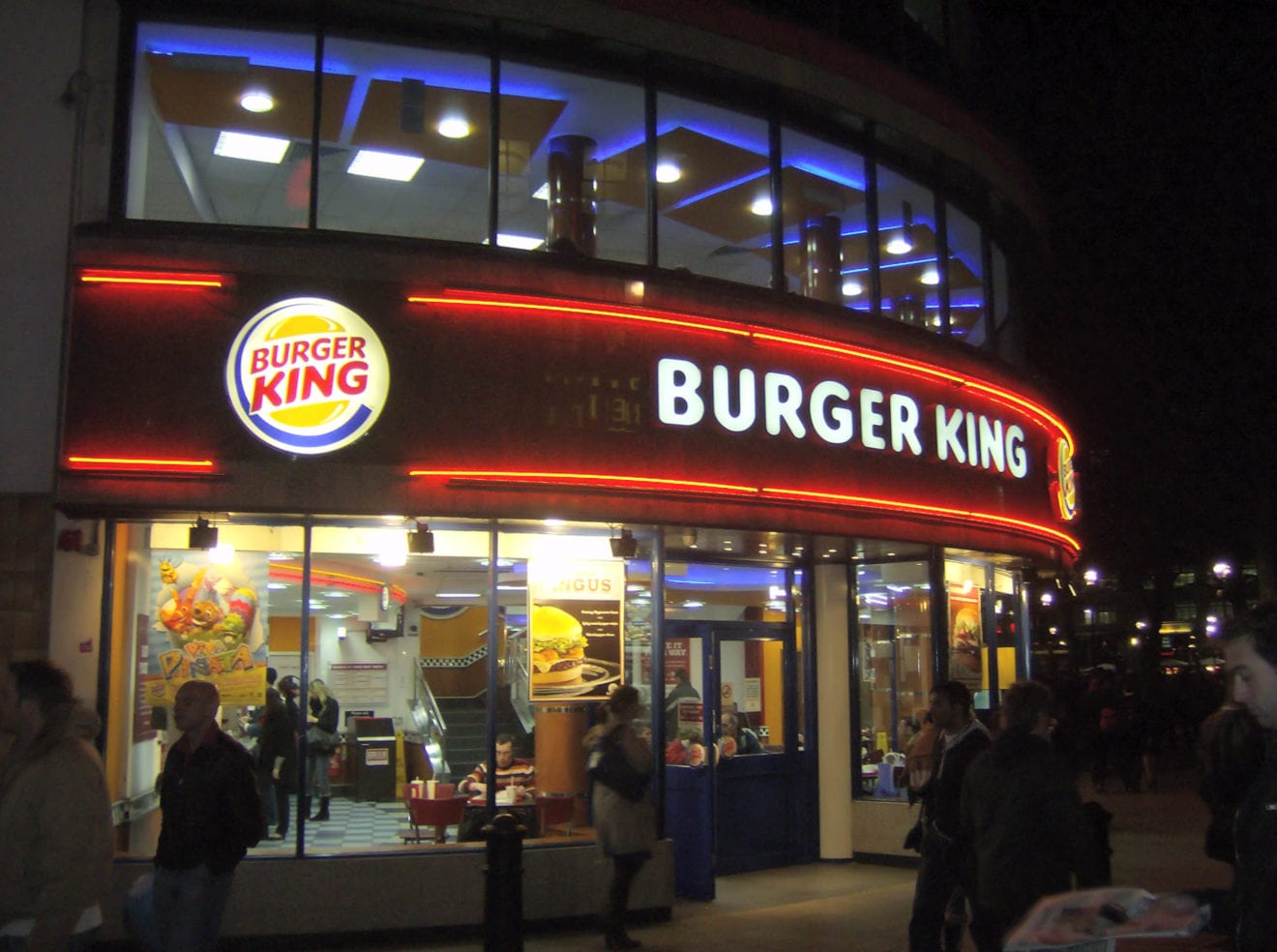
    US fast food company Burger King has posted its best quarterly sales increase in nearly a decade.

    The company says the sales boost is the result of a promotional ‘two for $5’ campaign, the introduction of the new spicy BLT Whopper and a boost in breakfast sales – no single “silver bullet”.

    Burger King’s same store sales rose 6.9 per cent in the US and Canada, according to parent Restaurant Brands International, but it declined to say if it was the result of increased customer traffic or a high per customer spend. Given the low cost promotional offer, it’s likely to have come at the cost of margins.

    Burger King’s performance is all the more significant due to its coincidence with a 2.6 per cent fall in sales by its larger rival McDonald’s.

    Global same store sales rose 4.6 per cent at Burger King.

  • House of Fraser China closer to debut

    House of Fraser China closer to debut

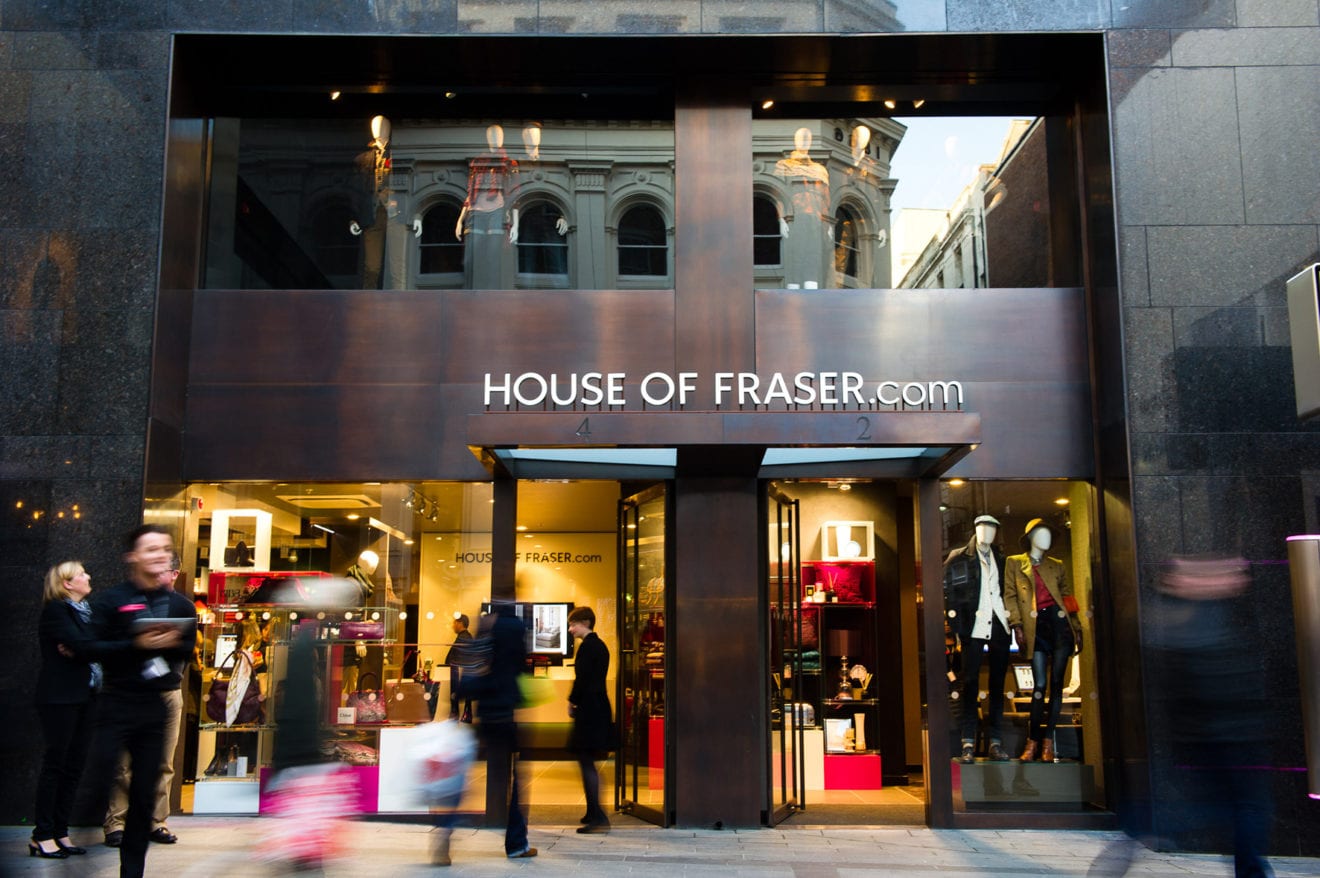
    UK department store retailer House of Fraser has confirmed it will open three stores in China.

    The first will be in Nanjing, the home of House of Fraser’s Chinese owners Sanpower after its £489 million buyout of 89 per cent last September.

    The second store will be in Chongqing and the third in Xuzhou, which is scheduled to open in 2017.

    A second franchised store is also planned for Abu Dhabi.

    House of Fraser revealed record annual profits this week, driven by a 32 per cent increase in online sales and like for like sales up 5.8 per cent to £1.3billion. It reported a record gross profit of £460.2 million. Own brand sales – for Linea and Army & Navy – rose 10 per cent.

    House of Fraser chief Nigel Oddy said the company is excited about its future prospects as it embarks on its next phase of growth internationally.

    Oddy joined House of Fraser in february after a career with Marks & Spencer which included a term as head of its retail operations in Hong Kong and involvement in buying, giving him extensive knowledge of greater China.

  • Krispy Kreme Cambodia deal

    Krispy Kreme Cambodia deal

    Krispy Kreme has signed a development agreement with a master franchisor in Cambodia.

    The Express Food Group (EFG) will open 10 Krispy Kreme Cambodia shops over the next five years.

    “This agreement will further strengthen Krispy Kreme’s brand position throughout Asia and will enable us to bring our mission of touching and enhancing lives through the joy that is Krispy Kreme to the people of Cambodia,” said Dan Beem, Krispy Kreme’s senior VP and president – international.

    “One of the keys to the success of Krispy Kreme in any country is working with top-quality franchisees, and EFG is an experienced company dedicated to delivering an exceptional customer experience.”

    A member of Bangkok-based RMA Group, EFG was founded in 2004 and currently employs more than 1200 Cambodians at its 42 restaurants from a variety of QSR and casual restaurants, including Swensen’s, Costa Coffee, The Pizza Company and Dairy Queen. The company also operates 15 food and beverage outlets in Phnom Penh and Siem Reap international airports.

    “We are very proud and excited to introduce Krispy Kreme to the Cambodian market,” said Jean-Boris Roux, regional director of RMA Group’s food division.

    “EFG has always been determined to bring strong leading brands to this country, and we are confident that Cambodians will quickly embrace Krispy Kreme’s signature sweet treats and the entire Krispy Kreme experience.”

    North Carolina-based Krispy Kreme now boasts more than 1000 retail shops in 24 countries.

  • Rakuten, Gentosha launch online magazine linked to e-commerce

    Rakuten, Gentosha launch online magazine linked to e-commerce

    apan’s Rakuten and Gentosha Inc. recently launched GINGER mirror, a free online fashion magazine for women linked with e-commerce.

    GINGER mirror is a free online fashion magazine optimized for smartphones aimed at busy women in their late 20s and 30s who wish to enjoy the latest fashions despite having limited time and budget. The magazine showcases reasonably priced fashion items that can be bought on Rakuten Ichiba.

    Rakuten said the ratio of purchases made on mobile devices on Rakuten Ichiba has been increasing in recent years, especially in the fashion genre. By presenting Rakuten Ichiba fashion items to readers through a smartphone-optimized online magazine and providing a simple system for users to purchase the featured items, the number of purchases of fashion products made through mobile devices is expected to increase.

    The first edition of GINGER mirror, released on April 15, features model and actress Nanao on the cover and introduces around 400 hot fashion items and accessories across 100 pages under the theme “Spring Fashion Cost Performance Buying Guide.”

    Rakuten will continue to strive to create new added value for the wide array of reasonably-priced products offered on Rakuten Ichiba, harnessing the know-how of Gentosha in producing women’s magazines to bring even more gloss and appeal to its products.

  • Cyber risk in retail: protecting the retail business to secure tomorrow’s growth

    Cyber risk in retail: protecting the retail business to secure tomorrow’s growth

    Years 2013 and 2014 saw an unprecedented level of cyber assault on retailers. Several major breaches hit the headlines and retailers reported tens of millions of customer data and credit card records exposed. Despite widespread attention to payment card industry (PCI) compliance, cyber criminals have clearly taken retailers by surprise.

    Due to the frequency and impact of recent cyber attacks targeting retailers, Deloitte undertook efforts to gather information and facilitate practical dialogue on the issue of cyber risk. The report, Cyber risk in retail: protecting the retail business to secure tomorrow’s growth, summarizes key issues facing retailers:

    • Compliance does not always equal risk management
    • Breach response readiness is top of mind as companies scramble to shore up detection
    • External intelligence will play a crucial role in the war against cyber threats
    • Cyber risk is a business issue

    It also outlines actions that retail organizations can take near term to mitigate cybersecurity risk, and concludes with a set of issues that call for future research, dialogue, and collaboration.

    To download the report, click here.

  • Bangladesh garment workers still face abuse, danger despite reforms

    Bangladesh garment workers still face abuse, danger despite reforms

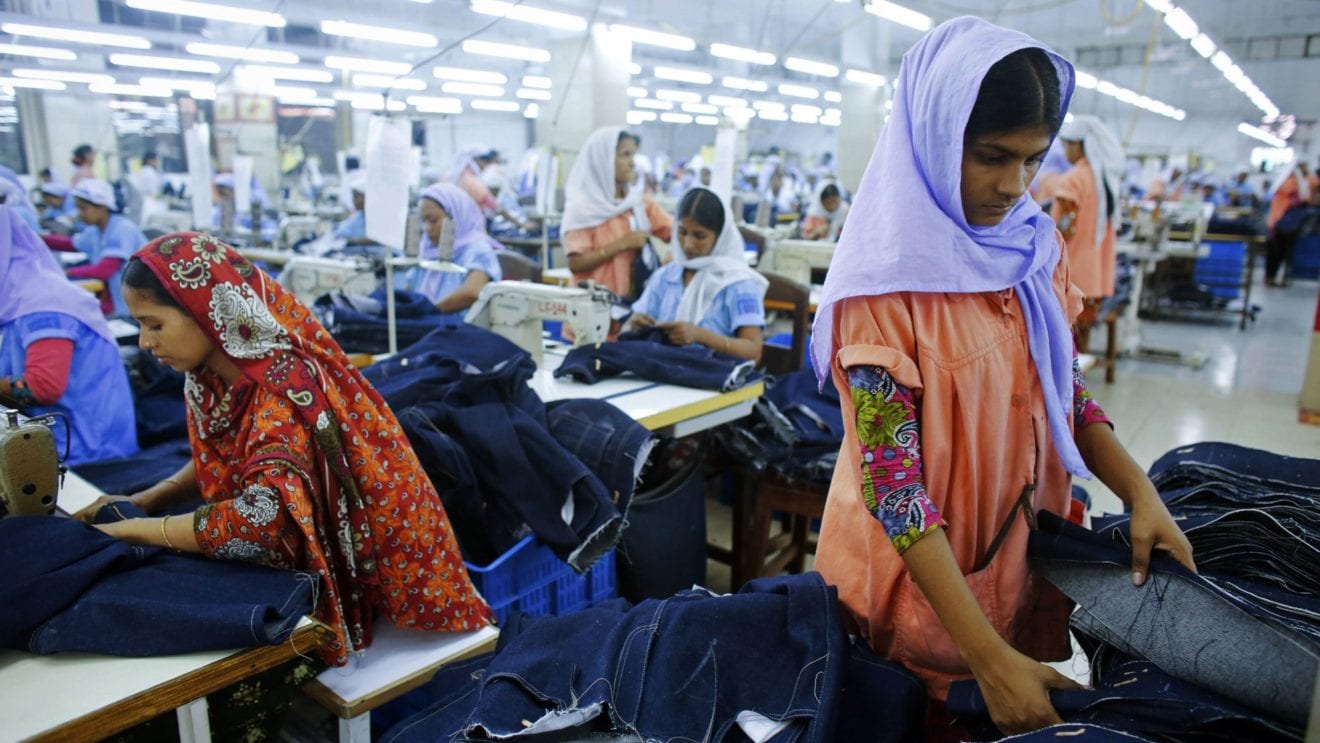
    Two years after the deadly collapse of the Rana Plaza complex, employees in Bangladesh’s garment sector still face exploitative and dangerous working conditions despite government labour reforms, Human Rights Watch (HRW) said on Wednesday.

    While the government and global brands have made progress in improving safety conditions for Bangladesh’s millions of garment workers, many still contend with abuse at work, delayed wages, and threats when they try to form a union, an HRW report said.
    “Clearly, it is not enough to focus on safety alone,” Phil Robertson, the rights group’s Asia deputy director, said in a statement.

    “Recent tragedies at Bangladeshi factories demonstrate that dangerous working conditions are linked to the failure to respect workers’ rights, including their right to form unions which can help them to collectively bargain for improved safety.”

  • Online store merger prods luxury goods makers towards internet

    Online store merger prods luxury goods makers towards internet

    The merger of the world’s two biggest online fashion stores, Net-a-Porter, or NAP, and Yoox, sends a warning to luxury brands to embrace the Internet with more vim after years of resistance.

    Top brands such as Prada and LVMH’s Christian Dior still baulk at the idea of selling clothing online as well as through their plush boutiques.

    “Considering the level of sophistication and image of our ready-to-wear, we feel the shopping experience has to remain immaculate and in-store,” says Stefano Cantino, head of marketing and commercial development at Prada.

    “You need the physical environment to try the product on and you need an exclusive service which you can only get in a boutique.”

    But as more people choose to buy through a website instead of going to Rue St Honore or New Bond Street, that position looks increasingly untenable. Brands whose goods are not available online risk losing customers to rivals.

    Luxury executives understand the Internet will be vital for future sales, particularly to so-called Millennials — web-savvy customers born between 1980 and 2000.

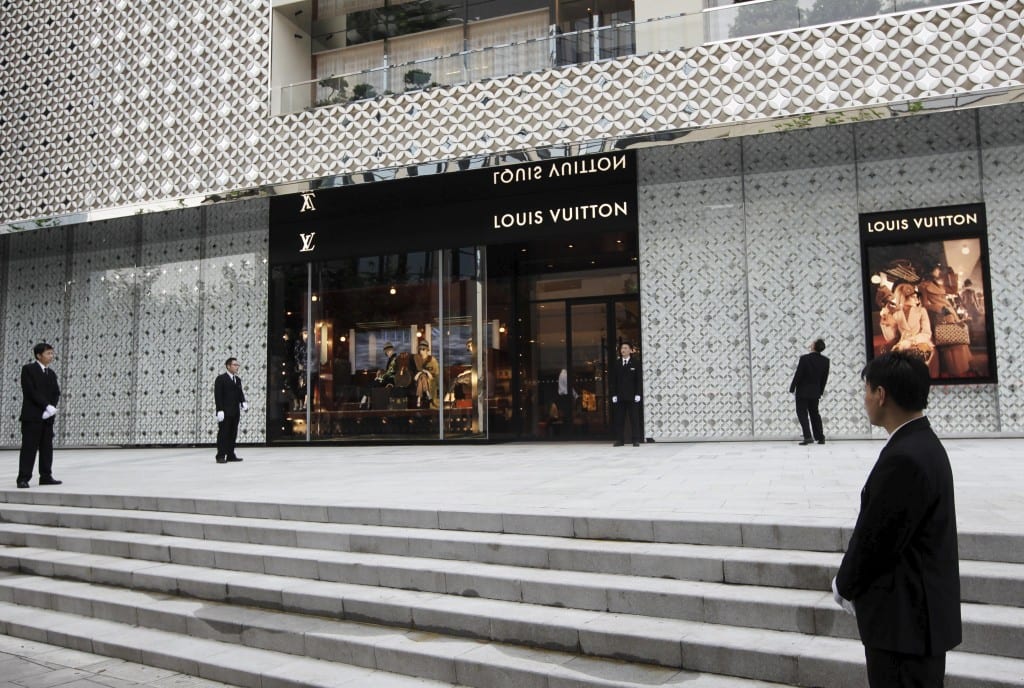
    Yet top brands such as LVMH’s Louis Vuitton, Hermes, Prada and Chanel have been slow to invest in e-commerce as other retail sectors have done in the last decade.

    Some have focused as much on the shopping experience as on the products themselves, spending heavily on worldwide expansion and revamping stores with help from famous designers.

    “Many luxury brands have not figured out yet how to be innovative and creative online,” said Anant Sharma of consultancy Matter of Form. “It looks like they are scared to try things out.”

    Sharma said many brands’ websites mimicked the appearance of Net-a-Porter’s black-and-white portal. “If they had the same approach to physical retail, we’d all be shopping in whitewashed rooms with clothes lined up against the four walls.”

    Immediately after the Yoox/NAP deal was unveiled last month, Chanel said it would start retailing online next year. This month, it is selling a new jewelry line exclusively through NAP for just three weeks.

    “The merger between Yoox and NAP sends the message that you need to be online or you may be out of the game,” Euromonitor luxury goods analyst Fflur Roberts said.

    Euromonitor expects 40 percent of all luxury goods sales will be made via the Internet in less than five years.

    Online annual luxury goods sales have been growing at 15-25 percent while the industry’s average growth rate has slumped to 5 percent this year from above 10 percent four years ago as brands have completed big global roll-outs.

    Analysts estimate that 5-6 percent of luxury goods are purchased online, although that jumps to around 8 percent for leather goods such as shoes and handbags.

    Designer websites vary in usability but few offer customers as much help as sites like NAP, which shows clothes on models, gives details of fit and sizing and carries styling tips.

    Prada’s e-commerce site carries no ready-to-wear, sticking to bags, shoes and other accessories.

    Kering’s Saint Laurent and Gucci have slicker sites, offering a wide range of clothing and proposing complete looks. Saint Laurent also features designer Hedi Slimane’s black and white photographs of musicians such as Marilyn Manson and Marianne Faithful.

    But Hermes’s iconic 8,000 euro Birkin or Kelly bags still cannot be bought online — and may take more than year to arrive after being ordered from a store.

    ?????????????????Department stores push

    While many big luxury brands are still figuring out an Internet strategy, high-end department stores already sell their products online.

    The Neiman Marcus chain, which includes New York’s Bergdorf Goodman, does 24 percent of its business online, up from 15 percent five or six years ago. Last year, it acquired German online fashion retailer My Theresa, aiming to better serve customers outside the United States.

    London’s Harrods, whose website gets 3 million visitors a month and sells brands such as Valentino and LVMH’s Givenchy, is also stepping up online investment.

    “Our customer demands an omni-channel shopping experience, and to remain at the forefront of luxury retail we need to respond to this,” Harrods managing director Michael Ward said.

    Chief Executive Bernard Arnault said at LVMH’s annual general meeting last week that “more and more products would be sold online” and the group was “currently adapting to this situation”.

    LVMH labels such as Fendi, Kenzo and Emilio Pucci already offer many products online — Fendi sells 750 euro baguette bags and 6,180 euro blue feathered dresses — but Louis Vuitton sells only accessories, pens, watches and jewelry.

    Richemont’s Cartier brand has sold jewelry online in the United States since 2010 and its online store now ranks third behind its two main flagships in terms of sales.

    Privately owned Patek Philippe, does not sell any of its 10,000 euro plus timepieces on the Internet, however, and told Reuters last month it has no intention of doing so.
  • Bagllerina Hong Kong opens in Sogo

    Bagllerina Hong Kong opens in Sogo

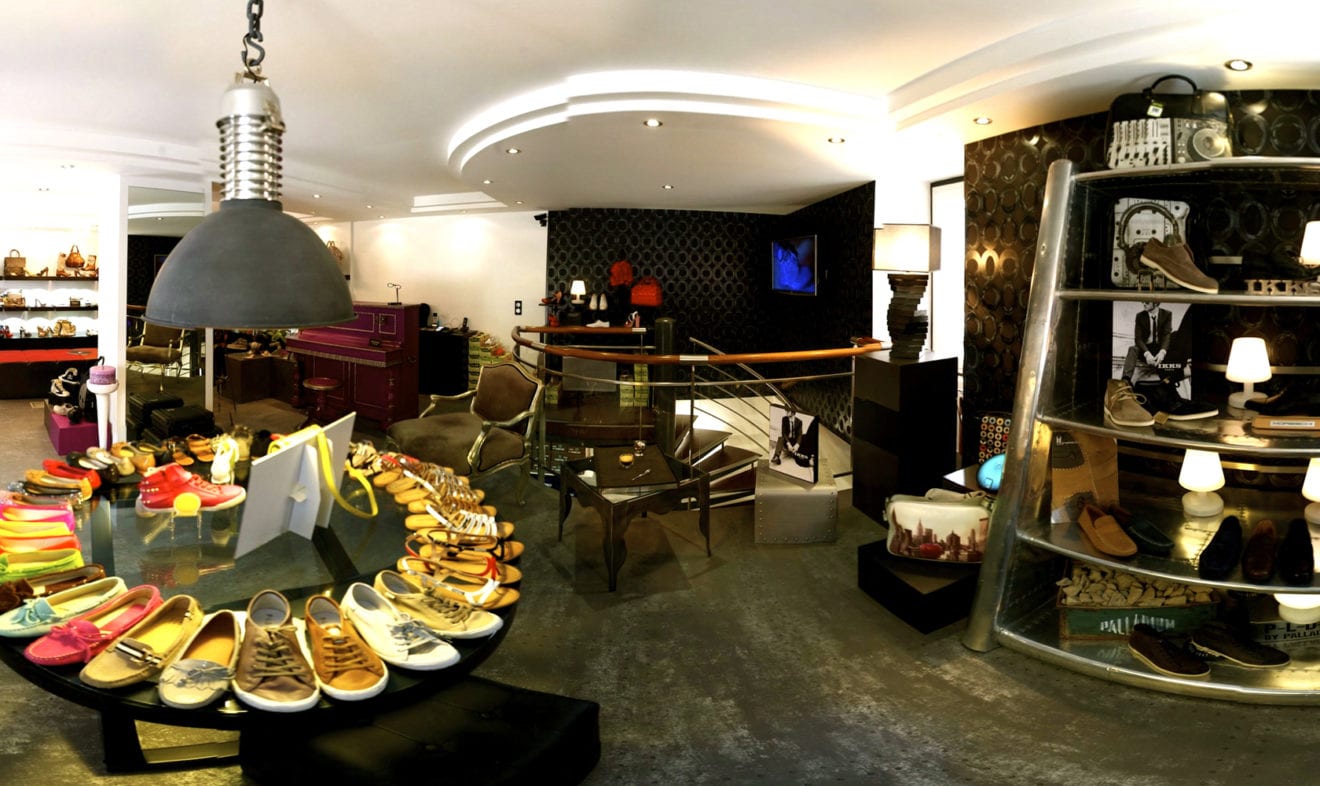
    French ballerina shoe brand Bagllerina has opened its first store in Hong Kong’s Causeway Bay.

    Founded in 2011 by Christine Natkin, Bagllerina specialises in handmade, foldable ballerina shoes that are comfortable, simple and elegant made from 100 per cent leather.

    Observes fashion blogger Butterboom: “We are big advocates of comfortable shoes especially with the amount of walking we do in Hong Kong. You can slip your heels in a matching leather small bag while wearing a pair of Bagllerina, and slip out of them once you’ve arrived at your destination to switch to your heels.”

    Bagllerina Hong Kong has opened on level B1 of the Sogo shopping centre at 555 Hennessy Rd.

    Bagllerina shoes come in more than 70 colours and three different cuts, with a new version, the Summerfeet cut, described as ‘sandals with a bit of hell” due soon.

    For more details of the range, and images from Bagllerina, read Butterboom’s report.

  • Ikea Singapore in row over bigot’s drama

    Ikea Singapore in row over bigot’s drama

    Ikea Singapore has found itself at the centre of a social media protest over supporting a drama run by a local religious extremist.

    Ikea is giving members of its loyalty program discounted rates for a show called Vision, which features a homophobic religious zealot renowned for his anti-gay views.

    But Ikea says it stands by its decision to sponsor the show, a move which is outraging Singapore’s gay community who have taken to social media to express their disgust.

    In a statement to the Straits Times newspaper Ikea management said they had undertaken “a thorough review” of the decision to support the show and would stick with its original decision.  “We have spoken directly with the organisers, reviewed the content and confirmed that the Vision show offers high family entertainment value and, on that basis, we are continuing our promotional collaboration.”

    Vision is a magic show performed by pastor Lawrence Khong of Faith Community Baptist Church along with his daughter Priscilla. It will be held at the Esplanade in July.

    Last year Khong organised an anti-gay protest, urging Singaporeans to “wear white” in protest against the holding of the Pink Dot LGBT picnic.

    Khong is a self-appointed pastor of the church he founded and claims to have a congregation of 9000. He is on record saying he makes movies and performs shows in order to spread his evangelical Christian beliefs and to “reclaim the media for God’s Kingdom”.

    Khong considers homosexuals have “a shorter lifespan, more sexually transmitted infections and more health problems than the general population” and he actively fought against the decriminalisation of homosexuality in Singapore, describing it as “a looming threat to this basic (nation) building block by homosexual activists”.

    Lawrence Khong Facebook image

    • Lawrence Khong’s Facebook profile image.

    Ikea appears unconcerned about supporting Khong’s ministry. In its statement the retailer said it respects the diversity and equality of all people in the community

    “We also respect that all individuals have a right to their opinions and personal choices, including the freedom to choose their preferred entertainment,” it said.

    Ikea Singapore’s Facebook page is full of comments about the issue, with an overwhelming percentage in support of the company’s stand. However closer analysis reveals a distinct similarity amongst the supportive posts, the church undoubtedly having rallied its congregation to show support online.

    “Thank you Ikea for making the right move and supporting family!” was one of many similar supportive comments.

    However contrary views were typified by Zulkarnain Sadali:So disappointing. Do you even see it’s not about entertainment? Out of all the companies in Singapore, this move was never expected of you. I wonder what Sweden HQ thinks of this.”

    Robert Vrolijk observed:The very vocal Christian minority has again used their organised high volume attack to pressure their opinion. Everyone knows Vision is not just family entertainment. There is no such thing as family entertainment when led by a pastor. And Ikea by supporting this event you support his views. People have a right to choose but you don’t have to promote hate speech hidden as freedom of speech.”

    Perhaps the most ironic post was from Steven Cheong who wrote, apparently unaware of the irony: “Ikea – it is good that you didn’t bow to militant activists!”

  • McDonald’s India expands McCafe

    McDonald’s India expands McCafe

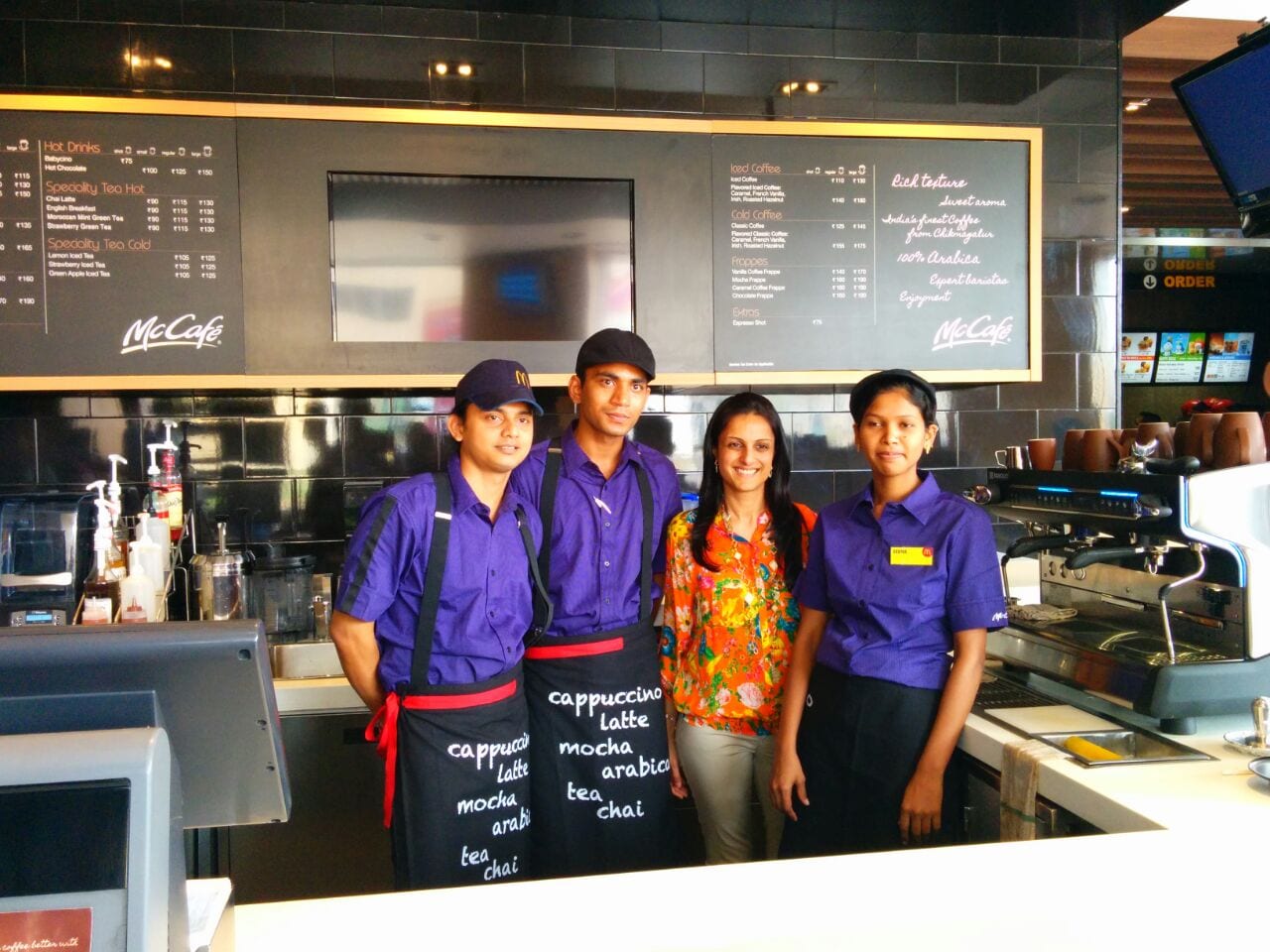
    McDonald’s India has opened three McCafés in Bengaluru.

    Westlife Development, owner of the Master Franchisee of McDonald’s in India, Hardcastle Restaurants, said the McCafes were the first in South India.

    Smita Jatia, MD of Hardcastle Restaurants, said Bengaluru has great significance as a coffee hub and there is tremendous potential for growth there.

    “With the launch of McCafe, we will strengthen our beverage strategy and build our restaurants as a one stop destination for all customers to enjoy across all ‘day parts’.

    Smita Jatia, Managing director, Hardcastle restaurants Pvt Ltd at the Launch of McCafe in Bengaluru

    *Smita Jatia, Managing director, Hardcastle restaurants Pvt Ltd at the Launch of McCafe in Bengaluru

    The store-in-store format enables a quick roll-out of a McCafé with an investment of Rs 30-35 lakhs per outlet across key trading areas in metro cities of West & South India to make it easily accessible to our consumers.”

    Jatia said within the last 18 months McDonald’s India has expanded the McCafé network across 41 restaurants in six cities – Mumbai, Ahmedabad, Nashik, Aurangabad, Pune and now Bengaluru.

    “Today, we are well on track as per the stated goal to launch 75-150 McCafé over the next three to five years, a clear testament to the fact that our coffees, frappes and muffins have been very well accepted by customers.”

    The expansion of the McCafé brand and its product offering is part of the company’s goal to elevate its coffee portfolio and to become India’s favourite destination for good food and quality beverages.

    McCafe counter at McDonald's outlet at JP Nagar,Bangalore (2)

    “We believe that we will be able to delight customers in Bengaluru too with our freshly brewed aromatic coffees,” said Jatia.

    McCafé uses 100 per cent Arabica coffee beans brewed by professionally trained baristas and sourced from sustainable farms in Chikmangalur, India.

    McDonald’s India first opened a McCafe in October 2013. Hardcastle Restaurants, which operates McDonald’s in west and south India, recognised an unmet need, for existing and new customers, in the rapidly growing Indian specialty coffee segment.

    McCafé was created and launched in Melbourne, Australia in 1993, and has since spread worldwide, with the first in the US opening in Chicago, Illinois, in May 2001. Today, McCafés can be found in Costa Rica, Japan, Paraguay, South Africa, Spain, Ukraine, Canada, Malaysia, Macau, Hong Kong, Thailand and the UK, amongst other countries.

  • Richemont warns of profit plunge

    Richemont warns of profit plunge

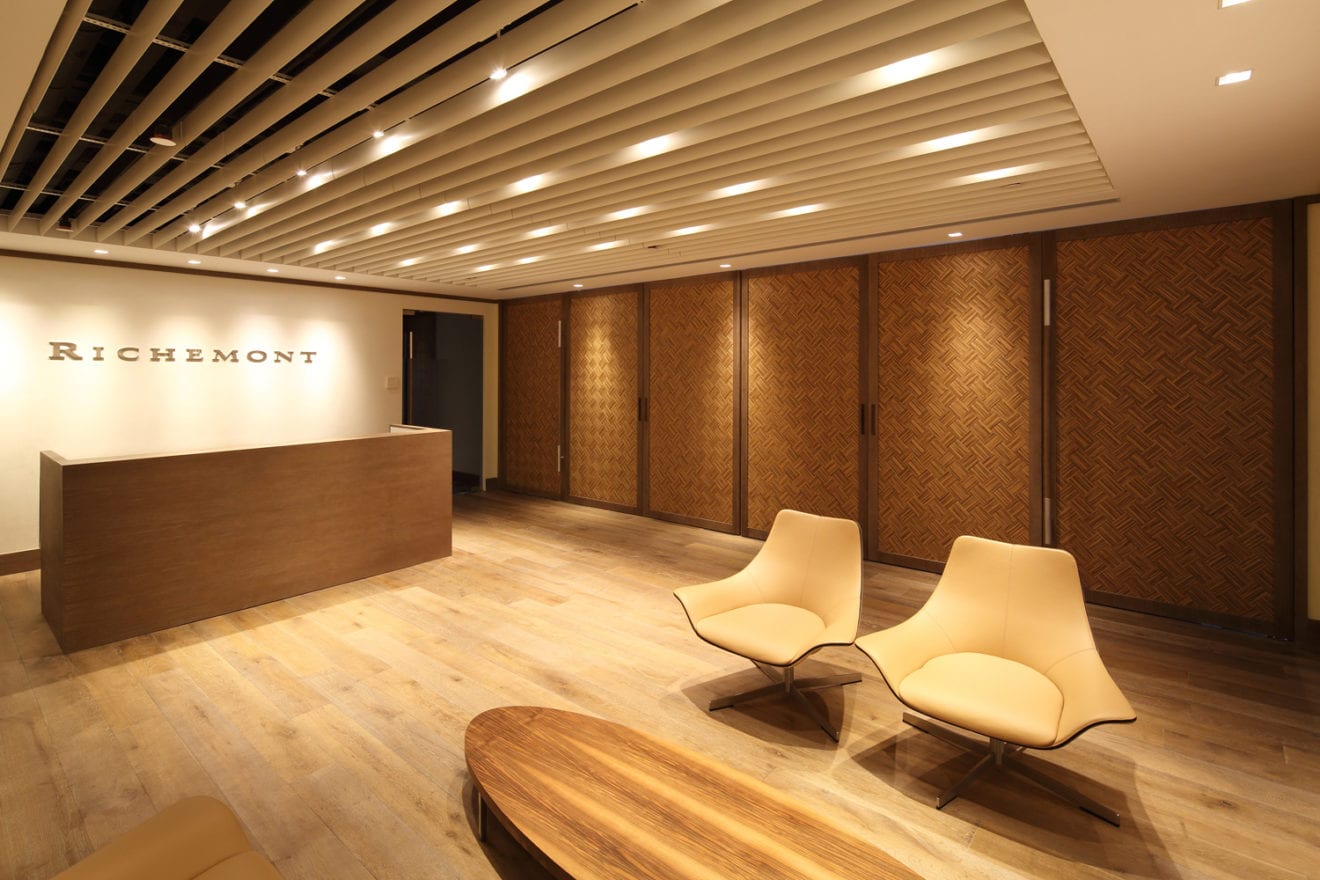
    Swiss corporate luxury retailer Richemont has warned of a 36 per cent plunge in net profit in the year to March 31, blamed on “derivatives”.

    The loss comes despite a 10 per cent improvement in operating profit and capital gains on the disposal of assets.

    “This significant decrease reflects non-cash, mark-to-market losses on financial instruments, which include monetary items and derivatives,” the company said. It also warned its tax rate would increase significantly.

    Richemont owns Van Cleef & Arpels, watchmakers Piaget and IWC and fashion brands, including Shanghai Tang.

    Further details will be revealed when the company reports its full results on May 22. Investors need not be too concerned, however: the company is sitting on cash reserves of around €5.4 billion.

  • Pastamania wins Cambodia entry

    Pastamania wins Cambodia entry

    Singapore foodservice operator Commonwealth Capital Group is to enter Cambodia with two F&B brands – Pastamania Casual Dining Restaurant and Gelatofix Italian Gelateria and Cafeteria.

    A franchise agreement has been signed between Commonwealth subsidiary PastaMatrix International and an as yet unidentified local Cambodian company operating in retail and real estate.

    “We expect to open the first flagship outlet for both PastaMania & Gelatofix in the third quarter of 2015 at an exclusive heritage site in Phnom Penh overlooking the scenic Mekong River,” said Yin-Yin Yeo, MD of international business.

    Commonwealth 1 415

    “The location is widely frequented by local trendsetters and tourists. It will serve as a landmark site for a memorable dining and chill out experience,” she said.

    Commonwealth expects to open six PastaMania and Gelatofix stores in total over the next 18 months.

    Yeo said both PastaMania and Gelatofix will provide “more exciting dining and hang out options” for the maturing Cambodian market, she said.

    “PastaMania features the widest range of great tasting pasta dishes along with authentic Italian pizza that suit the taste buds of Cambodians. We will also be the first in the market to launch an authentic Italian gelato coffee shop chain under Gelatofix.”

    Commonwealtg 2 415

    PastaMania is the largest Italian casual dining chain in Singapore with more than 50 stores in eight countries. It offers affordable authentic Italian cuisine with ambience modelled after the Italian piazza concept.

    Gelatofix features creamy gelato cones dripped with dark chocolate created by Italian celebrity chef Ernst Knam and serves up a variety of dishes ranging from desserts to all-day-breakfasts and Italian risottos. The Gelatofix store format was designed by Italian architect Stefano Ricci.

    Yeo says Cambodia has strong economic growth running above seven per cent since 2011, a young population (50 per cent aged below 25) and a more open and vibrant market.

  • Dress Thai for a discount

    Dress Thai for a discount

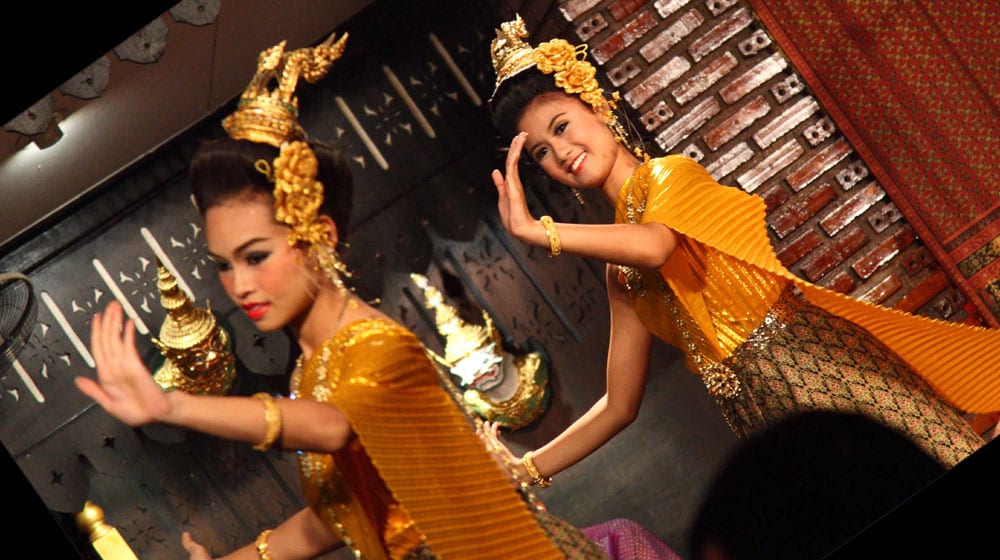
    Shoppers in Thailand could later this year earn extra discounts if they shop in Thai national costume.

    The Tourism Authority of Thailand is planning a promotion to reward both Thais and tourists who dress Thai with discounts of up to 80 per cent.

    It believes the novel promotion will not only encourage shopping and raise awareness of the mid-year Amazing Thailand Grand Sale , but help broaden recognition and appreciation of traditional Thai clothing.

    TAT says the plan is to boost awareness of “Thainess”.

    Sugree Sithivanich, TAT’s deputy governor for marketing communications, said the authority still expects tourism growth during the traditional mid-year low season .

    It plans to work with large shopping malls across the nation in a campaign to create awareness of this year’s tourism marketing theme: “2015 Discover Thainess”.

    He said the campaign would be implemented during the Amazing Thailand Grand Sale which runs from June to September.

  • NTUC FairPrice saves 9 million bags

    NTUC FairPrice saves 9 million bags

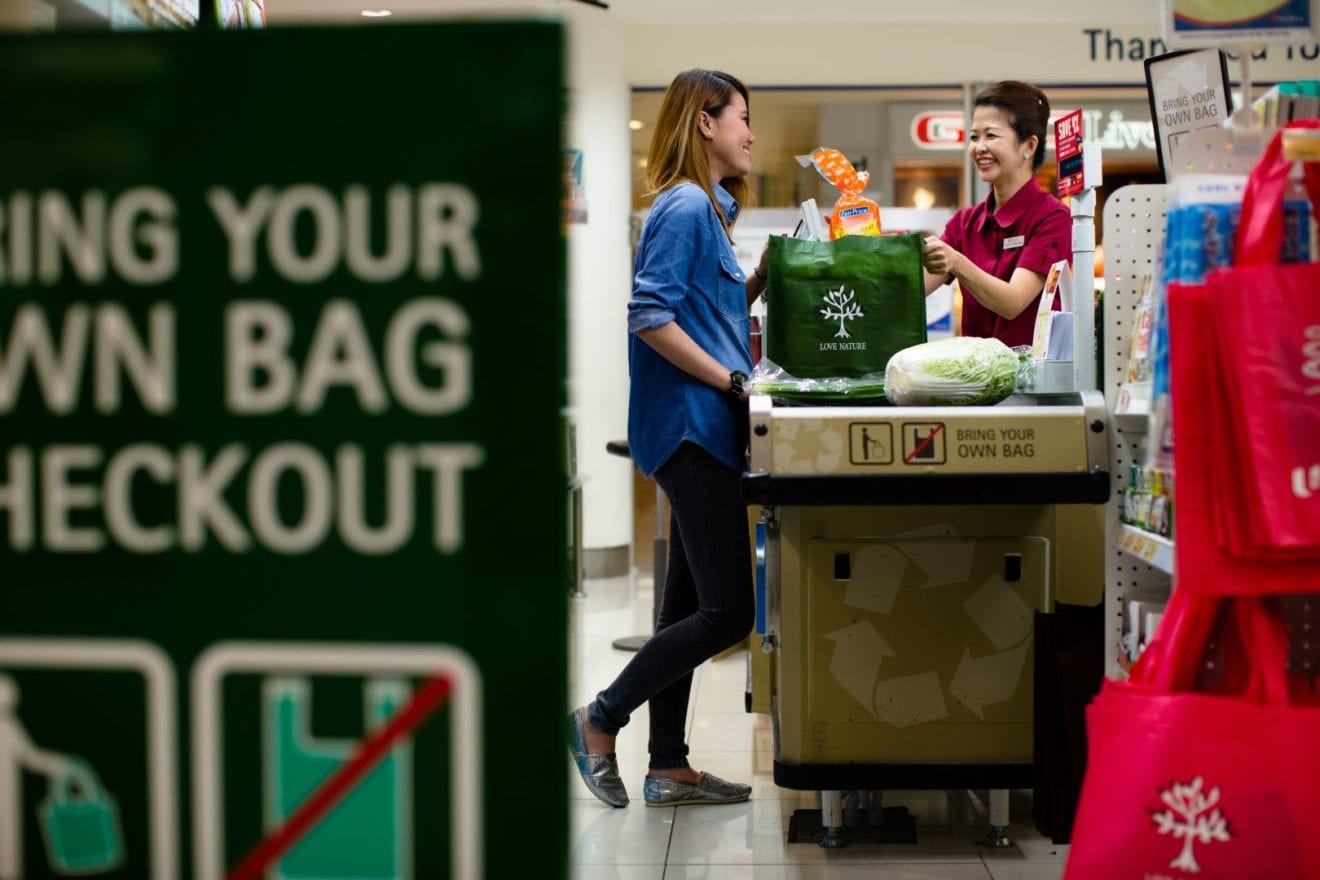
    Singapore supermarket chain NTUC FairPrice says customers saved more than 9 million plastic bags last year as the company pursued its green strategy.

    FairPrice said it gave out more than S$450,000 in rebates under its FairPrice Green Rewards Scheme last year.

    Koh Kok Sin, chairperson of the FairPrice green committee, said securing a sustainable future for Earth is the responsibility of everyone in this generation.

    “We continue to upgrade and make our stores as eco-friendly as possible, find ways to raise environmental consciousness among shoppers, and encourage them to Think Green and Shop Green. We are encouraged that our customers recognise the call to care for the Earth, and share our commitment to save plastic bags and take on other sustainable initiatives. We will continue to work together with our stakeholders to build a green and eco-friendly Singapore.”

    FairPrice first launched the FairPrice Green Rewards Scheme in 2007 to urge shoppers to use fewer plastic bags. Since then, FairPrice has given out more than $2.3 million in rebates which has resulted in an estimated 46.5 million plastic bags saved. In the same period, FairPrice has seen an increase in plastic bags saved at its stores by about 10 per cent year-on-year; and recorded the highest number of plastic bags saved last year.

    FairPrice also supported Earth Hour on March 28 by switching off all non-essential lights at its stores, offices and warehouses, in addition to donating $12,500 to WWF. This is the seventh year that FairPrice has supported WWF’s global Earth Hour initiative.

    To conserve energy and to reduce its carbon footprint, FairPrice continues to install eco-friendly features in its stores, as well as switching to energy-saving equipment and lighting in the existing stores.  Currently, 60 stores have already been installed with these green features. Several FairPrice stores have been awarded with BCA Green Mark awards, including FairPrice Finest@ZhongShan Park and FairPrice Xtra@Kallang Wave Mall that have both been awarded with the BCA Green Mark (Platinum) awards. FairPrice’s headquarters located in Benoi, FairPrice Hub, also received the BCA Green Mark (Platinum) award for incorporating extensive green architecture features which promote sustainability and conservation of resources.