Author: Mei Ling Tan

  • Australian supermarket shuts website in Veterans’ Day furor

    Australian supermarket shuts website in Veterans’ Day furor

    The government has ordered Australia’s biggest supermarket chain to pull down a website that has been widely accused of commercializing Australia’s Veterans’ Day near its centenary.

    Woolworths, which brands itself as “The Fresh Food People,” briefly launched a Website “Fresh in Our Memories” late Tuesday to commemorate ANZAC Day on April 25.

    Woolworths invited customers to upload photographs of veterans on to the Website. The images were displayed with the slogan “Fresh in Our Memories,” the Woolworths logo as well as “Lest We Forget. ANZAC 1915 – 2015.” The campaign immediately drew strong criticism on social media.

  • Taobao uses “Small Shop” to expand sales

    Taobao uses “Small Shop” to expand sales

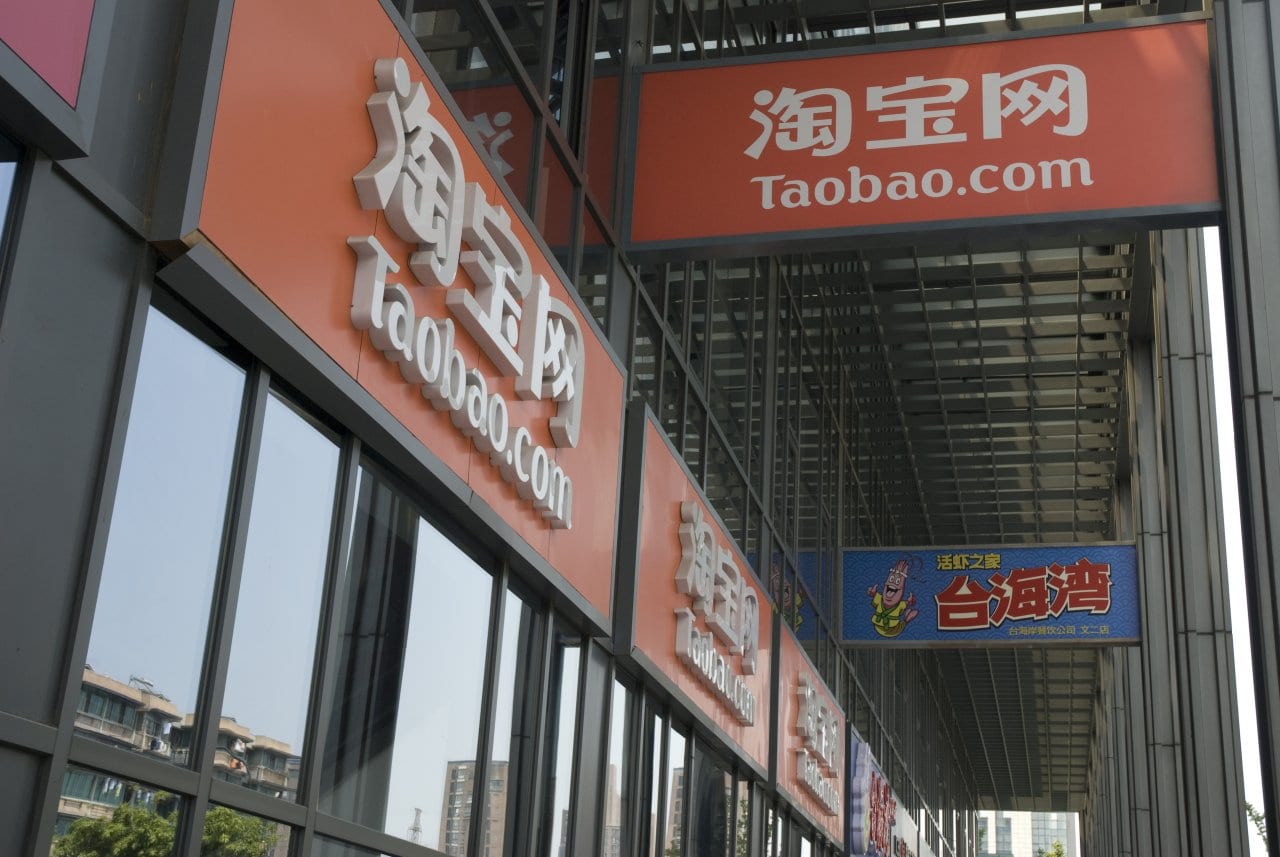
    Alibaba seeks to grow by encouraging small and medium-sized vendors to open stores on its retail site Taobao easily through their smartphones.

    Taobao’s new tool, “Small Shop”, allows vendors to manage their online stores easily and helps the e-commerce giant drive growth on the mobile internet to match Tencent’s move in the “micro business” area.

    The new tool also allows better interaction between store owners and buyers, Zhang Kuo, head of Alibaba’s wireless business division, said at a press briefing on Tuesday.

  • Microsoft to open flagship Pitt Street Mall store in Sydney

    Microsoft to open flagship Pitt Street Mall store in Sydney

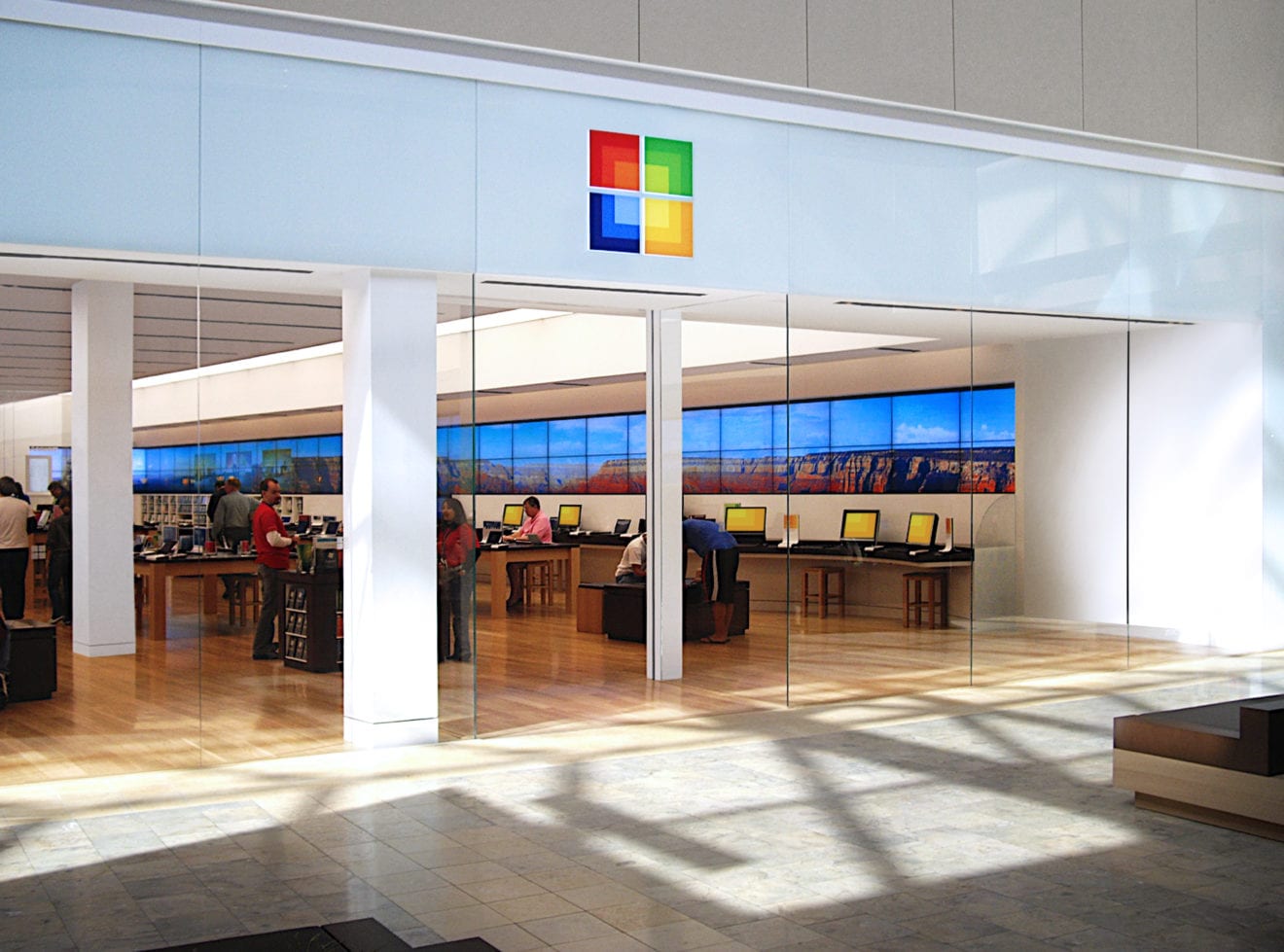
    Pitt Street Mall in Sydney has morphed into the playground of the rich and famous, with Microsoft, founded by Bill Gates, said to be the latest international name to have signed up a flagship store along the strip.

    In the most recent Main Streets Around the World survey by Cushman & Wakefield, Pitt Street Mall was named the fifth most expensive strip in terms of rent, and only sits behind New York’s Upper Fifth Avenue, London’s Bond Street and Hong Kong’s Causeway Bay. The average rent is about AUD10,000 (USD7787) per square metre, per annum.

    It is said the computer giant’s first major site in the country will be where the Guess was and could even spill over to the next-door space which was, until recently, leased by Cue. If the two stores are leased the site will total about 650 square metres over two levels.

  • ValueCommerce and MasterCard to launch inbound B2B marketing service in Japan

    ValueCommerce and MasterCard to launch inbound B2B marketing service in Japan

    ValueCommerce Co., Ltd. and MasterCard have agreed to launch a marketing service that will enable advertisers in Japan to provide reward points and other preferential services when consumers visiting Japan shop at their physical stores beginning from June.

    Advertisers in Japan are expected to use the service to grow their inbound retail businesses by providing international customers with enhanced shopping experiences while traveling in Japan.
    The business-to-business (B2B) service will be offered by ValueCommerce using MasterCard technologies. Currently, advertisers in Japan can only provide such services when shoppers make purchases online, but not in physical stores. This partnership will allow advertisers to close the loop and reward customers for in-store transactions, in order to drive more sales from international shoppers.

    The service will also enable advertisers to send promotional information to customers of Pinpoint Pty. Ltd., a major Australian loyalty-reward service provider acquired by MasterCard last year. Pinpoint manages rewards programs for issuers and merchants throughout Asia-Pacific, including Australia, Greater China, India and Japan.

    Inbound business has been growing in Japan due to fast-rising inbound travel, which has been strongly supported by Japan’s central government. Companies involved in inbound business are becoming increasingly interested in building stronger relationships and offering loyalty rewards to customers who visit Japan.

    Looking ahead, MasterCard and ValueCommerce intend to further leverage their mutual strengths by combining the know-how of ValueCommerce, a pioneer in affiliate marketing, with MasterCard’s global network, extensive experience with loyalty services, analytics capabilities and secure, comprehensive technologies.

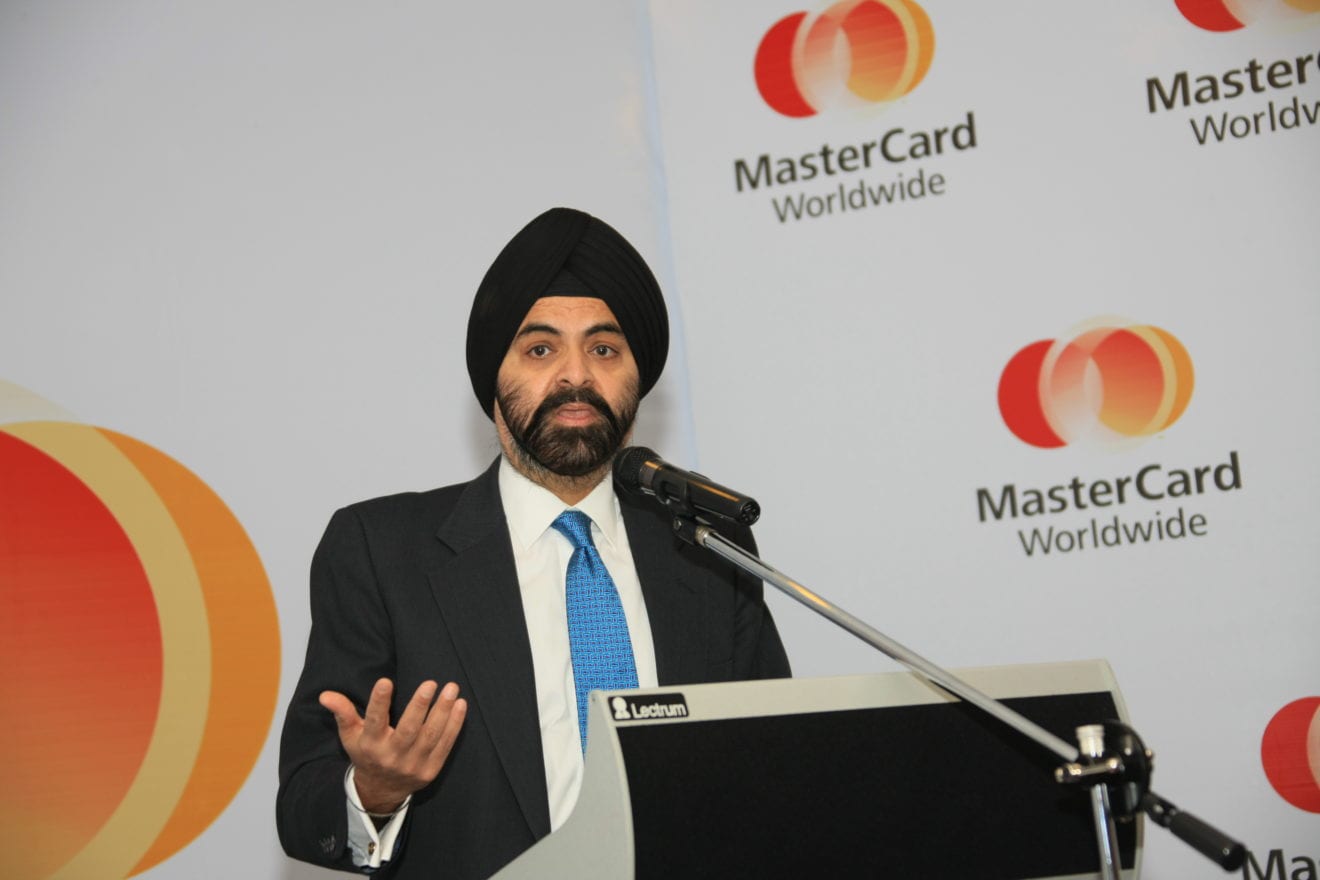
    “We are pleased to cooperate with MasterCard to launch a new service in the highly competitive field of inbound business, which is growing as Japan’s inbound tourism continues to rise. In partnership with MasterCard, we aim to maximize the benefits for customers who visit the physical stores of our advertisers. We will leverage our experience and know-how in sending customers from online to offline and O2O solutions,” said Jin Kagawa, Representative Director, President and CEO of ValueCommerce.

    “Inbound business, a key strategy of the Japanese government, is expected to continue growing as more people from overseas visit Japan. Our new service enables international visitors to benefit from various marketing offerings, such as points and rewards in physical stores when they visit Japan, so businesses can use it to add value to their services. We are pleased to partner with ValueCommerce to support inbound businesses. This is a pivotal moment for MasterCard’s loyalty solutions in Japan. Going forward, we will further leverage our leading technology to support payment-based companies with high-value services, as well as provide MasterCard cardholders with an increasing array of benefits,” said Chris Fendley, Asia-Pacific Regional Lead of Loyalty Solutions at MasterCard and CEO of Pinpoint.

  • Heineken in talks with Indonesia on beer ban, underage drinking

    Heineken in talks with Indonesia on beer ban, underage drinking

    Brewing companies and Indonesia’s Trade Ministry will form a joint working group to discuss alternative solutions and programs to prevent underage drinking, Dutch brewer Heineken says.

    Heineken, the largest shareholder in Multi Bintang Indonesia, met with Trade Minister Rachmat Gobel on Sunday just days after the government banned alcohol sales at convenience stores and small shops across the country.

    In a press release obtained by GlobeAsia, Heineken said that the company applies very strict rules about how to market and sell its beer products that include prevention of underage drinking. It also said that Multi Bintang has worked with a large number of minimart operators to train their staff to make sure they do not sell to people below the legal drinking age of 21 years old.

  • Indonesian Finance Ministry mulls plans to tax e-commerce sites

    Indonesian Finance Ministry mulls plans to tax e-commerce sites

    The Indonesian Finance Ministry is considering plans to tighten tax regulations on transactions of foreign-owned online businesses that have yet to set up a local presence, in another strategy to generate more revenue to the state coffers.

    Deputy Finance Minister Mardiasmo said that the ministry is also looking to collaborate with the Ministry of Information and Communication in tracking online transactions through foreign-owned companies, such as Apple’s iTunes store.

    An attempt to tax online transactions from the companies that are based overseas could mean that these companies would be obliged to set up a locally incorporated company in Indonesia – which has become a burgeoning market for tech giants such as Google and Facebook.

  • Mattel sales beat estimates, shares rise

    Mattel sales beat estimates, shares rise

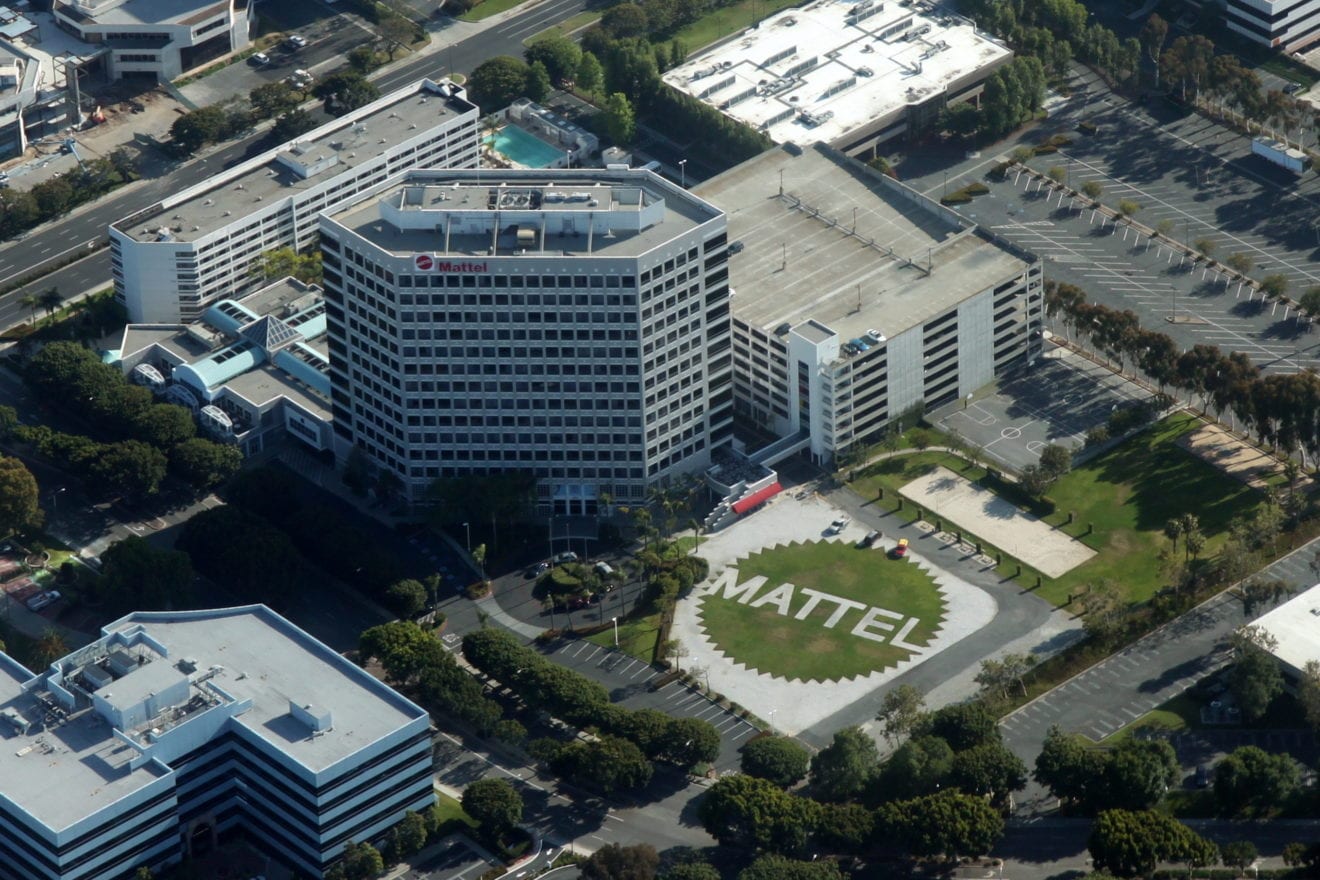
    Mattel Inc’s quarterly net sales topped analysts’ estimates for the first time in six quarters as new Chief Executive Christopher Sinclair focuses on turning around the business in the face of flagging sales of Barbie (pic) dolls.

    The toymaker reported a 2.5 percent decline in net sales in the three months ended on 31 March, during which Sinclair was appointed as interim CEO. He took the post permanently this month. Worldwide sales of Barbie dolls fell 5 percent on a constant currency basis, while sales of Fisher-Price preschool toys rose 3 percent.

    Sinclair, a former PepsiCo Inc executive who has been on Mattel’s board since 1996, has said the company needs to move with a “sense of urgency” to create toys that connect with young customers.

  • IKEA in shopping mall push

    IKEA in shopping mall push

    IKEA, the world’s biggest furniture retailer, plans to spend up to EUR3 billion (USD3.2 billion) on new shopping centres over the next 5-7 years, aiming to cash in on the popularity of its stores by collecting rent from retailers keen to set up nearby.

    The Swedish company formed IKEA Centres last year to group its existing out-of-town shopping malls and retail parks, and further develop a real estate business out of its core retail chain that sells cheap, mainly self-assembly furniture.

    The division’s boss, John Tegner, told Reuters that shopping centres helped the group by attracting more customers to its stores, which lie at the heart of the centres, while providing revenues from tenants and assets that have grown in value.

  • FitFlop unflappable about Thailand investment scheme

    FitFlop unflappable about Thailand investment scheme

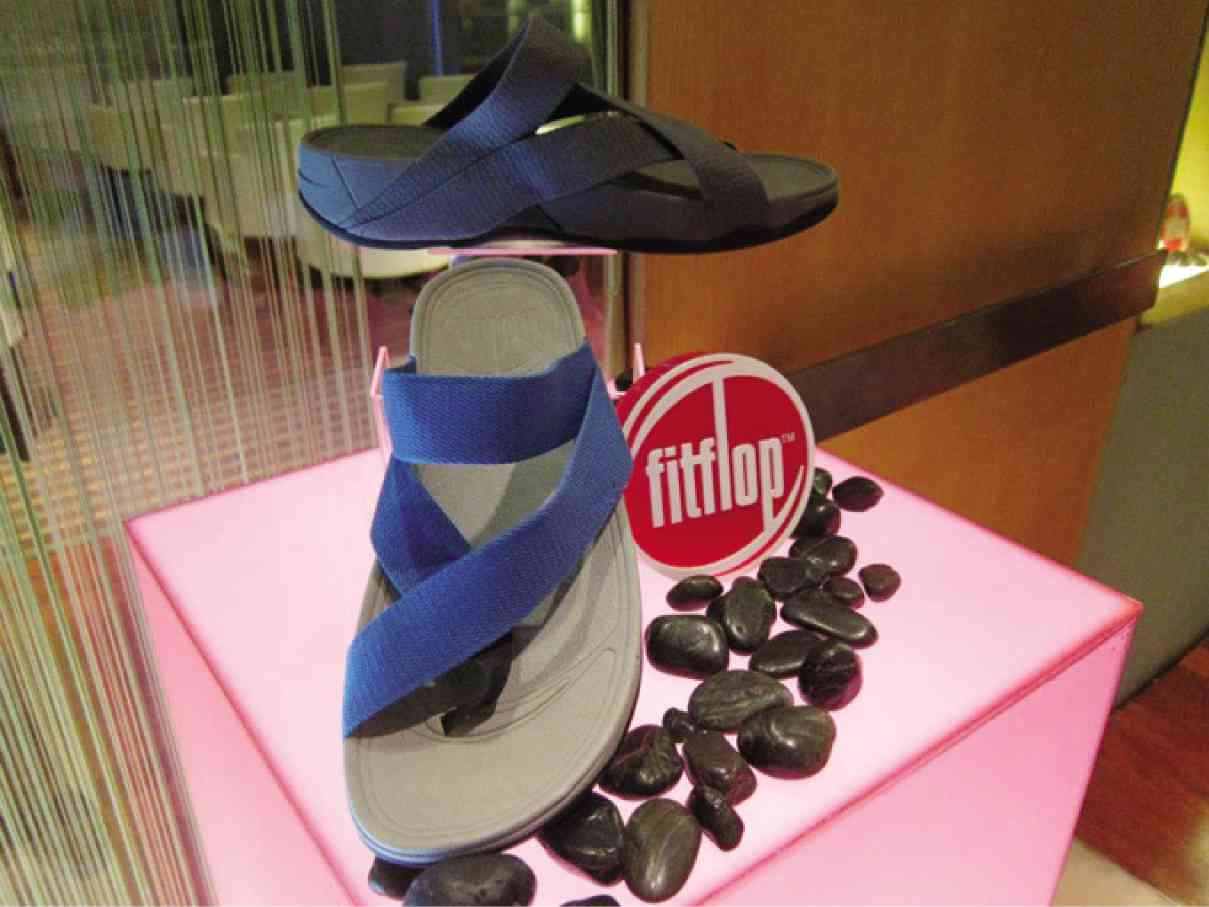
    The Primer Group of Companies, a Philippines lifestyle fashion company, believes sales of FitFlop shoes in Asia-Pacific this year will outpace last year’s with Thailand driving growth.

    Camille Karaan, deputy director and vice-president of Primer International Management Ltd, the operator of FitFlop shops in Asia-Pacific, said despite the Thai economy slowing it would maintain its investment in the Thai market, particularly for exclusive product designs.

    The company started producing exclusive shoe designs for Thailand three years ago, which received a warm response from ASEAN customers, particularly the Shasha collection. About 150,000 pairs of Shasha sandals were sold in Asia-Pacific last year, compared with a record high of 100,000 pairs for its regular collections.

  • China fines Alibaba USD129,000 for pricing violations

    China fines Alibaba USD129,000 for pricing violations

    China’s e-commerce giant, Alibaba Group, has been fined CNY800,000 (USD129,000) by the price bureau in eastern Zhejiang province for violations by third-party sellers during promotions on its e-commerce platforms.

    Since Alibaba turned “Singles’ Day”, a November 11 Chinese response to Valentine’s Day, into an online shopping festival in 2009, the event has grown to similar proportions as Cyber Monday and Black Friday in the United States.

    Sales of more than USD9 billion were achieved at last year’s event, and the company has copyrighted the phrase “Double 11”, a reference to the date (11/11), which in turn, refers to the status of single people.

  • Grocery to be next gateway for Paytm

    Grocery to be next gateway for Paytm

    Alibaba-backed payment platform Paytm is set to enter the online grocery market under a new business vertical to be headquartered in Bengaluru. The development, at a time when domestic e-commerce giant Flipkart is also preparing to start grocery retailing, a space currently dominated by small and mid-sized players, suggests investors and analysts are viewing grocery as the next big growth avenue in e-commerce.

    Through affiliate Ant Financial Services, Chinese e-commerce giant Alibaba is infusing USD575 million in Paytm, whose wallet user base recently touched 50 million. Paytm is going to use part of the fresh funding for its foray into the new business of grocery retailing.

    Paytm’s grocery segment, initially with a team of about 20, is likely to begin operations soon. Online grocery is expected to help boost its transaction rates and customer acquisition, both important benchmarks for investors at the time of valuing a company for fresh funding.

  • Malaysian customs urges small retailers to invest in GST-compliant sales system

    Malaysian customs urges small retailers to invest in GST-compliant sales system

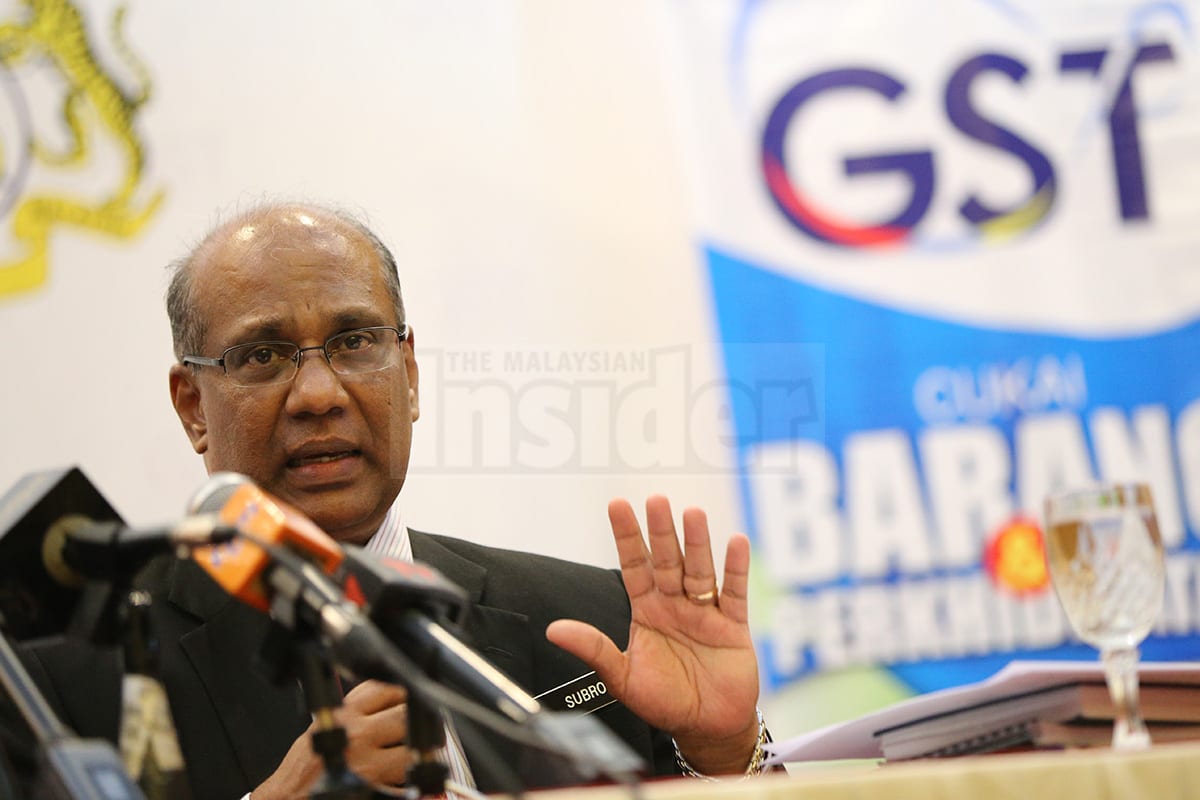
    Installing a point-of-sale (POS) system to issue printed receipts as part of implementing the goods and services tax (GST) will only be a one-time investment, the Malaysian Customs Department’s GST division told operators of small businesses on Thursday.

    GST division director Datuk T. Subromaniam said the system will be usable for a long-term basis and would help businesses identify standard and zero-rated items, adding that adopting POS would cost between MYR3,000 (USD828) and MYR4,000.

    He also said tax deductions were available under Accelerated Capital Allowance (ACA) for businesses on purchases of information communication technology equipment, hardware and training.

  • Levi Strauss aims to revive its past glory

    Levi Strauss aims to revive its past glory

    Founder Levi Strauss patented the blue jeans in 1873 but the brand itself was established in 1853, and today its jeans can be found in over 2,800 stores in 110 countries.

    Although long enjoying iconic status, it has been difficult for Levi’s to consistently stay relevant and be at the centre of culture. It was 1996 when Levi Strauss reached its peak year, amassing USD7.1 billion of global sales – even bigger than Nike, which booked USD6.5 billion in sales that year.

    Entering 2001, the denim maker saw its sales plummet to USD4.1 billion – which for the next decade became the norm. The challenge today is that customers in its biggest markets, the United States and Europe, are not out spending on retail. And CEO Chip Bergh sees that over the past decade, denim and apparel in general has been on the decline.

  • Reliance Industries retail chain now largest in India

    Reliance Industries retail chain now largest in India

    Reliance Retail is not just the largest retailer in India in terms of revenues, but is also the biggest in most of the categories it operates in. With 1,000 stores, Reliance Digital has become the largest consumer durables and electronics retail chain in the country. Tata-owned Croma runs 97 stores while Videocon’s durables chain, Next, owns about 800 stores. Reliance Industries gave out its retail figures in the financial results for the quarter ended March 2015 on Friday.

    Reliance Digital Xpress Mini at more than 800 stores is now the largest mobile phone retail chain in the country. Essar-owned The Mobile Store runs over 800 stores in the country.

    Reliance Retail has a clear lead when it comes to cash and carry stores. Started four years ago, Reliance operates 43 such outlets called Reliance Market stores. Set up seven years ago, US-based Walmart runs 20 stores and Germany’s Metro, which had started more than 10 years ago, operates 17 outlets.

  • Glue Store’s recipe for keeping customers sticky

    Glue Store’s recipe for keeping customers sticky

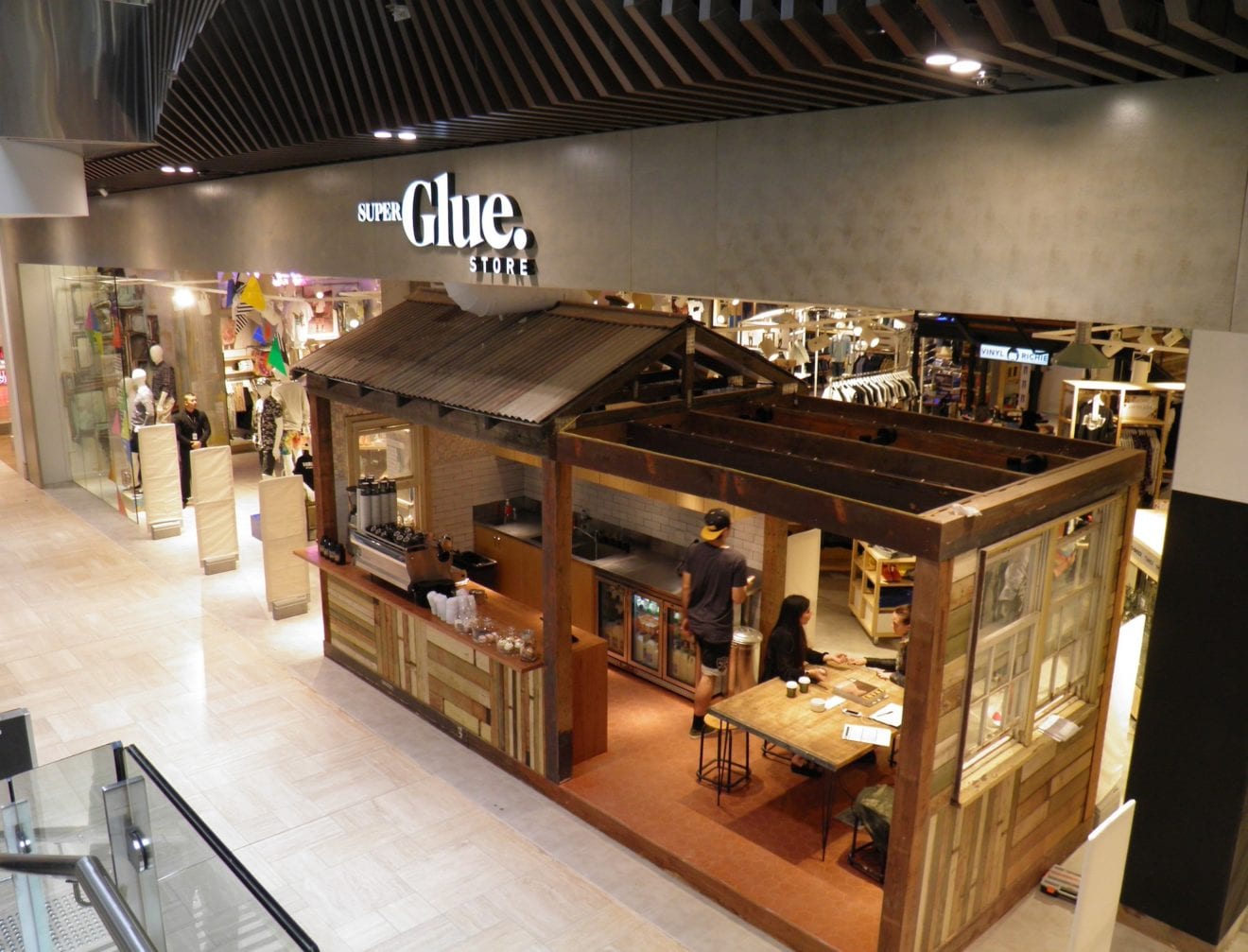
    After years of steady growth, sales of the Australian fashion retailer Glue Store were going backwards and the company was losing wholesale accounts as large chains such as Myer cut costs by bypassing middlemen and sourcing stock directly from overseas.

    Hilton Seskin, who owns Glue Store and the Topshop Topman franchise in Australia through Next Athleisure, adopted an “if you can’t beat ’em, join ’em” approach, taking on Zara and H&M by snapping up the exclusive Australian franchise for Topshop and Topman from Britain’s Arcadia Group.

    Seskin, the founder of Rebel Sport, also overhauled the business model at Glue Store, relaunching the brand and introducing exclusive labels such as British brands Miss Selfridge and Glamorous in womenswear and Dutch label Minimum and Le Coq Sportif in menswear.