Author: Mei Ling Tan

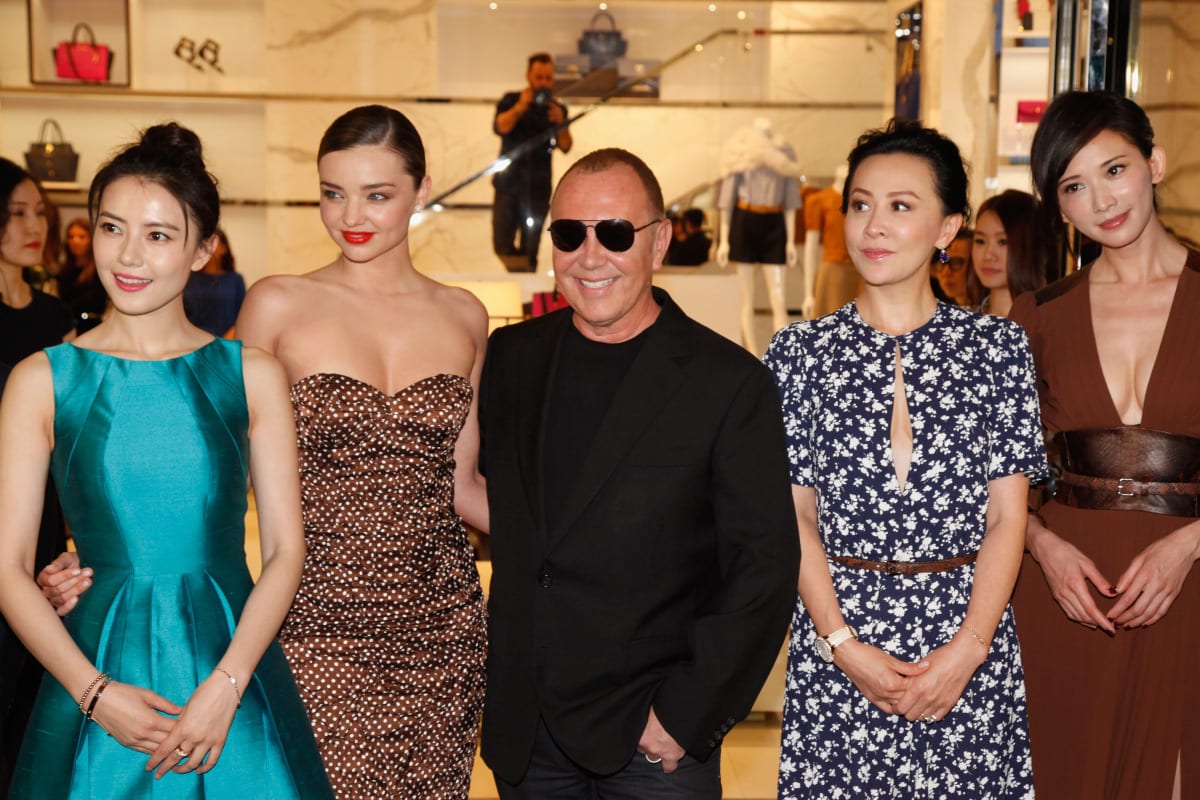
  • Michael Kors Names Hanjoon Kim President of Korea

    Michael Kors Names Hanjoon Kim President of Korea

    Michael Kors, a global luxury lifestyle brand, is pleased to announce that Hanjoon (Michael) Kim has been named President of Korea, a newly created position. He will report to Stephane Lafay, the Company’s President of Asia.

    Kim’s appointment, effective on 13 April 2015, follows the company’s recent assumption of direct control of the Michael Kors business in South Korea. In his new role, Kim will focus on building the infrastructure for this region and developing an expansion strategy for South Korea to position the business for long-term growth. “We believe that Korea represents a tremendous opportunity for Michael Kors,” says John D. Idol,

    Chairman and Chief Executive Officer of Michael Kors. “Michael’s appointment is an important step in building the brand’s success in the Korean market.”

  • Melco Crown Entertainment teams up with Taubman Asia to develop Boulevard project at Studio City resort in Macau

    Melco Crown Entertainment teams up with Taubman Asia to develop Boulevard project at Studio City resort in Macau

    Melco Crown Entertainment and Taubman Asia, the Asian arm of the US Mall operator Taubman Centres, on Thursday unveiled plans to develop the Boulevard project at Macau’s entertainment, retail and gaming resort, Studio City.

    Studio City is a new cinematically-themed entertainment and leisure destination in Macau which is scheduled to open in the third quarter of 2015. Taubman Asia is providing merchandising, marketing and management services for its retail project.

    “The Boulevard at Studio City, a unique, 300,000 sq. ft. ‘immersive’ retail entertainment environment, will bring the world’s best shopping to life in Macau by transporting guests to high-energy street-scapes, entertaining them at every turn with featured streets and squares inspired by iconic shopping and entertainment locations, including New York’s Times Square and Hollywood’s Beverly Hills,” the two companies said in a statement.

    The retail project will open in the third quarter this year, coinciding with the opening of the Studio City integrated resort.

    “Taubman Asia is in the business of creating world-class experiences for our customers,” said René Tremblay, President of Taubman Asia. “Along with Melco Crown Entertainment, we are developing a one-of-a-kind retail entertainment experience that will cater to the discerning tastes of Greater China’s consumers.”

    Taubman Asia has conducted detailed research of the Macau landscape in order to develop a strategic and focused approach which brings together the right mix of fashion-forward brands to deliver an unmatched retail experience for customers.

  • Luxury brands go solo in Korea

    Luxury brands go solo in Korea

    Luxury brands are increasingly establishing their own Korean branches, rather than contracting with Korean companies to enter the market.

    In doing so, they are hoping to generate more earnings through direct and effective customer management.

    Goyard, the French leather goods maker, recently lowered some of its prices and terminated a sales agreement with Galleria, in favour of establishing its own Korean branch.

    Hugo Boss, which was introduced in Korea back in 1999, also launched its Korean branch last month and will start managing its own stores in Korea.

    Moncler, whose sales channels in Korea were owned exclusively by Shinsegae International since 2009, has  developed a joint venture in Korea with Shinsegae.

    Hugo Boss perfume 415

    Moncler 415

  • Starbucks Malaysia earns employer accolade

    Starbucks Malaysia earns employer accolade

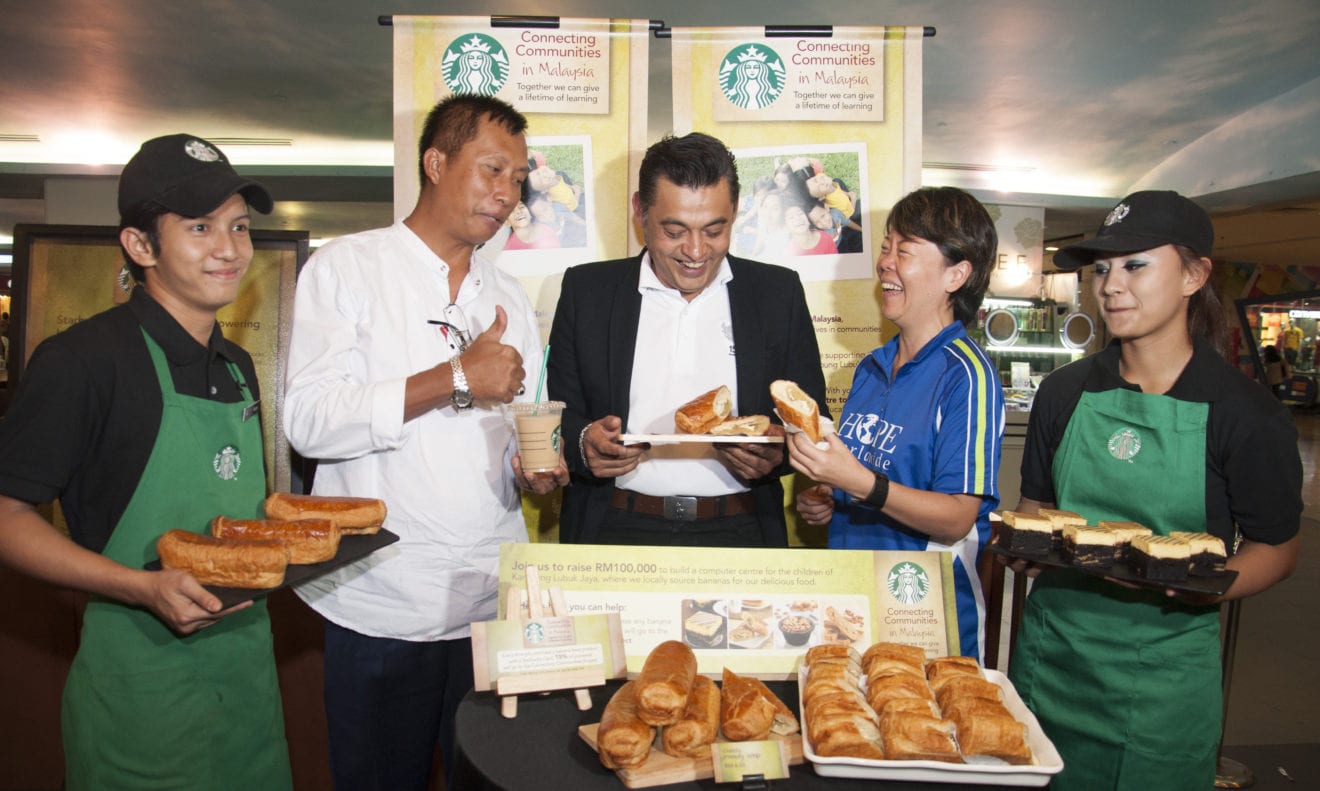
    Starbucks Malaysia has earned top honors for its employment practices at the Aon Hewitt Best Employers of 2015 Awards.

    The Best of the Best award was presented to Starbucks Malaysia at the Awards Presentation and Learning Conference in Kuala Lumpur.

    The Aon Hewitt Best Employers Award is one of the most prestigious awards recognising companies with strong employee engagement, high-performance culture, effective leadership and a compelling brand. Aon Hewitt’s research is conducted over nine months and is active in a dozen Asia Pacific markets, including China, Japan, Australia, and Malaysia. The Malaysian survey was completed in partnership with TalentCorp Malaysia.

    Sydney Quays, MD of Starbucks Malaysia and Brunei, called the honor “one of the most significant recognitions that a company could get in validation to its human resources practices and talent management initiatives”.

    “We’re known for our coffee, but our people make us famous,” Quays added.

    A substantial part of Starbucks recognition was related to the company’s efforts to retain, engage and motivate partners.

    “Retention starts from hiring the right talent,” said June Beh, partner resources and compliance director for Starbucks Malaysia and Brunei.

    “We also highly invest in the training of every partner (employee) empowering them with the necessary skills and knowledge.”

    Starbucks store manager Desmond Soon was given the opportunity last year to lead a district for the company. “This allowed me to create a lasting connection with the community, to be involved in company programs, and to share our amazing stories with customers,” Soon said.

    Starbucks Malaysia opened in Kuala Lumpur in 1998 and today has more than 190 stores across the country.

  • Hong Kong retailer raided for illegal medicines

    Hong Kong retailer raided for illegal medicines

    Hong Kong police and Department of Health officials raided a retail shop in Cheung Chau on Monday for the suspected illegal sale and possession of unregistered pharmaceutical products.

    The DH says that during its routine market surveillance, it found suspected unregistered pharmaceutical products were being offered for sale at the shop.

    “Various products, including pain killers, cold and flu medicines, and cream, labelled in Japanese were seized in the operation. The products were labelled to contain ibuprofen, dihydrocodeine, fluocinolone and neomycin respectively.”

    According to the Pharmacy and Poisons Board of Hong Kong (PPBHK), these are not registered pharmaceutical products and Hong Kong registration numbers were not found on any of the product labels. Preliminary investigations have so far revealed that the products were sourced outside Hong Kong.

    A man aged 57 was arrested by police and charged with suspected sale and possession of Part I poisons, unregistered pharmaceutical products and antibiotics.

    The DH’s investigations are ongoing.

    “Use of unregistered pharmaceutical products may pose health threats to people as their safety, efficacy and quality are not guaranteed. Ibuprofen, dihydrocodeine and fluocinolone are Part I poisons. Inappropriate use of steroids like fluocinolone may cause serious side-effects, such as Cushing’s Syndrome with symptoms including moon face and muscle atrophy while inappropriate use of pain killers like ibuprofen without medical supervision may lead to gastrointestinal bleeding, and products with dihydrocodeine may cause nausea and vomiting.

    “Neomycin is an antibiotic and inappropriate use of antibiotics may lead to antibiotics resistance. Members of the public should not self-medicate without advice from healthcare professionals,” a spokesman for the DH explained in a statement.

    According to the Pharmacy and Poisons Ordinance (Cap 138), all pharmaceutical products must be registered with the PPBHK before they can be sold legally in Hong Kong. Part I poisons should be sold at pharmacies under the supervision of registered pharmacists.

    Illegal sale or possession of unregistered pharmaceutical products and Part I poisons are criminal offences. The maximum penalty for each offence is a fine of $100,000 and two years’ imprisonment. According to the Antibiotics Ordinance (Cap 137), illegal sale or possession of antibiotics is also a criminal offence. The maximum penalty for each offence is a fine of $30,000 and one year’s imprisonment.

    The DH renewed its warning to the public not to buy or use products of unknown or doubtful composition or from unknown sources.

    “People who have purchased and used the above products should consult healthcare professionals for advice. They may submit the products to the DH’s Drug Office at Room 1856, Wu Chung House, 213 Queen’s Road East, Wan Chai, Hong Kong, during office hours for disposal,” the spokesman said.

  • CapitaMall Singapore shrugs off retail gloom

    CapitaMall Singapore shrugs off retail gloom

    CapitaMall Singapore’s shopping centres have improved their performance despite a lacklustre first quarter retail market in the city state.

    CapitaMall Trust Management Limited (CMTML), the manager of CapitaMall Trust (CMT), has reported first quarter distributable income of S$92.9 million, a 4.2 per cent increase over the same quarter last year.

    Wilson Tan, CMTML CEO, said shopper footfall in the three months to March 31 rose 4.7 per cent and tenant’s sales by 2.5 per cent. The occupancy rate of its portfolio “remained resilient” at 97.2 per cent.

    CMT has 16 shopping malls and almost 3000 tenants, strategically located in the suburban areas and downtown Singapore. Its centres are Tampines Mall, Junction 8, Funan DigitaLife Mall, IMM Building, Plaza Singapura, Bugis Junction, Sembawang Shopping Centre, JCube, Raffles City Singapore (40 per cent), Lot One Shoppers’ Mall, 90 out of 91 strata lots in Bukit Panjang Plaza, Rivervale Mall, The Atrium@Orchard, Clarke Quay, Bugis+ and Westgate (30 per cent).

    “We constantly reinvent and rejuvenate our malls with a view to reap future benefits for our unitholders,” said Tan in a statement.

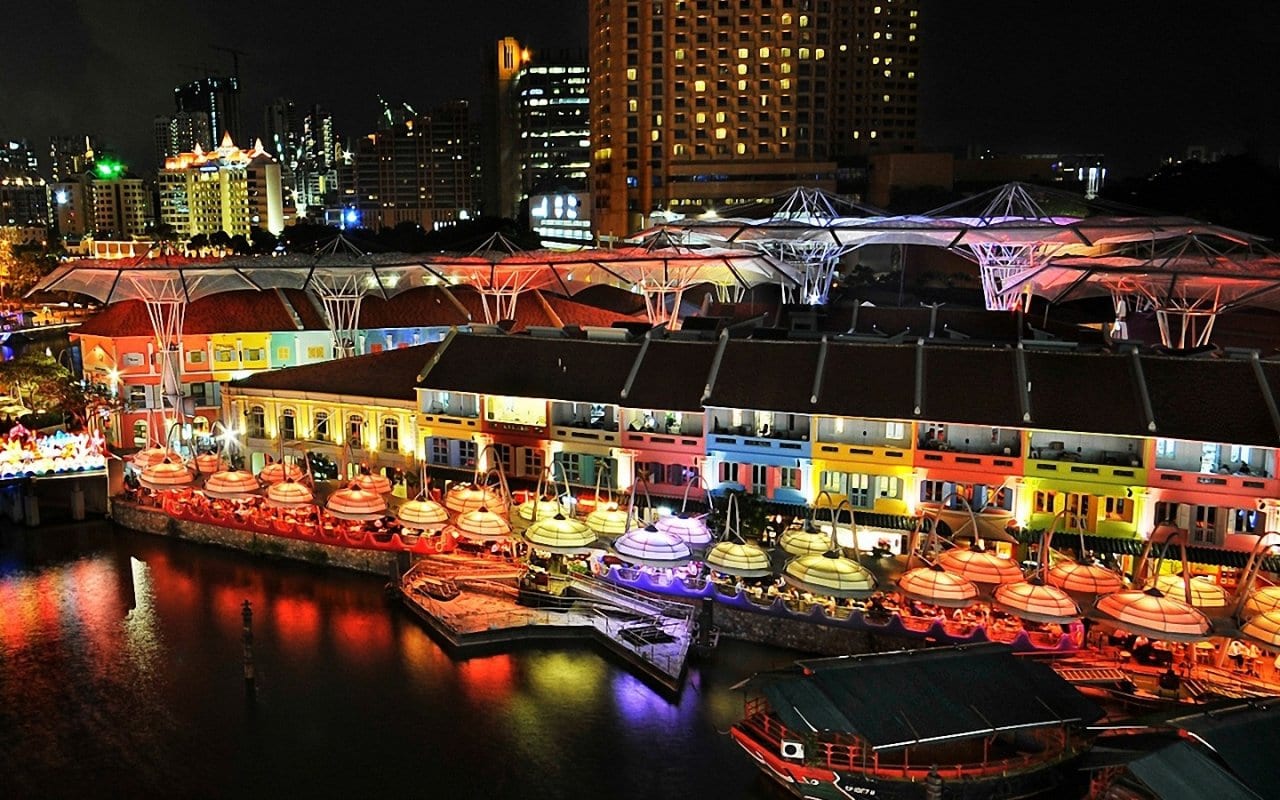
    “We are pleased to update that Clarke Quay has completed its reconfiguration works at Block A. New-to-market brands include McGettigan’s, an authentic modern Irish pub from Ireland; Motorino, a popular pizza joint from New York; and Catch!, a new homegrown eatery offering fish and chips.

    “In addition, the asset enhancement works for IMM Building, Bukit Panjang Plaza and Tampines Mall have made good progress and are on track to be completed as scheduled.”

    CMT’s gross revenue grew 1.6 per cent year-on-year to S$167.3 million in the first quarter, mainly due to the completion of the second phase of the Bugis Junction refurbishment last September.

    Net property income increased three per cent to S$117.7 million.

  • Rakuten invests in China online discounter

    Rakuten invests in China online discounter

    Japanese eCommerce titan Rakuten has taken a stake in Chinese online shopping discounts site Fanli.

    The stake, less than 10 per cent, comes in the form of an undisclosed amount of series C funding into the start-up. The announcement states that Fanli is now valued at approximately US$1 billion, making it China’s newest start-up unicorn.

    Fanli is a very minor player among the dozens of well-established eCommerce stores in China, but it claims to be the largest that focuses on rebate-based loyalty shopping. It connects shoppers with discounts on an array of third-party stores, such as Alibaba’s Taobao, JD.com, Ctrip, and the Apple online store.

    Rakuten said in a press release that the stake in Fanli is essentially a strategic way to tie the Chinese start-up to Rakuten’s duo of US-based discount stores, Ebates.cn and Extrabux. Rakuten acquired Ebates – which allows Chinese shoppers to buy things from US ecommerce sites with discounts – last September for US$1 billion.

    Kevin Johnson, CEO of Ebates, will join Fanli’s board of directors.

    “This investment in Fanli reflects Rakuten and Ebates’ ongoing interest in the rapidly evolving Chinese market,” said Johnson.

    “As the market continues to mature we believe consumers will demand world-class shopping experiences. Rakuten and Ebates hope to support Fanli’s vision of fulfilling this role and exploring potential collaborations in China and abroad.”

    Rakuten has long struggled to find a foothold in China up against homegrown rivals like Alibaba and JD. Rakuten’s own China joint-venture store with Baidu was shuttered in 2012.


  • New rich drive Vietnam luxury boom

    New rich drive Vietnam luxury boom

    The rapidly rising ranks of Vietnam’s uber-rich are fueling growing demand for luxury goods in the fast-growing economy.

    The number of ultra high net worth individuals (UHNWI) in Vietnam is predicted to double to 300 by 2024, according to the Knight Frank Wealth Report 2015.

    The increase of 159 per cent makes Vietnam the country with the fastest growing population of persons with a net worth of more than US$30 million, followed by another ASEAN member state, Indonesia (132 per cent). Ultra-rich individuals in Asia hold net assets of US$5.9 trillion, now even surpassing North America’s US$5.5 trillion. Furthermore, the report predicts that cities across Asia will see an increase of 91 per cent of UHNWIs in the next decade.

    But not only the uber-rich are on the rise: according to Euromonitor International more than 100,000 Vietnamese in 2013 had a disposable income of more than US$75,000 per year. As in China, the highly affluent in Vietnam are constantly looking for opportunities not only for investing their money, but also to spend it.

    A survey conducted by Nielsen concluded that Vietnam ranks third in the world in terms of fondness for branded goods, only surpassed by China and India. Moreover, 56 per cent of the participants responded that they are willing to pay more for designer products than for less known brands despite same functionality.

    Another study by the Japanese advertising agency Hakuhodo found that female consumers in Ho Chi Minh City are the only customers in Southeast-Asia that preferred design over functionality.

    All that is driving a Vietnam luxury boom, with growth especially prevalent in jewellery, fashion, cars and wine…

    Gold and Jewellery

    Although demand in gold and coins in Q4 of 2014 has dropped 15 per cent to 13.3 tones (amounting for US$514 million) compared to the same period in 2013, Vietnam remains the world’s seventh largest gold consumer. Bullion, historically one of the most inflation-resistant investments allowed people to save and pass these savings on to children and their family. Gold also has a cultural significance in Vietnam: The fifth day of the first month of the lunar year, the so called God of Wealth day traditionally pushes gold prices up in Vietnam and customers queue up in front of stores for hours to have a chance to buy the desired metal, hoping for good fortune all year.

    Recently, the government changed its policy regarding the hoarding of gold bars, issuing a ban on interests on gold deposits when stored in financial institutes and releasing regulations to turn the central bank into the sole importer of gold bars.

    Formerly, many real estate purchases were conducted using gold as a payment method. Listing housing prices in gold was common practice in Vietnam, until in 2011 the State Bank issued a decree imposing fines on advertising goods, services and property in foreign currency or gold.

    Being a country rich in gemstones, especially jade, sapphires and topaz, jewelry is especially popular in Vietnam. In 2014, jewellery worth US$519 million was traded, a decline of eight per cent from 2013, though demand was still higher than in other Asian countries with higher GDP per capita including Thailand and South Korea (US$250 and 382 million, respectively). At this time, licensing restrictions limit joint ventures to manufacture jewellery for export only. The popularity and demand of jewellery, combined with the fact that it has to be imported, is a unique opportunity for foreign investors.

    Fashion

    The market for apparel in Vietnam is predicted to reach US$4.2 billion by 2017, according to Euromonitor International’s forecasts. Among the first high-end fashion brands in Vietnam was the French company Louis Vuitton, and since 1997 many followed: Dior, Burberry, Ermenegildo Zegna, Bulgari, and Hermes, only to name a few. It was a profitable decision: the Hermes boutique in Hanoi, opened in 2008, increased its profits gradually by 20 to 30 per cent each year.

    Salvatore Ferragamo opened up it’s fifth store in Vietnam two years ago. Other luxury brands are operated under a franchise system, such as Loewe, Marc Jacobs, Givenchy and Balenciaga, which monobrand stores are operated by a single partner. There are of course risks involved; the official partner of Gucci was investigated for tax evasion in 2010.

    Cars

    Several luxury car brands have established themselves within Vietnam in the recent years, including Lamborghini, Jaguar, Bentley and Rolls-Royce. Customers benefit from these permanent establishments within the country, since previously they had no other chance than importing them at a costly price through dealers and were forced to pay exorbitant maintenance fees because of the lack of licensed service providers.

    Other manufacturers, who are not new players to the Vietnamese market are reporting positive figures. Mercedes Benz entered the country’s market 20 years ago, and sold 1106 units in the first six months of 2014, marking a 70 per cent increase over the same period in 2013. Earlier this month, Mercedes-Maybach, the relaunched luxury brand from Daimler reported 10 orders for its S600 model, which costs VND9.6 billion (US$451,850). Notably, only 50 units of that model will be produced worldwide in 2015.

    Most affluent customers own more than one car, and due to Vietnam’s heavy traffic and shortage of car parks a lot of them rely on a driver. Customers may care as much about the amenities in the back seats, than technical gadgets on the dashboard.

    Automobile manufacturers will have to face a challenge when inner-ASEAN import tariffs will be cut to zero per cent in 2018. Imported, completely built units from Thailand and Indonesia, where a lot of companies already have established factories will be cheaper than cars partly assembled in Vietnam.

    Wine

    While young Vietnamese obtain more purchasing power, consumption of wine is rising. As of 2012, France held the lion’s share of the Vietnamese wine market at 35 per cent, with it’s biggest contender being Chile, accounting for 20 per cent, followed by Australia, the US and Italy.

    However, Chilean market share is expected to grow over the next years due to the Chile-Vietnam free trade agreement (FTA), that took effect in January 2014. Import tax on Chilean wine has dropped from 56 per cent to 20 per cent and until 2030 will approach zero, similar to the abolition of tariffs on Chilean wine imported to China, earlier this year. The Chile-Vietnam FTA marks the first agreement of its kind for Vietnam with a Latin-American country.

    When importing to Vietnam from a country or territory without an FTA in place, import duty applied to wine with alcoholic strength not exceeding 15 per cent is 50 per cent, and is further taxed with a 10 per cent VAT. Only licensed importers are permitted to import wines into Vietnam. Apart from a few multinationals, most bottles are imported by small businesses, either directly, if licensed, or via regular importing companies on a fee-based basis, usually 2-3 per cent over the total contract value.

    Vietnam leads in Southeast Asian alcohol consumption with around US$3 billion spent on alcohol every year, and the industry still has a lot of room for growth.
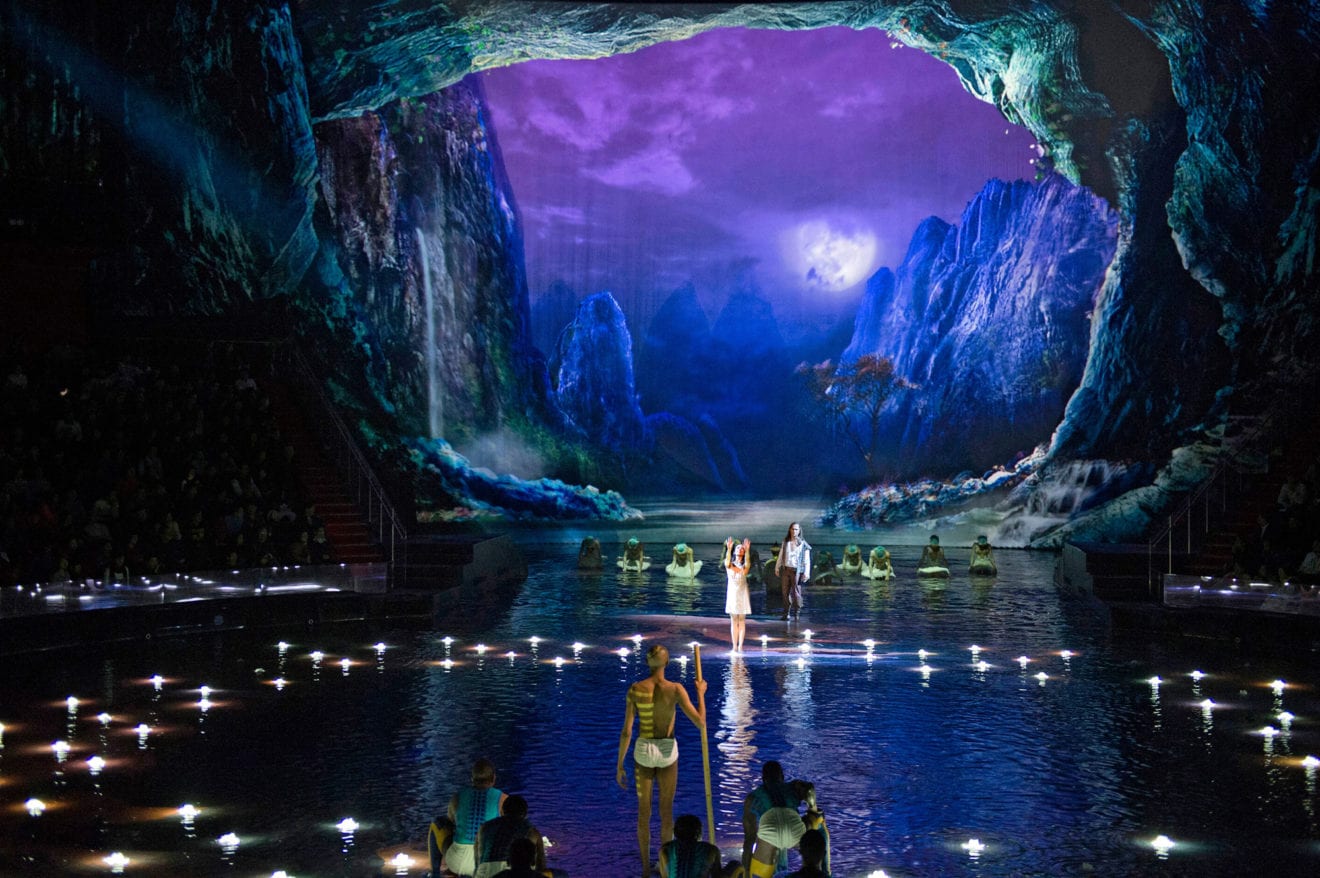
  • Aeon Malaysia plans two new malls

    Aeon Malaysia plans two new malls

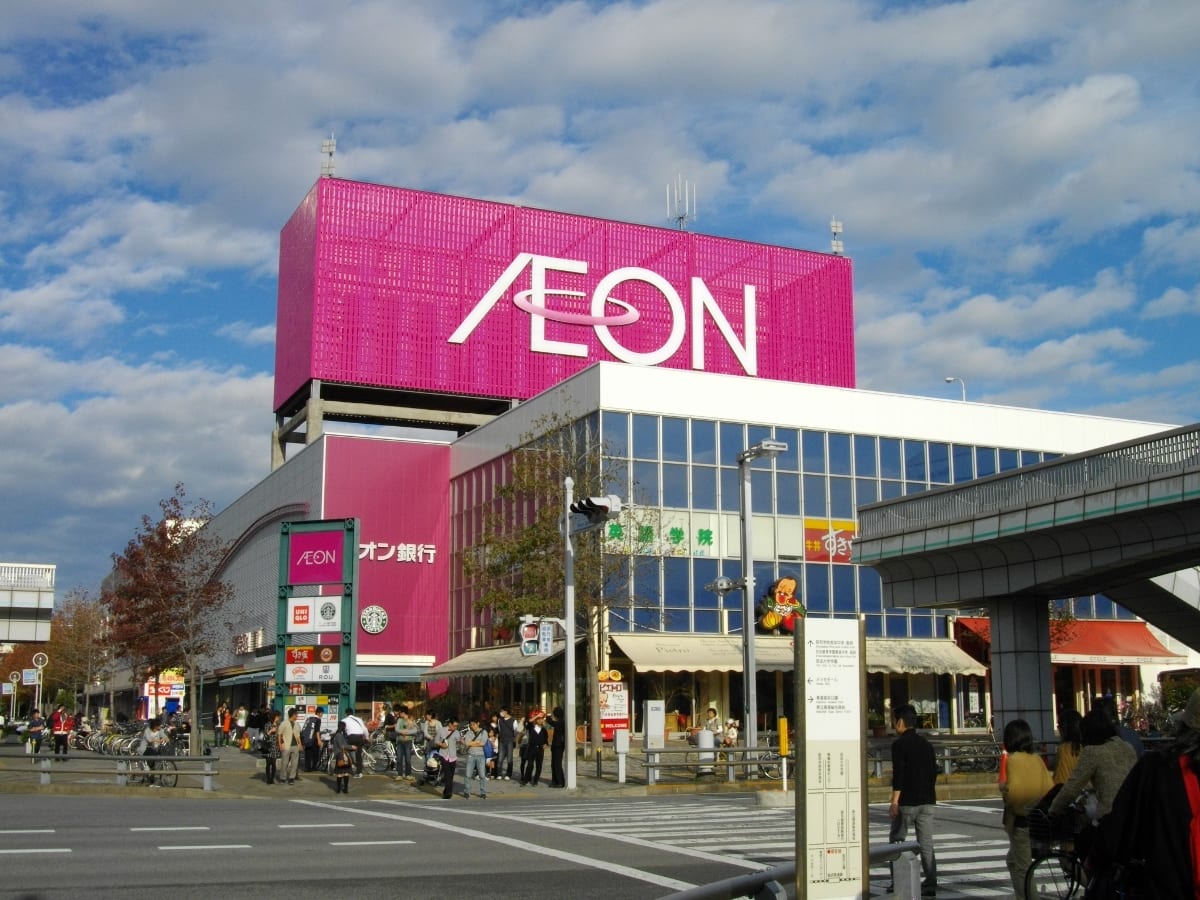
    Aeon Malaysia will build two new malls this year, at a cost of 450 million Ringgit (US$121 million).

    Aeon Malaysia currently has 23 malls across the country, 29 Aeon hypermarkets and four smaller stores branded MaxValu.

    The two new centres will be built in Klebang in Perak and in Shah Alam in Selangor, part of greater Kuala Lumpur.

    “This has always been part of our expansion plan here,” explained Aeon Malaysia MD Nur Qamarina Chew.

    “Malaysia has shown resilient growth despite the ongoing economic challenges.”

    The company targets middle- and upper-income segments of Malaysian consumers, including the expat community.

    In a separate move, Aeon Malaysia will undertake a rebranding of its portfolio as it positions itself as ‘the primary retail lifestyle hub’ in the country.

    A budget of 8 million Ringgit ($2.1 million) has been set aside to rebrand the shopping centres Aeon Mall and adopt the tagline “Do Mall”.

    The company says it will work to create new activities and events at its malls throughout the year to encourage the perception of lifestyle rather than just a destination to go shopping.

    “We celebrated our 30th anniversary in Malaysia last year and it is time to rebrand Aeon as a lifestyle destination rather than just a shopping centre as we begin our new decade here,” said Chew.

    “We also think the timing is idea with this rebranding exercise, given the ongoing economic challenges and the new GST, as we would like our customers to spend more time with us for leisure purposes and not just for shopping.”

  • Lazada brings new growth opportunity to crossborder sellers

    Lazada brings new growth opportunity to crossborder sellers

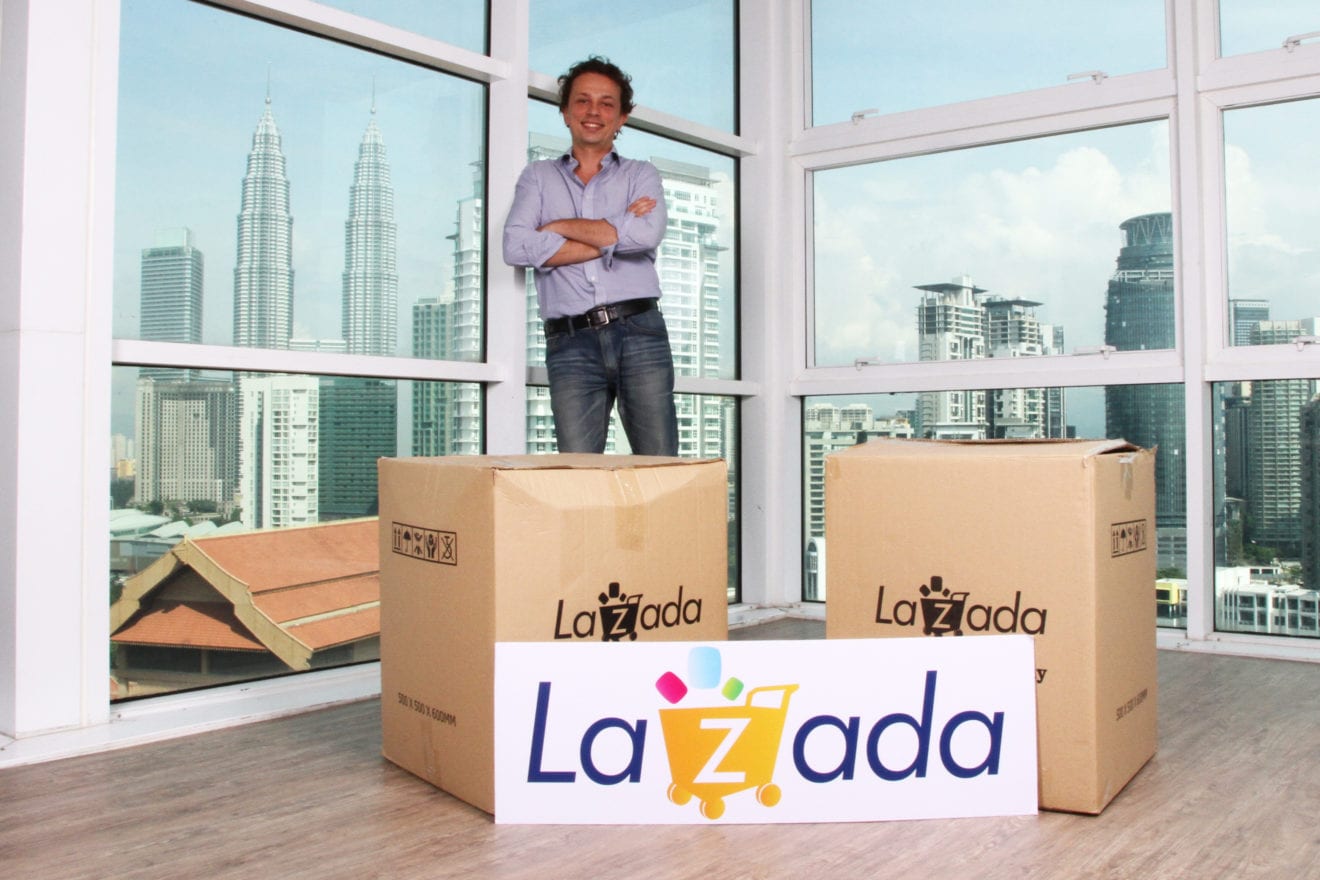
    Southeast Asia’s leading ecommerce player Lazada is offering Hong Kong and China-based brands and merchants the opportunity to expand their businesses to the fast-growing region. Launched in the first quarter of 2012, Lazada Group operates Lazada, the leading online shopping and selling destination for assorted merchandise in Southeast Asia, with presence in Indonesia, Malaysia, the Philippines, Singapore, Thailand and Vietnam. Its operations also extend to Hong Kong, which functions as a sourcing hub.

    The online shopping mall features an extensive product offering in categories ranging from consumer electronics to household goods, toys, fashion and sports equipment.

    Being active for three years, Lazada has rapidly grown to a reported USD1 billion of annualized gross merchandise value (GMV) in March 2015. Its shopping sites and mobile applications welcome over 4 million visits daily and 55 million unique visitors monthly.

    “We see tremendous potential in Southeast Asia as consumers continue to embrace online shopping largely facilitated by the rise of internet and increasing mobile penetration. As the leading ecommerce player, we offer brands and merchants in Hong Kong and China with the only single retail gateway to enter Southeast Asia,” Aimone Ripa di Meana, CEO Crossborder, Lazada Hong Kong said in a media briefing on Thursday.

    The AT Kearney report Lifting the Barriers to eCommerce in ASEAN published on February 2015 showed that ecommerce represents around 1 percent of total retail sales in Southeast Asia compared to 7.2 percent in China, highlighting the massive potential and room for growth in the coming years.

    Ever since its launch, Lazada Group has grown rapidly to include approximately 4,000 employees across Southeast Asia. The company has the largest Facebook following in Southeast Asia with over 12 million fans.

    The online retailer is pioneering ecommerce in the region by providing customers with an effortless shopping experience with multiple payment methods including cash-on-delivery, extensive customer care and free returns. Lazada provides brands and merchants with simple and direct access to approximately 550 million consumers in six countries through one retail channel. The e-commerce giant offers sellers a one-stop solution to Southeast Asia through its fully integrated online platform where they can manage product assortment, pricing, promotions and orders.

    “Prior to Lazada, there has never been a one-stop retail solution addressing local requirements across six diverse countries,” said Meana. “The opportunity for sellers in Hong Kong and China to capture the growth and build their future in Southeast Asia is now.”

  • La Cure Gourmande lands in Asia

    La Cure Gourmande lands in Asia

    French confectionery brand La Cure Gourmande has chosen Korea for its Asian market debut.

    The sweets specialist has opened its first outlet in the continent inside the Lotte Department Store Sogong-dong downtown Seoul.

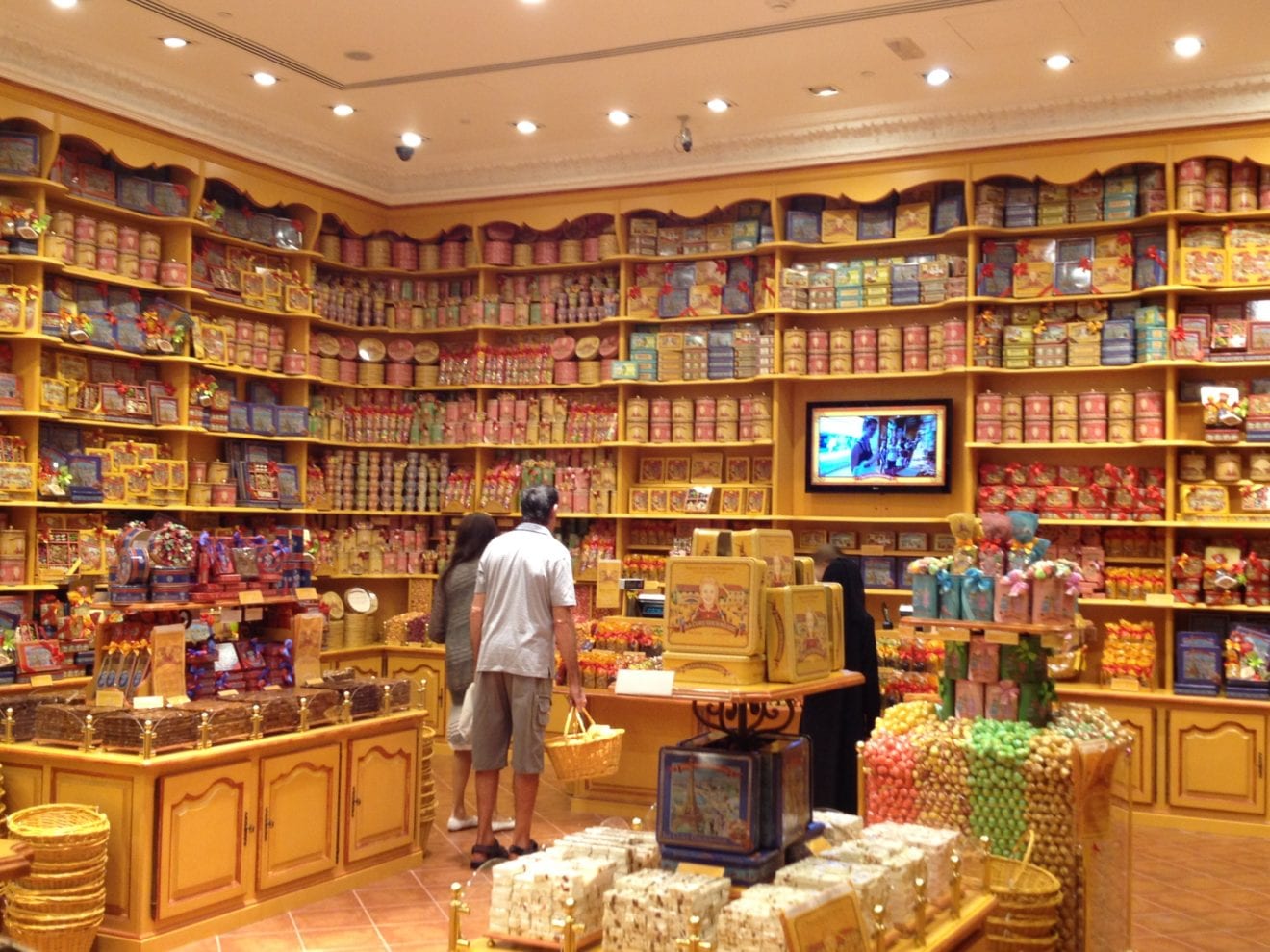
    The 36 sqm bright yellow coloured store offers more than 30 kinds of candies, cookies, caramels and chocolates, all imported from France. The Korea Herald reports that on its first day of trading, it grossed the highest sales in the department store’s food section.

    Customers are encouraged to taste and inspect the candies, with store staff named “Sunshine” offering samples.

    “We want people to feel nostalgic when they enter the store, bring back their memories of going to an old candy store and sticking their noses into the cookies and caramels,” said Edouard Hennebert, the company’s founder.

    La Cure Gourmande plans two more stores-in-stores inside department stores in southern Seoul and Gyeonggi Province and says it will offer up to 150 kinds of product by the end of the year.

    The French company’s debut in Korea is the result of Lotte staff seeking unique brands to create a point of difference from rival department stores Shinsegae and Hyundai.

    “Lotte Department Store was searching for dessert brands that could cement their market status as a high-end and luxury retail channel, just like what Louis Vuitton and Chanel used to three decades ago,” said Stephane Lo, CEO of La Cure Gourmande Korea.

  • Menya Sandaime makes Australian debut

    Menya Sandaime makes Australian debut

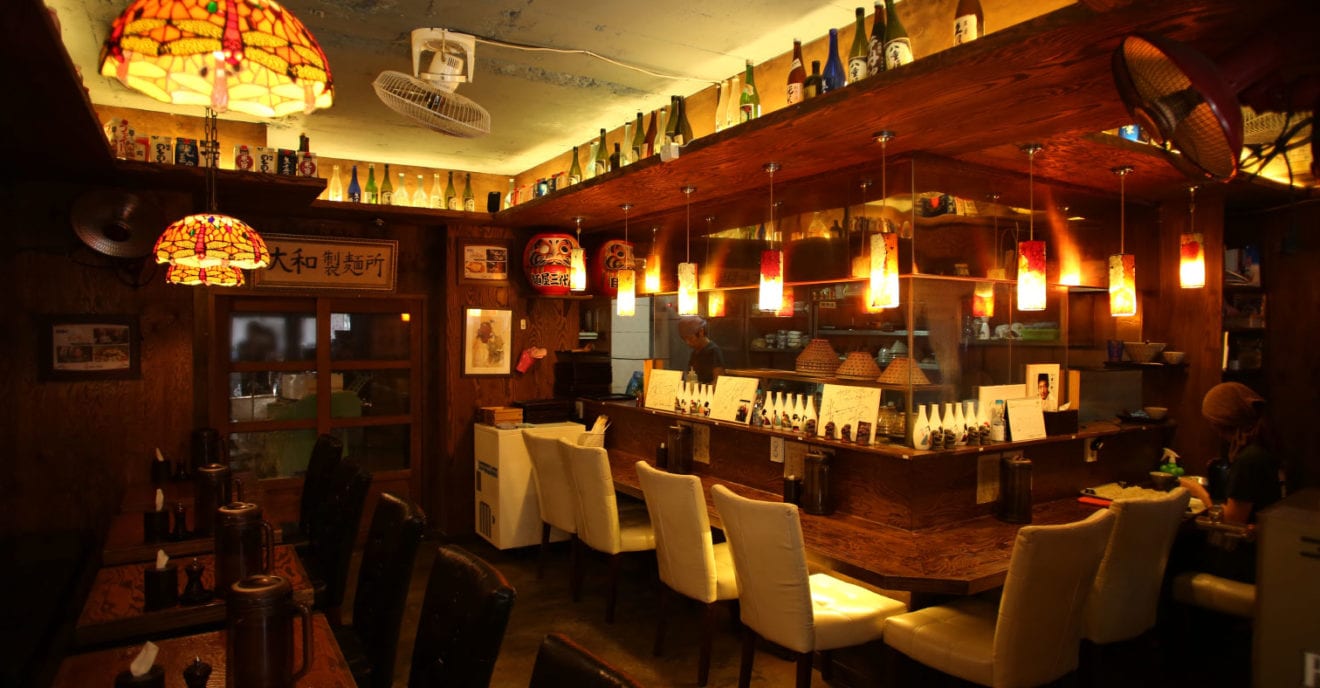
    South Korean restaurant chain Menya Sandaime is to open its first restaurant in Australia – in the Melbourne CBD.

    The chain has chosen a prime site on Russell St in the Victorian capital’s CBD, according to Savills Australia Victorian retail director, Michael Di Carlo, who brokered the deal, with colleagues Jeremy Marmur and Jock Thomson.

    Menya has taken a 10 year lease on the 93 sqm site.

    Menya Sandaime specialises in Japanese ramen dishes and chose Melbourne for its Australian debut due to the city’s reputation as a multicultural community with a well developed appreciation of foreign foods. Its website says it adheres to strict Japanese traditions in preparing its food, including brewing meat broth for at least 24 hours.

    “Melbourne has the second biggest population of Koreans in Australia but also a community which loves food and especially Asian food.

    “The location near Chinatown, QV and Lonsdale St attracts strong pedestrian traffic to the many food and beverage operators in the area, [thus] was a very good fit,’’ Di Carlo said.

  • Courts partners with Ace Hardware

    Courts partners with Ace Hardware

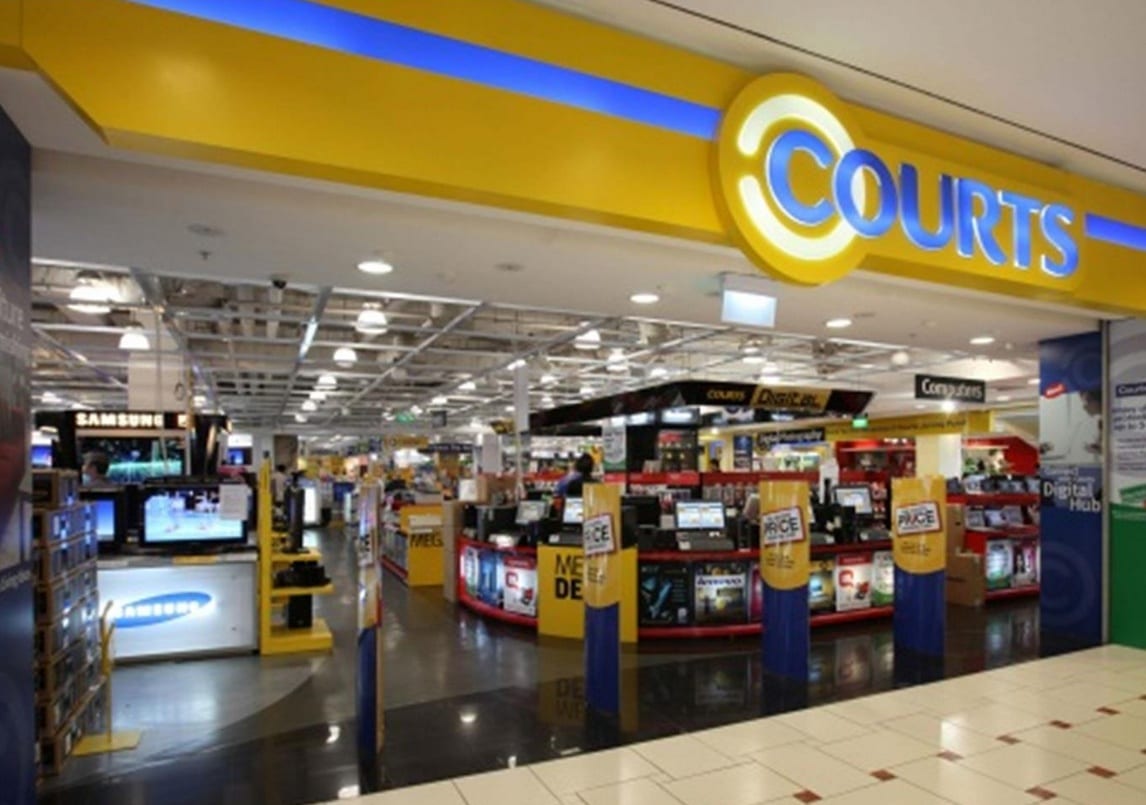
    Singapore electrical goods and homewares chain Courts is expanding its hardware offer with a concession deal with US brand Ace Hardware.

    Ace already has standalone stores in Indonesia and the Philippines. Now it will open stores-within-stores in selected Courts stores, starting with an 8000 sqft space in the flagship Megastore in Tampines. It is not yet clear if Courts will take the brand into its Malaysia stores as well.

    Courts has signed a 10 year partnership with Illinois-based Ace Hardware, which has 4600 stores globally and turns over over $13 billion annually.

    In a separate agreement, Courts will partner with Danish retailer JYSK to open concessions selling homewares

    They are Ace Hardware International Holdings, and Danish retail chain JYSK, which sells mattresses, furniture and home interior decor. Despite being Denmark’s largest international retailer, it has an Asian presence to date only in China and Indonesia, where it trades under the JYSK Nordic brand.

  • JD.com opens world to Chinese shoppers

    JD.com opens world to Chinese shoppers

    JD.com, China’s online direct sales company, has unveiled JD Worldwide, its new cross-border eCommerce platform.

    JD Worldwide provides Chinese consumers with the most convenient way to purchase authentic imported products, including many not previously available in China, and enables international producers and suppliers to sell directly to Chinese consumers without requiring an established presence in China.

    Through the JD Worldwide platform, Chinese shoppers can order goods from hundreds of brands and sellers in overseas markets including Australia, France, Germany, Japan, South Korea, New Zealand, the UK and the US, among others, while enjoying JD.com’s industry-leading user experience.

    Fully integrated with the existing JD.com platform, JD Worldwide features both direct sales and marketplace channels. It currently hosts about 450 online shops, which offer over 150,000 SKUs of high-demand imported products from more than 1200 brands. Customers can place orders seamlessly through JD’s website and mobile applications and have purchases delivered directly to their homes or offices in China, without the typical inconveniences associated with international shipping, customs and language issues.

    The platform also enables international producers and sellers to sell directly to Chinese consumers without needing to establish a legal presence in China, significantly lowering the barriers to entering the China market for global brands. JD Worldwide will offer a range of support to retailers to enable them to take full advantage of the JD Worldwide platform, including support on marketing toJD.com’s nearly 100 million active users and access to JD.com’s extensive nationwide logistics network.

    As part of the JD Worldwide launch, the company also announced the launch of “Best of eBay Deals,” a pilot program on the new platform in partnership with eBay. Responding to growing demand from Chinese consumers seeking items from eBay’s global inventory, eBay’s channel on JD Worldwide will showcase a variety of top categories and popular brands at attractive prices from select, trusted eBay sellers from the US.

    “JD.com has once again raised the standard for integrated e-commerce solutions in China with the launch of JD Worldwide, the most convenient way for Chinese consumers to purchase imported products,” said Richard Liu, JD.com founder and CEO.

    “This new cross-border sales platform marks a major step forward in connecting Chinese consumers with international brands. By combining the advantages of China’s cross-border free trade zones, JD’s warehouses and unparalleled last-mile logistics network, and our experience developing winning marketing campaigns for our partners, JD Worldwide gives international sellers and brands the most comprehensive and effective solution available for reaching Chinese consumers.”

    Liu said that consistent with the company’s overall strategy, it is committed to growing JD Worldwide at a manageable pace to ensure the highest quality products and merchants, the best shopping experience for our customers, and strong sales results for its partners.

    When making purchases through JD Worldwide, consumers will enjoy the same guaranteed product authenticity, prices and reliable customer service they expect from JD.com. Supported by favorable trade policies in China’s e-commerce free trade zones, JD Worldwide employs bonded warehouses to ensure the fastest times for customs clearance and delivery to consumers.

    JD.com has established an exclusive customer service hotline and after-sales customer support team specifically dedicated to JD Worldwide, with live online support provided to international marketplace merchants. As across all of JD’s sales platforms, stringent controls have been implemented to ensure that only high-quality marketplace merchants and authentic products are permitted on JD Worldwide.

  • Benetton stumps up for Rana Plaza fund

    Benetton stumps up for Rana Plaza fund

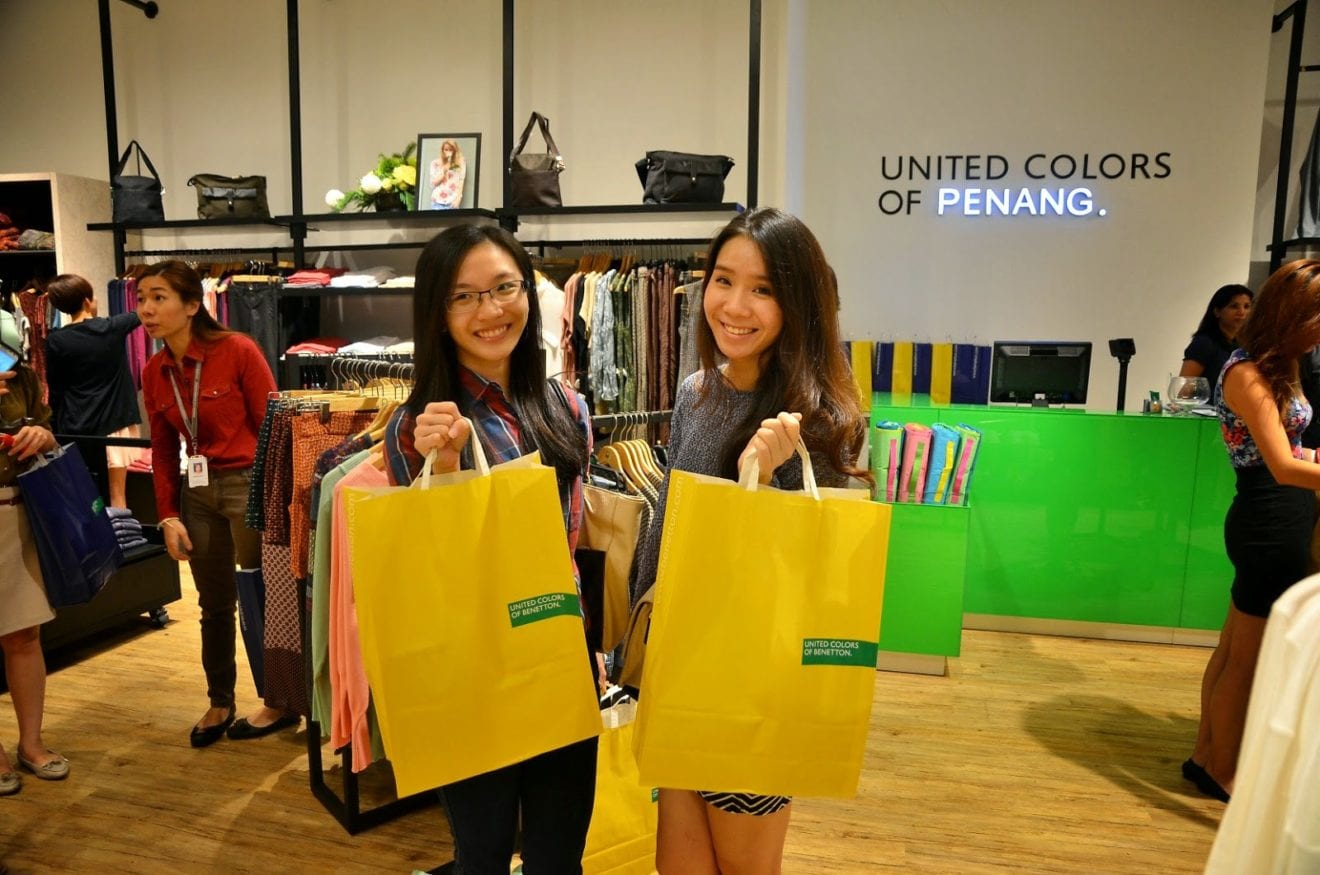
    Italy’s Benetton Group has announced a US$1.1 million commitment to the Rana Plaza Trust Fund.

    But it wasn’t enough to end the criticism from the Clean Clothes Campaign which has for months singled Benetton out for failing to contribute to the fund.

    To end off the predictable salvo from CCC, Benetton engaged PwC to independently assess what contribution it should make to the fund relative to its share of the clothing sourced from the Plaza. That assessment was then checked by WRAP, an NGO focused on special compliance through global supply chains, which endorsed PwC’s recommendation. Benetton doubled the recommended payment.

    Rana Plaza, in the Bangladesh town of Savar, was the scene of the 2013 disaster where 1129 workers were crushed to death in the collapse of sweatshops producing clothing for western fashion brands.

    Benetton’s contribution follows an earlier $500,000 payment made through the BRAC organisation prior to the trust fund being established.

    “We welcome the PwC report and WRAP’s contribution. We have decided to go further to demonstrate very clearly how deeply we care,” said Marco Airoldi, CEO of Benetton Group. “Whilst there is no real redress for the tragic loss of life we hope that this robust and clear mechanism for calculating compensation could be used more widely. For this reason, we decided to make the PwC report publicly available to all stakeholders”.

    “Benetton has a proud history of social commitment. We believe that by working closely with the right suppliers we can help to improve factory conditions for workers in Bangladesh and in many other parts of the world,” he added.

    But Clean Clothes Campaign was unimpressed.

    “Benetton had a real opportunity to emerge as a leader and prove that their pledges of empathy, understanding, and care for the welfare of the victims were not just some PR spin.  Unfortunately, the true colours of Benetton are now revealed” said CCC spokeswoman Ineke Zeldenrust.

    “In February Benetton announced they would pay ‘within a few weeks’ and that they engaged an independent credible third party to determine how much they should pay.  Today, Benetton finally revealed this to be global accounting firm PricewaterhouseCoopers (PwC). The US based World Wide Responsible Apparel Program (WRAP), which Benetton described as an ‘NGO working on social compliance endorsed the PwC assessment. WRAP is in fact an industry sponsored social auditing and certification organisation with one of the worst track records in the industry. The Garib and Garib factory for example, that went up in flames, killing people, in Dhaka in 2010, was WRAP certified at the time,” the CCC statement continued..

    “Benetton again wasted time, spending money on a process in order to try to legitimise their insufficient payment. It’s deeply troubling that Benetton engaged a firm with no track record on human rights issues to lead their process.

    “Red flags need to go off when the PwC assessment is only endorsed by one of the least reputable auditing firms in a very flawed sector.  Let’s be clear, Benetton’s process was not transparent.  The process excluded all trade unions and labour rights organisation directly involved in compensation efforts in Bangladesh,” says Zeldenrust.

    Benetton was one of 29 brands connected to companies operating in the Rana Plaza building.

    The Italian company said PwC based its report on an assessment from the International Labour Organisation that in total $$30 million compensation should be paid into the Rana Plaza Trust Fund. “PwC calculates Benetton Group’s contribution to be $550,000 based on the level of its commercial association with the Rana Plaza.

    “However PwC has not factored in contributions from other third parties, such as the Bangladesh government and the Bangladesh Garment Manufacturers Exporters Association, unions and others. This means that, if its mechanism were followed by all brands operating at the Rana Plaza, after payments from other third parties the total fund could significantly exceed $30 million.

    “Based on Benetton’s commercial association with Rana Plaza, we believe this is a fair basis to calculate payments to the Rana Plaza Trust Fund as quantified by ILO,” said Sudhir Singh Dungarpur, Partner PwC India.

    “With a tragedy of this scale, no financial compensation can ever really be enough, but we welcome Benetton’s decision to pay more than its calculated share of the fund based on the report published by PwC,” said Avedis Seferian, president and CEO of WRAP. “If everyone took the same approach as Benetton, the overall fund could more than exceed its stated goals”.