Author: Mei Ling Tan

  • VinFast Anticipates 2024 Sales Surge, Aiming for Double Deliveries by 2025

    VinFast Anticipates 2024 Sales Surge, Aiming for Double Deliveries by 2025

    VinFast Sees Strong Revenue Growth Amid Global Market Challenges

    Company Reports Significant Increases in Deliveries and Revenue

    VinFast, the Vietnamese electric vehicle (EV) manufacturer, has demonstrated impressive revenue growth in its unaudited financial statements for Q4 and the full year of 2024, despite facing uncertainties in the global market. The company posted a remarkable quarterly revenue of VND 16.5 trillion (approximately US$678 million), marking a 70% increase compared to the previous year. Total revenue for 2024 reached VND 44 trillion, a 58% year-on-year growth.

    Surge in Electric Vehicle Deliveries

    In an outstanding performance, VinFast delivered over 53,000 EVs in Q4 alone, a staggering 143% increase from Q3 and more than 20 times higher than the same period last year. The total number of vehicles delivered throughout 2024 approached 97,400 units, representing a 192% surge over 2023. Moreover, the company’s electric motorcycle sales remained robust, with nearly 71,000 units sold during the year.

    Robust Financial Backing from Parent Group Vingroup

    VinFast continues to benefit from strong financial support from its parent company, Vingroup, and founder Pham Nhat Vuong. As of the end of Q1 2025, Vuong has infused $411 million in non-refundable assistance as part of a larger $2.1 billion commitment. Additionally, Vingroup has pledged up to $1.4 billion in further funding to support VinFast’s growth trajectory.

    Strategic Expansion into International Markets

    VinFast is aggressively expanding its presence in international markets. In Indonesia, the company exported nearly 2,500 vehicles in Q1 2025 and established 22 dealerships. The Philippines has also welcomed five model offerings, following the successful launch of the VF 6, with plans to expand to 60 stores across the country.

    In North America, VinFast has transitioned from a direct-to-consumer model to a dealer-based sales approach, successfully setting up 38 dealerships across 16 U.S. states. In Europe, deliveries of the VF 6 have commenced, and the company is ramping up its distribution network.

    Innovations in Domestic Market Offerings

    On the domestic front, VinFast has introduced a new “Green” EV lineup designed for transport services, with plans to initiate deliveries for two models in Q2 and two additional models by August. This move aligns with the company’s commitment to enhancing sustainable mobility solutions.

    Commitment to Growing Market Share in 2025

    Looking ahead, VinFast aims to double its global vehicle deliveries in 2025, focusing on flexibility in its strategies while reinforcing its dedication to green mobility initiatives.

    As consumer trends continue to gravitate towards sustainable mobility, VinFast’s aggressive expansion and innovative offerings not only signify the company’s resilience but may also reshape the retail landscape in the automotive sector. This strategic growth could potentially enhance consumer options and accelerate the transition to electric vehicles globally.


  • DHL Global Forwarding appoints new Chief Information Officer (CIO) and Senior Vice President of Business Process Optimization (BPO) for Asia Pacific

    DHL Global Forwarding appoints new Chief Information Officer (CIO) and Senior Vice President of Business Process Optimization (BPO) for Asia Pacific

    DHL Global Forwarding, the freight specialist of DHL Group, has appointed Björn Müller as Asia Pacific’s Chief Information Officer (CIO) and Senior Vice President of Business Process Optimization (BPO) with effect from May 1, 2025. He succeeds Lawrence Lee, who retired after 13 successful years with the DHL Group.

    “We are excited to welcome Björn to Asia Pacific, a region that is a major player in the global freight industry, driven by its rapid economic growth and increasing trade volumes. I look forward to Björn steering the next phase of innovation within our team. His extensive experience in Europe and expertise in driving efficiency through digital solutions will be invaluable to our growth in the region,” said Niki Frank, CEO, DHL Global Forwarding Asia Pacific.

    Müller joined DHL in 2011 as a Senior Consultant for strategic logistics, IT and finance projects before moving to DHL Global Forwarding as Head of Service Catalogue & Product Excellence in 2015. He later assumed the role of Vice President, Digital Customer Interaction.

    In his most recent role as CIO at DHL Freight DACH (Germany, Austria, Switzerland), UK & Ireland, Müller renegotiated major supplier contracts and fostered collaboration across all business and support functions. In 2024, he led the implementation of EVO, the single TMS for all DHL Freight operations across Europe. Wearing a second hat as the Managing Director of Agheera, a telematics solutions provider and subsidiary of the Group, Müller also consistently delivered year-over-year EBIT growth.

    “I am thrilled to join the fantastic team in Asia Pacific and continue its growth trajectory. The freight industry is evolving quickly with digital transformation, and I am eager to work with the team to see how we can further enhance operational efficiency and customer experience. Building on the strong foundation set by Lawrence, I also hope to bring in fresh ideas to meet our customers’ needs and keep DHL Global Forwarding at the forefront of the Asian logistics market with new technology and innovation,” added Müller.

    Based in Singapore, Müller will report directly to Guido Rietra, CIO, DHL Global Forwarding and Freight, with a dotted line to Frank.

  • Qatar Airways Cargo named launch customer of Mammoth Freighters 777-200LRMF

    Qatar Airways Cargo named launch customer of Mammoth Freighters 777-200LRMF

    Qatar Airways Cargo has been named launch customer of the Mammoth Freighters 777-200LRMF and has finalised an agreement for five (5) aircraft with Jetran, LLC – a Horseshoe Bay, Texas-based leader in aircraft leasing, sales, and aviation services.

    Mark Drusch, Chief Officer Cargo at Qatar Airways Cargo commented: “As the launch customer of the Mammoth 777-200LRMF converted freighter, Qatar Airways Cargo proudly continues to lead global trade as the world’s largest air freight carrier. This additional freighter capacity will be instrumental in advancing our fleet growth and expanding the premium cargo services we provide to customers worldwide. The growth of our fleet with the Mammoth 777s reflects our commitment to operating the largest freighter network and fleet in the industry.

    Mammoth Freighters LLC (“Mammoth”) has also announced the successful completion of the initial test flight of its 777-200LRMF prototype freighter.  The prototype aircraft, now registered as N705DN, took to the skies following an extensive and rigorous conversion process at Mammoth’s modification partner facility, Aspire MRO, in Fort Worth, Texas. This achievement demonstrates the advanced capabilities of the Mammoth 777-200LRMF, designed to set new standards for productivity and economy in the long-range widebody freighter market.

    “This milestone is the culmination of years of dedicated engineering, collaboration, and innovation. Our mission is to deliver one of the world’s most productive and economical long-range freighters, and today’s achievement is a testament to the hard work and expertise of our entire team and partners.” said Bill Tarpley, CEO of Mammoth. “We are also thrilled to announce Qatar Airways Cargo as the launch customer for our 777-200LRMF freighter. Their commitment reflects the long-term value and capabilities this aircraft offers.”

    “Witnessing the successful completion of the 777-200LRMF’s initial test flight was both exciting and reassuring,” said Jetran’s CEO, Jordan Jaffe. “The aircraft exceeded expectations and reinforced our confidence in Mammoth’s engineering and conversion capabilities. We’re proud to have Qatar Airways Cargo play such a prominent role as launch customer for this groundbreaking program and look forward to its certification and entry into service.”

    The Mammoth 777-200LRMF features the advanced Collins Aerospace cargo loading system, specifically optimized for the 777 passenger-to-freighter market. This system, developed over three years of close collaboration, ensures high levels of parts commonality and operational reliability—attributes already proven on 777 production freighters worldwide.

    Currently, Mammoth has seven (7) 777-200/-300 aircraft undergoing conversion: five (5) at Aspire MRO in Fort Worth, Texas, and two (2) at STS Aviation Services in Manchester, UK. The company holds firm orders for 35 freighter conversions across a diverse portfolio of customers.

  • Revolut Drives Retail Growth Amid Rising Consumer Demand

    Revolut Drives Retail Growth Amid Rising Consumer Demand

    Neobank Revolut is on the rise, showcasing impressive advances in customer acquisition and transaction volume while expanding its presence in Switzerland.

    British fintech giant Revolut continues its upward trajectory, demonstrating strong performance with a 72% revenue increase, now totaling £3.1 billion (approximately 3.41 billion francs), as stated in their latest annual report published Thursday. This impressive growth reflects their ability to scale effectively across nearly 30 countries, attracting a burgeoning global customer base.

    Soaring Profits and Customer Base

    In 2024, Revolut’s pre-tax profit soared by 149% to £1.09 billion, while net profit surged by 130% to £790 million. As of year-end, Revolut boasted 52.5 million customers worldwide—a 38% increase—outpacing established banking institutions. For context, HSBC, the UK’s largest bank, currently serves 41 million customers.

    The innovative neobank processed an astonishing £1 trillion in total transaction volume, with a peak of 940 million transactions occurring in December alone.

    Expanding Service Offerings

    CEO and co-founder Nik Storonsky emphasized the company’s multifaceted growth, stating, “We not only accelerated our customer growth and added almost 15 million new users globally, but also achieved deeper customer engagement through a wider range of our services in both retail and Revolut Business.” This expansion strategy aligns with their ambitious aim of reaching 100 million active customers in 100 countries.

    Strategic Expansion Plans

    Revolut is set to launch its banking services in Mexico and has recently secured a license for prepaid payment instruments (PPI) from the Reserve Bank of India. Additionally, the company has ten more license applications pending, reflecting its aggressive expansion strategy. Growth has been particularly robust in Southern Europe and the Nordic region, with plans to further penetrate the Asia-Pacific and Middle Eastern markets.

    Navigating Rising Costs and Workforce Growth

    As Revolut accelerates its growth, operational costs have risen by 50% to £1.4 billion, largely attributed to a 60% increase in personnel expenses, totaling £794 million. The workforce expanded significantly, reaching 10,133 employees at the end of the year, up from 8,152.

    Focus on Switzerland

    Revolut’s growth in Switzerland has been particularly noteworthy, with a 29% increase in private customers and a 41% rise among business clients. Swiss users recorded nearly 70 million card and ATM transactions—a remarkable 30% growth from the previous year—while domestic transactions rose by 29%. The company has also launched services in Switzerland, facilitating QR code payments through a “virtual” Swiss IBAN.

    In the UK, Revolut operates with a restricted banking license and utilizes a full license in Lithuania for its EU operations. This strategic positioning enables the fintech leader to leverage its offerings in various markets.


    The ongoing success of Revolut not only enhances its standing in the fintech landscape but also signifies broader trends in consumer behavior and technological advancement. As digital banking evolves, consumers can anticipate more innovative solutions and increased competition among financial service providers, ultimately reshaping the retail sector.

  • Prices Plummet in Half of Hanoi’s Historic Apartment Projects

    Prices Plummet in Half of Hanoi’s Historic Apartment Projects

    Hanoi Real Estate Market Sees Moderate Price Declines Amid Shifting Demand

    Recent data reveal a slight downturn in property prices across Hanoi, signaling a shift in consumer trends within the real estate sector. According to a comprehensive analysis of over 400 projects, average prices have dropped by 1% compared to the last quarter of 2024. This trend aligns with findings from property listing platform Batdongsan, which also reports notable price decreases in several residential projects.

    Consistent Price Drops for High-Profile Developments

    In-depth surveys by VnExpress highlight year-on-year price contractions of 2-6% across sought-after projects such as Hanoi Paragon, Mipec Rubik 360, and Master West Heights. For instance, a typical 64-square-meter apartment in Long Bien District is now listed at VND4.4 billion (approximately $169,400), reflecting a decline of 3.9% from the previous year.

    Market Stability Amid Changing Seller Strategies

    While prices of new properties on the primary market remain stable at VND79 million per square meter, many apartment sellers are recalibrating their strategies. Do Thu Hang, Senior Director of Advisory Services at Savills Hanoi, notes that sellers are increasingly seeking to make quick profits and diversify their investments. This shift has prompted many to reconsider their pricing, especially as demand softens.

    Nguyen Hoai An, a senior director at property consultancy CBRE Hanoi, observes that prices of older apartments have surged by 40% over the past two years. However, she warns that the absence of supportive market factors suggests difficulty in maintaining such growth. “Many sellers no longer anticipate large profits and may struggle to attract buyers without price reductions,” she explained.

    Speculative Buyers Face Financial Challenges

    Pham Duc Toan, CEO of developer EZ Property, points out that many current apartment owners are speculators looking to capitalize on quick returns. With only 15-20% of the purchase price paid upfront, some buyers find themselves unable to meet subsequent payment obligations and are thus compelled to offload their properties.

    New Developments Drive Market Dynamics

    The market is further influenced by an influx of new condo supply, with Savills projecting the addition of 7,400 new units by the end of the year, primarily in suburban districts like Dong Anh, Hoai Duc, and Hoang Mai. Looking ahead to 2026, industry experts anticipate that primary market prices may decline as developers pivot toward affordable housing to better align with actual market demand.

    “Reintroducing units priced below VND2 billion will help create a more sustainable balance between supply and demand,” Hang added, emphasizing the importance of catering to underserved segments.

    Implications for the Retail Sector

    This evolving landscape in Hanoi’s real estate market may have significant implications for the broader retail sector. As consumer trends shift and property values adjust, retailers will need to adapt their strategies to align with changing demographics and purchasing power. The current dynamics underscore the necessity for brands to remain agile and responsive in an increasingly competitive environment.

  • Gold Prices Surge to Five-Day High Amid Rising Consumer Demand

    Gold Prices Surge to Five-Day High Amid Rising Consumer Demand

    Vietnam’s gold prices reached a five-day peak on Tuesday morning, reflecting a notable uptick in consumer demand and market activity.

    Local Gold Market Highlights

    The Saigon Jewelry Company reported that gold bars increased by 1.51%, now priced at VND 121.3 million (approximately $4,668.98) per tael, equivalent to 37.5 grams or 1.2 ounces. Additionally, the price for gold rings rose by 1.3%, now sitting at VND 116.5 million per tael. Since the beginning of the year, gold prices in Vietnam have surged by an impressive 44%, driven by robust consumer interest and changing economic conditions.

    Global Market Trends Impact Pricing

    On the international stage, gold experienced a slight decline as easing trade tensions between the U.S. and its trading partners waned the metal’s appeal as a safe haven. As reported by Reuters, spot gold dipped by 0.4% to $3,329.12 per ounce at 02:11 GMT, while U.S. gold futures fell by 0.2%, trading at $3,342.40.

    Market analysts attribute this shift to an improved risk environment, suggesting that optimism regarding future trade agreements has alleviated some concerns. “The sentiment has brightened as market participants are hopeful that the worst of the trade tensions is behind us,” stated IG market strategist Yeap Jun Rong.

    Economic Concerns Linger

    Despite positive trends, there are warnings about potential recession risks looming over the global economy. A recent Reuters poll revealed that many economists believe policies such as tariffs imposed by the Trump administration have negatively impacted business sentiment. Nevertheless, analysts like Rong foresee long-term support for gold prices due to ongoing reserve diversification by emerging market central banks.

    Looking Ahead: Impact on Retail and Consumers

    As gold prices fluctuate, their implications extend beyond investment and into the broader retail sector. The increased consumer interest in gold can influence not only prices but also spark greater activity in jewelry sales and investments. Retailers may see heightened demand as consumers seek to navigate uncertain economic landscapes, ultimately shaping consumer trends and brand expansion strategies in the gold market.

  • Dollar Declines Against Dong: Impacts on Retail Sales and Consumer Demand

    Dollar Declines Against Dong: Impacts on Retail Sales and Consumer Demand

    The U.S. dollar experienced a modest decline against the Vietnamese dong on Tuesday morning, following a drop observed on Monday. This movement reflects the ongoing volatility in the global market, particularly concerning U.S.-China trade negotiations.

    Current Exchange Rates

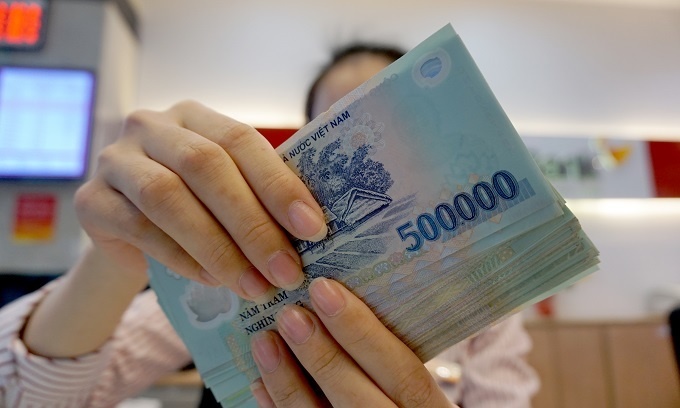
    According to Vietcombank, the dollar was sold at VND 26,160, representing a 0.04% decrease. Meanwhile, the State Bank of Vietnam has maintained its reference rate at VND 24,956. In unofficial exchange venues, the dollar was priced at VND 26,520, marking a slight 0.11% increase.

    Despite the dip, the U.S. dollar has exhibited a 2.38% rise against the dong since the start of the year, indicating a complex interplay of economic factors.

    Global Context

    On a broader scale, the dollar struggled to regain losses on Tuesday amid persistent ambiguity over the de-escalation of the Sino-U.S. trade dispute. Treasury Secretary Scott Bessent emphasized that the responsibility for initiating negotiations lies with China. Comments like this contribute to mixed signals regarding the progress of talks between the world’s two largest economies, as reported by Reuters.

    In the global market, the dollar saw slight improvements, gaining 0.11% against the yen to reach 142.19, and rising 0.18% against the Swiss franc at 0.8217, rebounding from a steep 1.2% fall the previous day.

    Looking Ahead

    The dynamics of the currency market are likely to continue to shift as investor confidence wavers amidst global economic uncertainties. The fluctuating exchange rates not only affect businesses but also consumers, shaping their purchasing power and overall economic sentiment.

    As the retail sector navigates these changes, staying informed on currency movements could prove vital for businesses and consumers alike, especially in light of ongoing consumer trends and brand expansions that may be influenced by international economic policies.

  • Sygnum Capitalizes on Blockchain Growth in Lugano’s Retail Landscape

    Sygnum Capitalizes on Blockchain Growth in Lugano’s Retail Landscape

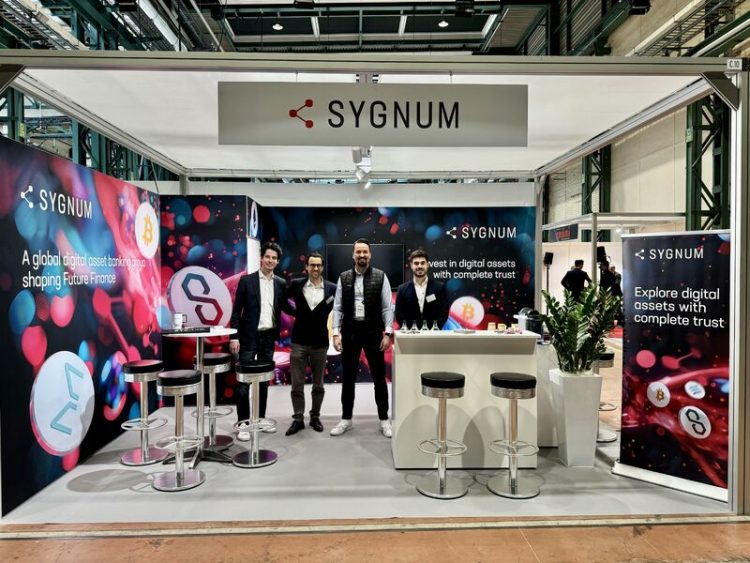
    Swiss digital asset banking group Sygnum has launched its latest office in Lugano, aiming to strengthen collaborations within the burgeoning Bitcoin and digital asset ecosystem of Ticino. This move coincides with the city’s ambitious Plan ₿ initiative, which promotes broad blockchain adoption.

    Driving Digital Innovation in Ticino

    With the opening of its Lugano office, Sygnum takes another significant step in its growth journey. “Lugano is emerging as a crucial innovation hub, bolstered by robust support for digital assets, institutional adoption, and increasingly clear regulatory frameworks,” explained Mathias Imbach, Sygnum’s co-founder and Group CEO, during the launch event.

    A Progressive Stance on Digital Assets

    In recent years, Lugano has established itself as a leader in digital asset acceptance. Residents now have the convenience of settling municipal taxes in Bitcoin and can use various digital currencies for purchases at numerous local businesses, reflecting a growing consumer trend towards cryptocurrency.

    The Ambitions of Plan ₿

    Plan ₿ is not just about fostering a crypto-friendly environment; it seeks to revolutionize the city’s financial infrastructure using Bitcoin technology. The initiative encompasses groundbreaking projects, including Bitcoin investment pools, sustainable mining efforts, specialized education programs, and notable events like the Plan ₿ Forum.

    “It’s inspiring to witness institutions like Sygnum leverage the opportunities Lugano presents in the fields of digital and financial transformation. Innovation is relentless, and the financial sector is no exception,” added Michele Foletti, Mayor of Lugano and President of the Plan ₿ Foundation.

    Implications for the Retail Sector

    Sygnum’s expansion in Lugano highlights the intersection of finance and retail as consumer demand for digital asset options continues to rise. This move could reshape how companies engage with customers and accept payments, paving the way for more widespread adoption of cryptocurrency in everyday transactions. As brands expand their presence in the digital finance space, the retail landscape is poised for significant transformation.

  • Vietnamese Consumers Drive Demand as 4th Largest Foreign Buyers of Australian Homes

    Vietnamese Consumers Drive Demand as 4th Largest Foreign Buyers of Australian Homes

    In a recent seminar in Ho Chi Minh City, Deborah Wiltshire, Sales Director at The Gurner Group, revealed exciting insights into foreign investment trends in Australia’s booming real estate market. According to data from Australia’s Foreign Investment Review Board, foreigners acquired 5,360 residential properties totaling approximately A$4.9 billion (US$3.1 billion) in 2022-23, with Vietnamese investors showing a notable increase in activity.

    Vietnamese Buyers Increasing Presence

    The appetite for Australian properties among Vietnamese investors has surged, with purchases rising by 15% during the same period. Vietnamese nationals accounted for 8-10% of off-the-plan apartment acquisitions, highlighting a growing trend in this critical market segment.

    Data from Victoria, the top destination for Vietnamese international students in 2024, indicates that sales to Vietnamese buyers have jumped by 10-12% year-on-year. Notably, properties priced between US$800,000 and $1.2 million have emerged as the most sought-after options among these investors.

    Student Attraction Fuels Demand

    A report from CBRE, a leading property consultancy, outlines that 60% of Vietnamese purchases aim to provide accommodation and educational opportunities, while 30% are for investment purposes and 10% cater to migration needs. The city of Melbourne stands out as a prime hotspot due to its urbanization, robust economy, and rich cultural diversity.

    With over one million international student enrollments recorded last year, Melbourne attracts students mainly from China, India, Nepal, the Philippines, and Vietnam. This influx has positioned the city as the fastest-growing capital in Australia, promising further development opportunities.

    Growth Outlook Amid Challenges

    Michael Paproth, Business Manager at The Gurner Group, noted that Australia’s population is projected to grow by 1.8% annually over the next five years, outpacing growth in established economies like Canada and the U.S. However, he also warned that housing development is struggling to keep up with demand, predicting a shortage of approximately 28,000 apartments in the coming years.

    As restrictions limit foreign buyers from acquiring existing properties, off-the-plan purchases attract a relatively low tax rate of 10%, especially when compared to markets like Singapore, which imposes significantly higher rates.

    Rising Wealth and Demand

    Notably, Vietnam is witnessing a steady rise in its high-net-worth population, with around 5,500 individuals boasting a net worth exceeding US$10 million as of 2024. This growth, estimated at 5-18% annually prior to the pandemic, and 2.4-5% post-COVID, fuels demand for overseas properties, including those in Australia.

    Implications for the Retail Sector

    The intensified interest from Vietnamese investors not only signals a promising shift in foreign investment dynamics but also reflects evolving consumer trends that could reshape Australia’s retail and property landscapes. As consumer preferences evolve, retail businesses may look to adapt and align with this growing demand for international investment opportunities.

  • VN-Index Declines as Retail Trading Activity Reaches Two-Week Low

    VN-Index Declines as Retail Trading Activity Reaches Two-Week Low

    On Monday, Vietnam’s benchmark VN-Index saw a modest drop of 0.20%, closing at 1,226.8 points. This decline marks the index’s lowest trading activity in over two weeks, reflecting a period of cautious investor sentiment.

    Highlighted Trends in Trading Volume

    The VN-Index concluded the day down 2.43 points, following a gain of 5.88 points in the previous session. Trading on the Ho Chi Minh Stock Exchange fell significantly, decreasing by 30% to VND 14.153 trillion (approximately USD 544.3 million), the lowest level since April 10. Notably, this dip is attributed to a lack of available sellers amidst eager buyers.

    Excluding this unusually quiet session, current trading levels would represent the lowest in two months, emphasizing a shift in market dynamics.

    Key Movements in Major Stocks

    Within the VN-30 basket, which includes the 30 largest capped stocks, the day reflected mixed fortunes. Thirteen stocks within the basket saw declines, with major players such as Vinhomes Holdings (down 6.1%), FPT Corporation (down 2.6%), and Vietjet Air (down 2.1%) leading losses.

    On a positive note, fifteen blue-chip stocks advanced, with Sabeco (SAB) rising 3.4%, SeABank (SSB) climbing 2.8%, and Fortune Vietnam Bank (LPB) up by 1.5%.

    Foreign Investment Activity

    In a noteworthy trend, foreign investors remained net buyers, accumulating VND 6 billion primarily in shares of Mobile World (MWG), a leading electronics retail chain, and MB Bank (MBB).

    Trends on Other Exchanges

    The Hanoi Stock Exchange’s HNX-Index saw a slight decline of 0.13%. Similarly, the UPCoM-Index for the Unlisted Public Companies Market edged down by 0.03%, reflecting a general trend of subdued trading across the Vietnamese stock market.

    Conclusion: What This Means for Retail and Consumers

    The recent fluctuations in the VN-Index and the accompanying decline in trading volume suggest a cautious atmosphere among investors, potentially impacting broader consumer sentiment and retail growth. As the market adjusts, stakeholders will be keenly observing these trends to gauge their implications for the retail sector and consumer behavior in the coming months.

  • Zurich Fintech Propels Blackrock’s Retail Growth in Cross-Border Wealth Solutions

    Zurich Fintech Propels Blackrock’s Retail Growth in Cross-Border Wealth Solutions

    In a strategic move to enhance its global investment offerings, BlackRock has integrated technology from Zurich-based fintech company Investment Navigator into its Aladdin Wealth platform. This collaboration aims to streamline cross-border compliance and improve product distribution efficiency for financial advisors.

    A New Era for Investment Management

    This integration, announced jointly by both firms on Monday, equips financial advisors with the necessary tools to deliver tailored portfolio proposals for end investors. By simplifying regulatory checks within the Aladdin Wealth platform, this technology facilitates a more transparent and effective investment management process.

    Transformational Digital Solutions

    Investment Navigator, launched in 2014, has developed digital solutions that incorporate regulatory and offering checks along with selling restrictions into the investment lifecycle—from proposals to validation and trading execution. This foundational technology is set to revolutionize how financial advisors manage international investments.

    Venu Krishnamurthy, Global Head of Aladdin Wealth at BlackRock, commented on this initiative, stating, “Wealth management is undergoing a transformation as more financial advisors turn to technology to deliver tailored solutions at scale. Through our collaboration with Investment Navigator, clients can now seamlessly navigate the complexities of cross-border investing within Aladdin Wealth.”

    Implications for the Retail Sector

    This integration not only signals a significant leap in BlackRock’s technological capabilities but also highlights the growing trend of fintech partnerships within the retail investment space. As consumer demand for cross-border investment solutions increases, this development could reshape how financial advisors interact with global markets, ultimately benefiting consumers seeking diverse investment opportunities.

    The partnership between BlackRock and Investment Navigator underscores the crucial role technology plays in enhancing investment management, paving the way for future advancements in the retail sector.

  • A&M Boosts Brand Growth with New Permanent Office in Vietnam

    A&M Boosts Brand Growth with New Permanent Office in Vietnam

    Alvarez & Marsal (A&M) has officially inaugurated its new office in Ho Chi Minh City, enhancing its presence in Southeast Asia. This strategic move comes as Vietnam emerges as a key market characterized by substantial economic transformation and evolving consumer trends, particularly in financial services, retail, and manufacturing sectors.

    A Strategic Expansion Into a Thriving Market

    As A&M broadens its influence throughout Southeast Asia, with established offices in Australia, Singapore, Indonesia, and Malaysia, the firm identifies Vietnam as a vital hub ripe with opportunities. “Vietnam has reached a pivotal moment in its economic journey,” said Utsav Garg, Managing Director and Head of Southeast Asia and Australia. “Our decision to establish a permanent presence in the country reflects our belief in Vietnam’s long-term growth potential and our commitment to supporting companies in achieving sustainable success.”

    Addressing the Complexities of Business Growth

    With Vietnam increasingly integrating into global supply chains, local enterprises are recognizing the need for robust advisory support. A&M offers a suite of services focused on corporate transformation, performance enhancement, and restructuring. As Douglas Jackson, Managing Director and Head of Vietnam at A&M, emphasizes, “We do not merely provide recommendations; we engage closely to implement strategies that yield tangible results.”

    Focus on Practical Solutions with a Hands-On Approach

    Differentiating itself from typical consulting firms, A&M’s “Muddy Boots” philosophy champions active collaboration with clients to develop and execute practical solutions. This approach aligns perfectly with Vietnam’s competitive economic landscape, where actionable insights are paramount.

    Jackson noted that the Ho Chi Minh City office has seen about 50% annual growth, underscoring the increasing demand for A&M’s services. The firm is committed to building a robust local workforce by combining Vietnamese talent with global industry experts, ensuring a balance of local insights and international best practices.

    Dedicated to Supporting Vietnam’s Economic Resilience

    The diverse challenges and opportunities in Vietnam—ranging from regulatory changes to digital advancements—necessitate a reliable partner like A&M. With over 300 professionals across Southeast Asia and Australia, including 70 senior directors with significant industry experience, A&M is poised to deliver both strategic insights and practical solutions tailored to the unique market needs.

    Moving forward, A&M’s continued investment in local talent and its dedication to execution will further position the firm as a trusted ally for businesses navigating Vietnam’s dynamic economic landscape. This expansion not only supports A&M’s growth strategy but also speaks to the potential for enhanced resilience and value creation within the retail sector and beyond.

  • How Artificial Intelligence Fuels Retail Growth Without Job Loss

    How Artificial Intelligence Fuels Retail Growth Without Job Loss

    A fresh global study reveals how Artificial Intelligence is reshaping the workforce—encouraging collaboration, creativity, and leadership.

    The discourse surrounding Artificial Intelligence (AI) often leans toward apprehension about job loss. However, a groundbreaking study titled “Elevating Human Potential: The AI Skills Revolution” presents an encouraging narrative: AI is here to enhance human capabilities rather than diminish them. Conducted by Workday, the study surveyed over 2,500 respondents across 22 countries, highlighting the positive impact AI is having on the modern workplace.

    AI: A Partner in Innovation

    The study unveils that a staggering 93 percent of AI users believe the technology allows them to concentrate on more complex responsibilities. These include strategic thinking, problem-solving, and creative pursuits. Additionally, 83 percent of participants assert that AI fosters creativity and generates new economic value, shifting the perception of AI from a job threat to a collaborative ally in innovation.

    The Importance of Human-Centric Skills

    Amid fears of automation, the study emphasizes the enduring relevance of human-centric skills. Attributes such as ethical decision-making, emotional intelligence, and relationship-building are irreplaceable in an AI-driven future. The findings indicate a critical emphasis on empathy, trust, and cultural awareness, skills that empower individuals in a rapidly evolving workplace.

    The study points out a notable disconnect between employees and managers regarding the need for human connection. While 82 percent of employees express a desire for increased interpersonal relationships, only 65 percent of managers acknowledge this necessity. This gap offers a unique opportunity for leaders to prioritize empathy and cultivate organizational trust, all while leveraging AI insights for enhanced decision-making.

    Facilitating Collaboration Across Boundaries

    AI is revolutionizing team dynamics by breaking down data silos and enhancing collaborative efforts. As the research illustrates, AI not only automates mundane tasks but also fosters genuine human interactions. By freeing up time for strategic initiatives, AI enables employees to innovate and collaborate across various departments and geographical locations.

    To fully capitalize on AI’s transformative potential, organizations are encouraged to embrace a human-centric strategy. The study outlines four key priorities: upskilling the workforce, nurturing collaboration between humans and AI, ensuring transparency, and advocating for ethical AI practices. These initiatives not only spur innovation but also fortify trust in AI’s role as a supportive workplace partner.

    The Future of Retail: An AI-Enhanced Landscape

    As the retail sector continues to evolve, the integration of AI presents promising opportunities for brands to enhance consumer experiences. By focusing on human-centric skills and fostering innovation, companies can navigate consumer trends more effectively, ensuring they meet the heightened expectations of today’s shoppers. The positive implications for both organizations and consumers highlight AI’s potential as a catalyst for sustainable growth and enhanced engagement in the retail landscape.

  • Sygnum Bank Achieves Unicorn Status, Boosting Brand Growth in Fintech

    Sygnum Bank Achieves Unicorn Status, Boosting Brand Growth in Fintech

    Sygnum Bank has emerged as a beacon of resilience in the Swiss financial landscape, successfully securing $58 million in an oversubscribed funding round, and achieving a valuation exceeding $1 billion. This milestone reflects the bank’s determination to expand its foothold in the competitive digital asset arena.

    Funding Round Fuels Expansion Plans

    The successful funding round, which welcomed prominent investor Fulgur Ventures, aims to propel Sygnum’s growth initiatives and market presence. The bank plans to leverage the new capital to broaden its reach within the European Economic Area (EEA) and Hong Kong, enhance its product offerings, and strengthen its operational infrastructure. With over $5 billion in client assets, Sygnum solidifies its position as a significant player in the global digital asset ecosystem.

    In a recent press release, CEO Mathias Imbach underscored the importance of sustained innovation within Switzerland’s financial sector. “As Switzerland loses its competitive edge as a digital asset hub, it’s crucial to attract talent and capital to remain relevant,” he stated.

    Strategic Growth in Target Markets

    While Sygnum celebrates its achievements, challenges persist for Switzerland as other countries, such as the U.S., continue to embrace digital assets. Currently, Sygnum does not operate in the U.S., focusing instead on high-growth markets like Singapore, the United Arab Emirates, and soon, Hong Kong. The bank is also pursuing a MiCAR license in Liechtenstein to enhance access to European markets.

    Partnership with Fulgur Ventures

    Fulgur Ventures, a U.S.-based venture capital firm specializing in Bitcoin technologies, played a crucial role in Sygnum’s latest funding round. Partner Oleg Mikhalsky stated, “Sygnum’s established infrastructure and dedicated team make them an ideal partner for developing innovative Bitcoin-related financial products.” This partnership highlights the growing intersection of Bitcoin technologies with institutional finance, an area where Sygnum is particularly well-positioned.

    Leadership Driving Vision and Innovation

    Sygnum’s success is supported by a robust institutional infrastructure and commitment to regulatory compliance. Co-founder and Group CEO Imbach remarked, “Achieving unicorn status validates our business model and strategy. It’s a proud moment for us, but it won’t change our core values of integrity and humility.”

    Meanwhile, Co-founder Gerald Goh, CEO of Sygnum APAC, emphasized that offering trusted services for digital assets will remain central to the bank’s growth strategy.

    Navigating Future Opportunities

    Sygnum boasts over 2,000 institutional clients across 70 countries, with regulated operations in Switzerland, Singapore, and Abu Dhabi, positioning it well to navigate the changing digital asset landscape. Recent product initiatives, such as the Sygnum Connect instant settlement network and Sygnum Protect, which allows clients to trade on major crypto exchanges while securely holding assets with Sygnum, exemplify the bank’s commitment to innovation.

    A Path Forward for Switzerland

    Sygnum Bank’s remarkable growth offers a glimmer of hope for the Swiss financial sector, yet the pressure to innovate and adapt never subsides. As more jurisdictions adopt crypto-friendly regulations, Switzerland’s financial industry must prioritize modernization and talent acquisition to stay competitive.

    Sygnum’s journey encapsulates the potential for transformation within the digital finance realm. As Switzerland seeks to maintain its status as a financial hub, the message is clear: adapt strategically or risk being left behind in a rapidly evolving global financial landscape.

  • Millennials Drive Global Wealth Shift and Retail Sales Growth

    Millennials Drive Global Wealth Shift and Retail Sales Growth

    Multipolitan has released its inaugural Wealth Report for 2024, titled Navigating the Future of Wealth. This insightful report examines the profound changes in the global wealth landscape, primarily driven by a historic transfer of assets from Baby Boomers to younger, tech-savvy generations: Millennials and Gen Z.

    Wealth Transfer and Changing Investment Trends
    As we navigate an era marked by rapid geopolitical shifts and economic fluctuations, Millennials and Gen Z are reshaping financial paradigms. Their investment strategies reflect a diverse array of interests, leaning heavily towards alternative assets such as cryptocurrencies, gold, art, and more. With a strong transnational mindset, these younger generations are not only focused on maximizing financial returns but are increasingly merging wealth preservation with personal well-being. The report underscores the trend of prioritizing health and longevity as integral components of financial planning.

    Prioritizing Health in Wealth Management
    As the pace of life accelerates, an increasing number of high-net-worth individuals (HNWIs) are incorporating health initiatives into their wealth preservation strategies. The recognition that personal well-being is essential for sustaining both personal and financial legacies across generations is becoming more pronounced.

    Emerging Wealth Hubs: Opportunities Abound
    The report goes on to highlight the burgeoning role of artificial intelligence in wealth management. With technological advancements enhancing efficiency and precision, emerging wealth hubs like Malta and India’s GIFT City are presenting competitive alternatives to traditional financial centers. This shift introduces new opportunities and complexities within the global wealth ecosystem.

    A Unique Perspective: Blending Data with Insights
    Unlike many wealth reports bogged down by numbers and forecasts, Navigating the Future of Wealth 2024 offers a balanced mix of quantitative analysis and qualitative insights. It presents a holistic view of how wealth is evolving while pinpointing relevant trends impacting the financial future.

    Innovation on the Horizon: The Launch of a Super App
    Co-founded by entrepreneur Lee Smith and Nirbhay Handa, Multipolitan is also set to unveil an innovative super app aimed at redefining customer acquisition. This platform will facilitate seamless access to international mobility solutions for individuals and families, further expanding the brand’s market presence.

    Expert Insights from Industry Leaders
    The Wealth Report is enriched by contributions from 16 industry thought leaders, who delve into themes such as alternative investments, wealth preservation, and health. Key insights include:

    • Alexander Knight on whisky cask ownership as an emerging investment class.
    • Bernadette Rankine discussing the dynamic art markets of Asia.
    • Paul Rodenburg emphasizing the future of cryptocurrencies and their place in wealth management.

    These expert perspectives provide invaluable guidance for navigating the ever-evolving landscape of finance.

    The Future of Mobility: Redefining Wealth Locations
    The report identifies a crucial theme: the location choices of successful individuals. As global mobility becomes pivotal in a complex, multipolar world, affluent individuals increasingly seek alternative residences. Recent policy shifts, such as changes in taxation, have further motivated this trend among affluent individuals in Europe and the U.S.

    Global Mobility as a Fundamental Right
    Multipolitan’s advisory services encompass a wide range of migration options, affirming the company’s commitment to a world where modern life isn’t restricted by geography. Sandeep Jain, Senior Managing Partner, remarks on the importance of facilitating access to opportunities beyond borders.

    Conclusion: A Transformative Era for Retail and Consumers
    With the release of Navigating the Future of Wealth 2024, Multipolitan positions itself as a thought leader in the private wealth sector. The emphasis on mobility and alternative investments signifies a transformative era that could reshape retail strategies and consumer behaviors, making global opportunities more accessible than ever. As consumer trends evolve, the impact on the retail sector could be profound, pushing brands to adapt in response to the changing tides of wealth and mobility.