Author: Mei Ling Tan

  • After 22 Years in Gold Investing, I Embrace Early Retirement

    After 22 Years in Gold Investing, I Embrace Early Retirement

    In a thriving local economy, a young professional reflects on a family tradition of prudent investments in gold and real estate, highlighting the power of strategic financial planning for future generations.

    The Smart Start to a Promising Career

    After graduating with a degree, I set my sights on landing a job with two promising companies: one based in Taiwan and the other in Japan. With limited practical experience, I was thrilled to receive production manager offers from both companies. The opportunity came with a supportive work environment and a salary that outpaced my fellow graduates, setting the stage for future financial growth.

    Building Wealth: The Family Tradition of Gold Investment

    With my first salary, I chose to invest in my family’s time-honored practice of buying gold. My mother managed the finances, using my earnings to purchase small amounts of gold each month—ranging from a few taels to a fraction of a tael (1 tael = 37.5 grams or 1.2 ounces) based on our budget.

    As savings grew, my mother seized the opportunity to buy a 300-square-meter plot of land on the outskirts of Ho Chi Minh City for just a few million dong (around US$384.62 at the time). She promised that this property would pave the way for my future when I eventually marry. Today, that land’s value has skyrocketed into the billions of dong, showcasing the immense potential of long-term investments.

    A Legacy of Financial Wisdom

    My parents often remind me of the saying, “Many a little makes a mickle,” reflecting their risk-averse nature. Over the years, they consistently turned to gold as a secure investment. Their approach was simple yet effective: while land appreciates, gold’s rarity makes it a stable asset.

    They adeptly navigated the real estate market, selling gold to buy homes and land when prices were favorable, and then converting those properties back into gold when the market suited them. Now, as gold prices soar, our family is well-positioned to reap the benefits of those decades of dedication. The freedom to sell gold when needed affords us options, whether it’s acquiring a new home, purchasing a vehicle, or traveling.

    Different Paths: A Tale of Choices

    In contrast to my family’s investment approach, a friend—earning a similar salary—spends freely on indulgences like alcohol and karaoke. This friend continues to live at home, while I find myself on the brink of early retirement, thanks to our family’s strategic decisions.

    Conclusion: The Ripple Effect in Retail and Real Estate

    The success seen in my family’s investment strategy echoes broader consumer trends in the retail sector. As more individuals lean towards conservative investments like gold and real estate, the potential for economic shifts builds. This growing inclination towards thoughtful financial planning not only benefits individuals but could lead to enhanced stability in the retail landscape, influencing how brands expand and connect with consumers.

    The opinions expressed are based on personal experiences and do not necessarily reflect the views of VnExpress.


  • Filipino Billionaires’ Wealth Soars by $7.6B Amid Retail Growth

    Filipino Billionaires’ Wealth Soars by $7.6B Amid Retail Growth

    In a landscape marked by resilience and growth, the wealth of Filipino billionaires has captured the attention of the retail and investment sectors alike. As these influential figures expand their businesses and adapt to emerging consumer trends, their stories exemplify the dynamic nature of the Philippine economy.

    Manuel Villar: The Visionary Behind Villar Land Holdings

    Manuel Villar, 75, reigns as the wealthiest among Filipino billionaires, with an estimated net worth of $17.2 billion as of March 7, up from $11 billion the previous year, according to Forbes. Leading Vista Land & Lifescapes, Villar’s empire includes retail chains like Vista Malls and AllHome, alongside Golden MV Holdings, which focuses on mass housing and memorial parks.

    In a significant move last September, Golden MV acquired multiple firms holding 366 hectares of prime real estate within Villar City, a visionary 3,500-hectare township south of Manila. This strategic acquisition reinforces Villar’s commitment to developing a legacy that melds community and commerce, culminating in the recent name change to Villar Land Holdings Corp., approved by shareholders in December.

    Enrique Razon Jr.: Driving Growth in Shipping and Beyond

    At the helm of International Container Terminal Services, Enrique Razon Jr., 65, is a force in the shipping industry. The company, which processed over 13 million twenty-foot equivalent units of cargo in 2024, is enhancing its global footprint through strategic investments. In 2024 alone, the firm allocated $517 million for modernization projects in ports across Mexico and Brazil, with plans to invest a record $580 million for further expansion this year.

    Razon’s diverse interests extend beyond logistics; he also holds significant stakes in the casino sector with Bloomberry Resorts and in infrastructure through Prime Infrastructure Capital, managing essential assets in energy and water. His net worth rose to $10.9 billion, reflecting a $900 million increase from last year.

    Ramon Ang: The Multinational Conglomerate Leader

    Ramon Ang, 71, stands as chairman and CEO of San Miguel Corporation, a titan in the Philippines with roots dating back to 1890. Originally a brewery, the company now boasts a vast portfolio that spans food, beverages, packaging, fuel, and infrastructure.

    In a testament to its robust market performance, San Miguel’s core net income surged 22% to PHP52.3 billion (approximately $929 million) last year, fueled by strong sales across various sectors. Ang’s wealth climbed to $3.7 billion, signaling continued confidence in the company’s growth trajectory.

    Lucio Tan: Innovating Across Industries

    Lucio Tan, 90, has marked his presence in the industry since 1982 with Asia Brewery. As founder of LT Group, he has diversified into tobacco, liquor, banking, and real estate. In 2024, LT Group reported a 12% revenue increase to PHP129 billion, bolstered by improvements across core businesses. Tan’s fortune has now reached $3 billion, a notable 20% rise from last year.

    Henry Sy Jr.: Navigating New Challenges

    As the eldest son of late billionaire Henry Sy Sr., Henry Sy Jr., 71, represents the legacy of SM Investments, the Philippines’ colossal conglomerate. From a 1958 shoe store to today’s diversified empire, which includes SM Prime Holdings and BDO Unibank, the firm reported a net profit of PHP82.6 billion last year, an increase of 7% from 2023.

    However, shares of SM Investments experienced a 15% decline in early 2024, impacting the wealth of Sy and his siblings. As of March 7, Henry Jr. has a net worth of $2.3 billion, a decrease from $2.5 billion last year.

    Looking Ahead: The Retail Sector’s Vibrant Future

    The upward trajectories and diverse investments of these prominent figures showcase not just their individual successes but also the evolving landscape of the Philippine retail and real estate sectors. As these billionaires continue to expand their empires, the potential impacts on consumer trends and market dynamics remain significant, suggesting a promising future for both investors and consumers alike.

  • Consumer Demand: Unveiling Innovators in Swiss Finance Sector

    Consumer Demand: Unveiling Innovators in Swiss Finance Sector

    As the financial landscape evolves, recognizing the innovators at the forefront of change has never been more crucial. The AssetAwards 2025 is here to celebrate the leaders driving advancements across three distinct categories: alternative investments, digital assets, and traditional asset classes.

    Honoring Trailblazers in Finance

    “Noëlle Dettwyler, the organizer of AssetRush, emphasizes that ‘assetization—the democratization of all assets—is fundamentally transforming the financial world. Real and digital values are being reimagined, restructured, and made investable. With the AssetRush Awards, we want to honor those individuals who are not just following this development but actively shaping it.’”

    Category I: Alternatives

    The nominees for the Alternatives category are a testament to the innovation taking place in this space:

    • Steffen Meister, Executive Chairman of the Board, Partners Group
    • Fatmire Bekiri, Head of Tokenization, Sygnum
    • Marco Bizzozero, Head of International & Member of the Executive Committee, iCapital
    • Pascal Schneidinger, Founder & CEO, Partasio
    • Jaime Silio, Head Transformation & Innovation, Securities Services, SIX

    These leaders have harnessed their expertise to not only adapt to change but also to drive the future of alternative investments.

    Stay tuned for the next page where we will reveal the nominees for the Digital Assets category, allowing you to participate in deciding who takes home the coveted awards!

    The AssetAwards 2025 promises to shine a spotlight on the pivotal figures in the financial industry. With the surge in consumer demand for innovative financial products, recognizing outstanding leaders can significantly impact the retail sector and consumer experiences alike. Don’t miss your chance to make your voice heard!

  • OpenAI Enhances ChatGPT for Smarter Retail Searches and Product Picks

    OpenAI Enhances ChatGPT for Smarter Retail Searches and Product Picks

    OpenAI Launches Personalized Product Recommendations with GPT-4o Model

    In an exciting development for both consumers and retailers, OpenAI has unveiled its latest update to ChatGPT, introducing personalized product recommendations. This new feature, available in the GPT-4o model, will enhance the online shopping experience with tailored recommendations, complete with images, reviews, and direct purchase links.

    Global Rollout of Enhanced Features

    OpenAI confirmed that this update will be accessible to all users worldwide, including Free, Plus, and Pro accounts, as well as those not logged in. The rollout signifies a significant step in making AI assistant tools more user-friendly and commercially viable, aligning closely with evolving consumer trends in retail.

    Tailored Shopping Experience

    Users can now expect personalized shopping suggestions across a variety of categories such as fashion, beauty, electronics, and home goods. The recommendations are generated based on users’ queries, ensuring that the suggestions are relevant and appealing. This feature is designed to enhance consumer engagement and streamline the decision-making process when shopping online.

    Commitment to Transparency and User Experience

    Notably, OpenAI has emphasized that the recommendations will be free from advertisements, and the company will not earn commissions from any purchases. This commitment to transparency ensures that users can make informed decisions based on unbiased data, including structured information about prices, descriptions, and reviews sourced from trusted third parties.

    Significant Growth in User Adoption

    Since the introduction of its web browsing feature last year, OpenAI has witnessed remarkable growth in user engagement, reporting over 1 billion web searches conducted in the past week alone. This surge underscores the increasing reliance on AI tools in navigating retail options and informs a dynamic landscape for online shopping.

    Implications for Retail and Consumer Behavior

    OpenAI’s move to integrate personalized recommendations could redefine the retail sector by enhancing the customer journey and fostering brand loyalty. As consumers increasingly seek personalized experiences, this capability positions OpenAI—and its partners—to meet rising expectations while potentially reshaping the future of e-commerce.

  • Emirates and Sun Group Join Forces to Enhance Vietnam Tourism

    Emirates and Sun Group Join Forces to Enhance Vietnam Tourism

    Emirates and Sun Group Forge Partnership to Elevate Vietnam’s Tourism

    Key Agreement Unveiled at Arabian Travel Market in Dubai

    In a significant move to boost Vietnam’s profile as a top travel destination, Emirates Airline and Sun Group have signed a Memorandum of Understanding (MoU) during the Arabian Travel Market (ATM) held in Dubai. This alliance aims to enhance marketing efforts and improve tourism offerings across Emirates’ extensive network.

    Collaborative Marketing Efforts to Promote Vietnam

    The agreement, inked by Orhan Abbas, Emirates’ Senior Vice President of Commercial Operations for the Far East, and Nguyen Vu Quynh Anh, Deputy CEO of Sun Group, will initiate joint marketing campaigns designed to place Vietnam front and center for international travelers. The collaboration includes organizing familiarization trips for media and travel agents from key markets, alongside incentives for tour operators to elevate awareness of Vietnam’s diverse tourism experiences.

    “We’re thrilled to expand our Southeast Asia operations by introducing new weekly flights to Da Nang starting in June, establishing it as our third Vietnamese gateway,” stated Abbas. “This partnership will allow us to showcase Vietnam’s vibrant culture, rich heritage, and stunning landscapes to a wider audience.”

    Positive Impact on Vietnam’s Tourism Sector

    Vietnam’s tourism is poised for a robust boost, with Anh expressing confidence in the collaboration’s potential: “Emirates’ new route to Da Nang will create a significant impact on the city and the broader Vietnamese tourism landscape.”

    Adding to this sentiment, Anh remarked that Emirates will serve as an “ambassador” for Vietnam’s tourist attractions, highlighting iconic sites such as Da Nang’s Golden Bridge and Phu Quoc’s renowned resorts. She emphasized how the airline’s global reach and media prowess will raise Vietnam’s profile, promoting unique destinations developed by Sun Group.

    Tailored Experiences for Emirates Passengers

    In addition to enhancing connectivity, the partnership aims to deliver bespoke experiences for Emirates travelers. Sun Group plans to offer exclusive access to its distinguished leisure attractions, ensuring an enriched journey from sky to ground. “This is just the beginning of a long-term collaboration that aims to add value for travelers and showcase Vietnam as a leading destination in Asia,” Anh added.

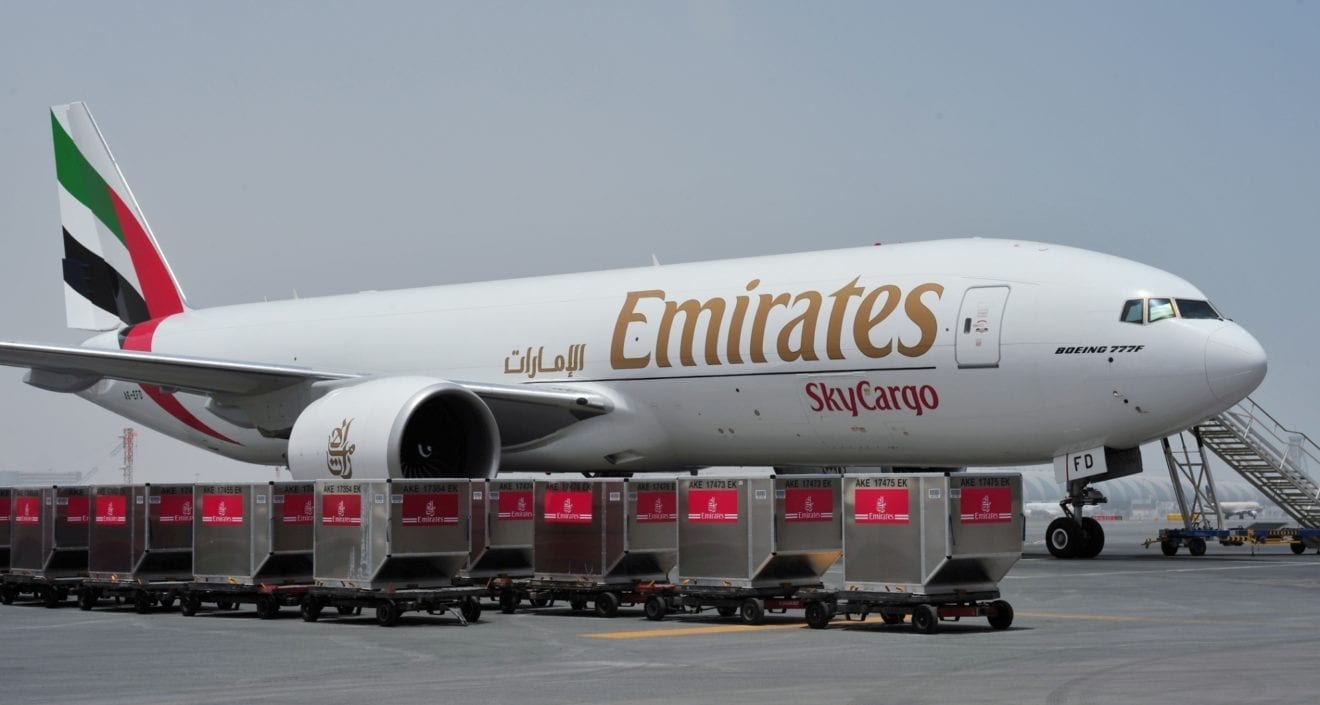
    Emirates’ flights will provide passengers with both luxury and comfort, with the airline scheduled to introduce four weekly flights to Da Nang utilizing its state-of-the-art Boeing 777-300ER, which features spacious accommodations across both business and economy classes.

    Strengthening Vietnam’s Global Tourism Standing

    Operating 21 weekly flights to Hanoi and Ho Chi Minh City, Emirates is strategically positioned to support Vietnam’s growing tourism sector. The airline’s modern fleet and innovative partnerships highlight its commitment to bolstering not just its own brand, but the overall vibrancy of Vietnam’s tourism economy.

    As Vietnam aims to reclaim its position as an attractive destination for international tourists, this partnership with Emirates signifies a pivotal step forward. By combining marketing might and consumer appeal, the collaboration promises to set the stage for transformative growth in the retail and tourism sectors.

    Stay tuned for further updates on this groundbreaking alliance and its impact on consumer trends in the travel industry.

  • Estée Lauder Leverages Custom AI to Streamline Retail Data Management

    Estée Lauder Leverages Custom AI to Streamline Retail Data Management

    Estee Lauder Partners with Microsoft to Launch Innovative AI Insights Tool

    New Collaboration Set to Revolutionize Data Analysis and Consumer Insights

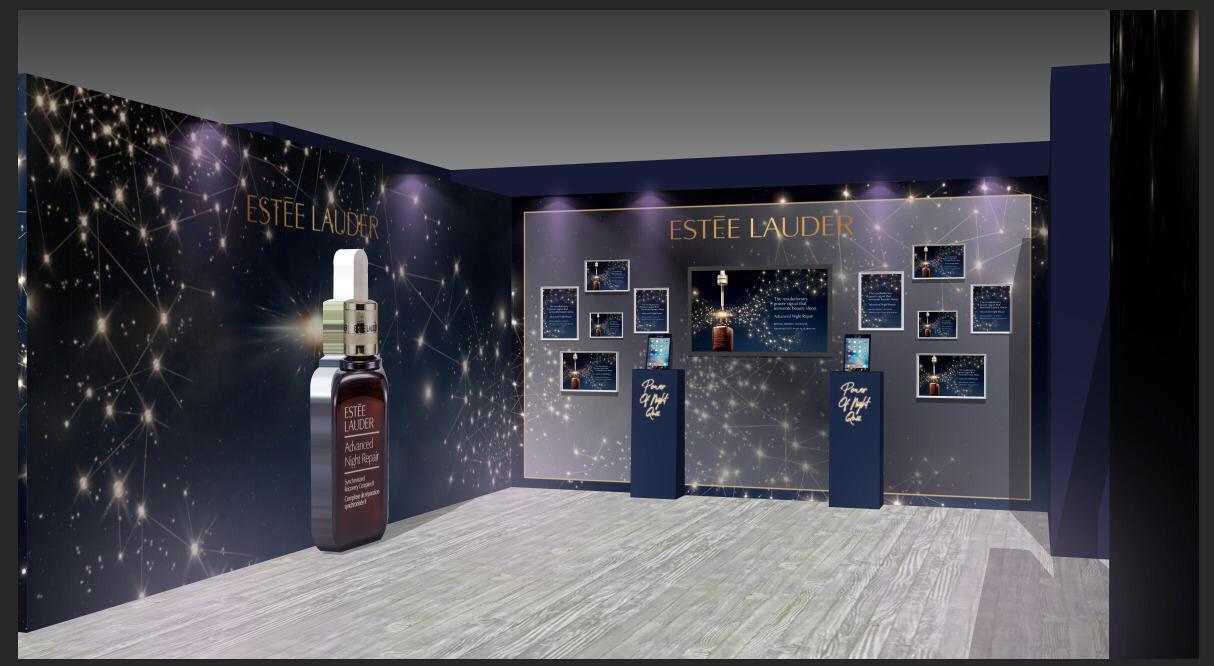
    The Estée Lauder Companies (ELC) has officially announced a strategic partnership with Microsoft to develop ConsumerIQ, an advanced AI-driven tool that aims to transform how the company analyzes consumer and market data. This collaboration, leveraging the power of Microsoft Copilot Studio and Azure OpenAI Service, is designed to enhance decision-making processes across ELC’s global operations.

    Streamlining Data Access

    ConsumerIQ serves as an internal intelligence hub, integrating various types of data—from spreadsheets to presentations—into one centralized platform. This innovative tool utilizes natural language processing and generative AI to deliver real-time insights, enabling ELC employees to access crucial information swiftly. By cutting analysis time from weeks to mere minutes, ConsumerIQ facilitates quicker innovation and more agile marketing strategies.

    Acknowledging Innovation and Change

    In a notable recognition of this initiative, Microsoft has included ELC in its inaugural Agents of Change list, honoring organizations that harness cutting-edge AI technology to catalyze transformation. This accolade underscores ELC’s commitment to embracing technological advancements to enhance its operations and better meet consumer demands.

    ELC’s Expansive Reach

    With nearly 25 brands operating in over 150 countries, ELC generates substantial volumes of consumer data daily. The implementation of ConsumerIQ not only streamlines data analysis but also supports rapid development cycles, allowing the company to stay ahead in a competitive retail landscape.

    Implications for the Retail Sector

    As ConsumerIQ rolls out, its potential impact on the retail sector could be significant. With heightened efficiency in data analysis, ELC stands to refine its marketing strategies and product offerings in tune with evolving consumer trends. This partnership not only sets a precedent for other brands looking to leverage AI in their operations but also highlights the importance of innovation in navigating today’s dynamic retail environment.

  • Tenity and GFTN Join Forces to Shape the Future of Fintech

    Tenity and GFTN Join Forces to Shape the Future of Fintech

    Partnership Between Tenity and GFTN to Propel Global Fintech Expansion

    Singapore and Switzerland Unite for Fintech Sovereignty

    In an exciting development for the fintech sector, Singapore-based Global Finance and Technology Network (GFTN) has teamed up with Swiss incubator Tenity. This partnership aims to enhance European fintech sovereignty while creating substantial opportunities for start-ups on the global stage. The collaboration was formalized through a Memorandum of Understanding (MoU), marking a significant step toward more robust public-private collaborations across Europe, Asia, and the Middle East.

    Advancing Fintech Ecosystems

    Tenity and GFTN’s partnership will foster greater exchanges within fintech ecosystems, merging Tenity’s experience in start-up acceleration with GFTN’s mission to harmonize innovation with regulatory standards. By focusing on financial inclusion and advancing sustainable digital systems, both organizations are poised to make a significant impact on the evolving fintech landscape.

    Supporting a Global Fintech Vision

    Founded by the Monetary Authority of Singapore (MAS), GFTN is an influential force behind premier global fintech platforms, including the Singapore Fintech Festival and the Point Zero Forum in Switzerland. “This partnership reflects our belief that Europe plays a vital role in shaping the global fintech landscape,” said Sopnendu Mohanty, CEO of GFTN, just ahead of this year’s Point Zero Forum in Zurich.

    Creating Connections Across Continents

    Tenity boasts six innovation hubs across 15 countries, collaborating with 65 corporate partners and aiding over 1,600 start-ups through its various programs. CEO Andreas Iten emphasized the importance of collaboration in fintech, stating, “Fintech doesn’t grow in silos – it scales through partnerships, policy alignment, and shared infrastructure. This MoU is about building those bridges between founders and regulators, Europe and Asia, ambition and action.”

    Implications for the Retail Sector and Consumers

    As GFTN and Tenity pave the way for a more interconnected global fintech environment, retail businesses and consumers stand to benefit from enhanced financial products and services. By promoting innovation and fostering inclusivity, this strategic alliance could redefine consumer experiences and significantly influence the broader retail landscape.

  • Australia launches world’s largest battery-power ship

    Australia launches world’s largest battery-power ship

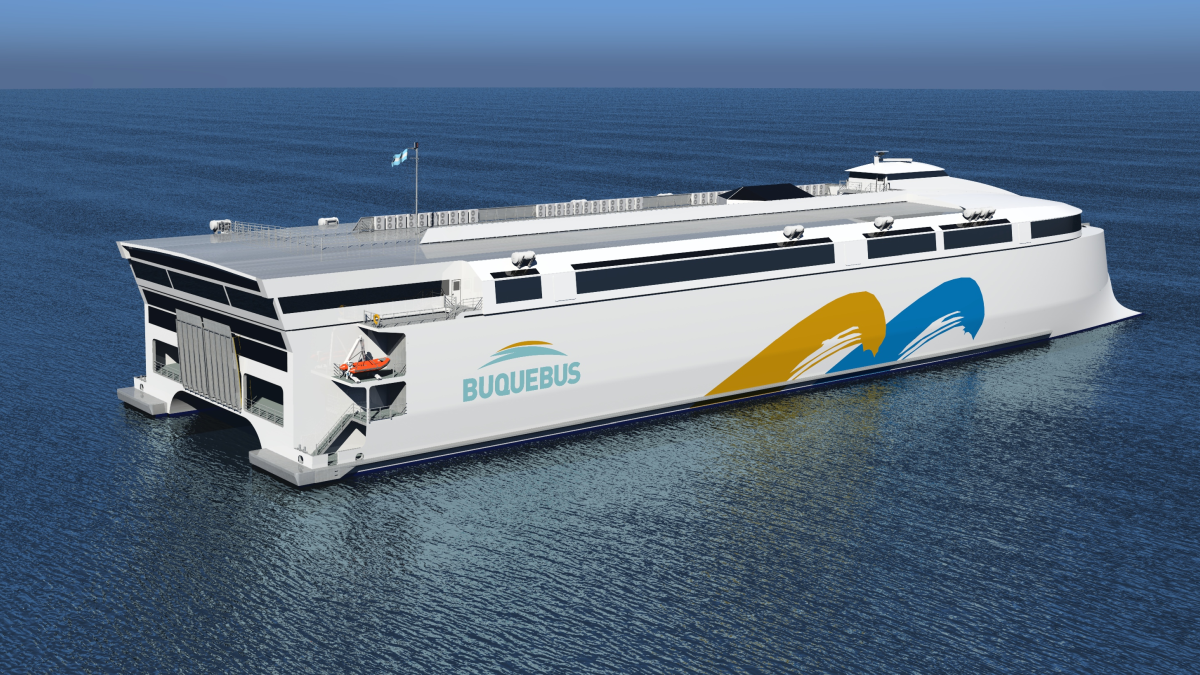
    An Australian boatbuilder launched what it described as the world’s largest electric-powered ship on Friday, a 130-meter (426-feet) behemoth capable of carrying 2,100 passengers.

    Identified by boatbuilder Incat as Hull 096, the aluminium catamaran is powered by more than 250 tonnes of batteries and was built for South American ferry operator Buquebus.

    It was designed to carry passengers and up to 225 vehicles across the River Plate between Buenos Aires and Uruguay.

    “Hull 096 proves that large-scale, low-emission transport solutions are not only possible, they are ready now,” Incat CEO Stephen Casey said in a statement after the launch on Hobart’s Derwent River in the island state of Tasmania.

    Shipping accounts for nearly 3% of global greenhouse gas emissions that are blamed for global warming, according to the United Nations’ shipping body the International Maritime Organization.

    IMO member states voted last month in favor of a global pricing system to help curb maritime carbon emissions, with all ships to be required to use a less carbon-intensive fuel mix by 2028 or face financial penalties.

    Environmental lobby groups however fear that a switch to biofuels has problems of its own, such as deforestation, and does not go far enough in addressing maritime emissions.

    Hull 096’s batteries and Energy Storage System (ESS) will provide more than 40 megawatt hours of installed capacity, Incat said. The ESS was built by Finnish engine maker Wartsila and is connected to eight electric-driven waterjets.

    “Ferries play a vital role in meeting the growing demand for environmentally sustainable transport options, with ship electrification a key solution for enabling the sector to transition towards net-zero emissions,” Wartsila Marine President Roger Holm said in the same statement.

    The ship was originally named China Zorilla and was planned to run on liquefied natural gas (LNG) before it was reconfigured to battery power.

  • Bitcoin broker Relai has launched a new offering in collaboration with Sygnum Bank.

    Bitcoin broker Relai has launched a new offering in collaboration with Sygnum Bank.

    Those looking to access short- to medium-term liquidity from their Bitcoin holdings can now do so through Lombard loans.

    Relai is introducing the possibility for private, qualified investors to take out Bitcoin-backed loans. The aim is to provide clients with liquidity in euros or Swiss francs without having to sell their Bitcoin holdings.

    According to a statement from the startup, founded in 2019, the offering provides wealthy private clients and SME customers with a new level of financial flexibility. With this product, Relai becomes the first broker in Europe to enable Bitcoin-backed loans. No details regarding the loan conditions were disclosed.

    Milestone For A Startup

    This setup allows clients to continue betting on a potential upward trend in Bitcoin’s value or to avoid triggering taxable events, the company adds.

    This partnership with Sygnum Bank is a major milestone for us as a startup, said Julian Liniger, CEO and co-founder of Relai. Bitcoin-backed loans are a groundbreaking innovation for our high-net-worth clie

  • IKEA Unveils First Mixed-Use Store in South Korea, Boosting Retail Growth

    IKEA Unveils First Mixed-Use Store in South Korea, Boosting Retail Growth

    IKEA Expands Footprint in South Korea with New Mixed-Use Store

    Dive into IKEA’s latest venture in Seoul as the global home furnishings giant enhances its local presence in a rapidly evolving retail landscape.

    A Strategic Investment in South Korea

    IKEA has officially opened its fifth store in South Korea, a significant milestone that is part of the brand’s ambitious strategy to invest over $341 million (approximately €300 million) in the country. This latest store, located in the Gangdong I-Park The River complex in eastern Seoul, marks IKEA’s first foray into a mixed-use facility, innovatively combining shopping, entertainment, and business spaces.

    Innovative Offerings for Modern Consumers

    The IKEA Gangdong store showcases a robust selection of 7,400 products, with 3,700 available for immediate purchase. Among its notable features are a sustainable living shop, designed to promote eco-friendly practices, and a circular hub that encourages recycling and repurposing. Furthermore, the introduction of electric vehicle deliveries aligns with IKEA’s commitment to achieving zero emissions and underscores its dedication to addressing emerging consumer trends toward sustainability.

    Reinforcing Digital and Physical Presence

    This opening is a key component of IKEA’s broader strategy to deepen its engagement within the South Korean market. The company is focused not only on expanding its physical stores but also on enhancing its digital presence to cater to the evolving needs of consumers. With this investment, IKEA aims to provide an elevated shopping experience that meets the demands of today’s discerning customers.

    Impact on the Retail Sector

    IKEA’s strategic expansion in South Korea reflects a dynamic shift in the retail landscape, responding to the rising consumer demand for integrated shopping experiences. As brands evolve to embrace sustainability and innovation, the implications for consumers and the broader retail sector are significant, paving the way for more versatile shopping environments that foster convenience and eco-consciousness.

  • Xin Yun Tan Emphasizes Self-Growth and Self-Care for Retail Success

    Xin Yun Tan Emphasizes Self-Growth and Self-Care for Retail Success

    Embracing Growth and Purpose: Insights from Xin Yun Tan

    A Dynamic Leadership Journey

    In a candid interview, Xin Yun Tan, Partner for Operations at Multipolitan, shares her perspectives on personal growth, resilience, and the art of leadership. Known for her collaborative spirit and adaptability, Tan emphasizes the importance of self-care and authenticity in today’s fast-paced work environment.

    The Joy of Diversity in Team Dynamics

    Tan revels in the opportunity to collaborate with a diverse team, describing her colleagues as unique, passionate, and full of life. This dynamic environment fuels her creativity and drives innovation, making each day at work inspiring and fulfilling.

    Advice to the Younger Generation

    When asked what advice she would give to her 20-year-old self, Tan encourages embracing change as a catalyst for growth. “Never let fear hold you back,” she advises, emphasizing that every challenge is an opportunity for self-improvement.

    Resilience: A Personal Triumph

    Proud of her ability to quickly bounce back from setbacks, Tan reflects on her past struggles with fear and doubt. What once felt like a defeat became a critical turning point, teaching her the importance of self-trust and resilience.

    Bold Challenges Ahead

    Currently, Tan is pushing her limits by confronting her fears head-on, including a daring skydiving experience planned for her upcoming trip to Dubai. “It’s all about challenging yourself to grow,” she states, embodying her philosophy of self-advancement.

    Sustainable Fashion Choices

    As a champion of sustainability, Tan favors the local brand “Little Match Girl,” which prioritizes eco-friendly materials and waste-minimizing production methods. Her choice reflects a growing consumer trend towards ethical fashion in today’s retail landscape.

    A Multidimensional Role

    Describing her role at Multipolitan, Tan highlights the unique blend of high-level strategy and hands-on problem-solving that defines her daily tasks. This multidimensional approach requires agility and quick thinking, keeping her on her toes.

    Driven by Purpose

    Tan’s personal drive stems from a profound desire to make a meaningful impact while staying true to herself. She emphasizes the importance of aligning one’s purpose and passion in a way that fosters positive change and personal satisfaction.

    Building Strong Relationships with Employees

    Valued for her empathy and support, Tan is committed to her employees’ growth beyond just performance metrics. “I invest in their development,” she shares, fostering a work environment centered around collaboration and open communication.

    Investing in Self

    For Tan, the best investment is always in herself. She prioritizes self-care and mindfulness, believing that maintaining a healthy mindset is key to achieving long-term success and fulfillment.

    Conclusion: A Leader Shaping the Future of Retail

    Xin Yun Tan’s insights highlight a transformative approach to leadership, emphasizing resilience, empathy, and sustainability. As retail continues to evolve, her philosophy could inspire others in the industry to prioritize personal growth and consumer-conscious practices, paving the way for a more ethical and responsive retail sector.

  • Vietnam Airlines Gains Approval for 50 New Narrow-Body Aircraft Purchases

    Vietnam Airlines Gains Approval for 50 New Narrow-Body Aircraft Purchases

    Vietnam Airlines Secures Approval for Acquisition of 50 Narrow-Body Aircraft

    Government Greenlights Fleet Expansion Plan

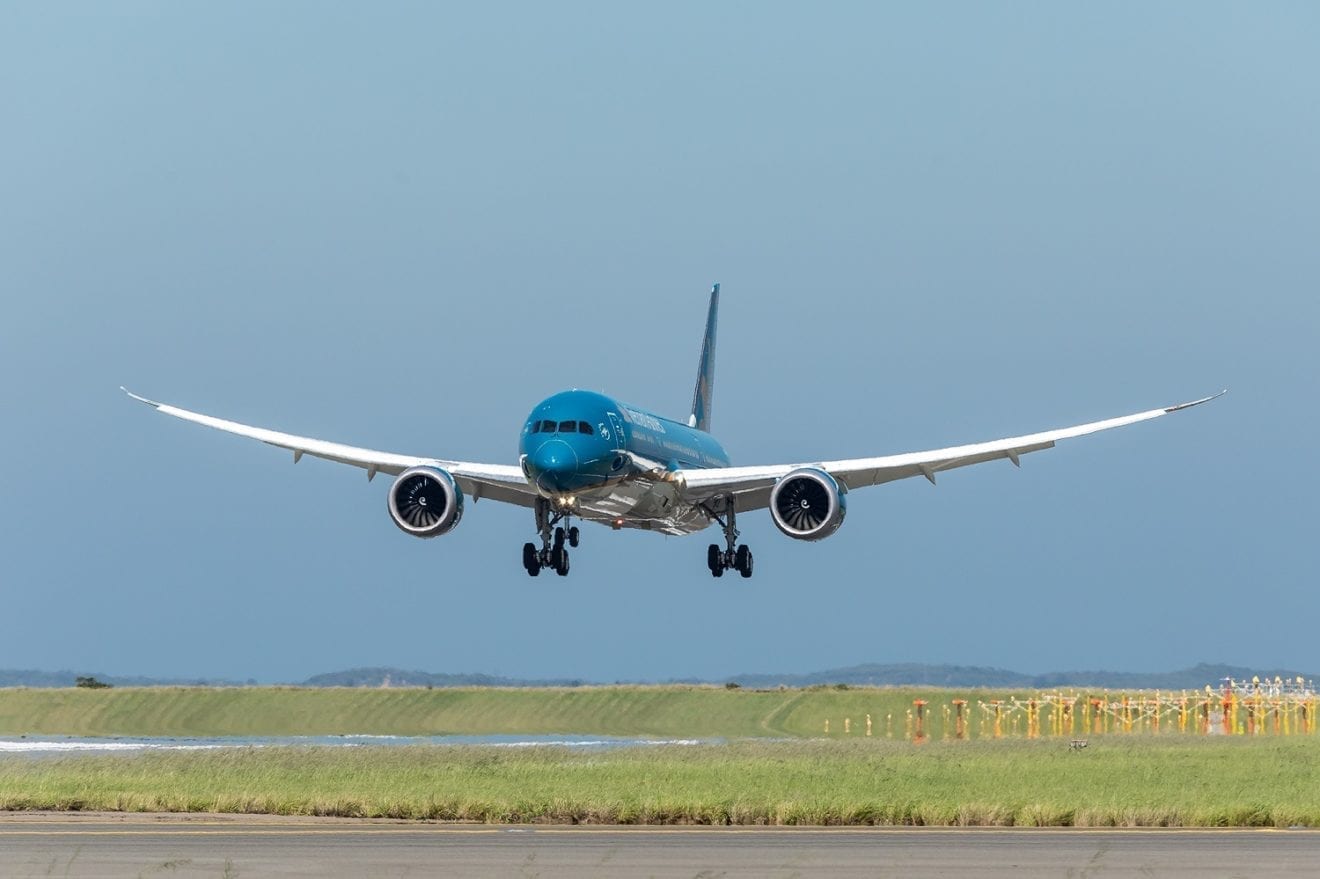
    Vietnam Airlines has received in-principle approval from the government to purchase 50 narrow-body aircraft, marking a significant step in its fleet modernization strategy. Notably, this deal will not require a state guarantee, allowing the airline to streamline its acquisition process.

    Addressing Growing Travel Demand

    The government’s approval, conveyed through an official dispatch from Deputy Prime Minister Ho Duc Phoc, aims to meet surging consumer demand for air travel and to replace aging aircraft in the current fleet. Vietnam Airlines plans to acquire 50 new Airbus A320 NEO and Boeing 737 MAX jets, along with 10 spare engines, for an estimated total of approximately $3.7 billion—an investment that is 1.6 times the airline’s current asset value based on its 2024 financial data.

    Modernizing the Fleet

    This acquisition is part of Vietnam Airlines’ broader strategy to phase out older A321 CEO planes. The new aircraft will enhance the efficiency and reliability of the fleet, aligning with increasing passenger expectations and operational standards. Earlier in September 2023, the airline also announced a deal for an additional 50 Boeing 737 MAX aircraft, with deliveries expected between 2027 and 2030.

    Strategic Financial Partnerships

    To support this growth initiative, Vietnam Airlines signed a memorandum of understanding with Citibank earlier this month for $560 million in funding focused on strategic projects, including the aircraft purchase. Furthermore, the airline has partnered with Vietcombank to secure additional financial resources for the acquisition.

    Future-Proofing Operations

    Looking ahead, Vietnam Airlines forecasts the need for a fleet of 52 wide-body and 112 narrow-body aircraft by 2035. Currently, the airline operates approximately 100 aircraft, including over 30 wide-body jets, showcasing its commitment to expanding its capacity to meet the demands of the growing travel market.

    In its 2024 financial report, Vietnam Airlines reported impressive figures, including over VND 113.7 trillion (approximately $4.37 billion) in revenue, transporting 22.7 million passengers and 314,700 tons of cargo, with an average aircraft utilization of 11 hours per day—reflecting a 25% increase from the previous year.

    Conclusion

    Vietnam Airlines’ strategic acquisition of narrow-body aircraft is poised to enhance its operational capabilities and address the evolving travel landscape in Vietnam. As the airline expands its presence and modernizes its fleet, the implications for the retail sector may be significant, driving increased consumer activity and enhancing travel options for millions. This move signifies not only a response to market demands but also a commitment to sustained growth in the competitive aviation industry.

  • Vietnam Poised to be Southeast Asia’s Second-Largest Economy by 2036

    Vietnam Poised to be Southeast Asia’s Second-Largest Economy by 2036

    Vietnam Set to Become the Second Largest Economy in Southeast Asia by 2036

    In a groundbreaking projection by the Center for Economic and Business Research (CEBR), Vietnam is anticipated to climb the ranks to become the second-largest economy in Southeast Asia, trailing only Indonesia, by 2036. Additionally, this robust growth trajectory is expected to catapult Vietnam into the 20th slot in the global economic standings.

    Remarkable Economic Growth

    According to the latest CEBR report titled “World Economic League Table 2022,” Vietnam’s rise has been meteoric. Since the inception of the Đổi Mới (Renovation) reforms in the mid-1980s, the nation has seen a tremendous transformation from a low-income to a lower-middle-class economy. These reforms, combined with favorable global economic trends, have set the stage for Vietnam’s success.

    Today, Vietnam is boasting a purchasing power parity adjusted GDP per capita of US$11,608, a testament to its relentless pursuit of economic advancement. The nation is ambitiously aiming for high-income status by 2045, which requires maintaining a robust annual growth rate of around 5% per capita.

    Navigating Through Challenges

    Despite its impressive growth, Vietnam faces significant hurdles on its path to becoming a high-income nation. Issues such as the declining global trade landscape, the impending impacts of automation, and the challenges posed by climate change necessitate vigorous policy reforms, especially in vulnerable sectors.

    Moreover, with a demographic trend towards an aging population, Vietnam is pressed to strategically manage its human resources and health care systems to maintain its economic momentum.

    Positioning for the Future

    By 2036, Vietnam’s position in the CEBR’s World Economic League Table is expected to leap from 41st to 20th place, a remarkable rise reflecting the country’s economic resilience and strategic planning.

    Implications for the Retail Sector and Consumers

    Vietnam’s ascent in the economic rankings hints at burgeoning opportunities within the retail sector and significant shifts in consumer trends. As the economy grows, retail markets are likely to expand, bringing in new brands and increasing consumer purchasing power. This growth presents a considerable opportunity for international retailers and local businesses alike to tap into a vibrant, emerging market. The enhancements in Vietnam’s economic landscape could redefine consumer behavior and retail dynamics in Southeast Asia, making it a focal point for brand expansion and a hotspot for economic activity.

  • JD Logistics Targets South Korea for Domestic Supply Chain Expansion

    JD Logistics Targets South Korea for Domestic Supply Chain Expansion

    JD Logistics, a pivotal division of JD.com—China’s retail behemoth—has announced the launch of two state-of-the-art logistics centers in Icheon and Incheon, marking a significant entry into South Korea’s logistics market. The centers will offer enhanced third-party logistics (3PL) services and sophisticated supply chain solutions across the region.

    Enhancing Regional Supply Chains

    The newly operational facilities in Icheon and Incheon are pivotal in JD Logistics’ strategy to bolster its presence in South Korea. Offering rapid delivery services, these centers promise shipment times as quick as 12 hours within Seoul and its adjacent areas. This initiative not only sets a new standard in delivery speed but also strengthens the company’s service capacity in the region.

    Incheon and Icheon: Centers of Innovation

    The Icheon center is equipped with advanced automated systems for packing and sorting, drastically boosting operational efficiency. Serving a major South Korean e-commerce entity, this facility was equipped to stabilize operations and minimize fulfillment risks within a mere month of implementation. Moreover, it incorporates a batch-based inventory system specifically for food products, enhancing both accuracy and expiration date management. Its AI-powered warehouse optimally positions popular items in high-turnover zones to maintain the promise of 12-hour delivery windows.

    Conversely, the Incheon center is designed to support comprehensive logistics from end-to-end for South Korean beauty brands and a significant U.S. consumer goods firm, showcasing its versatile operational capabilities.

    Bridging Korean and Chinese Markets

    JD Logistics doesn’t stop at local expansion; it integrates the South Korean market with global e-commerce opportunities. Through JD.com’s cross-border platform, JD Worldwide, the company facilitates a direct connection between Korean products and Chinese consumers, enhancing market reach for South Korean brands internationally.

    With a network of over 100 warehouses globally, JD Logistics commits to impressive delivery times of 2-3 days in major international markets and even offers same-day services in select locales, setting a high industry standard for logistics efficiency.

    Implications for the Retail Sector and Future Consumer Trends

    The expansion of JD Logistics in South Korea is expected to induce significant shifts in consumer expectations and retail dynamics within the region. Faster delivery times, coupled with robust logistics solutions, are poised to elevate consumer satisfaction and could pressurize local competitors to enhance their logistical frameworks. This strategic move by JD Logistics not only amplifies their global footprint but also signals a new era of efficiency and connectivity in retail and e-commerce logistics.

  • Levi’s Expands Brand Growth with New Flagship Store in Nagoya

    Levi’s Expands Brand Growth with New Flagship Store in Nagoya

    Levi Strauss & Co. Unveils Its Largest Store in Asia Pacific to Boost Consumer Connection in Japan

    Levi Strauss & Co., a trailblazer in denim and casual wear, has strategically expanded its footprint by opening its largest single-floor store in the Asia Pacific region—located at Nagoya ZERO GATE, Japan. This launch is a significant step in the brand’s effort to enhance customer experience and embrace local culture.

    Expanding Brand Presence with Innovative Store Features

    Spanning an impressive 5,380 square feet, the new flagship store in Nagoya is not only about size but also about offering unique experiences. It hosts the first Levi’s Tailor Shop in the Tokai region, where customers can enjoy personalized services such as embroidery, fabric paneling, and repairs—tailored to their tastes and preferences.

    Adding to the consumer experience, the store features an upscale lounge area, integrates digital elements for a seamless shopping experience, and proudly stands as the brand’s inaugural data shop in the city. This launch aligns well with Levi’s direct-to-consumer (DTC) strategy which prioritizes immersive brand experiences to foster deeper customer relationships.

    A Strategic Choice for Consumer Engagement

    Nuholt Huisamen, Managing Director & Senior Vice President, APAC at Levi Strauss & Co., explained that choosing Nagoya — one of Japan’s largest cities known for its rich history and vibrant culture — was a strategic decision. This location aligns perfectly with Levi’s goal to always be at the cultural epicenter, thus reinforcing the brand’s presence in significant urban landscapes.

    “The store is strategically positioned to show the fullest expression of our assortment, enabling consumers in Nagoya to fully immerize themselves in the Levi’s lifestyle brand. This is a direct reflection of our ambition,” Huisamen added.

    Expectations for Market Reception

    Following robust performances in major Japanese cities like Tokyo, Osaka, and Kyoto, expectations are high for the Nagoya store. Huisamen expressed optimism about the new store’s potential, given the Japanese consumers’ profound appreciation for heritage denim and the Levi’s brand overall. This indicates a promising future for Levi’s in strengthening its market position through direct engagements and tailored retail experiences.

    Potential Impact on the Retail Sector

    This expansion not only solidifies Levi’s commitment to enhancing consumer interactions through a DTC strategy but also sets a benchmark in the retail sector for combining traditional shopping with personalized and digital experiences. The move could inspire similar strategies across the industry, potentially reshaping retail interactions and consumer expectations in the region.