Author: Mei Ling Tan

  • Fintech Leader vertX IQ Appoints New Executive Team to Drive Growth

    Fintech Leader vertX IQ Appoints New Executive Team to Drive Growth

    The fintech company strengthens its management team with seasoned executives from the insurance and financial services industries.

    In a significant move signaling its commitment to growth, vertX IQ, a rising technology provider for pension funds, has announced the appointment of Alfred Widmer as CEO and Dave Stoll as a new board member. This strategic leadership shift aims to enhance the company’s operations and expand its market presence both in Switzerland and internationally.

    Leadership Team Bolstered for Expansion

    The addition of Widmer and Stoll to vertX IQ’s leadership team aligns with the company’s ambitious growth trajectory. Their expertise in entrepreneurship and investment is expected to catalyze new business relationships with clients and partners worldwide.

    Founded in Zug in 2021, vertX IQ provides a robust platform that enables institutional investors, particularly large pension funds, to streamline and digitize their data management processes. This centralization of investment and liability workflows facilitates quicker, data-driven decision-making.

    Alfred Widmer: A Veteran in Financial Services

    Alfred Widmer brings a wealth of experience to his new role as CEO. Previously, he served as an investor and part of the executive board at a Swiss insurtech firm, where he played a pivotal role in establishing the digital insurer’s foothold in the market. His extensive background also includes significant positions at Allianz Suisse, Axa-Arag, and Zurich Insurance Company, covering various roles across Switzerland, Spain, and the UK. His earlier career at Arthur D. Little adds strategic depth to his profile.

    Dave Stoll: Driving Innovation in Finance

    Joining the team, Dave Stoll adds a dynamic mix of entrepreneurial spirit and financial acumen. Over the past decade, he has co-founded multiple ventures in the financial services sector, including a digital insurance platform in Spain and a smart contract technology enterprise. Stoll’s prior roles at Zurich Insurance, coupled with his expertise in asset management and pension fund operations, position him as a valuable asset in driving vertX IQ’s strategic goals.

    A Promising Future for vertX IQ

    With the leadership changes at vertX IQ, the fintech company is poised for a promising future, capitalizing on emerging consumer trends and digital transformation in the financial services space. As the market evolves, this new management team appears equipped to navigate the challenges ahead and capitalize on opportunities for innovation.

    The impact of these appointments on the retail sector and consumer experience could be profound, as companies like vertX IQ continue to reshape the landscape with advanced solutions tailored for institutional investors. The emphasis on digital efficiency and strategic decision-making is set to enhance service delivery across the board, ultimately benefitting consumers and stakeholders alike.
  • Gold Prices Plummet as Global Rates Decline: Retail Impact Ahead

    Gold Prices Plummet as Global Rates Decline: Retail Impact Ahead

    Gold prices in Vietnam saw a significant decline on Monday morning, mirroring a global downturn in bullion rates which fell by over 1%. This development marks an important shift in the market, reflecting changing consumer trends and economic indicators.

    Vietnamese Market Reaction

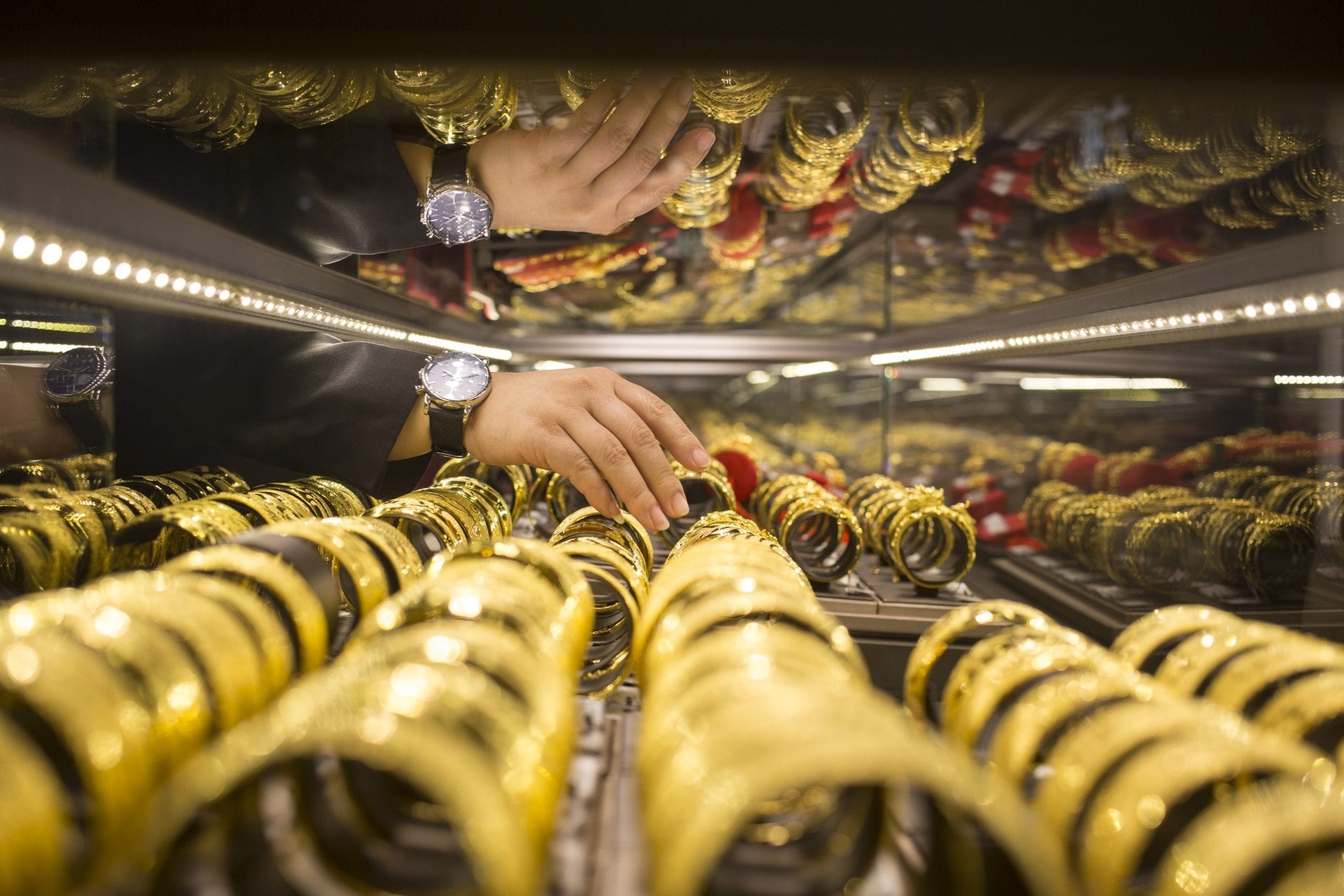
    The Saigon Jewelry Company reported a decrease in the price of gold bars by 1.24%, now priced at VND119.5 million (approximately US$4,597.04) per tael. Similarly, gold ring prices dropped by 1.29%, settling at VND115 million per tael. Notably, gold bar prices have surged 40.6% year-to-date, demonstrating a volatile yet upward trend in the sector.

    The State Bank of Vietnam has mentioned it may take steps to stabilize the gold market. In a recent statement, they acknowledged the considerable disparity between domestic and global gold prices and expressed intentions to intervene as needed to address these issues.

    Global Influences on Gold Prices

    Globally, gold prices declined by 1.4%, with spot gold trading at $3,272.89 per ounce. After reaching a record high of $3,500.05 on April 22, bullion’s descent reflects a shift in investor sentiment fueled by easing U.S.-China trade tensions. U.S. gold futures also experienced a slight setback, dropping 0.4% to $3,283.70.

    The strength of the U.S. dollar has made gold less accessible to overseas buyers by raising prices internationally. Tim Waterer, chief market analyst at KCM Trade, noted that improved perceptions regarding tariff negotiations between the U.S. and China have contributed to a reduced demand for safe-haven assets like gold.

    Understanding the Economic Landscape

    Historically, gold serves as a sanctuary during times of economic and political uncertainties. It thrives particularly well in environments featuring low interest rates. As market dynamics fluctuate, investors will be closely monitoring the evolving landscape—especially how potential trade agreements could further impact the value of gold and other commodities.

    As the retail sector navigates these changes, both consumers and investors may need to adapt strategies in response to shifting gold prices, reflecting broader economic trends and consumer sentiments.

  • Boost in Consumer Spending Fuels Growth in Australia’s Credit Card Market

    Boost in Consumer Spending Fuels Growth in Australia’s Credit Card Market

    Australia’s Credit Card Market on Track for Significant Growth, Expected to Reach $299.7 Billion by 2025

    Australia’s credit and charge card payments sector is poised for robust expansion, with projections indicating a surge to $299.7 billion (AUD 453.9 billion) by 2025. This growth is predominantly fueled by increasing consumer spending, a resilient payment infrastructure, and a thriving e-commerce landscape, as reported by GlobalData.

    Strong Consumer Spending Drives Momentum

    In 2024, the market value for credit and charge card payments experienced a notable increase of 6.3%. This upswing is largely attributed to rising consumer spending and the appeal of value-added benefits, including cashback rewards and flexible repayment options.

    Kartik Challa, Senior Banking and Payments Analyst at GlobalData, emphasized that Australians are increasingly aware of the advantages of credit card usage. “Consumers frequently utilize these cards to capitalize on benefits, such as cashback offers and rewards programs,” he stated. The boom in consumer appreciation is pivotal to the ongoing growth of this sector.

    Boosted by E-Commerce and Payment Infrastructure

    The credit and charge card market’s upward trajectory is bolstered by improvements in payment infrastructure and the burgeoning e-commerce domain. In 2024, Australians averaged 225.5 transactions per card, with expectations to rise to 239.5 by 2029. Key players in retail banking, such as Commonwealth Bank and NAB, are further supporting this trend by offering innovative repayment solutions like “SurePay” and the “Now Pay Later” program.

    Moreover, Australia is rapidly enhancing its payment capabilities, boasting 39,031 point-of-sale (POS) terminals per million inhabitants as of 2024—outpacing countries such as China and Hong Kong.

    E-Commerce Payments Gain Traction

    E-commerce payments are a significant contributor to this growth, with credit and charge cards accounting for 22.5% of online transactions in 2024. This alignment with consumer trends suggests a growing reliance on digital payment methods as online shopping habits evolve.

    To further assist consumers in managing debt, many Australian banks are introducing programs like debt consolidation and balance transfer options. For example, ANZ offers customers the ability to transfer their existing balances to an ANZ card, simplifying payment processes.

    Future Outlook: Navigating Challenges Ahead

    Looking ahead, Challa notes that while the outlook remains bright for Australia’s credit card market—anticipated to grow at a CAGR of 4.4% to reach $356 billion (AUD 539.1 billion) by 2029—external factors such as global trade complexities and geopolitical concerns could temper this growth.

    As the credit card market continues to expand, its implications are profound for the retail sector and consumers alike, enhancing purchasing power while fostering innovative financial solutions to navigate economic shifts. The increasing prominence of credit and charge cards is likely to shape the future of consumer spending in Australia, making it a space to watch closely.

  • Top Financial Leaders Gather in Zurich to Discuss Retail Trends

    Top Financial Leaders Gather in Zurich to Discuss Retail Trends

    Top leaders from the realms of politics, finance, and technology will converge in Zurich for the highly anticipated third edition of the Point Zero Forum. This event, taking place from May 5 to 7, 2025, aims to address pivotal issues impacting the financial sector amid changing market dynamics.

    A Call for Trust and Stability

    Recent turbulence in financial markets has heightened awareness of the need for trust and stability, elements essential for fostering innovation and sustainability within the industry. The Point Zero Forum offers a vital space for high-level discussions focused on the future of global finance.

    Key Themes for Discussion

    As part of its agenda, this year’s forum will tackle several pressing topics relevant to the evolution of financial systems:

    • Path to Europe’s Technology Independence: Explore strategies for Europe to build a solid policy and infrastructure foundation that ensures digital sovereignty.
    • Demographic Challenges: Identify innovative policies that can bolster social and economic inclusion amid significant demographic transitions.
    • Startup Founders Spotlight: Examine how Europe’s entrepreneurial landscape can harness innovation and funding to enhance economic resilience and global competitiveness.

    Esteemed Speakers Lead the Dialogue

    The forum features an impressive lineup of distinguished speakers, including:

    • Guy Parmelin – Swiss Minister at the Federal Department of Economic Affairs and Research
    • Martin Schlegel – Chairman of the Governing Board, Swiss National Bank
    • Andrea Maechler – Deputy General Manager, Bank for International Settlements (BIS)
    • Axel Weber – Former UBS Chairman
    • Mike Dragan – Group Chief Operations and Technology Officer, UBS Group
    • Dirk Klee – Head of BlackRock Switzerland

    A Collaborative Effort

    The Point Zero Forum is jointly organized by the Swiss State Secretariat for International Financial Matters (SIF) and the Global Finance & Technology Network (GFTN), an initiative pioneered by the Monetary Authority of Singapore (MAS).

    As this prestigious gathering brings together top decision-makers, it is poised to inspire actionable insights and collaborative strategies that could reshape the future of the global financial landscape. The outcomes from the forum may significantly influence retail news, consumer trends, and the broader marketplace, ensuring that stakeholders are equipped to navigate the complexities of an ever-evolving financial world.

  • Italian Asset Manager Appoints New Sales Leader for Switzerland

    Italian Asset Manager Appoints New Sales Leader for Switzerland

    Eurizon Asset Management appoints Alain Barthel as Head of Sales Switzerland to enhance its market presence.

    In a significant move to solidify its footprint in the competitive Swiss financial landscape, Eurizon Asset Management has welcomed Alain Barthel as the new Head of Sales for Switzerland, effective April 1st. Operating from Zurich, Barthel brings a wealth of experience and expertise to this critical role.

    A Seasoned Professional Joins Eurizon

    Alain Barthel arrives at Eurizon with over 25 years of robust experience in sales and business development within the asset management and financial sectors. His previous roles include Senior Consultant at Anglo-Swiss Advisors and Head of Continental Europe at Brandywine Global Investment Management, a part of Franklin Templeton Group.

    Barthel’s impressive track record also features stints at leading asset management firms like UBS Asset Management, Goldman Sachs Asset Management, and Morgan Stanley Investment Management, where he held key sales positions and catered to a diverse array of client segments.

    Strengthening Client Partnerships

    Commenting on Barthel’s appointment, Gabriele Miodini, Head of International Business Development at Eurizon Capital SGR, stated, “With Alain, we are gaining an experienced industry expert for the very important Swiss market. His in-depth market knowledge, strategic thinking, and partnership approach with clients will play a key role in further strengthening our local presence.”

    Expanding European Reach

    Eurizon, an Italian asset manager, operates extensively across continental Europe. With offices in countries like Germany, Spain, and France, and subsidiaries in Luxembourg, the UK, Eastern Europe, and Asia, the company is focused on enhancing its investment capabilities and client services across the region.

    Impact on the Retail Sector

    With consumer demand for robust asset management solutions on the rise, Barthel’s leadership may significantly influence Eurizon’s growth strategy in Switzerland. As the firm expands its presence and fosters deeper client relationships, this appointment could reshape the retail investment landscape, bringing forward innovative solutions that align with evolving consumer trends.

  • UBS Accelerates Credit Suisse Integration Amid Strong Retail Growth

    UBS Accelerates Credit Suisse Integration Amid Strong Retail Growth

    UBS starts the year with robust financial performance, signaling successful early-stage integration of Credit Suisse.

    Swiss banking giant UBS has kicked off 2025 with an impressive net profit of $1.7 billion for the first quarter, driven by a substantial pre-tax profit of $2.1 billion. This solid financial footing underscores UBS’s effective management and strategic initiatives following its acquisition of Credit Suisse.

    Total Invested Assets Reflect Stability

    UBS reported total invested assets rising to $6.2 trillion, demonstrating the bank’s widespread influence in the market despite recent volatility observed in early April. This increase showcases UBS’s ability to attract and retain client investments during uncertain times, a critical factor for growth in the competitive retail banking landscape.

    Sustaining Momentum Through Market Challenges

    The bank’s Return on Common Equity Tier 1 (RoCET1) stood at 9.6 percent, with a robust CET1 capital ratio of 14.3 percent, indicating strong capitalization well above regulatory requirements. However, UBS acknowledges the importance of maintaining this momentum amid ongoing concerns about trade disputes and potential interest rate adjustments that may impact market stability throughout the summer.

    Wealth Management Thrives

    UBS’s Global Wealth Management (GWM) division continues to thrive, with net new assets reaching $7 billion and a striking 32 percent year-on-year increase in revenues, largely due to heightened transaction activity. Additionally, new loan production in Switzerland exceeded 40 billion francs, while steady fee revenue persists despite broader economic uncertainties.

    Rapid Integration of Credit Suisse Showing Results

    Notably, UBS is reaping benefits from its swift integration of Credit Suisse, having achieved significant cost savings totaling $0.9 billion, contributing to cumulative savings of $8.4 billion—65 percent of the targeted $13 billion by 2026. The consolidation of Swiss branches has already surpassed the planned timeline, with initial client migrations set for early Q2.

    Capital Returns on the Rise

    In Q1 alone, UBS repurchased $0.5 billion in shares, with an additional $2.5 billion earmarked for buybacks throughout 2025. This move is projected to drive a 10 percent year-on-year increase in total shareholder payouts when combined with dividends, reflecting the bank’s commitment to returning value to investors.

    Commitment to Technology and Innovation

    UBS remains dedicated to enhancing its technological capabilities, rolling out Microsoft Copilot to its workforce of 50,000 and advancing its cloud infrastructure, which now accounts for over 75 percent of its IT usage. This focus on technology is expected to improve operational efficiency and drive long-term growth.

    Cautious Outlook Amidst Economic Volatility

    Looking ahead, management expressed caution regarding potential threats from fluctuating trade tariffs and macroeconomic uncertainties that could destabilize the market environment. UBS anticipates a slight decline in net interest income across its Global Wealth Management and Personal & Corporate Banking sectors for Q2, contributing to a more cautious revenue outlook.

    Conclusion: UBS Positions Itself as a Key Economic Driver

    Despite the anticipated challenges, CEO Sergio Ermotti emphasized UBS’s commitment to supporting clients and driving economic growth within the communities it serves. The successful integration of Credit Suisse not only reinforces UBS’s market position but also positions the bank as a pivotal player in navigating the complexities of today’s retail banking environment.

    As UBS moves forward, its strategies will undoubtedly continue to impact both the retail banking sector and the broader economic landscape, highlighting the importance of adaptability and innovation in meeting consumer trends.

  • PM Calls for Increased US Aircraft and LNG Purchases to Boost Trade

    PM Calls for Increased US Aircraft and LNG Purchases to Boost Trade

    Vietnam Urges Increased U.S. Imports to Strengthen Trade Relations

    In a recent governmental meeting, Prime Minister Pham Minh Chinh emphasized the importance of boosting imports of U.S. products, including liquefied natural gas, aircraft, and pharmaceuticals, to enhance Vietnam’s trade balance. This move comes amid ongoing negotiations with the U.S. aimed at fostering a more equitable trading partnership.

    Strategic Imports for Trade Balance

    During the meeting held on April 29, Chinh noted that while trade negotiations with the United States are progressing positively, securing contracts for essential imports is crucial for continued success. He highlighted the need for Vietnam to actively procure U.S. goods to maintain momentum in bilateral trade discussions.

    Chinh was addressing the backdrop of the recent suspension of high reciprocal tariffs by the Trump administration, which currently stands at a temporary rate of 10%. This pause offers an opportunity for Vietnam to align its import strategies with U.S. market demands.

    Upcoming Bilateral Trade Negotiations

    A Vietnamese delegation is scheduled to visit the United States on Thursday to engage in further negotiations on trade. These discussions will focus on achieving balanced and reduced import duties for both nations. Chinh aims to ensure that any trade agreements respect Vietnam’s sovereignty and national security while honoring international commitments.

    In addition to import duties, Vietnam plans to advocate for its classification as a market economy by the U.S. and seek the removal of restrictions on high technology exports.

    Impact on the Retail Sector and Consumers

    The push for increased imports from the U.S. is expected to not only bolster Vietnam’s trade balance but also to satisfy rising consumer demand for American products. As Vietnam seeks to diversify its import sources and strengthen bilateral relations, the effects on the retail sector could be significant, paving the way for enhanced availability of U.S. goods in the Vietnamese market. This strategic approach underscores Vietnam’s commitment to fostering robust international trade relations while catering to evolving consumer trends.

  • Australia Sees 4% Surge in Retail Spending This March

    Australia Sees 4% Surge in Retail Spending This March

    Retail spending in Australia experienced a notable uptick of 4% in March 2025 compared to the same period last year, totaling an impressive $37.3 billion, as reported by the Australian Bureau of Statistics (ABS). This growth signals a positive shift in the retail landscape, despite lingering economic uncertainties.

    Diverse Growth Across Retail Categories

    The increase in retail spending was broad-based, with all categories contributing to this upward trend. The standout performer, the ‘other retailing’ segment—encompassing cosmetics, sports, and recreational goods—achieved a remarkable 9% growth. Additionally, clothing, footwear, and accessories reported a solid 5% increase, while food items, department stores, and household goods each saw a growth of 4%. Cafes, restaurants, and takeaway services, although still growing, only saw a more modest rise of 1%.

    Caution Amid Economic Pressures

    Despite the growth, Fleur Brown, Chief Industry Affairs Officer at the Australian Retailers Association (ARA), highlighted ongoing challenges. “The pressures of cost-of-living and economic uncertainty are still affecting consumer behavior,” she stated. Brown emphasized that while any signs of stability in consumer spending provide a welcome boost to business confidence, a full retail recovery remains elusive.

    Weather-Related Challenges

    Lindsay Carroll, Interim CEO of the National Retail Association, viewed the March data as an encouraging sign for recovery. However, she noted that extreme weather conditions in Queensland and New South Wales had a significant impact on retail sales. “Premature shop closures due to cyclone warnings hampered sales exactly when every dollar is crucial for local businesses,” Carroll explained. She added that retailers require improved support to navigate these extreme weather events without compromising their livelihoods.

    Looking Ahead for the Retail Sector

    The recent data reflects a positive trend for the Australian retail sector. However, the interplay of consumer demand and external pressures highlights the need for continued support and adaptation strategies within the industry. As retailers navigate these challenges, the potential for sustained growth in consumer spending remains a key focus, influencing both market dynamics and consumer experience.

    With these developments, stakeholders in the retail sector are urged to stay attuned to emerging consumer trends and support measures that can empower businesses during uncertain times.

  • British University Vietnam Secures Elite International Partner Status with University of London

    British University Vietnam Secures Elite International Partner Status with University of London

    In a significant development for the educational landscape in Vietnam, the British University Vietnam (BUV) has been officially designated as a key international partner by the University of London (UoL). This recognition was solidified during a visit by UoL Vice Chancellor Prof. Wendy Thomson, alongside notable delegates, emphasizing the commitment to fostering excellence in education.

    Strengthening Collaborative Ties

    Prof. Thomson highlighted that this designation marks a pivotal shift in collaboration between the two institutions, moving from program-specific engagements to a broader and more enduring partnership. “Our focus will be on developing new programs and enhancing educational opportunities,” she stated, underlining the aims to strengthen the educational ties between the U.K. and Vietnam.

    Prof. Raymond Gordon, President and Vice-Chancellor of BUV, celebrated the recognition as a validation of the university’s academic achievements and its aspirations to become a leading international university in both Vietnam and the wider region. “We are committed to delivering high-quality British education to our students,” he remarked.

    Formal Agreement Signed Amid Prominent Figures

    The visit culminated in the signing of a cooperation agreement, witnessed by H.E. Iain Frew, British Ambassador, and James Shipton, Director of the British Council. Ambassador Frew expressed his enthusiasm, stating, “BUV’s achievements are commendable. This partnership solidifies BUV’s role as a frontrunner in delivering British higher education standards in Vietnam.”

    Investment in Campus Development

    In line with its mission to provide an exceptional educational environment, BUV has recently launched Phase 2 of its ambitious $165-million campus in Ecopark. This expansion aims to accommodate 5,500 students and offers state-of-the-art facilities designed for both local and international scholars. The recently inaugurated Student Lounge serves as a dedicated academic space for UoL and BUV postgraduate students, fostering collaboration and an international learning community.

    Commitment to Academic Excellence

    During her visit, Prof. Thomson praised the facilities at BUV, referring to them as “exceptional” and “world-class.” She encouraged prospective students to seize the opportunity to study at BUV, highlighting the university’s impressive infrastructure and educational offerings.

    As the official awarding body for BUV’s programs, the University of London ensures that all qualifications are designed and assessed by esteemed faculty in the U.K., maintaining a high standard of academic integrity. This partnership grants students in Vietnam and Southeast Asia access to internationally recognized British degrees without the necessity of studying abroad.

    Impact on the Retail and Education Sector

    With BUV being the exclusive provider of UoL’s International Foundation Programme and standardized undergraduate programs in Vietnam, this partnership not only elevates the academic standing of BUV but also enhances educational opportunities for the growing student population. As consumer trends shift toward valuing quality education, the expansion of access to globally recognized degrees may significantly influence the retail sector, empowering students with credentials that increase their competitiveness in the job market.

  • Malaysia’s Land Dispute: 1,000 Chopped Durian Trees Linked to Ex-Officials

    Malaysia’s Land Dispute: 1,000 Chopped Durian Trees Linked to Ex-Officials

    An alarming land dispute in Pahang, Malaysia, has drawn significant attention as investigations reveal connections to multiple former officials. This dispute has culminated in the removal of over 1,000 durian trees, with the Malaysian Anti-Corruption Commission (MACC) leading the inquiry. So far, no arrests have been made in relation to this case.

    Details of the Land Dispute

    The conflict, rooted in land ownership claims, ignited on April 8 when government authorities felled approximately 200 durian trees, deeming them to have been cultivated on illegal land. Within days, this destruction escalated to involve more than 1,000 trees, many of which belonged to the highly sought-after Musang King variety. Farmers, rallying under the Save Musang King Alliance, contested these actions, citing a court order issued last May that allegedly prohibited the government from demolishing their farms.

    Investigative Progress and Findings

    Tan Sri Azam Baki, the chief commissioner of the MACC, stated that the investigation not only addresses governance issues but also scrutinizes how land clearing operations proceeded without proper oversight. He noted that a list of implicated individuals has been compiled, with some officials being retired for over a decade. “Some settlers claim they have been working the land since 1974, but we have also found trees only eight or nine years old, indicating recent encroachment,” he remarked, highlighting discrepancies in claims about land tenure.

    Implications for the Retail Sector and Consumers

    The ongoing developments surrounding the land dispute could have ripple effects on the durian market, a key sector in Malaysia’s economy. As consumer demand for durian products continues to rise, the outcome of this investigation may influence production capabilities and market prices. Retailers and consumers alike should monitor these developments closely, as they may shape the future of this highly valued crop.

  • Amazon Australia Expands Workforce: 600 Seasonal Jobs for Mid-Year Sales

    Amazon Australia Expands Workforce: 600 Seasonal Jobs for Mid-Year Sales

    As the mid-year sales season approaches, Amazon Australia plans to hire 600 seasonal workers across its fulfillment centers and logistics sites. This recruitment drive is aimed at enhancing operations in anticipation of the highly-anticipated Prime Day event in July.

    Roles Focused on Order Fulfillment

    The seasonal positions will predominantly involve picking and packing orders to ensure that customer demand is met efficiently. With a significant increase in online shopping, particularly leading up to Prime Day, these new hires will play a crucial role in maintaining the swift, free delivery services that Prime members expect.

    Competitive Pay and Opportunities for Growth

    “These roles offer competitive pay, a safe and inclusive work environment, and the chance to build valuable skills in a fast-paced, technology-driven workplace,” stated Jacqui Marker, HR Director of Operations at Amazon Australia.

    In addition to attractive compensation, these seasonal positions have the potential to transition into permanent roles. Employees may enjoy benefits such as life insurance, income protection, and subsidized private health coverage for their families, making these opportunities appealing for those seeking long-term employment in retail.

    Prime Day: What to Expect

    Prime Day promises exclusive discounts on a vast array of products, spanning everyday essentials to the latest electronics and home goods. The event has become a cornerstone of Amazon’s retail strategy, drawing in millions of eager shoppers.

    Amazon’s proactive approach to staffing with these seasonal roles reflects broader consumer trends in the retail sector. As more shoppers turn to online platforms, companies like Amazon are investing in their workforce to enhance customer satisfaction and operational efficiency. This wave of hiring not only underscores the booming e-commerce market but also has the potential to positively impact local economies by providing job opportunities and fostering growth within the retail landscape.

  • Bergos Managing Director Transitions from Banking to Train Driving Career

    Bergos Managing Director Transitions from Banking to Train Driving Career

    In a surprising career shift, Christian Basler, the former managing director of the private bank Bergos, has left his executive role to pursue a new path as a train driver with SBB. After more than three decades in the financial sector, Basler is embracing the challenges of rail transport in Switzerland.

    A Notable Career in Finance

    Basler’s extensive background includes prominent positions where he excelled in serving international clients. At Bergos, he focused on supporting shipping customers, leveraging the firm’s longstanding ties to the maritime industry. Bergos, which became independent from the German bank Berenberg in 2018, retains a strong clientele in the shipping sector, particularly benefiting from its Hamburg roots.

    Experience with Leading Financial Institutions

    Prior to his tenure at Bergos, Basler spent three impactful years with Credit Suisse, where he led a team focused on markets in Greece and Cyprus from their Zurich office. This followed an impressive eleven-year stint at UBS, where he rose through the ranks with roles including relationship manager, executive director, and head of active advisory for emerging markets.

    A Fresh Start in the Rail Sector

    Basler’s decision to leave the finance industry reflects a growing trend of professionals seeking meaningful pursuits outside their original career paths. As he trains to become a train driver, Basler joins a wave of individuals re-evaluating their career trajectories in response to shifting consumer trends and work-life balances.

    The move to the rail industry not only marks a personal transformation for Basler but also highlights the broader trend of diversification seen across various sectors, including retail and consumer services.

    As Basler embarks on this journey, his story resonates in today’s evolving job market, where adaptability and a willingness to embrace change are essential. The potential ripple effect of such transitions can inspire others in the retail sector and beyond to explore new opportunities, ultimately reshaping consumer experiences.

  • Avocado Prices Soar to Five-Year High Amid Rising Consumer Demand

    Avocado Prices Soar to Five-Year High Amid Rising Consumer Demand

    In a striking turn of events in the agribusiness sector, avocado prices have surged to VND 40,000 (approximately US$1.54) per kilogram—marking a remarkable 100% increase compared to last year and reaching the highest price point in five years. This significant hike is attributed to a notable supply shortage.

    Farmers Profit Amid Rising Costs

    Hien, a farmer from the Central Highlands province of Lam Dong, is poised to earn VND 100 million from her avocado dealings this year, reflecting a robust 60% profit margin. This profit comes amid challenges; Hoang Anh, a retailer in Ho Chi Minh City, reports a 50% drop in supply from the previous year due to low yields.

    Weather Challenges and Crop Shifts

    The avocado market has been severely impacted by adverse weather conditions that have limited production. Traders like Dang Minh Tien are noting that many farmers have opted to replace avocado trees with more profitable fruits such as durian and coffee, further exacerbating supply issues.

    Quality Assurance in Retail

    In response to the rising prices, retail chains like MM Mega Market are taking steps to assure consumers of quality. The chain now offers avocados with a green sticker to indicate that the fruits are of high quality and free from chemical residues, catering to the increasing consumer demand for premium produce.

    Area Under Avocado Cultivation Declines

    According to agricultural authorities in Lam Dong Province, the area dedicated to avocado cultivation is diminishing, with approximately 8,000 hectares currently in production, yielding around 80,000 tons annually. As farmers pivot towards crops with better profitability, the future of the avocado market remains uncertain.

    Potential Impact on the Retail Sector

    As avocado prices climb, the ripple effects on retail dynamics and consumer behavior are becoming apparent. This trend could drive consumers towards alternative fruits or encourage the cultivation of avocados in other regions, reshaping consumer trends in the fruit market. Retailers will need to adapt to these shifts to meet evolving consumer demands effectively.

  • Suntory to Raise Prices in Japan Amidst Rising Consumer Demand Starting October

    Suntory to Raise Prices in Japan Amidst Rising Consumer Demand Starting October

    Suntory Beverage & Food Limited is set to implement price revisions for its products in Japan, effective October 1, 2025, as it grapples with escalating manufacturing and logistics costs. This move underscores the increasing economic pressures felt across the nation.

    Rising Production Costs Prompt Price Adjustments

    In a recent statement, Suntory highlighted the challenges it faces in today’s economic climate, which have led to unavoidable price hikes. The adjustments will impact a range of products packaged in PET bottles, cans, and other containers. Specifically, prices for PET bottles will increase by 6% to 25%, while can prices will rise between 10% and 24%.

    Commitment to Quality Amid Challenges

    Despite these necessary changes, Suntory remains steadfast in its dedication to innovation and productivity. The company emphasized its goal of delivering high-quality, safe, and reliable products that enhance consumer experiences. “We aim to continue providing new value and enriching the lives of our customers,” a company spokesperson stated.

    Looking Ahead: What This Means for Consumers

    These price revisions reflect broader consumer trends influenced by rising operational costs. As Suntory navigates these challenges, it continues to strengthen its brand presence in the competitive beverage market. Consumers can expect to see these new prices taking effect in the coming months, reshaping the retail landscape in Japan.

    Suntory’s decision is a critical indicator of the evolving retail sector, as brands adapt to economic realities while striving to maintain quality and consumer trust. The coming months will be crucial in determining how these changes affect purchasing behavior and overall market dynamics.

  • Corporate Magnet Dubai Welcomes Exciting New Retail Brands

    Corporate Magnet Dubai Welcomes Exciting New Retail Brands

    The United Arab Emirates (UAE), particularly Dubai and Abu Dhabi, continues to attract global corporations, eager to tap into the region’s flourishing economy. Major players from various sectors are establishing their presence, signaling strong growth in retail and advisory services.

    Lazard Expands Its Advisory Footprint

    In a significant move, U.S. investment bank Lazard (NYSE: LAZ) has revealed plans to set up its financial advisory headquarters in Abu Dhabi, pending regulatory approval. This strategic expansion highlights the bank’s commitment to the UAE market. The company has appointed Hussain Altajir as CEO of Lazard Financial Advisory in the UAE. Altajir, who previously held a position at HSBC in Dubai, is poised to lead the company’s endeavors in the region.

    PayPal Establishes Regional Hub in Dubai

    In another notable development, PayPal (NASDAQ: PYPL) has chosen Dubai Internet City as its first regional headquarters in the Middle East and Africa. The digital payments giant serves over 430 million customers worldwide, reflecting a growing consumer trend toward digital transactions. This expansion underscores PayPal’s commitment to emerging markets, making it easier for local customers to pay and receive funds digitally.

    Influx of IT Firms and Consultants

    With financial institutions flocking to the region, IT firms and consultancy groups are quickly following suit. Recently, the German investment firm Aquila Group announced the launch of its Middle East Bureau in Abu Dhabi Global Market (ADGM), focusing on property and renewable energy investments.

    Additionally, Turkish software company Bimser has inaugurated a Dubai office aimed at supporting asset managers throughout the MENA region with their digital transformation strategies. With a customer base of 2,500 across 30 countries, including the USA, Bimser’s presence further solidifies Dubai’s status as an IT hub.

    Consultancy Expansion Continues

    London-based consultancy Third Bridge has opened a new office in Dubai, marking its twelfth global location. The firm utilizes artificial intelligence to provide high-level financial research and consulting services to banks and family offices. With a global team of over 1,300 professionals, Third Bridge’s expansion reflects a broader trend toward integrating AI into financial advisory services.

    Conclusion: A Booming Retail Landscape

    The recent influx of global brands into the UAE illustrates a robust landscape for business and consumer activity. As corporations capitalize on the region’s economic growth, consumers can expect enhanced services and innovative solutions in retail and finance. The continued brand expansion signifies a promising future for the retail sector, driven by evolving consumer trends and heightened demand for digital services.