Author: Mei Ling Tan

  • Bangkok declares end of disaster situation

    Bangkok declares end of disaster situation

    The Bangkok Metropolitan Administration’s Disaster Prevention and Mitigation Command Center has issued an official announcement, stating that the disaster situation in the metropolitan area caused by an earthquake has now ended.

    All areas in the city are no longer disaster zonas, except for the area around the construction site of the new State Audit Office (SAO) building on Kamphaeng Phet 2 Road, Chatuchak district, the statement said on April 3.

    The center stated that although the overall disaster situation in Bangkok has returned to normal, search and rescue operations are still ongoing at the collapsed building. Officials from various agencies, including rescue workers, structural engineers, and medical teams, are continuing rescue efforts using modern equipment and technology to minimize risks to the personnel involved.

    The center explained that the operation area has been divided into zones, with task forces mobilized to search for those who may still be trapped inside. Drones are being used to survey from above, and special equipment is being employed to detect life signs.

    Additionally, a team of experts specializing in rescue operations in collapsed areas has been deployed to assist in the mission.

    The BMA urged the public to refrain from approaching the construction site to ensure safety and avoid hindering the work of the rescue teams. The public is also advised to closely follow updates from the relevant authorities and adhere to official guidance.

    Individuals affected or with relevant information can contact the appropriate agencies for assistance, the BMA added.

  • Samsonite reopens at Hong Kong’s IFC mall with pop-up cafe concept

    Samsonite reopens at Hong Kong’s IFC mall with pop-up cafe concept

    Samsonite has reopened its flagship store at Hong Kong’s IFC Mall with the launch of a limited-time pop-up cafe.

    Running until April 20, the Samsonite Cafe offers visitors a curated space to explore the brand’s sustainability initiatives in a lifestyle-driven setting.

    The cafe aims to complement the newly renovated outlet, which showcases the brand’s first dedicated sustainability-led design.

    As part of the activation, customers can enjoy complimentary coffee by registering as a Samsonite member at the pop-up store, or with any purchase made at the Samsonite IFC Mall store upon registering. Lifetime, Black, Platinum, and Gold Club members are eligible for complimentary coffee without any purchase.

    Constructed using FSC-certified plywood and low-emission gypsum board, the store features display podiums and wall panels made from repurposed luggage shell edges and leftover backpack fabric.

    To further lower its carbon footprint, more than 75 per cent of the renovation waste was sorted for recycling and processed by certified partners.

    The store also incorporates motion-sensor LED lighting and enhanced air quality systems in line with global retail standards.

    “Our inaugural sustainability concept at IFC Mall underscores our commitment to eco-friendly practices,” the company said.

    “This approach exemplifies our belief that sustainability can redefine the retail experience and transform the lifestyle bag and luggage industry.”

  • Guess to transfer Chinese operations to local partner

    Guess to transfer Chinese operations to local partner

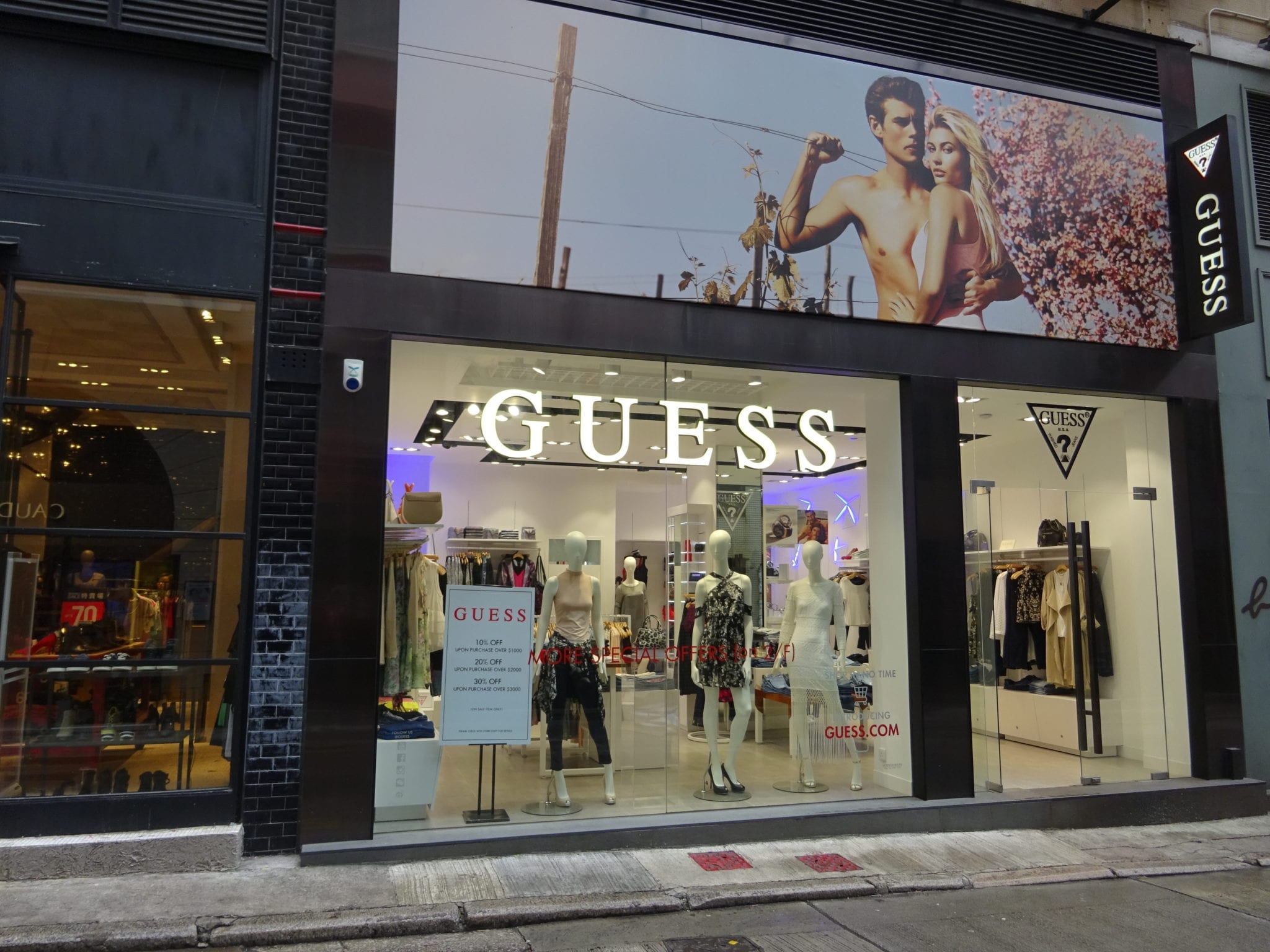
    Guess plans to transfer its operations in Greater China to a local partner this year as part of its restructuring strategy.

    “After many years of running our own direct operations in Greater China, we believe there is an opportunity for this market to be directly developed and managed by a local, highly experienced partner,” said CEO Carlos Alberini.

    “We have already met several potential candidates for consideration and we expect for this transition to be completed before the end of this fiscal year.”

    In addition, the retailer plans to streamline its Guess full-price store portfolio in North America by exiting non-strategic, unprofitable locations.

    Alberini explained that the company is focusing on increasing direct-to-consumer sales productivity globally and improving profitability through business and portfolio optimisation.

    For the fourth quarter ended February 1, Guess reported a 5 per cent increase in revenues to $932.3 million, driven by the Rag & Bone acquisition, positive momentum in the wholesale business, and increased licensing revenues.

    In the Americas, retail sales were up 4 per cent while wholesale revenues soared 63 per cent. Europe revenues increased 2 per cent and Asia revenues fell 15 per cent. Licensing revenues were up 18 per cent.

    GAAP net earnings for the period dropped 29 per cent to $81.4 million, including a net $18.9 million unrealised loss due to the change in fair value of the derivatives related to the company’s convertible senior notes due 2028.

    For the full year, sales grew 8 per cent to $3 billion and adjusted net earnings decreased 40 per cent to $104.5 million.

    “During the year, we delivered solid results with our licensing segment and our wholesale businesses in Europe and the Americas, but missed our plans for our direct-to-consumer business due to slower customer traffic in North America and Asia,” commented Alberini.

    For FY26, the retailer expects net revenues to increase 3.9-6.2 per cent. It forecast a loss of $30-35 million in the first quarter and earnings of $133-165 million for the full year.

    In a separate announcement, Guess said its board has established a special committee to review the non-binding takeover offer from WHP Global.

    “The special committee is carefully evaluating and considering WHP Global’s proposal with the assistance of its financial and legal advisors and has not yet determined whether it is appropriate to pursue the proposed transaction or any other transaction,” the company stated.

  • Apple wants to make MacBook lids stronger and safer

    Apple wants to make MacBook lids stronger and safer

    Ever since Apple silicon elevated the MacBook lineup from just pretty laptops to actually very powerful ones they have become a fan favorite of the industry. Since then the MacBook has seen marginal performance upgrades each year but Apple is now considering improving another aspect of its laptops: the lids.

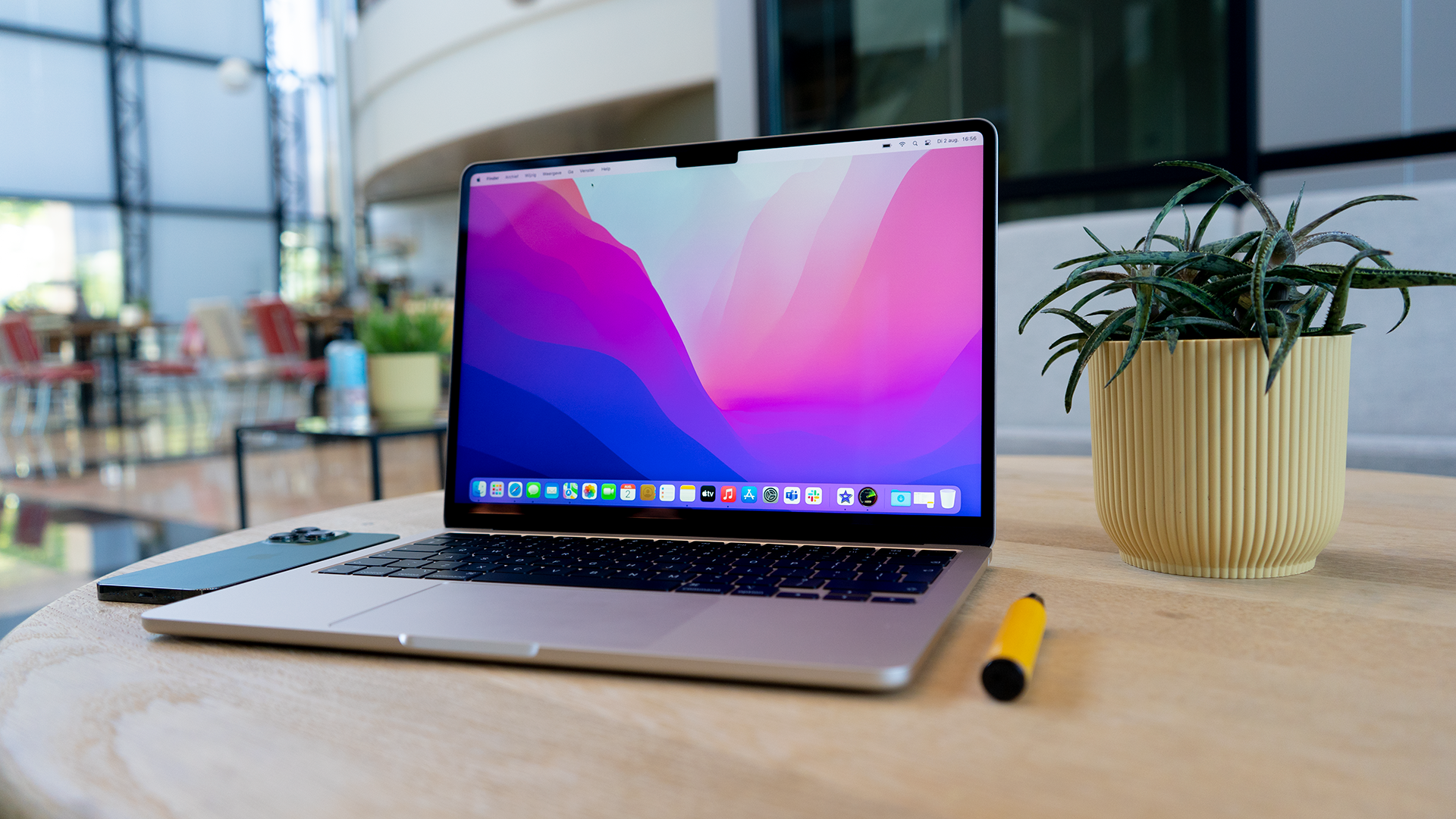
    The MacBook Air and MacBook Pro make use of magnets in their lids to detect when it is closed or open and to keep it closed securely when it’s the former. Apple has filed a patent that alleges that these magnets produce stray magnetic fields even when not in use. The company says that these magnetic fields have the potential to damage nearby items and cited credit cards as possible victims.

    Apple then goes on to describe a new magnetic system that it wants to develop for its MacBook lineup. The new proposed magnetic array will in essence be an electromagnetic system. Apple says that the magnets can be, in very simple terms, switched on or off depending on whether they are needed at the moment.

    The biggest benefit seems to be that the magnetic array won’t produce stray magnetic fields when the MacBook lid is open. Apple may also be able to incorporate much stronger magnets to more reliably keep the lid closed without fear of damaging nearby items when the lid is open.

    The current magnetic array found in MacBook models is not really that strong that it would fry your credit card. So at first I thought this was a very unnecessary upgrade that Apple is thinking about. But the possibility of stronger magnets to keep the lid closed would definitely give the MacBook an even more premium feel.

    Many people who switch from a Windows laptop to a MacBook often mention how much more premium the latter feels. And while more expensive Windows laptops obviously feel more premium too, Apple has a reputation for classy products that it tries very hard to keep. As such the new proposed magnetic array could, in my opinion, give that reputation another slight boost.

    This is just a patent for now but it’s definitely a lot more easily achievable than so many of the more fantastical patents we see every day.

  • United Airlines expands Asia network with new flights to Vietnam, Thailand, Philippines

    United Airlines expands Asia network with new flights to Vietnam, Thailand, Philippines

    The United Airlines plans to add daily flights to Vietnam and Thailand in October, further expanding the network for the U.S.-based carrier that already has the most Asia service, reported CNBC.

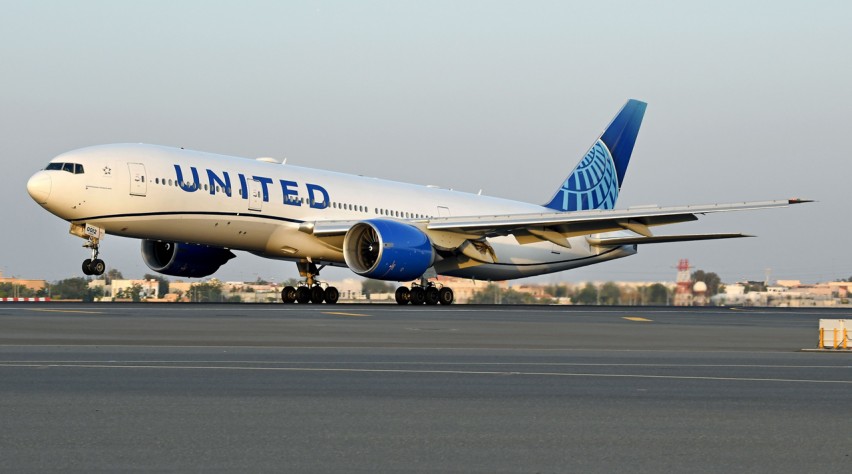
    In the expansion, its airplanes from Los Angeles and San Francisco that are headed for Hong Kong will then go on to the two new destinations: Thailand’s Bangkok and Vietnam’s Ho Chi Minh City, with service set to begin on Oct. 26.

    On Oct. 25, United Airlines plans to add a second daily nonstop flight from San Francisco to Manila, the Philippines, and on Dec. 11, it will launch nonstops from San Francisco to Adelaide, Australia, which will operate three days a week.

    The news site noted that the carrier has been adding far-flung destinations not served by rivals to its routes, like Nuuk, Greenland, and Bilbao, Spain, which will start later this year. Getting the mix right is especially important as carriers seek to grow their lucrative loyalty programs and need attractive destinations to keep customers spending.

  • Emirates launches Emirates Courier Express, promising to treat packages like passengers

    Emirates launches Emirates Courier Express, promising to treat packages like passengers

    Backed by almost four decades’ experience in keeping goods and people moving all over the world, Emirates has launched Emirates Courier Express, an end-to-end delivery solution that is set to redefine the express delivery experience.

    To ensure Emirates Courier Express addressed industry-wide challenges, Emirates worked with various global customers to pilot and finesse the product, with the goal to make it as fast, reliable and flexible as possible, before launching to market. Over the last year, Emirates Courier Express transported several thousands of packages from the UAE, Saudi Arabia, Bahrain, Kuwait, Oman, South Africa and the UK. The average delivery time is less than 48 hours. Now, Emirates Courier Express is open for business, for businesses.

    Badr Abbas, Divisional Senior Vice President, Emirates SkyCargo said, “Emirates Courier Express is an evolution in how we move goods across the globe, at speed and at scale. Building on our world-class and well-established infrastructure, and reimagining traditional logistics processes where necessary, this innovative solution does not just meet the Emirates Gold Standard of reliability and excellence but sets a new benchmark for what’s possible. This is only the beginning of our vision to continuously innovate and lead the charge in the express delivery sector.”

    Traditionally, cross-border delivery is managed via a global hub-and-spoke model, with a package making multiple stops before arriving at its end destination. Emirates Courier Express has broken this mould. Just like passengers, packages will travel from origin to destination directly, leveraging the breadth of Emirates’ vast global network and near-unparalleled flight frequencies. This approach significantly reduces time in transit, reduces package handling and offers Emirates Courier Express customers’ a competitive edge in getting their goods to end users. Direct connectivity is matched with different service levels, ranging from next day urgent delivery to a two-day Premium service, along with a pipeline of innovative new products.

    At launch, Emirates Courier Express will be active and available in seven markets, however the potential network growth is unlimited: wherever Emirates flies, Emirates Courier Express can deliver. Expansion to additional markets is already in the works.

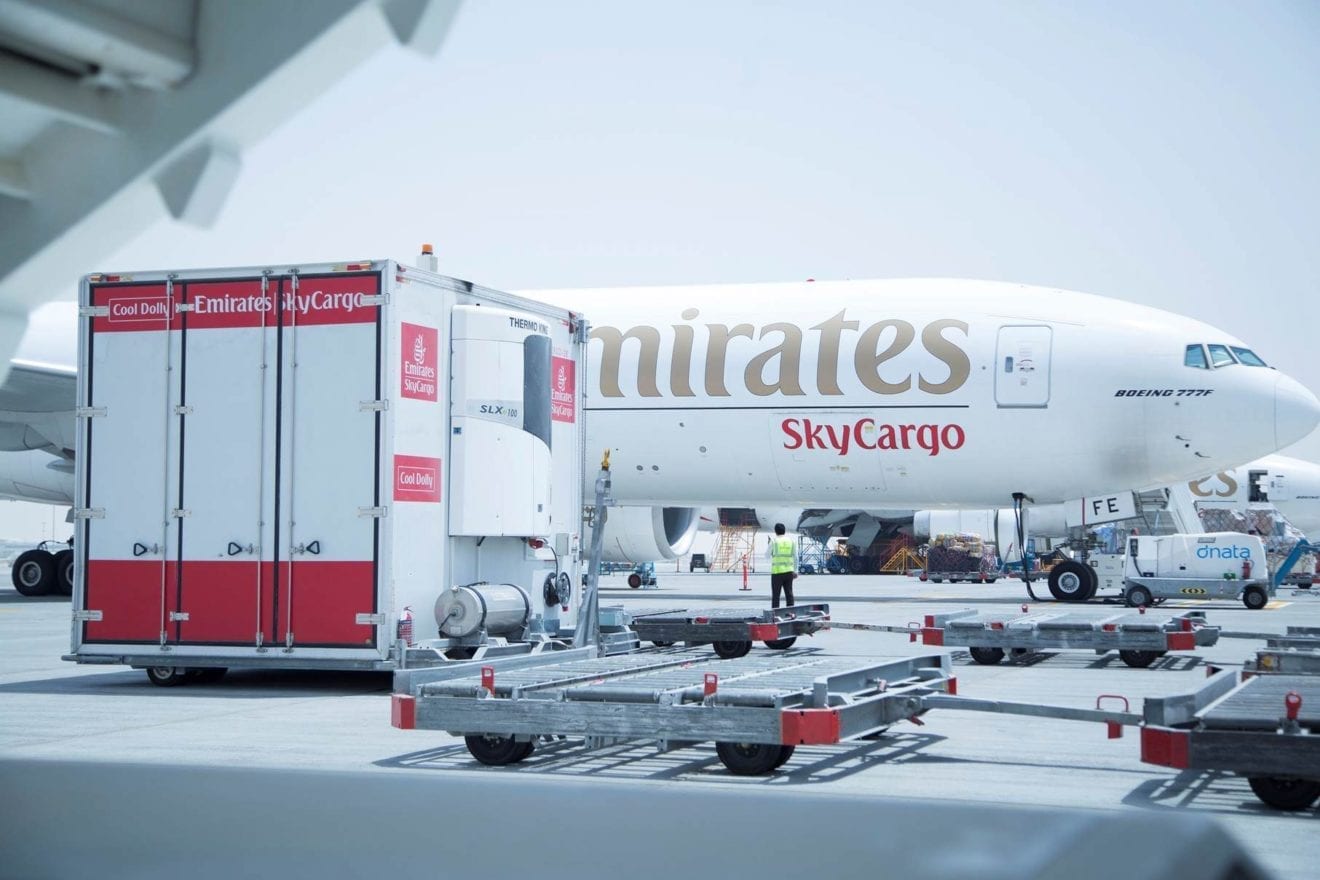
    Harnessing the fleet of the world’s largest international airline, Emirates Courier Express has access to over 250 all widebody passenger and freighter aircraft to move packages worldwide. Complemented by a trusted, reliable and integrated cross border network of partners to manage the customs clearance and first and last mile transportation, the solution delivers door-to-door. This integration into the airline’s existing infrastructure allows Emirates Courier Express to handle volume fluctuations from seasonal spikes while maintaining cost stability, ultimately empowering customers to plan and budget with confidence.

    This seamless integration also enables Emirates Courier Express to provide bespoke and tailored solutions, whether transporting fashion and mobile phones or the most critical medical equipment. A team of dedicated specialists provide niche segment solutions, facilitated by the airline’s extensive freight and logistics infrastructure, including cool chain capacity, allowing the transportation of specialist or sensitive products from launch.

    Prioritising ease of business, Emirates Courier Express’ is entirely digital, with a purpose-built tech platform integrating directly into customer software and supports additional bespoke shipping solutions. Advanced tracking systems, real-time updates, and seamless integration, ensures complete efficiency, reliability, quality, and transparency from collection to delivery across the world.

    Dennis Lister, Senior Vice President of Product and Innovation, Emirates SkyCargo said, “Emirates Courier Express is the result of challenging the status quo. Along with the industry, we watched the increasing volumes of cross border shipping and challenged ourselves to find a better way to transport these goods faster and more efficiently. The new product launch reflects our ongoing commitment to push the boundaries to introduce innovations which drive real impact and ensure our customers always have access to the fastest, most reliable and cost-effective solutions available.”


  • Neste empowers DB Schenker to boost adoption of Neste MY Renewable Diesel in Singapore and Asia-Pacific

    Neste empowers DB Schenker to boost adoption of Neste MY Renewable Diesel in Singapore and Asia-Pacific

    Neste and DB Schenker, one of the world’s leading logistics service providers, have collaborated to work towards expanding DB Schenker’s adoption of Neste MY Renewable Diesel™ in Asia-Pacific. This partnership underscores the shared commitment of both companies to progress towards lower-emission logistics.

    Both companies embarked on a trial which took place from December 2024 to February 2025, in which Neste MY Renewable Diesel was used in Singapore for the first time to power DB Schenker’s land transport operations. As Neste MY Renewable Diesel is a direct replacement for fossil diesel and suitable for all diesel engines, the switch did not require additional investment or modifications to vehicle engines or fuel distribution infrastructure.

    The land transport sector accounts for about 15% of carbon emissions in Singapore. With the use of Neste MY Renewable Diesel, greenhouse gas (GHG) emissions can be reduced by up to 90% over the life cycle of the product compared to using fossil diesel, effectively demonstrating the feasibility of adopting this lower-emission solution to help DB Schenker reduce its land transport emissions.

    “This collaboration with DB Schenker marks the first time Neste MY Renewable Diesel has been used for road transport in Singapore, and it demonstrates the crucial role that this renewable solution can play in DB Schenker’s sustainability journey. We are committed to expanding our collaboration in Singapore and beyond with DB Schenker, and contribute towards a lower-emission logistics sector,” said Ee Pin Lee, Head of Commercial APAC, Renewable Products at Neste.

    “DB Schenker is committed to conducting its business with the smallest possible ecological footprint. In support of this commitment, we have agreed on expanding the adoption of Neste MY Renewable Diesel. We hope to transform our whole industry together with our partners and customers with the use of renewable diesel as a viable solution for decarbonizing our land transport operations in the region,” said Christoph Matthes, Senior Vice President, Head of Land Transport in APAC at DB Schenker.

    Neste and DB Schenker have already been working successfully together in Finland, where DB Schenker has used Neste MY Renewable Diesel in its light distribution vehicles in the cities of Helsinki and Turku. Neste has partnered with DB Schenker also to pilot high-power charging service for heavy-duty vehicles in Finland.

  • DHL Group acquires CRYOPDP from Cryoport to strengthen “DHL Health Logistics”

    DHL Group acquires CRYOPDP from Cryoport to strengthen “DHL Health Logistics”

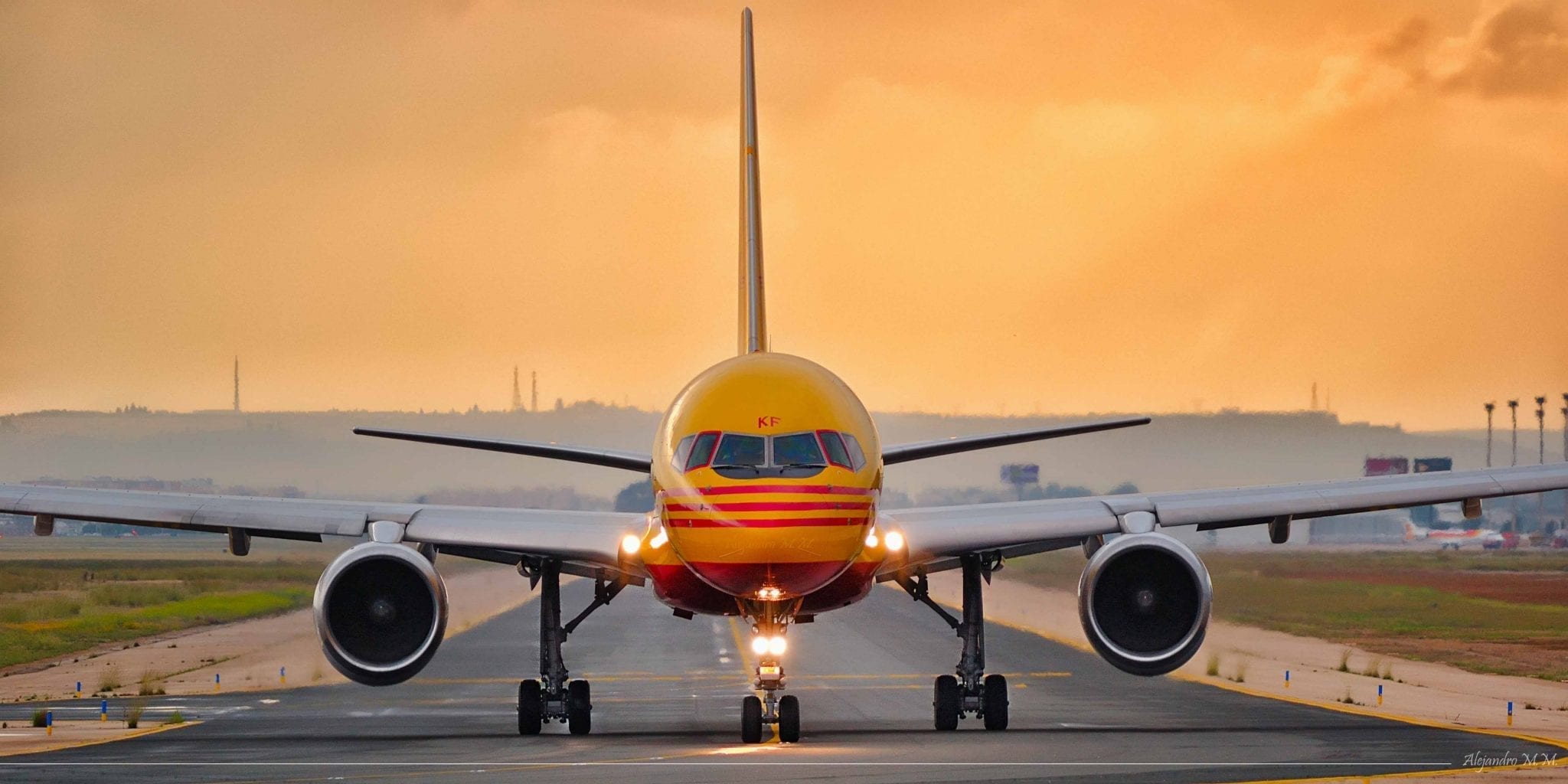
    DHL Group (“DHL”), the world’s leading logistics provider, and Cryoport, Inc. (“Cryoport”), a global provider of supply chain solutions for the life sciences sector, are pleased to announce that DHL has acquired 100% of CRYOPDP, a leading specialty courier focused on clinical trials, biopharma, and cell and gene therapies. In this context, the companies also announced a strategic partnership to strengthen their supply chain service offerings for the global life sciences and healthcare sector.

    DHL Group already has an established Life Sciences and Healthcare business, contributing over EUR 5 billion in global revenue in 2024. Building on this foundation, the acquisition of CRYOPDP marks a significant step in DHL’s commitment to enhancing its capabilities in specialized pharma logistics and expanding the breadth of its offering in the rapidly growing life science and healthcare sector.CRYOPDP specializes in providing white-glove courier services essential to the sectors it serves. With operations in 15 countries, CRYOPDP handles over 600,000 shipments per year, servicing customers and patients in over 135 countries worldwide.

    Going forward, DHL Supply Chain will further build the potential of its Pharma Specialized Network solution by leveraging the specialty courier expertise of newly acquired CRYOPDP and the global air capabilities of DHL Express and DHL Global Forwarding.

    The strategic partnership with Cryoport will bring together DHL’s global health logistics capabilities with Cryoport’s industry-leading expertise in providing specialized solutions in a fast-growing life science and healthcare market segment. It also deepens DHL’s relationship with all the Cryoport business units with respect to specialized pharma.

    Oscar de Bok, CEO of DHL Supply Chain, stated, “The acquisition of CRYOPDP is a pivotal move for our supply chain business as we aim to expand our Pharma Specialized Network to meet the evolving needs of clinical trials, biopharma and cell & gene therapies, in addition to further increasing our footprint in the conventional pharma and life science healthcare segment. The acquisition of CRYOPDP and the extended partnership with Cryoport Inc. will enable us to deliver integrated end-to-end solutions, enhancing our service capabilities.”

    Jerrell Shelton, CEO of Cryoport, commented, “We are indeed pleased to build on our trusted relationship with the DHL Group. Working together we will bring an enhanced set of supply chain solutions to meet companies’ and patients’ critical supply chain needs. This strategic partnership taps into the strong expertise of DHL’s Supply Chain and CRYOPDP, presenting a substantial opportunity for Cryoport to further expand its reach to global growth markets such as Asia Pacific (APAC) and Europe, Middle East and Africa (EMEA).”

    The acquisition aligns with DHL Group’s Strategy 2030, which emphasizes the importance of temperature-controlled networks, first and last mile specialty courier coverage and integrated solutions. CRYOPDP’s capabilities will be instrumental in achieving these objectives and help position DHL as a leader in providing comprehensive solutions for the pharma industry. This strategic move is also expected to yield cost savings and improve overall service levels, especially leveraging DHL Express and DHL Global Forwarding air capabilities, ultimately enhancing DHL’s footprint in the high-value advanced pharma sector.

    For Cryoport, the partnership with DHL will enable it to better execute its business in EMEA and APAC with a stronger focus on its core business in these regions, creating even greater opportunities to offer highly targeted, top-tier services in answering market demand for its services and products.

    The deal and the outlined partnership are subject to regulatory approvals.

  • Huawei Reports Revenue Increase in 2024 Amid Declining Margins

    Huawei Reports Revenue Increase in 2024 Amid Declining Margins

    However, the Chinese conglomerate’s net profit dropped by 28% to CNY 62.6 billion (USD 8.63 billion), with operating margins declining from 14.8% to 9.2%.

    Huawei’s remarkable revenue growth was driven by its consumer business, particularly by strong smartphone sales in China, which surged to CNY 339 billion by 38%.

    Meng Wanzhou, Huawei’s Rotating Chairwoman, highlighted, “Our devices are now back in the fast lane, and we are making historic breakthroughs in HarmonyOS ecosystem development.”

    We continued to optimize our business mix for cloud computing and our digital power kept forging ahead, placing quality before all else.

    The company also maintained a steady performance in its information and communication technology (ICT) infrastructure segment, which grew by 4.9%, totaling USD 369.9 billion.

    Moreover, Huawei’s spending on research and development (R&D) reached CNY 179.7 billion in 2024, representing 20.8% of its total revenue.

    Liang Hua, Huawei’s Chairman of the Board, emphasized, “Over the past year, we strengthened investment in innovation and R&D. We continued to hone our overall competitive edge while improving customer satisfaction and user experience.”

    The report reflected Huawei’s increasing dependence on its domestic market, with China contributing over 71% of its total revenue in 2024. By leveraging the company’s computing, storage, networks, digital power, devices, and intelligent automotive solutions to meet growing demands, the Chinese market contributed CNY 615.3 billion to the overall revenue.

    Huawei’s limited access to the international market has led to the development of the HarmonyOS ecosystem, an alternative to Android following United States sanctions.

    In Europe, the Middle East, and Africa (EMEA), Huawei maintained a steady performance in ICT infrastructure while achieving rapid growth in cloud computing and digital power solutions. The region’s revenue generated CNY 148.4 billion, accounting for 17% of the company’s revenue.

    In a similar trend, the Asia Pacific contributed CNY 43.3 billion, accounting for 5% of the company’s overall revenue, which was primarily driven by accelerated 5G deployment and the rapid expansion of cloud computing and digital power.

    Despite the increase in network traffic and quicker construction of 5G and data communication networks, the Americas contributed the least (CNY 36.3 billion), accounting for only 4% of Huawei’s total revenue.

    Wanzhou further noted that despite the economic downturn, Huawei will increase its strategic investments over the next three years, particularly focusing on building foundational technologies and capitalizing on growth opportunities through differentiation.

  • MobiFone Rolls Out 5G, Boosting Vietnam’s Digital Growth

    MobiFone Rolls Out 5G, Boosting Vietnam’s Digital Growth

    Initially, the 5G service will be available in major city centers, with plans to expand nationwide soon. The network operates on the 3.800-3.900 MHz frequency band, using both 5G NSA (non-standalone) and 5G SA (standalone) architectures. The network speed can reach up to 1.5 Gbps, which is 10 to 15 times faster than 4G.

    Existing 4G subscribers with 5G-compatible smartphones can access the 5G network across coverage areas without changing their SIM cards. For enterprise customers, MobiFone offers over 100 products and solutions for eight priority sectors, addressing national digital transformation. MobiFone has already implemented various 5G-based solutions for government agencies and businesses nationwide.

    Examples include an artificial intelligence (AI) camera solution for smart tourism and traffic management, as well as a 5G private network solution at Vicem Hoang Mai Cement Joint Stock Company.

    Vietnam launched 5G services at the end of 2024. As of January 2025, Viettel has 5.5 million 5G subscribers, while Vietnam Posts and Telecommunications Group (VNPT) has extended 5G coverage to 63 provinces and major airports, serving around 3 million users. MobiFone aims to accelerate 5G commercialization to support national economic growth.

    Prime Minister Pham Minh Chinh emphasized the importance of expanding 5G commercialization to achieve at least 8% economic growth by 2025. Mastering 5G technology is crucial to meet this goal. According to the GSMA, 5G is expected to contribute over USD 930 billion to the global economy by 2030, benefiting key sectors such as industrial manufacturing, public administration, services, IT and communications, and finance.

    To support 5G infrastructure development, the National Assembly has allocated state budget funds to assist telecom companies with the rapid network expansion. Enterprises deploying at least 20,000 5G base stations by the end of 2025 will have 15% of their equipment costs covered. MobiFone’s 5G service not only enhances digital transformation but also boosts technological innovation and economic competitiveness. By leveraging 5G, Vietnam aims to become a regional technology leader and an attractive destination for foreign investment.

  • Amazon’s last-second bid to buy TikTok is not being taken seriously

    Amazon’s last-second bid to buy TikTok is not being taken seriously

    By law, short-form video app TikTok has until this Saturday, April 5th, to be divested by its current owner ByteDance, or else face banishment in the U.S. The legislation requires ByteDance to find a buyer for the popular app that is not a Chinese company. TikTok has been accused of stealing users’ personal data, and disseminating propaganda from China and the Chinese Communist Party to U.S. viewers.

    It looks like an American company, as American as Apple Pie, has thrown a last-second bid for TikTok into the ring. An unnamed U.S. administration official said today that Amazon has made a bid to acquire TikTok, which had about 1.5 billion monthly active users early this year. Last week, Reuters reported that private equity firm Blackstone was looking at joining a group made up of TikTok’s non-Chinese stockholders Susquehanna International Group and General Atlantic to bid for the app.

    Another U.S. company believed to be interested in buying TikTok from ByteDance is Oracle. The firm is already involved with TikTok as it is designated as the app’s “trusted technology provider” in the U.S. and its servers are used to store the personal data of U.S. TikTok users.

    The New York Times reported today that Amazon’s bid for TikTok came in the form of a letter sent from the company to Vice President JD Vance and Commerce Secretary Howard Lutnick. However, the Times story says that various parties are not taking Amazon’s bid seriously. The value of Amazon’s bid as well as those of competing bids are unknown. The online retailer had previously attempted to copy TikTok by launching a similar feature inside its app called Inspire. However, Inspire was considered a failure and was removed from the Amazon app earlier this year.

    Meanwhile, President Donald Trump is reportedly hosting a meeting in the Oval Office on Wednesday to discuss TikTok and the possible suitors for the app. You might recall that in 2020 during Trump’s first term, he tried to broker the sale of TikTok to American firms that showed interest including Oracle, Walmart, and Microsoft. This time, there is legislation involved as a bill to ban TikTok in the U.S. was signed by then-President Joe Biden last April.

    The bill forced ByteDance to divest its holdings in TikTok by January 19th or get banned in the U.S. President Trump signed an executive order on January 20th, his inauguration day, that prevents the Justice Department from taking action against TikTok until the April 5th deadline.

  • HP teams up with a new partner to make its laptops smarter and more secure

    HP teams up with a new partner to make its laptops smarter and more secure

    AI-powered devices are quickly taking over – not just in smartphones but across the PC market, too. HP is one of the latest to jump into the AI race. The company recently overhauled its entire lineup of mobile and desktop computers to cater to the growing demand for AI-driven enterprise solutions. And with its refreshed portfolio packed with AI PCs, HP is now taking things a step further.

    The company has teamed up with Reincubate, a leader in edge AI and audio-video processing, for a multi-year partnership. Their goal? To improve on-device video and video conferencing by integrating Reincubate’s AI video technology directly into HP’s hardware.We’re excited to partner with Reincubate to harness its AI video technology, enabling HP’s next gen AI PC users to collaborate clearly.

    This partnership leverages HP’s next-gen AI PC NPUs to deliver more immersive digital collaboration experiences. Because all the AI processing of video and audio is entirely local on the NPU, it’s not only more efficient, but completely secure.

    NPUs (neural processing units) are unlocking a new level of AI-powered performance in laptops, delivering faster speeds, stronger security and seamless connectivity. Plus, by handling AI tasks independently, NPUs take the pressure off the CPU and GPU, resulting in better efficiency and extended battery life.

    Reincubate’s AI technology is fine-tuned to work with NPU-equipped SoCs from HP’s chip partners, maximizing the potential of AI-driven computing.

    It is great to see more companies leaning into on-device AI rather than relying on cloud processing. This means AI tasks are handled directly on the device – whether it is a smartphone, laptop or another gadget – without sending data to remote servers. The result? Stronger privacy since sensitive information stays on the device instead of being stored elsewhere.

    On-device AI also means instant processing without the lag that comes from bouncing data between a device and the cloud. Plus, AI-powered features continue to work even when there is no internet connection, making them more reliable in any situation.

    Big names like Apple, Samsung and Google have already embraced the idea of running generative AI directly on their devices.

    Overall, ARM-based machines, known for their efficiency, are quickly becoming the go-to for on-device AI and HP’s lineup already includes several Snapdragon-powered laptops, such as the HP EliteBook Ultra, HP Elite Folio and HP OmniBook 5.

  • CEVA Logistics expands global air freight capacity with WUX

    CEVA Logistics expands global air freight capacity with WUX

    In serving its customers with consistent, reliable air capacity on key trade lanes, CEVA Logistics is launching a new trans-Pacific charter program. The new air cargo charter solution connects Wuxi, China (WUX), to Chicago, U.S. (ORD), offering three flights per week.

    The inaugural charter flight departed from Wuxi to Chicago earlier on 28 March, carrying more than 100 tons of cargo. The Wuxi-Chicago charter is designed to accommodate a diverse range of cargo types, including industrial equipment, electronics, oversized cargo, e-commerce goods, and apparel. As part of the new charter program, CEVA is also offering customers sustainable aviation fuel (SAF) options through its CEVA FORPLANET suite of low carbon transport and circular economy solutions.

    CEVA is offering the charter solution through an agreement with Wuxi Sunan Shuofang International Airport Group. The Wuxi airport provides an inland advantage by easily covering the Yangtze River Delta Economic Development Zone. The ideal logistics hub serves not only global companies with manufacturing sites on the outskirts of Shanghai, but also Chinese companies in industrial, technology and e-commerce sectors.

    Upon arrival in Chicago, cargo can be efficiently distributed across various major U.S. cities thanks to CEVA’s gateway located less than 10 miles from the airport. The 700,000-square-foot air freight warehouse includes an 8,000-square-foot FTZ (Free Trade Zone), a 10,000-square-foot cold storage facility with two chambers, a 180,000-square-foot CFS (Container Freight Station), and a 180,000-square-foot CCSF (Certified Cargo Screening Facility) with ETA, x-ray, and K-9 inspection capabilities.

    Through CEVA’s robust domestic LTL ground transport network, more than 200 weekly linehaul options connect the Chicago gateway with hubs in Los Angeles, Dallas, Atlanta, Columbus, as well as 70 onward distribution sites across the country, to complete the final domestic delivery in less than 24 to 48 hours. The charter program also provides swift customs clearance and airport handling service, as well as other tailored solutions for cross-border volumes.

    In addition, CEVA’s freight management solutions across Southeast Asia extend the service’s reach to other major cities and manufacturing zones. By offering multi-modal transport options from Southeast Asia to Wuxi, CEVA can offer a broader range of its customers access to the new trans-Pacific air charter solution.

    Loic Gay, global air product leader, CEVA Logistics, said: “CEVA Logistics continues to invest in our global air freight network and our owned, controlled capacity. This new trans-Pac charter service underscores CEVA’s commitment to securing the right capacity on the right lanes for current and future customers in order to meet their evolving needs.”

  • Microsoft is changing how your Windows laptop tells you it’s crashing

    Microsoft is changing how your Windows laptop tells you it’s crashing

    Microsoft is shaking things up with some new changes to Windows and while some are aimed at making your experience smoother and faster, others, like the removal of the option to set up a new PC without signing in with a Microsoft Account, might ruffle the feathers of Windows 11 users who prefer a bit more freedom. And there is another change that might not sit well with everyone.

    Microsoft has announced it is revamping the infamous Blue Screen of Death (BSOD). The classic blue background, frowning face and QR code are gone, replaced by a simpler error screen in black.

    However, it is still unclear whether the black screen will stick around in the final update or if it will eventually turn green, as users on the beta, dev and canary channels are seeing the test builds with a green background instead. Time will tell, but one thing’s for sure – BSOD is getting a makeover.

    We’re previewing a new, more streamlined UI for unexpected restarts which better aligns with Windows 11 design principles and supports our goal of getting users back into productivity as fast as possible. We’ve simplified your experience while preserving the technical information on the screen. As a reminder, for Windows Insiders this appears as a “green screen”.

    This marks the biggest change to the BSOD since Microsoft first added the sad face back in Windows 8. The redesigned error screen still shows the faulty driver or error message but keeps things simple with just a “your device ran into a problem and needs to restart” message.

  • Italian motorbike brand Ducati to shut down only northern Vietnam store

    Italian motorbike brand Ducati to shut down only northern Vietnam store

    Ducati Vietnam will close its Hanoi showroom – the only one serving northern Vietnam – on Tuesday, citing market challenges.
    While the Hanoi dealership would cease operations, Ducati would continue to offer maintenance and repair services in the city, a Ducati Vietnam representative said.

    The closure decision stemmed from the lower-than-expected performance of the northern dealership.

    Although specific sales figures remain undisclosed, the representative indicated that the bulk of Ducati sales originate from customers in southern Vietnam.

    The representative acknowledged this move “would make it difficult for northern customers wanting to learn about and experience Ducati bikes.”

    The Hanoi showroom has been operating for nearly four years.

    Ducati currently offers nine models in Vietnam in a range of categories including scrambler, naked bike, sport, and adventure, all imported from Thailand.

    The importer and distributor for Ducati in Vietnam is CT-Wearnes Vietnam, a subsidiary of Singapore-based Wearnes Automotive.

    CT-Wearnes also distributes luxury car brands Bentley and Aston Martin in the country.

    In the motorcycle sector, CT-Wearnes previously handled distribution for India’s Royal Enfield from September 2022 but ceased operations for that brand exactly two years later, in September 2024, due to low sales volume.

    The closure occurs against a backdrop of a struggling market for large-displacement motorcycles (over 175cc) in Vietnam.

    Unlike the scooter segment, official sales data for these motorcycles is not regularly published. All such motorcycles sold locally are imported, primarily from Thailand.

    A sales manager at an official motorcycle dealership in HCMC highlighted a sharp decline in demand over the past two years, estimating that overall motorbike sales fell by approximately 30% in 2024 compared to 2023.

    “The enthusiasm for large bikes has cooled down due to economic difficulties as well as stricter government regulations on modifications and upgrades,” the manager said.

    “Motorbike dealerships all have to cut costs to make a profit.”

    Despite the downturn, Vietnam’s motorcycle market features most major global manufacturers.

    Competitors include Japanese brands like Honda and Yamaha, and Italian producers such as Ducati, Aprilia, and Moto Guzzi. There are also products from the U.K.’s Triumph, and Germany’s BMW Motorrad.

    Currently, Al Naboodah International Vietnam holds the distribution rights for the largest number of motorcycle brands, including Harley-Davidson, Triumph, KTM, and Husqvarna.