Author: Mei Ling Tan

  • WhatsApp’s most comprehensive update arrives today

    WhatsApp’s most comprehensive update arrives today

    WhatsApp receives new updates quite often, but many times developers don’t really reveal what’s been added to the app. That usually happens because the changes are minor or not significant enough to warrant a changelog.

    Today’s update, or better say changelog, is very different to what we’re used to. WhatsApp has just announced its first “feature roundup,” a comprehensive and informative list of new features and improvements that the app received recently.

    While these might not necessarily be rolled out today, they might have been part of very recent updates that not everyone received yet. That said, let’s take a deep dive into what’s coming and what’s already been added to WhatsApp recently.

    Most of the changes announced today revolve around conversations, chats, and Channels, so let’s start with the first on the list. First off, WhatsApp now features an “online” indicator in group chats, allowing users to see how many people are “Online” in real-time, right under the group name.

    Secondly, WhatsApp has added the ability to highlight notifications in groups. It’s an easy way to prioritize group chat notifications by using a new “Notify for” setting and selecting “Highlights” to limit notifications for @mentions, replies, and messages from saved contacts or “All” to receive all notifications.

  • Cathay continues its sustainability efforts as it builds momentum for future development

    Cathay continues its sustainability efforts as it builds momentum for future development

    Cathay released its 2024 Sustainability Report, reflecting steady progress in its sustainability journey and reaffirming its commitment to long-term sustainable development. As the Cathay Group moves into its next phase of growth, sustainability remains a key priority.

    Chief Executive Officer Ronald Lam said: Having successfully completed our two-year rebuilding journey, we have now set our sights on growth and development, where sustainability remains an area where we aspire to lead and is at the forefront of our path forward.

    Our environmental focus continues to be on climate change and a circular economy. As a pioneer and early adopter of sustainable aviation fuel (SAF), we continue to work towards fostering a local SAF ecosystem and expanding SAF usage globally, while acknowledging the challenges and opportunities ahead. We are also embracing the shift towards responsible use of resources by continuously reducing our reliance on single-use plastics (SUP) and exploring packaging alternatives. Beyond our environmental efforts, we remain committed to our deep roots in Hong Kong, enriching our communities through youth, sports, and arts initiatives while setting our sights on future growth by attracting, developing and retaining a strong pipeline of global talent.

    Key highlights from the 2024 report include:

    • Fostering a local SAF ecosystem with the Groups record global SAF usage: Cathay launched a landmark tripartite SAF partnership with HSBC Hong Kong and EcoCeres, enabling SAF usage from Hong Kong International Airport while demonstrating the potential of fostering an SAF system in Hong Kong. It also co-initiated the Hong Kong Sustainable Aviation Fuel Coalition (HKSAFC), a multi-stakeholder group, to drive SAF policy development and adoption in Hong Kong. Globally, Cathays Corporate SAF Programme recorded a 22-fold increase in SAF usage compared to its launch in 2022.
    • Advancing a circular economy: Cathay Pacific reduced its passenger-facing SUP items to an average of 2.6 pieces and set two new secondary SUP targets for 2025: increasing inflight recycling of water bottles to 33% and ensuring at least 50% of the remaining passenger-facing SUP items are made with recycled plastics. Working towards its goals, Cathay Pacific introduced a first-of-its-kind workflow for recycling plastic bottles and cans at Hong Kong International Airport.
    • Nurturing the Hong Kong community: 2024 marked the 20th anniversary of Cathays flagship youth development programme, I Can Fly, with its return after a five-year hiatus, expanding the initiative to include an exchange tour in the wider Greater Bay Area.

    The full 2024 Sustainability Report detailing Cathays sustainability performance and commitments is available here.

  • Instagram is reportedly changing its mind about this long-ignored Apple device

    Instagram is reportedly changing its mind about this long-ignored Apple device

    Instagram is finally working on something users have been asking for since the early days — a proper app for the iPad. According to a new report from The Information, Meta has started developing a version of Instagram made specifically for tablets. That means, more than a decade after launching exclusively on iPhone, the social platform could soon be much more usable on Apple’s larger screens. Sound familiar? I thought I’d heard that before.

    This change of heart doesn’t seem to be random. The push to bring Instagram to iPad is reportedly tied to the ongoing uncertainty surrounding TikTok. With a possible ban of TikTok in the United States being debated in Congress, Meta sees a real opportunity to win over creators who may be looking for a new home. Offering better tools and support for creators is one of Instagram’s current priorities — and that includes making sure the app works well on more than just phones.

    Instagram has long resisted building an iPad-specific app. Back in 2020, Instagram head Adam Mosseri said the company had limited resources and too many other things to work on. In 2022, he added that there just wasn’t a big enough group of users demanding an iPad app to make it a priority. As a result, users have been stuck using the iPhone version of the app on their iPads, which looks awkward and doesn’t take advantage of the extra screen space.

    However, we have seen how quickly Meta can make features appear seemingly out of thin air, especially when it involves one-upping a competitor. Let’s not forget how quickly the Meta-owned app “Threads” gained a ton of new features once the company realized that competing app “Bluesky” began to rise in popularity and eating into their user base.

    There’s still no official confirmation or timeline for release, and details on what the app might look like are limited. But the fact that Instagram is even considering it now shows how much the competition has shifted. TikTok already has an iPad-optimized app, and YouTube’s Shorts platform runs well across all devices. Instagram risks falling behind if it doesn’t meet creators where they are — and many of them use iPads for editing, planning, and posting content.

    If this finally happens, it could unlock a lot of potential for iPad users. Instagram now has a chance to capitalize on an opportunity to gain more users, and the timing couldn’t be more critical. Maybe this is one thing we can agree to be thankful to TikTok for. Maybe.

  • Taiwanese bubble tea chain Gong Cha hits US$600m in global sales

    Taiwanese bubble tea chain Gong Cha hits US$600m in global sales

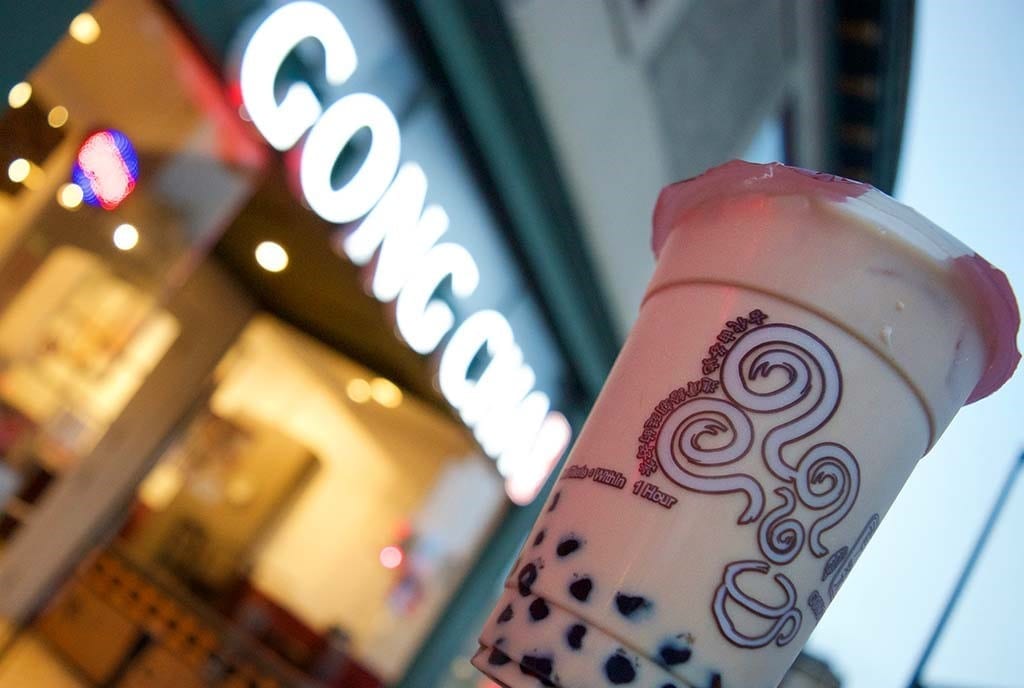
    Taiwanese bubble tea chain Gong Cha has reached US$600 million in global system sales for the 12 months ended December, driven by its rapid global expansion.

    Group revenue also rose 12 percent year-on-year to US$190 million as the brand expanded operations in Japan, South Korea, and the US.

    The company opened 240 new stores and entered five new markets: Saudi Arabia, Morocco, Mauritius, Honduras and Puerto Rico. Gong Cha now operates 2162 stores across 28 countries.

    “It’s been a fantastic year for Gong Cha,” said Paul Reynish, global CEO. “We’ve invested heavily in our supply chain and operations, expanded our footprint through new stores and geographies, and focused on making our existing stores more efficient and profitable for our franchisees.”

    The company recently introduced a new store format, Gong Cha 2.0, alongside a digital kitchen system that features ordering kiosks and automated drink machines.

    The brand also launched several marketing campaigns, including a high-profile collaboration with Final Fantasy XIV and limited-time drink offerings, resulting in more than 1.3 billion media impressions last year.

    “Looking ahead, we see huge potential for Gong Cha to become a global brand,” Reynish added.

    Founded in Taiwan in 2006, Gong Cha relocated its global headquarters to London in 2019. The company plans to enter at least six new markets this year and reach 10,000 stores globally by 2032.

  • Uniqlo parent expects profit lift ahead of tariff disruption

    Uniqlo parent expects profit lift ahead of tariff disruption

    The operator of Uniqlo, Japan’s Fast Retailing, is expected to post another quarter of strong earnings on Thursday, but the focus will be on how the global clothing chain navigates a trade environment thrown into disarray by new US tariffs.

    Based on the LSEG consensus forecast drawn from six analysts, Fast Retailing is expected to post a 14 percent rise in operating profit to US$866 million in the three months through February from a year earlier.

    That would be a record for the second quarter and a near doubling of the 7.4 per cent profit growth of the first quarter.

    From one store in Hiroshima, western Japan, 40 years ago, Uniqlo has grown to more than 2,500 locations across the world, selling inexpensive fleeces and cotton shirts made primarily in China and other Asian manufacturing hubs.

    But that business model has been upended by widespread tariffs announced by US President Donald Trump, along with retaliation by some of America’s trading partners.

    The company has recently looked to North America and Europe for growth due to a slowing economy in China, its largest overseas consumer market with more than 900 Uniqlo stores on the mainland.

    The tariffs will certainly be a negative for Fast Retailing, said independent analyst Mark Chadwick, but the measures will have the same impact on its retail peers and have a worse effect on other industries.

    “Textile supply chains are probably more flexible than, say auto supply chains,” said Chadwick, who writes on the Smartkarma platform. “In short, US tariffs will have a negative impact on Fast earnings looking out over the next 12 months, but less so than other global firms like Nintendo, Toyota.”

    Fast Retailing shares have fallen more than 4 percent this month as Trump laid out his tariffs plan. They are down 19 percent in 2025 after surging nearly 50 percent last year.

    Its founder Tadashi Yanai, Japan’s richest man, aims to make his company the world’s No. 1 clothing brand. Yanai, due to speak at Thursday’s earnings briefing, has long been an advocate of free trade and has defended the company’s business dealings in China when human rights concerns there have sprung up.

    Trump said Japan would be hit with a 24 percent reciprocal tariff on non-auto products, while duties on Chinese goods would rise to 104 percent.

    UBS analysts said that Uniqlo goods shipped to North America are procured from sources outside China, and Fast Retailing’s tariff costs would be an estimated $236,011 million next fiscal year, curbing business profit by about 6 per cent.

    “We will be watching closely whether a heightened price consciousness among consumers leads them to re-rate the balance between value and pricing at Uniqlo, potentially translating into business opportunities over the medium term,” UBS’s Takahiro Kazahaya wrote in a report this week.

    Fast Retailing expects operating profit to reach 530 billion yen in the fiscal year ending in August, which would be a fourth straight year of record earnings.

    Domestic sales have recently gotten a boost from a surge in duty-free shopping amid a tourism boom in Japan fuelled by a weak yen.

  • Cristiano Ronaldo to launch CR7 Life flagship store in Hong Kong

    Cristiano Ronaldo to launch CR7 Life flagship store in Hong Kong

    Football icon Cristiano Ronaldo is expanding his lifestyle brand globally with the debut of the CR7 Life flagship in Hong Kong.

    Located on the seventh floor of Times Square Mall, the outlet will showcase a curated range of products, including apparel, accessories, shoes, eyewear, fragrances, and homeware. Many of the featured items have been handpicked and signed by Ronaldo.

    A dedicated CR7 Life Museum will also open alongside the store, celebrating the football star’s career, achievements, and influence on global sports culture.

    The flagship will also feature a Portuguese cafe serving traditional Portuguese delicacies such as Pasteis de Nata (custard tarts), premium coffee, and artisanal pastries.

    “This is more than just a shopping destination. It’s a full-sensory, cultural encounter that brings together sport, style, and travel – positioning Hong Kong as Asia’s new home of football lifestyle,” said the company.

  • Singapore retail sales plunge in February

    Singapore retail sales plunge in February

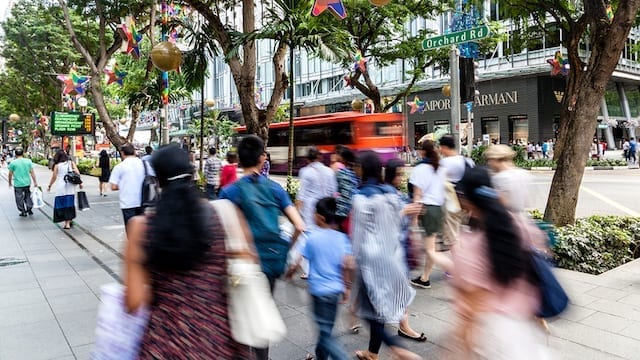
    Singapore retail sales took a dive in February due to the difference in timing of the Chinese New Year.

    Excluding motor vehicles, retail sales fell 6.7 percent year-on-year in February, reversing the 5.1 percent increase in January. The estimated total value was SG$3.2 billion (US$2.3 billion), of which 14.6 percent were from online sales.

    The Department of Statistics said the decline was partly due to Chinese New Year being celebrated in February last year, as opposed to January this year.

    For the two-month period (January to February), retail sales were down 0.5 per cent.

    By industry, wearing apparel and footwear recorded the biggest sales decline of 18.4 percent, mainly due to lower sales of wearing apparel. Department stores and supermarkets and hypermarkets saw a 14.6 percent and 13.3 percent decrease, respectively.

    In contrast, retailers of optical goods and books recorded sales growth of 6.4 percent. The cosmetics, toiletries and medical goods, watches and jewellery, and computer and telecommunications equipment industries also reported modest improvements.

    Sales of food & beverage services fell 5.6 percent in February, compared to the 10.3 percent growth in January. This was also due to the difference in the timing of Chinese New Year.

  • J Lindeberg opens five-story flagship in Seoul’s Gangnam district

    J Lindeberg opens five-story flagship in Seoul’s Gangnam district

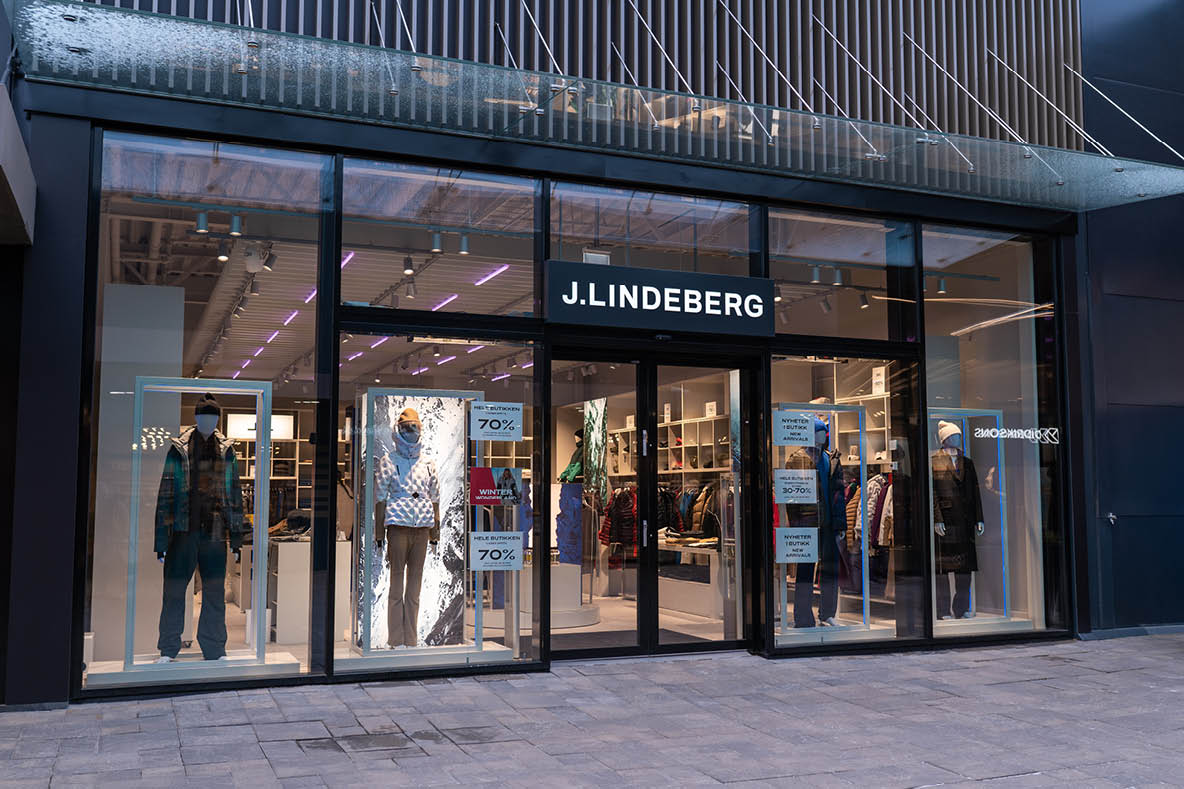
    In Seoul’s trendy Gangnam district, Swedish apparel label J Lindeberg has opened its largest store yet, a five-storey flagship.

    The concept store is inspired by the rhythm of golf and each floor showcases the company’s apparel as if navigating a golf course.

    The store was designed in collaboration with interior creatives, Showmakers, to celebrate movement, performance, and modern luxury through its furniture, themed zones and hangout spaces.

    The store offers different services on each floor,

  • China pressures Shein against shifting its supply chain

    China pressures Shein against shifting its supply chain

    Fast-fashion retailer Shein is facing opposition from the Chinese government over its plans to shift some production out of the country, Bloomberg News reported on Tuesday, citing people familiar with the matter.

    China’s Ministry of Commerce has reached out to Shein and other companies, advising them against diversifying supply chains by sourcing from other countries, one person familiar with the matter told Bloomberg News.

    Bloomberg News said it wasn’t immediately clear which other firms were contacted by the commerce ministry.

    The requests came in the run-up to US President Donald Trump’s announcement on reciprocal tariffs that have sent firms scrambling for alternative ways to avoid additional import levies, the person told Bloomberg News.

    Shein did not immediately respond to a Reuters request for comment on the report.

    Trump’s harsher-than-expected tariffs have roiled markets globally, wiping trillions of dollars in value across assets, and elicited strong rebuke from China and additional tariffs of 34 per cent on all US goods.

  • McDonald’s renews 20-year franchise deal in the Philippines

    McDonald’s renews 20-year franchise deal in the Philippines

    McDonald’s has renewed its 20-year master franchise agreement in the Philippines, extending its partnership with Golden Arches Development Corporation (GADC) until 2045.

    Under the new agreement, the company retains exclusive rights to own, develop, operate and sub-franchise McDonald’s restaurants nationwide.

    GADC, led by founder and chairman George Yang, has operated the fast food giant’s Philippine business since opening the first McDonald’s store in 1981.

    The chain operates 792 stores in the Philippines, with the majority in the National Capital Region.

    Reflecting on the franchise’s early days, Yang recalled applying for the rights in the late 1970s.

    “I confidently said 10 stores,” he continued. “This year, we’ll be opening our 800th store.”

    McDonald’s Philippines has introduced several firsts to the local quick-service restaurant sector. It was the first in the country to launch an online delivery platform in 2009, followed by the McDelivery app in 2014.

    The brand was also an early adopter of third-party delivery aggregators such as Grab and Foodpanda, where it is now one of the largest merchants.

    Last year, McDelivery accounted for 19 per cent of the company’s total sales.

    Kenneth Yang, GADC president and CEO, said digital transformation has played a key role in McDonald’s growth in the market.

    “These platforms have helped scale the business and improved how we operate,” he said.

    “We are not stopping here. Our teams constantly work on new opportunities driven by evolving customer preferences and behaviours.”

    GADC is 51 percent owned by the Yang family, with the remaining 49 percent held by Alliance Global Group Inc, chaired by tycoon Andrew Tan.

  • Etihad Cargo, DoH and RAFED highlight Abu Dhabi’s commitment to become a global pharma and life science distribution hub at LogiPharma 2025

    Etihad Cargo, DoH and RAFED highlight Abu Dhabi’s commitment to become a global pharma and life science distribution hub at LogiPharma 2025

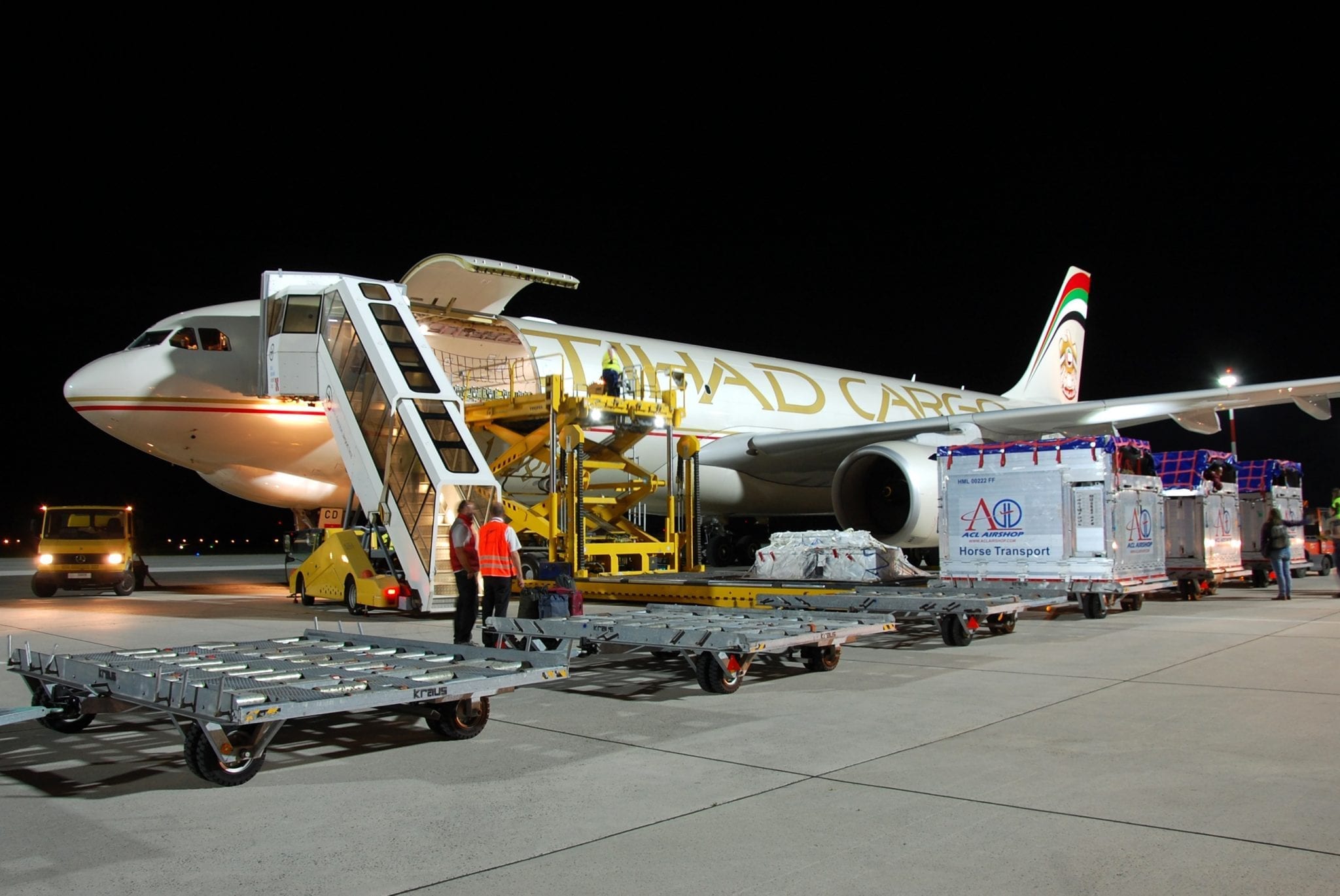
    Etihad Cargo, the cargo and logistics arm of Etihad Airways, will attend LogiPharma 2025, taking place from 8–10 April, Centre de Congrès de Lyon, France. As a leading voice in pharmaceutical airfreight, the carrier will be joined at booths 84 and 85 by strategic partners Abu Dhabi’s Department of Health and RAFED, underscoring Abu Dhabi’s goal to become a global pharmaceutical and life science distribution hub.

    “Leveraging Abu Dhabi’s strategic location at the gateway to the MENA region, we are offering advanced infrastructure with easy access to regional and global markets. We’re not just offering airfreight, Etihad Cargo has deepened its focus on creating a smarter, more responsive cold chain for pharma customers worldwide, enabling an end-to-end, temperature-controlled ecosystem in collaboration with regulators, manufacturers and supply chain partners.” Said Stanislas Brun, Chief Cargo Officer.

    The collaboration with Abu Dhabi’s Department of Health and RAFED, the region’s leading healthcare procurement and logistics platform, is in line with the Abu Dhabi Economic Vision 2030. The partnership is a pivotal step in Abu Dhabi’s ongoing efforts to become a leading healthcare destination in the global healthcare landscape.

    Faisal Haji, Division Director Health Sector Innovation Department at the Department of Health – Abu Dhabi, commented: “Through our collaboration with Etihad Cargo and RAFED at LogiPharma 2025, we are reinforcing DoH’s commitment to reshaping the region’s healthcare landscape. Our ambition is to cultivate a healthcare ecosystem where patients can benefit from the most advanced treatments and innovations in medical technology. By developing a dynamic hub for healthcare and life sciences distribution, we aim to improve patient outcomes and elevate the standard of care across the region.”

    Samer Al Zamil, Chief Commercial Officer at RAFED, added: “Together with Etihad Cargo and the Department of Health, we are building a trusted supply chain that supports not just the UAE, but the broader region and global healthcare community. LogiPharma is a platform for showcasing what true collaboration across public and private sectors can achieve.”

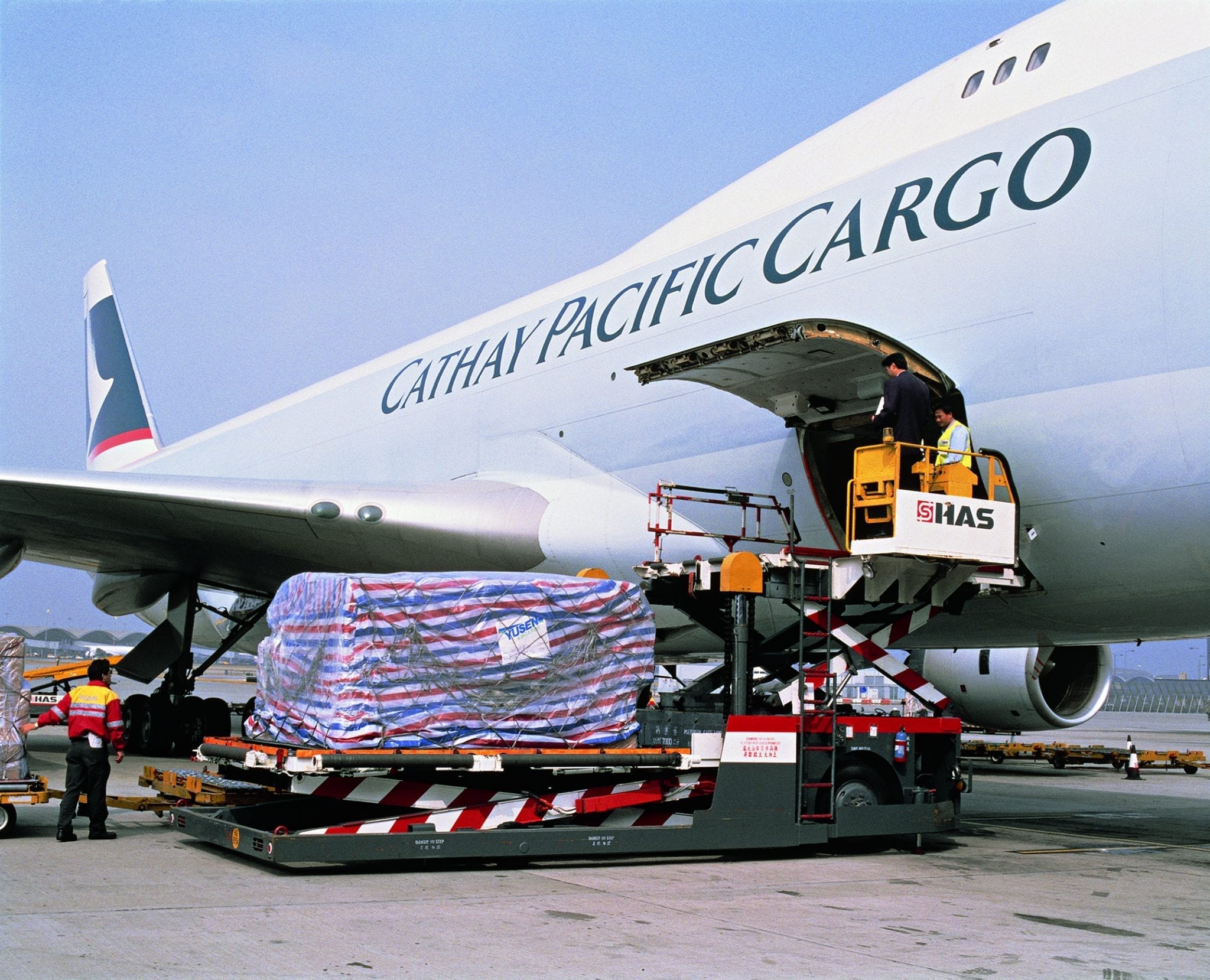
    Etihad Cargo’s award-winning PharmaLife product, certified under IATA CEIV Pharma, ensures the safe and reliable transport of temperature-sensitive pharmaceuticals, vaccines and biologics through advanced tracking, thermal mapping and real-time monitoring technologies.

  • Thai rice prices hit over three-year low

    Thai rice prices hit over three-year low

    Prices of rice shipped from Thailand declined to an over three-year low this week due to US President Donald Trump’s move to impose import tariffs and an existing market surplus.

    Meanwhile, India’s rice export prices neared a two-year low on subdued demand. The US announced to impose a flat 26% tariff on all goods being exported by India to the US, a 36% tariff on goods from Thailand, and 37% on Bangladeshi products.

    Thailand’s 5% broken rice fell to $395-400 per tonne, its lowest since January 2022.

    Meanwhile, India’s 5% broken parboiled variety was quoted at $392-400 per tonne and fell to its lowest level in nearly 22 months on subdued demand from African buyers amid ample supplies. Indian 5% broken white rice was priced at $380 – 385 per tonne this week.

    Overseas buyers incurred losses due to the sharp drop in prices over the last few weeks, so they are cautious about new purchases, said Himanshu Agrawal, executive director at Satyam Balajee, a leading rice exporter.

    According to traders, Vietnam’s 5% broken rice was offered at $405-410 per tonne.

    A Ho Chi Minh City-based trader said that prices edged up as the major winter-spring harvest is almost over. The Trump administration’s new tariffs will not have any direct impacts on rice exports from Vietnam.

    Traders said domestic prices are also rising, led by prices of fragrant rice.

    Meanwhile, domestic rice prices in Bangladesh stayed elevated despite efforts to import the grain, hitting consumers hard.

  • DHL Group and Temu sign Memorandum of Understanding to support local businesses

    DHL Group and Temu sign Memorandum of Understanding to support local businesses

    DHL Group, the world’s leading logistics company, has signed a Memorandum of Understanding (MoU) with the e-commerce marketplace Temu to deepen their cooperation and to further expand their successful partnership. The agreement aims to enhance collaboration to better support local small and medium-sized enterprises (SMEs) in established markets as well as in growth markets, such as Eastern Europe and the Middle East. Both parties are committed to fostering compliant trade and sustainable practices.

    DHL Group will support Temu through its logistics expertise, including multimodal transportation solutions, to provide more efficient and sustainable supply chain services. With its dense network and global presence, DHL Group is the ideal partner to support Temu’s growth in both established and new markets.

    “Through our various DHL divisions, we are already providing a wide range of logistics services and solutions, including air freight and last-mile delivery. We are excited to elevate our partnership with Temu to the next level. By combining our logistics capabilities with Temu’s innovative platform, we can create more efficient, compliant and convenient solutions that benefit both consumers and local businesses in the markets we serve,” states Katja Busch, CCO and Head of DHL Customer Solutions & Innovation.

    As part of the Memorandum of Understanding, DHL Group will utilize its logistics expertise to support Temu’s operations in Europe, including its local-to-local model, which enables local merchandise partners to sell on its platform and supports local fulfillment. Temu expects up to 80% of its total sales in Europe to come from this local-to-local model. Additionally, the e-commerce platform will enable European-based sellers to reach global markets in the future. This allows, in particular, SMEs to scale and expand their businesses. DHL will also assist Temu in growing its presence in e-commerce markets, including the Europe, Middle East, and Africa (EMEA) regions.

    “This letter of intent marks a significant step in our partnership with DHL Group. Its extensive network and logistics capabilities will help support our mission to increase consumer access to affordable products and help increase growth opportunities for sellers,” states Qin Sun, co-founder of Temu.

  • Thailand proposes China facilitate durian export

    Thailand proposes China facilitate durian export

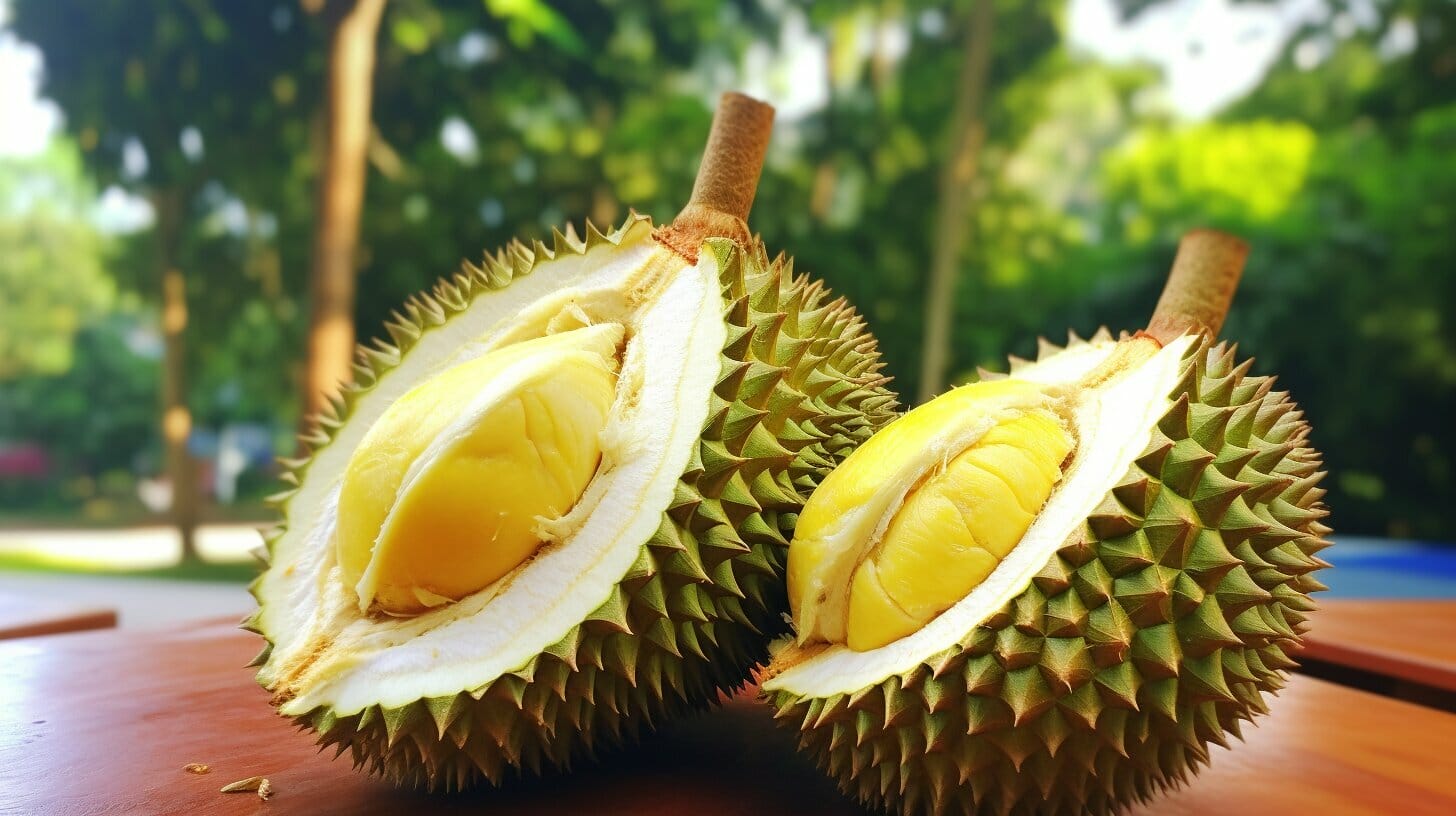
    The Commerce Ministry of Thailand has recently requested the China Customs to extend the working hours at the Mohan checkpoint on the border with Laos to facilitate durian inspections.

    Specifically, the closing time will be changed from 5.30pm to 8.30pm, according to Deputy Minister Napintorn Srisunpang.

    Chinese authorities will also increase the number of inspection laboratories from three to five, adding more officials to streamline the process at this checkpoint, Napintorn said.

    He revealed that discussions with customs officials at multiple checkpoints indicated that Thai durian is free from contamination by Basic Yellow 2 (BY2) dye or cadmium.

    Previously, only 30% of durian imports underwent testing, but since January all containers must be checked for BY2 and cadmium contamination by certified laboratories in Thailand, plus face complete inspection upon arrival at Chinese borders.

    Napintorn said this heightened scrutiny has resulted in delays, with transport times stretching up to eight days. Concerns have been raised that during peak seasons, the inspection process could extend to as long as 10 days, potentially resulting in delivery times of up to 20 days, which may compromise quality and negatively impact sales of Thai durian.

    Due to expanded cultivation and improved yields, durian production is anticipated to rise by 37% year-on-year in 2025, reaching over 1.7 million tonnes, up from 1.2 million tonnes in 2024.

    Last year, domestic consumption was at 280,000 tonnes with 800,000 tonnes exported, 97% of which went to China. This year, exports are projected to increase to 1.3 million tonnes, while domestic consumption is expected to grow to 400,000 tonnes.

  • Vietnam eyes to begin high-speed rail construction in 2026

    Vietnam eyes to begin high-speed rail construction in 2026

    Prime Minister Pham Minh Chinh has ordered the Ministry of Construction to expedite procedures to commence construction of the North-South high-speed railway project by the end of next year.

    According to a government release on Saturday, the PM wants the bidding mechanism completed this month so the National Assembly can review it for approval next month.

    This would push the construction date one year earlier than the original plan.

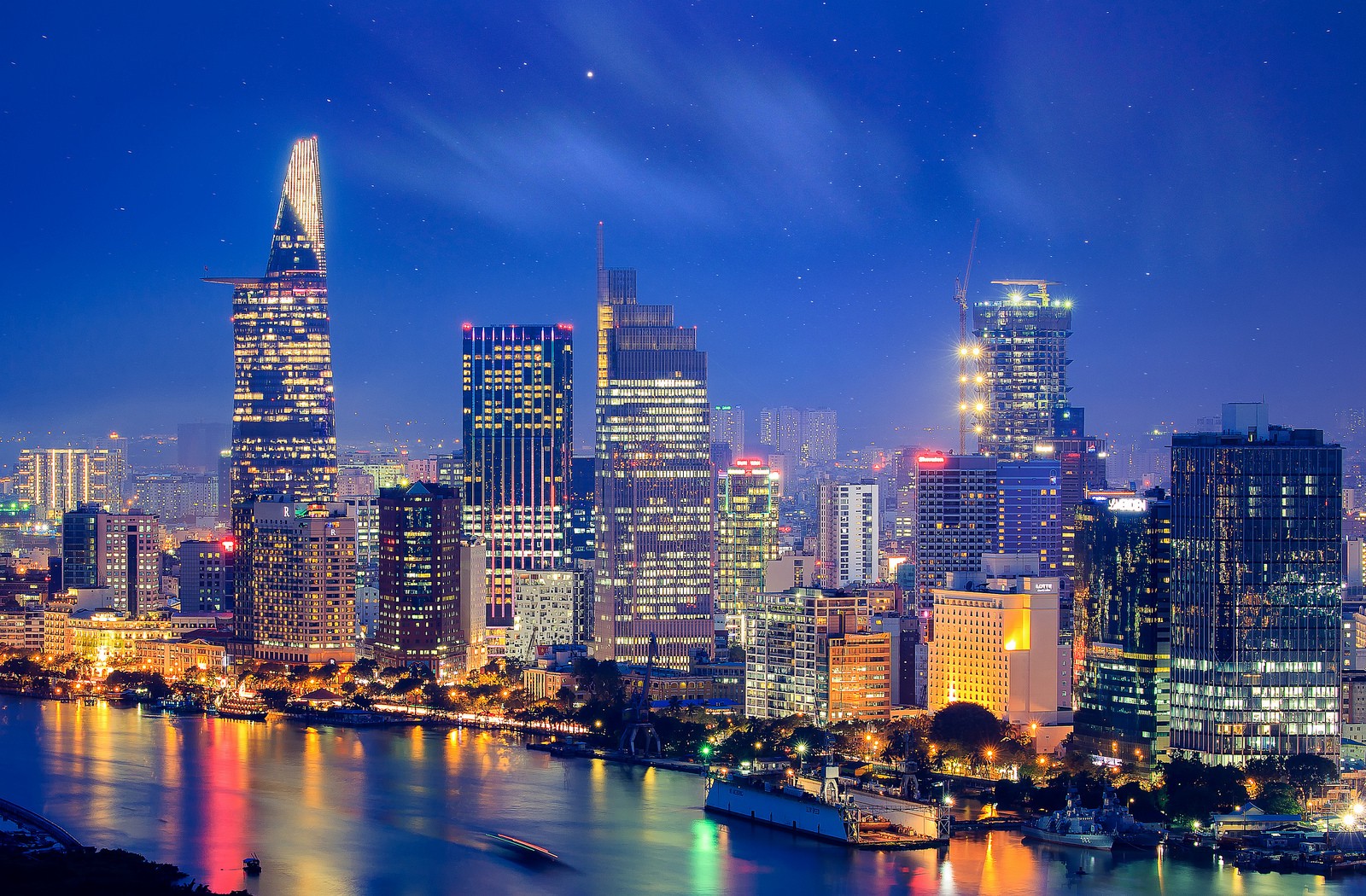
    The railway, one of Vietnam’s most ambitious transportation projects in this decade, was approved for investment by the National Assembly in November last year with a preliminary cost of approximately VND1.7 quadrillion (US$67 billion).

    The 1,541-km route will start at in Hanoi and end in Ho Chi Minh City, passing through 20 localities.

    It will be designed for speeds of up to 350 kilometers per hour. It includes 23 passenger stations and 5 freight stations.

    The government also eyes to start building the Lao Cai – Hanoi – Lang Son railway in December. It will be a key project linking the capital with China-bordering provinces.

    Concerning another northern rail project, Lao Cai – Hanoi – Hai Phong, officials are set to negotiate with their Chinese counterparts next month and a loan agreement is expected to be signed in November.

    The government has also tasked Hanoi and HCMC with reviewing their plans to build and acquire loans for more metro routes.