Author: Mei Ling Tan

  • System errors spare T-Mobile customers their price surge

    System errors spare T-Mobile customers their price surge

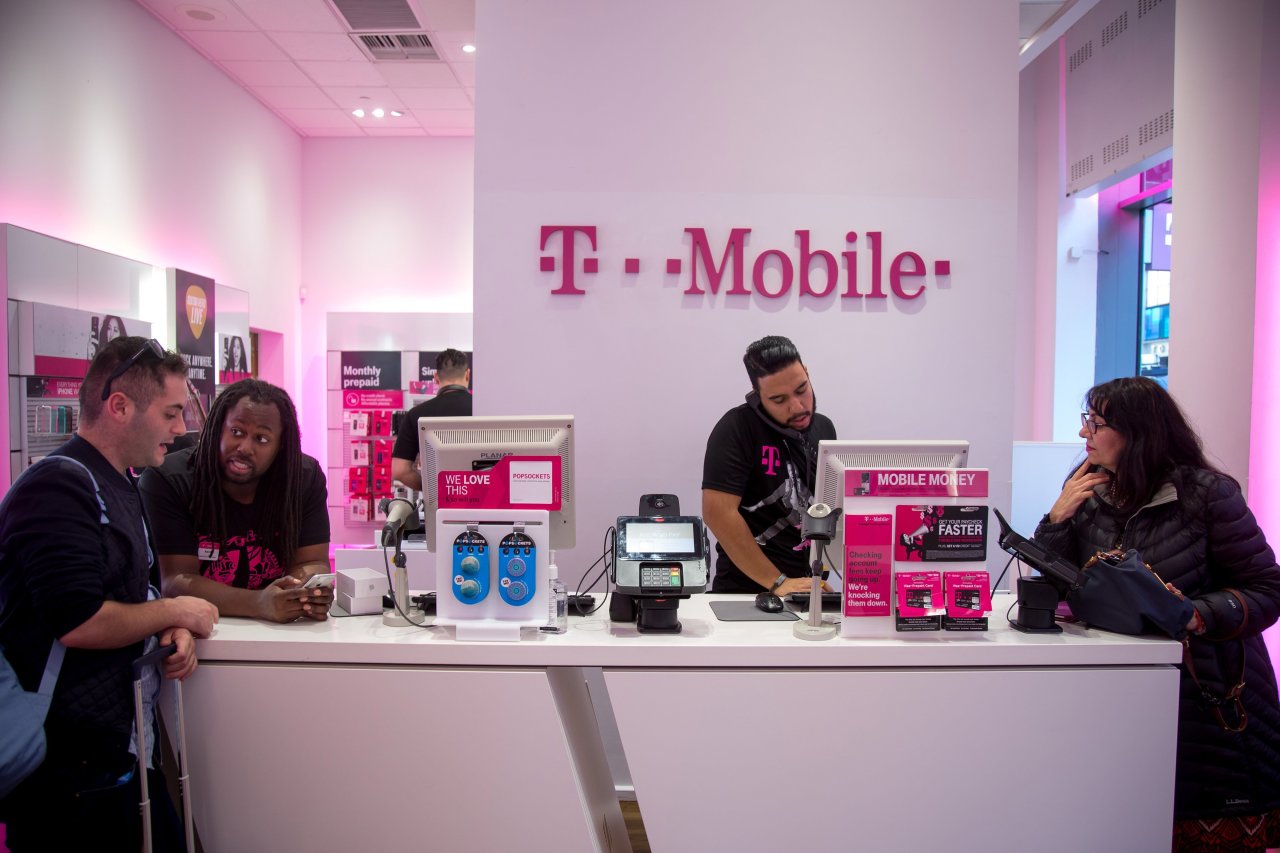
    T-Mobile recently announced what it called “pricing updates” that were applied almost universally and made customers’ bills go up. However there is a subset of T-Mobile users that have been spared these price hikes — probably not for long — due to system errors that have failed to push billing updates.

    These price hikes were, understandably, unanimously disliked. This is especially true for legacy customers who saw pricing changes on their old plans that T-Mobile had once marketed as price locked.

    After people walked out of T-Mobile stores in protest of the T-Life app these pricing updates served as another irritant for customers. In response users dug up old T-Mobile ads about price locked plans and some people left T-Mobile for alternatives. All in all the entire situation has been a difficult time to be a T-Mobile customer or employee.

    But there are apparently T-Mobile customers who are receiving the same bill despite having been informed of a price increase. These people are relatively very few but system errors on T-Mobile’s end seem to have worked brilliantly in their favor. If they’re very lucky then T-Mobile will never spot their outdated billing information though that seems very unlikely to me.

    Since the whole pricing updates fiasco T-Mobile has introduced a new price lock guarantee. Unlike previous guarantees that promised lifelong price locks this new one is only valid for 10 years. However after everything that has happened I’m not falling for T-Mobile’s new price lock plan and neither should anyone else.

    The “un-carrier” is hardly the only telecom company currently facing controversy. AT&T soured relations with employees recently and is having a service outage in Los Angeles that will last a whopping two months. On the other hand Verizon is having a pricing crisis as the company struggles to define a strategy for itself after a year of very few new signups compared to competitors.

    If you’re one of those lucky few T-Mobile customers whose bill has remained unchanged despite a notification to the contrary, consider yourself blessed. And keep your fingers crossed that your plan doesn’t get updated too soon.

  • Vietnam president sends congratulatory letter to Amanda Nguyen, first woman of Vietnamese origin to fly into space

    Vietnam president sends congratulatory letter to Amanda Nguyen, first woman of Vietnamese origin to fly into space

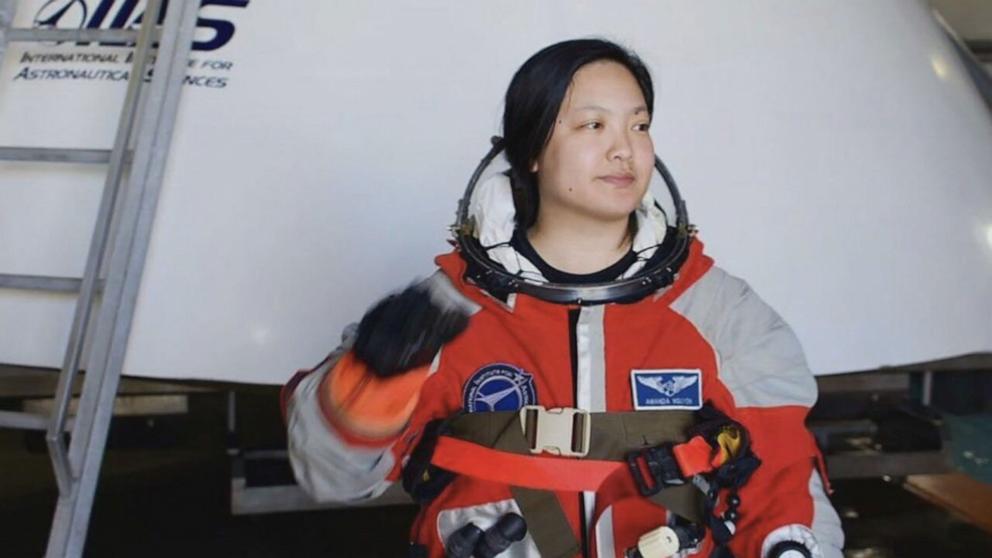
    Vietnam’s President Luong Cuong sent a letter of congratulations to Amanda Ngoc Nguyen as she became the first woman of Vietnamese woman to fly into space in a historic all-female crew this week.

    Blue Origin, founded by billionaire Jeff Bezos, organized a flight of New Shepard, a fully reusable, suborbital rocket system, with a crew of six women in West Texas, the U.S., on April 14 (local time).

    The flight, called mission NS-31, is the 11th human spaceflight project of Blue Origin. The six participants are outstanding women in many fields, including Vietnamese American Nguyen – founder and general director of the non-governmental organization RISE.

    The New Shepard’s journey was a great success, reaching an altitude of 100 km in space and returning safely. After the flight, Nguyen marked herself as the first woman of Vietnamese origin to fly into space.

    Vietnamese Ambassador to the U.S. Nguyen Quoc Dung attended the New Shepard mission and presented a letter from State President Luong Cuong to Nguyen. In the letter, the President expressed his joy and pride that for the first time a woman of Vietnamese origin had flown into space, affirming the talent and intelligence of Vietnamese people in the U.S. and around the world.

    The President’s letter emphasized that in 2025, Vietnam and the U.S. will celebrate the 30th founding anniversary of diplomatic relations and in the overall relationship between the two countries, Vietnam highly appreciates the positive contributions of the Vietnamese community in the U.S. to the development and progress of the U.S., as well as promoting the Vietnam-U.S. cooperative relationship.

    The President also highly appreciated the cooperation between Amanda Nguyen and the Vietnam National Space Center (VNSC), helping to promote the cooperative relationship between the U.S. and Vietnam.

    Born on Oct. 10, 1991, Nguyen graduated from the Harvard University and interned at NASA in 2013. She then worked at the Harvard & Smithsonian Center for Astrophysics, and then served as deputy White House liaison at the U.S. State Department.

    In November 2014, she founded Rise, a non-governmental organization dedicated to protecting the civil rights of survivors of sexual assault. In 2019, she was nominated for the Nobel Peace Prize for her efforts to fight for the rights of victims of sexual assault.

  • The Peninsula Boutique reopens at Hong Kong Airport

    The Peninsula Boutique reopens at Hong Kong Airport

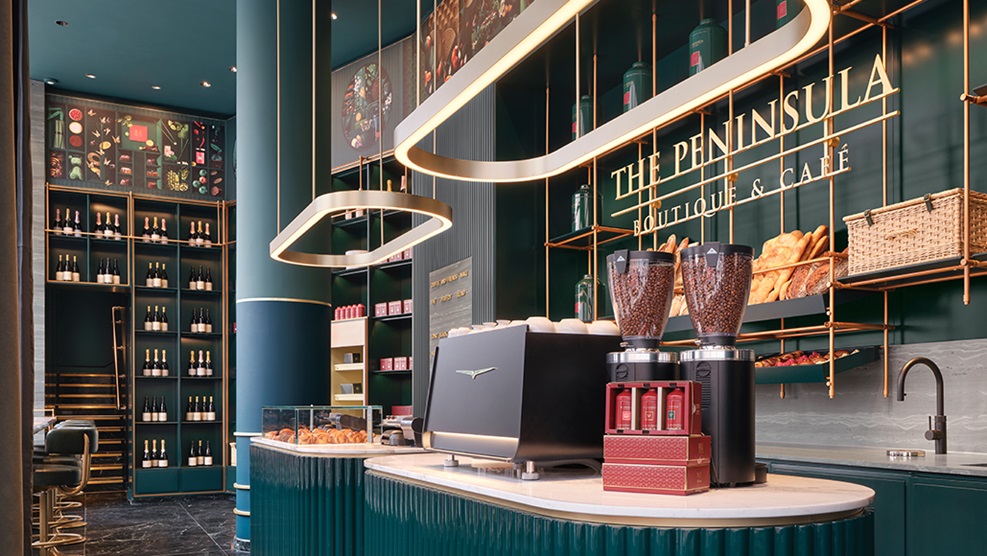
    The Peninsula Boutique has reopened a revamped retail space at Hong Kong International Airport’s passenger departure area.

    The redesigned boutique features a minimalist aesthetic with green tones and Champagne chrome accents, aiming to offer a modern and approachable retail experience.

    Travellers can find various gift items, including palmiers, egg rolls, signature teas and chocolates, and travel essentials and children’s products such as colouring mats and play sets.

    “At Hong Kong International Airport, a gateway that connects millions of travellers to the world, our boutique stands as a proud ambassador of Hong Kong’s rich culture and craftsmanship,” remarked Benjamin Vuchot, CEO of The Hongkong and Shanghai Hotels.

  • Hoka opens its first store in Vietnam

    Hoka opens its first store in Vietnam

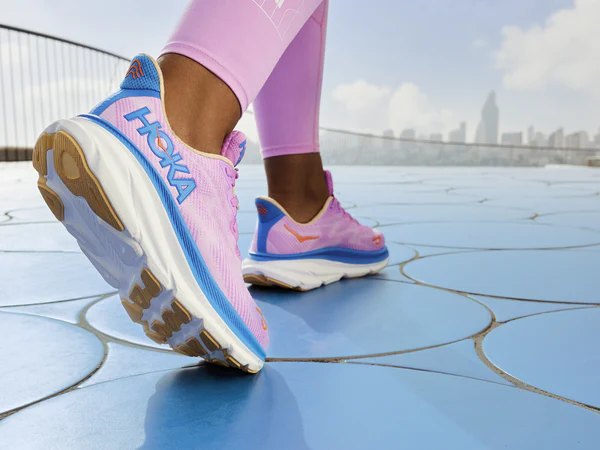
    Footwear retailer Hoka has launched a store in Vietnam, marking its first physical presence in the market.

    Located at Ho Chi Minh City’s Saigon Centre, the store is in partnership with distributor Central Brand & Specialty Group (CBS) and offers a full range of products, from road and trail running to street-ready styles.

    The shop features 3D foot-scanning technology, which analyses consumers’ foot shapes and offers personalised shoe recommendations.

    “We chose Saigon Centre – the most strategic and vibrant location in Ho Chi Minh City – because it not only reflects the position of a leading brand like Hoka, but also perfectly fits CBS’s commitment to enhancing everyday lifestyle,” said Ty Chirathivat, CEO of Central Brand & Specialty Group (CBS), during the brand’s opening ceremony.

    Hoka was first launched in Vietnam four years ago, sold through Supersports retail channels.

    Earlier this year, Hoka opened its Bondi 9 pop-up in Hong Kong to mark the latest generation of its ultra-cushioned road-running shoe.

  • Funko Pop to launch first Southeast Asian store in the Philippines

    Funko Pop to launch first Southeast Asian store in the Philippines

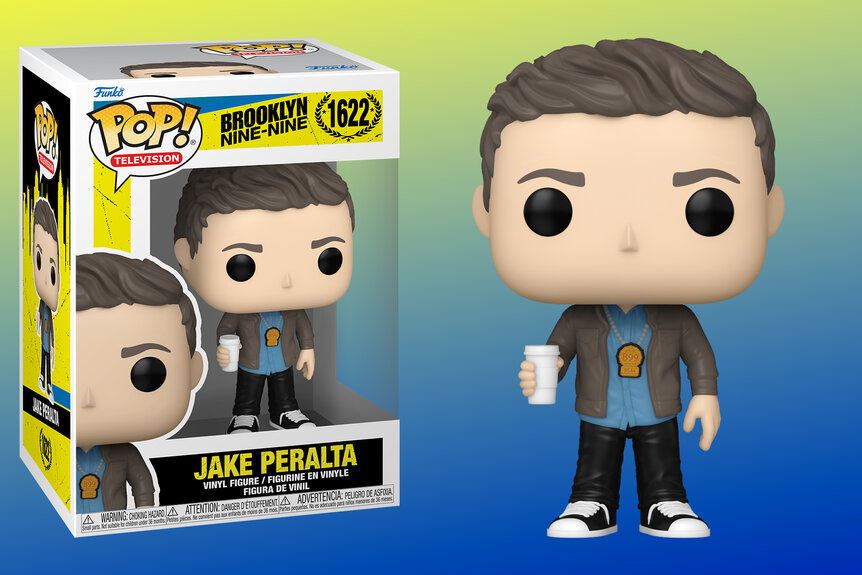
    US lifestyle brand Funko is set to open its first Southeast Asian store this June in the Philippines through a partnership with local distributor Funtastik Enterprises.

    Located in SM Mall of Asia – one of the largest shopping centres in the region –  the immersive retail space will feature exclusive product drops and interactive zones celebrating popular entertainment, sports, music, and anime franchises.

    The store will carry a wide range of collectibles, including the Funko Pop! vinyl figures, Bitty Pop!, Loungefly accessories, and Manila-exclusive apparel and merchandise.

    Cynthia Williams, CEO of Funko, said the Philippines has consistently ranked as one of Asia’s strongest-performing markets.

    “As a global brand, Funko is committed to expanding our presence in the most engaged and fastest-growing fan communities,” said Williams.

    “We’ve seen great success with similar licensed stores in the Middle East, and we’re excited to bring that same momentum here.”

    She added that the new store would help deepen the brand’s local retail footprint and deliver more direct-to-consumer experiences.

    “By enhancing direct-to-consumer experiences, we’re eager to inspire connection, self-expression, and fun for our fans – wherever they are in the world,” she concluded.

    Established in 1998, Funko is a US-based company known for its licensed pop culture merchandise, including vinyl figurines, bobbleheads, plush toys, action figures, apparel, and games.

  • StarHub Earns Cisco Certifications, Boosts Tech Leadership

    StarHub Earns Cisco Certifications, Boosts Tech Leadership

    These accomplishments showcase StarHub’s ability to provide secure, scalable IT and customer engagement solutions with extensive expertise and a strong service delivery record. With Cisco‘s enhanced technologies, StarHub is better prepared to assist businesses in modernizing their operations and improving customer connections.

    Tan Kit Yong, Head of Enterprise Business Group at StarHub, stated, “This recognition goes beyond technical excellence; it confirms our dedication to enabling significant transformation for our customers. As technology becomes increasingly crucial for business success, we are committed to delivering intelligent, future-ready solutions that help our customers operate more efficiently, work smarter, and lead confidently.”

    The Cisco Premier Provider Certification is given to partners who consistently offer high-quality managed services with proven technical skills. Additionally, the Cisco Powered Webex Contact Center Specialization acknowledges StarHub’s ability to provide advanced, artificial intelligence (AI)-powered contact center solutions on a large scale.

    Jamie Romanin, Director of Webex Customer Experience at Cisco Systems, Asia Pacific, Japan, and China, expressed, “At Cisco, partnership is central to our operations. We are thrilled to collaborate with StarHub as a valued Premier Provider Partner and congratulate them on achieving the Cisco Powered Services Webex Contact Center Specialization. This accomplishment demonstrates their deep understanding of our contact center solutions and their proven ability to effectively deliver managed solutions. Together, we will empower more businesses to utilize Webex Contact Center and Webex AI Agent to transform customer engagement and achieve meaningful business results.”

    For businesses, this means quicker solution implementation, streamlined support processes, and consistent service quality, all supported by StarHub’s team of certified experts and Cisco lifecycle services. As customer and IT requirements evolve, StarHub remains committed to keeping technology simple, reliable, and designed to deliver tangible results.

  • Lawson reveals ambitious Southeast Asian expansion plan

    Lawson reveals ambitious Southeast Asian expansion plan

    Japanese convenience store chain Lawson plans to raise its store count in overseas markets and accelerate growth in Southeast Asia over the coming years.

    The chain is targeting 14,000 overseas stores over the next six years. Its international network currently includes 7400 locations in China, Thailand, the Philippines, Indonesia and the US state of Hawaii.

    The retailer also plans to boost growth in Southeast Asia by entering franchise agreements with local retail partners and opening directly managed stores. However, it did not reveal the new markets under evaluation.

    In addition, the company will look into the possibility of expanding to additional countries.

    Founded in 1975, Lawson has about 14,600 domestic stores. As of the end of last year, Japan had approximately 55,736 convenience stores, according to local statistics.

    While the top three convenience chains – Lawson, 7-Eleven and FamilyMart – are projected to achieve a net increase of up to about 400 stores this fiscal year, the industry faces fierce competition from drugstores and online retailers.

    Last August, Lawson shifted to a joint management system involving trading house Mitsubishi Corp and telecommunications operator KDDI to develop products that fit customer tastes and introduce tech-driven services.

  • Indonesia’s e-commerce market tipped to exceed $46 billion

    Indonesia’s e-commerce market tipped to exceed $46 billion

    E-commerce transaction values are growing steadily in Indonesia, with the market size up from $18.2 billion in 2020 to $40.8 billion last year.

    According to data and analytics company GlobalData, this represents a compound annual growth rate (CAGR) of 22.3 per cent.

    With such a growth pace, GlobalData forecasts the Indonesian e-commerce market to reach $46.6 billion in value this year.

    Government initiatives to improve digital infrastructure and online transaction security have contributed to this market growth, the research house reports.

    To protect traditional businesses and online marketplaces, and to reduce online fraud, the Indonesian Ministry of Trade issued a ban on social media e-commerce transactions in 2023, improving consumer confidence.

    GlobalData’s 2024 Financial Services Consumer Survey found that alternate payment methods held a market share of 49.3 per cent in the e-commerce payment landscape due to their convenience, speed, and security.

    Mobile wallets such as GoPay and Dana have gained popularity among consumers, with GoPay seeing 30 million downloads last July.

    The survey found that bank transfers held a 30.2 percent market share, particularly for high-value transactions, attributed to perceived security and the direct nature of the process.

    The use of cards for e-commerce transactions was just 7.5 percent, according to the survey.

    A preference for credit cards was seen due to the benefits offered, such as reward programs, cashback, interest-free installment payment options, and discounts.

    “Looking ahead, Indonesia’s e-commerce market value is projected to grow at CAGR of 12 per cent from 2025 to 2029. The growth will be driven by several key trends, including the continued expansion of digital payment solutions, the increasing penetration of smartphones and internet connectivity, and the rising demand for convenient and secure online shopping experiences,” said GlobalData banking and payments analyst Siddharth Das.

  • Google Wallet now brings even more notifications to your lock screen

    Google Wallet now brings even more notifications to your lock screen

    Google Wallet is getting new features and improvements all the time, which is quite surprising for an app that was initially designed as a simple digital wallet. Over the years, Wallet has become so much more than just a digital wallet, as Google thoroughly added dozens of new functionalities that allow users to manage not just their payments cards, but also pass tickets, keys, and even IDs.

    The most recent Google Wallet update adds new features that are especially important for commuters. Starting today, Google’s Wallet digital wallet app will show in real-time the status of your train ride.

    You’ll be notified directly on your phone’s lock screen whether your train will be arriving on time or if it’s delayed. In order for these notifications to happen, users will first have to add their train tickets to the Google Wallet app.

    The bad news is this is not available for all railroad companies and, more importantly, only live in two countries: India and Canada. For the time being, Google Wallet users in these countries will be able to add their train tickets in the app if they’re from Indian Railways or Via Rail.

  • Goldman Sachs Benefits from the Turbulence

    Goldman Sachs Benefits from the Turbulence

    The Wall Street bank increased its profits significantly in the first quarter. The high volatility boosted trading income.

    Goldman Sachs increased its profit in the first quarter of 2025 by 15 percent to $4.74 billion or $14.12 per share.

    Revenues increased by 6 percent to $15.06 billion in the first three months. In the period from January to March, the financial institution posted earnings of – an increase of six percent.

    The turbulent markets led to a particularly strong increase in income from equity trading. Here, an increase of 27 percent to a record value of $4.2 billion was recorded. Income from trading in fixed-interest securities, foreign exchange and commodities rose by 2 percent to $4.4 billion.

    Our strong results this quarter demonstrated that in times of great uncertainty, clients turn to Goldman Sachs for execution and market insights, said CEO David Solomon. While we begin the second quarter in a significantly different environment than at the beginning of the year, we remain confident that we can continue to support our clients.

    By contrast, fees in investment banking fell by 8 percent to $1.9 billion in the quarter under review due to lower advisory fees.

    Income in the wealth management division fell by 3 percent to $3.68 billion due to losses in equities and bonds. At the end of the quarter, the bank managed record assets of $3.17 trillion.

    Morgan Stanley, J.P. Morgan Chase and Wells Fargo had already published their quarterly figures last week.

  • Dialog Completes Sri Lanka’s First Live 5G VoNR Trial

    Dialog Completes Sri Lanka’s First Live 5G VoNR Trial

    This trial showcased a fully native 5G voice experience with uninterrupted connectivity. Expanding on its innovative work in 5G technology, Dialog had previously conducted a lab-based VoNR proof of concept (PoC) in 2023 using a PoC Core setup.

    This recent achievement on Dialog’s live 5G standalone (5G SA) core network demonstrates the practicality of VoNR services in real-world scenarios. VoNR offers clearer voice quality, faster call connections, and enhanced security compared to older 2G/3G or VoLTE services. It also paves the way for future features, such as 5G New Calling (5G NC), and boosts network efficiency by utilizing 5G spectrum more effectively.

    Ranga Kariyawasam, Group Chief Technology Officer of Dialog Axiata PLC, stated, “This milestone highlights Dialog’s dedication to advancing Sri Lanka’s 5G technology. Successfully testing VoNR on our live 5G network brings us closer to fully utilizing next-generation connectivity, providing seamless, high-quality voice services over 5G.”

    This achievement adds to Dialog’s list of 5G accomplishments, including the first 5G trial network in the region, the initial 5G SA network trial, Sri Lanka’s first standards-based 5G fixed-wireless pilot transmission, and its achievement of over 6 Gbps on its 5G-Advanced trial network. These milestones showcase the potential of next-generation 5.5G technology. Dialog remains committed to leading technological advancements, speeding up the adoption of next-generation connectivity, and bringing ‘The Future. Today.’ to Sri Lanka.

  • Etihad Cargo increases main deck capacity by 18% to support increased demand in Greater China

    Etihad Cargo increases main deck capacity by 18% to support increased demand in Greater China

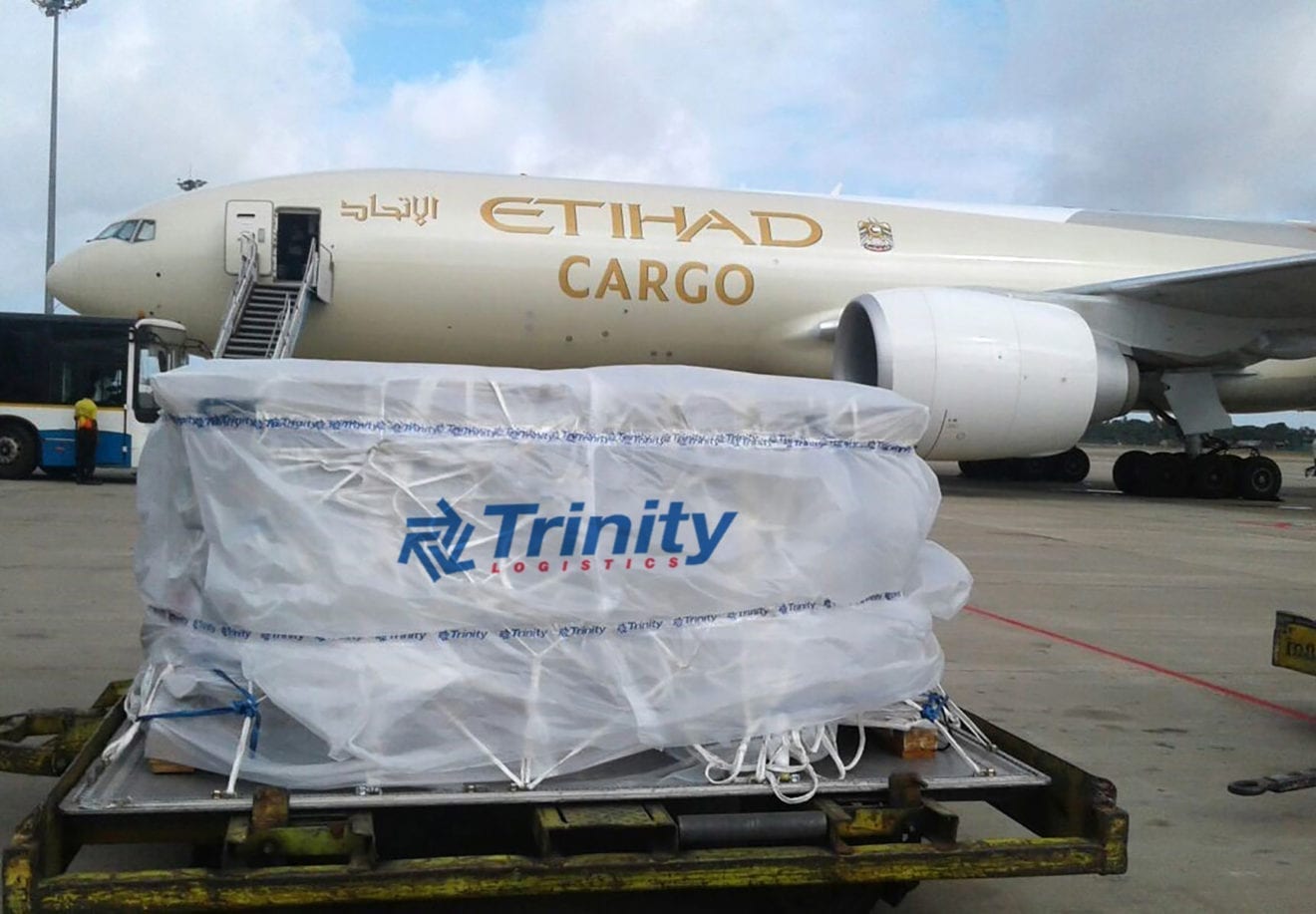
    Etihad Cargo, the cargo and logistics arm of Etihad Airways, has expanded its capacity to meet increasing customer demand in Greater China. The carrier has increased its total flights to and from China from 11 in 2024 to a planned total of 18 in 2025, strengthening trade links between key global markets.

    Etihad Cargo’s capacity will be supplemented by a wet-lease 747-F and will support increased freight movements on high-demand routes and provide customers with greater flexibility in shipping cargo to and from key markets.

    To accommodate growing market demand, Etihad Cargo has added three additional weekly freighter flights to Shenzhen and two additional weekly flights to London. The expanded operations will improve/strengthen connectivity between China, Europe, and the Middle East, offering increased capacity for the transportation of e-commerce, pharmaceuticals, perishables, and other critical shipments.

    The increase in capacity aligns with Etihad Cargo’s strategy of expanding its global network to provide reliable, customer-centric solutions. The carrier remains committed to delivering efficient and flexible freight services while strengthening Abu Dhabi’s position as a leading global logistics hub.

    Stanislas Brun, Chief Cargo Officer at Etihad Cargo, commented: “Etihad Cargo continues to invest in expanding its network and capacity to support the evolving needs of global trade. The introduction of the additional capacity and flights to Shenzhen and London Stansted demonstrate our commitment to meeting customer demand with increased availability and connectivity across key trade routes.”

    By strengthening its presence in China and increasing links to Europe, Etihad Cargo is providing additional capacity to facilitate the movement of goods across international markets.

  • Combating Deepfake Disruption in Asia

    Combating Deepfake Disruption in Asia

    In Asia, these risks are amplified by diverse linguistic landscapes, complex political environments, and a high penetration of mobile and digital services. According to Grand View Research, the global deepfake AI market size was estimated to be worth USD 562.8 million in 2023 and is projected to grow at a compound annual growth rate (CAGR) of 41.5% from 2024 to 2030.

    In the region, more than 2.8 billion people are connected to the internet. This massive digital audience offers both a ripe target and a potential shield, depending on how countries and telecoms respond.

    Telecommunication operators across Asia are no longer just internet providers; they’re digital gatekeepers. With their access to user data flow and infrastructure control, telcos are uniquely positioned to play a significant role in countering deepfakes.

    In Singapore, Singtel has launched an AI cloud service to democratize artificial intelligence (AI) for enterprises and the public sector. As part of this effort, it signed a memorandum of understanding (MoU) with Hive, whose enterprise-grade models specialize in detecting deepfakes, generative AI (GenAI) content, and other harmful media. Leveraging NVIDIA chips and Singtel’s AI infrastructure, Hive provides clients with access to state-of-the-art detection tools suited for sensitive data environments.

    In 2024, HONOR unveiled a real-time deepfake detection system at Mobile World Congress Shanghai, which is embedded in its smartphones and can identify manipulation during video calls. Moreover, Aletheia, a browser plug-in and endpoint software, can detect deepfakes by analyzing pixels and audio frequencies with up to 90% accuracy. Singapore’s ST Engineering developed Einstein.AI, which flags facial and audio anomalies in media content to protect public trust, especially ahead of elections.

    Recognizing the increasing prevalence of online scams, cyberbullying, and misinformation in the digital space, CelcomDigi is taking a proactive approach to ensure content authenticity. As part of its broader initiative to promote online safety, the company hosted two exclusive Online Safety and Anti-Scam Masterclasses to empower content creators, social media influencers, and radio presenters to become advocates for digital safety. CelcomDigi’s Head of Sustainability, Philip Ling, explained:

    The future of deepfake defense in Asia lies in collaboration. As the World Economic Forum points out, combating deepfakes requires a “whole-of-society” approach, involving governments, private companies, academia, and civil society.

    Proposed regional strategies to combat deepfake disruptions in Asia include the introduction of the Expanded ASEAN Guide on AI Governance and Ethics – Generative AI, which illustrates its policy recommendations through four detailed use cases highlighting public and private institutions in the region that are implementing responsible AI practices. These include PhoGPT and VinAI in Vietnam, which focus on ethical generative AI development; Accenture’s Responsible AI Internal Programme, applied across ASEAN; Singapore’s Project Moonshot, led by the AI Verify Foundation to build trustworthy AI frameworks; and Thailand’s ThaiLLM, a collaborative effort by BDI, NSTDA, VISTEC, and other partners to develop large language models (LLMs) under ethical guidelines.

    In 2024, the International Telecommunications Union’s (ITU) ‘AI for Good Global Summit’ brought together technology and media companies, artists, international organizations, standardization bodies, and academia, to discuss the security risks and challenges of deepfakes and generative artificial intelligence (AI). ITU experts predict that 90% of online content will be AI-generated in 2025; hence, they identified that the focus has shifted to developing technical standards for watermarking and verifying content authenticity. These efforts aim to distinguish between human-generated, AI-generated, and hybrid content, providing a reliable framework for content validation and helping combat misinformation in an increasingly synthetic digital environment.

    In 2025, the Philippine government launched the Asia-Pacific Deepfake Task Force and rolled out an artificial intelligence-powered detection tool to combat disinformation and potential election fraud in light of the upcoming May elections. According to Cybercrime Investigation and Coordinating Center (CICC) Undersecretary, Alex Ramos, this initiative is part of a broader strategy to empower citizens against the escalating threat posed by deepfakes.

    “This tool will be distributed to accredited institutions, including election watchdogs like the Parish Pastoral Council for Responsible Voting (PPCRV), universities, and fact-checking groups,” Ramos explained. “During community gatherings, if someone reports suspicious content, it can be analyzed quickly using this tool.”

    Deepfakes can be considered both insidious and intelligent; it’s a technological feat with the potential to harm or help, depending on its application. Hence, APAC-based telcos, governments, and stakeholders are collectively adopting a unified approach to address the challenges posed by synthetic media in the region.

    In Asia, where digital growth is outpacing regulation, the challenge is formidable; however, through forward-looking legislation, public-private partnerships, and telecom-driven innovation, the region is forging a resilient path forward.

  • Victoria’s Secret appoints new leaders for core brands

    Victoria’s Secret appoints new leaders for core brands

    Victoria’s Secret & Co has made several leadership changes as the company focuses on strengthening its core brands.

    The company said the move is part of its “Path to Potential” strategy, which aims to build momentum across its Victoria’s Secret, Pink and Adore Me banners.

    Anne Stephenson has been named brand president of the Victoria’s Secret brand, effective next month. She is currently the company’s chief merchandising officer and brings experience in product strategy, brand development and merchandising

    Meanwhile, Ali Dillon has been appointed president of Pink. Dillon previously held leadership roles in merchandising and brand development at several fashion retailers and most recently served as president of Alex Mill.

    Amy Kocourek took over as president of the beauty division in March. Before joining Victoria’s Secret, she was chief merchandising officer at jewellery and lifestyle brand Kendra Scott.

    All three brand presidents will report to CEO Hillary Super.

    In a separate appointment, fashion designer Adam Selman was named senior VP and executive creative director. He will report directly to Super until a new chief merchandising officer is named.

    “This is an exceptional team of product and creative leaders whose vision and operational expertise will drive new levels of growth, innovation and impact for our company,” said Super.

    “With their customer-centric approach, I’m confident they’ll help us unlock the full potential of our brands, capture the next generation of consumers and strengthen our market leadership.”

  • Prada brings Versace home to create Italian luxury contender

    Prada brings Versace home to create Italian luxury contender

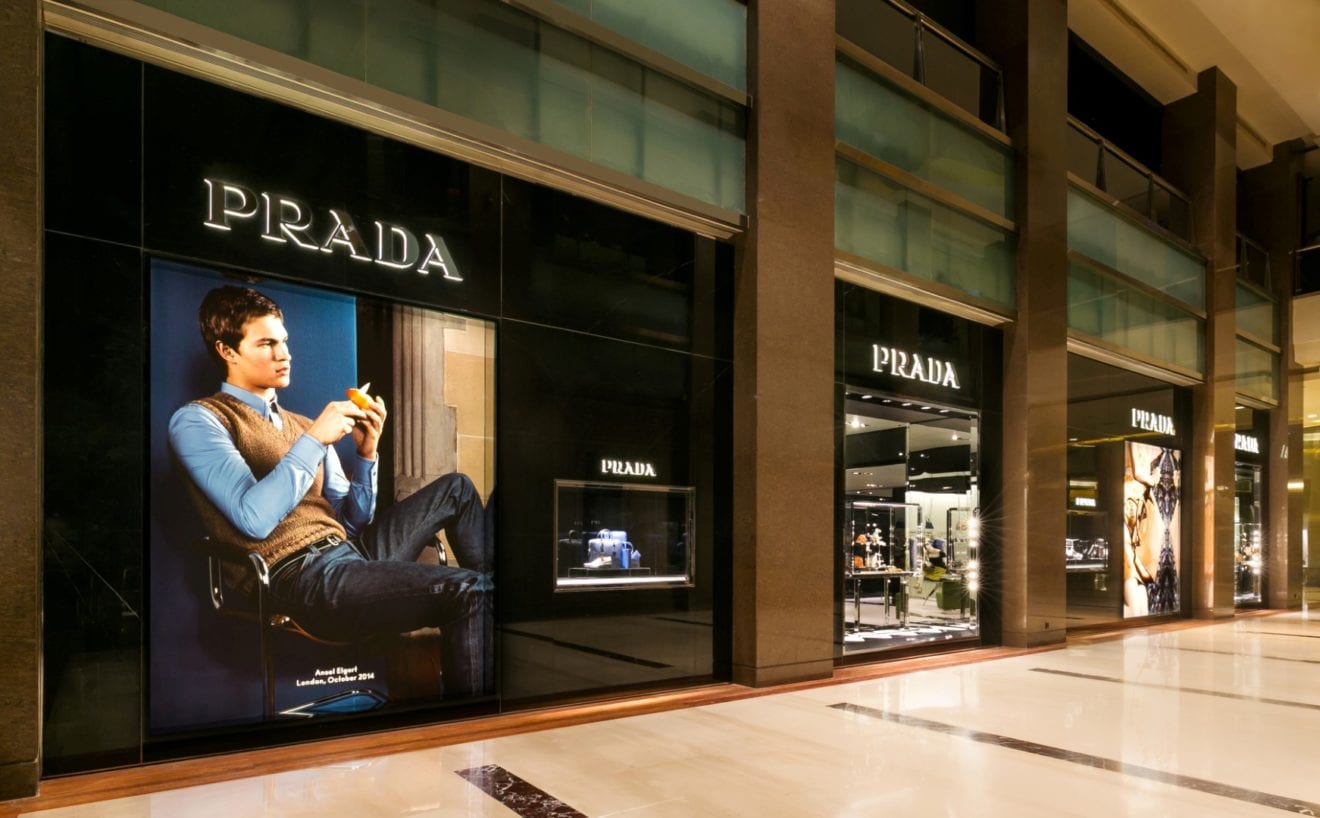
    Prada’s deal to buy Versace revives hopes for a ‘made in Italy’ luxury champion after many other family-founded brands ended up in French, Swiss or US hands, and comes as many Italian groups are outperforming the struggling sector.

    The US$1.375 billion deal brings one of fashion’s best-known Italian labels back under Italian control after it was sold to US-listed Capri Holdings, then known as Michael Kors, for $2.15 billion including debt in 2018.

    Despite Italy accounting for 50 per cent to 55 per cent of global personal luxury goods production, according to consultancy Bain’s estimates, the country lacks a group with a scale that matches up to French players such as LVMH and Gucci-owner Kering.

    Milan-based Prada, controlled by designer Miuccia Prada and husband Patrizio Bertelli and listed in Hong Kong with a market capitalisation of about $15 billion, is the largest Italian luxury fashion group by revenue.

    But the group, which also includes the fast-growing Miu Miu label, has been a relative minnow in terms of stock market valuation compared with the likes of Louis Vuitton-owner LVMH.

    The Versace deal comes after Andrea Guerra became Prada’s CEO in 2023 to bridge a change in generation, with Lorenzo Bertelli, the son of the company’s main owners and its chief marketing officer, regarded as the heir apparent.

    “Prada’s ambition to become a leading Italian luxury conglomerate is a significant move in a market that is dominated by French groups. It’s exactly what many Italians have been hoping for”, said Achim Berg, a fashion and luxury industry adviser.

    The combined revenue of the five biggest Italian-owned listed luxury groups – Prada, Moncler, Ermenegildo Zegna, Brunello Cucinelli and Ferragamo is still well below Kering’s roughly $19 billion, even after a big fall in sales at the French group last year.

    Company founder Brunello Cucinelli summed up the difference in approach on the two sides of the Alps in typically colourful fashion.

    “Our esteemed French counterparts are great financiers,” he told the Milano Fashion Global Summit 2024 last October.

    “But we Italians regard our ‘tiny big’ companies as if they were our little children, so we want to look after them and hand them down to a next generation,” he added.

    While LVMH and Kering have swallowed many Italian brands, even the larger Italian groups have until now been comparatively reluctant to make big acquisitions.

    “This acquisition represents Prada’s serious attempt to build a group – and a much more ambitious one compared to their past ventures with Helmut Lang and Jil Sander,” Berg said.

    Prada’s chairman and co-owner Patrizio Bertelli defined the acquisition of those two brands – which were bought at the turn of the century and sold a few years later – as “strategic mistakes”. The group has since focused mainly on organic growth, with the exception of acquisitions of suppliers.

    Both Prada and Versace have their roots in Milan and still have headquarters there, just four kilometres (2.5 miles) apart.

    Milan-based Moncler, the mountain gear brand that was bought and revived by Italian entrepreneur and current main shareholder Remo Ruffini in 2003, has also shown some interest in dealmaking, buying Italian streetwear brand Stone Island in a $1.3-billion deal agreed in late 2020.

    Moncler’s net cash position of $1.5 billion has fuelled analyst talk of more deals, but the group has denied such speculation.

    Jil Sander is now part of Italian entrepreneur Renzo Rosso’s OTB Group, which also includes brands such as Diesel and Maison Margiela. But with annual sales of $1.9 billion, it remains relatively small.

    The big Paris-based groups, meanwhile, have continued to make forays into Italy, underscoring the challenge an enlarged Prada would face to compete with them.

    In the latest deals, Kering bought a 30 per cent stake in Italian maison Valentino in 2023, and LVMH last year helped to take Tod’s private and took a 10 per cent stake in Moncler’s top shareholder.

    In the longer-term, eyes are on companies such as Milan-based Armani and Dolce & Gabbana, among the few in Italy that are still fully family-owned and unlisted.

    Their ultimate fates could be decisive in any effort to create a true Italian powerhouse in global fashion.