Author: Mei Ling Tan

  • How Vietnam is overtaking Thailand as favorite destination for Indian travelers

    How Vietnam is overtaking Thailand as favorite destination for Indian travelers

    Vietnam’s landscapes, growing upscale tourism infrastructure, globally recognized cuisine, and expanding network of direct flights have made it a top destination for travelers from India in Southeast Asia, steadily surpassing Thailand.

    For years, Thailand was the go-to destination for Indian travelers visiting the region. However, more Indian tourists are now turning their attention to Vietnam, which offers a similar experience at more affordable prices. In late March, The Economic Times published an article titled “Forget Thailand, Vietnam is the new playground for Indian tourists,” noting that Vietnam is now drawing more interest from Indian travelers than any other Southeast Asian destination.

    New playground for India’s wealthy

    Vietnam has become a strong contender among high-end Indian travelers, as they seek alternatives to Japan and Singapore after visiting Thailand’s popular islands like Koh Samui and Phuket. The rising presence of luxury hotels, particularly in beach destinations like Phu Quoc, is attracting India’s elite.

    The Economic Times highlights that India’s wealthy organize approximately 5,000 ultra-luxury weddings annually, with budgets ranging from $250,000 to $500,000. Despite intense competition, JW Marriott Phu Quoc Emerald Bay successfully hosted the wedding of Indian billionaire Rushang Shah in 2019 and another billionaire couple’s ceremony in early 2024. The arrival of luxury brands like The Luxury Collection and Ritz Carlton Reserve in Phu Quoc further bolsters the island’s appeal.

    Beyond luxury stays, Phu Quoc offers a range of experiences that appeal to Indian travelers.

    Sun Paradise Land in southern Phu Quoc features attractions like the Guinness World Record-holding “Kiss of the Sea” multimedia show, nightly fireworks, the world’s longest three-wire cable car, and the Kiss Bridge.

    “Phu Quoc offered so many surprises. A morning cable car ride over the sea, fireworks at night… I’ve never experienced anything like that anywhere else,” said Rohan Khanna, a visitor from New Delhi.

    In addition to Phu Quoc, Ha Long Bay is also becoming a popular destination for Indian travelers. More and more wealthy Indian families are choosing Phu Quoc and Ha Long for milestone events, positioning Vietnam as a top Asian wedding destination. With its natural beauty, luxury hotels, and professional event services, both locations are proving ideal for hosting special moments.

    Outstanding culinary experiences

    Food plays a decisive role for Indian tourists when choosing a travel destination. Given the diversity in dietary and religious preferences across India, catering to halal or halal-friendly standards is essential to ensure repeat visits.

    Top tourist destinations in Vietnam, such as Sun World Ba Na Hills in Da Nang and Sun World Fansipan Legend in Sa Pa, have embraced these dietary needs, offering Indian tourists familiar flavors that meet their cultural requirements.

    Da Nang, which was added to the Michelin Guide’s 2024 expansion, has seen a significant increase in Indian visitors.

    Da Nang welcomed 222,000 Indian tourists in 2024, accounting for 5.3% of total international arrivals. Nearly 50% of Indian visitors to Vietnam chose Da Nang as their primary destination, solidifying its position as the most popular Vietnamese city among Indian travelers.

    Affordable food prices in Da Nang and other beach destinations like Phu Quoc also add to Vietnam’s appeal.

    Compared to regional competitors like Thailand, seafood in Vietnam is significantly more affordable. Thailand’s Nation Story even noted that seafood in Phu Quoc costs about half as much as in Thailand.

    More direct flights

    Vietnam’s growing network of direct flights from major Indian cities is also contributing to the rising demand. There are currently around 56 direct flights per week between the two countries. Several new direct routes, including one from Ahmedabad to Da Nang, were launched in 2024.

    Sandeep Arya, Indian Ambassador to Vietnam, shared that aviation authorities from both countries are planning to add 14 more flights connecting cities like New Delhi, Chennai, and Mumbai with Vietnam. India is also encouraging airlines like Vietnam Airlines, Vietjet, and IndiGo to open more direct routes to boost tourism.

    According to the General Statistics Office, international arrivals to Vietnam in the first quarter of 2025 exceeded 6 million, a 29.6% increase year-on-year. Over 143,000 of these visitors were from India, continuing the trend of double-digit growth compared to the same period last year.

    In 2024, Vietnam welcomed more than 500,000 Indian tourists, making India one of its most promising inbound markets. With an expanding range of competitive offerings, Vietnam is well on its way to becoming the top destination for Indian travelers in Southeast Asia by 2025.

  • A big change is coming next month to file sharing on Samsung laptops

    A big change is coming next month to file sharing on Samsung laptops

    If you’re using a Samsung laptop and rely on Google’s Quick Share for moving files around, get ready for a change. Samsung is taking the reins for the Quick Share experience on its own Windows machines starting May 28, 2025. This move consolidates the file transfer feature under Samsung’s control for its PC and laptop users.

    One app to rule them all

    This shift means the standalone Quick Share app provided by Google will be phased out on Samsung laptops (and PCs). According to the release notes for the latest Quick Share app update from Google (version 1.0.2180.0), come May 28th next year, attempting to use the Google version on a Samsung laptop will prompt you to install Samsung’s own Quick Share application instead.

    Google has already updated its app, paving the way for this transition. The application has been renamed from “Quick Share from Google” to simply “Quick Share”, and crucially, compatibility with Samsung’s version has been added.

    Streamlining the sharing process

    This move aims to streamline the file-sharing experience for users within the Samsung ecosystem. For a while now, there have been two “Quick Share” experiences floating around: Google’s Nearby Share (which was rebranded to Quick Share early last year) and Samsung’s own Quick Share feature, which predates Google’s widespread adoption of the name. This created some confusion, especially when sharing between Samsung phones, non-Samsung Android devices, and Windows PCs.

    Google and Samsung announced plans to merge these experiences back in early 2024, aiming for a unified file-sharing solution similar to Apple’s popular AirDrop feature that works seamlessly between iPhones, iPads, and Macs. Other alternatives like Microsoft’s Phone Link also offer ways to bridge phone and PC, but Quick Share focuses specifically on rapid, direct file transfers. This upcoming change on Samsung laptops is the next logical step in that consolidation effort, ensuring Samsung users have a consistent experience managed directly by Samsung across their Galaxy phones and Galaxy Book computers.

    Handing control over to Samsung for its own laptops makes a lot of sense. It should reduce confusion and hopefully lead to a more integrated and seamless file-sharing process for people invested in Samsung’s hardware. While swapping apps might involve a quick download and potentially getting used to a slightly different interface, having a single, manufacturer-managed Quick Share application on Samsung PCs is ultimately a positive step. It moves towards a less fragmented experience when you just want to send a photo or document from your phone to your laptop quickly, simplifying a common task.

  • Your Spotify subscription might get more expensive again soon

    Your Spotify subscription might get more expensive again soon

    Get ready to potentially pay a bit more for your Spotify subscription if you’re in Europe or Latin America, as reports suggest another price increase could be on the horizon for the popular music streaming service. This wouldn’t be the first time the audio giant has adjusted its pricing, aiming to boost its revenue streams.

    According to a new report, Spotify is considering an increase for its standard Individual subscription plan by approximately €1 (which is about $1.14 USD) in several countries across these regions. This change could reportedly roll out starting as early as June 2025 with an insider reportedly mentioning that Spotify’s efforts to raise prices “would intensify considerably this summer.”

    This potential adjustment follows price hikes that have already taken place. For instance, Spotify recently increased the cost of all its plans in the Netherlands and Luxembourg without much fanfare. In those countries, the Individual plan saw an 18 percent jump, rising from €10.99 ($12.48 USD) to €12.99 ($14.76 USD). The Family and Duo plans also got more expensive there.

    A familiar tune in streaming

    This news probably doesn’t come as a huge surprise if you follow the streaming world. We’ve seen many services, whether for music, podcasts, or video, gradually increase their subscription fees over the past couple of year

    Companies are constantly trying to balance attracting and keeping subscribers with the need to become more profitable, cover content licensing costs, and invest in new features. While major competitors like Apple Music and YouTube Music haven’t announced similar widespread hikes recently in 2025, they’ve also adjusted their pricing structures in the past. It seems to be a general trend across the digital subscription landscape.

    U.S. spared for now, but a new tier is coming

    If you’re stateside, it looks like your standard Spotify plan won’t be affected by this specific European and Latin American increase, at least for now. However, Spotify has other plans brewing for the US market. The company is reportedly preparing to introduce a brand-new subscription option, sometimes referred to as a “super-premium” tier.

    Details are still emerging, but here’s what we’re hearing about this potential new plan:

    • Higher Cost: It might come with a price tag that’s about $6 higher than the current individual Premium plan.
    • Extra Perks: Code discovered within the Spotify app mentions exploring plans to “get more from your Premium experience with add-ons.” This could potentially include features like higher fidelity audio (HiFi audio), which users have been requesting for years.
    • Exclusive Content?: The report also noted that Spotify is considering options that might restrict access to certain new music releases, perhaps offering them first or exclusively to subscribers of this higher-priced tier.

    It feels like the streaming subscription market is continually evolving. While a small price increase like a dollar or two might seem minor on its own, these adjustments add up over time, particularly for users subscribed to multiple services. We’ll be watching closely to see exactly what these supposed add-ons on a super-premium tier entail and if they offer enough value to justify the extra cost.

  • Colgate-Palmolive sees drop in sales over forex impact

    Colgate-Palmolive sees drop in sales over forex impact

    The Colgate-Palmolive Company has reported a 3.1 percent drop in net sales, from $5.065 billion in the first quarter of last year to $ 4.911 billion in the same period this year, due to a foreign exchange impact of 4.4 percent. 

    The company’s gross profit reduced from $3.039 billion in the first quarter of last year to $2.987 billion in the same quarter this year, with an increase of 0.8 per cent in its gross profit margin to 60.8 per cent. 

    The company’s operating profit increased to $1.076 billion in the first quarter of this year from $1.047 billion as compared to the same period last year, with its operating profit margin increasing to 21.9 per cent. 

    Colgate-Palmolive’s net income grew from $683 million in the first quarter of last year to $690 million in the same quarter this year. 

    Based on the current spot rate and an estimate of the impact of the tariff announcement, the organisation has projected earnings per share and net sales to increase by low single digits due to negative impacts from foreign exchange.

    “Our focus on building flexibility into our profit and loss statement enabled us to deliver year-over-year growth in operating profit, net income and earnings per share despite the volatile operating environment,” said Noel Wallace, chairman, president and CEO of Colgate-Palmolive Company. 

  • TikTok readying to enter Japan’s e-commerce market

    TikTok readying to enter Japan’s e-commerce market

    Chinese social media platform TikTok will enter the online shopping industry in Japan within the next few months, the Nikkei newspaper reported on Sunday.

    The company is preparing to recruit sellers soon for its e-commerce arm TikTok Shop in Japan, Nikkei said, citing a source involved in the operations.

    TikTok Shop, where users can run livestreams selling everything from sneakers to eyeshadow and earn a commission on sales, is known for discounted products.

    TikTok is looking to expand its business outside of the US, where it awaits a deal that will secure its presence in the country. In March, TikTok Shop launched to users in France, Germany, and Italy on Monday, expanding its reach further into Europe.

    Last week, US president Donald Trump said a deal over the fate of the social media platform may have to wait, as he signaled a potential end to the tit-for-tat tariff hikes between the US and China that shocked markets.

    Earlier, Trump had extended the deadline to spin off the US assets of TikTok for the second time in April and reassured a potential deal is still “on the table”.

    The future of TikTok in the US, used by nearly half of all Americans, has been up in the air since a 2024 law, passed with overwhelming bipartisan support, required China-based parent, ByteDance, to divest the app by January 19.

  • SK Telecom Hit by Cyber Attack

    SK Telecom Hit by Cyber Attack

    The mobile carrier reported that the breach occurred due to malicious code infiltrating its systems. While the exact scope and nature of the data leak are still under investigation, the company stated it took immediate steps to report the incident to the Korea Internet and Security Agency (KISA), aligning with regulatory requirements.

    In a message to employees, CEO, Ryu Young-sang, conveyed his regret and accepted responsibility for the breach. He urged staff to take stronger measures to improve the company’s cybersecurity framework and enhance efforts to protect customer data.

    SK Telecom confirmed it has notified the Personal Information Protection Commission of the incident and is working closely with investigators. The company added that it promptly deleted the malicious code and isolated the affected equipment upon detecting a possible breach. There have been no confirmed reports of the leaked data being misused.

    The company said it will adopt stronger security measures, including comprehensive system inspections, upgraded detection and blocking systems for illegal SIM-related activities, and improved alert protocols in cases of potential threats. A free SIM protection service is also being offered through its website and T World platform.

    In response to the incident, the Ministry of Science and ICT (MSIT) has set up an emergency task force in collaboration with the Cyber Security and Network Policy Bureau. The ministry requested that SK Telecom preserve and submit relevant data for analysis. Officials from KISA were dispatched to the telecom provider’s Seoul headquarters for an on-site investigation.

    Depending on the outcome of the investigation, the government may form a joint task force encompassing both the public and private sectors to co

  • Changi Airport’s operating indicators for Q1 2025

    Changi Airport’s operating indicators for Q1 2025

    Singapore Changi Airport handled 17.2 million passenger movements from January to March 2025 (Q1), exceeding 2024 levels for the same period by 4.3%. This is 4.8% more than what was recorded in the first quarter of 2019, before the Covid-19 pandemic in Q1 2020.

    On a rolling twelve-month basis, Changi Airport’s passenger traffic surpassed pre-Covid levels, reaching an all-time one-year high of 68.4 million passenger movements, an increase of 9.5% compared to the previous 12 months. For the quarter, aircraft movements, which include landings and takeoffs, totalled 94,000, representing an increase of 5.2% compared to last year.

    Among the regions, North America registered the highest growth with a year-on-year (yoy) increase of 15.8% for Q1. Changi Airport’s top five markets for the quarter were China, Indonesia, Malaysia, Australia, and Thailand. Continuing the growth momentum from last year, traffic between Singapore and China posted a 10% yoy increase. Among Changi’s top markets, Japan also saw a strong performance in Q1, recording a 16% increase yoy.

    From January to March 2025, Changi Airport registered 480,000 tonnes of airfreight throughput, a 1.0% increase compared to the same period last year. Despite macroeconomic uncertainties, Changi registered growth in imports, with a slight decline in exports. For this quarter, Changi’s top five air cargo markets were China, Australia, the United States, Hong Kong and India.

    Mr Lim Ching Kiat, Changi Airport Group’s Executive Vice President for Air Hub and Cargo Development said, “Changi Airport’s 12-month passenger traffic surpassed pre-Covid levels for the first time, reflecting positive trends in air travel and continued appeal of Changi as a key air hub. We are seeing encouraging growth across all regions and key markets, supported by the collective effort of our airline partners.

    “In recent months, we have expanded Changi Airport’s connectivity with more flights to cities in China and Indonesia, and we are excited to welcome direct services to Vienna in June, operated by Scoot. We will work closely with our current and potential airline partners to expand Changi’s network, both regionally and on long-haul routes.”

    New and reinstated services

    During the quarter, Changi Airport welcomed several new city links, offering travellers even more destination choices. Three new China cities were added to Changi’s network – Harbin, operated by Shenzhen Airlines with 3x weekly services, Lanzhou, operated by Hainan Airlines with 4x weekly services, and Yichang, operated by Hainan Airlines with 3x weekly services. Services to Ningbo and Shantou also resumed during the quarter.

    Changi’s connectivity to Indonesia was further strengthened with the launch of new services to Padang and Labuan Bajo. Scoot has introduced 4x weekly services to Padang operated by its Embraer E190-E2 fleet, while Jetstar commenced 2x weekly flights to Labuan Bajo, with the latter representing a first-time link for Changi.

    Firefly began operating flights to Sultan Abdul Aziz Shah Airport (Subang Airport) from Changi Airport on 24 March, enhancing travel options between Singapore and Kuala Lumpur. Qantas also expanded its Australia-Singapore network with the launch of 4x weekly flights to Darwin on 30 March, making it the fifth Australian city directly connected to Changi by the carrier.

     As at 1 April, some 100 airlines operate over 7,200 weekly scheduled flights at Changi Airport, connecting Singapore to about 170 cities in 49 countries and territories worldwide.

  • Ray-Ban Smart Glasses: Everything You Need to Know after the US raises import taxes

    Ray-Ban Smart Glasses: Everything You Need to Know after the US raises import taxes

    The world of smart glasses is about to change significantly due to new US import taxes that are affecting the market for Ray-Ban’s innovative smart glasses. These tax increases will directly impact the pricing of Ray-Ban’s technologically advanced eyewear, forcing both manufacturers and consumers to adapt to the new market conditions.

    EssilorLuxottica, the parent company of Ray-Ban, is now facing a complex situation where their flagship smart glasses – a combination of style and advanced technology – are facing new economic challenges. The US market, which accounts for 43% of the company’s revenue, is at the center of these changes.

    Key impacts for consumers:

    • Potential price adjustments across Ray-Ban’s smart glasses lineup
    • Shifts in availability and distribution channels
    • New manufacturing strategies affecting product delivery timelines

    Understanding these changes is crucial for current owners and potential buyers of Ray-Ban smart glasses. The decisions made now by both the company and consumers will shape the future of smart eyewear accessibility in the US market.

    Understanding Ray-Ban Smart Glasses: A New Era in Eyewear Technology

    Ray-Ban smart glasses are a groundbreaking combination of classic eyewear design and state-of-the-art technology. These innovative frames retain the iconic look of traditional Ray-Ban styles while adding advanced features that turn them into wearable tech devices.

    Key Features of Ray-Ban Smart Glasses:

    • Built-in 12MP camera for hands-free photo and video capture
    • Open-ear audio system for music and calls
    • Touch controls integrated into the temple arms
    • Voice command capabilities
    • LED recording indicator for privacy awareness
    • Compatibility with iOS and Android devices
    • 5-hour battery life with portable charging case

    The technology embedded in these smart glasses sets them apart from conventional Ray-Ban models like the Wayfarer or Clubmaster. A discrete micro-processor powers the smart features while maintaining the glasses’ sleek profile and signature style.

    Smart Capabilities:

    • Live streaming directly from your perspective
    • AI-powered photo enhancement
    • Real-time translation features
    • Social media integration
    • Navigation assistance
    • Weather updates at a glance

    The frames house sophisticated components within their lightweight structure, including speakers, microphones, and connectivity modules. This technical integration creates an immersive experience without compromising the classic Ray-Ban aesthetic that has defined the brand for generations.

    These smart glasses serve as a bridge between fashion and functionality, allowing users to stay connected while maintaining their personal style. The seamless integration of technology creates a natural extension of your smartphone, bringing digital convenience directly to your field of vision.

    The Price Factor: How US Import Taxes Are Affecting Ray-Ban Products

    The recent surge in US import taxes has created significant ripples across Ray-Ban’s pricing landscape. The new tariffs directly impact EssilorLuxottica’s production facilities, particularly affecting products manufactured in China and Italy.

    Current Tariff Impact on Production Regions:

    • Chinese manufacturing facilities: 25% increase in import duties
    • Italian production units: 15% additional tariff burden
    • Thailand and Mexico facilities: Minimal impact due to existing trade agreements

    These tax adjustments have triggered a chain reaction in Ray-Ban’s pricing strategy. The iconic Ray-Ban Wayfarer, previously retailing at $163, now sees a price point of $179. The classic Aviator collection has experienced similar increases, with prices rising from $161 to $175.

    Smart Glasses Price Adjustments:

    • Meta Ray-Ban Collection: $299 to $349
    • Premium Smart Models: $399 to $459
    • Limited Edition Variants: $449 to $519

    The company’s strategic response includes implementing selective price increases across different product categories:

    • Classic SunglassesEntry-level models: 5-7% increase
    • Premium collections: 8-10% increase
    • Limited editions: 10-12% increase
    • Smart EyewearBase models: 12-15% increase
    • Advanced features: 15-18% increase

    EssilorLuxottica’s US market, representing 43% of global revenue, faces particular pressure from these tariff changes. The company’s production facilities in Thailand and Mexico have become increasingly vital, helping maintain competitive pricing in certain product categories.

    Ray-Ban’s pricing strategy now reflects a delicate balance between maintaining market share and absorbing increased costs. The company’s data shows that despite price adjustments, demand for signature models like the Wayfarer and Aviator remains strong, particularly in the men’s sunglasses segment.

    EssilorLuxottica’s Strategic Response to Tariff Challenges

    EssilorLuxottica has implemented a multi-faceted approach to combat the rising U.S. import duties. The company’s strategic response includes:

    1. Supply Chain Diversification

    • Expansion of manufacturing facilities in Thailand
    • New production centers in Mexico
    • Enhanced operations in France
    • Reduced dependency on single-region manufacturing

    2. Price Management Strategy

    • Strategic single-digit price increases across product lines
    • Targeted adjustments in specific distribution channels
    • Cost absorption mechanisms to minimize consumer impact
    • Selective premium positioning for high-end smart glasses

    The company’s manufacturing footprint now spans three continents, creating a resilient supply network that shields against regional economic fluctuations. This geographical spread allows EssilorLuxottica to maintain production flexibility while optimizing logistics costs.

    3. Risk Mitigation Measures

    • Advanced inventory management systems
    • Local partnerships in key markets
    • Enhanced digital supply chain tracking
    • Streamlined distribution networks

    You’ll find these adaptations particularly evident in the company’s handling of their Meta smart glasses production. By leveraging their diverse manufacturing locations, EssilorLuxottica maintains quality control while balancing production costs against tariff impacts.

    The company’s robust financial position, with a 7.3% revenue growth in Q1 2025, supports these strategic initiatives. Their supply chain transformation represents a significant investment in long-term sustainability, ensuring continued market leadership in both traditional and smart eyewear segments.

    Consumer Perspective: Is It Still Worth Investing in Ray-Ban Smart Glasses?

    The value of Ray-Ban smart glasses is still strong even with the price changes. These innovative devices offer a unique blend of style and technology that sets them apart from standard eyewear options.

    Key Benefits That Justify the Investment:

    • Seamless Integration: The glasses connect effortlessly with your smartphone, allowing hands-free access to essential functions
    • Premium Audio Experience: Built-in open-ear speakers deliver high-quality sound without blocking ambient noise
    • Professional Photography: The 12MP camera captures photos and videos from your perspective, ideal for content creators
    • AI-Powered Features: Advanced voice commands and Meta AI integration enhance productivity and daily tasks
    • Classic Ray-Ban Design: The smart technology doesn’t compromise the iconic aesthetics Ray-Ban is known for

    The price increase might give potential buyers pause, but the technological advantages provide substantial value. Users report significant benefits in their daily routines:

    “I use my Ray-Ban smart glasses for work calls, navigation, and capturing moments with my family. The convenience factor alone makes them worth the investment.” – Tech reviewer Sarah Chen

    Real-World Applications:

    • Live streaming for social media influencers
    • Hands-free navigation for cyclists and travelers
    • Quick photo capture for real estate agents
    • Discrete message checking during meetings
    • Music streaming during outdoor activities

    The combination of Ray-Ban’s renowned quality and cutting-edge technology creates a product that maintains its value proposition. While the price point has increased, the functionality and style offered by these smart glasses continue to attract consumers who prioritize innovation and convenience in their everyday eyewear.

    The Future Outlook for Ray-Ban Smart Glasses Amid Tariffs

    EssilorLuxottica projects steady growth through 2026, targeting mid-single-digit annual revenue expansion despite current tariff pressures. The company’s financial forecasts indicate an adjusted operating margin between 19% and 20%, demonstrating resilience in challenging market conditions.

    Ray-Ban’s smart glasses roadmap includes:

    • Enhanced AI Integration: Advanced voice commands and contextual awareness features
    • Improved Battery Life: Next-generation power management systems
    • Expanded App Ecosystem: New partnerships with third-party developers
    • Sleeker Design: Reduced form factor while maintaining functionality

    The partnership with Meta Platforms continues to drive innovation, with planned releases featuring:

    • Multi-modal interaction capabilities
    • Advanced camera systems
    • Improved audio quality
    • Expanded color options and style variations

    Market analysts predict the smart glasses segment will experience significant growth, with Ray-Ban positioned as a key player. The company’s investment in research and development remains strong, focusing on:

    • Augmented reality capabilities
    • Health monitoring features
    • Enhanced connectivity options
    • Customization possibilities

    EssilorLuxottica’s diversified manufacturing strategy across Thailand, Mexico, and France positions them to maintain competitive pricing while introducing new technologies. This strategic approach supports their ambitious growth targets and ensures continued innovation in the smart eyewear category.

    Conclusion

    EssilorLuxottica’s ability to adapt to U.S. import tariffs shows their strength as a market leader. The company’s strategic price adjustments and supply chain diversification demonstrate their commitment to maintaining product quality while managing costs.

    Ray-Ban smart glasses remain an attractive option for tech-savvy consumers. The combination of style, functionality, and advanced features offers a unique value that goes beyond price.

    Key takeaways for consumers:

    • Expect modest price increases across Ray-Ban’s product range
    • Watch for enhanced features and technological improvements
    • Consider the long-term value of investing in smart eyewear technology

    The future looks promising for the smart glasses industry, with ongoing innovation and growth expected. EssilorLuxottica’s strong market position, along with their strategic partnerships and global manufacturing capabilities, puts them in a good position to overcome challenges and provide value to consumers.

  • Did Walmart Asia Just Take This Massive Step?

    Did Walmart Asia Just Take This Massive Step?

    Walmart’s presence in Asia is a key part of its global growth strategy. The retail giant has established a significant presence across the region, with hundreds of stores spanning from China to India and Southeast Asia.

    The potential of the Asian market is enormous:

    • A rapidly growing middle class
    • Increasing consumer spending power
    • Digital-savvy populations embracing modern retail

    2024 is an important year for Walmart Asia as the company focuses on expanding in the region. With plans for opening more physical stores, investing in digital technology, and forming strategic partnerships, Walmart aims to capture a larger share of Asia’s trillion-dollar retail market.

    In this article, we will explore Walmart’s ambitious plans across Asia. We will take a closer look at its operations in key markets such as China, India, and Southeast Asia, and discuss the opportunities that await in this ever-changing region.

    Walmart’s Operations in Different Asian Countries

    Walmart’s presence in Asia reflects its commitment to diversifying markets and expanding regionally. Let’s explore their operations in key Asian countries:

    China: A Retail Powerhouse

    Walmart China stands as a testament to successful market adaptation. With over 360 stores spread across 100+ cities, the company has:

    • Implemented smart retail technology in stores
    • Partnered with JD.com for enhanced e-commerce capabilities
    • Developed Sam’s Club locations catering to premium shoppers
    • Created localized product offerings matching Chinese consumer preferences

    India: Navigating Complex Markets

    The Indian market presents unique challenges and opportunities for Walmart:

    • Flipkart acquisition – $16 billion investment strengthening digital presence
    • Best Price wholesale stores serving small businesses
    • PhonePe digital payments platform expansion
    • Regulatory hurdles in multi-brand retail operations

    Southeast Asian Ventures

    Walmart’s approach to Southeast Asia reflects strategic market targeting:

    • Indonesia: Partnership explorations with local retail chains
    • Malaysia: Focus on digital marketplace opportunities
    • Thailand:
    • Strong presence through Siam Makro partnership
    • Investment in supply chain infrastructure
    • Development of omnichannel retail solutions

    The company’s operations in these regions demonstrate varied approaches to market entry and expansion. Each market requires unique strategies, from direct retail presence to strategic partnerships and digital platforms. Walmart’s ability to adapt its business model while maintaining core operational efficiency drives its success across these diverse Asian markets.

    Walmart’s Growth Strategies for 2024 and Beyond

    Walmart has ambitious plans for expansion in 2024, focusing on strategic locations in Asia’s bustling markets. The retail giant aims to open 50 new physical stores in China alone, specifically targeting tier-2 and tier-3 cities where consumer spending power continues to rise.

    Expansion Plans

    Walmart’s growth strategy includes:

    • Building smart supercenters equipped with AI-powered inventory management
    • Introducing smaller-format stores in high-density urban areas
    • Establishing specialized fresh food markets tailored to local preferences

    Omnichannel Approach

    In addition to expanding its physical presence, Walmart is also embracing an omnichannel approach that integrates both online and offline shopping experiences. This means that customers can enjoy the convenience of shopping online while still being able to visit Walmart stores for certain products or services.

    The company’s Walmart+ membership program now offers:

    • Same-day delivery from local stores
    • Scan-and-go shopping technology
    • Personalized mobile app recommendations
    • Virtual try-on features for clothing and home décor

    Technological Innovations

    Walmart is also leveraging technology to enhance the shopping experience. The retailer’s tech-forward approach includes implementing smart shopping carts that automatically track purchases and enable checkout-free experiences. Digital price tags update in real-time, reflecting online prices and promotions across all channels.

    These innovations align with Asian consumers’ expectations for seamless shopping experiences. Walmart’s mobile app integration allows customers to create shopping lists, locate items in-store, and access exclusive deals – bridging the gap between online browsing and in-store shopping.

    Leveraging Technology to Drive Growth in Asia

    Walmart Asia’s tech-driven approach shapes its regional expansion through strategic acquisitions and innovative sourcing methods. The retail giant’s recent technology investments showcase its commitment to digital transformation:

    Smart Supply Chain Solutions

    • AI-powered inventory management systems
    • Automated warehousing facilities
    • Real-time tracking and analytics platforms

    The company’s acquisition strategy targets local tech startups specializing in:

    1. Mobile payment solutions
    2. Last-mile delivery optimization
    3. Customer data analytics

    Global sourcing remains a cornerstone of Walmart’s Asian operations. The company has established dedicated sourcing offices across:

    • Shanghai, China
    • Bangalore, India
    • Ho Chi Minh City, Vietnam

    These strategic locations enable Walmart to:

    1. Build direct relationships with manufacturers
    2. Reduce supply chain costs
    3. Maintain competitive pricing
    4. Ensure product quality control

    Walmart’s technology integration extends to its supplier network through a digital procurement platform. This system connects thousands of Asian manufacturers with Walmart’s global retail network, streamlining:

    • Order processing
    • Quality assurance
    • Product development
    • Market trend analysis

    Tapping into Southeast Asia’s Digital Boom

    Southeast Asia’s digital landscape presents a goldmine of opportunities for Walmart’s expansion plans. The region’s 650 million population, predominantly under 30 years old, drives a thriving digital economy worth $200 billion.

    Key market indicators paint an exciting picture:

    • Mobile-first consumers: 90% of Southeast Asian internet users connect primarily through smartphones
    • Rising middle class: Expected to reach 350 million by 2025
    • E-commerce adoption: 70% year-over-year growth in online shopping

    Walmart’s strategic focus on this region aligns with these demographic advantages. The company’s digital initiatives target tech-savvy young professionals through:

    • Mobile payment integration
    • Social commerce features
    • Personalized shopping experiences

    The region’s digital infrastructure continues to evolve, with 5G networks rolling out across major cities. This technological advancement supports Walmart’s vision of seamless shopping experiences, from in-app purchases to same-day deliveries.

    Conclusion

    Walmart Asia’s strategic expansion is a significant moment in the retail giant’s global journey. The company’s multi-faceted approach – combining physical store growth, digital innovation, and market-specific adaptations – positions it strongly for success in the diverse Asian marketplace.

    The success of Walmart’s Asian ventures depends on three critical factors:

    • Local Market Understanding: Each Asian country has its own unique consumer preferences, shopping behaviors, and cultural nuances
    • Digital Integration: The seamless blend of online and offline retail experiences meets evolving consumer demands
    • Strategic Partnerships: Collaborations with local players strengthen market presence and distribution networks

    The company’s commitment to tailoring its business model for different Asian markets shows its dedication to long-term regional growth. From China’s tech-savvy consumers to India’s emerging middle class and Southeast Asia’s digital natives, Walmart’s adaptive strategy addresses diverse market needs.

    The next few years will be crucial for Walmart Asia’s expansion plans. As the region continues to transform economically, Walmart’s ability to balance standardization with localization will determine its success. The company’s investment in technology, infrastructure, and human capital reflects its confidence in Asia’s potential as a key driver of future growth.

  • Navigating the Retail Landscape in Southeast Asia: Key Challenges for 2025

    Navigating the Retail Landscape in Southeast Asia: Key Challenges for 2025

    Southeast Asia’s retail scene in 2025 is a booming hub of growth and potential, fueled by a young, tech-savvy population of over 600 million consumers. The region’s retail market has evolved into a vibrant ecosystem where traditional shopping meets digital innovation.

    The numbers tell a compelling story:

    • Modern grocery retail growth: 6-7% annual increase
    • Rising middle class: 350 million by 2025
    • Digital economy value: Projected to reach $300 billion

    Southeast Asia has become an important retail center, attracting both global brands and local entrepreneurs. The region’s diverse features – from bustling traditional markets in Jakarta to upscale shopping centers in Singapore – offer a wide range of retail experiences.

    However, this promising landscape also comes with its own challenges:

    • Market Fragmentation: Each country has its own unique consumer behaviors
    • Digital Transformation: Rapid shift towards omnichannel retail
    • Economic Pressures: Inflation and changing consumer spending patterns
    • Infrastructure Gaps: Varying levels of development across regions

    For retailers aiming for success in Southeast Asia’s 2025 market, understanding these dynamics is crucial. The combination of traditional retail practices with emerging technologies, along with changing consumer preferences, presents both opportunities and obstacles that require strategic navigation.

    Economic and Consumer Factors Impacting Retail Growth in Southeast Asia

    The retail landscape in Southeast Asia is facing significant challenges due to ongoing economic issues, particularly inflation, which is influencing how consumers behave. Recent data indicates that inflation rates are hovering between 3.5% to 6% in major Southeast Asian markets, directly affecting the volume of retail sales.

    Key Inflation Effects on Retail:

    • Reduced discretionary spending
    • Shift towards essential goods
    • Increased price sensitivity
    • Trading down to cheaper alternatives

    The expected trend of decreasing inflation in 2025 brings some hope for retailers. Economic forecasts suggest that inflation rates will drop to 2-3% across the region, potentially releasing pent-up consumer demand. This easing could lead to increased spending in previously affected categories such as electronics, fashion, and dining.

    Consumer confidence remains fragile due to ongoing financial pressures. A recent Nielsen survey reveals that 65% of Southeast Asian consumers are actively looking for ways to save money. This change in behavior has created distinct market dynamics:

    Impact on Retail Segments:

    • Discount retailers are seeing a 15-20% growth in their customer base
    • Fast-food chains are experiencing an 8-12% decline in average transaction value
    • Private label products are gaining a 25% market share
    • Budget-friendly retail formats are expanding their presence

    The current economic situation has altered how people make purchases, with 72% of consumers prioritizing value over brand loyalty. Retailers who adapt their pricing strategies and product offerings to align with these changing preferences are better positioned to capture market share.

    Navigating Market Structure and Competitive Landscape Challenges

    Southeast Asia’s retail landscape presents a unique contrast between traditional and modern retail formats. Traditional trade channels – wet markets, mom-and-pop stores, and street vendors – account for 70-80% of grocery spending across the region. These establishments maintain their dominance through personalized service, convenient locations, and cultural familiarity.

    Modern retail formats have gained significant momentum, growing at 15-20% annually in key markets like Indonesia, Vietnam, and the Philippines. Key drivers include:

    • Rising middle-class populations
    • Increasing urbanization
    • Growing preference for organized shopping experiences
    • Enhanced product variety and quality assurance

    Digital ecosystem players have intensified market competition. Companies like Grab, GoTo, and Sea Limited leverage their extensive user bases to expand into retail services. These tech giants offer:

    • Integrated shopping experiences
    • Sophisticated loyalty programs
    • Advanced data analytics capabilities
    • Seamless payment solutions

    The retail sector’s focus has shifted from aggressive expansion to sustainable profitability. This transition brings operational challenges:

    • Supply chain optimization across multiple channels
    • Last-mile delivery efficiency
    • Inventory management across online and offline platforms
    • Integration of legacy systems with new digital infrastructure

    Physical retailers face mounting pressure to develop omnichannel capabilities. Success requires balancing traditional retail strengths with digital innovation while maintaining operational efficiency in an increasingly complex market environment.

    Overcoming Operational and Technological Hurdles for Retail Success

    Digital transformation is crucial for Southeast Asian retailers in 2025. With the help of advanced data analytics, retailers can:

    • Create highly personalized marketing campaigns
    • Predict inventory needs accurately
    • Optimize pricing strategies on the spot

    Key Digital Transformation Priorities:

    Retailers should focus on the following areas for their digital transformation efforts:

    1. Implementing AI-powered demand forecasting systems
    2. Integrating cloud-based inventory management solutions
    3. Deploying smart POS systems with built-in analytics
    4. Developing customer data platforms for personalized experiences

    The automation of value chains brings great opportunities for improving operations. Leading retailers are putting their money into:

    • Robotic process automation for warehouse operations
    • Smart shelving systems with electronic price tags
    • Automated replenishment systems
    • AI-powered quality control mechanisms

    Strategic partnerships are essential for creating flexible supply chains throughout Southeast Asia. Successful retailers are doing the following:

    1. Working together with local logistics providers for last-mile delivery
    2. Joining forces with tech startups to find innovative solutions
    3. Building connections with multiple suppliers to ensure resilience
    4. Establishing data-sharing networks with key stakeholders

    Implementing these technological solutions requires a significant investment in infrastructure and talent development. Retailers need to find a balance between the costs of implementation and the long-term benefits of improved operational efficiency and enhanced customer experience.

    Emerging Tech Solutions in SEA Retail:

    Here are some emerging technologies that have the potential to revolutionize the retail industry in Southeast Asia:

    • Blockchain for supply chain transparency
    • IoT devices for real-time inventory tracking
    • Machine learning for predictive maintenance
    • Edge computing for faster data processing

    Addressing Regulatory Environment and Property Development Issues in Southeast Asian Retail Markets

    Southeast Asian retail markets have a complicated set of rules that are different in each country. For example, in Vietnam, foreign retailers must go through strict requirements called Economic Needs Testing (ENT) before they can open stores. Malaysia has specific policies for Bumiputera ownership, while Indonesia requires certain retail operations to have local partnerships.

    Key Regulatory Challenges:

    • Different licensing requirements per country
    • Foreign ownership restrictions
    • Local content requirements
    • Varying tax structures
    • Complex import regulations

    Property development for retail spaces is facing increasing pressures in 2025:

    Rising Costs and Space Constraints:

    • Construction material costs up 15-20% due to inflation
    • Prime retail space rental increases in major cities
    • Limited land availability in urban centers
    • Strict zoning regulations

    Infrastructure gaps create additional hurdles for retail development. Bangkok’s traffic congestion impacts delivery times, while Manila’s port congestion affects supply chain efficiency. Jakarta’s flooding risks require extensive mitigation measures in retail property development.

    Local partnerships emerge as a vital strategy to navigate these challenges. Retailers like Aeon and Central Group demonstrate success through joint ventures with local property developers, enabling better understanding of regulatory nuances and access to prime locations.

    The regulatory landscape pushes retailers toward innovative solutions. Mixed-use developments gain popularity, combining retail spaces with residential and office components to maximize land use efficiency. Smart building technologies help optimize space utilization and reduce operational costs amid rising inflation.

    Meeting Evolving Consumer Expectations: Strategies for Retailers in 2025

    Southeast Asian consumers in 2025 have sophisticated preferences, pushing retailers to adapt their strategies. Market research indicates a 70% increase in demand for fresh, organic produce and sustainable products across major urban centers like Singapore, Jakarta, and Bangkok.

    Key consumer trends shaping retail strategies:

    Health-conscious purchasing

    • Premium fresh produce sections
    • Organic food departments
    • Plant-based alternatives
    • Wellness product ranges

    Sustainability focus

    • Eco-friendly packaging
    • Locally sourced products
    • Transparent supply chains
    • Carbon footprint labeling

    Private-label offerings emerge as a critical strategy for retailers to meet these evolving preferences while managing inflation pressures. Leading retailers in Thailand and Malaysia have expanded their private-label ranges by 40%, introducing premium sustainable product lines at competitive price points.

    Successful retailers implement:

    1. Clear product origin labeling
    2. Digital tracking systems for supply chain transparency
    3. Partnerships with local organic farmers
    4. Sustainability certification programs
    5. Personalized healthy lifestyle recommendations

    Vietnamese retail chain VinMart exemplifies this adaptation, launching a “Green Living” private label that combines affordable pricing with sustainable packaging, capturing a 15% market share in their fresh produce category within six months.

    Exploring Emerging Opportunities in Southeast Asian Retail Markets

    Southeast Asian retailers can tap into significant growth potential through strategic technological integration and innovative revenue streams. The digital transformation of retail presents lucrative opportunities for businesses ready to embrace change.

    Building Integrated Tech Ecosystems

    • Smart retail solutions powered by AI and IoT
    • Unified commerce platforms connecting online and offline channels
    • Mobile-first payment solutions catering to the region’s digital natives
    • Data analytics platforms for real-time inventory management
    • Virtual try-on experiences using AR technology

    Retail Media Networks: A New Revenue Frontier

    • Digital advertising spaces within retail apps and websites
    • Targeted promotional campaigns using first-party customer data
    • Brand partnerships through in-store digital displays
    • Personalized shopping recommendations based on purchase history
    • Location-based marketing initiatives

    The rise of super apps in Southeast Asia creates opportunities for retailers to integrate their services into existing digital ecosystems. Companies like Grab and Gojek demonstrate the potential of combining retail, delivery, and financial services into unified platforms.

    Local retailers can differentiate themselves by developing proprietary tech solutions tailored to regional preferences. Examples include:

    • QR code payment integration
    • Voice commerce in local languages
    • Social commerce features
    • Live shopping capabilities
    • Cross-border e-commerce solutions

    These technological advancements position Southeast Asian retailers to capture market share while building sustainable competitive advantages in an increasingly digital retail landscape.

    Conclusion

    The retail landscape in Southeast Asia presents a complex mix of challenges and opportunities for 2025. Success depends on retailers’ ability to find a delicate balance between aggressive growth strategies and sustainable operational practices.

    Key success factors for retailers include:

    • Maintaining operational efficiency while navigating diverse regulatory frameworks
    • Building robust technological infrastructure for seamless customer experiences
    • Implementing sustainable practices that resonate with conscious consumers
    • Creating agile business models adaptable to market shifts

    The future belongs to retailers who can harmonize these elements while staying true to local market nuances. Those who master this balancing act will emerge as leaders in Southeast Asia’s promising retail sector, turning challenges into stepping stones for sustainable growth and market leadership.

  • Bae Juice Energy: Clean, Natural Boost from Australian Brand

    Bae Juice Energy: Clean, Natural Boost from Australian Brand

    Bae Juice, an Australian beverage maker, has disrupted the energy drink market with their innovative new product line, Bae Juice Energy. The brand, known for its pioneering work in hangover-prevention drinks since 2019, brings a fresh perspective to the energy drink category.

    Bae Juice Energy stands out with its clean, functional approach to providing sustained energy. The drink combines traditional Korean ingredients with modern wellness trends, creating a unique beverage that appeals to health-conscious consumers seeking natural energy alternatives.

    “This isn’t just another energy drink. It’s the first of its kind in Australia – and the cleanest option on the shelf” – Tim O’Sullivan, Bae Juice co-founder

    The product targets busy professionals, fitness enthusiasts, and wellness-focused individuals looking for an energy boost without the drawbacks of conventional energy drinks. By prioritizing natural ingredients and avoiding excessive sugar content, Bae Juice Energy positions itself as a revolutionary player in Australia’s competitive beverage market.

    Key Ingredients in Bae Juice Energy

    Bae Juice Energy stands out with its carefully selected blend of natural ingredients designed to deliver sustained energy and wellness benefits:

    Korean Pear Juice

    • Natural sweetness and refreshing taste
    • Rich in antioxidants and flavonoids
    • Known for its digestive health properties
    • Traditional Korean remedy for hangover prevention

    Green Tea Extract

    • Natural caffeine source without the jitters
    • Contains L-theanine for focused energy
    • Packed with polyphenols and catechins
    • Supports metabolism and mental clarity

    Vitamin C

    • Boosts immune system function
    • Acts as a natural antioxidant
    • Supports collagen production
    • Enhances iron absorption

    The combination of these ingredients creates a synergistic effect. Green tea’s natural caffeine works alongside L-theanine to provide steady energy without crashes. Korean pear juice adds essential nutrients and a subtle sweetness, while Vitamin C strengthens your body’s natural defenses.

    You’ll find no artificial sweeteners or excessive sugar content in Bae Juice Energy. Each ingredient serves a specific purpose, from energy enhancement to immune support, making it a functional beverage that aligns with modern health-conscious lifestyles.

    The Clean Energy Drink Concept

    Bae Juice Energy redefines the traditional energy drink market with its revolutionary clean energy approach. The brand’s commitment to functional energy stands in stark contrast to conventional energy drinks loaded with artificial ingredients and excessive sugar content.

    Key Differentiators of Bae Juice Energy’s Clean Concept:

    • Natural Energy Source: The drink uses green tea extract for sustained energy release, avoiding synthetic caffeine alternatives
    • Minimal Sugar Content: Unlike traditional energy drinks containing up to 20 teaspoons of sugar, Bae Juice Energy keeps its sugar content low
    • No Energy Crashes: The natural ingredient blend helps eliminate the common “jitters” and energy crashes associated with conventional energy drinks

    The clean energy drink concept aligns with growing consumer demand for healthier beverage alternatives. Bae Juice Energy positions itself as a daily wellness companion rather than just another sugary energy boost. This approach resonates with health-conscious consumers seeking functional benefits without compromising their dietary preferences.

    Market Expansion Strategy

    Bae Juice’s remarkable growth stands as a testament to its market success. Since its 2019 launch, the brand has achieved an impressive $10 million in total revenue, with $2.5 million generated in the current fiscal year alone. This substantial financial performance highlights the strong consumer demand for innovative beverage solutions in Australia.

    Strategic Partnerships and Retail Presence

    The brand’s distribution strategy focuses on strategic partnerships and widespread retail presence. A key milestone in this expansion came through the partnership with Ampol Foodary, securing placement in over 400 locations across Australia. This collaboration has significantly enhanced Bae Juice’s accessibility to consumers, particularly targeting on-the-go customers seeking healthier energy drink alternatives.

    Diverse Distribution Network

    Bae Juice’s distribution network encompasses:

    • Major retail chains
    • Independent stores
    • Convenience outlets
    • Specialty beverage retailers
    • Service station networks

    The brand’s success in securing these diverse retail channels demonstrates its appeal to both mainstream consumers and health-conscious individuals. This multi-channel approach has enabled Bae Juice to capture different market segments while maintaining its premium positioning in the energy drink category.

    Aligning Distribution with Product Innovation

    The company’s distribution strategy aligns with its product innovation, ensuring that its unique Korean pear-based beverages reach consumers through convenient and familiar retail touchpoints. This calculated expansion has established a strong foundation for the brand’s continued growth in the Australian beverage market. Bae Juice’s strategy mirrors some of the successful elements seen in larger companies like Coca-Cola, which have mastered global dominance through similar strategic approaches.

    Positioning Bae Juice Energy in the Market

    Bae Juice Energy stands out in Australia’s competitive beverage market by combining two separate markets: hangover prevention and energy drinks. This strategic positioning allows the brand to leverage its established reputation in hangover prevention while attracting health-conscious energy drink consumers.

    The brand’s unique value proposition stems from its dual-functionality approach:

    • A clean energy boost without the typical sugar overload
    • Natural hangover prevention properties from Korean pear juice

    This positioning sets Bae Juice Energy apart from traditional energy drinks that often rely on synthetic ingredients and excessive sugar content. The brand’s commitment to using natural ingredients resonates with health-conscious consumers seeking functional beverages that align with their wellness goals.

    By introducing an energy drink variant, Bae Juice expands its market reach beyond its original hangover-prevention customer base. This strategic move allows the brand to capture daily consumption occasions rather than limiting itself to specific use cases.

    Future Growth Projections for Bae Juice Energy

    Bae Juice’s expansion strategy signals remarkable growth potential in the Australian beverage market. The brand’s target to reach 5000 stores nationwide by year-end demonstrates its aggressive scaling approach and strong market confidence.

    This ambitious distribution plan includes partnerships with:

    • 1000+ independent retailers
    • Major retail chains
    • Convenience stores
    • Health food outlets

    The rapid store expansion builds on Bae Juice’s existing success with its hangover prevention drinks. Market analysis suggests the functional beverage sector continues to grow, driven by health-conscious consumers seeking alternatives to traditional energy drinks.

    The brand’s distribution strategy aligns with changing consumer preferences for clean-label products. You’ll find Bae Juice Energy positioned alongside premium beverages in retail locations, targeting demographics willing to pay for quality ingredients and functional benefits.

    This strategic placement and wide-reaching distribution network position Bae Juice Energy to capture a significant share of Australia’s growing functional beverage market.

    Conclusion

    Bae Juice Energy represents a new era in the energy drink market – one that prioritizes clean ingredients and functional benefits. You’ll find a refreshing blend of Korean pear juice, natural caffeine from green tea, and immune-boosting Vitamin C in every can.

    The beverage landscape is evolving, and consumers like you are seeking smarter alternatives to traditional energy drinks. Bae Juice Energy answers this call with its innovative approach to all-day energy without the sugar crash or jitters.

    Ready to transform your daily energy boost? Give Bae Juice Energy a try – it’s where great taste meets functional benefits in a clean, natural energy drink that works with your body, not against it.

    FAQs (Frequently Asked Questions)

    What is Bae Juice Energy and who makes it?

    Bae Juice Energy is a new energy drink product created by Bae Juice, an Australian beverage maker known for innovative and natural beverage options.

    What are the key ingredients in Bae Juice Energy?

    Bae Juice Energy contains Korean pear juice, green tea extract, and Vitamin C. These ingredients provide a natural source of caffeine and support immune health.

    How does Bae Juice Energy differ from traditional energy drinks?

    Unlike traditional energy drinks, Bae Juice Energy emphasizes a clean energy concept with low sugar content and focuses on delivering a functional energy boost without excessive additives.

    What is Bae Juice’s market strategy for expanding Bae Juice Energy in Australia?

    Bae Juice has generated $10 million in revenue and expanded distribution through partnerships with Ampol Foodary locations across Australia to increase accessibility.

    How is Bae Juice Energy positioned in the hangover-prevention drink market?

    Bae Juice Energy targets the hangover-prevention drink market by offering a unique functional beverage designed to support recovery and provide clean energy.

    What are the future growth plans for Bae Juice Energy?

    Bae Juice aims to have Bae Juice Energy available in 5000 stores nationwide by the end of the year, reflecting ambitious plans for national expansion.

    Powered by junia.ai. To remove branding, please upgrade to a paid plan.

    In addition to expanding its retail presence, Bae Juice Energy plans to invest in targeted marketing campaigns to raise brand awareness and educate consumers about the benefits of their product. The company also has plans to explore partnerships with fitness influencers and health-focused events to further promote their brand and reach their target audience.

  • Malaysia’s largest coffee chain Zus Coffee targets 200 Southeast Asian outlets this year

    Malaysia’s largest coffee chain Zus Coffee targets 200 Southeast Asian outlets this year

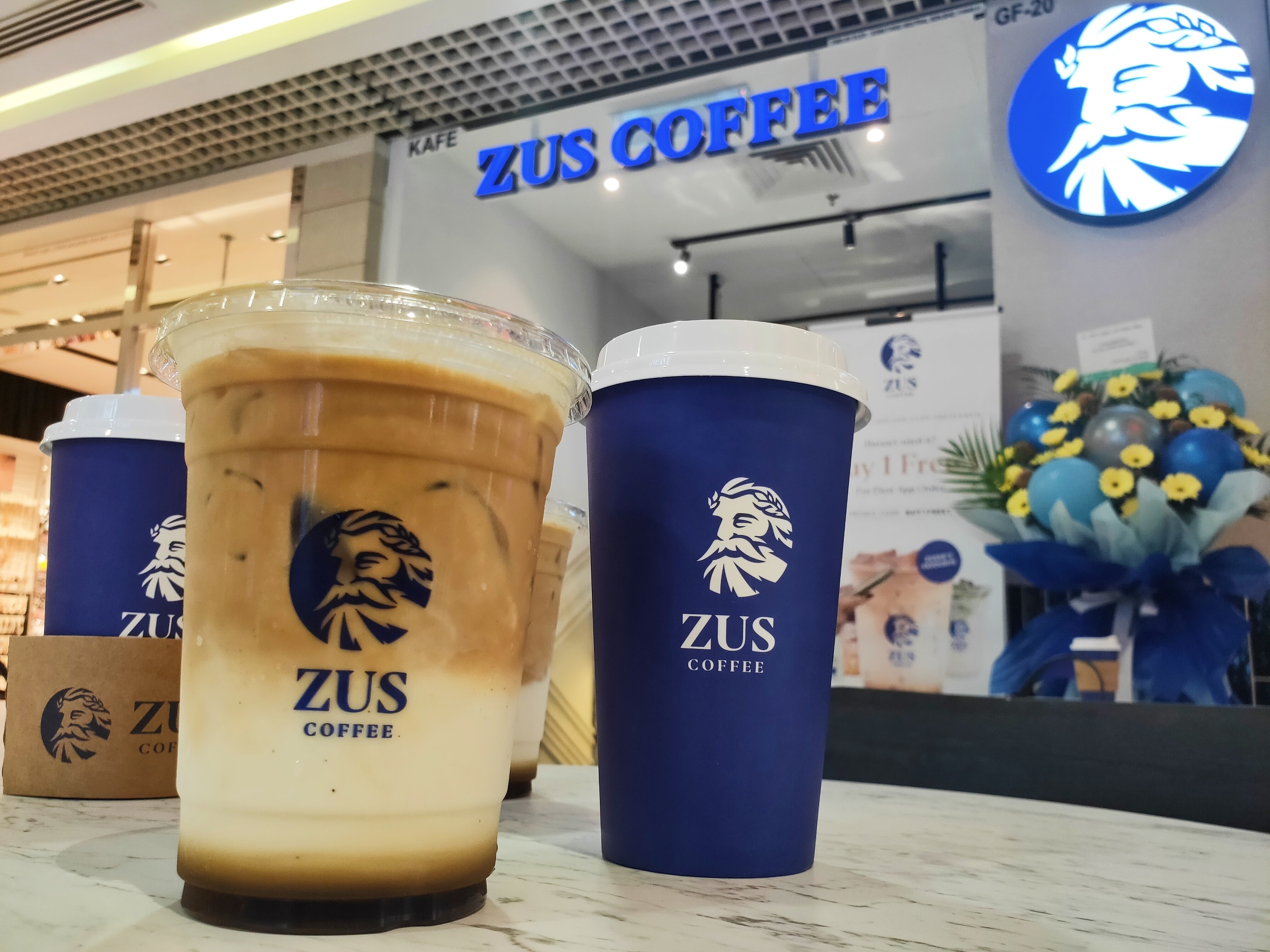
    Malaysia’s largest coffee chain, Zus Coffee, plans to launch 200 new outlets in Southeast Asia this year, according to CEO Venon Tian in an interview with Bloomberg.

    Zuspresso, the operator of the Zus brand, is targeting at least 107 new stores in Malaysia, 80 in the Philippines, and six in Singapore. It also eyes to set up the first stores in Thailand and Indonesia this year.

    Last year, Zus surpassed Starbucks as Malaysia’s top coffee chain after five years of operation, with 743 outlets compared to Starbucks’ 320.

    It also manages 120 stores in the Philippines.

    Zus reported a threefold increase in net income to RM37 million (US$8.4 million) in 2024, reflecting its rapid growth.

    Tian attributed the company’s success to its market-specific flavors, such as palm sugar-flavored drinks in Malaysia and purple yam-flavored coffee in the Philippines.

    Zus, which started out as a kiosk focusing on coffee delivery in 2019, now sees about 70% sales coming from online channels, including deliveries and pickups.

    Its tech-driven approach and cost-efficient store construction have enabled it to offer coffee over 20%cheaper than Starbucks, boosting its widespread appeal in Malaysia.

    Zus drinks are price in the mid-range in Malaysia, between the RM5 price tag of convenience stores and RM11 of premium stores.

    “It’s about how we make quality coffee accessible to most people,” Tian said.

  • Revolut Continues Its Unstoppable Growth

    Revolut Continues Its Unstoppable Growth

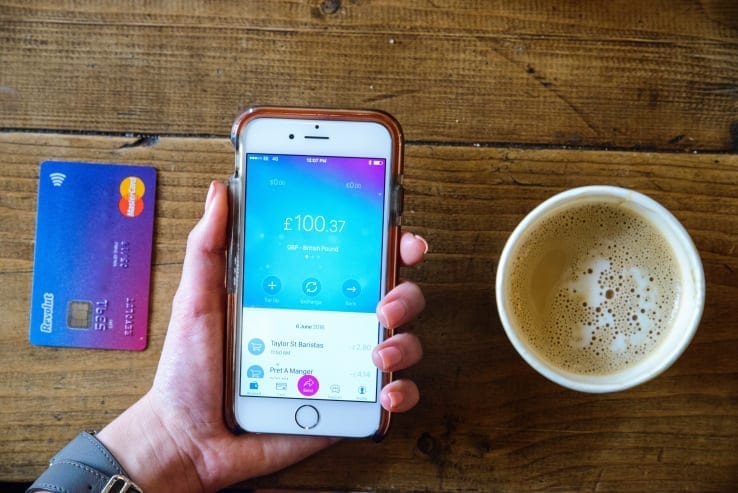
    The British fintech company, now active in around 30 countries, continued its rapid growth last year. Revenue rose by 72 percent to £3,1 billion, according to the annual report published on Thursday. That equates to approximately 3,41 billion francs.

    Pre-tax profit increased by an impressive 149 percent to £1,09 billion, while net profit rose by 130 percent to £790 million.

    By the end of 2024, Revolut’s global customer base had grown by 38 percent to 52,5 million. In comparison, HSBC, the UK’s largest bank, recently reported 41 million customers.

    The total transaction volume amounted to approximately £1 trillion, with 940 million transactions processed in December alone.

    Broader Range of Services

    We not only accelerated our customer growth and added almost 15 million new users globally, but also achieved deeper customer engagement, as our clients increasingly used a broader range of our services—both in the retail space and through Revolut Business, said CEO and co-founder Nik Storonsky.

    The company had already presented ambitious growth plans for the current year. We are making great progress towards our goal of 100 million daily active customers in 100 countries, Storonsky said.

    Expansion into Mexico, License for India

    In the coming months, Revolut will launch its Mexican bank, and it recently received its license for prepaid payment instruments (PPI) from the Reserve Bank of India. Ten additional license applications are currently pending worldwide.

    Usage of Revolut has grown not only in the UK and Ireland but across Europe, including Southern Europe and the Nordic countries. The company also plans to expand in the Asia-Pacific region and the Middle East.

    Costs Rise, Workforce Expands

    Costs rose by 50 percent in 2024 to £1,4 billion, with personnel expenses increasing by 60 percent to £794 million. The number of employees reached 10,133 by year-end, up from 8,152 previously.

    Swiss Ambitions

    In Switzerland, Revolut’s growth reached 29 percent among private customers and 41 percent among business clients last year. Swiss customers made nearly 70 million card and ATM transactions, a 30 percent increase from 2023. Domestic transactions rose by 29 percent.

    In early April, Switzerland head Julian Biegmann said that since March, Revolut has served over 1 million private customers in Switzerland. The neobank is represented in Zurich and Geneva with a total of 10 employees.

    In the UK, the privately held company, which claims a valuation of $45 billion, operates with a restricted banking license. Its EU operations are based on a full license in Lithuania. In Switzerland, Revolut recently enabled services such as QR code payments via a «virtual» Swiss IBAN.

  • Levi’s unveils new Icon store at Palladium Mall Mumbai

    Levi’s unveils new Icon store at Palladium Mall Mumbai

    American denim brand Levi’s has opened an Icon store at Palladium Mall, in Mumbai.

    Spanning 5197sqft, the boutique features an indigo ombre facade, with the ceilings, walls, and pillars painted in indigo.

    The store aims to deliver an elevated shopping experience, offering bespoke alterations, custom embroidery, and distressing.

    At the same time, a spacious lounge area has been incorporated, allowing visitors to shop and engage at their own pace.

    Hiren Gor, GM for South Asia at Levi Strauss & Co, said the new Icon store supports the brand’s expanding direct-to-consumer strategy in India.

    “Mumbai remains a key market for us,” he said. “Palladium Mall, known for its premium luxury retail mix and fashion-forward consumers, provides the perfect setting for our latest Levi’s Icon store.”

  • Google might have to sell off some of its businesses after a judge makes a critical ruling

    Google might have to sell off some of its businesses after a judge makes a critical ruling

    A ruling made by a US federal judge this morning could help the Justice Department decide to force Google to break up its online advertising businesses. District Judge Leonie Brinkema, of the US District Court for the Eastern District of Virginia, ruled that Google illegally dominated two markets for online advertising that combined to generate billions in revenue for Alphabet last year.

    Judge Brinkema said that Google was liable for “willfully acquiring and maintaining monopoly power” in the online publisher ad server market, and in the ad-exchange market that connects ad buyers with ad sellers. “Google further entrenched its monopoly power by imposing anticompetitive practices on its customers and eliminating desirable product features,” the judge added in her decision.

    Google did score a moral victory when the judge ruled that the DOJ failed to present enough evidence for her to rule that Google had a monopoly in the advertiser ad networks segment of the online advertising market. Google jumped on that victory to claim a partial win and said that it would challenge the rest of the judge’s rulings.

    “We won half of this case and we will appeal the other half. The Court found that our advertiser tools and our acquisitions, such as DoubleClick, don’t harm competition. We disagree with the Court’s decision regarding our publisher tools. Publishers have many options and they choose Google because our ad tech tools are simple, affordable and effective.”

    In her 115-page decision, Judge Brinkema agreed with the DOJ that Google, by tying its ad server and ad exchange businesses together, was able to “establish and protect its monopoly power in these two markets.” Publisher ad servers are a platform used by publishers to manage and control their inventory of ads. The ad exchange business is a digital marketplace that connects ad sellers like publishers with potential ad buyers like advertisers. It can be compared to an online stock exchange where ads and ad space are bought and sold instead of equities.

    The DOJ has argued that the court should force Google to sell off its digital advertising products including Google Ad Manager which includes the ad exchange and the publisher ad server. On Wall Street, shares of Google parent Alphabet (GOOG-NASDAQ) slipped slightly on the news with the stock down 1.3% or $2.01 to $153.49. The 52-week high is $208.70 while $142.66 is the 52-week low.

    Google’s legal issues continue. Next week, a court in Washington will hold a trial with the DOJ attempting to force Google to sell its Chrome Browser and take other steps to reduce its dominance in the search engine market.

    Some consumer watchdogs took to their social media platforms to declare victory over Google. Sacha Howarth, executive director of the Tech Oversight Project, said, “This ruling is an unequivocal win for the American people that will help lower prices, increase competition, and lead to a better internet for everyone.”