Author: Mei Ling Tan

  • DHL acquires reverse logistics leader, Inmar Supply Chain Solutions

    DHL acquires reverse logistics leader, Inmar Supply Chain Solutions

    DHL Supply Chain, the world’s leading contract logistics provider, announced the acquisition of Inmar Supply Chain Solutions, a division of Inmar Intelligence and a leading returns solutions provider for the retail e-commerce industry. The strategic acquisition will make DHL Supply Chain the largest provider of reverse logistics solutions in North America.

    The acquisition will result in 14 return centers and around 800 associates joining the DHL Supply Chain business expanding the company’s North American footprint which currently stands at over 520 warehouses supported by 52,000 associates. Additionally, DHL Supply Chain will now strengthen its returns capabilities to include product remarketing, recall management, and supply chain performance analytics. Inmar Intelligence will retain its pharmaceutical reverse distribution business.

    In the light of a rapidly growing e-commerce market and changing consumer behavior, returns are an increasingly important touchpoint for retail customers, both in store and online. These solutions will expand the value-added services available to DHL customers and create a more strategic delivery of holistic solutions for their most complex supply chain needs.

    “DHL Supply Chain’s market-leading logistics expertise and the addition of Inmar’s suite of returns services and its talented workforce will enable us to provide best-in-class logistics services to our industry customers. Together, we will create a returns business in North America that is unmatched in its depth, breadth, capabilities, and talent to fuel long-term growth,” said Oscar de Bok, Global CEO of DHL Supply Chain.

    “As companies strive to simplify their supply chain strategies and enhance their operational agility, DHL Supply Chain continues to innovate to provide comprehensive and integrated solutions. This acquisition strengthens our existing capabilities, allowing us to offer our customers a single-source solution for their entire supply chain, including the critical and complex area of returns management. This enhances the value we deliver to our customers by streamlining their operations, reducing complexity, and improving their overall supply chain efficiency,” said Patrick Kelleher, CEO of DHL Supply Chain, North America.

    He further added that, “The strategic growth opportunities that the returns market brings will enhance the success of DHL Supply Chain. It also puts us on the right path to support DHL Group’s plan to achieve 50% revenue growth by 2030 compared to 2023 as outlined in our recently announced Strategy 2030.”

    “Inmar Intelligence and DHL share a deep commitment to customer-focused innovation. Because of that, we are confident that DHL will build even greater things on top of the Inmar Supply Chain Solutions foundation that we developed over time. As well, we are thrilled that Inmar associates will have an even broader set of supply chain experiences available from which they can continue to learn and develop over time at DHL. For Inmar Intelligence, this deal sets the stage for us to apply an even deeper level of focus and investment into our core businesses that are expanding rapidly,” said Spencer Baird, CEO of Inmar Intelligence.

    Consumers expect retailers to provide a seamless returns process while retailers are faced with new challenges such as returns abuse and rising operational costs. Thus, the acquisition marks a logical step to foster DHL’s customer centric approach that involves collaboration, expertise, and integration to solve the greatest supply chain challenges.

    The acquisition of Inmar Supply Chain Solutions will also contribute to DHL’s strategic goal of decarbonizing its business by 2050. In the company’s recently announced Strategy 2030, sustainability is a strategic priority, recognizing its growing role as a key differentiator in the logistics sector. Assisting global customers to become carbon neutral is crucial, and DHL Group aims to achieve this by remaining the frontrunner in low-carbon logistics operations.

    At the core of returns management is the need to drive sustainability, and Inmar’s technology-driven reverse logistics solutions are recognized across the industry for reducing cost and eliminating the waste generated from returned consumer goods. Emphasis is placed on recommerce, which has diverted 99% of consumer returns from reaching a landfill; an approach that aligns with DHL’s commitment to make customers’ supply chains more sustainable.


  • Indosat, ZTE Enhance Indonesia’s Connectivity with Advanced Microwave Technology

    Indosat, ZTE Enhance Indonesia’s Connectivity with Advanced Microwave Technology

    Utilizing ZTE’s microwave technology, the partnership aims to provide reliable, high-speed communication to remote islands and rural regions, granting more Indonesians access to IOH’s 4G network.

    Indonesia faces significant challenges in building communication infrastructure due to its rugged terrain and high costs. Traditional wired communication solutions often fall short, leaving many areas disconnected and limiting economic and social growth.

    To address this, Indosat and ZTE have deployed more than 550 ultra-capacity backbone microwave links nationwide, connecting nearly 80% of major cities and remote regions. ZTE’s innovative technology, designed for Indonesia’s specific needs, ensures long-distance, high-capacity transmission, providing previously isolated communities with reliable connectivity.

    Kevin Chen, Sales Director of PT., ZTE Indonesia, said, “ZTE are committed to seizing strategic opportunities in digitalization, intelligence, and low-carbon development. ZTE microwave backbone connects ZTE, IOH, and Indonesian residents together, [and] will explore more new possibilities in communication ways, contributing to the digital economic growth of Indonesia and the global community.”

    The solution incorporates advanced features tailored to Indonesia’s environmental conditions. ZTE’s multi-frequency Ultra Broadband Antennas (UBA) facilitate flexible frequency selection, reducing infrastructure costs. Customized branching units enhance efficiency and performance, while durable equipment withstands harsh weather conditions such as heavy rain, strong winds, and corrosion.

    Additionally, the integration of 4T4R modem boards and energy-saving technology ensures rapid deployment with minimal resources. The system’s scalable design supports future upgrades, enabling up to eight times the capacity and extended coverage to new areas.

    Indosat’s subscriber base has seen substantial growth, especially in remote regions, due to a strategic initiative that has expanded backhaul capacity in areas like Sumatra and Kalimantan to 2-3 Gbps, with peak speeds reaching up to 6 Gbps. This improved connectivity enables residents to access real-time information, online education, and digital entertainment seamlessly. Moreover, the initiative has spurred local economic development by generating employment opportunities, enhancing tourism, and encouraging knowledge exchange, while also driving progress in healthcare and education.

    Indosat and ZTE plan to strengthen their partnership to expand network coverage across Indonesia, focusing on improved communication infrastructure. Their joint efforts aim to enhance product capabilities, lower costs, and deliver innovative solutions to empower Indonesians in the digital age.

    Desmond Cheung, Director and Chief Technology Officer, Indosat Ooredoo Hutchison, commented, “This partnership with ZTE reflects our dedication to connecting communities across the nation, regardless of geographic challenges. By deploying advanced technology, we are not only improving digital experience but also unlocking opportunities for economic and social progress, creating a brighter digital future for Indonesia.”

  • YouTube TV simplifies 4K viewing with a simple pop up

    YouTube TV simplifies 4K viewing with a simple pop up

    YouTube TV just made it easier to find 4K content. Now, when you’re watching something that’s also available in ultra-high definition, a little notification will pop up on your screen to let you know.

    This is a great feature for people who want to watch the best possible picture quality whenever available. As we all know, 4K offers much sharper images and more vibrant colors than regular HD, making your viewing experience that much better.

    But why is this update necessary? Well, for some cord-cutters, YouTube TV has been a viable streaming service that lets you watch live TV channels over the internet. It is akin to having cable, but without the clunky box and the frustrating contracts.  Lots of people are choosing streaming services these days because they offer more flexibility and often cost less than traditional cable — in some cases, at least.

    The thing is, with so many streaming services and so much content, it can be hard to find what you want in the best possible quality. Before this update, YouTube TV made you dig through menus to see if something was available in 4K. That’s not exactly user-friendly. Now, they’ve simplified the process. If a 4K version is available, you’ll get a notification, and you can switch over with a simple click.

    Of course, there’s a bit of a trade-off. To watch 4K content on YouTube TV, you’ll need to subscribe to their “4K Plus add-on.” This add-on costs an extra $10 per month, on top of the regular YouTube TV subscription fee, which recently went up to $83 per month. So, you’ll end up paying a premium for that crisper, more detailed picture.

    That said, if you already have the 4K package with YouTube TV, it makes perfect sense to have this option available, so you can switch to watch the higher quality version that you are already paying for.

    Personally, I love the idea of easily finding 4K content, but I’m not a fan of the rising costs of streaming services these days. We thought we were cutting the cord, but what we actually found was that we could be paying the same, if not more, than we were paying before with traditional cable. It’s a tough situation for sure, as streaming is clearly the way to go these days for quality content that you can watch pretty much anywhere. I hope these price hikes have now reached their peak and do not continue to impact consumers.

  • TikTok confirms that it will shut down unless the Supreme Court blocks or delays the ban

    TikTok confirms that it will shut down unless the Supreme Court blocks or delays the ban

    It’s been a wild ride for the TikTok social media platform, as it faces a potential shutdown in the U.S. due to a law requiring its sale by its Chinese parent company, ByteDance. This legal battle has reached the Supreme Court, where arguments are being heard about the law’s impact on free speech and national security. Today, TikTok confirmed that it will indeed shut down its operations in the U.S. unless the Supreme Court blocks or delay the ban.

    The law, which passed with bipartisan support in Congress and was signed by President Biden, aims to address concerns about the Chinese government’s potential influence over TikTok. U.S. officials argue that Chinese authorities could compel ByteDance to share user data or manipulate content on the platform. However, TikTok maintains that there is no evidence of such actions and that the law infringes on free speech rights.

    The Supreme Court’s decision in this case could have significant implications for the millions of Americans who use TikTok for entertainment, information, and even their livelihoods. Content creators, in particular, are anxious about the potential disruption to their audience and income.

    According to a new report, TikTok has now said that unless the Supreme Court strikes down or delays the date this law is supposed to take effect, which is January 19th, the company will be forced to effectively shut down its site in the U.S. by the deadline. Keep in mind that an interruption of even a just month would cost the app one third of its daily U.S. users, not to mention a significant amount of advertising dollars.
    This case is not the first time the Supreme Court has been asked to rule on matters related to new media technologies. The justices have acknowledged their limited familiarity with these platforms, even as they grapple with complex issues of speech restrictions in the digital age.
    Adding to the urgency of the situation, the law is scheduled to take effect on January 19th, just days after the Supreme Court hears the arguments and a day before President-elect Donald Trump takes office. Trump has also asked for a delay in the case so that he could be involved in seeking a political resolution, but it remains to be seen if the judges will agree to that. The court’s decision could come down to the wire, leaving TikTok users and content creators in a state of uncertainty.

    This situation highlights the challenges of balancing national security concerns with the principles of free speech. The Supreme Court’s ruling will also undoubtedly set a precedent for how similar cases are handled in the future, so this case is definitely one for the ages.

    Create a free account and
  • Indonesia raises retirement age to 59

    Indonesia raises retirement age to 59

    Indonesia will raise the retirement age for workers to 59, effective this year, in accordance with a government regulation on the Implementation of the Pension Guarantee Program.

    A regulation issued in 2015 set the retirement age at 56, with a provision for gradual increases. Starting Jan. 1, 2019, the retirement age was raised to 57, with plans for it to increase by one year every three years until reaching a maximum of 65.

    As outlined by the regulation, the retirement age will increase to 59 beginning in January 2025 and remain in effect until 2028.

    The updated retirement age also serves as a reference for workers registered with the Employment Social Security Administration Agency (BPJS TK) to claim their pension benefits.

    The gradual increase reflects Indonesia’s efforts to address demographic and economic changes, ensuring the sustainability of the pension system while promoting the financial security of the country’s aging workforce.

  • Miniso opens first Thai flagship store in Bangkok

    Miniso opens first Thai flagship store in Bangkok

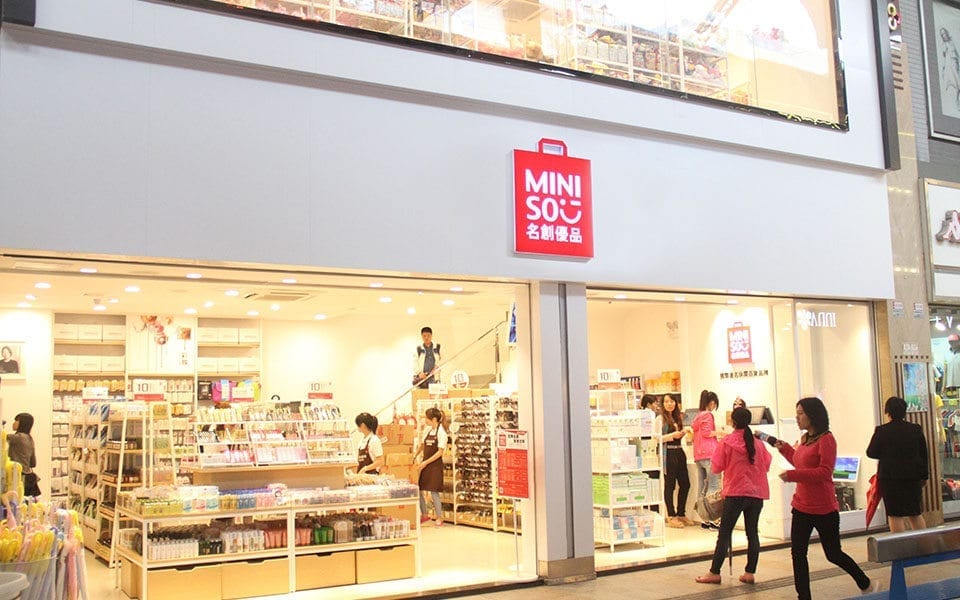
    Lifestyle brand Miniso is about to open its first theme park-style flagship store in Bangkok, Thailand.

    Located at Asiatique The Riverfront, the two-story, 600sqm space will feature more than 20 unique IP collections across various products, including plushies, toys, cosmetics, and stationery.

    The store will also introduce its Harry Potter collection to the country, showcased in a Hogwarts-inspired fireplace area. Additionally, themed zones and installations will feature characters such as Lotso Bear from Toy Story, Stitch, Winnie the Pooh, and a Minions zone.

    “By reimagining the shopping experience with IP collaboration at its core, we hope to capture the imaginations of shoppers around the world,” said the company.

  • Shein scales up eco-friendly denim production

    Shein scales up eco-friendly denim production

    Shein is scaling its adoption of Cool Transfer Denim Printing technology by 90 per cent to boost sustainability in denim production.

    This method – implemented in 2021 in partnership with NTX – significantly reduces water and energy consumption while streamlining the manufacturing process.

    Last year, approximately 380,000 pieces of Shein denim apparel were made using Cool Transfer Denim Printing, saving more than 10,000 metric tonnes of water compared to traditional production methods.

    Traditional denim production is resource-intensive, requiring large amounts of water and energy for dyeing, bleaching, and washing.

    In contrast, Cool Transfer Denim Printing eliminates these high-consumption steps, using less water, dye, and energy. The method transfers designs from paper to fabric without heat, with a soft-hand feel.

    Aside from the method’s sustainability benefits, Shein said it also improves worker safety by reducing exposure to harmful chemicals like chlorine and caustic soda, commonly used in conventional processes.

  • Indonesia’s Bukalapak to scale down to virtual products

    Indonesia’s Bukalapak to scale down to virtual products

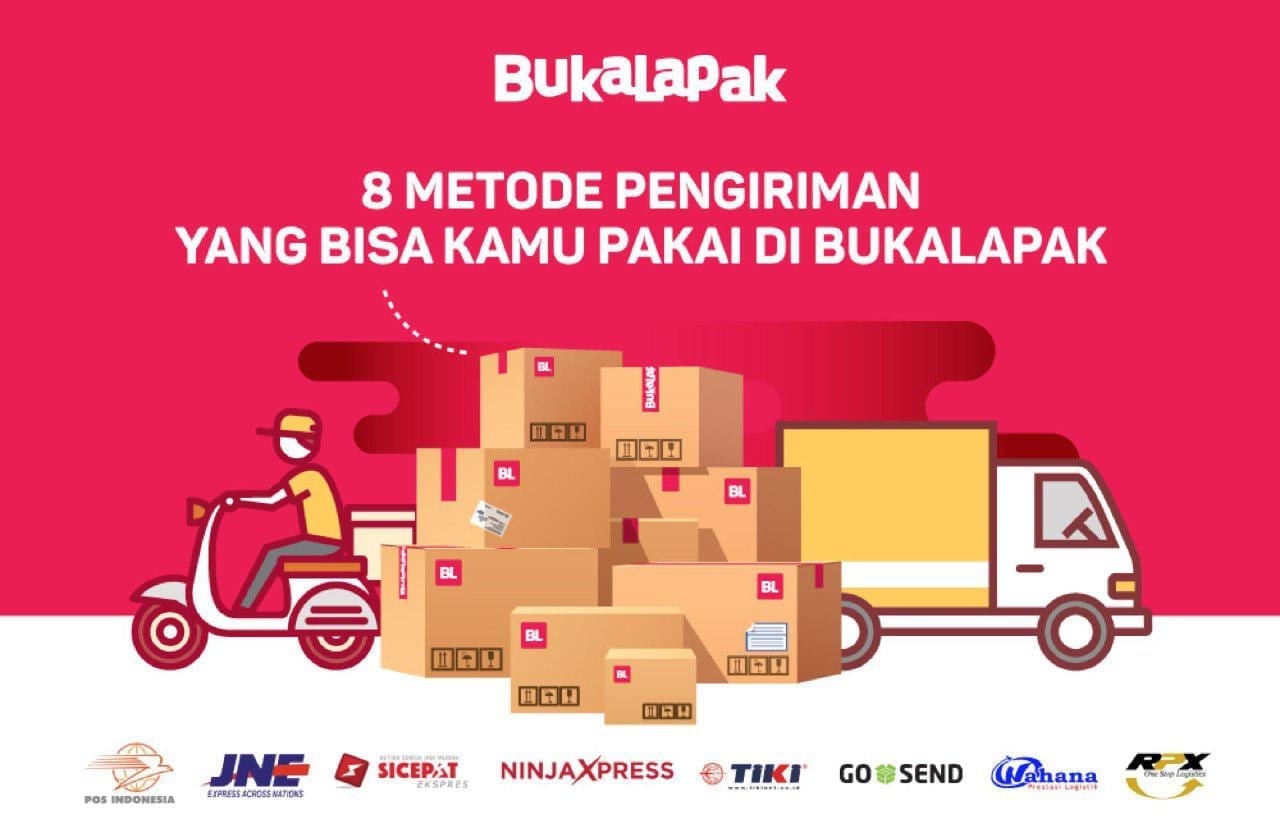
    Indonesian e-commerce firm Bukalapak said on Tuesday that it would stop selling physical items on its marketplace soon, amid tough competition from TikTok’s Tokopedia and Sea’s Shopee in Southeast Asia’s largest economy.

    Bukalapak, which went public in 2021, said in a statement that it later would only sell virtual products ranging from mobile phone credits to streaming vouchers. Customers have until February 9 to make last orders for certain items, Bukalapak added.

    “Bukalapak will undergo a transformation in an effort to increase focus on virtual products … we fully understand that these changes will impact the sellers and we are committed to making this transition as smooth as possible,” the company said.

    Shares of Bukalapak were down 4.1 percent to 117 rupiah on Wednesday as of 0519 GMT.

    On the day of its market debut in August 2021, Bukalapak shares had soared by the daily limit of 25 percent to 1,060 rupiah a piece as investors looked to get a piece of the company that raised $1.5 billion in its initial public offering.

    But over the three years since its listing, Bukalapak has faced fierce competition from Indonesia’s e-commerce market leader Shopee, which is owned by Southeast Asian technology firm Sea, and from Tokopedia.

    Tokopedia, another homegrown e-commerce company, is now majority owned by ByteDance’s TikTok, which acquired 75.01 percent of the shares from local tech conglomerate GoTo early last year.

    Bukalapak reported a loss of 593.23 billion rupiah ($36.62 million) in the first nine months of 2024, according to its latest financial results.

  • J&T Express reports 32.5% parcel volume growth in Q4 2024

    J&T Express reports 32.5% parcel volume growth in Q4 2024

    J&T Global Express Limited announced its key operating data for the fourth quarter and full year of 2024. The company achieved a total parcel volume of 7.39 billion in Q4, a 32.5% year-over-year (“YoY”) increase, with an average daily volume of 80.3 million parcels. For the full year 2024, J&T Express handled 24.65 billion parcels, representing a 31% YoY increase and a 30.7% increase in average daily volume to 67.3 million parcels.

    Q4 growth was primarily driven by Southeast Asia and China, coinciding with the peak e-commerce season in these key markets. In Southeast Asia, J&T Express saw parcel volume jump 62.5% YoY to 1.4 billion in Q4. Full-year parcel volume in the region reached 4.56 billion, a 40.8% YoY surge, significantly exceeding market expectations of industry growth.

    In China, Q4 parcel volume grew 27.4% YoY to 5.91 billion. Full-year volume reached 19.8 billion, a 29.1% increase, outpacing industry growth in the first eleven months of the year.

    Parcel volume in New Markets (including the Middle East and Latin America) reached 74.4 million in Q4, a marginal 0.1% YoY increase. Full-year volume grew 22.1% to 280 million parcels.

    Throughout 2024, J&T Express continued to invest in infrastructure, expanding its transportation fleet and deploying automated sorting equipment. The company’s line-haul vehicles grew by 1,300 vehicles in Southeast Asia and 900 vehicles in China, reaching totals of 4,600 and 7,100 vehicles, respectively. The number of automated sorting machines across all markets increased by 45 to 279.

    J&T Express also strategically optimized its network partnerships and outlets, upgrading sorting centers to enhance operational efficiency. As of year-end 2024, the company operated 19,100 outlets and 238 sorting centers.

    “J&T Express delivered strong growth in Q4 2024, fueled by robust performance in Southeast Asia and China,” said Dylan Tey, Chief Financial Officer of J&T Express. “The over 60% surge in Southeast Asia’s Q4 volume, in addition to a low base from the same period last year, was driven by strong shipments from major e-commerce clients during peak shopping festivals like Double 11, as well as our continued expansion of parcel volume from non-e-commerce platforms. In China, we capitalized on the continued rapid growth of the express delivery industry, strengthening our market position with key e-commerce platforms. Our strategic focus on reverse logistics and individual parcels also contributed to strong results. With our robust network, high-quality service, and diversified growth strategies, J&T Express is well-positioned to benefit from the continued rapid growth of the e-commerce market.”

  • Domino’s Pizza China crosses 1000-store milestone, eyes 300 more this year

    Domino’s Pizza China crosses 1000-store milestone, eyes 300 more this year

    Domino’s Pizza China (DPC Dash) plans to open about 300 new locations this year after its store count reached 1000 late last year.

    The company opened its 1000th store in Chengdu in November. As of December 31, it raised its network to 1008 and became Domino’s third-largest international market by store count.

    DPC Dash recorded 240 net new stores last year, meeting its annual target as part of the “Go Deeper, Go Broader” strategy. In 2025 and 2026, the chain plans to open approximately 300 and 350 new stores, respectively.

    Store performance was also encouraging, with same-store sales growth remaining positive in the fourth quarter. This also marked the 30th consecutive quarter of positive comparables since the current management took over in 2017.

    Loyalty program members reached 24.5 million and 11.7 million new customers were recorded last year.

    In terms of product innovation, the company said it had launched a series of new dishes and will introduce several more this year.

    Looking ahead, DPC Dash said it will continue to advance its expansion plans and improve operational efficiency for sustainable development. The firm also aims to provide consumers with higher-quality products and services and create long-term value for shareholders.

    DPC Dash is Domino’s Pizza’s exclusive master franchisee in Mainland China, Hong Kong, and Macau.

  • Miniso to raise $550M through debt instrument

    Miniso to raise $550M through debt instrument

    Chinese lifestyle goods retailer Miniso Group Holding plans to raise US$550 million through a debt instrument to fund its oversea expansion.

    The seller of anything from household appliances to electronics and cosmetics will issue equity-linked securities which is set to mature in early 2032, according to a filing to the Hong Kong Stock Exchange.

    Securities holders may exchange the shares for cash after a six-year period which is set to begin Jan. 14

    Miniso plans to use 50% of the sale for overseas store network expansion and the remaining half for share buybacks.

    The company believes that these initiatives will further enhance its long-term value for shareholders by supporting growth and expansion.

    The securities carry an exchange rate of 0.5% per year, payable every six months.

    They are offered at $8.28 per share, which is 26% higher than Miniso’ stock closing price on Monday.

    This means that investors expect Miniso shares to surpass $8.28 in the next six years.

    Miniso expanded its global footprint by adding 773 new stores in the first nine months of last year, bringing its total to 7,186. Around 59% of stores are located in China.

    The company’s revenue for the first nine months of 2024 surged by nearly 23% to CNY12.3 billion ($1.75 billion), primarily driven by store expansion and increased consumer spending in overseas markets.

    During the same period, gross profit climbed 34% to CNY5.4 billion.

  • China Cargo Airlines appoints Tam Group as GSSA in the Philippines

    China Cargo Airlines appoints Tam Group as GSSA in the Philippines

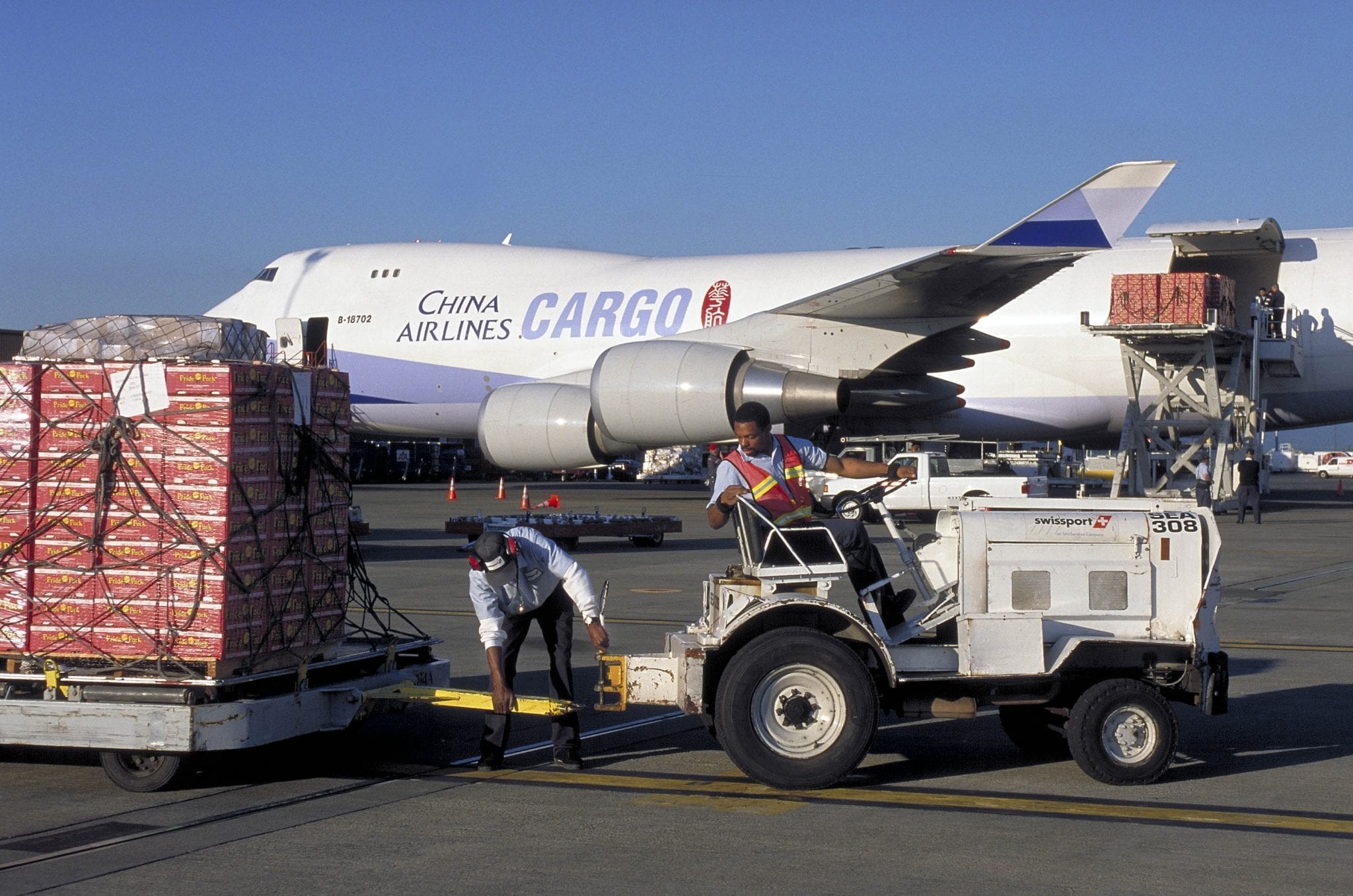
    Tam Group has been appointed as the General Sales and Service Agent (GSSA) for China Cargo Airlines in the Philippines, with this appointment being recognized as the third territory in which Tam Group has been assigned this role, following Malaysia and Vietnam. This strategic alliance represents a crucial step in strengthening China Cargo Airlines’ operations across Southeast Asia. The partnership oFicially commenced on January 1, 2025.

    The flights between the Philippines and China play a vital role in facilitating trade and commerce, connecting businesses and consumers across these two dynamic markets. China Cargo Airlines presently operates five weekly flights from Manila to Shanghai and three from Cebu to Shanghai, utilising A320 series aircraft for these crucial routes. This connectivity supports the timely transport of goods, including perishables and electronics, enhancing economic ties and logistics capabilities between the countries. Notably, this agreement facilitates same-day delivery of perishables to major cities in Eastern China via Road Feeder Service (RFS), utilising the region’s earliest flight schedules.

    Alvin Tam, Senior Vice President of Tam Group, stated, “We are excited to deepen our partnership with China Cargo Airlines in the Philippines. This appointment not only enhances our regional footprint but also enables us to deliver improved services and support for their operations. At Tam Group, we have implemented various solutions, including a robust CRM system and 24/7 customer service, to ensure a seamless experience for our clients. We are continuously seeking enhancements to our offerings and look forward to collaborating closely with China Cargo Airlines to unlock their full potential in the Philippine market.”

    This appointment is expected to create significant opportunities for both Tam Group and China Cargo Airlines, enhancing their market presence in the rapidly growing Southeast Asia logistics sector.

  • Chinese EV firm Skyworth begins selling cars in Singapore

    Chinese EV firm Skyworth begins selling cars in Singapore

    Chinese EV maker Skyworth Auto has started selling its cars in Singapore, opening its first showroom there on Tuesday.

    The 185-square-meter showroom features the first Skyworth model in the country, K, an SUV designed for family comfort with a travel range of nearly 490 kilometers per charge.

    The car is priced at around $135,000 and is believed to be a competitor to the Toyota Harrier hybrid, which costs around $183,000.

    In June, Skyworth Auto plans to launch an electric crossover in Singapore. It also wants to start selling an electric van in the last quarter of the year.

    The Nanjing-based company produced its first EV in 2017. It also produces buses through a subsidiary.

  • Uber competitor Bolt starts recruiting Vietnamese drivers

    Uber competitor Bolt starts recruiting Vietnamese drivers

    Bolt, Europe’s first homegrown ride-hailing company and Uber’s main competitor in the continent, is now recruiting management staff and drivers in HCMC.

    The company’s website, which now offers Vietnamese as a language option, allows candidates to register as drivers for a weekly income running into millions of dong (VND1 million = US$39.40).

    Founded in 2013 in Estonia, Bolt now operates in over 50 countries with services ranging from ride-hailing and car rentals to food and grocery delivery.

    It claims to have 4.6 million drivers and delivery partners serving over 200 million users globally.

    Vietnam’s ride-hailing market is projected to reach $880 million in 2024 and grow at a compounded annual rate of 19.5%, hitting $2.16 billion by 2029, according to Indian market research firm Mordor Intelligence.

    Its major competitors now include Grab, Xanh SM and Be.

    Last year Indonesia’s Gojek exited Vietnam after six years in the country, while Uber had pulled out in 2018.

  • SingPost appoints Neo Su Yin as Group Chief Operating Officer

    SingPost appoints Neo Su Yin as Group Chief Operating Officer

    Singapore Post (SingPost) announced the appointment of Neo Su Yin as Group Chief Operating Officer (GCOO), effective 2 January 2025. In this newly created role, Su Yin will be responsible for the Singapore Business Unit, the International Business Unit and Property. Under transitional management arrangements, she will take guidance from the Chairman of the Board, Simon Israel.

    The position of the GCOO is a pivotal role to translate transformation into tangible results, ensuring high quality execution, while fostering a culture of innovation and continuous improvement.  Su Yin will also support the Board in a review of the International Business Unit.

    “The Board is pleased to welcome Su Yin back to SingPost as our Group Chief Operating Officer,” said Simon Israel, Chairman of the Board. “She has a proven track record and deep understanding of SingPost’s business and operations. Her appointment greatly strengthens our leadership’s focus on driving operational performance and excellence – a core foundation for sustainable growth.”