Author: Mei Ling Tan

  • AIS’s Strategic Vision for Empowering 5G with Autonomous Networks

    AIS’s Strategic Vision for Empowering 5G with Autonomous Networks

    At the 2024 Mobile Broadband Forum, Wasit Wattanasap, Head of Nationwide Operations and Support Business Unit, AIS, presented the company’s vision for integrating AI and advanced network orchestration within 5G frameworks, setting the stage for seamless, intelligent, and highly scalable telecom infrastructure.

    AIS’s approach centers on transforming network layers, from service orchestration to integrating AI-driven insights. This architecture, designed to optimize performance, reliability, and adaptability, places AIS at the forefront of a 5G-driven, AI-enhanced telecom landscape.

    AIS is leveraging advanced cognitive technologies to lead the digital transformation in telecom, focusing on AI, machine learning (ML), 5G, and autonomous networks to enhance operational efficiency and create innovative customer experiences. The company’s strategy in the mobile segment revolves around 5G monetization, where AIS aims to generate new revenue streams by offering premium services, experiences, connected vehicles, and innovative city applications, fully utilizing the low-latency and high-speed capabilities of 5G. AIS is also focusing on digital differentiation, offering personalized mobile experiences through AI that provide dynamic services and tailored content recommendations, ensuring an engaging and relevant customer experience.

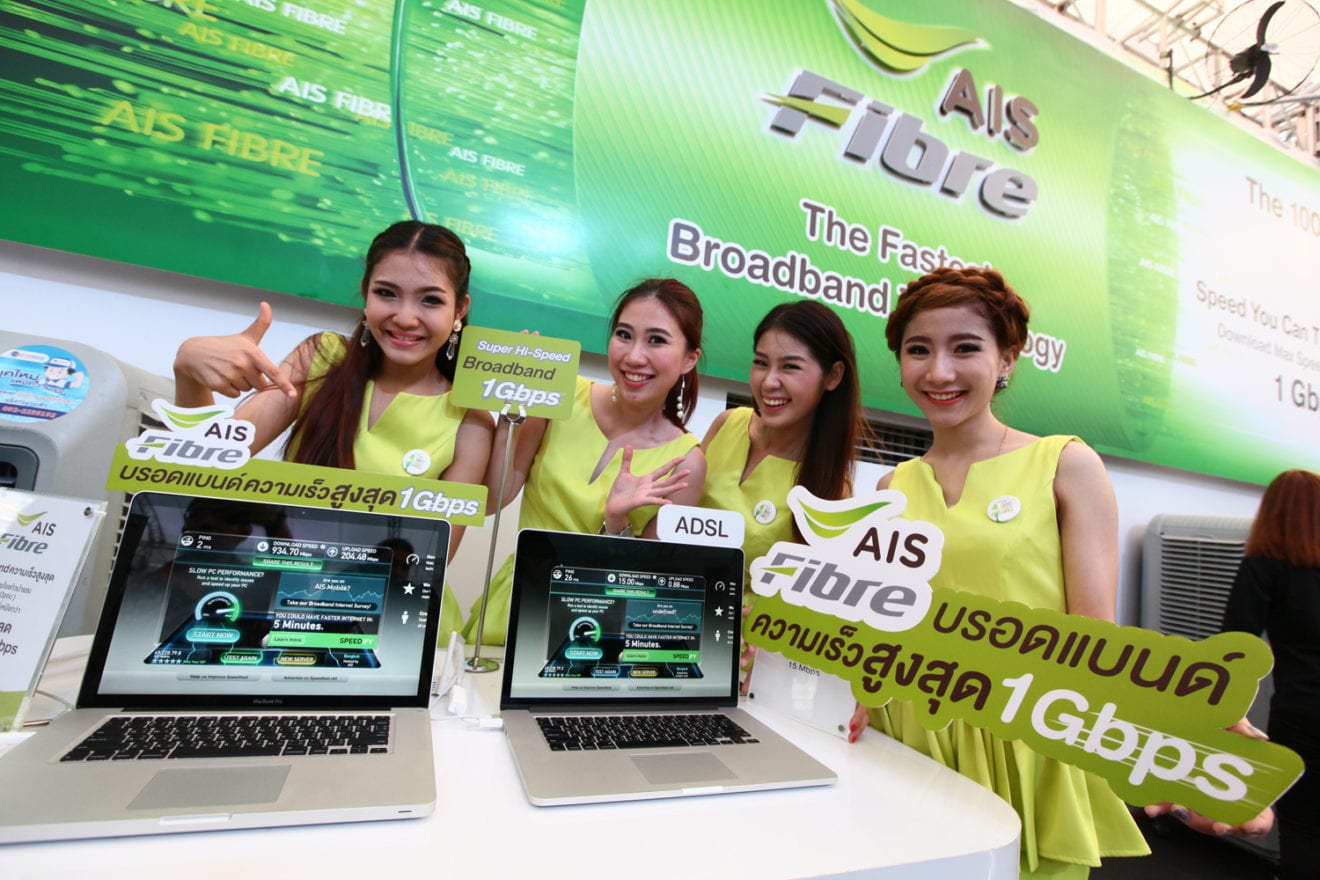
    The company has set its sights on quality acquisition in the fixed broadband space by using AI-driven analytics to optimize service delivery, ensuring high performance and a seamless user experience. This approach includes predictive maintenance and customized broadband solutions. AIS is also introducing innovative broadband products, such as smart home integrations, gigabit internet, and 5G fixed wireless access (FWA), providing flexibility and high-speed connectivity in areas lacking traditional broadband infrastructure.

    Moreover, AIS is supporting the digital transformation of enterprise solutions by enabling enterprises to modernize their operations with AI, IoT, and cloud-based services, helping businesses embrace Industry 4.0 technologies. To achieve this, AIS offers enhanced connectivity for enterprises, providing reliable, high-speed 5G solutions to support mission-critical applications and ensure seamless operation.

    The backbone of AIS’s strategy lies in its data insights and customer care. By applying advanced analytics, AIS can predict and resolve customer service issues before they arise, improving satisfaction. AI-driven interactions facilitate seamless engagement, whether it be through chatbots, apps, or virtual assistants, offering a personalized customer journey.

    AIS is also enhancing agility, stability, and security in its operations. AI-driven IT intelligence continuously monitors and optimizes network performance, allowing AIS to respond quickly to changing market conditions and customer needs. In terms of security, AIS employs AI to detect and neutralize threats in real time, ensuring a secure environment for both consumers and enterprise clients.

    With autonomous networks powered by AI and ML, AIS aims to improve network reliability by enabling self-healing and self-optimizing systems. These autonomous networks automate operational tasks such as network provisioning and fault resolution, reducing costs while ensuring high-quality service even during peak traffic

    In terms of generative AI (GenAI), AIS is exploring new business models and customer experiences. AIS remains ahead of the competition by using AI to generate new product designs, service packages, and predictive insights into customer behavior. Generative AI also enhances customer interactions by delivering personalized content and recommendations in real time.

    Leading Thailand’s 5G-Advanced Transformation

    Wattanasap’s presentation emphasized that AIS is leading the way in 5G-Advanced technology in Thailand. It aims to redefine connectivity with a robust, autonomous network that presents new business opportunities and enhances customer experiences. By shifting from traditional traffic monetization to experience-driven models, AIS uses 5G’s ultra-low latency, high speed, and massive connectivity to offer personalized services like VR/AR, gaming, and smart city solutions. This approach allows AIS to create dynamic, tiered service offerings and monetize 5G traffic based on customer behavior.

    AIS’s strategy also maximizes 5G coverage across all frequency bands, ensuring reliable service in urban and remote areas. With the evolution from L3 to L4 network automation, AIS integrates self-healing and AI-driven decision-making, providing excellent reliability and cost efficiency as it scales its 5G network.

    In 2024, AIS is leading the way in Thailand by introducing the country’s first 3CC carrier aggregation and repurposing the 2.1 GHz spectrum for 5G, enhancing network capacity, and boosting speeds. The successful completion of the mmWave Gbps trials further positions AIS to provide ultra-fast, high-bandwidth connectivity in high-demand areas, enabling innovative services like cloud gaming and intelligent manufacturing.

    AIS also enhances customer care by integrating AI solutions that proactively predict and resolve issues, improving service efficiency and satisfaction. The company is transforming its operations with predictive analytics and automation, ensuring seamless customer support as it scales its 5G network.

    Living Network: Real-Time, AI-Driven 5G Experiences

    AIS’s Care Growth strategy focuses on creating a “Living Network” that adapts in real time to customer needs, offering on-demand 5G services powered by AI and machine learning (ML). By analyzing user behavior, network conditions, and service quality in real time, the network can automatically adjust to optimize experiences, such as prioritizing bandwidth for high-value users or enhancing quality for streaming and gaming.

    AIS also uses AI to promote 5G acceleration packages tailored to users’ needs, offering relevant services, improving customer acquisition, and increasing 5G adoption. The network identifies high-value users and adjusts bandwidth allocation dynamically to ensure seamless service, even during peak times.

    Utilizing experience-driven marketing, AIS can offer 5G packages instantly, boosting penetration rates and enhancing ARPU through personalized add-on packages that address users’ real-time needs. The system ensures differentiated experiences, guaranteeing low latency, high speed, and secure customer connectivity.

    Care Strategy: Liquid Network for Enhanced User Experience

    AIS’s Liquid Network Experience enhances user satisfaction by leveraging dynamic network management practices at the L3 and L4 stages.

    At the L3 stage, AIS handles burst events, cell outages, and traffic surges by adjusting capacity in real time, ensuring seamless connectivity during peak periods. This proactive approach improves customer satisfaction by over 10% and reduces churn through intelligent traffic compensation.

    At the L4 stage, AIS predicts network demand using AI-driven analytics, optimizing coverage and capacity minutes in advance to maintain service quality during high-traffic events. This predictive approach boosts user experience by up to 20%, ensuring stable connections even during congestion.

    AIS also compensates users during traffic floods, such as those prevalent in Chiang Mai, by rerouting traffic and offering faster speeds or extra data. This flexibility strengthens customer trust and loyalty.

    L4 Architecture Evolution: AI, Automation, and Customer Focus

    AIS is transforming its network operations with a robust L4 architecture to integrate AI, automation, and advanced data management. This transformation enhances customer service, workforce efficiency, and network optimization across three core layers—business, service, and core data.

    In the business layer, AIS employs the 2C (customer-centric), 2H (human-centric), and 2B (business-centric) framework. Customer-focused improvements aim to enhance user satisfaction through real-time fault management and AI-powered responsive support. Workforce optimization tools streamline field operations while enhanced business service orchestration and API-driven monetization support business growth.

    The service layer focuses on real-time network and resource management. Key elements include AI-powered fault detection, automated service orchestration, and workforce management, ensuring optimal resource use and service continuity. An integrated API Gateway facilitates seamless communication across systems and departments, further boosting operational efficiency.

    Enhanced DevOps automation with AI-driven orchestration and open API integration supports efficient network management and faster service deployment. Digital Twin models and AI-powered applications, like the FME and Call Center Copilots, empower autonomous operations and proactive issue resolution. The architecture promotes single-domain autonomy, allowing segments of the network to self-manage and adapt to changing demands efficiently.

    Industry Engagement and Contribution 

    Since 2022, AIS has consistently positioned itself at the forefront of the telecom industry, as evident in the range of prestigious awards recognizing its innovations, quality, and forward-looking strategies. Through its achievements, AIS has demonstrated a commitment to excellence in 5G and autonomous network (AN) solutions, emphasizing the transformative impact of these technologies on the industry.

    The company is also deeply committed to collaboration, working closely with industry partners to expand AN practices, and co-create sustainable, mutually beneficial partnerships. This collaborative approach enables AIS to foster innovation, build leadership, and drive digital transformation across multiple verticals. By joining forces with key stakeholders, AIS aims to empower diverse industries through cutting-edge digital solutions, cementing its leadership and contributing to the growth of a connected, resilient, digital future.


  • No entertainment shows, only movies for Netflix in Vietnam

    No entertainment shows, only movies for Netflix in Vietnam

    Starting Monday Netflix will remove all entertainment and reality shows from its platform in Vietnam and only distribute film-related content to comply with local laws.

    The U.S.-based streaming service would only show films that have been classified, the Authority of Broadcasting and Electronic Information said in a recent release.

    In Vietnam, film and entertainment shows fall under different categories and are subject to different regulations.

    Distributors of entertainment shows need to set up a company in Vietnam, but film distributors do not.

    Netflix has to remove content entertainment and reality shows such as “Love on the Spectrum,” “Longest Third Date” and “Down For Love.”

    After the decree on entertainment shows came into effect in 2023, some platforms withdrew from Vietnam, including U.S.-based Amazon’s Prime Video service which shut down in October after a seven-year presence.

    China’s Iqiyi was flagged the same month for distributing entertainment shows since it has registered only to provide film-related content.

    The broadcasting authority said last year that the enforcement of such regulations aims to ensure fair competition between domestic and international television businesses.

    Earlier foreign platforms benefited from regulatory gaps, with some avoiding taxes or distributing prohibited content, it said.

    “New regulations, issued to ensure fairness, have caused some companies to cease operations in Vietnam,” Le Quang Tu Do, the authority’s director, said at the time.

    “Adjusting business models to comply with local laws is a routine part of doing business.”

  • WhatsApp to end support for older Android phones and iPhones in 2025

    WhatsApp to end support for older Android phones and iPhones in 2025

    Starting January 1, 2025, WhatsApp will no longer be supported on older Android phones running Android KitKat or earlier. This change means that if you’re still using an older device as your primary phone, you’ll need to upgrade to a newer model to continue using WhatsApp.

    Meta, the company behind WhatsApp, is discontinuing support for these older devices because they lack the hardware capabilities to support the app’s evolving features and functionalities. As WhatsApp continues to add new features, such as AI functionalities, it needs more powerful hardware to ensure a smooth user experience.

    Some of the popular phone models that will be affected by this change include the below:

    • Samsung Galaxy S3
    • Samsung Galaxy Note 2
    • Samsung Galaxy S4 Mini
    • Motorola Moto G (1st Gen)
    • Motorola Razr HD
    • Moto E 2014
    • HTC One X
    • HTC One X+
    • HTCDesire 500
    • HTCDesire 601
    • LG Optimus G
    • LG Nexus 4
    • LG G2 Mini
    • LG L90
    • Sony Xperia Z
    • Sony Xperia SP
    • Sony Xperia T
    • Sony Xperia V

    If you’re currently using one of these older devices, it’s important to back up your WhatsApp data to a newer device before the deadline. Otherwise, you’ll lose all your media and chat history from WhatsApp.

    This isn’t the first time Meta has announced plans to end support for older devices. A few months ago, the company announced that it would stop supporting iPhones running on iOS older than version 15.1.

    For iPhone users, however, the deadline to upgrade to a newer device is May 2025. This gives iPhone users a bit more time to prepare for the change compared to Android users. However, it’s still important to be aware of the deadline and to start planning for an upgrade if you’re still using an older iPhone.

    The decision to end support for older devices is likely to affect a significant number of users, particularly in developing countries where older phones are still common. However, as these tech companies continue innovating and diving deeper into AI, I’m afraid it will become a necessity to update even more often than in the past — at least if having the most recent version of an app is a priority. It’s a reminder that technology is now moving very quickly, and we will need to make some choices in order to avoid losing access to our favorite apps and services.

  • Google now allows Microsoft Teams messages to be migrated to Google Chat

    Google now allows Microsoft Teams messages to be migrated to Google Chat

    Google announced this week that it’s expanding the ability to migrate messages to Microsoft Teams. Starting today, Google Workspace admins can migrate conversations from channels in Microsoft Teams to spaces in Google Chat.

    In order to migrate data from Microsoft Teams to Google Chat, admins must use the dedicated console. Here are the steps an admin must follow to migrate their organization’s data from Microsoft Teams to Google Chat:

    • First, connect to your Microsoft account.
    • Then, upload a CSV of the teams from where you want to migrate the messages. You can specify the source to destination identity mapping by uploading a CSV of the email ID’s from source to target.
    • Next, you’ll enter the starting date for messages to be migrated from Teams. Then you can begin your data migration.
    • Finally, you’ll complete the migration by making migrated spaces, messages and related conversation data available to Google Workspace users.

    It’s imporant to mention that admins can only migrate data to accounts of existing users with a user license and the Google Chat service turned on.

    Equally important is the fact that the Chat migration tool will not delete or modify existing Google Chat spaces or messages. On top of that, admis can also run a delta migration, which will migrate any messages added to Teams channels since the primary migration (messages already migrated will be skipped).

    As soon as the migration process is complete, admins can export a report that contains detailed information regarding content that skipped, failed or had warnings during the migration.

  • Vietnam’s Vingroup launches electric taxi service in Indonesia

    Vietnam’s Vingroup launches electric taxi service in Indonesia

    Vietnam’s Green and Smart Mobility (GSM) JSC officially launched its Xanh SM electric taxi service in Indonesia on December 18.

    The Green and Smart Mobility JSC, which was established by billionaire Pham Nhat Vuong – founder and chairman of private conglomerate Vingroup, chose Indonesia as its second overseas market after Laos.

    With its smart and eco-friendly mobility solutions, GSM is determined to conquer one of Southeast Asia’s most promising ride-hailing markets while promoting global green transition.

    The launching ceremony took place in Jakarta with the attendance of many host government officials, ambassadors from several countries, and nearly 100 strategic partners of Xanh SM there.

    This marks the first time an electric taxi service has been launched in Indonesia, which is expected to meet the increasing demand for transport during the upcoming Christmas and New Year holidays.

    Dr. Pak Riyatno, Deputy for Investment Climate Development at the Indonesian Ministry of Investment and Downstream Industry, expressed his confidence that Xanh SM’s presence in Indonesia would not only encourage domestic and foreign investments in the green economy but also create new opportunities for innovation, job creation, and improved living standards for Indonesians.

    Vietnamese Ambassador to Indonesia Ta Van Thong noted that Xanh SM service aligns with the new strategies and policies of the Indonesian administration under President Prabowo Subianto, which aims to achieve net-zero emissions by 2060, or even 2050.

  • Gasoline prices reach 3-month peak

    Gasoline prices reach 3-month peak

    Gasoline prices in Vietnam climbed to a three-month Thursday afternoon.

    The popular fuel RON95 went up 1.99% from a week ago to VND21,000 (US$) per liter.

    Diesel jumped 2.63% to VND18,730.

    Fuel prices in the last seven days were affected by the European Union’s adoption of the 15th package of sanctions against Russia, a member of OPEC+. Prices were also influenced by geopolitical tensions in the Middle East and ongoing conflict between Russia and Ukraine.

    RON95 went up 2.5-2.6% in the period while oils went up 2.6-3.1%. RON95 is now at $86.2 per barrel and diesel $89.6.

  • Indonesia rolls out $52B stimulus package for 2025

    Indonesia rolls out $52B stimulus package for 2025

    Indonesia has unveiled economic stimulus packages totaling IDR827 trillion (US$51.65 billion) for 2025, designed to mitigate economic shocks and address the weakening purchasing power of low- and middle-income groups.

    The stimulus also aims to cushion the impact of an upcoming increase in the value-added tax (VAT) rate from 11% to 12%, set to take effect on January 1, 2025.

    Minister of Finance Sri Mulyani Indrawati said the stimulus measures are carefully designed to provide balanced support, particularly for lower-income segments of society, to ensure their financial stability despite the VAT increase.

    A significant portion of the stimulus, amounting to IDR265.6 trillion, will go toward VAT incentives that benefit a range of sectors. These include micro-, small-, and medium-sized enterprises (MSMEs), essential food staples, education, healthcare, transport, energy, low-cost housing, and financial services. Basic necessities like rice, meat, fish, eggs, vegetables, and milk will remain exempt from the VAT.

    The government and the House of Representatives have decided not to impose VAT on essential commodities needed by the public, she said, adding some IDR394 trillion has been allocated for energy subsidies and compensation, which will cover the costs of subsidised fuel, electricity, and LPG.

    To further support the economy, the government is allocating IDR129 trillion to social aid programmes, including food aid, subsidies for health insurance premiums, and easier access to unemployment benefits for laid-off workers.

    In the automotive sector, the government will offer tax incentives for electric and hybrid vehicles. Electric vehicles and hybrid cars will receive substantial tax breaks, including a 3% reduction in luxury taxes for hybrid vehicles.

    For labor-intensive industries, the government will provide tax exemptions, financing support, and 50% subsidies for workplace accident insurance to encourage job creation and economic growth in this sector.

    In the housing sector, the government would extend VAT exemptions for house purchases. The sector not only meets the public’s basic needs but also has a significant multiplier effect, creating jobs and stimulating economic growth, the minister said.

  • Nokia Enhances SONiC Support for Data Center Innovation

    Nokia Enhances SONiC Support for Data Center Innovation

    By combining open-source software with advanced hardware and cutting-edge automation, Nokia is offering a new alternative for modern, efficient, and highly reliable data center networks. Nokia has been a strong supporter of open-source solutions and has been actively involved in the SONiC community for an extended period.

    The SONiC community was originally started by Microsoft and the Open Compute Project and is now overseen by the Linux Foundation.Research by 650 Group found that the market for SONiC-enabled data center switching is expected to exceed USD 9 billion by 2028, driven by the growing demand for traditional IT and emerging AI workloads.

    Previously, selecting SONiC often meant facing limited options in terms of fabric management and automation when using open-source hardware. Nokia’s expanded portfolio now integrates the SONiC community’s capabilities with its data center switching platforms, whilst also offering access to Nokia’s expert SONiC development and support team. This allows enterprises and cloud providers to access a wider range of advanced data center hardware platforms designed for reliability, power efficiency, and longevity.

    Customers will also benefit from Nokia’s Event Driven Automation (EDA) platform, which helps manage and automate SONiC environments, reducing operational costs and minimizing human error and network downtime. For customers who prefer fully integrated solutions with advanced features and dedicated engineering support, Nokia continues to offer its SR Linux network operating system as part of its data center fabric solution.

    By supporting both software approaches, Nokia is providing unmatched flexibility in the data center switching market.

    Alan Weckel, Co-Founder and Technology Analyst at 650 Group, praised Nokia’s commitment to open-source solutions and its support for SONiC, adding that the enhancement demonstrates Nokia’s dedication to providing innovative solutions for evolving data center needs. Josh Helm, Vice President of Global Network and Edge Offering Enablement at Kyndryl, highlighted the benefits of integrating open-source software with Nokia SR Linux, noting that the integration enables Kyndryl to drive IT modernization, consequently benefiting its customers.

    Scott Seger, Senior Vice President Infrastructure and Alliances at CBTS, noted the strong interest in Nokia’s SONiC support for data center switching, especially among financial services clients. Vach Kompella, Senior Vice President and General Manager of Nokia’s IP Networks Business Division, emphasized the importance of giving customers the flexibility to choose how they run their networks. Nokia’s solutions support both a vendor NOS similar to SR Linux and an open-networking NOS similar to the SONiC community, providing customers with the freedom to adapt to changing conditions.

  • NEC Completes Asia Direct Cable, Boosting Regional Connectivity

    NEC Completes Asia Direct Cable, Boosting Regional Connectivity

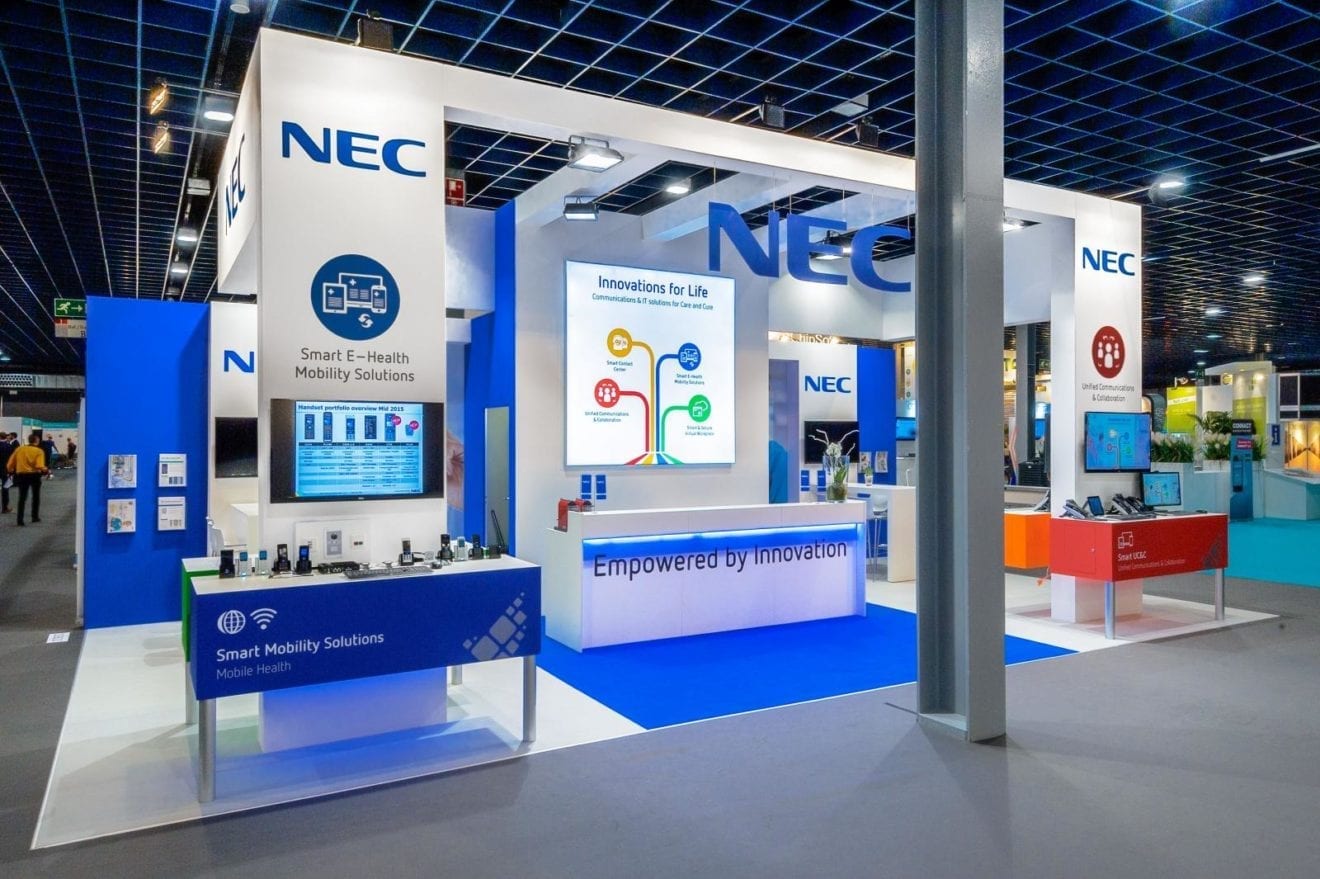
    The ADC submarine cable is owned by the ADC Consortium and consists of multiple pairs of high-capacity optical fibers. It is designed to handle over 160 Tbps of traffic, allowing for the efficient transmission of data across East and Southeast Asia.

    This new cable is a significant achievement as it’s the most recent Intra-Asia cable connecting China (Hong Kong SAR), Japan, and Singapore in the last eight years. It provides essential infrastructure to meet the growing demand for data transmission in the region and creates new opportunities for communication and society’s future.

    This milestone marks a crucial step in supporting the increasing communication needs of Asia and the world. It represents the culmination of collaborative efforts and partnerships with stakeholders from various countries, including NEC.

    Koji Ishii, MC Chairperson of the ADC Consortium noted that this cable system will greatly benefit the development of the AI industry in Asia.

    Billy Li, MC Co-Chairperson of the ADC Consortium, highlighted that the cable offers the necessary capacity and diversity for Asia’s major information hubs, allowing telecom carriers and service providers to enhance their networks and service planning to achieve sustainable growth.

    Tomonori Uematsu, Senior Vice President at NEC Corporation added that the partnership with the consortium will overcome the challenges that have previously inhibited this project from coming to fruition.

    NEC has a long history of supplying submarine cable systems and has built over 400,000 km of cable, making it a reliable partner in the field. NEC’s subsidiary, OCC Corporation, manufactures optical submarine cables capable of withstanding extreme water pressures at ocean depths exceeding 8,000 meters.

  • Nestle launches protein shots for US weight-loss drug users

    Nestle launches protein shots for US weight-loss drug users

    Nestle is launching protein shots in the United States which it says help suppress appetite for people looking to shed pounds, the latest effort by the world’s biggest packaged food maker to tap the booming market for weight-loss products.

    The manufacturer of Kit Kat chocolate bars and Nesquik shakes says its drink sparks a natural reaction in the body which is similar to, but far less powerful than, highly in-demand drugs for weight loss like Novo Nordisk’s Wegovy and Eli Lilly’s Zepbound.

    The weekly weight-loss injections mimic an intestinal hormone called GLP-1 and curb people’s appetite, promoting a feeling of fullness.

    The shake, called Boost Pre-Meal Hunger Support, is to be consumed up to 30 minutes before a meal and is aimed at people taking GLP-1 drugs or other weight-loss medications. The roll-out started last month.

    “You get an increase in natural GLP-1 which helps in controlling the feeling of hunger. So this dose has a significant effect on satiety,” Stefan Palzer, chief technology officer at Nestle, told Reuters.

    The shots, sold for US$10.99 for a pack of four on Amazon.com and at some CVS stores, contain 10 grams of whey protein, 45 calories, 1 gram of sugar, and are fat-free. They are advertised as promoting a “Natural GLP-1 response to a meal.”

    Palzer said they could also help people maintain their reduced weight.

    Lora Heisler, chair in human nutrition and director of research at the Rowett Institute, said it was unclear if the shot could make a real long-term difference for people trying to lose weight.

    “I believe that this protein shot can help release a bit more GLP-1, but you can also possibly have a similar sort of release with a glass of milk,” she said.

    Earlier this year, Nestle started selling a new, $5 line of frozen pizzas and protein-enriched pastas in the United States designed for people taking weight-loss drugs.

    Analysts estimate the obesity drug market could be worth as much as $150 billion per year globally within a decade.

    When US retail giant Walmart said last year it saw a slight pullback in food consumption when people took the medication, it sparked a selloff in shares of companies including Nestle.

    The shot, whose formula Nestle has patented, is not intended to replace weight loss drugs and is less powerful than them, Palzer said.

    Nestle says the product is based on a mix of peptides which are digested quickly, giving the consumer an amino acid spike that then controls hunger.

    Whey protein micro-gels help people digest more slowly, meaning they interact much longer with receptors in the intestine that are releasing the GLP-1 hormone.

    In 2021, Nestle said 26 people with type-2 diabetes participated in a randomised study, consuming either a low-dose whey protein microgel or a placebo of water, followed by a meal designed to produce an adequate spike in glucose.

    One week into the study, participants who had been taking the whey protein were given the placebo, and those who had been taking the placebo were given the whey protein.

    Results showed that during the two hours after the meal, glucose levels were reduced by 22 percent in the whey-protein group compared with the placebo group. There was also a positive effect on the hormone GLP-1.

  • Globe Telecom Accelerates Connectivity through PPPs

    Globe Telecom Accelerates Connectivity through PPPs

    Engr. Emmanuel Estrada, Vice President, Globe Telecom, stressed the significance of collaboration between the government and private sector, addressing the evolving digital needs of Filipinos.

    Globe Telecom noted its active participation in initiatives, such as the Connectivity Plan Task Force, spearheaded by the Private Sector Advisory Council.

    The initiative, comprising mobile network operators, tower companies, and government stakeholders, aims to maximize the capacity of the existing networks by constructing more than 150 new sites and exploring cutting-edge technologies, including satellite services, for geographically isolated and disadvantaged areas (GIDA).

    Estrada highlighted the significance of government policies in effectively driving PPPs and the need to revise outdated regulations.

    These strategies focus on creating transparent, consistent, and stable policy frameworks to attract private sector investment and foster mutually beneficial long-term partnerships.

    Estrada accentuated, “The old, antiquated policies are no longer effective and relevant in today’s digital economy. Once that is addressed, let’s streamline all the processes.”

    Estrada also noted Globe Telecom’s progress, particularly EO (Executive Order) 32, which has accelerated the company’s network developments over the last three years.

    “Those antiquated polices, some dating back to 1931, are the ones that we need to really work on together with the government,” he added.

    Globe Telecom reported a 20% improvement in processing permits from 2022 to 2024, thanks to simplified procedures introduced by various local government units. This progress is credited to Executive Order (EO) 32, which streamlined the permitting process for telecommunications infrastructure.

    Underscoring the importance of the synergy between technology and valuable real-world applications, Estrada stressed that PPPs must provide innovative solutions to meet the digital needs of the public.

    While 96% of the Philippines’s total population is covered by at least 3G or 4G, only 63% have active subscriptions.

    The Globe Telecom VP emphasized the importance of enhancing network usability beyond social media platforms, prioritizing applications that add value to areas, including education, healthcare, and finance.

    “First, let’s fix connectivity, and once that’s done, let’s improve usability,” Estrada stressed. “It’s one thing to have the connection but us

  • IT salaries for managers economy-leading in 2024

    IT salaries for managers economy-leading in 2024

    IT managers in Vietnam earn a median salary of VND52 million (US$2,048), the highest in any sector, while pay for employees with less than a year’s experience has declined.

    Recruitment platform TopCV released its 2024 annual labor market report, highlighting that while demand in the IT industry shows “signs of slowing,” it remains a critical sector and with a talent shortage offering significantly higher salaries than others.

    The report, based on a survey of 3,000 businesses and workers and analyses of 300,000 job postings as of late October, revealed a 1% drop in demand for IT professionals from last year. But experienced and highly skilled candidates remained highly sought after.

    This trend was reflected in salaries. Employees with less than one year of experience earned a median salary of VND11 million, down from VND15 million in 2023, while team leaders and those with four or more years of experience earned VND35 million. For managers and department heads, salaries surged to VND52 million, a nearly 30% increase.

    The salary figures are based on median values, which represent the midpoint in a range and offer a clearer picture than averages when salaries vary significantly.

    The IT and software industry reclaimed the top spot in this year’s salary rankings. In 2023 the insurance industry had led with a median managerial salary of VND50 million, VND10 million higher than in the IT industry. This year managerial salaries in most other sectors were VND26-39 million, significantly lower than in IT.

    But despite the high salaries, TopCV noted, there were challenges in the IT recruitment market primarily due to the limited candidate pool. Around 55% of surveyed businesses reported a shortage of highly skilled professionals, while 49.7% expressed readiness for intense talent competition and willingness to offer attractive benefits to secure top employees.

    On the employee side, “job-hopping” remains prevalent, with 34.1% of IT workers citing lower pay compared to competitors as the main reason for leaving. Another 29.5% pointed to a lack of career advancement opportunities, and 19.5% said their values no longer aligned with those of the company leadership.

    But the report found that “changing jobs no longer guarantees higher income for IT professionals,” with fewer than 10% reporting salary increases of 3-5% after switching roles. Job seekers also faced new challenges like requirements to know a second language, multitask and acquire new skill sets.

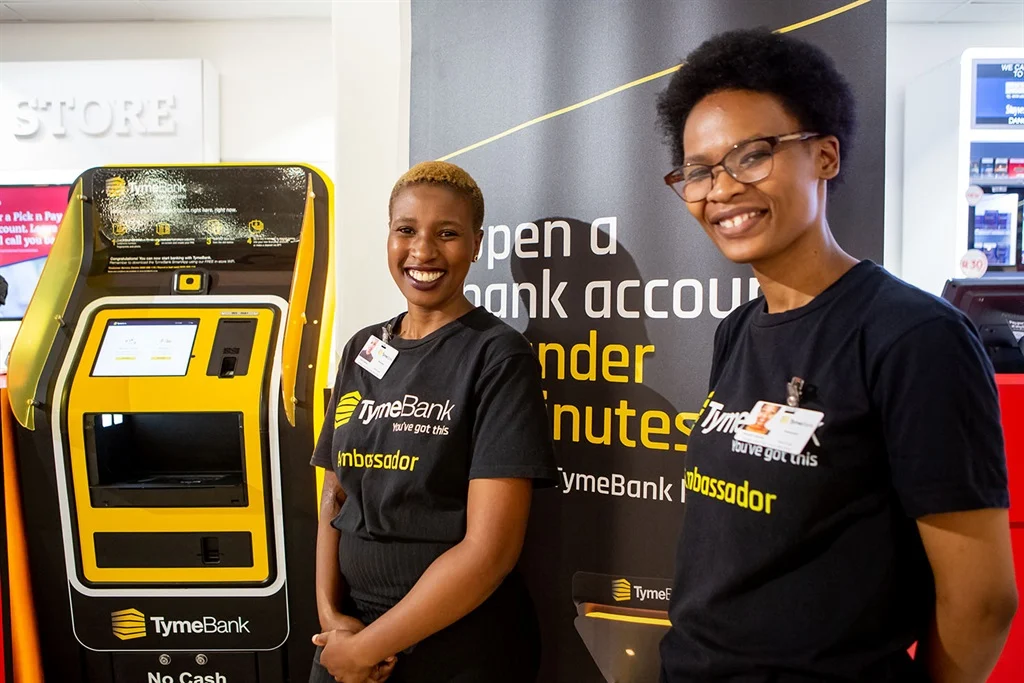
  • Singapore-based fintech startup Tyme raises $250M

    Singapore-based fintech startup Tyme raises $250M

    Singapore fintech startup Tyme Group has secured a US$250 million investment, which it calls the “largest fintech raise this year in Southeast Asia,” giving it a valuation of $1.5 billion.

    The company received the investment from Brazil-headquartered lender Nubank and other investors, it said in a news release Tuesday

    With established operations in South Africa and Philippines, Tyme now gears up for expansion into Vietnam and Indonesia as it eyes to expand its presence in Southeast Asia.

    Tyme, backed by South African billionaire Patrice Motsepe’s African Rainbow Capital Investments, has been developing and operating digital banks since 2019.

    The company entered the Philippines in 2022 in a joint venture with a local company.

    Southeast Asia’s loan book balance is expected to reach up to $300 billion by 2030, quadrupling from an estimated $71 billion this year.

    Startup investment in Southeast Asia remains weak this year, with 474 equity deals taking place in the first three quarters, the lowest level since 2020.

  • Vietnamese investors turn to Bitcoin as it crosses psychological $100,000 mark

    Vietnamese investors turn to Bitcoin as it crosses psychological $100,000 mark

    As Bitcoin hovers around the US$100,000 mark, many investors are embracing cryptocurrency to diversify their portfolios.

    Lam Vu, inspired by a friend’s success in Bitcoin investments, recently sought his advice. The friend had bought Bitcoin at US$36,000 in June 2021, sold at over US$60,000 four months later to earn a profit of VND33 million (US$1,299). Vu was encouraged to act before Bitcoin’s “big wave” of growth. However, his friend suggested waiting for a potential correction to below US$95,000.

    Ngoc Anh is also exploring Bitcoin. An investor for the past year she is diversifying her portfolio and sees cryptocurrency as a promising option. “I believe Bitcoin will soon become a primary and widely accepted global currency,” she says. She plans to adopt a systematic investment plan (SIP) strategy, investing consistently each month, to average out costs in the long term.

    She says this approach, which she has applied to mutual fund investments over the past two years, will suit her by reducing the stress caused by Bitcoin’s price volatility. She believes Bitcoin will recover from any dips and steadily increase in value over time.

    Bitcoin’s value has surged by 130% this year to around US$100,000, with a market capitalization of US$2 trillion. It is now the seventh largest global asset by market cap, trailing gold and tech giants Apple, Nvidia, Microsoft, Amazon, and Alphabet.

    In an interview with VnExpress, Le Sy Nguyen, Vietnam country manager at the cryptocurrency exchange Bitget, says Bitcoin’s milestone has boosted trading volumes for both Bitcoin and altcoins on the world’s third largest derivatives exchange.

    Nguyen advises investors to proceed cautiously and do thorough research, citing risks such as market volatility, regulatory uncertainty and management challenges. He adds that an SIP is a practical way to accumulate Bitcoin while mitigating volatility. He also advises new investors to focus on consistent investments, avoid emotional trading and regularly monitor market developments.

    Global asset manager BlackRock Investment Institute recommends allocating 1-2% of portfolios to Bitcoin, likening its risk profile to that of the “Magnificent Seven,” which includes major tech stocks like Alphabet, Amazon, Apple, Meta, Microsoft, Nvidia, and Tesla. However, BlackRock warns that allocations exceeding 2% significantly increase risk, noting Bitcoin’s history of steep declines, including losses of 70-80% since its inception in 2009.

    Many investors have faced severe losses during Bitcoin’s downturns. Trung Tin, initially a casual cryptocurrency investor during the pandemic, became addicted to trading as his profits surged. At his peak, he invested over VND1 billion, depleting his savings and borrowing from friends. The November 2021 market crash wiped out his funds.

    Refusing to accept the reality of his losses, the HCMC-based startup owner borrowed more from family, friends, colleagues, and business partners in a desperate attempt to recover his investments. “I dug my own grave when I borrowed money to trade derivatives with 125x leverage,” he laments. “Within two weeks I had to sell my car and land to repay debts. It was a horrifying experience, especially as it happened just weeks before Lunar New Year.” He says to this day he feels anxious whenever cryptocurrency is mentioned.

    According to The Washington Post, therapist Aaron Sternlicht observes that crypto trading can be more addictive than gambling, largely because of its 24/7 market access. While cryptocurrency addiction is not officially recognized as a mental health disorder, researchers at Rutgers University in New Jersey have noted a rise in addicted traders. Excessive trading, driven by the prospect of massive returns, often mirrors gambling behavior.

    A 2024 survey by Coin68 platform involving over 2,700 Vietnamese found that nearly 44% reported losses in cryptocurrency investments. Of the 56% making a profit, those avoiding derivatives and focusing on long-term strategies earned 10% more on average than their counterparts.

    The derivatives market remains a source of significant losses. This trading method allows investors to speculate on cryptocurrency price movements without owning the asset, and incorrect bets often lead to a wipeout. During the recent Bitcoin price peaks hundreds of millions of dollars were lost. Experts strongly advise new investors to avoid derivatives trading.

    Cryptocurrencies remain unregulated in Vietnam, which experts say hampers sustainable growth and transparency. The lack of a clear legal framework, and the resultant absence of adequate protections unlike in traditional financial markets, exposes investors to risks such as fraud and market instability, complicating the development of this asset class.

  • Indonesia offers 3% tax incentive to hybrid car makers

    Indonesia offers 3% tax incentive to hybrid car makers

    Indonesia will offer a sales tax incentive on Government-borne Luxury Goods (PPnBM DTP) of 3% for hybrid cars from next year.

    Minister of Industry (Menperin) Agus Gumiwang Kartasasmita said at a press conference on December 16 that the Indonesian government asks hybrid car makers to register their hybrid car models with the government to get the PPnBM incentive.

    To provide the sales tax incentive for hybrid motor vehicles, the cabinet estimates a budget requirement of IDR840 billion (US$52.5 million). Agus stated that under Regulation No. 36 of 2021 concerning low-carbon four-wheeled vehicles, the government mandates a local component value (TKDN) for hybrid car manufacturers participating in the programme.

    In addition to hybrid vehicles, the government offers several incentives, including a 10% reduction in value-added tax (VAT) on imported fully built battery-operated vehicles (including passenger and electric cars, and electric buses) with a local content (TKDN) rate of 40%, and 5% for electric buses with a TKDN rate of 20-40%.

    There is also a 15% sales tax on fully imported or completely knocked-down vehicles and a 0% import tax on fully built battery-operated vehicles. A 100% sales tax exemption applies to certain electric vehicles imported as fully built or completely knocked down. The total budget needed for these incentives is estimated at around IDR2.52 trillion ($157.4 million).