Author: Mei Ling Tan

  • Global disruption of Meta services hits Facebook, Instagram

    Global disruption of Meta services hits Facebook, Instagram

    Meta’s apps like Facebook, Messenger, Instagram, and WhatsApp experienced outages Thursday, leaving users worldwide unable to connect or facing intermittent disruptions.

    The Vinh of Ha Dong District in Hanoi said at around 1 a.m. on Thursday he received a message notification on Messenger but was unable to view it as the app failed to load.

    “Initially I thought it was due to an undersea fiber-optic cable issue or heavy nighttime gaming traffic slowing the internet.

    When he tried to access other Meta apps, he found Facebook was accessible, though slowly, but Instagram displayed login errors. Many users reported being unable to access Messenger or Facebook on both phones and computers.

    According to Downdetector, a tool that monitors the status of internet services, reports of issues began surfacing globally at around 12:30 a.m. Vietnam time and peaked at 1 a.m.. There were over 80,000 reports for Facebook, 66,000 for Instagram and more than 10,000 for Messenger and WhatsApp.

    Unlike in March this year the outage did not cause a complete service disruption. Users experienced sporadic connectivity issues; some could not use the platforms on computers but managed to chat on their phones. Many users took to X to express their frustrations, causing hashtags like #facebookdown and #metadown to trend widely.

    By 2 a.m. Meta’s official X account acknowledged the issue in a statement: “We’re aware that a technical issue is impacting some users’ ability to access our apps. We’re working to get things back to normal as quickly as possible and apologize for any inconvenience.”

    By 5:26 a.m. Meta announced that the recovery process was “99% of the way there – just doing some last checks.” By 6 a.m. Instagram’s X account confirmed that the issue had been resolved.

    In March Meta’s services were down for about an hour. A comparable event occurred in 2021 when its multiple platforms were inaccessible globally for six hours due to a “configuration error” in their system. In 2019 Facebook’s web version also experienced a 24-hour connectivity loss.

  • Former Starbucks Vietnam head becomes Phuc Long beverage chain CEO

    Former Starbucks Vietnam head becomes Phuc Long beverage chain CEO

    Patricia Marques, formerly the chief of Starbucks Vietnam for over 11 years, has been named the CEO of beverage chain operator Phuc Long Heritage.

    Marques has made an appearance at of Phuc Long’s recent events, and is introduced on the website of Masan Group, the parent company of Phuc Long Heritage, as “a seasoned food and beverage executive with a proven track record of success in the Vietnamese market.”

    Prior to joining Phuc Long, she served as general manager of Starbucks Vietnam, where she oversaw all aspects of the business and maintained a close relationship with its partner, Maxims HK.

    Before that she had spearheaded the establishment of international operations for companies such as Saks Fifth Avenue, Panera Bread and Highlands Coffee.

    Marques has lived in Vietnam for the past 14 years and considers HCMC her home, according to Masan.

    “We believe that Patricia will write the next chapter for Phuc Long Heritage and build a tea brand to represent Vietnamese culture.”

    Phuc Long has 176 stores nationwide. In the third quarter its net revenues rose nearly 13% year-on-year to VND425 billion (US$16.75 million).

  • Bridgestone Vietnam inaugurates 11th ‘Bridge of Knowledge’ in Cao Bang

    Bridgestone Vietnam inaugurates 11th ‘Bridge of Knowledge’ in Cao Bang

    Bridgestone Vietnam recently inaugurated the Noc Soa 2 Bridge in Cao Bang Province, providing safer school access for 40 children and restoring transportation infrastructure for 51 households impacted by Typhoon Yagi.

    The bridge, measuring 25 meters in length and over 3 meters in width, with a load capacity of 6 tons, addresses longstanding challenges in Noc Soa Hamlet. For years, nearly 330 residents relied on makeshift bridges for daily travel. These temporary structures were often swept away during the rainy season, isolating communities, disrupting transportation, and preventing children from attending school.

    Bridgestone Vietnam collaborated with E-X-PRO Advertising Co., Ltd., and local authorities to construct the bridge, prioritizing technical standards and resilience. Enhancements included reinforced embankments to prevent erosion and expanded bridge wings to reduce the impact of flooding.

    “I find this new bridge very beautiful and I’m very happy. With this bridge, I’m no longer afraid of falling on my way to school. During storms and floods, I won’t be scared when going to school anymore.” shared a student from Ca Thanh Commune.

    Dang Van Kinh, Deputy Chairman of the Commune People’s Committee of Ca Thanh Commune, expressed gratitude for the new bridge, noting that it fulfills a long-standing community need. He highlighted the bridge’s role in ensuring safer travel, particularly during the rainy season, and its potential to reduce transportation costs for farmers, thereby supporting local livelihoods.

    Naoki Inutsuka, General Director of Bridgestone Tire Sales Vietnam LLC, remarked on the timely completion of the Noc Soa 2 Bridge as part of the company’s “Bridges of Knowledge” project. He emphasized the bridge’s contributions to local economic recovery, agricultural development, and safer school access for children.

    “We hope this bridge will provide the community with improved opportunities and safety, reflecting our mission of ‘Serving society with superior quality,’” said Inutsuka.

    The “Bridge of Knowledge” initiative reflects Bridgestone’s commitment to fostering sustainable development and enhancing mobility in disadvantaged areas. The project aligns with the company’s E8 Commitment, which focuses on empowerment, access, and comfort for all.

    Bridgestone, a global leader in the tire and rubber industry, operates in Vietnam through Bridgestone Tire Sales Vietnam LLC and Bridgestone Tire Manufacturing Vietnam LLC. The company offers a diverse range of products and services, prioritizing safety, sustainability, and innovation to enhance mobility and quality of life.

  • Singapore McDonald’s faces backlash over new extra sauce charge starting 2025

    Singapore McDonald’s faces backlash over new extra sauce charge starting 2025

    Singapore McDonald’s has faced online criticism after announcing a new charge for extra sauce tubs, set to take effect on Jan. 2, 2025.

    Customers will be charged up to 70 S$cents (US$0.52) for additional sauces beyond the standard portion for certain menu items.

    “What a horrid start to 2025,” said a commenter. “Outrageous,” said another.

    McDonald’s explained on its website that the “nominal charge” is meant to manage food waste and rising food costs

    While ketchup and garlic chilli sauce will remain free, additional charges will apply to other sauces. For example, sauces for Chicken McNuggets (barbecue, curry, honey mustard), hotcakes syrup, and whipped butter pads will cost 50 S$ cents per tub. Japanese roasted sesame dressing will be priced at 70 S$ cents per packet.

    This change follows a similar policy from 2012, when McDonald’s began charging 30 S$cents for extra sauce with nugget meals.

  • Nvidia looking to hire engineers and managers in Hanoi

    Nvidia looking to hire engineers and managers in Hanoi

    Chipmaker Nvidia is recruiting engineers and managers for its operations in Hanoi, where it seems set to design and produce graphic processing units.

    It is seeking to fill nine positions, including those of IT, senior production support and system test design engineers and two senior managers, according to job posts on recruitment platform LinkedIn.

    One position is in a factory in Bac Ninh, an industrial province next to Hanoi. The senior manager for manufacturing operations requires the candidate to “spearhead the development of an impactful team in Vietnam from the ground up.”

    Applicants for this position need a bachelor’s or master’s degree in engineering, business or equivalent experience along with 15 years of overall experience and five years of specific management experience.

    Hanoi HR professional Dam Trang said Nvidia’s moves indicate that it is in the process of starting operations in Hanoi.

    As Nvidia is a chip designer and does not own factories, the fact that it is looking for manufacturing personnel shows it wants its own people to supervise suppliers’ production, she said.

    Though most of the requirements for the candidates are typical for a large company, finding individuals with more than 10 years’ experience in semiconductors would be challenging as the industry has only seen significant growth in Vietnam in the last few years, she said.

    During his visit to Vietnam on Dec. 5, Nvidia CEO Jensen Huang signed an agreement with the government to establish an AI research and development center and an AI data center.

    He praised Vietnam’s strengths in STEM and its potential to produce AI talent.

    He also vowed to promote the local AI industry through infrastructure development, training and fostering an AI startup ecosystem.

  • Vietnam IT graduates face unreasonable job experience requirements

    Vietnam IT graduates face unreasonable job experience requirements

    Many companies demand prior experience from their recruits but fail to provide opportunities for newcomers to gain it—creating a vicious cycle that exacerbates recruitment challenges.

    Vietnam produces a significant number of IT graduates annually, along with professionals from other fields transitioning into IT through short-term courses or training centers. Despite this, tech companies often face manpower shortages because they prioritize hiring experienced professionals and dismiss fresh graduates who fail to meet stringent requirements.

    Highlighting this paradox, a reader named Hanuan commented: “Every company demands employees with experience, expertise, and compatibility with their work culture, yet they offer very low salaries. Where does that leave fresh graduates? For someone to gain experience, companies must provide opportunities. Without offering jobs, how do they expect these graduates to acquire the required experience?

    “This approach complicates recruitment as the high standards are nearly impossible to meet. Meanwhile, the experienced professionals they prefer often pursue their own career paths, leaving businesses passively reliant on a limited talent pool.”

    Another reader, Hai Nam Trinh, described the situation as increasingly unreasonable: “How do employers define ‘skilled workers’? Do they expect candidates to master all programming languages, networks, and systems? How many people in Vietnam actually fit that description? Such expectations are unrealistic for fresh graduates. If someone does meet these demands, companies then brand them as overconfident for asking for higher salaries.

    “This year, with fewer job openings and employers holding all the cards, workers have little choice but to accept unfair conditions.”

    Similarly, reader Thainv said: “The truth is that companies today set the bar too high. My company only hires senior or mid-level staff. Applicants must demonstrate strong English proficiency, evidenced by a TOEIC score of at least 700 or being able to hold basic English conversations. They also need solid technical expertise, a strong foundation, and advanced skills. For senior roles, candidates must additionally be equipped with management and operational skills, akin to a project manager. Realistically, how many people with 3-4 years of experience meet all these criteria?”

    Reader Minhtrungpham echoed these concerns: “Companies now mainly seek technical staff with at least one year of experience. How can fresh graduates meet this requirement? IT is a field that relies heavily on self-learning and mentorship from senior colleagues when challenges arise. Businesses could assign senior staff to guide newcomers. Implementing such a system could partially alleviate the shortage of IT professionals while also creating more job opportunities. However, if companies insist on requiring specific years of experience, this issue will persist indefinitely.”

  • Apple is expanding its presence in the Middle East

    Apple is expanding its presence in the Middle East

    So much is happening in the Middle East right now and the other thing is that Apple is expanding in Saudi Arabia.

    The Cupertino giant is set to launch its first online store in Saudi Arabia in summer 2025, followed by multiple flagship physical stores beginning in 2026. The expansion includes plans for a notable retail location in Diriyah, a UNESCO World Heritage site.

    Apple will also provide customer service and support in Arabic for the first time, offering its full product range through online and physical channels. CEO Tim Cook emphasized the compay’s commitment to supporting local customers, businesses, and innovators.

    This expansion builds on Apple’s existing investments in the country, particularly its Apple Developer Academy in Riyadh, which was established in 2021 through partnerships with local institutions. The all-women academy has trained nearly 2,000 students in programming, enabling them to publish apps on the App Store.

    Apple is also expanding its educational programs, having recently hosted the country’s first coed Apple Foundation Program. The monthlong course focused on coding and app development, with an emphasis on gaming. Future programs are planned for spring 2025.

    Apple says its investment has significantly impacted the local tech ecosystem. Saudi developer earnings have increased by over 1,750% since 2019. Apple has spent more than 10 billion SAR (over $2,6 bln) with local companies over the past five years and continues to support technological innovation.

    Additional technological integrations include Apple Pay’s expansion in Riyadh, where users can now use Express Mode to pay for metro and bus transit by simply holding an iPhone or Apple Watch near a reader. Since its 2019 launch, many Saudi customers have transitioned from traditional payment methods to Apple Pay, the US company notes.

  • Thailand loosen EV production regulations

    Thailand loosen EV production regulations

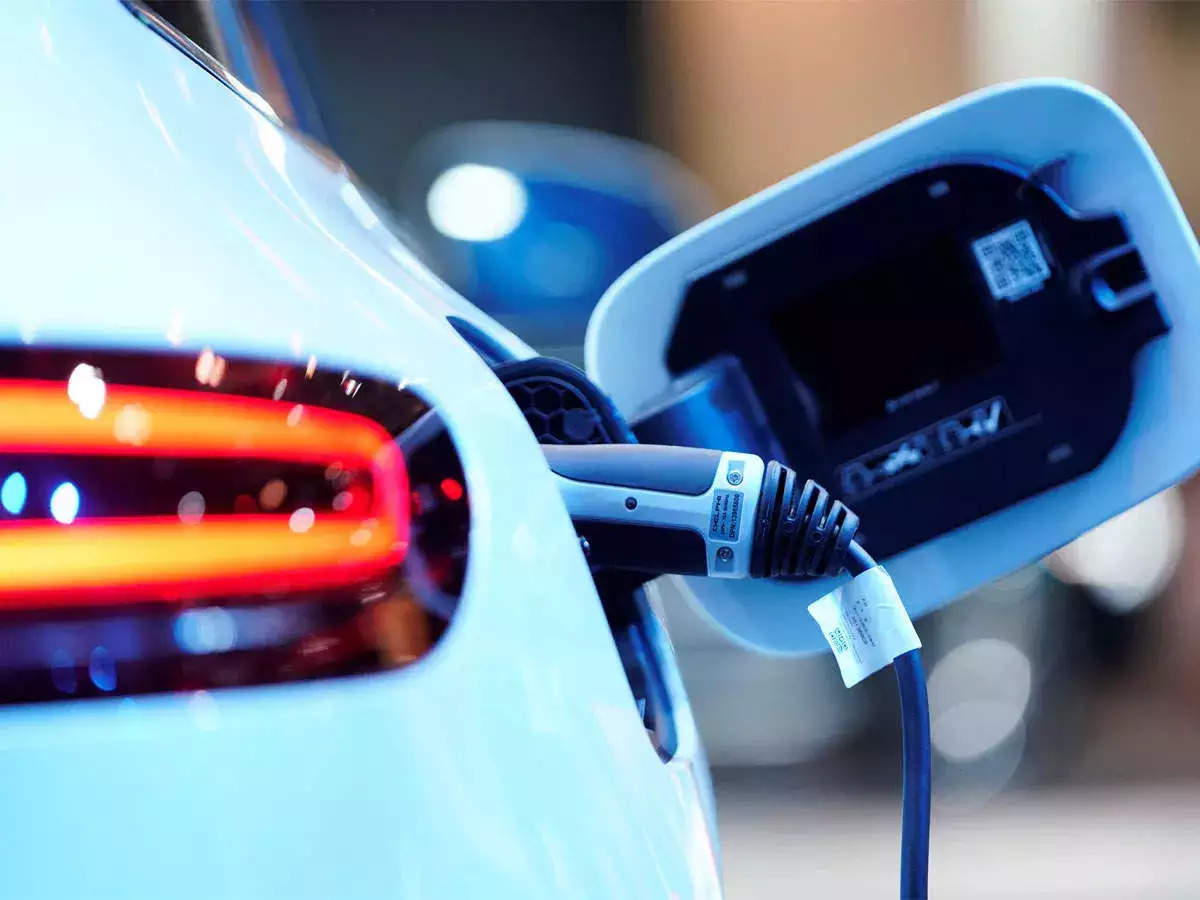
    Thailand’s Board of Investment (BoI) has announced that the government would extend deadlines for electric vehicle (EV) manufacturers to meet domestic production quotas, addressing weak local market demand.

    Under the current EV 3.0 incentive program, manufacturers must produce one locally assembled EV for every imported EV or a 1:1 ratio.

    Companies failing to meet this quota in 2024 will face a stricter 1.5:1 production-to-import ratio by 2025.

    The policy aims to encourage automakers to establish EV assembly plants in Thailand, which has attracted EV-related investments totaling 80 billion THB ($2.3 billion).

    To further support the struggling auto industry, the government will extend domestic EV production requirements to the end of 2027. This move comes as Thailand grapples with stagnant market conditions caused by slow economic growth and tight credit policies.

    The Federation of Thai Industries (FTI) recently revised its 2024 automobile production forecast down to 1.5 million units, the lowest since 2021, citing weak domestic demand.

    During January and October, total car sales in Thailand dropped 26.2% year-on-year to 476,350 units, with pickup truck sales plunging 43%.

    The decline is attributed to stricter auto loan regulations amid concerns over rising non-performing loans and Thailand’s high household debt.

  • Porsche expands to property development in Asia

    Porsche expands to property development in Asia

    German automaker Porsche is partnering local developers to build condos costing up to $40 million per unit in Bangkok as it expands to luxury property development in Asia.

    Its Porsche Design unit is collaborating with Anada Development in a 21-floor apartment block which will offer 22 units priced between $15 million and $40 million, according to Bloomberg.

    The building, to be completed by 2028, will be Porsche Design’s first in Asia. It has previously developed properties in the U.S. and Germany.

    Porsche’s building is among several projects in the luxury segment which is being developed in Thailand’s bustling capital where prices are considered to be more competitive then regional rivals.

    “Bangkok distinguishes itself by providing an affordable luxury experience that many global cities cannot rival,” said Leung.

    “In addition, Bangkok presents straightforward property ownership laws, a robust rental market and a healthy secondary resale market.”

    Hong Kong has seen property values plunging by 30% in the last three years, while in Singapore foreigners have to taxes up to 60% on purchases.

    A large portion of Thailand’s luxury property market is being snapped up by foreigners.

    Foreigners bought 33% of the luxury condominium units sold by CBRE Thailand in the first half this year, up from the 25% recorded in the same period last year, the property consultancy has said.

    Wealthy expats contributed to the growth in sales of luxury condos, unlike the broader property market, where most sectors have seen a decline in sales as banks declined a large number of housing loans, said Artitaya Kasemlawan, CBRE’s head of residential sales.

    “Sales of super luxury condo units stood at 86% in the first half of this year, while those in the branded residence segment (condominiums managed by 5-star hotel groups) enjoyed 90% sales,” she said.

    Super luxury condo units are those priced from BHT350,000 (US$10,300) per square meter or more.

    Limited supply explains the surge in sales as there were only three new luxury condo projects launched in Bangkok in the first nine months of this year, she added.

  • Samsung, Vinpearl, Vinamilk among most popular recruiters in Vietnam

    Vinamilk, Vinpearl, Samsung Electronics HCMC and McDonald’s are among the most popular recruiters in Vietnam this year, according to recruitment platform CareerViet.

    The top five recruiters in the large business category are Vinamilk, Vinpearl, Samsung Electronics HCMC CE Complex, Masan Consumer and FPT IS, while the top five in the medium business category are McDonald’s, Guardian, Prep Technology, Nabati and Petrovietnam Securities Incorporated (PSI), according to a CareerViet survey on over 5,720 businesses from July 7 to October 31.

    Vinpearl is the leading recruiter in food and beverage, accommodations and tourism, while the Hoa Sen group is the leading recruiter in construction, architecture and interior design. PNJ is the leading recruiter in retail, while Bim Group is the leading recruiter in real estate.

    Popular recruiters are liked not only due to their attractive benefits, diverse working environments and incentives for personal development, but also thanks to their own brands, CareerViet said.

    The survey also revealed that while Gen X workers prioritize stability and long-term benefits, Gen Y values development and work-life balance while Gen Z focuses more on flexibility, salaries and personal development.

    83% of Gen Z workers surveyed said the main factors for them choosing their jobs are salaries and benefits, followed by working styles. They prefer workplaces that ensure holiday bonuses, have shorter working hours or offer hybrid working methods.

    “They love a job with high incomes and ensures flexibility. 90% of Gen Z workers want to be trained in new skills, including communication, problem-solving, foreign languages, management and leadership,” said Tran Lien Phuong, director of research and strategic consulting at Amco Vietnam.

    Workers’ perspectives from different generations will by a key factor for businesses to improve their HR policies, CareerViet said, adding that a workplace with different worker generations will help make it more competitive.

    “A business’s success is not only shown through its business performance, but also policies to attract, keep and develop talents,” CareerViet said.

  • NVIDIA Opens First R&D Center in Vietnam to Boost AI

    NVIDIA Opens First R&D Center in Vietnam to Boost AI

    The company is working with the Vietnamese government to establish the new Vietnam Research and Development Center, which will focus on AI. NVIDIA plans to use the center for software development, taking advantage of Vietnam’s talented STEM engineers, and collaborating with industry leaders, startups, government agencies, universities, and students to promote AI adoption.

    Jensen Huang, NVIDIA’s Founder and CEO, noted that the center will create platforms for NVIDIA and its partners to foster AI innovation, particularly in industries like healthcare, education, transportation, and finance. Vietnam’s economy is rapidly growing, especially in the manufacturing sector, making it one of the world’s fastest-growing economies.

    The country’s AI market is also expanding due to technological advancements, government support, and increased AI integration across industries. Since 2021, Vietnam has been focusing on AI development as part of its digital transformation strategy to drive innovation, build a strong AI ecosystem, and establish itself as a regional R&D leader.

    Vietnam’s Prime Minister, Pham Minh Chinh, emphasized the government’s commitment to innovation and AI technology development in partnership with NVIDIA. The goal is to create a bright future for the innovation ecosystem and high-tech industry in Southeast Asia.

    NVIDIA has been investing in Vietnam’s technology sector for the past eight years, collaborating with over 100 Vietnamese AI startups through its Inception program and partnering with 65 universities in the country. Last year, NVIDIA also started working with FPT Smart Cloud as its first Vietnamese cloud partner.

  • Asia Pacific’s Telecom Sector Pursues Green Revolution

    Asia Pacific’s Telecom Sector Pursues Green Revolution

    With the rise of cloud computing, circular economy initiatives, and renewable energy adoption, Asia-Pacific operators are setting new benchmarks for sustainable practices, shaping a green future across the global telecom industry.

    Japan’s KDDI stands at the forefront of sustainable telecommunications, showcasing how innovation and responsibility can coexist. In 2023, KDDI recycled over 99% of its disused network hardware, a testament to its commitment to the circular economy.

    Central to KDDI’s strategy is its adoption of cloud computing and Network Function Virtualization (NFV). By minimizing physical infrastructure needs, these technologies have reduced energy consumption across the company’s operations. This shift not only enhances operational efficiency but also positions KDDI as a model for energy-conscious practices in Asia.

    Key highlights of KDDI’s sustainability strategy include:

    • Carbon Neutrality Goals: KDDI is targeting net-zero carbon emissions by leveraging renewable energy and optimizing its networks.
    • Green Mobile Service: A dedicated service for corporate clients powered entirely by renewable energy.
    • KDDI Green Partners Fund: A venture fund supporting startups addressing environmental challenges, showcasing the operator’s broader commitment to sustainability beyond telecommunications.

    KDDI’s efforts align with Japan’s national strategy, which aims to pioneer sustainable innovation. By focusing on renewable energy and environmental stewardship, KDDI reinforces the Asia Pacific’s reputation as a pioneer in sustainable telecom.

    KDDI’s leadership reflects broader trends across the Asia Pacific region, where operators are increasingly prioritizing sustainability in their business models. Many countries in the region, including South Korea, Australia, and Singapore, are pushing for aggressive decarbonization targets in line with global agreements like the Paris Accord.

    Countries like Japan and Australia are leading the charge in integrating renewable energy into telecom infrastructure. Moreover, operators are investing heavily in solar and wind energy to power networks, reducing dependency on fossil fuels.

    Southeast Asian nations, such as Malaysia and Thailand, are emphasizing sustainable supply chain practices, ensuring that the manufacturing and deployment of telecom equipment aligns with environmental goals.

    The rollout of 5G networks in the Asia Pacific has paved the way for more energy-efficient operations. Virtualization and automation, enabled by cloud technologies, are being widely adopted to lower energy consumption and enhance scalability.

    Cloud computing is a game-changer for sustainability in telecommunications. The Juniper report highlights that virtualizing network functions through cloud platforms can reduce global energy consumption by over 2,000 TWh by 2025. For the Asia Pacific, which is rapidly deploying 5G and exploring 6G, cloud computing holds immense potential as it cuts costs and minimizes environmental impact.

    Cloud computing in the Asia Pacific region is advancing rapidly, driven by innovation and collaboration among leading technology players. Huawei’s CloudFabric 3.0 Hyper-Converged DCN solution is enhancing data center efficiency with lossless Ethernet, while Singtel is pioneering an all-in-one enterprise platform integrating 5G edge and cloud services.

    In Indonesia, GoTo, Tencent, and Alibaba Cloud are collaborating to accelerate digital transformation, supporting economic growth through cloud functionalities. ZTE’s G6 Series Servers are prioritizing green computing infrastructure, promoting sustainability in IT operations, and Rakuten Mobile’s NICT-backed edge cloud initiative underpins the push for global standardization in next-gen connectivity. Together, these initiatives highlight a robust and evolving cloud ecosystem in the region.

    The Asia Pacific region is poised to remain a global leader in sustainable telecommunications over the next decade. Key trends driving this momentum include:

    • Renewable Energy Investments: Governments and operators will continue expanding renewable energy usage across networks.
    • Circular Economy Practices: Recycling and repurposing materials will become standard across the telecom supply chain.
    • Technological Advancements: Innovations in cloud computing, 5G, and AI will enable further reductions in energy consumption.

    As Asia-Pacific operators like KDDI take bold steps toward sustainability, the region is setting an example for global adoption. By combining innovation with environmental responsibility, the Asia Pacific is demonstrating how telecommunications can lead the way to a more sustainable future.

  • Ericsson and Bharti Airtel Extend Partnership

    Ericsson and Bharti Airtel Extend Partnership

    Under the new agreement, Ericsson will implement centralized RAN and Open RAN-ready solutions to transform the network, providing customers with broader coverage and increased capacity. Additionally, Ericsson will upgrade the software of its existing 4G radios to enhance the overall customer experience.-

    Randeep Sekhon, CTO of Bharti Airtel, stated, “The strategic partnership with Ericsson to deploy the latest technology demonstrates Airtel’s commitment to network excellence. This deployment will help us improve the speed, reliability, and coverage of our network, ensuring an exceptional experience for our customers.”

    Andres Vicente, Head of Ericsson Southeast Asia, Oceania, and India, commented, “This extension of our partnership reflects our joint goal to establish a strong 4G and 5G infrastructure for Bharti Airtel to meet the connectivity needs of its customer base, including emerging 5G use cases. We will collaborate closely with Bharti Airtel to deliver excellent user experiences for their customers.”

    As a global leader in 5G technology, Ericsson currently supports 170 operational 5G networks in over 70 countries. Ericsson’s technological expertise has been acknowledged by independent analysts, such as Frost Radar™ 5G Network Infrastructure Market 2024, where Ericsson has been ranked as the top performer for the fourth consecutive year.

    Moreover, Ericsson has maintained its position as a leader in the Gartner Magic Quadrant for 5G for the fourth year running. Having been a trusted connectivity partner for Airtel for more than 25 years, Ericsson has supported every generation of mobile communications. This strategic partnership underscores the shared commitment of Ericsson and Airtel in developing an advanced digital ecosystem in India.

  • How ZUS Coffee become Malaysia’s largest coffee chain in 4 years

    How ZUS Coffee become Malaysia’s largest coffee chain in 4 years

    ZUS Coffee, a Malaysian firm that began as a small kiosk in Kuala Lumpur, took just over four years to become the biggest coffee chain operator in the country.

    The firm quickly expanded to surpass U.S. giant Starbucks in a market with over 3,300 branded coffee outlets, a figure expected to grow 4-5% this year, according to global coffee industry research platform World Coffee Portal.

    It launched at the end of 2019 with a 200-square-foot (18-square-meter) kiosk in the Kuala Lumpur City Center area.

    The brand positioned itself in the mid-priced segment, which was largely untapped at the time, aiming to make specialty coffee a daily necessity rather than a luxury.

    One of its main draws is its frequently updated menu, which features unique drinks like the Ice Shaken Osmanthus Orange Espresso, Sakura Rose Frappe, and Cheese Crème Latté.

    But this was not the only factor setting it apart from other options in Malaysia’s coffee market as it is also known for its tech-driven approach.

    The company digitized its operations and had an app at launch that facilitates online ordering, pick-up and delivery, with the aim to shake up the market by focusing on digital orders and fast service.

    The app also collects data on customers’ tastes and preferences, which is used to develop new products or improve existing items.

    The company had a rough start as cashless payments and online coffee ordering were slow to catch on in Malaysia.

    However, the Covid-19 pandemic hit a few months after the startup launched, transforming the local coffee landscape. Delivery services and contactless payments quickly became standard, making ZUS’ focus on technology highly successful.

    “We became profitable just 10 months after we launched. Timing was crucial – it is not just the product or the team, but being in the right place at the right time,” Venon Tian, the firm’s COO and co-founder, told Nikkei Asia.

    Tian’s ambitious plans for his business would see it challenge international brands in the local market.

    “Hopefully we will be able to surpass the bigger boys in town soon and be something for Malaysians to be proud of as well,” Tian told The CEO Magazine in 2022, when the chain had just over 150 stores.

    As its popularity and presence grew over the years, the firm became the largest coffee chain operator in Malaysia. It has 566 stores as of September 2024, surpassing Starbucks, which is in second place with 411 outlets.

    Its revenues jumped from 15.7 million ringgit (US$3.5 million) in 2021 to over 200 million ringgit in the fiscal year ending June 30, 2023, while its net profit surged from 134,000 ringgit to 10.2 million ringgit during the same period.

    The chain is now looking to expand into the international market. It has already opened more than 40 stores in the Philippines since entering the market last year after Filipino billionaire Frank Lao acquired a 30% stake in the company.

    It opened its first store in Singapore in October and launched in Brunei late last month with an outlet at the Setia Point shopping center in the capital city of Bandar Seri Begawan.

    Tian said at a conference hosted by Tech in Asia earlier this year that ZUS would be expanding to Pakistan by the first half of 2025. He expects its revenues and net profit to reach 600 million ringgit and 30 million ringgit, respectively, this year.

    He told Nikkei Asia that the firm aims to become a “national champion,” comparing it to Malaysian airline AirAsia. “Who knows, we could be the AirAsia of coffee – a Southeast Asian brand recognized globally.”

  • Apple plans $1B manufacturing plant investment in Indonesia

    Apple plans $1B manufacturing plant investment in Indonesia

    Tech giant Apple plans to invest $1 billion in a manufacturing plant in Indonesia that produces components for smartphones and other products, Indonesia’s investment minister said on Thursday.

    In October, Indonesia banned sales of the iPhone 16 because it said Apple had not adhered to rules that require phones sold domestically to have at least 40% locally made parts. And this week, the government said it would increase the local content requirement.

    Investment minister Rosan Roeslani told reporters that details of the planned investment were still being ironed out, but when asked confirmed it was the expected $1 billion investment he had flagged earlier this week.

    “We will discuss with them some more … our hope is for everything to be announced in the next week after receiving a written commitment from them,” he said.

    Last week, the government had rejected a $100 million investment proposal from Apple to build an accessory and component plant as not enough to reverse the iPhone 16 ban.

    Apple did not immediately respond to a request for comment.

    Apple currently has no manufacturing facilities in Indonesia, a country of about 280 million people, but since 2018 it has set up application developer academies.

    Indonesia considers that strategy an attempt to meet local content requirements for the sale of older iPhone models.

    Companies typically increase the local composition through local partnerships or by sourcing parts domestically.