Author: Mei Ling Tan

  • F&F Engages Goldman Sachs For Potential Acquisition Of Taylormade Amid Legal Tensions

    F&F Engages Goldman Sachs For Potential Acquisition Of Taylormade Amid Legal Tensions

    South Korean apparel company F&F Co announced on Monday that it had engaged Goldman Sachs as its advisor on the prospective purchase of TaylorMade. The company also stated that it would pursue legal action if the current owner of TaylorMade proceeds with an independent sale process.

    The Context of the Acquisition

    Earlier this year, Centroid Investment Partners, a private equity firm headquartered in Seoul, initiated a sales process for TaylorMade, which it had acquired in 2021. The company, based in Carlsbad, California, could potentially be sold for as much as $3.5 billion, according to those familiar with the transaction.

    F&F Co was a pivotal player in the 2021 acquisition of TaylorMade, participating as a strategic investor. As the most significant investor, F&F secured written Consent Rights over major business decisions, which included borrowing, key management decisions, and sales of equity. However, F&F has not approved Centroid’s current attempt to sell TaylorMade, and it views this action as a considerable violation of its contractual consent rights.

    Despite the potential acquisition, F&F stated that it is fully prepared to use all available legal and contractual measures to hold Centroid accountable for any violations. The company is carefully preparing to exercise its Right of First Refusal (ROFR) if necessary, to ensure alignment with its original investment thesis.

    Investment Breakdown

    F&F’s investment in the acquisition of TaylorMade by Centroid was substantial, contributing 358 billion won ($258 million) of a total subordinated equity investment of 619.2 billion won. This made F&F the primary equity investor as a limited partner (LP).

    Additionally, F&F contributed 195.7 billion won to a mezzanine investment of 471.5 billion won. The fashion company had already expressed its intent to acquire TaylorMade last month, explaining that its significant investment in TaylorMade in 2021 was made with the ultimate aim of acquiring the company.

    Centroid’s Sale Process

    According to insiders, Centroid’s advisors have sent confidential memoranda and process letters concerning the sale of TaylorMade to potential buyers. However, no official process has been initiated yet. Responding to a request for comment, Centroid confirmed it was in the process of selling TaylorMade to maximize its LPs’ return on investment.

    In the private equity sector, a GP, or General Partner, refers to the manager of a fund who is responsible for making investment and operational decisions. In contrast, LPs, or Limited Partners, are investors in the fund who usually have a passive role in individual deals. F&F is an LP investor in a fund managed by Centroid as the GP.

    Centroid confirmed that F&F holds the right of first refusal, which it guarantees. However, it pointed out that this right does not preclude a sale process from occurring.

    TaylorMade Overview

    Established in 1979, TaylorMade produces golf clubs, balls, and other golf-related accessories. The company has offices in Canada, China, Japan, South Korea, and Australia, in addition to its U.S. base.

    Questions & Answers

    What is F&F Co’s role in TaylorMade’s acquisition?
    F&F Co participated as a strategic investor in the 2021 acquisition of TaylorMade and is the largest equity investor as a limited partner (LP).

    What are the potential legal actions that F&F Co might take?
    F&F Co stated that it is fully prepared to use all available legal and contractual measures to hold Centroid accountable for any violations of its contractual consent rights.

    What is the right of first refusal that F&F Co holds?
    The right of first refusal allows F&F Co to decide whether or not to match the terms of a sale determined through the auction process.

  • South Korean Eyewear Innovator, Gentle Monster, To Launch Flagship Store In Canada

    South Korean Eyewear Innovator, Gentle Monster, To Launch Flagship Store In Canada

    South Korean eyewear brand, Gentle Monster, is poised to make its debut in Canada with a flagship store set to open later this year at the Yorkdale Shopping Centre in Toronto. The store, which will span over 5,300 square feet, is located in the luxury wing of the mall, keeping company with other high-end brands such as Louis Vuitton, Thom Browne, and Acne Studios. The brand, known for its bold, trendsetting eyewear and unconventional store designs, is expected to bring a unique shopping experience to the Canadian retail landscape.

    A Unique Retail Experience

    Founded in Seoul in 2011 by Hankook Kim, Gentle Monster treats each of its stores as a standalone creative installation. Every location showcases a distinctive theme, emphasizing the brand’s commitment to providing not just a shopping venue, but a complete immersive experience for its customers. The upcoming Canadian flagship is anticipated to follow this creative trend, offering an art gallery-style environment that marries fashion, design, and immersive experiences.

    Product Offering

    Gentle Monster’s eyewear is typically priced between US$200 to $500. The brand launches over 20 new styles annually, maintaining a catalogue of more than 50 silhouettes. This steady stream of new products, along with the brand’s distinctive designs, helps to ensure Gentle Monster stays at the forefront of the fashion industry.

    Global Presence

    Gentle Monster currently runs 78 flagship stores across 13 countries, and its products can be found in over 200 partner retail locations worldwide. The brand’s expansion into Canada demonstrates its continuing ambition to increase its global reach.

    Questions & Answers

    What is Gentle Monster known for?

    Gentle Monster is recognized for its innovative, fashion-forward eyewear and unique store designs. Each store is treated as a unique creative installation, offering an immersive shopping experience for its customers.

    Where is Gentle Monster’s Canadian flagship store located?

    Gentle Monster’s Canadian flagship store will be located at the Yorkdale Shopping Centre in Toronto.

    What is the price range for Gentle Monster’s eyewear?

    Gentle Monster’s eyewear is typically priced between US$200 and $500. The brand launches over 20 new styles annually, maintaining a catalogue of more than 50 silhouettes.

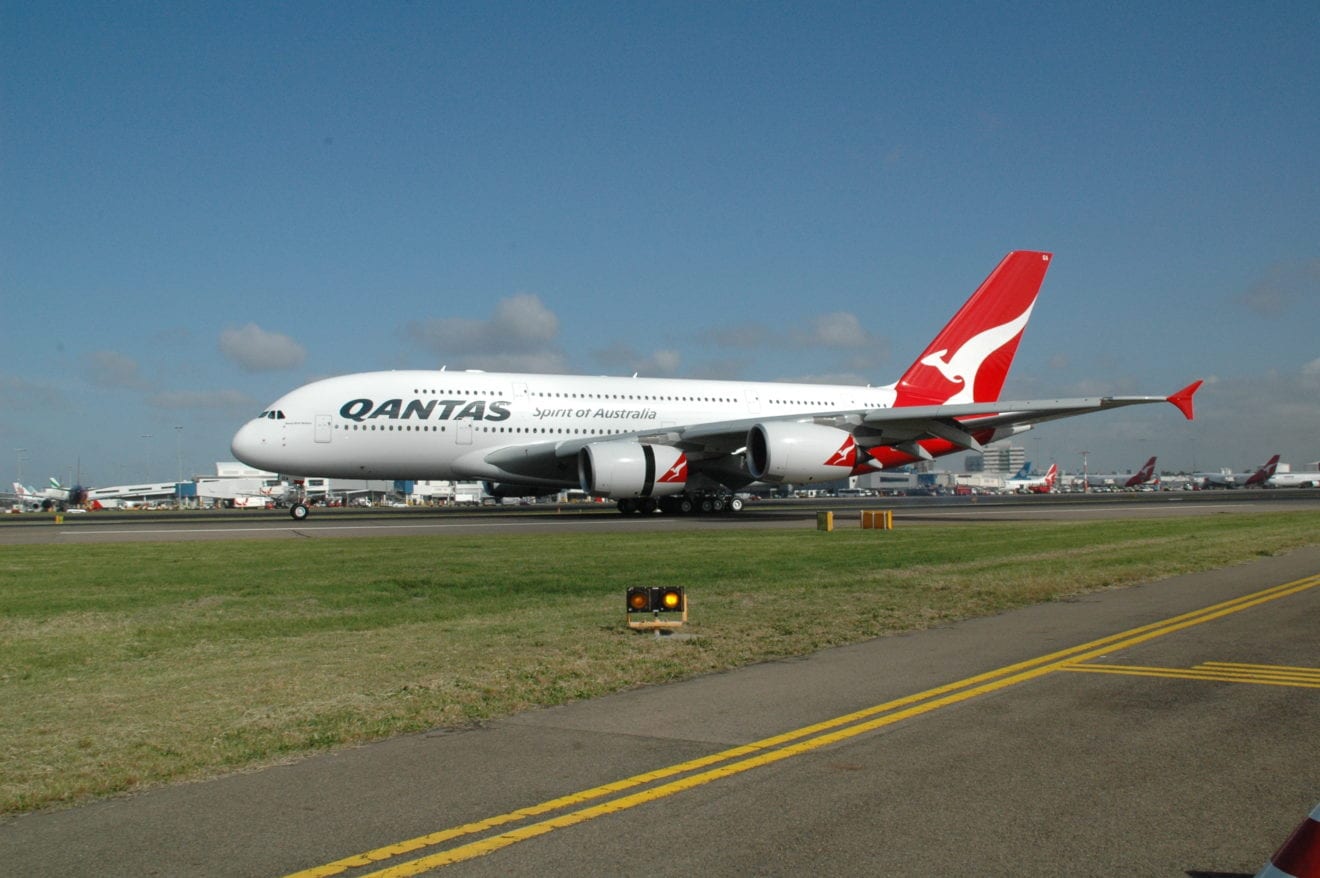
  • Qantas Faces Cyberattack: Personal Data of Six Million Customers Breached in Major Security Incident

    Qantas Faces Cyberattack: Personal Data of Six Million Customers Breached in Major Security Incident

    In an alarming development, Australian airline Qantas has confirmed a significant data breach that has jeopardized the personal information of up to six million customers. This breach came to light following a cyberattack on a third-party customer service platform linked to a call center based in Manila, Philippines.

    A Shocking Vishing Attack

    The cyber intrusion, detected on June 30, involved a sophisticated form of voice phishing known as vishing, where malicious actors masquerade as trusted entities over phone calls to extract sensitive information from unsuspecting victims.

    Exposed Information and Assurances

    The compromised customer service platform housed a trove of personal data, including customers’ names, email addresses, phone numbers, birthdates, and frequent flyer numbers. However, Qantas has reassured customers that no financial information, credit card details, or passports were stored within the affected system. Additionally, the integrity of frequent flyer account credentials, passwords, and PINs remains intact.

    Robust Response and Investigation

    Operations and flight safety have not been compromised, as the airline emphasized. In response to this breach, Qantas has notified Australian intelligence agencies, including the Australian Cyber Security Centre, and law enforcement agencies such as the Australian Federal Police. The Office of the Australian Information Commissioner has also been apprised of the situation.

    To bolster customer assurance, the airline has initiated a comprehensive investigation and established a dedicated support line and website to keep affected customers updated. Those impacted will receive direct communication from the company.

    A Heartfelt Apology

    Qantas Group CEO Vanessa Hudson publicly addressed the situation, offering an apology to customers. “Our customers trust us with their personal information, and we take that responsibility seriously. We are contacting them directly and offering necessary support,” Hudson stated. It’s clear that trust, once broken, can be harder to mend than a wing on a seasoned aircraft.

    Questions & Answers

    What was the cause of the Qantas data breach?
    The breach stemmed from a cyberattack on a third-party customer service platform in the Philippines, involving a voice phishing scheme known as vishing.

    What type of personal information was compromised in the breach?
    The exposed information included customers’ names, emails, phone numbers, birthdates, and frequent flyer numbers, but no financial data or passwords were at risk.

    How is Qantas responding to the breach?
    Qantas has launched a full investigation and established a support line for customers while notifying relevant authorities and directly contacting affected individuals.

  • Electric Bike Market Accelerates Growth Amid Rising Gasoline Motorbike Restrictions

    Electric Bike Market Accelerates Growth Amid Rising Gasoline Motorbike Restrictions

    Starting July 1, 2024, Hanoi will usher in a significant shift in urban mobility by banning all gasoline-powered two-wheel vehicles within the confines of Ring Road 1, effectively covering much of the city’s downtown. This move is not a standalone initiative; the ban is set to expand to Ring Road 2 in 2028, targeting fossil fuel-powered personal cars alongside motorcycles. By 2030, the restrictions will reach the outermost Ring Road 3, marking a decisive step towards cleaner urban transport.

    Meanwhile, Ho Chi Minh City (HCMC) is pondering similar measures, contemplating designated zones that favor green vehicles while restricting access to gasoline and diesel motorcycles, particularly in the bustling downtown and environmentally sensitive regions like Can Gio and the Con Dao Special Zone. With the stakes this high, one could speculate that the electric scooter has officially become the new “it” vehicle in Vietnam.

    These impending restrictions promise to reshape the landscape of Vietnam’s motorcycle market. As the country’s largest urban centers, Hanoi and HCMC are at the forefront of motorcycle consumption, standing as hubs of economic activity. Electric bikes made their debut in the early 2000s, catering primarily to students who can ride them without a license, thus developing an early market for electric vehicle (EV) adoption.

    Historically, these e-bikes were largely imports from China, providing an affordable alternative in a competitive market. Until recently, Detech was the lone domestic manufacturer based in Hung Yen. However, after 2010, the industry witnessed a surge of local brands, with Dibao emerging in 2011, Pega in 2012, DK Bike in 2014, and Anbico in 2015. Enter VinFast in 2018, the ambitious brand backed by Vingroup, along with Selex Motors and Dat Bike, which also launched in the following year.

    The Chinese brand Yadea, now the dominant electric two-wheeler manufacturer globally, set up two large factories in Bac Giang in 2019 with plans to produce up to two million vehicles annually. Following suit, Tailg, another Chinese heavyweight, planted roots in Hung Yen in 2024, with a yearly production capacity of 350,000 vehicles. Traditional gasoline motorbike makers see the winds of change, with Yamaha unveiling its first electric motorcycle, the Neo’s, in 2022, while Honda — holding over 80% of the market share — debuted its electric models in 2024, the ICON e: and the premium CUV e:.

    Despite the flurry of activity in the electric segment, Suzuki, SYM, and Piaggio, who remain members of the Vietnam Association of Motorcycle Manufacturers (VAMM), have yet to release fully electric options. VinFast, uniquely positioned as a transparent player, revealed sales of nearly 71,000 units in the last year, representing a modest 3% of the gasoline motorcycle market, which totaled 2.65 million units. However, the lack of official statistics on annual electric motorcycle sales poses a challenge for comprehensive market analysis.

    Policy Shifts and Industry Reactions

    Industry experts believe that Hanoi’s gradual ban on gasoline-powered motorcycles — and HCMC’s possible follow-up — will dramatically transform Vietnam’s motorcycle landscape. The two-wheel vehicle continues to be the primary mode of transport due to its affordability, flexibility, and infrastructure support. According to the International Council on Clean Transportation (ICCT), two-wheelers fulfill 72.6% of transport needs in Hanoi and 82% in HCMC.

    For Honda, which sells nearly 2.15 million units annually, Hanoi represents a critical market, contributing around 8-9% of its total sales. The company’s spokesperson acknowledged the profound implications of these policy changes, emphasizing both logistical and financial challenges in transitioning to eco-friendly vehicles in such dense urban settings. “Replacing a significant number of internal combustion vehicles swiftly could impose substantial pressures,” they noted, highlighting insufficient charging infrastructure and fire safety concerns.

    While Honda advocates for a delay to allow more time for technical standards and infrastructure development, the responses from other manufacturers remain unclear. A spokesperson from Suzuki Vietnam confirmed that VAMM members would convene to devise strategies for a potential transition to green vehicles. Currently, there are no government incentives for purchasing electric motorcycles unlike electric cars, which enjoy waivers on registration fees until February 2027. Hanoi is looking at supporting the replacement of approximately 450,000 gasoline motorcycles, potentially covering most costs for new electric options, alongside the establishment of charging zones for electric and clean-energy vehicles.

    Leading the charge on infrastructure investment, VinFast is paving the way with extensive charging facilities across the country, while most other EV brands predominantly rely on home charging. Exceptionally, Dat Bike has made investments in charging stations, although currently focused in HCMC, further underlining the emerging dynamics of Vietnam’s electric vehicle ecosystem.

    Questions & Answers

    What are the main areas impacted by Hanoi’s electric vehicle ban?
    The ban initially affects areas within Ring Road 1, which encompasses most of downtown Hanoi, with plans to extend to Ring Road 2 in 2028 and to Ring Road 3 by 2030.

    How will traditional motorcycle manufacturers adapt to the upcoming policy changes?
    Manufacturers like Honda and Yamaha are exploring strategies to transition towards electric vehicles, but face challenges related to infrastructure and the rapid pace of required changes.

    What incentives are currently available for purchasing electric motorcycles in Vietnam?
    As of now, there are no government incentives for electric motorcycles, unlike electric cars, which benefit from waived registration fees until February 2027.

  • JD Super Strikes $69.7M Partnership with Australian Beef Suppliers to Elevate Product Range

    JD Super Strikes $69.7M Partnership with Australian Beef Suppliers to Elevate Product Range

    In a bold move destined to shake up the meat market, JD Super, the supermarket division of JD.com, has inked a significant procurement agreement valued at $69.7 million (RMB500 million) with three leading Australian beef suppliers: Coles, Bindaree Food Group, and Stanbroke. This strategic alliance signals JD Super’s commitment to bolster its direct global sourcing initiatives while introducing Chinese consumers to premium beef products.

    A Tasty Range of Products Just for You

    The deal encompasses a diverse array of beef offerings, including grass-fed, grain-fed, Angus, and Wagyu varieties, all sourced directly from the heartbeat of Australian agriculture. This direct-from-producer blueprint not only promises fresher meat for consumers but also aims to cut out intermediaries, effectively lowering prices.

    Power Players in Australia Took Notice

    For the Australian beef suppliers, the partnership with JD Super is a golden opportunity. Coles, with its more than 110 years of experience, processes around 500,000 cattle annually, while Bindaree Food Group is ramping up operations with an expansion of its feedlot to accommodate 35,000 head of cattle weekly. Stanbroke, managing an impressive 1.2 million hectares of pastureland, provides internationally certified beef. With JD Super’s vast reach of 600 million users, these suppliers can significantly enhance their brand presence in the lucrative Chinese market.

    A Game-Changer for the Retail Landscape

    In a landscape where time is of the essence, JD Super stands out as the only e-commerce platform in China sourcing beef directly from Australia. This not only positions the retailer as a pioneer but also empowers Australian beef producers to leverage advanced digital tools and JD’s established supply chain to lower retail prices and boost sales. Talk about a win-win situation!

    Questions & Answers

    What is the significance of JD Super’s agreement with Australian beef suppliers?
    The agreement enhances JD Super’s direct global sourcing strategy, providing Chinese consumers access to a variety of premium beef products while allowing Australian suppliers to build brand visibility in China.

    What types of beef products are included in the deal?
    The agreement covers a wide range of beef products, including grass-fed, grain-fed, Angus, and Wagyu, sourced directly from producers in Australia.

    How does this partnership benefit Australian beef suppliers?
    The partnership grants Australian suppliers direct access to JD Super’s extensive user base of 600 million, enabling them to lower retail prices, increase sales, and strengthen brand recognition in the Chinese market.

  • US Cherry Prices Plummet to Historic Lows in Vietnam’s Market

    US Cherry Prices Plummet to Historic Lows in Vietnam’s Market

    Across Vietnam, American cherries have emerged as a surprising star on the supermarket scene, captivating shoppers with their enticing prices. Currently, retailers are offering these sought-after fruits for around VND299,000 per kilogram, with certain major chains slashing prices to an astonishing VND189,000—less than half of last year’s rates.

    This year marks a strategic shift for online retailers and supermarkets embracing a substantial influx of cherries from the U.S., departing from their previous reliance on Chilean imports. WinCommerce, the operator behind the WinMart chain, is promoting the fruit at VND299,000 per kilogram from July 8 to July 23—a dip of VND160,000 from its earlier pricing.

    Meanwhile, MM Mega Market reports a price of VND189,000, achieving remarkable demand spurred by a whopping 140% increase in cherry purchases compared to last year. The Vietnam Fruit and Vegetable Association notes that cherry imports have surged, making it one of the fastest-growing imports in 2023, with an impressive year-on-year growth of 43%.

    As import tariffs on U.S. cherries decline, the market is poised for even more competitive pricing. The U.S. Department of Agriculture highlights a favorable shift in conditions, revealing an 8% increase in sweet cherry production from 2024, reaching an estimated 383,000 tons.

    However, the U.S. must navigate a challenging landscape as exports to China, once a major market, are stifled by a formidable 58% import tariff. While China has temporarily suspended additional tariffs, the baseline tax rate still leaves American cherries trailing behind Chilean competitors, who benefit from preferential trade agreements.

    On a positive note, Vietnam is actively negotiating with the U.S. for a zero-tariff regime on American goods, which could revitalize market access. In light of recent tariffs imposed by China, U.S. cherry exporters have turned their focus toward new markets, including Vietnam, South Korea, and Japan, with the wholesale price in the U.S. dropping by 10-15% during June and July compared to last year.

    Questions & Answers

    What factors have contributed to the rising demand for cherries in Vietnam?
    Cost reductions, strategic imports from the U.S., and targeted promotions at retail chains have all played roles in increasing cherry demand by 140% from last year.

    What challenges do U.S. cherry exporters face in the Chinese market?
    U.S. cherry exporters contend with a steep 58% import tariff imposed by China, which has caused them to seek opportunities in alternative markets such as Vietnam, South Korea, and Japan.

    How are local stakeholders responding to the decline in U.S. cherry exports to China?
    Local stakeholders are adjusting by leveraging negotiations with the U.S. government to eliminate import tariffs, aiming to enhance the accessibility of U.S. fruits in the Vietnamese market.

  • Times Square Hong Kong’s Radical Retail Revamp: Creating A New Era Of Shopping Experience

    Times Square Hong Kong’s Radical Retail Revamp: Creating A New Era Of Shopping Experience

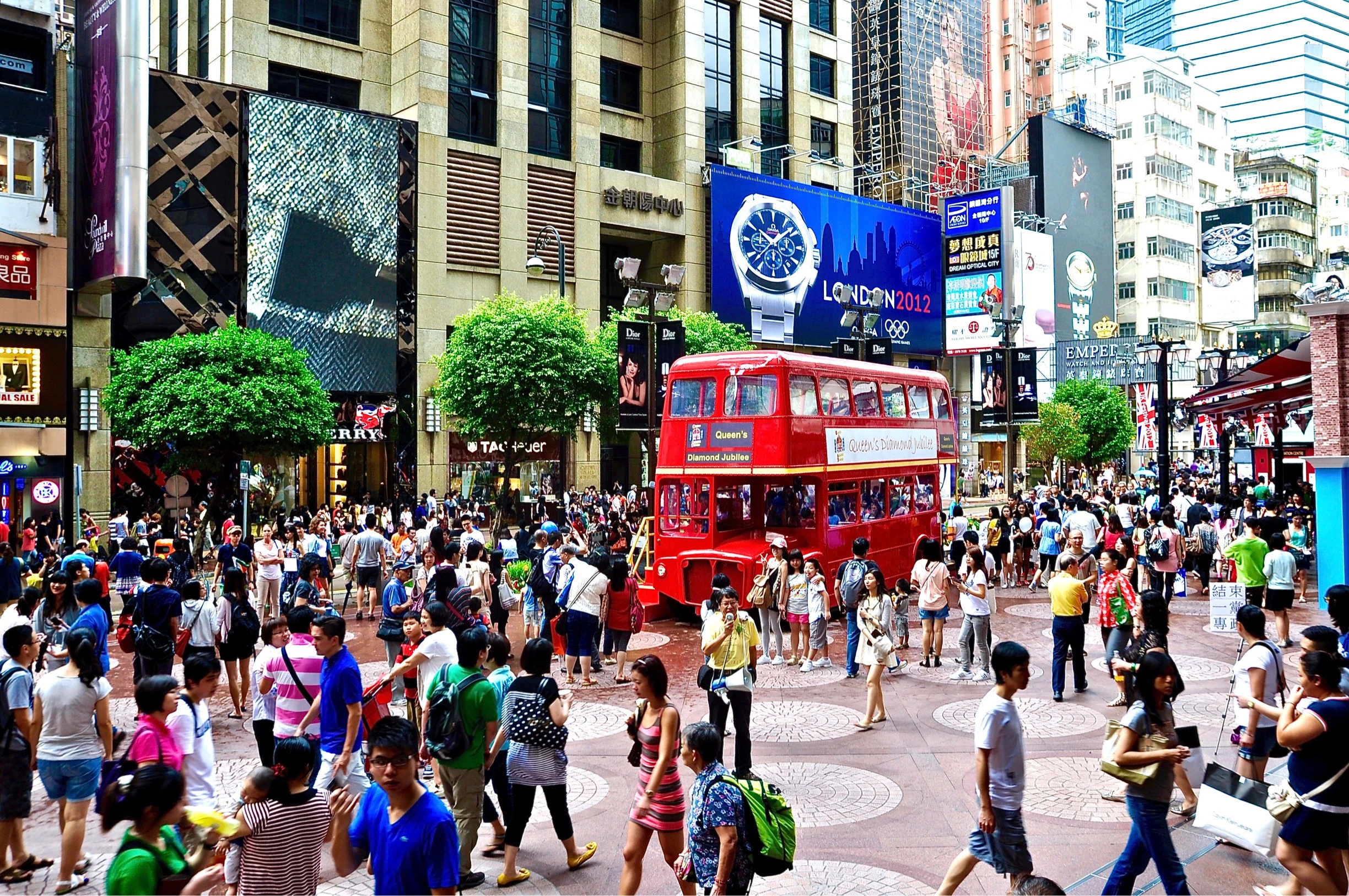
    In a bold move aimed at redefining the shopping experience, Hong Kong’s renowned Times Square is preparing to welcome a fresh wave of retail tenants, promising to revitalize the center’s appeal amid evolving consumer preferences. Opening next month, these new outlets will feature a mix of both local and international brands, ensuring that the shopping hub continues to cater to diverse tastes.

    A New Vision for Retail

    As Times Square embarks on this transformation, its management has expressed a clear intention to create a space where innovation meets a unique customer experience. As a pinnacle of Hong Kong’s shopping landscape, Times Square has long been an iconic destination, and it seems that exciting changes are on the horizon. Store redesigns and an upgraded tenant lineup aim to shake off the cobwebs of the past as it catches the eye of a generation grown increasingly discerning about their shopping options.

    Consumer-Centric Retailing

    The new tenants, carefully selected to align with contemporary consumer values, will bring an eclectic blend of retail experiences. From trendsetting fashion brands to bespoke lifestyle shops, the roster is designed to create an atmosphere that feels more like a curated collection than a traditional mall. This is more than just a shopping destination; it’s a community space primed for discovery and connection, inviting shoppers to explore and engage with brands in novel ways.

    Adapting to Trends and Tastes

    The shift in strategy comes at a time when many retail spaces face challenges from e-commerce, leading some to wonder if bricks-and-mortar shops can ever truly compete. However, Times Square seems to be taking this head-on by prioritizing the in-store experience. “Retail is not just about products; it’s about creating moments,” remarked the center’s development director, expertly capturing the essence of the change. “We’re aiming to make Times Square a true destination, where shopping becomes a delightful and engaging experience.”

    Who wouldn’t want to browse through shops that feel like a treasure hunt? With local art displays and interactive installations lined up, shoppers can expect a few surprises along the way — perhaps even an Instagrammable moment or two!

    Embracing Sustainability and Innovation

    Moreover, sustainability is set to be a cornerstone of the new retail phase. Tenants are encouraged to incorporate eco-friendly practices into their operations, reflecting a broader trend towards responsible consumerism that resonates strongly with today’s shoppers. This isn’t just a trend; it’s a movement, shaping how brands present themselves and engage with customers.

    The changes at Times Square indicate a broader renaissance within the retail landscape of Hong Kong as brands adapt to meet evolving consumer expectations. A fresh narrative is unfolding, transforming the shopping experience from transactional to experiential, and Times Square is at the forefront of this exciting evolution.

    Questions & Answers

    What types of tenants will be featured in the new Times Square lineup?
    The new lineup will include a vibrant mix of local and international brands, ranging from trendy fashion outlets to unique lifestyle shops, all aimed at enhancing the shopping experience.

    How is Times Square adapting to competition from e-commerce?
    By focusing on creating an engaging in-store experience, incorporating art and interaction, and offering moments of surprise, Times Square aims to make shopping a delightful adventure rather than a mere transaction.

    What sustainability practices are being implemented by new tenants?
    New tenants are encouraged to adopt eco-friendly practices, aligning with the growing consumer demand for brands that prioritize sustainability in their operations.

  • Indian Apple Reseller Ample Announces Ambitious Growth Plan, Aims For 35% Revenue Surge By 2026

    Indian Apple Reseller Ample Announces Ambitious Growth Plan, Aims For 35% Revenue Surge By 2026

    Ample, an Indian reseller of Apple products, has outlined ambitious growth plans aimed at achieving a 35 percent surge in revenue by the fiscal year 2026, according to the company’s Chief Executive Officer (CEO).

    Expanding Footprint and Brand Portfolio

    Based in Bengaluru, Ample supplies a variety of tech products, including Apple computers, to a large and diverse client base of over 1500 entities. Key clients include high-profile names such as SAP, Broadcom, Infosys, and Wipro. Currently, the firm operates more than 120 stores across India, with nearly 50 of these outlets dedicated to Apple products. Other brands, such as Under Armour and Asics, are also showcased in the company’s stores.

    CEO Rajesh Narang revealed plans to increase the company’s footprint to around 175 stores across various brands within the next three years. However, no specific target for the expansion of Apple-only stores was provided.

    Financial Performance and Growth Strategy

    As of the fiscal year that ended on March 31, Ample reported a revenue of 17 billion rupees (equivalent to US$197.33 million). Going forward, the company plans to focus on forging partnerships with global capability centers. These centers are operational hubs that manage various aspects such as operations, finance, and research for large multinational companies.

    Notably, Apple, which itself reported nearly $8 billion in sales in India for the year ending March 2024, operates its own stores in New Delhi and Mumbai. Despite this, Narang believes that Apple’s plans to further expand its presence in India will be beneficial for partners like Ample, as the market tends to expand in line with the brand’s presence.

    Future Plans and Investment Needs

    To fund its ambitious growth strategy, Ample plans to list on stock exchanges within the next five years. “Considering our growth ambition, there will be a requirement for capital,” Narang stated.

    Questions & Answers

    What is Ample’s future growth strategy?
    Ample plans to expand its store footprint to around 175 outlets across various brands within the next three years. The company also intends to forge partnerships with global capability centers to drive growth.

    How will Ample fund its growth plan?
    Ample plans to list on stock exchanges within the next five years to raise the necessary capital to fund its growth strategy.

    What is the anticipated impact of Apple’s expansion in India on Ample’s business?
    Ample’s CEO, Rajesh Narang, believes that Apple’s expansion in India will be beneficial for partners like Ample, as the market often grows in tandem with the brand’s presence.

  • Von Dutch Diversifies: Fashion Brand Ventures Into Food, Beverage, And Hospitality Sectors

    Von Dutch Diversifies: Fashion Brand Ventures Into Food, Beverage, And Hospitality Sectors

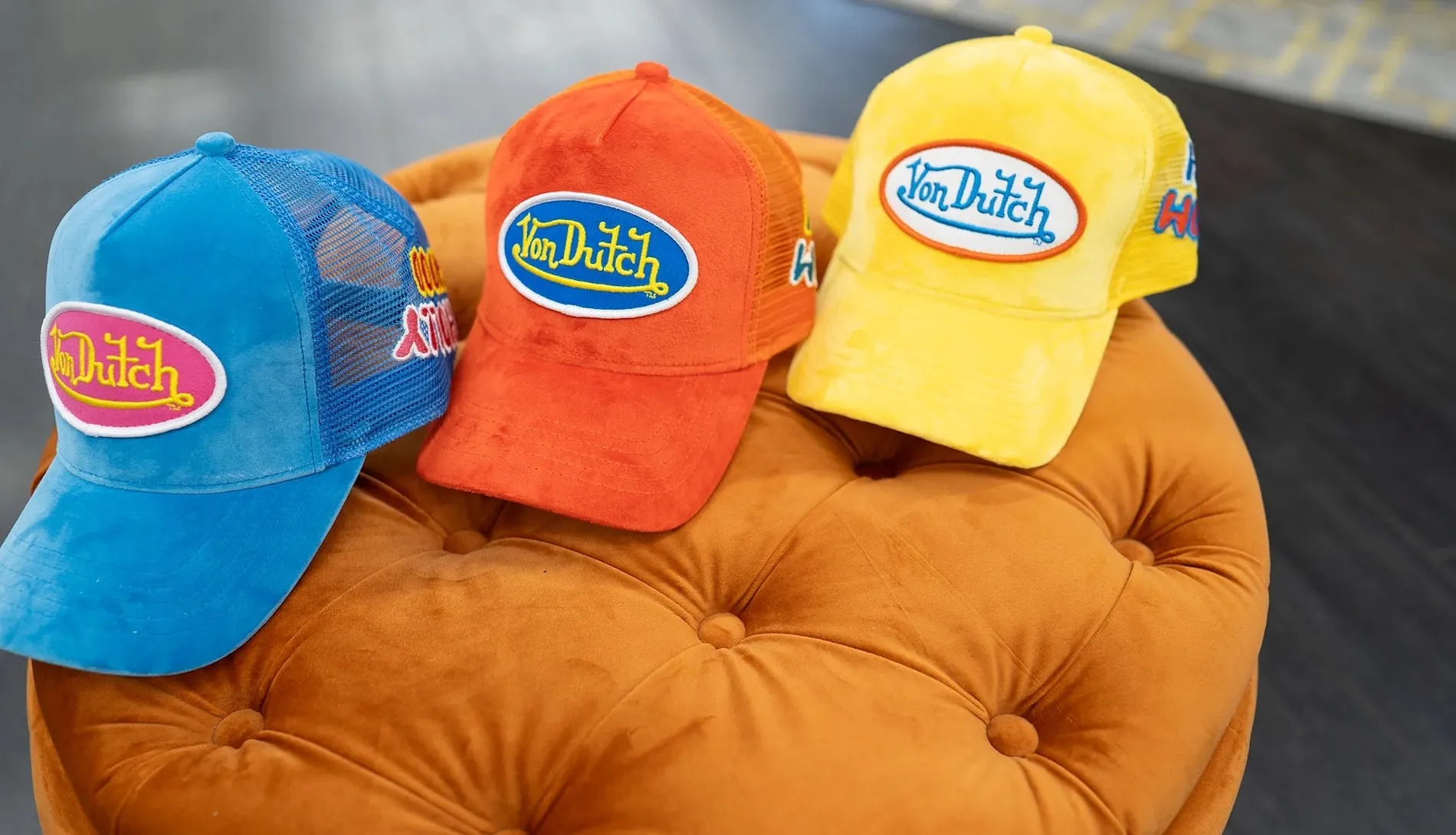
    Fashion label, Von Dutch, is broadening its horizons by venturing into sectors of food, beverage, and hospitality. The company has officially disclosed a worldwide food and beverage licensing agreement. As a result of this agreement, the brand will introduce a collection of drinks, snacks focussed on health and wellness, and a blend of cafe-lounges under the name of Von Dutch F&B. This initiative is under the leadership of CEO Joe Wallace, a seasoned executive known for securing millions in funding and pioneering a variety of products in food tech, consumer goods, and hospitality.

    As expressed by Wallace, the vision is to create an empire far beyond just a food brand. The brand’s philosophy will hinge on entertainment, authenticity, wellness, hospitality, and a fresh vitality.

    New Product Launches

    In partnership with beverage incubator Flavor House, Von Dutch F&B will launch an organic, plant-based line of sodas and mocktails. Other exciting ventures include a new alcohol line featuring vodka, tequila, beer, and hard seltzers. This move complements the brand’s existing product – Von Dutch Water, known as a high-quality hydration product that has gained popularity across various outlets from convenience stores to bars and music festivals.

    Von Dutch Cafes and Sub-Brand Launch

    Von Dutch plans on opening its brand-new cafes in New York and Los Angeles over the next year. These spaces will transition from being daytime hubs for coffee and snacks to after-hours hotspots featuring cocktails, mocktails, and live entertainment.

    The brand, which was taken over by the White Space Group (WSG) in 2024, also plans on launching an engaging sub-brand called ‘Von Dutch Loves.’ This sub-brand will highlight music, nightlife, and underground culture through exclusive releases, artist partnerships, festival collaborations, and community-centered events.

    WSG CEO Jack Cheika expressed his excitement about the partnership, stating that the goal is to create cultural relevance in every aspect of people’s lives, from how they dress to how they dine, drink, and socialize.

    Questions & Answers

    What is the new venture of Von Dutch?
    Von Dutch is expanding its brand into the food, beverage, and hospitality sectors under the name Von Dutch F&B.

    What products will Von Dutch F&B be launching?
    Von Dutch F&B plans to launch a range of organic, plant-based sodas and mocktails as well as a new alcohol line including vodka, tequila, beer, and hard seltzers.

    What is the aim of the ‘Von Dutch Loves’ sub-brand?
    The ‘Von Dutch Loves’ sub-brand is designed to highlight music, nightlife, and underground culture through exclusive releases, artist partnerships, festival collaborations, and community-centered events.

  • Li & Fung Acquires Uk’s Orrsum In Strategic Move Towards Platform-based Growth

    Li & Fung Acquires Uk’s Orrsum In Strategic Move Towards Platform-based Growth

    Renowned supply chain management firm, Li & Fung, headquartered in Hong Kong, has recently announced the acquisition of Orrsum, a prominent UK-based supplier specializing in hosiery and underwear. The financial details of the deal remain undisclosed at this point.

    Orrsum’s Stature and Future Plans

    Established in 1998, Orrsum has an impressive record of producing more than 50 million pairs of socks annually, distributing to over 5,000 retail outlets on a global scale. The company’s reputation is solidly backed by its product expertise, innovative development model, and robust customer relationships.

    As part of the acquisition agreement, Orrsum will continue to operate under the umbrella of Li & Fung Europe. The leadership will remain unchanged with William Orr at its helm. It aims to capitalize on Li & Fung’s advanced AI-driven digital infrastructure and expansive sourcing network spread across 40 economies. This strategic move is expected to enhance supply chain agility, facilitating entry into new markets and channels.

    Significance of the Acquisition

    Destan Bezmen, who serves as the president of Europe, emphasized that this acquisition is a critical move in the company’s expansion strategy. He expressed confidence that integrating Orrsum’s category leadership and product development capabilities with Li & Fung’s digital infrastructure and global reach will enable them to scale high-demand categories. Furthermore, it will expand their customer offerings and lead to faster, more flexible execution across different markets.

    This agreement signifies Li & Fung’s first acquisition in more than 10 years and the maiden one since it turned private in 2020. The company shared that this transaction is a part of its strategic shift towards platform-based growth. This new direction places a strong emphasis on scalable product categories, digital integration, and the development of resilient supply chain solutions.

    Li & Fung has previously partnered with US apparel brand, Sanctuary, in October of last year. This collaboration aimed at the creation and distribution of a new women’s denim line under a licensing agreement.

    Questions & Answers

    What is the significance of Li & Fung’s acquisition of Orrsum?
    This acquisition marks a critical step in Li & Fung’s expansion strategy, allowing the company to scale high-demand categories, broaden customer offerings, and facilitate faster, more flexible execution across markets.

    How will Orrsum operate following the acquisition?
    Orrsum will continue its operations under Li & Fung Europe and maintain its existing leadership led by William Orr. The company will leverage Li & Fung’s AI-enabled digital infrastructure and extensive sourcing network to boost its supply chain agility and facilitate expansion into new markets and channels.

    What is the strategic shift Li & Fung is aiming for with this acquisition?
    The acquisition is part of Li & Fung’s strategic pivot towards platform-based growth, focusing on scalable product categories, digital integration, and the development of resilient supply chain solutions.

  • Reliance Industries Expands Consumer Durables Reach With Electrolux’s Kelvinator Acquisition

    Reliance Industries Expands Consumer Durables Reach With Electrolux’s Kelvinator Acquisition

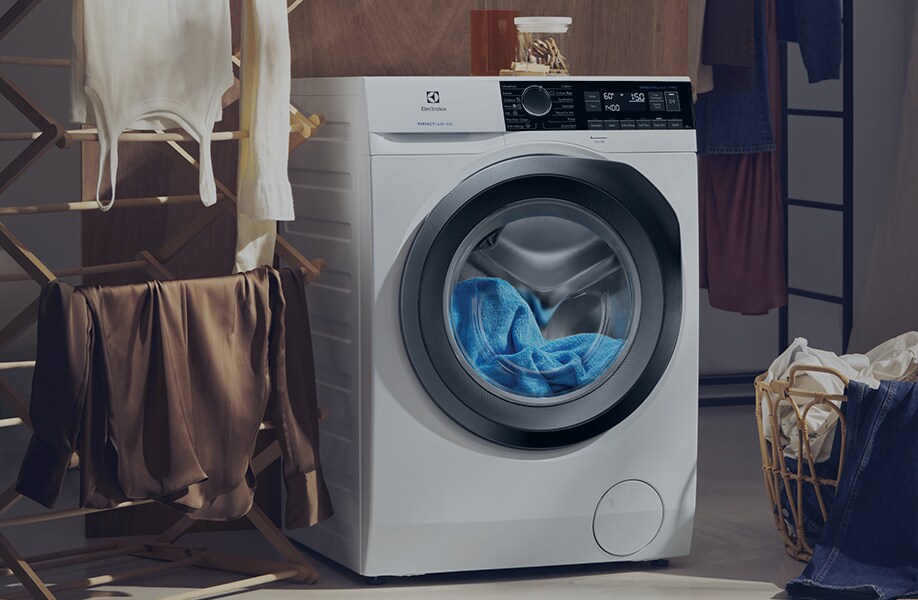
    Reliance Industries, a prominent Indian retailer, has recently acquired Swedish firm Electrolux’s Kelvinator, which is known for selling electronics such as refrigerators, washing machines, and air conditioners. This acquisition was carried out by the retail division of Reliance, demonstrating its ongoing expansion in the rapidly growing consumer durables market.

    Boosting Presence in Home Electronics and Appliances

    Reliance Retail is not only widening its presence in the consumer durables market but also extending its private-label portfolio of home electronics and appliances. This growth has been propelled by increased income levels, urbanisation, and sharpening competition in the market.

    The Background of Kelvinator

    Kelvinator, originating in the United States, had a significant international presence during the 1970s and 1980s, including a strong foothold in India. However, the brand experienced a downturn around the 1990s due to increased global competition and shifts in consumer preferences.

    Electrolux’s Profit from the Divestment

    Electrolux, in its latest quarterly report, disclosed that it had realised a profit of US$18.5 million from the sale of the Kelvinator brand.

    Questions & Answers

    What is the significance of Reliance Industries’ acquisition of Kelvinator?
    The acquisition signifies Reliance Industries’ commitment to expanding its presence in the burgeoning consumer durables market.

    What contributed to the expansion of Reliance Retail’s private-label portfolio?
    The expansion of Reliance Retail’s private-label portfolio has been driven by rising incomes, urbanisation, and increased competition in the market.

    What led to the decline of Kelvinator’s prominence in the market?
    Kelvinator’s market prominence declined around the 1990s due to heightened global competition and shifts in consumer preferences.

  • Chinese Milk Tea Giant Chapanda Breaks Into Singaporean Market With Two Prime Location Outlets

    Chinese Milk Tea Giant Chapanda Breaks Into Singaporean Market With Two Prime Location Outlets

    ChaPanda, a renowned Chinese milk tea brand, is making its daring entry into the Singaporean market by launching two new stores in prime locations.

    The First Two Outlets

    The brand’s inaugural outlet in Singapore has already opened its doors at Scape, a shopping complex located on Orchard Link. The second store is also set to make a grand entrance soon at Northpoint City South Wing, a popular shopping mall in northern Singapore.

    These new outlets continue the brand’s tradition of featuring adorable panda mascots and offering an impressive range of drink options. Customers can look forward to indulging in popular favourites such as Taro Ball Milk Tea and Mango Pomelo Sago.

    ChaPanda’s Rapid Growth

    ChaPanda, also known as ChaBaiDao, was established in 2008 in Chengdu, China. Following its inception, the brand has experienced tremendous domestic and global growth.

    Today, ChaPanda is recognized as the third-largest freshly made milk tea chain in China. The company operates an expansive network of over 8000 stores across the globe, enjoying a significant presence in several key markets including Hong Kong, South Korea, Australia, Malaysia, and Thailand.

    Major Milestone for ChaPanda

    In a significant achievement in 2020, ChaPanda’s founder, Wang Xiaokun, ascended to the prestigious ranks of the world’s billionaires. This significant milestone followed a successful funding round that catapulted the company’s valuation to an impressive US$2.1 billion.

    Questions & Answers

    What is ChaPanda?
    ChaPanda, or ChaBaiDao, is a Chinese milk tea brand established in 2008. It is the third-largest freshly made milk tea chain in China with over 8000 stores globally.

    Where will the ChaPanda stores be located in Singapore?
    The first ChaPanda store in Singapore is located at Scape on Orchard Link, and the second outlet is set to open at Northpoint City South Wing soon.

    Who is the founder of ChaPanda?
    ChaPanda was founded by Wang Xiaokun, who became a billionaire following a funding round that valued the company at US$2.1 billion.

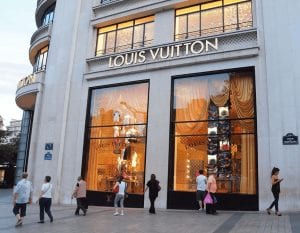
  • Louis Vuitton hit by massive Hong Kong data breach

    Louis Vuitton hit by massive Hong Kong data breach

    Louis Vuitton’s Hong Kong branch faces scrutiny following a significant data breach that may have left the personal details of approximately 419,000 customers exposed.

    Investigation Launched

    The luxury brand’s Hong Kong office reported a data breach to the Office of the Privacy Commissioner for Personal Data (PCPD) on July 17. This was over a month after the company’s French head office first identified suspicious activity on June 13. The PCPD confirmed receipt of the report the following day.

    The initial analysis indicates that the compromised data includes personal information such as names, passport numbers, birth dates, addresses, email addresses, phone numbers, and detailed customer transactions including purchase history and product preferences.

    Despite not yet receiving any complaints or inquiries about the incident, the PCPD announced that a formal investigation had been initiated. The investigation will follow established procedures and will also look into whether there was a delay in reporting the breach.

    Swift Response

    Louis Vuitton Hong Kong has confirmed that an unauthorized entity accessed its customer data. However, it promptly responded by launching an investigation into the issue and taking steps to contain the breach, bringing in external cybersecurity professionals for assistance.

    In a statement, the company clarified that no payment information was included in the accessed database. The company also stated: “While our investigation is ongoing, we can confirm that no payment information was contained in the database accessed.”

    Louis Vuitton further affirmed its commitment to enhancing its security systems and ensuring communication with both relevant regulatory bodies and affected customers. “We sincerely regret any concern or inconvenience this situation may cause,” the company added.

    The PCPD also confirmed that it has begun an investigation into the incident at Louis Vuitton Hong Kong, giving particular attention to whether the company reported the breach in a timely manner. The PCPD reiterated that it has yet to receive any relevant complaints or inquiries in relation to the issue.

    Questions & Answers

    What personal information was exposed in the data breach at Louis Vuitton Hong Kong?
    The compromised data includes personal details such as names, passport numbers, birth dates, addresses, email addresses, phone numbers, along with purchase history and product preferences.

    Has Louis Vuitton Hong Kong received any complaints or inquiries related to the data breach?
    As of the current report, no complaints or inquiries have been received in relation to the data breach.

    What measures has Louis Vuitton taken in response to the data breach?
    Louis Vuitton has launched an investigation with the help of external cybersecurity experts. It is also working on upgrading its security systems and has promised to keep regulators and affected individuals updated.

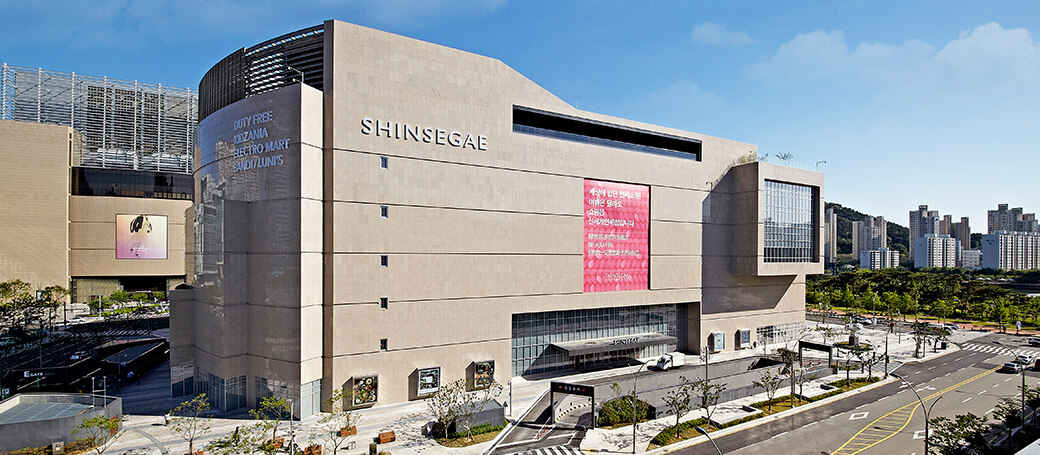
  • Shinsegae Duty Free Unveils Stunning Renovation of 11th Floor at Myeongdong Flagship Store

    Shinsegae Duty Free Unveils Stunning Renovation of 11th Floor at Myeongdong Flagship Store

    Shinsegae Duty Free has unveiled a revitalized 11th floor at its flagship Myeongdong store, highlighting South Korea’s vibrant culture and its appeal to global travelers. This extensive renovation has culminated in an impressive collection of over 100 carefully selected brands spanning food, fashion, liquor, K-pop, and character merchandise.

    A Culinary Adventure: The Taste of Shinsegae

    At the heart of the floor lies the “Taste of Shinsegae,” a new zone devoted to showcasing the best of Korean snacks, desserts, health supplements, and regional delicacies. It’s a culinary adventure that promises more than just shopping; it’s a flavor festival!

    Shoppers can explore four distinct sections: the Dessert Zone, where trendy treats like ‘Bricksand’ financier cookies and vegan ‘Grains Cookie’ take center stage; the Pop-Up Zone, which highlights the latest buzz-worthy brands from areas like Hongdae and Seongsu including Mannadang yakgwa and Super Matcha goodies; the Food Market Zone, brimming with favorites like Samcheongdong Egg Rolls and Bibigo meals; and the Wellness Zone, featuring esteemed supplements from brands like Red Ginseng and GNC. Enthusiasts of fine spirits will find excitement in the liquor section, with rare whiskeys and engaging tasting events.

    Fashion Forward with Exclusive Offerings

    The fashion segment has not been overlooked, introducing unique boutiques from renowned labels such as GUESS and Mmlg, alongside streetwear from National Geographic and Acme de la vie, expanding on the impressive array available on the 9th floor.

    Interactive Experiences at the Space of BTS

    Notably, the ‘Space of BTS’ has relocated to the 11th floor and has been upgraded with fresh merchandise and interactive experiences celebrating the solo endeavors of each member. A dedicated gift zone features popular Korean character brands like Kakao Friends and Zanmang Loopy, making it a delightful stop for fans and gift-seekers alike.

    Shinsegae reports a remarkable 40% surge in food category sales during the first half of 2025, a trend attributed to growing international interest in Korean cultural products and a resurgence in global travel. It seems that the world can’t get enough of Korean flavors and fashion!

    Questions & Answers

    What notable new feature is included in Shinsegae’s revamped 11th floor?
    The standout feature is the “Taste of Shinsegae,” which focuses on Korean snacks, desserts, health supplements, and regional specialties.

    How has the food category sales performed for Shinsegae in 2025?
    Shinsegae has reported a significant 40% increase in food category sales, driven by heightened global interest in Korean products and a recovery in international travel.

    What unique shopping experiences can visitors expect on the 11th floor?
    Visitors can enjoy various curated sections including trendy desserts, rotating pop-up brands, a comprehensive wellness zone, and an upgraded ‘Space of BTS’ featuring interactive content.

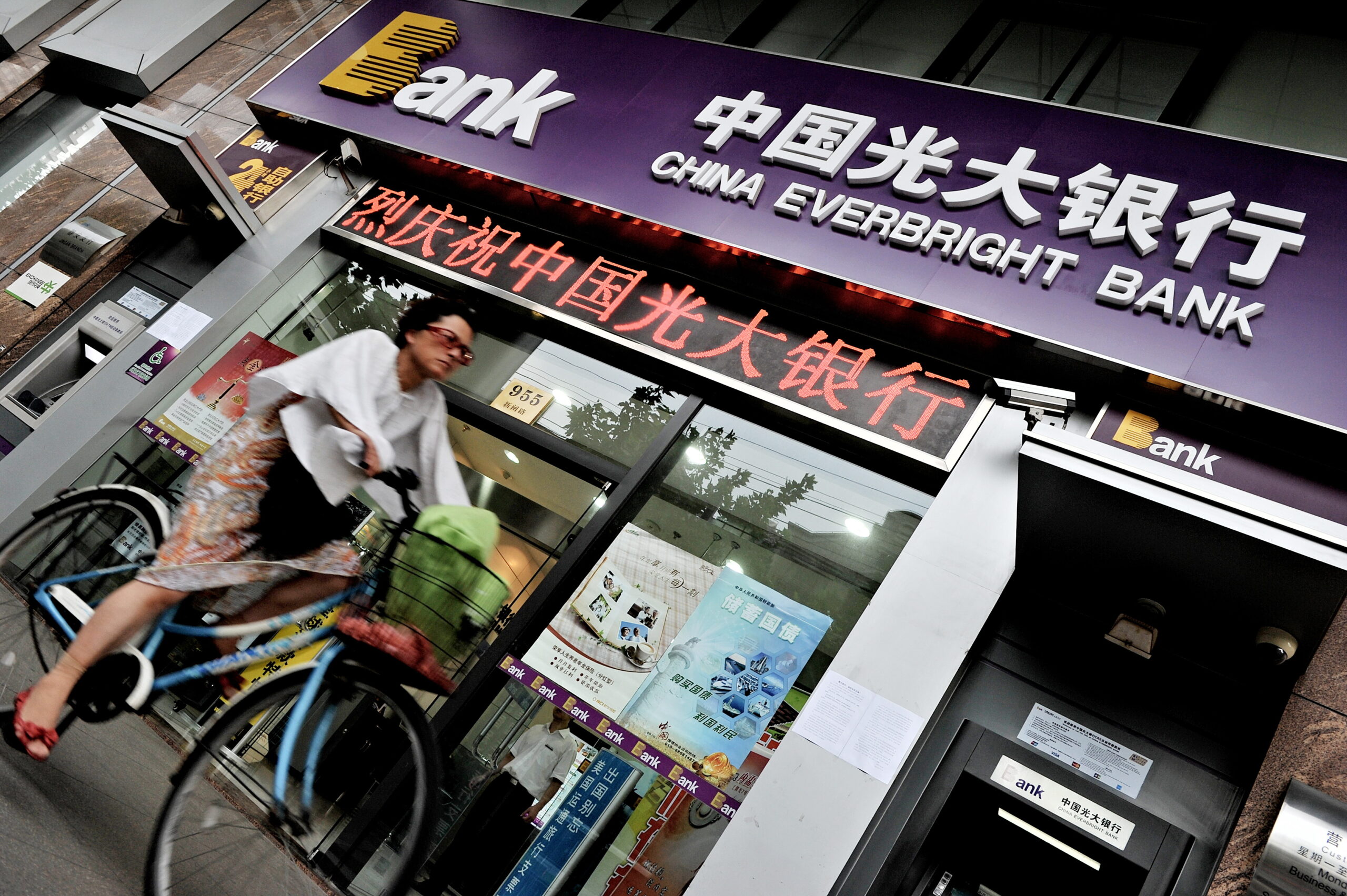
  • China Everbright Bank Faces Rising Threat from New Bad Loan Formation

    China Everbright Bank Faces Rising Threat from New Bad Loan Formation

    China Everbright Bank (CEB) is navigating a complex landscape, facing the challenge of potential new nonperforming loans (NPLs), but recent assessments indicate that its financial health remains robust. According to Moody’s Ratings, the bank has built adequate buffers, with reserves covering a formidable 174.4% of its NPLs, ensuring a steady foundation as it maneuvers through changing economic tides.

    As the country transitions economically, CEB grapples with unseasoned risks, particularly in financing that shift along with evolving nonlending credit challenges stemming from its investment portfolio. Despite these hurdles, Moody’s analysis suggests that CEB can maintain its asset quality, capitalisation, profitability, and liquidity in the upcoming 12 to 18 months.

    Shifts in Loan Growth Trends

    In recent months, overall loan growth has experienced a slowdown, dropping to 3.9% in 2024 from 6% the previous year. However, the bank has seen a notable surge in specific areas, with green loans skyrocketing by 41% and inclusive financing loans rising by 15%. This shift highlights a pivot towards sustainable and responsible banking, setting the stage for a future where eco-conscious lending becomes a norm—perhaps enough to make even Mother Nature smile.

    Moody’s forecast remains optimistic regarding the bank’s asset quality over the next year and a half. Their analysis attributes this stability to CEB’s measured growth strategy and the significant buffers it has established in anticipation of market fluctuations. As of March 31, 2025, the NPL ratio has held steady at 1.25%, marking four consecutive years of stability.

    Robust Capitalisation Prospects

    Looking ahead, CEB’s capitalisation is projected to remain sufficient through 2026, bolstered by subdued asset growth. With profitability, gauged by return on average assets (ROAA), anticipated to stabilize around 0.6% over the next 12 to 18 months, the bank appears to be on solid ground. While a narrowing net interest margin (NIM) could pose challenges, the decline in deposit costs is likely to alleviate some pressure, supporting net interest income, which currently constitutes 71.3% of total revenues.

    Questions & Answers

    What is the current status of China Everbright Bank’s nonperforming loans?
    China Everbright Bank has reserves that cover 174.4% of its nonperforming loans, and the NPL ratio has remained stable at 1.25% for the past four years.

    How has loan growth changed at CEB recently?
    Overall loan growth has slowed to 3.9% in 2024 from 6% in 2023, but green loans and inclusive financing loans have seen significant increases of 41% and 15%, respectively.

    What does Moody’s predict for CEB’s financial stability moving forward?
    Moody’s expects that CEB will maintain adequate asset quality, capitalisation, profitability, and liquidity over the next 12 to 18 months, aided by a careful growth strategy and existing financial buffers.