Author: Mei Ling Tan

  • Amazon seeks to contest Temu, Shein with budget store selling items like $3 iPhone cases

    Amazon seeks to contest Temu, Shein with budget store selling items like $3 iPhone cases

    American e-commerce giant Amazon has launched Amazon Haul, an affordable e-commerce storefront which offers products priced US$20 or less.

    Items such as a $3 iPhone case or a pack of four socks for $7 are sold with a variety of options on the new store, which is advertised as offering “crazy low prices,” according to a company release.

    Over 300 million products in the main categories of clothing, home goods, jewelry and electronics are available on the store, which can be found on Amazon’s mobile app.

    Most items are $10 or less, and the company offers free shipping on orders of $25 or higher.

    The Wall Street Journal reported that Amazon Haul items will take longer to deliver because they ship directly from warehouses in China, similar to Chinese competitors Temu and Shein which have been rapidly expanding to many markets in recent months.

    Although products priced under $3 are not eligible for return, Amazon guarantees that all items have been screened for safety and authenticity.

  • Thailand launches digital durian initiative to boost farmers’ income

    Thailand launches digital durian initiative to boost farmers’ income

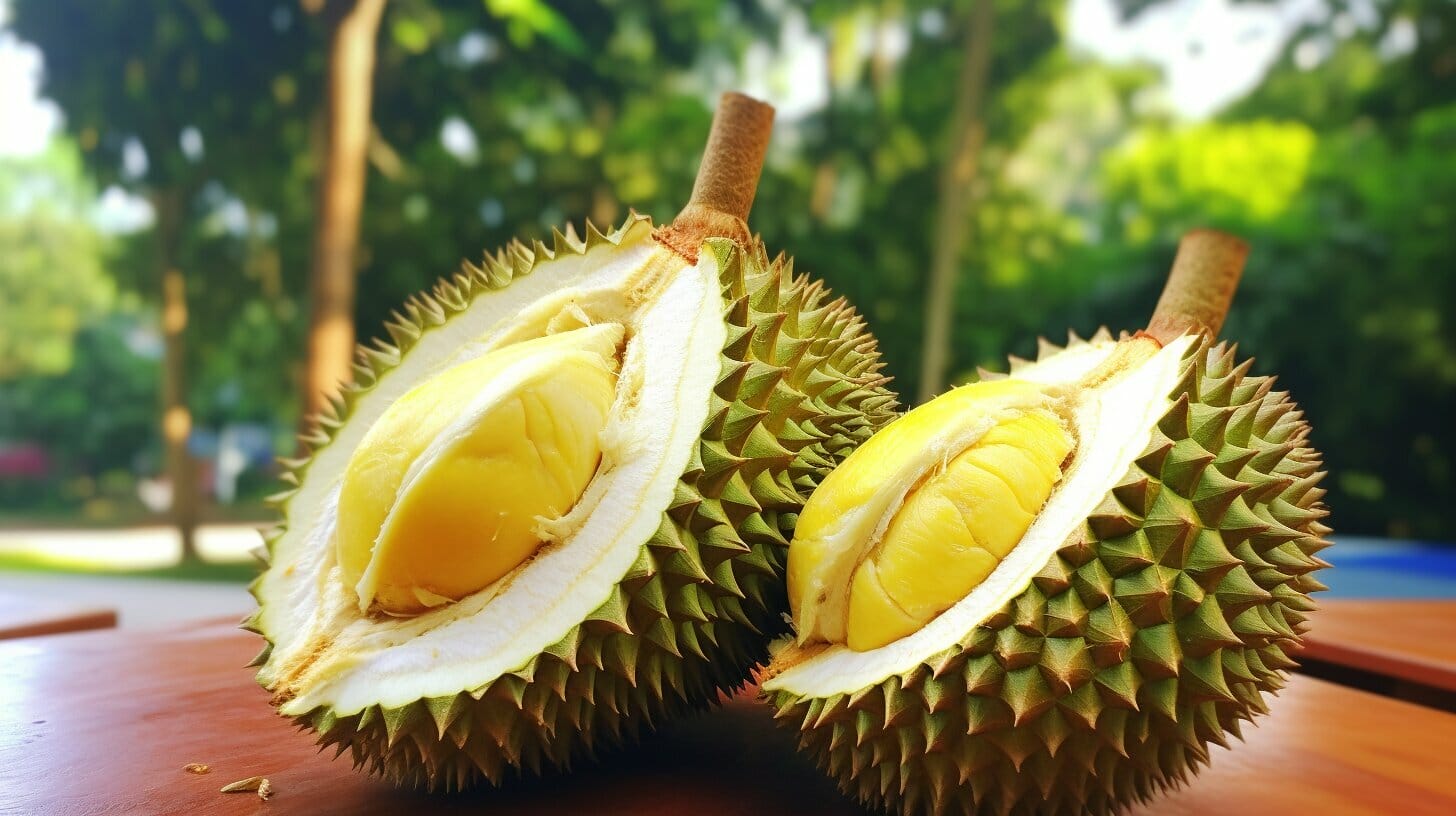
    Thailand has kicked off the One Tambon, One Digital (OTOD) “Digital Durian” project to help 8.8 million durian farmers improve their productivity.

    Thailand’s Digital Economy Promotion Agency President Nuttapon Nimmanphatcharin said the OTOD Digital Durian initiative aims to engage over 6,100 durian farming households in adopting digital platforms for recording cultivation data within a two-year timeframe.

    The collection of this data will contribute to creating “big data” for Thailand’s agricultural sector, especially the durian sector. Pantanu Wannagangsai, advisor to the Ministry of Digital Economy and Society (DES), said the above-mentioned project aligns with the government’s policies which aim to solve issues of debt, income, cost of living and social stability. It is expected to contribute to building consumer confidence both domestically and internationally, promoting high-value Thai products globally amid fierce competition, especially from China and countries in the Southeast Asian region, he added.

    Thailand has 1.02 million rai of durian plantation areas and produce 1.53 million tonnes. Durian accounts for 69% of all exported fruits, or 991,557 tonnes last year, and the major durian export market is China.

    In addition, 12,200 farmers in 23 provinces are expected to be trained on e-commerce applications and certification for Good Agricultural Practice, supporting the development of a national agriculture platform.

  • FedEx strengthens healthcare capabilities in Asia Pacific with expansion of its Life Sciences center in Korea

    FedEx strengthens healthcare capabilities in Asia Pacific with expansion of its Life Sciences center in Korea

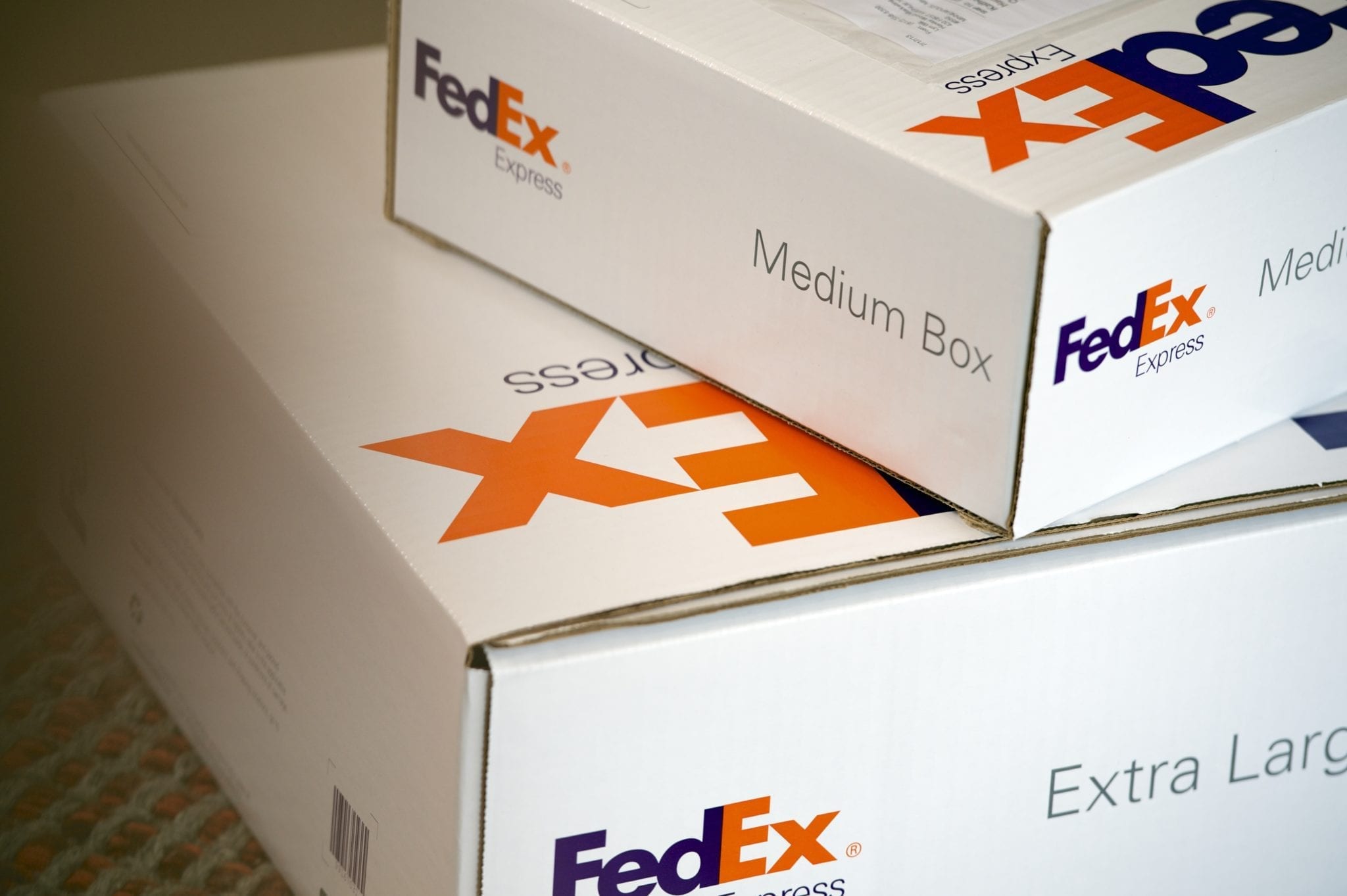
    Federal Express Corporation (FedEx), one of the world’s largest express transportation companies, has expanded its state-of-the-art Life Science Center in Gimpo, Gyeonggi-do, Korea. This strategic enhancement, along with FedEx Life Science Centers in Singapore and Japan, is addressing the rising demand for a robust logistics network with advanced capabilities to support the rapidly growing healthcare industry across the Asia Pacific region.

    The advanced FedEx Korea Life Science Center spans 2,288 square meters – almost triple the size of the previous facility. The new operation includes five temperature-controlled areas for temperatures ranging from -150°C to +25°C, which are monitored 24/7 to ensure continuous compliance with pharmaceutical cold chain requirements. The facility is also Korea Good Supply Practice (KGSP)-certified, in accordance with market-specific quality and regulatory requirements for the healthcare industry. Along with temperature-controlled Inventory management capabilities, the Korea Life Science Center is equipped to support both domestic and international transportation needs.

    By expanding its capacity, FedEx is strengthening its life sciences logistics expertise, ensuring seamless and reliable transportation of critical healthcare shipments including investigational medicinal products (IMP), biological samples, and biopharmaceutical product lines while enabling pharmaceutical and clinical trials customers to prioritize patient care.

    The pharmaceutical market in Asia Pacific is projected to reach USD 290 billion by 2028. Additionally, the region accounts for approximately 50% of global clinical trials, highlighting its increasing role in global pharmaceutical research and development. Customers in the healthcare and pharmaceutical sector need precise, temperature-controlled services to preserve product efficacy. With decades of experience, FedEx provides expertise in specialized healthcare and clinical trial solutions, enabled by its international Express network, customized Time Critical Special Services (SpS), and a global network of Life Science Centers with locations in Korea, Singapore, Tokyo (Japan), Mumbai (India), Memphis (United States), and Veldhoven (the Netherlands). The company’s extensive healthcare infrastructure also includes 130+ cold-chain facilities worldwide, ensuring continuous temperature integrity for shipments moving through our domestic and international networks.

    “Asia Pacific’s healthcare sector is evolving at an unprecedented pace, driven by demographic shifts, infrastructure investments, and rapid tech advancements,” said Kawal Preet, president, Asia Pacific at FedEx. “At FedEx, we are leveraging our decades of healthcare expertise, extensive global network and differentiated solutions to propel this growth. Through strategic investments in cutting-edge facilities and AI-driven smart logistics, we are reshaping healthcare supply chains and enabling the future of life sciences research and business innovation across the region.”

    FedEx Clinical Care, part of the company’s portfolio of dedicated healthcare transportation solutions, provides end-to-end delivery capabilities for time and temperature-sensitive healthcare shipments. This service ensures expedited delivery within 24 to 48 hours, leveraging specialized features including temperature-controlled packaging, priority handling and clearance, and 24/7 monitoring and intervention using sensor-based real-time tracking.

    Recently, FedEx was recognized for ‘Innovation in Clinical Supply Chain Logistics’ at the Korea Biopharma Excellence Awards 2024 for exceptional contribution to clinical supply chains in Korea. In August, the company introduced FedEx Surround®, an innovative monitoring and intervention solution for enhanced control and visibility for healthcare and other critical shipments.

  • WhatsApp rolls out the ability to draft your messages for later

    WhatsApp rolls out the ability to draft your messages for later

    WhatsApp just dropped a new feature, and it’s one many users have been requesting for a while: “Message Drafts”. This means you’ll never have to worry about losing a half-written message again.  If you get distracted or interrupted while writing, WhatsApp will now save your message as a draft.

    The way it works is pretty simple.  Whenever you start typing a message but don’t send it, WhatsApp will put a little green “Draft” indicator on the chat.  This indicator also shows up in your chat list, along with a preview of the message you started writing.  And to make things even easier, any chats with drafts will be bumped to the top of your chat list so you can quickly find them and finish what you were saying.

    This update brings WhatsApp more in line with other messaging apps like Google Messages, which have had similar draft features for a while. It’s a small change, but it makes a big difference in terms of convenience.  No more lost thoughts or forgotten replies.

    But that’s not all. WhatsApp has been busy rolling out other new features lately too. Remember the Custom Lists feature from a couple of weeks ago?  That lets you organize your chats with tags like “work”, “friends”, or “family”. You can even create your own custom tags to really personalize your chat list.

    Additionally, WhatsApp is apparently working on an update that will let you use a username instead of a phone number. This means you might eventually be able to use WhatsApp on any device without needing your phone nearby.  It’s still in the works, but it sounds like it will include a cool synchronization feature to keep your contacts up-to-date across all your devices.

    Personally, I’m really liking these updates from WhatsApp. The “Message Drafts” feature is something I know I’ll probably end up using all the time. And the idea of using WhatsApp without a phone number is a feature that I have been wanting for a while as well. It’ll be interesting to see how they implement that and what kind of impact it has on how people use the app.  It seems like WhatsApp is really stepping up its game lately.

  • Exciting Google Maps update adds new useful features

    Google is adding some exciting new features to the iOS and Android Google Maps app. Let’s say you’re looking for a winter sweater for the holiday season. Type winter sweater into the search bar at the top of the screen and you’ll see locations where you can purchase them. Starting today, this will work with home goods, electronics, and clothing. The information about where you can find, say, winter sweaters, shows stores that sell the item, ratings, the hours that the store is open, and how far it is away from you. You’ll also learn if the item is in stock.

    The update will also help travelers during the fall and winter by providing real-time updates on delays due to flooded roads and unplowed snow. With this feature, Google Maps users will be able to look for such issues and will be able to report such conditions. In addition, commuters and others will be able to report delays happening on bus or train routes to help riders stay up to date on any delays that would impact their travel.

    “Sometimes driving in unfamiliar areas with multiple lanes, forks, and exits can be confusing. To help you anticipate these, our enhanced navigation will show you lanes, crosswalks, and road signs clearly on the map. And because no one likes finding out they need to merge at the last minute, we’ll show you exactly which lane you should be in: Just follow the blue line in the lane markers while navigating.”-Google.

    Gemini is getting integrated with Google Maps. Why not? AI is everywhere and if you need some ideas on late-night activities for a guest staying over, simply ask Google Maps to look up “things to do with friends at night.” Gemini will send you some ideas along with reviews. Google has trusted data on 250 million places around the world along with info from the Maps community. Taking advantage of this data can help you enjoy a night out with a visiting friend.

    Google Maps is also making it easier to plan your drive before you even hit the road. Get directions to your destination, hit “add stops” and you will see top landmarks, attractions, and scenic spots to stop at along the way. And to make things even better, you can see dining options in advance.

    Another update will light up the destination on your screen along with an entrance into the building you’re traveling to. You’ll also be shown nearby parking lots and reminded to save your parking so that you won’t forget where you left your car. Once you’ve parked your car you can get walking directions to the entrance of your destination building by using Street View or AR walking navigation.

    Finally, Immersive View is getting an update. This feature uses AI to show you what navigation on certain routes, parks, and stadiums looks like at different times of day using AI, imagery, and computer vision. The weather expected on the day you are planning to visit will be taken into account. Immersive View is now available for 150 cities globally including Brussels, Kyoto, and Frankfurt. And college campuses are being added as well. Immersive View will now tell you where to park and when to expect a complex turn while you’re driving.

  • Singapore man uses fake Grab receipts and timesheets to defraud employers $18,000

    Singapore man uses fake Grab receipts and timesheets to defraud employers $18,000

    A 33-year-old man, Muhammad Fariz Shaik Sha Marican, scammed his employer out of more than SGD24,000 (US$17,950) by forging over 460 Grab receipts and false timesheets.

    On Tuesday, he pleaded guilty to two charges of forgery, with two additional charges to be considered during sentencing. Deputy Public Prosecutor Kelly Ng stated that Fariz was employed by the recruitment agency Persolkelly (PSK), which partnered with Ministry of Health (MOH) to provide staffing.

    In November 2021, PSK assigned Fariz as temporary support staff for MOH’s Covid-19 operations. By April 2023, as MOH considered making him a permanent staff member, they reviewed his annual leave balance.

    Following this review, both PSK and MOH filed police reports, leading to an investigation that revealed Fariz had forged Grab receipts on 228 occasions from July 2022 to April 2023.

    He digitally altered dates and times on existing receipts for rides he never took, submitting them to PSK and obtaining over SGD9,500 in fraudulent reimbursements.

    Additionally, between July 2022 and April 2023, he forged his supervisor’s signature on timesheets, falsely claiming overtime, resulting in SGD7,700 in fraudulent payments.

    The fraud was exposed in April 2023 during MOH’s review of his leave records, which revealed discrepancies between PSK and MOH in timesheets and transport claims. Fariz confessed in a letter and resigned before his arrest in July 2023.

    The prosecutor requested a six to eight-month jail term, highlighting the calculated nature of his actions.

    “Each time the accused forged a receipt or timesheet, he had to put in the deliberate effort of altering it digitally or filling it up with extra days or hours, and each time he did this, he had the opportunity to stop his offending. Instead, he did not do so,” said the prosecutor.

  • The Fitbit Ace LTE gets new features for your active kids and family this holiday season

    The Fitbit Ace LTE gets new features for your active kids and family this holiday season

    The Fitbit Ace LTE is getting a whole bunch of new updates just in time for the holidays. These new features are designed to keep families connected, active, and having fun together.

    One of the most exciting new features rolling out is Family Chat. Now, families can communicate directly through their Ace LTE devices or the Ace app. This will be perfect for coordinating schedules, sending quick reminders, or just checking in with each other throughout the day.

    However, if you are looking for a way to get the whole family moving, Fitbit Ace LTE now has a new feature called “Family Quests.” This feature includes challenges that encourage everyone in the family to work together to unlock rewards. For example, this Thanksgiving, you and your family can complete the “Turkey Berserkey” quest by hitting your activity goals. It’s a fun way to bond and build healthy habits.

    Fitbit has also partnered with the Alliance for a Healthier Generation to add 50 new Daily Quests. These bite-sized challenges help kids learn about things like sleep, nutrition, and even geography. Plus, there’s a new game in the Fitbit Arcade called “Solar Sword” that lets kids defend their village from monsters. The more they move, the more game time they unlock.

    To make it even easier to track their progress, there are two new watch faces called Noodles. These sleek designs help kids see how close they are to reaching their daily activity goals.

    And if you’re looking to save some money this holiday season, we got you as we have gathered some great deals on the Ace LTE and its accessories for you. From November 21st through December 4th, you can save $50 on the Ace LTE and $20 on Ace LTE bands at the Google Store. Plus, if you’re buying for siblings, you can get 50% off your second Ace Pass annual plan from now through January 31st, 2025. Additionally, we have included discounted options from Amazon and Woot below.

  • E-commerce platform Temu restricts checkout to $35-40 price range

    E-commerce platform Temu restricts checkout to $35-40 price range

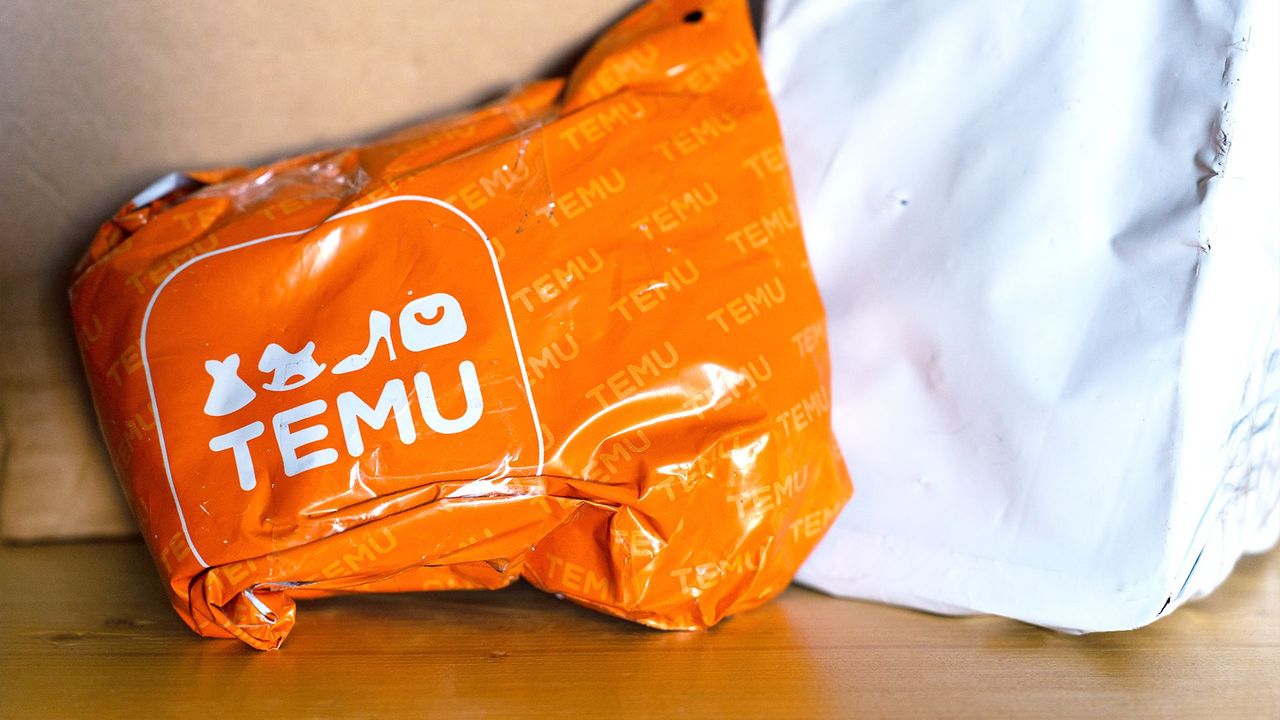
    Chinese shopping platform Temu has made it mandatory for customers to check out with orders between VND887,000 and VND1 million (US$35-40).

    Shoppers noticed this week that they cannot check out if their order is less than VND887,000 on the Temu app.

    Those who had bought for more than VND1 million were informed they had exceeded the limit and had to remove some items.

    Hieu, an online shopper in HCMC, said: “This policy and the requirement to pay in advance make the platform less attractive compared to its competitors in Vietnam.”

    When Temu first came to Vietnam at the end of September, it required a minimum order of VND120,000.

    It raised it to VND632,000 last week and to VND887,000 now, a sevenfold increase in two months.

    Temu said the minimum allows it to “continue offering more and lower-priced items.”

    Although it did not explain why the cap was set at VND1 million, one obvious explanation is that there is no tax on e-commerce items under this price.

    But with an estimated 4-5 million such items shipped from China to Vietnam every day, the government has been considering scrapping this tax waiver.

    Temu says on its app that it is in the process of registering with Vietnamese authorities.

    Government officials have warned that all unregistered e-commerce platforms will be blocked in the country.

    Temu, formally owned by Singaporean company Elementary Innovation Pte. Ltd., reported zero revenues in its third quarter financial disclosure submitted to Vietnamese tax agencies, and said it expected to record revenues starting in October.

  • ZTE Launches G6 Series Servers, Boosting Green Computing Infrastructure

    ZTE Launches G6 Series Servers, Boosting Green Computing Infrastructure

    These new products support Intel® Xeon® 6 processors and the latest AMD EPYC™ 9005 Series processors, bringing new energy to the development of efficient and environmentally friendly computing infrastructure.

    In today’s digital economy, the demand for computing power is rapidly increasing, making the expansion and enhancement of computing infrastructure a top priority for all industries. ZTE is dedicated to creating efficient and green computing infrastructure to drive sustainable growth in the digital economy and help partners transition to digital and intelligent AI processes.

    ZTE has launched six new G6 servers, including the R5300 G6 dual-channel full-scenario server, R5500 G6 dual-channel large storage server, R2300 G6 single-channel high-performance server, R2250 G6 single-channel high-density server, R2350 G6 single-channel full-scenario server, and the R2550 G6 single-channel large storage server. Outstanding performance and robust computing power are key features of ZTE’s new servers. The R5300 G6 and R5500 G6 servers come with the latest Xeon® 6 processors with E-cores, supporting up to 288 cores for dual-channel operation.

    These servers offer high computing density and performance per watt, along with thirty-two DDR5 memory slots and up to 176 PCIe 5.0 channels. The modular design allows for customization to meet various application needs. The R2300 G6 single-socket high-performance server, powered by Intel Xeon 6 with P-cores, delivers improved computing performance and 18% energy efficiency enhancement. It features a modular design, all-cable configuration, and a flexible setup to meet diverse computing requirements in different scenarios. The server supports efficient cooling solutions and can be applied in the following niches: internet, cloud computing, big data, and other fields.

    ZTE also introduced the R2250 G6 single-channel high-density server, the R2350 G6 single-channel full-scenario server, and the R2550 G6 single-channel mass storage server, all of which are equipped with the latest AMD EPYC 9005 series processors. These servers offer high core counts, increased memory bandwidth, and improved energy efficiency compared to previous models, making them suitable for virtualization, cloud computing, and AI applications.

    The expansion of ZTE’s G6 series server family provides customers with more options to meet the diverse needs of the telecommunications, internet, transportation, and power industries. ZTE will continue to focus on technological innovation, introducing more advanced servers and storage products, enhancing ecological partnerships, and driving the upgrade of computing infrastructure to ensure a digital future.

  • Vietnam spends $1.4B on meat imports

    Vietnam spends $1.4B on meat imports

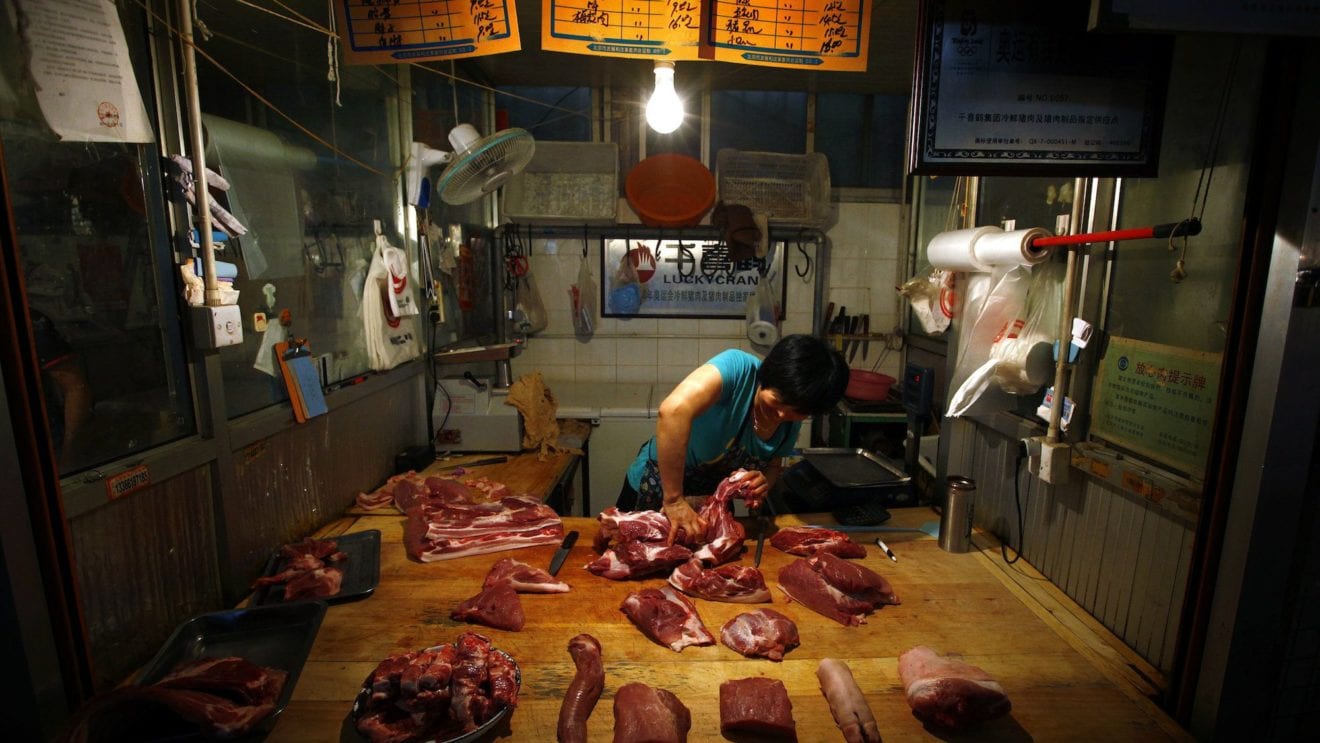
    Vietnam imported nearly US$1.4 billion worth of meat and meat products in the first 10 months of 2024, up 14% from a year earlier.

    Most of the imports came from India, the U.S., Russia, and Germany, customs data shows. They are much cheaper than local products, making them highly attractive to consumers.

    Imported pork costs around VND52,000-62,000 (US$2-2.5) per kilogram on the retail market while domestic varieties are priced at VND80,000-180,000.

    The Dong Nai Livestock Association said the influx of cheap imported meat is putting further pressure on the domestic livestock industry, which has already been struggling with reduced supply due to African swine fever.

    If strict controls are not implemented, low-priced imports could hamper the industry’s growth and pose food safety risks, they warned.

    According to the Department of Animal Health, of the 6,679 batches of imported meats inspected between May and September this year, over 1% contained salmonella and was disposed of.

    The department is working with exporting countries to monitor quality, but experts want the government to tighten quarantine measures to protect public health and prevent disease outbreaks from contaminated food.

    In response to the sharp increase in meat imports, market regulators have also strengthened control measures to get rid of substandard products.

    In August HCMC authorities seized 400 kilograms of imported frozen pork intestines and udder meat that lacked documentation.

  • Thailand inspection finds imported Shine Muscat grapes safe for consumption

    Thailand inspection finds imported Shine Muscat grapes safe for consumption

    All imported Shine Muscat grapes have met food safety standards, according to the Thai Food and Drug Administration (FDA), responding to public concern about recent reports of chemical contamination.

    The agency’s food and drug inspection division seized 6.93 tonnes of the grapes on Nov. 5 to run chemical residue tests, under its Hold Test Release protocol.

    The fruit met all regulatory standards, so the FDA approved them for import and domestic sale, its deputy director-general Lertchai Lertvut said. gtraPublic concern arose last month when the Thailand Consumers’ Council reported that 23 out of 24 Shine Muscat grape samples it tested were found to contain hazardous chemical residues beyond the acceptable legal limit.

    Some were contaminated with chlorpyrifos and endrin aldehyde, which are banned under Thai food safety laws.

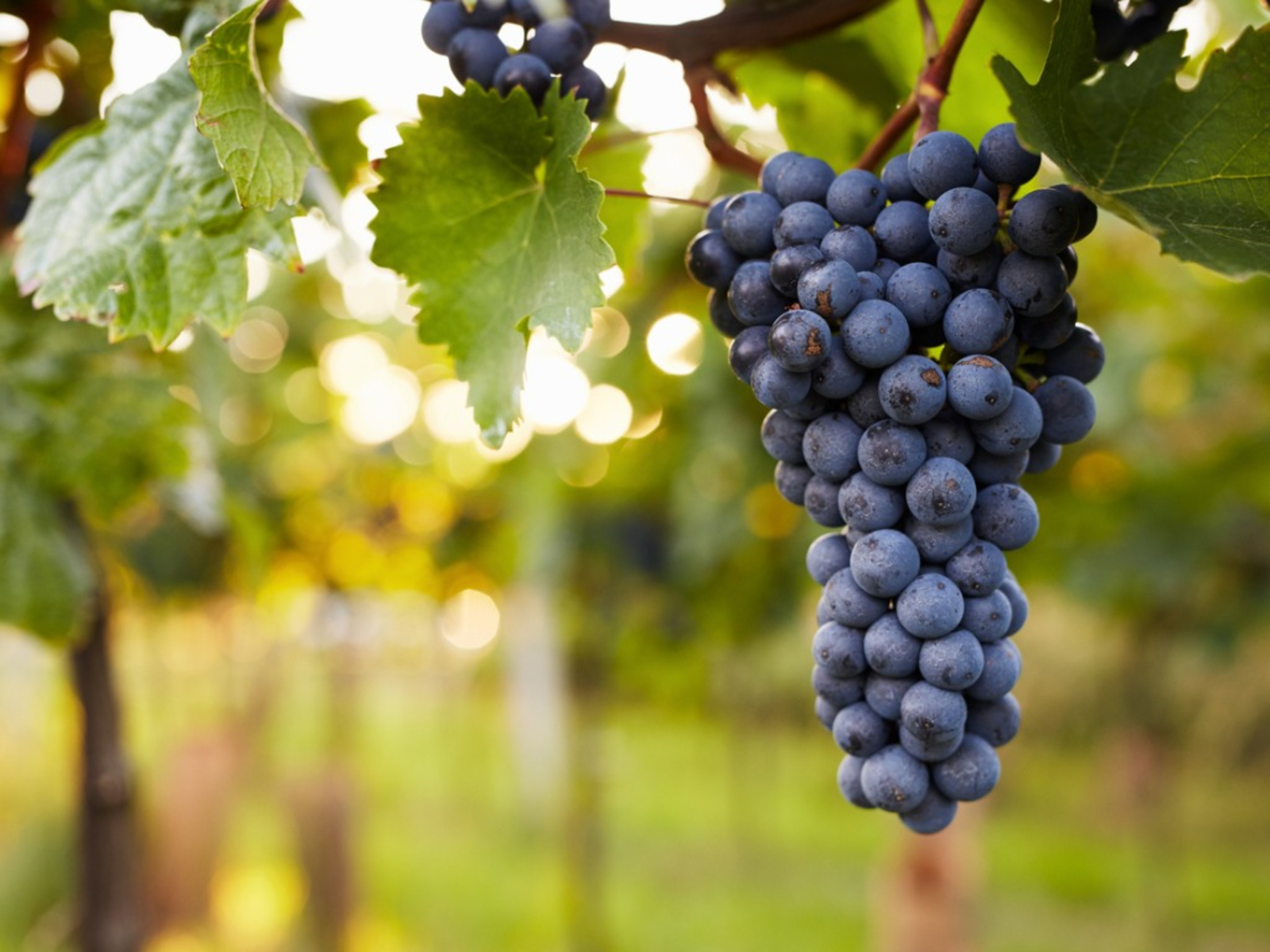
    Shine Muscat grapes are a variety originating from Japan that features a yellow-green hue, crisp flesh, no seeds, and delightful sweetness.

  • Coffee brand L’or launches bubble tea-inspired popping pearls

    Coffee brand L’or launches bubble tea-inspired popping pearls

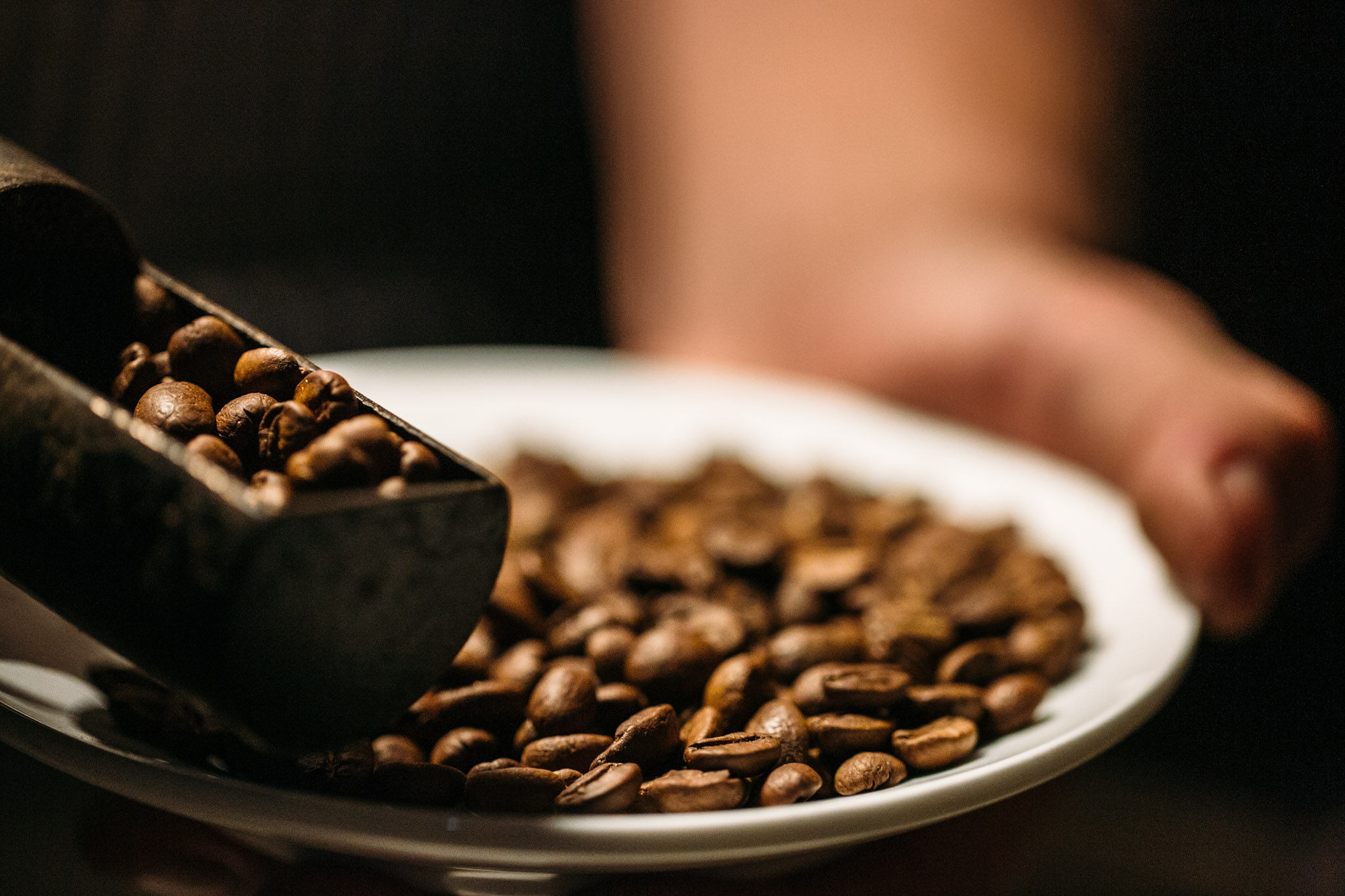
    French coffee brand L’or has introduced L’or Coffee Popping Pearls, a bubble tea-inspired topping made with real coffee.

    The pearls can be served with both savoury and sweet dishes. The limited-edition product is available via the L’or e-shop, and Australia is the first international market to introduce the innovation.

    “We’re thrilled to be pioneers, bringing real coffee into popping pearls, blending the worlds of coffee and bubble tea in an innovative way. It makes coffee, yoghurt, ice cream, cocktails, desserts, etc, so much more exciting and surprising,” said Virginia Marsh L’or marketing director for Australia.

    L’or, founded in France in 1992, makes coffee capsules, coffee machines, and coffee-related equipment.

  • KFC Indonesia shutters 47 outlets, lays off thousands of employees

    KFC Indonesia shutters 47 outlets, lays off thousands of employees

    KFC Indonesia reported a net loss of IDR557.08 billion (over US$36 million) as of the third quarter of this year, resulting in the company’s closure of 47 outlets and sack of 2,274 employees.

    In its financial report, KFC Indonesia’s owner, Gelael and Salim Group under PT Fast Food Indonesia Tbk (FAST), disclosed that in the first nine months of this year, the company reduced its operational store count to 715 from the 2023 figure of 762. Its workforce has also significantly decreased, now standing at over 13,700 employees compared to nearly 16,000 previously.

    The most substantial factor in FAST’s revenue decline was a sharp drop in food and beverage sales, totaling 3.57 trillion IDR as of the third quarter, an annual decrease of 22.4%.

    FAST’s leaders attributed these downturns to the prolonged negative impacts of the COVID-19 pandemic. Recovery has yet to help the company reach its expected sale targets, while market conditions have further deteriorated.

  • Singapore Airlines’ profit plunges 59%

    Singapore Airlines’ profit plunges 59%

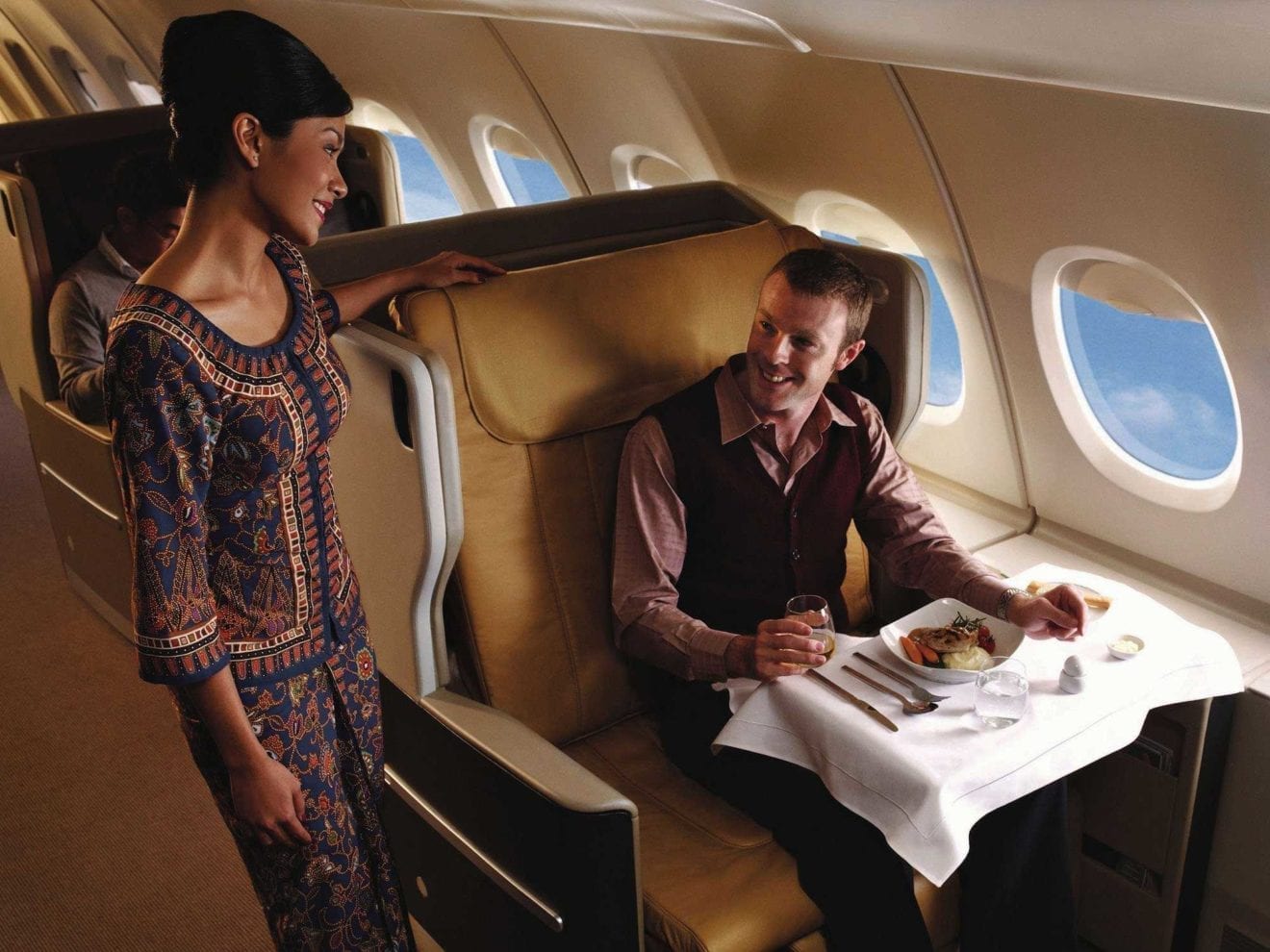
    Singapore Airlines saw net profit in the July-to-September quarter plunging 59% year-on-year to SGD290 million (US$) amid intense competition and surging costs.

    Revenue rose 2% to SGD4.8 billion in the second quarter of its financial year which began April, the company said in a financial report. It saw costs rising by 14.7 percent over the period.

    “The operating landscape will continue to be competitive,” the airline said. “The group will remain nimble and agile, adjusting its passenger network and capacity to match evolving demand patterns.”

    Singapore Airlines operates a fleet of 205 aircraft, with four Boeing 787-10 aircraft added in the July-September quarter.

    It has been increasing number of flights to popular destinations such as Hanoi, HCMC, Johannesburg, Melbourne, Phuket and Seoul.

    The airline is also investing SGD1.1 billion to upgrade its premium travel experience by installing long-haul cabins in 41 Airbus wide-body aircraft.

  • Singtel Advances Quantum-Safe Cybersecurity with Key Partnerships

    Singtel Advances Quantum-Safe Cybersecurity with Key Partnerships

    The enhancement integrates Post-Quantum Cryptography (PQC) technologies—designed to withstand the advanced computational capabilities of quantum computers—from cybersecurity leaders, Palo Alto Networks and Fortinet, into Singtel’s nationwide Quantum Safe Network (QSN).

    Through its collaboration with Palo Alto Networks, Singtel will implement a PQC-powered IPSec VPN, utilizing the latest encryption standards from the U.S. National Institute of Standards and Technology to secure data transmission and authentication.

    Fortinet’s role includes integrating Quantum Key Distribution (QKD) and PQC solutions to foster a secure, scalable, and commercially viable QSN. This partnership will leverage Fortinet’s quantum-resistant PQC software, encryption hardware, and advanced security platforms to build robust quantum-safe architectures tailored for enterprise needs.

    These joint efforts will ensure the security of encryption keys across key applications like identity, mobility, and authentication, providing enterprises with stronger resilience against potential quantum-enabled cyber threats.

    Keith Leong, Managing Director, Enterprise, Singtel Singapore, stated, “Quantum computing presents a significant threat to traditional encryption methods, and has the potential to disrupt our digital economy by potentially decrypting sensitive data, exposing businesses to significant risks. The addition of Palo Alto Network and Fortinet’s enhanced software solutions to our QSN ensures our enterprise customers get more industry-leading choices to secure their business against both current and future quantum threats, regardless of their hardware requirements. We encourage enterprises to take the  necessary steps to secure their critical assets sooner rather than later.”

    Steven Scheurmann, Regional Vice President of Palo Alto Networks in ASEAN, highlighted Palo Alto Networks’ commitment to helping enterprises prepare for the future by integrating their quantum-resistant VPN solutions with Singtel’s Quantum-Safe Network. This collaboration aims to protect critical data from both current threats and the potential risks posed by future quantum computers.

    Jess Ng, Country Head for Singapore and Brunei at Fortinet, noted that, as quantum computing progresses, the approach to cybersecurity must evolve accordingly. She expressed Fortinet’s pride in partnering with Singtel to enhance the nation’s defenses against emerging threats, emphasizing that, “By integrating Post-Quantum Cryptography (PQC) and Quantum Key Distribution (QKD) into Singtel’s Quantum-Safe Network, building hybrid architecture, and leveraging quantum-safe solutions, we are helping enterprises stay ahead of future risks. Through the development of industrial and government use cases, we are committed to building a foundation for a more resilient and secure digital future.”