Author: Mei Ling Tan

  • L’Oreal expands its beauty innovation program across North Asia

    L’Oreal expands its beauty innovation program across North Asia

    L’Oreal’s Big Bang Beauty Tech Innovation Program (Big Bang) has expanded across its North Asia markets, including a recent launch in Hong Kong and Taiwan.

    Launched in Mainland China in 2020, the program aims to drive growth in the beauty industry through key partnerships with startups, fostering a culture of co-creation and co-development of innovative beauty products and experiences.

    For instance, L’Oreal Japan partnered with the Ministry of Economy, Trade, and Industry last year to research skin and haircare technologies.

    Similarly, L’Oreal Korea has launched a dedicated digital tracking system following its collaboration with the Ministry of SMEs and Startups through an MOU at Viva Tech last year.

    This year, L’Oreal Taiwan has kicked off its Big Bang recruitment, focusing on a “Green Beauty Consumer Journey.” It has partnered with the Taipei Computer Association (TCA) to champion local sustainability innovations for a circular economy, eco-friendly design, and improved consumer engagement.

    Meanwhile, L’Oreal Hong Kong has introduced the city’s first open innovation accelerator, focusing on crafting immersive, multi-sensory experiences within brand spaces to enhance customer interactions.

    “As Big Bang takes root across North Asia, we promise to usher in a new era of beauty innovation,” said the company. “L’Oreal is proud to be at the forefront of this exciting evolution, solidifying its position as a beauty tech leader in the region and beyond.

    Since its launch, the Big Bang program has engaged over 2000 companies and brought more than 50 business projects to fruition.

  • China asks Visa, Mastercard to cut transaction fees

    China asks Visa, Mastercard to cut transaction fees

    China is pushing for Visa and Mastercard to lower their bank card transaction fees in the country, as part of an effort to facilitate payments for foreign visitors, Bloomberg News reported, citing a person familiar with the matter.

    According to a report published on Friday, the Payment & Clearing Association of China is negotiating with global card issuers, including Visa and Mastercard, to lower fees charged on foreign card transactions.

    The association proposed trimming the fee to 1.5 percent from 2-3 percent, the report added.

    Mastercard told Bloomberg that it had received the proposal from the industry association and said it would work with partners to lower costs for local merchants accepting foreign bank cards.

    Visa and Mastercard did not immediately reply to Reuters’ requests for comment.

    According to a statement posted on its website on Tuesday, the industry group issued a proposal earlier this week to global card issuers on the fee cut without disclosing details of the price cut.

  • French jeweller Fred opens first store in Malaysia

    French jeweller Fred opens first store in Malaysia

    French luxury jeweller Fred has opened its first outlet in Malaysia, selling its latest Pretty Woman necklaces.

    The store, located on the ground floor of Seibu The Exchange TRX, features a futuristic design with wide glass windows. The store is gold and white throughout, with blue display shelves in the centre.

    The venue offers a wide range of products including the new Pretty Woman Sunlight Message necklace, which features a hidden message that can only be seen by light.

    Founded by Fred Samuel in Paris in 1936, the company now has more than 50 stores worldwide and retail outlets in 30 countries. It was also the first jewellery brand acquired by LVMH in 1996.

  • Etihad Cargo expands European freighter network with launch of Madrid

    Etihad Cargo expands European freighter network with launch of Madrid

    Etihad Cargo, the cargo and logistics arm of Etihad Airways, is expanding its freighter network with a new route to Madrid. Starting 15 July 2024, Etihad Cargo will operate two weekly Boeing 777 freighter flights between Abu Dhabi and Madrid, adding over 200 tonnes of cargo capacity for Europe.

    The launch of a twice-weekly freighter service between Abu Dhabi and Madrid will increase the total number of flights to Spain to 25 per week. Etihad Cargo provides belly capacity via 10 passenger flights to Madrid, 10 to Barcelona and three seasonal flights to Malaga launched as part of the airline’s summer schedule. This expansion highlights the strategic importance of these destinations, particularly Madrid as a key European fashion hub, and aims to boost e-commerce connectivity from Asia to Europe via Etihad Cargo’s Abu Dhabi hub.

    This new route complements Etihad Cargo’s existing European freighter network, which includes six weekly flights to Amsterdam and three weekly flights to Frankfurt. With the addition of Madrid to the network, the total number of Etihad Cargo’s freighter flights to Europe will increase to 11 per week. Customers will also benefit from additional belly hold capacity offered as part of the carrier’s summer schedule, which includes the launch of two weekly seasonal flights to Nice. Flights to Athens will increase to 14 per week, with two operating via seasonal destination Mykonos and two via Santorini. A new route to Antalya will operate with three weekly flights, and flights to Istanbul will increase from ten to 14 per week starting 22 July 2024. Additionally, Dublin will see three more flights from 23 July 2024, totalling ten per week.

    Stanislas Brun, Vice President Cargo at Etihad Cargo, stated, “Launching Madrid as Etihad Cargo’s latest European freighter destination supports the growing demand for e-commerce flows between Asia and Europe. Madrid’s role as a key fashion hub makes it an essential destination for the carrier’s freighter network.”

    Etihad Cargo’s hub in Abu Dhabi serves as a crucial link between East and West, providing efficient and reliable cargo services to meet the specific needs of the fashion industry and other sectors dependent on timely e-commerce deliveries.

  • Time to update your contact pics as Google Messages now shows them bigger

    Time to update your contact pics as Google Messages now shows them bigger

    Recently, we mentioned Google was experimenting with a long-press feature for peeking into RCS conversations. Now, apparently, this feature has been approved and is starting to roll out more widely.

    According to a recent report, users can expand a contact’s profile photo by tapping on it in the main list. This action allows you to view a larger image of the selected contact, along with three shortcuts displayed at the bottom:

    Message: You can start a conversation by messaging the contact. This shortcut might seem a bit odd since you can simply tap on the conversation without first selecting the contact’s profile picture.

    • Call: Dial the contact right away.
    • Info: Preview information quickly without fully opening the conversation.

    The latest update also applies to group chats, but you won’t find the Call option there. To access features like Pinning, Archiving, Deleting, Blocking, and marking messages as read or unread, just long-press anywhere outside the profile picture of the contact you’re chatting with.

    While it may not seem like a major overhaul, this update significantly enhances user experience. Previously, long-pressing a conversation only allowed bulk actions such as muting or deleting. With the ongoing rollout of this latest update, which might not be visible to all users yet, performing actions like placing a quick call is now much simpler.

    In other recent updates, Google has begun rolling out a new user interface for content sharers on Google Messages. Moreover, the tech giant has expanded the Gemini feature in Google Messages to include all Android phones with 6GB of RAM or more.

  • VinFast ranks second in EV sales in Southeast Asia

    VinFast ranks second in EV sales in Southeast Asia

    According to the research firm Counterpoint Research, EV sales in the region more than doubled in the January to March quarter from a year before. Sales of ICE cars,meanwhile, slid by 7%.

    “Vietnam saw an even more impressive growth, with BEV (battery electric vehicle) sales increasing by more than 400%, contributing to nearly 17% of regional sales,” the firm said.

    “As Japanese and Korean automakers, who dominate conventional vehicle sales, lag in EV adoption, Chinese OEMs (original equipment manufacturers) are stepping in to fill the gap,” said Counterpoint analyst Abhik Mukherjee.

    “Over 70% of EV sales in the region are from Chinese brands, led by BYD,” he said. In the first quarter of last year, 75% of all EVs sold in Southeast Asia were made by Chinese car makers.

    Thailand, Southeast Asia’s second-largest economy, where Chinese car makers have committed more than US$1.44 billion to set up new EV production facilities, is leading the charge.

    The regional auto manufacturing hub where Japan’s Toyota Motor and Honda Motor have a major presence accounted for 55% of all Southeast Asia’s EV sales in the first quarter, with the segment growing 44% compared to last year.

    U.S. electric carmaker Tesla saw its market share in the region drop two percentage points to 4% in the first quarter, in spite of its sales growing 37% in the same period.

    A number of Southeast Asian countries, including Thailand and Indonesia, have rolled out incentives to stimulate EV demand and attract new investments – a call answered by Chinese car makers locked in a bruising price competition at home.

    “Southeast Asia is becoming a major expansion region for Chinese OEMs,” Mukherjee said.

  • Citizens’ deposits at banks reach new record high

    Citizens’ deposits at banks reach new record high

    Citizens’ deposits reached a new historic peak of VND6.676 quadrillion (US$262.2 billion) as of the end of March, according to the State Bank of Vietnam.

    This marked a 2.2% growth from the end of 2023.

    Meanwhile, corporate deposits fell 3.1% to VND6.6 quadrillion in the same period .

    After a period of declining interest rates that began last March, many banks have started to raise deposit interest rates since May.

    Analysts expect a rise in deposit interest rates by 0.5 to 1 percentage point, reaching around 7% per year in the year’s second half.

    However, the rates are unlikely to return to the high levels seen at the end of 2022, following a bank-run incident that resulted in a private lender being placed under central bank control.

    Credit growth has only reached 2.4% this year, failing to meet the targets of 5% for the first half and 15% for the entire year, which analysts attribute to a sluggish real estate market.

    The local real estate sector has experienced a significant downturn, leading to major developers facing challenges in repaying debt, including bond interest and principal, due to liquidity constraints and decreasing property values.

    The situation escalated at the end of 2022, following the arrest of Truong My Lan, Chairwoman of Van Thinh Phat group, who is on death row for multiple financial frauds.

    The arrest was part of Vietnam’s anti-corruption campaign, which intensified in late 2021.

  • Some Vietnam coffee farms thrive despite drought

    Some Vietnam coffee farms thrive despite drought

    Vietnamese coffee growers have been hit hard this year by the worst drought in nearly a decade, raising concerns of pricier espressos across the world, even as some farmers keep yields healthy with clever countermeasures.

    Domestic forecasts for next season’s harvest in Vietnam, the world’s second biggest coffee producer, remain grim.

    The Mercantile Exchange of Vietnam (MVX) expects a 10-16% fall in output because of the extreme heat that hit the Central Highlands coffee region between March and early May, according to deputy head Nguyen Ngoc Quynh.

    However, a return of rains in recent weeks has improved the outlook, boosting confidence among farmers and officials. But it remains unclear whether the improved weather will help boost output and drive down prices of robusta beans, the variety most commonly found in espressos and instant coffees, of which Vietnam is the world’s top producer.

    “I expect the country’s output to fall by 10-15%, but my farm will increase production”, said Nguyen Huu Long, who grows coffee in a 50-hectare plantation in Gia Lai, one of the top coffee-producing provinces in Vietnam.

    To protect his trees during the heatwave, he kept the soil around the plants moist by covering it with leaves. Contrary to the local practice of cutting trees after a few years to boost soil quality, he keeps his growing for decades. As a result, plants have deeper roots and broader access to underground water reserves.

    Farmers in his plantation also soften the soil around plants to improve absorption of rainwater and fertilisers, said Doan Van Thang, 39.

    Tran Thi Huong, a tenant farmer who works in another plantation 20 km from Pleiku, Gia Lai’s capital, resorted to using more water than usual. Thanks to abundant reserves from canals built by local authorities, she could keep her plants sufficiently irrigated during the heatwave.

    Coffee cherries are smaller than in previous years, but she expects the overall output to be unaffected. It also helped that she timely intervened with biopesticides against bugs that were more numerous than usual because of the extreme weather.

    That is in line with the forecast from the United States Department of Agriculture (USDA) which estimates Vietnam’s next harvest would be roughly steady versus the current season’s output – far less pessimistic than domestic projections.

    Bitter price effect?

    Whatever the impact on the harvest will be, coffee prices for drinkers around the world are likely to rise.

    Wholesale prices in Vietnam and London-traded robusta futures have risen to record highs earlier this year mostly after an underwhelming harvest in Vietnam and because of fears over the country’s next harvest after the drought, according to multiple traders and analysts.

    Record wholesale prices have so far had a limited impact on consumer prices, with coffee inflation up by only 1.6% in the 27-country European Union in April, according to the latest Eurostat data, and 2.5% in robusta-loving Italy.

    While well below price rises from a year earlier, it was higher than 1% in the March E.U. reading, a sign roasters may have started to pass their higher costs on consumers.

    Besides, worries about Vietnam are far from over, as insufficient rains after the drought or excessive downpours before the upcoming October harvest season could further reduce output, warned a Vietnam-based trader.

    The high wholesale prices may also be there to stay, as robusta demand is growing globally and farmers have boosted their leverage in the current circumstances, with many hving also replaced coffee plants with pungent smelling durian, a tropical fruit experiencing huge demand in China.

    “They have the financial ability to hoard and hold on goods, so they will not be in a hurry to sell,” said Le Thanh Son, of Simexco, one of Vietnam’s biggest coffee exporters.

  • Vietnam Airlines Group eyes record revenues

    Vietnam Airlines Group eyes record revenues

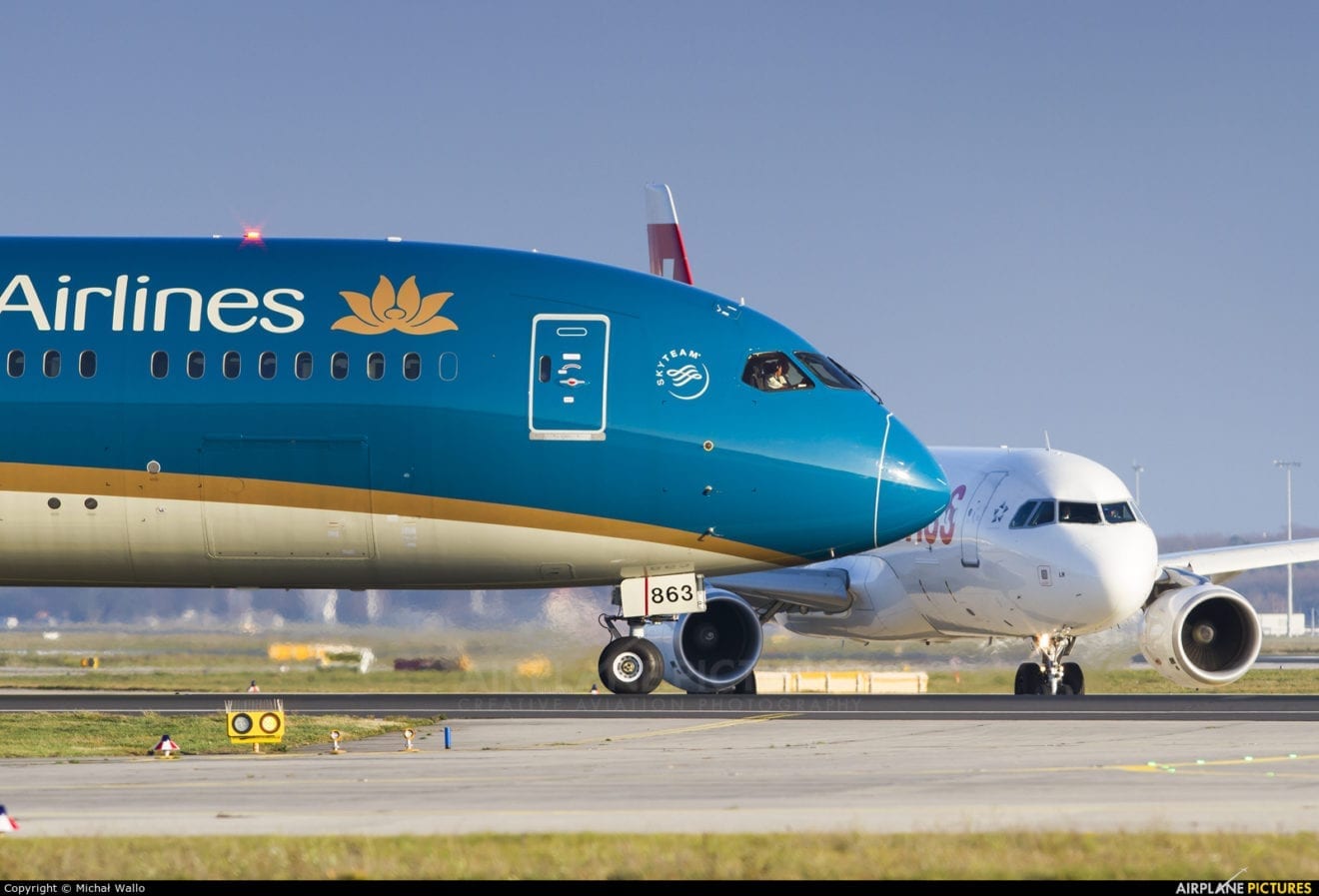
    Vietnam Airlines Group, which operates three airlines, targets record revenues of VND80.89 trillion (US$3.18 billion) this year but expects the profit rate to be less than 1%.

    Its first quarter revenues rose by 25% to VND28.27 trillion.

    Amid high demand, the company expects to see international and domestic passenger numbers rise by 20% and 13%.

    High fuel costs are expected to be a drag on profits. The company disclosed to shareholders that if fuel prices increase by $1 per barrel, its costs rise by VND230 billion a year.

    The economic slowdown is causing international travel to recover at a slow pace, while geopolitical tensions show no signs of abating, it said. Its top market, China, is also seeing an extremely slow recovery.

    Many of its debts start falling due in July, posing a financial burden.

    Vietnam Airlines Group, the parent of Vietnam Airlines, Pacific Airlines and Vietnam Air Services Company, plans to sell its stakes in Tan Son Nhat Cargo Service Company this year for VND1.7 trillion.

  • Google Messages is testing an easier way to send multiple images

    Google Messages is testing an easier way to send multiple images

    Google Messages, the default messaging app for most Android devices, offers a reliable and consistent experience when sending text messages. However, compared to other messaging apps, it does lack in certain areas pertaining to multimedia, such as when sending multiple images at once. Thankfully, it looks like Google is working on improving this experience.

    Currently, sending an image from your gallery in Google Messages is a fairly simple process: tap the image attachment icon, pick your photo, and send. The app even has a built-in camera shortcut, so you can snap a photo on the fly. But for those in a rush, the workflow needs refinement. Each new photo requires you to reopen the attachment sheet, negating the time-saving benefits of the in-app camera.

    However, as spotted by @AssembleDebug on X and reported on by Android Police, the latest Google Messages beta (version 20240318 openbeta_dynamic) brings a UI refresh designed for quicker image sharing. In this version, the preview screen of a newly snapped photo shows the biggest change. The button at the bottom right now says “Send,” cutting out an extra step for single images. The bottom left gains an “Add more” shortcut, reopening the attachment sheet for further selections or to use the camera again. This is far easier than saving to your camera roll.

    That said, this change does have its downsides. One curious omission in this beta is the “Edit” option for basic photo annotations. Knowing that the new UI is still being tested, we are hopeful that these tools will be restored prior to making it to the production phase. We need more features added, not taken away!

    Regardless of this small setback, this streamlining is a welcome change for Google Messages. With such broad testing, we can likely expect a stable release soon, potentially bringing back those missing editing tools. While not a huge change, it demonstrates Google’s continued efforts to refine the core messaging experience.

  • Instagram is recommending highly inappropriate content to teens

    Instagram is recommending highly inappropriate content to teens

    If you have a teenager with a phone, you might be perturbed to discover that Instagram has been recommending content of a sexual nature to users as young as 13. This inappropriate content appears on teen’s feeds only minutes after they log in to their accounts. Over seven months ending in June, separate tests conducted by The Journal and  Northwestern University revealed that Instagram parent Meta is not living up to a promise it made this year.

    Back in January, Meta said that it would focus on giving teens an experience on the platform that was more appropriate for their age. As a result, the company said that it would restrict sexually suggestive material. While the company says that users 16 and younger should not be shown sexually explicit content, it appears that Meta is dropping the ball.

    For its tests, both The Journal and Northwestern University computer science professor Laura Edelson created new Instagram accounts listing the age of each subscriber as 13. At first, Instagram sent these accounts videos of women dancing seductively or posing in a way that put an emphasis on their breasts. The accounts skipped other content but watched the videos that were sexually suggestive. As a result, Reels would then recommend content that was even more racy.

    The Journal says that adult sex content creators started showing up on the feed for the 13-year-old user after only three minutes. After less than 20 minutes of watching the Reels videos for the test accounts, they were full of promotions from these creators with some offering to send nude photos to Instagram subscribers willing to interact with their posts. The testing revealed that the short-form video platforms belonging to TikTok and Snapchat did not deliver the same sexually-focused content to underage users. A TikTok spokesman said, “We err on the side of caution,” and noted that teen subscribers have a limited pool of content that they can view.

    Northwestern University’s Professor Edelson said, “All three platforms also say that there are differences in what content will be recommended to teens. But even the adult experience on TikTok appears to have much less explicit content than the teen experience on Reels.” While most of the testing took place from January through April, this month the Journal once again opened an account for a fake 13-year-old who watched only videos about women recommended by Instagram. After a half hour, the account was being sent videos about anal sex.

    Meta, as you might expect it would, shrugged off the results of the tests as not being representative of the overall experience of teens on Instagram. Spokesman Andy Stone said, “This was an artificial experiment that doesn’t match the reality of how teens use Instagram.” The spokesman added, “As part of our long-running work on youth issues, we established an effort to further reduce the volume of sensitive content teens might see on Instagram, and have meaningfully reduced these numbers in the past few months.”

    An internal analysis conducted by Meta in 2022 and reviewed by the Journal revealed that Meta knows that Instagram shows more pornography to teens than its adult users. The report showed that teens saw three times the number of posts containing nudity, 1.7 times the number of violent posts, and 4.1 times the number of posts showing bullying than those over 30 viewed.

    Meta’s own internal analysis suggested that to resolve the problem, Meta build a separate recommendation engine for teens. So far, there does not appear to be any plan to do this. Part of the reason why teens are seeing such content is due to how the algorithm works. Content is recommended to users based on the type of content they view the most and linger over for the longest period of time.

  • 1Password boosts account security with new recovery codes feature

    1Password boosts account security with new recovery codes feature

    1Password, the popular password management app, has announced a new feature called recovery codes designed to make it easier for users to recover their accounts. This new feature is part of the company’s ongoing commitment to improve the user experience.

    The new recovery codes will allow users to regain access to their 1Password account even if they forget their master password or lose their Secret Key. Before recovery codes, if users forgot their master password or lost their Secret Key, they would be locked out of their account and unable to access their data. This caused frustration and stress for both users and 1Password support.

    With recovery codes, users can create a unique code that can be used to regain access to their account. The code can be generated from within the 1Password app for Mac, Windows, Linux, iOS, Android, or 1Password.com, and should be stored in a safe and secure location.

    Recovery codes are reusable and will remain valid after they’re used. If a user recovers their account with a recovery code, they will be asked to create a new master password and will receive a new Secret Key. The new Secret Key will be used to log in to the 1Password account on all devices.

    1Password has stressed that the introduction of recovery codes does not change the security of 1Password accounts. The company claims that the recovery process is safe and requires two separate steps to complete: email verification and the recovery code. That said, Secret Keys are not going away, and recovery codes are intended to be used only if the user forgets their master password and/or loses their Secret Key.

    Family Organizers of 1Password Families accounts will still be able to recover accounts for other family members. However, recovery codes will give family members an additional option to regain access to their accounts themselves.

    According to 1Password, millions of people trust the company with their sensitive information. As such, the introduction of recovery codes is a welcome addition to provide peace of mind to its users.

  • Tuna exports expected to grow by 20% in H1

    Tuna exports expected to grow by 20% in H1

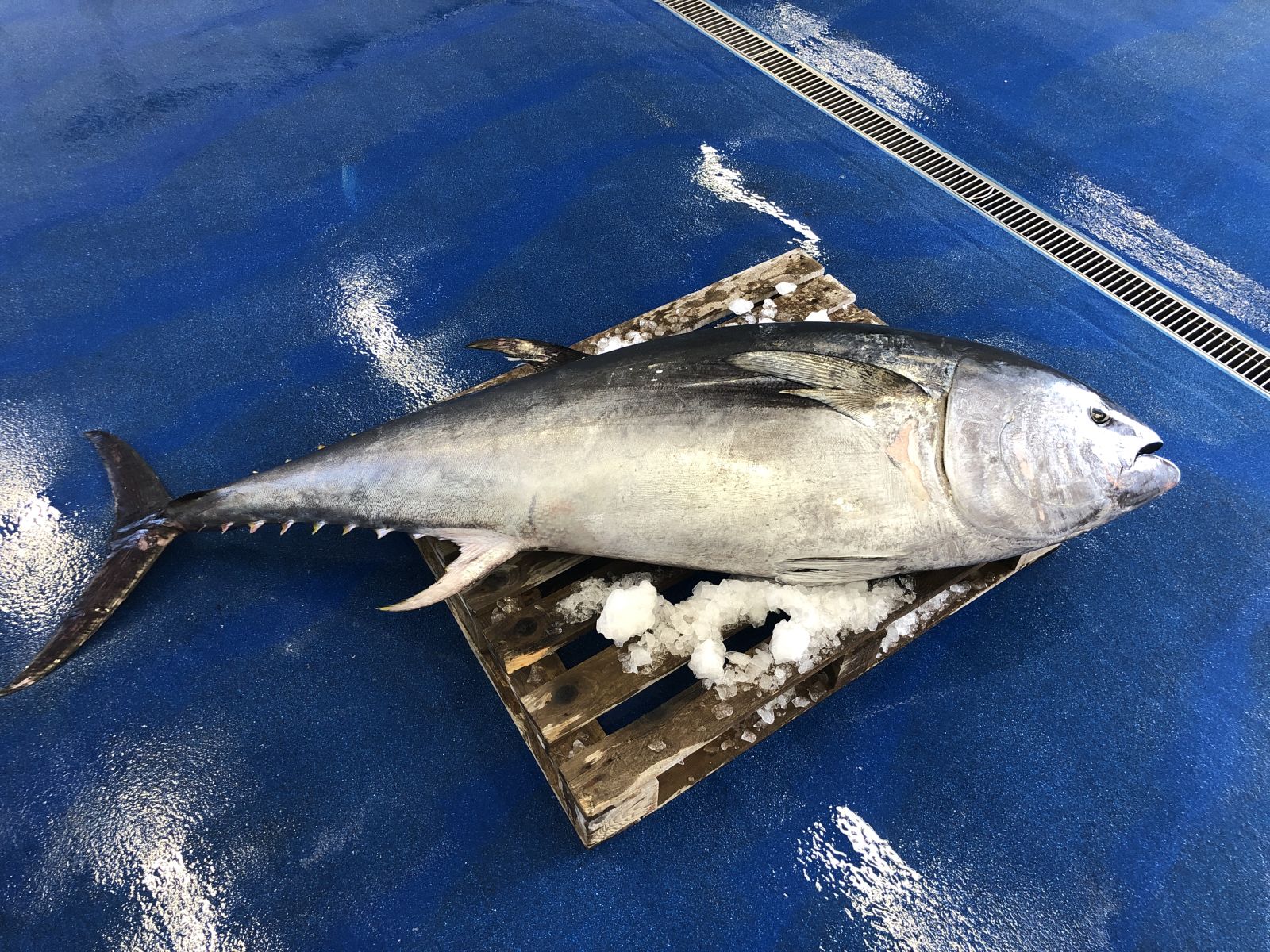
    According to the Vietnam Association of Seafood Exporters and Producers (VASEP), tuna exports are projected to reach US$456.8 millio in the first half of 2024, a 20% year-on-year increase.

    After decreasing in 2023, exports rose by 22% in the first five months of the year to $388 million.

    Shipments of canned tuna products, bagged tuna and frozen loin/fillet increased by 44%, 24%, and 7%. Exports of frozen whole tuna nearly tripled.

    Exports to most markets increased, with those to the U.S. and the E.U., the two largest, rising by 30% and 37% and accounting for 37% and 22% of total exports.

    Exports to Israel, Russia and the Republic of Korea rose by 64%, 58% and 66%.

    Speaking at the association’s annual general conference in HCM City on June 10, Cao Thị Kim Lan, Director of the Binh Dinh Fisheries Joint Stock Company, said in 2023, Vietnam became the world’s 5th largest exporter of tuna behind Thailand, Ecuador, Spain, and China, rising from the 8th place 10 years ago.

    She said exports could reach $1 billion again this year if the raw material shortages are resolved. More than 50% of exports are processed from imported tuna.

  • How livestreaming is taking over Vietnam e-commerce

    How livestreaming is taking over Vietnam e-commerce

    At the time GUMAC, the fashion company Van founded, was a small startup in HCMC, but seeing the potential of the new sales method, the then-CEO began to livestream eight to 10 hours each day.

    With hundreds of thousands of viewers watching some sessions, his brand grew quickly and allowed him to open 30 new stores within a year.

    Van never dreamed that, eight years later, livestreaming on social media would become one of the most successful marketing tools in Vietnam.

    Shops started to first come across livestreaming when it became a Chinese trend in 2016 after e-commerce giant Alibaba launched Taobao Live, a streaming platform that worked like TV shopping but allowed two-way real-time interaction between sellers and buyers.

    Taobao proved a success with nearly US$14 million in sales through livestreams and videos in 2018, and 34% of viewers making purchases.

    “Vietnamese picked up the trend quickly,” Chu Xuan Duc, chairman of digital media company DC Media Global, says.

    Vendors turned Facebook Live into a distribution channel, taking advantage of the large number of social media users.

    In a typical livestream one or two sellers would introduce a large number of products along with discounts and say the name of the customers who have made a successful order.

    “I was addicted to livestreaming,” Van, who livestreamed three sessions a day for three years, says.

    At one point he coughed blood due to overwork.

    Three years after Facebook Live was launched, e-commerce platforms began to see the potential of livestreaming and created their own versions of it, with Lazada making the first move, followed by Shopee and Sendo.

    But though these platforms made shopping through livestreaming easier, they were unable to take advantage of the large number of users on Facebook.

    TikTok saw the opportunity and launched its shoppertainment feature TikTok Shop in 2022 allowing sellers to reach millions of users via livestreaming.

    Nguyen Lam Thanh, policy director of TikTok Vietnam, says his platform provides a continuous experience for users who do not need to leave the app to shop.

    Owners of businesses also found it much easier to sell via TikTok compared to traditional marketing platforms.

    Nguyen Phuong, founder of fashion brand GUNO, says: “Thanks to TikTok’s livestreaming feature, I was able to make my brand so popular that there were times when I could not fulfill all the orders.”

    After a year of livestreaming on TikTok, GUNO’s monthly revenues surged 20-fold.

    Within a few months GUNO became one of the 10 best-selling vendors on TikTok Shop.

    In its most successful session, which had over 3,000 viewers, the company sold VND2 billion worth of goods.

    TikTok Shop has now surpassed Lazada in the number of vendors and is the second biggest e-commerce platform in Vietnam in terms of revenues behind Shopee.

    Duc says TikTok is able to retain users because it does not allow rewatching of livestreams, which means users lose the opportunity to get discounts if they do not turn on the app.

    The influence of reviewers and opinion leaders also plays a big role in making livestreaming popular.

    Around 53% of Vietnamese consumers are influenced by online communities when making shopping decisions, and 86% want to discover products and buy them on the same platform.

    As livestreaming expanded, big brands in Vietnam felt compelled to join the trend and began to sell expensive smartphones and TVs through this channel.

    Between just December 2023 and March 2024, over 13,000 stores opened on TikTok Shop, including FPT Shop, one of the biggest electronics retailers in Vietnam.

    FPT’s director of commerce, Nguyen The Kha, said the rise of shoppertainment and changes in young people’s shopping habits are among the reasons why FPT Shop sells on social media.

    Young people enjoy interacting directly with sellers on livestreams because it saves them time from going to a store, he says.

    “Livestreaming is turning things upside down in the e-commerce market,” Pham Thao Linh, head of e-commerce at the consumer product division of L’Oreal Vietnam, the biggest cosmetics company in the country, says.

    Some unknown brands have attained popularity in no time while established brands struggle to catch up with changes, she says.

    Big brands often have many protocols on how to advertise their products and they are inflexible in following social media trends, she adds.

    Traditional companies that want to dive into livestreaming often partner with opinion leaders and social media influencers, she says.

    One such company sold 1,000 products in two minutes during a livestream session, which was unprecedented for it, she says.

    The rise of livestreaming and social media shopping has created new jobs in Vietnam.

    Duc says there are over 400,000 content creators on TikTok and many “streamers,” people who broadcast livestreams.

    Pham Ngoc Duy Liem, cofounder of streaming service provider GoStream, says top streamers make VND200-300 million for a session plus commissions.

    While there are many streamers who work for legitimate companies, some admittedly take advantage of livestreams to sell fake goods.

    Nguyen Hong Son, a lecturer at Hanoi Law University, says strea

  • Gasoline prices move up

    Gasoline prices move up

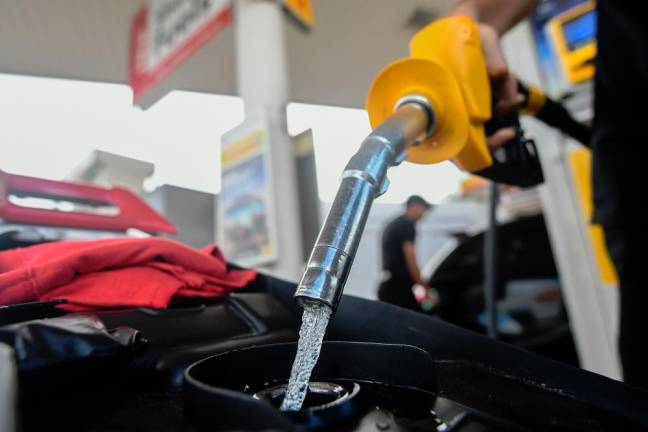
    Gasoline prices rose for the second week in a row Thursday afternoon.

    The popular fuel RON05 went up 1.03% to VND22,460 ($0.88) per liter. Biofuel E5 RON92 rose 0.89% to VND21,500.

    Diesel increased by 3.66%.

    Globally fuel prices were affected by rising tension in the Middle East and Ukraine’s repeated attacks on Russia’s oil storage, regulators said.

    Gasoline added 1.3% while oil increased by 2.4-4.3%. RON95 is now at $92.7 per barrel and oil $98.9.