Author: Mei Ling Tan

  • Shopee admits to violating Indonesian monopoly laws

    Shopee admits to violating Indonesian monopoly laws

    Indonesia’s antitrust agency on Wednesday said in a statement that e-commerce firm Shopee had admitted to having violated a monopoly rule for its courier service in Indonesia.

    The agency also said Shopee has agreed to make adjustments to its operating practices.

    Shopee did not immediately respond to a request for comment regarding the agency’s statement.

    The agency, known as KPPU, had accused Shopee’s local unit of violating anti-competition rules by directing customers to use certain delivery services, one of which has a Shopee Indonesia executive on its board of directors.

    Shopee, the market leader in Indonesia’s fast-growing e-commerce sector, is owned by Southeast Asian technology firm Sea Ltd.

    Aside from Shopee, KPPU was also investigating the local unit of another e-commerce platform Lazada, the Southeast Asian arm of Alibaba.

  • Bitcoin Disciples on the Road to Freedom

    Bitcoin Disciples on the Road to Freedom

    Julian Assange is a free man after 12 years of embassy asylum and prison. To some, he is a hero and martyr fighting for democracy and press freedom; to others, he is a dangerous traitor. His story, and that of the Wikileaks platform, is closely intertwined with Bitcoin.

    Wikileaks founder Julian Assange has pleaded guilty to one charge in a U.S. court on the island of Saipan in the Northern Mariana Islands, a U.S. overseas territory. Now he is a free man and has since arrived in his homeland of Australia.

    The story of Assange and Wikileaks is closely linked to the cryptocurrency Bitcoin. In 2010, Assange released a flood of military documents through the platform, which had been provided to him by analyst Bradley Edward Manning (now Chelsea Manning). These documents revealed numerous human rights violations by the U.S. Army in Iraq and Afghanistan, sparking a storm of sanctions, including financial ones.

    By 2013, all of Assange’s accounts and credit cards were frozen. The rescue came in the form of Bitcoin. Only through the cryptocurrency was the whistleblower platform able to continue operating.

    Along with the media storm that ensued, Bitcoin was reported on for the first time outside of geek media. Just months later, the figure of Satoshi Nakamoto, who is considered the inventor of the cryptocurrency, disappeared without a trace.

    To this day, it is not definitively clear who or how many people are behind the name. «It would have been nice to get this attention in another context,» reads one of Nakamoto’s last posts. WikiLeaks has kicked the hornet’s nest, and the swarm is headed towards us.

    Assange was also an early fan of Bitcoin. He saw a connection between the artificial currency and his ideology that civil society must organize itself outside and apart from existing structures. Bitcoin is a revolution, he wrote in 2011. Cryptocurrency is the «true Occupy Wall Street» and one of the most interesting developments on the internet.

    From then on, Wikileaks preferred to collect donations in Bitcoin. These played a significant role in the years-long tug-of-war over Assange’s fate. According to a report , Wikileaks benefited from the strong increase in Bitcoin value in recent years.

    For his chartered flight journey, which will take him from London via a stopover in Bangkok and Saipan to his homeland of Australia, Assange will owe the Australian government 520,000 dollars, his wife Stella Assange said on social media. A crowdfunding platform has been set up for that goal.

  • Mattel to make most of its range colorblind accessible by year’s end

    Mattel to make most of its range colorblind accessible by year’s end

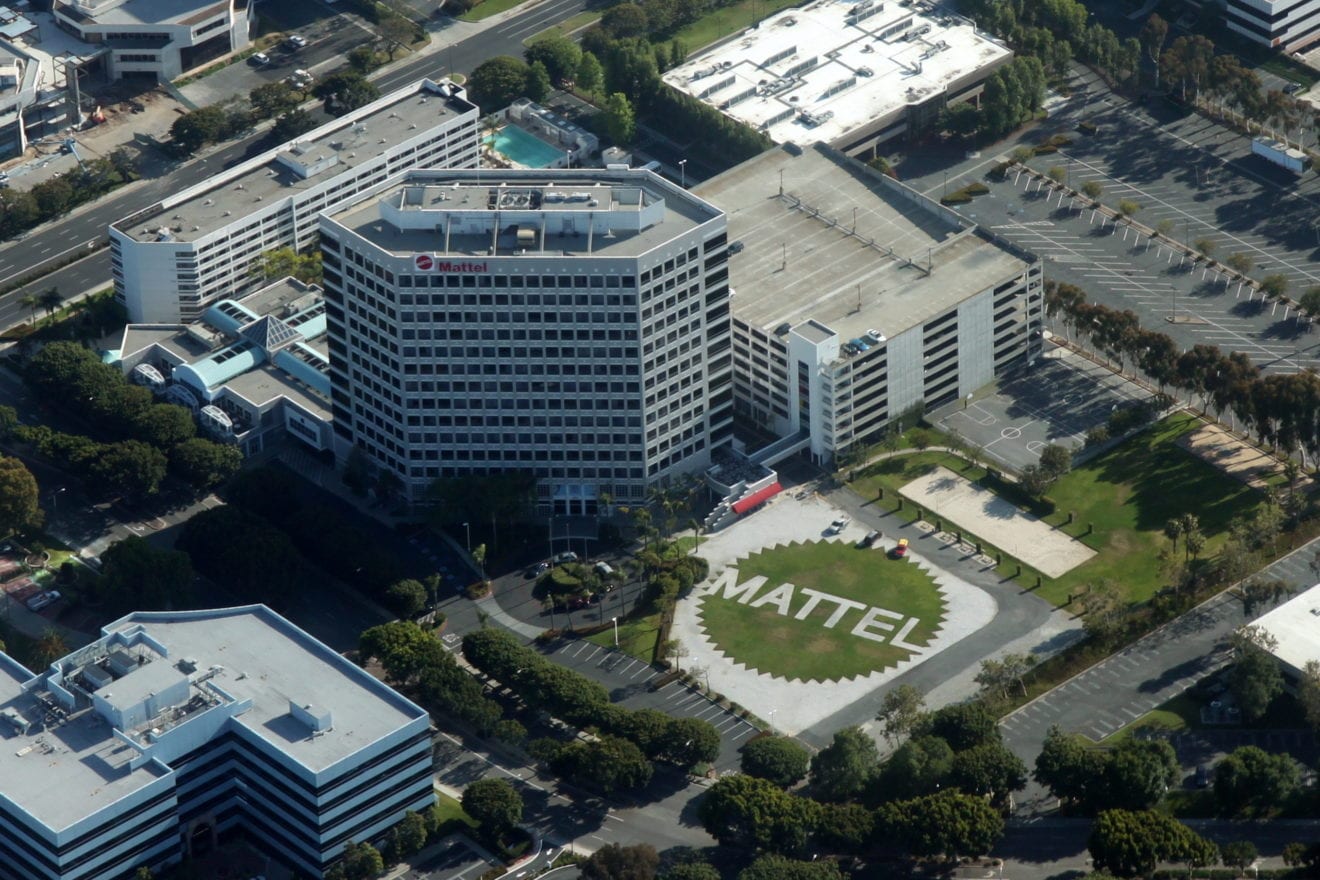
    Mattel says 80 per cent of its game portfolio will be colorblind accessible by the end of the year and 90 per cent by next year, as part of the brand’s commitment to creating more inclusive play experiences.

    To produce these new portfolio-wide changes, Mattel has collaborated with specialists in the field of color vision deficit and colorblind individuals. The debut follows the launch of Uno ColorADD in 2017, which was developed for colorblind people.

    “At Mattel, we are proud that our portfolio of games continues to bring people together – transcending languages and cultures – and this initiative to offer more colorblind accessible games is another proof point on our inclusivity journey,” said Ray Adler, VP and global head of games at Mattel.

    “We’re proud to help spread awareness for the colorblind community and make our products accessible for more people, so that all fans can come together and enjoy universal gameplay.”

    Mattel will donate colorblind-accessible games to local YMCA summer camps across the US. According to the brand, the donation will be a resource in celebrating this milestone and empowering children to attain their full potential via inclusive play.

    Mattel, founded in 1945, is a global toy retailer that owns brands including Barbie, Hot Wheels, Fisher-Price, and American Girl.

  • WFS and Singapore Airlines extend cargo handling partnership for launch of new flights to London Gatwick Airport

    WFS and Singapore Airlines extend cargo handling partnership for launch of new flights to London Gatwick Airport

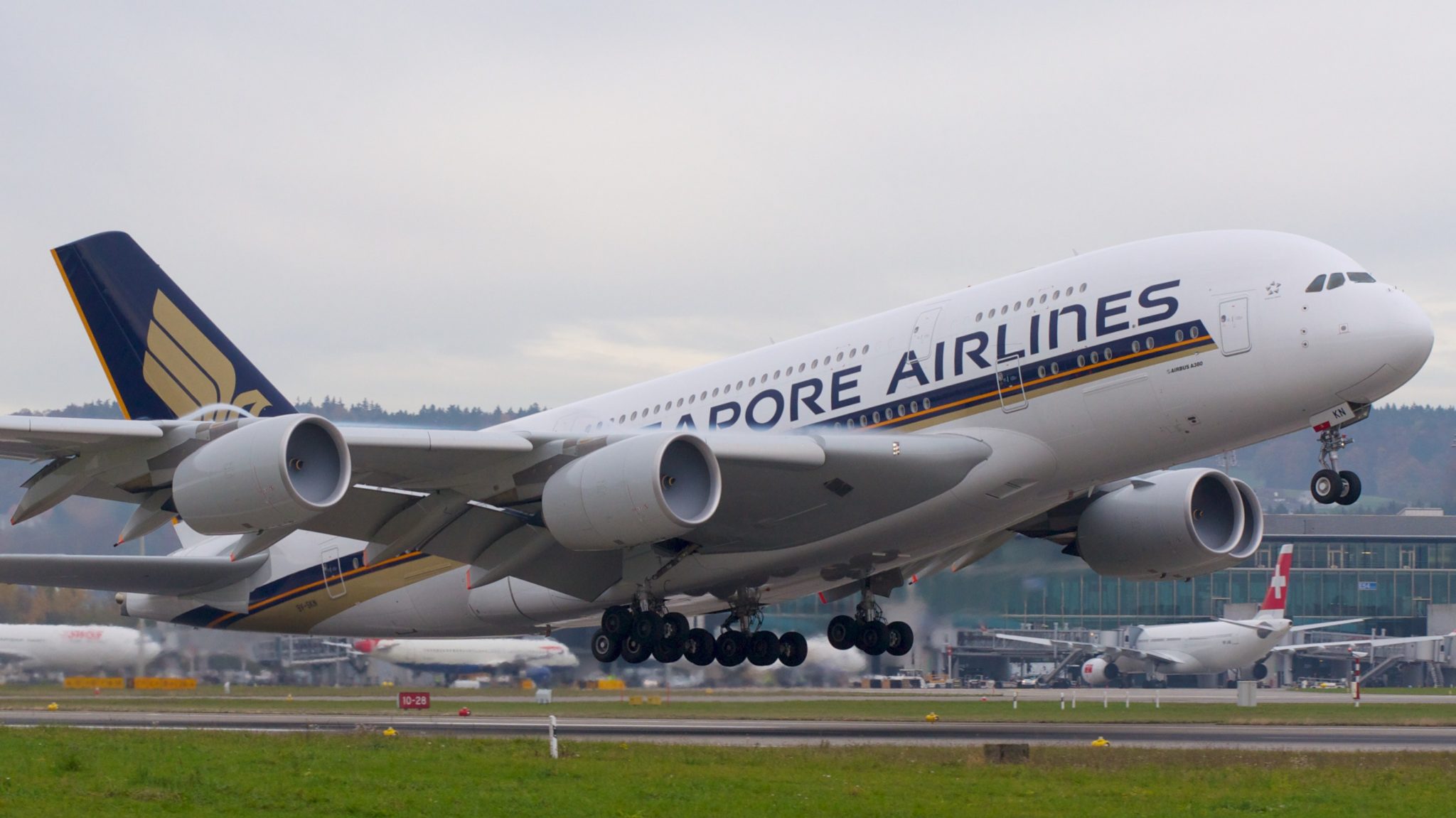
    Worldwide Flight Services (WFS), a member of the SATS Group, has been awarded three-year cargo handling contract extensions with Singapore Airlines in the United Kingdom, France, and Belgium.

    In the UK, in addition to renewing its cargo handling and UK domestic road feeder services with WFS at London Heathrow and Manchester airports, Singapore’s national carrier is also partnering with WFS for cargo handling at London Gatwick Airport for the launch this month of five Airbus A350-900 direct flights a week connecting to Singapore Changi Airport.

    In Paris, the new 3-year contract will extend WFS’ service to Singapore Airlines in France to over 40 years, having commenced in 1986 at Paris Charles de Gaulle Airport. Singapore Airlines is also renewing its commitment to WFS in Brussels, where the two companies have worked together since 2021.

    “We are proud to be growing our relationship with Singapore Airlines and to be supporting the airline’s global reputation for service excellence. As part of SATS Group, WFS is now able to offer an end-to-end cargo handling solution on these routes, which leverages the uniqueness of our partnership and ownership,” commented John Batten, Chief Executive Officer, Europe, Middle East, Africa, and Asia (EMEAA) at WFS.

  • HKIA reports continuous growth in passenger and cargo volume in May

    HKIA reports continuous growth in passenger and cargo volume in May

    Airport Authority Hong Kong (AAHK) released the air traffic statistics for Hong Kong International Airport (HKIA) for May 2024. During the month, HKIA handled 4.07 million passengers and 29,855 flight movements, marking year-on-year increases of 30.8% and 34.5%, respectively.

    Mainland China’s Labour Day “Golden Week” holidays starting at the end of April had contributed a significant traffic growth among all passenger segments in May. Traffic to and from Southeast Asia, Mainland China, and Japan recorded the most notable boosts during the month.

    Cargo throughput saw a year-on-year increase of 19.0% to 416,000 tonnes in May. HKIA has continued to record double-digit year-on-year growth in cargo volume each month this year. Export traffic remains the main driver of the growth, recording a 30.1% increase compared with the same month last year. Among key trading regions, cargo traffic to and from North America, Europe and the Middle East increased most significantly during the month.

    For the first five months of this year, the airport handled 21.0 million passengers or 58.9% higher than the low base during the same period in 2023. Flight movements also increased 50.5% year-on-year to 145,140, while cargo volume rose by 18.0% year-on-year to more than 1.9 million tonnes.

    On a 12-month rolling basis, passenger volume was 47.3 million, marking an increase of 157.9% comparing with the previous comparable period. Flight movements increased by 76.3% year on year to 324,805, as cargo throughput also grew 13.1% year-on-year to 4.6 million tonnes.

    In terms of route development, HK Express Airways inaugurated a new direct flight service linking HKIA and Sanya Phoenix International Airport, Hainan on 10 May. With four pairs of flights each week, the new route provides more choices for travellers visiting Hainan.

    Meanwhile, HKIA’s “Marine Ecology and Fisheries Enhancement Strategy” project won the highest Platinum Award in the ACI Green Airports Recognition 2024, in the biggest airport capacity category of over 35 million passengers per annum. Organised by the ACI Asia-Pacific & Middle East, the award recognises airports with outstanding achievements in biodiversity and nature-based solutions.

    Peter Lee, General Manager, Sustainability of AAHK said, “We are honoured to receive this award, which commends our voluntary and continuous efforts to explore and enhance local marine biodiversity and fisheries resources around HKIA and North Lantau waters.  The efforts, namely eco-enhancement of seawall designs, deployment of artificial reefs and shellfish reefs, and fish restocking, were first investigated by experts, with pilot tests following on intended to determine the viability and real-world value of promising enhancements.  With positive biodiversity impacts identified, we are in the process of scaling up these initiatives around HKIA, and importantly, these nature-based efforts will serve as a useful reference for future implementation by others across broader Hong Kong waters.”

  • Pattern Forecasts Unprecedented Sales Surge for Amazon’s World-First 6-Day Prime Sales Event in Australia

    Pattern Forecasts Unprecedented Sales Surge for Amazon’s World-First 6-Day Prime Sales Event in Australia

    In a world first, Prime Day Australia will run for six days this year (Tuesday, July 16 at 12.01am AEST to Sunday, July 21), with significant growth predicted for 2024, according to new research from global marketplace leader, Pattern.

    Data from Pattern shows that the number of consumers participating in Prime Day increased by 33% in 2023, with strong sales growth predicted again for this year’s event, with the brands Pattern Australia represents expecting to more than double sales.

    Boasting approximately 4.5 million Amazon Prime subscribers in Australia, Prime Day sales grew 103% year-on-year for the brands Pattern Australia represents on the platform in 2023. These brands also saw a 62% increase in traffic compared to the previous Prime Day event.

    In 2023 Pattern reported 61% of the event’s sales came through on day one for the brands they represent on the platform. This demonstrates pent-up demand for the sales event, with consumers looking to secure their purchases as soon as possible.

    “Prime Day has cemented itself as a major sales event in the Australian retail calendar. A surge in Amazon memberships, along with last year’s impressive Prime Day results, indicates that Prime Day 2024 will be bigger than ever, presenting local brands with opportunities to grow sales and connect with new customers,” said Merline McGregor, Managing Director of Pattern Australia.

    Amazon Prime Membership Growth

    Uptake of Amazon Prime memberships in Australia has seen a significant surge, according to a recent marketplace shopper study. The percentage of consumers with access to Prime services has steadily increased from 31% in 2021 to 45% in 2024. Despite a price hike in 2023 from $7.99 to $9.99 per month, the growth of Amazon Prime membership has not slowed.

    “Strong levels of subscriber growth highlight the value Australian consumers find in Amazon Prime, especially in a time when Australian consumers are becoming increasingly strategic with their spending, and eagerly awaiting major sales events like Prime Day to make their purchases,” said McGregor.

    “Although consumer spend may be pressured, Pattern research indicates Amazon may be more resilient than other shopping channels. Only 18% of Amazon shoppers say they will reduce their spend this year, versus 24% for all online shoppers.”

    Prime Day 2024: Marketplace Opportunities for Brands

    In preparation for Prime Day 2024, consumer research also highlights key product categories capturing shopper interest. A majority of consumers (60%) indicated they are interested in purchasing Home & Kitchen products from Amazon, followed closely by Electronics & Computer (57%) and Books & eBooks (55%), Clothing, Shoes & Accessories (52%) and Sports, Fitness & Outdoor Products (51%).

    “These key product category findings provide valuable guidance for brands looking to maximise presence and sales during Prime Day 2024,” explained McGregor. “As Prime membership and sales events continue to grow in popularity in Australia, it is essential for brands to recognise and act on these trends to create meaningful connections with new customers and drive sustained ecommerce success.”

    Prime Day Product Discoverability Opportunities

    Prime Day presents brands with powerful opportunities to introduce their products to new consumers. Pattern’s research shows that 39% of people who discover a new product on Amazon also often visit the brand’s direct-to-consumer (DTC) website for further information about the brand. Additionally, consumers are 19% more likely to purchase a similar product from an unfamiliar brand on Amazon rather than searching for the desired brand or item on another platform.

    “The ability of brands to capture the attention of shoppers on Amazon underscores the platform’s influence in reaching a wider customer-base, and the importance of leveraging popular sales events like Prime Day. Moreover, the significant traffic driven to DTC websites from Amazon demonstrates the importance of a cohesive online presence. Brands need to leverage both marketplaces and their own websites to create a seamless shopping experience and build stronger customer relationships,” concluded McGregor.

    For more information and to download the full report please click here: ‘Australian Marketplace Consumer Trends Report – 2024’

  • Chinese traders eager to buy Hoang Anh Gia Lai’s durian from Laos

    Chinese traders are looking to buy durian from Vietnamese agriculture giant Hoang Anh Gia Lai three months before its first harvest of the fruit.

    The company’s 1,200 hectares of durian in Laos has many five-year old trees, each producing 20-30 fruits of between two and four kilograms.

    Around 200-300 hectares are set to yield ripe fruits in August, but traders have already been inquiring, starting last month, the company’s chairman, Doan Nguyen Duc, said.

    “We have yet to sell because we are waiting for better prices as harvest season nears,” he told VnExpress in an interview.

    He expected the company to earn revenues of VND200 billion (US$7.9 million) from 2,000 tons of durian this year and possibly VND1 trillion next year.

    Hoang Anh Gia Lai has hired 10 durian experts from Thailand as consultants, and they will visit every year to ensure quality.

    Duc said the Chinese durian market is set to become more competitive with Malaysia successfully negotiating a deal to export fresh durian to it.

    But there is potential for export to other markets such as the U.S., India and Japan, he said.

    In Vietnam, his company has 60 ha of durian that are set to fruit for a second year.

    It eyes revenues of VND7.7 trillion ($302 million) this year, up 20.3% from last year, mainly from durian, banana and pork.

  • Motorola launches new “moto tag” tracking tag for Android

    Motorola launches new “moto tag” tracking tag for Android

    Motorola has officially announced the launch of its new Bluetooth tracking tag called “moto tag” that will help users keep track of their valuable items. The tag leverages the power of the Google Find My Device network and UWB technology to pinpoint the exact location of tagged items from almost anywhere in the world.

    The moto tag is designed to work seamlessly with most Android smartphones and integrates with Motorola’s device ecosystem. It can be attached to keys, wallets, luggage, or any other valuable item, giving users peace of mind knowing they can easily locate their belongings if they are lost or misplaced.

    One of the key features of the moto tag is its enhanced privacy and security. It works with Google’s Find My Device network, which is secure by default and private by design. User location data is end-to-end encrypted, ensuring that only the tag owner or someone they have shared the tag with can view its location. The moto tag is also compatible with automatic unknown tracker alerts across Android and iOS, helping protect users from unwanted tracking.

    The moto tag also features a dedicated multifunctional button that can ring a misplaced smartphone, capture photos on a Motorola phone, or perform other customizable actions. Below are some of its most notable features and specs:

    • Leverages Google Find My Device network and UWB technology
    • Compatible with most Android smartphones
    • Enhanced privacy and security with end-to-end encryption
    • Dedicated multifunctional button for various actions
    • Sleek design compatible with third-party accessories
    • IP67 water and dust resistance
    • CR2032 battery with one-year lifespan
    Motorola has partnered with Google to ensure a seamless user experience. Due to this, setting up the moto tag is easy with Google Fast Pair, and users can customize various options within the moto tag app. Erik Kay, Vice President of Engineering at Google, expressed pride in working with partners like Motorola to make finding belongings simple and seamless on Android.
    Erin Kay, Vice President of Engineering at Google
    Motorola has not yet announced specific pricing or release dates for the moto tag. However, it’s been reported that the Bluetooth tag will go on sale on August 2nd for $29 or for $99 if you desire a four-pack. It’s looking like Chipolo and Pebblebee will be getting some competition.
  • YouTube’s latest experiment adds Shorts to Smart Downloads

    YouTube’s latest experiment adds Shorts to Smart Downloads

    YouTube Premium users are now able to automatically download recommended Shorts for offline viewing through a limited-time experiment. The feature, called “Smart Downloads” has been around for some time for regular long-form videos. Now, it is also available for Shorts.

    The feature is currently being tested with YouTube Premium users and allows them to download recommended Shorts to their devices automatically. Users can enable the feature by going to the Your Premium benefits section in the YouTube app and selecting the Try experimental new features option. Once enabled, the feature will automatically download recommended Shorts based on the user’s recent viewing history.

    It’s important to note that currently you can only have one YouTube Experiment active at a time. For example, I currently have the YouTube Redesigned Watch Page experiment active until July 8th, which means that me signing up to try out the new Smart Downloads for Shorts would automatically remove me from the other experiment.

    This new feature appears to have been available to some users as early as April, but it has now been rolled out to a wider audience. YouTube Premium members can try out the feature until July 15.

    Smart Downloads has been available for regular YouTube videos for some time, and it allows users to automatically download recommended videos for offline viewing. The feature is designed to help users save data and watch videos when they don’t have an internet connection.

    YouTube is constantly experimenting with new features and ways to improve the user experience. Smart Downloads for Shorts is just one of the many new features that the company is testing, and whether it becomes a permanent feature or not likely depends on user feedback. This means that if you are interested in having a feature like this available for Shorts, make sure to sign up for it to make it known to the powers that it’s worth keeping.

  • Google is making a noticeable change to Search on the desktop and on mobile devices

    Google is making a noticeable change to Search on the desktop and on mobile devices

    According to Search Engine Land Google is about to do one of the most Googley things possible to the continuous scrolling feature found on Google Search results both on the desktop and mobile devices. Starting today, Google has removed users’ ability to continuously scroll through desktop Search results. Later this month, it will do the same thing and end infinite scrolling on mobile Search results.

    Instead of continuous scrolling for Search results on the desktop, users will press a button that says “Next” at the bottom of the page to see more results. On mobile, the infinite scrolling will be replaced by a “More results” button. Google actually has a reason for making this change instead of dropping a feature for no reason at all, something that the company has often been accused of doing.

    Google claims that by making this change, it will be able to deliver more search results faster instead of automatically loading search results that users haven’t requested and have no interest in seeing. Google also discovered that allowing infinite scrolling of search results didn’t result in higher satisfaction scores for Google Search. Continuous scrolling debuted on the desktop in December 2022 after starting on mobile search in October 2021.

    Suppose you own a website and your site doesn’t appear on the first page of a search result. In that case, you now might see fewer visitors from Google Search since a user would have to make the decision to press the “Next” button on the desktop or the “More results” button on a phone to continue to see additional results beyond the first page. Or, desktop users can jump to a specific page using Google’s iconic pagination controls which allows a user to jump to pages one through 10 by tapping on the page number desired.

    I have yet to notice any change to the desktop version of Google Search which continues to scroll continuously. As we said, the mobile version of Search is supposed to be updated before June comes to an end.

  • Philippines lowers rice import tax to 15%

    Philippines lowers rice import tax to 15%

    The Philippines, one of the world’s largest rice buyers, has announced a reduction in rice import taxes from 35% to 15%, effective from early this August through 2028.

    This can be seen as the latest action by the Philippine government to tackle inflation, especially increasing rice prices in the market so far this year.

    In the first quarter of 2024, the Philippines’ economy was relatively stable, except for the price increase of some essential consumer goods, particularly rice, which saw an increase of about 24.4%. The rice prices account for approximately 9% of the Consumer Price Index (CPI) of the Southeast Asian country.

    According to the Vietnam Trade Office in the Philippines, Vietnam’s largest buyer to date, accounting for over 80% of the total rice imported into the Philippine market.

    As of May 23, Vietnam exported 1.44 million tons of rice to the Philippines, accounting for 72.9% of the country’s total grain imports. The Philippines’ reduction of the rice import tax is said to increase opportunities for Vietnamese rice in the market.

    Latest data from the Department of Agriculture’s Bureau of Plant Industry, the Philippines’ total rice imports rose by 20.3% to 1.97 million tons in the reviewed period. The country’s total rice imports are estimated to reach about 4 million tonnes in 2024.

  • Vietnam Stock Exchange posts first profit decline

    Vietnam Stock Exchange posts first profit decline

    Vietnam Stock Exchange, which operates the country’s two main bourses, saw profit dropping 8% to VND1.92 trillion ($75 million) last year, its first decline since establishment.

    The operator of Ho Chi Minh Stock Exchange and Hanoi Stock Exchange saw revenue falling 10.5% to VND3.06 trillion.

    92% of its revenue came from stock transaction services.

    Around 60% of its revenue and profit were recorded in the second half of the year when VN-Index recovered rose 20% between May and August.

    The Vietnam benchmark closed the year 12% higher.

    Vietnam Stock Exchange was stablished in 2020-end and began operation in mid-2021. It is entirely owned by the Ministry of Finance.

  • Luckin Coffee to launch in Malaysia

    Luckin Coffee to launch in Malaysia

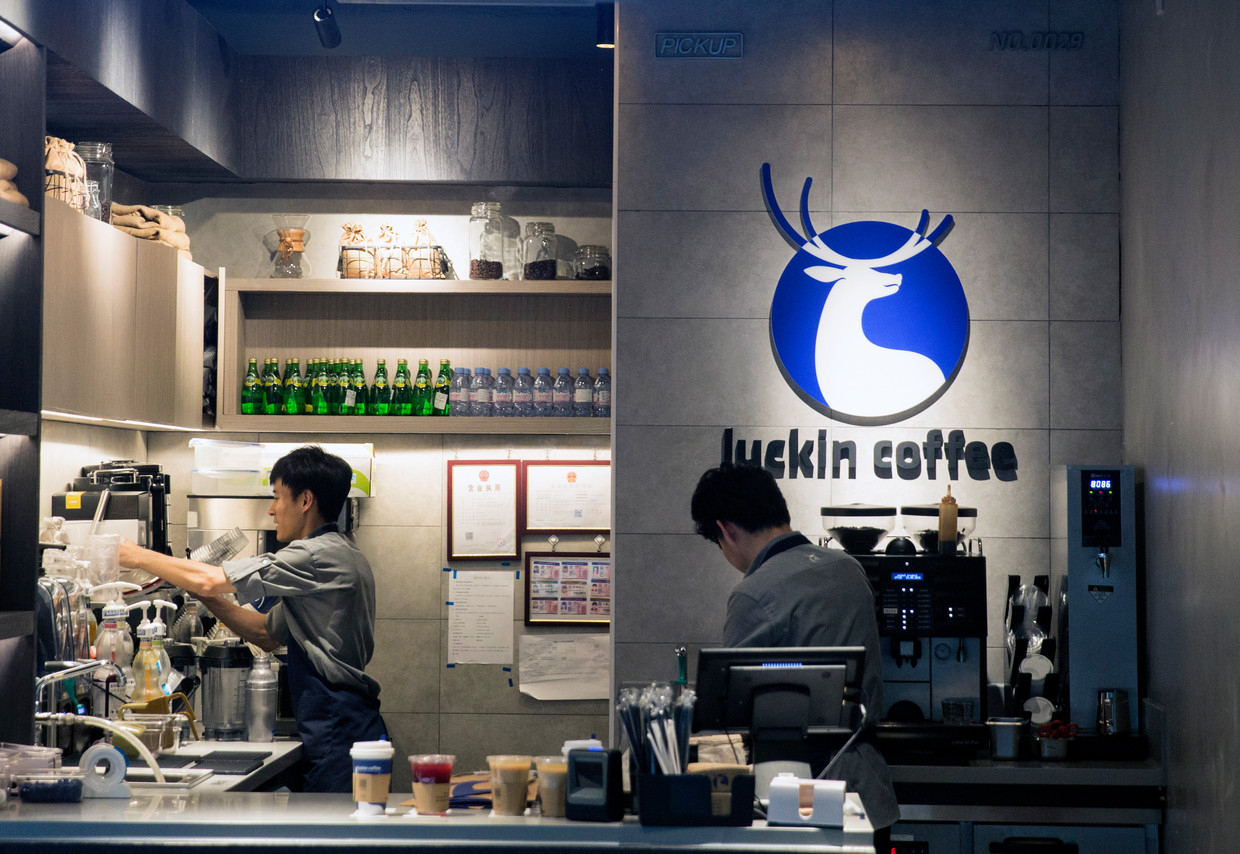
    Chinese chain Luckin Coffee will launch its first location in Malaysia, its second overseas market after Singapore.

    According to local sources, the launch is in collaboration with a Bursa Malaysia-listed company. Luckin Coffee intends to grow its market footprint over the next five years, with stores opening nationwide.

    Luckin Coffee, founded in 2017, is one of the fastest-growing coffee chains, surpassing Starbucks as China’s largest.

    The brand operates more than 18,000 stores in China and 32 locations in Singapore.

    Last year, Luckin Coffee sold more than 5.42 million cups of the alcohol-infused latte it launched with Kweichow Moutai on its first day of business, setting a new sales record for the Chinese coffee company.

    In May, the coffee company stated that its first-quarter revenues increased 41.5 percent yearly to US$869.5 million, owing to increased product sales and additional shop openings. The coffee business opened 2342 net new outlets over the year, including two in Singapore, bringing the total number of stores to 18,590 by the end of March.

  • Sasa International’s annual profit surges 276 percent

    Sasa International’s annual profit surges 276 percent

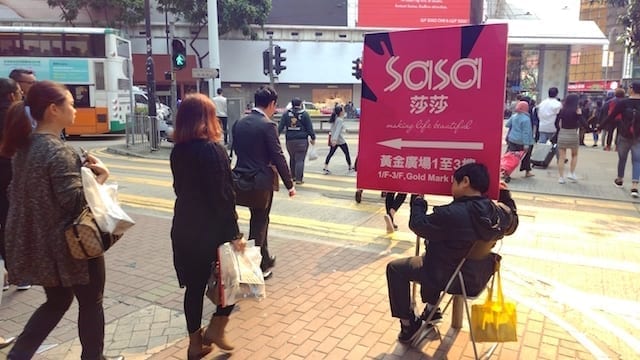
    Sasa International‘s annual attributable profit surged 275.8 percent to HK$218.9 million (US$28 million), as mainland Chinese tourists returned as the borders between Hong Kong, Macau, and Mainland China reopened.

    During the year, turnover rose 24.8 percent to HK$4.37 billion as sales in Hong Kong and Macau, its largest market, soared 31.4 percent to $3.41 billion.

    Mainland China sales grew 9.7 percent to $581.6 million, but Southeast Asia sales fell 1.7 percent to $365.8 million.

    Sales in other markets swelled 126.1 percent to $10.4 million.

    Moving forward, the beauty retailer is looking to introduce exclusive brands via livestream platforms in Mainland China to improve the company’s gross margin profile. It is also planning to expand in Hong Kong and is looking at high-traffic malls in Malaysia and Singapore.

    The company maintains a cautious outlook for China amid continued geopolitical tensions and said it has to consolidate its position in the region before making further moves.

    However, in the early weeks of the new financial year—from April 1 to June 16—the company’s turnover declined 9.5 percent year over year to $812.5 million.

  • Indonesian coffee brand Tomoro Coffee plans expansion in the Philippines

    Indonesian coffee brand Tomoro Coffee plans expansion in the Philippines

    Indonesian coffee chain Tomoro Coffee has announced a US$10 million investment to expand its presence in the Philippines.

    According to World Coffee Portal, Tomoro Coffee aims to establish 100 stores in the country by the end of this year.

    The first Tomoro Coffee store in the Philippines opened in April at the Wynn Plaza apartment complex in Manila. Since then, the chain has opened five sites in the country, including a three-story flagship location at Far Eastern University this month.

    Tomoro Coffee, which boasts more than 500 outlets in Indonesia since its launch last August, is aggressively pursuing international growth.

    Its recent milestones include debuting in China last year, in Singapore in February, and opening a roastery in Jakarta in May.

    The brand plans to produce 2400 tonnes of coffee annually to support its expansion.

    “We are pleased to announce our expansion into the Philippines and are committed to providing fresh coffee to our customers regularly,” said Tomoro Coffee.

    “This marks a significant step in our journey to reach 1000 stores across Southeast Asia within the next 12 months.”

    Tomoro Coffee is actively seeking franchise partners to facilitate its expansion.