Author: Mei Ling Tan

  • DHL Express leads the way in electrification of ground fleet at Brussels Airport

    DHL Express leads the way in electrification of ground fleet at Brussels Airport

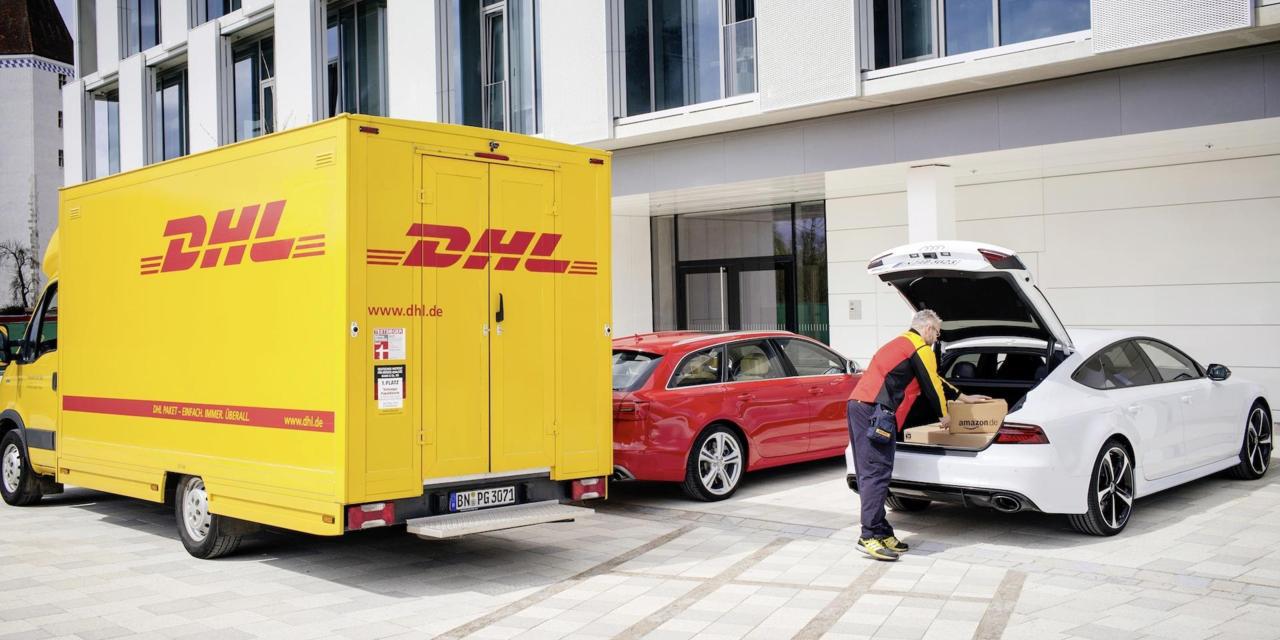
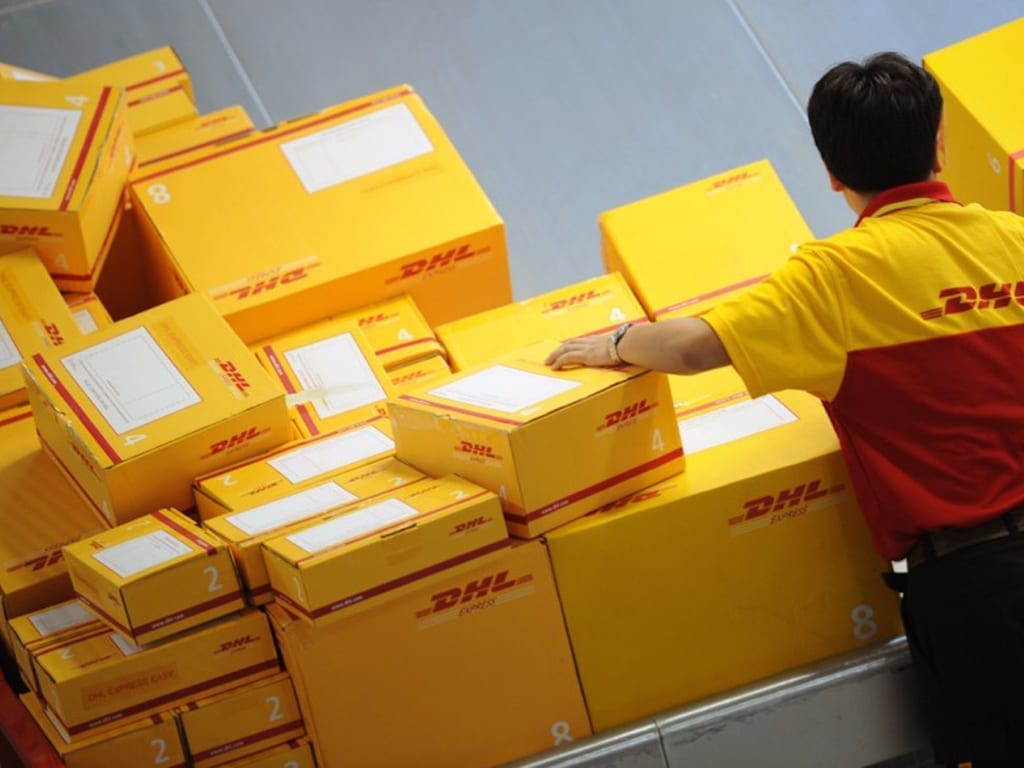
    As part of the Stargate project of Brussels Airport, DHL Express leads the way in the field of electric ground-handling equipment. Following a successful test phase, one in three tractors and loaders of DHL Express that sorts and transports time-critical shipments from Brussels Airport, will be fully electric this summer. The cargo transporter’s crew buses and tarmac cars are already one hundred percent electric. This investment is a first step for DHL Express towards reducing its CO2 footprint on the ground by more than half. The necessary charging infrastructure will be provided, both on the tarmac, by Brussels Airport, and at its own buildings.

    Over the past days and weeks, express carrier DHL has put eleven electric tractors (which can tow up to four cargo containers) and thirteen electric container lifts, belly loaders and pushbacks into operation at Brussels Airport.  And that is just the beginning, for in the coming months and years, DHL Express aims to develop a fully electric ground fleet in phases at the airport, with machines that are both more sustainable and quieter than their diesel counterparts. And of course, the electric charging stations will follow.

    ‘Electrifying a third of the ground equipment in just a few weeks – that’s quite a feat by our technical department. A heavy electric tractor or a high loader for an aeroplane are not exactly the kind of vehicles you take along to the garage. All the maintenance and training is carried out by DHL employees, now including that of the new electric tractors and chargers. From now on, we will continue to expand our electric ground fleet in phases; the fossil fuel machines will be systematically phased out and will soon be a minority.’ – Kirsten Carlier, CEO of DHL Aviation.

    DHL Express is being supported in the investments by the Stargate project, a Brussels Airport project with a consortium of 21 partners, including DHL Express, which has been awarded subsidies under the European Green Deal to develop projects for greener aviation.  In a first phase, DHL Express committed itself under the Stargate project to invest in a test project for electrical ground-handling equipment. The company has now significantly stepped up this effort, by electrifying a third of its ground-handling equipment in one go, intending to remain a leader in the electrification of its ground fleet at Zaventem in the coming years.

    ‘We are pleased that we are taking the next important step in the electrification of ground-handling equipment within our Stargate project, and that DHL Express is taking the lead. This can drastically reduce both CO2 emissions and the noise impact of ground operations, which is important for both staff and local residents. We will, of course, help to provide the necessary charging points on the tarmac. We will also be testing hydrogen-powered ground handling equipment within Stargate, in order to see which infrastructure is needed for this too, so that we can support all our partners in their evolution towards more sustainable ground handling equipment,’ says Arnaud Feist, CEO of Brussels Airport.

    With the commissioning of eleven tractors and thirteen loaders and lifts, DHL Express already has by far the largest electric ground fleet at Brussels Airport. Emissions from ground-handling equipment account for 55 percent of the total CO2 footprint of DHL Express ground operations. Full electrification therefore means halving their CO2 emissions.

    Electric ground handling equipment may be available fully electrically powered, but what about the aircraft themselves? That’s a very logical and important question, according to DHL, which has an ambitious sustainability programme underway to make both time-critical shipments and last-mile deliveries greener.

    ‘Our focus is very clear – to reduce CO2 emission. Can it be done tomorrow? No, it needs to evolve, while we are making every effort worldwide to make aviation greener. We believe in a pragmatic approach, with honest and clear communication. An electric cargo plane, such as a Boeing 777 or Airbus A350, is still a long way off. Probably not even for the next decade, unfortunately. The problem is that the batteries would be too heavy for a cargo plane. The development of alternatives will require research and time. What is possible in the short term are smaller types of aircraft, for shorter distances. According to the current planning, DHL will put twelve e-cargo air freight planes into service in 2027. Who knows, maybe these electric planes may soon be flying at Brussels Airport too.’ – Kirsten Carlier, CEO of DHL Aviation.
  • Lufthansa Cargo launches freighter operations from Munich

    Lufthansa Cargo launches freighter operations from Munich

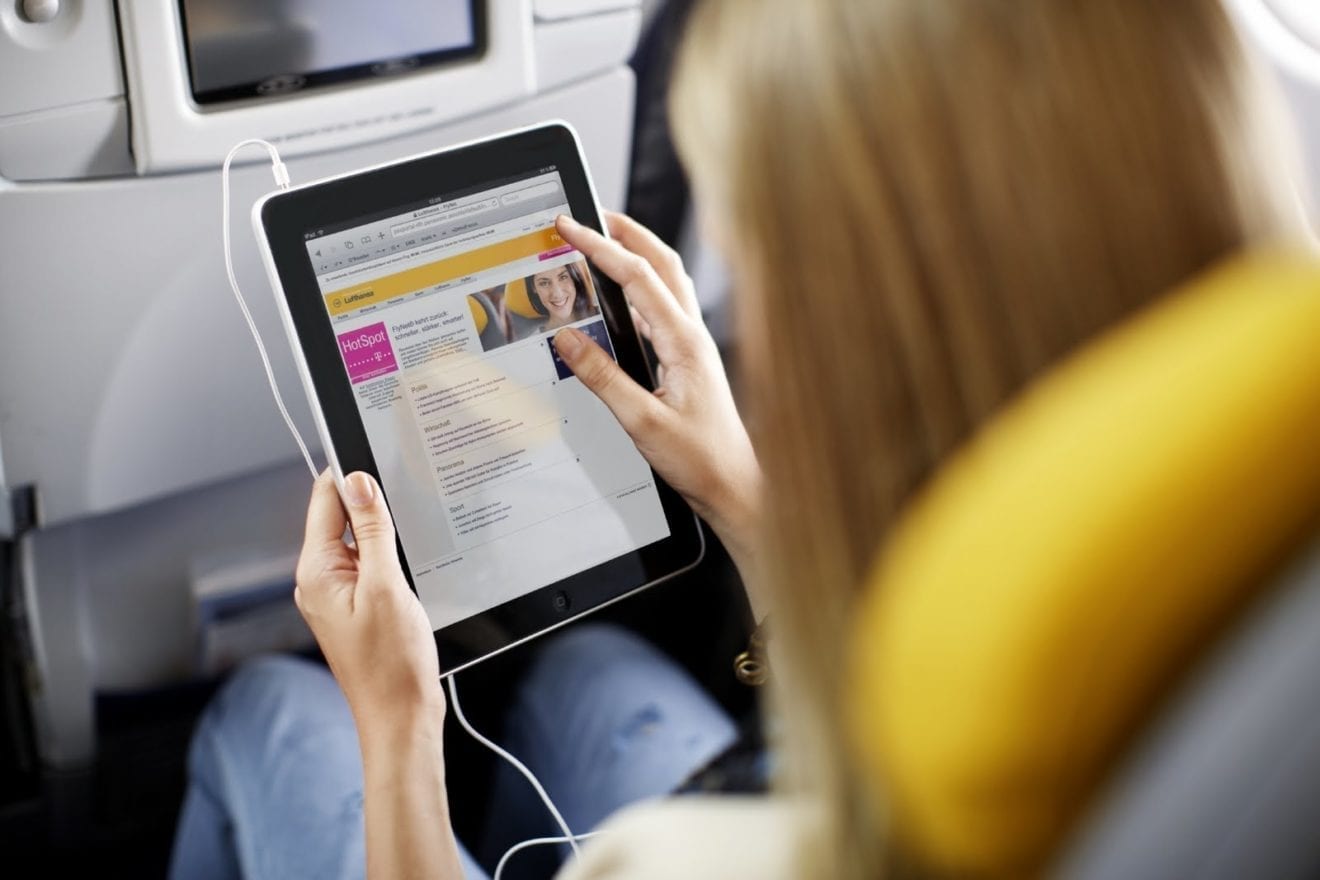
    Lufthansa Cargo is expanding its operations at the southern German hub and will be operating freighters from the hub for the first time from 6 July 2024. An A321 freighter will connect Munich with Istanbul Airport twice a week, complementing the existing belly network from Munich. The new freighter connection is planned every Saturday and Sunday with flight numbers LH8350 / LH8351 and LH8346 / LH8347. Lufthansa Cargo customers can book their shipments on the new route with immediate effect.

    “We are looking forward to offering our customers this new freighter connection, which makes our global network even more attractive. For our southern German customers in particular, Munich Airport offers ideal conditions for the fast and reliable transportation of air freight, which ultimately also enables global business from another important European airport. With the launch of our cargo operations out of Munich, we are laying the foundation for aligning our network even more closely with the needs of our customers in the future and continuing to manage it flexibly,” explains Ashwin Bhat, CEO of Lufthansa Cargo.

    Jost Lammers, CEO of Flughafen München GmbH: “The launch of regular cargo flights to Istanbul by Lufthansa Cargo is very good news for the Bavarian export industry and for Munich Airport. Above-average growth rates in the current year have already shown that Munich Airport is also becoming increasingly important as a hub airport for cargo. The attractiveness of Munich Airport as a cargo location will now receive a further boost through Lufthansa Cargo’s commitment.”

    Lufthansa Cargo operates its hub in Munich on a total area of 38,000 m². Among other things, the state-of-the-art CEIV-certified Pharma Hub MUC, in which temperature-sensitive pharmaceutical products can be stored and handled under optimal conditions, is integrated into the premises. This means that the carrier can also transport almost all product and goods groups via Munich. Until now, these have mainly been transported from the Bavarian capital to destinations all over the world via the belly capacities of Lufthansa, Brussels Airlines, Discover Airlines, Austrian Airlines and SunExp

  • Korean Air selects Air Incheon as preferred bidder of Asiana Airlines’ freighter business

    Korean Air selects Air Incheon as preferred bidder of Asiana Airlines’ freighter business

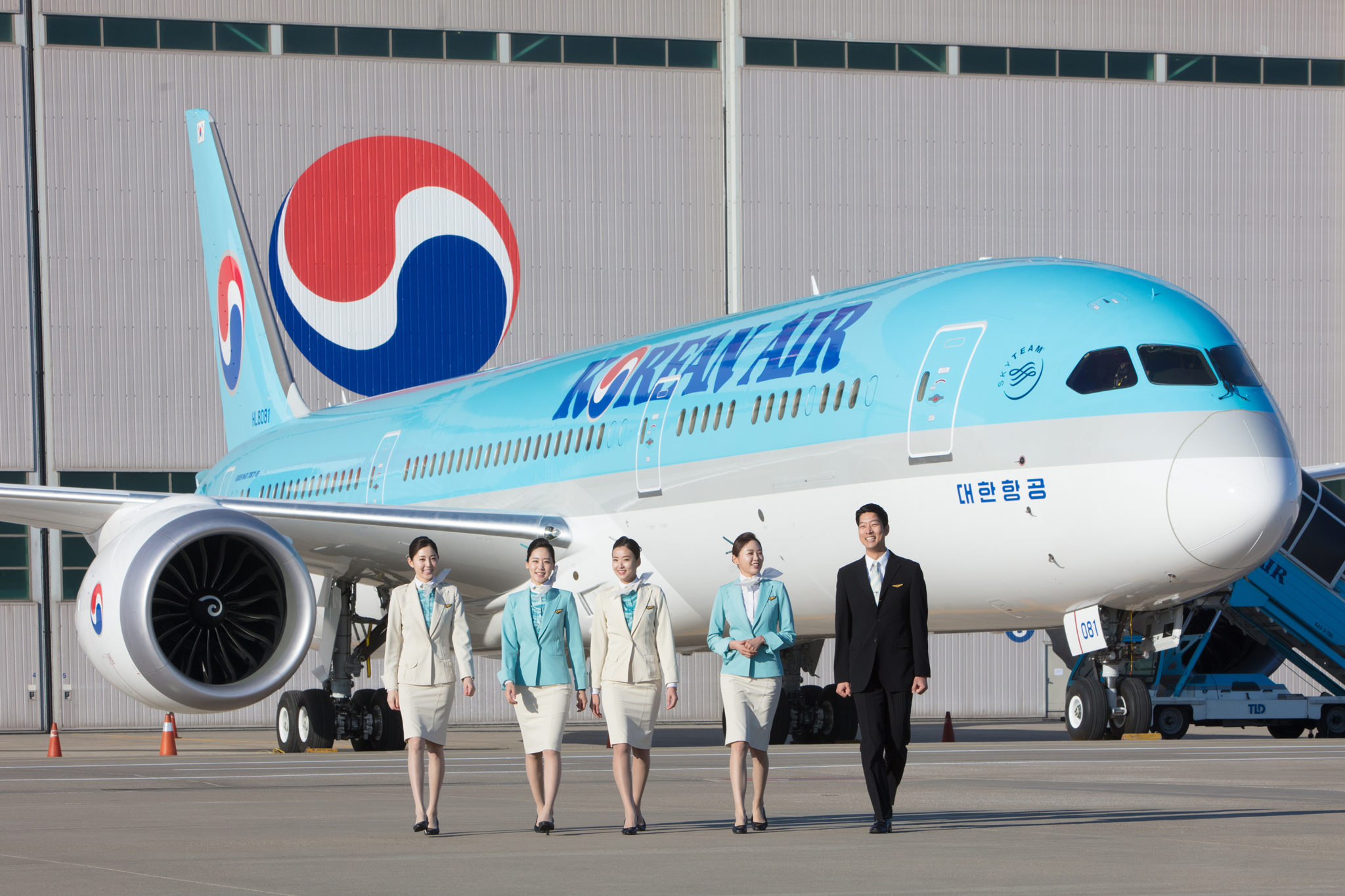
    Korean Air has selected Air Incheon as the preferred bidder for the sale of Asiana Airlines’ global cargo freighter business. The decision was made at the Board of Directors meeting held on June 17.

    Korean Air selected Air Incheon as the preferred bidder based on several key criteria: the certainty of completing the transaction, the ability to maintain and enhance long-term competitiveness of the air cargo business, and the capability to mobilize funds through a competent consortium.

    Founded in 2012, Air Incheon is Korea’s only all-cargo airline, with operations focused in Asia. Air Incheon is expected to strengthen its competitiveness by utilizing Asiana Airlines’ long-haul network to the Americas and Europe, and fleet of larger cargo aircraft.

    Korean Air plans to sign a framework agreement with Air Incheon in July after agreeing on the contract conditions. The agreement is subject to review by the European Commission.

    “The preferred bidder was selected through a comprehensive evaluation of all factors crucial to the growth of the air cargo industry, a key national industry, while maintaining the existing competitive environment,” said a Korean Air representative. “We are committed to quickly finalizing the sales process through flexible negotiations, and completing the acquisition of Asiana Airlines.”

  • Grinders Coffee unveils new look after a decade

    Grinders Coffee unveils new look after a decade

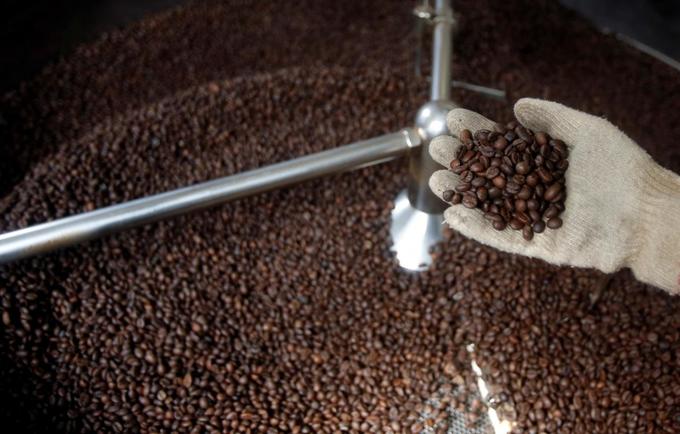
    Grinders Coffee has unveiled new packaging design and branding – its first change in more than a decade.

    The new look features artwork on premium products such as Crema, Espresso, Rich Espresso, and Organic, and includes a new slimline pack for the 200g grind.

    ”The new premium packs have illustrations on the side that speak to the Grinders philosophy, connecting each of our major pillars through a fun and light-hearted attitude,” said Burcu De La Cruz, marketing manager at Grinders Coffee.

    According to the brand, the launch reflects its commitment to sustainability, reflecting community demands.

    Grinders Coffee, based in Melbourne, is one of Australia’s largest coffee roasters. The brand specialises in roasting beans with a rich fragrance and aroma. Last year, Grinders Coffee launched Cafe-Q, a premium coffee bean variety, in supermarkets.

  • Lychee prices triple at season end as poor harvest squeezes supply

    Lychee prices triple at season end as poor harvest squeezes supply

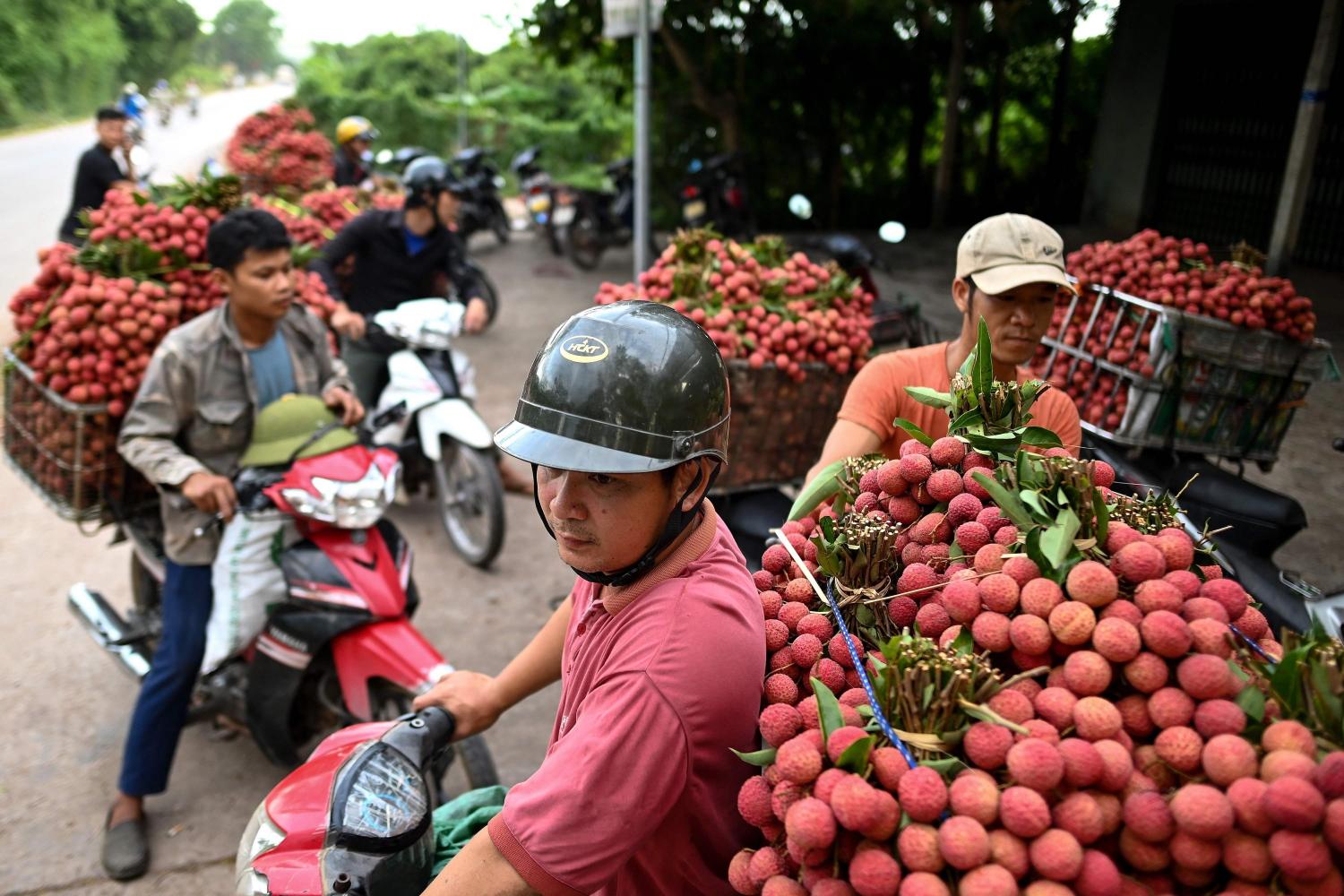
    Retailers are selling end-of-season lychees at up to VND180,000 (US$7.1) per kilogram, thrice the price a year ago, due to a poor harvest.

    They are not as plentifully available as in previous years in HCMC and cost VND165,000-180,000 at premium stores and VND85,000-96,000 at large retail chains like MM Mega Market and Winmart.

    Some supermarkets have run out of stock while others are selling the fruit in very limited quantities at VND120,000-135,000.

    Lychee output took a nosedive this year. In Bac Giang Province’s Luc Ngan District, a major producer of the fruit, lychee farmer Nguyen Thi Hien had expected her output to decrease by 30% this year, but she said it has dropped by 60%.

    She sold her last half a ton at VND80,000 per kilogram, the highest price she has got in her life.

    According to the Luc Ngan People’s Committee, even buyers and processing facilities in the district have been struggling to source lychees. While farmers usually have to transport the fruit to markets, traders are buying right at the farm gate this year, it said.

    Similarly, in Hai Duong Province’s Thanh Ha District, another large lychee grower, farmers have reported significantly lower harvests.

    One of them, Giang, said he has only managed to harvest three tons this year, down from last year’s 11. Despite the unprecedented prices he incurred losses due to the poor harvest, he said.

    Hoang Anh, a lychee merchant in the northern region, said Thanh Ha District is almost out of lychees and she is only able to procure them from Luc Ngan. The fruit is in great demand this year, both domestically and internationally, she said.

    Demand from China, the biggest consumer of Vietnamese lychees, has increased since that country also had poor harvests, while southern Vietnam has consumed a lot more lychees this year, she said.

    She was only able to buy enough to meet 50-70% of the orders she received.

    An MM Mega Market spokesperson said the falling supply has caused prices to increase towards the end of the season unlike in previous years when they would decline.

    MM signed an agreement with Bac Giang farmers at the start of the season to buy 100 tons of the fruit this year, but it now seems difficult given the poor harvest, they added.

    Central Retail, which operates the GO! supermarket chain, also said it might not be able to buy 300 tons of lychee as it had previously planned

    According to statistics from the Bac Giang Department of Industry and Trade, farmers in the province have harvested 67,000 tons so far this year.

    Around 43,000 tons have been consumed domestically, and the rest has been exported, the department said.

    China bought 23,800 tons of the remaining 24,000 tons. Japan, the U.S., the EU, Australia, Dubai, and some Southeast Asian countries also imported Vietnamese lychees.

  • Chinese people rush to gold amid uncertain economy, crisis-ridden real estate market

    Chinese people rush to gold amid uncertain economy, crisis-ridden real estate market

    People in China have been turning to gold despite rising prices as the precious metal is deemed the best safe haven asset amid economic uncertainties and a crisis-hit property sector.

    Prices of the yellow metal have gained about 11% in the year to date, Business Insider reported.

    Despite this, Caibai, a renowned jewelry store in Beijing, China, has seen more and more customers, many of whom have no great wealth and only modest savings, buying gold as a way to safeguard their wealth amid economic uncertainties, as reported by French newspaper Le Monde.

    As China struggles to recover from several years of pandemic and reels from a property sector in crisis, gold remains the best safe haven asset for its citizens.

    “It’s reliable. People think it’s the best investment. There was also real estate and the stock market, but today people are hesitant, whereas gold has continued to rise,” Wang Anmei, a salesman at Caibai, explained.

    The demand for safe havens has pushed China’s gold consumption up 5.94% from a year earlier to 308.91 tons in the first quarter of 2024, according to data from the China Gold Association cited by state-owned daily newspaper China Daily.

    The gold rush is not only seen among people in China, but its central bank has also been snapping up the precious metal.

    According to industry association World Gold Council, the People’s Bank of China (PBOC) purchased 225 tons of gold in 2023, the most for a single year since at least 1977.

    This also makes PBOC the world’s largest institutional buyer of gold, the association said.

    The central bank had been snapping up the yellow metal for 18 straight months before pausing last month when spot gold prices hit a record high of $2,449.89 per ounce, official data showed on Friday.

    It had actually started to slow purchases in April, when it bought just 1.87 tons of the precious metal, down from 4.98 in March and 12.1 in February.

    Nonetheless, industry players said that they are expected to resume buying yellow metal once prices ease.

    “They are just waiting and watching. If prices correct to the US$2,200 per ounce level, they will resume again,” David Tait, CEO of the World Gold Council (WGC), told Reuters.

  • WhatsApp beta adds the ability to transfer chat history sans Google Drive

    WhatsApp beta adds the ability to transfer chat history sans Google Drive

    WhatsApp announced many new features and improvements over the weekend meant to enhance the call experience. The ability to share screens with audio and the increase in video call participants are among the most important changes coming to WhatsApp users this week.

    However, if you’re also enrolled in the beta program, you’re getting even more new features. Even though they might not work properly at first, it’s always nice to get a sneak peek into the future.

    The latest WhatsApp beta for Android 2.24.13.6 adds the ability to transfer chat history without using Google Drive. Spotted by WABetaInfo, the new feature doesn’t seem to be ready for testing yet, so even if you’re a member of the beta program, you might not have access to it yet.

    Thankfully, the folks at WABetaInfo discovered the feature and even took a screenshot that reveals WhatsApp does indeed plan to remove the need for have Google Drive to transfer chat history to another phone.

    Although this feature, which seems to be in development, has only been spotted in the Android version of the app, it’s unlikely that iOS users won’t be getting a similar one sooner or later.

    WhatsApp already offers users the option to transfer chat history from their older phones, but the process is not that user-friendly regardless of whether you’re using an Android or iOS device. The new feature is meant to streamline the process of transferring chat history by removing at least one step.

  • VN-Index starts week with a 0.4% drop

    VN-Index starts week with a 0.4% drop

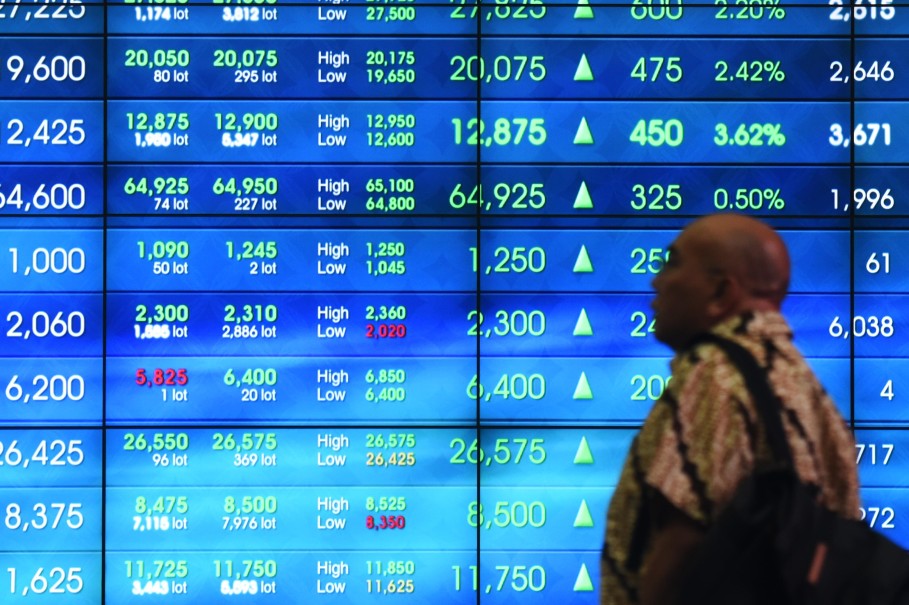
    Vietnam’s benchmark VN-Index fell 0.40% to 1,274.77 points Monday.

    The index closed 5.14 points lower after dropping 21.60 points in the previous session.

    Trading on the Ho Chi Minh Stock Exchange decreased by 22% to VND22.990 trillion (US$903.2 million).

    The VN-30 basket, comprising the 30 largest capped stocks, saw 20 tickers fell.

    MSN of conglomerate Masan Group saw a 2.3% decline, BID of state-owned bank BIDV fell 2.1%, and VIB of private lender VIB closed 2.0% lower.

    Eight blue chips gained. SSB of lender SeABank went up 1.8%, followed by POW of electricity producer Petrovietnam Power Corporation with a 1.5% growth and HPG of steelmaker Hoa Phat Group, up 1.2%.

    Foreign investors were net seller to the tune of VND790 billion, mainly selling VHM of property giant Vinhomes and HPG of Hoa Phat Group.

    The HNX-Index for stocks on the Hanoi Stock Exchange, home to mid and small caps, fell 0.33%, while the UPCoM-Index for the Unlisted Public Companies Market went down 0.01%.

  • WhatsApp rolling out feature that lets you set HD quality as the default for media

    WhatsApp rolling out feature that lets you set HD quality as the default for media

    WhatsApp, one of the most popular encrypted messaging apps, is gearing up for a significant update that could change the way users share media. The app is rolling out an HD quality default setting, a change that could make high-resolution images and videos the new norm.

    This upcoming feature builds upon the app’s previous enhancements in media sharing. In August, WhatsApp introduced an HD image sharing option, followed shortly by HD video sharing. While HD doesn’t equate to uncompressed, it significantly improves the resolution of photos and videos compared to WhatsApp’s standard compression, which can often reduce media quality.

    Previously, users had to rely on workarounds like attaching media as documents to bypass the compression, adding unnecessary steps to the sharing process. The new default setting eliminates the need for such workarounds, making sharing high-quality media seamless and intuitive.

    According to reports from Android Police and beta users, the new default setting has been spotted in WhatsApp’s beta version 2.24.13.10. This suggests that the feature is in its final stages of testing and could be released globally soon. Users can check if they have the option in the app’s settings under Storage and data > Media upload quality.

    While this feature is a welcome addition for many users, WhatsApp does caution that HD quality files can be significantly larger than standard quality files, potentially consuming more bandwidth and storage space. However, for users who prioritize image and video quality, this tradeoff might be worth it.

    The introduction of an HD quality default setting aligns with WhatsApp’s continuous efforts to enhance its user experience and stay competitive. Looking ahead, it’s possible that WhatsApp will further expand its HD media features, however, there’s no official word on when or if these features will be implemented.

  • Apple Pay Later is shut down; replacement is coming later this year

    Apple Pay Later is shut down; replacement is coming later this year

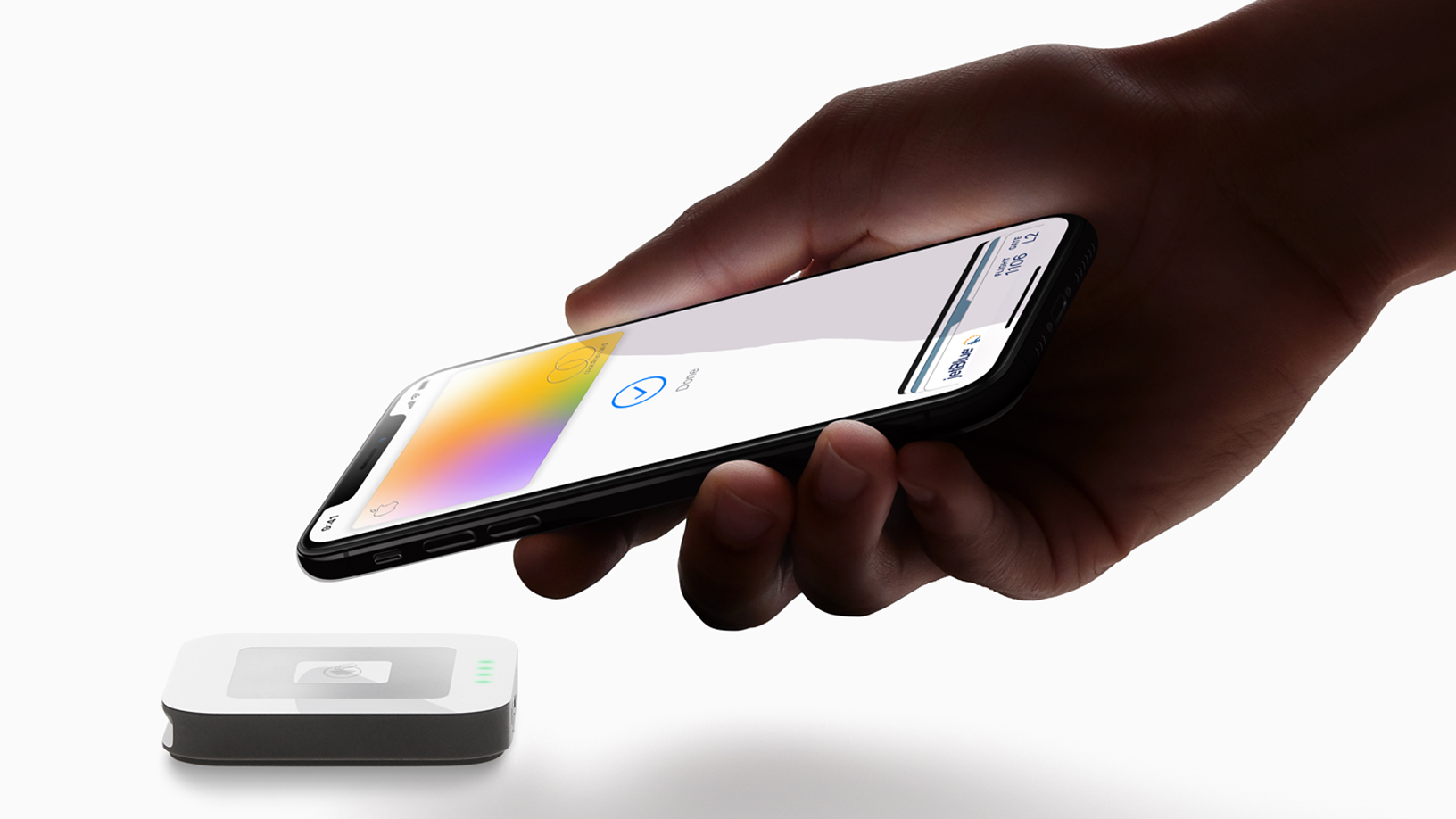
    In March 2023, a preview of Apple Pay Later was unveiled allowing users to borrow from $50 up to $1,000 and repay the debt in four equal amounts over six weeks with no fees or interest charged. By last October, Apple Pay Later was available to all iPhone users. Loans were tracked and payments were made from the Wallet app. Wait, why did we use the past tense when writing about Apple Pay Later? That’s because the feature has been discontinued by Apple starting today. Any loans still open can be paid off via the Wallet app.

    Apple is expected to add new features to Apple Pay later this year including one that will show users installment loans that they can apply for from buy now, pay later firm Affirm, and from credit and debit cards.

    “Starting later this year, users across the globe will be able to access installment loans offered through credit and debit cards, as well as lenders, when checking out with Apple Pay. With the introduction of this new global installment loan offering, we will no longer offer Apple Pay Later in the U.S. Our focus continues to be on providing our users with access to easy, secure and private payment options with Apple Pay, and this solution will enable us to bring flexible payments to more users, in more places across the globe, in collaboration with Apple Pay enabled banks and lenders.”-Apple statement made to 9to5Mac

    While Apple Pay Later was available only to U.S. iPhone users, the new installment loans feature available later this year will be offered in various countries worldwide. During WWDC last week, Apple posted that later this year “The ability to access installments from credit and debit cards with Apple Pay will roll out starting in Australia with ANZ; in Spain with CaixaBank; in the U.K. with HSBC and Monzo; and in the U.S. with Citi, Synchrony, and issuers with Fiserv. Users in the U.S. will also be able to apply for loans directly through Affirm when they check out with Apple Pay.”

    Also looking ahead to later this year, Apple wrote, “Apple Pay introduces even more flexibility and choice for users when they check out online and in-app. Users can view and redeem rewards, and access installment loan offerings from eligible credit or debit cards, when purchasing online or in-app with iPhone and iPad. These features will be available for any Apple Pay-enabled bank or issuer to integrate in supported markets.”

    From the preview in March 2023, Apple Pay Later lasted 447 days. But from the full launch of the service last October, the feature lasted only eight months. My gut feeling is that Apple would rather offer the new installment loans feature coming later in 2024 possibly because it will be available in more countries rather than just the U.S.

  • Decathlon opens first-ever airport retail pop-up at Changi

    Decathlon opens first-ever airport retail pop-up at Changi

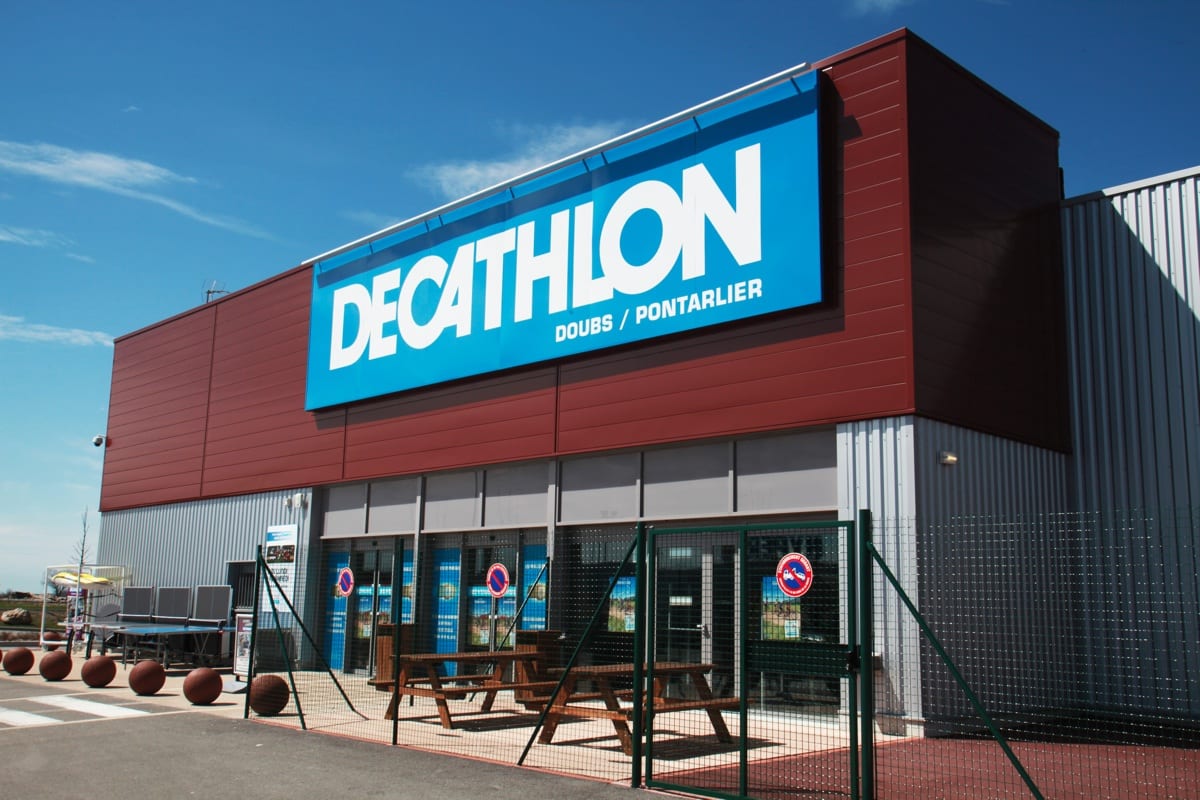
    Decathlon has launched its first global duty-free pop-up at Singapore’s Changi Airport, featuring a curated range of sports and travel goods.

    The pop-up will be open for customers to visit until September 1, located at the Terminal 3 Departure or transit hall.

    The brand says the launch also presents its new logo, “The Orbit,” symbolising its dedication to circularity and progress toward new heights.

    Exclusive Decathlon x Changi branded products, such as sleek travel bum bags, comfortable hiking backpacks, and lightweight microfiber towels, will be available at the pop-up. Trekking pouches and an Easybreath Surface Mask are also featured.

    The brand has also arranged a series of sports challenges from the June 19 to 26, including a Bike Trainer Challenge, Resistance Band Squat Challenge, and Push-Up Challenge.

    Stephan Veyret, CEO of Decathlon Singapore, said: “Decathlon Singapore will be the first in the world to launch a Decathlon pop-up within an airport transit area at the renowned Changi Airport.

    “This hands-on pop-up reflects our commitment to innovation, providing travellers with a unique opportunity to explore and engage with our range of sporting goods.

    “We aim that our collaboration with the Changi Airport Group will encourage and prepare more people to embrace the joys of sports, even while on the move,” Veyret concluded.

  • DHL identifies four ways for companies to bolster supply chain resilience in latest Trend Report “Supply Chain Diversification”

    DHL identifies four ways for companies to bolster supply chain resilience in latest Trend Report “Supply Chain Diversification”

    Amidst the recent developments such as geopolitical crises, attention is increasingly turning to supply chain diversification. Yet, until now, there has been no clear definition and comprehensive framework for this approach. Rising to the challenge, DHL and leading academics have presented a new definition and a versatile model to explain this important and holistic concept in the latest DHL Trend Report, “Supply Chain Diversification”. Supply chain diversification is defined here as a proactive approach where companies incorporate one or several dimensions into their supply chains to minimize risk. This includes multi-shored supply networks, multi-sourcing, parallel modes of transportation, and concurrent or redundant logistics operations. The report also provides tangible customer case examples, enabling companies to assess their diversification level and devise a suitable strategy.

    “The events of the last years have shown us the importance of resilient supply chains and companies adapting their global supply networks accordingly,” says Katja Busch, Chief Commercial Officer and Head of DHL Customer Solutions & Innovation. “At DHL we are committed to supporting our customers in staying resilient in a sustainable way by providing tailored solutions, sharing best practices, and facilitating collaborative initiatives.”

    “This latest DHL Trend Report underscores our aim to be at the forefront of supply chain trends to empower our customers but also businesses across industries,” adds Klaus Dohrmann, Vice President and Head of Innovation and Trend Research at DHL Customer Solutions & Innovation. “We equip companies with the latest research, our industry expertise, tools and logistics solutions needed to bolster resilience, drive agility, improve sustainability, and thus grow their competitive advantage.”

    Illustrative model of the dimensions of supply chain diversification.

    In the novel model developed by DHL in collaboration with Emeritus Professor Richard Wilding OBE, one of the world’s leading experts in Logistics and Supply Chain Management, four dimensions of supply chain diversification are illustrated:

    Dimension 1 – Multi ShoringThis involves spreading manufacturing and supplier locations across different regions or countries to mitigate risks. It includes duplicating manufacturing capabilities and using the same supplier in different locations.

    Dimension 2 – Manufacturing & Supplier NetworkExpanding the network to include redundant suppliers and manufacturing capacities to address financial and operational risks.

    Dimension 3 – Mode of transportation: Utilizing multiple transportation modes simultaneously, covering all stages of transport, including first mile, long haul, and last mile, to diversify routes and reduce risk.

    Dimension 4 – Logistics OperationsExpanding logistics infrastructure to include additional functions like hubs, warehouses, and distribution centers. This may involve adding redundant capacity nearby and outsourcing certain logistics activities for diversification.

  • Google Meet update adds full HD support for recorded meetings

    Google Meet update adds full HD support for recorded meetings

    Great news for Google Meet users, as the app’s latest update brings high definition video support for meeting recording and devices. Google has just announced that full HD video content is now available for recorded meetings in the Meet app.

    This means that Google is increasing the maximum resolution for the speaker’s video feed from 720p to 1080p. Although Meet already supported 1080p recording for presented content, this feature was not available for the speaker’s video feed until this update.

    Besides full HD video content for recorded meetings, the latest update also brings the ability to send full HD video on all computers with 1080p cameras. Keep in mind though that this is disabled by default and requires the user to enable it via the settings menu.

    According to Google, full HD video is only sent when recording is enabled or when one or more users have pinned the 1080p-enabled user on a screen large enough to render the 1080p video feed.

    Google Meet will automatically adjust the resolution if the device is bandwidth constrained, which is important to mention considering that additional bandwidth will be required to send 1080p video.

    The full HD video for meeting recordings is now available for Google Workspace customers with Business Standard and Plus, Enterprise Essentials and Essentials Plus, Enterprise Starter, Standard, and Plus, as well as Education Plus and the Teaching & Learning Upgrade.

    On the other hand, the ability to send full HD video on computers with 1080p cameras is available for Google Workspace customers with Business Standard and Plus, Enterprise Starter, Standard, and Plus, Education Plus and the Teaching and Learning Upgrade, Enterprise Essentials and Essentials Plus, as well as Google One subscribers with 2TB or more storage space.

  • Hermes reopens Lee Gardens store in Causeway Bay

    Hermes reopens Lee Gardens store in Causeway Bay

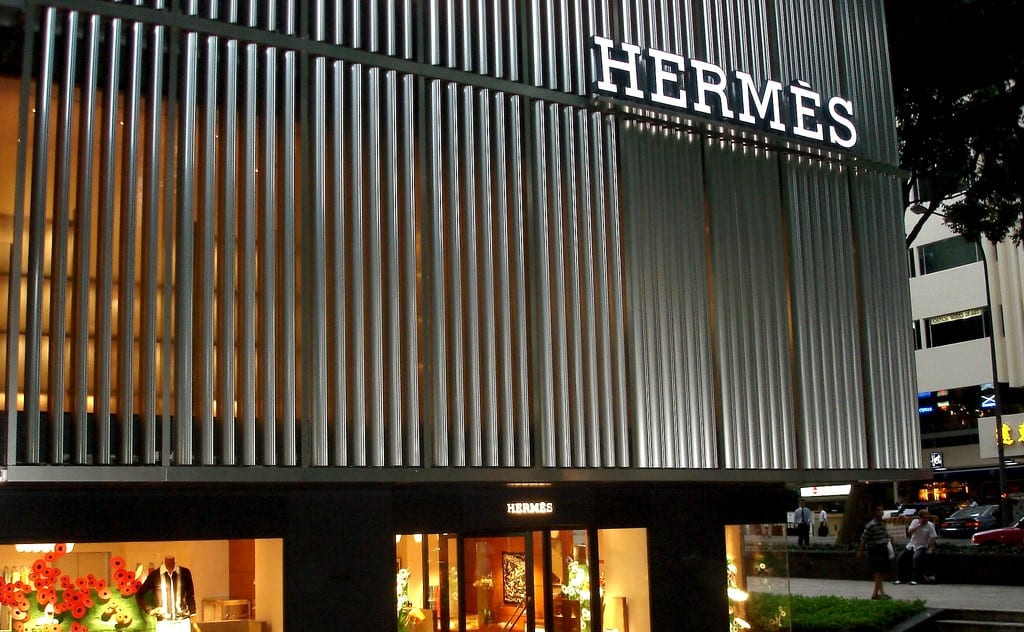
    Hermes has reopened its expanded store at Lee Gardens in Causeway Bay, Hong Kong.

    The store first opened in 1997 and is one of the luxury brand’s six stores in the metropolis.

    Hermes partnered with Parisian architecture agency RDAI for the expanded store’s design, which draws inspiration from nearby natural landscape.

    The expanded store now features three storeys, with its curves and ridges inspired by Hong Kong’s masonry wall trees and the interior showcasing metallic panels.

    A triptych of horses in motion by Japanese artist Ryu Mitarai is displayed at its three windows, which can be seen from the outside.

    The lower floor flaunts Hermes’ men’s and women’s ready-to-wear items, equestrian goods, home collection, and has two private rooms.

    A wooden cocoon on the first floor presents leather, watches, and jewellery metiers.

  • Coupang fined US$102 million for manipulating search algorithm

    Coupang fined US$102 million for manipulating search algorithm

    South Korea’s antitrust regulator has fined e-commerce giant Coupang 140 billion won (US$102 million) for using unfair search algorithms and manipulating product reviews to boost sales of its own private-label items.

    The Fair Trade Commission (FTC) also referred the company, as well as one of its subsidiaries, Coupang Private Label Brands (CPLB), to the prosecution for further investigation and ordered the companies to take corrective measures.

    Coupang has used” deceptive algorithms” according to the FTC, giving them greater exposure to the retailer’s private-label products on its platform ahead of those from other suppliers since February 2019.

    By doing so, at least 64,250 kinds of products have been prioritised, which caused the total sales of such items to soar over 76 per cent during the period.

    The company also had 2297 employees write positive product reviews of private-label products since 2019 in an effort to boost its sales.

    They wrote a combined 72,614 reviews of 7342 kinds of private brand items so far, which helped those products to be exposed more easily in violation of the Monopoly Regulation and Fair Trade Act.

    “Such practices have prevented customers from making reasonable choices and hampered fair market competition,” the FTC said, vowing stern responses to such unfair business practices.

    Established in July 2020, CPLB is Coupang’s subsidiary in charge of selling private brand items.