Author: Mei Ling Tan

  • Apple has started designing 2nm chips for future iPhone models

    Apple has started designing 2nm chips for future iPhone models

    An Apple employee on Linked In  is supposedly the source of a new report that claims Apple has started designing chips that will be built using TSMC’s next-gen 2nm process node. Leaked slides published on the Korean website gamma0burst and posted via a tweet on “X” by leaker Revegnus the heavily redacted Apple slide refers to older 5nm chips such as the A15 Bionic, 3nm chips such as the A17 Pro, and a future 2nm chipset.

    As the process node used to build a chip “shrinks” in size, the features of the chip get smaller including the transistors allowing more of them to fit inside a chip. That is important because the higher a chip’s transistor count, the more powerful and/or energy-efficient that chip is. The iPhone 15 Pro and iPhone 15 Pro Max are currently the only smartphones powered by a 3nm chip.

    Later this year, Apple is expected to use 3nm application processors (AP) for all four iPhone 16 models. The iPhone 16 and iPhone 16 Plus could be powered by the 3nm A18 Bionic AP while the iPhone 16 Pro and iPhone 16 Pro Max will sport the more capable A18 Pro AP. Both components will be built using TSMC’s second-generation N3E 3nm node.

    SMC is supposedly planning to start production of 2nm chips during the second half of 2025 with the foundry churning out 1.4nm chips in 2027. Apple is expected to be the first company to obtain 2nm chips. The latter should deliver 10% to 15% performance upgrades at the same power or use 25% to 30% less power running at the same speed when compared to 3nm chips.

    Apple is TSMC’s top customer which is why it is usually able to be the first to receive chips made by TSMC using its latest process node. Apple will need to make some design changes in order to take advantage of TSMC’s 2nm node which will feature Gate-all-around (GAA) transistors instead of the currently used FinFET transistors.

    Using horizontal nanosheets placed vertically, GAA transistors allow the gate to surround the channel on all four sides reducing current leak and increasing the drive current. This results in stronger electrical signals between the transistors improving the performance of the chip. Back in December, TSMC showed off a prototype 2nm chip to both Apple and Nvidia.

  • Porsche Studio launches in Singapore

    Porsche Studio launches in Singapore

    German sportscar manufacturer Porsche has opened its Porsche Studio in Singapore intending to provide an improved studio model.

    The new two-story showroom is part of downtown Singapore’s famous Guoco Midtown mixed-use development, near the Bugis heritage zone.

    The venue features a sleek and modern design with Singaporean touches like “breeze block” patterns inspired by historic local architecture and bamboo-like veneers adorned throughout.

    The first floor houses seating areas that can become an intimate fireside discussion atmosphere. On the second floor, more modular spaces can be configured in a variety of ways to accommodate a wide range of activities, including zen-filled yoga classes, high-energy product trainings and presentations, keynote speeches in front of full-length LED walls, and e-sports races held on two in-house simulators.

    “Singapore, renowned for its innovative spirit and entrepreneurial attitude, is the perfect location for this enhanced Porsche Studio,” said Matthias Becker, VP of region overseas and emerging markets at Porsche.

    “With this innovative new format, we aim to test new ideas and ways to interact with our customers and fans, while also offering an unforgettable experience that goes beyond simply selling a car.”

    The new Porsche Studio Singapore also includes a built-in auto lift for moving vehicles around the facility.

    The studio is operated by Porsche Singapore, a joint venture between Porsche Asia Pacific and Eurokars Group established in 2022 to improve customer experiences in the city-state.

  • TikTok starts to rub out Universal Music Group content, no new deal has been reached

    TikTok starts to rub out Universal Music Group content, no new deal has been reached

    TikTok starts to remove Universal Music Publishing Group content from the pest-like short video app, as no new licensing agreement with the music label has been reached, the social media firm said.

    TikTok has also started to mute videos on its platform that feature songs written by any songwriter signed on to UMPG (Universal Music Publishing Group), after removing the songs from Universal Music Group (UMG), as the licensing deal expired on January 31.

    The report cites a person familiar with the matter, who says TikTok is likely to remove “all the UMPG content before the end of February”, considering the legality of the matter. TikTok, however, has reached out to UMG and is still open to negotiate a new deal, the source added.

    Back in the end of January 2024, Universal Music Group stated that it couldn’t reach new deal terms with TikTok. The disagreements were mainly about how artists are paid and how TikTok uses AI. Universal Music accused TikTok of trying to push for a deal that was less favorable than before.

    UMG is the parent company of UMPG that represents an expansive roster of artists such as Taylor Swift, Bad Bunny, Sting, The Weeknd, Alicia Keys, Steve Lacy, Drake, Billie Eilish, Kendrick Lamar, Rosalía, Harry Styles, Ariana Grande, Justin Bieber, Adele, U2, Elton John, Brandi Carlile, Coldplay, Pearl Jam, and Bob Dylan. Although I can’t recall any TikTok videos with Bob Dylan…

    The music label had reached a deal with TikTok in February 2021, which allowed users on the video app to add clips from UMG’s catalog to their videos.

    UMG, the world’s largest music company, had said TikTok accounts for only about 1% of its total revenue.
    TikTok said UMG and UMPG catalog represents around 20% to 30% of popular songs, that vary depending on the region

  • Google Chat adds helpful feature to help you pinpoint conversations relevant to you

    Google Chat adds helpful feature to help you pinpoint conversations relevant to you

    Google Chat is launching a new update that will make it even easier to navigate conversations within its in-line threaded spaces. Following last year’s transition to in-line threading, the latest update continues to improve on that functionality in order to boost productivity and efficiency for its users.

    With multiple threads running across different spaces, it can be time-consuming to figure out which messages need your immediate attention. The latest update from Google Chat makes it easier to keep track of conversations by showing participant avatars alongside unread threads in the conversation view.

    This feature allows you to quickly identify the participants in the conversation and determine if their comments are pertinent to you. You can now efficiently prioritize important threads without having to click on them for additional details.

    Google states that it recognizes that dealing with numerous threads across multiple spaces can be overwhelming and that this feature was introduced in order to give you more context upfront. The goal is that it will make it easier for you to prioritize and stay on top of the conversations that matter the most to you. This will ultimately help you stay organized and focused on what’s important.

    This feature is rolling out automatically and gradually for up to two weeks, starting today. For all Google Workspace users, including those with free personal Google accounts, it will be by default enabled on the web, Android, and iOS.

    Google has been steadily introducing improvements to Chat as it continues to compete with other established messaging platforms, such as Slack and Microsoft Teams, and aims to make Chat a more attractive option for businesses looking to improve collaboration and efficiency within their teams. The company hopes that this new feature will enhance productivity and streamline communication for users across all platforms.

  • Another Pokémon game for Android, iOS coming in 2024

    Another Pokémon game for Android, iOS coming in 2024

    Remember the Pokémon GO craze that got people all over the planet to go haywire? Well, another Pokémon game is coming to your mobile phone this year: the Pokémon Trading Game Card.

    Shares in Japan’s developer DeNA jumped 24% in Tokyo trading after the gaming company said it will launch a mobile version of the PTGC (Pokémon Trading Game Card). This 24% jump shows investors think the game will become a hit.

    Coming in 2024 to iOS and Android devices!

    There’s an official announcement on the Pokémon Trading Game Card Pocket site that reads:

    Experience the fun of collecting Pokémon Trading Card Game (TCG) cards with Pokémon Trading Card Game Pocket, an upcoming game for iOS and Android devices from Creatures Inc., the original developers of the Pokémon TCG, and DeNA Co., Ltd.In this game, you will be able to open two booster packs every day at no cost. You can collect digital cards featuring nostalgic artwork from the past and brand-new cards exclusive to Pokémon Trading Card Game Pocket.

    The Pokémon trading card game, itself based on the popular Nintendo video game franchise, launched in 1996 in Japan and later gained popularity in the United States, with more than 50 billion cards printed.

    The business model, pioneered by American designer Richard Garfield in the 1990s, sees players battle head-to-head with decks of character cards aided by buying sealed booster packs containing various designs and with degrees of rarity.

    In recent years, trading cards have gained greater attention, with rare cards in pristine condition attaining frothy valuations in the volatile market for alternative assets, the report reads and adds that digital collectible card games have also become well-established with popular titles including versions of “Magic”, “Yu-Gi-Oh!” and “Hearthstone”, which is based on the “Warcraft” franchise.

  • Inside the first made-in-China jet to arrive in Vietnam

    Inside the first made-in-China jet to arrive in Vietnam

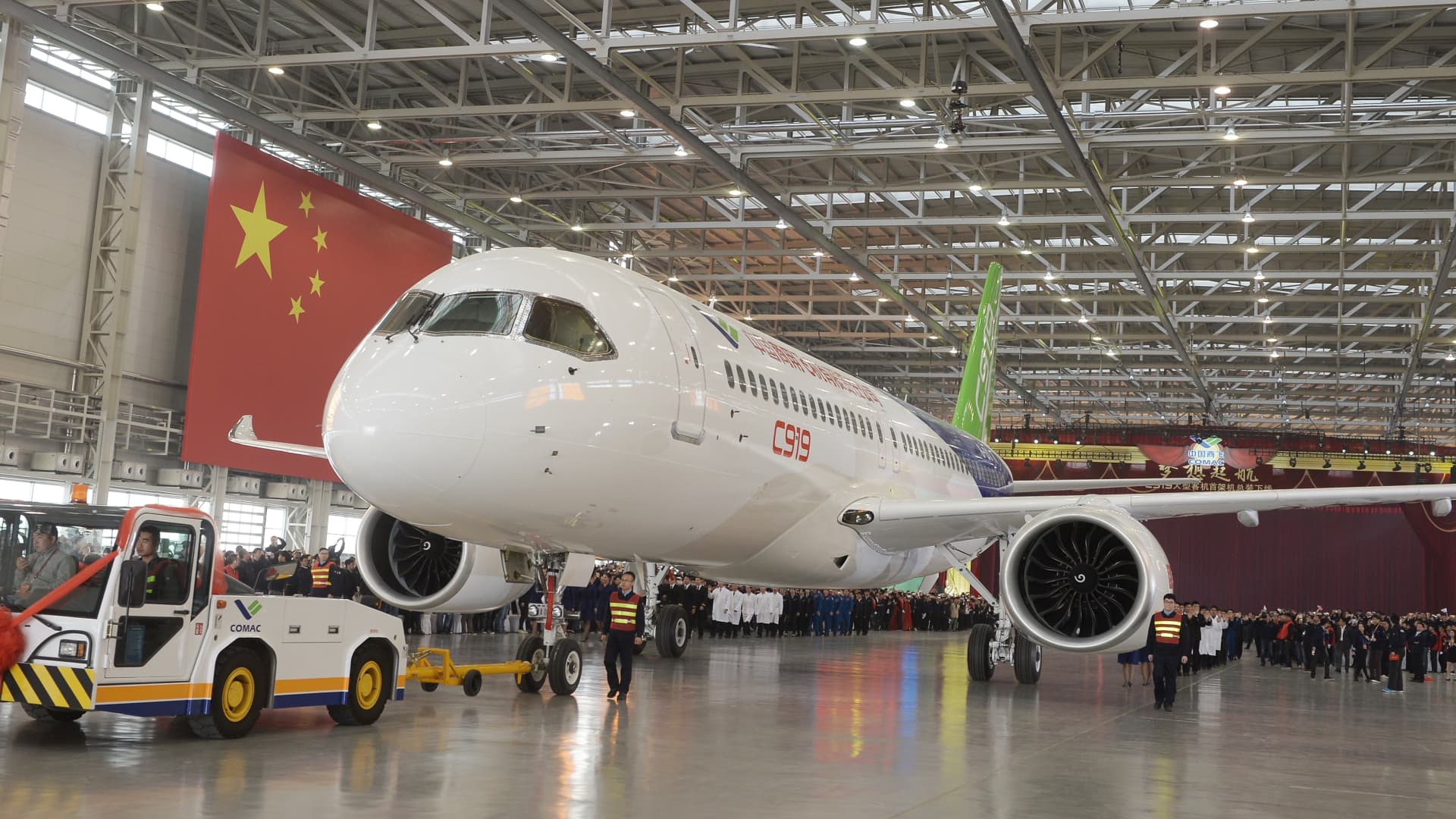
    At 10 a.m. Van Don International Airport in the northern province of Quang Ninh opened its doors for any visitors to look inside the C919 and another Comac aircraft ARJ21 in an exhibition of the company.

    Comac showcased its jets at Singapore last week but limited entry to only some business representatives.

    Comac chairman He Dongfeng said at the exhibition opening ceremony that the appearance of Comac at Van Don is an important step for its jets to reach the global market.

    C919 is a narrow-body jet with a capacity of 168 passengers and flight range of over 4,000 kilometers. The aircraft’s seat configuration is similar to the Boeing 737 Max and A320/321 models. With the jet China eyes to break the domnance of the U.S. and France in making passenger aircraft.
    A C919 costs around $99 million, cheaper than Airbus A320neo and Boeing 737.

    It is 2.25 meters from floor to ceiling, and the lighting color can be changed between 10 presets.

    The aisle is more spacious than other passenger jets of the same category. Behind each seat is a safety instruction written in Chinese and English.

    The communication and navigation system uses parts from U.S. manufacturer Rockwell Collins.

    Some other parts are made by U.S. companies. Tires and brakes are manufactured by Honewell, the aluminum body by Acronic, and the black box by GE Aerospace.

    The two engines were covered during the exhibition. Comac has announced earlier that it uses the LEAP turbofan engines produced by CFM International, a joint venture between American GE Aerospace and French Safran Aircraft Engines. The same engines are used on the Airbus A320neo.

    The ARJ21 jet, the first to be designed and manufactured by Comac, was placed nearby. It uses two engines made by an U.S. company and other key equipment from a German firm.

    ARJ21 seats up to 97 passengers and can fly 3,700 kilometers. Chinese airlines have used the aircraft on many domestic routes and have served 13 million passengers. Comac delivered the first ARJ21 to an international buyer in Indonesia in 2022.

    ARJ21 has similar luggage design as other medium-range jets such as ATR72 and Embraer 190. It can also be modified as a private jet.

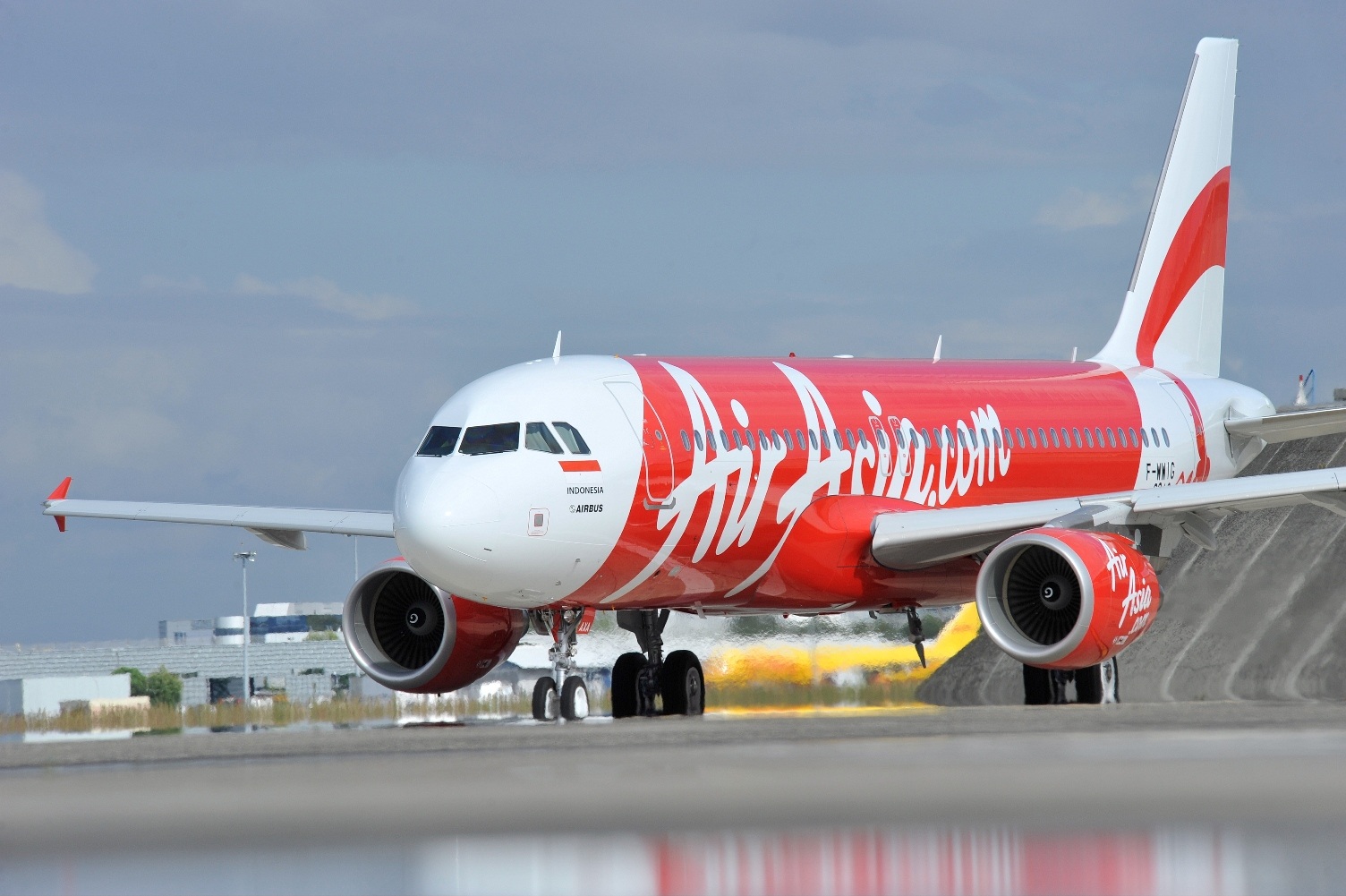
  • Thai AirAsia flight faces panic following power bank explosion

    Thai AirAsia flight faces panic following power bank explosion

    The Bangkok Post reported that the incident, which occurred on Saturday, led to a united effort by passengers and crew to extinguish the flames that broke out mid-flight.

    Despite the chaos, the 186 passengers on board remained unharmed, and the flight landed safely at its destination in Nakhon Si Thammarat Airport on schedule.

    An immediate probe into the event identified burn marks on the seat near the explosion site, and it was determined that the exploded device belonged to a family traveling on vacation.

    A Feb. 19 Royal Air Philippines flight from Boracay to Shanghai underwent a similar incident when a passenger’s power bank exploded mid-air, forcing the plane to divert to Hong Kong and resulting in a three-hour delay in reaching the Chinese city.

  • 4,800 containers unclaimed at HCMC ports

    4,800 containers unclaimed at HCMC ports

    Over 4,800 containers have been left unclaimed for more than 90 days at Ho Chi Minh City sea ports, causing difficulties for logistics activities.

    HCMC Customs said that the goods include wood, scrap and others.

    Many companies imported their goods in excess before the seven-day Lunar New Year holiday which began Feb. 8., causing a surge in the number of containers in January.

    Many importers of scraps are “ghost” companies, established with incorrect information regarding who operates them.

    Goods that are left unclaimed will be either sent back to the sender or be destroyed.

    A large number of unclaimed goods can cause congestion at ports and create a shortage of empty containers, which can result in higher transportation charges.

  • Siemens offers locomotives for Vietnam’s highspeed railway By Viet Tua

    Siemens offers locomotives for Vietnam’s highspeed railway By Viet Tua

    Siemens has expressed interest in Vietnam’s North-South highspeed railway and offered to provide vehicles for the project.

    Siemens president and CEO Roland Busch told Prime Minister Pham Minh Chinh at a meeting in Hanoi Monday that the company can transfer the technology of building carriages and can provide the trailway signal system for the project.

    The North-South highspeed railway is among the largest transport projects that Vietnam plans for the upcoming decades.

    It should be approved in policy by next year and construction is scheduled to begin before 2030.

    Two sections of the railway, one from Hanoi to Vinh and the other from HCMC to Nha Trang, will begin construction before 2030 and the whole route should be finished by 2045.

    Busch made the offers after PM Chinh proposed that Siemens consider participating in the construction of the railway as well as the second metro line in HCMC, a 11-kilometer that mostly runs underground with a price tag of VND47.8 trillion.

    The PM asked Siemens to partner with Vietnam in the fields of high technology and innovation, green transformation, renewable energy, transportation and digital transformation.

    He also asked about potential for Siemens to build a research and development center built in Vietnam and urged the company to cooperate with the National Innovation Center. He also wants the group to expand cooperation with Vietnamese technology enterprises.

    Vietnam would create favorable conditions for businesses like Siemens to invest long-term, Chinh said.

    In Vietnam, Siemens established a representative office in 1993 and now has three representative offices in Hanoi, Da Nang, and Ho Chi Minh City. It also has a manufacturing factory in the southern province of Binh Duong.

    Siemens cooperates with Vietnam in many fields, especially renewable energy and transport. Its participation in one solar power project is estimated to contribute one billion kilowatt-hours of electricity to the country’s electricity system each year.

    The company has also designed and supplied 16 diesel locomotives for Vietnam Railway Corporation.

  • Laos wind farms offer Vietnam 4,150 MW of electricity

    Laos wind farms offer Vietnam 4,150 MW of electricity

    According to national utility Vietnam Electricity, seven Lao wind energy plants want to sell a total of 4,150 MW to Vietnam. It will be done in phases, with 682MW supplied before 2025 and the rest gradually after that.

    Vietnam will be keen on accepting the offer.

    If the National Energy Master Plan is carried out on schedule, the central and southern regions would have enough power until 2030, but the north is likely to face shortages from 2025, especially during the dry season from May to July, EVN said.

    Importing energy from Laos would help alleviate the shortfall, it said.

    Affordability is also a factor, with wind energy from Laos currently costing 6.95 cents per kilowatt-hour compared to Vietnam’s 8.5-9.8 cents, depending on whether the plant is on land or offshore.

    Vietnam has been importing energy, mainly hydroelectricity, from Laos since 2016 through intergovernmental agreements.

    Increasing electricity purchases from neighbors is in the trade ministry’s power plans for this year.

    However, there are certain challenges.

    Electricity from Laos is expected to pass through transmission lines in Quang Tri Province, meaning the quantity of purchase will largely depend on infrastructure in this area.

    EVN’s calculations show that the proposed 4,149 MW exceeds the capacity of the local power grid.

    Most of its 200 kV and 110 kV lines operate at 80-100% of capacity. The region can only manage a maximum of 300 MW of transmission during the dry season and even less at other times.

    “Before the Lao Bao 500 kV substation is put into operation, this area [Quang Tri Province] can hardly take in more electricity from Laos because all the existing 220 kV lines are operating at high loads,” EVN said.

    Once the grid infrastructure is improved, such as with the construction of the Huong Hoa 500 kV substation and connecting lines in late 2027, Vietnam can get 2,500 MW from Laos, which will still be 1,650 MW short of the quantity it is seeking to sell.

    Furthermore, adding more renewable energy to the national grid will throw plans out if kilter. Domestic renewable energy accounted for 27% of grid capacity at the end of 2023 and is only expected to grow to 34% by 2030, according to the National Energy Master Plan.

    So, to ensure grid stability, EVN said the trade ministry should only buy a maximum of 300 MW of wind power from Laos before 2025, and only during the peak demand season.

    From 2026 to 2030 a maximum of 2,500 MW could be bought, it said.

    It also urged the government to import more hydroelectricity to increase flexibility.

    More grid infrastructure and transmission lines, including 220 kV and 500 kV dual-circuit lines from the border to the Lao Bao substation, should be added to the national master plan, it added.

  • South Korean hypermarket Emart to launch in Laos

    South Korean hypermarket Emart to launch in Laos

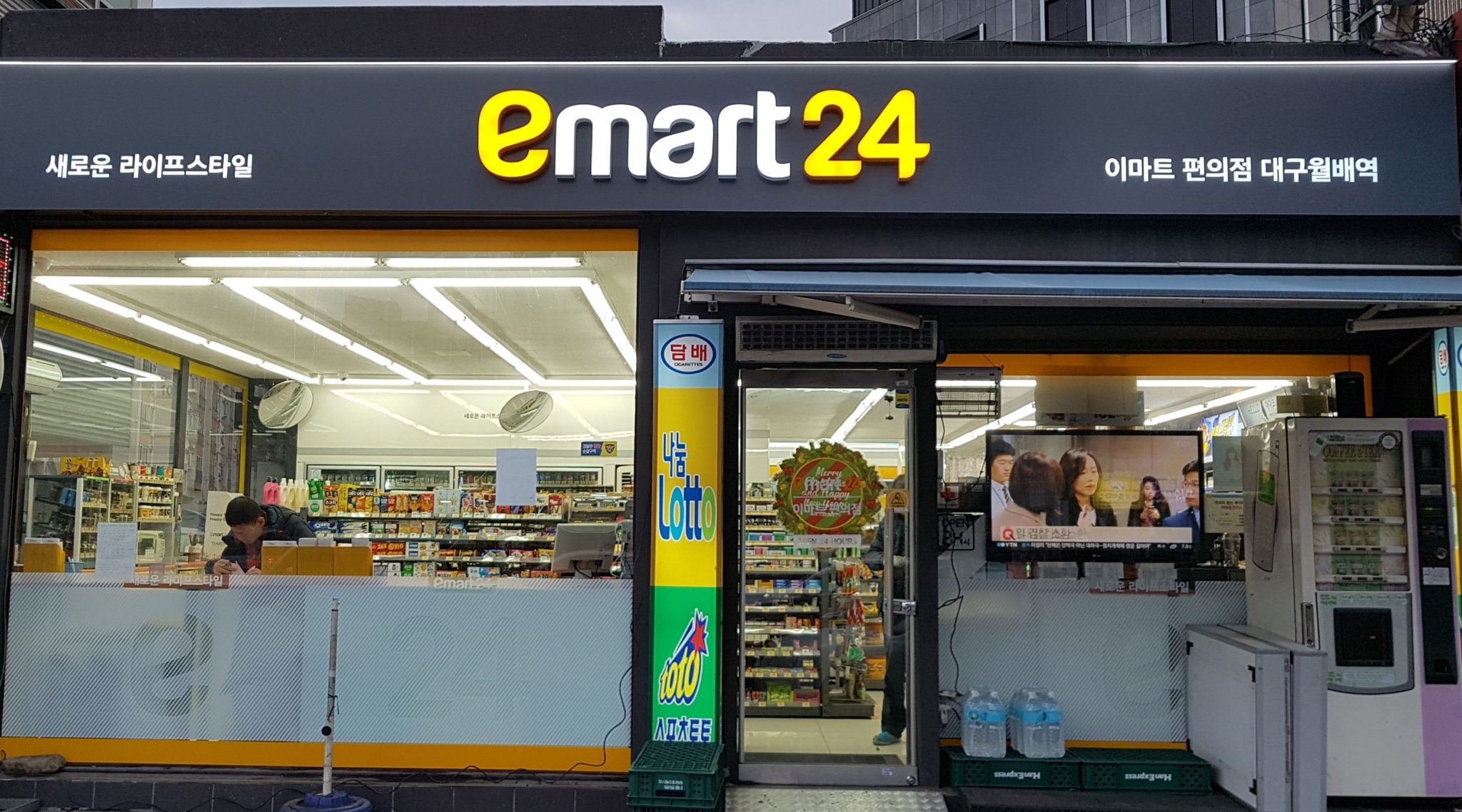
    Emart, the South Korean hypermarket retailer, will expand into Laos this year through a master franchise deal with U-Dee, an investment entity owned by LVMC Holdings.

    The move follows the company’s announcement earlier this month that it would expand into Cambodia in June.

    The agreement includes opening one Emart discount retail outlet and three hard-discount outlets under the brand name No Brand – Emart’s house label – in Laos later this year.

    Emart operates three Emart stores in Vietnam, four in Mongolia, and 17 No Brand stores in the Philippines.

    The firm intends to open 20 E-Mart locations and 70 No Brand stores in Southeast Asia during the next 10 years.

    LVMC Holdings, originally known as Kolao Group, was founded in 1997 by South Korean businessman Oh Se-young. The group debuted its footprint in the retail market with a local hypermarket chain dubbed Kok Mega Mart in Laos last year.

  • Christian Dior postpones show in Hong Kong indefinitely

    Christian Dior postpones show in Hong Kong indefinitely

    French fashion label Christian Dior has postponed its planned mega fashion show in Hong Kong due to be held in March, the government said on Monday, without giving a reason for the decision.

    The event was widely anticipated by many in the luxury sector after a high profile show from Louis Vuitton helmed by singer Pharrell Williams last November, which was an attempt to put the Chinese city back on the luxury map and attract wealthy spenders.

    Dior did not immediately respond to Reuters requests for comment on why it postponed the show.

    “We have just received notification from the organiser that the event will be postponed. In fact, postponements of large-scale events often happen. We continue to welcome large-scale events to be held in Hong Kong,” the government said in an email.

    Hong Kong’s luxury retailers are adapting to fewer wealthy Chinese shoppers visiting the city and a shift towards tourists flocking to Instagram-coveted spots in trendy districts rather than splashing out on pricey branded gear.

    Before the pandemic, the Chinese special administrative region had bucked global trends of declining demand for multi-brand department stores and ultra-luxury brands largely due to its attractiveness to high-spending mainland visitors.

    But the rise of competing shopping hubs like China’s Hainan island, changing consumer preferences and a rise in online shopping have fundamentally changed demand for luxury goods in Hong Kong and are starting to reshape the city’s visitor economy, according to industry experts.

  • Microsoft Copilot app can now be your next default assistant app on Android

    Microsoft Copilot app can now be your next default assistant app on Android

    Android users currently have a slew of options for choosing an assistant app on their devices. Where previously Google Assistant and Bixby were the ones that reigned, the rise of AI-powered chatbots saw these evolve as more than just text fields you can use on a browser. Currently, depending on the apps you have installed, you have fresh new options, and Microsoft’s Copilot is shaping up as one of them.

    As reported by Android expert Mishaal Rahman on X (Twitter), the newest beta version of the Microsoft Copilot app (v. 27.9.420225014) now gives you the ability to set it as your default assistant app. This makes the chatbot accessible from anywhere on your device with a simple swipe or button press.

    While this is a nice addition for Android users, don’t expect a seamless experience yet. Currently, activating Copilot mainly opens the app, meaning that it won’t immediately start listening like some other assistants, nor will it offer to analyze what is on your screen.

    However, this doesn’t mean that feature won’t be as helpful as Google Assistant or Bixby currently are, or perhaps even what Gemini could be. It’s still in beta, and Microsoft is likely to continue working on the app in order to make Copilot a truly integrated Android assistant. Microsoft has yet to officially announce this, but our guess is that by the time it moves on to the stable version of the app, more capabilities will be in tow.

  • Netflix starts forcing grandfathered subscribers to stop paying Apple

    Netflix starts forcing grandfathered subscribers to stop paying Apple

    In 2018, Netflix stopped accepting payments for new subscriptions through the App Store, forcing new subscribers and those returning after a brief hiatus to pay Netflix through its website. It has been six years since Netflix allowed such subscribers to pay for their service through the App Store. This way, Netflix could avoid paying Apple its 15% to 30% cut on in-app transactions that go through Apple’s in-app payment processing platform.

    Netflix representative Momo Zhao told The Verge that all “members on the basic plan who were using an iTunes method of payment” now must pay Netflix directly for service using a credit card or a debit card. Those who signed up for Netflix before the video streamer stopped allowing users to subscribe through the App Store were able to hold on to a good deal for years and continued to pay each renewal period through Apple.

    Netflix has allowed grandfathered subscribers to continue to pay each month through the App Store, but that is about to change. As one “X” subscriber wrote in a tweet, “Netflix stopped working with Apple Pay and didn’t inform me. Now I’m locked out of my $9.99 a month price I had paid for years and I had to get charged $31 until I get a refund through Apple.”

    If you’re in the same shoes as the person who posted the above tweet, you’ll have to pay $5.50 more a month for the same plan you were paying $9.99 a month for or pay $3 less per month for the privilege of having your streaming interrupted by ads. No matter which plan you choose, you’ll be paying Netflix directly.

    To reiterate, if you are a long-time Netflix subscriber and have been paying through the App Store to maintain your Netflix subscription, be on the lookout for an email from the video streamer that says that if you want to remain a Netflix subscriber, you will have to stop paying your bill through Apple. And you might be paying a little more or a little less each month for Netflix service depending on whether you can live with ads running on the videos you’re watching.