Author: Mei Ling Tan

  • Apple iPhone users can move Chrome’s URL address bar to the bottom of the screen

    Apple iPhone users can move Chrome’s URL address bar to the bottom of the screen

    Google is about to offer iPhone users the option to move the URL address bar (also known as the Omnibox) on Chrome to the bottom of the screen. Currently available only to iPhone users who enable a flag, a future update should allow all iOS users to move the bar on Chrome. By moving the URL address bar near the bottom of the display, users can more easily navigate the browser using one hand.
    If you want to move the Omnibox on the iOS version of Chrome to the bottom of the display, here is what you do. Open the Chrome app on your iPhone. From the URL field (AKA Omnibox) enter  chrome://flags. When the next page opens, in the rectangular search bar type in bottom-omnibox-steady-state. That should take you directly to the correct flag. Press the pill-shaped button that says “Default.”  Tap on “Enable,” close Chrome and re-open it.
    Once you’re back in Chrome, tap the three-line Hamburger icon in the lower right corner and then tap Settings (the gear icon) at the top of the screen. You’ll see a menu; scroll down to the listing Bottom Omnibox and toggle it on. And that is it. Your URL address bar, AKA your Omnibox, will now be on the bottom of the screen whenever you use Chrome on your iPhone.
    You might recall that when iOS 15 was in beta, Apple moved the URL address bar to the bottom of the screen on the Safari mobile browser. This created an uproar among iPhone fans who, while loyal, aren’t known for their flexibility. Those complaining said that moving the bar to the bottom of the screen made Reader Mode and the refresh button hard to find. So in iOS 15 Public Beta 4, Apple did away with the changes to Safari. However, Safari users on iPhone now have the choice between placing the mobile browser’s Unibox at the top or the bottom of the display.
    To make your selection, go to Settings > Safari and scroll down to the Tabs heading. You can choose between having the URL address bar/Omnibox at the top of the screen, or at the bottom. Remember, having it at the bottom might make it easier to use the browser one-handed.
  • Recycling fees in Vietnam higher than in Europe

    Recycling fees in Vietnam higher than in Europe

    Fourteen business associations have petitioned nine ministers to complain about Vietnam’s unusually high recycling fees, which are several times higher than that in Europe.

    The associations, which include American Chamber of Commerce in Vietnam, Vietnam Association of Seafood Exporters and Producers, and Vietnam Textile and Apparel Association, said that a recent draft bill on recycling required fees higher than in developed countries.

    Vietnam’s recycling fee for aluminum packaging is 1.26 times higher than the average of 14 countries in Western Europe, they said.

    The fee for recycling glass is 2.12 times.

    The ideal cost should be 30-50% of that in European countries as workers’ salary in Vietnam is only 10% of their counterparts in European countries.

    The associations estimate that their combined recycling fee for paper, plastic and metal is at VND6.13 trillion ($257.35 million) annually.

    This is unusually high as it does not take into account the profit that recycling companies get from the materials they receive.

    Recyclers of aluminum cans, for example, post profits between VND700 billion and 1.29 trillion annually.

    It is unreasonable that manufacturers and consumers are paying trillions of dong every year to support recyclers, the associations said.Recycling

  • Vietnamese internet startup VNG files for IPO in the US

    Vietnamese internet startup VNG files for IPO in the US

    Vietnamese internet company VNG Corp has filed for an initial public offering (IPO) in the United States via VNG Ltd, a U.S. Securities and Exchange Commission filing showed.

    The listing will make VNG the first technology firm from Vietnam to list in the U.S.

    VNG said in the filing that it planned to offer some 21.7 million shares, with the proposed price range yet to be set.

    IPO proceeds will be used to pay original foreign investors who were direct shareholders of the company and repay outstanding loans, among others, the filing showed.

    The company counts the likes of Chinese social media and gaming giant Tencent and Singapore state investor Temasek as shareholders.

    Founded in 2004, VNG was Vietnam’s first unicorn, or startup valued at $1 billion or more, and it inked a preliminary agreement in 2017 with U.S. bourse operator Nasdaq Inc to explore an IPO.

    The Ho Chi Minh City-headquartered company’s businesses include online games, payments, cloud services and Vietnam’s most popular messaging app, Zalo.

    Citigroup, Morgan Stanley, UBS, and Bank of America are underwriters of the IPO, according to the filing.

    VNG’s IPO follows the recent U.S listing debut by VinFast and could help to add momentum for other Southeast Asian companies seeking IPO in the U.S.

    Philippine real estate company DoubleDragon Corp earlier in August announced that it was considering listing its Singapore-registered unit Hotel101 Global on the Nasdaq via a merger with a special purpose acquisition company (SPAC).

    Southeast Asian used car marketplace Carsome Group was also weighing a listing in the U.S.

    “While the future outcomes of these startups’ IPO plans cannot be guaranteed, the growing interest in international listings and the presence of notable players in the region indicate a promising landscape for Southeast Asian startups seeking to expand their reach and access global capital markets,” said Seth Farbman, chairman and co-founder of New York-based stock transfer agency VStock Transfer.

  • Global rice crisis nothing like in 2008

    Global rice crisis nothing like in 2008

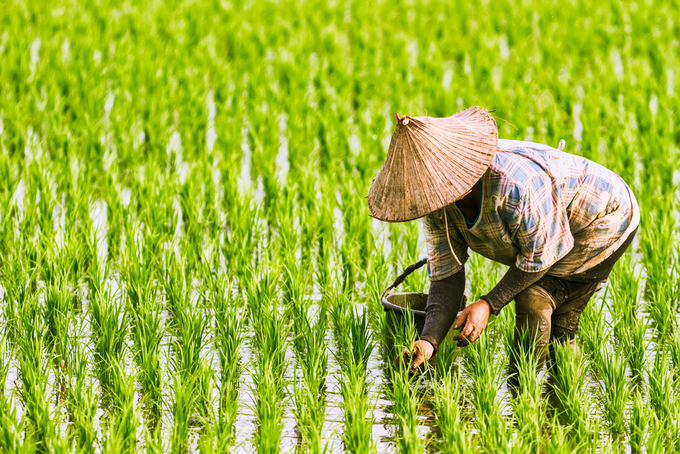
    After India banned rice exports, prices of the grain have shot up but are unlikely to top the US$1,000 per ton levels reached in 2008 in the current scenario.

    India prohibited the export of non-Basmati rice varieties in late July, driving up global prices.

    The export prices of Vietnam’s 5% broken rice jumped by $25 per ton.

    In some Vietnamese rice-growing areas, traders have been scrambling to buy the grain to fulfill contracts they have signed, pushing up prices steadily.

    Do Ha Nam, vice president of the Vietnam Food Association, said export prices climbed to $700 per ton on August 10, the highest since 2008.

    On August 17, following reports that India would soon lift the ban, the prices began to edge down again.

    In Vietnam, retail prices jumped by VND3,000-5,000 per kilogram in August to VND18,000-20,000 ($0.76-0.84).

    For many people, the developments are redolent of 2008.

    Vo Tong Xuan, a scientist who created many award-winning rice varieties, said in 2008 export prices reached 100-year highs of more than $1,000 a ton.

    The world faced a food shortage that year.

    The weather was unfavorable, oil prices were high, food reserves were low, and demand was rising in countries such as China and India.

    Xuan said the Vietnamese government at that time ordered exporters not to sign new contracts and capped exports for the year at 4.5 million tons.

    But, worried about the rising prices and low supply, people rushed to buy and hoard rice, but traders refused to sell, waiting for prices to climb further.

    In the event, prices skyrocketed from VND12,000 to VND20,000 per kilogram.

    Xuan said that scenario is unlikely to reoccur even though both times India, which accounts for 40% of the world’s supply, banned rice exports.

    In 2008, global rice reserves fell and demand exceeded supply, he said.

    According to the United Nations Food and Agriculture Organization, Asia’s rice stocks at that time were low, falling from 140 million tons to 60 million tons in 2007 before recovering to 105 million tons a year later.

    At least 37 countries faced a food crisis as prices suddenly increased from $550 to $1,000.

    Xuan said this year global rice stocks have decreased but not significantly.

    India banned exports on July 20, but the latest reports from that country show that rainfall has increased again since the beginning of August and is conducive for sowing the summer-autumn crop.

    Data from the Indian Ministry of Agriculture shows that, as of August 4, 28.3 million hectares had been sown, 3.4% more than a year ago.

    India has 24.6 million tons of rice and 13 million tons of paddy in reserve, three times target set by the government.

    India is therefore expected to lift the ban soon, and this would quickly bring rice prices down.

    Nam said the world market would adjust soon. In 2008 global stocks had been the lowest in 30 years, but now they are only marginally lower than last year, he said.

    Global production is forecast to increase by 2% to 520 million tons.

    Thailand and Vietnam, the world’s second and third largest exporters, are encouraging exports.

    “Supply from these two countries is abundant,” Nam said.

    In Vietnam, the area under autumn-winter rice in the Mekong Delta, Vietnam’s rice basket region, has been increased from 650,000 hectares to 700,000 ha.

    Thailand and China, having learned lessons from 2008, are well prepared this time.

    China, the world’s largest rice consumer, has recovered more than 170,000 hectares of land since 2021 for farming to move toward self-sufficiency in feeding 1.4 billion people.

    Last year, President Xi Jinping called for ensuring there are 120 million hectares of arable land across the country, a number his government considers sufficient to ensure domestic supply.

    China has urged farmers to reduce cultivation of fruits and increase production of food crops, including paddy.

    Analysts expect global rice prices to increase this year, but only to around $600-800 per ton.

    “It is very difficult to reach the $1,000 mark like in 2008,” Xuan said.

    According to Bui Chi Buu, former director of the Institute of Agricultural Science for Southern Vietnam, businesses should take advantage of the opportunity to export the grain and not hoard it.

    “If they hoard in and speculate, businesses are at risk of making losses when India lifts the ban. Rice inventories will surge while the shelf life of rice is only three to six months.”

    Experts said since domestic prices are now higher than global prices, farmers, traders and exporters need to be cautious.

    Minister of Industry and Trade Nguyen Hong Dien recently instructed relevant authorities to inspect businesses and warehouses to monitor supply of rice and prevent speculation and hoarding to keep prices in check.

    This year Vietnam has some 7.1 million hectares under the grain and expects to grow 43 million tons of paddy, equivalent to 27-28 million tons of rice.

    The country exported nearly 4.9 million tons of rice worth more than $2.6 billion in the first seven months of the year, a year-on-year increase of 31% in value.


  • Thailand’s Big C to enter Hong Kong

    Thailand’s Big C to enter Hong Kong

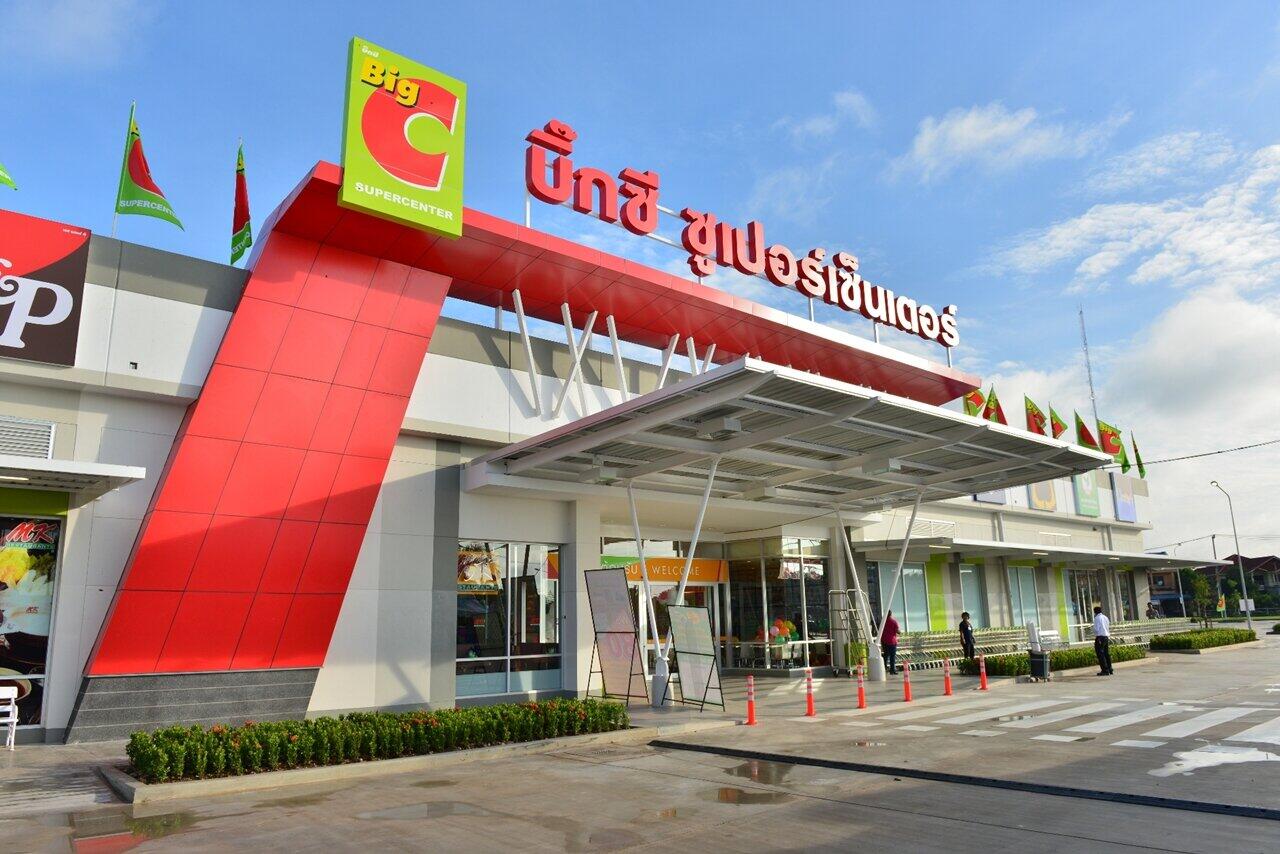
    Big C Supercenter, the Thai supermarket chain owned by one of the richest families in the Southeast Asian nation, will enter Hong Kong next month and also seek a dual listing in the city and Thailand as early as the fourth quarter, according to a top executive.

    The Bangkok-headquartered retailer has acquired grocery chain AbouThai, which operates 24 outlets in the city, and will rebrand them as Big C starting next month, Aswin Techajareonvikul, CEO and president of Big C Retail Corp, said in an exclusive interview with the Post on Monday.

    Aswin also separately met Financial Secretary Paul Chan Mo-po and Hong Kong Exchanges and Clearing (HKEX) CEO Nicolas Aguzin to discuss the group’s listing plan during his visit.

    “We all believe in Hong Kong’s prospects and growth potential,” he said. “Even though there were some challenges during Covid-19, Hong Kong can bounce back quickly. Hong Kong is a leading financial hub in Asia linking Southeast Asian markets with mainland China.”

    Hong Kong is Big C’s first foray outside Southeast Asia, taking on some the city’s retailers including Wellcome and ParknShop. The retailer is part of billionaire Charoen Sirivadhanabhakdi’s business empire, which includes Thai Beverage, the nation’s largest brewer and maker of Chang beer. Aswin is Charoen’s youngest son-in-law.

    Big C operates about 2,000 retail stores under the Big C Supercenter, Big C Market, Big C Foodplace and Mini Big C brands in its home market of Thailand, Laos, Cambodia and Vietnam.

    Big C, which did not disclose the acquisition price for AbouThai, will invest HK$158 million (US$20.2 million) in the next three years to open 25 stores a year for a total of 99 stores by the end of 2026 and hire more than 500 additional staff, Aswin said.

    “Ninety-nine is a lucky number, which means longevity in Chinese culture,” he said. “We also have a very long-term vision in Hong Kong, which is to turn Big C into the best premium Thai supermarket.”

    Big C Supercenter was founded in 1993 by Thai retail conglomerate Central Group and listed on the Stock Exchange of Thailand (SET) in 2012. It was delisted in 2017, a year after it was taken over by trading house Berli Jucker, owned by the Sirivadhanabhakdi family, for over US$6 billion. Berli Jucker’s sales rose 3.4 per cent in the second quarter to 39.4 billion baht (US$1.1 billion).

    Aswin said the group plans to have a dual listing in Hong Kong and Bangkok. Earlier this year it filed an application with SET to list Big C Retail Corp (BRC), the holding company of the Big C Supercenter. It is exploring a listing application in Hong Kong, he added.

    He expects the listings to take place as soon as the fourth quarter, but the final decision will depend on market conditions. Aswin declined to comment on the fundraising, but analysts expect the firm to raise as much as US$1 billion.

    “A listing in Hong Kong will pave the way for future opportunities to cooperate with other leading companies listed in the city,” Aswin said. “Hong Kong’s active trading volumes and exposure to Chinese and global investors make it an ideal location for BRC to list outside our home market.”

    The China Securities Regulatory Commission in March added international firms listed in Hong Kong to the southbound Stock Connect for mainland Chinese investors to trade.

    Aswin said the plan to list in the city was largely because of the active marketing efforts of the Hong Kong government and the HKEX.

    “Last year, when Chief Executive John Lee came to Thailand for the Apec meeting, he held a dinner meeting with a few Thai business executives, where a Hong Kong stock exchange representative invited us to list our company in Hong Kong,” he said. “Which is why we explored opportunities to list here.”

    Big C’s listing will be a huge achievement for Aguzin, a former JPMorgan banker who has helmed the HKEX since 2021, as he has been keen on attracting international companies. Towards that end, Aguzin has overseen the opening of HKEX offices in New York and London and has also visited the Middle East and Southeast Asia to market the city.

    The listing will also boost Big C’s links with mainland China, whose outlets are widely visited by Chinese tourists in Thailand, Aswin said.

    The Sirivadhanabhakdis have been operating a family office in Hong Kong for many years, through which they have been making investments. Aswin said the investments will increase in the coming years after the Hong Kong government in March offered additional benefits, including tax incentives, to encourage wealthy families to expand their family offices.

    “Both my father-in-law and I are of Chinese origin,” Aswin said. “We speak Chinese at home; all my three children speak Putonghua. We always travel to Hong Kong for good food and visit the Wong Tai Sin Temple. It is happy memories in Hong Kong.”

  • 5 Mitos Tentang Perjudian Dalam Talian

    5 Mitos Tentang Perjudian Dalam Talian

    Dalam era digital ini, maklumat disebarkan seperti angin, maklumat palsu dan mitos sering berlaku menyebabkan kebenaran terkubur begitu sahaja. Perjudian dalam talian, seperti https://slotoro.bet/ms-my yang menawarkan hiburan dan keterujaan kepada jutaan pemain seluruh dunia, turut tidak terkecuali dalam hal ini. Daripada kisah dongeng kekayaan serta-merta hinggalah ke risiko yang melampau, mitos tentang perjudian dalam talian telah berkembang.

    Mitos sebegini boleh menyebabkan persepsi yang salah, membuat keputusan yang salah, dan kadang kala pemain berpotensi tidak jadi untuk menceburi atau menerokai hiburan jenis ini. Daripada soalan tentang kesahihan hinggalah kepada ketagihan dan keadilan permainan, mitos menguasai perjudian dalam talian dengan beberapa topik. Setiap mitos mempunyai 50% kebenaran, salah faham, dan kadang kala berita yang entah dari mana.

    Oleh sebab perjudian online mempunyai manfaat serta risiko, penting untuk kita mengetahui sesuatu subjek dengan perspektif yang jelas. Dengan menjelaskan kebenaran di sebalik mitos-mitos ini, kami berharap untuk menyediakan pemahaman yang jelas tentang apa perjudian dalam talian yang sebenarnya.

    Mitos-mitos yang sering berlegar

    Anda risau  tentang penipuan kasino atau mendapat masalah ketika bermain? Jangan risau! Kami akan mendedahkan kebenaran dan jelaskan kenapa mitos-mitos ini tidak betul. Mari kita dedahkan fakta tentang perjudian dalam talian.

    Permainan Kasino telah Dirancang

    Ramai yang percaya permainan kasino ini dirancang, tetapi sebenarnya tidak. Kasino memang memberi anda peluang untuk buat duit, tetapi tidak bermakna anda tidak boleh menang. Ramai berfikir mereka boleh mempercayai permainan meja kerana mereka boleh melihat apa yang berlaku di hadapan mata. Namun, bagaimana dengan slot?

    Slot hanya dimainkan melalui mesin dan setiap permainan slot menggunakan penjana nombor rawak (RNG) untuk memastikan keputusan yang rawak. Mekanisme perisian ini tidak dipengaruhi oleh putaran atau pertaruhan sebelumnya. Ini bermakna setiap putaran mempunyai peluang yang sama untuk menang.

    Kasino tidak boleh berbuat apa-apa tindakan yang mereka mahukan. Mereka mempunyai peraturan untuk diikuti. Terdapat pihak lain yang memeriksa permainan mereka untuk pastikan semuanya adil dan saksama. Ketahuilah, jika anda bermain lain kali, peluang anda adalah sama dengan orang lain.

    Terdapat Mesin Slot yang Panas

    Ini juga merupakan mitos yang dipercayai ramai. Anda pasti pernah dengar tentang mesin yang panas dan sejuk. Ini bermaksud, jika sesuatu mesin itu membayar dengan amaun yang banyak, mesin itu panas. Namun, jika mesin itu mengambil wang kita tanpa membayar dengan tinggi, kita panggil sebagai mesin sejuk. Mari perjelaskan isu ini.

    Seperti yang dikatakan di atas, realitinya setiap putaran di mesin adalah rawak. Panas atau sejuk? Sebenarnya tidak wujud. Mesin slot sememangnya tidak boleh dijangka. Kadang-kadang, mesin ini memberi hadiah yang lumayan, tetapi dalam satu masa yang lain, mesin ini tiba-tiba senyap. Ini memang sering berlaku dan ia natural.

    Jika anda seorang pemula, anda pasti berfikir benda yang sama. Bayangkan, anda bermain di satu platform yang mempunyai ratusan slot. Namun, anda hanya tertumpu kepada slot naga/777/Siren kerana permainan ini pernah memberika anda wang yang lumayan. Maka, anda kehilangan peluang untuk mencuba permainan menyeronokkan yang lain.

    Mengetahui Jackpot Ada atau Tiada

    Ramai penjudi percaya bahawa jika anda tidak pernah menang dalam jangka masa yang lama, anda mungkin akan dapat pembayaran yang lumayan tidak lama lagi. Bayangkan jika anda bermain rolet. Dalam 10 putaran tiada kemenangan, putaran ke-11 pasti menang jackpot. Ini tidak betul sama sekali kerana setiap putaran itu tidak menjejaskan putaran seterusnya.

    Dalam contoh lain, anda melihat permainan slot ini baru sahaja membayar hadiah yang lumayan, sesetengah pemain akan mengelak daripada bermain di slot yang sama, kerana beranggapan “ong” atau tuah sudah tiada. Tetapi sebenarnya, jackpot boleh datang bila-bila masa. Bak kata pepatah, tuah ayam nampak di kaki, tuah manusia siapa yang tahu.

    Semua Jenis Permainan Kasino Berdasarkan Tuah

    Ini sememangnya betul, jika anda maksudkan permainan slot atau rolet. Kedua-dua permainan ini memang bergantung sepenuhnya pada nasib. Tetapi, permainan seperti poker atau blackjack memerlukan kemahiran dan strategi. Terdapat pelbagai tips dan petua tentang cara bermain kad, dan istilah dalam game yang anda perlu tahu sebelum mula bermain.

    Pembayaran Kasino Online

    Ramai penjudi mengelak kasino dalam talian kerana kepercayaan bahawa mereka tidak akan menerima kemenangan penuh mereka. Mitos ini berpunca daripada ketidakbiasaan dengan peraturan kasino dalam talian, termasuk keperluan pertaruhan dan dasar sokongan pelanggan. Tetapi sebenarnya, sebaik sahaja anda menyelidiki butirannya, anda akan mendapati bahawa anda sememangnya boleh mengeluarkan keseluruhan kemenangan anda.

    Sebelum memilih kasino dalam talian, kumpulkan semua fakta yang diperlukan dan abaikan salah tanggapan ini. Kasino berlesen dan dikawal selia memastikan pembayaran, dengan syarat anda mematuhi keperluan pertaruhan. Ramai pemain menjadi mangsa mitos ini, sering salah faham bonus alu-aluan dan syarat mereka.

    Keperluan pertaruhan disediakan untuk mengelakkan penyalahgunaan bonus. Jika anda tidak memenuhi keperluan ini, pengeluaran anda mungkin ditangguhkan. Dengan menggunakan kasino dalam talian yang bereputasi di bawah badan kawal selia yang dihormati, anda mungkin menerima pembayaran anda dengan selamat. Walaupun penipuan wujud, platform terkawal menawarkan transaksi yang selamat.

    Buat Carian dan Sahkan Mitos

    Untuk mempunyai pengalaman perjudian dalam talian yang menyeronokkan, adalah penting untuk memisahkan fakta daripada fiksyen dan membuat keputusan berdasarkan maklumat yang tepat. Dengan memahami realiti perjudian dalam talian dan menghapuskan mitos ini, pemain boleh membuat pilihan yang lebih bermaklumat dan menikmati sepenuhnya dunia permainan dalam talian.

  • Indonesia’s Express Cargo Airlines starts operations

    Indonesia’s Express Cargo Airlines starts operations

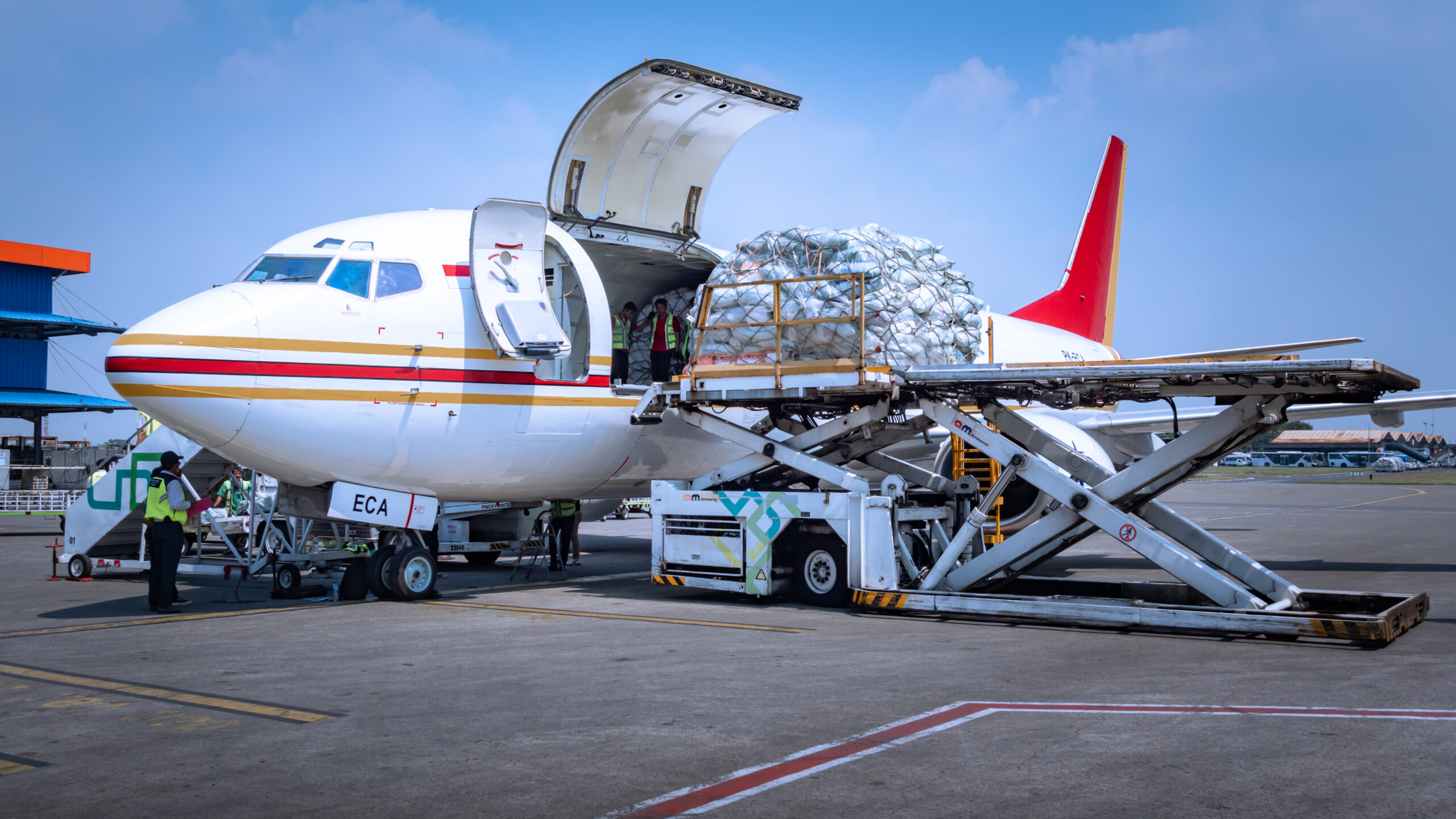
    Express Cargo Airlines has gained its domestic, non-scheduled Air Operator’s Certificate (AOC) in Indonesia and started commercial flight operations on 13 August.

    The carrier is one of three cargo start-ups launching in Indonesia this year, alongside BBN Airlines Indonesia and Raindo United Services, each with a single B737-800(BCF).

    Express Cargo Airlines operates a single B737-300(F), PK-ECA (MSN 24789), based out of Jakarta Soekarno-Hatta, and a Cessna (single turboprop) C208EX Grand Caravan for regional cargo flights. It currently offers charters to eastern islands in the country.

  • Vitasoy launches plant-based oat yogurt range

    Vitasoy launches plant-based oat yogurt range

    Beverage brand Vitasoy has unveiled a new plant-based yogurt range made with homegrown oats.

    The range is made at Vitasoy’s Albury-Wodonga facility and is available in three flavours Blueberry, Vanilla and Summer Fruits – which include a blend of mango, guava, passionfruit and pineapple.

    The oat yogurts are nutritionally fortified with high-quality plant-based calcium, vitamin B12, vitamin D, protein and calcium and come with a 4 Health Star Rating.

    Nick Bartram, marketing and strategy GM of Vitasoy Australia, said the business has responded to demand from customers to introduce an additional plant-based yogurt range to the market.

    “Following the incredible consumer response to the launch of our Greek Style Soy Yogurt portfolio last year, we saw an opportunity to diversify the range using an Oat milk base.

    “We were determined to deliver our signature smooth and creamy texture, along with a strong nutritional profile by adding protein and calcium, when developing this range.”

    Belinda Dib, accredited practising dietitian at Vitasoy Australia, said the products combine the soluble fibre present in oats with live cultures found in fermented products and will support gut health.

    Vitasoy Oat Yogurts are now available in select Coles supermarkets nationally and retail for $3 each.

  • South Korea’s Hyosung motorbikes come to Vietnam

    South Korea’s Hyosung motorbikes come to Vietnam

    South Korean motorbike brand Hyosung has come to Vietnam with the GV300R, a 300 cc vehicle whose prices start at VND148 million (US$6,200).

    It has a 29.5-horsepower engine, a smart key, an LCD screen, and a pillion that costs around VND5 million.

    The motorbikes are manufactured in China.

    Hyosung belongs KR Motors, a company established in 1978 in South Korea.

    At first it partnered with Japan’s Suzuki and assembled the latter’s products. But it established its own research and development unit in 1986 and has since been making its own motorbikes.

  • Thailand’s KBank in talks to buy Vietnam lender in up to $1B deal

    Thailand’s KBank in talks to buy Vietnam lender in up to $1B deal

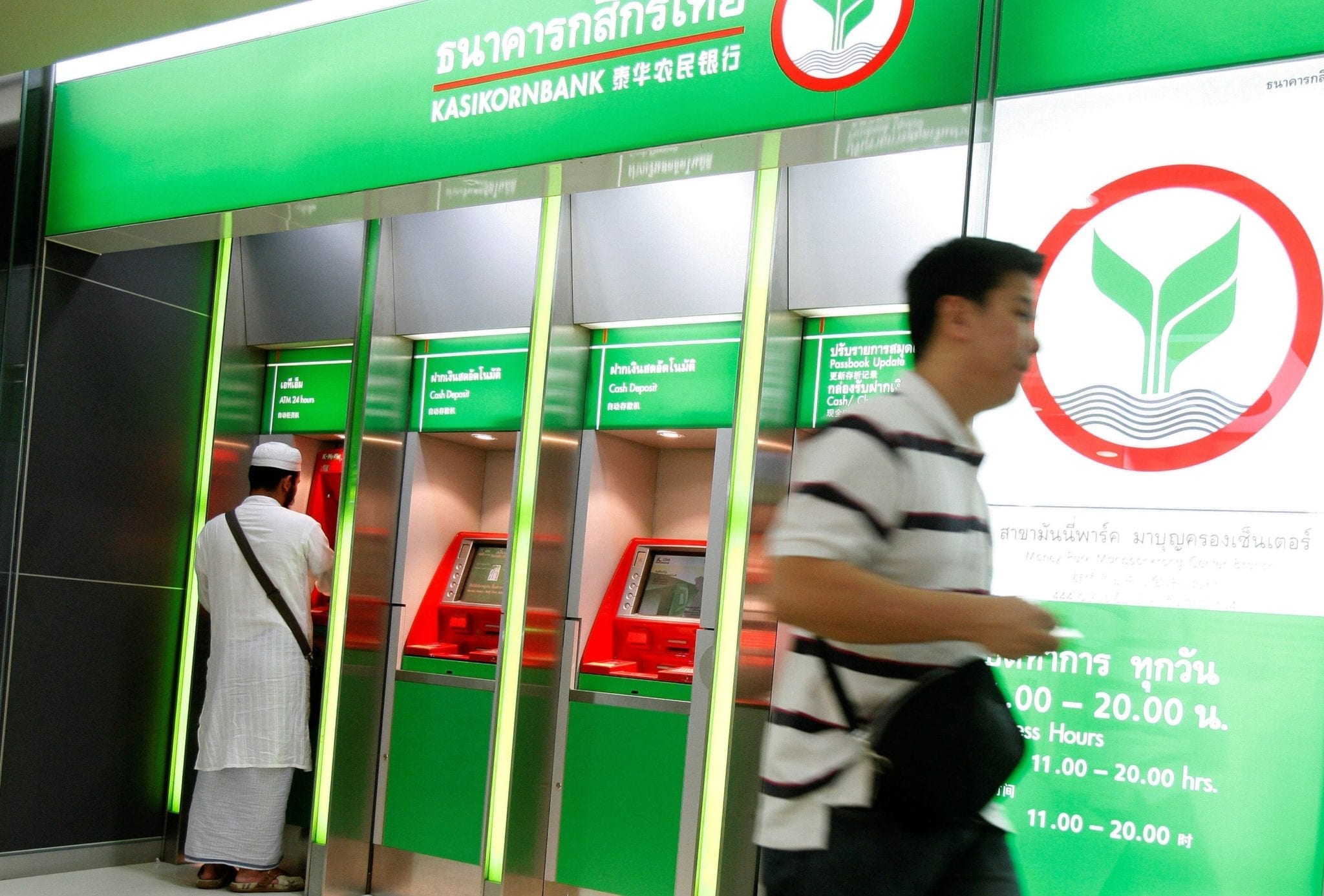
    Thailand’s second-biggest lender Kasikornbank is in talks to buy consumer finance provider Home Credit Vietnam in a deal of up to $1 billion that would further its push to expand in Vietnam, two sources said.

    The Bangkok-based lender, also called KBank, hopes to become one of Vietnam’s top 20 banks in terms of assets by 2027. It has total assets worth $119.7 billion, second only to Bangkok Bank in Thailand, Refinitiv data showed.

    The news comes at a time when Vietnamese banks are under pressure as a slowing economy and protracted turmoil in the real estate sector have stoked an uptick in bad loans and triggered broad rate cuts.

    A potential deal would underscore a trend of consolidations in Asia’s finance sector and make KBank’s the second-largest M&A transaction in Vietnam’s financial industry this year after the sale of a $1.5 billion stake in Vietnam Prosperity Joint Stock Commercial Bank to Japan’s Sumitomo Mitsui in March, according to Refinitiv data.

    KBank has talked to financial advisors to explore the potential acquisition, according to the two sources, although deliberations are still ongoing and no final decision has been made.

    “KBank is currently operating KBank Biz Loan solution, a credit service for small-scale retail stores. The potential deal with Home Credit will enable the bank to promote access to financial services for small business clients,” said one of the sources familiar with the matter.

    The sources declined to be named as the matter is private.

    KBank and Home Credit Group did not respond to Reuters‘s requests for comments.

    Vietnam, home to more than 100 million people, possesses a fast-growing working-age population where KBank estimated that over 69% of the population has no bank account, the highest in Asia.

    In June, the Thai lender obtained the Vietnamese central bank’s approval to raise its core capital for its business in the country to $285 million from $80 million, to become its second-biggest foreign bank.

    It had set a target of $400 million in net income, with outstanding loans of 180 billion baht ($5.13 billion) and customer base of 8.4 million in the country within 2027.

    Home Credit Vietnam, part of Netherlands-headquartered non-bank financial institution Home Credit Group, started operations in the Southeast Asian country in 2008 and has grown to now employ 6,000 staff serving 12 million customers, according to its website.

    Besides cash loans, the company offers installment loans to buy motorbikes and consumer durables. It has 9,000 outlets in Vietnam, its website shows.

    Home Credit Group is controlled by the Czech Republic’s biggest investment group, PPF, which was founded by late billionaire Petr Kellner. It reported a wider loss in the first half of 2022, mainly due to the impact from the sale of Russian operations.

  • Techcombank chairman’s daughter to buy 82 million shares

    Techcombank chairman’s daughter to buy 82 million shares

    Ho Thuy Anh, daughter of Techcombank’s chairman Ho Hung Anh, has registered to buy 82 million shares of the bank on the market.

    The transaction, to be completed between Aug. 25 and Sept. 19, will increase her stakes in Vietnam’s largest private bank from 0.64% to 2.97%.

    With the TCB share trading at around VND33,000, the deal is estimated to be worth around VND2.7 trillion (US$113.35 million).

    At the end of June, the senior Anh and his family owned around 17.7% of the bank.

    Techcombank saw its profits plunge 20% year-on-year in the first half to VND11.3 trillion.

  • Gold price jumps up

    Gold price jumps up

    SJC gold price rose 0.15% to VND67.75 million ($2,844.25) per tael Wednesday morning, highest since Jan. 28.

    Gold ring price was stable at VND56.85 million per tael. A tael equals 37.5 grams or 1.2 ounces.

    Spot gold was up 0.2% at $1,900.30 per ounce, while U.S. gold futures rose 0.2% to $1,929.40.

    The dollar index was sitting below two-month highs, while a rally that took U.S. Treasury yields to nearly 16-year highs took a pause, giving some respite to gold that does not yield any interest.

  • Capilano introduces Hot Chilli Honey for bold flavour seekers

    Capilano introduces Hot Chilli Honey for bold flavour seekers

    Honey maker Capilano has launched a Hot Chilli variant for consumers looking for that “spicy kick” in their food.

    Recommended for drizzling over pizza, wings, ribs, burgers, or toast, the company said the new Hot Chilli is set to redefine honey’s role in home cooking and give food an extra “wow” factor.

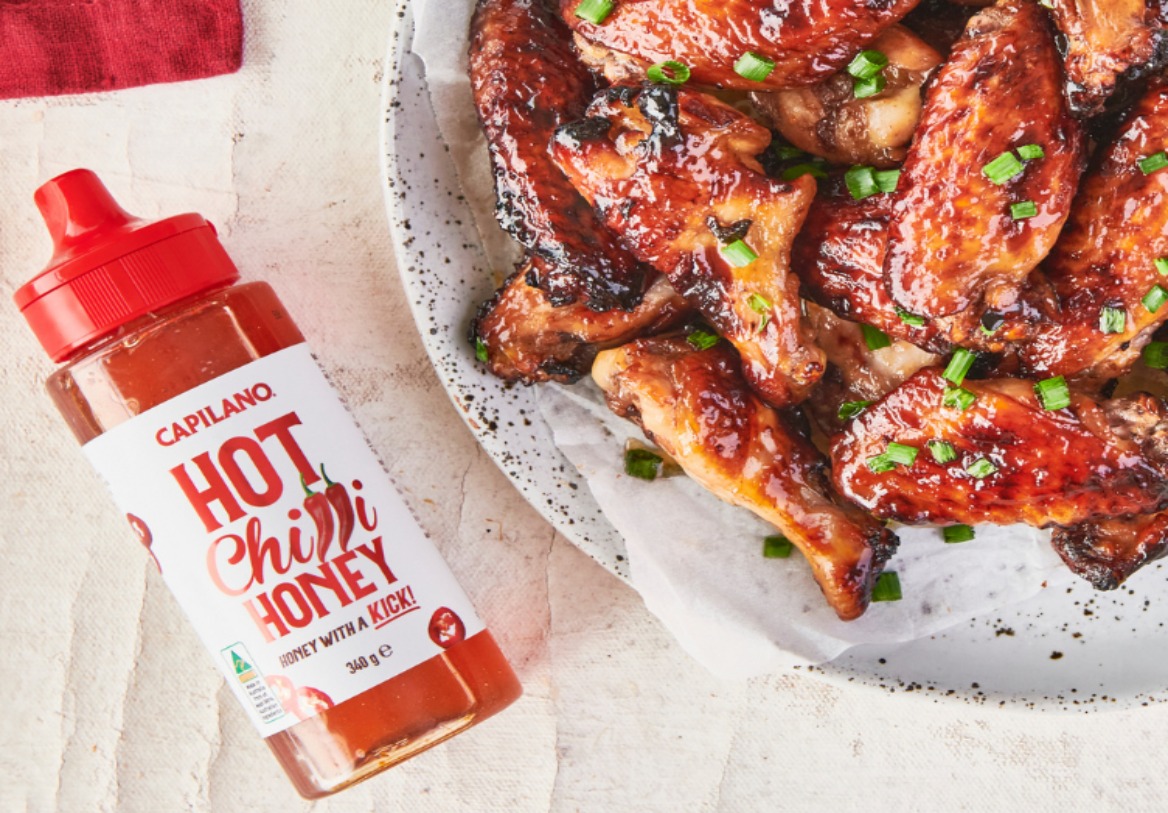
    Capilano Hot Chilli Honey combines 100 percent pure Aussie honey from its network of more than 800 beekeepers with savoury, spicy flecks of habanero chilli to create a savoury-style honey for use as condiment.

    In addition, the spicy honey is made with no preservatives or other nasties.

    Fiona Tavian, GM for innovation, Capilano, said studies show that an average Australian household consumes chilli every ten days, and suggest that five million adults enjoy hot sauce once a week.

    “We know Australians are always looking for ways to add excitement to their meals and prioritize natural ingredients,” said Tavian.

    “What a great way to support Aussie beekeepers by tapping into this huge appetite for Chilli products! “

    Capilano’s Hot Chilli Honey is available in a 340g squeeze pack for an RRP of $7.50 at Woolworths and will be stocked in Coles beginning October 2.

  • Pringles debuts spicy duo: Chipotle Sour Cream and Smokin Cajun

    Pringles debuts spicy duo: Chipotle Sour Cream and Smokin Cajun

    Pringles is sure to fire up the tastebuds of snack aficionados across the country with its latest release, comprised of two new smoking-hot flavors.

    These spicy new Pringles – Sizzlin’ Chipotle Sour Cream and Smokin’ Cajun Spice – are exclusive to Australia and New Zealand and were co-created with Michelin Star Chef Haikal Kohari, who crafted these bold flavors specifically for local tastebuds.

    For those who prefer mild spice, the Sizzlin’ Chipotle Sour Cream Pringles offer snackers some excitement, with the smooth, creamy sour notes balancing out the heat level.

    But for those who crave the heat, the Smokin’ Cajun Spice Pringles will surely get your heart racing with a mouthwatering mixture of spice and tangy citrus.

    Dan Bitti, Head of Pringles and Salty Snacks ANZ said the new Pringles flavors were a result of “18 months” of experimenting to get the “perfect balance of fire and flavor”

    “Across Australia and New Zealand, chip lovers are asking for more interesting and spicy flavors, so Pringles are giving the people what they want with something more daring.”

    “Whether you like snacks fiery or mild, the Smokin’ Cajun Spice and Sizzlin’ Chipotle Sour Cream flavors are both ‘a must try’, packing a punch of flavor and spice to get those taste buds popping.”

    “We can’t wait for Pringles fans to try them and see if they can handle the heat!”

    If you’d like to put your tastebuds to the test with these flavoursome and fiery new Pringles flavours, you can purchase them from Coles today and from Woolworths in mid-September.

  • Coles posts $1 billion profit as customers demand value

    Coles posts $1 billion profit as customers demand value

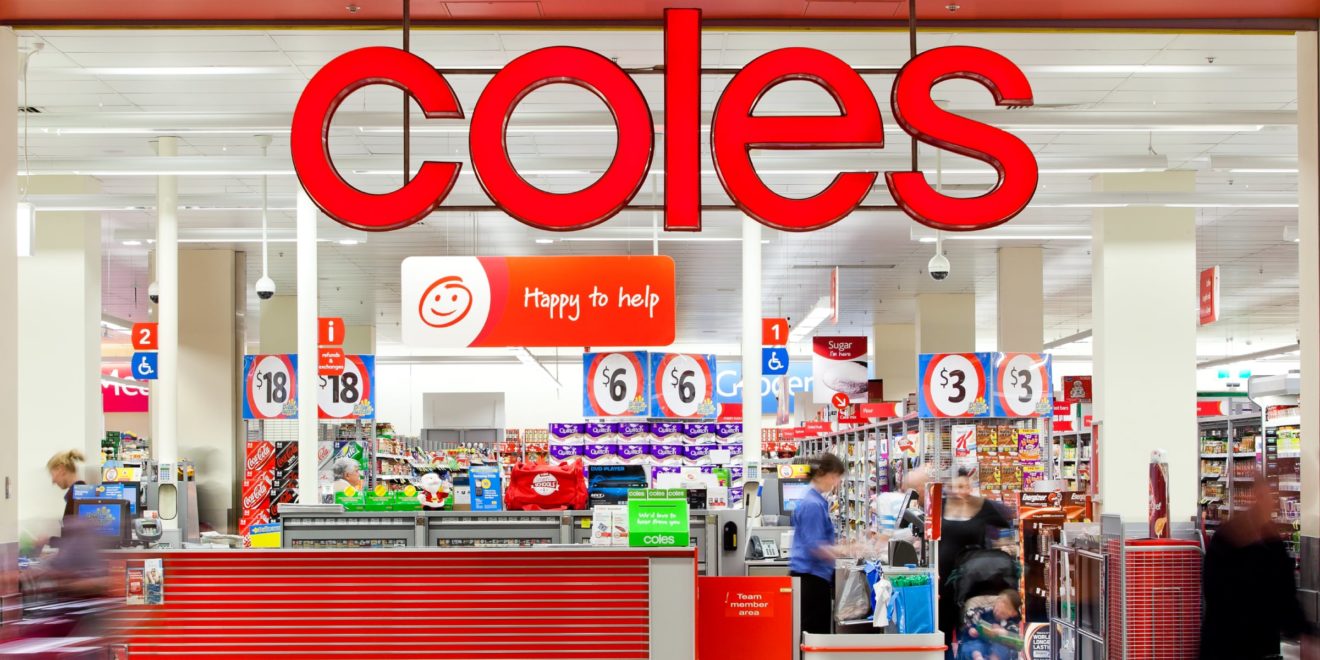
    With inflation and cost-of-living pressures rising, Coles says its Dropped & Locked value campaigns and own brand offerings boosted sales in FY23.

    For the 52 weeks to June 25, sales from continuing and discontinued operations reached $41.5 billion – up 5.3 percent – while tax-paid profit rose to $1 billion.

    Supermarket sales reached $36.7 billion, up 6.1 percent, with online sales of $2.8 billion, up 1.1 percent as customer shopping behaviour normalized with the return to in-store shopping.

    Due to rising cost pressures, the Exclusive to Coles range delivered $12.4 billion in this financial year, up 9.6 percent.

    The sales growth was attributed to the retailer’s Dropped & Locked value campaigns and the successful execution of trade plans during Easter, Christmas, and Mother’s Day.

    Coles completed 46 store renewals and opened 17 new stores and closed six, taking the network to 846 supermarkets.

    Sales in Coles’ liquor division reached $3.6 billion driven by strong performance of the Liquourland banner. Online sales increased 22.6 percent to $203 million driven by on-demand delivery and express delivery through Uber Eats and DoorDash.

    The Ready-to-Drink category was the strongest performing segment with its Exclusive Liquor Brand sales increasing by 8.5 per cent for the year.

    Coles Group CEO, Leah Weckert, said the business is continuing to “invest, innovate and drive sustainable growth” since its demerger.

    “Cost of living is the number one focus for our customers right now and we continue to invest in providing value through ‘Dropped & Locked’, everyday trusted pricing, weekly specials, Flybuys and our exclusive brand portfolio.

    “These initiatives are resonating with customers and we remain well positioned to grow in the current environment as more customers choose to eat at home.”

    During the year, Michael Courtney was appointed CEO of Coles Liquor while Anna Croft became the chief commercial officer.

    Moving forward, the retailer says cost of living pressures “are likely to remain” for many Australian households and the business will continue to invest in its physical and digital footprint.