Author: Mei Ling Tan

  • Telegram’s new update brings a highly popular feature to Android

    Telegram’s new update brings a highly popular feature to Android

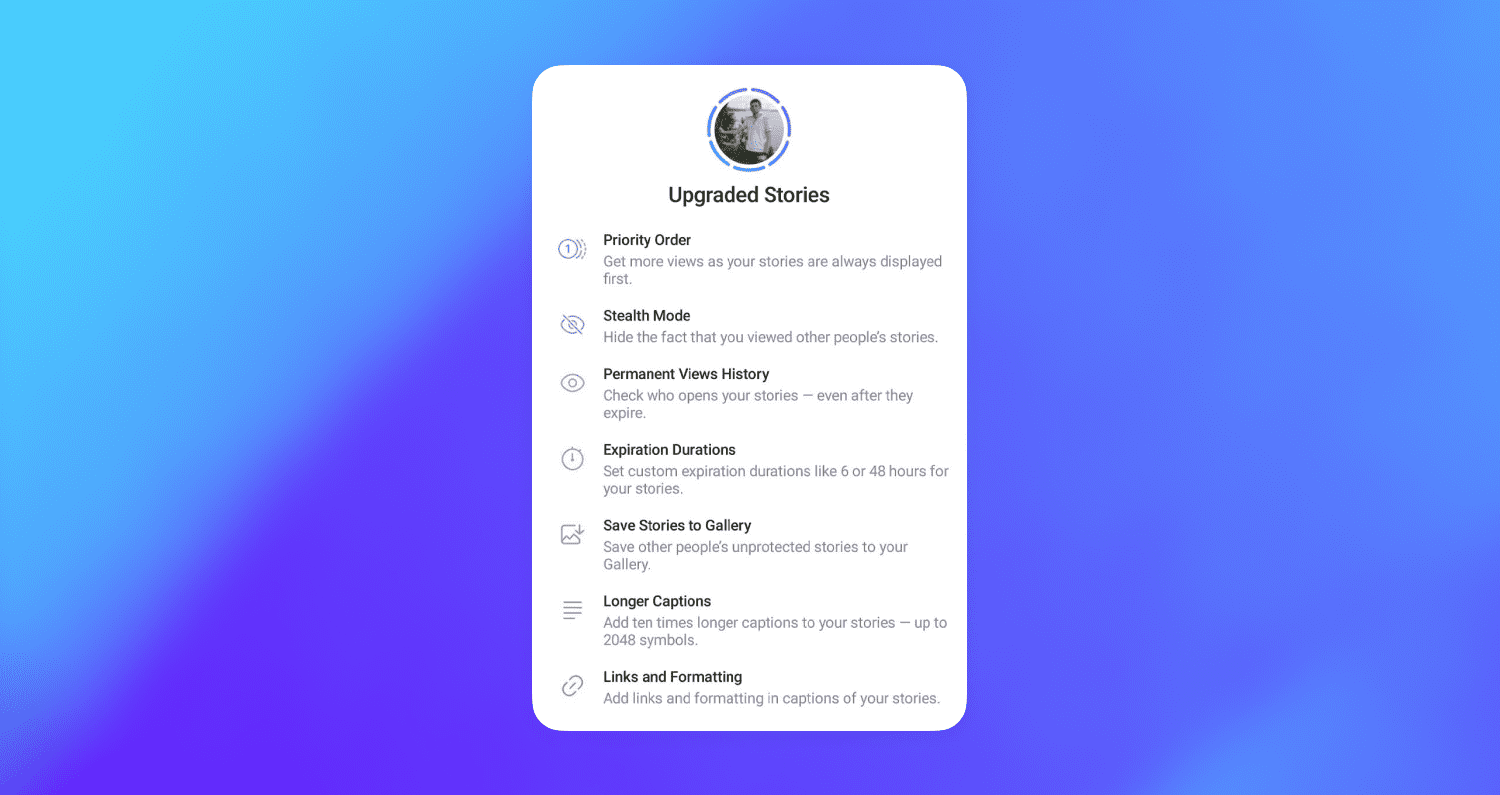
    Telegram users on Android can now send video and audio content to their TVs through Chromecast, a key feature of the messaging app’s latest update. This enhancement arrives alongside other improvements, including enhanced message organization and a revamped interface for managing linked devices.

    The ability to cast media to a larger screen addresses a common desire for users who want to share content with others or simply enjoy it on a more immersive display. Before this update, users had to rely on third-party solutions or workarounds to achieve similar functionality.

    Now, within the Telegram app, a simple tap allows for the seamless transfer of videos and audio to any Chromecast-enabled device. This streamlining of the process makes sharing and viewing content more accessible. You can access this feature by opening a video, tapping the Settings icon, and then selecting “Chromecast.”

    Beyond the Chromecast addition, the update also introduces “Starred Messages 2.0.” This feature allows for better sorting and organizing of saved messages by letting users assign tags to their starred messages, creating a more structured way to later retrieve them. This aims to address the challenge of finding specific information within a large collection of saved content. For those who frequently save important messages or photos and videos, this organizational tool is a significant upgrade.

    Another notable aspect of the update is the refined interface for managing linked devices. As many users utilize Telegram across multiple platforms, the ability to control and monitor these connections is essential. The updated interface provides a clearer overview of active sessions and allows for easier disconnection of devices. This enhancement improves security and gives users more control over their accounts.

    Historically, Telegram has focused on privacy and speed, and these updates continue that trend by improving the user experience. Among those, the addition of Chromecast support reflects a growing trend of integrating messaging apps with other devices and platforms, while  the enhanced message organization and device management features also demonstrate a commitment to providing users with tools to manage their data and accounts effectively. I believe this update will make for a more connected experience for Telegram users.

  • Vietnam Airlines flights impacted by strikes in Germany

    Vietnam Airlines flights impacted by strikes in Germany

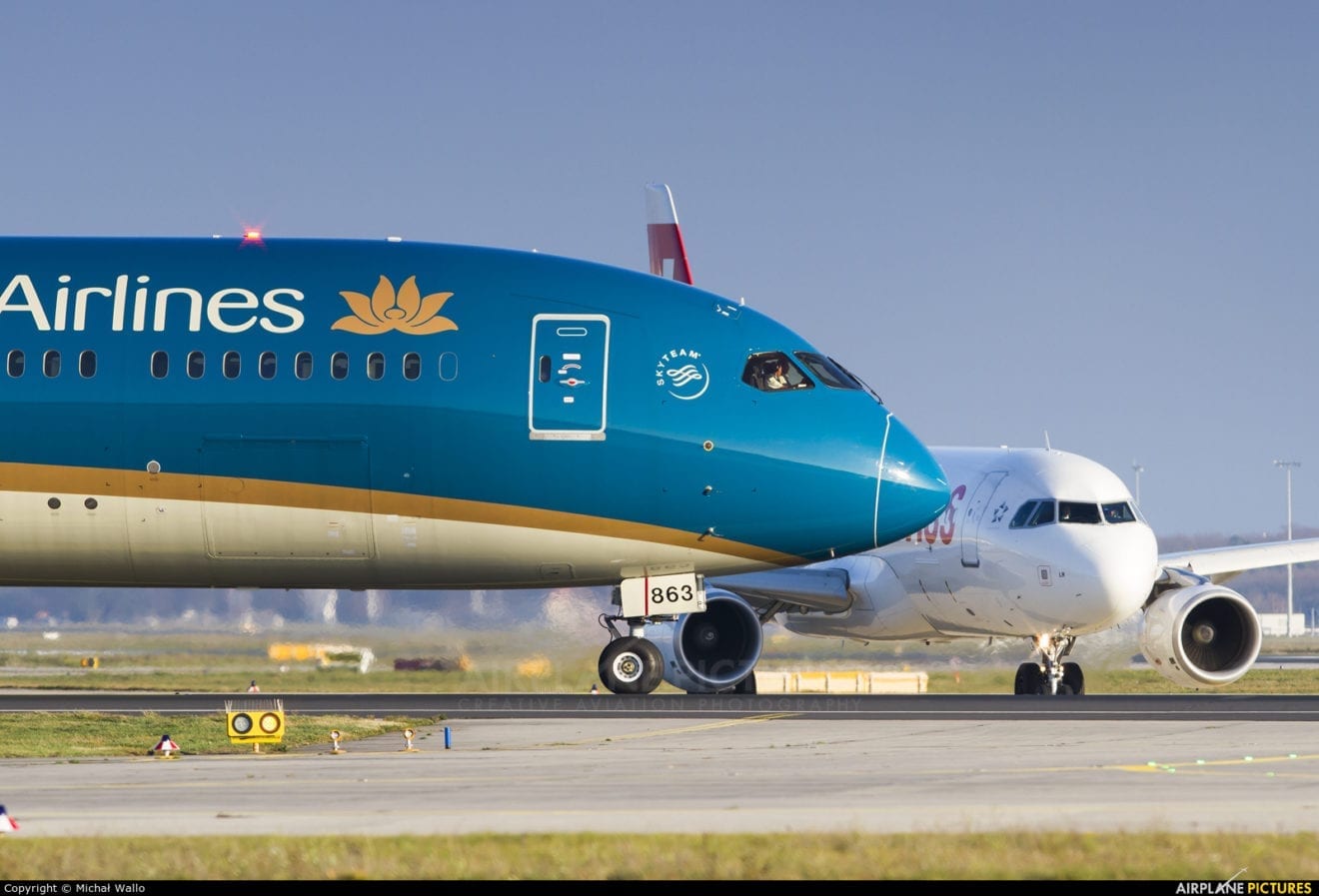
    According to an official announcement from the airline, Vietnam Airlines flights have changed their operating schedule due to a strike in Germany from midnight to 11.59 p.m. on March 10 (local time).

    This is the second time the airline has been affected by this reason this year.

    Specifically, flight VN36 from Frankfurt to Hanoi on March 10 will depart at 11:55 a.m. on March 11 (local time), flight VN30 from Frankfurt to Ho Chi Minh City on March 10 will depart at 11:05 a.m. on March 11 (local time), and flight VN34 from Munich to Hanoi on March 10 is planned to depart at 11:05 a.m. on March 11 (local time).

    In addition, due to the chain reaction from adjusting the fleet and general schedule, about 20 domestic and international flights of Vietnam Airlines from March 11 to 12 may be changed from wide-body to narrow-body aircrafts, delayed departure times or canceled.

    The airline representative informed me that the airline would regularly update the operation plan in the following newsletters.

    Affected passengers will be supported by the airline according to regulations.

    They also can check official Vietnam Airlines Facebook Fanpage; contact ticket offices, official agents, and Customer Care Center 1900 1100 (in Vietnam) or +84 24 38320320 (abroad).

  • Apple confirms your iPhone won’t be getting this key Apple Intelligence feature until next year

    Apple confirms your iPhone won’t be getting this key Apple Intelligence feature until next year

    Apple has announced that some of its planned artificial intelligence enhancements for Siri, its well-known voice assistant, will not be available until 2026, pushing back the initial rollout. This adjustment means certain features designed to make Siri more personalized and capable of handling tasks across various apps will require additional development time.

    The company released a statement explaining that their work on a more context-aware Siri, capable of understanding and acting on user-specific information within and between applications, is proving more complex than initially anticipated. Apple had previously indicated these features would be introduced in 2025. Now, users will have to wait longer to experience these advanced capabilities.

    Apple representative to John Gruber, Daring Fireball

    These planned improvements are part of Apple’s broader “Apple Intelligence” initiative, which includes a range of AI-driven features. Among the most anticipated are those that would allow Siri to interact more seamlessly with data stored on Apple devices. For instance, imagine asking Siri to find a podcast recommendation from a friend or to retrieve flight details sent by a family member. These actions would rely on Siri’s ability to access and process information directly from the device.

    To support these AI features while maintaining user privacy, Apple has been developing a new cloud computing infrastructure powered by its own chips. This infrastructure is designed to process data in a way that respects user privacy, a core principle for the company. The complexities of building and refining this system, while also enhancing Siri’s capabilities, appear to be contributing to the delay.

    This delay was actually first reported by Bloomberg’s Mark Gurman last month, explaining that the company had been running into issues when it came to getting them working as expected in iOS 18.4, which is expected to roll out in April. He also predicted the possibility of a delay until iOS 18.5, which is expected in May. However, with a delay until next year, it is now looking like the delay is more serious than originally thought.

    While this news is disappointing, I believe Apple users would prefer the launch of a finished product, rather than an unfinished one with the potential to compromise user privacy. It will be interesting to see how Apple manages to deliver these features in the future, and how they balance privacy and functionality.

  • Telegram banned across Russian regions in unprecedented twist of fate

    Telegram banned across Russian regions in unprecedented twist of fate

    Talk about an unexpected surprise: the popular messaging app Telegram has been banned across two regions in Russia for fear of enemies of the state using it to plan attacks. Telegram has long been heralded for its commitment to user privacy, but it has also been accused of being Russian spyware.

    The ban has been imposed across the Russian regions of Dagestan and Chechnya as authorities reported a rise in extremism. An example of a concerning instance from 2023 was provided as proof of the app being used for malicious purposes.

    This isn’t the first time that Telegram has gotten into trouble in Russia but the ban across Dagestan and Chechnya looks like it will stay for a long time. Authorities are urging residents to switch to alternatives and saying that Telegram may or may not be unbanned in the future.

    This is far from the first time that Telegram has made the news in the last few months. Telegram founder Pavel Durov was arrested in France last year on charges of facilitating organized crime on the platform. These charges alleged that due to Telegram’s stance on user privacy and anonymity the platform was responsible for whatever took place in its servers.

    Eventually, after so many years of resisting it, Telegram caved to legal pressure. Durov stated that the app would now provide users’ IP addresses and phone numbers to authorities upon request. Telegram had often been blamed for breeding radical cells in the past.

    Funnily enough, some people have always believed that Telegram is Russian spyware. With it now being blocked in regions of its own home country, that belief becomes all the more humorous, in my opinion. I’ve also always maintained that Telegram is no more to blame for nefarious activities than Discord or other platforms that offer end-to-end encryption.

    Some people view Telegram as part of the dark side of the internet: an app that only elite hackers or criminals use. But Telegram is a massively popular platform with all sorts of chat rooms and servers. I personally have met some amazing people on Telegram and I hope the situation in Russia can be handled sooner rather than later.

  • Volvo ES90 Electric Sedan Unveiled

    Volvo ES90 Electric Sedan Unveiled

    Volvo has unveiled its first all-electric sedan, the ES90 for the global market. Built on the carmaker’s SPA2 platform, the ES90 is the sixth all-electric model in Volvo’s portfolio after the EX90, EM90, EX40, EC40 and EX30. The carmaker has stated that the ES90 will initially go on sale in European markets in the coming months with other markets to follow.

    Visually, the ES90’s design is in line with the rest of Volvo’s EV lineup, borrowing many elements. The front end of the EV gets headlamps that are similar to the likes of the EX30 with Volvo’s signature ‘Thor’s Hammer’ LED daytime running lamps. Below the headlamp clusters sit vertical fog lamps on both ends, with a rectangular air dam in between.

    In profile, the ES90 sports a prominent shoulder line, with creases around the wheel arches and towards the lower half of the doors. Being a liftback, the ES90 has a short rear overhang while the roofline flows into the short rear deck. The rear end of the ES90 gets C-shaped tail lamps, similar to the units on previous Volvo sedans. The boot space of the EV amounts to 424 litres, and the EV also gets a 22-litre frunk.

    On the inside, the interior layout of the EV is largely similar to that of the EX30 and EX90 and is headlined by a large 14.5-inch portrait-oriented central infotainment touchscreen. The infotainment system gets Google built-in, which includes services such as Google Maps, Google Assistant and more apps on Google Play. The cabin also has ambient lighting, with six themes, and gets a panoramic glass roof. Buyers can also option an electrochromic glass roof where you can adjust the transparency of the glass. The ES90 can also be had with a 25-speaker Bowers & Wilkins sound system.

    The ES90 is offered with three powertrain options – single-motor (338 bhp, 480 Nm), twin-motor (455 bhp, 670 Nm), and twin-motor Performance (690 bhp, 870 Nm). While top speed is identical across all three variants (180 kmph), 0 to 100 kmph times are 6.9 seconds (single-motor), 5 seconds (twin-motor), and 4 seconds (twin-motor performance) respectively.

    The single-motor variant of the sedan will feature a 92 kWh battery pack that delivers a range of up to 650 km. The twin-motor variants of the ES90, on the other hand,  will come equipped with a 106 kWh battery pack and have a WLTP figure of up to 700 km. Volvo says that the new sedan will be its fastest-charging EV to date with the 800V electrical architecture allowing for DC fast charging at rates of up to 350 kW – up from the EX90’s 250 kW. The company says this will allow users to juice up the battery from 10-80 per cent in as little as 20 minutes, up to 30 per cent faster than all other Volvo EVs currently on sale.

  • Ferrero Rocher’s Easter chocolate collection returns

    Ferrero Rocher’s Easter chocolate collection returns

    Ferrero Rocher’s limited-edition Easter collection is making a comeback and is now on sale through major retailers.

    The collection includes Ferrero Collection Boxed Egg, Ferrero Collection Easter Eggs, Ferrero Rocher Milk Chocolate and Hazelnut Easter Squirrel, Grand Ferrero Rocher, Ferrero Rocher Easter Egg Gift Box, and Ferrero Rocher Milk Chocolate and Hazelnut Easter Egg.

    The chocolate brand has partnered again with interior designer and tastemaker Steve Cordony for styling the collection.

    “This year, my Easter theme features greenery, natural napery, and touches of gold with Ferrero Rocher to elevate a tablescape,” said Cordony.

    “We also crafted the cutest napkin Easter bunnies using a classic Ferrero Rocher. Something so
    simple and effective way to adorn your Easter table this year.”

    Earlier this year, Ferrero debuted its frozen bakery range, the Nutella Croissant and Nutella Muffin, which are now available to food service partners across Australia.

  • Thai Airlines halts certain domestic flights due to air pollution

    Thai Airlines halts certain domestic flights due to air pollution

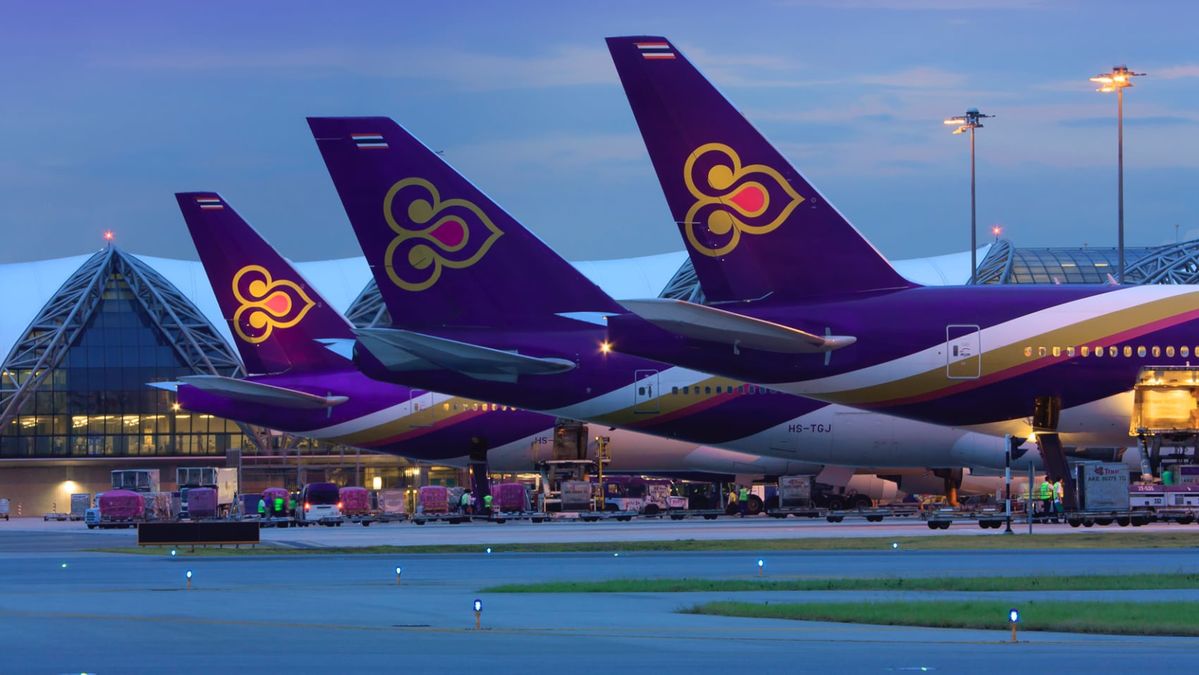
    Bangkok Airways, one of Thailand’s main airlines, said on Wednesday that it will suspend flights between Bangkok and a northern province for more than a month because of poor visibility caused by air pollution.

    The carrier said flights from Bangkok to the north-western town of Mae Hong Son will be suspended because smog is expected to make visibility too poor to land. The company experienced the same problem in 2024, when smog levels were extremely high.

    The airport authority in Mae Hong Son, a popular stop of travelers in northern Thailand, announced on Facebook last week that flights would be suspended from March 15 to April 20.

    Air pollution spikes in Thailand, especially in the north, between December and April as farmers burn stubble to prepare land for the next crop season. The Thai government banned crop burning early in 2025, with violators facing fines and legal action, although it is not yet clear what impact the measures are having.

    The air quality index for Mae Hong Son was 7.9 times greater than World Health Organization guidelines, according to IQ Air data, which measures global air pollution.

  • DHL sees new opportunities in Thailand with its Strategy 2030

    DHL sees new opportunities in Thailand with its Strategy 2030

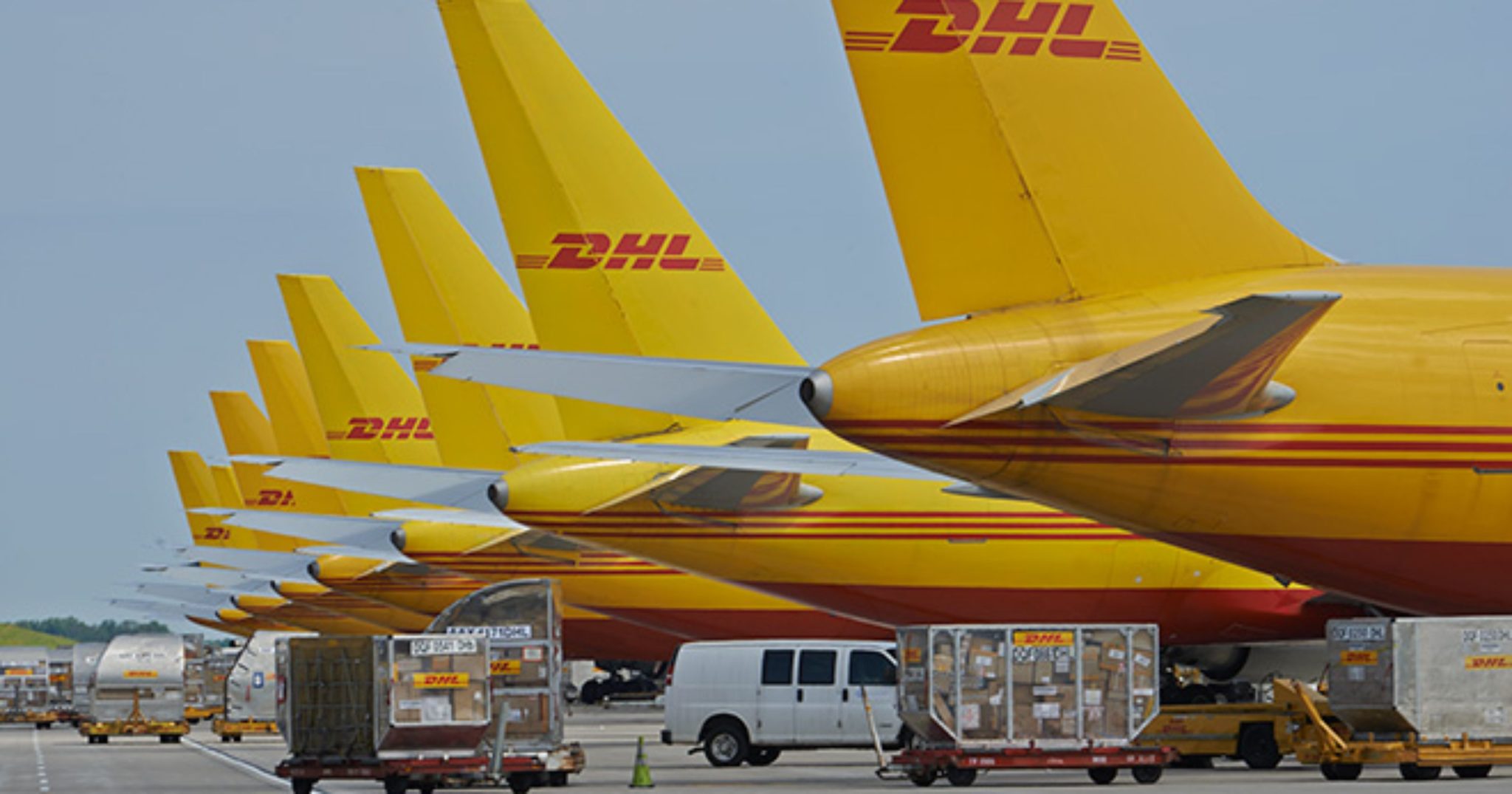
    DHL, the world’s leading logistics company announced its strengthened commitment to Thailand through its Strategy 2030 – Accelerate Sustainable Growth, with opportunities to position Thailand as a key regional hub as more businesses look to build supply chain resiliency in Asia Pacific.

    Thailand hosts all four DHL divisions operating in full force, enabling Thai businesses to access DHL’s global network and solutions from a one-stop logistics partner. DHL’s Strategy 2030 addresses five key megatrends shaping Thailand’s economic landscape: Global Trade, E-Commerce, Sustainability, Digitalization and Evolving Workforce.

    While these industry changes present new challenges, DHL’s strong track record and global footprint position it uniquely to seize significant opportunities for additional growth. Other than the megatrends, DHL also sees opportunities for Thailand in the following key growth initiatives:

    Geographic tailwinds

    DHL will build on its strong global footprint and local expertise to capitalize on geographic tailwinds. This addresses the profound shift in growth of trade lanes, diversification of global supply chains, and the needs of fast-growing companies around the world.

    While Vietnam and Indonesia have gained much attention for supply chain diversification, Thailand’s strong manufacturing base in the automotive and electronics sector gives it an advantage. The Ministry of Commerce announced that exports expanded by 5.4% throughout 2024, the highest annual figure in the nation’s economic history.

    Key markets such as United States, China, Japan and the European Union were the main drivers for the growth with the United Kingdom emerging as a promising market for Thai businesses.

    New energy

    The transformation of the renewable energy and auto-mobility sectors requires dedicated logistics solutions, and DHL sees opportunities for Thailand as a key Southeast Asia destination for EV production. This is bolstered by the Government’s effort to attract foreign manufacturers to establish local production bases.

    DHL’s extensive solutions across the EV supply chain will help Thailand achieve its goal of having EVs account for 30% of its vehicle production by 2030.

    E-commerce

    Thailand’s e-commerce sector is experiencing rapid expansion. According to the Thailand E-Commerce Association, the market value is projected to grow from $26.5 billion in 2023 to $32 billion in 2025, reflecting an approximate 21% increase over two years, translating to a compound annual growth rate (CAGR) of about 10%. DHL plays a crucial role in supporting Thailand’s vibrant SME sector, which comprises 3.2 million businesses contributing 35% of the country’s GDP.

    Success stories such as Gentlewoman and Fairtex demonstrate how local Thai brands can tap on DHL’s comprehensive logistics solutions to achieve international growth. The combination of DHL’s global reach and local expertise provides Thai businesses with the capabilities they need to compete effectively in the global marketplace.

    Initiatives such as DHL’s GoTrade program provide capacity-building assistance to more than 9,000 SMEs worldwide. In Thailand, DHL Express developed the program, in collaboration with key government agencies including DITP and OSMEP, to help Thai businesses effectively navigate international trade opportunities.

    In addition to facilitating international trade, DHL eCommerce supports e-retailers, SMEs, and brands in penetrating the Thailand market by offering reliable, high-quality delivery solutions at an affordable price from DHL eCommerce. DHL’s commitment to excellence ensures businesses of all sizes and sectors can grow and succeed in an increasingly digital and competitive domestic landscape.

    DHL reaffirms long-standing commitment to Thailand

    DHL’s long-standing commitment to Thailand is demonstrated through its comprehensive operational footprint and continued investment in infrastructure and capabilities. It currently employs more than 9,300 people across the four divisions.

    DHL Supply Chain currently manages over 678,000 sqm of warehouse space across more than 70 facilities, including those in the Eastern Economic Corridor. Through its extensive transport network, the company efficiently handles approximately 4,800 vehicle loads daily. The company is making significant investments in developing more sustainable warehouses and is also set to expand its electric vehicle fleet by 300% over the next three years.

    DHL Express operates a robust aviation and ground network encompassing one regional hub at Suvarnabhumi Airport, 15 service centers, 131 owned and partnered service points, all facilitating international door-to-door express deliveries. The network supports 85 dedicated flights weekly while 100% of service centers are equipped with solar panels for renewable energy generation.

    DHL Global Forwarding specializes in air, ocean, rail, and road freight forwarding services. With seven offices and three warehouses totaling 8,480 sqm across Thailand, DHL Global Forwarding serves more than 2,000 customers. The new DHL International Multimodal Hub marks a significant investment in strengthening Thailand’s position as a regional trade center. The facility streamlines shipping processes by enabling seamless transitions between different modes of transport and simplifying customs procedures at a single location. This facility also offers valuable connectivity for landlocked neighbors like Laos, providing diverse transportation options.

    Meanwhile, DHL eCommerce’s extensive nationwide delivery network — comprising 151 last-mile depots, over 2,000 vehicles, and 230 service points — ensures full market coverage, with up to 97% next-day delivery service. Committed to continuous innovation, DHL eCommerce invests in advanced solutions to enhance service quality for e-retailers, SMEs, brands, and enterprise customers. A major hub upgrade is planned for 2026 to further strengthen its capabilities.

    Leading the way in sustainable logistics: The green logistics provider of choice

    xWith the company’s goal of achieving net-zero greenhouse gas emissions by 2050, DHL’s commitment to sustainability in Thailand is demonstrated through comprehensive initiatives across all four divisions. The company has made significant progress in vehicle fleet electrification, with all divisions implementing EVs in their operations.

    DHL Express Thailand has emerged as a pioneer, becoming the first international express logistics provider to deploy an e-bike and EV fleet in Thailand. The company has achieved 21% fleet electrification with more than 50 electric vehicles for first and last-mile deliveries. It also supports customers in reducing their scope 3 emissions by utilizing sustainable aviation fuel (SAF) via the GoGreen Plus service.

    DHL Supply Chain reinforces this commitment through its more sustainable transportation with the deployment of more than 30 electric vehicles in collaboration with retail, consumer, and automotive sector customers, while implementing the Certified GoGreen Specialist program, which has trained more than 80% of DHL Supply Chain employees. In addition, the company is implementing sustainable warehousing practices with the development of Thailand’s first fully renewable energy warehouse in 2025.

    DHL Global Forwarding demonstrates more sustainable road freight across Asia through logistics optimization, multimodal transport, and electric vehicles. The EV fleet in Thailand is projected to eliminate 85,000 kilograms of CO2 emissions annually. DHL Global Forwarding leads sustainable logistics innovation through GoGreen Plus, offering carbon emission reduction options via sustainable marine and aviation fuels, enabling customers to easily reduce their main haul carbon emissions across all trade lanes.

    DHL eCommerce has deployed electric vehicles on shuttle routes between depots in Bangkok and urban areas. The company plans to introduce electric linehaul trucks for short-distance routes in Q2 2025. In addition, DHL eCommerce aims to convert 50% of its owned Bangkok last-mile fleet to EVs within the next two years.
  • Nestle takes full control of Chinese confectioner Hsu Fu Chi

    Nestle takes full control of Chinese confectioner Hsu Fu Chi

    Nestle has acquired the remaining 40 per cent ownership in Chinese confectionery company Hsu Fu Chi for an undisclosed sum, after purchasing 60 per cent in 2011.

    Hsu Fu Chi, founded in 1992 by the Hsu family, is a well-known confectionery brand in China. Nestle acquired its original stake for $1.7 billion.

    The acquisition reportedly leverages Hsu Fu Chi’s distribution network to expand Nestle’s snacking and confectionery operations in China.

    “This move combines Hsu Fu Chi’s efficient operations and entrepreneurship with our proven innovation and renovation capabilities, accelerates the development of the Hsu Fu Chi brand and further reinforces Nestle’s presence in China,” said Nestle Greater China region CEO Zhang Xiqiang in a statement sent to Just Food.

    “It also demonstrates our long-term commitment to China and enhances our ability to grow our portfolio of international and local brands in this dynamic market.”

    Nestle announced its action plan last year, which included targeted investments in important categories as well as incremental cost savings of at least US$2.83 billion.

  • Unilever New Zealand appoints new executives

    Unilever New Zealand appoints new executives

    Unilever New Zealand has promoted Nigel Melhuish, Keely Pipkin, and Sailen Mudaly to senior executive positions.

    Nigel Melhuish, who will serve as head of country New Zealand in addition to his role as supply chain manager, has been with the company for eight years and has 20 years of expertise in FMCG.

    He previously worked at Henkel for 12 years in several roles, including head of process and systems Apac and ANZ supply chain director.

    Meanwhile, Keely Pipkin will join the company as head of sales in New Zealand on March 17. Pipkin joins Unilever from Nestle Purina, where she was head of sales.

    For the ice cream business in New Zealand, Unilever has named Sailen Mudaly the head of country and sales. Mudaly was most recently the GM of sales at Essano, where he was responsible for driving development across numerous channels and major retail banners in Australia and New Zealand.

    “The next year will be about re-founding Ice Cream to create a world-leading, stand-alone business with greater flexibility and autonomy,” said Mudaly.

    “This will enable us to focus, move with pace, and foster closer collaborations with our customers to deliver market-leading availability, category growth, and perfect execution. I’m really looking forward to leading the New Zealand business through this exciting new chapter.”

    Unilever’s split of Ice Cream is expected to be completed by the end of this year. Ice Cream will be separated through demerger, with the business listed in Amsterdam, London, and New York.

  • Chinese milk tea chain Chagee enters Vietnam

    Chinese milk tea chain Chagee enters Vietnam

    Chagee, one of the largest milk tea brands in China, has expanded into Vietnam and will soon launch its first store there.

    On Monday, its official Facebook page shared a poster saying “Hello Vietnam” with a caption that read: “Vietnam, let’s get ready for some exciting things ahead! Chagee will bring you refreshing moments and new experiences. Stay tuned!”

    A post on its Facebook recruitment page also confirmed that it is officially present in the market and is looking for staff for its expansion.

    On Chagee Vietnam’s LinkedIn profile, the brand said in a comment that its first store “will be launching very soon.”

    Founded in Yunnan, China, in 2017, Chagee markets itself as the “Eastern Starbucks,” aiming to challenge the dominance of the U.S. coffee giant, according to KrAsia.

    The brand has rapidly grown across Asia Pacific, establishing a presence in Malaysia, Singapore, and Thailand, with a global network exceeding 6,000 stores.

    Focused on raw-leaf fresh milk tea, Chagee blends traditional tea culture with modern innovation to appeal to contemporary consumers, as stated on its website.

    It recorded sales of 10.8 billion yuan (US$1.48 billion) in China in 2023 and 5.8 billion yuan in the first quarter of 2024.

  • Telcovas Expands into LATAM and Southeast Asia, Betting Big on AI and 5G

    Telcovas Expands into LATAM and Southeast Asia, Betting Big on AI and 5G

    When asked about Telcovas’s focus for the year, Singh emphasized their dedication to addressing critical pain points for mobile network operators (MNOs).

    He highlighted their innovative approach to integrating artificial intelligence (AI) into their solutions to enhance MNO operations. “One of our solutions is Automated Roaming Assist, which is an AI-enabled troubleshooting application that can be embedded in the selfcare app for any MNO and integrated into the chatbot to solve roaming solutions for subscribers.” Singh elaborated. “This enables troubleshooting, reporting, and analysis of the problems from subscribers’ handsets and destination MNO’s, in addition to the whole roaming journey.”

    Mehaidly also introduced their AI Spam Call Controller, designed to pre-emptively identify and manage spam calls. “This solution uses AI to analyze calls before setup, alerting customers and allowing MNOs to blacklist or whitelist calls as per their preference,” he added.

    Reflecting on their achievements in 2024, Singh expressed satisfaction with Telcovas’s growth trajectory. “We have been able to grow our business over the past year, enjoying great growth in revenue, profit, people, footprint, and customer reference.”

    Singh emphasized the key products driving this growth, including private 5G networks tailored for industries like mining, manufacturing, and defense, along with robust roaming VAS (value added services) and cybersecurity solutions. “We’ve also made significant strides in mobility solutions and regulatory compliance across Africa and the Middle East,” Singh noted.

    Looking ahead, Mehaidly revealed Telcovas’s strategic expansion into Latin America and Southeast Asia in early 2025. Singh concluded:

    Overall, the company’s success is a testimony to Telcovas’s commitment to innovation and customer-centric growth.

  • Popular US chain Blue Bottle Coffee to open first Singapore café

    Popular US chain Blue Bottle Coffee to open first Singapore café

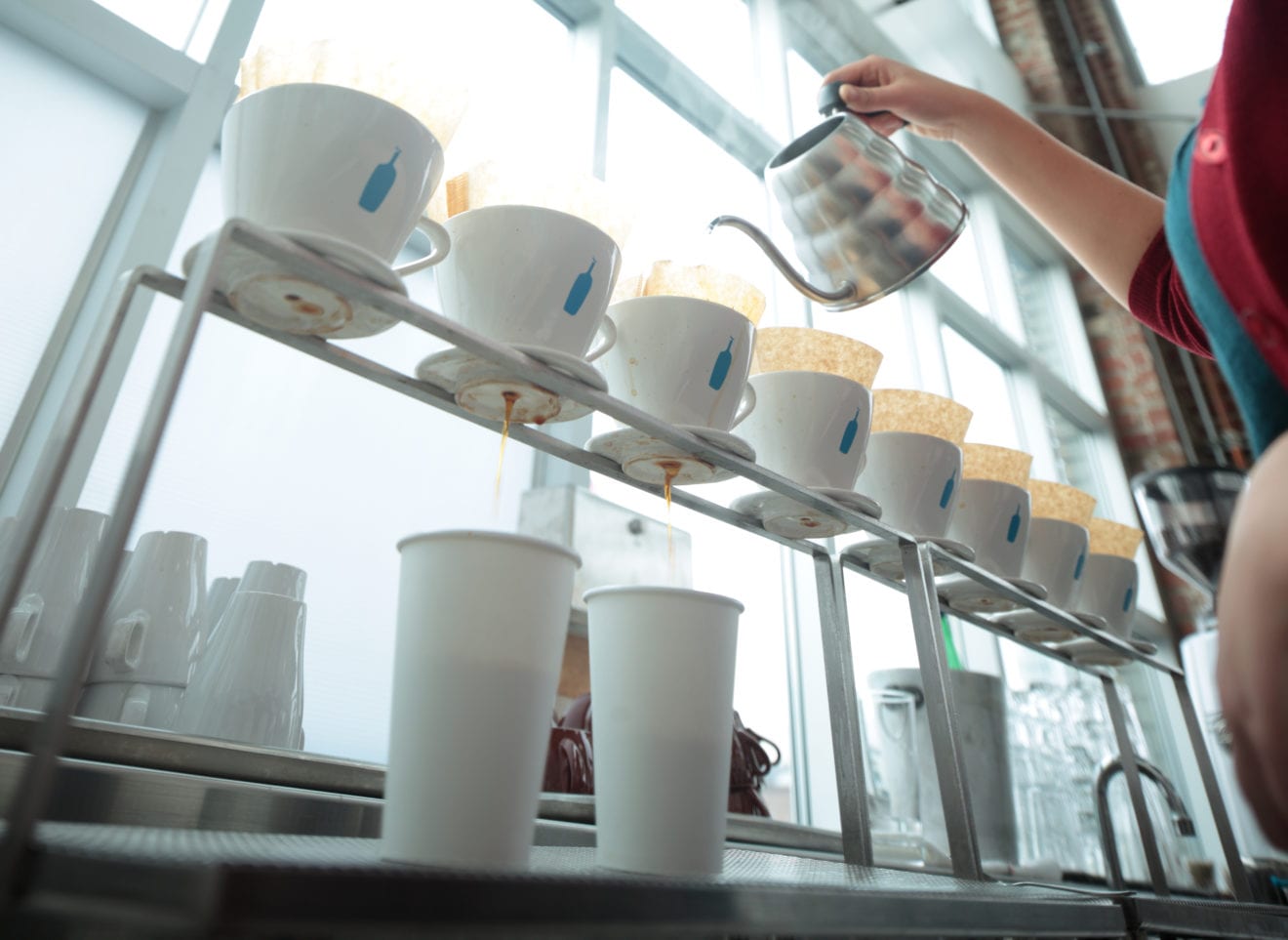
    Renowned US specialty coffee brand Blue Bottle Coffee is set to open its first café in Singapore at Japanese retailer LUMINE’s flagship store in Raffles City Shopping Center.

    “We will share the opening date and hours soon, so please stay tuned for further updates,” the firm said in an announcement on Wednesday.

    This would mark the brand’s first café in Southeast Asia, it added.

    The new café will replace Blue Bottle Coffee’s temporary gift shop, which opened last August as the brand’s entry point into the city-state, .

    Founded in 2002 as a small coffee cart in California, Blue Bottle Coffee has since expanded across the U.S., Japan, South Korea, Hong Kong, and China.

    Its Singapore debut comes through a partnership with LUMINE. Several of the chain’s cafés in Japan are also located within shopping centers operated by the retailer.

    The brand, which calls itself a “destination for coffee lovers,” is expected to feature a seasonally curated espresso menu at its upcoming shop, according to AsiaOne.

    It might also serve snacks like lemon poppy seed pound cake and candied orange scones.

  • Grab acquires Malaysian supermarket chain Everrise

    Grab acquires Malaysian supermarket chain Everrise

    Ride-hailing Grab is acquiring Malaysian supermarket chain Everrise as part of its ongoing efforts to grow its grocery business in a vital market.

    The company is purchasing the supermarkets from Navis Capital Partners but has not revealed the deal’s value, it said in an announcement Monday as reported by Bloomberg.

    Everrise operates 19 high-end grocery in East Malaysia.

    Grab intends to modernize Everrise’s operations with digital tools and introduce on-demand grocery delivery for its customers.

    The move came three years after Grab’s acquisition of Jaya Grocer, a larger Malaysian chain primarily based in the Klang Valley near Kuala Lumpur.

    As Southeast Asia’s leading ride-hailing and food delivery company, Grab is venturing into new sectors like online banking and groceries to stay competitive with rivals such as Indonesia’s GoTo Group.

  • Chubb acquires Liberty Mutual’s insurance businesses in Vietnam, Thailand

    Chubb acquires Liberty Mutual’s insurance businesses in Vietnam, Thailand

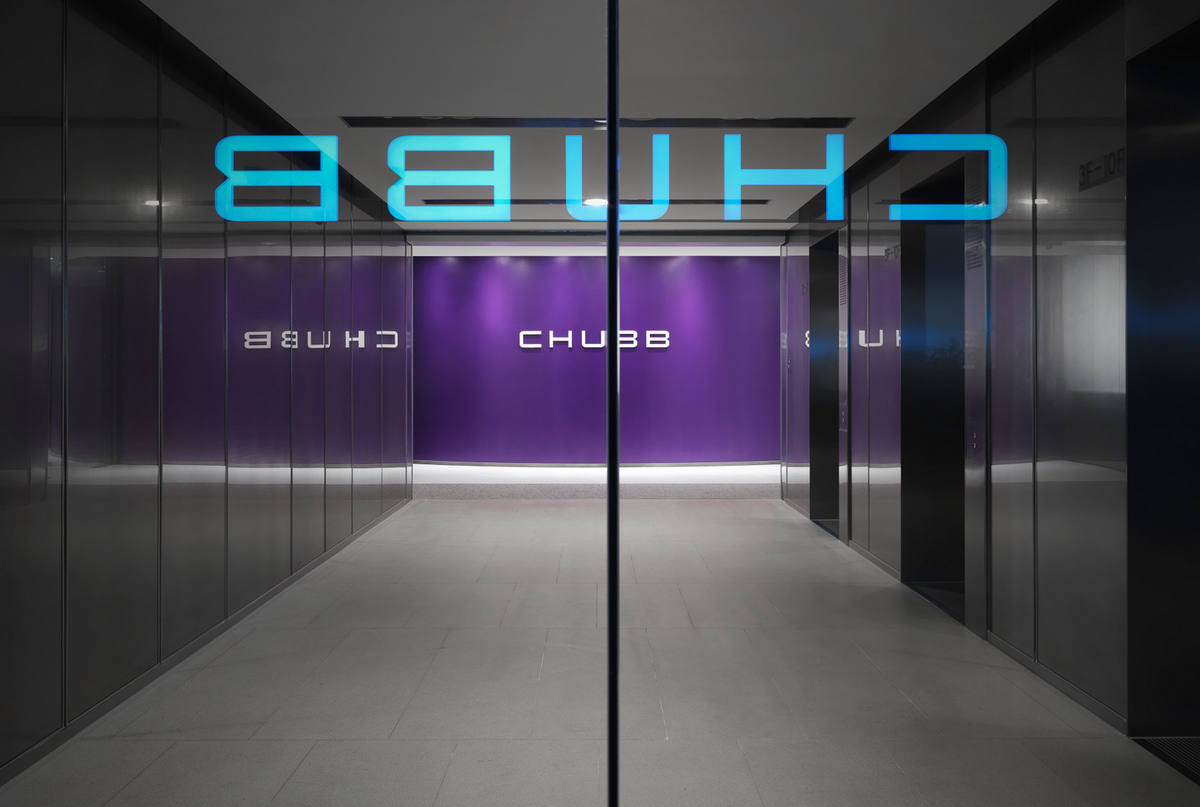
    Chubb Limited has announced agreements to acquire the insurance businesses of Liberty Mutual in Thailand and Vietnam without disclosing the terms.

    The two companies — LMG Insurance in Thailand and Liberty Insurance in Vietnam —offer a range of consumer and commercial property and casualty (P&C) products, including automotive, acccident & health and non-motor insurance such as fire/property and industrial all-risk.

    This portfolio is coupled with complementary distribution through 56 branches, 2,600 brokers and agents, and 26 finance partners. The combined operations produced approximately US$$275 million in net premiums written in 2024.

    The transactions are expected to be completed by the second quarter of 2025 (Thailand) and late 2025 / early 2026 (Vietnam) and are subject to required regulatory approvals and customary closing conditions.

    With operations in 54 countries and territories, Chubb provides commercial and personal property and casualty insurance, personal accident and supplemental health insurance, reinsurance and life insurance to a diverse group of clients.

    The company is defined by its extensive product and service offerings, broad distribution capabilities, exceptional financial strength and local operations globally.

    Parent company Chubb Limited is listed on the New York Stock Exchange and is a component of the S&P 500 index. Chubb employs approximately 43,000 people worldwide.