Author: Mei Ling Tan

  • South Korean firms plan to expand investment in Vietnam

    South Korean firms plan to expand investment in Vietnam

    South Korean conglomerates, including SK Group, Samsung, and LG, are expanding their investments in Vietnam, focusing on energy, high-tech manufacturing, and sustainable development.

    SK Group, the second-largest conglomerate in the country, has planned to invest in three LNG-fueled power projects in Vietnam, aiming to develop a new energy hub integrating artificial intelligence development, hydrogen, logistics, eco-friendly agriculture, and innovation in the Southeast Asian nation.

    In meetings with Party General Secretary To Lam and Prime Minister Pham Minh Chinh last week, SK Group Chairman Chey Tae Won said his firm is actively seeking opportunities to enhance support for and cooperation with Vietnam to promote long-term, sustainable economic growth.

    SK has already invested around $3.5 billion in Vietnam. However, most of the sum is indirect investment, involving equity purchases worth hundreds of millions to over a billion dollars in major companies such as Vingroup, Masan, Pharmacity, and Imexpharm.

    The Ecovance high-tech biodegradable materials plant in the northern port city of Hai Phong is the first direct investment project of SK in Vietnam. SK is investing in the project through a subsidiary at the DEEP C Industrial Park, with a total investment of $500 million. The project targets the rapidly growing global biodegradable materials market.

    Chey stated SK considers Vietnam a priority partner in its investment strategy in the coming time, adding the firm is eager to participate in Vietnam’s green transition, especially in energy and industry, thus contributing to the Southeast Asian nation’s goal of cutting emissions to net zero by 2050.

    Meanwhile, Samsung Display of South Korea has been approved to inject an additional $1.2 billion into its existing next-generation display manufacturing plant in the northern province of Bac Ninh. This investment aims to establish Vietnam as a key production hub for Samsung’s next-generation displays.

    In a recent meeting with Prime Minister Pham Minh Chinh, General Director of Samsung Vietnam Choi Joo Ho, and his successor, Na Ki Hong, stated that, in addition to its traditional investment areas, Samsung will expand its investments in Vietnam into new sectors.

    Samsung has invested over $23 billion in Vietnam, and continues to inject billions of dollars annually. With its new plans, more billion-dollar projects are likely to be added to Samsung’s investment portfolio in the Southeast Asian nation.

    Besides Samsung, LG has also been steadily increasing its investments in Vietnam. Last year, it poured billions of dollars into the LG Display project in Hai Phong. Looking ahead, LG plans to further expand its investments in the country.

    Other giants such as Hyosung, Amkor, and Hana Micron are also looking to expand their investment and business in Vietnam.

    After investing $520 million, Amkor decided to inject an additional $1.07 billion into its plant in Bac Ninh, 11 years ahead of its schedule. Recent reports indicate that Amkor’s plant is expected to triple its production capacity in the near future.

    South Korea’s registered investment in Vietnam hit $1.25 billion in January alone, much higher than the figure of $93.46 million recorded in January last year.

    South Korean investors have poured $92 billion into Vietnam, ranking first among countries and territories investing in the Southeast Asian nation, statistics showed as of January 2025.

  • Siri on your iPhone could be getting help from one of its biggest competitors soon

    Siri on your iPhone could be getting help from one of its biggest competitors soon

    As previously reported, it looks like Apple might soon let you choose between different AI models to power Siri. Currently, Apple Intelligence allows users to route Siri requests through ChatGPT for richer responses. However, a recent discovery in Apple’s software code suggests the expansion of these integrations to include other AI models, like Google’s Gemini — and that this might happen soon.

    A code sleuth found references to both “Google” and “OpenAI” within the Apple Intelligence framework in a backend update accompanying the iOS 18.4 beta. This suggests Apple is preparing to offer users a choice of AI models, similar to how you might choose a search engine in your browser. While this doesn’t guarantee Gemini integration in the final version of iOS 18.4, it strongly indicates that Apple is actively working on it. It’s possible this feature could arrive in a later iOS 18 update, or perhaps be a key feature of iOS 19.

    The backstory here is that Apple has been working on improving Siri’s capabilities for years. While Siri has made progress, it has often lagged behind other virtual assistants in terms of understanding complex requests and providing contextually relevant answers. By integrating with third-party AI models like ChatGPT, Apple has already shown a willingness to look beyond its own technology to enhance Siri’s performance.
    The potential addition of Gemini and other models further underscores this approach. It signifies a shift towards a more open and collaborative approach to AI development, where different companies can contribute their expertise to create a better user experience.

    This could be a major step forward for personal assistants. Having the ability to choose between different AI models could personalize the experience and allow users to leverage the unique strengths of each. For me, this is exciting because it’s proof that Apple is making some headway with the more helpful and intelligent Siri that has been promised. I often find myself frustrated with Siri’s limitations, so the prospect of it becoming more capable and adaptable is definitely appealing. It will be interesting to see how this plays out and what other AI integrations Apple might introduce in the future.

  • Google Wallet becomes even more useful for people in the US

    Google Wallet becomes even more useful for people in the US

    Google Wallet is already the most important digital wallet for Android users in the United States. The app has evolved a lot in the last couple of years and is no longer just a simple payment option for those who won’t want to use their credit/debit cards.

    Google has slowly added more functionality to the Wallet app, including the option to store loyalty cards, tickets, keys, or even IDs. Although there aren’t too many other features that Google could add, there’s a lot of room for improving the existing ones.

    That said, it appears that Google Wallet has gained a couple of new perks this week. The folks at 9to5 Google report that the app has received a small update that allows users to upgrade some loyalty cards.

    Users in the United States who have loyalty cards safely stored in Google Wallet might see an “Upgrade available” label below the name of some loyalty cards. Thanks to the new feature, Google Wallet can automatically search through the static passes stored in the app and try to bring them up to date.

    This seems to be part of a larger design change that Google announced last year with an update for Play services. At that time, the search giant said that “you’ll now be able to upgrade your passes in Google Wallet.” This means that you won’t have to manually update your loyalty cards every time by going to the Add to Wallet FAB / Loyalty cards.

    In related news, Google Wallet added support for 11 new banks and credit institutions in the United States. These updates typically arrive each month, so it’s not really a surprise. Here is the list of US banks that have just received Google Wallet support:

    • Banco Davivienda, S.A. (FL)
    • Column National Association (CA)
    • First Atlantic Federal Credit Union (NJ)
    • First National Bank of St. Ignace (MI)
    • Genesee Valley Federal Credit Union (NY)
    • GESA Credit Union (WA)
    • Hamlin Bank and Trust Company (PA)
    • Nibbles
    • Northrop Grumman Federal Credit Union
    • The Credit Union For All (IL)
    • Top Tier Federal Credit Union (PA)

    More banks are likely to be added to Google Wallet’s support list next month, so stay tuned for more details if your favorite bank or credit institution isn’t yet supported.

  • Gasoline price jumps to 6-month high

    Gasoline price jumps to 6-month high

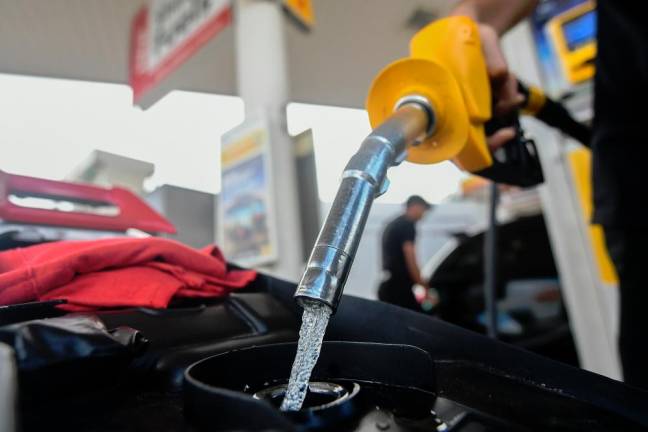
    Gasoline prices on Thursday rose to the highest since August last year.

    The popular fuel RON95 went up 1.23% to VND21,330 a liter.

    Diesel dropped 0.05% to VND19,060.

    Regulators said that fuel prices in the last seven days were affected by cold weather in the U.S. and Ukraine’s attack on Russian oil infrastructure.

    Gasolines went up 1.2-1.4%, while oils fell 0.03-1.6%.

  • Samsung Electronics’ Vietnam profits drop 11%

    Samsung Electronics’ Vietnam profits drop 11%

    Samsung Electronics’ profits in Vietnam declined by 11.4% last year to US$3.2 billion, its latest financial reports show.

    Its revenues remained almost unchanged at $56.7 billion.

    Globally, the South Korean giant saw profits surge 122% to $25.3 billion on 16% higher revenues of $220 billion.

    The four main facatories in Vietnam, Samsung Thai Nguyen, Samsung Electronics Vietnam Bac Ninh and Samsung Display Vietnam Bac Ninh in the north, and Samsung Electronics HCMC CE Complex, contributed 25% to total revenues.

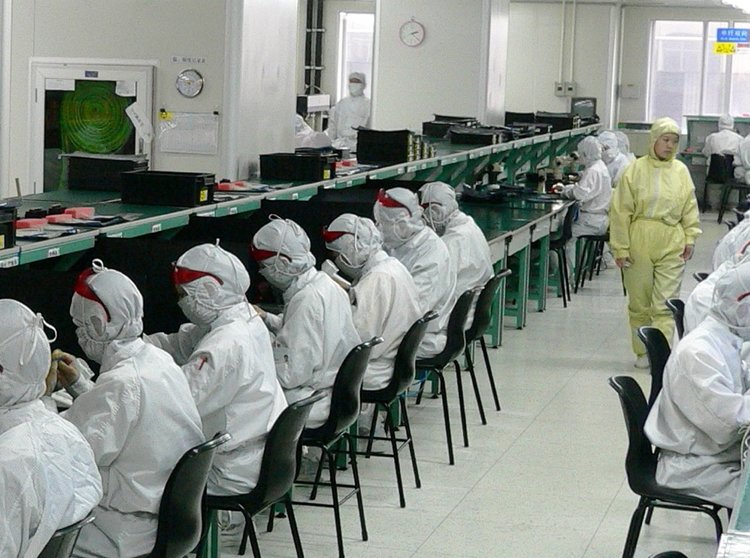
    Smartphone manufacturer Samsung Thai Nguyen earned revenues of $22.9 billion, up 7.6% from 2023.

    It was the third biggest contributor to sales behind Samsung Electronics America and Samsung Semiconductor, also in the U.S.

    But its profits fell by 7.2% to $1.4 billion.

    Samsung Electronics Vietnam, another smartphone producer, posted a revenue increase of 5.7% to $14.8 billion.

    Its profit jumped 18.9% to $943 million.

    The display producer Samsung Display Vietnam saw both revenue and profit declining.

    Its revenue fell 15.7% to $14.2 billion while profit dropped by half to $583 million.

    The display unit, however, continued to invest substantially in Vietnam last year.

    In September it signed a memorandum with Bac Ninh Province for the development of a screen and electronic parts project worth $1.8 billion.

    Last month Bac Ninh authorities granted an investment certificate for the subsidiary to pump up its capital by 18% to $7.7 billion.

    For the HCMC unit, which makes TVs, profit dropped 5% to $365 million last year, while revenue rose 13.9% to $4.9 billion.

    Samsung is the biggest foreign investor in Vietnam with $23.2 billion in registered capital.

    Its executives earlier this month have affirmed its commitment to expand its investment in Vietnam, including in new sectors such as semiconductor and AI.

  • Why More People are Going to Thailand for Alcohol Rehab

    Why More People are Going to Thailand for Alcohol Rehab

    Alcohol rehabilitation, often shortened to alcohol rehab, is the process in which an individual will partake in different therapies and treatments in order to overcome the effects of an alcohol addiction.

    This can be done in many different ways and with many different unique alterations for each individual case; there is no ‘one size fits all’ approach to rehabilitative care as every individual is different and will therefore experience different effects.

    With alcohol addictions, it is often recommended that individuals attend residential rehab due to the complications and issues that can arise during the recovery process. This will be covered in further detail across this article.

    Why do individuals need alcohol rehab?

    All individuals who struggle with alcohol misuse or addiction should consider some form of rehabilitation, as without it their condition can often worsen significantly and cause lifelong effects to their physical and mental health.

    This does not necessarily mean that these individuals must seek alcohol rehab in Thailand, but there are many reasons why this may be the most suitable option for individuals struggling with an alcohol addiction.

    Alcohol, specifically, has been linked to damage of the cardiovascular system (1) – a serious cause for concern if left untreated.

    Alcohol rehab abroad – who is it suitable for?

    Alcohol rehab is something that all individuals struggling with alcohol should consider. Not only can alcohol have serious and life-threatening effects on the individual themselves, but it can also severely affect those around them i.e., close friends and family.

    Alcohol rehab abroad is therefore something that some individuals may consider, either for specific medical or personal reasons, or just for a change.

    It may not be suitable for every individual to attend alcohol rehab abroad, but it is something that many individuals should enquire about.

    Many studies in the field of addiction focus on the US population, but these studies often show that residential rehabilitation is the most effective form of treatment in terms of individuals’ reports and satisfaction with care (2).

    Benefits of alcohol rehab in Thailand

    There are many reasons why an individual may choose to attend alcohol rehab abroad in places such as Thailand rather than their country of residence.

    As mentioned above, alcohol rehab abroad in places such as Thailand may not be suitable for every individual case, but this should be discussed thoroughly before an individual makes any final decisions.

    This discussion could be had with a medical professional or addiction expert but is essential before the individual chooses any rehabilitation options in order to avoid future confusion and/or delay of care.

    The following subheadings outline why Thailand is such as popular destination for alcohol rehab abroad, and how this may aid their future care.

    1. Privacy

    When attending alcohol rehab far away from the individual’s country of primary residence, they are providing themselves with complete privacy.

    In some cases, individuals may choose to attend alcohol rehab in private, without telling most people where they are going and what they are doing.

    When it comes to alcohol rehabilitation in Thailand, individuals are unlikely to see anyone they know, they are in a completely fresh environment and are often separated from influences such as their phone, social media, and other connections with the wider world.

    This allows for complete privacy and discretion when recovering – something which may be essential for care in the case of high-profile clients or for those who would prefer to recover without intervention from outside sources.

    2. Focus and lack of distraction

    As well as being a source of private and discrete care, partaking in rehab abroad can also be a great motivational factor for individuals undergoing their recovery journey.

    By taking themselves away from their previous environment, individuals can often feel more motivated toward committing to a rehabilitation programme as they have often travelled a long time or have spent a long time preparing for this form of care.

    Not only does this provide motivation and a boost in attitude toward alcohol rehab, attending alcohol rehab in Thailand can be a great way for individuals to avoid distractions, meaning that they have a greater overall focus on care and spend more dedicated time on this process than they may do in their primary country of residence.

    3. Thailand’s specialities

    In general, there are many benefits to attending alcohol rehab while in a country such as Thailand, with many of these being specialised to this location.

    Located in Southeast Asia, Thailand is renowned for its beautiful beaches, ancient ruins, and a strong connection with spirituality.

    Spirituality is something that can greatly benefit individuals seeking alcohol rehab as – when combined with other forms of treatment – holistic therapies such as yoga and meditation can greatly increase an individual’s perception of their care, increasing motivation and helping them to discover more about themselves and their struggles with alcohol.

    The stages of rehabilitation

    In general, alcohol rehab (and other forms of rehabilitation in general) often follows the three stages of care.

    These stages are designed to lead on from one another, meaning that an individual must progress through each stage in turn to gain the full benefits from each and to prepare them for the next.

    For example, the detoxification stage is first and this is where an individual will withdraw from the substance that they are addicted to and prepare their body physically for the further stages.

    With alcohol, a detox session must always be supervised by a medical professional to avoid the harmful and potentially life-threatening effects that may arise during this process.

    Next, an individual will partake in a variety of different therapies and specific treatments that are recommended and specialised to their individual needs. This stage focusses on the individual’s mental well-being and is often the longest stage of care.

    As a final (and often ongoing) stage, aftercare is essential. This refers to any further treatment that an individual receives to treat the effects of their addiction after the majority of their care within a centre.

    Some centres offer complimentary aftercare, but this should always be mentioned and checked before the individual makes any final decisions about their alcohol rehab in Thailand.

    Get the help you need today

    Alcohol rehab is essential for any individual who feels as though they may be struggling with alcohol, so getting help sooner rather than later is always recommended.

    Get in touch with your local healthcare services or start looking at the different referral services that are available in your area today.

    References

    [1] Moushmoush, B. and Abi-Mansour, P., 1991. Alcohol and the heart: The long-term effects of alcohol on the cardiovascular system. Archives of Internal Medicine, 151(1), pp.36-42.

    [2] Kumar, T.P., Nagaraju, G.V., Swamy, P.K., Bhanu, K.U. and Salam, A., 2018. Alcohol Rehabilitation: Right Treatment and New Beginning. Indo American Journal of Pharmaceutical Research.

  • Instagram’s biggest update is here to improve your social life

    Instagram’s biggest update is here to improve your social life

    Instagram usually rolls out small updates that add new features and improvements quite often, but every few months it releases major updates that completely change the way users interact with various aspects of the ap

    Earlier today, Instagram announced its biggest update for the year is making its way to users worldwide. The update focuses on the messaging experience, but Instagram also added new ways to share media, pin content, and made it easier to connect with people over DMs.

    One of the features that had been missing from Instagram ever since the app provided its users with the ability to message others is translation support. The latest update addresses this issue and introduces message translation, allowing Instagram users from different countries to communicate in their native languages.

    You can now use the translate feature in Instagram by holding down on the message sent or received in another language and tapping “Translate.” You should get a translation of the message below the original.

    Besides bringing the translate message feature to its users, Instagram is also adding the ability to share songs in DMs. Simply open the sticker tray in a chat and tap on the “Music” option to search for a specific song in the app’s library. You can then tap on the track to send a 30-second preview of the song to your friends.

    Another important new feature coming with the latest update is the ability to schedule messages. This comes in handy if you want to congratulate someone on a certain date, but you’re afraid you’re going to forget.

    You can now schedule text messages in DMs by typing the text message and holding down on the send button. You’ll be able to select the date and time when you want the message to be sent. This feature can also be used to schedule reminders for various tasks.

    But wait, there’s more! After introducing the ability to pin chat threads in a DM box, Instagram is now making it possible to pin specific messages to the top of any 1:1 or group chat. Users can try out the new feature by holding down on the message and tapping on “pin.” Up to three messages per conversation can be pinned at the moment.

    Last but not least, Instagram is finally adding QR code support, which means that users can now add friends to their group chats by sharing a personalized QR. When your friend scans the QR code you shared, it will be automatically added to the chat.

    To create a QR code invite, simply open the group chat and tap on the group name at the top. Select the invite link, then tap on QR code to view the QR code invite and share it with your friends via DM.

  • Vietnam to invest $8B in rail link to China

    Vietnam to invest $8B in rail link to China

    The National Assembly has approved plans for the Lao Cai-Hanoi-Hai Phong railway, which links to the border with China, at a cost of US$8.37 billion or $15.96 million per kilometer.

    The cost per kilometer is similar to that of other projects in the region, such as the Vientiane-Boten railway in Laos, which cost $16.77 million.

    According to the proposal approved on Wednesday morning, the line will run 391 km from the border crossing point in Lao Cai Province to the port city of Hai Phong. It will also include 27.9 km of branch lines.

    It will run through nine localities, including Hanoi and the provinces of Yen Bai, Phu Tho, Vinh Phuc, Bac Ninh, Hung Yen, and Hai Duong.

    The railway will be a single-track line with a 1,435 mm gauge used for both passenger and freight services.

    It is designed for speeds of 160 km per hour from Lao Cai to southern Hai Phong, 120 kph through Hanoi, and 80 kph on other sections.

    Funds for the project will come from the state budget and other legal sources.

    Relevant agencies will prepare feasibility reports this year, with the project set for completion by 2030 at the latest.

    The National Assembly has approved several special mechanisms for the project, such as allowing the Prime Minister to issue government bonds to cover shortfalls in the annual investment plan approved by the parliament without increasing the state budget deficit.

    Several other special mechanisms regarding mineral extraction for construction materials, scientific and technological development, workforce training, industrial growth, and technology transfer are also applied to the project.

    Contractors must prioritize domestically produced goods, services, and materials whenever possible.

    The National Assembly Standing Committee said the project aims to meet transport demand, reduce logistics costs, and foster sustainable development.

  • Singapore raises alarm over speeding violations

    Singapore raises alarm over speeding violations

    Singapore will impose stricter penalties for speeding from next year, following a sharp rise in road accidents, fatalities, and violations over the past years.

    Singapore’s Home Affairs and Law Minister K. Shanmugam said on Feb. 15 that the number of road accidents in the country has increased “very significantly” since 2020.

    In 2024, there were nearly 7,200 accidents with 142 fatalities, while the number of speed-related fatal incidents shot up by almost 44% from 2023, to 46.

    The number of speeding violations detected – 192,000 – was also the highest in the past decade, Shanmugam noted.

    While the Traffic Police have stepped up enforcement, such as activating the speed enforcement function in red-light cameras, he said more needs to be done to change or shape behavior.

    To address this issue, the Singapore Road Safety Council (SRSC) is collaborating with various stakeholders to develop public education initiatives aimed at promoting road safety awareness, including the use of social media to reinforce safe driving habits.

    Starting Jan. 1, 2026, the demerit points and total penalties for speeding violations in Singapore will be increased.

    Singaporean authorities will provide further details on the new penalties in due course.

  • DeepSeek removed from South Korea app stores pending privacy review

    DeepSeek removed from South Korea app stores pending privacy review

    Chinese AI app DeepSeek will not be available to download in South Korea pending a review of its handling of user data, Seoul authorities said Monday.

    DeepSeek’s R1 chatbot stunned investors and industry insiders with its ability to match the functions of its Western competitors at a fraction of the cost.

    But a number of countries have questioned DeepSeek’s storage of user data, which the firm says is collected in “secure servers located in the People’s Republic of China”.

    On Monday, Seoul’s Personal Information Protection Commission said DeepSeek would no longer be available for download until a review of its personal data collection practices was carried out.

    The Chinese AI firm has “acknowledged that considerations for domestic privacy laws were somewhat lacking”, the data protection agency said.

    It assessed that bringing the app into line with local privacy laws “would inevitably take a significant amount of time”, the agency added.

    “To prevent further concerns from spreading, the commission recommended that DeepSeek temporarily suspend its service while making the necessary improvements,” it said.

    DeepSeek has “accepted” that proposal.

    The app was removed from local app stores on Saturday at 6:00 p.m. (0900 GMT) and remains unavailable.

    The AI chatbot is still in use for those who have already downloaded the app.

    Seoul’s data protection agency said it “strongly advised” people to “use the service with caution until the final results are announced”.

    That included “refraining from entering personal information into the DeepSeek input field”, it said.

    Analyst Youm Heung-youl told AFP that the firm was yet to lay out a privacy policy “specifically tailored” for users in South Korea.

    “It has on the other hand disclosed a privacy policy for the EU and certain other countries, stating that it complies with the domestic laws of those nations,” Youm, a data security professor at Soonchunhyang University, said.

    “Deepseek needs to establish a privacy policy specific to Korea,” he said.

    This month, a slew of South Korean government ministries and police said they blocked access to DeepSeek on their computers.

    Italy has also launched an investigation into DeepSeek’s R1 model and blocked it from processing Italian users’ data.

    Australia has banned DeepSeek from all government devices on the advice of security agencies.

    U.S. lawmakers have also proposed a bill to ban DeepSeek from being used on government devices over concerns about user data security.

    In response to the bans, the Chinese government has said it opposes the “politicisation of economic, trade and technological issues”.

    It also insists it “has never and will never require enterprises or individuals to illegally collect or store data”.

  • Burger King parent Restaurant Brands takes full control of China business

    Burger King parent Restaurant Brands takes full control of China business

    Restaurant Brands International said on Tuesday it has bought stakes in Burger King China from its local franchisee for about US$158 million, giving it nearly total ownership of the business.

    The fast food chain operator said it would engage its advisors to work on identifying a new local partner to invest into the business.

    The company has been working on its China strategy for its Burger King business which faced softening demand in the second biggest market, amid a pressured consumer spending and stiff competition.

    Restaurant Brands acquired the stakes in Burger King China from a holding company TFI Asia Holdings BV and a blank-check firm Pangaea Two Acquisition Holdings XXIII.

    Restaurant Brands had 1,474 Burger King restaurants in China, as of December 31, 2024.

  • Tealive set to expand into Thailand, India

    Tealive set to expand into Thailand, India

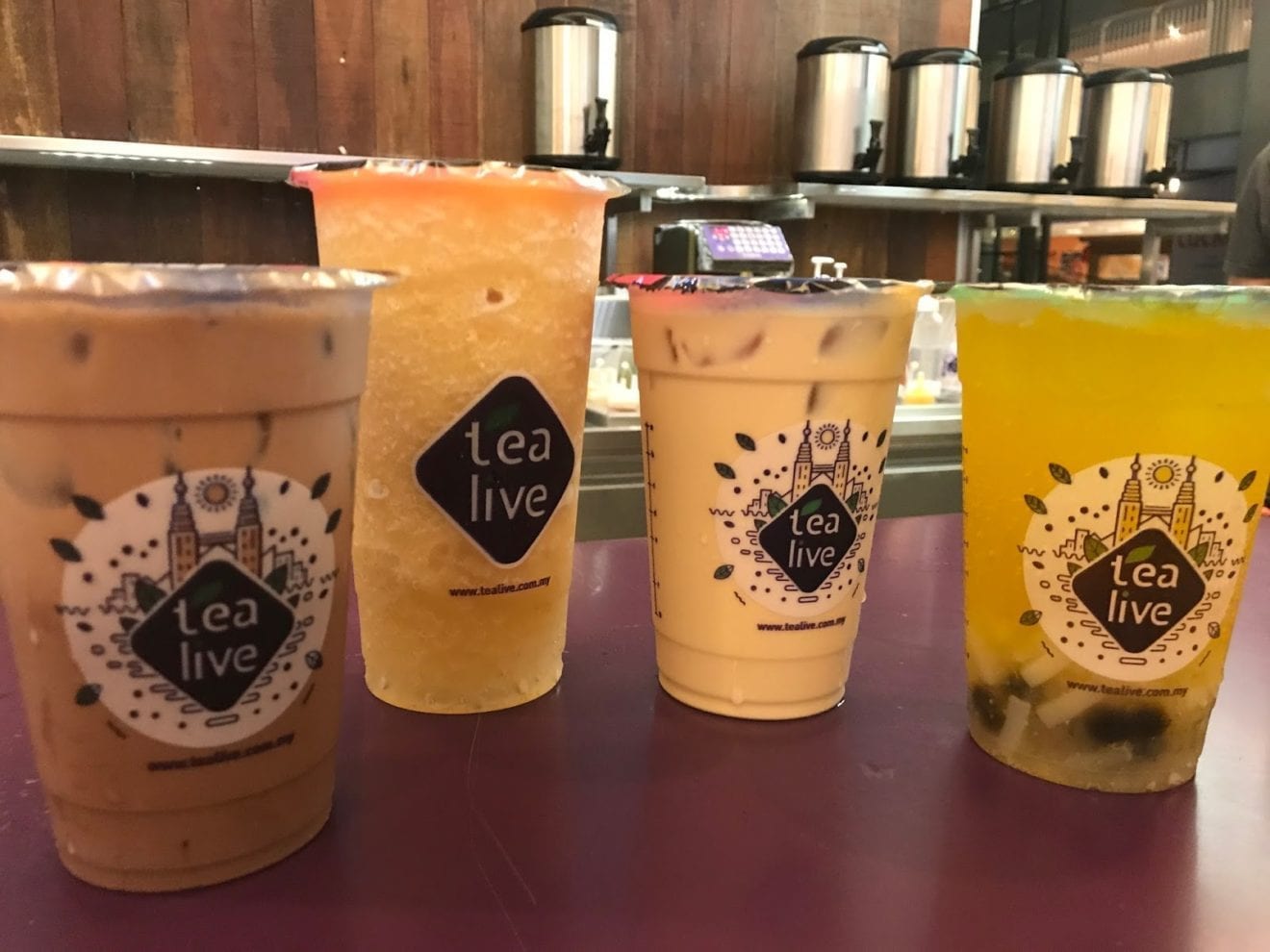
    Malaysian bubble tea chain Tealive is expanding its presence in Asia with exclusive franchise arrangements entered into for India and Thailand.

    Tealive, which launched successfully in the UAE last year, has signed a master franchise agreement with Indian QSR operator Devyani International Limited (DIL) to expand into India.

    DIL is India’s largest Yum! Brands franchisee, running KFC and Pizza Hut locations, as well as the country’s official Costa Coffee operator. DIL operates around 2000 stores in India, Thailand, Nigeria, and Nepal under several brands.

    “Partnering with a strong local operator like DIL gives us the ability to adapt and thrive in India while also extending the Tealive lifestyle to millions of new consumers,” said Loob Holding founder and CEO Bryan Loo.

    Loo also stated that Tealive is planning a “significant presence” in India, beginning with outlets in major cities this year.

    Tealive also intends to expand into Thailand with the local partner RD Group – the Thai KFC franchise holder.

    “We’re thrilled to kick off Tealive’s expansion in Thailand, just like we did in Malaysia,” Loo wrote in his LinkedIn post.

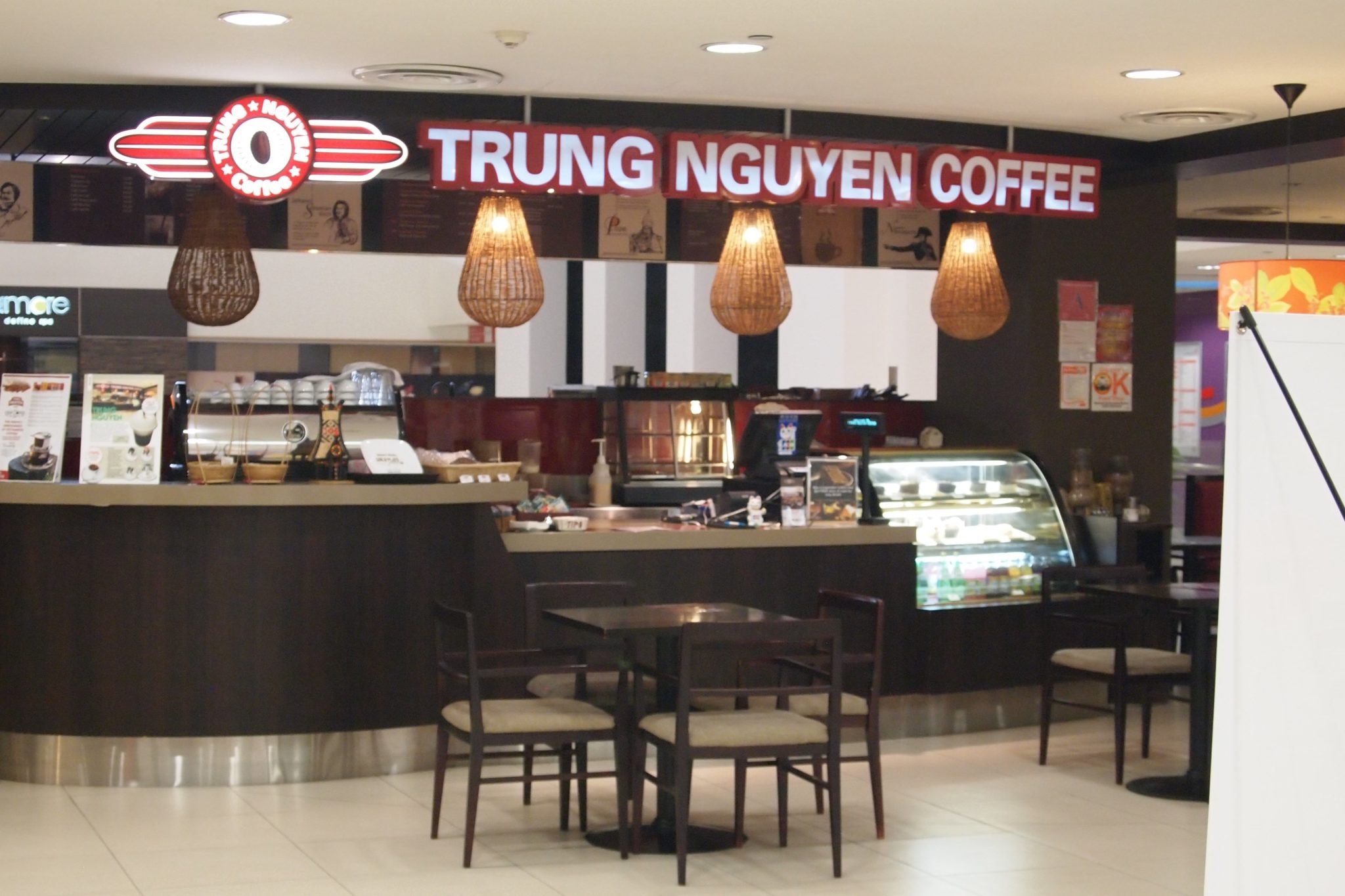
  • Vietnamese coffee chain Trung Nguyen to launch first store in Australia

    Vietnamese coffee chain Trung Nguyen to launch first store in Australia

    Vietnamese coffee chain Trung Nguyen is continuing its global expansion, opening its first store in Australia next month via a franchise agreement with local distributor Master C Pty Ltd.

    The 400sqm store on Melbourne’s Courtney Street will feature a retail corner, a coffee-tasting area, and a cafe space.

    In addition, customers can experience the three coffee cultures the company has identified and showcases in its flagship Vietnam stores: Ottoman, Roman and Zen.

    The Melbourne store will resemble a Vietnamese-themed coffee shop with its architectural style, display graphics, and menus that incorporate elements of Vietnamese and local cultures.

    Trung Nguyen first made its international debut in China in 2022 with a store in Shanghai and then expanded into Beijing and Chongqing. It opened its first US store last year, in partnership with US-based franchisee H&L Wholesale Food Corporation.

  • Singapore’s largest bookstore, Books Kinokuniya is downsizing

    Singapore’s largest bookstore, Books Kinokuniya is downsizing

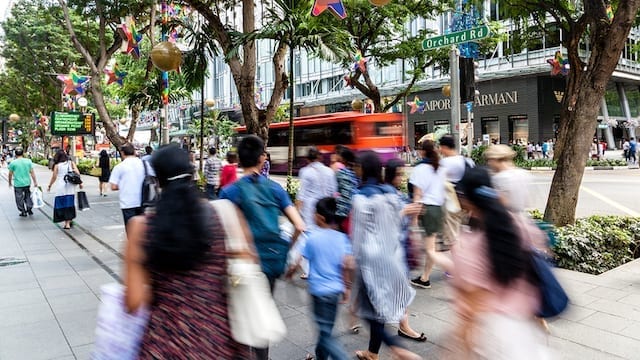
    Singapore’s largest bookstore, the Books Kinokuniya flagship in Takashimaya shopping centre on Orchard Road, is downsizing – again.

    The company said changes will include refinement of its book collection while incorporating a lifestyle element, including a new cafe set to open this year.

    A recent rental negotiation with Toshin Development has led to announcements informing shoppers that Books Kinokuniya is “currently making changes to store layout” and advising them to approach staff if they cannot find what they need.

    The decision is likely a response to the declining book retail industry, which is experiencing a rise in poor reading habits and diminishing book-buying rates coupled with high rental costs.

    According to a 2021 survey by the National Library Board, only 33 per cent of respondents reported reading six or more books a year.

    Currently, the store occupies 38,000sqft of retail space on one floor, a size that has fluctuated over the years.

    From 1999 to 2013, it occupied a 42,000 sqft space on the third level of the mall before reducing its size by approximately 25 percent and relocating to the fourth floor in 2013 to make room for new retail offerings.

    After the closure of the Chinese restaurant Imperial Treasure Teochew Cuisine in 2016, Books Kinokuniya regained 5000sqft of space and subsequently reopened with a layout and frontage that is familiar to shoppers today.

    Books Kinokuniya said that challenges are “ever present” for book retailers.

    “Our Singapore main store continues to evolve while remaining true to our core values, offering an extensive collection of quality titles housed in a pleasant ambience,” it added.

  • Jollibee secures approval to lift foreign ownership limit

    Jollibee secures approval to lift foreign ownership limit

    F&B giant Jollibee Foods Corporation (JFC) has received approval from the Philippine Stock Exchange (PSE) to remove its 40 percent foreign ownership limit.

    The decision follows the company’s amendment request to its articles of incorporation, which also includes removing its ability to own, acquire, mortgage, pledge, or encumber land.

    Article 12 of the Philippine Constitution restricts foreign ownership of land and certain businesses to 40 per cent, with the remaining 60 per cent reserved for Filipino citizens or corporations.

    Following the change, JFC is now positioned to accommodate more foreign investors.

    AP Securities research analyst Jose Cipres said the move allows the company to raise additional capital for expansion through a sale-leaseback transaction.

    “They could use the proceeds from the sale of land to expand their current store portfolio, translating to higher earnings,” explained Cipres.

    Meanwhile, Unicapital equity research analyst Jeri Alfonso said removing the foreign ownership limit is a good catalyst for JFC.

    “Given this current market condition, this will provide a big boost to the company in terms of trading volume,” Alfonso added.