Author: Mei Ling Tan

  • July auto sales 2nd highest for year

    July auto sales 2nd highest for year

    Auto sales jumped to 24,687 units in July, the second-highest monthly number this year behind only March.

    The Vietnam Automobile Manufacturers Association (VAMA), which provided the data – excluding TC Motor and VinFast sales – said however sales were down 18.4% year-on-year.

    The auto market has been going through a rough year amid low economic growth, with sales plummeting by 30% year-on-year in the first seven months to 162,000 units.

    Toyota sold 3,800 cars, a 31% decline.

  • UBS Agrees to Pay $1.4 Billion to Settle Legacy US Fraud Case

    UBS Agrees to Pay $1.4 Billion to Settle Legacy US Fraud Case

    Not all the legal headaches UBS is facing have to do with Credit Suisse. It reached a settlement with the US in a legacy residential mortgage case of its own making.

    According to a statement, UBS and its US-based affiliates announced last night that it reached an agreement with the US Department of Justice (DoJ) to settle a legal dispute involving residential mortgage-backed securities.

    Under the settlement, UBS will $1.435 billion to resolve all civil claims brought by the DoJ in connection with past RMBS transactions in the United States. The amount is fully covered by provisions made in previous quarters.

    The case was filed in November 2018 and alleged misconduct related to UBS’ underwriting and issuance of residential mortgage-backed securities issued in 2006 and 2007. The settlement for the dismissal of the complaint resolves the last case of the DoJ Working Group tasked with investigating the conduct of banks and other businesses in creating and issuing RMBS, which helped trigger the 2008 financial crisis, according to a statement from the US Attorney’s Office for the Eastern District of New York.

    After an extensive investigation, the US filed a complaint alleging UBS defrauded investors in connection with the sale of 40 RMBS issued in 2006 and 2007, further alleging UBS «knowingly made false and misleading statements» to buyers of the securities relating to the characteristics of the mortgage loans underlying the RMBS. The bank’s actions violated the Financial Institutions Reform, Recovery, and Enforcement Act, and the claims in the case were based on alleged violations of mail, wire, and bank fraud statutes, among others.

    With this resolution, UBS will pay for its conduct related to its underwriting and issuance of residential mortgage-backed securities.  The substantial civil penalty, in this case, serves as a warning to other players in the financial markets who seek to unlawfully profit through fraud that we will hold them accountable no matter how long it takes, said US Attorney Breon Peace.

    The statement went on to say the claims resolved in the settlement are allegations only and there has been no determination of liability.

    With the amount of the UBS settlement, the total amount of civil penalties paid by 18 banks, originators, and rating agencies comes to over $36 billion. The institutions are Ally Financial; Aurora Loan Services; Bank of America; Barclays; Citigroup; Credit Suisse; Deutsche Bank; General Electric; Goldman Sachs; HSBC; JPMorgan; Moody’s; Morgan Stanley; Nomura; Royal Bank of Scotland; S&P; Société Générale; and Wells Fargo.

  • Boris Collardi’s Discoverer Now Works for UBS

    Boris Collardi’s Discoverer Now Works for UBS

    Marcel Roca worked in human resources at Credit Suisse for nearly half a century, bringing in big banking names. Now he works for Iqbal Khan’s asset management unit at UBS.

    Marcel Roca (pictured below) has taken on a new role in UBS’ Global Wealth Management (GWM) business headed by former Credit Suisse banker Iqbal Khan, finews.com research reveals. Roca will report to the division’s head of HR Andrea Saxer, and is expected to work for Switzerland’s largest bank until the end of the year.

    Roca will be a familiar name to many Swiss bank executives. The HR specialist was with Credit Suisse for over four decades through 2021, rising to the level of Managing Director. He helped set up the Talent Recruiting unit, which sought out future executive talent.

    Among his discoveries are Boris Collardi who, after a brief tenure at Credit Suisse, moved to Zurich-based private bank Julius Baer, advancing to CEO in 2009 at the tender age of 34. Collardi later briefly became a partner at Geneva-based private bank Pictet and now serves as a board member and minority shareholder at Zurich-based EFG International.

    UBS declined to comment about his involvement with UBS. Zurich-based consulting firm DR-RH, where he worked as a partner and external consultant, confirmed that Roca temporarily stepped aside because of the UBS mandate. DR-RH is run by two former Credit Suisse executives and acts as a personnel broker between independent asset managers and private banks.

    UBS may have pulled off a coup by hiring Roca, who is likely to know the best talent at Credit Suisse because of his long tenure there. After acquiring Credit Suisse in March, UBS is keen to keep Credit Suisse personnel and their Rolodexes of rich clients.

    With the takeover, UBS committed itself to the clear goal of becoming a $5 trillion global private banking giant.

  • Rice traders desperate, make advance payment two months before harvest

    Rice traders desperate, make advance payment two months before harvest

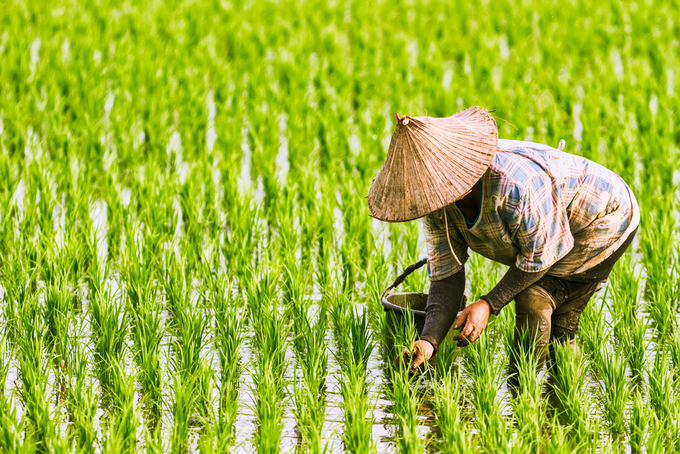
    The rice harvest in the Mekong Delta is still more than a month away, but traders are already asking to buy and even putting down deposits.

    The paddy has barely bloomed in the still green fields in Hon Dat District in Kien Giang Province, but traders have been making a beeline to them.

    On Aug. 8, three of them arrived at the 10-ha field belonging to Nguyen Van Pho and asked to buy his paddy at VND8,300 (US$0.35) per kilogram.

    But he refused since he expects a price of VND8,500 or more. “This year, traders are willing to buy paddy when it is still green,” he said. “They are willing to pay a deposit of VND5 million per hectare of paddy. This is the first time I have seen such a situation.”

    Phan Van Dong, who has worked as an intermediary between farmers and traders for more than 10 years in the province’s Giong Rieng District, said he has never seen rice prices as high as now.

    They have gone up to VND8,300 per kilogram from VND7,500 just a week ago, he said. “There are dozens of intermediaries like me and only a few hundred hectares of paddy. We are competing with each other to buy.”

    The Vietnam Food Association said foreign importers are actively seeking to buy Vietnamese rice, and willing to pay $10-20 more per ton compared to period before India imposed the ban in late July.

    India accounts for more than 40% of world rice exports, and non-basmati white and broken rice accounted for around 10 million tons of a total of 22 million tons of Indian rice exports last year, according to the U.S. Department of Agriculture. With the ban taking effect, global insiders have raised concerns about food price rises.

    In Can Tho City and Hau Giang Province too, traders are making advance payments to buy paddy though harvest is a month or two away.

    For the past 10 days, Nguyen Thanh Tam of Can Tho’s Thoi Lai district, who is growing high-quality rice on five hectares, has been pestered by traders to sell his grain at prices that have increased from VND6,200 per kilogram to VND7,500.

    The director of a rice export company in Can Tho said his company has deposited money to buy paddy grown on 30,000 hectares and expected to be harvested in the next five or six weeks.

    “To ensure we get sufficient amounts of paddy for processing for export, we have had to increase our purchase prices to VND7,500-7,800 per kilogram for normal rice and to VND8,300-8,500 for fragrant rice.”

    But he said this would mean big losses for the company since prices were lower when it had signed the export contract with a foreign partner.

    Ngoc Quang Phat Company in Can Tho said it needs 20,000 tons of rice for export, but it is difficult to buy that quantity now.

    It had signed deals with farmers to buy 50,000 tons of paddy at VND6,500 per kilogram (VND6.5 million per ton) in advance, but many are now asking it to hike the price.

    Global supply is scarce, pushing Vietnam’s export prices to record levels.

    Economist Tran Huu Hiep said the scramble occurring now is because most rice exporters cannot buy their own lands and farm the grain.

    Deputy Minister of Agriculture and Rural Development Tran Thanh Nam said the links between rice companies and cooperatives remain weak.

    The former buy 50% of their rice through traders, he said.

    He said there are 180 rice exporters in Vietnam, but only half have tied up with cooperatives to secure supply. “Businesses should step up cooperation with rice cooperatives.”

    On Aug. 6, Prime Minister Pham Minh Chinh instructed the Ministry of Agriculture and Rural Development and other ministries and local authorities to ensure this year’s target of 43 million tons of paddy, equivalent to 20 million tons of rice, is achieved.

    By early August more than 24 million tons had been harvested in the country. According to the ministry, if there are no abnormal changes in the weather, the output will be adequate to meet both domestic and export demand.

    Vietnam, which is the world’s third largest rice exporter after India and Thailand, estimates exports to be 7-7.5 million tons.

  • High logistics costs hurt Vietnam’s economic competitiveness

    High logistics costs hurt Vietnam’s economic competitiveness

    Inadequate transport infrastructure and connectivity, and domestic enterprises’ low capacity and slow technology adoption and digital transformation are hindering the otherwise rapidly growing logistics industry, experts have said.

    The industry has grown rapidly along with the economy, trade, manufacturing, and e-commerce.

    The logistics industry is growing at an average of 14-16% a year and worth US$40-42 billion a year, said Tran Thanh Hai, Deputy Director of the Ministry of Industry and Trade’s Agency of Foreign Trade.

    Transport infrastructure has received large investments in recent years, with new seaports and airports being built. But the development has not been in lockstep and so failed to meet the growing demands of the logistics industry, Hai told a roundtable in Ho Chi Minh City on August 10.

    Many businesses are involved in logistics, but most are small or medium-sized with limited capital, information technology application, digital transformation, and human resources. This has led to high costs, he said.

    Dang Vu Thanh, Vice Chairman of the Vietnam Logistics Business Association, said the industry has yet to tap its potential fully.

    He pointed out that the poor transport infrastructure and connectivity between seaports, airports, warehouses, and industrial parks are hampering the development of the industry.

    He said that logistics costs are equivalent to around 18% of GDP, much higher than in other countries.

    He added that the high logistic costs reduce the competitiveness of the country’s exports and economy, and lowering them is a pressing concern.

    Mike Bhaskaran, group chief operating officer for digital technology at DP World, said to help businesses improve their trade capacity and support the development of logistics businesses, Vietnam needs to increase its visibility and transparency through promoting the development of the Internet of Things and GPS tracking system and improve its ability to predict market trends.

    On the business side, it must transform management technology to enhance automation, reduce delivery times and improve internal supply to reduce logistics costs, he added.

    The roundtable was held on the sidelines of the inaugural Vietnam International Logistics Exhibition that opened at the Saigon Exhibition and Convention Center on August 10.

  • You can now add music to your photo carousels on Instagram

    You can now add music to your photo carousels on Instagram

    Sometimes pictures just don’t cut it when trying to express yourself, so that’s where music comes in handy. Instagram has introduced a new feature that gives you even more control over the music in your posts.

    In a recent blog post, Instagram announced that you can now include music in your photo carousels. Moreover, you’ll also be able to invite up to three collaborators to work together on a feed post, carousel, or reel.

    Adding music to your photo carousels follows the launch of music for feed photos feature introduced last year. With this new feature, Instagram wants to give its users more ways to express themselves when sharing memories and experiences.

     The updated Collabs feature also has a similar goal. Previously, you could only invite one friend to collaborate on your post or reel. Now, you can include up to three collaborators. Once they accept your invitation, the content will be shown to each collaborator’s audience and appear on their profile grids.
    Both private and public accounts can collaborate on a post or reel. If your account is private, you can initiate your own post or reel and invite a collaborator as long as they follow you back. This Collabs update could be a big deal for influencers, as their audiences could grow even more through collaborations with other influencers.
  • Big data to help collect tax from foreign service providers

    Big data to help collect tax from foreign service providers

    Big data on e-commerce would help the tax watchdog to efficiently collect tax from foreign cross-border IT services providers, a tax official said.

    Statistics showed that cross-border IT services and social network providers, including Google, Apple, Facebook, Netflix, TikTok and Microsoft, paid around VND4 trillion (US$169.5 million) in taxes in the first half of this year, compared to VND3.5 trillion for the full last year.

    The tax that Vietnam collected on the providers remained modest compared to the revenue of the retail e-commerce market which reached $16.4 billion in 2022, statistics of Vietnam E-commerce and Digital Economy Agency showed.

    It was estimated that Vietnam’s retail e-commerce market would expand by 25% to hit $20.5 billion this year.

    On the e-commerce market, six foreign providers namely Meta (Facebook), Google, Microsoft, TikTok, Netflix and Apple, accounted for about 90% of the revenue on cross-border digital platforms in Vietnam.

    In the field of digital advertising, according to Kantar Media Vietnam, the revenue on platforms such as Facebook, Youtube and TikTok reached $2.5 billion in 2023 and is forecast at $3.4 billion this year.

    Nguyen Bang Thang, director of Tax Management Department of Large Enterprises, said that the tax watchdog would continue to create favorable conditions for foreign providers and domestic establishments which were seriously developing business in Vietnam. At the same time, strict punishments would be applied to violations, he stressed.

    He added that the tax watchdog regularly cooperated with relevant agencies to analyze risks related to tax declaration of foreign providers and authorized organizations for handling measures. Experiences from other countries, including the U.S. and the EU, showed that the development of big data on e-commerce would be critical to ensure efficiency in tax management on cross-border platforms.

    Admitting tax loss in e-commerce, Nguyen Thi Minh Huyen, deputy director of Vietnam E-commerce and Digital Economy Agency, said that the legal regulations on tax collection in the industry were still in the process of being improved.

    Huyen said that a mechanism for data sharing between relevant management agencies must be raised to prevent cross-border tax loss.

    According to Hoang Van Cuong, deputy of the National Assembly’s Finance – Budget Committee, the focus must be placed on strengthening digital transformation to have an adequate data for easy and efficient tax management.

    The Ministry of Finance targeted to increase domestic tax collection by 5-7% in 2024 with one of the focuses on enhancing the efficiency in tax collection from cross-border e-commerce.

  • Vietnam aluminum mining to increase exponentially

    Vietnam aluminum mining to increase exponentially

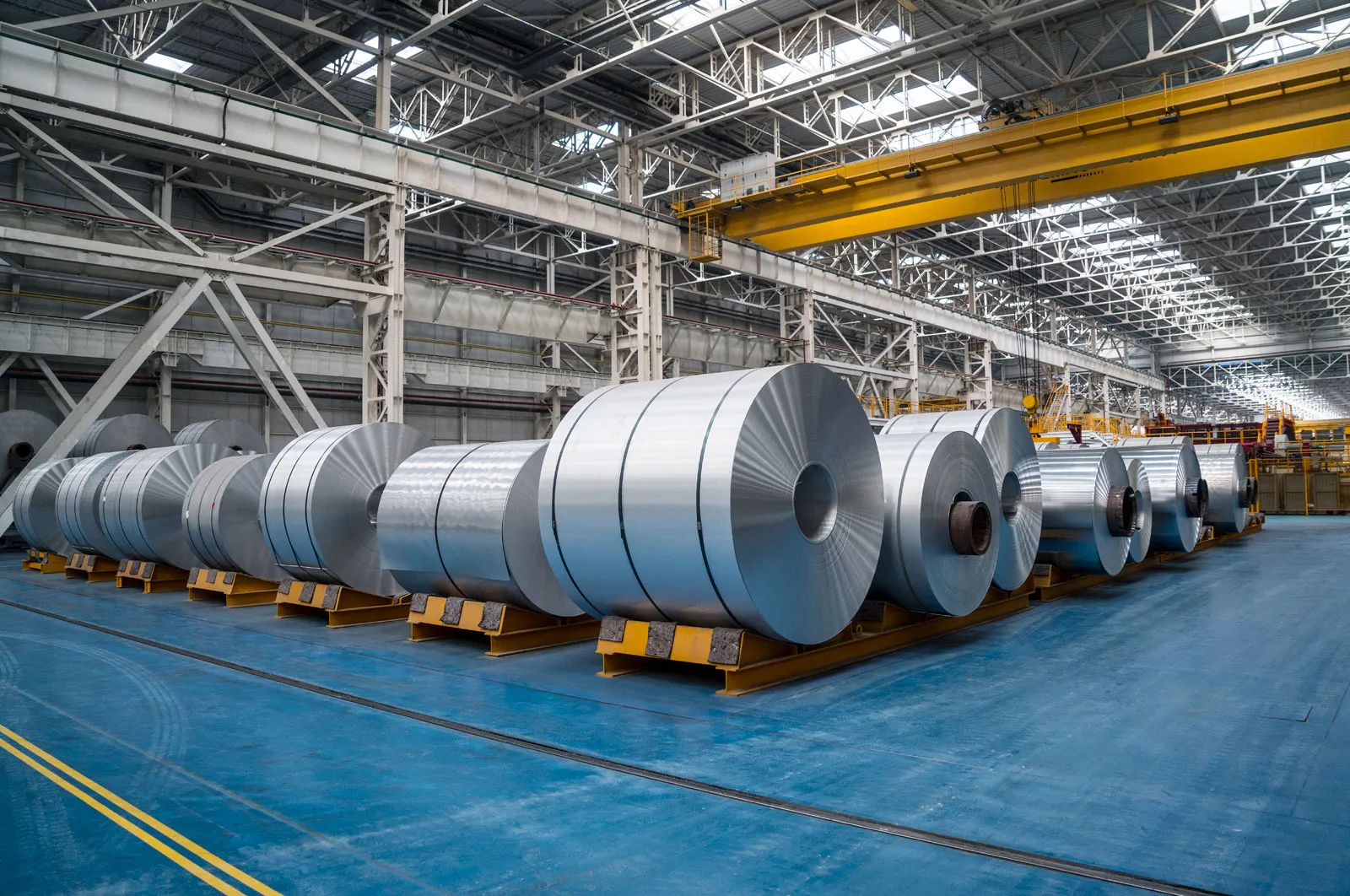
    The government plans to mine for bauxite, the ore used to produce aluminum, at three new locations in the north.

    It plans to develop by 2030 one site in Lang Son Province and two in Cao Bang, the Ministry of Industry and Trade said Wednesday.

    Their combined capacity will be within 1.55-2.25 million tons of ore annually.

    Besides, at least two existing mines in Lam Dong Province in the Central Highlands will be upgraded to increase production.

    The government will also explore the possibility of mining 68-112.2 million tons of bauxite annually in four central highlands provinces.

    At 5.8 billion tons, Vietnam has the world’s second-largest bauxite reserves behind only Guinea (7.4 billion), according to the U.S. Geological Survey.

    The majority of bauxite in Vietnam is found in the Central Highlands, especially Dak Nong Province.

  • Musang King durian moon cake prices up 10%

    Musang King durian moon cake prices up 10%

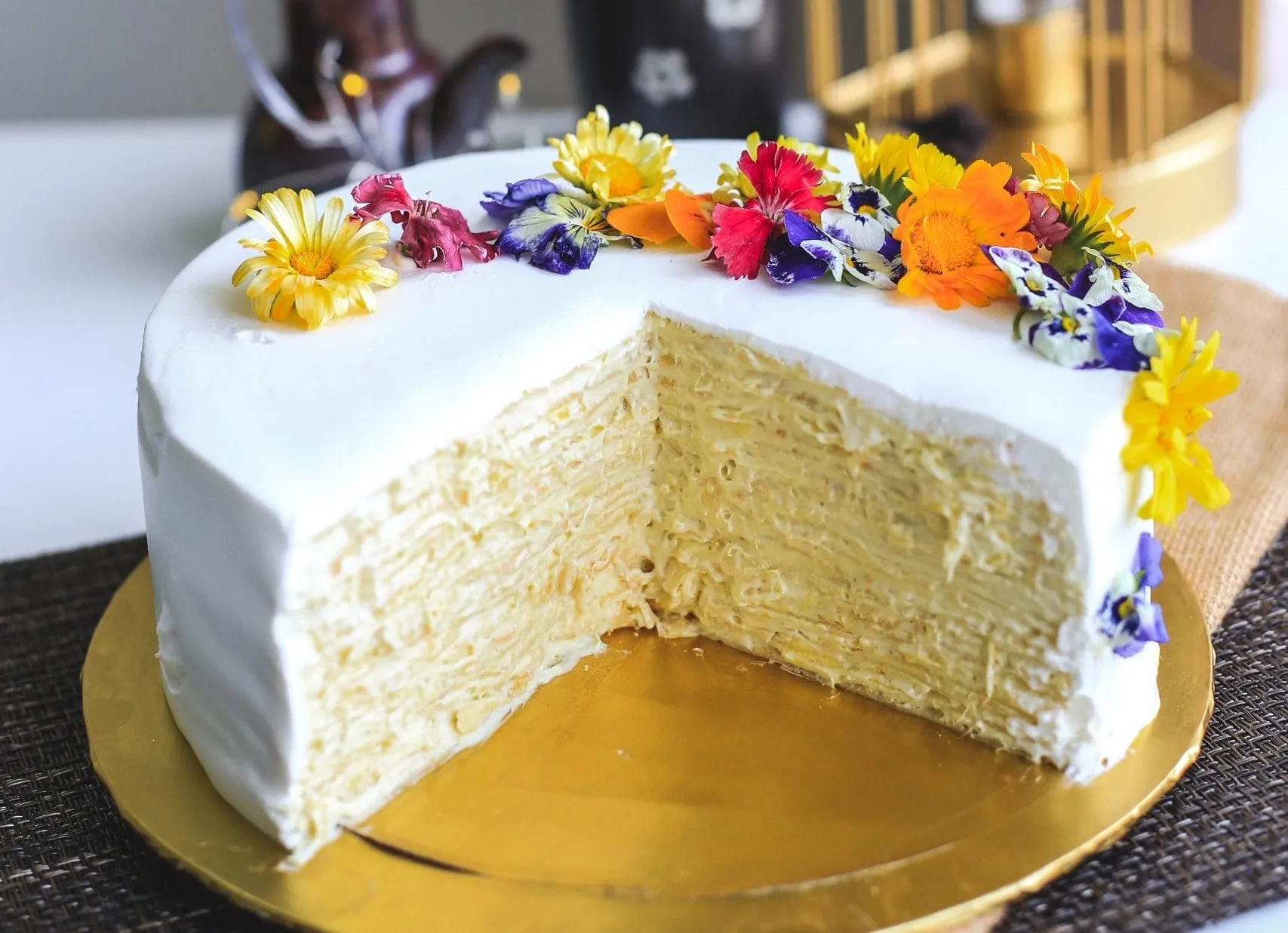
    Musang King durian moon cake prices, made with the popular durian variety originally from Malaysia, have increased by 2-10% year-on-year in Vietnam.

    Their cost ranges between VND900,000 ($37.90) to VND1.7 million per box. Last year, the most expensive product sold for around VND1.5 million.

    Hoang Anh, a moon cake vendor in Ho Chi Minh City’s District 3, sold out 500 boxes of Musang King and Black Thorn moon cakes in two weeks last year.

    She has doubled her imports this year.

    “We have to order five months in advance as the manufacturer needs to prepare durian beforehand.”

    A major distributor in HCMC plans to sell nearly 30,000 cakes this year, triple the amount last year.

    The cakes are mostly imported from Malaysia. Other markets that also sell them are Singapore and Hong Kong.

    Industry insiders say prices have gone up due to rising ingredient costs.

    Moon cake is a popular type of desert in Asian countries. It is often enjoyed during the Mid-Autumn Festival in the middle of Lunar August, which falls on Sep 29 this year.

  • WhatsApp’s multi-account support feature is now available for select beta users

    WhatsApp’s multi-account support feature is now available for select beta users

    WhatsApp has been rolling out a lot of new features lately, but we’re expecting the messaging app to get even more in the coming weeks. Meta’s successful acquisition is testing new features all the time, but only select beta testers have access to these.

    The folks over at WabetaInfo made a habit of dissecting every new beta version of the app WhatsApp releases to discover all the new stuff the company plan to bring sooner, later, or sometimes, never.

    WhatsApp beta for Android 2.23.17.8 is very important because it brings one of the most requested features, the ability to add multiple accounts to the app.

    As per WabetaInfo’s findings, the new feature is fresh out of the oven and is now going through the usual beta testing before being released worldwide. Only select beta testers have access to multi-account support, but its availability might expand as the testing process progresses.

    With multi-account support, WhatsApp users can add a new account to their app by tapping the arrow icon next to the QR code button. Switching between accounts can also be done from the same menu. New accounts will remain attached to your WhatsApp app until you log out.

    The addition of multi-account support will make it easier for WhatsApp users to keep all their conversations from multiple accounts on a single device. It’s an incredibly useful feature for those with more than one WhatsApp account and currently using two devices to handle them.

    Since the feature is now going through the testing process, it might get some changes, but at least we know it’s in the pipeline. Regardless of the form it will take in the end, multi-account support is coming folks, so be ready to throw away that second phone that you’ve been keeping to manage your multiple WhatsApp accounts (or not).

  • Okxe opens first motorbike service station in Hanoi

    Okxe opens first motorbike service station in Hanoi

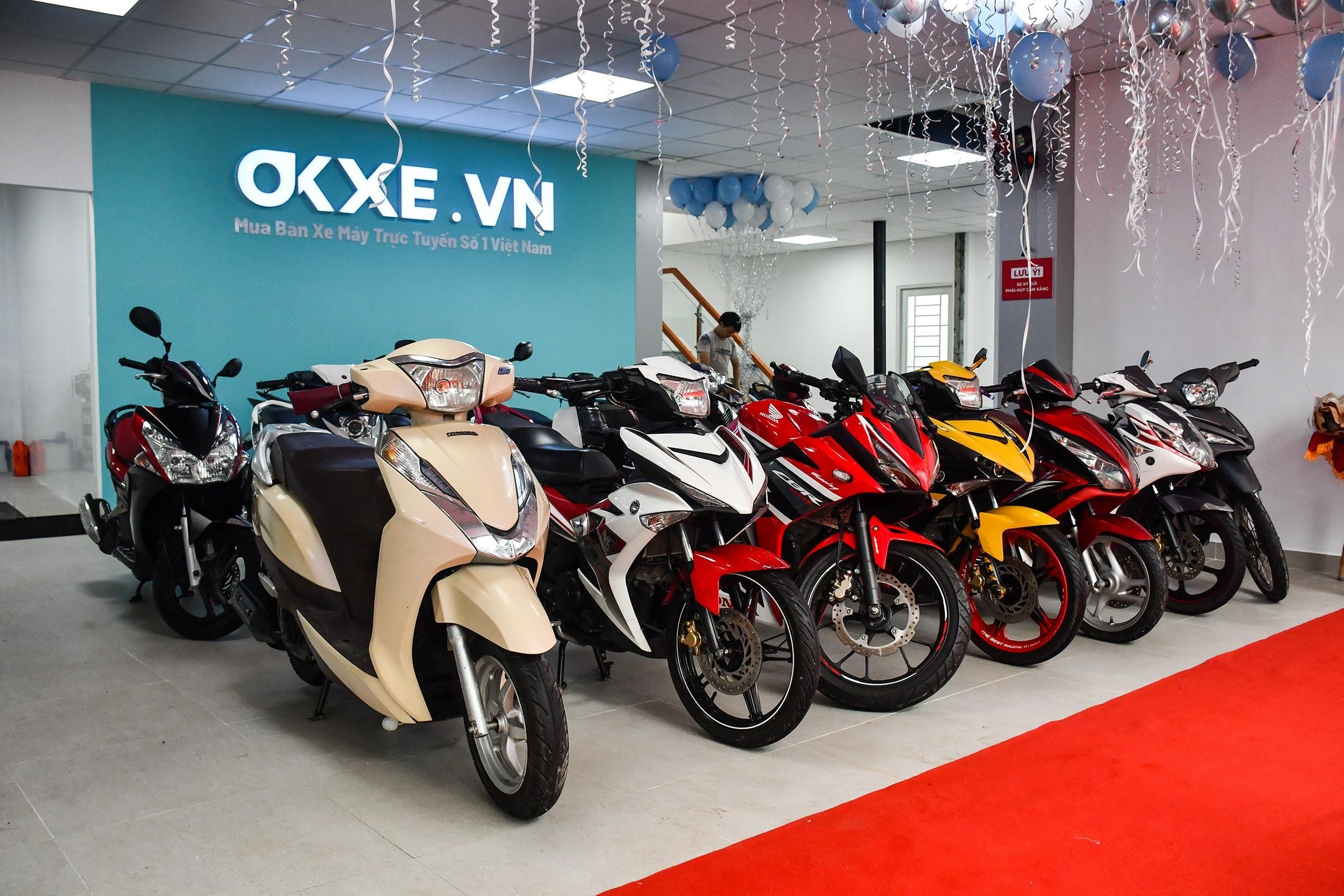
    Hanoi’s first OKXE Motorbike Service Station officially opened at 92 Kham Thien on August 8.

    The station is the second Okxe to open in Vietnam since its online-to-offline (O2O) motorbike business model was put into operation in May 2022. The first was opened in HCMC at 40E Ut Tich, Ward 4, Tan Binh District.

    With an e-commerce platform specializing in trading motorbikes with strengths in AI and Big Data technology developed since 2018, Okxe Motorbike Service Station purchases and sells motorbikes with the market’s first warranty service at an affordable market price.

    In addition, the company provides professional vehicle repair services with a team of well-trained Okxe Care technicians.

    With a modern design and focus on customer experience, Okxe is confident in bringing a special type of motorbike buying and selling service, completely new and unprecedented.

    Okxe provides a clear look outside the motorbike and has strict requirements on the origin and legal documents for the purchase of a used motorbike.

    The company also ensures the quality of the product when building and putting into operation a vehicle quality inspection process consisting of 60 evaluation points for used motorbikes instead of committing to the quality of each vehicle sold at its stations.

    In addition to ensuring the quality of motorbikes sold, the Okxe Care team with experienced personnel also brings peace of mind to customers with a 1-year warranty policy worth more than VND3.3 million (US$139), including 10 comprehensive maintenance categories that apply to both used and new motorbikes.

    All services of Okxe are oriented towards the motto “Buy motorbikes easily, sell motorbikes leisurely,” providing a full range of motorbike buying and selling solutions, from online to offline transactions, including used and brand-new motorbikes for users with guaranteed quality and simple procedures.

    Trang Vu, Vice President of Okxe, said that after more than a year of directly participating in the motorbike business in Vietnam, the company has been recording positive signals with stable sales growth. That is also the basis for Okxe to continue its efforts to perfect the chain of products and services for users.

    “With the opening of the Motorbike Service Station in Hanoi as well as the implementation of the plan to expand the store system from now until the end of 2023, Okxe commits to providing top-quality experiences so that customers are always satisfied during the process of using our services, from considering selection, owning, and using until later transfer,” a representative of the start-up company added.

    On the occasion of opening the Motorbike Service Station in Hanoi in August 2023, Okxe is offering many attractive promotions for customers. Interested readers can read more here.

  • Vietnamese EV maker VinFast gets go ahead for Nasdaq SPAC listin

    Vietnamese EV maker VinFast gets go ahead for Nasdaq SPAC listin

    Vietnamese electric vehicle maker VinFast said it expects to start trading on the U.S. Nasdaq as soon as next week after its merger into a special purchase acquisition company (SPAC) was approved on Thursday.

    On Thursday, shareholders of Hong Kong-based Black Spade Acquisition, a blank-check company, voted to approve the merger with VinFast.

    VinFast, in a joint statement with Black Spade, said it would list on the Nasdaq under the ticker symbol VFS “on or around August 15”.

    The remaining shareholders of Black Spade approved the merger on Thursday. In July, over 80% of the shareholders in the SPAC had opted to redeem their shares before the merger.

    The SPAC merger will not raise new capital for VinFast but the company’s founder Pham Nhat Vuong has championed a U.S. listing as the carmaker seeks to expand in the U.S. market and is building a plant in North Carolina.

    The two companies said the merger had valued VinFast at $23 billion. In comparison, the current market capitalization of U.S.-listed EV makers Rivian and Lucid are $21 billion and around $17 billion, respectively.

    It leaves VinFast’s existing shareholders, including parent company Vingroup and Vuong, Vietnam’s richest man, with 99% of shares in the company.

    “The voting results today are a vote of confidence in VinFast from Black Spade shareholders,” VinFast’s global head Thuy Le said in the statement.

    VinFast had filed for an initial public offering on the Nasdaq last December, but in May announced plans to list through a merger with Black Spade.

    Other EV makers including Faraday Future, Nikola Corp and Lucid have listed via SPAC deals but the market for such deals has faced increased scrutiny from investors and regulators.

    VinFast has shipped around 3,000 EVs to the United States from its plant in Haiphong, Vietnam. It started to deliver its first VF8 EVs in March. It has not announced U.S. sales figures.

    VinFast’s first-quarter revenue dropped 49% from the previous year and it posted a net loss of $598 million. In 2022, the company posted a loss of $2.1 billion. It has not yet made a profit.

    Vuong, who is also chairman of Vingroup, Vietnam’s largest conglomerate, told Vingroup shareholders in May that VinFast expected to sell as many as 50,000 EVs this year and could break even as soon as the end of 2024.

    The company has previously missed some of its internal delivery targets. It faces competition from established rivals led by Tesla, which have been driving down prices and bringing a range of new EVs to market.

    Black Spade was founded by the private investment arm of Lawrence Ho, son of the late gambling mogul Stanley Ho.

  • Air New Zealand’s ‘Mission Next Gen Aircraft’ calls for airports

    Air New Zealand’s ‘Mission Next Gen Aircraft’ calls for airports

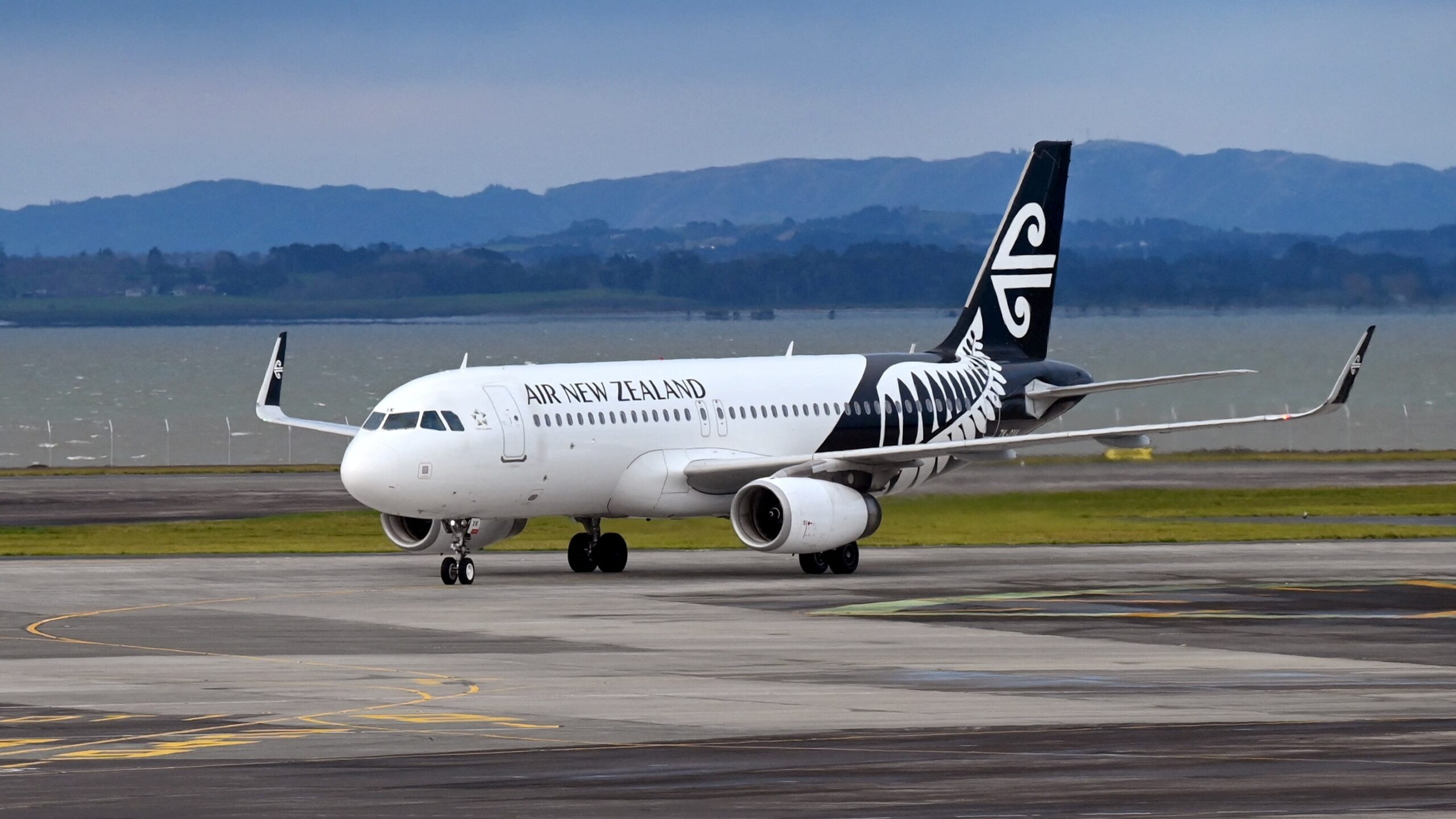
    Air New Zealand is looking for two airports to further support its efforts towards decarbonization and has opened an expression of interest as part of selecting a route to fly its commercial demonstrator aircraft from 2026. 

    The move is part of the airline’s ‘Mission Next Gen Aircraft’ launched in December last year, where the carrier announced partnerships with Eviation, Beta, VoltAero and Cranfield Aerospace with plans to launch the first-zero emissions demonstrator flight by 2026. 

    Air New Zealand is working towards its ambition of flying next-generation aircraft on its domestic network from 2030. The airline will work with its partners to develop the technology and associated infrastructure required to make this a reality. The commercial demonstrator aircraft will be either electric, hybrid or hydrogen fuel celled, initially operating as a cargo-only service. The airline said it will announce the type of demonstrator aircraft it will use from 2026 by early next year. 

    “Decarbonising aviation is not easy, and we’ve got a lot of work ahead of us, but we’re committed to reducing our emissions as quickly as we can, and this process is another step in the right direction,” said Kiri Hannifin, Air New Zealand’s chief sustainability officer. 

    “While we’re looking forward to bringing two frontrunner airports on board, it’s also important to note that all airports in New Zealand play an important role as we work towards bringing next-generation aircraft into our network here in Aotearoa at scale.  

    “The selected airports will be leaders in supporting the implementation of this new technology and will be the conduit of information between airports across the motu as we drive the change required in advance of our larger fleet replacement needs from 2030.” 

  • AirAsia to ramp up China services

    AirAsia to ramp up China services

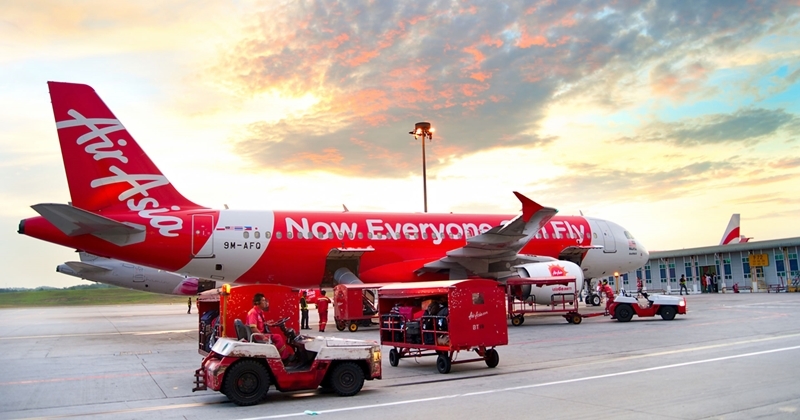
    AirAsia is all set to elevate its flight offerings between Malaysia and China as it anticipates a continuous surge in forward sales over the upcoming months.

    The travel landscape has been undergoing a remarkable transformation, with travel demand bouncing back after the challenges posed by the pandemic.

    As part of its strategic response, AirAsia is poised to tap into this burgeoning demand and cater to the increasing number of travelers between these two countries.

    July reports have revealed that the average load factor, representing the number of guests carried per flight, for AirAsia Malaysia (AK) and AirAsia X Malaysia (D7) flights to and from China, has reached an impressive 80 percent.

    This marks a substantial rebound and signals a positive momentum for the aviation industry.

    Notably, several key routes such as Kuala Lumpur-Shanghai, Kota Kinabalu-Guangzhou, Kuala Lumpur-Nanning, and Kota Kinabalu-Wuhan have witnessed load factors soaring as high as 95 percent, showcasing the strong resurgence in travel interest.

    Between March and early July this year, both airlines have successfully sold over 320,000 seats for flights connecting China and Malaysia. This remarkable figure constitutes around 30 percent of the equivalent period pre-Covid in 2019.

    Notably, about 75 percent of these seats have been purchased by Chinese nationals, reaffirming Malaysia’s status as a preferred destination for tourists from China. This trend underscores the nation’s allure and underscores the rekindled traveler enthusiasm.

    AirAsia Malaysia (AK) is geared to reintroduce another route, offering flights from Kota Kinabalu to Hangzhou, with a three-flight-per-week schedule commencing on September 2, 2023.

    In parallel, AirAsia X Malaysia (D7) is preparing to bolster its services, increasing flights from Kuala Lumpur to Beijing (Daxing) from four to five flights weekly, starting September 1.

    Additionally, flights between Kuala Lumpur and Shanghai will elevate from four to seven flights per week, commencing September 15, and services from Kuala Lumpur to Hangzhou will escalate from three to four flights weekly, beginning September 30, 2023.

    Riad Asmat, the CEO of AirAsia Malaysia, was pleased with the heightened travel interest between the two countries. He emphasized the airline’s commitment to serving second-tier cities and expanding connectivity.

    The additional flights to Hangzhou and plans for further frequency increases reflect AirAsia’s dedication to accommodating growing demands and boosting both international and domestic travel.

    Benyamin Ismail, CEO of AirAsia X Malaysia, also acknowledged the persistent strong demand for China travel across their network. The move to add more frequencies and optimize popular Chinese routes underscores their commitment to trade, tourism, and investments between the two nations.

    This approach aligns with the company’s goal of enhancing guest experiences, maximizing fleet utilization, and providing greater exploration opportunities for travelers.

    In tandem with its route expansions, AirAsia is also launching discounted fares for travelers. These fares extend to North Asian destinations, encompassing Guilin, Guangzhou, Nanning, Shantou, Beijing, and Shanghai, with prices starting from RM319 all-in one-way.

    AirAsia Malaysia (AK) is currently operating 14 routes to and from China, boasting over 104 weekly flights. These routes connect Kuala Lumpur to various destinations such as Guilin, Quanzhou, Guangzhou, Kunming, Shenzhen, Nanning, Shantou, and Macao.

    Additionally, flights from Kota Kinabalu to Guangzhou, Shenzhen, Wuhan, Beijing, and Macao and Johor Bahru to Guangzhou further solidify the airline’s comprehensive connectivity.

    AirAsia X Malaysia (D7) is also making its mark, offering four routes to and from China with more than 22 weekly flights.

    The routes include Kuala Lumpur to Chengdu (Tianfu), Beijing (Daxing), Shanghai, and Hangzhou, all of which contribute to AirAsia’s mission of bridging nations and fostering unparalleled travel opportunities.

  • Vietnam to impose anti-dumping duties on Thai sugarcane products

    Vietnam to impose anti-dumping duties on Thai sugarcane products

    Vietnam has imposed anti-dumping and countervailing duties on sugarcane products from several Thai companies from August 18 to June 15, 2026.

    The duties will be imposed on the Mitr Phol Sugar group, Asia’s largest sugar and bioenergy manufacturer, along with four affiliated companies and Czamikow Group Limited.

    The Thai Roong Ruang Industry group, Thailand’s second-largest sugar manufacturer, along with its five affiliated companies, will also see duties imposed, according to the Ministry of Industry and Trade.

    The lowest rate of anti-dumping duties will be 25.73% and the highest at 32.75%. The highest rate of countervailing duties will be 4.65%.

    In June 2021, Vietnam officially began to impose anti-dumping and countervailing duties on sugarcane imported from Thailand. At the time, the rate was 47.64%. In August 2022, the ministry decided to keep this rate.

    Investigations revealed that Thailand’s sugarcane products entering the Vietnamese market have caused great damage to local production, resulting in 3,300 people losing their jobs and 93,225 farmer’s families affected, authorities have said.