Author: Mei Ling Tan

  • Gold price up

    Gold price up

    SJC gold price gained 0.07% to VND67.25 million ($2,844.76) per tael Thursday morning.

    Gold ring price rose 0.26% to VND57.1 million per tael. A tael equals 37.5 grams or 1.2 ounces.

    Globally gold prices inched up on Thursday, hovering near an eight-week peak on bets that the U.S. Federal Reserve might soon hit pause on its interest rate-hiking cycle.

    Spot gold rose 0.1% to $1,978.59 per ounce. U.S. gold futures were little changed at $1,981.30.

    The dollar index wobbled near a more than one-year low, making gold cheaper for holders of other currencies.

    The Fed is expected to raise rates by 25 basis points (bps) in their meeting next week, keeping them in the 5.25%-5.5% range until cuts are seen 2024 onwards, per CME’s Fedwatch tool.

  • Google’s new Weather interface will feature improved short-term forecasts

    Google’s new Weather interface will feature improved short-term forecasts

    Google has started to offer its updated Weather interface on both of its large-screened Pixel devices, the Pixel Tablet and the Pixel Fold. So far though, the new Weather interface has yet to be pushed out to Pixel phones. The new interface includes a larger, bolder current temperature reading and a transparent system navigation bar.
    Perhaps more important than the redesign is the improved accuracy of the short-term weather forecasts delivered by the interface. Android Police notes that the interface will now update weather data multiple times each hour. This data comes from the Multi-Radar Multi-Sensor (MRMS) system that uses multiple radars and algorithms to help improve the accuracy of hazardous weather forecasts and warnings.
    Also being used to improve the accuracy of the forecasts for the Google Weather interface is High-Resolution Rapid Refresh (HRRR) which is an atmospheric model that updates every 15 minutes. Both MRMS and HRRR are systems belonging to the National Oceanic and Atmospheric Administration (NOAA).
    More accurate weather forecasts will help Pixel Tablet and Pixel Fold users plan their day around a  precise and accurate weather forecast. And when the weather changes abruptly, the Google Weather interface will show users the latest forecast in time to prepare for the new weather activity on the way.
    It isn’t clear when the Pixel handsets will get the new weather interface. Right now, to get the Google Weather interface on your Pixel phone, open the Google app and swipe the carousel underneath the search bar until you see the local weather and temperature. Tap on it and about half the page will be dedicated to the current weather. Tap the three-button overflow menu icon on the right of the screen where you’ll see the “Weather/Today” heading and a menu that includes an option to “Add to homescreen.”
    Once you add the weather icon to the homescreen of your Pixel phone, you’re just a tap away from seeing Froggy, the latest temperature, and the forecast. Since it is available on Android 13 for the Pixel Fold and Pixel Tablet, we are not simply awaiting the update to Android 14 to see it on Pixel handsets. But when it does become available on Pixel phones, it will allow users to get the information they want without having to scroll to the bottom of the screen.
  • AirAsia Partners with Green Rebel for Meatless Menu Options

    AirAsia Partners with Green Rebel for Meatless Menu Options

    Indonesia’s premier plant-based protein brand, Green Rebel, has teamed up with Malaysian budget airline, AirAsia, to provide meatless alternatives of traditional Southeast Asian delicacies for the inflight menus on regional routes.

    Beginning today, Green Rebel’s vegan Pak Nasser’s Plant-Based Nasi Lemak will be available on AirAsia’s Malaysia routes, while passengers on Philippines routes will be able to taste vegetarian Sisig. Two other plant-based dishes — Nasi Rendang with assorted vegetables and Rendang with Coconut Rice — will appear on the menus on select AirAsia’s Indonesia flights starting later this week.

    Santan, AirAsia’s food service subsidiary, has replaced traditional meat ingredients with Green Rebel‘s plant-based proteins for these recipes. The substitution includes products like Beefless Rendang, Chick’n Chunks, and Plant Mince. Classic dishes like Nasi Lemak have been elevated using basmati and wild purple rice, served with Green Rebel Chick’n Chunks, eggplant curry, French beans, and potatoes. Guilt-Free Sisig, a popular Filipino dish, uses Green Rebel’s Plant Mince, seasoned with calamansi, onions, and chili peppers.

    “Green Rebel is the first plant-based alt meat brand to partner with AirAsia in Malaysia, the Philippines and Indonesia,” Green Rebel co-founder and CEO Helga Angelina Tjahjadi, said in a statement.

    Tjahjadi says Green Rebel and AirAsia have aligned values, “in particular a commitment to sustainability and flavour localisation.”

    Green Rebel says its food technology ensures the plant-based protein not only imitates the mouthfeel of meat but also absorbs deep flavours and marination, making it perfect for Asian culinary methods like braising, stewing, steaming, hotpot, grilling, and even deep frying. Made from 100 percent natural plant-based ingredients, all Green Rebel products are free from MSG, preservatives, and refined sugar. The protein base includes non-GMO soy and shiitake mushrooms, and is flavoured using Asian spices and herbs for an authentic taste experience.

    Green Rebel has a strong commitment to sustainable, affordable, and tasty plant-based meat alternatives. The company conducts independent Life Cycle Assessments on its products and has found its plant-based beef and chicken alternatives have significantly less global warming potential compared to their traditional counterparts.

    “We discovered that our meatless beef has 91 percent less global warming potential than local beef, and similarly our meatless chicken has 84 percent less global warming potential than local chicken,” Tjahjadi said.

    “We are looking at savings on carbon emissions by 90 percent, water use by 72 percent, land use by 90 percent, and overall energy use by 81 percent to produce plant-based meat in comparison to animal-based meats.”

    The new partnership supports AirAsia’s environmental commitments, which align with the Paris Agreement’s 1.5-degree Celsius policy. AirAsia has been working on measures to reduce its carbon footprint, including reducing 221 tonnes of CO₂ emissions per aircraft per year through an optimization solution implemented in 2022.

    “We’re excited at the possibilities as mindfulness about healthy and sustainable eating grows in this part of the world,” said Tjahjadi.


  • Sydney startup RecycleSmart raises $1 million on Birchal

    Sydney startup RecycleSmart raises $1 million on Birchal

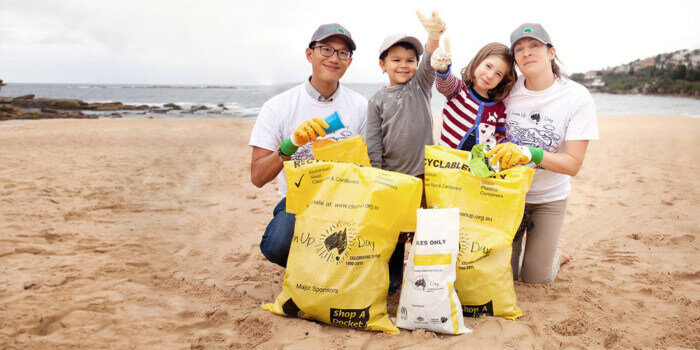
    Australian investors have poured more than $1 million into plastics recycling service RecycleSmart, as co-founder Marco Prayer says he has invested his entire career to proving the business benefits of the circular economy.

    Sydney-based RecycleSmart provides households with a way to dispose of recyclable plastics that are unsuitable for regular recycling bins, offering to pick up unwanted waste from a customer’s doorstep.

    The startup accepts soft plastics, clothes, shoes, and small e-waste, with those materials sorted and transferred to specialist recycling partners like APR Plastics, Mobile Muster, and the Red Cross, which accepts unwanted but wearable clothing.

    The company claims to have facilitated 115,000 pick-ups since 2019, keeping 400 tonnes of hard-to-recycle waste out of landfill.

    RecycleSmart closed its Birchal equity crowdfunding raise on Thursday night, booking $1.04 million from 965 investors.

    While the business got its start by selling its services to NSW councils, it now hopes to use the new funding to expand in capital cities nationwide, while expanding its DTC and B2B offerings. Co-founder and chief technical officer Marco Prayer says RecycleSmart will use funding from the “astonishing” raise to power its launch in Melbourne, with the goal of covering as many major metro areas as possible by the end of 2023.

    “We need to make sure that the recyclers have the capacity to manage, that we have the right infrastructure in place, that everything is safe, but so far, so good,” Prayer said on Monday.

    Without delving into specific revenue figures, Prayer says RecycleSmart is enjoying “healthy” margins, and states its core business model is scalable, meaning expansion won’t come at too high a cost.

    Reaching more councils remains a priority, but RecycleSmart hopes to diversify by reaching out to household customers, building managers, and even businesses themselves.

    The company says its DTC offering would allow users to schedule pickups for $5 a bag, with a minimum of two bags per pickup.

    Beyond the cost to customers, RecycleSmart is conscious of the need to prove the efficacy and sustainability of its process to would-be customers.

    Australian households are still adapting to the high-profile collapse of the RedCycle soft plastic recycling scheme in 2022, which highlighted the difficulties in recycling some forms of single-use plastic.

    The business is “trying to really deliver as much transparency as possible to our customers,” Prayer said, using social media to show how its partners repurpose the materials RecycleSmart collects.

    “We know very well that the first step is establishing trust with anyone in the waste industry, and if you want to play that role, we know that we have to go an extra mile and verify as much as possible,” he added.

    What appears to captivate Prayer is the possibility of working with major businesses as they adopt a circular economy model.

    Like fellow Australian recycling startup Seabin, RecycleSmart collects data on the types of waste it receives.

    It then passes those findings onto councils, enabling city planners to run education campaigns for residents confused about how to best dispose of their waste.

    But Prayer sees a massive opportunity in providing that same data to businesses, given the increasing push for sustainability and traceability across the supply chain.

    “We strongly believe that there’s going to be an opportunity for businesses to leverage RecycleSmart to really ‘green up’ their operations,” he said.

    Prayer also touts the benefits of integrating the startup’s offerings into a business’s overall operations.

    “A simple example is that we hope shopping online at The Iconic, for example, if you spend more than $100 with them, they give you [cash back] to spend with RecycleSmart for your next pickup.”

    Pointing to businesses like meal delivery service HelloFresh, which prioritises recyclable packaging, Prayer said ensuring packaging circularity is a powerful customer retention tool.

    “That is going to be the game changer,” he added.

    “I mean, I’ve invested basically my professional life into believing that result is definitely achievable.”

    Participants in the equity crowdfunding raise are largely existing supporters, Prayer said, suggesting that building that engaged fanbase — and proving their demand for recycling solutions — could build RecycleSmart’s appeal to brands.

    The $1 million raise comes at a unique point for the equity crowdfunding sector, which has seen a 26% year-on-year decrease in funding value through choppy economic conditions.

    However, Birchal co-founder Matt Vitale today pointed to RecycleSmart, among others, as recent success stories.

    “We are a couple of weeks into the new financial year and Birchal has achieved over $6 million in funding volume across five campaigns already, more than double compared to this time last year,” he wrote on social media Monday.

    The number of successful equity crowdfunding rounds over the last year also surpassed the number of ASX IPOs, Vitale added.


  • Changes made by Apple is making iPhone users switch back to Apple Maps from Google Maps

    Changes made by Apple is making iPhone users switch back to Apple Maps from Google Maps

    Apple Maps was something of a mess for a long time, prompting users to download Google Maps instead. Things are finally getting better though and iPhone owners are beginning to appreciate the changes that Apple has made to its maps app.
    Google Maps used to be the default mapping app on the iPhone and iPad but that changed after iOS 6 was announced. Apple Maps had many bugs including misplaced labels for landmarks and businesses and missing roads in cities. The user experience was so bad that Apple CEO Tim Cook had to issue an apology for the frustration it caused.
    Apple Maps has improved to the point that many people are sticking with it instead of switching to Google Maps.
    Changes such as an attractive design, clear public transit direction, faster routes, and better management of the unpredictability of subway outages than Google Maps is making people like Jason Rabinowitz who switched to Android to use Google Maps more easily come back to Apple’s ecosystem.
    Jane Natoli, who considers herself a Google Maps power user, says she has started using Apple Maps more after her iPhone prompted her to use the app in an airport. The app was able able to detect that she was at the airport and recommended shops and restaurants in her terminal. Natoli also liked that it had clearer information than Google Maps. She also thinks that it’s easier to read Apple’s find directions when compared to Google Maps.
    Georgia Tech graduate Angelica Nguyen says that roads are easier to look at on Apple Maps and the view is not cluttered by points of interest.
    Even though the iPhone comes preloaded with Apple Maps, most users have downloaded Google Maps as an alternative, according to Canalys. But Apple Maps is more deeply integrated into iOS and services that need direction use Apple Maps.
    People generally like to use default options, according to user-experience consultant Peter Ramsey. So now that Apple Maps has improved, people have no reason to download Google Maps.
    Google Maps is still considered the better option by some when they are driving. And Apple still has a lot of work to do. Costume-design student Laura Pladziewicz says that Apple Maps misguided her when she was in Boston. Law student Noah Abdelaziz said the app suggested a route that lengthened his commute.
  • The final version of iOS 16.6 is just days away

    The final version of iOS 16.6 is just days away

    Apple can’t wait to get iOS 16.6 out, especially in light of the issues that caused it to try three times to patch a serious WebKit vulnerability in iOS and iPadOS 16.5. Apple was aware of reports that said the flaw was being actively exploited and could cause arbitrary code execution which would allow an attacker to steal your personal data. So out went iOS 16.5.1 and iPadOS 16.5.1. But before you could spell Cupertino, Apple pulled both releases because of some bugs found in the software.
    Using its Rapid Security Response system, instead of developing iOS 16.5.2 and iPadOS 16.5.2, Apple released iOS 16.5.1 (a) and iPadOS 16.5.1 (a). But the two updates changed the user agent for mobile Safari. The user agent tells the server all about a device’s browser so it knows what version of the content to serve. For example, it tells the server whether to show the mobile or desktop version of a website or the U.S. or U.K. version of a site. The bugs also prevented iPhone and iPad users from accessing sites like Zoom, Facebook, and Instagram.
    Knowing how serious the vulnerability affecting WebKit was, Apple pulled iOS 16.5.1 (a) and iPadOS 16.5.1 (a) and quickly replaced them with iOS 16.5.1 (c) and iPadOS 16.5.1 (c) and that is where we stand at the moment. However, the Release Candidate for iOS 16.6 was released to developers today which means that update is probably less than a week away. The Release Candidate builds give beta testers the opportunity to test the final build of an update before it is released to most users. Apple continues to split its resources between the remaining builds of iOS 16 and the iOS 17 beta which should end in September with the release of stable iOS 17.
    Besides the Release Candidates for iOS 16.6 and iPadOS 16.6, Apple dropped the Release Candidates for watchOS 9.6, macOS Ventura 13.5,  and tvOS 16.6. All of the updates’ release notes indicate that they will fix minor bugs found on the various OS builds.
    You can check for the new update on your iPhone or iPad by going to Settings > General > Software Update. When the update arrives, you will be prompted to press the appropriate buttons. For the Apple Watch, open the Watch app on your iPhone and tap the My Watch tab at the bottom of the screen. Go to General > Software Update. On Apple TV go to Settings > System > System Update.
  • Gmail pop-up reminds you to use Enhanced Safe Browsing

    Gmail pop-up reminds you to use Enhanced Safe Browsing

    If you get a pop-up notification from Gmail, prompting you to take security measures, don’t be alarmed. That’s just a reminder from Google – they want you to use the Enhanced Safe Browsing mode.

    The promotional message has been rolling out over the past days, gradually coming to users on both Android and desktop. The pop up reads ‘Get additional protection against phishing’ and ‘Turn on Enhanced Safe Browsing to get additional protection against dangerous emails’. If you think you don’t need that level of protection, there’s the option to decline by tapping/clicking ‘No thanks’.

    Once enabled, the Enhanced Safe Browsing mode ‘works automatically in the background to provide faster, proactive protection against dangerous websites, downloads, and extensions’, claims the Google team. This mode checks for risky URLs, Downloads, browser extensions.

    If you’re interested in using Enhanced Safe Browsing on Google Chrome, you could benefit from the following additional protections:

    • Real-time checks against lists of known phishing and malware sites
    • The option to request Google to perform deeper scans of files they’ve downloaded to check for malware and viruses
    • Protection against previously unknown attacks when navigating to sites
    • Tailored protections based on your risk level

    Don’t forget that if you choose Enhanced Safe Browsing, it will share additional security-related information. This data is used only for security purposes and deleted after a short period of time, Google discloses. By sharing additional information about potential risky events, Chrome enables Safe Browsing to improve its ability to detect malicious content online, to better protect users all over the web.

    If you get the Gmail pop-up prompt and you tap on ‘Continue’, it will take you to the following page: myaccount.google.com/account-enhanced-safe-browsing.

    On Chrome, you could access it via chrome://settings/security.

    Or, the long route:

    1. Go to your Google Account.
    2. On the left, select Security.
    3. Scroll to “Enhanced Safe Browsing for your Account.”
    4. Select Manage Enhanced Safe Browsing.
    5. Turn Enhanced Safe Browsing on or off.

    If you turn on Enhanced Safe Browsing for your account, Enhanced Safe Browsing in Chrome will also be turned on when:

    • You’re signed in to Chrome
    • Sync is turned on in Chrome without a custom passphrase

    If you turn off Enhanced Safe Browsing in your account:

    • It may take up to 24 hours for this setting change to complete.
    • Google Safe Browsing continues to help protect you from dangerous websites, downloads, and extensions
  • Hydropower production rises 24%

    Hydropower production rises 24%

    Hydropower plants in northern Vietnam have pumped up their production by almost a quarter compared to earlier this month, to release water amid forecasts of heavy rain caused by Storm Talim.

    Water levels at most hydropower plants are now 10-20 meters higher than the minimum level for power production, according to the Ministry of Industry and Trade.

    This is why plants in Lai Chau, Tuyen Quang and HoaBinh provinces will increase their production to avoid overflow as heavy rains are expected this week as an effect of Storm Talim making landfall.

    Talim is the first storm to form over Vietnamese waters this year. The national meteorological center said that between July 11 and August 10 tropical convergence tends to be more active and stronger, leading to thunderstorms, tornadoes and high waves at sea.

    Power demand in Vietnam increased last week due to high heat. Maximum production last week recorded a new historic peak of 45,474 megawatts and increased by 1,720 megawatts from the week prior.

    From the beginning of the year until July 13, total production reached 147 billion kilowatt-hours, up 1.35% year-on-year.

    Hydropower accounted for 27.5% of total production.

    Coal supply is now stable as most thermal power plants have secured adequate coal inventory.

    After a major shortage recorded in the last weeks of May and early June, Deputy Minister of Industry and Trade Do Thang Hai had assured that there would be no power shortage for northern Vietnam for the rest of the year.

    Authorities will increase hydropower production and decrease thermal production in the third quarter as storms and heavy rains are expected to arrive.

  • VinFast to hold EV factory groundbreaking ceremony in US

    VinFast to hold EV factory groundbreaking ceremony in US

    VinFast, the subsidiary automaker of Vietnamese conglomerate Vingroup, has announced it will hold a groundbreaking ceremony of its electric vehicle (EV) factory in North Carolina, the U.S., on July 28.

    This will be the first EV manufacturing facility in the state and help contribute to the supply of this kind of vehicles in North America, accelerating the global green mobility revolution.

    The facility will be built at the Triangle Innovation Point in Chatham County. Covering an area of approximately 1,800 acres, VinFast’s factory is designed to reach a capacity of 150,000 vehicles per year in Phase 1. The factory will consist of two main areas: production and assembly. The complex will also house supplementary supplier businesses.

    The project has received basic permits to begin Phase 1 construction. When the manufacturing complex commences operations, VinFast’s factory will create an ecosystem of suppliers and help generate thousands of new jobs.

    Le Thi Thu Thuy, CEO of VinFast Auto, said that the manufacturing facility in North Carolina is one of VinFast’s key projects. When it begins operations, the factory will be VinFast’s primary supplier of EVs to the North American market. The company also hopes the construction of the factory in Chatham County will contribute to advancing the clean energy economy in the U.S. and help to support North Carolina’s green mobility strategy.

    The factory is expected to start production in 2025. Last year, VinFast was awarded a US$1.2 billion incentive package from the State of North Carolina for this project, along with critical financial support from the City of Sanford, Chatham County, and the Golden Leaf Foundation.

    In addition to the factory, VinFast is accelerating its business and brand recognition in the US by expanding its retail store and service centre system, organising local test drives and displaying products events throughout California. These efforts will aid in bringing opportunities for customers to directly experience VinFast’s EVs.

  • Pattern’s Ecommerce Acceleration Platform Now Helps Brands Identify Unauthorised Marketplace Sellers

    Pattern’s Ecommerce Acceleration Platform Now Helps Brands Identify Unauthorised Marketplace Sellers

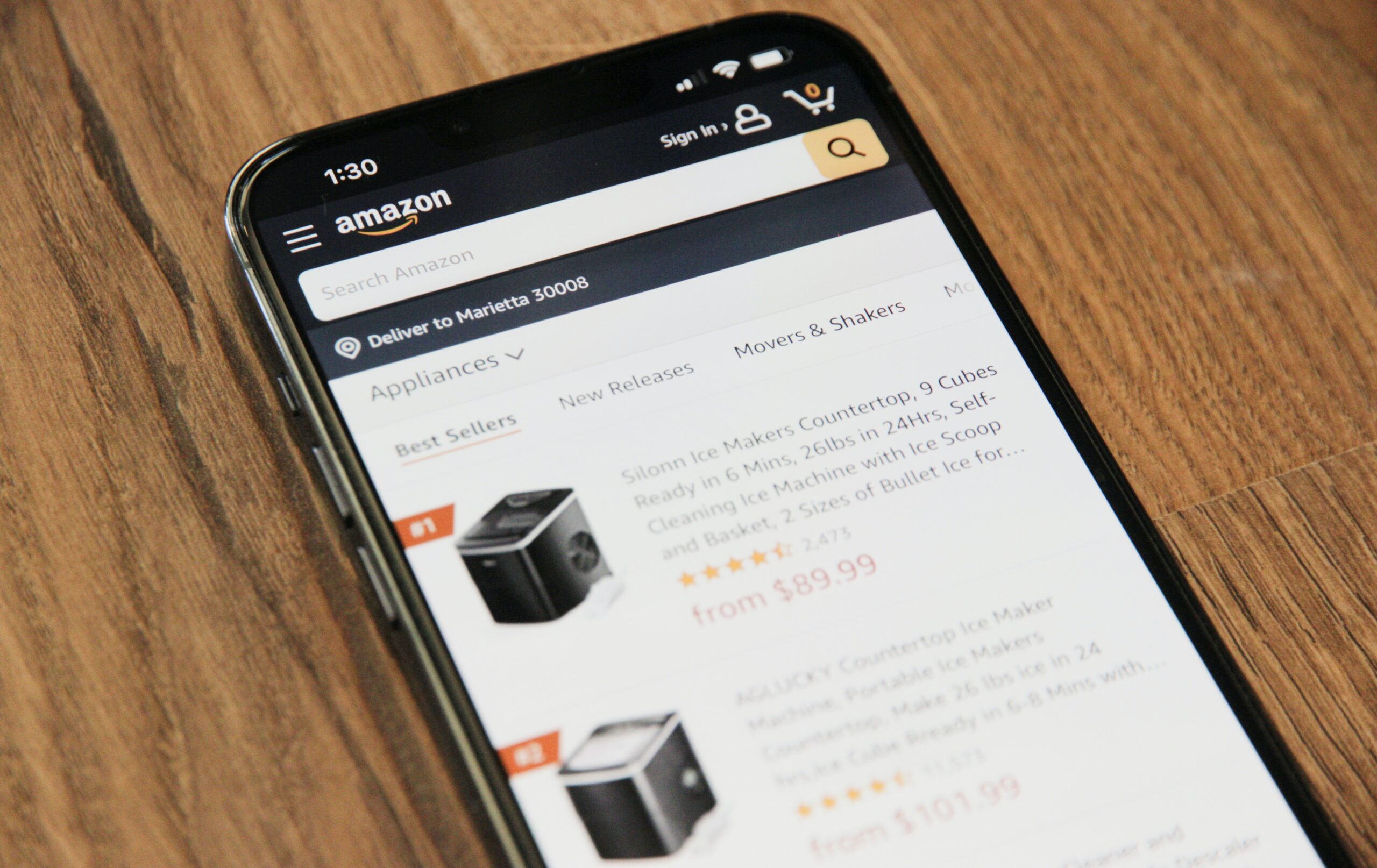
    Global ecommerce and marketplace accelerator Pattern has announced the release of new functionality in its ecommerce acceleration platform in Australia, designed to help retail brands identify unauthorised resellers of its products on marketplaces including Amazon and eBay.

    The new protection layer allows brands to stay abreast of how many marketplace sellers are selling its products, and who they are – the brand itself, authorised resellers or unauthorised resellers.

    “As marketplaces continue to grow in popularity, global and local Australian brands could potentially stand to lose millions of dollars if they don’t have a strategy for identifying and taking action against unauthorised sellers of their products on marketplaces,” said Merline McGregor, General Manager, Pattern Australia. “However, tracking down unauthorised resellers can be a complex and time-consuming task for already stretched brands, especially if done manually. That’s why Pattern has developed automated software that can help identify unauthorised sellers in real time and this feature is now available to Australian brands selling on Amazon.”

    With the retail market share of marketplaces rapidly growing in Australia – Pattern’s ‘Marketplace Consumer Trends Report – 2023,’ revealing 88% of shoppers bought from a marketplace in the previous year, and 92% of consumers plan to shop on marketplaces in the year ahead – the threat to brands of unauthorised resellers is only likely to increase.

    An unauthorised seller can be any third-party reseller who does not have an official link with a brand, or a global seller selling from overseas, who lists and sells the brand’s products on a range of online marketplaces. Not only do they sell a brand’s products without authorisation, but they also often pose a challenge to a brand’s reputation and value by listing incorrect product or brand information.

    This confuses and undermines the consumer’s perception of the brand’s products, which results in a poor customer experience.

    “The new protection layer within Pattern’s ecommerce acceleration platform delivers brands an enhanced understanding of those selling its product on Amazon Australia. It allows brands to not only identify unauthorised resellers but also drill down to how much inventory each seller has, giving brands greater visibility, and therefore knowledge on how big their unauthorised reseller issue is,” said McGregor.

    “Importantly, the new protection feature is already making its mark in the Australian market, having traced an estimated AUD$2.5 million worth of potential unauthorised marketplace sales within or into Australia for one of our global footwear brand customers.”

    About Pattern Inc

    Pattern is the category leader in global ecommerce and marketplace acceleration. Since 2013, Pattern has profitably grown to more than 1,400 employees operating from 24 global locations – including Melbourne, Sydney and the Gold Coast – to help leading brands achieve accelerated growth on D2C websites and global marketplaces. As well as being one of the largest Amazon sellers in the world, we are also present on Tmall, JD.com, eBay and other marketplaces. We act as the authorised Amazon seller to more than 200 brands globally, buying their stock to sell on the marketplace and taking care of every aspect of their Amazon presence. For more information, visit https://au.pattern.com/

  • Swiss watchmaker Swatch sues Malaysia for seizure of Pride watches

    Swiss watchmaker Swatch sues Malaysia for seizure of Pride watches

    Swiss watchmaker Swatch says it has begun legal proceedings against the Malaysian government for seizing LGBTQ-themed watches from its stores.

    The move comes after officials impounded 172 watches from its rainbow-colored Pride collection, on sale at shopping malls across Malaysia.

    Swatch wants damages and the return of the watches, worth $14,000 (£10,700).

    Homosexual activity is illegal in Malaysia under both secular and religious laws.

    It is punishable by a prison sentence or corporal punishment.

    Swatch filed its lawsuit last month at the High Court in Kuala Lumpur. The case is expected to be heard later this week.

    The Malaysian authorities said the watches were confiscated in May by the home affairs ministry’s law enforcement unit because they featured “LGBT elements”.

    But Swatch said in its lawsuit that the watches were “not in any way capable of causing any disruption to public order or morality or any violations of the law”.

    The firm said its trading reputation had been damaged by the seizures, adding that its “business and trading figures also suffered in the immediate aftermath of the seizure for some time”.

    In its promotional campaign for the Pride-themed watches, Swatch describes them as “loud, proud, uplifting and bursting with meaning”.

    The firm refers to the Pride flag as “a symbol of humanity that speaks for all genders and all races”.

    In its lawsuit, Swatch said the watches “did not promote any sexual activity, but merely a fun and joyous expression of peace and love”.

    The lawsuit names the home affairs ministry and the government of Malaysia as respondents.

    Home Affairs Minister Saifuddin Nasution Ismail has yet to comment publicly on the matter.

  • Levi’s unveils plant-based edition of its 501 jeans

    Levi’s unveils plant-based edition of its 501 jeans

    Levi’s new jean is an example of how the food industry is setting fashion trends.

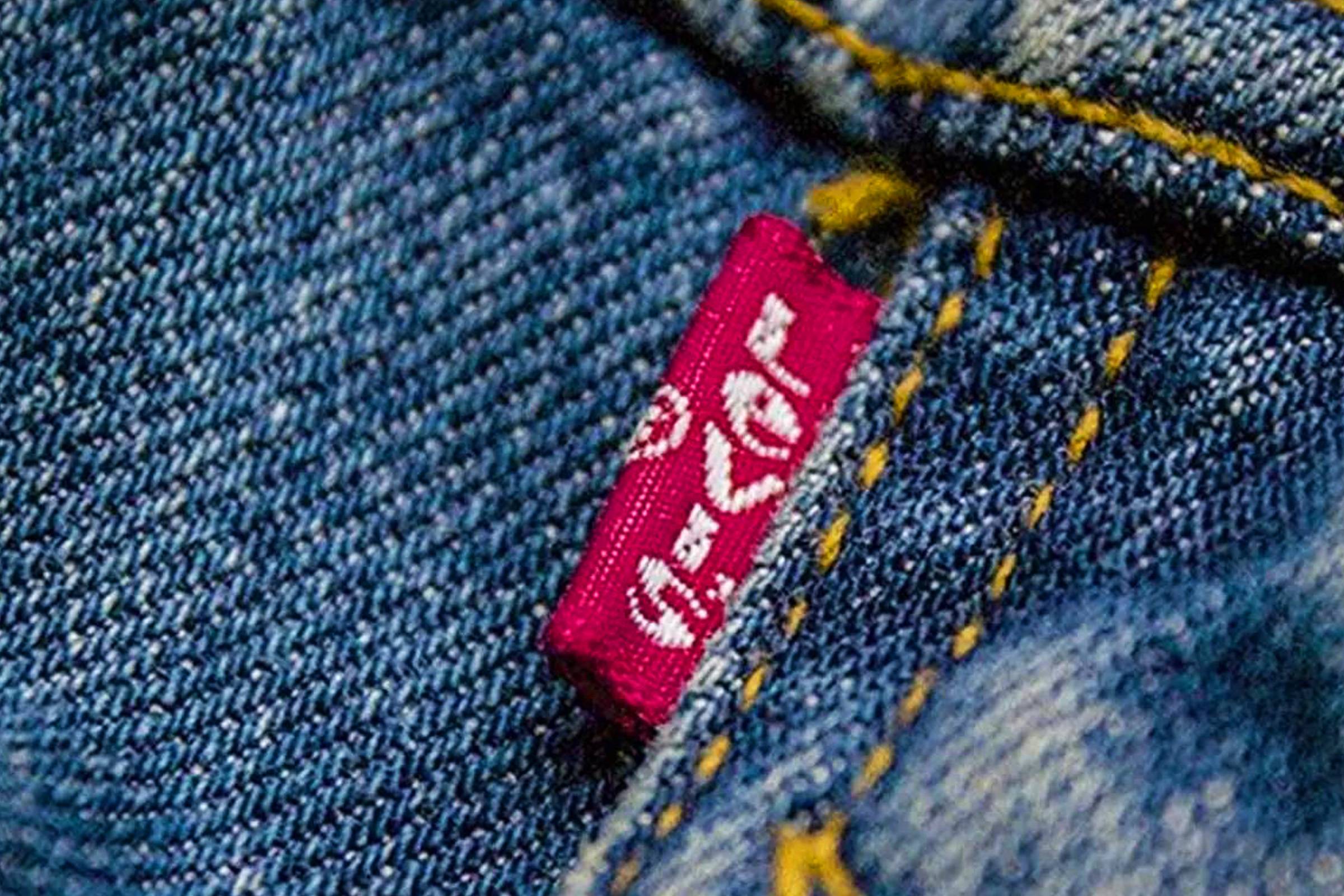
    The San Francisco-based brand unveiled the first 501 jeans made with at least 97 percent plant-based materials. Levi’s said the jeans “are an indication of what the industry could look like in the years ahead given the push to minimize synthetic materials derived from fossil fuels and the need to make more garments with renewable inputs rather than finite resources.”

    Made with 100 precent OCS-certified organically grown cotton, the 501 is made possible through a series of recent partnerships and pilots.

    The fabric is dyed with plant-based indigo from Springfield, Tenn.-based Stony Creek Colors and references Levi’s X80 archival shade. Levi’s invested in the only industrial-scale manufacturer globally of 100 percent bio-based indigo last year, following several Levi’s WellThread collections made with the naturally derived colors.

    For the internal pocket bag, Levi’s used a 100 percent cotton component printed with BioBlack TX, a plant-based black pigment made from wood waste, manufactured in a closed-loop system and developed by Nature Coatings, another collaborating partner. Levi’s used the pigment for the floral-printed denim pieces in its Spring/Summer 2023 WellThread collection.

    Levi’s replaced its traditional leather back patch with one made with Mirum by NFW. The material is comprised of 100 percent bio-based, plastic-free inputs that don’t generate effluent during production. The brand’s use of leather for patches has been a point of contention with PETA, which for years has urged it to adopt cruelty-free alternatives.

    Each patch says “plant based” and features a small green leaf next to the lot number. The leaf motif is replicated on the 501’s signature red tab.

    The sewing thread, care label and metal trims are the only materials not created from plants.

    The women’s plant-based 501 is available now in two washes, a light wash Indigo Botanics and medium wash Blue From Green, and retails for $128. A men’s version will launch on July 31.

    “In our ongoing research and development, we strive to improve our design practices and conserve environmental resources every way we can,” said Una Murphy, Levi’s director of design innovation. “By incorporating sustainable innovation, in mainline and premium product alike, we learn what’s possible and how we can continue working towards solving some of our biggest challenges.”

    The plant-based jean is part of a suite of newness from Levi’s that challenges traditional denim manufacturing.

    Levi’s will bow a cottonized hemp-cotton blend selvedge 501. The jean will be available in a variety of shades and finishes for women and men, some featuring natural dyes. Levi’s will release the jeans throughout the year.

    The brand is also putting its circular 501, first released last year, back in the spotlight. The jean is made with a blend of organic cotton and Renewcell’s pioneering Circulose fiber, a viscose derived from recycled denim and other cotton-rich textile waste.

    The 501 has been a focal point for Levi’s, which celebrates 150 years this year.

    Paul Dillinger, Levi Strauss & Co.’s VP of design innovation, said the three innovative jeans show that while Levi’s is still focused on producing classic garments, the company is looking to moving in the direction of more circular products and practices.

    “We want to show what is possible,” Dillinger said. “At the same time, we’re challenging ourselves to get closer to a state where products like this represent more of a product line, and where they’re seen not as the endgame, but a starting point that we want to top next season, and the season after that.”

  • China’s Xiaomi bets bigger on India retail stores amid Samsung rivalry

    China’s Xiaomi bets bigger on India retail stores amid Samsung rivalry

    China’s Xiaomi 1810.HK will focus on boosting its India sales from retail outlets after years of big bets on e-commerce, its India president said, as the company seeks to revive smartphone sales after falling behind South Korea’s Samsung 005930.KS.

    E-commerce sales in India via Amazon AMZN.O and Walmart’s WMT.N Flipkart have surged in recent years, helping Xiaomi and others expand in one of the world’s fastest-growing markets, with 600 million smartphone users.

    But while 44% of India’s smartphone sales are now online, the brick-and-mortar segment remains the bigger play and Xiaomi expects it to grow further.

    “Our market position in offline is substantially lower than what it is online,” Xiaomi’s India head, Muralikrishnan B., said in an interview on Friday. “Offline is where you have other competitors who have been executing fairly well and have a larger market share.”

    Just 34% of Xiaomi’s India unit sales this year have come from retail stores, with the rest through websites that have long been its dominant sales generator, data from Hong Kong-based Counterpoint Research shows. Samsung, in contrast, gets 57% of its sales from stores.

    Xiaomi plans to expand its store network beyond the current 18,000 and increasingly partner with phone vendors to offer other products, such as Xiaomi TVs or security cameras, where Muralikrishnan said competition is less intense.

    He said Xiaomi found some partner stores that put its bright orange branding outside shops were displaying rival brands more prominently inside, a marketing issue the company would address.

    Xiaomi’s offline push comes months after it lost its leadership position to Samsung, which had a much bigger portfolio of premium phones now in vogue. The South Korean giant has a 20% market share in India, while Xiaomi, which historically focussed on budget phones, has 16%.

    “Offline remains a key platform as India embraces the premiumization trend,” said Counterpoint analyst Tarun Pathak. “Consumers spending more would like to have the look and feel of the premium product.”

    Xiaomi plans to hire more store promoters – salespeople who lure, pitch and sell phones to prospective buyers inside outlets. It targets tripling the count to 12,000 promoters by the end of next year from early 2023 levels, Muralikrishnan said.

    Another significant India challenge for Xiaomi is a federal agency’s $673 million freeze on its bank assets since last year. The agency alleges Xiaomi made illegal remittances to foreign entities in the name of royalties. The company denies wrongdoing.

    “We’ll continue to be confident … that ultimately our position will be heard and validated,” Muralikrishnan said.

  • Android phones will soon try to entice users to install the latest update

    Android phones will soon try to entice users to install the latest update

    Google really wants you to install the latest Android update whenever it is released. While the company can’t twist your arm, Google is asking Android phone manufacturers to add a new feature called Android Upgrade Invite to their phones. Google says that the Android Upgrade Invitation is a “user flow that showcases the key new features included in the current available major Android OS upgrade.” It is “intended to help convince users to upgrade their device to the latest OS version.”

    As noted, the invitation can be tapped on by Android users to show them the new features and capabilities they will receive by upgrading to a new version of Android. The update can even be installed from the flow. The user flow is the path taken by an app user to complete a task such as the steps taken on an app to complete the purchase of a product. In this case, the task is to get an Android user to install the latest version of the platform.

    The invitation can be sent out automatically when a major update is detected (available on Android devices that use Google’s OTA ‘over the air’ update services and have Google Mobile Services). Or, the invitation can be sent out manually by the manufacturer. The manufacturers will have the ability to remove features from the user flow that are not offered on their Android skin, change the text if necessary, and modify the animations and colors to match their branding.
    We really can’t say how much the Android Upgrade Invite will change the fragmented world of Android updates. As of May 30th, the latest stable version of Android, Android 13, was on only 14.7% of active Android devices. But this low number has more to do with the various number of Android manufacturers and devices that can be purchased in the marketplace. On the other hand, by reminding some Android users who might not be as knowledgeable about the platform that an update is available, the feature could hike the percentage of users running the latest build.
    One thing that the Android Upgrade Invite will do is give more users a better idea of what they can expect when installing the update instead of trying to decipher a changelist provided by Google.
  • Facebook announces important video-related improvements

    Facebook announces important video-related improvements

    With Facebook Watch discontinued, Meta is trying to improve the video capabilities of its social app. The same editing tools from Reels will be made available for all Facebook videos, while the Video tab is getting a long-overdue redesigned that makes it the central hub of everything related to videos on Facebook.

    Starting today, the Reels editing tools are coming to Feed to make it easier for users to create dynamic videos on Facebook. Previously available on Reels, audio, music and text layers are now available on Meta Business Suite for reels and for video on Feed.

    Also, Facebook users will be able to speed up, reverse or replace their clips. With the new editing tools, it will also be possible to create the right sound for your video by adding music and audio clips, recording voiceovers and reducing unwanted noise.

    Last but not least, Facebook users are getting the ability to upload HDR videos from their phones to Reels and for that video to playback in full HDR.

    Previously known as Facebook Watch, the Video tab has just received a new look and many new functionalities. For starters, the Video tab now features new horizontal-scroll reels sections that highlight recommended reels.

    If you’re using an iPhone or iPad, the redesigned Video tab is available as a shortcut bar at the bottom of the app. Android users will find the same Video tab as a shortcut at the top. Keep in mind that the tabs in the shortcut bar change based on the part of the app that’s used more frequently.

    On the same Video tab, there’s a redesigned Explore section where you can find popular video topics. The Explore section can be accessed by tapping the search icon in the Video tab. According to Meta, the company is using a mix of human curation and machine learning to select topics and videos that are popular.

    Another useful change introduced today is the ability to view and write comments on Instagram Reels without needing to switch between apps. And this appears to be just the beginning, Meta claims.