Author: Mei Ling Tan

  • Apple Pay all set to come to Vietnam

    Apple Pay all set to come to Vietnam

    Digital wallet Apple Pay will soon be available in Vietnam. At least one bank has announced that it will soon support Apple Pay services.

    Sources have told VnExpress that three other major banks will also launch Apple Pay by the end of this month.

    Users can add their credit and debit card information to Apple Pay and make payments through their iPhone or Apple Watch.

    Devices connect through near-field communication and are authenticated by users’ FaceID or fingerprints.

    In most markets, users do not have to pay Apple Pay fees since their banks cover them.

  • Pomina Steel to sell stake to Japanese firm

    Pomina Steel to sell stake to Japanese firm

    Pomina Steel has agreed to sell nearly 70.2 million shares, a 20% stake, to Japan’s Nansei steel.

    The company will sell at VND10,000 ($0.42) per share, 35% higher than its market price. The deal, to be conducted in August this year and September next year, is estimated to fetch Pomina nearly VND702 billion.

    Nansei Steel is based in Japan’s Chiba. It first established a Vietnam entity around six months ago. Pomina’s announcement has seen its shares shoot up from VND6,900 to around VND7,390.

    Currently Vietnam Steel Corp is the biggest shareholder in Pomina with a 53.3% stake.

    Pomina, based in Ho Chi Minh City, has been facing financial difficulties. It posted a loss of VND1.1 trillion last year and another VND186 billion in the first six months of this year.

    Its CEO Do Tien Si said that the frozen property market had caused steel demand to plunge, and the high costs of its new blast furnace, were the main reasons for the losses .

    The company expects a loss of VND150 billion this year.

  • Lavazza launches its first collection of locally-roasted coffee

    Lavazza launches its first collection of locally-roasted coffee

    Italy’s biggest coffee roaster Lavazza, has announced the launch of Il Mattino Vivace its first pure filter coffee blend to be sourced and processed in India for the domestic market.

    Coffee is being sourced from Chikmagalur and Coorg in Karnataka and processed in Lavazza’a manufacturing facility at Sri City in Andhra Pradesh.

    The facility at Sri City in Tada began its commercial operations a few weeks ago, Fresh and Honest Cafe Ltd Managing Director Silvio Zaccareo said.

    Fresh and Honest Cafe Ltd is a 100 percent subsidiary of Lavazza.

    Zaccareo declined to reveal the size of investment made at the factory or the number of employees working in it.

    II Mattino Vivace meaning ‘lively morning’ is made from Arabica and Robusta beans roasted for the “at home” segment.

    “Lavazza is known the world over for its expertise in art of blending for over four generations. II Mattino Vivace is a result of combining that expertise and our understanding of the unique consumer preferences in Indian market”, he said.

    To a query, he said the coffee powder would be available in retail outlets across the country. “We are planning to complete first stage distribution by end of this month”.

    Zaccareo said the company inaugurated Coffee Training Centre last year which was the first largest centre outside Italy.

    The centre trains professionals, carries out research and explores new forms of taste. “We have trained more than 1,000 people,” he said.

  • PepsiCo has no plans to change portfolio after WHO aspartame warning

    PepsiCo has no plans to change portfolio after WHO aspartame warning

    The World Health Organization reaffirmed its recommended intake of aspartame Thursday, but the agency’s classification of the sweetener as a possible carcinogen could still scare away diet soda drinkers and lead to new beverage formulas.

    Soda consumption has fallen over the past two decades as consumers have switched to drinking more water or picking beverages with less sugar. However, diet sodas have been a bright spot for the category in recent years.

    Although full-calorie options still dominate the soda segment, diet sodas now represent more than a quarter of sales. Coca Cola’s and Pepsi Co’s bets on zero-sugar versions of their namesake sodas have been paying off for both companies. Diet Coke, Coke Zero, Pepsi Zero Sugar and Diet Mountain Dew all contain aspartame.

    On Thursday, the International Agency for Research on Cancer, a WHO agency, identified a possible link between aspartame and a type of liver cancer called hepatocellular carcinoma. WHO officials said more research on the potential connection is needed.

    A separate body, the Joint Expert Committee on Food Additives, said in its own report that the acceptable daily intake of the sweetener is under 40 milligrams per kilogram of body weight, reaffirming prior recommendations. For most adults, that means drinking less than nine to 14 cans of diet soda every day.

    While the findings on possible links to cancer may not deter consumers who drink smaller amounts of diet soda, the announcement could at least temporarily hurt sales.

    Diet sodas are at least 50% more popular with higher-income consumers than with lower-income people, according to TD Cowen data. Those consumers could be concerned by the WHO’s report, TD Cowen analyst Vivien Azer wrote in a research note last week.

    The biggest risk for soda makers is how much attention the announcement garners. CFRA analyst Garrett Nelson wrote in a June 29 note that the news could hurt sales volumes of low-calorie sodas if enough consumers see the headlines.

    Likewise, Wedbush analyst Gerald Pascarelli told CNBC he thinks the report could hit sales in the category. But the dip might not last long.

    “These companies are quick to pivot and to do what’s necessary to maintain momentum for their brands, and we suspect they’ll do the same thing,” he said.

    Dr. Francesco Branca, head of the WHO’s nutrition and food safety division, said manufacturers who use aspartame in their food and drinks should consider making their products without the sweetener.

    But PepsiCo Chief Financial Officer Hugh Johnston said on Thursday that the company has no plans to change its use of aspartame. He added that the company doesn’t include the sweetener in much of its portfolio.

    Aspartame was used in Diet Pepsi until 2015, when the company tweaked the formula. After backlash from customers, PepsiCo brought it back a year later. But the change didn’t last long — the beverage giant got rid of aspartame in Diet Pepsi in 2020. It still uses it in Pepsi Zero Sugar.

    Coke faces more risk of losing out on sales over aspartame concerns, according to CFRA’s Nelson. The beverage giant currently uses the sweetener in both its Diet Coke and Coke Zero, but could swap it out for another, such as stevia, in the future.

    Even so, Edward Jones analyst Brittany Quatrochi said she isn’t expecting a big hit to diet soda sales.

    “Consumers may trade into a different sugar-free offering, but this isn’t the first kind of food or beverage product to be labeled a carcinogen,” she said.

    For example, the IARC classified red meat as a probable carcinogen in 2018.

    Makers of diet sodas aren’t fretting over lost sales yet. The American Beverage Association, which lobbies on behalf of Coke, PepsiCo, and Dr. Pepper’s took the WHO announcement as further confirmation of the sweetener’s safety.

    “With more than 40 years of science and this definitive conclusion from the WHO, consumers can move forward with confidence that aspartame is a safe choice, especially for people looking to reduce sugar and calories in their diets,” ABA interim CEO Kevin Keane said in a statement.

    Besides diet sodas, aspartame can also be found in a variety of foods, including breakfast cereals, chewing gum and ice cream. It’s widely used as a sugar substitute because it is 200 times sweeter, meaning it can be used in much lower concentrations.

  • Vegemite unveils retro labels to mark its Centennial

    Vegemite unveils retro labels to mark its Centennial

    Vegemite has unveiled a bold new look, shaking up its much-loved packaging in honour of a very special occasion.

    The iconic spread has announced it will undergo a makeover this week to celebrate its 100-year anniversary, ahead of Vegemite’s 100th birthday on October 25.

    The rollout, which hit shelves on Friday, will include three limited edition 380g jars and a limited edition 350g squeezy bottle, each featuring a commemorative design inspired by the Vegemite labels of yesteryear.

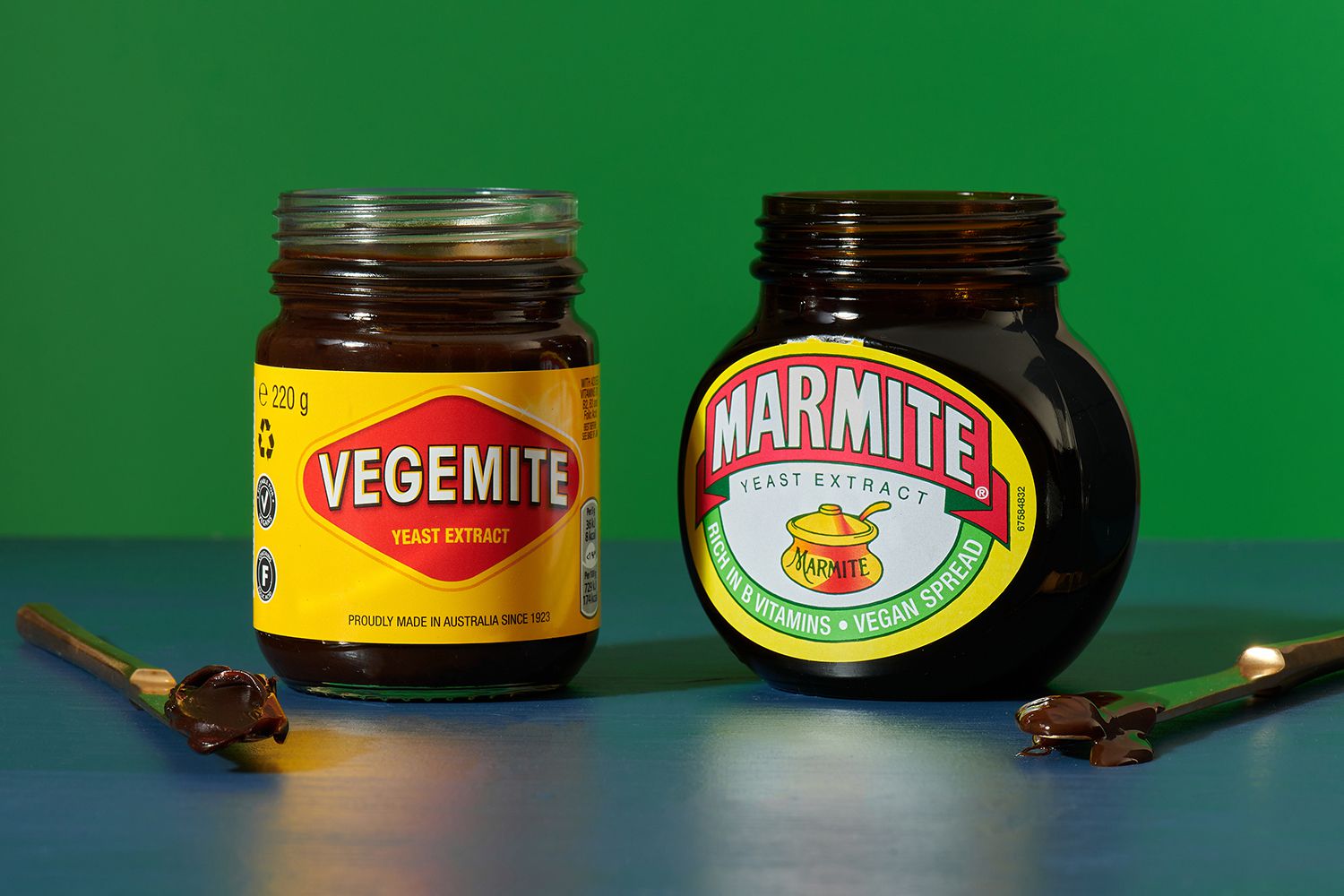
    Vegemite is getting a makeover for its 100th birthday. The jars, from left to right, are inspired by the original, 1930s and 1960s Vegemite packaging. Picture: Vegemite.

    The “100 Mitey years” celebration will include limited edition jars with a label inspired by the red-and-black label of the very first Vegemite jar, developed in 1925 when the Fred Walker Company invited Australian chemist Cyril Callister to develop a tangy new spread from brewer’s yeast.

    A second collector’s edition jar is inspired by the red, black and yellow Art Deco stripes of 1930s Vegemite packaging, as a tribute to the decade that saw Vegemite become an Aussie pantry staple enjoyed at breakfast, lunch and tea. This design will also be available in squeezy bottle form.

    The final collector’s edition jar is inspired by the 1960s, when Aussies’ love for Vegemite reached new heights. This pared-back red-and-yellow design paved the way for the iconic jar Aussies know and love today.

    Rob Carman, who has worked for Vegemite for 51 years, with the limited edition jars as they rolled off the production line. Picture: Vegemite.

    The 100th birthday jars present a chance for Aussies to own a piece of history from Vegemite’s centennial year — and a piece of Australian history as a result, Vegemite’s owner, Bega, said.

    Bega Foods General Manager Marketing Mark Gray said Australians’ love of the spread “runs deep”.

    “It is hard to believe Vegemite is turning 100 ‘Mitey’ years this year. We’re proud to continue to produce over 20 million jars of Vegemite each year,” he said.

    The new designs have rolled off the production line at Bega’s Port Melbourne facility and will be available at Coles, Woolies and independent supermarkets from Friday.

    Bega estimates the limited edition jars will be available until November, but it’s best to be quick — once they’re gone, they’re gone forever.

  • Singapore company to buy out Vietnam’s FV Hospital

    Singapore company to buy out Vietnam’s FV Hospital

    Singapore-based Thomson Medical Group has agreed to buy FV Hospital in Ho Chi Minh City for US$381.4 million in what will be Vietnam’s biggest ever healthcare industry deal.

    The company, which has operations in Singapore and Malaysia, said in a press release Wednesday that it would acquire 100% of Far East Medical Vietnam Ltd, which owns the hospital.

    “The acquisition of FV Hospital deepens our commitment to the Southeast Asian healthcare sector, expanding our group’s presence across three of the region’s most important geographies in healthcare,” Kiat Lim, TMG’s executive vice chairman, said.

    FV Hospital provides the group with a strategic foothold in Vietnam and a gateway to future investments in the fast-growing market, he added.

    FV was founded by Dr Jean-Marcel Guillon in 2003 with a group of French physicians.

    Located in District 7, it has evolved into a full-service, one-stop provider of healthcare, including for people from Cambodia.

    It offers over 30 specialties and has over 1,600 staff, who include more than 200 Vietnamese and expatriate doctors.

    It also operates the FV Saigon Clinic in District 1.

    TMG said that the accelerating healthcare demand in Vietnam is fueled by a rising middle class, an aging population and growing expatriate numbers.

    It also sees Vietnam as a potential medical tourism destination, thanks to solid demand from neighboring countries like Cambodia, Laos and Myanmar.

    Thomson Medical Group was established in 1979 and is one of the largest private providers of healthcare services for women and children in Singapore.

  • Vietnam Electricity owes Petrovietnam $971M

    Vietnam Electricity owes Petrovietnam $971M

    Oil and gas giant Petrovietnam has liquidity issues because it has not been able to collect payables of VND23 trillion ($971 million) from state-owned utility Vietnam Electricity.

    Over VND14 trillion of the amount is past due, and this is having a major impact on its own business, the oil company said in its first-half financial report.

    EVN has financial problems after making a loss of VND19.5 trillion last year.

    Petrovietnam also said that the oil and gas industry has been hit by plunging prices amid economic challenges.

    In the first six months Petrovietnam produced nearly 12.7 billion kilowatt-hours of electricity, 4.5% higher than the target.

    Its crude oil output was 5.3 million tons of which it sold 83% domestically.

  • Spotify and Calm collaborate to bring transformative content to users worldwide

    Spotify and Calm collaborate to bring transformative content to users worldwide

    Calm, the meditation and sleep app with over 4 million users worldwide, has joined forces with Spotify in an unprecedented collaboration. This partnership aims to provide a range of transformative content from Calm to support individuals on their mental health journey. The content is now accessible on Spotify’s platform.

    The collaboration between Calm and Spotify is made possible through Spotify Open Access (SOA), an initiative introduced in 2021. SOA enables companies to offer paid content on Spotify, catering to different subscriber tiers. This means that users can access and enjoy paid content from other platforms, such as books or articles they have purchased, directly on Spotify.

    It is important to note that a Premium subscription to Calm is required to gain access to all its content on Spotify. Otherwise, only a limited set of stories and music is available for streaming on Spotify.

    Recognizing the challenge of finding time for mindfulness amidst daily life’s busy demands, Calm has partnered with Spotify, making some of its finest content readily available in the Spotify podcast catalog.

    With eleven Calm shows now on Spotify, individuals can benefit from a range of mental well-being support. The content includes some of the most popular sleep stories, meditations, mindfulness exercises, and more, all designed to facilitate better sleep, reduce stress and anxiety, and cultivate mindful habits.

    The strategic collaboration between Calm and Spotify brings significant advantages for both parties. Calm’s esteemed content gains access to Spotify’s vast user base of approximately 515 million monthly active users, amplifying its reach and impact.

    The partnership between Calm and Spotify provides an exciting opportunity for users to conveniently enhance their mental well-being. By leveraging the power of Spotify Open Access, Calm’s transformative content is now just a click away for individuals seeking relaxation, stress reduction, and better sleep.

  • Volvo Cars India Records 33% Growth In First Half Of 2023

    Volvo Cars India Records 33% Growth In First Half Of 2023

    Volvo Cars India has reported a significant growth of 33 percent in its sales for the first half of 2023 in India. During the period from January to June, the company delivered 1,089 cars, a notable increase from the 818 units delivered in the same period last year.

    The driving force behind this impressive growth can be attributed to the XC60, one of Volvo’s most popular models, which experienced a substantial 35 percent surge in deliveries. This particular model contributed to a total of 376 cars being delivered during the first half of the year.

    Another notable highlight is the strong performance of the locally assembled all-electric XC40 Recharge, which garnered good demand. With a total of 289 units sold during this period, the XC40 Recharge accounted for 27 percent of the overall sales volume. This success further demonstrates the growing demand for electric vehicles in the Indian market.

    “The first half has been highly successful, with the XC40 Recharge representing 27 percent of the sales volume. The impressive 33 percent growth reaffirms the positive feedback from customers regarding our luxurious mobility options and their strong trust in the Volvo brand. The performance in the first half serves as a promising indicator, instilling confidence that the upcoming months will yield even better outcomes. With the upcoming launch of our Born Electric model C40 Recharge in August, we aim to surpass our best-ever year.” said Jyoti Malhotra, Managing Director, Volvo Car India.

    Volvo Car India recently unveiled its latest addition to the electric vehicle lineup, the C40 Recharge. This marks their second offering in the electric car segment, following the XC40 Recharge. The new EV will also be assembled locally at Volvo’s manufacturing plant located in Hoskote, near Bengaluru. Bookings for the C40 Recharge will start in August, with deliveries scheduled to commence in September 2023.

  • Apple paying TSMC special rate for 3nm A17 Bionic

    Apple paying TSMC special rate for 3nm A17 Bionic

    TSMC’s yield rate on its 3nm production is said to be at 55%. At that rate, a bit less than half of the silicon wafers used to produce Apple’s A17 Bionic and M3 chips are frisbees or extra-large drink coasters. Remember, the iPhone 15 Pro and iPhone 15 Pro Max will be the only smartphones powered by a 3nm chipset this year due to the high price of the wafers.
    But Apple reportedly has worked out a deal with TSMC and will pay only for known good die rather than the $17,000 per wafer price. But Brett Simpson, senior analyst at Arete Research, provided EE Times with a report in which he said that once yields get to 70%, TSMC will put its most lucrative client back on standard wafer prices.
    Simpson wrote, “We think TSMC will move to normal wafer-based pricing on N3 with Apple during the first half of 2024, at around $16-17K average selling prices. At present, we believe N3 yields at TSMC for A17 and M3 processors are at around 55% [a healthy level at this stage in N3 development], and TSMC looks on schedule to boost yields by around 5+ points each quarter.”
    The report from Arete Research says that the A17 Bionic requires 82 mask layers and with a die size in the range of 100-110 square mm, each wafer can yield 620 chips with a wafer cycle time of four months. That’s the time it takes a wafer lot (usually 25 wafers) to move from start to finish in a fab. The report added that the M3 chip is likely to be around 135-150 mm square die size and yield up to 450 chips per wafer.

    The first generation 3nm chips from the foundry are using the N3B process node for the A17 Bionic. In 2024, Apple might switch to the N3E node for the A17 Bionic which will have lower production costs and higher yields. The only downside, according to one tipster, is that it supposedly delivers less of a performance increase than the N3B node delivers.

    This is a rumor, but even so, it isn’t clear whether Apple would stick with the N3B node to manufacture the A17 Bionic and M3, or switch to the less-expensive but slightly less impressive N3E node. If Apple decides to go with the N3E node, you might see prospective iPhone 15 Pro and iPhone 15 Pro Max buyers trying to figure out which variant of the A17 Bionic SoC is inside the phone they are about to buy.
    TSMC CEO C.C. Wei said during a conference call with analysts, “Our 3-nm technology is the first in the semiconductor industry to high-volume production with good yield. As our customers’ demand for N3 (3nm) exceeds our ability to supply, we expect N3 to be fully utilized in 2023, supported by both HPC and smartphone applications. Sizable N3 revenue contribution is expected to start in the third quarter, and N3 will contribute a mid-single–digit percentage of our total wafer revenue in 2023.”

    TSMC will start 2nm production in 2025

    Mehdi Hosseini, senior equity research analyst with Susquehanna International Group, says that in the battle between TSMC and Samsung Foundry, TSMC remains on top. “TSMC, in our view, remains the preferred foundry choice for leading-edge nodes as Samsung Foundry has yet to demonstrate a stable leading-edge process technology, all while IFS [Intel Foundry Services] is years away from offering a competitive solution,” he wrote.
    In the foundry business, you don’t get a second to look back at your accomplishments. TSMC says that N2 production will start in 2025. TSMC’s Wei states, “At N2, we are observing a high level of customer interest and engagement. Our 2-nm technology will be the most advanced semiconductor technology in the industry in both density and energy efficiency when it is introduced and will further extend our technology leadership well into the future.”
    The recent chip inventory correction has been worse than TSMC expected and the company said that it might report a drop in annual revenue (for 2023) which would be the first drop in a decade. The average inventory holdings for TSMC’s fabless clients (chip designers that don’t own a factory and turn to TSMC to make their chips) is 92 days. During Q4 of 2022, Nvidia had over 200 days of inventory with Marvell around 180 days and Qualcomm with about 160 days of inventory.
  • Uncle Tobys rolls out limited edition muesli bar

    Uncle Tobys rolls out limited edition muesli bar

    Uncle Tobys is celebrating 130 years of production with the release of limited-edition box designs and new recipes by chef Hayden Quinn.

    The oat brand was first milled in Wahgunyah, Victoria in 1893, and has played a significant role in the lives of many Australian families, from its cereals, snacks, oats, and muesli bars.

    Uncle Tobys is still 100 per cent Australian with all oats grown and harvested within a few hundred kilometres from its Wahgunyah factory.

    To commemorate the milestone, Uncle Tobys has enlisted the help of chef Hayden Quinn to release a series of new recipes that will bring a nostalgic and birthday-themed twist to iconic oat dishes that celebrate Australian flavours and the brand’s heritage.

    “I am thrilled to be a part of the 130th birthday celebrations for Uncle Tobys. Having worked closely with the brand for over five years, and as someone who has grown up with the iconic red box in my pantry, it’s an honour to be able to contribute to the brand’s legacy through the creation of these new recipes.”

    Recipes by Quinn include a lamington oat swirl, green and gold Aussie bowl, and fairy bread oats, all designed to show the versatility and creativity of Uncle Tobys oats.

    The limited edition boxes of Uncle Tobys traditional rolled oats are available from supermarkets and Quinn’s recipes can be found through Uncle Tobys and Quinn’s Instagram pages.

  • Auto sales plunge in Vietnam

    Auto sales plunge in Vietnam

    Auto sales in Vietnam plunged by 37% to 137,300 units in the first six months as demand dropped amid economic challenges.

    Sales reached the monthly highest this year in March at over 30,000, but fell the following two months before recovering slightly last month at 23,800 units, according to the Vietnam Automobile Manufacturers Association, which does not incorporate data from TC Motor and VinFast.

    Most major brands saw a double-digit decline in sales in the first six months.

    Truong Hai Auto Corporation led sales at over 41,600 units, down 44% year-on-year.

    It was followed by Toyota with 26,600 units, down 38%.

    Ford came third at 17,400 units. It was the only brand in the top five sellers with a growth rate of 80%.

    Mitsubishi sold 12,800 units, and Honda nearly 9,500.

    The government in May deferred the special consumption tax payable by carmakers for June-September until November 20.

    It has also cut car registration fees in half starting from July 1 until the end of the year for locally-made or locally-assembled cars to boost sales.

  • Passenger, goods transport volume sees strong surge in H1

    Passenger, goods transport volume sees strong surge in H1

    The transport sector carried over 2.17 billion passengers in the first half of 2023, up 15.9% year-on-year, heard a conference hosted by the Ministry of Transport in Hanoi.

    In the review period, about 1.10 billion tonnes of goods were transported, up 15.9% compared to the same period last year.

    The volume of railway passengers has experienced a strong increase in the period, recording a revenue growth of 138.92% compared to the same period last year.

    The aviation sector has basically met the demand. Some international routes have gradually recovered to the pre-pandemic level. The Ministry of Transport has also implemented various solutions to reduce flight delays and cancellations, and better the quality of air transportation services.

    The maritime sector has paid attention to implementing a project to develop Vietnam’s shipping fleet; simplifying administrative procedures, strongly applying information technology and the national one-stop-shop mechanism for 11 administrative procedures at 22 maritime port authorities nationwide.

  • Intel to pour more investment in Vietnam

    Intel to pour more investment in Vietnam

    Intel Corporation will continue to invest in Vietnam, Kim Huat Ooi, Vice President in Manufacturing, Supply Chain and Operations, and General Manager of Intel Products Vietnam told Tuoi Tre (Youth) Newspaper.

    The year 2022 has affirmed the importance of Vietnam to the U.S. semiconductor giant and vice versa, he said, adding that these performance and efficiency results underpin the need to inject more capital into the Southeast Asian country.

    By the end of 2021, the Intel Corporation had injected a total of $1.5 billion in Vietnam and it wants to keep investing and that is certainly what Intel will do, he said.

    Intel Products Vietnam (IPV) is now the largest of the four factories in terms of assembly and testing, he noted.

    Regarding the possibility that IPV will be upgraded to participate in more stages of the chip production process, he said that their current plan is to focus on packaging and testing.

    To attract more investors, it is necessary for the Vietnamese government to review the current business support programmes, especially the preferential tax rates, he said, elaborating that other countries such as the Philippines, Malaysia and Indonesia are making similar moves.

    These countries and Vietnam have focused on using corporate income tax programmes to support and attract investors. He cited the U.S. and European chip laws that have been approved as typical examples.

    The modernisation of incentive programmes to support businesses will be an essential action that the Government of Vietnam needs to adopt to assist businesses, along with the advantages of labour costs and political stability.

    According to Kim, the number of foreign companies in the Southeast Asian country will increase in the future. He also highlighted the necessity of solving such problems as government incentives and streamlining administrative procedures.

    The current model that businesses are moving towards must be resilient and geographically balanced, he added.

  • Apple patching a serious WebKit flaw by disseminating iOS 16.5.1 (c)

    Apple patching a serious WebKit flaw by disseminating iOS 16.5.1 (c)

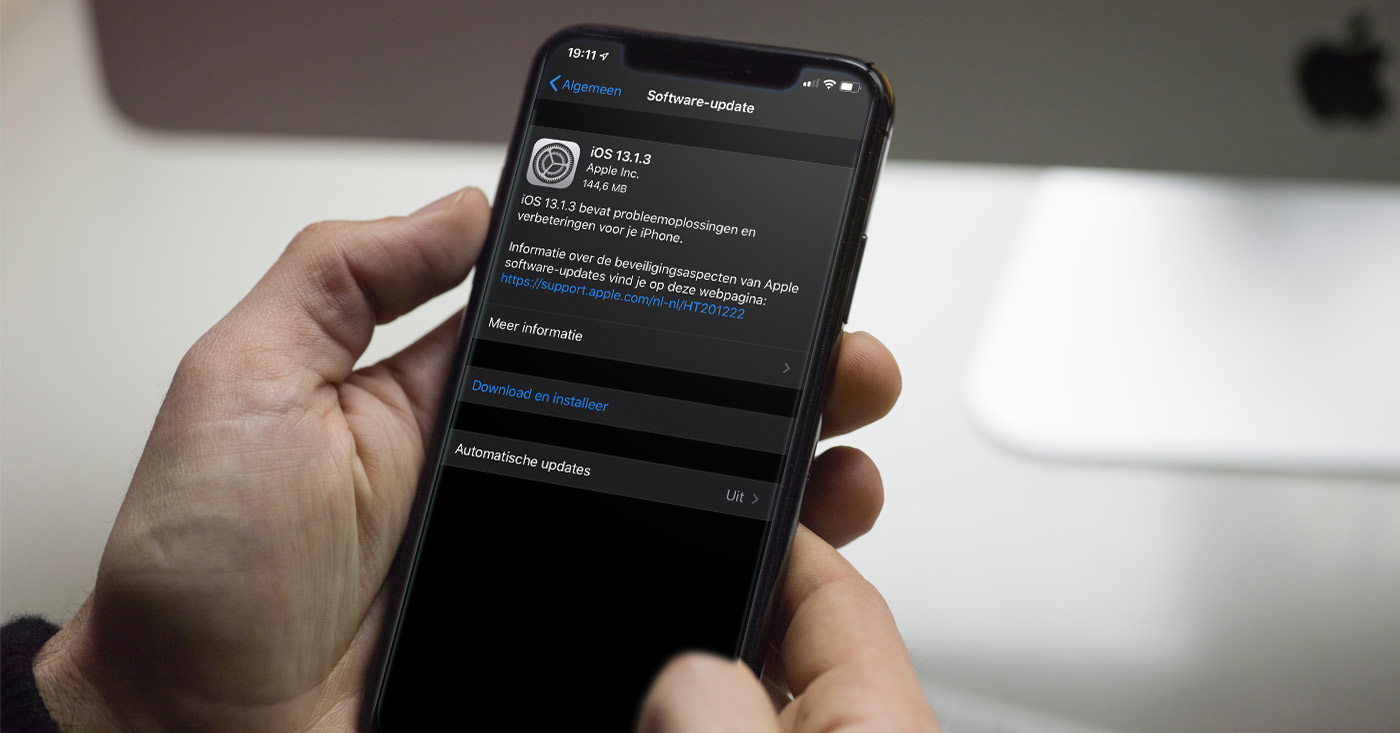
    Back on June 21st, Apple disseminated iOS 16.5.1 and iPadOS 16.5.1. But soon it was discovered that the updates had a flaw in the WebKit browser engine that could lead an attacker to create an arbitrary code execution which would allow said attacker to run any command or code on a targeted device. That is a serious problem and to top it off, Apple said that it had reports that the vulnerability was being actively exploited.
    Instead of having to develop iOS 16.5.2 and iPadOS 16.5.2, Apple decided to use its Rapid Security Response feature to push out iOS 16.5.1 (a) and iPadOS 16.5.1 (a). These updates can be installed in a matter of minutes and can be quickly disseminated to Apple device users to patch a serious vulnerability such as the one that was supposed to be patched by Monday’s update. Note that we said that the update was “supposed” to patch the flaw. That’s because the updates sent out to fix the WebKit issue on Monday had issues of their own.
    According to several iPhone and iPad users, the updates changed the user agent for Safari. The user agent tells server information about the device requesting content from it so the server knows what information to send out. For example, the user agent will determine whether a request to see a phone manufacturer’s website should return the U.S. site with models sold in the States priced in Dollars, or whether it should show the site created for European buyers that lists models offered on the continent with prices posted in Euros.
    As a result of the issue with the user agent, iPhone, and iPad users complained that they were not able to access sites like Zoom, Facebook, and Instagram after installing iOS 16.5.1 (a) and iPadOS 16.5.1 (a). Apple, realizing that there was a problem with the updates, pulled them yesterday and even included directions on how to delete them. But if you haven’t deleted the updates, don’t worry. Apple has now released iOS 16.5.1 (c) and iPadOS 16.5.1 (c).
    We said the other day that the vulnerability was too serious for Apple not to push out another patch right away, and now it has happened. To download and install the updates, go to Settings > General > Software Updates and follow the directions. Hopefully, Apple won’t be taking these updates back.