Author: Mei Ling Tan

  • Agritech firm FoodMap raises $1M

    Agritech firm FoodMap raises $1M

    Vietnamese agritech company FoodMap has raised $1 million in a bridge round from foreign investors to expand its presence to new markets.

    Founder and CEO Tung Pham said that existing investors including Vulpes Investment Management, Beenext and Wavemaker Partners participated in this round.

    A Singapore family office also joined as a new investor.

    The Ho Chi Minh City-based company has received a total of $4.5 million in funding since its establishment in 2020.

    FoodMap connects farmers and small and medium-size agricultural producers with consumers to provide transparency and traceability of farming products.

    The company offers its services via website and smartphone app.

  • Vietnam halves car registration fees to boost sales

    Vietnam halves car registration fees to boost sales

    Vietnam has cut car registration fees in half for locally-made or assembled cars as authorities hope against hope that the move will boost sales.

    The 6-month cut takes effect July 1 and the fees will return to normal starting Jan. 1, according to a government decree issued Wednesday.

    Registration fees are calculated based on car prices in each locality. The rates are 12% in Hanoi and Hai Phong, and 10% in HCMC.

    Vietnam issued the same 50% cut for six months in 2020 and 2022 to boost consumption. The move caused sales to double in both cases.

    The Ministry of Finance, however, said earlier that the cut might not be as effective this time since the economy is seeing a strong decline in industrial activity and exports amid high inflation and low GDP growth.

    In the first five months, 113,500 auto units were sold, a 36% plunge year-on-year, according to the Vietnam Automobile Manufacturers Association.

  • AirAsia to resume Bangkok to Colombo flights

    AirAsia to resume Bangkok to Colombo flights

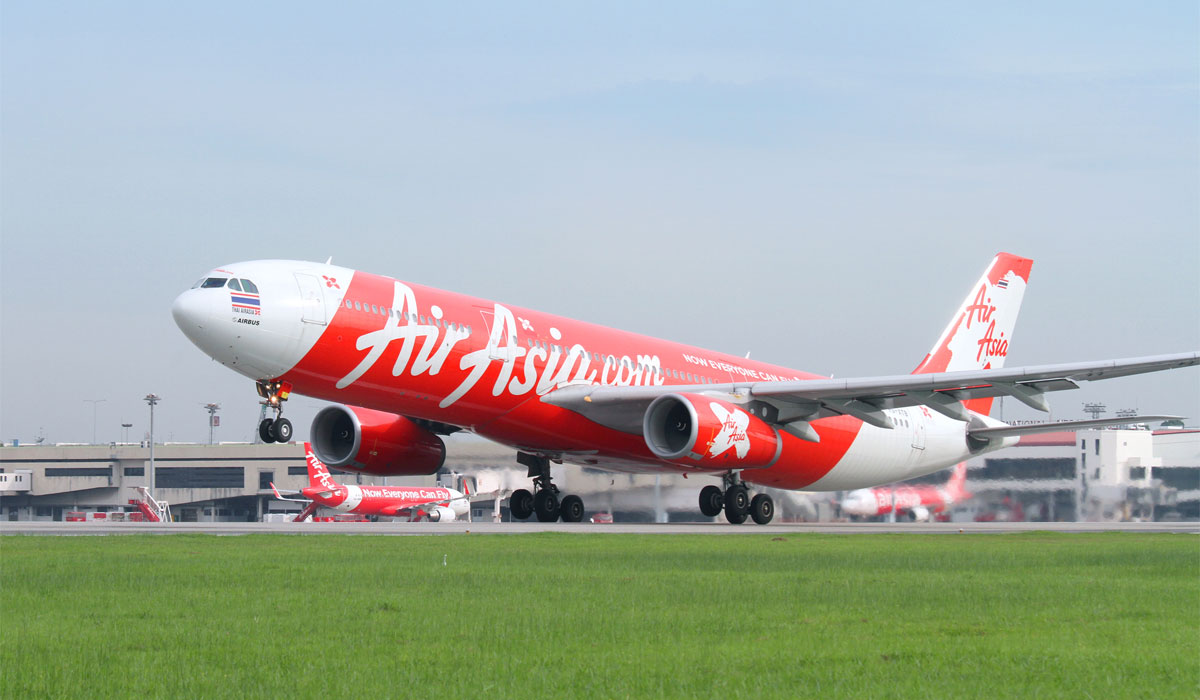
    AirAsia has announced the resumption of direct flights between Bangkok and Colombo, Airport and Aviation Services (Sri Lanka) (Private) Limited said.

    AirAsia is to resume the popular Bangkok (Don Mueang) to Colombo route on 9th July 2023.

    The new services to the capital of Sri Lanka will operate four times weekly.

    At present, BIA facilitates 18,000–19,000 passenger movements and 110-120 aircraft movements daily.

    AASL said it is happy to see the resumption of scheduled international flight operations by international airlines which will contribute to the nation’s economy.

    AirAsia is a Malaysian multinational low-cost airline headquartered near Kuala Lumpur, Malaysia. It is the largest airline in Malaysia by fleet size and destinations. AirAsia operates scheduled domestic and international flights to more than 165 destinations spanning 25 countries.

  • Thailand expedites durian exports to compete with Vietnam

    Thailand expedites durian exports to compete with Vietnam

    Thai exporters are halving the time it takes to deliver durian to China, from 8 days to four days, in order to better compete with Vietnam over the pungent fruit.

    Thailand shipped 477,700 tons of fresh durian to China in the first five months, valued at a record high of $1.75 billion and the highest in 30 years, according to official data.

    This is because the country has been utilizing a new railway connecting it with Laos and China which help reduce transportation time.

    TerapongTechasathian, Assistant Chief Operation Officer at Pan-Asia Silk Road Ltd, which operates the railway, said that in April the company set the record by transporting 25 containers of durians from Thailand to China in one day.

    The train arrived at the destination in 4.5 days, quicker than the original estimate of six days, he added.

    In March, Thailand raised its durian export quality to retain Chinese customers.

    CEO of Vietnam’s fruit exporters Vina T&T, Nguyen Dinh Tung, said that Thailand is making moves to consolidate its durian market share in China amid rising competition from Vietnam.

    Vietnamese fresh durian exports to China in the first five months surged 18 times to $477 million. China accounted for 95% of all durian exports from Vietnam.

    Vietnamese durian can be harvested all year round, which is an advantage compared to Thai durian, Tung said. But Thailand has more advantage in shipment time, he added.

    Dang Phuc Nguyen, general secretary of Vietnam Fruits & Vegetables Association, said that Vietnam’s border with China means it is easier to export to there by road.

    Exporting by train from Thailand to China is fast but costly, he added.

    Vietnamese exporters need to be prepared to compete with rising competition not only from Thailand but also Malaysia and the Philippines for the Chinese market, with demand forecast to reach 2 million tons a year in the future, Nguyen said.

    Increasing exports quality, building brands and investing in technology to enhance preservation are key tasks, he added.

  • Google Wallet is adding QR code card payments for phones without NFC

    Google Wallet is adding QR code card payments for phones without NFC

    Google Wallet is adding support for QR code payments, making it easier for users to pay for goods and services at locations and with devices that do not support NFC. With QR code payments, users can simply scan a code displayed by the merchant with their phone’s camera, and the payment will be processed automatically.

    This capability was announced by Google today via a blog post specifically targeting the Google for Brazil conference taking place in said country. Expanding digital payments in the country was referenced as one of the initiatives currently in the works.
    As such, Brazilians who use Google Wallet will be the first that will get to experience this new way of making payments. QR codes are pretty universal and as long as the device has a camera, it will be able to use them with their digital wallet.
    The QR code payment feature is being launched in Brazil first because a significant portion of smartphones in the country do not have NFC, the technology used in contactless payment methods. This means that many Brazilians have been unable to use Google Wallet’s digital payments feature.

    This addition will make Google Wallet more accessible as well as bring the safety and ease of digital payments to more people. QR code payments are a secure and convenient way to pay for goods and services, and their worldwide popularity makes them the perfect workaround for those that lack the necessary hardware to use NFC.

    Google Wallet is expected to launch the QR code payment feature in Brazil in the coming months and will, of course, be available to all Android devices with a camera. Hopefully, if this experiment works out well in Brazil, this could open up the possibility for this payment method to become available elsewhere in the world via Google Wallet.
  • TikTok adds content filtering tool to Family Pairing

    TikTok adds content filtering tool to Family Pairing

    TikTok is bringing one of the features that’s been available since last year, content filtering, to Family Pairing. Ever since the feature was released back in July 2022, the content filtering tool that allows TikTok users to filter out videos with words or hashtags was among the most popular features among the app’s users.

    Today, TikTok announced that parents will now finally be able to take advantage of content filtering tool since it will be added to Family Pairing. But this is not just a traditional port, as TikTok says it has partnered with experts to be able to adapt the content filtering tool to Family Pairing.

    It was very important for TikTok to strike “a balance between enabling families to choose the best experience for their needs while also ensuring we respect young people’s rights to participate in the online world.” On that note, the feature has been implemented in a way that allows teens to view by default the keywords their parents have added.

    These keywords will be represented in the app as a personalized layer on top of the Content Levels system, which is meant to prevent content with more mature or complex themes from reaching audiences between ages 13-17.

    The new content filtering feature is available to TikTok parents via the Family Pairing starting today, but make sure to update the app to the latest version.

  • WhatsApp tests Material Design tweaks on Android to make it look more like its iOS app

    WhatsApp tests Material Design tweaks on Android to make it look more like its iOS app

    WhatsApp has been hard at work lately adding features and applying design tweaks in order to set itself apart from competing products and become more relevant in the U.S. market, where SMS/MMS/RCS and iMessage are king. The latest of these attempts being its apparent attempt to make its iOS and Android apps look more alike than ever.

    In the latest update of WhatsApp Beta on Android (v2.23.13.16), as reported by WaBetaInfo, WhatsApp appears to be experimenting with a bottom navigation bar (also called an action bar) in the style of Material Design 3.
    The navigation bar will replace the current tabbed interface that sits at the top of the chat list. This gives users the option to access Chats, Communities, Status, and Calls from the bottom by cycling through a more clearly labeled navigation system accentuated by its corresponding icons.
    The bottom navigation bar switches between a dark and white color scheme, depending on your theme choice. This is the same navigation bar that is used on the iOS version of WhatsApp, and it is more in line with Google’s design guidelines for Android apps.
    The new bottom navigation bar is currently being tested with a limited number of users, but it is expected to be rolled out to everyone eventually. The change is likely to be welcomed by users who prefer a more simplified interface, and it will also make it easier to use WhatsApp with one hand.

    In addition to the new bottom navigation bar, WhatsApp has also been rolling out Material Design tweaks such as redesigned switches and floating action buttons with rounded menus. It is unclear when these changes will be rolled out to everyone, as they are currently available in beta and to a limited amount of users, but they are all part of WhatsApp’s efforts to improve the app’s user experience.

  • Facebook and Instagram with new parental tools to enhance teen safety

    Facebook and Instagram with new parental tools to enhance teen safety

    Today’s teens are digital natives in an Internet-centric world. They experience the benefits of online exploration, self-expression, and staying informed, but also encounter negative experiences like bullying and harassment. In a move to prioritize the safety and well-being of young users, Meta has unveiled a range of new parental control tools across Instagram, Facebook, and Messenger.

    Meta’s Family Center will offer new parental tools, featuring a hub in Messenger for parents to oversee their teen’s online activities. The tools also enable blocking unwanted messages on Messenger and Instagram to prevent harmful interactions and send reminders to teens to take breaks from their online engagements.

    These newly introduced tools grant parents or guardians access to their teen’s privacy and safety settings, enabling them to monitor changes in the Messenger contact list and assess the amount of time spent on the app. Parents will also receive notifications when their teen reports someone.

    If, for example, your teen reports someone, they can choose whether or not to notify you by sending a notification. And if you wonder how to react, Meta’s Education Hub is available to parents and provides guidance on addressing issues and supporting their child in the best possible way.

    In addition to the parental control tools, Meta is implementing notifications to alert teens when they have spent 20 minutes on Facebook, encouraging them to set daily time limits, which can also be set by the parent. For Instagram users, the company is exploring a new feature that prompts teens to close the app if they have been scrolling through Reels late at night.

    Given that teenagers spend an average of 7 hours and 22 minutes per day in front of screens, this feature might just be what all other online platforms should have.

    While Facebook has long provided parental controls for its Messenger Kids platform, the new tools are specifically designed for the main Messenger app, catering to parents with teenagers between the ages of 13 and 18.

    It is important to note that using these parental control tools requires mutual consent and awareness between the parent and the teenager. Either the parent or the teen must initiate an invitation to enable the tools.

    The new parental controls will be launched in the US, the UK, and Canada. However, Meta has expressed its commitment to expanding the availability of these tools to other regions across the globe. And this initial batch of parental supervision tools might be just the beginning, as Meta plans to introduce additional features and enhancements over the next year.

  • Auto parts market set to boom as vehicle population ages

    Auto parts market set to boom as vehicle population ages

    The average age of automobiles in Vietnam is 5.7 years, or near a major maintenance milestone and requiring many replacement parts, according to experts.

    Passenger cars usually have a warranty period of three to five years, and need a major overhaul after six to seven years of running.

    With cars aged nearly 6 years, the demand for components and parts for maintenance, repair and replacement purposes will increase sharply in the near future.

    At an auto parts show in Ho Chi Minh City in late June, Teoh Chee How, head of the Asia Pacific aftermarket division at ZF Aftermarket, a German seller of components and systems for cars, said: “In the next five years the number of new cars on the road will increase by 10%.”

    “The average age of vehicles is near the time of overhaul,” How said. “That is why we consider Vietnam to be a very promising auto parts market and well worth investment.”

    According to research by ZF Aftermarket, the total number of passenger cars in circulation in Vietnam is 2.5 million, and their average age is 5.7 years, compared with 12.5 years in the U.S. and 12 years in Europe.

    Markus Wittig, head of business line passenger cars at ZF Aftermarket, said the biggest challenge facing the Vietnamese auto parts market is the lack of in-depth, methodical support and diagnostic tools for workers at independent repair centers.

    The country’s annual automobile production capacity is 755,000, with foreign-owned plants manufacturing for 35% of them, according to the Ministry of Industry and Trade.

    Imports of components for production and repair are worth around US$5 billion a year.

  • KFC operator Collins Foods breaks $1 billion sales threshold

    KFC operator Collins Foods breaks $1 billion sales threshold

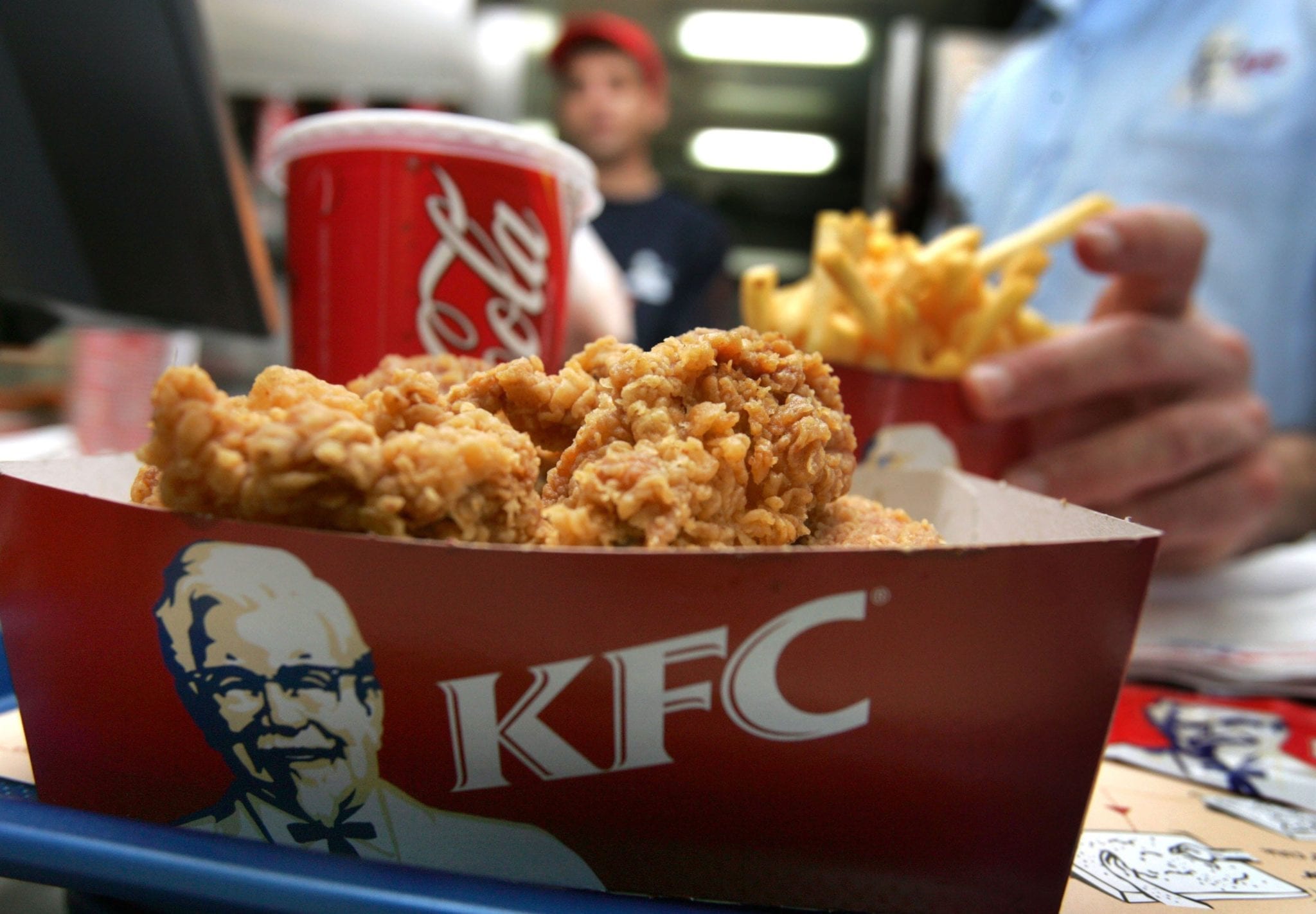
    The boss of major KFC franchisor in Australia, Collins Foods, still believes that the company’s quick-service Mexican food business Taco Bell can succeed in the Australian market despite the brand’s results hitting the group’s full-year profits.

    Revenue at Collins Foods was up 14.2 percent to $1.3 billion in the 12 months to April 30. KFC stores hit $1 billion in revenue for the first time, but the company’s net profit declined by 76.7 per cent to $12.7 million.

    A $36.7 million impairment against the Taco Bell business impacted the results, with Taco Bell stores posting a same-store sales decline of 4.8 percent for the year.

    Collins Foods’ shares surged 16.7 percent to $9.17 in late afternoon trade on Tuesday despite the drop in net profit for the year, with analysts saying the strength of KFC sales was impressive and the outlook for the group’s brands was positive.

    UBS analysts said the numbers were stronger than expected, with a key surprise being the strength of the company’s growth and earnings margins in Europe.

    Australia’s quick-service Mexican food market has become increasingly crowded over the past few years, with brands like Guzman y Gomez growing strongly, but Collins Foods chief executive Drew O’Malley said there was still a place for Taco Bell in the Australian market.

    “New brands can take time to gain traction. We have seen similar trends in other markets in the early years, where the brand [Taco Bell] is now thriving today,” he said.

    But the company acknowledges that it has had to invest in “enhancements to product quality” to bring more Australian consumers into Taco Bell stores.

    O’Malley said one key area of recent investment been in the quality of the brand’s chips.

    “One of my favorite examples is on French fries – we had gotten a number of complaints from our customers around chips being soggy. We have very recently launched an ultra-premium, sure-crisp French fry with McCain,” he said.

    “We have seen an immediate change in customer perception … Especially since we do so much customer delivery, we think that’s really important for the brand.”

    Collins Foods pointed to sustained inflationary pressures when releasing its full-year numbers on Tuesday, and O’Malley said the impacts of rising input costs is expected to be felt into next year.

    But he was upbeat about the value position of KFC in the current economic environment, saying customers view the fast food retailer as providing the best value in the market.

    “If you look at the consumer today, it’s like 12 straight rate increases, [which] has meant 12 straight letters from your bank saying your mortgage is going up. We are very sensitive to that, and we want to make sure our brands excel at a time like this,” he said.

  • Nespresso appoints Stefan Vermeulen as new Oceania MD

    Nespresso appoints Stefan Vermeulen as new Oceania MD

    Nespresso has announced that Stefan Vermeulen, currently Managing Director for Nespresso New Zealand, will succeed Jean-Marc Dragoli as Managing Director of Nespresso Oceania.

    Mr Vermeulen brings a wealth of brand knowledge and local experience, having held leadership roles within Nespresso for more than 12 years, including three leading the team in NZ and four as Head of Nespresso Australia’s Professional business.

    Mr Dragoli will now step into the position of Global Head of Nespresso Authorised Brands, based in Switzerland, after four years growing the Oceania business from Australia.

    Under Mr Dragoli’s leadership, Nespresso says the market has benefitted from the launch of many new product innovations and services. His prioritisation of local sustainability initiatives has also helped the business deliver on its B Corp commitments and broader purpose of using coffee as a “force for good”.

    Mr Vermeulen, too, has driven strong growth for the business in NZ with the successful launch of the Vertuo system to market in 2021, the expansion of Nespresso’s coffee range, and local sustainability initiatives.

    Sharing his vision for the business in 2023 and beyond, Mr Vermeulen says: “We truly believe that coffee can be a force for good for people, communities and planet and the more we drive sustainable growth, the more we can have a positive impact as a brand and organisation through the entire value chain.

    “For Australians and New Zealanders, coffee plays such an important role in their lives so delivering exceptional coffee experiences based on an obsession for uncompromised in cup quality is paramount.

    “Nespresso often leans into and learns from the rich coffee culture and behaviours of this market to drive innovation for the benefit of customers around the world, which we saw with the launch of the Original Line Creatista machine in partnership with Breville.

    “There are more exciting innovations to come this year alone, particularly within our Vertuo system, that will reimagine how coffee can be enjoyed at home and in the workplace in the region.

    “Sustainability will also remain at the core of our strategy, as we explore new ways to engage more consumers with our recycling program and introduce initiatives that will help us on our journey towards net zero and improve as a B Corp.”

    Mr Vermeulen will start his new role from 1 July.

  • AirAsia hosts its first ever Sustainability Day as it champions immediate action towards greener skies

    AirAsia hosts its first ever Sustainability Day as it champions immediate action towards greener skies

    AirAsia opened a new chapter in its efforts to drive industry engagement and spark greater collaboration by hosting its inaugural Sustainability Day, themed ‘Doing More with Less’.

    Led by Capital A Chief Sustainability Officer Yap Mun Ching, the event saw in-depth exchanges on topics that address AirAsia’s pathways to decarbonization, as well as challenges and opportunities in the implementation of these strategies. The line-up of speakers, comprising AirAsia technical heads and subject matter experts, tackled topics including how AirAsia is factoring ESG considerations into the deployment of its fleet assets, prospects in switching to greener biofuels, opportunities for ESG financing and managing talent to meet its future growth needs.

    Delivering the opening and closing messages of the day respectively were AirAsia Aviation Group Ltd (AAAGL) Chairperson Tan Sri Jamaludin Ibrahim and AAAGL Sustainability Adviser Prof. Tan Sri Dr. Jemilah Mahmood.

    Capital A Chief Sustainability Officer, Yap Mun Ching said: “Today marks the first time we are bringing all our key stakeholders from government officials, regulators, financial institutions, aviation analysts, business partners and the media, to advance their understanding of the intricacies of aviation sustainability. As we rebuild our business post-pandemic, we are broadening and deepening our sustainability agenda by incorporating robust ESG practices into our strategic priorities so that we recover stronger and better.

    “Since aviation is a hard-to-abate sector, decarbonization in aviation requires collaborative efforts not only from airlines but from all industry stakeholders if we are to achieve our goal of reaching net zero by 2050. With reminders in the media almost daily that the world is likely to reach an environmental tipping point earlier than expected, this calls for immediate action by all parties to realise and make accessible the solutions that airlines need to reduce its carbon emissions.”

    In her sharing of AirAsia’s net zero plan, Yap continued: “All airlines are faced with four pathways to decarbonize, namely to upgrade their fleet, step up implementation of green operating procedures, switch to biofuels and offset remaining emissions. AirAsia’s top priorities are in upgrading its fleet to the A321neo, widely acknowledged as the most fuel-efficient aircraft on the market today, and in expanding and deepening its industry-leading fuel-efficiency program.

    “Whether we are using fossil fuels or biofuels, what should precede this question is whether we are using more than is necessary. AirAsia’s fuel efficiency program is one of the best, if not the best in the world. Even as we explore new solutions, we cannot lose sight of our strength which has enabled us to achieve among the lowest cost and emissions per seat in the industry,” she said.

    In a panel discussion, AirAsia’s fleet and flight operations leads delved into how the airline is incorporating ESG considerations into the deployment and utilization of its growing fleet. AirAsia currently has on order 362 new A321neo aircraft which will be delivered between 2024 and 2035. According to AirAsia Senior Manager of Flight Operations Projects, Development & Efficiency Jonathan Sanjay, since 2015, the airline has saved over US$130 million in fuel consumption, while avoiding the associated CO2 emissions. AirAsia is also exploring options to introduce sustainable aviation fuel (SAF) into its fuel mix before 2025.

    The day’s session continued with valuable insights on the role of multiple stakeholders in easing the adoption of aviation biofuels by Christoph Behrendt-Rieken, the Lead SAF Expert of the EU-Southeast Asia Cooperation on Mitigating Climate Change Impact from Civil Aviation (EU-SEA CCCA CORSIA) Project implemented by the EU Aviation Safety Agency; and options in ESG financing by aviation legal specialist Teo Hui Ling, who is also partner at Reed Smith LLP. This was followed by a session on AirAsia’s experience in harnessing diversity, equality and inclusion to create its competitive edge over the last 22 years, before the day’s event ended with a special tour of AirAsia’s engineering complex, RedChain, where participants were introduced to initiatives being undertaken by AirAsia Digital Engineering to revolutionize aviation maintenance, repair and overhaul through digitalization.

    In conjunction with the event, AirAsia also launched its Guide to Aviation Sustainability, a handbook of aviation sustainability terms to make more accessible common concepts associated with the subject. The handbook also highlights outcomes from AirAsia’s own implementation of some of the measures listed. Publication of the booklet was supported by AirAsia’s business partners, namely Avolon, Honeywell, Mirus Aircraft Seating, PETRONAS, Shell Aviation and SITA.

  • Pattern Identifies Key Shopping Categories to Watch This Amazon Prime Day

    Pattern Identifies Key Shopping Categories to Watch This Amazon Prime Day

    Home & Kitchen, Electronics, Books, Sports and Fitness Predicted to be Popular

    Amazon Prime Day, the two-day members-only sales event being held from 11-12 July, is expected to reach new heights in 2023. New research within Pattern’s fifth annual ‘Marketplace Consumer Trends Report – 2023’, shows 43% of Australians now have access to Amazon this year, presenting local brands with significant opportunities for revenue.

    “In spite of ongoing cost of living pressures impacting household budgets, it’s not expected that Amazon Prime Day will feel the force of reduced consumer spending. Our research shows 84% of consumers expect to spend more or the same amount shopping on the marketplace, and only 16% of consumers are planning to reduce their spend. This bodes well for local brands participating in Prime Day, as it is expected there will be strong consumer participation and opportunity for sales,” said Merline McGregor, General Manager of Pattern Australia.

    To assist local brands in planning their Prime Day activities, the shopping categories Australian consumers indicated they would most likely consider purchasing on Amazon are:

    • 58% would consider buying Home & Kitchen products
    • 57% would consider buying Electronics & Computer Equipment
    • 55% would consider buying Books or eBooks
    • 47% would consider buying Sports, Fitness and Outdoor Products
    • 44% would consider buying Toys, Kids and Baby Products
    • 44% would consider buying Luggage and Travel Gear
    • 37% would consider buying Skin Care and Make-up.

    “The popularity of these product categories across the Amazon Australia marketplace can (in part) be linked to the fact that there are a large and growing number of sellers within these categories, leading to wider ranges of products for consumers to choose from and competitive pricing,” McGregor explained.

    While shoppers participating in Prime Day sales will be eager for bargains, high value goods will also attract interest due to Amazon’s shopper demographic. High income earners are most likely to shop on Amazon compared with any other online marketplace – 36% of Amazon shoppers are high income earners, versus 21% for marketplaces overall.

    Australian businesses have significant opportunities for brand exposure and growth through Prime Day, with 30% of consumers stating they are open to buying from new brands on Amazon if they can’t find the brand they are looking for. This also presents a risk for brands not present on Amazon or participating in Prime Day, who may lose customers if they aren’t providing consumers the products they are looking for on the platform, at the right time.

    Importantly for brands considering listing on Amazon, consumers are becoming increasingly loyal to shopping on the marketplace, with 91% of shoppers indicating they had purchased multiple times from Amazon over the last 12 months, up from 82% in the previous year. Research also indicates those purchasing at least monthly had doubled in the past twelve months, and Prime deliveries are up 60% over the past year.

    “Prime membership is growing strongly in Australia. As Prime members rise, so too will the number of shoppers taking part in Prime Day and businesses looking to sell on the Amazon marketplace. Brands should proactively and strategically prepare for Prime Day by aligning their offerings with key categories for the opportunity to attract the most attention,” concluded McGregor.

    Download the full ‘Australian Marketplace Consumer Trends  Report – 2023’ report HERE


  • Fertilizer exports decrease

    Fertilizer exports decrease

    Vietnam shipped abroad 692,259 tonnes of fertilizers in the first five months of this year for more than $289 million, down 8.9% in volume and 42.2% in value over the same period in 2022, reported the Vietnam Customs.

    In May alone, the export volume reached 154,995 tonnes of all kinds, up 17.5% year on year, with a turnover of $56.9 million, a rise of 17.4% over that of April but a decrease of 35.2% over the same period last year.

    The major market of Vietnamese fertilizers in the period under review was Cambodia which made up 33% of the total export volume and value of the product.

    It was followed by the Republic of Korea with 47,838 tonnes with a value of US$17.62 million, down 16.9% and 62% year on year. Malaysia came third by buying 44,552 tonnes.

    Meanwhile, the export of the products to the RCEP (Regional Comprehensive Economic Partnership) countries reached 391,107 tonnes, earning $162.64 million, down 16.2% in volume and 42.8% in value. Meanwhile, Vietnam exported 48,442 tonnes of fertilizers worth $16.61 million to CPTPP (Comprehensive and Progressive Agreement for Trans-Pacific Partnership) member countries, a decrease of 47.9% and 63.5%, respectively.

    A downturn of 14.5% in volume and 37.6% in value was also seen in the Southeast Asian market to 340,379 million tonnes and $143.63 million, according to the department.

    Amid the situation, local firms are working to expand export markets, and seeking new markets along with traditional ones.

  • Australian tangerine prices halve due to Chinese competition

    Australian tangerine prices halve due to Chinese competition

    The retail price of Australian tangerines sold in Vietnam in late June halved over the same period last year because the fruit is in season and competing with China-grown tangerines.

    In traditional markets and fruit shops in Ho Chi Minh City, Australian tangerines are sold for VND90,000-120,000 (US$3.83-5) per kilogram.

    The prices downed from VND250,000 when they were first imported to Vietnam in 2017.

    Oanh, the owner of an imported fruit shop in the city, said: “The Australian tangerine season lasts from June to October or November.

    Every year, this fruit has been exclusive to the local market, but this year there is competition for the Australian variety due to tangerines grown in China and packaged similarly to the Australian imports.”

    According to the manager of Thu Duc agricultural product wholesale market in HCMC, most tangerines at the market are from China, and their wholesale prices stand at VND25,000-30,000 per kilogram.

    Compared with Vietnamese tangerines, tangerines grown in Australia or China are more succulent, and have less fiber, thinner skin and stronger aroma.