Author: Mei Ling Tan

  • Fake Chanel perfume seller fined

    Fake Chanel perfume seller fined

    A shop in the Central Highlands has been fined VND50.5 million (US$2,100) for selling counterfeit Chanel and Lancome perfumes and sunscreen through Facebook livestream.

    The shop in Pleiku, Gia Lai Province, was busted during a livestream session, the local police said.

    They had been monitoring the shop for some time, and during the raid found 300 bottles of perfumes labeled Chanel and 118 purporting to be Lancome besides 204 sunscreen tubes with the latter’s label.

    The police checked all the documents the shop provided and established that the products were fake.

    They also found 440 breath refresher bottles without invoices.

    The shop was fined VND50.5 million for selling fake goods, violating intellectual property rights and trading cosmetics of unknown origin.

    All the fakes were confiscated and will be destroyed.

  • Honda Motor Recalls 1.2 Million US Vehicles For Rearview Camera Issue

    Honda Motor Recalls 1.2 Million US Vehicles For Rearview Camera Issue

    Honda Motor has initiated a recall of approximately 1.2 million vehicles in the United States after a potential problem was identified with the rearview camera image, as confirmed by the National Highway Traffic Safety Administration (NHTSA) on Friday.

    The recall affects specific models including the 2018-2023 Odyssey, 2019-2022 Pilot, and 2019-2023 Passport. The issue stems from a faulty communication coaxial cable connector, which may result in the absence of the rearview camera image on the display.

    To address this concern, Honda has previously extended the warranty for affected vehicles in 2021. The automaker revealed that it has received a significant number of warranty claims, totalling 273,870, associated with this matter from May 2017 to June of this year. Fortunately, there have been no reported injuries or fatalities connected to this recall.

    Authorized dealers will resolve the issue by installing an enhanced cable harness between the existing display audio and vehicle terminal connections. Additionally, a straightening cover will be placed over the vehicle cable connector to establish a proper connection with the audio display unit.

  • YouTube could host mobile and desktop video games

    YouTube could host mobile and desktop video games

    YouTube is testing a product for playing online video games. YouTube’s plan to stretch beyond hosting video content and into sharing video games was the subject of an email sent to Google employees. The product already has a name, Playables, which will allow users to access games on mobile devices or desktop computers. The email invited Google employees to test the new gaming platform and the Journal did get a chance to view the email.

    One of the games mentioned is called Stack Bounce which is described as an arcade game that has players throwing a bouncing ball to smash layers of bricks. Users will be able to play the games instantly using the YouTube website, or via the YouTube mobile app for iOS and Android. Gamers already visit YouTube to watch live streams of video gaming competitions. YouTube competes with Amazon’s Twitch for viewers interested in watching others compete.

    By hosting games, YouTube would be getting into another aspect of the online gaming industry as the platform seeks to put a charge back into its lagging advertising revenue. Although the online gaming sector also has been struggling lately, a company spokesman said, “Gaming has long been a focus at YouTube. We’re always experimenting with new features, but have nothing to announce right now.”
    The Google Play Store does include mobile games available for Android users and developers who earn over $1 million a year must give Google up to a 30% cut of in-app transactions. It isn’t known how Google expects to profit from the new YouTube product. But even game developers are having a hard time making money in the post-pandemic world. And once-popular titles, such as Angry Birds, no longer generate the revenue stream that they once did.
    Last year Google announced that it was shutting down Stadia, a service that allowed users to stream games directly from the cloud to multiple devices. But the number of subscribers never took off and Stadia chief Phil Harrison saw the opportunity for YouTube to use Stadia’s technology to help the video streamer create a new revenue source.
    Some of the games being tested for YouTube are simple games that were popular a while back on services such as WeChat and Facebook. In other words, the games that YouTube might offer might not be the latest and greatest titles as Google leaves those for the Play Store and its 30% cut of in-app purchases. But these games might have a track record of being popular at one time making them interesting enough for online game players to still have an interest in playing them.
  • Gordon Ramsay to open first Street Pizza restaurant in Southeast Asia

    Gordon Ramsay to open first Street Pizza restaurant in Southeast Asia

    The highly anticipated Street Pizza concept by celebrity chef Gordon Ramsay is set to make its debut in Malaysia, marking the restaurant’s first location in Southeast Asia. Originally established in London in 2018, Street Pizza is known for its unlimited sourdough pizzas with a variety of toppings and sides, including hot wings, dirty fries, and cocktails. The restaurant boasts a lively atmosphere, with urban art, live music, and big screens playing sports games to keep diners entertained. Moreover, guests can enjoy a seamless experience using the restaurant’s mobile app.

    Scheduled to open in the third quarter of 2023, the Street Pizza location in Kuala Lumpur will be situated in the Sunway Pyramid shopping mall, offering an exciting new dining option for visitors to Sunway City Kuala Lumpur and guests staying at the destination’s three hotels. This is part of the brand’s vision to have a Street Pizza on every corner of the world, following its expansion in the UK—Battersea, Southwark, City of London in St Paul’s, Liverpool and Edinburgh, and internationally in Dubai, Seoul, and Doha, with Washington DC (USA) set to open later this year.

    According to Alex Castaldi, Senior General Manager of Sunway City Kuala Lumpur Hotels, “Malaysians love pizza and Street Pizza offers pizza without rules. It’s not just about the awesome food, it’s also the vibe.” This statement shows the restaurant’s appeal to the Malaysian market and its potential to become a favourite among locals and tourists alike. The launch of Street Pizza follows the successful opening of Gordon Ramsay Bar & Grill in Malaysia in 2022, which showcases the chef’s iconic dishes, such as the classic Beef Wellington.

  • Japanese restaurant chain Kura Sushi accelerates international expansion

    Japanese restaurant chain Kura Sushi accelerates international expansion

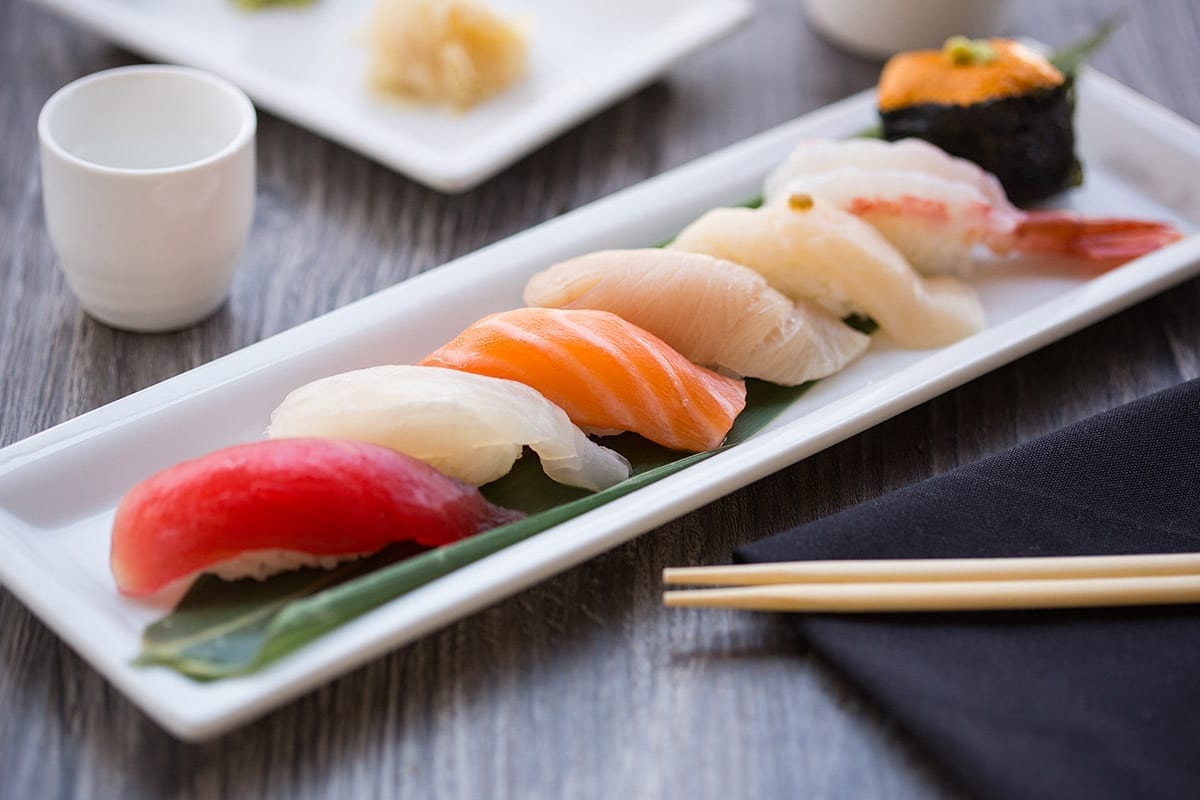
    Kura Sushi, a leading Japanese conveyor-belt sushi chain, opened its first outlet in Mainland China in June 2023, as part of its global expansion plans. With this, it joins the ranks of several Japanese restaurant operators who are aggressively scaling up their overseas presence. Besides targeting revenue growth in the immediate future, the diversification move is part of the Japanese operator’s long-term play to ensure business continuity. Japanese operators are accelerating overseas expansion even as the domestic foodservice sector is set to expand by a value compound annual growth rate (CAGR) of 10% over 2023–27*, according to GlobalData, a leading data and analytics company.

    Bobby Verghese, Consumer Analyst at GlobalData, comments: “Kura Sushi operates 541 conveyor-belt sushi (Kaiten-zushi) outlets in Japan, 47 in the US, and 51 in Taiwan (Province of China). The company’s new China outlet is located in a bustling shopping center in Shanghai close to three subway lines. The restaurant is fully automated, with robot sushi chefs preparing dishes, circular conveyor belts that carry dishes to diners, and contactless ordering and payments. Kura Sushi offers a menu comprising a mix of Japanese dishes and China-only dishes. The company plans to source 80% of its ingredients locally to optimize costs. Kura Sushi aims to open 100 stores across China by the end of the decade, in line with its plan to expand its overseas locations to 400 stores, and worldwide network to 1,000 outlets by 2030.”

    Tim Hill, Key Account Director at GlobalData Singapore, remarks: “With consumers dining out more often, the Japanese foodservice sector is recuperating from the impact of the pandemic. However, inflationary pressures and economic uncertainty are stifling consumer spending. As they operate at a higher cost-price ratio than conventional sushi restaurants, Kaiten-zushi restaurants are bearing the brunt of the surge in seafood prices due to the Russia–Ukraine conflict, rising competition with China for seafood catch and supplies, and the global climate change phenomenon. Moreover, fierce competition among outlets and an ongoing labor crunch are constraining the growth of per-outlet transaction revenues. The rapidly greying populace and shrinking working class cloud the long-term outlook of sushi quick service restaurants (QSRs).”

    Verghese notes: “In sharp contrast to Japan, both the Chinese and US foodservice sectors rebounded from the pandemic lull in 2021 and 2022, respectively, in terms of transaction numbers and revenues. As a result, Japanese foodservice operators are setting their sights on bluer oceans abroad, particularly larger overseas markets with high-spending crowds, such as China and the US, which offer more dollar revenue opportunities than Japan. By expanding overseas, these operators can thereby accelerate their post-COVID-19 recovery and ensure long-term business continuity.”

    Hill concludes: “Due to their high-tech ambiance and fresh offerings, conveyor-belt sushi chains have rapidly gained popularity in Taiwan (Province of China), Hong Kong, Singapore, Mainland China, and the US over the past decade. Among these, China holds the highest potential owing to the similarities between Japanese and Chinese cuisines. While Japan is the larger market for sushi QSRs, the Chinese market is set to narrow the gap significantly in the coming years. However, any fresh geopolitical conflicts between Japan and China can mar the performance of the Chinese outlets.”

  • Moët Hennessy opens a five-story luxury cocktail bar in Paris

    Moët Hennessy opens a five-story luxury cocktail bar in Paris

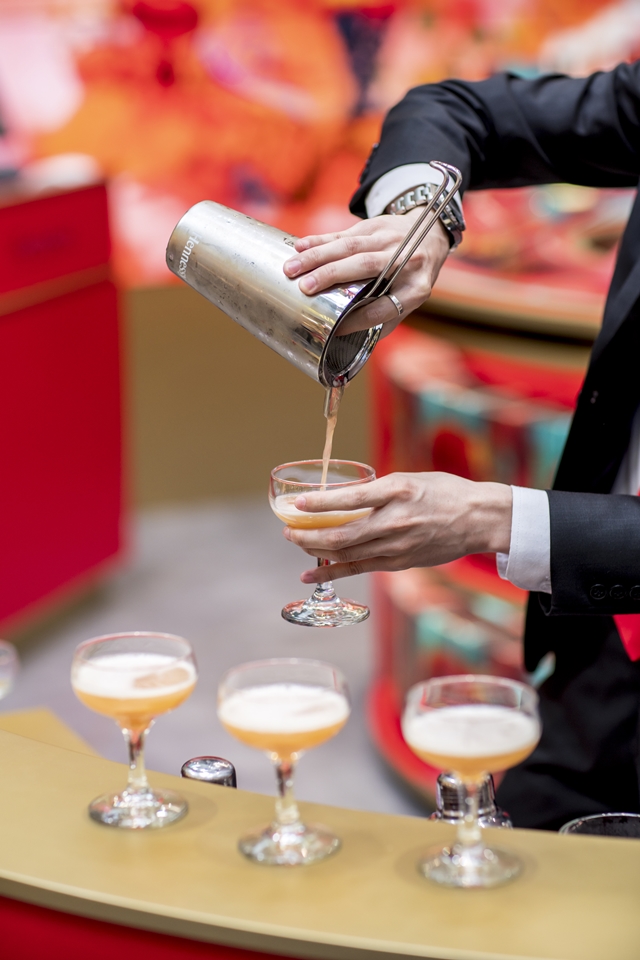
    Moët Hennessy, the wine and spirits arm of LVMH, has openedCravan, a new luxury cocktail bar in Paris.

    The five-floor bar is located at 165 Saint-Germain Boulevard in the sixth district of Paris.

    The bar is housed in a 17th-century Parisian building, which has been reimagined by Belgian designer Ramy Fischler.

    The structure will also have a Rizzoli bookstore curated by Cravan.

    For this venture, Moët Hennessy partnered with Franck Audoux, the founder and artistic director of Cravan.

    Audoux is a historian turned restaurateur and cocktail expert. He founded the original Cravan site on Rue Jean de la Fontaine.

    Moët Hennessy will provide the drinks to the bar, which will be mixed under the supervision of Audoux.

    The top floors of the venue have a by-invitation-only private atelier and mini Parisian kiosk perched on the building’s rooftop, where movies will be screened on warm summer nights.

    Moët Hennessy chairman and CEO Philippe Schaus said: “It is with great pride that we open today the doors of Cravan, bringing to life Moët Hennessy’s mission: crafting experiences.

    “I am delighted to start welcoming our guests at the heart of a historical literary neighborhood of Saint-Germain-des-Prés, inviting them to step into the unique and singular universe of Cravan.

    “Celebrating epicureanism through a sustainable, lasting, and inspired approach of hospitality, Cravan is a strategic milestone in Moët Hennessy’s ambition to lead the future of luxury wines and spirits.”

    The bar will be open from Tuesday to Saturday between 5PM and 2AM.

  • AirAsia Group eyes growth, 19 more aircraft in 2023

    AirAsia Group eyes growth, 19 more aircraft in 2023

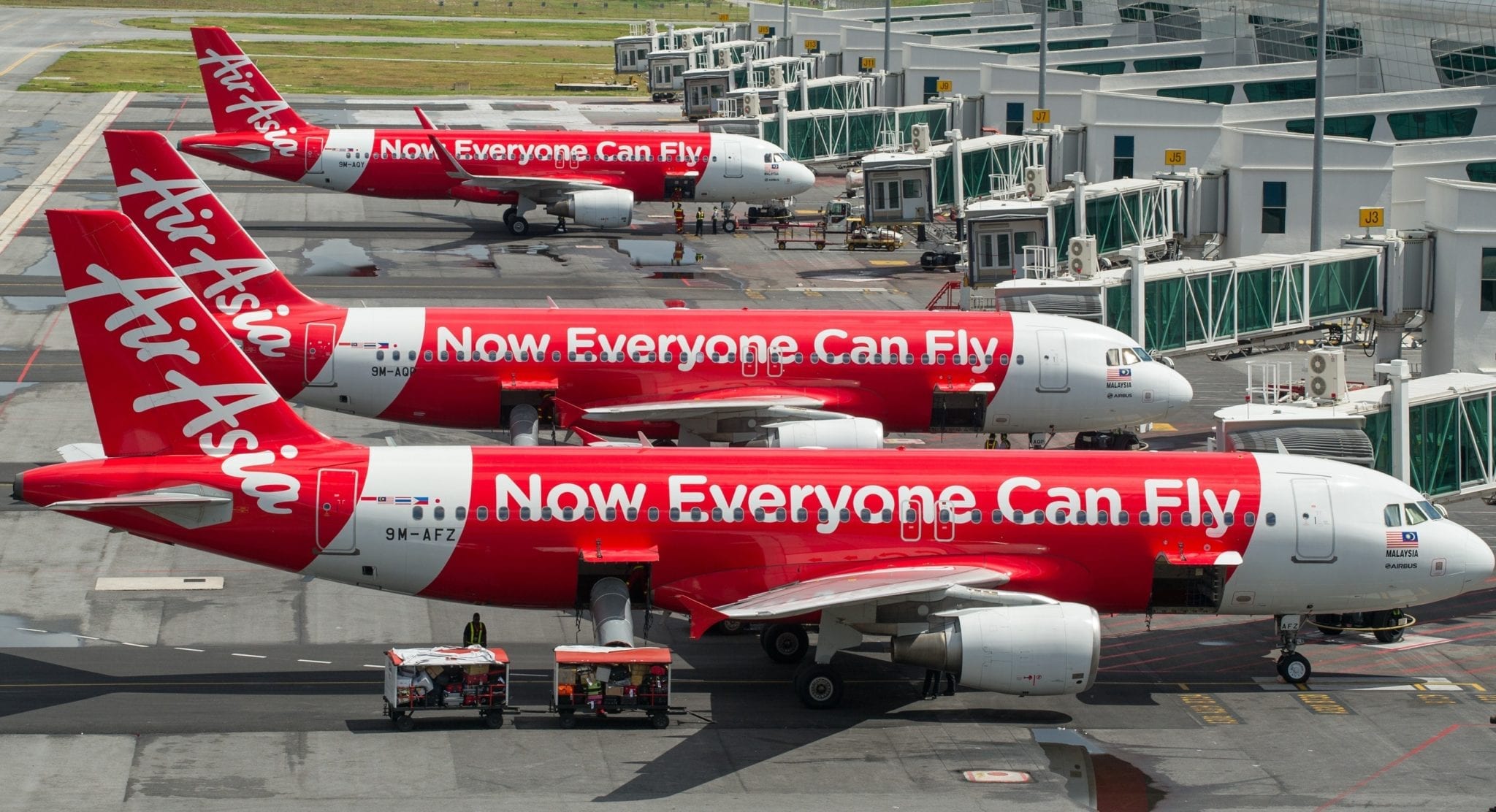
    Capital A expects to increase its fleet by nineteen A320s this year and return all remaining parked planes to service by August, according to Tony Fernandes, group CEO, has said.

    “We have already signed up 19 aircraft, and are negotiating for more,” Fernandes told media at the Paris Air Show. “AirAsia also expects to have all 204 of its aircraft reactivated by the end of August this year, and achieve 100% of pre-pandemic capacity in the coming months.”

    The group’s airline interests include AirAsia, AirAsia X, Philippines AirAsia, Indonesia AirAsia, Indonesia AirAsia X, Thai AirAsia, and Thai AirAsia X. Later this year, in conjunction with a local investor, Capital A will launch AirAsia Cambodia. Fernandes says that he expects the first of the additional 19 aircraft to arrive in July. The ch-aviation fleets advanced modules has already identified three of those aircraft. They are an ex-AirAsia Japan A320-200, formerly registered as JA01DJ (msn 6702), now stored at Kuala Lumpur International Airport; and two ex-AirAsia India A320-200s, VT-SXR (msn 4562) and VT-IXC (msn 5109), now also at Kuala Lumpur.

    Beyond 2023, Fernandes says 362 A321-200NX are on order, with deliveries scheduled from 2024. He said the long-haul AirAsia X operations would get an additional fifteen 15 widebodies (the three AirAsia X airlines operate A330-300s) and “up to twenty” A321-200NY(XLR)s. He added that the A330s would also begin flying into the Philippines, albeit not specifying a timeline for this. Capital A’s cargo and logistics business, Teleport, is also expected to take the first of three A321Fs in July.

    Fernandes says the AirAsia stable of airlines is performing well, with services in and out of Thailand a standout. He likes that market for its short to medium-term growth prospects. The Capital A currently operates under Bursa Malaysia Practice Note 17 (PN17) status, which the stock exchange assigns to financially distressed listed companies. After almost 18 months as a PN17 company, Fernandes told media in Paris that he expects the group to exit the PN17 list later this year.

  • Bamboo Airways plans to soar under new management

    Bamboo Airways plans to soar under new management

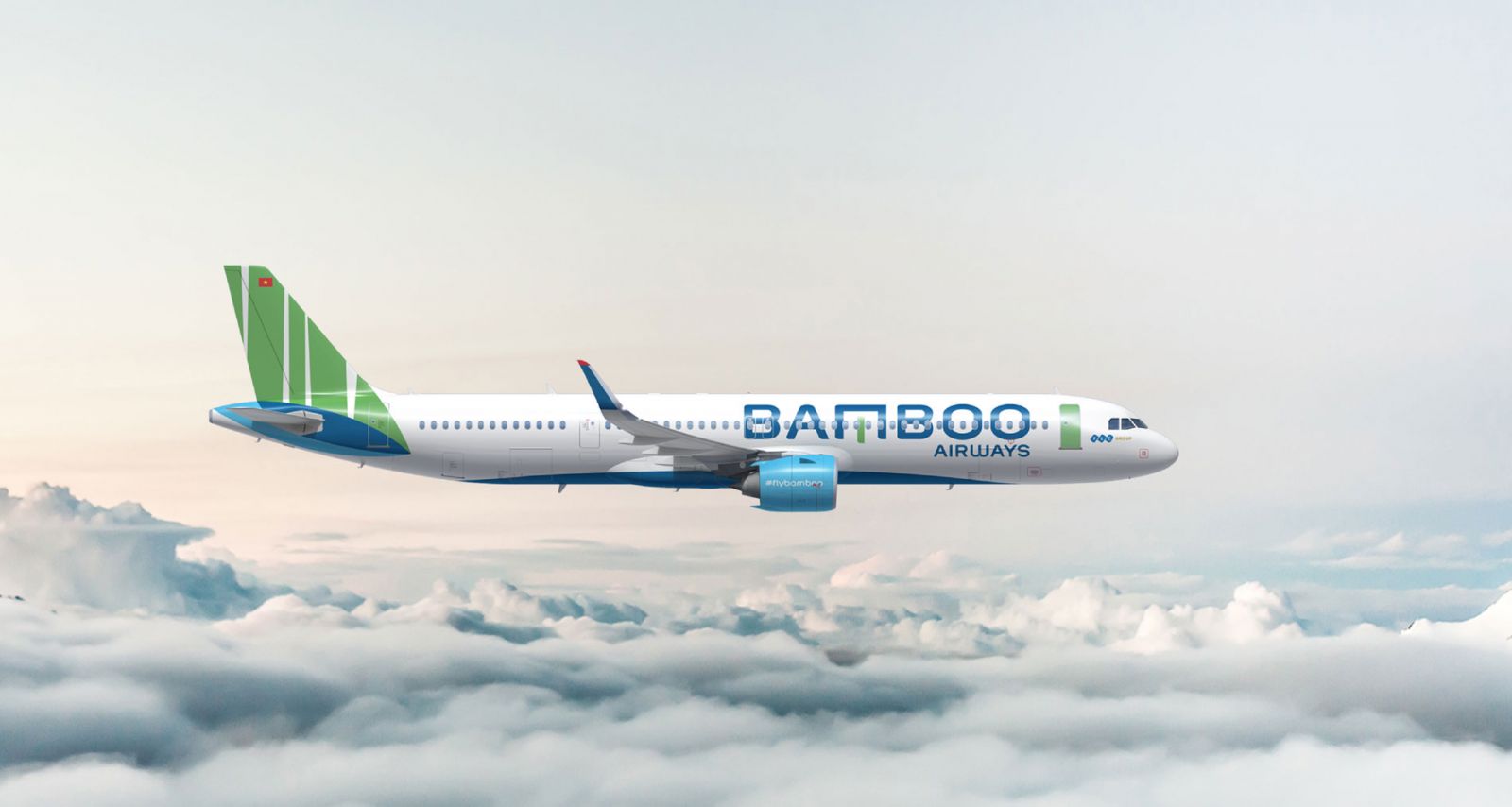
    Property developer Him Lam, the new owner of Bamboo Airways, plans to build an aviation ecosystem centered around the latter while expanding its presence in Asia.

    Bamboo Airways began flying in 2019 and became the first private carrier to operate wide-body aircraft.

    It quickly expanded its fleet to nearly 30 by the end of 2021 when it held a 20% share of the domestic market and also flew on some international routes.

    But the arrest of its key leaders, including chairman Trinh Van Quyet, for alleged stock market manipulation came as a death blow.

    Him Lam, a south-based developer of condos and a hotel management service provider, took over Bamboo this year.

    A new leadership has been appointed this week to hopefully begin a new chapter.

    “The last five years have been a journey of establishing a brand for the airline,” deputy chairman Nguyen Ngoc Trong said at the company’s annual general meeting on June 21.

    “In the next five years Bamboo Airways will focus on developing efficiency and professionalism.”

    CEO Nguyen Minh Hai said the company seeks to achieve breakeven by next year to turn profitable by 2025.

    Expanding its services to increase revenues is therefore one of its main focuses.

    Revenues soared by 3.3 times last year to over VND11.7 trillion, but the airline still could not break even.

    Hai said a larger fleet is imperative for doing this. The current fleet of 30 aircraft needs to be expanded by eight to 10 a year until 2026, and each aircraft needs to operate more than the current 10 hours a day, he explained.

    Reducing costs is another key task.

  • Indian burger chain Good Flippin’ Burgers raises $4 million

    Indian burger chain Good Flippin’ Burgers raises $4 million

    Good Flippin’ Burgers has successfully raised $4 million in its latest Series A funding round, which Tanglin Venture Partners led.

    Viren DSilva, co-founder of Good Flippin’ Burgers said, “This investment is a significant milestone for us and will empower us to expand our operations, fortify our supply chain, and bring our delicious burgers to an even wider customer base. We are grateful for the overwhelming love and support we have received from our loyal patrons and will continue to delight them with our product portfolio,” he added.

    “Viren, Sid Marchant and Sijo Matthew are exceptional founders with extreme customer obsession and process orientation. They have built a strong brand in Good Flippin’ Burgers with extraordinary customer love. We are really impressed with their focus on supply chain capabilities which has enabled them to maintain the highest level of quality as well as consistency across their store footprint,” added Sankalp Gupta, partner at Tanglin Venture Partners.

    Good Flippin’ Burgers raised $1 million in April 2022.

    With the latest capital infusion, the start-up plans to fuel its geographical expansion, reinforce its supply chain and refine its dining and quick service restaurant (QSR) models. It also hopes to scale up its growth, which it claimed had increased by 3X last year.

  • Casetify unveils its first flagship store in Japan

    Casetify unveils its first flagship store in Japan

    Casetify is embarking on a massive retail expansion as it works towards its goal of becoming a $1 billion company.

    Casetify, which is known for its customizable tech accessories like phone and laptop cases, is on track to open 100 stores by 2025. This is a significant step up from Casetify’s existing 28 locations, all of which are located in the Asia-Pacific region. Twenty stores will be in the U.S., with the remaining 80 in other markets.

    At the same time, Casetify is launching a new store concept in Osaka, Japan, this week. Unlike Casetify’s other stores — which are known as Studios, and operate as customization stations — Casetify’s Osaka store will be under its new Flagship banner. The Flagship stores are more focused on the interests and designs of their home countries and cities and include more local artist collaborations and in-person events. The Osaka Flagship store, for instance, features floor-to-ceiling Japanese lanterns and cylindrical shoji screens, under the direction of architect André Fu.

    These developments come at a time of significant growth for Casetify. The company was initially founded in 2011 as a way to turn people’s Instagram photos into phone cases. Since then, the business has expanded into other categories such as laptops, AirPods and Apple Watches, inked collaborations with major properties such as the NBA, “Harry Potter” and “Star Wars” and become popular with celebrities including Kylie Jenner and Gigi Hadid. Casetify has sold more than 15 million phone cases to date, and from 2020 to 2022, it increased its revenue by 140%. While Casetify ended last year with $300 million in revenue, it aims to become a $1 billion company by 2025.

    Part of that effort involves moving more towards omnichannel — a strategy that involves physical retail. While Casetify is a large player in e-commerce, it has added 10 stores since last December. Casetify recently hosted pop-ups in New York City and Santa Clara, California.

    The company sees a lot of value in physical locations, Wesley Ng, co-founder and CEO of Casetify, told Modern Retail. “Our brick-and-mortar program is a huge component of our relationship with consumers — not just how they discover us, but also how they feel about Casetify as a brand,” Ng explained.

    At Casetify Studios, shoppers can custom-produce products on site by picking different designs and color swatches. They can touch and feel products they might only know from social media, and they can bring in their old Casetify products to recycle under the Re/Casetify program.

    Casetify is considering opening more Flagship locations, but likely not within the year, according to Ng. Casetify is planning, however, to grow its Studio footprint in America and Europe and will have more locations by the end of 2023. As far as building 100 stores by 2025, “We are on a good track, but we are not obsessed over a number,” Ng said.

    “It’s more like a horizon we’re constantly walking to,” he explained. “It is okay if it takes a bit longer than that. We focus a lot on profitability per outlet location in order to ensure we keep remaining strong and healthy as a private company. So as long as we are achieving that and growing steadily, I’m satisfied.”

    Any company looking to build more stores around the world needs to be aware of how brick-and-mortar is viewed in different markets, Michael Felice, associate partner at Kearney, told Modern Retail. “You can’t just lift and shift a product,” he said.

    Felice said that Japan, where Casetify is launching its first Flagship store, is unique because its consumers are digitally savvy, but that the country’s businesses rely more on brick-and-mortar than direct-to-consumer. With that in mind, “you need to be offering a different level of service and quality and innovation in your store,” he said. Felice added that consumers in Japan tend to value quality and connection, and that retailers need to cater to those preferences.

    Overall, retailers “need to ensure that you’re matching the levels of service and innovation that are expected to win in the market better,” Felice added. “I think [a good idea is] customizing each market entry. And that may mean curating with local creatives, that may mean changing your levels of service, that likely means changing your packaging.”

    Casetify’s Flagship stores, which vary based on location, can help accomplish these goals. But there’s a bonus in personalizing a business: Attracting highly-coveted young audiences, Barry Thomas, senior global thought leader at Kantar, told Modern Retail. “Localizing stores is so paramount for consumers, especially Gen Z and Millennial consumers,” he said. And the success of those stores are crucial, as Kantar expects 75% of sales to be offline or in stores by 2027.

    When it comes to Gen Z and millennials, “Their preferences, their interactions, their experiences are all customized,” Felice added. “I think the idea of allowing them to express that with local creative into a product is one that we haven’t seen much of and likely [has] an experiential aspect that ties closely to brick-and-mortar.”

  • Low cost carrier Cebu Pacific blames Pratt & Whitney for flight disruptions

    Low cost carrier Cebu Pacific blames Pratt & Whitney for flight disruptions

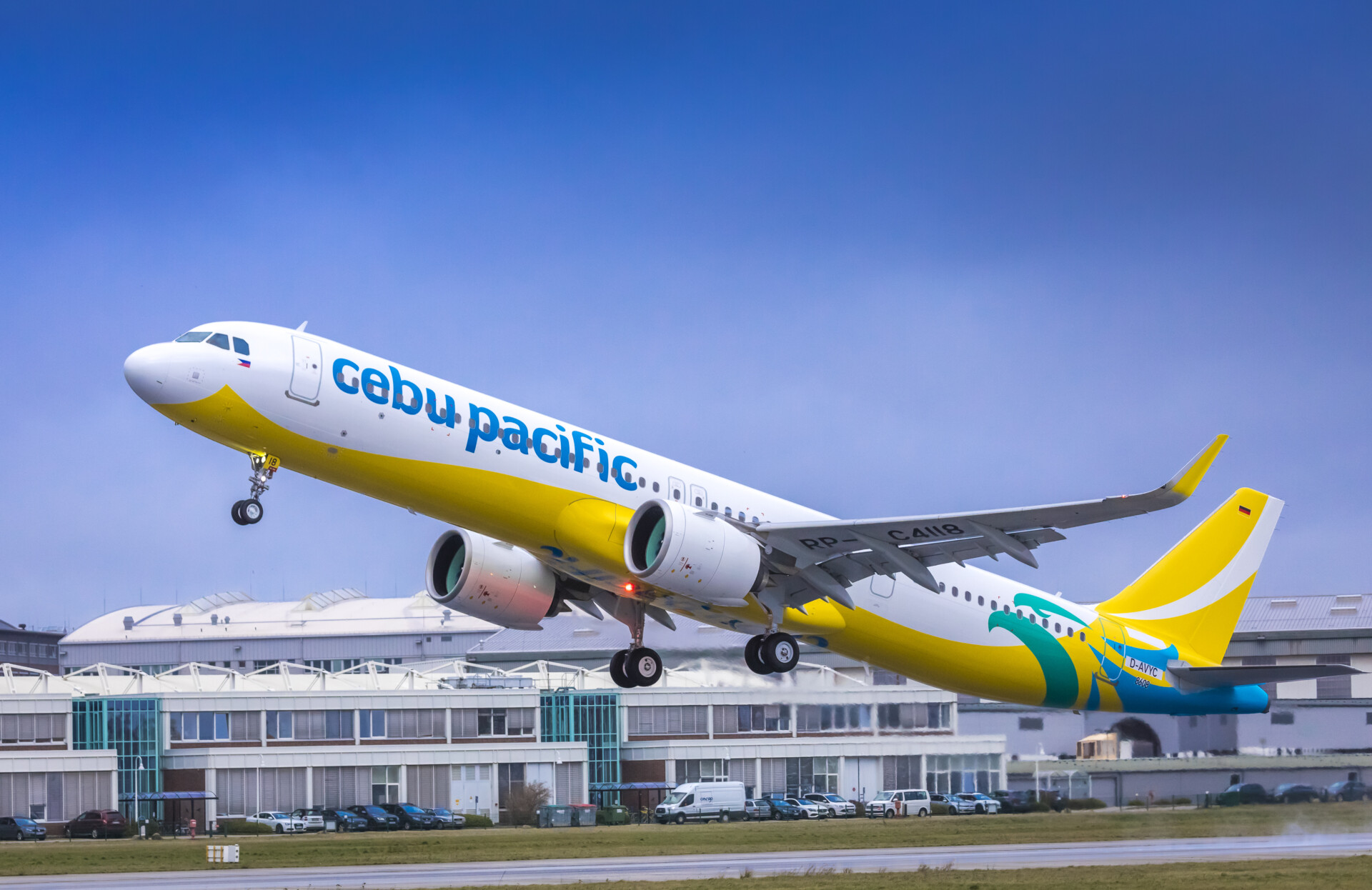
    Philippine low-cost carrier Cebu Pacific has attributed its series of flight cancellations to engine manufacturer Pratt and Whitney, citing the delay of jet engine deliveries as the reason for operational disruptions.

    This was the essence of the airline’s explanation before a Senate hearing held on June 21, 2023. The hearing was prompted by mounting customer complaints about the airline’s widespread cancellation of domestic and international flights.

    “The global aviation industry has been impacted by Pratt & Whitney engine issues,” Cebu Pacific chief commercial officer Alexander Lao told the senate.

    Lao said that the airline had anticipated the global shortage of jet engines, so it had already placed its order with Pratt and Whitney back in 2022.

    Lao claimed that in March 2023, the American engine manufacturer advised them that “there were no more engines”, as a result of which the airline made adjustments to its flight schedules.

    In a statement published by various local media, the airline said: “While Cebu Pacific provisioned double the level of recommended spare engines as early as last year, we were advised in March 2023 that we would no longer receive the spare engine support that Pratt and Whitney had previously indicated. Immediately upon receiving such advice, we sought to adjust our flight schedule accordingly to minimize the impact. A number of flights, which were scheduled and sold months in advance, inevitably had to be disrupted.”

    One of the senators presiding over the hearing went on to question why the airline continued to aggressively market airfare promos when it knew about the jet engine shortage and limitations.

    Cebu Pacific is known to entice consumers with cheap ticket promotions such as PHP 1.00 fares ( $0.018).

    Over the past few months, frustrated passengers have uploaded video clips showing disgruntled customers dealing with Cebu Pacific’s flight cancellations.

  • Donut King, Twisties collaborate on new flavour

    Donut King, Twisties collaborate on new flavour

    Donut King and Twisties have announced their collaboration to release the Twisties Donut King Cinnamon Donut, a new limited edition flavour.

    Twisties Donut King Cinnamon Donut offers rich cinnamon spice notes with a deliciously sweet undertone, inspired by the iconic Donut King hot Cinnamon Donut.

    “We couldn’t have been more excited when Twisties approached us to create a limited edition Twisties flavour. We’re always looking for innovative ways to bring new flavour experiences to sweet treat lovers and couldn’t of thought of a better combination than two iconic Australian brands coming together to create a snack that will deliver just that!”  Raquel Hine, Donut King Marketing Manager said.

    The new Twisties Donut King Cinnamon Donut will be available for RRP from $2.70 (80g) from 7 August at Donut King, Woolworth’s, Coles, IGA, Ampol, BP, Coles express (Viva) and selected independent retailers.

  • Apple tests faster haptic duration speed in the latest iOS 17 Beta

    Apple tests faster haptic duration speed in the latest iOS 17 Beta

    The release of the second iOS 17 Beta to developers on Wednesday includes a new setting that will make iPhone users feel the phone’s haptic feedback kick in faster than on iOS 16. Haptic feedback is considered an Accessibility feature which means that the settings can be found by going to Settings > Accessibility > Touch > Haptic Touch. There you will see a box with two options: Fast and Slow. You can adjust how soon after you long-press on the screen you’ll see a content preview, action, or a contextual menu.

    On iOS 16, as we said, there are just two options, Fast and Slow. The latest iOS 17 Beta release adds a third setting so the options are Fast, Default, and Slow. Tap the setting you want and an arrow will appear on it. The new Default setting is equivalent to the Fast setting in iOS 16. In the iOS 17 Beta, selecting Fast gives you an even faster duration for the haptic feedback compared to the same setting in iOS 16 which means that things take place at a faster pace.

    Whether you change the duration speed in iOS 16 or the iOS 17 Beta, you can test out the duration of the haptic speed you choose by long-pressing on the image of a flower under the heading  “Touch Duration Test.” Note the difference in each setting with the time it takes the image of the flower to reach its full size after you feel the haptic feedback.
    To reiterate, there are currently two haptic feedback duration options in iOS 16 which are Fast and Slow. The latest iOS 17 Beta has three: Fast, Default, and Slow. The Fast in the iOS 17 Beta is faster than the Fast available in iOS 16 and the Default in the iOS 17 Beta is equivalent to the Fast setting in iOS 16. Got it?

    Of course, some changes that are made during a Beta are tested and rejected before reaching the final version of the software. So there is no guarantee that Apple will keep the new faster haptic duration speed in the final version of iOS 17. If it does, you’ll have to test it out for yourself to see whether it gives you a faster and improved iPhone experience.

  • DHL Express expands electric van fleet in Indonesia

    DHL Express expands electric van fleet in Indonesia

    Leading international express service provider DHL Express has geared up to electrify its last-mile delivery fleet with the deployment of 24 electric vans in Jakarta and Bandung.

    The introduction of the new e-vans, which are expected to cut 177 tonnes of annual carbon emissions, underscores the company’s commitment to more sustainable operations and contributing to climate protection.

    The new electric vehicles will join the existing fleet which includes four electric vans and six electric bikes serving areas in Jakarta and Surabaya.

    Ahmad Mohamad, Senior Technical Advisor, DHL Express Indonesia, said the plan is to transition the company fleet to electric vehicles and make them available in other Indonesian cities. The company will also invest in other low-carbon solutions, such as e-trucks and solar panels for facilities in Indonesia.

    As announced in its Sustainability Roadmap, Deutsche Post DHL Group will invest 7 billion euros until 2030 in CO2 reduction measures. This includes electrifying 60 percent of the last-mile delivery fleet across the Group.

  • Gmail notifications on Android mare getting better

    Gmail notifications on Android mare getting better

    Google is finally getting around to putting dynamic theming in one of the last places on Android where it hadn’t before. We are talking about the Gmail app icon on the notification shade. Previously, when you pulled down the notification shade on your Android phone, the Gmail icon was red. That’s not a bad thing since the Gmail icon in that color certainly stood out and caught your eye. But the new dynamic theme color matching delivers a more pleasing aesthetic.
    If you have Version 2023.05.28.54044.3362 of the Gmail app (and we will show you how to find out which version you’re running on your Android phone), the tiny Gmail icon on the notification shade will match colors with those Quick Settings lozenges that have been enabled on your handset. And those Quick Settings indicators get their color theme from the wallpaper used on the device. So in other words, the Gmail icon on the notification shade will soon take its color theme from the handset’s active wallpaper.
    The version of Gmail on my Pixel 6 Pro running Android 14 Beta 3 does have the new feature as the Gmail icon on my notification shade is now one of the colors that has been pulled out of my wallpaper. To change the color theme based on your wallpaper, go to Settings > Wallpaper & style and under the preview of your wallpaper you will see color wheels. These colors are drawn from your wallpaper with the main color on top and accent colors on the bottom.
    Tap on one and you’ll see the main color fill in the Lock screen and Home screen pills at the top of the page. In addition, the image of your wallpaper on the bottom will have a box around it with a circle inside with a white checkmark. That circle will be filled with your main color theme.
    To change the color of your Android app icons, go to Settings > Wallpapers & style and press on Home screen in the upper right of the screen. Tap the color wheel you want to use (again, the main color is on the top of the wheel), scroll down to Themed icon (which is still considered a Beta), and toggle it on. Only compatible app icons will change color, but it will give your phone a refreshing new look.
    To see which version of Gmail you are running, go to System > Apps > See all xxx apps. Scroll to Gmail and tap on the listing. Scroll down to the very bottom to see the version you have installed.
    It’s just another way that Google allows Android users to customize their phones.