Author: Mei Ling Tan

  • Diesel partners with Jaspal Group to expand in Southeast Asia

    Diesel partners with Jaspal Group to expand in Southeast Asia

    s to distribute and market the Italian fashion brand Diesel in Thailand and Vietnam, according to the Bangkok Post.

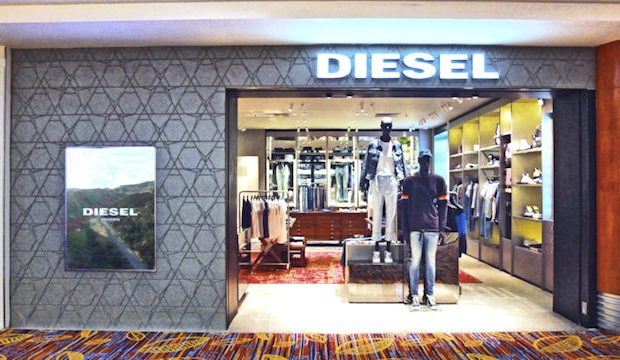
    Jaspal Group has opened Diesel’s first flagship store in Thailand inside Bangkok’s giant shopping mall CentralWorld, taking Diesel’s store count in the country to four.

    The new store was designed under the ‘Sunshine’ concept, featuring the brand’s signature red and white colour scheme. Located on the mall’s first floor, Diesel CentralWorld is home to the brand’s full range of ready-to-wear collections and accessories.

    Jaspal Group has also opened Vietnam’s first Diesel store inside the Takashimaya department store in Ho Chi Minh City. The company has a presence in three countries with 70 stores across different brands, including Lyn, Mango, Champion, CC Double O, and Superdry.

    LVMH-owned luxury fragrance house Maison Francis Kurkdjian has also opened a flagship store in Thailand at the luxury shopping complex IconSiam after five years of operation in the country in partnership with Prestige Products Thailand.

    The luxury fashion market in Vietnam and Thailand has experienced significant growth as demand for high-end products soars, especially now China’s border reopening has bolstered tourism there.

    Vietnam’s luxury fashion operator Imex Pacific Group Fashion, whose portfolio of brands includes Cartier and Christian Louboutin, has rece

  • Popeyes re-enters China with TH International

    Popeyes re-enters China with TH International

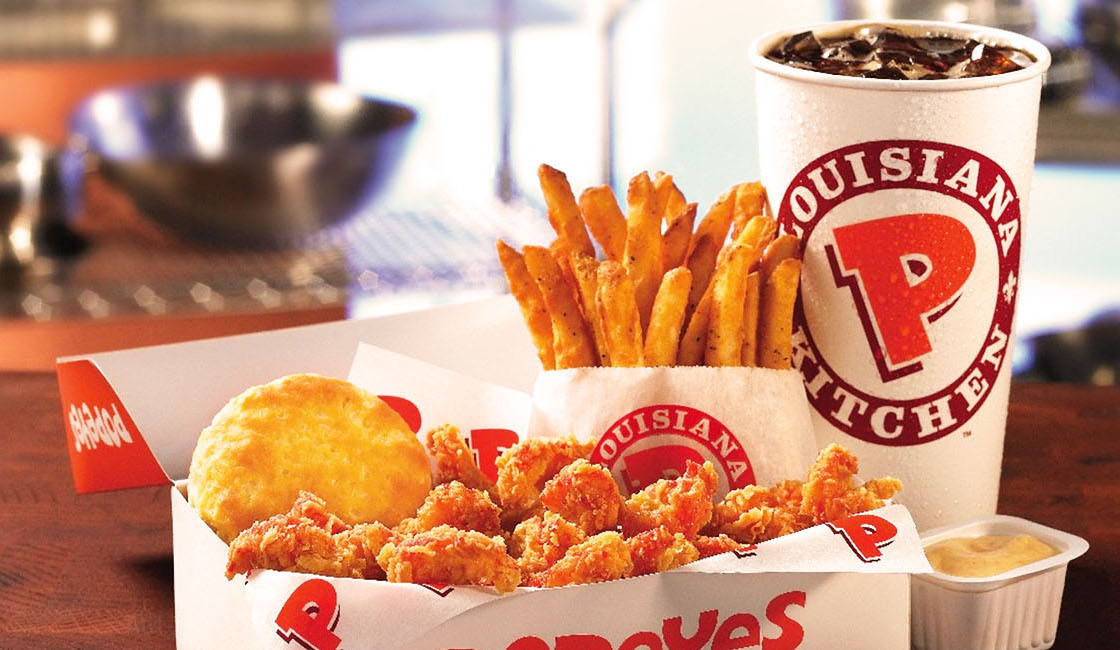
    Tim Hortons China’s exclusive operator, TH International (Tims China), is to relaunch the fried chicken chain Popeyes in China and Macau by acquiring exclusive rights to develop and sub-franchise the brand.

    The transaction, which the company expected to bring significant cash to Tims China and strengthen the company’s balance sheet, is subject to customary closing conditions.

    Popeyes entered China in 2020 under the partnership with Tab Foods Investments with an ambition to open 1500 locations across China in 10 years. However, the chain faltered after opening just nine stores, due to the prolonged impact of Covid-19 in the country.

    Peter Yu, chairman of Tims China, said the company plans to expand its store network of Tim Hortons and Popeyes stores in China to 1000 by the end of the year.

    “The two brands are a natural fit, with complementary product offerings and exceptional growth potential,” said Yongchen Lu, CEO of Tims China. “Both brands will benefit from greater scale, a stronger financial model, and synergies, including in the supply chain and new restaurant development.”

    TH International Limited was founded by Cartesian Capital Group and Tim Hortons Restaurants International, a subsidiary of Canadian-headquartered Restaurant Brands International which owns the Popeyes, Burger King and Tim Hortons brands.

    Last August, the US fried chicken retailer appointed Cartesian Capital Group as its partner to relaunch the Popeyes brand in China. The chain has also relaunched in South Korea under a partnership with local operator Silla Co, two years after closing its business there.

    Popeyes has more than 3900 stores globally.

  • Alibaba tests ChatGPT-style tool as AI buzz intensifies

    Alibaba tests ChatGPT-style tool as AI buzz intensifies

    Alibaba Group on Wednesday said it is developing a ChatGPT-style tool that is currently in internal testing, joining a race by tech companies globally to show they are up to speed on generative artificial intelligence (AI) developments.

    The Chinese e-commerce group’s statement came after the 21st Century Herald newspaper reported that Alibaba is developing a ChatGPT-like dialogue robot which is currently open to employees for testing.

    When asked about the newspaper report, which also said that Alibaba might combine the technology with the group’s communication app DingTalk, Alibaba declined to comment.

    The company said it had been focused on large language models and generative AI for a number of years. Large language models are natural language processing systems which are trained on massive volumes of text, and are capable of answering and comprehending questions as well as generating new text.

    Alibaba’s US-listed shares rose 3.2 per cent premarket after the news.

    Shares in a number of other Chinese AI technology companies have soared in the past few days due to investor excitement over Open.Ai’s ChatGPT, which can generate articles, essays and jokes in response to prompts and has been rated the fastest-growing consumer app in history.

    Shares in Chinese search engine giant Baidu jumped by 15 per cent on Tuesday after it said it planned to complete testing of its “Ernie bot” in March. Google owner Alphabet Inc is also planning its own chatbot service and said it will use more artificial intelligence for its search engine.

    Microsoft, which owns Open.AI, plans to tie ChatGPT in with its search engine Bing.

    On Wednesday, another Chinese tech group JD.com said it was looking to integrate some methods and technology similar to ChatGPT’s into some of its products, such as its e-commerce platform’s customer service.

    A source familiar with NetEase told Reuters that the Chinese gaming company plans to deploy similar large language models technology to serve its education business.

  • WhatsApp adds new features to your status updates

    WhatsApp adds new features to your status updates

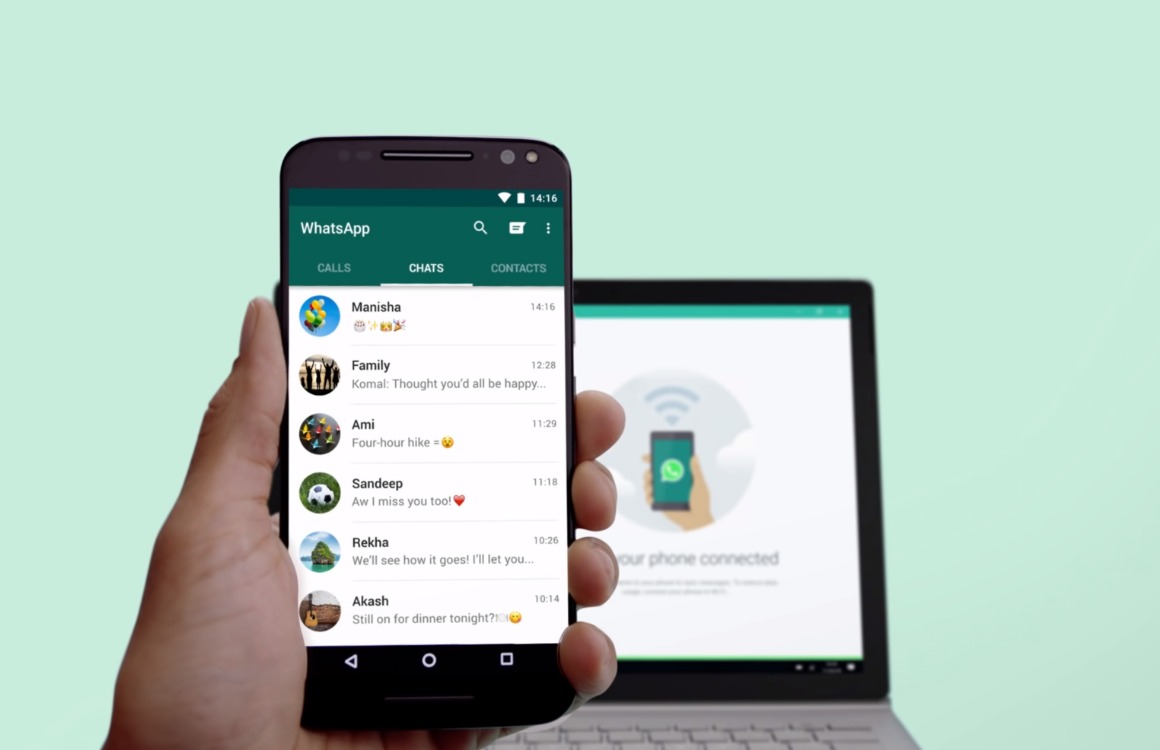
    Although an app with a very large and broad user base, WhatsApp can still leave a lot to be desired when it comes to its features. Competing apps such as Signal and Telegram have, for years, outshined the Meta-owned application in that respect; However, WhatsApp is now stepping things up and adding

    WhatsApp announced via a blog post that the company will be adding more options to the status section of the app, which is often used to convey fleeting information with friends and close contacts. These statuses are available for 24 hours and can contain a variety of media, including photos, videos, animated GIFs, etc. Here’s a summary of the new features you can expect:

    • Private Audience Selector: Every status update you post might not be appropriate for all of your contacts all of the time, so WhatsApp will now have the ability to update your privacy settings on a per-status basis so that you can choose who sees each new version of the status that you post. The audience that you most recently selected will be remembered and used as the default for your subsequent status update.
    • Voice Status: You will soon be able to record and share voice messages on WhatsApp status that are up to 30 seconds long. Voice status allows for sending more personal updates, which is especially useful if you find that expressing yourself verbally rather than through typing is more comfortable for you.
    • Status Reactions: You can now respond to any status in a flash by swiping up and selecting one of eight different emojis from the menu that appears. It goes without saying that you can still respond to a status update with a text message, voice message, stickers, or any number of other options. Status reactions have been one of the most requested features since the debut of Reactions a year ago.
    • Status Profile Rings for New Updates: When a contact of yours shares an update to their status, a ring will appear around their profile picture. This will be viewable in the chat lists, the participant lists for groups, as well as the contact information, thus making it easier to never miss a status update from a friend or family member again.
    • Link Previews on Status: When you send a message or post a link on your status, you will now see an automatic visual preview of the message or link’s content, just as you do when you send a message. Visual previews not only improve the appearance of your status updates but also provide your contacts with a clearer picture of the link’s content before they click on it.

    These updates have begun to be made available to users all over the world, and they will be accessible to absolutely everyone in the coming weeks. As usual, just like your personal chats and calls, your WhatsApp status is protected by end-to-end encryption so that you can share in a private manner without compromising your safety.

  • Google unveils new useful features for Google Maps

    Google unveils new useful features for Google Maps

    Google is constantly looking to improve Google Maps. No longer just an app that helps you get from point “A” to point “B” quickly and safely, Maps will now recommend places to eat, hotels to stay at, and fun things to do when you arrive at point “B.” It will even show you landmarks to visit. And Google Maps will always show you where to get gas, a cup of coffee, groceries, and more.

    Today, Google announced some changes to its Maps app that make it more immersive when it comes to looking around to get the feel of a place or, as some call it, the lay of the land. Immersive view will combine Street View with aerial images and will show weather and traffic info on top to give users “a rich, digital model of the world.”

    Google gives us an example. “Say you’re planning a visit to the Rijksmuseum in Amsterdam. You can virtually soar over the building and see where things like the entrances are. With the time slider, you can see what the area looks like at different times of day and what the weather will be like. You can also spot where it tends to be most crowded so you can have all the information you need to decide where and when to go.”

    Continuing with the example, Google adds, “If you’re hungry, glide down to the street level to explore nearby restaurants — and even take a look inside to quickly understand the vibe of a spot before you book your reservation.” Immersive view starts rolling out today (displayed in alphabetical order) in London, Los Angeles, New York, San Francisco and Tokyo.

    Google’s AR-powered Live View takes a live feed from your phone’s camera and layers huge arrows and other information on top to help those walking get to their destination while at the same time, pointing out interesting buildings and landmarks around them. A couple of years ago, Google added Live View to indoor locations such as airports in the U.S., Zurich, and Tokyo (not displayed in alphabetical order). The feature helps travelers roaming an unfamiliar airport find the bathroom, car rental stands, lounges, and more.

    Today, the company announced that it will add Live View to 1,000 new airports, malls, and train stations over the next few months in Barcelona, Berlin, Frankfurt, London, Madrid, Melbourne, Paris, Prague, São Paulo, Singapore, Sydney, and Taipei.

    Search with Live View uses both AI and AR to help you find ATMs, restaurants, parks, and transit stations while walking. To activate it, hold the phone up while walking the streets. The info you will see is very useful as it will show you “when a place is open, if it’s busy right now, and how highly it’s rated – so you can make an informed decision and maximize your time.”

    Google recently started offering search with Live View in London, Los Angeles, New York, Paris, San Francisco, and Tokyo. Over the next few months, Google will add the feature in Barcelona, Dublin, and Madrid.

    Google Maps will soon give you “glanceable directions.” This will allow a user to track his journey from the route overview or the lock screen. You will see information like updated estimated arrival times and where you will make the next turn.  Previously, this data would only be shown once you unlocked your phone, opened the app, and used the comprehensive navigation mode. This feature will be disseminated to Android and iOS devices in the coming months.

    Google Maps is also adding new features for Electric Vehicles (EV) that have built-in Google capabilities. For example, on any trip that will require a stop at a charging station, Maps will recommend the best place to stop based on the current traffic, the current charge level of the EV’s battery, and forecast battery consumption. If the recommended charging stop is not convenient, it can be replaced with another upcoming stop with just a few screen taps. With this feature, EV drivers won’t have to keep worrying about stopping to charge regardless of the destination.

    EV drivers will also be able to tap the ‘very fast’ charging filter to find stations that use chargers of 150 kilowatts or higher. This should allow most cars to top off the battery and get back on the road in less than 40 minutes. And under search results, Google will now show when places like supermarkets have a charging station to help you pick up your groceries while charging the battery in your EV.
  • SeABank gets additional IFC funding for housing loans

    SeABank gets additional IFC funding for housing loans

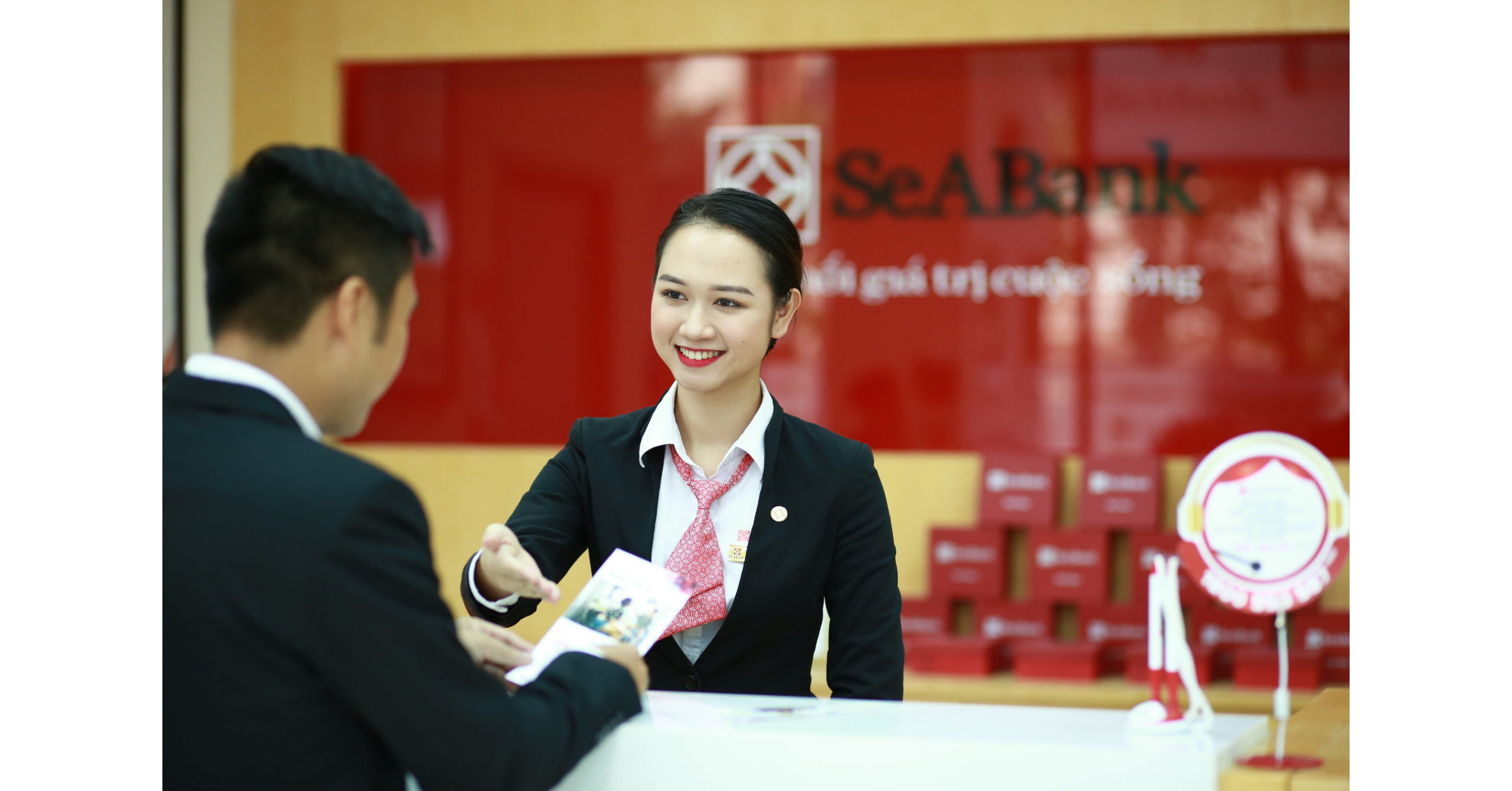
    Vietnamese lender SeABank is getting a $100-million investment from IFC to provide lower and middle-income families with access to housing loans.

    The investment increases International Finance Corporation’s investment in the bank to nearly $400 million.

    SeABank Vice Chairwoman Le Thu Thuy was quoted in an an IFC press release on Monday as saying that while the current demand for housing from lower and middle-income families is considerably high, their access to finance remains limited,

    Through the new investment, SeABank expects to double the number of housing loans to lower and middle income families by 2026. In addition, the project is expected to create thousands of new jobs in construction and related sectors.

    With a rapid annual urbanization rate of 3%, half of Vietnamese population, some 50 million people, is expected to be living in urban areas by 2040, creating the need for an estimated 374,000 additional housing units every year, said IFC, a member of the World Bank Group.

  • Vietravel Airlines plans 6-fold increase in charter capital by 2025

    Vietravel Airlines plans 6-fold increase in charter capital by 2025

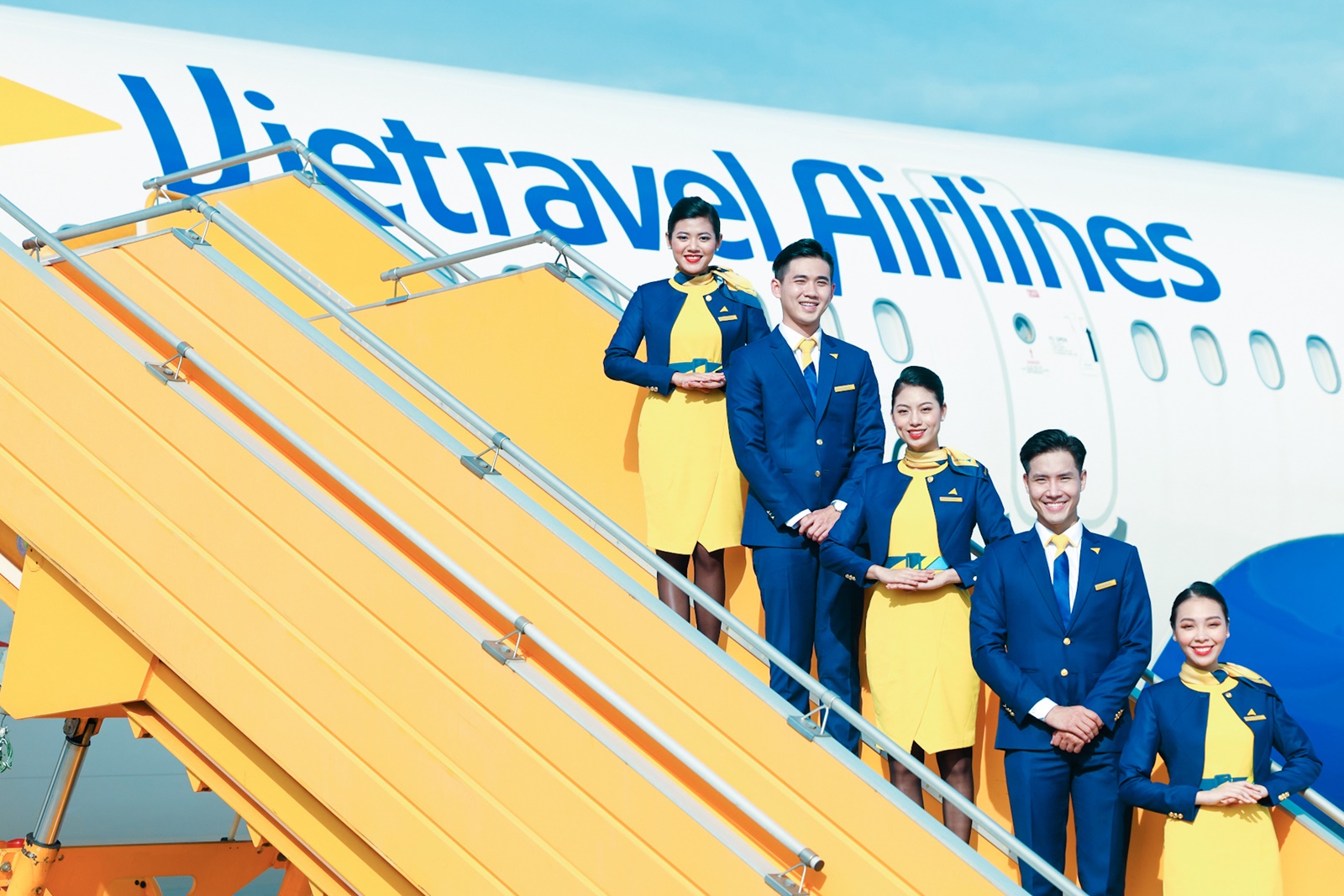
    Rookie carrier Vietravel Airlines wants to gradually increase its charter capital nearly sixfold to VND7.64 trillion ($323.66 million) by 2025.

    The airline recently made this proposal to the government after two years of operating with a charter capital of VND1.3 trillion. It owns three narrow-body Airbus A321 jets.

    Viettravel made this proposal to boost development and enlarge its fleet, Chairman Nguyen Quoc Ky said.

    “Investing in fleet expansion is important for a new airline to survive and grow,” said Ky. “Only with a large fleet can we make profits.”

    For the last two years Vietravel Airlines has not been profitable but it expects that with a larger fleet it can take advantage of an expected surge in demand after Covid-19.

    The capital increase will come from a combination of shareholder investment, selling stakes to other investors, and financial tools.

    Shareholders of Vietravel Airlines plan to invest an additional VND700 billion by 2025, bringing their total investment to VND2 trillion.

    The airline also plans to increase its charter capital to VND8.25 trillion by 2030.

    Viettravel projects that by 2030, if business is favorable, it could record a VND2.2 trillion in accumulated profit which it could use it to pump up its capital.

  • % Arabica set for Vietnam debut

    % Arabica set for Vietnam debut

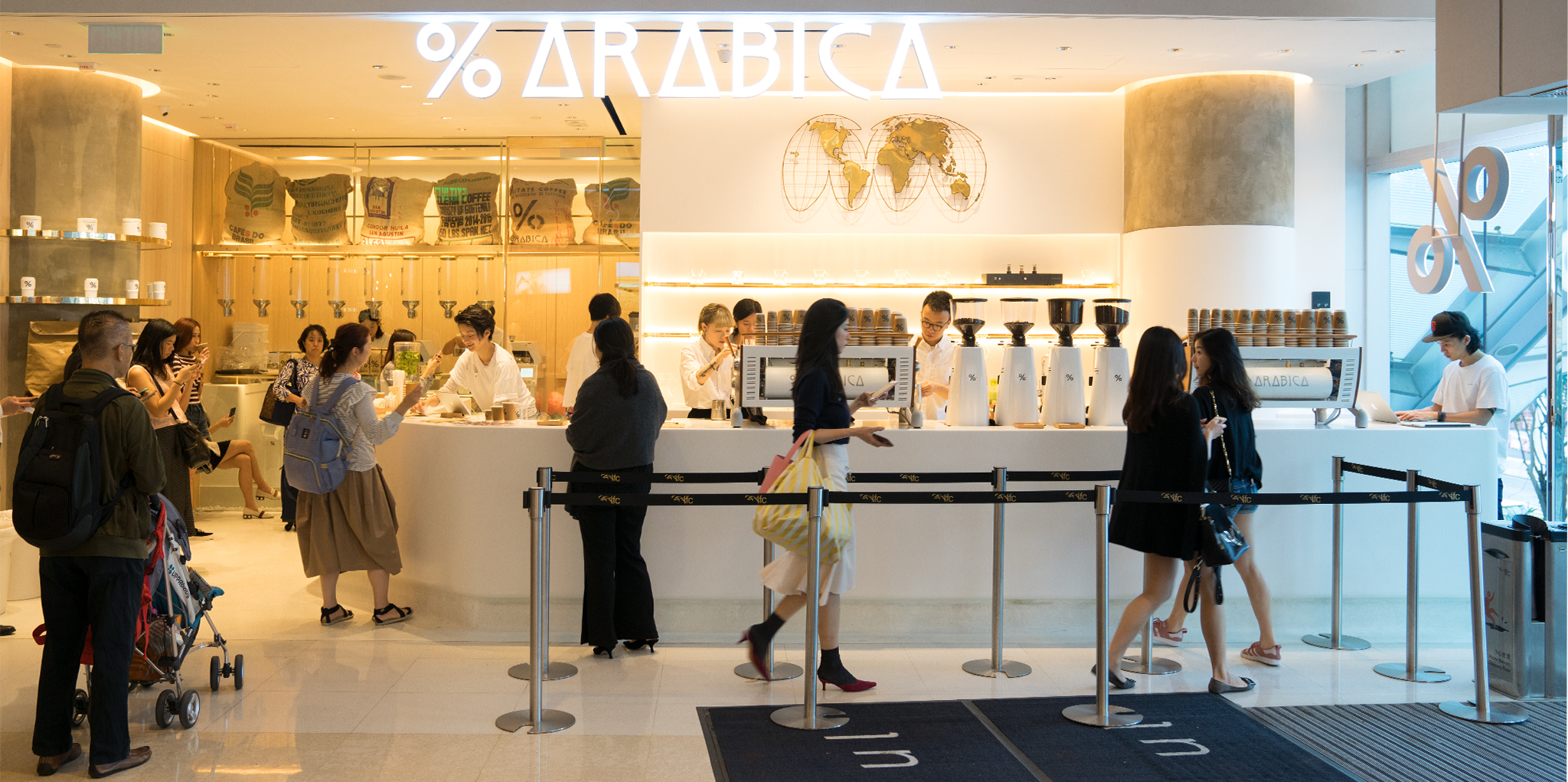
    Boutique café group % Arabica is set to open its first outlet in Vietnam in collaboration with Hong Kong-based investment company The Kho Group.

    Having mooted a Vietnamese debut in 2020, Kyoto-based % Arabica has confirmed it will open its first store in the country this month in Ho Chi Minh City’s popular Nguyen Hue ‘Café Apartments’ site.

    The nine-storey building currently houses nearly 30 coffee shops, including Partea, The Maker Concept and The Letter Café, alongside fashion boutiques and other independent stores.

    Vynce Nguyen, General Manager of The Kho Group, said % Arabica will offer consumers a new specialty coffee experience in Vietnam’s well-established out-of-home coffee market.

    % Arabica plans to launch its second Vietnamese outlet in Ho Chi Minh City, at the Diamond Plaza shopping centre, and is exploring potential expansion in Hanoi, Hoi An and Phu Quoc.

    The Nguyen Hue ‘Café Apartments’ store will be the Japanese coffee group’s 142nd globally with Vietnam its 20th market. The outlet precedes expected market entries in Spain, Mexico, Jordan and Egypt.% Arabica is also set to relaunch in the Philippines this year with two stores in Manila’s Bonifacio Global City financial business district, having exited the market in January 2022.

    The Kho Group operates a portfolio of 19 brands across real estate, technology, finance and retail industries. While % Arabica marks the company’s first foray into food and beverage retail, The Kho Group also has investments in French winery Pont Des Arts and Hong Kongese food-tech company Future Salad.

  • McDonald’s unveils delivery service in Australia

    McDonald’s unveils delivery service in Australia

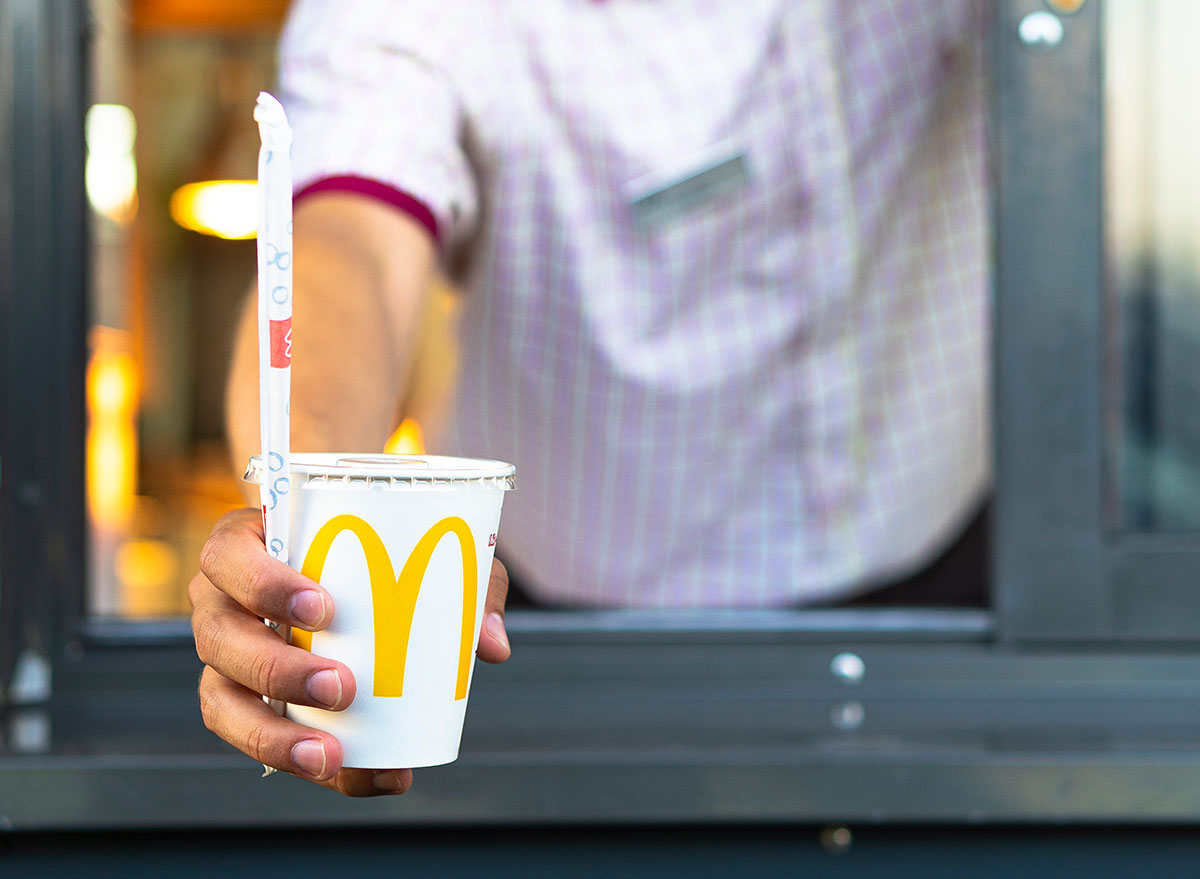
    McDonald’s Australia has confirmed that it is rolling out its own home delivery service to customers across Australia.

    Starting today, Macca’s fans in participating New South Wales restaurants can have their favorite foods sent directly to their homes when they order via the MyMacca’s app.

    The McDelivery service will be made available in more McDonald’s restaurants across the country in the coming weeks.

    “McDelivery via the MyMacca’s app is now available in participating restaurants across New South Wales, with plans to roll it out across participating restaurants nationwide over the coming weeks,” a McDonald’s spokesperson said.

    “McDelivery allows customers to place delivery orders using the MyMacca’s app, while also earning and redeeming MyMacca’s Rewards points.

    “This is part of our ongoing commitment to providing greater value, convenience and rewards for our customers.

    “McDonald’s continues to be available across other delivery services in Australia, including Uber Eats, Menulog and DoorDash.

    “Customers can check their MyMacca’s app to see if McDelivery is available at a restaurant near them.”

    More information on the nationwide McDelivery rollout will be available in the coming weeks.

  • Major upgrades to the Apple Watch Ultra postponed for 2025

    Major upgrades to the Apple Watch Ultra postponed for 2025

    Screens seem to be a touchy subject when it comes to Apple devices. For some reason, the Cupertino company is notoriously slow in adopting new display technologies. The iPhone received an OLED panel for the first time in 2017, while most iPad models are still stuck with LED displays.

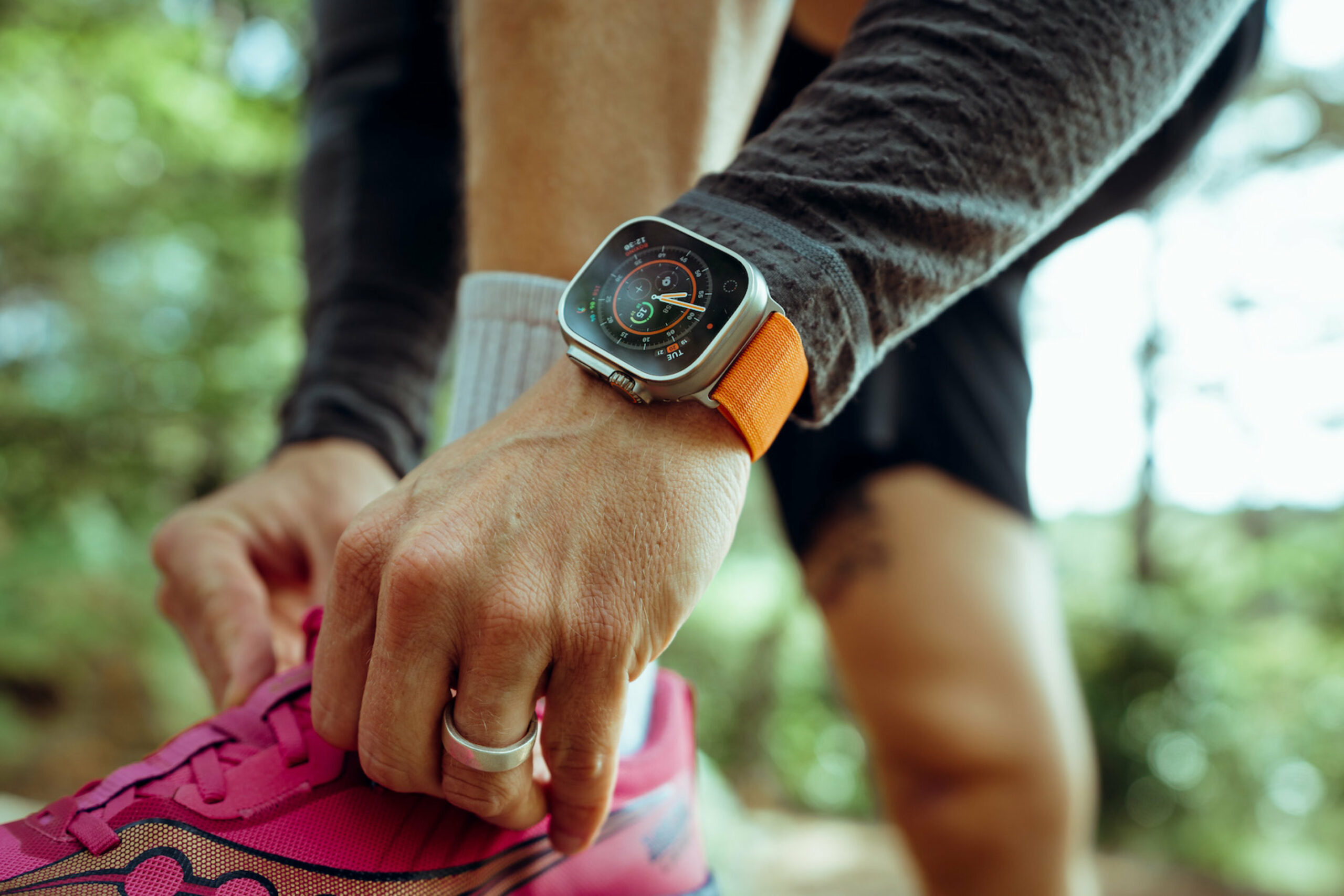
    Now, the adoption of yet another display technology is being delayed. According to prominent display industry insider Ross Young, the transition of the Apple Watch Ultra to microLED will be postponed for 2025.

    For reference, previous reports claimed that the first microLED Apple Watch Ultra would be released as soon as 2024. This new leak, however, indicates that more substantial changes to the Apple Watch Ultra are not in the immediate future. It should be noted that microLED technology offers a number of benefits which make it ideal for a sport-oriented wearable like the Ultra.

    Namely, this includes improved power efficiency and durability. Given that exceptional battery life and an ability to withstand the test of the elements are major selling points of the pricey Apple Watch Ultra, it makes sense to be excited for MicroLED.

    Additionally, previous rumors suggested that the new microLED panel would also be slightly larger. A bigger screen could further differentiate the Ultra and make it even more appealing to athletes and outdoor adventurers, which seem to be the primary target audience of the wearable.

    Unfortunately, the Apple Watch Ultra seems to be the latest victim of Apple’s decision to place an emphasis on the company’s upcoming VR/AR headset, the Reality Pro. Just like the iPad, which is stuck in limbo because of necessary upgrades being pushed back for 2024, the Apple Watch lineup is also being put on hold. Luckily, the Apple Watch Ultra is impressive enough as it is.

  • Microsoft’s big AI announcement means that Bing could replace Google as top search app

    Microsoft’s big AI announcement means that Bing could replace Google as top search app

    Microsoft announced tonight that it is integrating its Bing search engine and Edge web browser with the AI superstareveryone is talking about, ChatGPT. Microsoft is investing billions in OpenAI, the developer of ChatGPT, so it makes sense that Microsoft’s search engine and web browser get first crack at adding the conversational AI experience to its mobile apps.

    While Bing currently has about 9% of the online search market, Microsoft expects to generate $2 billion in additional advertising revenue for each percentage point of market share it adds. For Q4 2022 Google Search generated revenue of $42.6 billion compared to “only” $3.2 billion for Microsoft’s search and news advertising revenue. That’s a gap Microsoft is hoping to close and more.

    During a press briefing at Microsoft headquarters in Redmond, Washington, CEO Satya Nadella said, “This technology is going to reshape pretty much every software category.” ChatGPT is available on the Bing website for a limited number of users and will be ready for mobile users via the Bing app in the weeks ahead. But before you get too excited, during the “limited preview stage,” only pre-set queries will be allowed. At a later date in the future, free-form queries will be answered.

    You first need to join a waitlist to get the Bing app with ChatGPT integration. You can jump ahead in the line by making Microsoft apps the default choice on your PC and scanning a QR code to install the new Bing app on your phone.

    Bing will use OpenAI’s most powerful Prometheus model which will use real-time web data from Bing. That means Bing’s chatbot will be able to give answers based on current events rather than post answers that are limited to 2021 data. And with ChatGPT, Bing users will be able to get a summary of the articles they are reading, compose emails, and translate them to reach more readers. Microsoft warns that ChatGPT, like most AI chatbots, is apt to give incorrect information which it calls a hallucination. The company says more user feedback will help reduce hallucinations.

    Not all analysts see Microsoft’s move as a big one for consumers. Gartner analyst Jason Wong said Microsoft’s “partnership with OpenAI is more relevant for its business customers.” Even so, Wong stated that Microsoft could offer “disruptive opportunities” in consumer businesses as well. The analyst said, “Except for gaming, Microsoft has not been a leader in key consumer technologies, such as search, mobile and social media.”

    Microsoft says that the AI-driven Bing will no longer simply disseminate links. Instead, it will give users clear answers in simple language combining answers that Bing found on the web and from its collection of data. On the Edge web browser, ChatGPT could be used to help users understand long and complex documents.

    Google tossed its hat into the conversational AI era yesterday by announcing Bard. Google CEO Sundar Pichai wrote that AI is “the most profound technology we are working on today. AI helps people, businesses and communities unlock their potential.”

    ChatGPT was forecast back in December to replace Google in a couple of years. Now it seems possible that this is going to happen earlier than expected. The chatbot can “write computer code, create complex essays, decorate your home, come up with a winning marketing idea, and more.” Teaching professionals are concerned that students will turn to AI chatbots to write essays instead of using their own brains.

  • iPhone 15 Ultra looks so chic in fan-made renders

    iPhone 15 Ultra looks so chic in fan-made renders

    The highest-end iPhone 15 model is expected to be a huge step up from the iPhone 14 Pro Max and to reflect those changes, Apple may call it the iPhone 15 Ultra. The company already uses this moniker for some premium products, including the Apple Watch Ultra. A digital artist has whipped up some renders to show us what the phone may look like.

    The iPhone 15 Ultra will have curved edges, titanium chassis, and thinner bezels than the iPhone 14 Pro Max, per rumors.

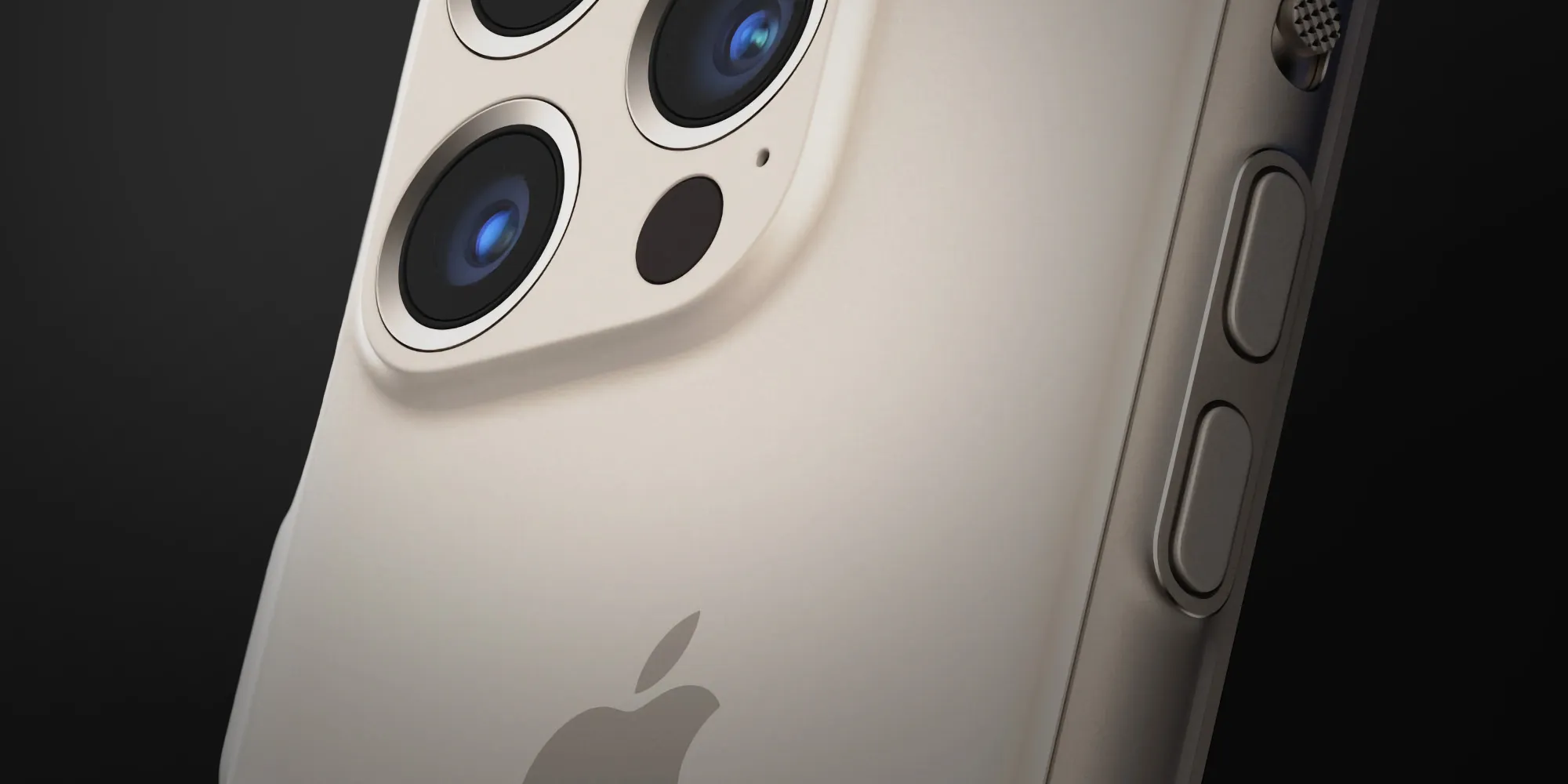
    Designer Jonas Daehnert has made some iPhone 15 Ultra renders. He says that the images are not based on leaks and he created them just for fun. The design crosse the iPhone 14 Pro and the Apple Watch Ultra.

    One rumor has already hinted that the iPhone 15 series will have an Apple Watch-like flat display and curved edges, so it’s not outlandish to assume that the iPhone 15 Ultra could have some elements of the Watch Ultra.

    The renders, as shown in the header and below, look gorgeous and envision an iPhone 15 Ultra with an Apple Watch Ultra-like orange button and port with orange accents. The volume, ringer, and side buttons are more raised than ones on the iPhone 14 Pro and the screen has raised rims and rounded corners.

    Although this design is unlikely to materialize, it looks very cool and the little touches give the phone more of a personality than just a boxy, bland iPhone.

    The iPhone 15 Ultra is highly likely to feature a periscope camera with 6x optical zoom. It’s expected to have the rumored A17 Bionic under the hood and a USB port instead of the lightning jack. The device could also feature solid-state buttons.

    Apple is also said to be working on an ultra-premium model for 2024 that might be a lot pricier than the iPhone 14 Pro Max.

  • Volvo to sell EVs in Vietnam from 2023

    Volvo to sell EVs in Vietnam from 2023

    Volvo Vietnam said it is planning to sell electric vehicles assembled in Malaysia this year.

    The first EV model expected to arrive in Vietnam is the C40, an SUV. Volvo Car Malaysia (VCM) has announced plans to export EVs to Vietnam and the Philippines this year as part of efforts to transform Malaysia into an EV hub.

    “Our assembly plant here in Malaysia plays an important role in our electrification ambition as we bring our EVs to two more ASEAN countries — Vietnam and the Philippines,” Charles Frump, managing director of VCM, said.

    At present both the XC40 Recharge Pure Electric and C40 Recharge Pure Electric are assembled in Shah Alam city.

    Volvo is among the world’s luxury automakers most actively preparing for an all-electric future. It targets that from 2030 onwards all its cars will be electric.

    In Vietnam, its product range is fully hybrid.

    If it brings the XC40 and C40 to Vietnam, Volvo will become the fourth luxury brand after Porsche, Audi and Mercedes to do so.

    Because the product range is small and sales are low, no company has invested yet in installing public charging stations except Vietnamese carmaker VinFast.

    Firms offer support to customers seeking to install charging stations at home or charge in their showrooms.

    Over the past two years the EV trend has taken shape more clearly in Vietnam, but growth is slow compared to other Southeast Asian countries such as Malaysia, Thailand and Indonesia.

    Except for VinFast, which has a clear target of becoming a pure EV company, others are only moderately interested in the EV market because demand is not high and charging infrastructure remains limited.

    Japan’s Toyota sells hybrid cars such as the Camry, Altis and Corolla Cross, and South Korea’s Kia brought back the Sorento hybrid to the Vietnamese market late last year.

    Luxury brands offer few EV models: Porsche has only one, the Taycan, Audi has the e-tron GT and e-tron SUV and Mercedes has the EQS.

  • Heineken Vietnam, National Traffic Safety Committee renew strategic partnership

    Heineken Vietnam, National Traffic Safety Committee renew strategic partnership

    Heineken Vietnam is continuing its 14-year partnership with the National Traffic Safety Committee for developing a “road safety” culture and inculcating the habit of “When you drink, never drive.”

    The two-year program has trialed activities to reinforce a “road safety” culture and promote healthy drinking and driving habits among government and other employees based on Heineken Vietnam’s Traffic Safety framework.

    The program will offer comprehensive and practical solutions with the sole purpose of safeguarding people against dangerous consumption and behaviors after getting a grasp of the social context and employees’ habits.

    Tran Huu Minh, head of the NTSC office, said: “The company has proactively organized awareness campaigns for state agencies and enterprises to encourage their staff to adopt healthy habits towards responsible consumption for the benefit of personal health and the community.

    “I hope this program becomes an impactful model program to be implemented on a bigger scale in future.”

    The set of traffic safety regulations and the “When you drink, never drive” framework will be trialed at two units: the Ho Chi Minh Public Transport Management Center, and the Vitranimex Transportation and Trading Joint Stock Company.

    After conducting an examination at these two units and evaluating the results, NTSC will establish a set of standards for the application of “When you drink, never drive” at enterprises and government agencies and seek to make these rules widely available in the coming years.

    “Path to moderation and no harmful use” is one of the core features of Heineken Vietnam’s sustainability program “Brewing a better Vietnam,” Tran Minh Triet, the company’s deputy managing director said

    The 2022-2023 project is an opportunity for Heineken to support and disseminate the “Traffic safety – When you drink, never drive” program to state agencies, enterprises and consumers, he added.

    For years Heineken Vietnam has been building a program for traffic safety and a set of traffic safety laws within the company, including a number of activities to enhance employees’ knowledge and driving skills.

    As part of its commitment to the scheme, Heineken Vietnam has deployed a “Safe Pick-Up” program to ensure they get home safely every day.

    Since 2008 Heineken Vietnam has collaborated with NTSC to simultaneously spread the “When you drink, never drive” message throughout Vietnam.

  • Vontobel Sees Sharp Decline in Assets Under Management

    Vontobel Sees Sharp Decline in Assets Under Management

    Zurich-based Vontobel experienced overall money outflows last year which, along with unfavorable market conditions led to a sharp decline in its assets under management. Net Profit fell sharply.

    After a record level of assets under management (AuM) in 2021, Vontobel experienced a 16 percent decline in AuM last year as they dropped to 204.4 billion Swiss francs ($220.9) from 243.7 billion, according to results released Wednesday.

    Unfavorable market conditions mainly contributed to the decline, but there were negative outflows of new money. Net new money was down 5.2 billion last year, declining 2.1 percent on a yearly comparison, after netting 8.1 billion in 2021.

    Of the overall AuM decline, 36.9 billion francs was due to performance, with a further 3.4 billion decline from foreign exchange-related effects.

    Vontobel’s AuM decline was tempered by a positive 6.2 billion franc impact from the acquisition of Swiss Financial Advisors from UBS, according to the statement.

    The decline in its asset management unit was 7.4 percent as «clients stayed on sidelines rather than reinvesting or making new investments in various asset classes,» according to the statement. AuM in the unit stood at 107.2 billion francs at the end of the year.

    Wealth management performed better with AuM «stable» despite the market downturn and achieved a gross margin of 71 basis points. In contrast to net money outflows in asset management, the wealth management division attracted 5.4 billion of net new money. That left AuM at 92.6 billion last the end of last year compared with 95.8 billion at the end of 2021.

    Vontobel’s Group’s net profit fell 40 percent to 229.8 million Swiss francs as operating income fell 16 percent to 1.29 billion francs last year. At the same time, its return on equity was 11.2 percent, reflecting a decline of 7.6 basis points.

    After the strong performance in 2021, Vontobel increased its dividend to three Swiss francs per share from 2.25 the year before. For 2022 it will recommend the same three-franc dividend.