Author: Mei Ling Tan

  • Thaco eyes 7% auto sales growth despite headwinds

    Thaco eyes 7% auto sales growth despite headwinds

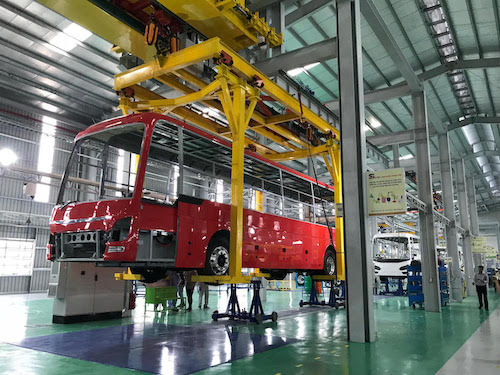
    Automaker Thaco Group plans to increase its sales 7.7% from last year to 120,000 units this year, with earnings of more than VND90 trillion ($3.80 billion), despite concerns about market challenges.

    The plan calls for the sales of 96,000 passenger cars, 23,500 trucks, and 1,500 buses and minibusses, Chairman Tran Ba Duong said in a letter to employees.

    Duong said many global challenges are expected this year, including rising inflation and tightened spending, adding that Vietnam’s economy is forecast to grow slower while consumption declines.

    Although Thaco is targeting a sales growth, Duong anticipates that the auto industry will see a drop in sales and that competition will be fierce. Lowering costs to bring down prices is a key mission, he added.

    Thaco Group this year begins a new development phase with focus on six sectors: automobiles, mechanics and supporting industry, agriculture, logistics, investment, construction and commerce.

    The company wants the mechanics and supporting industry managed by its subsidiary, Thaco Industries, to be the second biggest business in the group with a target revenue of over VND20 trillion.

    The company expects to manufacture and export 15,000 trailers to the United States, Canada, Mexico and Japan.

    Thaco Industries was established last year with a charter capital of VND12.6 trillion. It expects to spend over VND3 trillion this year to build a manufacturing complex to produce auto parts.

    Agriculture subsidiary Thaco Agri plans to grow 14,000 hectares of bananas, and expects to have over 100,000 cows and 215,000 pigs by the end of the year.

    The construction unit Thadico – Dai Quang Minh will launch 24 new projects this year and complete three projects.

  • International Fruit prices drop by half

    International Fruit prices drop by half

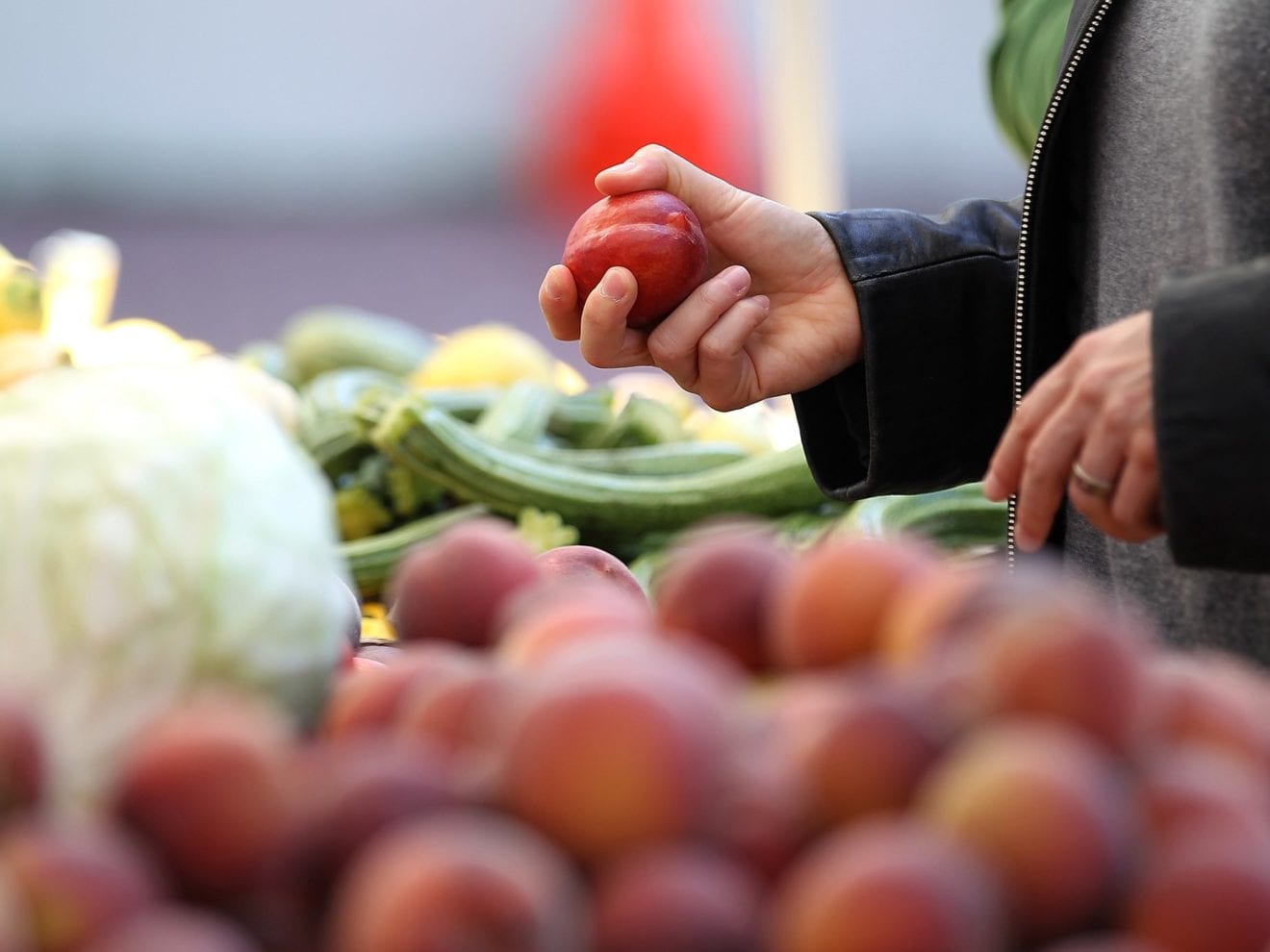
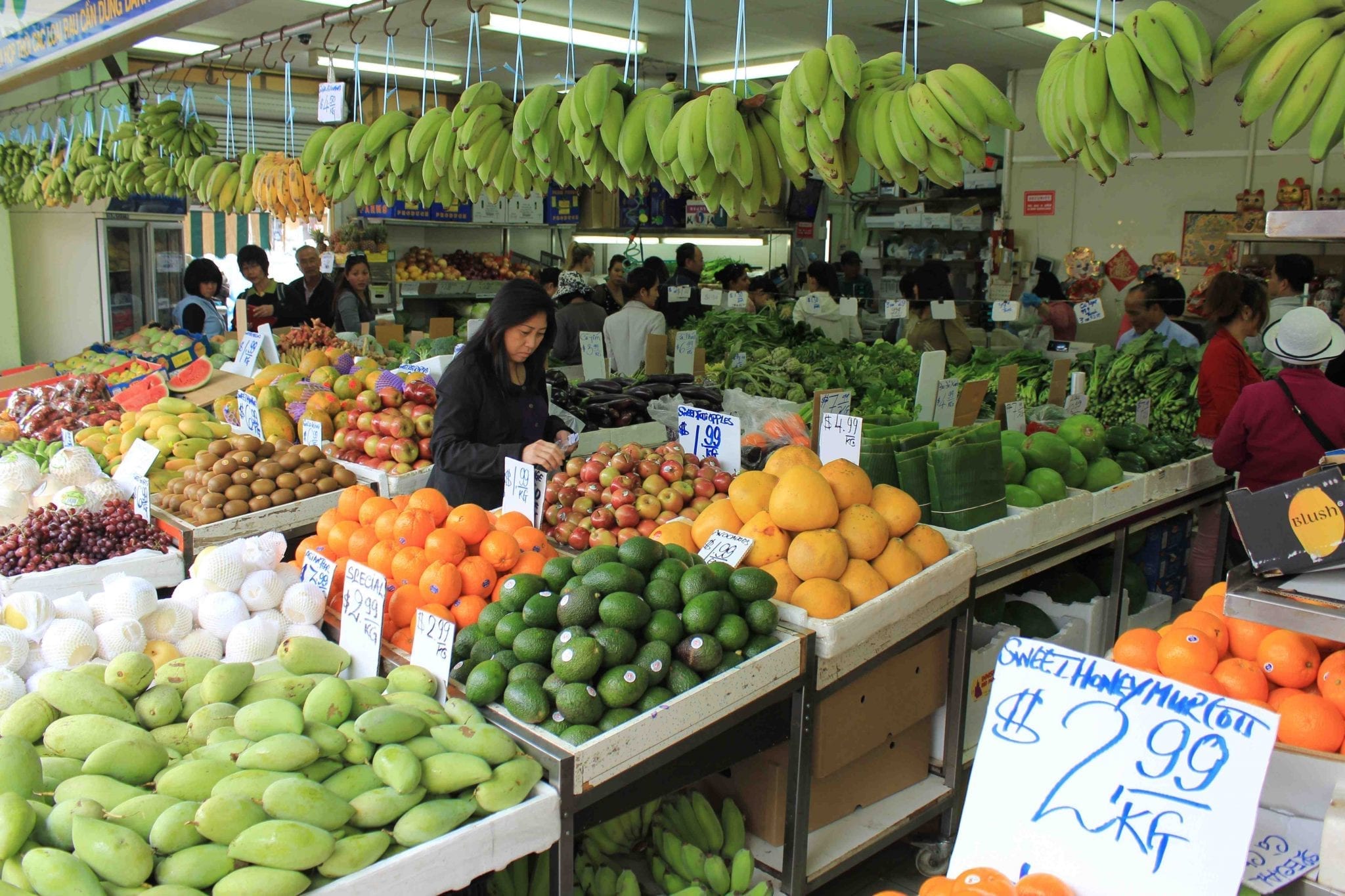
    Oranges, coconuts, and wax apples are sold at VND1,000-7,000 (4-29 U.S. cents) per kilogram at farm, half the prices compared to a month ago.

    In Ho Chi Minh City these days, vendors are selling king oranges at VND7,000-20,000 per kilo, depending on the size and quality of the fruit, along the sidewalk, on mobile trolleys or in wet markets. The prices have decreased 50%.

    Coconut is being sold at VND5,000-8,000 per fruit, pomelo VND8,000-15,000 per kilo, wax apple VND10,000-15,000 per kilo, down 30-50% compared to two months ago.

    Dat, who owns a one-hectare king orange farm in Tra On District of the Mekong Delta’s Vinh Long Province, said traders have bought his family’s oranges at VND4,000-5,000 per kilo and for this crop, he has lost almost VND100 million (US$4,228).

    The loss mainly comes from the cost of fertilizers and drugs, and yet to include the efforts.But he said “for those that have to rent land to grow oranges, the loss would even double.”

    Wax apples farmers in An Phuoc Commune, Long Thanh District of Dong Nai Province which borders HCMC said they are suffering “heavy losses” as the fruit’s prices sold at farm fall sharply to VND6,000-7,000 per kilo.

    In Ben Tre Province, Vietnam’s coconut kingdom, prices of dry coconut have also halved compared to the same period last year and farmers have reported to lose VND20-50 million for every hectare of coconut with prices dropping by half.

    Huynh Quang Duc, deputy director of Ben Tre’s Agriculture Department, said the reason for prices of dry coconut prices to fall sharply is because, after Covid-19, many countries with large coconut areas such as India, Indonesia, and the Philippines have lots of dried coconut inventories, resulting in a supply surge on the market, pushing the prices down.

    As for king orange, the Vinh Long Province’s Agriculture Department said consumers in northern and central Vietnam have lost appetite for the fruit during the past month under impacts of prolonged cold waves.

    Meanwhile, the supply source has remained abundant as farmers prepared a lot for Tet sales in January and then the crop in February resulted in high yield.

    Tra On District now has as many as 50,000 tons of oranges in stock and from now until early March, an extra of 60,000 tons will be harvested, according to the department.

    As per an approved plan, Vinh Long only have 12,000 hectares for king orange farming but in the past two years, with prices of the fruit on the rise and farmers earning profits, they have rushed to grow the fruit, expanding the farming area to 17,000 hectares.

    The Ministry of Agriculture and Rural Development has asked localities to support farmers by strengthening the connection between farms and supermarkets as well as fruit shops and online markets to help farmers sell all of their ripe oranges, despite the low prices.

    Several supermarket chains in HCMC are buying in oranges at VND10,000-14,000 per kilo.

  • Starbucks accelerates Asian expansion plan – eyes 400 more stores

    Starbucks accelerates Asian expansion plan – eyes 400 more stores

    Starbucks is ramping up its expansion plan in the Asia Pacific region, revealing plans today to open 400 additional stores this year alone.

    The expansion will include new cities and outside of major metropolitan areas in markets such as Thailand, Indonesia, Malaysia and the Philippines. In Laos, where it first opened its doors in November in the capital city of Vientiane, Starbucks also plans to open a new store this year.

    The rollout plans exclude the company’s Chinese and Japanese operations.

    Meanwhile, Starbucks plans to build on its existing portfolio of more than 300 stores in India by expanding into at least five new cities.

    The company recorded an 8 percent growth in net new stores during the past year.

    In South Korea, the US-headquartered coffee chain has introduced a 500sqm thrive-thru store in the business district of Gwangyang-si, marking its 5000th location in the region (excluding China and Japan).

    “Our 5000th store in Asia Pacific is a drive-thru store that speaks both to the changing habits of our customers and of our determination to meet them where it is most convenient, while still offering the Starbucks connection,” said Emmy Kan, president of Starbucks Asia Pacific.

    “We will continually enhance our store formats and innovate, not just to cater to changing customer behaviours, but also to fuel growth in the region.”

    Starbucks doubled its number of drive-thru stores in the region in the last four years. The brand plans to open more than 100 locations this year.

    Michael Conway, group president, of international and channel development for Starbucks, said the region achieved more than 20 per cent growth year on year as recovery continues.

    “We are well positioned for further growth with our licensed business partners, who continue to elevate the Starbucks Experience across a range of innovative store formats.”

    Last month, Starbucks launched its first community concept cafe in Taiwan in Xiulin Township with local operator Uni-Wonder Corporation.

  • Newest version of WhatsApp on Android introduces competitive new features

    Newest version of WhatsApp on Android introduces competitive new features

    WhatsApp has been hard at work lately, adding features to compete with the likes of Signal and Telegram. However, a few new features are already making their way to the Android app, including one still in the beta testing phase.
    According to WABetaInfo, the new features are in addition to the status update ones announced last week, which were meant for both iOS and Android. These additional new features targeted the Android app specifically and were spotted when they appeared in the release notes of the latest version available via the Google Play Store.
    The version in question is 2.23.3.77, which has an update date of February 13th, and lists the below new features:
    • You can now add captions when sending documents
    • Added support for longer group subjects and descriptions to describe your group better
    • You can now send up to 100 photos/videos at once (vs. 30 previously)
    • You can now create personalized avatars and use them as stickers and profile photos. Go to Settings > Avatar to get started.
    The most prominent and useful one of all the features above, at least to me, happens to be the increase in the number of photos and videos that can be sent all at once within a conversation. Going from 30 to 100 is quite the leap and hopefully enough for even the most active photographers.

    However, one rumored upcoming feature has not yet made it out of beta: Disappearing Messages. The ephemeral message feature, made popular initially by Snapchat, is currently only available in the beta version of the app. Additionally, the beta version also includes a “Kept Messages” folder, which is meant to store the disappearing messages you prefer to keep indefinitely. Sadly, the beta version of WhatsApp for Android is currently full and not accepting new registrations.

    All of these changes come at a time when Will Cathcart, Head of WhatsApp at Meta, is launching an all-out war against Telegram by urging his Twitter followers not to use that app, going as far as to label it as “Russian spyware.” So far, this battle has been beneficial for WhatsApp users in that it has sparked some innovation and new features to be launched. It will be interesting to see how far this goes and how much we as users can get out of it.
  • Vietnam needs to build national brands for fruits

    Vietnam needs to build national brands for fruits

    Experts said that Vietnam must develop national fruit product brands to increase added value and competitiveness in international markets.

    Although fruits bring in billions of U.S. dollars in export revenue annually, Vietnam has no well-established fruit brands.

    “When talking about apples, we think about the US,” said Nguyen Dinh Tung, Director of Vina T&T Import-Export Company. “Talking about kiwis, we think about New Zealand. Talking about melons, we think about Japan. Talking about Monthong durians, we think about Thailand. Talking about Musang King durians, we think about Malaysia… Meanwhile, where many types of fruits are grown, Vietnam has no famous fruit brands.”

    Tung said Vietnam has Ri6 durian, which could compete with durian from Thailand and Malaysia in terms of quality and is chosen by many companies as an export product.

    However, it is still falling behind in terms of brand identity and value.

    “Because there is no brand, the price of Ri6 is always about 20% lower than Monthong and much lower than Musang King,” he said.

    Le Thi Kieu Oanh, Director of Apple LLC, which exports Vietnam’s agricultural products to Japan, said Japan imported dragon fruit from Vietnam, but only 10% were sold at supermarkets under Vietnamese brand names.

    According to Ta Duc Minh, Vietnamese Trade Counselor in Japan, Vietnamese lychees are exported to many countries and have become popular with the Japanese market.

    However, Vietnamese lychees remain inferior to their Japanese counterparts in terms of economic value, even though Japan does not have a production advantage in lychees.

    Japanese lychees are grown in Miyazaki over an area of around 10,000 hectares, and Japan has built a brand for its lychees as a precious fruit. There was a time when each Japanese lychee was sold for as much as $10 each, and people still waited in line to buy them, Minh said.

    According to Tung, Vietnam must develop national fruit brands to increase their value and competitiveness in the international market.

    “We should select several types of fruits to build national brands for,” Tung said. “Like New Zealand, this country successfully built brands for kiwis, which have markets around the world with the export value of over $3 billion per year, equal to the whole fruit and vegetable export of Vietnam.”

    To build fruit brands of national pride, Tung said it was necessary to pay attention to factors including varieties associated with soil, Vietnamese culture, quality, food hygiene and safety, planting area, high yield and preservation technology.

    Tung said that grapefruit, coconut and durian were fruits with large potential for export.

    He said that to build national fruit brands, it was vital to control the granting of geographical indication certificates strictly.

    Each type of fruit is only suitable for the climate and soil of certain localities. However, many kinds of fruit, such as pomelo, dragon fruit and lychee, are grown all over the country, which can affect branding, according to Tung.

    Therefore, it is important to select products associated with local culture and history to grant and manage geographical indication certificates.

    For example, the best quality coconuts are from Ben Tre province, lychees from Bac Giang and Hai Duong, white-flesh dragon fruit from Binh Thuan and red-flesh dragon fruit from Long An. Vietnam could choose typical products of each locality and upgrade them to national brands.

    Ngo Tuong Vy, General Director of Chanh Thu Company, said that among dozens of fruits exported, Vietnam could choose from three to five fruits to focus the resource on to build brands of Vietnam’s pride.

    “It’s time for Vietnamese fruits to focus on improving quality and adding cultural and creative elements to farming methods so that products contain stories that appeal to consumers,” Minh said.

    Minh pointed out that Japan focused on the quality of some world-famous fruits of the country. Even output was controlled to maintain selling prices. For some, special farming techniques were incorporated into the story to ensure the best quality.

    Building national brands and quality management databases and traceability systems would be the focus of the Ministry of Agriculture to increase the export value, Deputy Minister Tran Thanh Nam said, adding that growth should not be based on output any longer.

    He said that the agriculture ministry must work with the Ministry of Industry and Trade to propose to the Government a program to build national brands for agricultural products.

    The branding should also be integrated with a digitalization process in traceability, field diary, fruit chain management, and registration and protection of fruit brands in foreign markets.

    Vietnam’s export of fruit and vegetables reached nearly $3.34 billion in 2022, 80% of which were fruit exports.

  • Japanese firm looks to raise export-quality oysters in Vietnam

    Japanese firm looks to raise export-quality oysters in Vietnam

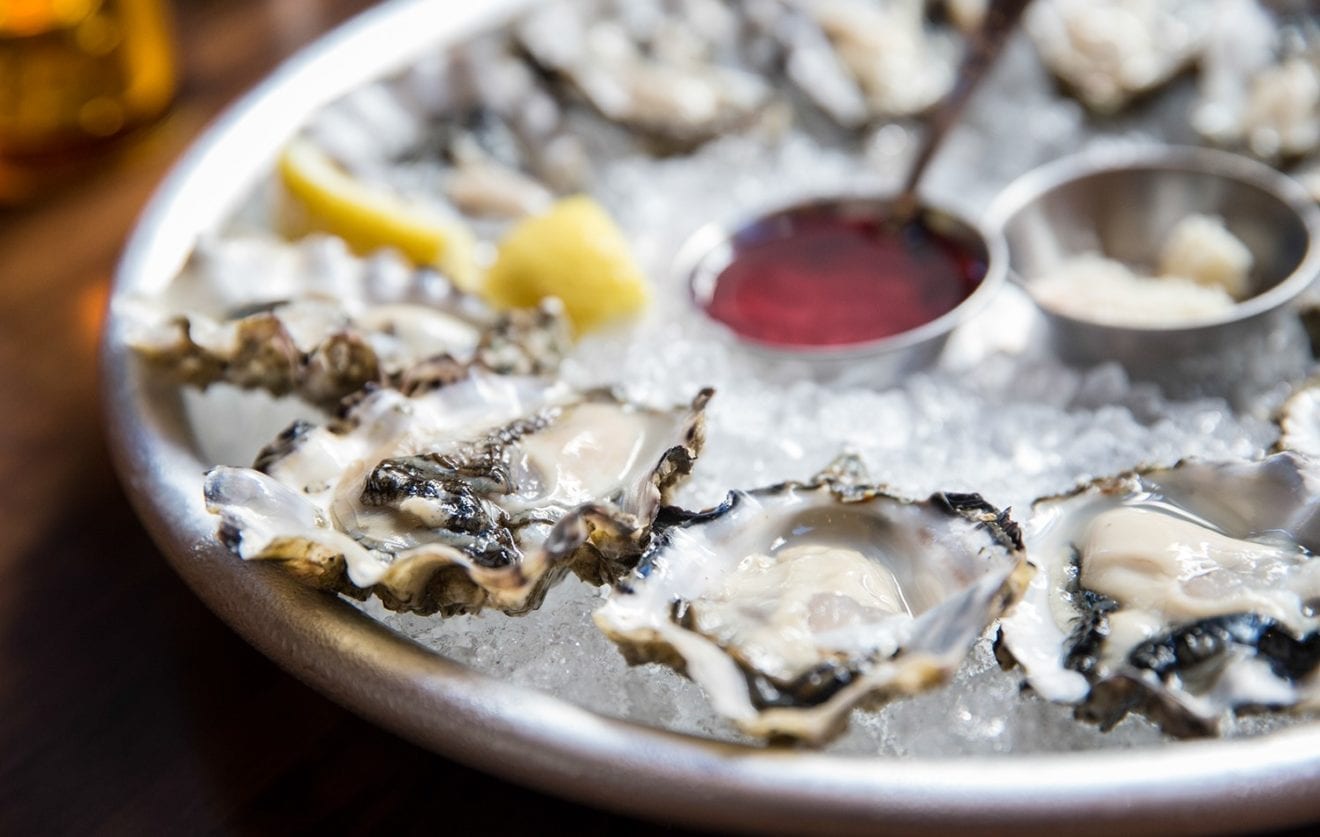
    Japanese seafood producer Yamanaka wants to partner with Vietnam agencies to raise oysters locally for both domestic and international markets.

    A feasibility research conducted by Yamanaka in the central province of Khanh Hoa since June last year, with the support of the Japan International Cooperation Agency (JICA), found that raising oysters in Vietnam under two Japanese methods brought high yields as well as oysters of a quality high enough to be eaten raw.

    “With this project we hope to establish a foundation for raising oysters with natural disaster resistance to improve productivity and farmer incomes,” said Shinji Takada, CEO of Yamanaka.

    Yakamana sells Japanese oysters in 350 sales points in Vietnam, but the company is now seeking to grow the shellfish locally and sell them in Vietnam, Taiwan and Thailand.

    Vietnam has nearly 3,000 hectares for oyster farming. The shellfish is being raised in 20 out of 28 seaside localities, with Khanh Hoa and Quang Ninh leading in numbers, according to the International Collaborating Centre for Agriculture and Fisheries Sustainability (ICAFIS).

    A farmer in Khanh Hoa needs around VND45 million ($1,904.44) to invest in an oyster raft which would fetch him VND30-50 million worth of oysters in a season. Each household typically has three to five rafts. There are three seasons each year in Vietnam, ICAFIS said.

    However, the added value of oysters in Vietnam remains low and therefore only a small amount of them are exported. In Khanh Hoa 95% of oysters are used as lobster food, while 4% goes to domestic consumption and 1% are exported.

    Ho Chi Minh City oyster farms produce over 21,000 tonnes of oysters a year but mostly for domestic consumption. Only two companies, BIM Group and VINABS, export oysters regularly.

    “A challenge in the oyster farming industry is setting up a clean source of water,” said Dinh Xuan Lap, deputy director of ICAFIS. “In Vietnam there is lack of technology to ensure the quality of oysters and to help them cope with natural disasters.”

    The hanging method and Australian basket method have both proved to be suitable for producing export-standard oysters in Vietnam, Japanese researchers have found.

    “We plan to set up an oyster cleaning system for commercial use, hopefully this or next year,” said Takada.

    One important step is identifying which oyster breed to farm, as the popular breeds in Vietnam cannot be raised with the hanging method, said Nguyen Thanh Luan, a seafood farming expert.

  • Banks Are Increasingly Victims of Data Theft

    Banks Are Increasingly Victims of Data Theft

    Cybercriminals who want to obtain a large amount of valuable data quickly are increasingly attacking financial institutions. Data breaches can be very expensive for banks.

    Credit Suisse seemingly cannot escape the negative headlines. After numerous scandals and annual results deeply in the red last year, a former employee is now making new negative headlines for the bank. An IT employee is alleged to have stolen personal data from Credit Suisse employees over the years.

    While the data was taken, there is so far no evidence of it being used maliciously.

    We have taken and are continuing to take steps, including legal remedies, to contain the incident adequately. To date, there is no evidence of any onward transmission or intent to use the data in any way,» according to a statement from Credit Suisse.

    Still, the security incident is seen as further damaging the image of the crisis-hit financial institution.

    Data security must be a top priority in a bank’s security concept since financial data contains some of the most sensitive information on individuals. Should cybercriminals get hold of such data, it can have devastating consequences for customers who have placed their trust in a financial institution that lacks adequate security measures.

    Financial institutions have been a popular target for data breaches and theft for years. The vast amount of data residing in banks on accounts, credit cards, and securities holdings is a juicy target for those with ill intent.

    According to a study by the security company Proxyrack that evaluated data breaches since 2004, the financial sector is the third most frequent target of hackers, with Citigroup a popular target. It was victimized by three hacker attacks since 2004, resulting in 4.4 million records being stolen or compromised.

    According to Proxyrack, only companies in the Web and healthcare industries have been affected more frequently than financial institutions. The top three causes of security incidents are hacker attacks, inadequate security measures, and lost or stolen data.

    Cybersecurity firm Flashpoint comes to a similar conclusion. According to its data, the financial sector recorded the second-highest number of data breaches globally after government agencies in 2022. US banks were the most affected, followed by institutions in Argentina, Brazil, and China. At least 79 US financial institutions reported data breaches affecting 1,000 or more customers last year.

    Data leaks and data theft can be very expensive. According to an IBM report on the cost of data breaches in 2022, the US financial sector recorded the second-highest average cost per security incident after healthcare. While the average cost of data breaches in healthcare reached a record high of $10.1 million, up over 40 percent since 2020, it was just under $6 million for financial firms.

    The largest known data breach to date involving a financial institution was at First American Financial Corp. In 2019, security specialist Brian Krebs discovered 885 million First American documents posted online that contained information such as account numbers, bank statements, tax records, and wire transfer receipts. The data of millions of customers was freely accessible.

    The US financial services provider Equifax also experienced a similar breach. In September 2017, the company informed its customers that cyber criminals had accessed 147 million accounts. Equifax had learned about the security breach a month earlier but failed to inform its customers immediately, resulting in a $700 million fine from US authorities.

    The third largest data breach also involved a US company when in 2009, Heartland Payment Systems announced it was the victim of a security breach in its processing system in 2008. A web form on the company’s website gave access to the corporate network allowing Russian hackers to gain to over 100 million credit and debit card numbers.

  • AirAsia Malaysia Expands Flights to China

    AirAsia Malaysia Expands Flights to China

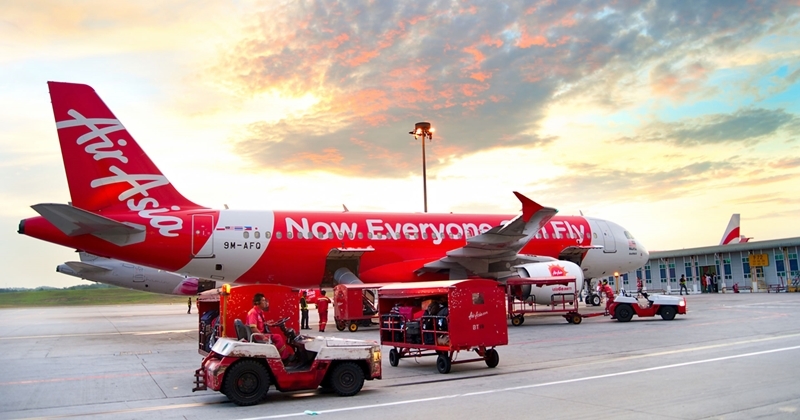
    AirAsia Malaysia (AK) has resumed flights to China and unveiled its plans for the country.

    The popular low cost carrier will resume four China destinations from two hubs – Kuala Lumpur and Kota Kinabalu to Macao, Shenzhen, Guangzhou and Kunming, with a total of 10 flights weekly and plans to increase the frequency by up to 27 flights weekly in March.

    The first flight to/from China recommenced on 10 February 2023 to/from Guangzhou with strong load factors both ways.

    Complementing the resumption of the short-haul destinations, AirAsia X Malaysia (D7) will reconnect Kuala Lumpur to Shanghai, Hangzhou and Chengdu with 10 flights weekly starting 1 March 2023.

    “China is an integral market for AirAsia Aviation Group, where we were the largest international low-cost carrier by capacity pre-pandemic,” said Riad Asmat, AirAsia Malaysia CEO. “Based on the impressive load factor of our inaugural flight to/from Guangzhou, the restart of our services will not only provide greater value and accessibility to essential travellers from Malaysia and tourists from China but will significantly boost tourism, trade and economic growth in both countries.”

    AirAsia Malaysia operates flights with Airbus A320 aircraft while AirAsia X Malaysia operates Airbus A330 aircraft featuring flatbed seats in its premium cabin.

    Benyamin Ismail, AirAsia X Malaysia CEO, said, “China will be our next primary market focus as we resume our growth strategy flying our most popular and profitable routes. We have witnessed tremendous success with our services to China in the past where we carried over 1.8 million guests to/from China in 2019 alone. We believe the recommencement of our services to China will be popular for business travellers, international students, those visiting family and relatives as well as stimulating regional demand between two large markets through great value airfares and services.”

    As the entry to China is currently limited to certain visas, travellers are advised to always check the very latest travel requirements of the country they are travelling to.

  • Gold prices gain

    Gold prices gain

    SJC gold price rose 0.22% to VND67.4 million ($2,854.72) per tael Tuesday afternoon.

    Gold ring price dropped 0.18% to VND54.65 million per tael. A tael equals 37.5 grams or 1.2 ounces.

    Globally gold prices went up on Tuesday as the dollar retreated, with investors bracing for U.S. inflation data that could determine the Federal Reserve’s next monetary policy moves.

    Spot gold was up 0.5% at $1,861.93 per ounce after falling to its lowest since early January in the previous session.

    Gold is susceptible to rising interest rates, which lift the opportunity cost of holding the non-yielding asset.

    “If the disinflation trend in the U.S. shows signs of slowing (even if it’s temporary), then caution over a hawkish Fed could undermine risk sentiment and gold, while USD may find further support,” said OCBC FX strategist Christopher Wong.

  • iPhone 14 prices in Vietnam cheapest in the world only after US

    iPhone 14 prices in Vietnam cheapest in the world only after US

    Low demand has driven iPhone 14 prices in Vietnam to the second lowest levels in the world after only the U.S. According to German data portal Statista, the price starts at US$799 in the U.S. while authorized Apple resellers in Vietnam sell it at VND19.7 million ($834.7).

    “The iPhone 14 is not popular, and so stores are selling them at close to import prices to recover capital,” said Thanh Son, the owner of a mobile phone showroom in HCMC’s District 1.

    But in other Asian markets, the prices are higher. They start at VND22.3 million in Singapore, VND20.7 million in Hong Kong, and VND23 million in Thailand.

    In Vietnam, the prices of two high-end models, 14 Pro, and 14 Pro Max, are only VND1 million lower than in the U.S.

    The iPhone 14 Pro Max costs VND28 million, down VND3.5 million within just one month. “This is an unexpected development because in previous years, it was not until June or July that iPhone prices fell steeply,” Nguyen Lac Huy, a manager at retail chain CellPhoneS, said.

    Unlike at the end of last year, the supply of iPhone 14s is now abundant, so people can choose colors and capacities.

    Nguyen Minh Khue, a manager at another retail chain, Viettel Store, said the prices of the entire iPhone 14 range were recently cut by up to VND2 million due to the falling demand and increasing supply.

    Some other Apple products are also among the cheapest in the world in Vietnam. An iPad 9 starts at VND7.5 million and a MacBook Air M1 at VND19.9 million, while in the second cheapest market, Hong Kong, the latter still sells at VND23.4 million.

  • Foreign startups eye Vietnam’s young population

    Foreign startups eye Vietnam’s young population

    Foreign startups are eyeing Vietnam as one of their main markets thanks to the country’s large and young population, low costs and cheap and abundant labor force abundant.

    Vietnam has been among the top markets in terms of revenue for Singapore’s insurance startup Igloo ever since the company was launched in 2021.

    “Vietnam is becoming one of our key markets,” Nguyen Huu Tu Tri, CEO of Igloo Vietnam. “The country’s insurance industry is set to reach $3.5 billion in 2026, but only 2-3% of that goes to tech insurance,” he said, adding that this means there is a large room for tech insurance growth.

    In its two years of operation, Igloo has sold 13 million insurance policies in Vietnam,10 million in last year alone. The target customers are people with low incomes who are not yet insured.

    The company also chose Vietnam as a site to launch its first insurance policy aimed at protecting rice farmers using weather data and blockchain.

    Igloo hopes to become the top insurtech company in Vietnam.

    For India’s car rental startup Zoomcar, the market in Vietnam is promising as the country has a population of nearly 100 million people and a growing demand for cars.

    Zoomcar connects unused car owners with renters and has recorded over 100,000 registered users, including 3,000 car owners.

    “We are approaching the breakeven point on each trip and expect to grow 200%-300% this year,” said Kiet Pham, national manager of Zoomcar Vietnam.

    Vietnam’s advantage lies in its young and tech-savvy population and its rising middle-class, the two startup leaders said.

    Tri said that after the Covid-19 pandemic people are starting to be more interested in insurance products, with a surge in the number of those who are ready to make purchases.

    Zoomcar sees a large demand for car usage in Vietnam. However, the company says that the cost of owning a vehicle is high, which means there will be a large demand for rental services.

    Vietnam’s car rental market is set to reach $884 million by 2027 with a compound annual growth rate of nearly 14%, according to market researcher Mordor Intelligence.

    “Vietnam is the fastest growing market for Zoomcar in Southeast Asia,” Kiet Pham said.

    The number of start-ups from Singapore venturing overseas through Enterprise Singapore’s Global Innovation Alliance (GIA) acceleration programs has ballooned to more than 400 in less than five years. And one of the more popular destinations is Vietnam, with its large workforce, lower labor costs and sizable market.

    From 2020 to 2022, nearly $2 billion has been poured into startups, according to the Ministry of Planning and Investment.

    The Vietnam Silicon Valley Capital Investment Fund, a partner of Lotte Ventures and Korean government agency KISED, last year introduced 14 excellent Korean startups, which plan to bring new products to Vietnam.

    Hong Sun, vice president of the Korean Chamber of Commerce and Industry, said that Korean startups tend to invest in Vietnam after they see many successful companies in the market. He also forecast that many new startups will come to Vietnam in the near future.

    Last year, a report by the World Intellectual Property Organization (WIPO) said that Vietnam ranked 48th out of 132 countries and territories in achieving the greatest progress in the past decade.

    Although Vietnam has fallen four places compared to 2021, it is still in the third position in Southeast Asia, after Singapore and Thailand. Vietnam is also ranked 54th in the global innovative startup ecosystem, up five places compared to 2021

    But startup insiders have found many challenges, especially in changing user attitudes.

    The technology insurance industry, people’s confidence in insurance in general is low and therefore people are not willing to pay for it.

    Furthermore, the lack of high-quality human resources in the technology sector will make it a struggle for Vietnam to meet the development needs of foreign startups.

  • Cointreau revamps bottle design, a first in 140 years

    Cointreau revamps bottle design, a first in 140 years

    French liqueur brand Cointreau has unveiled a redesign of its popular amber bottle, the first significant revamp in 140 years.

    Cointreau, an orange liqueur, has been produced in Angers, France since 1849. It is distilled with a combination of sweet and bitter orange peels to produce a clear spirit that enhances the flavour of cocktails.

    The new bottle has an updated shape, including a longer neck – making it easy to pour – and features a minimal illustration of the Maison embellished with Cointreau’s signature copper foiling.

    The lid now features an embossed pattern to enhance form and function while adding grip to the cap.

    In the last three years alone, the brand has reported a 40 percent increase in sales of its 700ml bottles as margaritas reign as a consumer favorite.

  • Zuum energy gum rolls out in Chemist Warehouse stores

    Zuum energy gum rolls out in Chemist Warehouse stores

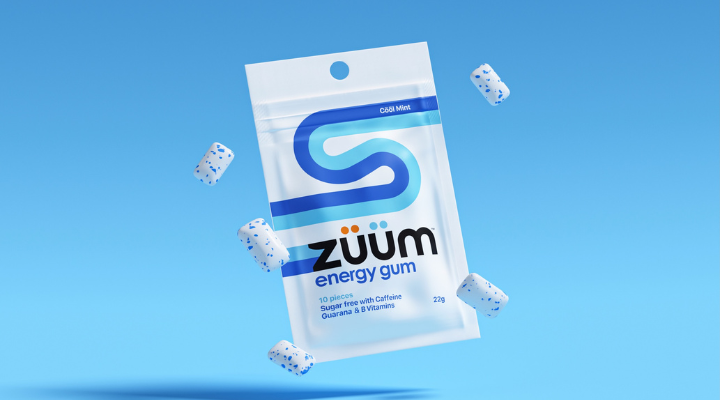
    A Melbourne-based startup is offering a fresh take on the caffeinated foods market by launching a sugar-free “energy gum” in Chemist Warehouse stores nationwide.

    Zuum is a sugar-free gum infused with caffeine, guarana, and B vitamins that claim to boost energy, reduce fatigue and support focus.

    Each piece of gum contains only four calories but has the equivalent caffeine content of a coffee or energy drink – sans sugar, aspartame, and other nasties.

    Friends Alex Chambers, Eamon Roderick, and Hugo Gray created Zuum in 2020 because they were fed up with sickly-sweet energy drinks and the inconvenience and expense of coffee.

    “We knew there had to be a better way to get a boost,” remarked Chambers.

    “The idea actually came to us whilst we grimaced through a lukewarm energy drink during Covid quarantine. It was as simple as – why don’t we just put caffeine in gum?”

    One packet of Zuum is equivalent to five cups of coffee and is compact enough to keep in a pocket or purse for a “fresh-tasting” energy boost.

    “We were humbled and overwhelmed with the level of interest and excitement this week,” added Roderick.

    “We’ve had a huge number of high-profile athletes, professional sports clubs, entertainers, and even a well-known former politician reach out to us wanting to jump on board because they loved the product so much,”

    Zuum is available at RRP$5.99 in Chemist Warehouse stores nationwide and online.

  • Collins Foods expands its Dutch KFC network

    Collins Foods expands its Dutch KFC network

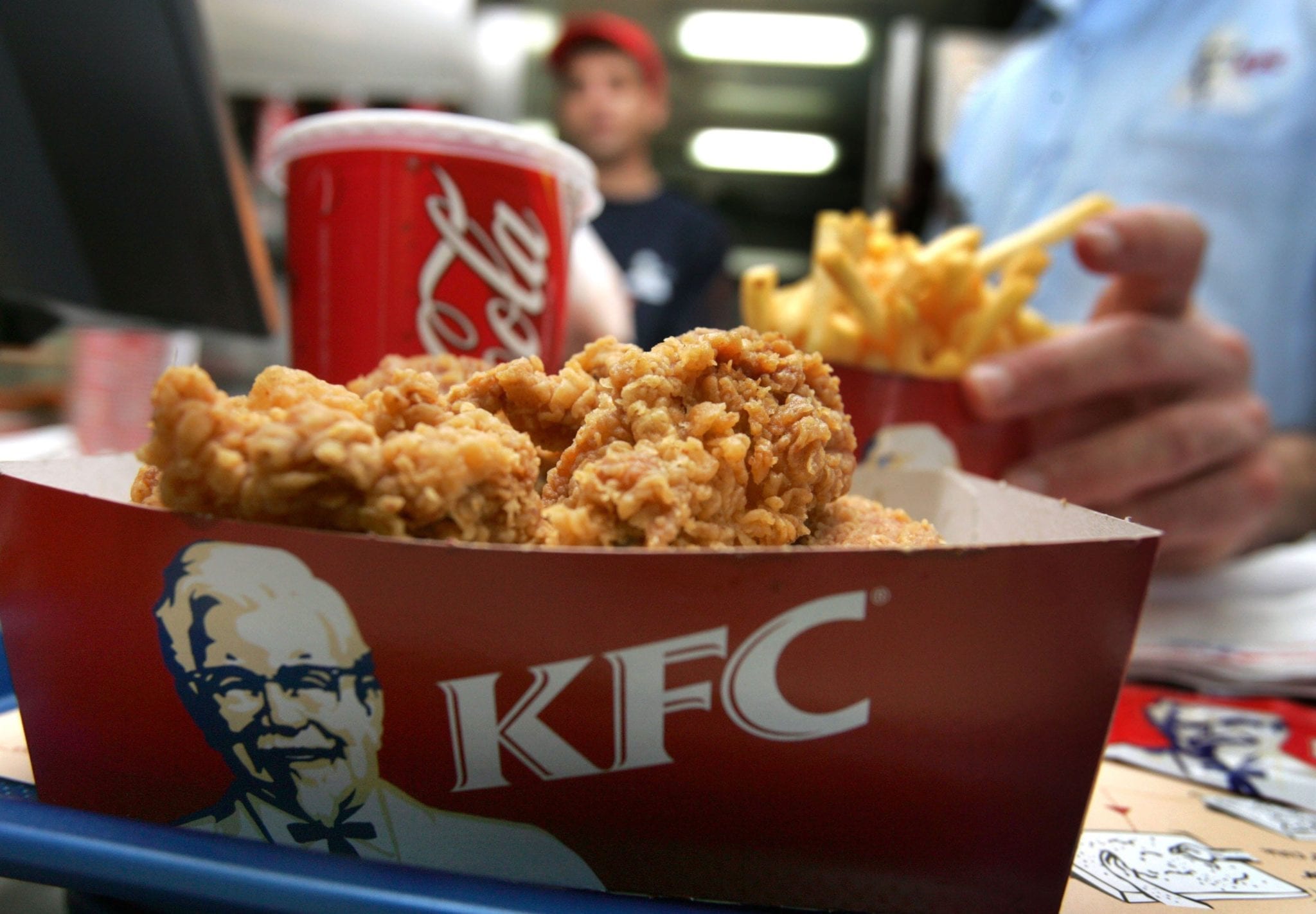
    Collins Food’s wholly-owned Dutch subsidiary (Collins Foods Netherlands Operations) has entered into a share purchase agreement to acquire eight KFC restaurants in the Netherlands from R. Sambo Holding.

    The purchase price, which will be funded from Collins Foods’ existing debt facilities, is structured with an initial payment of €8 million (A$12.33 million) and an additional €4.6 million (A$7.1 million) tied to the restaurants’ EBITDA during the next two years.

    Collins Foods MD & CEO Drew O’Malley said the acquisition is another “step forward” for the business’ European growth strategy.

    “The eight restaurants we are acquiring in the Netherlands add another quality network of restaurants to our portfolio, as well as enhance our people capability as we continue to grow and increase our operational scale in the Netherlands,” he said.

    The deal is subject to the satisfaction of various conditions, including obtaining all relevant government permits and the franchisor’s consent to the purchase. If prerequisites are fulfilled, the business will be fully acquired by May.

    Once completed, Collins Foods’ KFC Netherlands store count will reach 56 restaurants, accounting for 64 percent of the brand’s network there.

  • Gasoline prices up, oil down

    Gasoline prices up, oil down

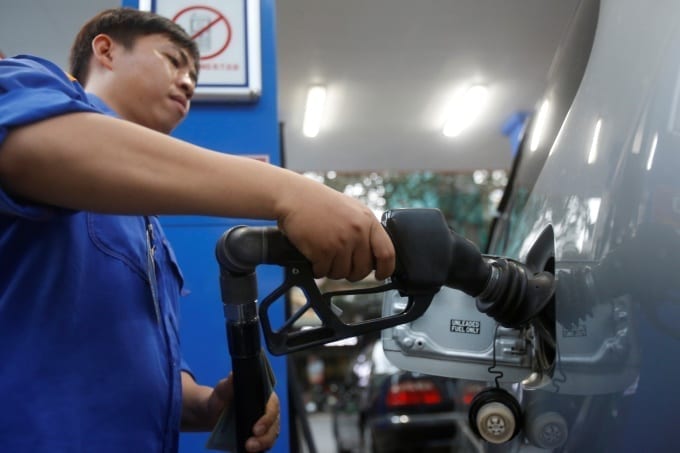
    Gasoline prices unexpectedly rose Monday by VND540-620 (US$2.3-2.6 cents) per liter, while oil products dropped by VND300-980 per liter.

    This is the fifth time retail fuel prices have been adjusted in only six weeks this year.

    The price of the Vietnam’s number one selling gasoline RON 95-III went up by VND620 to VND23,760 per liter, and the cost of E5 RON 92 increased by VND540 to VND22,860.

    Meanwhile, the diesel price fell by VND960 to VND21,560, kerosene dropped by VND980 to VND21,590 dong per liter, and mazut oil decreased VND300 to VND13,630.

    The price hikes announced by the Ministry of Industry and Trade and the Ministry of Finance surprised businesses because it went against the previous forecast.

    However, the two ministries said their fuel price management plan would help curb inflation and stabilize the market.