Author: Mei Ling Tan

  • Apple releases software updates for three mobile devices

    Apple releases software updates for three mobile devices

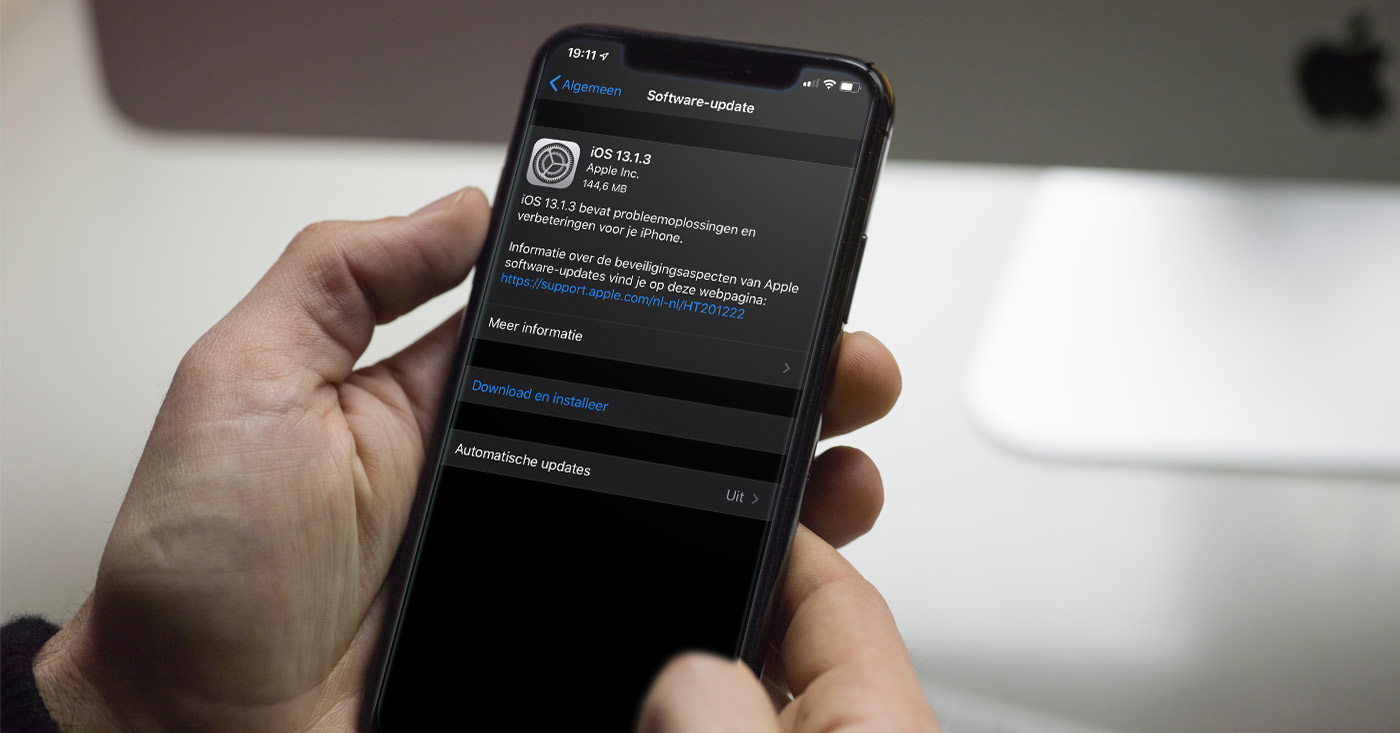
    Apple released updates for some of its mobile devices today including iOS 16.3.1 for the iPhone, iPadOS 16.3.1 for the iPad, and watchOS 9.3.1 for the Apple Watch. Which should we start with? Let’s begin with iOS 16.3.1. Apple’s release notes indicate that the update will exterminate a bug that caused iCloud settings to be unresponsive. Another issue fixed by the update is one that prevented Siri users requesting the Find My app from having that app open on the screen.

    The iOS 16.3.1 update also adds some optimizations to Car Crash Detection on the iPhone 14 Pro and iPhone 14 Pro Max. Hopefully, this will stop the feature from getting set off by roller coaster riders, skiers, and others experiencing sharp movements unrelated to a car accident. Car Crash Detection uses sensors in the iPhone to detect when there has been an accident and rings an alarm. If the user fails to respond to the alert, Emergency SOS is triggered and emergency help is summoned.

    To download and install iOS 16.3.1, go to Settings > General > Software Update and follow the directions.
    Next, let’s take a look at the iPadOS 16.3.1 update. The changelist here includes a couple of the bug fixes included in iOS 16.3.1:
    • A bug that caused iCloud settings to be unresponsive is exterminated.
    • An issue that prevented Safari from opening the Find My app is fixed.
    To download and install the update on your compatible iPad, go to Settings > General > Software Update.

    Lastly, we now take a look at the watchOS 9.3.1 update for the Apple Watch. There isn’t much to discuss since the changelist merely says, “bug fixes and important security updates for your Apple Watch.” What bug fixes? Apple doesn’t say. What security vulnerabilities were patched? Again, we don’t know.

    To download and install the update directly from your timepiece, go to Settings > General > Software Update. If a software update is available, tap install and then follow the  instructions on-screen.
    Or, you can open the Apple Watch app on your phone. Tap My Watch, go to General > Software Update, then, if an update is available, tap Download and Install.
    Even though there aren’t any amazing features being added to your iPhone, iPad, and Apple Watch, it’s always good to have the latest versions of the appropriate operating system installed.
  • Samsung wants to make its Vietnam R&D center global hub

    Samsung wants to make its Vietnam R&D center global hub

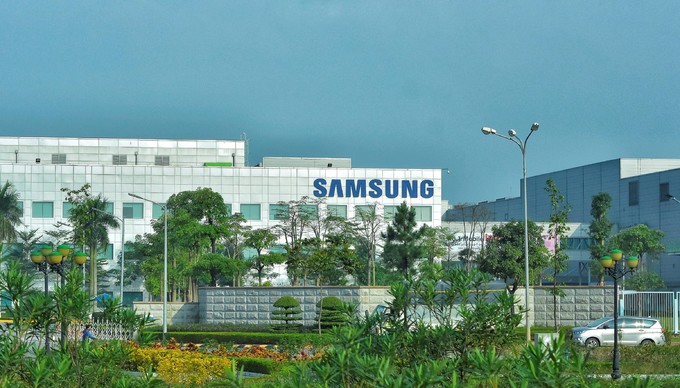
    It is his mission to turn the Samsung R&D Centerin Hanoi into the Korean company’s top global research and development center, its Vietnam chief, Choi Joo Ho, has said.

    “The first mission is to expand its research activities and enhance expertise,” the head of Samsung Vietnam Complex said at a conference on Sunday.

    The conglomerate opened the US$220-million research center in Hanoi last December.

    It would take Vietnam from being a global production hub for Samsung to a strategic base for major research and development, the company had said at the opening ceremony.

    Choi said the second mission is to help develop technology talent and industry in Vietnam.

    For this, Samsung plans to step up training through scholarships and internships for promising tech students and cooperation with universities, he said.

    “We wish to strengthen our partnership with Vietnamese businesses to help them develop and become part of Samsung’s global value chain.”

    By the end of last year the number of Vietnamese tier 1 and tier 2 suppliers in Samsung’s global supply chain had increased to 257, 10 times the number in 2014.

    Since 2015 experts from Samsung Korea have worked with some 400 Vietnamese companies to improve their product quality.

    Samsung established its first smartphone factory in Vietnam in 2008 and has invested $18.2 billion so far. The figure could rise to $20 billion by the end of this year.

    The company makes around half of all its smartphones in the country.

  • Dollar drops at banks

    Dollar drops at banks

    On Monday morning, the U.S. dollar dropped at banks but remained unchanged at unofficial exchange points.

    Vietcombank sold the dollar at VND23,740 Monday, down 0.02% from Sunday. Eximbank and Techcombank sold the greenback 0.04% lower at VND23,720, and VND23,745, respectively.

    The USD/VND exchange rate has increased by 0.04% since the beginning of the year. The State Bank of Vietnam (SBV)’s reference rate is at VND23,628, up 0.01%. The dollar remained stable at VND23,680 on the black market.

    On Monday, the dollar hovered near a five-week high against major peers on rising bets for prolonged Federal Reserve policy tightening ahead of a crucial consumer price report the following day.

    The dollar index – which measures the greenback against six counterparts including the yen, euro and sterling – added 0.068% to 103.65, keeping close to last Tuesday’s high of 103.96, the strongest level since January 6.

  • Google Messages’ new icon now appearing for more users in the notification tray

    Google Messages’ new icon now appearing for more users in the notification tray

    The Google Messages icon was updated to a fresh look late last year; however, for most users, the notification icon for the app didn’t quite follow the same design change. This now changing as the notification icon has been changing widely for more users to reflect the new style.

    The reports of the new icon making its rounds initially came from the Google Pixel subreddit where users started noticing the change overnight. It turns out that a subset of Pixel 6 and 7 series users were experiencing an issue where the old Messages icon would appear in the notification tray and on the lock screen, even after the actual app icon had changed.

    The new Google Messages design adopted the same style as the Phone and Contacts app, featuring two overlapping rounded speech bubbles. This was in contrast to the old rectangular briefcase design that felt very outdated.

    The new design was announced as part of the #GetTheMessage campaign Google started to bring awareness to the benefits of using RCS instead of SMS and to encourage Apple to add RCS to its Messages app, complementing iMessage. On top of that, Google also announced a slew of updates to the app that would enrich the experience for RCS users that receive messages from iMessage users, particularly those involving message reactions. Unfortunately, this campaign has had little to no success in changing Apple’s mind.
    As far as the bug where the iconography is inconsistent between the app icon and the notification tray, it thankfully appears to be suddenly resolved with what appears to be an app or server-side update. This isn’t a huge deal as it doesn’t affect functionality, but for those who prefer a more cohesive experience, it was a bit of an eye sore.
  • AirAsia offers 5 million free seats

    AirAsia offers 5 million free seats

    AirAsia pledged 5 million free seats last week to boost travel recovery across the 10 ASEAN countries.

    ASEAN’s top low-cost airline announced it was releasing the free seats* at a joint tourism briefing held with the Minister of Tourism, Arts & Culture, YB Dato’ Sri Tiong King Sing, on 10 February.

    According to the airline, 5 million free seats are available to travellers booking domestic and international flights linking in the 10 ASEAN countries; Brunei, Cambodia, Indonesia, Laos, Malaysia, Myanmar, Philippines, Singapore, Thailand and Vietnam.

    Travellers can fly to Penang, Langkawi, Kuching, Sibu, Kota Kinabalu and more from MYR23* and to international destinations, including Bali, Krabi, Jakarta, Macao, Shenzhen, Guangzhou, Phu Quoc, Ho Chi Minh City, Singapore and more from MYR60*.

    For those seeking to adventure out further, AirAsia X offers flights to Gold Coast, Busan, Taipei, Tokyo and more with all-in low fares from MYR329* one-way economy. The fares are available for bookings until 19 February 2023, with the travel period from 1 March 2023 to 10 December 2023.

    Malaysia’s Minister of Tourism, Arts and Culture YB Dato’ Sri Tiong King Sing, said: “The tourism sector is a major economic driver for Malaysia, accounting for almost 15% of our gross domestic product (GDP), and air connectivity is the backbone of our tourism sector. As we target to receive 15.6 million tourist arrivals with MYR47.6 billion in tourism receipts for 2023, we would like to commend AirAsia for outlining its plan to revitalise the tourism industry and play an integral part in achieving this outcome.”

    AirAsia has carried close to 800 million guests in the past two decades. Pre-pandemic in 2019 alone, the airline carried over 25 million guests to Malaysia, more than 40 million guests to the ASEAN region, and 17 million guests to North Asia.

    Capital A CEO Tony Fernandes said: “As they say, size matters. When it comes to airlines, bigger is always better so we can leverage economies of scale and pass on to our guests in the form of lower fares and deliver more value and choice. AirAsia has been a major contributor to Malaysia and Asean’s GDP. AirAsia alone contributes to more than 2% of Malaysia’s GDP. You may think 2% is a small number, but for a big country like Malaysia, with a GDP worth more than MYR1.5 trillion, 2% is a sizable contribution.”

  • Exploring the Opportunities and Future Potential of the Asia-Pacific Renewable Energy Market

    Exploring the Opportunities and Future Potential of the Asia-Pacific Renewable Energy Market

    The Asia-Pacific region is expected to be a major player in the global renewable energy market, with estimates projecting that it will account for 40% of the world’s renewable energy investments by 2030.

    This is due to several factors, including increasing demand for green energy sources, government initiatives and subsidies, technological advancements, and an increase in awareness about environmental protection.

    Let’s learn more about the potential of renewable energy in the Asia-Pacific region and how it can benefit the environment and economy.

    Overview of Asia-Pacific’s Renewable Energy Market

    Asia-Pacific is currently the largest market for renewable energy investments. It has a total installed capacity of around 1,500 GW and this number is expected to grow in the coming years. China and India are two of the leading countries in terms of investment and capacity.

    China accounts for more than half of the total installed capacity in the Asia-Pacific region, while India is the second-largest market for renewable energy investments.

    The region also has a significant amount of potential for further development, with an estimated 2,700 GW of technical potential available for solar and wind power alone.

    Solar and wind energy in the region is estimated at 5.5 and 2.5 terawatts respectively, which is enough to meet the electricity needs of several countries. Solar energy is also going to be a big part of the Asia-Pacific region’s renewable energy mix.

    There is high solar battery demand in the region making it an ideal spot for investors to take advantage of the technology.

    In addition, Asia-Pacific is home to some of the world’s largest hydropower projects, including China’s Three Gorges Dam and India’s Tehri Dam.

    These projects have been instrumental in providing clean energy to millions of people in these countries.

    Opportunities

    The Asia-Pacific region has some of the world’s fastest-growing economies. This includes China, India, and Bangladesh. As these economies continue to get bigger, the demand for energy will go up too.

    This provides a great opportunity for renewable energy to replace traditional energy sources and make up for the increased demand.

    For example, solar battery energy is becoming more popular in many countries in the region as they look to reduce their reliance on fossil fuels. You can store the energy from solar panels in a solar battery and use them as you, please.

    In addition, countries in the region are increasingly investing in the research and development of new technologies, such as solar photovoltaics and wind turbines. These advancements can help reduce costs associated with producing renewable energy and make it more affordable.

    China produces more solar batteries and wind energy than any other country. It has around 696 gigawatts of renewable energy while India has nearly 118 gigawatts. China also leads the world in most production technologies, such as solar, wind, and hydropower.

    India is quickly emerging in the region as a prominent source of renewable energy, thanks to rigorous industrial tariffs and rules along with an abundance of power plants. Solar energy will be the major contributor to India’s renewable energy portfolio, as it grew 50% in 2018 alone.

    The future of the Renewable Energy Market in Asia-Pacific

    When it comes to the future of the renewable energy market in Asia-Pacific, there are many developments that could potentially drive growth.

    The market is expected to see more growth in the next five years (2023- 2028) because people are becoming more aware of environmental issues. The demand is expected to increase, which could drive investment and innovation.

    In addition, countries in the region are becoming increasingly committed to renewable energy sources, with some committing to producing 100% of their energy from renewables by 2050.

    Finally, technological advancements and cost reductions associated with renewable energy sources will also be a major driver of growth in the coming

    The most important development would be the continued adoption of renewable energy sources across the region. Governments in the region have already begun investing heavily in developing their own energy resources and infrastructure to support this transition.

    Furthermore, technological advancements are also likely to play a big role in the development of the renewable energy market in Asia-Pacific. Advances in solar, wind, and hydropower technology will continue to make renewable energy more cost-effective and efficient.

    Lastly, investments in training and research are also likely to drive the growth of the market. As it stands now, there is a need for trained professionals who can fill positions in the renewable energy industry in Asia-Pacific.

    By providing more resources to train and educate these professionals, the region can benefit from a larger pool of qualified workers who can help drive the renewable energy sector.

    Conclusion

    Overall, the Asia-Pacific renewable energy market is poised for growth in the years to come. With continuing investments in technology and increasing demand for clean energy sources, this market will continue to expand. So the future of the renewable energy market in Asia-Pacific looks bright.
  • Fendi opens first flagship boutique in South Korea

    Fendi opens first flagship boutique in South Korea

    Fendi has opened the doors to its first flagship boutique in Seoul, South Korea. Dubbed “Palazzo Fendi Seoul,” the 715 square meter (approximately 7,696 square feet) store is located in the Cheongdam-dong neighborhood of the city and houses the brand’s women’s and men’s ready-to-wear and fur collections, shoes, accessories, leather goods, and home accessories across four levels.

    The impressive façade combines geometric diagonals in stainless steel finishing and central glass windows that converge towards the corner of the building, through a modern and urban reinterpretation of classic Roman patterns.

    The façade is emphasized by LED arches, Fendi signature element recalling those of Palazzo della Civiltà Italiana – Fendi’s Rome headquarters.

  • Unilever expects Chinese ‘consumption boom’ in wake of lockdowns

    Unilever expects Chinese ‘consumption boom’ in wake of lockdowns

    Unilever said on Thursday it expects a “consumption boom” in China as lockdowns ease, flagging $1.5-$2 trillion in “excess household savings” it believes could boost its sales in the country and in Southeast Asia.

    After almost three years of a “zero-COVID” strategy, Beijing dropped restrictions almost completely in early December. In January, China’s cabinet said it would boost imports and promote a consumption recovery to boost the economy.

    As Chinese consumers have limited options where they can invest their savings, with the housing market not a viable option, Unilever Chief Executive Alan Jope said: “We are expecting to see a little bit of a consumption boom in China.”

    “If you look at things like air flight bookings, travel and hotels, cinema occupancy, China’s coming back quite quickly,” Jope said.

    Chinese tourists will also boost consumption in Southeast Asian countries including Thailand and Vietnam, the company said.

    Lunar New Year consumption was reported in January as 12.2% higher than last year by China’s tax authority, while domestic holiday trips for the same period surged 74%, as people celebrated outside their homes for the first time in years.

    The country’s economic activity swung back to growth in January, with domestic orders and consumption driving output higher.

    Unilever reported on Thursday that full-year underlying sales in China fell 1% as people stayed home. The country is one of the company’s top three markets by sales, with the other two being the United States and India.

    On Wednesday, ratings agency Fitch revised its forecast for China’s economic growth in 2023 to 5.0% from 4.1%, led mostly by consumption.

    The luxury industry is also keeping an eye on China, with hopes high-end spenders will once again splurge on designer goods.

  • Netflix’s crackdown on password-sharing extends to more countries

    Netflix’s crackdown on password-sharing extends to more countries

    After announcing its plan to prevent its customers from sharing their accounts with friends and family, Netflix started to trial new changes to password sharing in several countries from Latin America, including Chile, Costa Rica, Peru, Argentina, El Salvador, Guatemala, Honduras, and the Dominican Republic.

    Earlier this week, Netflix announced that the changes to account sharing revealed last year will be rolled out in more countries. Detailed at the beginning of this month, these changes are now introduced in four countries before being rolled out globally in March.

    Starting today, changes to account sharing are rolling out in Canada, New Zealand, Portugal and Spain. If you live in any of these countries and share your account with one or more people, you’ll have to pay extra. But first, customers in these four countries will be asked to set their primary location, allowing them and anyone who lives in the household to use the Netflix account.

    Next, Netflix customers who’d like to provide access to their account to someone else will be able to do so from the Manage Access and Devices page. Another important change involves the ability to transfer a profile to a new account, which is paid for, thus keeping personalized recommendations, viewing history, My List, and saved games.

    Don’t worry, even after setting your primary location, you will still be able to watch Netflix on your personal device or log into a new TV when you’re not at home.

    The most important part of these changes is the option to buy an extra member. To continue to share your account with others, you will have to pay for each extra member who uses your account. Netflix customers subscribed to either Standard or Premium plan and live in one of the four countries mentioned can add an extra member sub account for up to two people they don’t live with.

    Each sub account comes with a profile, personalized recommendations, login and password of their own. As far as the price goes, a sub account costs CAD$7.99 a month in Canada, NZD$7.99 in New Zealand, 3.99€ in Portugal, and 5.99€ in Spain.

  • Google Translate gets new design, new languages and new gestures

    Google Translate gets new design, new languages and new gestures

    Google announced a bunch of new features for its services and the first Android 14 preview the first Android 14 preview, all in just a few days. Google Translate is one of the apps that got some love from the Mountain View company, so if you’re using it regularly, you’ll notice some significant changes.

    In a time when AI has become more prevalent in our day to day lives, companies are trying to power some of their products with artificial intelligence. The most recent Google Translate update introduces many AI-powered features that further enhance the app’s functionality.

    For starters, thanks to the AI-related features added, Translate will now provide users with more contextual translation options with descriptions and multiple examples in the translated language. This will work with several languages, including English, French, German, Japanese, and Spanish, but don’t expect these improvements to be available for a few more weeks.

    The most obvious change revealed this week is the new design that Google Translate is getting. The Translate app on Android has just received a brand-new design, while the iOS version will be getting its own fresh look in just a few weeks. The redesign Translate experience includes larger canvas, voice input, as well as Lens camera translation.

    Another important part of the update is related to gestures. To make the app more accessible, Google has added new gestures such as the ability to select a language with fewer taps, holding the language button to pick a recently used language with a swipe, and swiping down on the home screen text area to bring up recent translations.

    Finally, the update expands the number of languages by an additional 33, which are also available on-device in the Translate app. The new languages include Basque, Corsican, Hawaiian, Hmong, Kurdish, Latin, Luxembourgish, Sundanese, Yiddish and Zulu, among others.

  • Tinder introduces safety features to make the online dating experience more comfortable

    Tinder introduces safety features to make the online dating experience more comfortable

    The developers of the popular dating platform Tinder are looking to equip users with more tools for safety. And with Valentine’s Day fast approaching — which is also your kind reminder to check out our Valentine’s Day deals guide — is it any wonder at all?

    But, come on — how can an app that matches strangers provide more safety? Well, through an Incognito Mode, of course. While it may seem counterintuitive at first, it makes sense, as when turned on, only the users you’ve liked can view your profile.

    That may limit your reach, per say, however it also sounds like adding a higher success rate into the mix, as you’ll have a larger say in who gets to mingle with you. But that’s not all: you can outright block users straight from your feed, if you are certain in your abilities to judge a book by its cover photo.

    There is more too! Users will get the option to long press a message in order to send a report to Tinder staff regarding the user in question. The company hopes this will help them moderate their community in a way thath punishes inappropriate behavior.

    The app also received minor tweaks to its “Are You Sure” and “Does This Bother You” features, which basically nudge users into being more considerate when talking to one another. And it seems to be working, as ever since the latter was introduced, the company has been receiving 46% more user reports. Yay?

    In case you are becoming stressed about your dating habits, you can always turn to the official Tinder dating online guide, which has been drafted up in an attempt to end sexual harassment. Definite yay! The update is rolling out for the Tinder app right now, so if you haven’t checked recently, it may be high time to do so.

  • Airlines report losses in 2022

    Airlines report losses in 2022

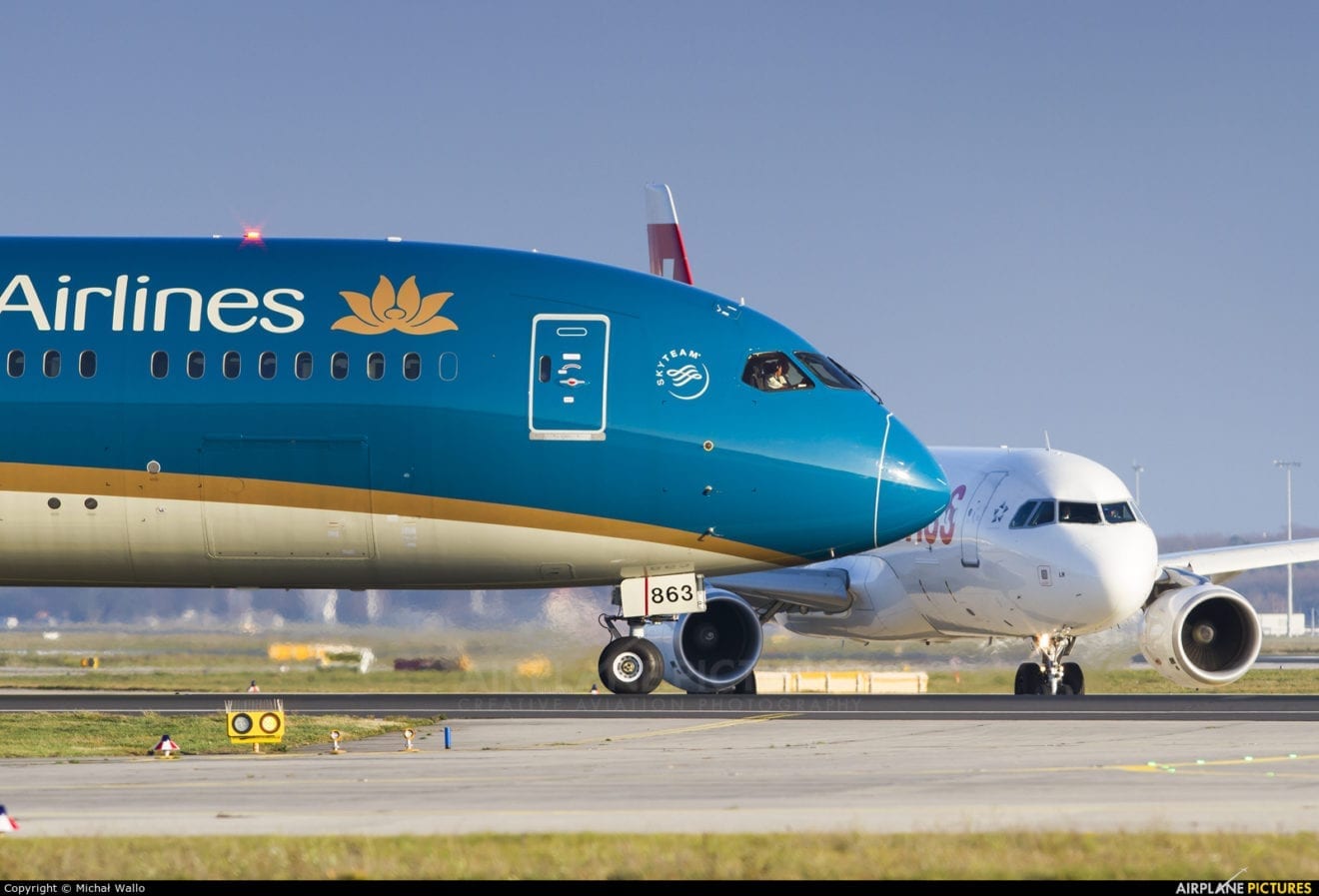
    Vietnam Airlines and Vietjet incurred losses of VND10 trillion (US$423.7 million) and VND2.17 trillion last year mainly due to higher fuel prices and forex volatility.

    Vietnam Airlines reported consolidated revenues of VND71 trillion, higher than the combined revenues of 2020 and 2021 but only 70% of pre-pandemic levels.

    Last year, its losses of VND10 trillion took its accumulated losses to VND34 trillion.

    Vietjet reported revenues of VND39.34 trillion, more than triple the 2021 figure.

    The average price of jet fuel jumped to $130 per barrel last year from $72 the previous year. At one time in mid-2022 it was selling at over $160.

    The increase in bank interest rates and the soaring dollar also contributed to losses.

    Vietnam Airlines lost over VND2.25 trillion due to exchange rate differences last year as against only VND173 billion the previous year.

    Vietjet incurred exchange rate losses of roughly VND570 billion in the fourth quarter of last year compared with less than VND4 billion in the same period of 2021.

    Two other carriers, Bamboo Airways and Vietravel Airlines, have not released their financial reports for 2022, but experts said they are unlikely to have made profits.

    Vietnamese carriers transported 11 million foreign passengers in 2022, up 22 times from 2021 but down 70% from 2019, the year before the Covid pandemic began.

    They also carried 55 million domestic passengers, up 3.7 times from 2021.

    Many aviation-related service providers reported big profits, however.

    Southern Airports Services JSC (Sasco) reported pre-tax profits of VND230 billion, up 77 times from 2021.

    The profits of Saigon Ground Services (SGN) and Saigon Cargo Service Corporation (SCS) reached VND1 trillion and VND696 billion, respectively.

    The Airports Corporation of Vietnam posted pre-tax profits of over VND8.8 trillion as against less than VND1 trillion the previous year.

  • Pork producers struggle with losses last quarter

    Pork producers struggle with losses last quarter

    Major pork producers posted losses in the last quarter of 2022 as animal feed costs rose and consumer demand dropped as people tightened spending.

    Dabaco Vietnam, the country’s biggest husbandry firm, recorded a VND79 billion ($3.34 million) loss in the last quarter, the first quarterly loss in five years.

    BaF Vietnam saw expenses exceed revenue by VND6 billion for the first time since 2021, but thanks to selling some assets the company posted an overall profit of nearly VND7 billion.

    Masan MeatLife posted a loss of VND170 billion during the last quarter of the year, and recorded a loss of VND230 billion for the entire year, the first loss since it started releasing financial figures in 2016.

    Since the end of 2021 the company stopped producing animal feed and focused only on meat, contributing to its losses.

    Hoang Anh Gia Lai recorded VND110 billion in profit from its pork sales in the last quarter, a 36% drop from the third quarter.

    Hoa Phat Group’s agriculture and husbandry business was in the red with more than VND34 billion in losses in the last quarter.

    For the whole year, the company saw this business posting a profit of VND22 billion, its lowest profit since 2016.

    BaF said that pig diseases, disruptions in supply and rising input costs negatively impacted the company’s earnings. Dabaco added that the decline in consumer demand also contributed to the losses.

    Pork prices in December dropped 15%-20% from October to VND50,000 per kilogram as supply exceeded demand.

    Last year, pig supply rose 11% from 2021.

    Analysts of brokerage expect pork prices to rise 5% this year as demand recovers and input costs begin to stabilize globally.

    However, SSI Research forecast that pork prices are set to rise 20% to VND60,000 per kilogram this year, with the reopening of China helping to pump up demand.

    However, the strong U.S. dollar and the African swine fever will remain possible risks to the sector, they added.

  • Auto dealers offer up to $4,000 in discounts to boost sales

    Auto dealers offer up to $4,000 in discounts to boost sales

    Auto dealers are offering discounts of up to VND100 million ($4,243) to boost sales after the Lunar New Year shopping season is over.

    As many Vietnamese bought their new cars before the annual Tet holidays, which fell from January 20-26, dealerships are seeing a decline in customers showing up or making inquiries online.

    Toyota

    Toyota dealerships are offering a VND20-VND30 million discount on the Vios, its best-selling model in Vietnam last year.

    The MPV Veloz Cross is on sale with a discount of VND35-VND45 million plus gifts.

    The SUV Fortuner, which accounted for 8% of Toyota sales in Vietnam last year, is being sold at some dealerships at a discount of over VND100 million.

    Honda

    Since earlier February Honda has been offering free registration for its two main models: the City and the SUV CR-V.

    Honda City is discounted by VND50-60 million, while the cost of bringing the CR-V home is now VND100 million lower than before Tet.

    Mitsubishi

    The Japanese automaker is offering a 50% discount on registration fees for its Attar, Triton and Outlander models.

    Rearview cameras are also being given as gifts.

    Buyers of the MPV Xpander, Mitsubishi’s best-selling model in Vietnam, will also receive VND10-VND20 million in fuel coupons.

    Hyundai

    The South Korean manufacturer is selling its i10 at a discount of VND15-VND35 million and the sedan Accent for VND20-VND55 million less.

    Discounts of VND25-VND60 million are being offered on the Elantra sedan and the crossover Creta.

    The company is also offering a VND70 million discount on the MPV Stargazer and up to VND120 million on the SUV Santa Fe.

    Kia

    The biggest discount in Kia’s lineup falls on the SUV Sorento at VND70 million.

    The crossover Sportage, which is assembled in Vietnam, is being discounted by VND50 million, and three SUV models, the Sonet, Seltos and Carens, are now priced at a VND40 million discount.

    The cheapest Kia car Morning has a discount of VND30 million.

    Suzuki

    A 50% reduction in the registration fee, which equates to around VND30 million, is being offered on the SUV XL7 and the MPV Ertiga.

    Nissan

    Nissan is giving a full discount on the registration fee on the Navara VL 4WD and the Pro 4X manufactured in 2022. The standard version is discounted by 50% on the fee.

    The sedan Almera also has a free registration fee.

    Volkswagen

    The German automaker is giving customers a cashback of VND35 million on its Polo Hatchback and VND100 million on the SUV Tiguan manufactured in 2022.

  • Miniso opens its first China flagship

    Miniso opens its first China flagship

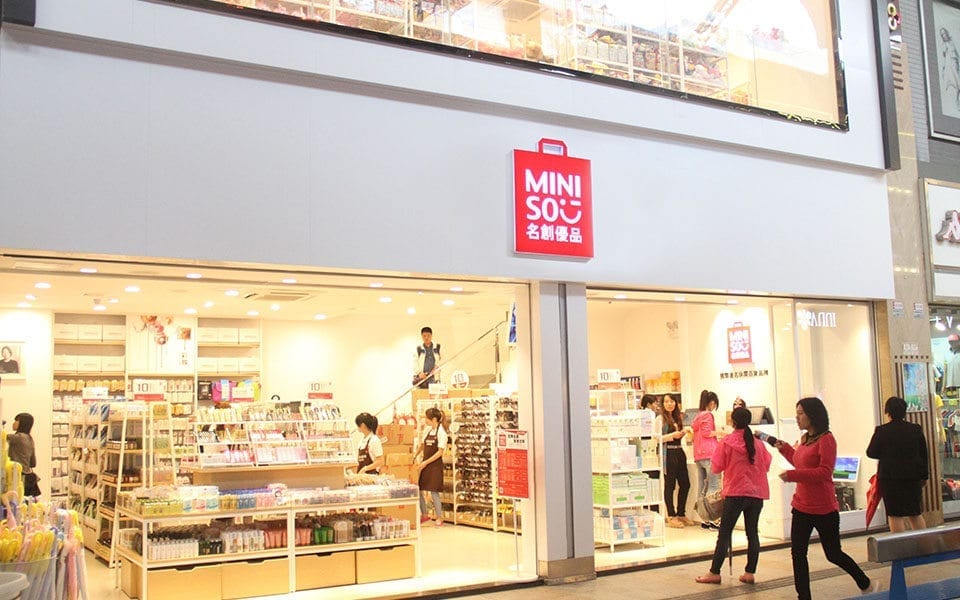
    Chinese discount variety retailer Miniso has launched its first flagship store in China, after 10 years of running its operation in the domestic market.

    The store is on Chunxi Road, one of Sichuan’s bustling shopping streets, and has a retail space of 1000sqm with almost 7000 stock-keeping units.

    The flagship store sells home items, including products made through licensing arrangements with Disney, Marvel, and the NBA brands.

    With the new launch in Chengdu, Miniso is focusing on the regional consumption potential with larger space and more creative products.

    “Chengdu is a fashionable and vibrant city that has always been at the forefront of trendy consumption,” Ye Guofu, chairman and CEO of Miniso, told local sources.

    “Miniso’s first national flagship store debuted in Chengdu, a trendy brand and city. The collision is also the beginning of Miniso’s global brand strategy upgrade to creating a mainstream business district in a high-potential city and a landmark of IP fashion consumption in a top shopping mall.”

    Miniso also debuted its first ‘fragrance museum’ on the third floor, jointly created by the brand and fragrance company Firmenich.

    Miniso is a fast-growing company in both the Chinese and international markets. As of the end of last September, the company had 5300 stores in 105 markets.

    However, the brand has been criticised for promoting itself as a Japanese-style brand. Last year, Miniso apologised and said that it would implement changes in its stores to address this, becoming the latest retailer to respond to a surge in patriotism among Chinese buyers.