Author: Mei Ling Tan

  • Vietnam Airlines adds 108 flights for Tet

    Vietnam Airlines adds 108 flights for Tet

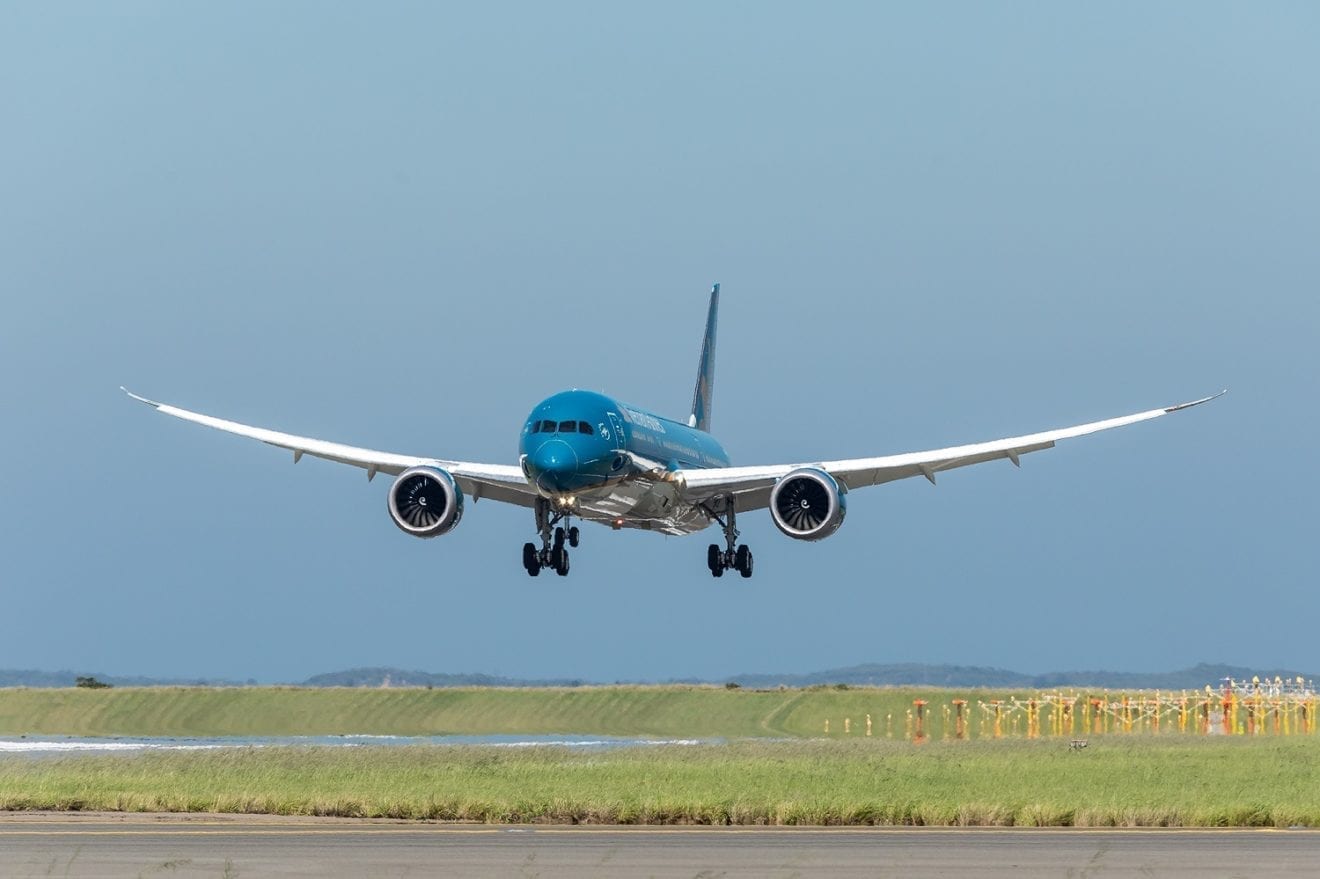
    Vietnam Airlines has expanded its Tet schedule for a fourth time with 108 additional flights with 20,000 seats.

    The airline said most of the flights are from HCMC and Hanoi to Vinh, Thanh Hoa, Hai Phong, Da Nang, and Hue.

    In all there will 9,200 flights with 1.9 million seats between January 1 and February 5.

    Vietnam Airlines had earlier announced three additions in August and December for Tet in late January.

    Other carriers like Vietjet, Bamboo Airways and Vietravel Airlines have also added flights.

    Data from the Civil Aviation Authority of Vietnam showed that more than 90% of seats on flights from HCMC to central and northern destinations between January 14-21 had been booked as of January 12.

    Many people from the central provinces of Thanh Hoa, Nghe An and Quang Binh work in the southern city and return to their hometown to celebrate Tet with their family.

  • Apple South Korea’s sales up 3.3 percent to $5.9 billion

    Apple South Korea’s sales up 3.3 percent to $5.9 billion

    Data showed Monday that Apple Korea’s sales rose slightly to 7.3 trillion won ($5.9 billion) last year.

    The Korean unit of U.S. tech giant Apple Inc. logged 7.3 trillion won in sales from Oct. 1, 2021, to Sept. 30, 2022, up from 7.1 trillion won the previous one-year period, according to its audit report filing.

    Net income for the cited period stood at 112.9 billion won, down slightly from a net profit of 124.3 billion won the previous year.

    The company’s operating profit dropped 23 percent on-year to 86.1 billion won from 111.5 billion won over the cited period, with an operating profit margin of 1.2 percent.

    A total 124.3 billion won in dividends was given to its U.S. headquarters and other overseas units, according to the filings.

    Apple Korea paid 50.3 billion won in corporate taxes for the fiscal year ending Sept. 30 last year.

  • Audi Delivers Over 1,00,000 EVs Globally in 2022

    Audi Delivers Over 1,00,000 EVs Globally in 2022

    Audi saw a significant growth in the sale of EVs in the year 2022 globally, as the German manufacturer registered a sales figure of over 1 lakh EVs in the year. To be precise, the Volkswagen Group-owned brand delivered 1,18,196 electric vehicles globally in the year, which marked an increase of 44.3 percent over CY2021.

    “Even though we’re still facing global economic challenges, we’re looking toward the future with confidence,” said Hildegard Wortmann, Member of the Board of Management of AUDI AG for Marketing and Sales. “That’s because we’re going into 2023, during which we will accelerate the transformation together with an attractive portfolio, many orders and a highly motivated team.”

    Audi saw high demand for all-electric models, including the Audi Q4 e-tron, Audi e-tron GT quattro, and Audi e-tron – which will soon be replaced by Audi Q8 e-tron. Not just globally, but Audi also saw a decent growth in EV sales in India, with the figure going up 27.1 per cent in the year 2022.

  • Samsung introduces the Galaxy S23 Ultra’s 200MP camera sensor

    Samsung introduces the Galaxy S23 Ultra’s 200MP camera sensor

    On Tuesday Samsung introduced its third 200MP camera sensor, the ISOCELL HP2. The sensor features 200 million 0.6-micrometer (μm) pixels using a 1/1.3-inch optical format. This is a sensor size that is deployed in 108MP main smartphone cameras allowing users of high-end smartphones to have a high-resolution camera without having to deal with large camera bumps. The HP2 has already entered mass production
    The sensor uses advanced pixel-binning technology called Tetra2pixel. This allows the sensor to change pixel sizes depending on the environment’s light. Under low-light conditions, the sensor captures 50MP images at 1.2μm (4:1 pixel binning) or 12.5MP images at 2.4μm (16:1 pixel binning).
    For video, Samsung adds, “For fuller 8K video, approximately at 33MP, the HP2 switches to 1.2μm 50MP mode to minimize cropping and capture more of the scene. Filming 8K at 30 frames-per-second (fps), a wide field of view along with bigger pixel size can produce sharp cinematic videos.”
    Samsung’s new Dual Vertical Transfer Gate (D-VTG) technology will enhance color reproduction and reduce overexposure. As a result, you’ll see fewer washed-out photographs snapped under bright lighting conditions.
    Focusing in low-light environments will be vastly improved thanks to the HP2’s Super QPD feature which uses all of the sensor’s 200 million pixels as focusing agents. The result is faster and more accurate auto-focusing even in an environment without much light. Samsung explains, “The ample amount of focusing agents are grouped by four adjacent pixels to recognize horizontal and vertical pattern changes.”
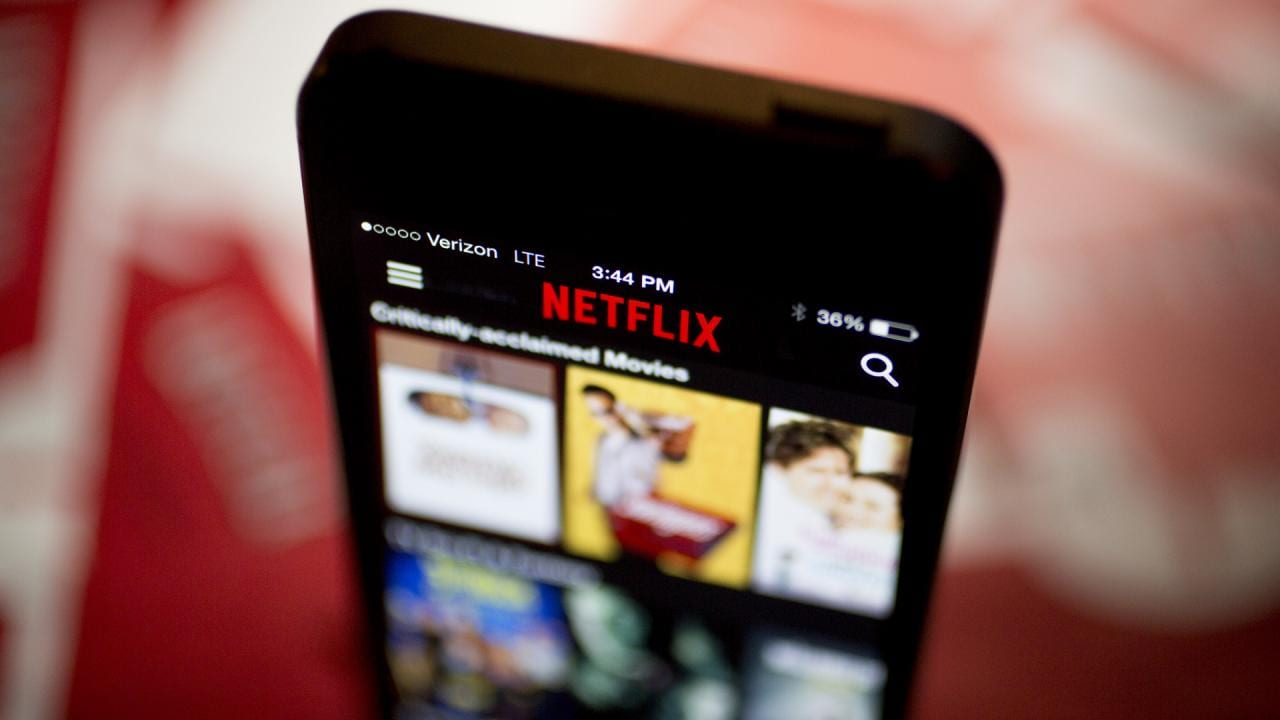
  • Netflix app has just become more fluid on iPhone

    Netflix app has just become more fluid on iPhone

    Netflix has made headlines quite a few times in the last couple of months, but we’ve mostly talked about the company’s attempts to prevent password sharing and its new ad-based plan, which might or might not be as popular as it was expected.

    Today’s headline is about the Netflix app, the gateway to the service’s library of entertainment and the first thing customers see before diving deep into their favorite TV shows and movies. This is why the app is getting updates all the time, some adding new features, while others simply improving already existing perks.

    Early this week, a new update for the Netflix app dropped, although it’s limited to iOS. The good news is the update is supposedly making the app more fluid, as seen in the video embedded below. Also, former Netflix UI designer Janum Trivedi revealed some of the changes he worked on last year before leaving the company.

    Here are some of the most significant changes included in this update, besides the under-the-hood improvements that make the app run more fluid than ever:

    • New billboard layout responds as you move your device, with a subtle lighting effect
    • Beautiful wallpaper gradients that are created on-the-fly from the art
    • A new card transition that’s fully interruptible/interactive
    • New launch/profile animations, haptics, and more

    Meanwhile, Netflix’s new Basic plan with ads is available for customers in the United States, Australia, Brazil, Canada, France, Germany, Italy, Japan, South Korea, and United Kingdom. Depending on how well the adoption among customers will go, we’ll probably see the new ad-based plan introduced in other territories.

    Surprisingly, Netflix’s cheapest plan doesn’t work on Apple TV yet, regardless of location. Perhaps that will change in the future, but we currently have no explanation as to why it doesn’t work yet.

  • Airasia India announces 21 weekly direct flights between Surat and Bengaluru, Delhi and Kolkata

    Airasia India announces 21 weekly direct flights between Surat and Bengaluru, Delhi and Kolkata

    AIX Connect, a subsidiary of Air India, announced the launch of daily direct flights connecting Surat, Gujarat with Bengaluru, Delhi, and Kolkata, and connecting itineraries to Bhubaneswar, Kochi, Guwahati, Goa, Hyderabad, Ranchi, Bagdogra, Lucknow, Chennai, Jaipur, Visakhapatnam, Srinagar starting March 3, 2023. The addition of Surat, Gujarat, lays the foundation of the airline’s expansion plans in the region. The launch fares are ₹4,499 for Surat-Bengaluru, ₹4,299 for Surat-Delhi and ₹5,499 for Surat-Kolkata. Bookings can be made through the airline’s website www.airasia.co.in, mobile app and other major booking channels. Members of the Tata NeuPass rewards program can look forward to earning NeuCoins with every booking.

    Airasia India will begin operations to and from Surat, with 21 weekly flights at convenient times. Surat is the second largest city of Gujarat and is known for its diamond-cutting and polishing industries. Surat is a thriving commercial center with a rich history and culture and offers a range of business opportunities, as well as a variety of tourist attractions, including temples, museums, gardens, and more.

    Airasia India currently operates in two union territories and thirteen states, including Delhi, Jammu & Kashmir, Rajasthan, Maharashtra, Andhra Pradesh, Telangana, Goa, Karnataka, Kerala, Tamil Nadu, Odisha, Assam, West Bengal, Uttar Pradesh, and Manipur. The airline is committed to providing convenient and affordable travel options.

    Talking about the launch of the new destination, Ankur Garg, Chief Commercial Officer, AIX Connect, added “We are excited to announce our network expansion in the west of India, to Surat, Gujarat. The city has shown a robust demand for business and SME travel, and we believe it has great potential for future growth. We will be offering 21 weekly direct flights connecting Surat with Bengaluru, Delhi, and Kolkata, providing our guests with convenient and enjoyable travel experiences.”

  • Hanoi ride-hailing services struggle to cope with Tet demand

    Hanoi ride-hailing services struggle to cope with Tet demand

    Hanoians are struggling to book ride-hailing and delivery services during the runup to Tet (Lunar New Year holidays).

    Hoang Viet of Nam Tu Liem District had an interminable wait before he could get a motorbike on a ride-hailing app on January 15 evening.

    He said: “The apps kept saying all drivers nearby were busy. It took me nearly an hour for a motorbike driver to accept my trip.”

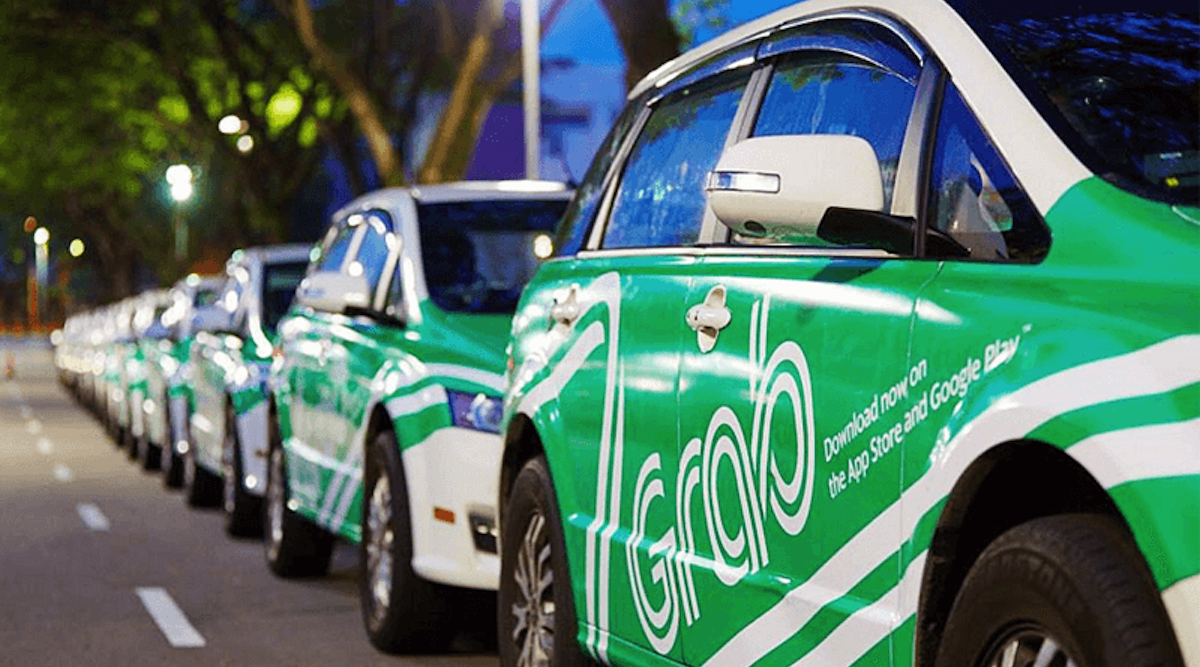
    On the morning of January 16, Nguyen Linh of Tay Ho District had to wait longer than usual to get a GrabCar and the fare had nearly doubled from just a few days ago.

    On January 15 morning, Phuong Anh, who sells Tet gifts, could not find drivers to deliver goods to her customers though fares were higher than usual amid.

    Seeing the surging demand, more ride-hailing and delivery firms have decided to apply surcharges during Tet, Vietnam’s biggest festival, which this year is celebrated from January 20-26.

    Grab has a surcharge of VND5,000 ($0.21) on motorbike rides and delivery orders and VND15,000 on taxi rides.

    Other ride-hailing companies Be and Gojek charge VND5,000-20,000 extra, and delivery service provider Baemin charges VND10,000.

  • Gold prices increase

    Gold prices increase

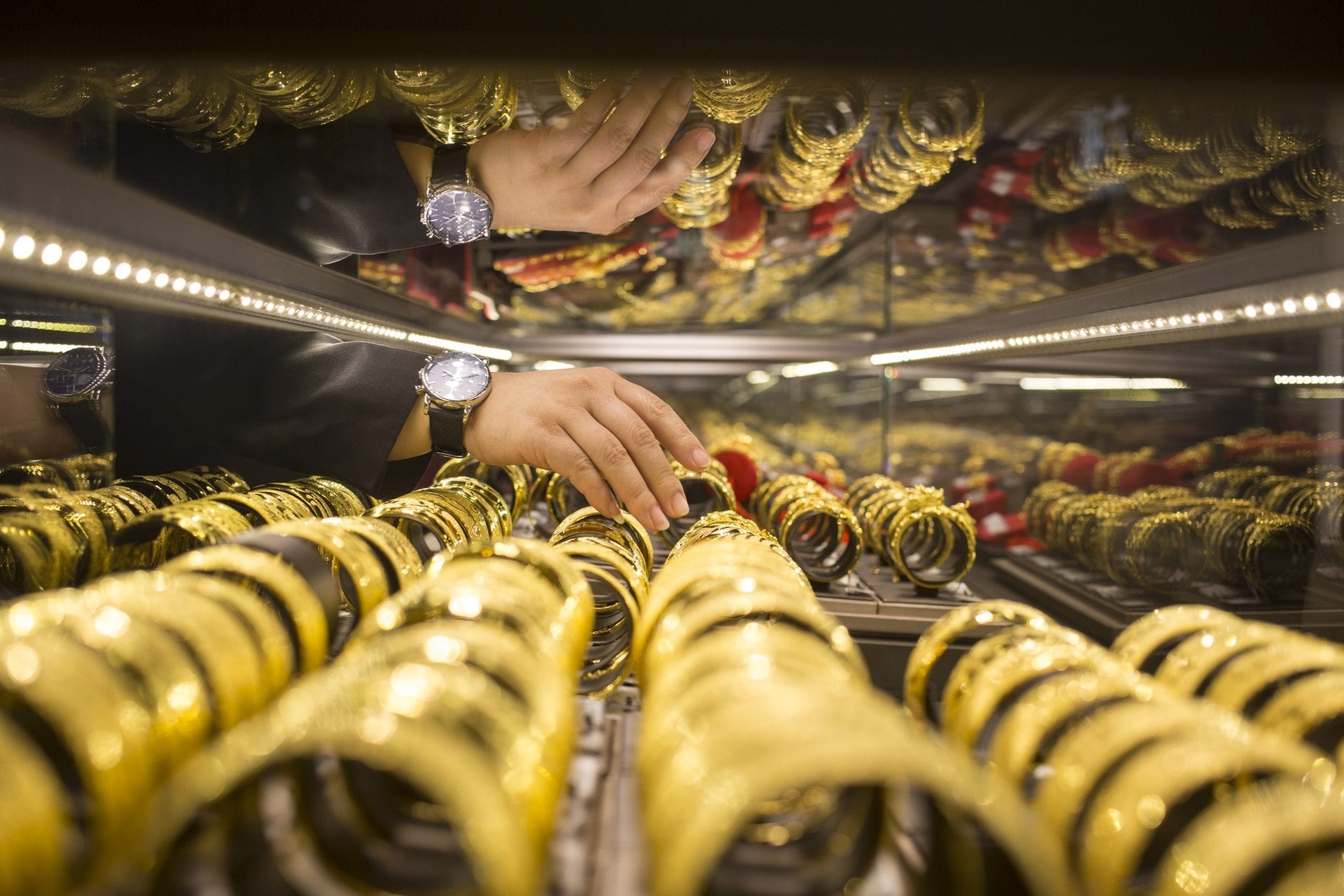
    SJC gold prices gained 0.15% to VND67.3 million ($2,871.46) per tael Tuesday morning.

    Gold ring prices went up 0.18% to VND55.45 million per tael. A tael equals 37.5 grams or 1.2 ounces.

    Global gold prices inched lower on Tuesday, weighed by an uptick in the dollar, although hopes of slower interest rate hikes by the Federal Reserve capped further losses.

    Spot gold was down 0.4% at $1,910.48 per ounce. The dollar gained 0.3%. A stronger dollar turns gold less attractive to buyers with other currencies.

    “Expectations of the Fed slowing pace of rate hikes has been supporting gold. Currently, we are seeing a technical pullback as prices entered the overbought territory. Also, the dollar is firming slightly,” said Ajay Kedia, director at Kedia Commodities, Mumbai.

    “We expect silver to outperform gold in 2023 as there is good industrial and investment demand amid low inventories.”

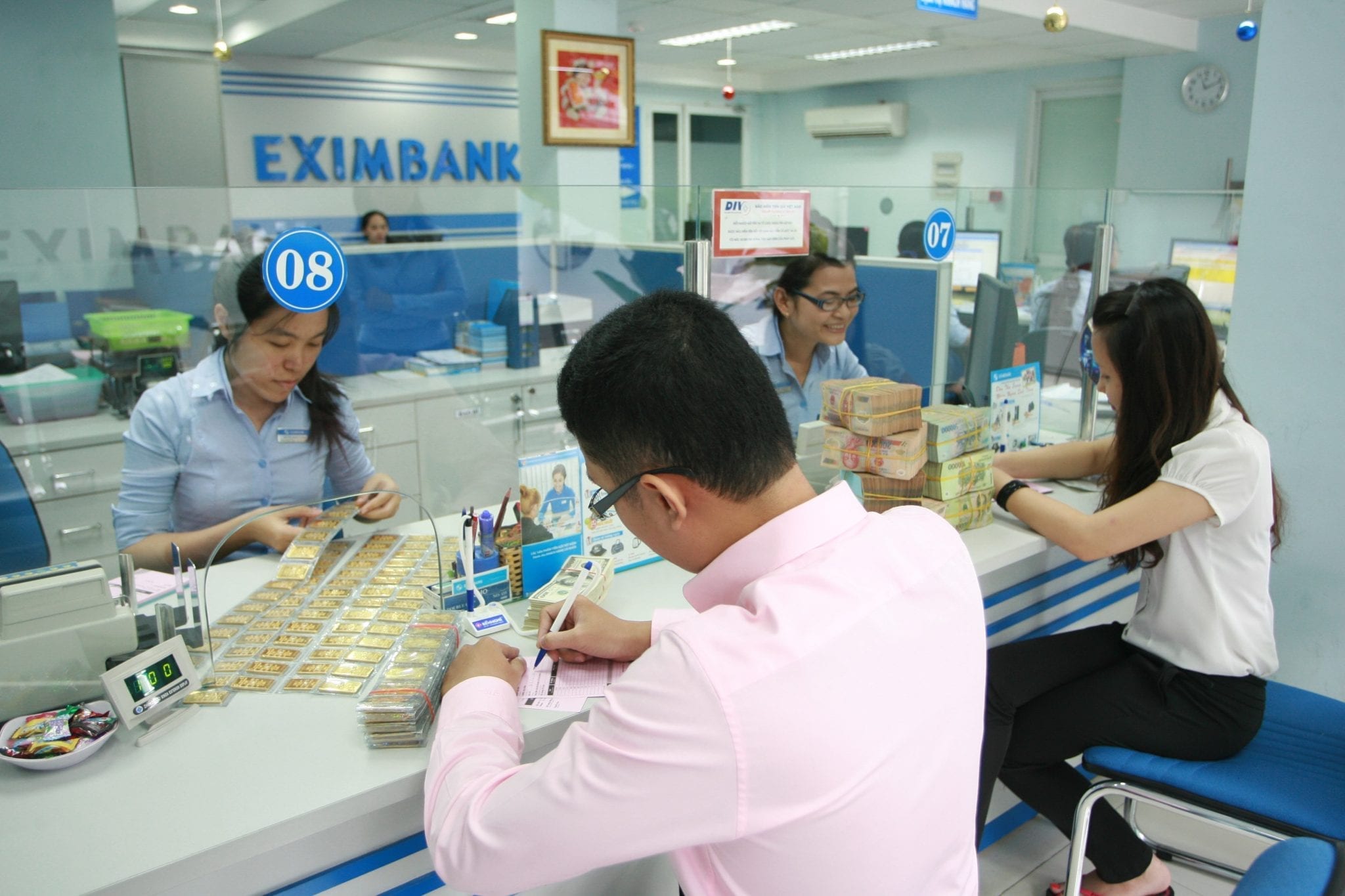
  • Japanese lender reduces stake in Eximbank

    Japanese lender reduces stake in Eximbank

    Japanese giant Sumitomo Mitsui Banking Corporation has sold a 10.8% stake in Vietnam’s Eximbank, reducing its ownership to 4.27%.

    It sold 132.8 million EIB shares at VND27,750 ($1.18) on January 13, according to a release by the Vietnamese bank.

    The value of the deal is estimated at around VND3.4 trillion.

    SMBC became a strategic shareholder in Eximbank in 2007, but withdrew its representative in 2019 due to some disagreements.

    In February last year, Eximbank pulled the plug on its strategic partnership with SMBC.

    On Monday it attempted to organize an extraordinary shareholders meeting to appoint three new directors, but could not get the quorum of 65%.

    It is planning for another meeting on February 14.

  • Hyundai conquers Vietnam’s city car market

    Hyundai conquers Vietnam’s city car market

    South Korea’s Hyundai dominated Vietnam’s small urban car market last year after Vietnamese and Japanese manufacturers stopped selling A-segment models.

    The European Commission defines the A-segment as city cars, the smallest category of passenger cars.

    Last year in Vietnam, Hyundai sold 10,752 units of its i10 model, while local Vietnamese manufacturer VinFast sold 10,661 Fadils, its most popular model.

    The Fadil was Vietnam’s best-selling car in 2021. And it was 2022’s best-selling car through the first half of the year as well, before VinFast took it off the market in mid-July as part of the company’s transition towards manufacturing only electric vehicles. VinFast no longer makes fossil-fuel cars.

    The 2022 car market in Vietnam also saw Kia sell 3,979 of its Morning models, while 1,953 Honda Brios and 488 Toyota Wigos were also sold in the country.

    The two Japanese models on the list, Brio and Wigo, were also taken off the market in the second half of last year because their engines did not meet the Euro 5 emission standards required by the Vietnamese government.

    Brio had been on the Vietnamese market for more than 3 years, but the model hadn’t changed since a facelift in 2020. It is scheduled to go on sale in Vietnam again later this year.

    VinFast plans to replace the Fadil with a small electric CUV model called the VF 5. It will cost VND458 million ($19,407), excluding the battery, and deliveries will begin in April.

    Imported Japanese models such as Wigo and Brio have a brand advantage, but their prices are higher than South Korean models assembled in Vietnam.

    In the A-segment, customers are often interested in low initial investment costs and various new version options. Both the Hyundai i10 and Kia Morning meet both of those expectations.

  • UBS Recruits Impact Investing Executive

    UBS Recruits Impact Investing Executive

    The funds unit of UBS has appointed a head of impact investments for the first time, as finews.com has learned. The experienced executive will be working from the Netherlands.

    UBS is appointing Narina Mnatsakanian as head of Impact Investing, according to a memo seen by finews.com, effective immediatelyIn the newly created role Mnatsakanian will lead the expansion of UBS Asset Management’s impact investing offering, research and impact measurement capabilities.

    Mnatsakanian joins Lucy Thomas’ team who has was appointed head of sustainability at UBS Asset Management just over a year ago.

    Thomas described the development of the impact area, where the focus is on the actual sustainable impact of investments, as a strategic priority.

    The new appointee previously headed sustainability & impact investment at independent Dutch asset manager Van Lanschot Kempen. Before Kempen, Mnatsakanian worked at private equity funds and as an asset manager for Dutch pension funds. She also led the global networks & outreach department at the UN Principles for Responsible Investment network.

    Mnatsakanian becomes a member of sustainable investing’s leadership team and is based in Amsterdam, the Netherlands, it added.

    UBS reorganized its sustainability offering in mid-2021, appointing Michael Baldinger as the bank’s chief sustainability officer. He has the coordinator role, while the individual initiatives are based in the bank’s divisions. Suni Harford, the head of asset management, acts as a sponsor for sustainability and impact concerns on the UBS group executive board.

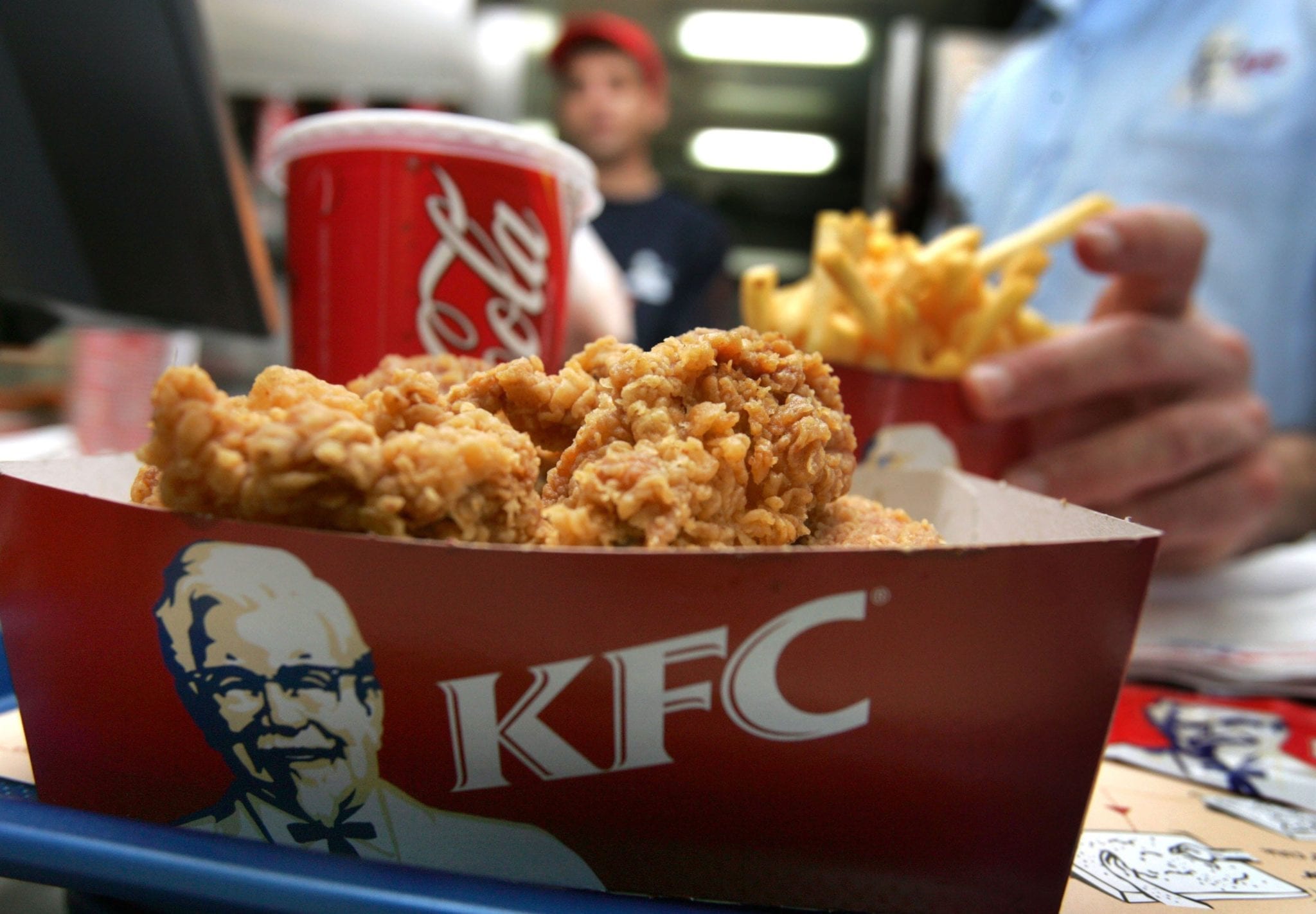
  • Orchestra Private Equity to acquire KFC Korea for 60 billion won

    Orchestra Private Equity to acquire KFC Korea for 60 billion won

    Orchestra Private Equity, a private equity firm based in Singapore, has signed a stock purchase agreement to acquire chicken franchise KFC Korea, according to industry sources on Friday.

    Under the deal signed on Thursday, Orchestra PE will purchase a 100 percent stake in KFC Korea from KG Group, a chemical-to-steel company based in Seoul.

    The transaction has an estimated worth of 60 billion won ($48.3 million) to 70 billion won.

    KFC Korea has been on sale for a year by KG Group which took over the fast food chain in 2017 from another private equity firm CVC Capital Partners.

    To get better control over the fried chicken chain after the acquisition, Orchestra PE signed a separate contract with Yum! Brands, the American operator of KFC to alter its operating system from direct management to a franchise system.

    According to market observers, KFC has struggled to expand its presence in the country due to failure in localization as all decisions had to be made only after consulting with the American headquarters.

  • Switzerland’s Largest Financial Center is Wooing IT Talent

    Switzerland’s Largest Financial Center is Wooing IT Talent

    Zurich continues to be of paramount importance as a regional financial center and the country as a whole. In terms of value added per capita, the financial sector is top. Nevertheless, a decline in banking jobs is expected.

    Zurich is and remains the country’s most important financial center. It is not only the pillar of the region’s economic strength but one of the largest employers, but differences between banks, insurance companies, and other financial service providers are likely to increase.

    A study published Friday by the Swiss economic research institute BAK Economics for the Office of Economic and Labor Affairs of the Canton of Zurich looks at developments over previous years and makes predictions for future developments.

    The Zurich financial center comprises cantons of Zurich, Zug, and Schwyz and contributed an added value of 29.9 billion Swiss francs ($32.1 billion) in 2021, about 16 percent of the region’s economic output. Compared to the last study of this kind, also in 2021, it marks a decrease of 1.3 billion francs. With over 97,000 full-time jobs, it is by far the largest financial center in Switzerland.

    Zurich’s financial center accounts for 45 percent of Switzerland’s financial sector in value-added terms and 42 percent of jobs. Compared with this, the corresponding figures for the next largest financial centers, Geneva including Vaud, Basel, and Ticino, are significantly lower.

    The sector is also a heavyweight in the city of Zurich itself, accounting for around 27 percent of economic output in 2021. Banks are even more concentrated in the city than insurance companies.

    The real gross value added of the financial industry developed more dynamically overall than the economy between 2011 and 2021, the report continues. In the pandemic years of 2020 and 2021, it grew partly due to the increase in volume in the banks’ lending business and the stock market boom in 2021, helping to support Zurich’s economy.

    In the case of banks, the interest rate and commission business performed differently in 2022. While interest rate increases had a positive impact on the interest business, assets under management declined due to the stock market slump. Big signs of recovery are evident and overall, the added value of the industry is expected to increase slightly in 2022 (+0.3 percent) and 2023 (+0.7 percent).

    With inflation boosting the cost of insurance claims, insurance value added is expected to increase, albeit moderately, by +1.5 percent in both 2022 and this year.

    Differences are evident in employment trends. While jobs are disappearing at banks due to cost-cutting programs and the further thinning out of the branch network, IT jobs are in a growth phase. Insurers are likely to create more jobs in the areas of digitization, regulation, and sustainability, whereas other financial services are expected to see a slowdown in momentum.

    The Zurich region’s financial sector has above-average productivity at 307,000 Swiss francs in 2021, which is the highest of the industry aggregates analyzed. Insurers have the highest at 515,000 francs, followed by banks with 323,000 francs and 168,000 for other financial service providers. That compares to the economy as a whole at 183,000 francs.
  • Global tech investors continue to bet on Vietnam

    Global tech investors continue to bet on Vietnam

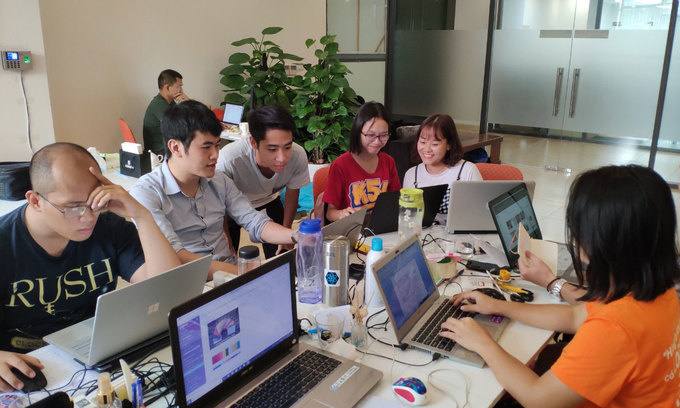
    Vietnam’s growing capacity to make complex tech products is attracting more foreign investors who are setting up factories.

    Apple supplier BOE Technology Group plans to invest US$400 million to build two factories in Vietnam, Reuters reported recently.

    The report said it is in talks to lease land in the north to put up factories to add to its relatively small plant in the south that supplies mostly television screens to South Korea’s Samsung and LG Electronics.

    BOE is the latest tech company to eye Vietnam as its next manufacturing hub, where already smartphones, laptops and cameras are made by or for multinationals such as Samsung and Apple.

    In the north, where Apple suppliers such as Luxshare and Foxconn already have a presence, BOE will lease 100 hectares to build a $150-million plant for making remote control systems on 20 ha and others for manufacturing displays.

    BOE will invest $250 million in a plant on 50 ha while suppliers will use the remaining 30 ha.

    Everything will be in place by 2025.

    The company plans to make the more sophisticated organic light-emitting diode, or OLED, screens there rather than liquid-crystal displays.

    A recent survey by German logistics firm Container xChange found that 67.3% of respondents believe Vietnam and India will rise as container shipping hubs in 2023.

    They expect the two countries to change the global shipping industry as companies look to expand their network of manufacturing locations, the survey, which polled 2,600 industry professionals in 20 countries, said.

    Their expectations seem to be influenced by the fact that many tech giants established or expanded their presence in Vietnam last year.

    In December Apple was reported to soon begin MacBook production in Vietnam for the first time, while Samsung, which has been making half of its smartphones in Vietnam, opened its biggest research and development center in Southeast Asia in Hanoi.

    American aviation firm Boeing held its first Aerospace Industry Forum in Vietnam in August, seeking local suppliers for its global supply chain.

    U.S. company Synopsys, one of the world’s biggest chip design software makers, is set to invest in and shift its engineer training to Vietnam, while last year South Korea’s Amkor Technology signed a deal to set up a $1.6-billion semiconductor materials manufacturing factory in the northern province of Bac Ninh.

    “Vietnamese workers have been improving in their tech manufacturing capability, and foreign companies such as Samsung have been increasingly recruiting locals from the top local universities,” Do Thi Thuy Huong, a member of the Vietnam Electronics Industries Association’s executive board, said.

    In the last five years Vietnam has expanded its presence in supply chains and is now capable of making complex products, which is why more foreign firms are choosing it as their next manufacturing hub, she told VnExpress International.

    The Politburo, the Communist Party’s highest body, issued a decree in 2019 that sought to improve the quality of foreign projects in the country.

    FDI plays a major role in the Vietnamese economy, accounting for a large share of all investment. FDI disbursement last year rose 13.5% to $22.4 billion.

    In September last year Prime Minister Pham Minh Chinh told a group foreign business executives that Vietnam would create a safe and transparent investment environment and urged them to keep faith and do long-term business in the country.

    The government has always had consistent policies to ensure economic stability, control inflation and maintain reasonable foreign exchange and interest rates, he added.

  • Gold prices rise

    Gold prices rise

    SJC gold price gained 0.30% to VND67.2 million ($2,866.89) per tael Monday morning.

    Gold ring price went up 0.54% to VND55.35 million per tael. A tael equals 37.5 grams or 1.2 ounces.

    Global spot gold held at $1,918.60 per ounce, near nine-month highs, aided by expectations of slower interest rate hikes from the U.S. Federal Reserve.

    Market participants expect a 25 basis points rate hike increase at the Fed’s next policy meeting.

    Lower rates tend to benefit gold as they decrease the opportunity cost of holding the non-yielding bullion.

    Premiums for physical gold rose sharply in China last week, buoyed by optimism around the country’s reopening before Lunar New Year festivities, while Indian traders offered steeper discounts as record-high local prices dented consumer sentiment.