Author: Mei Ling Tan
-

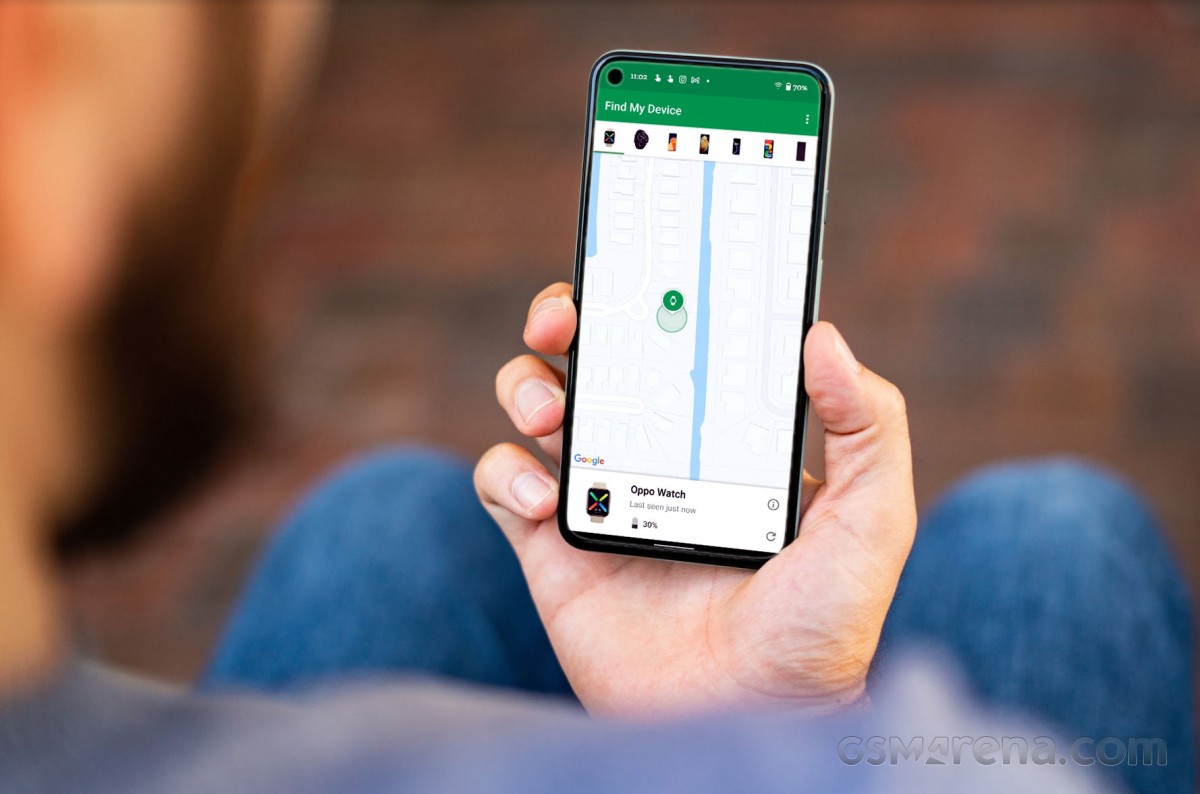
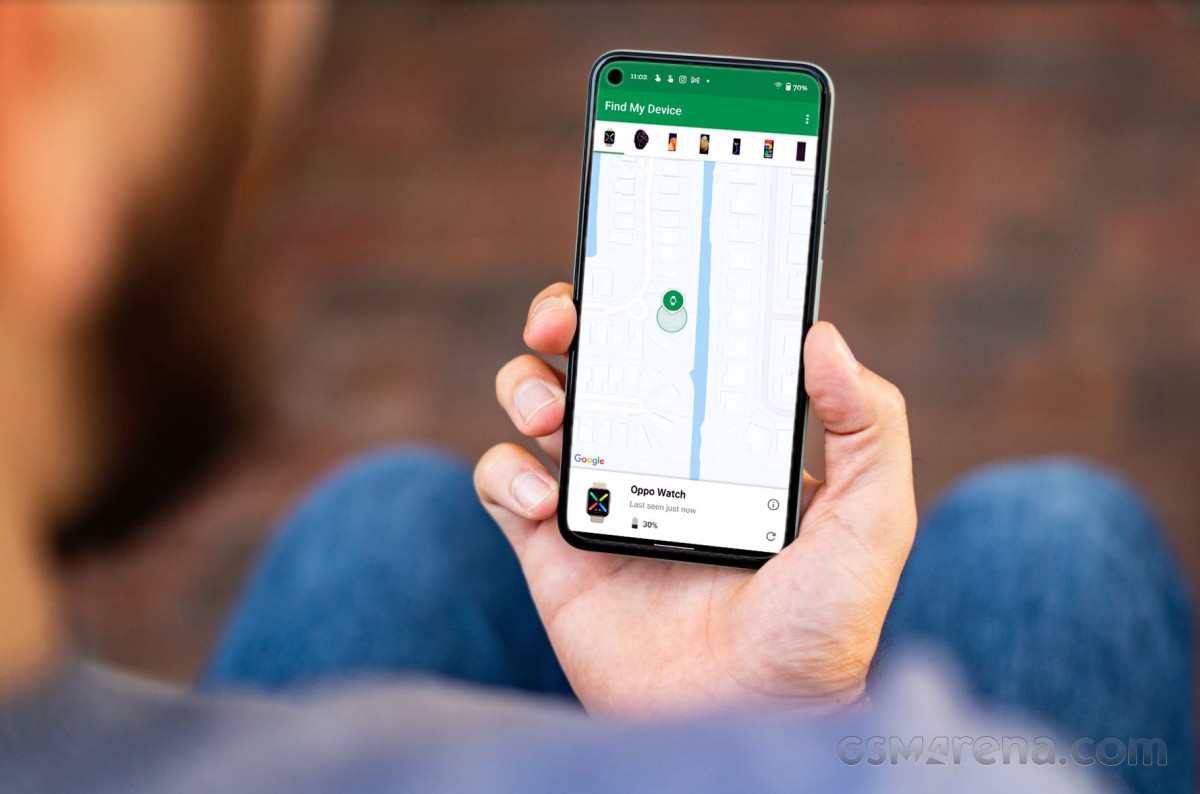
Google’s “Find my Device” app gets a Material You redesign
Google turned to Material You as its official design language back in 2021 and has since then been slowly updating all of its native apps. However, there is one app in particular that had been neglected and never did get its Material You overhaul until now, the “Find my Device” app.
Similar to iOS’ “Find my iPhone” app, Google makes the “Find my Device” app available to Android users who want to be able to track the location of their linked devices. Google has turned its attention to this app and is now pushing out an update to bring the new look to it.As you can see from the above screenshots, the first two images show the outdated design the app has been using since it launched. However, after the installation of version 2.5.001 things start to look more refined and modern.When opening the app for the first time after upgrading, a list of all compatible devices associated with your account will be displayed. Unlike the way it worked with the previous version, this actually makes it easier to choose which device you want to track.In addition, there is support for a dark theme, which corresponds to the system theme. However, the app is still missing support for themed icons, joining the ranks of the YouTube Studio app, which has yet to be updated for some reason.The new redesign appears to be part of this particular app version, not a server-side rollout. However, as it usually goes with any of Google’s apps or features, updates are usually staged and not everyone gets them simultaneously.In the meantime, you can check if the update is available to you by checking the Google Play Store. If it doesn’t -

Fitbit drops support for two music streaming services on Sense and Versa smartwatches
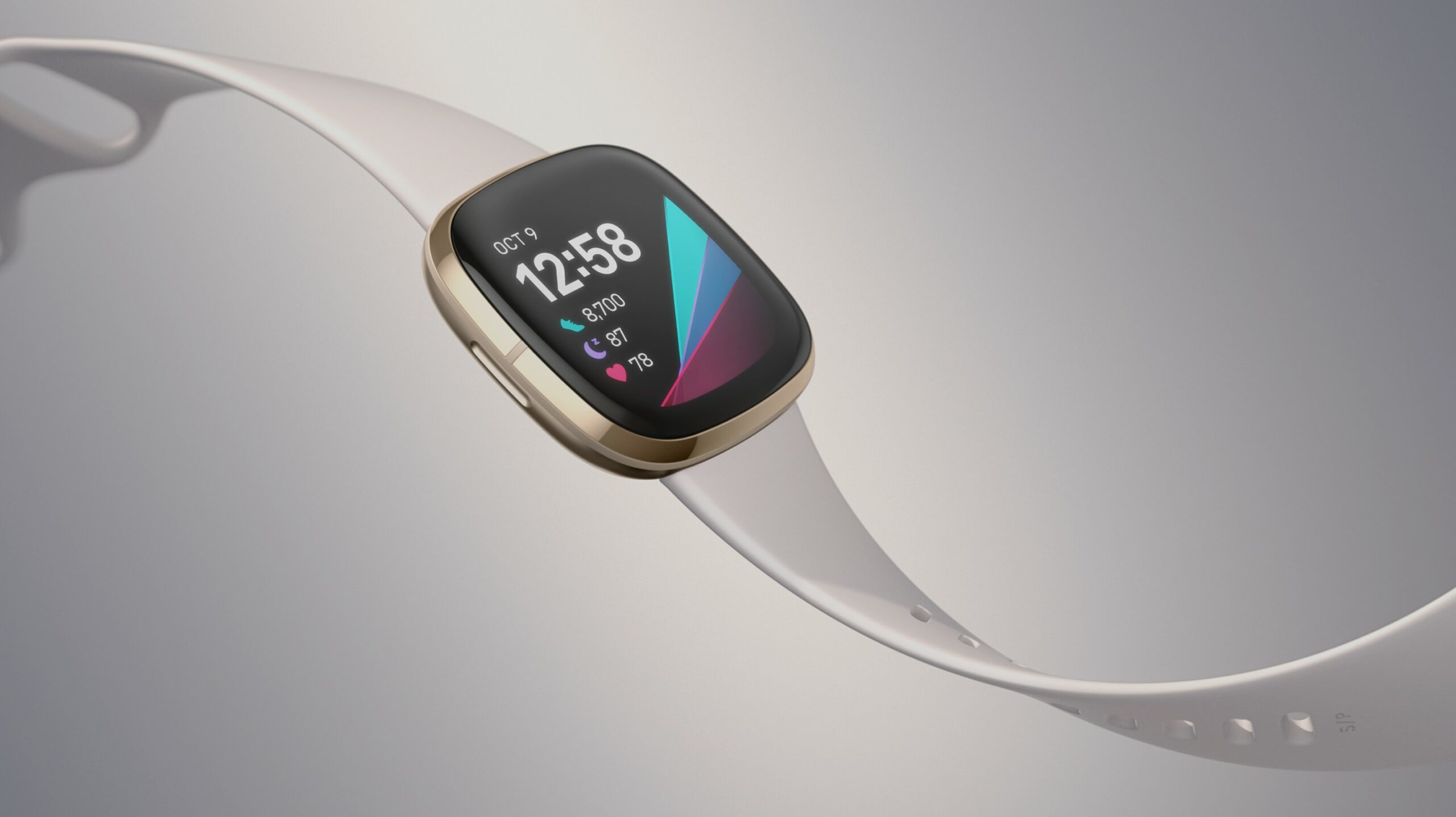
Google-owned Fitbit is informing many of its customers that it will soon stop supporting two music streaming services quite popular in the United States: Deezer and Pandora. In an email sent to many Fitbit smartwatch users, the company states that it will ax support for the two apps, which will no longer be available for download.
The email confirms that come March 31, these two music streaming services will no longer function on specific smartwatches like Fitbit Sense, Fitbit Versa 2 and Fitbit Versa 3. According to the email, customers “will no longer be able to download Pandora stations or add Deezer playlists to your device, nor will you be able to play anything that you have previously downloaded.”
This is the second time Fitbit has taken away an important functionality from its customers in less than a year. Last year, Fitbit removed the ability to sync and transfer music via PC and Mac. The company removed the option to transfer playlists to Fitbit watches through a computer back in October but allowed users to continue to play personal music stored on the watch and transfer music to it with the Deezer and Pandora apps.
Well, Fitbit took away that option as well, or at least is about to since the deadline is March 31, 2023. It’s surprising that the company is removing important features that will most likely lead to fewer sales, without adding new ones to replace them. It’s like Fitbit wants to make its smartwatches completely unappealing to those who love using this type of products.
It remains to be seen how Fitbit’s actions will impact the sale of its smartwatches, but there’s bound to be some retribution from customers, especially from those who remained loyal even after Google bought the company Google.
-

Harley-Davidson Will Eventually Become Fully Electric
According to CEO Jochen Zeitz, Harley-Davidson is transitioning to become an all-electric brand, although the process will likely take decadesis transitioning to become an all-electric brand, although the process will likely take decades, according to CEO Jochen Zeitz. According to Zeitz, iconic American brand Harley-Davidson, known mainly for its big engine, heavyweight cruiser motorcycles, is currently undergoing a long-term transition which will result in the brand transforming into an electric brand. That would mean that Harley-Davidson’s big v-twin engines will become history, at least sometime in the future, and it would take a few decades at least for Harley to become all-electric.
In an interview, H-D CEO Jochen Zeitz outlined the brand’s growth, saying that electrification is the next logical step in the evolution of one of the oldest motorcycle brands in the world that was established 120 years ago. Harley-Davidson introduced its first electric motorcycle in 2018, called the LiveWire ONE. The LiveWire b-brand has since been expanded to include electric bikes from Harley-Davidson, and the upcoming S2 Del Mar will also be an electric bike under the LiveWire vertical.
“At some point in time, Harley-Davidson will be all-electric. But that’s a long-term transition that needs to happen. It’s not something you do overnight,” Zeitz was quoted as saying in the interview.
Electrification of the auto industry is currently in the nascent stage, more so for established two-wheeler brands. While several auto companies, including Volvo, Volkswagen, Audi and Mercedes, have stated much shorter timelines to go fully electric, it is a matter of time when motorcycle brands will also likely take similar steps. Whether future powertrains for motorcycles will be full-electric, hybrid or use other forms of alternate fuels and energy is still an evolving process.
The establishment of LiveWire is the first small step in this long-term transition of Harley-Davidson, a brand whose big displacement v-twin engines will be consigned to history in the coming decades.
-

Diageo to buy Philippine rum brand Don Papa
The news Diageo is to buy Philippines-based dark rum brand Don Papa was met with positive noises by industry insiders this week.
Diageo’s acquisition of Don Papa will complement the spirits giant’s existing rum portfolio and should allow the group to better take advantage of favourable headwinds in what the company and some industry watchers call the “super-premium-plus” segment. Mainstream rum, especially in the US, has been sluggish for some time and, despite Diageo’s best marketing efforts, its flagship Captain Morgan brand has not been immune from this. In the year to 30 June, the brand’s sales fell by 3% globally and by 6% in North America.
In a client note discussing the Don Papa deal, analysts at investment bank Jefferies highlighted the poor performance of mainstream rum over the last decade. The analysts contrasted its fortunes with the super-premium plus segment of the category, which they said has grown by a CAGR of 18% in Europe and 27% in the US over the last five years (2016-2021).
“We believe there are reasons for optimism for the rum category, in particular in the high-end, dark variants,” Jefferies’ Ed Mundy said, pointing to a renewed interest in sipping rums, the drink’s relatively affordable price point and its sweeter taste profile as three reasons the category is set to prosper.
“Many bartenders are taking rum to a party, which is a leading indicator of category health.”
Although Diageo does have some exposure to premium rum (Ron Zacapa, Ron Santiago de Cuba, Pampero), the group’s portfolio is skewed towards mainstream and economy – according to Jefferies, the company sold 11m cases of Captain Morgan and 10m cases of local Indian rum McDowell’s last year – with a lower exposure to super premium (the group only owns 50% of Ron Zacapa, accounting for less than 100,000 cases).
Therefore, striking a deal to acquire a bigger brand such as Don Papa (180,000 cases) – and one that plays in both premium and super-premium; in the UK, the brand’s seven-year-old variant has an SRP of GBP34 (US$42) and the more premium Baroko variant costs GBP85 – helps bolster Diageo in a segment that is outperforming the rum category as a whole.
“The opportunity for Diageo here is two-fold,” Morningstar analyst Philip Gorham tells Just Drinks. “One, roll the brand out geographically across the Diageo platform and get it into new markets. This will require marketing investment but [is] still a fairly low-cost, incremental revenue for the brand.
“Two, see if there are opportunities to stretch the price points higher. This is a well-positioned brand at $35-$40 a bottle. It is unencumbered by mass-market pricing (they will never get to four-figure prices on Captain Morgan) but it is nowhere near the price heights of Johnnie Walker.
“In other words, there is a lot of headroom for premiumising the brand further, as Diageo are already doing in Tequila.”
The value of the deal – EUR260m ($281m), with the potential to reach EUR437.5m ($474m) by 2028 – makes for an interesting comparison with the $725m reportedly paid by Brown-Forman for Diplomático late last year. On an annual, per-case-sold basis, Diageo’s deal stacks up favourably to that of its competitor ($1.5m per case at the initial price paid, versus $1.85m per case for Diplomatico), although Brown-Forman’s brand retails at a higher SRP of around GBP44 per bottle.
The Jefferies analysts described the risk-reward profile of the deal as “asymmetric, in our view, given the low initial capital outlay and opportunity to leverage Diageo’s strong distribution network”.
Don Papa – with its distinctive packaging, unique liquid and authentic story – also fits the bill as far as Diageo’s wider M&A strategy is concerned. In recent years, the company has moved away from transformational deals in favour of bolt-on acquisitions in high-growth segments. The group’s 2021 purchase of Chase Distillery and last year’s move for American single malt maker Balcones Distilling are good examples of this strategy in action.
Gorham sees sense in this approach, stating his belief that “high price points are where the long-term growth is” in spirits.
“Whether premiumisation takes a breather as major economies enter recession, we’ll have to wait and see but there is huge long-term opportunity at the crossroads of beverages and luxury,” he adds.
In this context, the move for Don Papa, a fast-growing, high-margin brand in a category that is predicted to continue to continue to premiumise in the coming years, looks like business as usual for Diageo.
-

Coles “drops and locks” price of essentials until Easter
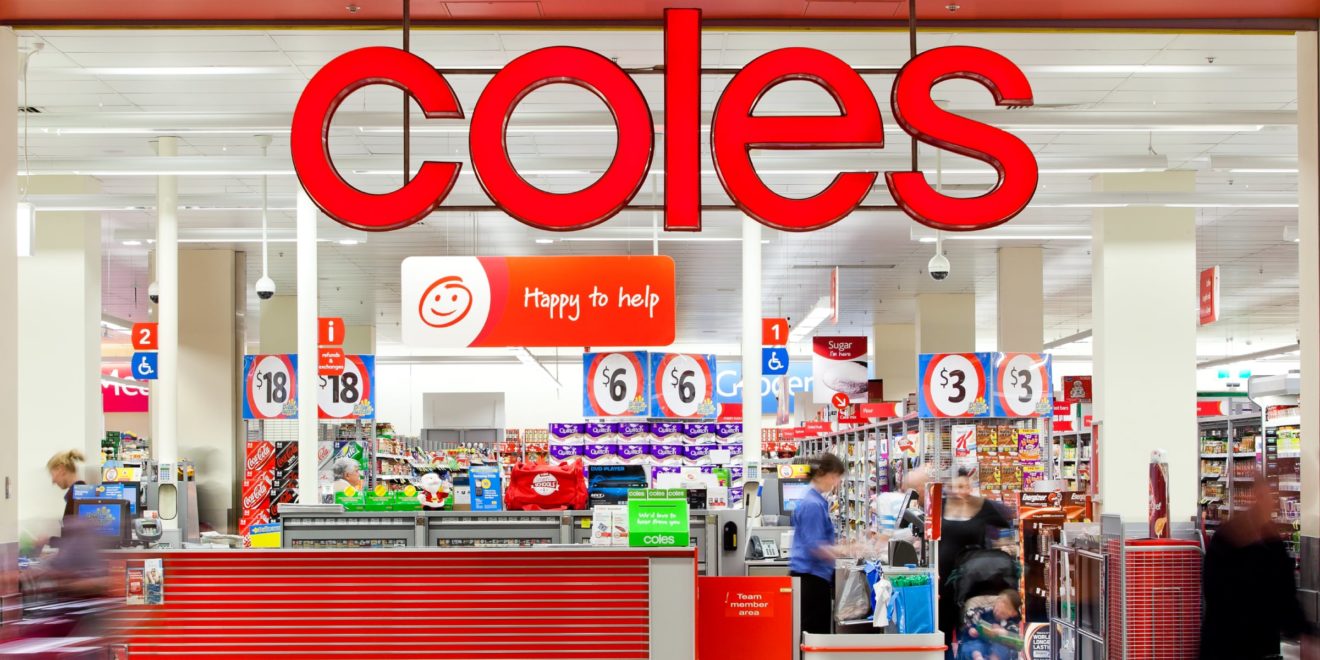
Australia’s major supermarket chains have dropped prices on hundreds of products as the cost of living crunch continues.Coles announced it would “drop and lock” prices on more than 300 new items from Wednesday until April 11, after the Easter weekend.Brands including Kellogg’s, Kleenex, L’Oreal, Morning Fresh, Gillette, Uncle Toby’s, Four N’ Twenty, Arnott’s, Steggles, McCain, Carman’s, and Cold Power, along with a number of Coles brand products, will be included in the price lock.Coles chief executive of commercial and express Leah Weckert said the new price lock included double the amount of items that had been included in the supermarket’s previous one last year.“We understand many Aussie households are feeling the pinch following Christmas and by dropping and locking the price of hundreds of popular and essential items we are honoring our commitment to helping Aussie budgets go further,” Weckert said.Woolworths meanwhile said while its 2022 Price Freeze program had ended, hundreds of products were still discounted.“We’ve recently reduced the price of more than 300 summer grocery staples as part of our Prices Dropped campaign,” a spokesperson said.“We will continue reviewing each cost increase request from our suppliers case-by-case basis, working together to manage market-wide inflationary pressures sensitively.”Both Coles and Woolworths committed to a six-month price lockdown in the middle of last year, and grocery prices were expected to boom when that expired.Coles said a survey of more than 7500 customers found 82 per cent were making changes to their grocery shopping to counter the rising cost of living.More than half (57 per cent) were buying more discounts, cooking more at home (51 per cent) and cutting back on treats (55 per cent).Woolworths has said it is also committed to meeting customer needs as the cost of living crisis continues. -

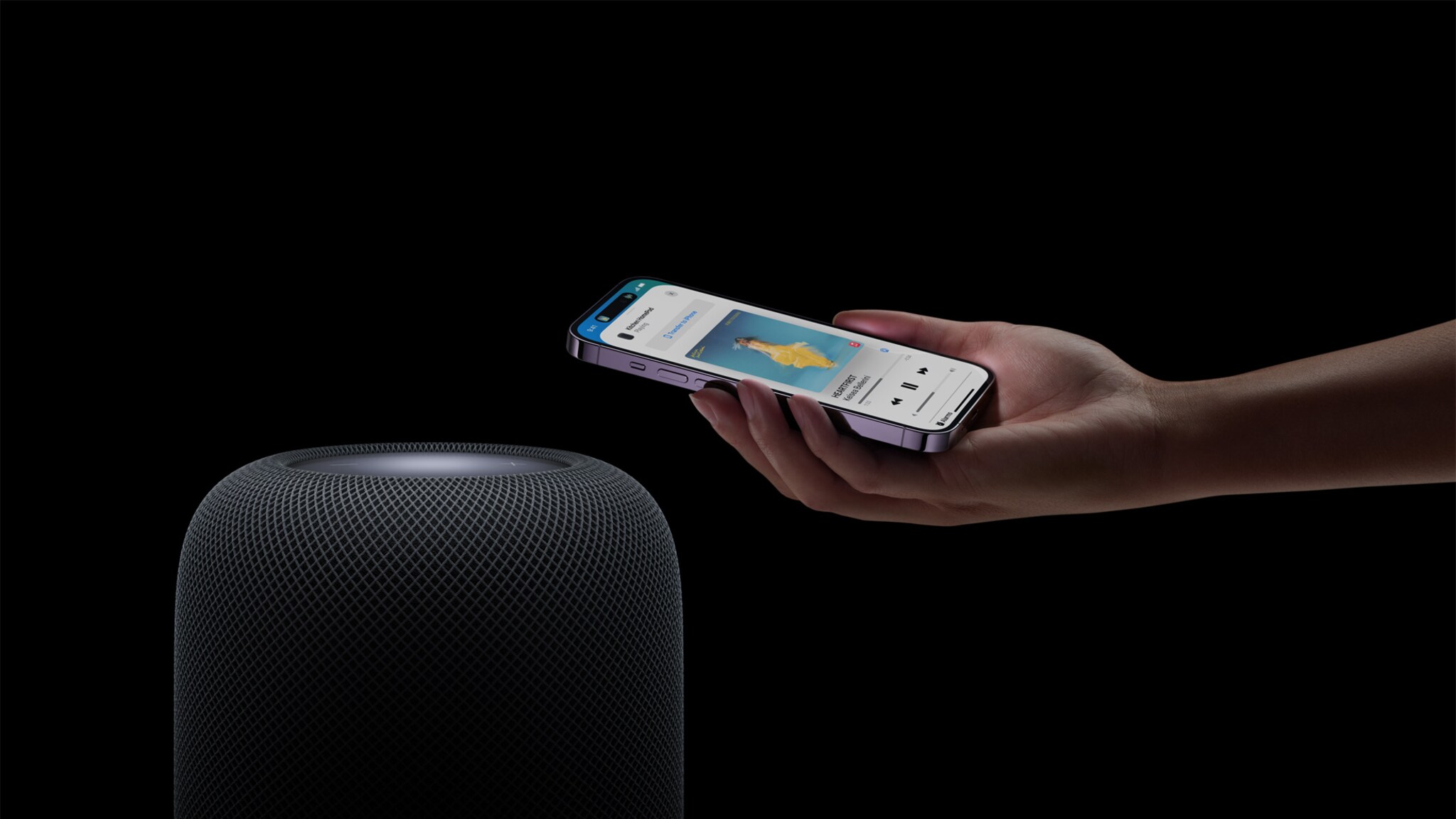
Apple’s latest HomePod is smarter
Today, Apple announced its latest, second generation HomePod. The futuristic-looking smart speaker not only makes major advancements in acoustics, but is also packed with innovations, ranging from advanced Siri capabilities and computational audio to smart home management and automation.
Having Siri on board of the HomePod allows for hands-free control over as many features as you can probably imagine, ranging from smart home control to media playback and navigation. But the HomePod is also smart enough to listen even when you are not around, and send you a notification if it hears something odd, like a smoke alarm for example.As a smart speaker, the HomePod sounds like being capable of delivering exceptional audio quality. Its equipped with custom parts, like a high-excursion woofer and an array of beamforming tweeters, which allow it to achieve impressive acoustics.
The smart speaker is equipped with Apple’s S7 processing chip, which in turn is based on the A13 Bionic chip that was on the iPhone 11 from 2019. This allows the HomePod to run advanced software, enabling it push the limits of advanced audio computation.Among the unique features, which is available on the second generation HomePod, is support for Spatial Audio. Did you know that Apple Music had over a hundred million tracks, that come with Spatial Audio? You can listen to those on the new HomePod, and not just your AirPods 3, but while also having Voice Control through Siri to access search, filters and lyrics on Apple Music.This also means that connecting multiple HomePods together makes more sense than ever, as it can also offer a stereo experience. Same goes for connecting it to your Smart TV, to give it a bit of extra oomph to its soundscape.
You can connect a previous generation HomePod or a HomePod mini to the latest HomePod too. Linking is easy as ever, too, as they can all become linked with a quick voice command or by bringing the speakers close together physically.The Apple HomePod is capable of sensing the room and adjusting its sound accordingly, as to utilize sound reflections to improve sound and remove distortions. All of this happens automatically and it real time, with a precision capable of truly immersing listeners in an impressive, rich soundscape.Now, both smart speaker linking and room-awareness aren’t groundbreaking features. Not only do competitors have them, but so does the HomePod Gen 1. The primary difference with the latest Apple HomePod is that it does it faster and with a more impressive sound quality, while offering new smart features.Apple’s latest smart speaker will be available in White or a gray-ish Midnight variant, which is made with 100% recycled mesh fabric. Both speakers’ fabric is slightly transparent, while the touch panel on top is completely backlit, from edge to edge.The latest HomePod is already available for order in the AppleStore app for $299, but the smart speaker and home hub will become officially available as soon as February 3. If you are in the market for a new smart speaker that seamlessly fits with Apple’s ecosystem, you might’ve just found what you were looking for. Oh, and the HomePod is Matter-enabled, so it can play nice with all sorts of other Smart Home gadgets too.
-

Apple fined $17.4 million by Russian agency because the App Store is a monopoly
The App Store continues to land Apple in hot water, this time in Russia. The country’s Federal Antimonopoly Service (FAS) fined Apple the equivalent of $17.4 million because Russian developers were forced to use Apple’s in-app payment platform. Apple forces developers to use its payment platform and takes a 15% to 30% cut of in-app subscriptions and payments. Any attempt to bypass the platform results in Apple kicking the offending app out of the App Store as it did with Epic Games and its hit title Fortnite.Apple’s actions were previously found to violate Russian competition rules and the tech giant is being told that it must pay the new fine within two months. You might recall that back in April 2021 the company was hit with a $12 million fine from the same agency after losing a lawsuit filed by Russian cybersecurity firm Kaspersky. In 2018, the developer was planning to update its Safe Kids parental control app but Apple blocked the update as it released its own Screen Time feature in iOS 12.
At the time, the FAS released a statement that said, “Apple was found to have abused its dominant position in the distribution of mobile applications on the iOS operating system through a series of actions that led to a competitive advantage for its own products, and at the same time worsened the distribution conditions for competing products.” Apple claimed that it removed a number of parental tracking apps from the App Store because they were invasive and “put users’ privacy and security at risk.”At the time, the FAS also ordered Apple to remove from its terms and conditions any terms that allow Apple to “reject third-party applications from the App Store for any reason, even if they meet all requirements.” The agency also demanded that Apple no longer give its in-house apps precedence over third-party apps. While Apple was allowed to appeal the $12 million fine, it isn’t clear whether the Russian regulators are allowing Apple to contest the latest action. While under appeal, the FAS orders that Apple must obey are temporarily suspended.The App Store monopoly could be coming to an end thanks to the European Union’s Digital Markets Act (DMA). Apple reportedly is working to allow iPhone users, in Europe at first, to sideload apps. This merely means allowing users to download apps from third-party iOS app storefronts. Apple claims that for security reasons it prevents iPhone owners from sideloading apps.
Apple isn’t totally wrong about this since its walled garden does give it control over the apps installed on an iPhone. On the other hand, people don’t like to be told what to eat or drink or put into their bodies and many feel that they should be allowed to make their own decision whether or not to risk having their iPhone attacked by a malware-infected app that contains a banking trojan (which will steal the log-in info to their banking apps).It should be pointed out that Google allows Android users to sideload apps and this writer has done so without issue in the past. Look at the comments section for red flags before installing apps from developers you’ve never heard of before.Whew! Did we take a detour! Anyway, should Apple allow sideloading on the iPhone, the company would no longer be accused of being a monopoly. Right now though, there is only one official way to install an app on an iPhone and that is through iOS. And this means that developers have to pay the Apple tax on in-app purchases. And regardless of the fines imposed on Apple, it still remains more profitable for it to demand that developers pay the 15% to 30% tax. -

WhatsApp might let you share voice notes as status updates
As you probably know, typing messages is old-school. Sending voice messages is the way to chat with your friends these days. It takes less time to compose such a message, and you can do it on the go, even while driving.
In WhatsApp, you can send a recorded voice message to a friend, which is great, right? But you can’t use a voice message as a status update. This means that if you want to convey a note to all of your contacts, you will still need to type your thoughts on a virtual keyboard. And if you are tired of doing that, you will be happy to learn that WhatsApp might soon let you create voice notes as status updates.
As WABetaInfo first reported, WhatsApp is releasing the ability to share voice notes as status updates to some beta testers with version 2.23.2.8 of the WhatsApp beta app for Android. The voice notes have a maximum length of 30 seconds and disappear after 24 hours, just like the text, photos, videos, and GIF status options.
In terms of privacy, the new addition to the status updates is also end-to-end encrypted, and only the people chosen in your privacy settings will be able to listen to your shared voice messages. Also, you will be able to delete a shared voice note at any given time.
As we can see from the images below, the new status update feature will be accessible within the text status section. The beta testers that currently have this function enabled also have a new microphone icon that allows them to record a voice note. Furthermore, it appears that you will be able to listen to your recording and discard it if you wish before sharing it.
According to WABetaInfo, the feature will be rolled out to more users in the coming weeks.
-

AI solutions help reduce traffic accidents
VinAI’s Driver Technology Software provides drivers with a 360-degree view of all surroundings, including blind spots, to help avoid traffic accidents.
At the recent 2023 Consumer Electronics Show (CES) in Las Vegas (U.S.), VinAI showcased two smart driving features – Automatic Mirror Adjustment (AMA) and Jelly View, a 360-degree view mode. AMA is the world’s first auto mirror adjustment feature, according to a VinAI announcement.
These are the two newest features of the Driver and Occupants Monitoring System (DMS/OMS) and Advanced Surround View Monitoring (SVM). Both are in-vehicle solution suites that apply AI to reduce traffic accidents and improve the driving experience.
VinAI applies infrared cameras, vehicle sensors, and facial expression analysis technology (ranked 6th in the world), which detect the driver’s condition, such as drowsiness or fatigue, and also monitors for risky behaviors, including being distracted or using a phone. As soon as the system detects such issues, the DMS issues different levels of warnings throughout the journey, even when the driver is wearing sunglasses or a mask.DMS is compatible with various hardware platforms, enabling carmakers to easily integrate it into their existing systems without spending too much on transformation.
The Automatic Mirror Adjustment (AMA) is also an outstanding feature, easily activated with just the touch of a button. AMA can automatically adjust the mirrors on both sides of the car to the perfect position, thanks to the driver’s eye position analysis.
The system works by estimating the driver’s eye position three-dimensionally. Normally, this problem would require two or more cameras to solve, but VinAI’s advanced system can accurately predict eye position with a single infrared camera.
The VinAI enhanced 360-degree panoramic view feature (ASVM) helps the driver keep a close eye on the outside world while driving. The driver can also adjust the view using the on-screen control panel by choosing Jelly View mode, a transparent wraparound view. With the support of Jelly View, the driver can observe the entire space surrounding the vehicle: the front, rear, behind and outside, from the trunk to the chassis.
The system uses AI technology to collect images from four fisheye cameras as well as information from the accelerometer to construct the vehicle’s chassis view in real-time. This helps drivers observe blind spots through the rearview mirrors. From there, users can easily detect obstacles and avoid unexpected accidents on narrow roads, rough roads, or in parking lots.
The SVM system won the VnExpress Innovation Awards 2022 and is currently being deployed in the VFe34 electric car in Vietnam. The Jelly View feature was first introduced to the public at CES 2023.
Dr. Bui Hai Hung, General Director of VinAI Artificial Intelligence Research and Application Joint Stock Company, said the new AMA and Jelly View features had received positive reviews from professionals as well as consumers at CES 2023.
These AI solutions can significantly reduce accidents, which are a big issue not just for Vietnam, but also for the world, including developed countries. This “life-saving” technology is highly applicable.
VinAI has also developed various AI products in many other fields including smart cities. One such solution includes Smart Edge, an access control solution that uses facial recognition technology. Smart Edge is currently deployed to more than 50,000 people at Vinpearl resorts, Vinhomes Ocean Park, Vinhomes Smart City, and Vinhomes Grand Park. The feature has proven to be over 99% accurate.
Just three years since its establishment, VinAI has registered 66 patents in Vietnam and the U.S. and has published 107 research papers at the world’s leading AI conferences.
VinAI was the only Vietnamese company ranked by Thundermark Capital as one of last year’s top 20 leading global AI research companies.
VinAI’s cutting-edge machine learning-based technology aims to address global needs in various industries, with a focus on automobiles and smart cities.
VinAI’s cutting-edge driving technologies, including AMA and Jelly View, were showcased at CES 2023 from January 5 to January 8, offering guests the opportunity to experience these features first-hand in two electric cars, VinFast’s VF8 and VF9. The vehicles were installed with the full set of driver monitoring systems and 360-degree panoramic view systems.
-

Power Struggle Brewing at UBS
A recent UBS leadership appointment at the very top of the bank continues to provoke internal resentment.
There is likely a tug-of-war going on at Switzerland’s largest bank. The ostensible trigger is the current group chief financial officer Sarah Youngwood. She has been under criticism for a while now and questions are increasingly circulating about her competence.
That fact weighs even more heavily now after it has become common knowledge inside UBS that her application had been rejected by the board of directors several times. When asked, a spokesperson for the bank said: That claim is entirely false.
According to internal sources, it appears that the US-French dual citizen Youngwood got the top job in the finance department because of the backing of CEO Ralph Hamers.
Apparently, he managed to push through his external candidate given the strength of his position to the dissatisfaction of a number of board members and even some top executives. A UBS spokesperson refuted the claims and indicated: «These rumors have no basis in fact.
There continues to be resentment at the highest levels of UBS to this day given Youngwood’s appointment in May 2022. At the same time, Hamers finds himself in an increasingly precarious position, even if UBS officially continues to deny this. From the point of view of certain top executives, doubts have arisen about Hamers related to all this.
-

IT services fetch FPT $1B in 2022
At over VND25.5 trillion (US$1.09 billion), information and technology accounted for 58% of tech giant FPT’s revenues last year. Pre-tax profits were up 22.2% at VND3.42 trillion, or 45% of total profits.
Revenues shot up by 23.4% to VND44 trillion and profits by 20.8% to VND7.6 trillion.
Sales in key global markets soared, including 50% in the U.S. 36.4% in the Asia Pacific and 16% in Japan.
FPT signed 31 large foreign contracts worth $5 million or more.
Its revenues from telecommunications were up 16% at VND14.73 trillion, and from education, up 53% at VND4.71 trillion.
Last year the company became a strategic shareholder in Japanese business consultancy LTS Inc, which is expected to bolster its digital transformation consultancy capabilities in the Japanese and Asia-Pacific markets.
Established in 2005, FPT Japan has 2,000 employees and expects to double the headcount by 2025.
It also targets becoming one of Japan’s top 20 IT services companies by 2025 and revenues of $1 billion by 2027.
-

Samsung Vietnam exports $65B in 2022
Samsung Vietnam exported $65 billion worth of products last year, down 0.8% from 2021.
The company’s exports accounted for nearly 9% of Vietnam’s total trade turnover of $700 billion last year, Deputy Prime Minister Le Minh Khai said during a recent meeting with Park Hark Kyu, president of Samsung Electronics.
Khai also praised the company’s launch of its R&D center in Hanoi last month, which is Samsung’s biggest such facility in Southeast Asia.
Park said he has traveled to Vietnam more than 20 times to look for investment opportunities.
“For the last 10 years, every time I look back, I think that investing in a factory in Thai Nguyen Province was a wise choice,” said Park, referring to the northern locality where Samsung placed its key smartphone manufacturing plant.
To date, Samsung has invested $18.2 billion in Vietnam and plans to increase the figure to $20 billion.
Half of Samsung’s smartphones are produced in Vietnam.
-

Wood exports to hit record of $18B this year
The export turnover of wood and wood products is expected to set a record high of $18 billion in 2023, with wood pellets and woodchips forecast to enter the one-billion U.S. dollar club.
President of the Vietnam Timber & Forest Products Association (Viforest) Do Xuan Lap said that the figure will represent a 7-9% growth rate.
To that end, the industry will focus on raising the competitiveness of enterprises by reducing the use of imported wood, applying science and technology to improve labour productivity, and stepping up digital transformation to cut production costs.
In fact, in the fourth quarter of 2022, the number of orders decreased, and the gloomy atmosphere may linger on until the end of the first quarter of 2023. However, most of the businesses believe that the situation may begin brightening from the second quarter.
Pellets and woodchips are also hoped to be a motivation for the development of the sector this year.
Nguyen Thanh Phong, head of the wood pellet branch under the Viforest, said that Vietnam earned over $700 million from exporting nearly 4.7 million tonnes of pellets last year, up 35% in volume and 81% in value year-on-year,
Currently, Vietnam is the world’s second-biggest exporter of wood pellets, and the export value of this product is predicted to surpass $1 billion this year.