Author: Mei Ling Tan

  • Changi knows it takes a community to be sustainable

    Changi knows it takes a community to be sustainable

    Lim Ching Kiat, managing director for air hub development at Changi Airport Group, shares his insights on sustainability as the airport looks to renew its commitment to making a sustainable Changi a reality.

    Can you share how the Changi Airport Group is contributing in making sustainable air transport a reality?
    Although airports account for only about 2 percent of global aviation emissions, we form the common platform upon which a multitude of aviation partners operate—from airlines and ground handlers to airport tenants and concessionaires. Apart from reducing Changi Airport Group’s own emissions by optimising the energy consumption of our terminal buildings, we actively engage the airport community in efforts towards a more sustainable Changi.

    To realise our common goals of making air transport (passenger and freight) sustainable, we need cleaner fuels to power aircraft, equipment on the ground, as well as to cool and light our terminal buildings. In this journey which will require innovation and effort, we focus on two broad thrusts.

    One is reinventing how our partners power their businesses, by supporting airlines’ and ground handlers’ transition away from fossil-based jet fuel and diesel respectively. We work closely with industry and regulatory partners on stakeholder engagement, as well as facilitate trials and studies on infrastructural needs to enable the adoption of sustainable aviation fuel (SAF), renewable diesel and electric ground service equipment. These include the conversion of internal combustion ground service equipment such as baggage tractors and forklifts to electric variants and provision of common-use charging ports.

    Then there’s reinventing how we power ourselves. Over 99 percent of CAG’s Scope 1 and Scope 2 emissions come from the use of electricity in operating our terminals. As such, we concentrate our efforts on raising building energy efficiencies through constant upgrading of our systems to the best-in-class energy efficient models. We also seek to expand on-site generation of solar energy, as well as tap potential renewable sources beyond the airport.

    There are also similar efforts by our air cargo partners. For example, dnata recently launched a 3.5 megawatt-peak rooftop solar power system across dnata’s cargo and catering facilities at Changi Airport. Some of our partners have started trialing solar-powered equipment at their premises. Specific to the cargo business, we are also facilitating closer industry collaboration through higher end-to-end supply chain visibility. We have put in place processes and protocols that could help improve the overall quality of the supply chain, which prevent degradation of products and reduce wastage. We have also launched initiatives to that attempt to reduce carbon emissions. One such example is the truck dock slot booking (TDSB) application introduced under the Changi Air Cargo Community System (ACCS). By evening out cargo lodgment and collection at the air freight terminals, the application provides greater insights to landside freight movement activities and lead to lesser truck waiting time, hence reducing carbon emissions.

    How important is the buy-in of cargo shippers and passengers to push forth with initiatives that will help reach a sustainable future for aviation?
    Global organisations are increasingly looking at sustainability factors when making business and supply chain decisions, and they are integrating these considerations into their business operations. Many have also pledged net zero carbon-emission commitments. To this end, they require the support of their suppliers and key stakeholders in the supply chain.

    The aviation industry will need a suite of solutions to address different aspects of our business and supply chain. Technology is a crucial enabler. The good news is that there are many solutions being developed, including carbon capture, which is the process of converting carbon dioxide in the atmosphere into feedstock for renewable energy, hydrogen produced in a sustainable manner, SAF etc. The challenge is ensuring scalability and commercial viability. To unlock the full potential of such emerging technologies, partnerships and collaboration across the supply chain stakeholders and among public and private stakeholders are critical. We will also need effective policies to balance the supply and demand of such emerging technologies.

    What are the recent developments that would lead to air cargo growth?
    Notwithstanding the current disruptive global events such as the Russia-Ukraine war and Covid-19 resurgences, we see some traditional and new business sectors driving positive long-term air cargo growth, especially in the Asia Pacific region. The drivers include pharmaceuticals, high-tech shipments and cross-border e-commerce. With the Regional Comprehensive Economic Partnership (RCEP) coming into effect, we can also expect a boost in regional trade, as well as logistics and distribution activities.


  • Shell Philippines to open Adidas and Starbucks stores in its gas stations

    Shell Philippines to open Adidas and Starbucks stores in its gas stations

    Pilipinas Shell Petroleum, the publicly listed Philippine arm of Shell Plc, plans to have retail shops and restaurants in a third of its gasoline refilling stations by 2025 as its seeks to boost revenues beyond fuel.

    That could drive non-fuel retail earnings to grow at least 15% a year and build an income stream that provides a quarter of sales, CEO Lorelie Quiambao Osial said in a Bloomberg interview. Shell wants 550 of its 1,300 to 1,400 stations in the Philippines in 2025 to have retail offerings that range from convenience stores to restaurants and shops like Jollibee, McDonald’s, Starbucks and Adidas.

    “We are transforming what you’d normally call petro retail stations into mobility destinations,” said Osial. “Before it’s motorists-driven. Now, it’s something for the passengers to enjoy as well.”

    Pilipinas Shell’s push to grow its non-fuel revenue while aggressively expanding its gas stations gained focus after it closed its refinery in 2020 and shifted to buy fuel supplies from abroad. The refinery’s closure made earnings more predictable and freed up resources to fund projects with higher yields, like building up its gas station footprint. Currently, a quarter of revenue is from non-fuel retail, Osial said.

    The five-year strategy, which started in 2021, costs about 3 billion pesos ($52.3 million) to 4 billion pesos annually. It calls for adding between 40 to 60 stations a year, to bring Pilipinas Shell’s network to up to 1,400 outlets and five mid-range oil terminals by 2025. The plan is a bet on rising personal income and petroleum demand in the Philippines, and expectations that the country’s “low motorization rate” will catch up with other markets, Osial said.

    Pilipinas Shell has also added electric-vehicle charging points at some of its stations in anticipation of a growth in EV use in the Philippines.

    Among the country’s biggest gasoline retailers, which also include Chevron Corp.’s local unit and the nation’s sole refiner Petron Corp., Shell Pilipinas has been making the biggest push into diversifying away from fuel in its gasoline stations since 2021, said Astro del Castillo, managing director at First Grade Finance Inc., an investment advisor and consultancy firm.

    “It could double this segment by 2025 considering that it’s just starting to aggressively penetrate this market,” he said.

    To further diversify income from fuel, Pilipinas Shell also plans to have 900 of its gas stations in 2025 provide oil change and car maintenance services, said Osial, who helped build Shell’s gas business when the global oil company returned to Iraq in 2013 and was tapped in 2021 to take charge of its Philippine retail operations.

    “There will be more offers on the non-fuel space,” Osial said. “Customer behavior is changing and it’s still evolving.”

  • Reliance Retail in talks to secure rights for Sephora

    Reliance Retail in talks to secure rights for Sephora

    Reliance Retail, run by Indian billionaire Mukesh Ambani’s conglomerate Reliance Industries Ltd, is in advanced talks to get the rights for beauty retailer Sephora in India, the Mint newspaper reported on Wednesday, citing two people familiar with the matter.

    Sephora’s operations will transfer from Arvind Fashions Ltd to Reliance Retail if an agreement is reached, according to the report. On Wednesday, Arvind Fashions’ shares on BSE rose 11% to Rs 327.55 apiece.

    Reliance, Arvind Fashions and Sephora did not immediately respond to Reuters’ requests for comment.

    Sephora, owned by French luxury goods group LVMH, has 25 stores in 13 cities in India with brands in categories such as cosmetics, fragrances, skincare, makeup and hair care, according to Arvind Fashions’ annual report for the financial year 2021-22.

    Reliance plans to build a portfolio of 50 to 60 grocery, household and personal care brands within six months and is hiring an army of distributors to take them to mom-and-pop stores and bigger retail outlets across the nation, sources had told Reuters in May.

    Earlier this year, Reliance had signed a long-term franchise deal with French fashion house Balenciaga and partnered with Gap Inc to sell the U.S. clothing retailer’s brands locally.

  • American Eagle and Forever 21 to make a return to Japan

    American Eagle and Forever 21 to make a return to Japan

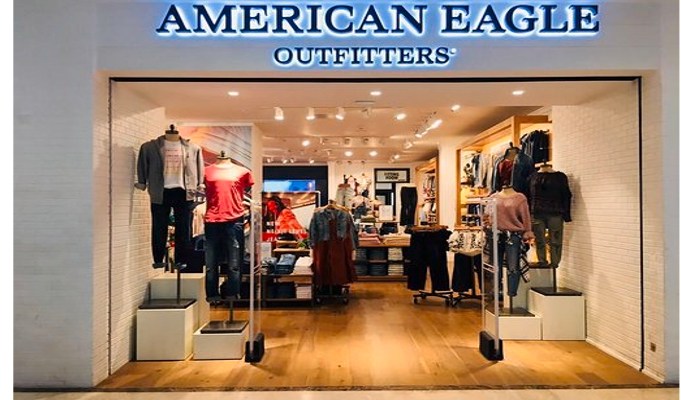
    Forever 21 and American Eagle Outfitters Inc. are set to return to Japan after both U.S. fast-fashion brands exited the market in 2019, according to company announcements on Wednesday.

    Forever 21 will begin e-commerce sales next February and open a physical store in the spring, according to Japanese trading company Itochu Corp., which acquired domestic sales and licensing rights for the brand.

    Forever 21 was acquired in 2020 by New York-based Authentic Brands Group (ABG). Itochu said in August it was working with ABG to expand Eddie Bauer stores in Japan after that brand closed its last shop in the country in December 2021.

    American Eagle said separately it was returning to Japan with two flagship stores in the Tokyo neighborhoods of Shibuya and Ikebukuro in October. The brand had only been available online in Japan following the closure of its last physical stores in 2019.

  • Gasoline prices down 8th time in 3 months

    Gasoline prices down 8th time in 3 months

    Vietnam has cut gasoline prices for the eighth time in the last three months, seeking to contain inflation and boost consumption amid global economic woes.

    From 3 p.m. Wednesday, RON95 gasoline prices fell 4.21% to VND22,580 ($0.95) per liter.

    Prices for biofuel E5 RON92 dropped 2.42% to VND21,780.

    This means Vietnam’s gasoline prices have fallen by 31.31% since this year’s peak on June 21.

    Diesel prices dropped 6.82% to VND22,530.

    Vietnamese authorities said they adjusted down prices because global fuel prices have fallen by 3-10% in the last 10 days.

    The Asian Development Bank (ADB) warned Wednesday that Vietnam might face many inflationary risks this year due to rising commodity prices globally.

  • Vietnam Railways sees smaller losses in H1

    Vietnam Railways sees smaller losses in H1

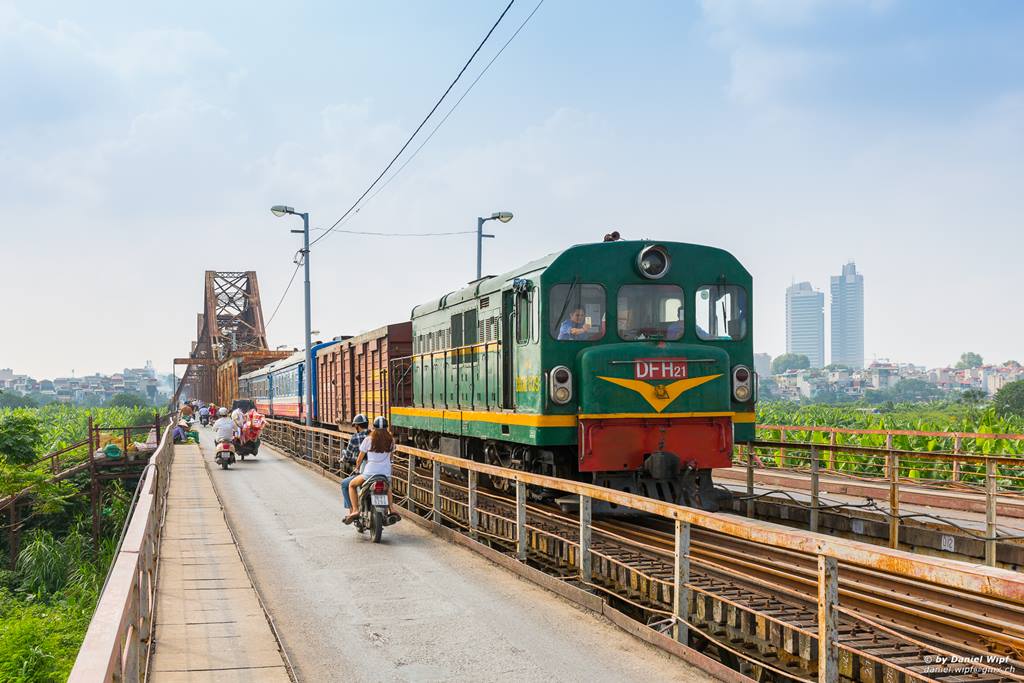
    State-owned Vietnam Railways Corporation racked up after-tax losses of VND30 billion (nearly $1.3 million) in H1, down from losses of VND100 billion in the same period last year.

    The corporation said it would suffer after-tax losses of VND570 billion in 2022, compared with losses of VND1.327 trillion in 2020 and of VND565 billion in 2021.

    Vietnam Railways’ financial statements showed that its revenues in the first half grew 36% on-year to nearly VND1.045 trillion. It has targeted revenues of VND1.62 trillion in the whole year.

    By the end of June, Vietnam Railways had assets of over VND15 trillion, up VND200 billion against the beginning of this year.

    The corporation currently runs a debt of nearly VND2.23 trillion, with undistributed loss exceeding VND1.85 trillion.

    It is gradually shifting focus from passenger to freight transport, promoting routes linking with international equivalents.

  • Apple to raise App Store prices in some countries in Europe, Asia

    Apple to raise App Store prices in some countries in Europe, Asia

    Apple Inc said on Tuesday it will raise prices of apps and in-app purchases on its App Store from next month in all of the euro zone and some countries in Asia and South America.

    The new prices, excluding auto-renewable subscriptions, will be effective as early as Oct. 5, Apple said in a blog post.

    The U.S. tech giant periodically adjusts its prices in different regions and reduced prices for euro zone countries last year to adjust for currencies and taxes,dropping starting prices for many apps to 99 euro cents from 1.09 euros.

    The latest price rise increases those starting prices to 1.19 euros.

    A rapid rise in inflation, interest rates and energy prices this year has hammered the yen, the euro and most emerging economy currencies. The euro has dropped to two-decade lows this year and has been languishing around parity against the dollar for weeks.

    Apart from euro zone countries, the price increases will hit Sweden and Poland in Europe; Japan, Malaysia, Pakistan, South Korea and Vietnam in Asia; and Chile in South America.

    For some countries like Vietnam, the price increase was due to new regulations relating to collecting tax from consumers, Apple said.

    Apple, which launched its latest generation of iPhones earlier this month, has been developing its services business to reduce dependency on its mainstay smartphones.

    Revenue from Apple’s services business, which includes the App Store, has been growing at a rapid pace in the last few years and now hovers around $20 billion per quarter.

  • Huawei Unveils Upgraded Intelligent Cloud-Network to Drive Digital Innovation

    Huawei Unveils Upgraded Intelligent Cloud-Network to Drive Digital Innovation

    At the summit entitled “Huawei Intelligent Cloud-Network, Leading Digital Innovation,” Huawei unveiled the upgraded capabilities of its Intelligent Cloud-Network Solution. Held during HUAWEI CONNECT 2022 Bangkok, the summit highlighted its capabilities covering three major scenarios — CloudFabric, CloudWAN and CloudCampus — which were created in an effort to meet customers’ changing requirements.

    Huawei also unveiled several new data communication products, such as the industry’s first Wi-Fi 7 AP, AirEngine 8771-X1T; the 400G-ready next-generation campus core switch, CloudEngine S16700; and the 4-in-1 universal-service intelligent router, NetEngine 8000 M4.

    As digital transformation advances, enterprise services pose a set of new requirements on data communication networks. First, massive numbers of IoT connections demand ultra-broadband and ubiquitous connectivity. Second, enterprise branch services are gradually moving to the cloud, requiring networks to provide flexible deployment and fast cloudification capabilities. Third, new services need to be rolled out on a large scale and services need frequent adjustments, requiring networks to be agile, secure, and efficient. Finally, video conferencing is becoming commonplace, meaning that networks have to provide deterministic experience assurance.

    Vice President of Huawei’s Data Communication Product Line, Sun Liang, noted that Huawei Datacom had developed the Intelligent Cloud-Network Solution through continuous innovation to address the preceding challenges. This solution provides key capabilities such as ultimate access experience, ultra-fast cloud access by branches, deterministic experience and efficient and simplified deployment.

    Liu Jianning, president of Huawei’s Global Enterprise Network Marketing & Solutions Sales Department, also released the “Wireless Intelligent Network Architecture White Paper.” Liu noted that one of the most important changes to campus networks is fully wireless.

    The future adoption of Wi-Fi 6 and Wi-Fi 7 poses new requirements on network bandwidth, architecture and O&M. To meet these new requirements, Huawei proposes the next-generation campus network architecture — wireless intelligent network architecture. This apparatus has seven unique features: fully-wireless, hyper-converged, ultra-broadband, simplified, low-carbon, secure and intelligent.

  • AirAsia offers 5 million free seats to celebrate its rapid comeback

    AirAsia offers 5 million free seats to celebrate its rapid comeback

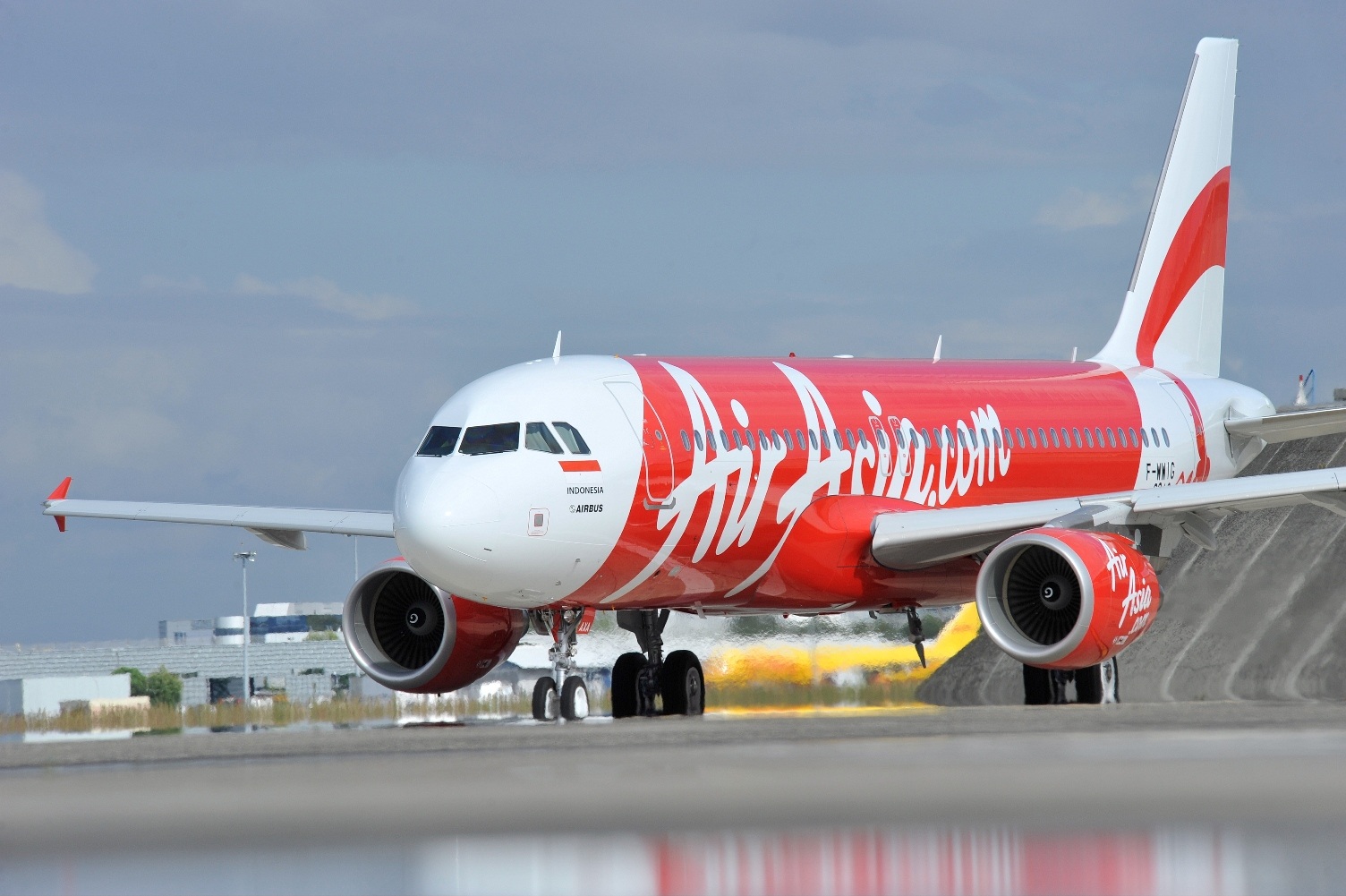
    Asia’s low-fare carrier, AirAsia, is reportedly offering five million free seats to its passengers to celebrate its rapid comeback. The airlines launched a sale on tickets on September 19. The customers can buy tickets with offers till September 25.

    The report further said that the offers will be valid if the travel dates lie between January 1, 2023, and October 28, 2023.

    The offer can be availed on the airline’s website and mobile application. It can be availed by clicking on the “Flights” icon on the app or website.

    “ We wish to thank our loyal passengers who have had our back through thick and thin with the biggest ever FREE Seats* campaign. Not only have we resumed many of our much-loved routes, but we’re also introducing new and exciting ones for greater value and choice,” Karen Chan, group chief commercial officer, AirAsia.

    “This extra special sale was also put together to celebrate our 21st birthday and the gradual reopening of borders worldwide. With all of that, we encourage everyone to take advantage of our Big sale and commitment to always make air travel accessible to everyone. As always, we expect the best value fares will be snapped up fast, which is why we urge value seekers to get in quick,” Chan added.

    The offer is available to travelers from several ASEAN countries like Thailand, Cambodia, and Vietnam.

    Two months ago, AirAsia gave away free trips to passengers.

  • Vietnam coffee chain Trung Nguyen Legend makes international debut

    Vietnam coffee chain Trung Nguyen Legend makes international debut

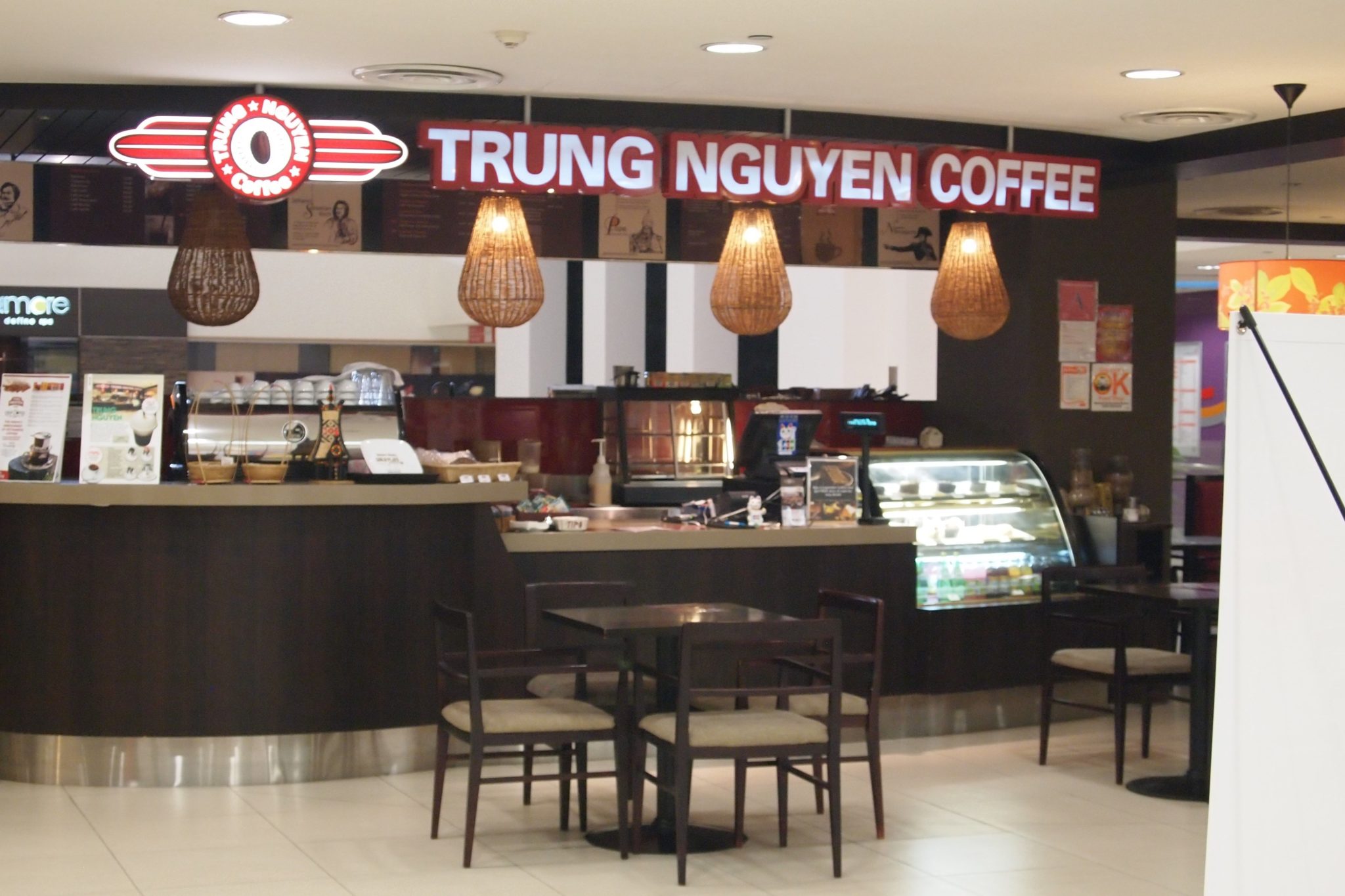
    Vietnam-based coffee chain Trung Nguyen Legend is expanding its footprint in the international market opening its first store in China.

    The coffee shop, which is situated at 699 Nanjing Street in Shanghai, has been in the works since 2018 and intends to provide Chinese clients with a variety of coffee products as well as serving fresh coffee drinks, including the Robusta obtained from one of Vietnam’s well-known highland regions, Buon Me Thuot.

    Trung Nguyen Legend sees the store as a place for artistic and cultural coffee “where the three most prevalent world coffee civilisations come together”. Customers can experience the three coffee cultures the company has identified and showcases in its flagship Vietnam stores: Ottoman, Roman and Zen.

    The Shanghai location recreates a Vietnamese-themed coffee shop, through its architectural style, display graphics, and menus that combine elements of Vietnamese and local culture.

    The store features some well-known designs and traditional materials from Vietnam, such as ceramics, bamboo and rattan kitchenware, volcanic rock, red basalt soil, and typical conical motifs of Vietnamese culture.

    A renowned household name in Vietnam since its establishment in 1996, Trung Nguyen Legend FMCG products are available in more than 60 countries. The brand claims China is its second-largest market in the online coffee business, and Legend’s G7 has become the most well-known instant coffee brand due to its distinctive flavour.

    The Trung Nguyen brand has appeared on cafes outside Vietnam before, with stores in Singapore prior to the advent of the Legend brand extension. This is the company’s first foray as a premium cafe brand.

    Research from Statista shows the number of coffee chains entering China has increased in recent years, with their market share likely to grow. Starbucks is by far the largest fresh-ground coffee seller in China, with more than 5000 locations across the country.

  • Gap eliminates 500 corporate jobs amid shrinking margins

    Gap eliminates 500 corporate jobs amid shrinking margins

    Gap Inc is eliminating about 500 corporate jobs, the apparel chain said on Tuesday, as it struggles to protect margins and battles weak sales of outdated clothes at brands including Old Navy.

    The company is laying off staff and eliminating positions that are currently open across a range of departments, it said. The eliminated roles are mainly at its offices in San Francisco, New York and in Asia.

    Shares of the Banana Republic parent declined about 3 per cent in afternoon trade, taking the year-to-date decline to 48 per cent.

    Late last month, the company withdrew its annual forecasts due to an inventory glut and weak sales.

    Gap is in the middle of a CEO transition after Sonia Syngal stepped down earlier this year, and is currently led on an interim basis by Executive Chairman Bob Martin. The company had a workforce of about 97,000 employees as of Jan. 29, with around 9 per cent of employees working at its headquarters locations, according to a regulatory filing.

  • South Korea’s franchise BHC Chicken to enter Malaysia and Singapore

    South Korea’s franchise BHC Chicken to enter Malaysia and Singapore

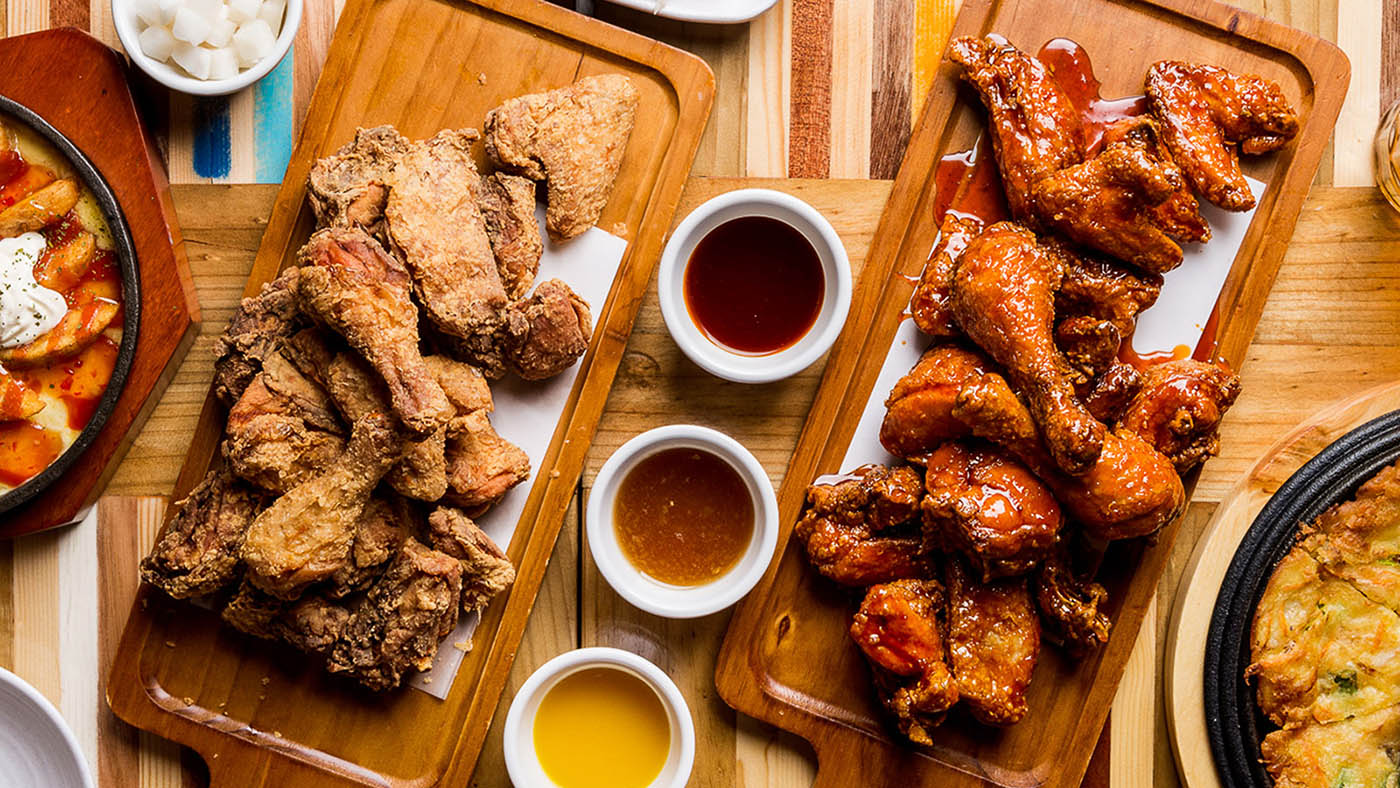
    South Korea’s second-largest chicken franchise by sales, bhc Group, said Tuesday it will open its third store in Malaysia next month as part of its strategy to expand into Southeast Asia.

    The new restaurant, which is set to open in a shopping complex located inside the capital of Kuala Lumpur, will be operated by a local logistics company under a master franchise agreement, it said.

    This is the third overseas restaurant by the South Korean chicken franchise company. The group operates two bhc chicken restaurants in Hong Kong. The chicken franchise also said it is in talks with a retail company in Singapore to open a bhc chicken restaurant in the city-state by April next year.

    “With our bhc chicken taking the lead, our ultimate goal is to promote Korean food and culture globally by bringing our various restaurant brands to other countries,” an official from the company said.

    Bhc operates a host of restaurant brands including the fried chicken franchise bhc chicken, Korean barbecue franchise Chango 43 and Outback Steakhouse.

    The company is also the South Korean operator of San Francisco-based Super Duper burgers, which is set to open the first Seoul store in October.

  • Primark to stop sourcing from Myanmar after fresh probe

    Primark to stop sourcing from Myanmar after fresh probe

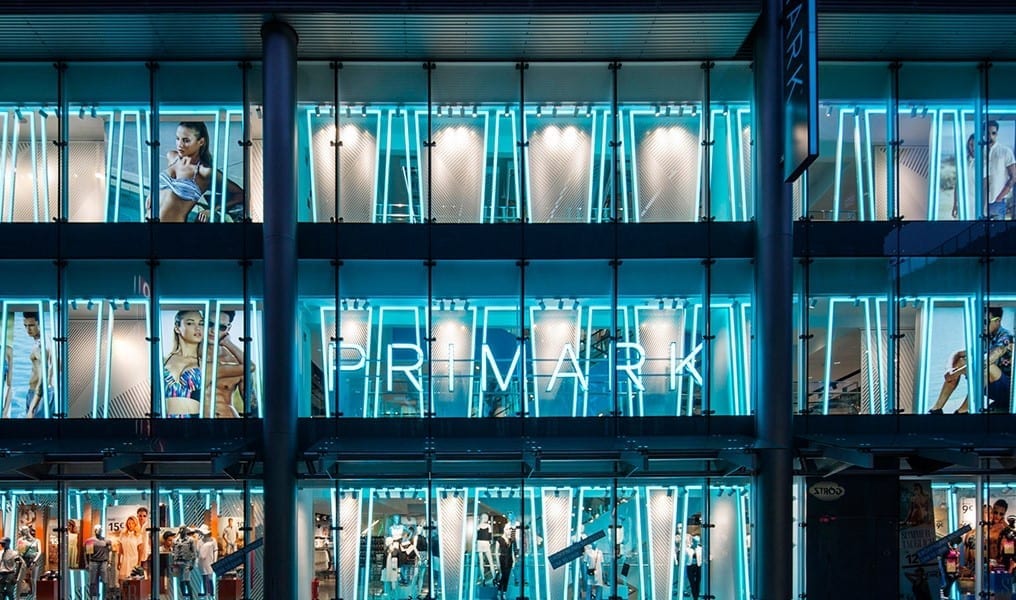
    UK fast fashion retailer Primark will make a “responsible exit” from the country following the Ethical Trade Initiative’s (ETI) latest report on human rights and responsible business conduct within the country.

    Primark described the situation in the country as “extremely concerning and very complex”, with international stakeholders holding differing views as to the best course of action for the garment sector.

    Last week, ETI urged companies involved in garment manufacture for export to reassess their presence in Myanmar as there has been “evidence of forced labour and exploitation at a sector level”, with evidence of workers facing long hours, low wages, unpaid overtime, and harassment.

    “This poses significant challenges to our ability to ensure the standards we require to protect the safety and rights of the people who make our clothes and products,” Primark said in a statement.

    The fashion retailer said its only option was to begin working towards a responsible exit from Myanmar. The company will work closely with its partners and stakeholders both there and internationally to make sure the exit follows the UN Guiding Principles on Business and Human Rights.

    “We will continue to monitor for compliance with our Code of Conduct as we work through this, and as an immediate priority, we are looking at what additional measures we can put in place to support workers in our supplier factories through this interim period,” the company said.

  • Tesla Weighs Reset For China Retail Strategy Even As Sales Boom

    Tesla Weighs Reset For China Retail Strategy Even As Sales Boom

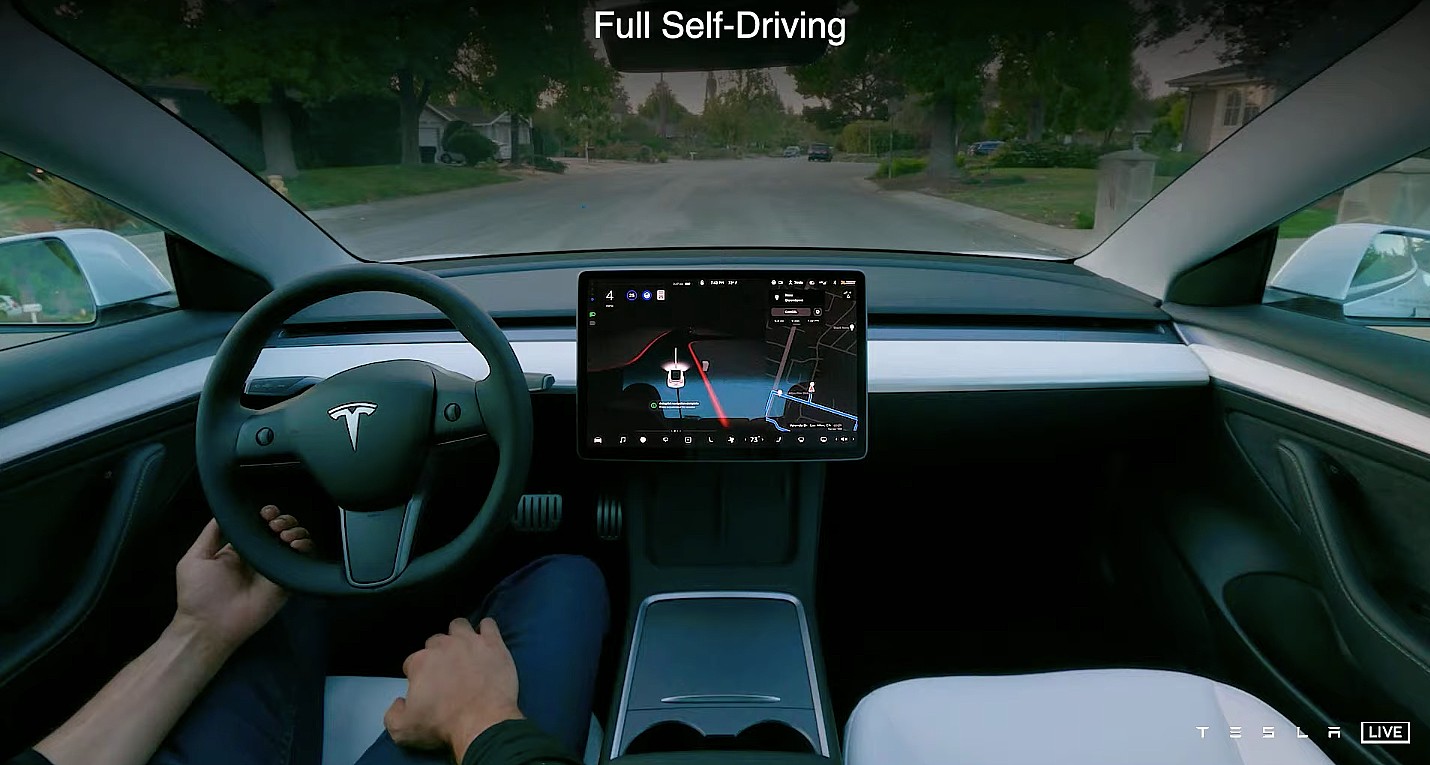
    Tesla is reevaluating the way it sells electric cars in China, its second-largest market, and considering closing some showrooms in flashy malls in cities like Beijing where traffic plunged during COVID restrictions, two people with knowledge of the plans said.

    The shift would put more emphasis on stores in less-costly suburban locations that can also provide repairs as the company works to meet Elon Musk’s goal of improving service for existing customers, many of whom have complained of long delays, they said.

    As part of that push, Tesla is looking to ramp up hiring of technicians and other staff for service jobs in China, one of the people said. Tesla’s China recruitment website showed more than 300 openings for service jobs as of Thursday.

    Musk said last week on Twitter, in response to a Tesla owner in Texas who complained that he had been waiting a month to get his vehicle fixed, that he had made “advancing Tesla service to make it awesome” a top priority.

    Unlike mainstream automakers, Tesla owns all of its own stores, rather than relying on dealers. It also sells its cars online. That has allowed it more leeway to adjust a retail strategy that had been initially modeled on Apple’s stores.

    Tesla didn’t immediately response to a request for comment.

    The U.S. automaker sold 400,000 China-made Model 3 and Model Y cars in the first eight months of the year, with 60% of them sold locally, according to the China Passenger Car Association. That was 67% more than a year ago.

    The change in Tesla’s approach in China, where it has become the second-largest EV brand behind BYD , would reflect a recognition that it has to build customer loyalty now that it has established its brand in the world’s largest car market, one analyst said.

    “It’s not necessary to open showrooms in expensive shopping malls, especially when the repair business has become lucrative,” said Yale Zhang, managing director at Shanghai-based consultancy Automotive Foresight.

    “It makes better sense to keep only one or two showrooms downtown to keep the brand positioning but move more to suburbs.”

    Tesla opened its first store in central Beijing in 2013 and now has over 200 outlets across the country that display models and arrange test drives for potential buyers.

    More than half of the stores, however, do not offer maintenance service since they are in high-rent locations where space is limited. That includes Tesla’s first store in Beijing and its first store in Shanghai.

    More than half of Tesla’s showrooms in seven of China’s biggest cities, including Shenzhen and Chengdu, are now in downtown areas, according to a Reuters count based on Tesla’s China website.

    Like other companies, Tesla has seen traffic in its stores heavily disrupted by China’s tough approach to containing COVID-19, which has involved lockdowns of varying scope and duration, including in Shanghai where it has a factory.

    Reuters could not determine how many urban showrooms Tesla was considering closing, how many new locations in fast-growing suburbs could be opened or what the cost of that shift would be.

    The carmaker has been the target of a series of customer complaints and lawsuits in China, including a well-known case last year which saw an unhappy owner clamber atop a Tesla at the Shanghai auto show to protest the company’s handling of her complaints about malfunctioning brakes.

    The incident received significant attention in China and prompted state media outlets to criticise the company.

    Tesla later apologised to Chinese consumers for not addressing the complaints in a timely manner and pledged to review its service operations.

    Tesla’s EV rivals in China have taken a mixed approach to retail distribution. Apart from self-run stores, BYD and Xpeng also rely on third-party dealers.

    Nio, like Tesla, has a network of high profile urban stores in China. It has also invested in door-to-door service, dispatching workers, many of whom were hired from the hotel industry, to pick up cars for repairs and drop them off when work is complete.

  • A new leak suggests that WhatsApp might soon let you edit your sent messages

    A new leak suggests that WhatsApp might soon let you edit your sent messages

    If you do a lot of typing on your phone, you know how embarrassing it is to send a message with misspelled words. Sometimes you see that you have typed the wrong key after you have sent the message. There are even instances when the autocorrect feature might replace some of your words without you even noticing. This is why every messaging app should have an edit message feature.

    The latest messaging app that has received such a feature is iMessage. With iOS 16, Apple added the functionality for iPhone users to edit their already sent messages, and — soon — another widely used app might also enable you to do the same.

    Back in June, we reported that WhatsApp is working on a new way to let you edit already sent messages. Now, a new leak from WABetaInfo suggests that WhatsApp hasn’t abandoned the project.

    In version 2.22.20.12 of the WhatsApp beta for Android, the folks from WABetaInfo found that WhatsApp is currently working on a way to let the app replace your sent messages with their edited counterparts. Furthermore, in order to read a received edited message, WhatsApp will prompt you to install the latest version of the app — once the edit function comes out, of course.

    At the moment, it’s still a mystery how much time WhatsApp will give you to edit your already-sent messages. We should also note that the feature is currently in development, and sadly, there is no information on when WhatsApp will release it to the public. However, we can be sure that it is coming.